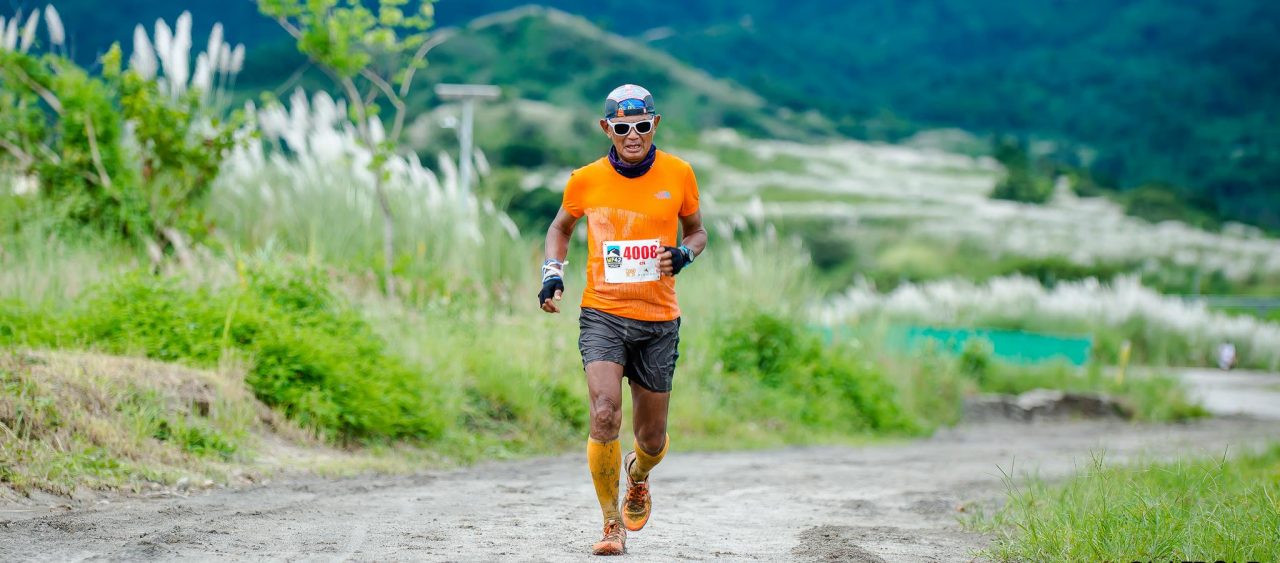
“Peak Bagging” & Mt. Pulag


March 12, 2012 @ Ambangeg, Bokod, Benguet

On my way to Kayapa, Nueva Vizcaya along the Benguet-Nueva Vizcaya Highway, I saw a directional sign that points to the Mt Pulag National Park. It was at the PNP Station in Barangay Gurel, Bokod, Benguet that changed my intention of going to Mt Ugo in order to recon the Marathon Route of Jonel’s race.
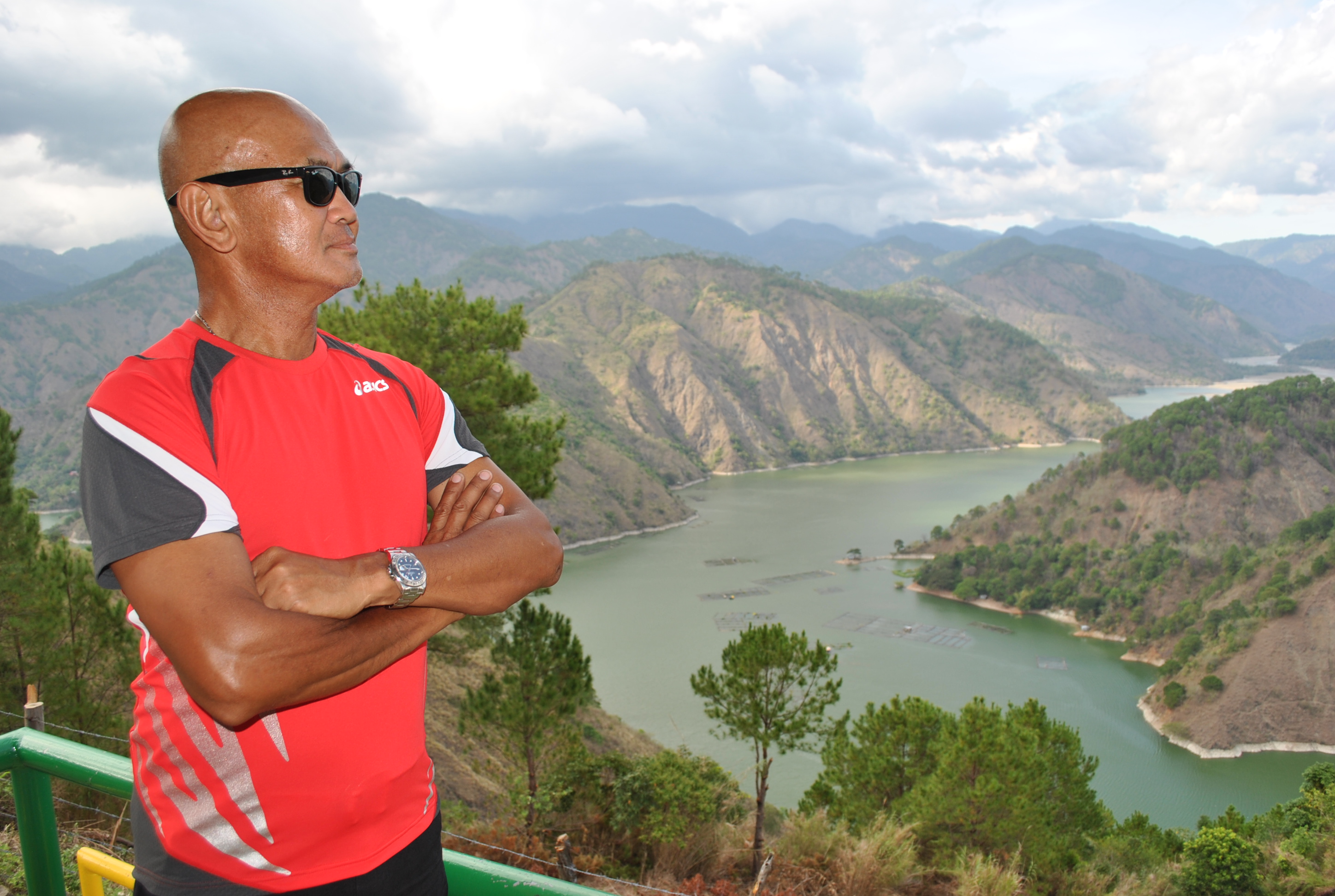
I said to myself, “Mt Pulag is the highest peak in Luzon and I am already here, maybe, I’ll drop by first on this mountan and then proceed later to Mt Ugo!” As I turned left at the intersection, there is no point of turning back. I am back again to my habit of being a “risk-taker”!
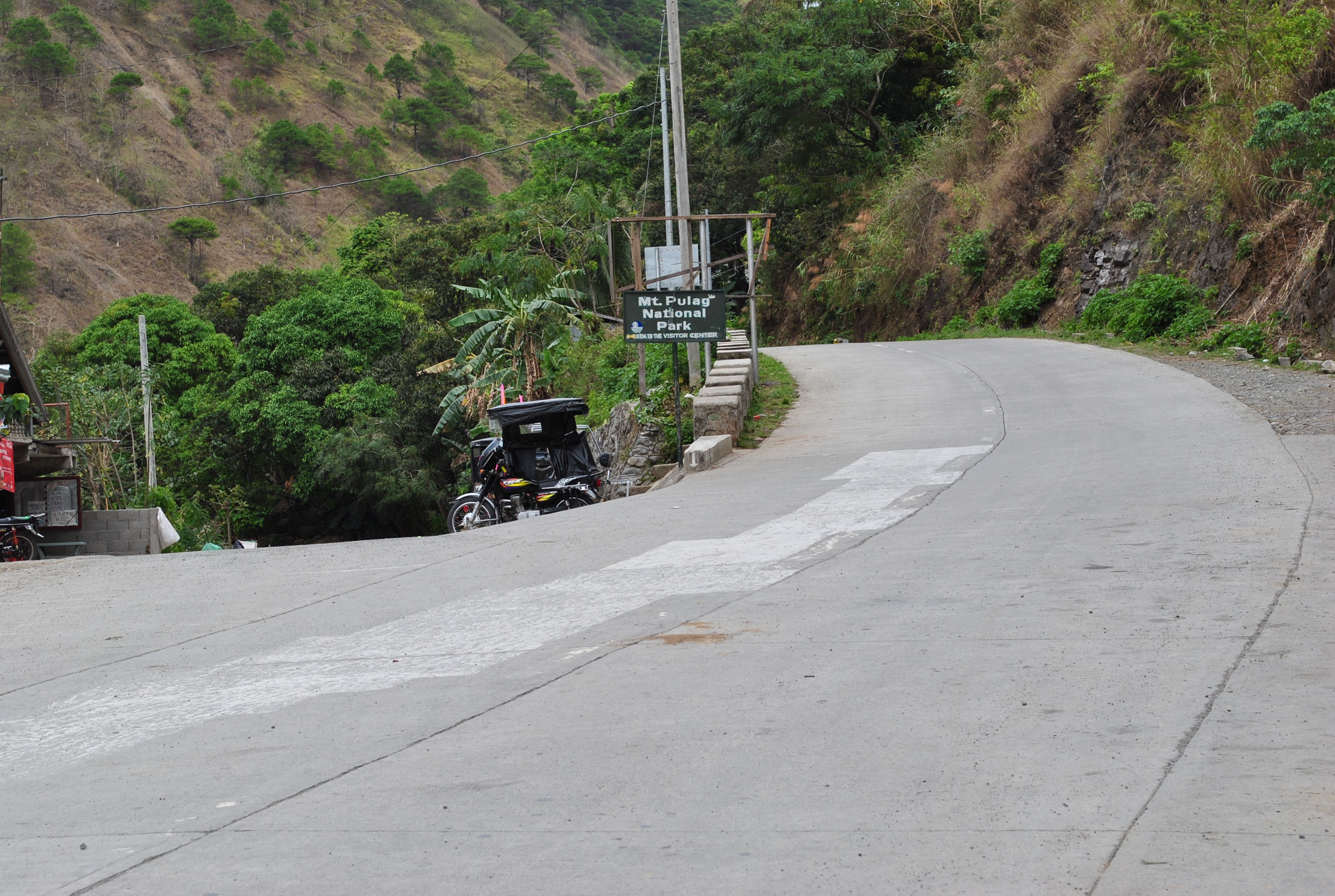
The road from the Gurel Junction to Barangay Ambangeg, Bokod is almost completely paved as some parts are still on road cementing construction. The road is winding and uphill and I did not notice that I traveled 9 kilometers up to the DENR Office/Police Detachment.

I am not a trained mountaineer and I am ignorant on the protocol of climbing peaks and mountains in the country. What I needed was the guts to ask questions and have the patience to listen…and listen intently! This thing was entirely new to me but I guess, I quickly learned some of the basic protocol in mountaineering. Everything boils down to “common sense” and respect to the culture and beliefs of the people in the community.
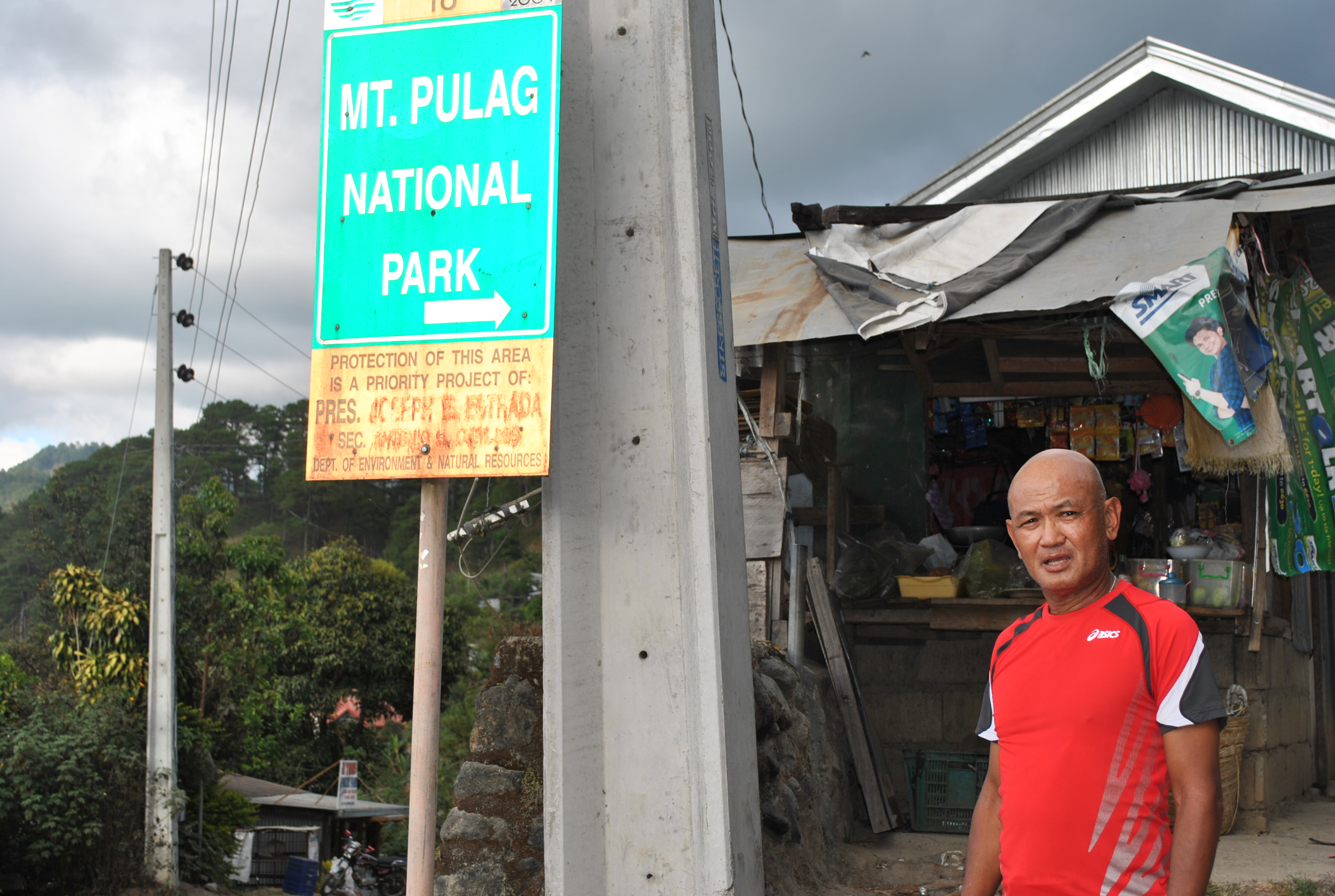
Although it was already almost 4:30 PM when I was given the usual briefing presentation by the DENR about the mountain I am going to visit, the sun was still shining brightly and I have to deal with the fact that I am taking my time from taking one step of the process at a time. There is no point to worry if my trek to Mt Pulag’s peak will be realized the following day.

After the usual briefing and payment of permit fee, additional information was provided by the people assigned in the said office. Permit fee per person is P 200.00 but you will be issued two receipts from the Bureau of Treasury. Since I am not with a group of mountaineers on a group tour, the office personnel advised me to contact a certain “Julius” to bring me to the Ranger Station in Ambangeg aboard a motorcycle. The fee for one-way is P 300.00 per person.

I was also advised to get a guide at the Badadak Ranger Station, the place where I am going to start my trek to the peak of Mt Pulag. The guide’s fee at the Ambangeg Trail is P 500.00. I found out later that the guide’s fee is more expensive if the entry point is from the Akiki Trail which is obviously a longer route to the peak. It can cost you P 1,800.00 but one guide may be good for a group of 6-7 hikers. It is a “must” to get a guide in trekking in most of our mountains in order to avoid of being lost.

The problem with Barangay Ambangeg is that there is no place to stay for the night! The nearest place where there is a dormitory-type of accommodation is at the Poblacion of Kabayan—a good 1 1/2 to 2 hours drive of unpaved road! There was no other choice but to go to Kabayan. The adventure continues and it is a part of touring and knowing the place for the first time.

It was already nighttime when I entered the quiet town of Kabayan. Only one establishment was still open with food to be cooked and ordered at 7:00 PM. Our overnight stay in the one and only dormitory in town cost us P 200.00 per person! One has to sleep on two-deck beds with basic mattress and pillow. The dormitory has a communal bathroom and toilet with separate bathroom for the ladies. There was no hot water or shower but the ever-reliable pail and “tabo” were there!

On that night that we stayed in the said dormitory, two European couples were with us and four males working with a company that delivers and sells bulbs and lighting fixtures to every barangay in the towns of Benguet. A simple greetings and smile was enough for the foreiners but for the people I’ve met along the trip, being an Ilocano was already an  asset during my trip as the people in every place in Benguet could easily understand my dialect. I could easily communicate with them!
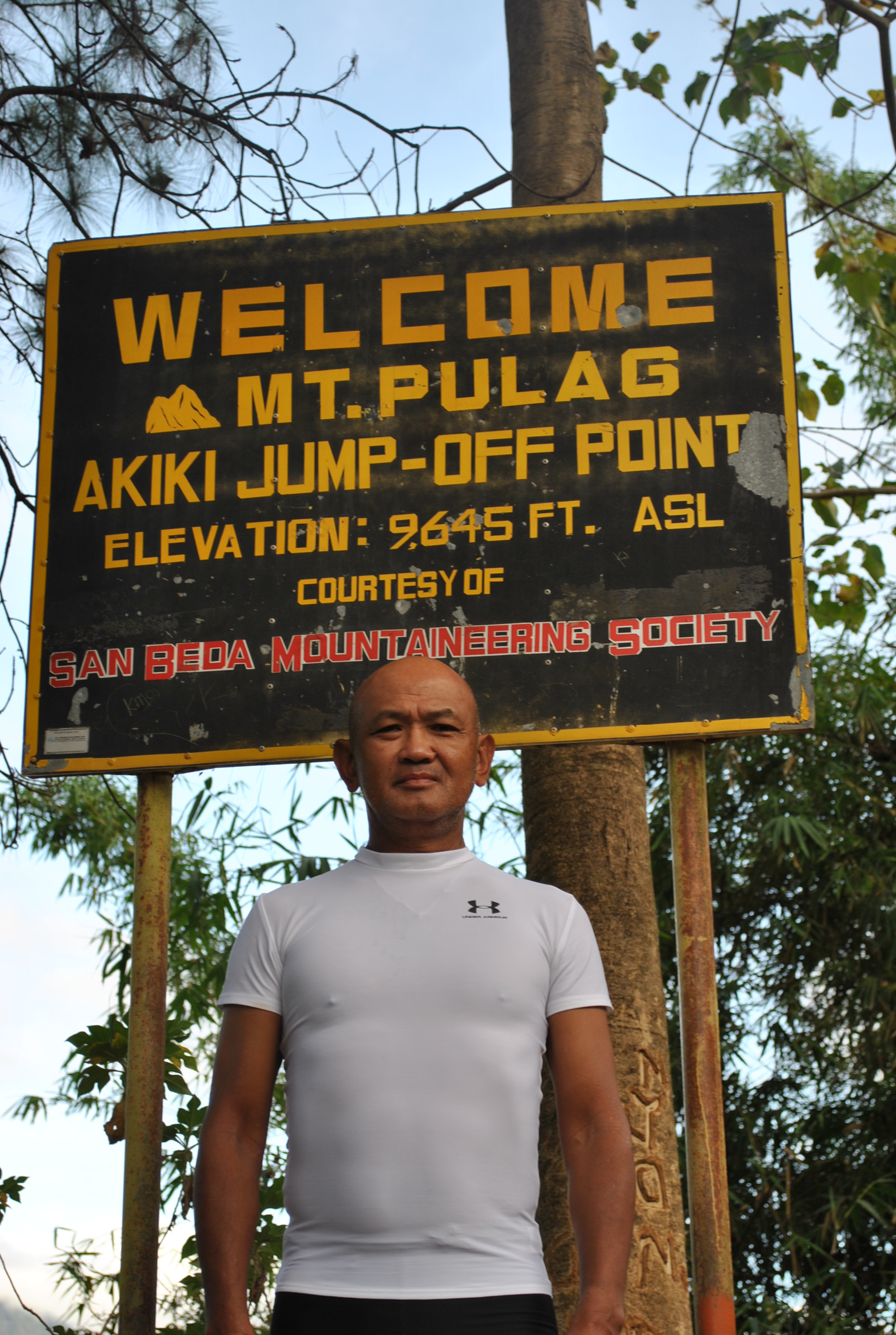
We left Kabayan after a simple breakfast and we arrived in Ambangeg, Bokod after almost 2 hours of slow driving and taking pictures along the way. I saw the entrance to the Akiki Trail along the road and I found out that this is the harder entry towards the peak of Mt Pulag. I took some pictures of the place and promised myself to be back and make an assault to the peak using this entry.

“One-time deal” parking fee in Ambangeg cost me P 100.00 from 10:00 AM up to the time we left the place. I think, it was already 7:00 PM. I left my car and I was in tandem with Julius on his motorcycle on our way going higher to the foot of Mt Pulag. It was my first time to be riding in tandem on a motorcycle ride and Julius was complaining that I was doing some unnnecessary movements with my butt. He didn’t know that the bumpy road made me fly a few inches from the saddle/seat and the continous butt-jumps made me nervous that I might fall off from the motorcycle! My light weight made me unstable riding on a motorcycle on rocky/bumpy road!

Wow! That was the most horrible ride I’ve experienced! The 9+ kilometers with rocks and slippery mud on the uphill path could be the longest 40 minutes of my life! Finally, we arrived at the Ranger Station in Sitio Badadak, Ambangeg. The Ranger assigned in the station was having his Lunch Break at 11:30 AM and there was no person to whom I would show the receipt that I paid as my permit fee. I just thought that I would see the Ranger once I’ll be back from the peak of the mountain.
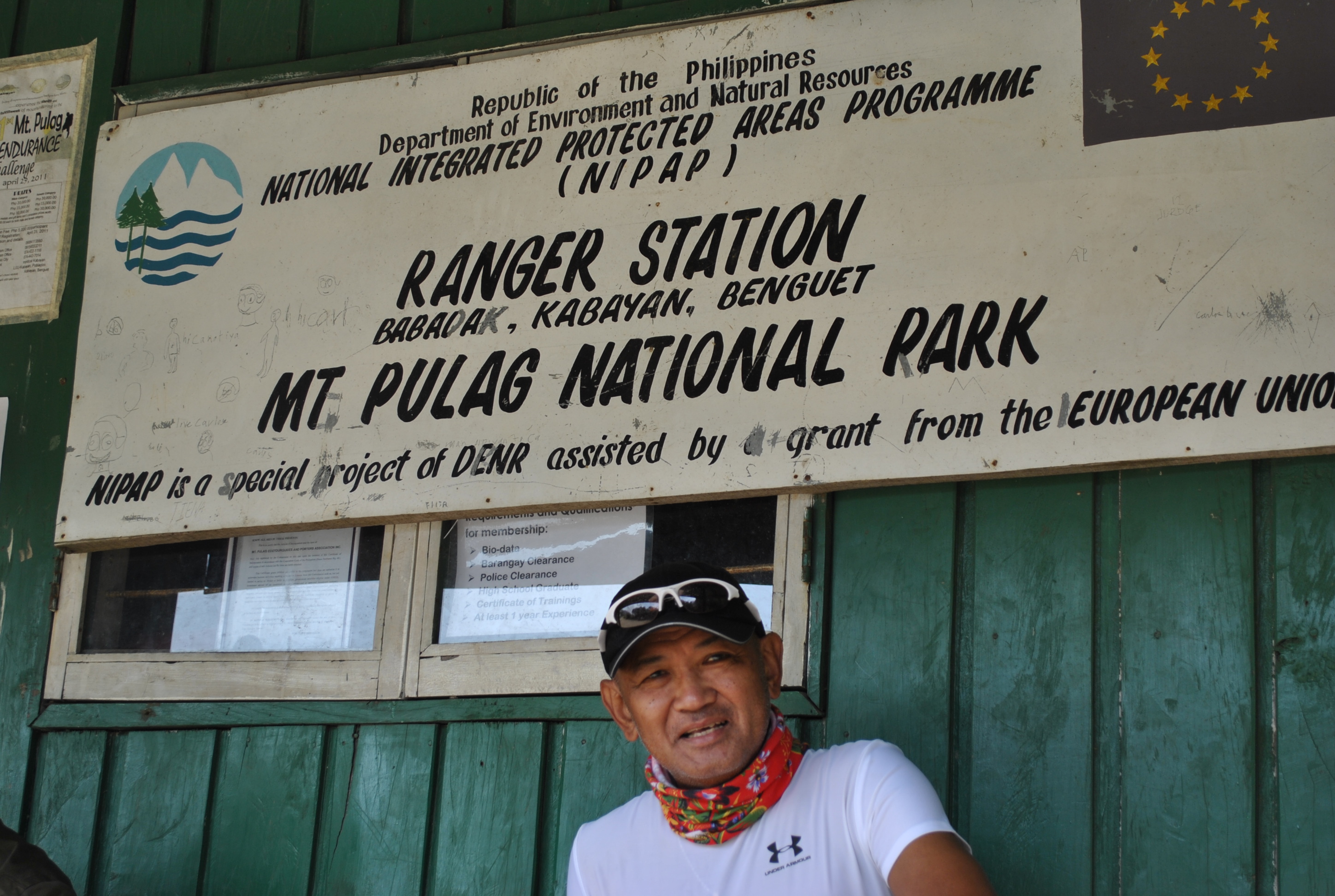
After 15 minutes of waiting for a guide, Edgar came forward and signed up to guide me in my trek to the peak of Mt Pulag. I told Julius and company to return to the Ranger Station to pick us and bring us to where my car was parked at exactly 5:30 PM. Julius was surprised and made a statement that with the limited time, I might not be able to reach the peak of the mountain with such time. I just smiled at him and told him that I’ll be waiting for him at the Ranger Station on the said time.

Mountaineers (with packs) usually reach the peak in 4-5 hours from the Badadak/Ambangeg Ranger Station. Well, Julius and the rest of the people at the Ranger Station didn’t know that I will be running, jogging, trotting and brisk walking to and from the peak of the mountain! And so I did!
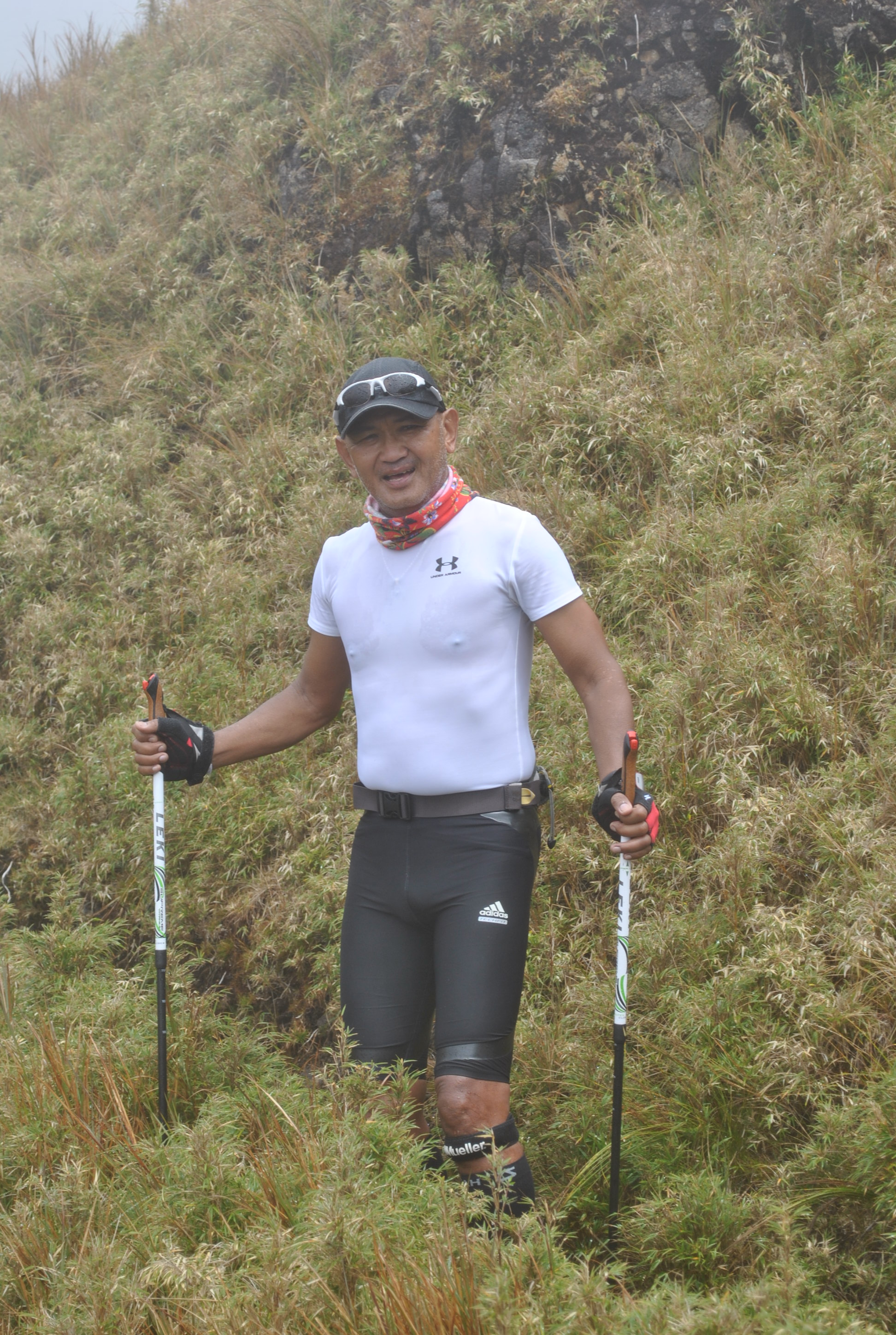
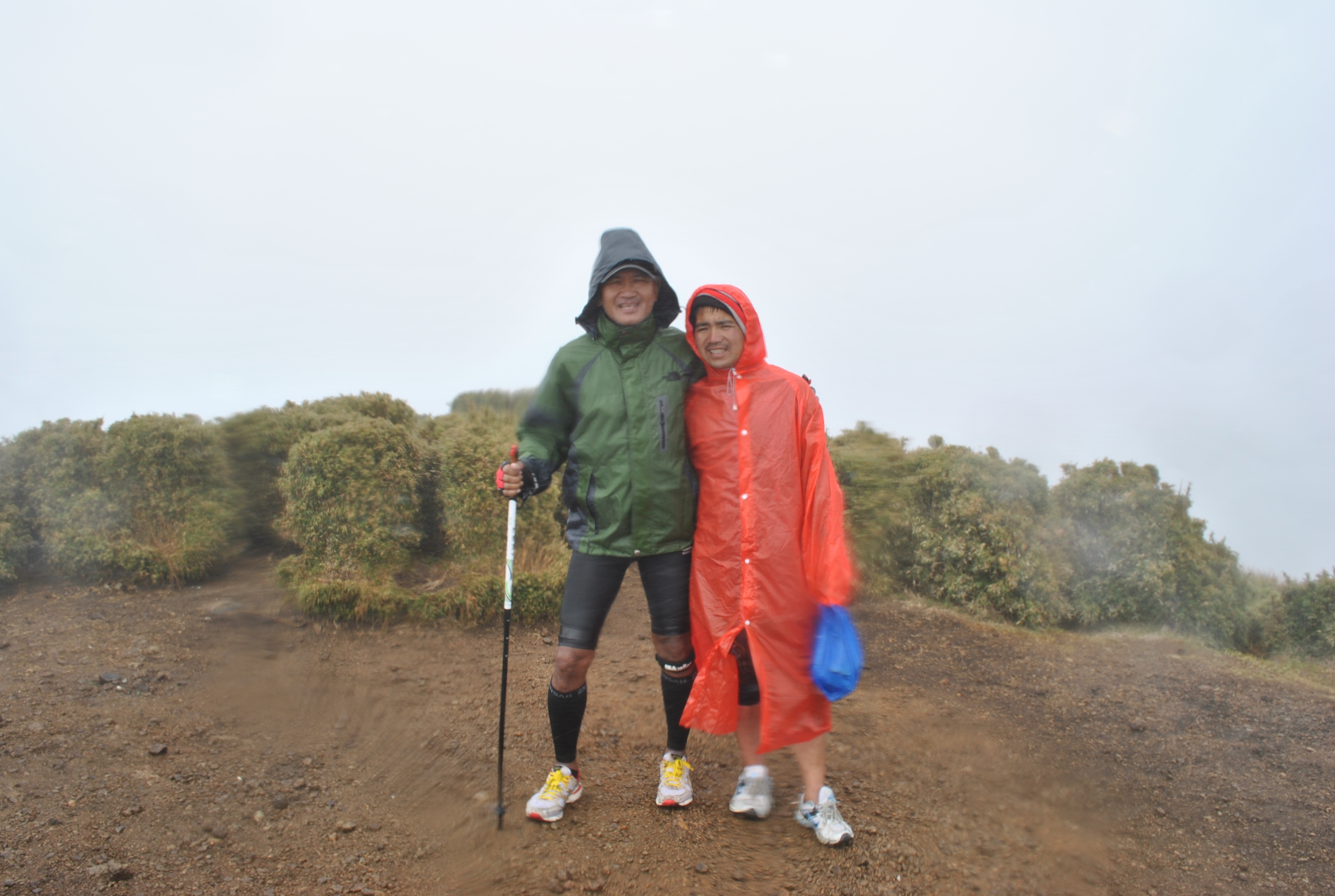
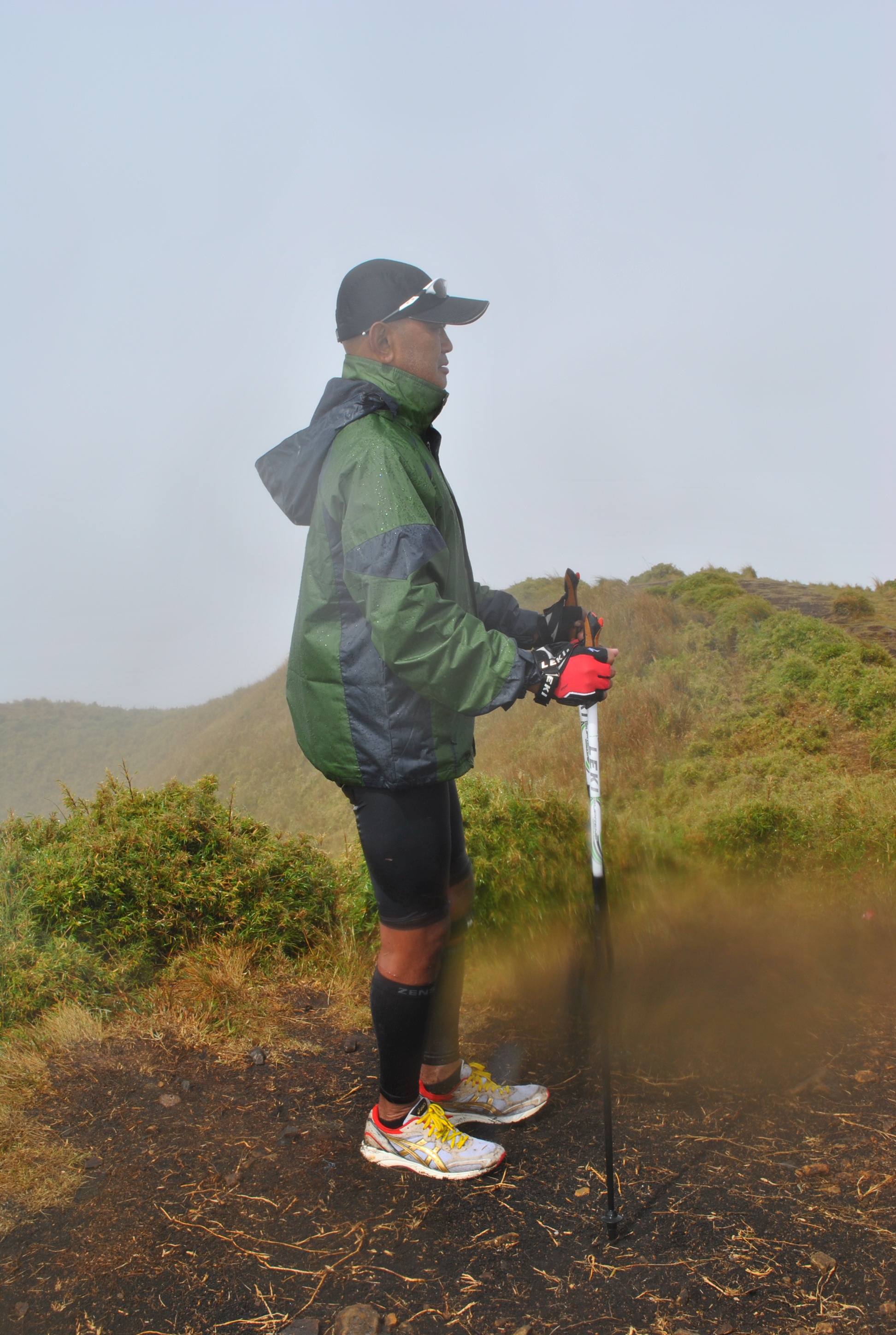
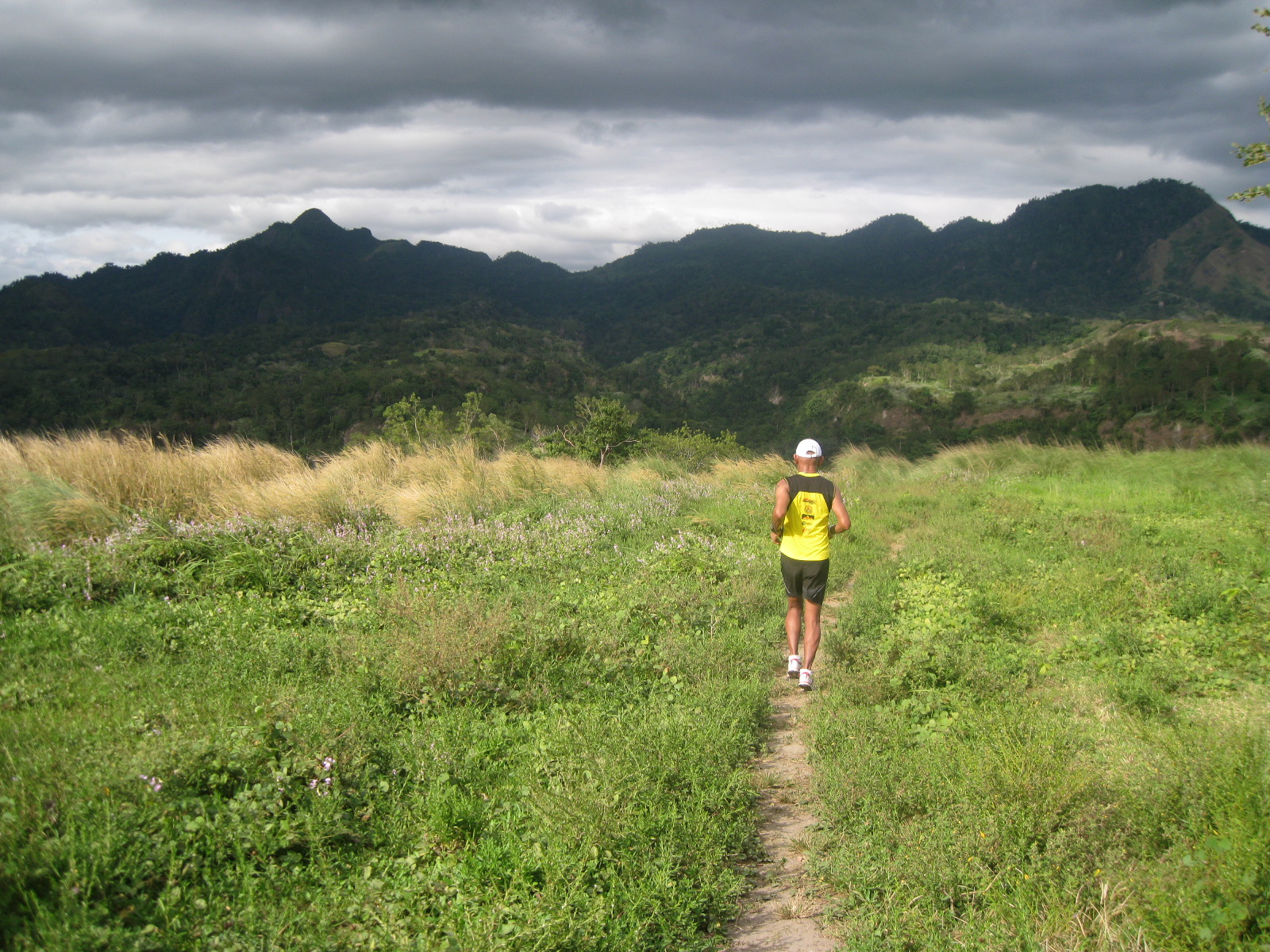
At 4:30 PM, I was back at the Ranger Station! I was able to reach the peak of Mt Pulag by “assualting” it through its steepest approach trail (last 50 meters) in 2 hours! Spent 15-20 minutes on the peak for picture taking and moving around the topmost portion and admiring the damp brown dwarf bamboos. The temperature at the peak was freezing as it was raining and the peak was covered with clouds! In a few minutes, my fingers were numb and my body started to feel the cold temperature. I kept on walking on the open space of the peak but the freezing temperature would make my body shiver.
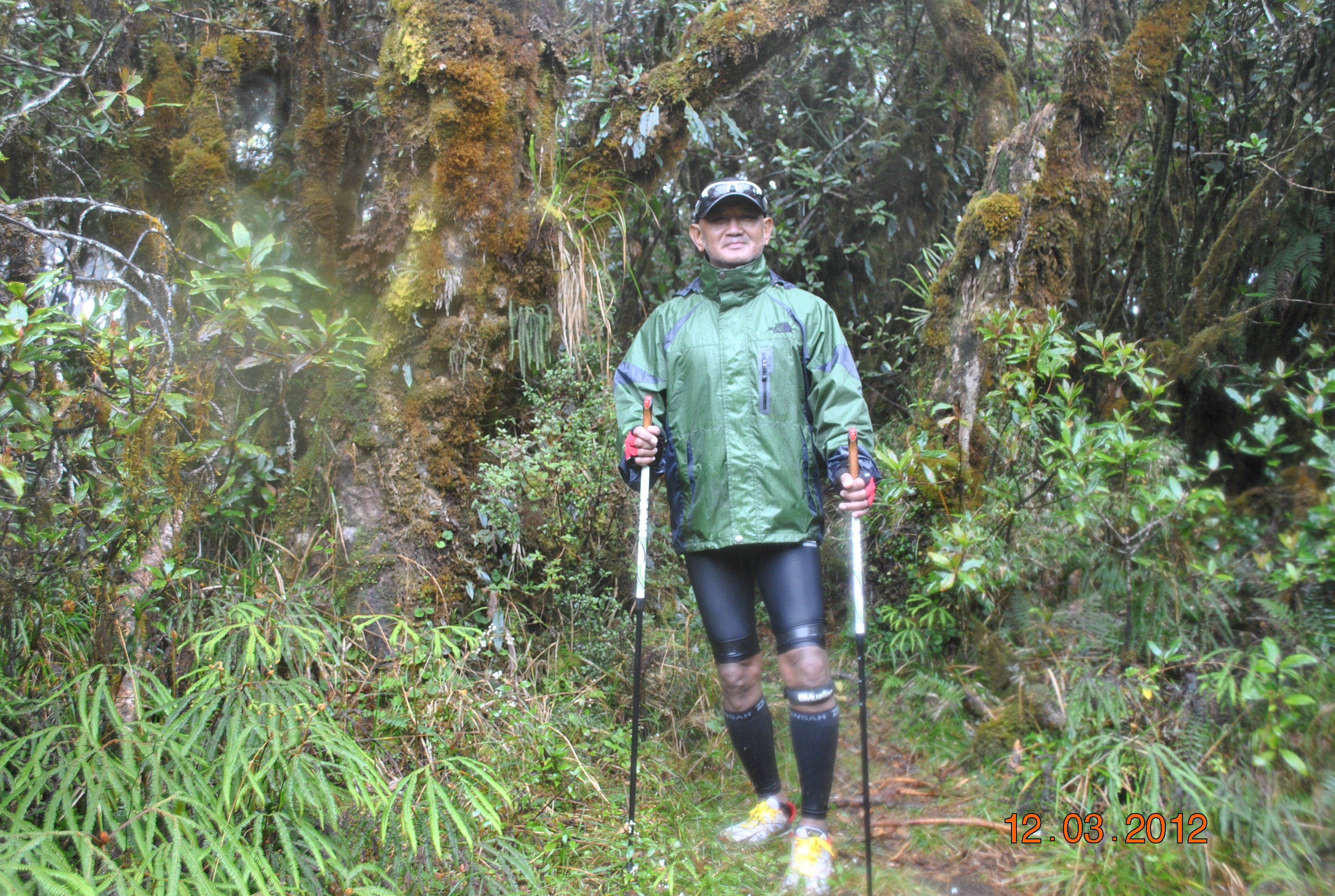
On my way to the peak after passing Camp 1 and before entering to the “Mossy Part”, I was able to meet a couple, a male foreigner and a Filipina, and I greeted them while I was jogging. As soon as I reached the place they call “Grassland”, I met a group of 18 campers/mountaineers with their guide and porter. This is the same group that I would catch up at Camp 1 on my way back to the Badadak Ranger Station. This group is from Lufthansa Airline Company. I would found out later that these campers whom I met along the Ambangeg Trail had been on the trail for 2 days as they have started their climb from the Akiki Trail and they had camped at a placed called “Saddle or Camp 3” before reaching the peak of Mt Pulag.
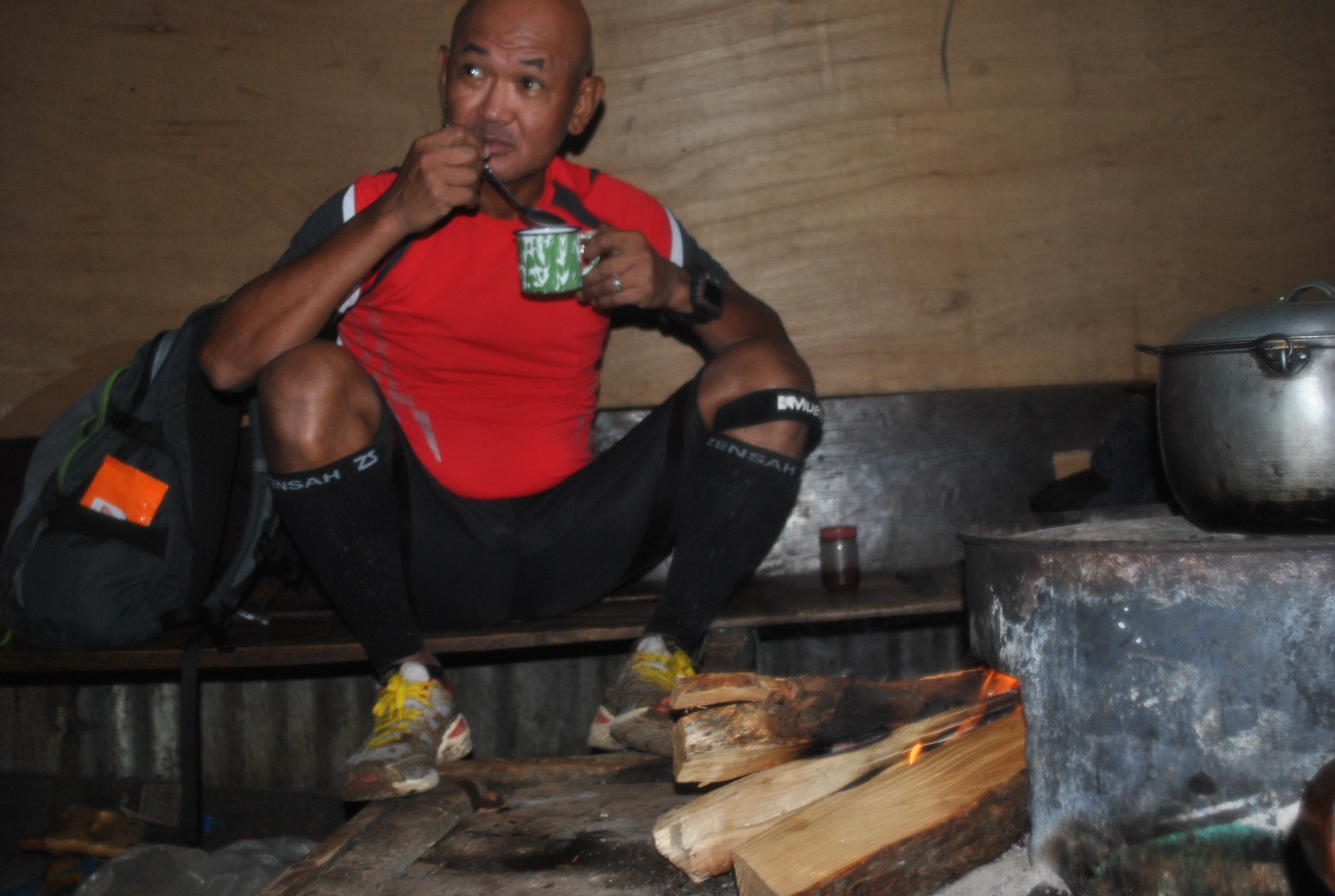
While waiting for Julius and his motorbiking friends to arrive at the Badadak Ranger Station, I asked Edgar, my guide, where I could buy some snacks—native hot coffee and some local bread. Edgar invited me to his parent’s house and I enjoyed sitting at a place where it is near their stove. Julius and company arrived with a delay of almost one hour. It was okey with me since I had a nice time talking to Edgar’s folks and brothers. The 30-minute downhill ride to the center of Ambangeg took a longer time due to faulty brakes on the motorcycle I was riding. After some stops and quick-repair/disassembly & assembly of rear brakes & tire, I was able to reach my parked vehicle. It was already nighttime.

My trip to Kayapa, Nueva Vizcaya has to be postponed and I decided to do my “peak bagging” to Mt Ugo on Race Day itself for the 1st King of the Mountain Mt Ugo Trail Marathon. I was already tired. I need the comfort of a nice bed in Baguio City. After a 2 1/2 drive to Baguio City, I was able to take my late dinner and I was in my favorite hotel room in Baguio City—taking an ice-cooled bath and sleeping under soft and clean linens!

This was my first experience of “peak bagging” on the highest mountain peak in Luzon and 3rd highest in the country! For the round-trip distance of 15K from the Badadak Ranger Station to the peak of Mt Pulag and back, I was able to register a time of 5 hours to include my stay at the peak and “pit stops” in every Camp that I reached. I started from an estimated elevation of 2,400 meters and was able to reach the peak of the mountain where my GF 305 registered an elevation of 2,940 meters!

After some research in the Internet and other blogs, I found out that there are events in Europe, particularly in England where mountain trail runs are called “fell running”. And there are also trail running events that would last for 24 hours or more where the number of mountain peaks are considered and counted to be reached as part of the route. Reaching those peaks is called “Peak Bagging”!

This is my own way of applying such event that I’ve learned from “fell running”. The procedure is so simple. Target one mountain peak at a time, run and walk through it, take some pictures at the peak, and run/jog downhill to where one has started. This is the “travel lite” of mountain trekking or climbing without the intention of camping overnight on each mountain. With my first experience of “peak bagging” at the highest mountain peak of Luzon, I guess, a new frontier and form of trail/road running is born!

Now, if you ask me if I enjoyed my experience? You bet! “Peak Bagging” is addictive!!!

Surprisingly, the road distance from the Gurel Junction along the Benguet-Nueva Vizcaya Highway up to the peak of Mt Pulag through the Ambangeg Trail is exactly 25 kilometers! And if you double the distance by going back from the peak of Mt Pulag to the Gurel Junction, the total distance would be a good 50 kilometers!

This could be the most challenging 50-Kilometer Ultra Run in the country!
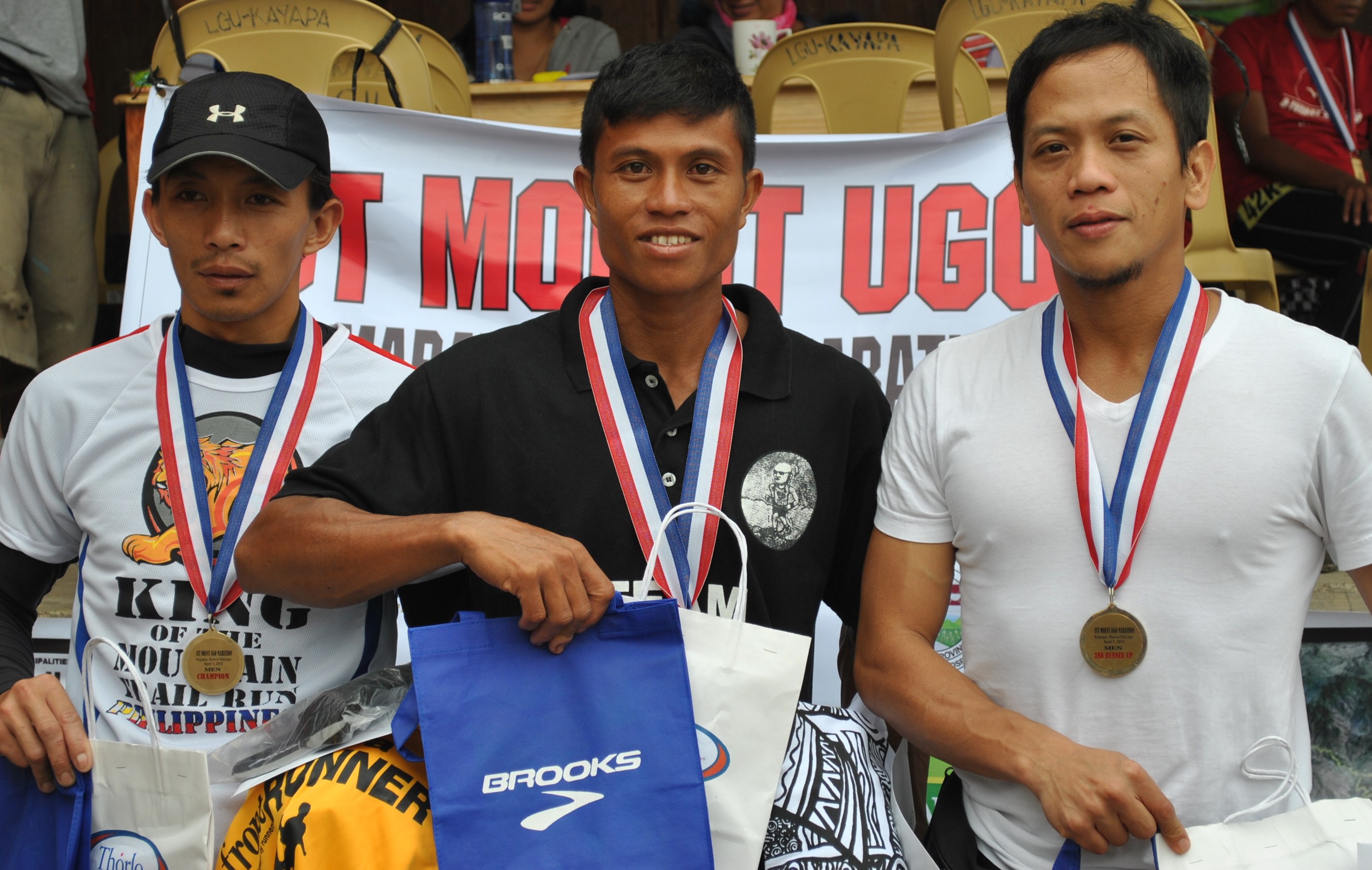
Podium Finisher @ 1st KOTM Mt. Ugo Trail Marathon


Danin Arenzana of Elite Team Bald Runner placed 1st Runner-Up Overall in the 1st King of the Mountain (KOTM) Mt. Ugo Trail Marathon in Kayapa, Nueva Vizcaya on April 1, 2012.

Despite being “lost’ along the trail route for three times, he was able to catch up and pass some of the lead runners and ultimately, finished the race with a time of 4:56:58 hours. He was the 3rd runner to reach the summit of Mt. Ugo.

This is the first time that Danin finished a full Marathon distance which happens to be also his first official running competition since he joined the Team Bald Runner almost three years ago!

He prepared for only 18 days for this event, concentrating on endurance, strength, and specificity. He goes almost everyday to “Brown” Mountain and its environs. His endurance runs on weekends would reach up to 60 kilometers in one workout on his peak training!

Well, don’t ask who the hell is his COACH!

Danin In Black

Danin and his COACH will be back for the 1st King of the Mountain Ultra Trail Run on May 26-27, 2012!

Congratulations, Danin!

(Note: Danin is on the Middle, wearing the BR’s Black Shirt)

Vibram Hong Kong 100K Race Report—Ryan Sandes Wins Again


(Note: This is an article written by Andre Blumberg of Hongkong and it was posted at www.ultra168.com)
Vibram Hong Kong 100km Race Report – Ryan Sandes wins again
Ryan Sandes takes Vibram Hong Kong 100 title in new course record despite fierce Nepalese assault- Andre Blumberg reports.

The second edition of the Vibram Hong Kong 100 took place 18 – 19 February 2012 and has already established itself as one of the region’s premier ultra events. The HK100 entered the scene only last year and is still the only 100k solo distance race in Hong Kong. Perhaps not surprisingly, and well in line with the global explosion of ultra popularity, the registration rates skyrocketed to over 750, or about four-fold in just one year, and the race sold out almost three months in advance and without any significant advertising.

And the “Picture of the race Award” goes to:

All of the eventual HK100 Top 6 close together here at only 11k into the race

Hong Kong may not be the first place that comes to mind in the context of ultra trail running. However the city has a lot to offer, including four long-distance trails and numerous shorter trails in the various country parks. The HK100 course follows the famous MacLehose trail but with a few modifications to make it even more scenic and interesting. The start is in Pak Tam Chung and the course then stretches through the Sai Kung country park along beaches and mountains to continue into the Central and Western New Territories of Hong Kong to finish with a descend of Tai Mo Shan, Hong Kong’s tallest mountain at 957m. The course has an elevation gain of over 4,500m which includes literally thousands of stairs. When compared to TNF100 Australia in the Blue Mountains, the consensus among those that have run both seems to be that HK100 is a lot harder and less runnable.

Vibram Hong Kong 100 elevation profile – a very back-loaded course

The organisation of the race was once again flawless. Race Directors Janet Ng and Steve Brammer, a lawyer and a banker by trade, are both seasoned ultra runners who have participated in events worldwide. This year Janet will race UTMB whilst Steve and one of his buddies will join the PTL, a 290k, 22k D+ event. So the HK100 truly is an event by runners for runners. It is often the little things that make a race stand out, for example an amazing ratio of less than two participants per every one volunteer along the course and at the aid stations. Two aid stations were operated by kids from a scouting organisation and the vibe and motivation of the kids was absolutely infectious.

The course was well-marked with well-stocked aid stations approximately every 10k. The weather conditions were perfect, temperatures around 10 – 18C and humidity around 65 – 80%, fairly low levels by Hong Kong standards. Participants could enjoy the most stunning views across Hong Kong’s peninsula.

One of the more unique aspects of this race is the very generous cutoff time of 32hrs which is a lot compared to other 100k events; in fact it would more commonly be associated with a 100 miler. The rationale is to enable a broad range of participants from all walks of life to participate, including those that prefer to hike a 100k solo effort. Regardless of the lavish cutoff times, the event still recorded a DNF rate of about 20% which shows just how hard the course really is.

Shortly after the HK100 start

Wu Shan Kuan from China DNFed at 52k after 9:28hrs – he ran barefoot the entire way

This is not to say that the race was slow – nothing could be further from the truth. The field was deep and stacked with talent. Salomon International sent Jen Segger from Canada, Grant Guise from New Zealand and Ryan Sandes (winner of all 4 Deserts races and 2011 winner of the famous Leadville 100) from South Africa. Then there were the top Nepalese mountain runners Aite Tamang, Bed Sunuwar and Sudip Kulung who all finished on the podium at the recent Annapurna 100 in Nepal. China’s top ultra trail runner Yun Yan Qiao 运艳桥 joined as well (2nd at 2009 TNF100 Singapore, 2nd at 2011 TNF100 China and 14th at the 2011 CCC in France).

Nepalese Bed and Aite are the first to reach CP2

Yun Yan Qiao from China reaching CP2 in third position

Ryan Sandes coming into CP2 in fourth position

Most of the notable local Hong Kong ultra runners also participated; including last year’s first and second William Davies and Jeremy Ritcey, respectively. Dan Parr and Eric LaHaie toed the line, both with excellent Racing The Planet event credentials. Unfortunately “Stone” Tsang Siu Keung was unable to join due to injury. On the female side Hong Kong-based Nora Senn and Claire Price signed up, last year’s runner-up in the 100k solo and winner of the 100k duo. Claire finished 4th at the 2011 TNF100 Australia and an outstanding 2nd at the 2011 CCC. Olya Korzh, who did very well in a number of local mountain marathons this season, as well as Xing Ruling 邢如伶 from China (1st in 2009 TNF100 Singapore and China, 1st 2010 Taklamakan 100k) rounded out the top prospects.

Female winner Nora Senn always in good spirits

Female first runner-up Claire Price refueling at CP2

Female second-runner up Jen Segger digging deep on tar at 72k with a floating Matt Meckenstock

Australia was well represented with Andrew Dawson, John Ellis, Keith Mearns and Michael Ormiston, all currently resident in Hong Kong. Richard Mountstephens and Matt Meckenstock came up from Australia specifically to participate in the event.

Having participated in a number of ultras in the Philippines, I was very keen to have some of their talent join the HK100 to get some international exposure and therefore sponsored Raul Lamprea and Jucell Laya. Both are members of the Philippines Army and the Bald Runner Ultra Elite Team, run a 2:40 marathon time and it was the first time for them ever to travel overseas – a great experience with many lessons learned.

Members of the Ultra Elite Team Bald Runner from the Philippines proudly showing their Gold trophies

Come race day the starting area was absolutely buzzing with runners, everyone seemed to be in a great mood and it was truly an international field with 28 countries represented. After a short race briefing the gun went off at 8am and the pace at the front was ferocious. The course only has around 600m of wide road at the start before turning off into single-track for several kilometres, so everyone was keen to speed up in order to not be bogged done there.

I had done the inaugural 2011 HK100 in a time of 13:51 which placed me 10th overall and my target time was 13:30 since I only had about six solid weeks of training in my legs and had completed TNF100 Thailand in 2nd place just two weeks earlier. After the start I was hanging with the lead field for a short while but quickly backed off since the pace was not sustainable for me. I settled into a good rhythm and ran with Keith Mearns for the next two hours or so. I felt pretty good all day apart from the usual minor lows and my two-pack strategy worked well to reduce any unnecessary layover time at the check points. Paper, my girlfriend and crew chief-of-staff, had all the routine worked out based on the prior year and welcomed me at each of the accessible support stations during the first half for bag swaps, some motivational words as well as taking plenty of pictures along the way.

By the time the 52k check-point came around I was ahead of plan by 30 mins and at that time decided to change the target to go sub-13, previously considered an absolute dream time for me. All I had to do from now on was to execute based on my plan and maintain the 30 mins lead. It was pretty rough at times going through a few lows and I had to constantly remind myself to persist with relentless forward progress. I was pleased to see that my ultra experience thus far paid off and I started to take positions by benefiting of the evolving carnage around me, runners that went out too fast for their abilities and then spent too much time at support stations. On the other hand I was not overtaken for several hours, except when Nora Senn stormed past just prior to the 65k mark. Despite trying hard, I was not able to hang with her and had to let her move ahead. Later on coming down from the notorious Needle Hill at around 86k into the race, I was surprised to catch Matt and Jen who was suffering from the concrete surface of the course. After a short chat with them I carried on to hit the 13hrs mark and then brought it home in 12:50, over an hour faster than last year which I was extremely pleased about.

In the meantime, Nora went on to catch Claire and finished in a Senn-sational 12:34 followed by Claire in 12:40 and Jen rounded off the female podium in 13:01.

All smiles on the female podium – Claire Price, Nora Senn and Jen Segger

Sometimes I wish not to race in an event, just so that I am able to follow and witness the lead pack go about their business. This year’s HK100 would have been such an event. The pace was fast from the start and surprisingly not a lot changed in the ranking between early on in the race and the finish after 100k.

The Nepalese runners Aite and Bed took an early lead and managed to hold on until somewhere between CP6 and CP7. At that time Ryan Sandes took the lead and then brought it home in an absolutely astonishing 9:54hrs, almost two hours faster than last year’s record by William Davies. But Ryan was not alone: remarkably, all of the Top 10 finishers broke the course record, including William himself. Aite finished second in 10:17, followed by Bed in 10:26 and Jeremy Ritcey did Hong Kong proud in 4th and a blazing 10:47. Andrew Dawson (12:30), John Ellis (12:34) and Richard Mountstephens (12:40) were the top Aussie finishers. On the Kiwi side we had Grant Guise in 10th place (11:45) as well as Callum Stowell (13:22) and Denis Kelliher (17:56). Full HK100 race results can be found here.

The three Nepalese runners Sudip, Aite and Bed with their support crew

Ryan Sandes clearly has left a mark on this race. Going sub-10 on this course it truly remarkable, especially since the season is only just starting. Ryan didn’t even run all the uphills as you can see in this short video here, but he surely is blazing the downhills – he probably studied Dan’s related Ultra168 article. So – well done, Ryan. For those racing TNF100 Australia in May, brace yourself for the potential of a new course record.

But HK100 was more than just about the top winner. It was an interesting case study in how the ultra world may be changing in future. To have the three Nepalese participants Aite, Bed and Sudip finish in 2nd, 3rd and 8th place is a clear signal that we are only seeing the tip of the iceberg here in Asia when it comes to top performances. There are many untapped “markets”, such as Nepal and the Philippines, with a range of top talent that has yet to hit the international ultra trail event scene.

The difference in background between the Salomon team and the Nepalese team could not be more pronounced. Ryan is a professional ultra runner, has multiple sponsors, access to Salomon R&D for customized kit and accessories, latest training methods and presumably a number of trainers and coaches. Two of the Nepalese runners are in the Army, the third worked as a porter. They get by on very limited means. They have no regular sponsors, no expensive kit. They do have a lot of talent and a certain level of ignorance, innocence, almost purity – and I mean that in the best possible way. While the Salomon team held trail clinics and product demonstrations in the days leading up to the race, the Nepalese walked along the course to prepare for the race.

Despite the vastly different backgrounds, the top three finishers only separates a bit over half an hour with Aite and Bed coming in second and third. I was very fortunate to share dinner with the Nepalese team and their coach Ramesh after the race, and came to the conclusion that despite all the differences in background, financial means, equipment and training methods we all share one thing: a deep passion for ultra trail running.

Feedback from the participants of the HK100 was outstanding across the board. Clearly, the event moved from good to great and it sets a new benchmark for ultra trail races in the region. Well done Janet and Steve – when will registrations open for your eagerly awaited third episode?

Pinoy Runners’ Result @ 2012 HK 100K


Overall N  A  M  E TIME (Hrs)
Position    
98 Raul Lamprea 15:09:34
125 Jucell Laya 15:55:45
171 Kian Vicera 17:45:58
184 Napoleon Dela Torre, Jr 18:13:21
189 Roland Wangwang 18:21:05
261 Joseph Anthony Parcon 19:57:30
288 Marie Anne Constantino 20:26:03
289 Zenon Alejandro Villangco 20:26:04
353 Simon Sandoval 22:25:57
383 Jessie Lou Sulague 23:03:51
414 Carlo Leandro Dino 24:15:13
420 Cheryl Bihag 24:45:38
428 Constante Mendoza, Jr 25:23:53
440 Joel Garganera 25:58:58
444 Alexander Yap 26:13:19
463 Philippe Arenillo 27:48:39

In its first edition last year, 136 runners finished the race out of more than 200 runners who started the race. In this year’s 2nd edition, out of the over 750 registered runners from 28 countries, 511 runners were able to finish the race within the cut-off period of 32 hours. Sixteen (16) of our local Pinoy Runners were able to finish the race despite the cold temperature and lack of familiarity of the trail route. Congratulations to all of them.

For the complete official result of the event, you can visit this link—http://brammar.weebly.com/uploads/6/9/9/4/6994217/2012_results.xls

Ryan Sandes: 2012 Hongkong 100K Trail Run Champion


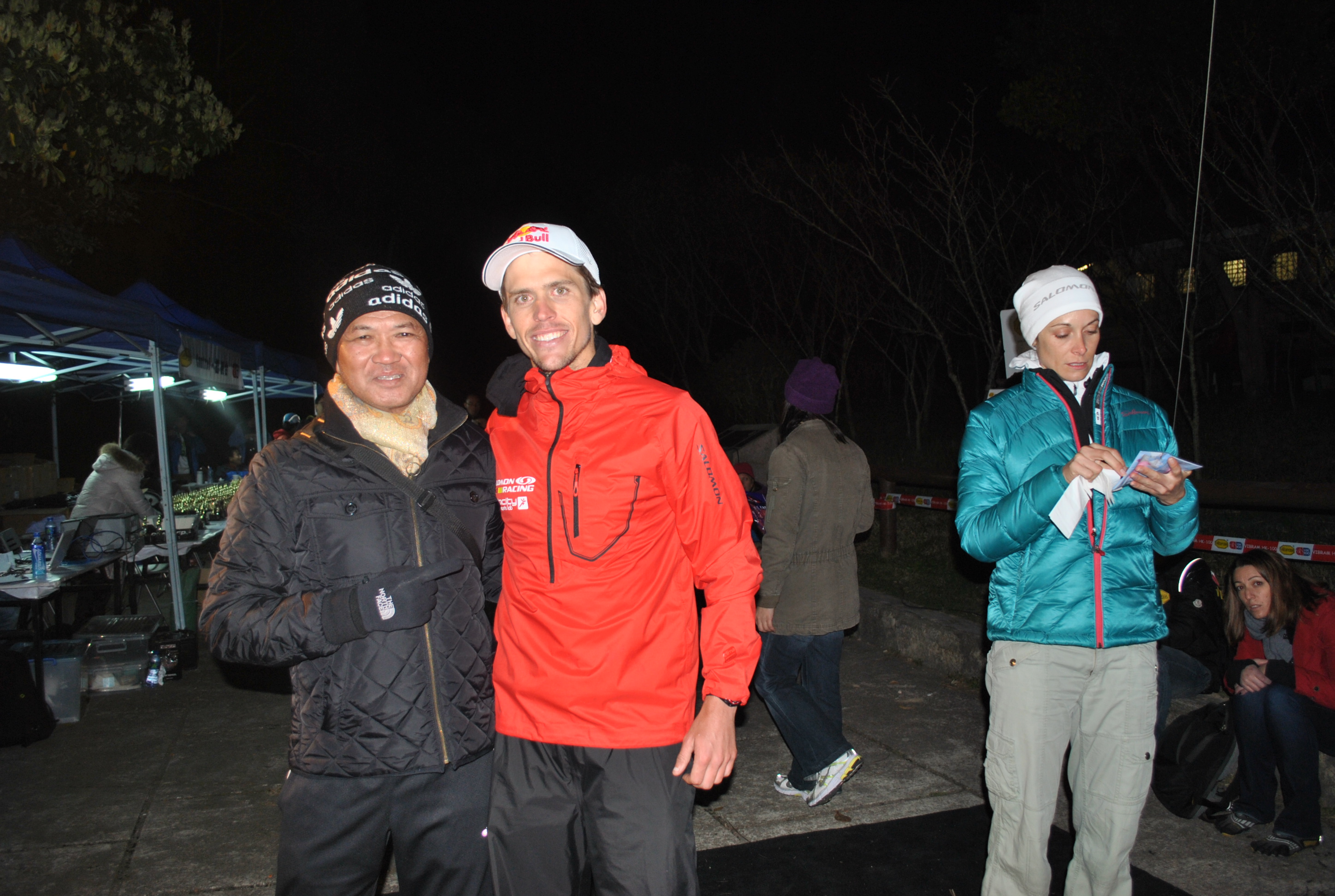
BR & Ryan Sandes of South Africa

Ryan Sandes of South Africa finished the 2012 Vibram Hongkong 100K Trail Run in 9:54 hours beating the course record in almost 2 hours. He is the reigning Champion of the 2011 Leadville 100-Mile Endurance Trail Run with a finish time of 16:46:54 hours. (Note: At the background is his girlfriend/support crew, Vanessa Haywood, an actress and a model). Two Nepalese soldiers-ultrarunners were 18 minutes behind him who finished 2nd and 3rd place!

Top Six (6) Finishers In Action @ Km #12

Ryan Sandes is a member of Team Salomon.

(Note: Full Report to follow soon)

“It’s the passion, not the money, stupid!”


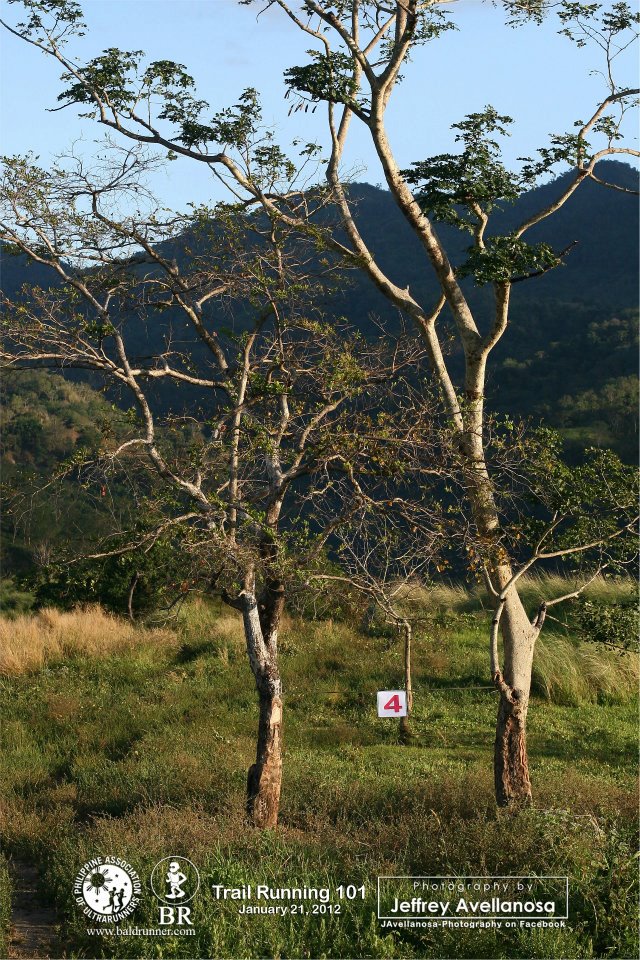
Race Report: Trail Running 101 10K & 14K @ Dinalupihan, Bataan/January 21, 2012

To some (or most?), organizing a running event is a business affair. I will not tell you the indicators if you want to know if a running event is being organized for the purpose of raising some funds for a certain cause or charity but only to realize that it is simply to rake one’s money for profit. If you are a runner who had been in such races for the past years, you probably know or smart enough to find out what I am talking about.

The conduct of the 1st Taklang Damulag 100-Mile Trail Endurance Run last December 2012 brought me some observations and lessons to be learned. It gave me the opinion that our road runners are not yet fully skilled and exposed to trail running. It is for this reason that I came up with the idea of coming up with a “graduated” exposure of trail running of those who are interested to experience the “outdoors”, meaning, the mountains and other areas outside the city and urban environment.

I want my ideas done and implemented immediately as there is no need for a corporate entity to back me up. In the first place, corporate entities take a lot of time to decide, not unless you are talking to the owner of the company! Who needs them anyway? (They will always tell you to wait for the signing of the contract and keep you waiting even if they have given the contract to another event organizer without even giving the information that they “dumped” you!). Basically, the participation and interest of runners would be enough to support the implementation of my idea.

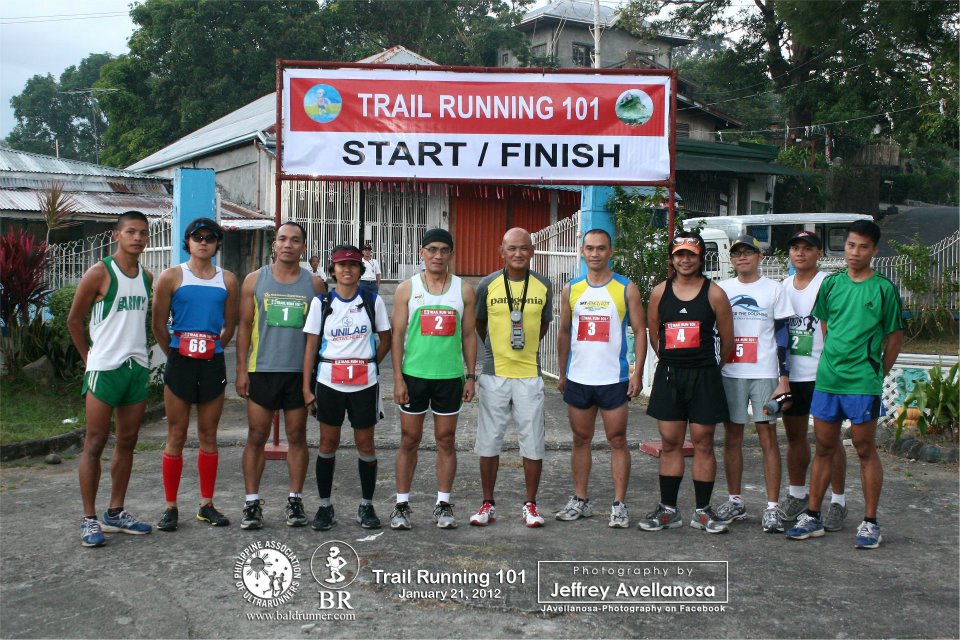
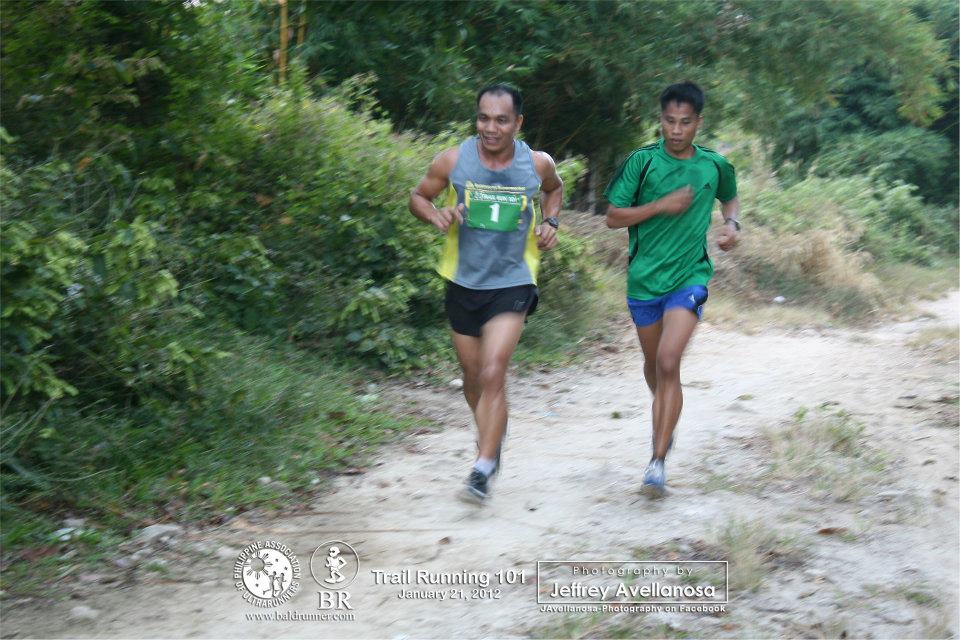
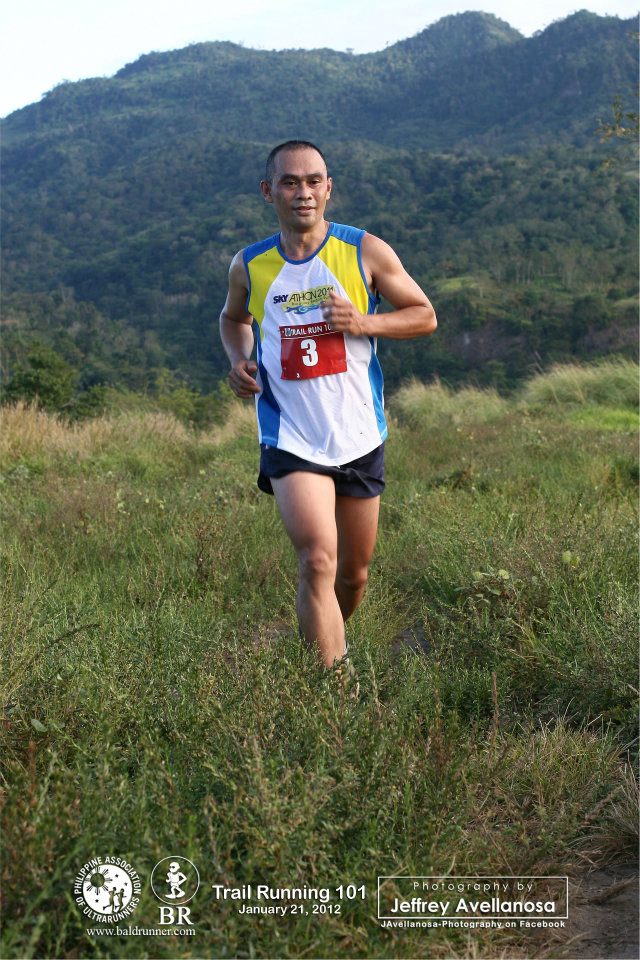
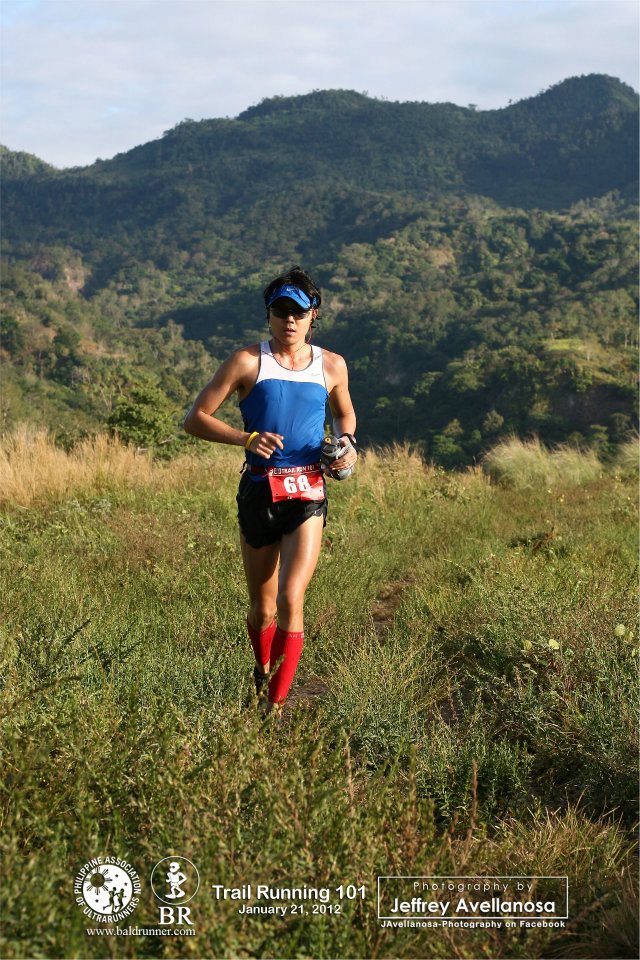
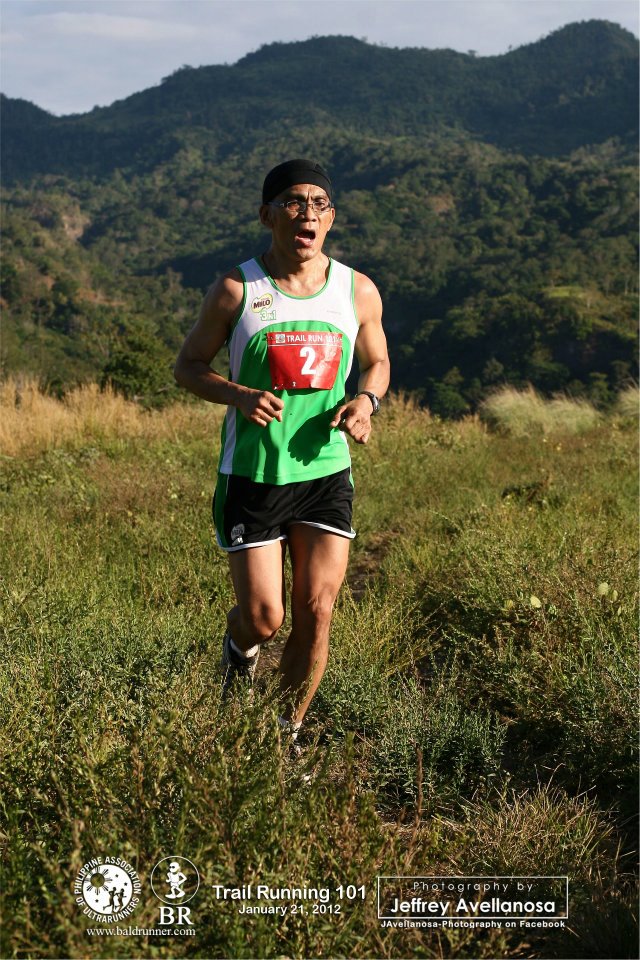
So, yesterday (Saturday), the Trail Running 101 Series was born! There were six (6) runners who registered for the 16K distance while two (2) runners in the 10K category. Out of the eight runners, one is a lady runner. All of them finished the run and I could see on their faces that they were happy to experience trail running along the vicinity of the “Brown Mountain”, my training “playground” in the mountains of Dinalupihan, Bataan. The following were the results:

14K Run

1. Freddie Mercado—1:43:47 Hours

2. Jael Wenceslao—1:53:15

3. Noel Miano—2:05:12

4. Reginald Tan Bueno—2:43:00

5. Maria Stephanie Atutubo Zamora Hefti—3:19:12

6. Benjh German—3:23:54

10K Run

1. Elmer Oropieza—1:14:45 Hours

2. Igne Pablito—1:15:06

3. Jael Wenceslao—1:33:12

*Jael Wenceslao ran the 10K event after he finished the 14K run.

The next event of the Trail Running 101 series will be on February 26, 2012 with two distances: 16K and 21K runs! The venue/location is still the same but will have the start time to be earlier at 5:30 AM. The registration details will be posted soon in this blog with limited slots for both runs.

Trail Running 101 Batch #1
Lead Runner of the 10K Event
#1 Freddie Mercado
#2 Jael Wenceslao
#3 Noel Miano
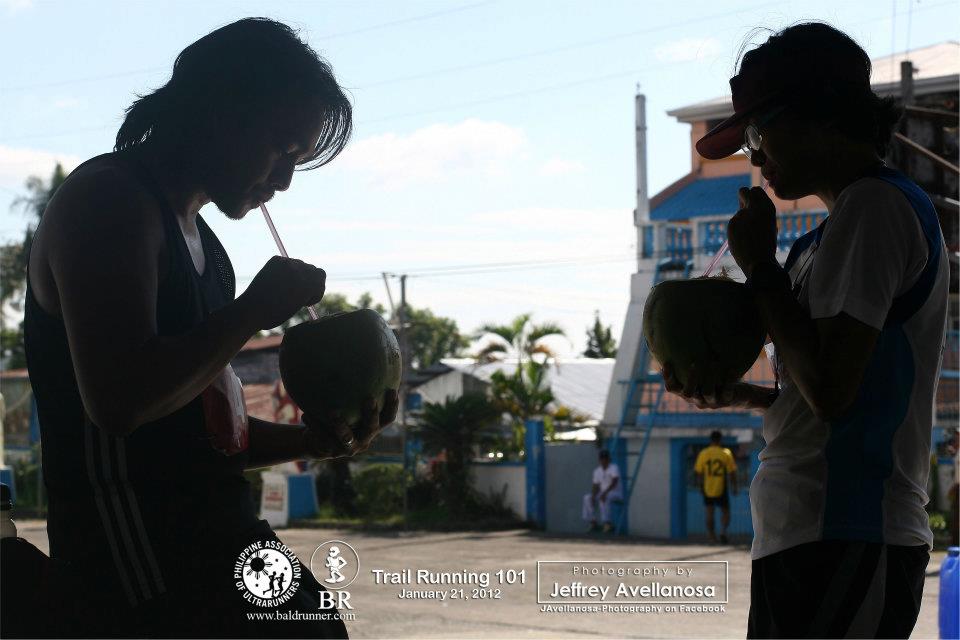
#1 Sports Drinks For Runners!
Nice Touch! (Km Post Marking)

Going back on the title of this post, we have proven once again that we simply have the passion to share to everybody the ideas we would like to be implemented for the benefit of the running community. We don’t think about the money we gain or lost, we simply want to share what it is like to run on the “outdoors” and enjoy the beauty of the mountains & be able to commune with nature!

Thanks to all the runners; BR’s Staff; Volunteers; and to John “Jepoy” Avellanosa for those nice pictures!

See you on the next edition of the Trail Running 101 Series!

Trail Running 101: 10K & 16K Runs


If you have been joining road races for the past months and years and had never tried running on mountain trails, then this is the time to start a new experience.

I have come up with short distance runs on where I had been doing my trail runs for the past years and it is about time that you have to try to experience what it feels to run on mountain trails.

These trail runs will be done every month where the distance will be stretched from 10K to a Marathon distance of 42K. So for the month of January, there will be two distances of trail runs to be conducted this coming Saturday. The shorter distance will be a 10K and the longer one is a 16K distance.

All these trail runs will be an “out and back” runs. In the 10K distance, one has to run 5 kilometers up to the mountain and then back to the point where one started. The same goes to the 16K distance, 8 kilometers up to the mountain and then back to the starting line. Very simple!

The two distance runs will start at the same time at 6:00 AM of Saturday, January 21, 2012. It will start at the “Basilica” Church of Barangay Sacrifice Valley in Dinalupihan, Bataan and ends at the same place. There is no cut-off time for the event. This will encourage the “newbies” to enjoy the scenery and to experience the simplicity of trail running. It is simply running with nature without so much “distractions”.

There will be Aid/Hydration Stations every 2.5 Kilometers. Runners are advised to bring their hydration bottles so that we will adhere to lesser use of plastic cups in trail running events. In addition to the aid stations, there is flowing stream/spring along the route where one could drink the fresh cool water of the mountain.

If you are joining the Subic International Marathon on Sunday, you can drop by for a 10K easy trail run on Saturday morning and then proceed to Subic Freeport after the trail run. Barangay Sacrifice Valley is 15 kilometers away from Olongapo City and the Subic Freeport.

Registration fee/s for the 10K event is P 500.00 and the 16K is P 600.00. ARC Store is presently accepting registration for this event. Registered runners will be given Commemorative T-Shirt for the event and a post-race meal at the Finish Line. Whatever proceeds we get from these trail running events will be used for the support of Elite Bald Runner Team in their participation to international running events. Two of my elite athletes will be participating in the Hongkong 100K Trail Endurance Run in the middle of next month with the objective of qualifying for the Western States 100-Mile Endurance in the coming years. It is unfortunate that we have yet to receive favourable approval of support from corporate entities whom we asked for assistance.

There will be registration On Site, provided that runners will arrive earlier than the announced starting time. The run will start promptly at 6:00 AM.

As in my past events, we will start the race even with 2-3 registered runners!

See you at the Starting Line!

(Note: It is advisable for all the participants to read the “rules of the game” (protocols/etiquette/rules and regulations) in trail running which I published in my previous post)

Trail Running 101: Part #2: “Rules On The Run”


Now that you are ready to embrace trail running, there are some rules and regulations; protocols; etiquette; or “GMRC” (Good Manners & Right Conduct) things/actions that every runner should know and follow. These rules boil down to the preservation of the environment and “common sense” in treating our co-runners.

The American Trail Running Association (ATRA) offers a list of “must” to be followed in trail running activities and events. For the benefit of everybody, our trail runners and “would be” ones are encouraged to read this list on the “Rules On The Run”. Please read the link below:

http://www.trailrunner.com/news/trail_etiquette.htm

It is imperative that every trail runner should follow these rules and regulations.

Good luck and see you at the Starting Line!

Trail Running 101: Part #1


This is an excerpt from the book, “The Ultimate Guide To Trail Running” by Adam Chase & Nancy Hobbs.

Lisa Goldsmith, two-time USATF Mountain Runner of the Year says: “Trail running requires such an athletic style of running that a lifelong athlete will probably adapt better, say someone who has soccer or some agility sport in their background of experience. That said, I think it behoves a beginning trail runner to do some agility-type training. I am talking about anything from jumping rope to jump squats, running stairs, bounding, skipping, high knee drills, butt kicks; exercise that trains you to lift your feet off the ground with quickness. And, I would remind the runner to not run exclusively on trails as running dirt roads or even pavement will keep leg speed (leg turnover) in the muscle memory. As for racing, I say  “just do it!”. In all sports, I find racing and competing raises my level of skill and helps me find my true edge; racing is where breakthrough are discovered.”

No matter what your running or athletic background may be, the best introduction to trail running is to pick a nice day, find a beautiful gently rolling trail that offers dependable footing, and set off on a relaxed run. Take walking breaks as often as necessary and allow yourself to be carried away by the sounds of the natural environment and the peaceful surroundings. As you move along at a steady pace, absorb the views and breathe the clean air. From your initial experience, gradually build your running fitness and develop your trail running technique and skills.

The problem now is where to find the trails. North of Metro Manila, you can find a prominent mountain while travelling at the NLEX/SCTEX to Tarlac which is the Mount Arayat. I’ve never been to the said mountain but it appears that it is already considered as a National Park and through my readings on the Internet and some Mountaineering resources, the mountain has some trails.

Northwest of the province of Pampanga are the mountain ranges in Porac, Floridablanca, and Bataan which one can see if travelling along SCTEX towards Subic Freeport. Some of the Ultrarunners had experienced going to some parts of these mountains as it is the route of the Miyamit 50-Mile Trail Run. Further down the western side is the location of the “Brown Mountain” where I usually have my trail running workouts.

South of Metro Manila and at the end of SLEX is the province of Laguna. Los Banos is a nice place where one can start looking for trails up to the famous Mount Makiling. A simple research on the Internet will reveal a group of mountaineering clubs in the said area which are good source of information.

On the eastern border of Metro Manila are the mountains of Rizal which are accessible after travelling for 35-50 kilometers. Hopefully, there are still trails in Montalban and Antipolo if they are not yet developed as subdivisions. Sampaloc, Tanay is a very nice place where one could just try to easily find a mountain trail. The place where I had my Tanay 50K Ultra Run offers a lot of trails and I highly recommend this place for beginners.

Northeastern part of Bulacan and boundary with Metro Manila offers also some trails. Nearer to Metro Manila is the La Mesa Dam Trail Park which is also highly recommended for easy trail runs.

If you happen to know a trail near Metro Manila, you can share to us in this blog.

Before you hit the trails and if you are 40 years old and above, find time to talk to your doctor and ask for medical advice if your body can withstand and endure running/jogging/walking along the mountain trails. Of course, the doctor will do some endurance test on you and find out if your respiratory and circulatory systems are efficient for such sports activity. This first step is a must!

On Trail Running Shoes. If you are a beginner, there is no need to buy brand-new trail running shoes. You can use your old road shoes for the mean time and try to observe its performance when you are running on the trails. Stability shoes are more preferred for trail running.

On your running apparel & hydration needs, try to be light as possible as you will experience going up the hill and mountains with an extra baggage. For the mean time, there is no need to bring heavy hydration system as there are water sources along the route. In my running trips to “Brown Mountains”, I usually bring my Nathan SOB Single Bottle Belt which I can refill with water on the springs & streams along the route.

Try to practice some running drills before going to the mountains. For a starter, do some hill repeats to determine how far and how long you can go in an ascending road. Look for an ascending road which would take you 1-2 minutes to reach the top from its lowest part. Slowly jog from the lowest part up to top of the ascending road. Stop jogging once you reach the top and slowly walk to where you started. Repeat the drill up to the time you reach 30 minutes. As you become stronger and more comfortable in reaching the top, you can now increase the time of your drill to 45 minutes. Do this drill at least 3 times a week and try to find out how you progress within a period of at least one month. (Note: Go to McKinley Hill Area and you can find such ascending/descending road for your hill repeats!)

However, don’t underestimate the use of “power/brisk walking” breaks on your mountain trail runs. Usually, trail runners and even competitive ones have to resort to power walks on steep inclines during their runs. Yes, elite trail runners walk during their race! But they have also the mastery on how to run fast on the descending portions of the trails just to be able to regain the time they lost on their power walks. As a beginner, you have to be extra careful on being aggressive on the downhill runs as this will put so much work on your quadriceps muscles and overall balance on your body. Most likely, running fast on the downhill will rub your toenails on the front edge of your shoes and this will result to dead toenails!

Since I started using Heart Rate Monitor in the middle of last year as a means for immediate biofeedback on the intensity of my workouts and runs, I highly recommend that runners who would like to shift on mountain trail running to consider using such device.  In my hill runs, I make sure that my HR would average within the range of 142-150 beats per minute. My average pace might be slower but I have enough strength to last for hours in the mountains and be able to recover for another run the next day.

To be continued.

Good luck! See you at the Starting Line in the Trail Running 101 Runs!

Trail Running Is More FUN
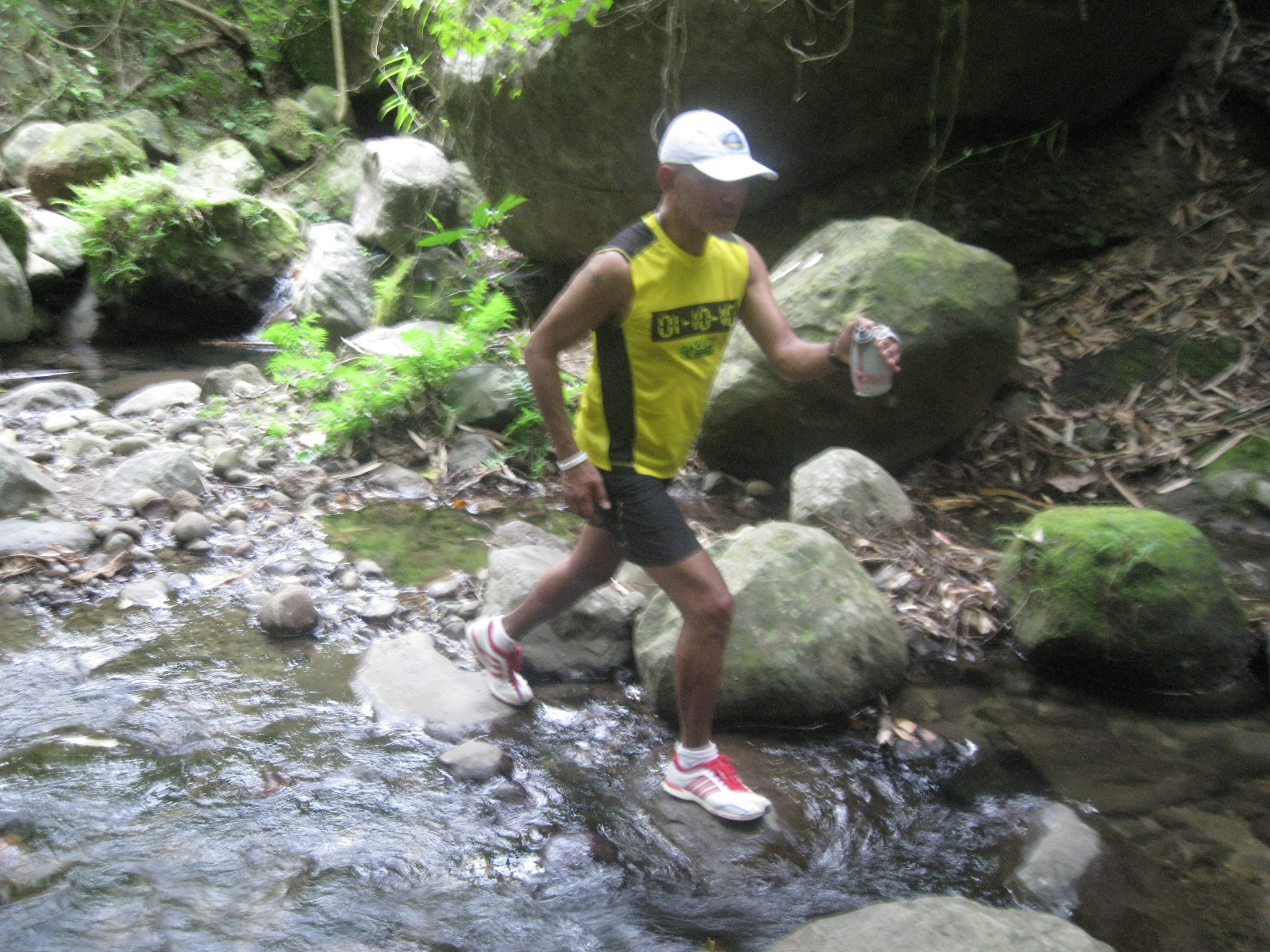
It's Either You Step On The Rocks OR Take A Dip Into The Water

TD 100 @ Ultra Signup


Taklang Damulag 100-Mile Trail Endurance Run (TD 100) is already one of the Ultra Races being administered by Mark Gilligan of Ultra Signup.

If you are used and familiar in registering to International Marathons, most probably you have experienced registering your participation through www.active.com. For Ultra Trail Races in the United States and other countries, registration of participants are done through Ultra Signup.

TD 100 is the FIRST Ultra Race in the Philippines and Southeast Asia to be under the processing of Ultra Signup.

Lately, I registered for the 2012 Cobra Half-Ironman Triathlon and I was charged with a registration fee of $ 225.00 (US Dollars) plus $ 16.00+ (US Dollars) as Processing Fee, a total of $ 241.00+ for my participation in the event. In comparison with Ultra Signup, it does not charge additional processing fee for the registration fee. So, if you are interested to join this event, you will be charged with the stated registration fee ONLY.

Registration for this event is NOW OPEN.

BR & Mark Gilligan of Ultra Signup