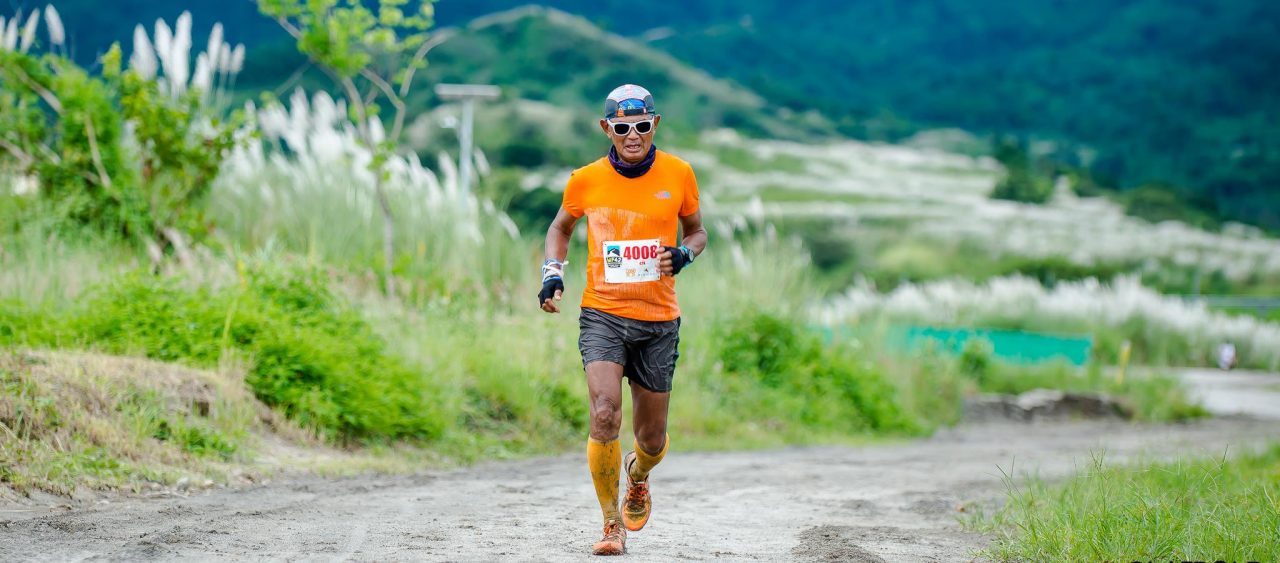
“Q & A” With Leica Carpo (Thru E-Mail)


Time had changed. Before, when I was a Commander of a Philippine Army in the field/combat areas, a reporter or a writer would meet me and conduct a personal interview about the present situation in my area of operation. The reporter would ask a lot of questions and “figure out” from your gestures, eye contact, and body language if you are sincere and truthful in your answers and reactions. Sometimes, after my initial personal meeting (“face to face”) with reporters, a simple telephone call and/or “long” SMS messages are enough to satisfy the requirements of the said reporter for his/her succeeding reports or stories.

Now, the process of getting an informaton is so very fast that you don’t need to meet a reporter or a writer in person. By simply receiving a SMS from one of the runner-bloggers that a reporter would be contacting me for an interview, I immediately followed the request without personally meeting the writer. I was surprised to know that I had to simply answer the questions the reporter had sent through my e-mail address and send my answers back to her through her e-mail address! No personal meetings but the purpose is satisfied and complied with.

I still wish that I should had met the reporter, “face to face”.

Anyway, to give justice to a “writing exercise” which I made for almost one day, I am going to post my answers to the questions sent to me (weeks ago!). This is a very long post and you have up to this weekend to read it. See you on this Sunday’s 42K “runabout”.

Note: Some of my answers to the following questions are my personal observations and opinion.

Hi, Leica,

The following are my answers to your questions. I hope you will not be bored with my long answers as I want to be clear and understood without more clarifications from you.


I just wish from your end to emphasize and inform the public about the Team Bald Runner as my contribution towards the improvement of Athletics ( most especially in middle and long distance running events) in the country and hopefully, produce Olympic qualifiers in the future. This program/project was patterned after the Brooks-Hanson Distance Project; Project NIKE Oregon; Team Running USA; McMillan’s Marathon Performance of the USA and the Group Training of Kenyan & Ethopian Distance Runners. I just hope and pray that such awareness to the public about this Team would end up on the doorsteps and executive desks of Owners, Presidents and CEOs of big corporations and private institutions willing to provide sponsorship/financial support to the elite members of the team. It should be noted that the Elite Team Bald Runner members had been consistently winning in road races and endurance runs in Metro Manila & suburbs and in Cebu City since June 2008.


1) Why do you think running is becoming popular again in the Philippines?


Road racing had never left or stopped in the country and running had been active in the country through the different running clubs, through annual corporate sponsorships like Adidas, Yakult, MILO, and AFP-DND sponsored road races for the past years. The RunCPI group which is a confederation of Running Clubs within Metro Manila to include the AFP & PNP running groups and clubs in the neighboring provinces had been conducting their regular road racing competitions for the past years on a regular frequency.


MILO eliminaton races entire the country and the yearly Pasig River Heritage Marathon and the MILO National Finals Marathon had greatly contributed in the increase of runners in the country.


Another reason for the resurgence of running in the country is the attention it is getting from the media. There are media outfits, like ABS-CBN and other radio staton networks,  which had been consistently holding and sponsoring 10K and lesser distance races annually in order to prime up awareness to the public in the conservation or protection of the environment.


Lastly, the people are simply shifting themselves to be physically fit and active and find ways to “sweat it out” in order for them to be healthy and relieve the “stress” out from the fast-paced life in Metro Manila. It could also be the result of the proliferation of more modern “gyms” as members would like to reduce weight and have a better body form through running.

 
2) What is your favorite route in Manila?


Before I retired from the military service, the 2-mile run route at the Philippine Army Parade Ground & Grandstand and the rolling terrain of the Libingan ng mga Bayani had been my favorite routes as they were accessible from my office and from my quarters. However, after my retirement and with the development of The Fort area, the roads within The Fort had been my favorite route for my long endurance runs to include Lawton Avenue, Bayani Road, C-5/Heritage Park, and McKinley Hill. For my speed runs, I am a constant runner at the ULTRA Oval Track for my “speed” trainng.


3) How much/often do you run?


I almost run everyday. Sometimes, do “doubles” (running in the morning and evening on the same day) at least twice a week. As I am preparing for the 1st Bataan Death March 102K Ultramarathon Race this coming Aprl 5, 2009, I’ve increased my weekly kilometers covered to a maximum of 127 klometers. However, I have to maintain at least 90-110 klometers per week in order to prepare for the said ultramarathon event.


4) What are your top 3 tips for beginner runners?


a)      First, invest with the right/proper running shoes. Buy shoes from running specialty stores as their attendants are runners/athletes. They should be able to determine if you have a neutral, low-arched, high-arched or flat feet as such each condtion has an approprate type/model for your feet.

b)      Second, learn and understand the basic principles of training in distance running—develop endurance in order to strengthen the leg muscles and aerobic capability of the body as the foundation of running; consistency in traning means that it is only through running where your performance will improve; patience is the key to an injury-free running career as there is no “miracle pill” to make one a faster and stronger runner, thus, it takes a lot of time (at least, one year) before he/she develops speed in running.

c)      “Listen To Your Body”—If a novice runner starts at the age of 40 years old, he/she should consult first his/her physician and find out if his body could withstand endurance sports like running. If allowed by the physician, he/she should be able to “listen to his.her body”. If the body feels something wrong while running like shortness in breathing, pain on the joints/knees and leg muscles or dizziness, stop jogging/running and shift to walking or find time to rest.


5) What is the best way to start?

The best way to start is to look for a running club near your place and become a member. A running club will guide a novice on what to do from training to participation in weekend road races. The experienced members would be willing to help in a novice runner’s training through their scheduled training sessions. (Note: Membership with Team Bald Runner is open to the public and details of schedule of training are posted at www.teambaldrunner.wordpress.com)

If not accessible to running clubs, get or buy old issues of Runner’s World Magazine or Running Times Magazine in “Booksale” Stores or buy books about running. The Internet offers a lot of sites on running to include blogs of runners.

Read my earlier posts in my blog, www.baldrunner.com about my training, Lydiard Way of Running, Brad Hudson’s Adaptive & Progressive Running and “Speed” training.


6) How are you involved in the running scene in the Philippines?

I’ve been a long distance runner since I was a cadet in the Philippine Military Academy but learned “improper” training from my upperclassmen. Became a top runner of the Philippine Army when I was already a First Lieutenant (during the early 80’s) after reading “old issues” of Runner’s World Magazines and books about running.

I’ve been a member of the DND-AFP Running Team in the 80s which had been representing the country in International Corporate Long Distance Competition in Palo Alto, California but I was never included for the trip abroad due to my assignment in the field/combat areas.

I had finished at least 13 Marathon Races from the Manila International Marathon, PAL Marathon, Pasig River Heritage Marathon, MILO Marathons to include the 1st Infantry Marathon in Fort Benning, Georgia in 1984 and the 2008 San Francisco Marathon last August. In the past marathons, I had a PR of 3:30+ hours and a best 10K time of 38+ minutes. Lately, I’ve finished at least two (2) ultra marathon runs.

I led the Philippine Army Team as the Battalion Commander in the 1999 Annual Battalion Run to regain the Championship from the Phil Air Force Team. The team run covered a distance of 8 kilometers with 330 Officers and Enlisted Personnel running in unison and in proper formation and alignment. In 2000, the Philippine Army lost to the Philippine Air Force but I was able to regain the Championship trophy as the Coach and Manager for the Phil Army Team on the following year (2001).

In 2006, as a Major General of the Armed Forces of the Philippines, I was designated as the Project Director and Chairman of the DND-AFP Gintong Pangarap For Marathon. Such program/project was created then by the Secretary of National Defense after the 2000 Olympic Games where the AFP would be the source of the elusive “first” Gold Medal in the Olympic Games in the following specific sports events—Marathon, Shooting, Boxing and Tae-Kwando. After one year of the program, it was the Marathon Project that was able to sustain its survival. Through my leadership in this project/program in Marathon, we were able to conduct five (5) Half-Marathon Races in Metro Manila and opened the races to the public. As I retired from the service in May 2008, the project/program ceased to exist because of lack of support and the absence of a passionate runner to assume the leadership.

As the Commander of the 3rd Infantry Division, Philippine Army based in Camp Peralta, Jamindan, Capiz whose area of operation covers the islands of Panay, Iloilo, Guimaras, Negros Island, Siquijor, Cebu and Bohol, I revived my training in running as I planned to run in the 2008 Pasig River Heritage Marathon. In March 2007, I started my blog as the Army Commander in Western Visayas and I “journalized” my Command’s activities from administrative to operational matters. This blog served as the source of information for reporters and media people on the “updates” of the Command as the Division Headquarters was not easily accessible to everybody. Jamindan, Capiz is 1 ½-hour drive from Roxas City and 3-hour drive from Iloilo City.

Having experienced the blog as a means to communicate through the Internet and after having browsed to The Bull Runner’s blog, I started my running blog in October 2007 as the Bald Runner and try to recall my past running experiences in the 80s and at the same time “journalize” my training for the 2008 Pasig River Heritage Marathon held in February of the same year. Aside from being a source of information on proper training in running, the blog evolved as a “means” to help others through the following programs/projects—Project Donate A Shoe; Project Donate A Shirt; “1,000-Km Club”, Charity Fund, Creation of Team Bald Runner, “Speed” Training, Corporate Running Clinic (Free), Bataan Death March 102K Ultramarathon Race, and soon, “Runabouts For Cause”

Project Donate A Shoe—After observing runners in road races with “old, tattered, worn-out, and dilapidated” running shoes, I started donating four (4) of my slightly “used” running shoes to the runners with such old shoes and came up with a post in my blog. A simple tarpaulin served as our “booth” where I accepted donations and at the same time a place where old shoes were changed with better running shoes. Donations and shoes given were fully documented with pictures and postings in my blog and as a gesture of thanks to the donors, I give them the “ONE” white wristband (from www.one.org) as a symbol that the donor supports the advocacy “to make poverty a history”. I order these wristbands from the USA. As of the latest updates, shoe donations are coming from running clubs in California, USA, a softball coach from the University of Pennsylvania, USA, running clubs in Nottingham & Nottinghamshire, England, members of Beta Sigma of the University of Sto. Tomas who are visiting doctors from the USA and from Corporate VIPs (like Fernando Zobel de Ayala who has the habit of removing his running shoes after the road race in our booth in two separate occassions), my running friends—DelQ, Ben Gaetos, & Carmela Layson from Los Angeles, California and other runner-bloggers in the USA and among the local runners in the country. The project had received almost 250 shoes and had distributed same number to the less-fortunate runners.

Project Donate A Shirt—I started donating my collection of race finisher’s t-shirts since the 80’s & 90’s to the families of two (2) Gawad Kalinga communites in Laoag City and since then I received almost 100 finisher’s t-shirts from runners abroad and from runner-bloggers in the country.

“1,000-Km Club”—It is a motivational tool for each runner to attain the goal of running 1,000 kilometers without prescribed duration and depending on their level of training or preparation for a road race or marathon. For every increment of accomplishing a distance of 100 kilometers, the runner would reward himsel/herself with anything. It could be a runner’s cap or anything that is needed for running. Once he/she completes 1,000 kilometers, it’s time to reward himself/herself with a new running shoes and I suggest for the runner to donate his/her “used” shoes to my Project Donate A Shoe. In addition, I award a “1,000-Km Club” Finisher’s T-Shirt to the runner.

Charity Fund—For every kilometer that I run, I put in 50 pesos for this fund which had supported various causes like the Kythe Foundation, Support to Elite Athletes, ABS-CBN Foundation’s Sagip Kapamilya, and other cause-oriented fund-raising activities.

Team Bald Runner—I organized an Elite Team for Long Distance Running since June 2008 as a “pool” for future National Athletes and ultimately, qualify for the Olympic Games. The members are trained by two (2) IAAF Level 4 Coaches who are adopting the latest and modern training method for distance runners. Part of my retirement pension is being used to support the training of this elite team to include their accommodation in Metro Manila and registration fees to road races. However, I opened it to the public by conducting “free” speed running clinics to interested runners since December 2008. By January 2009, I formalized the opening of membership from novice and competitve runners to the team and created a blog as its official site (www.teambaldrunner.wordpress.com).

Corporate Running Clinics—Team Bald Runner and its Coaches offer a free lecture and practical exercises and demonstration on proper training in running, initially, in corporate offices and later to the local government level and schools. Its advocacy is to provide awareness to everybody on the benefits of running and encourage more people to run or engage in a physical actvity. This program started this month and had successfully conducted its first clinic with the Reinier Pacific International Shipping, Inc staff & employees. The 2nd clinic is scheduled to be conducted with a banking corporate institution on the 1st week of February. Other government-affiliated offices have also signified their intentions to invite the team for their respective running clubs’ members.

“Speed” Training With Elite Team Bald Runner’s Coaches—I introduced this program on the 1st week of December 2008 to the public and its training sessions are done at the ULTRA Oval Track on Tuesdays, Wednesdays, Fridays at 5:30PM-9:00PM and Saturdays at 6:00AM-8:00AM. Testimonies from students resulted to 100% improvements on their finish times on their latest road races.

1st Bataan Death March 102K Ultramarathon Race—One of Bald Runner’s advocacy is to promote ultramarathon races that commemorate or pay tribute to historical events in the country. This race will also raise funds to support the needs of the remaining survivors of the Bataan Death March and contribute also to the maintainance of the kilometer markings along the route. It also a bold effort to discover, train and develop ultramarathon runners of the country that would represent the country as an anticipation for the inclusion of the 100-Km Ultramarathon as one of the Sports Events in the coming 2012 London Olympics.

“Runabouts For Cause”—I will be announcing in my blog an invitation for a “42K Runabout In Metro Manila” to raise funds for the ABS-CBN Foundation’s Sagip Kalikasan for Pasig River. This run will serve as one of the “qualifying runs” for a participant to be included in the final list of runners for the 1st Bataan Death March 102K Ultramarathon Race (www.bataan102.com)

 
7) Favorite local races/ Why?

Any road race race organized by RACE, Inc of Mr Rudy Biscocho. The MILO Elimination and Finals Marathon Races, Adidas “King of the Road” Races, and Yakult 10-Mile Race are noted for their orderliness and safety for the runners; and foremost, Mr Biscocho’s long-time experience in road racing since in the early 80s.

Please add this short info:


Real name: Major General Jovenal D Narcise (Ret.) AFP (Two-Star General)


Blogs/websites:
www.baldrunner.com; www.teambaldrunner.com; www.bataan102.com 


Your Run highlight or Why you took up running?

            In my military career, winning the Championship in the 1999 AFP Annual Battalion Run Competition (an event in the AFP Olympics) as the Battalion Commander of the Philippine Army Team leading a group of 330 Officers and Enlisted Personnel in formation within a distance of 8 kilometers (fm UP Dilman to Camp Aguinaldo) was a great contribution to the sports supremacy of the Philippine Army.. The team defeated the Philippine Air Force Team as the defending champion.

Finishing my first Manila Marathon in 3:30+ hours and improving my Marathon time by 2 minutes on the next annual Marathon race. Likewise, finishing the MILO Finals Marathon last November 2008 in 3:48:32 hours at the age of 56 ½ years old is my latest highlight of my running since November 2007 when I renewed serious training in running after 7 years of non-competitive running.

As the Chief for Training & Education of the Philippine Army, I implemented the “Army Physical Fitness Test” for everybody and “walk the talk”, so to speak.

I run because it makes me more relaxed and healthy. I become more creative and think of new “ideas” while running. It maintains my discipline and competitive ways even after retirement from the military service.


How many years have you been running?

4 years in the Philippine Military Academy and stopped after our Graduation in 1975. Started training for Marathon in 1980 and consistently ran up to 2000. Stopped running since I was assigned as Commander in Combat/Sensitive Areas. Renewed running in November 2007. Total Years of Running is 25 years.

Employment: None & Full-time Runner

Leica, thank you for your indulgence and I hope I was able to answer your questions.

Always,

Sir Jovie aka Bald Runner

www.baldrunner.com

Results: Bataan 52K “Test Run”


BATAAN 52K “TEST RUN”/ 22 FEB 2009

(Start Time: 7:23 AM)

       Name                   Arrival Time   Time 

1.       Isidro Vildosola                 2:04 PM        6:41

2.       Mario Salumbides             2:06 PM        6:43

3.       Jose Mari Javier                 2:06 PM        6:43

4.       Hiroshi Takei                      2:07 PM        6:44

5.       Jayson Fabricante              2:07 PM        6:44

6.       Felipe Nama                        2:07 PM        6:44

7.       Arman  Fernando              2:11 PM        6:48

8.       John Frederick Abenina  2:13 PM        6:50

9.       Bald Runner                         2:13 PM        6:50

10.   Jerry Karundeng                 2:18 PM        6:55

11.   Ralph Jerome Salvador   2:18 PM        6:55

12.   Constante Mendoza         2:25 PM        7:02

13.   Albert   Henson                 2:25 PM        7:02

14.   Hermogenes Olvis            2:27 PM        7:04

15.   Ben Gaetos                          2:29 PM        7:06

16.   Victor Ting                            2:34 PM        7:11

17.   Alipio Narciso                     2:34 PM        7:11

18.   Michael Sudario                 2:38 PM        7:15

19.   Filomeno Duterte IV        2:38 PM        7:15

20.   Albert Salazar                      2:38 PM        7:15

21.   Francisco Lapira                  2:44 PM        7:21

22.   Ricardo Cabusao                2:54 PM        7:31

23.   Charlie Chua                        3:05 PM        7:42

24.   Ronald  Declarador            3:09 PM        7:46

25.   Lawrence Trinidad            3:09 PM        7:46

26.   Jun Jaranilla                         3:10 PM        7:47

27.   Aniceto Grimaldo              3:10 PM        7:47

28.   Odessa Coral                       3:11 PM        7:48

29.   Enrico Tocol                         3:11 PM        7:48

30.   Richard Poquis                    3:19 PM        7:56

31.   Norio Tanaka                       3:20 PM        7:57

32.   Edilberto Severino              3:21 PM        7:58

33.   Regidor Samar                    3:25 PM        8:02

34.   George Dolores                   3:25 PM        8:02

35.   Jay Lee Cu Unjieng              3:25 PM        8:02

36.   Christian Alacar                  3:25 PM        8:02  

In order to officially document the accomplishment of each participant, an appropriate Certificate of Completion will be given to the participants. Congratulations!!!          

Balikbayan Box & Ultra Running Advise From Ben Gaetos


A week before Ben Gaetos left for Los Angeles, California, I received the Balikbayan Box (BB) he sent in the middle of January 2009. The BB contains nineteen (19) pairs of slightly used running shoes, lots of finisher’s t-shirts, lots of basic neccessities for ultra runners to include “noodles”, copies/back issues of  Trail Running Magazine and red wine for Major Espejo & staff of the office.

Ben, thanks for supporting my projects—Project Donate A Shoe; Project Donate A Shirt; and my Ultra Running Events. Extend my thanks also to Carmela Layson who contributed and sent her running shoes through the Balikbayan Box. Good luck on your future ultra running adventures!

Balikbayan Box From Ben Gaetos
Finisher's T-Shirts, Trail Running Mags, Ultra Runner's Needs & Running Shoes
Donated Shoes From Ben Gaetos & Carmela Layson
I might as well mention in this post what Ben Gaetos had written in one of his comments about his experience running in ultramarathon events and his advise to the participants in the Bataan 102K Ultramarathon Race.

First, thank you Sir Jovie for conducting the training runs. I wouldn’t want to miss both night run and the test run. I ran both with a couple of hrs sleep coming from international flights. In the words of Jeff and Jun, “I’m also in need of serious psychiatric treatment”.
I myself suffered heat stroke at ‘07 Mt Disappointment 50M (80k). I took off early and on the crucial part may have taken contaminated (mold) Cytomax. From M38(60k) to the finish, I threw up. My blue shirt turned white due to electrolyte loss and finished almost dead last due to dehydration. Lots of DNF in the race. My will got me to finish. We had a 100 deg temp. Last year, I redeemed myself finishing 1 hr 40 mins faster.
At the Bataan Test Run, aside from my hydration I kept drinking every opportunity I had. I thank TBR and other support crews who offered. I poured water in my head all the time. Use Gatorade or any stonger drinks such as HEED, etc. You may also mix your energy gels with water. Avoid wearing dark clothes. The albedo (reflectivity ratio) of concrete is much higher than dirt. Our body generates all those heat. Some of you must have noticed me running on the dirt shoulder. It lessened the pounding on the joints at the pavement and at the same time less reflection. A high spf lotion is also ideal + application of body glides at your nipples and sensitive body parts (below under arms, crotches, butt, toes). All these are susceptible to blisters on a hot day. Remember the first part of Bataan is hilly. You should pace properly and start slow as possible. Throw away your marathon pace splits. You don’t have to be a speed demon to complete an ultra. You just have to run a smart race. I divide my race in 3 segments (warm up, target pace and finishing kick). The last one I even divide in 2 parts. Lots of psychological game here so you need to be mentally tough too. There will be lots of down times and ready to give up. Just imagine how you always bounce back whenever you’re down.
Check
http://www.badwater.com and http://www.run100s.com for heat training tips. You won’t believe this but sometimes during summer, I turn the heater on my car or don’t open the windows at all. That’s my self improvised sauna.
Again, thanks for a wonderful time running with all of you. I can’t remember all your names but you showed the determination and fun of running an ultra. The camaraderie at ultra is uncomparable. I’ll be cheering for you at the Bataan 102. Lastly, don’t forget to taper 3 wks prior to Bataan 102. From this point do your long runs and possible back2back long runs. Walk or easy run on one of the two using “time on feet principle”. Good luck!!
Feel free to email me at
bgaetos@yahoo.com if you have any questions.

Ben

Once again, thanks Ben for everything. As they say, “ultramarathon could be a stupid sports but it does not need a stupid runner to finish one”.

Running Clinic @ BDO


After weeks of coordination with the HR Executives of  Banco De Oro, Bald Runner & Coaches of Team Bald Runner conducted a Running Clinic among the employees of BDO at their Central Office in Makati City from 6:00 PM to 9:00 PM on 26 February 2009. It was attended by more or less 25 employees who some of them are intending to start joining the weekend road races in Metro Manila. The clinic consisted of  lectures on the “why” and “how” of running. The running coaches presented and demonstrated the stretching/warm-up exercises needed in running; correct running form; running injuries and their prevention/cure; and proper nutrition. More of this running clinic will be conducted in other BDO offices/branches in the next weeks to come.

Team Bald Runner Before The Lectures
BR Delivering His Lecture
Some of the Audience
It was indeed a nice experience to spread our advocacy to the corporate world on the benefits of running and the scientific approach to training on running. I would like to extend our thanks and appreciation to the following HR Executives of BDO–Mrs Alma Saplala, Rose Espinosa and their staff, for their support on this program. 
We offer this running clinic for free.

Run 4 Others (R4O) & Operation Smile


Last year, I posted an article about a group called, “Run For Others” (R4O) which had an objective of raising money to provide 10,000 pairs of rubber/running shoes to the same number of kids in the country for the year 2008. I was impressed of the cause of the group and I was not surprised that such objective would be fulfilled knowing that the group is composed of well-known executives of the corporate world in the country. I also have the same “cause” but due to some limitations, I started my own Project “Donate A Shoes” which had accepted almost 300 “used” running shoes from local runners and runners from the United States and United Kingdom and these donated shoes were given to local runners who can not part ways with their “old & tattered” running shoes. Moreso, I would like to express my thanks to the members of this group who continuously had been supporting my Project “Donate A Shoe”.

For this year, R4O had embarked again with a noble cause with successful results. A group of 21 Executive-Runners participated in last month’s Standard Chartered Hongkong International Marathon and was able to raise an amount of almost P 600,000 to support their Project “Operation Smile”, a project that will make 21 kids with cleft deformities to be transformed and operated and be able to smile just like the rest of us.

Congratulations and More Power To the Members of the R4O Group!

Letter Of Thanks & R4O Members Who Finished 2009 SC Hongkong Marathon
Letter Of Thanks & R4O Members Who Finished The 2009 SC Hongkong Marathon

“Count The Number of Hours, Not The Number Of Kilometers You Ran”


For the first tme, I went to UP Diliman as an audience not as a participant in a weekend road race organized by Coach Rio. Instead of joining the race, I decided to have my long run and enjoy watching the runners in the said race. I arrived at the campus when the 10K race was about to start. Before my long run, I stationed myself at the finish line and watched the runners as they finished the race. I was happy to see that all the members of the Elite Team Bald Runner won in their respective races. Moreso, the Team Bald Runner-Professional Group had also improved their finish times and earned their respectve PR best times. Congratulations to the members Team Bald Runner!

After personally greeting and congratulating the winners and other members of Team Bald Runner, I started my long run together with those runners who will be participating in the Bataan 102K. Enrico from the Power Runners led the runners around the UP Diliman Campus and we ran an easy average pace of 6:50 to 7:00 minutes per kilometer for about a hour. Atty Raffy Abenina and Jun Lapira of Camanava Runners were with us during the run and they provided some suggestions in the conduct of Bataan 102K. Thanks, guys for your nice inputs.

After an hour of running, I had to drop by at my Aid Station to drink water and brought my TNF Hand-held Water Bottle with me in the resumption of my run. My other companions decided to stop their runs and I went alone tracing the route of the 10K race. After running for about 7 kilometers of the route, I was able to link with Jonel aka Bugobugo85 and Nico who decided later to end their long run. As I stopped at my Aid Station for electrolyte drinks, I resumed again my run around the Academic Oval. After drinking Gatorade, I integrated a 10-minute walk during my workout and resumed my running again. I closely monitored my average pace after running for almost two hours, making sure to run at least 7:00 minutes per kilometer with the heat of the sun. It was already 10:00AM already but I kept on pushing myself to run under the heat of the sun making sure to drink my water every time I reached my Aid Staton. I was surprised to see that I was runnng at an average pace of 6:35 minutes per kilometer! I had to slow down and bring my pace to a slower speed.

It was already 10:30AM when I stopped my run. I was on the run and with a brief walking session for 3 hours. My average pace for the whole duration was 6:47 minutes per kilometer. Coach Ferdie was still at the campus waiting for me and he was able to give me the much-needed stretching after my long run.

Lessons Learned: Using the TNF Hand-held Water Bottle (filled with water) and my Nathan Water Belt filled with electrolyte drinks during the last 50K of Bataan 102K will be a nice move on my part to fight the effects of the sun’s and pavement’s heat during the race. This was the same hydration strategy I used during my first ultra trail running race at the Bulldog 50K last year. The next days and weeks will be devoted for more hours on the road (by running & walkng) to withstand the effects of the sun’s heat and schedule at least 2-3 weeks for tapering before the race day.

Pictures @ Coffee Run


Waiting For The Brewed Coffee At The Town Plaza
Talking With Mike & Toni From Orange County, California
BR & Bugobugo85 At The Starting Area
All The Runners Waited For the Race To Start
Downhill From The Starting Area
Uphill Towards The Finish Line
Pose With Runners From Manila
Toni Receiving Her Award as 5th Place Women's Category
Group Picture With Team Bald Runner

Amadeo Coffee Run=Downhill + Uphill


7:56 AM 28 February 2009 @ Amadeo, Cavite

After the Bataan 52K “Test Run”, I was not decided yet to run the Coffee Run at Amadeo, Cavite as I wanted to put more time to run on the road with long and steady runs. Yesterday, during the “speed” training session at the ULTRA Oval Track, I found out that the elite members of Team Bald Runner will be joining the said race. This made me decide to run on this race and be with the company of Jonel aka Bugobugo85, Jan Imperio, and Ismael Ilagan of Team Bald Runner.

After coordination and arrangements, our convoy of three vehicles left Manila at 4:45 AM today and arrived at the Town Plaza of Amadeo, Cavite at 6:00 AM. We had enough time to register and look around the Poblacion. We tried to look for the advertised free coffee as the place is known as the coffee capital of the country plus the fact that the town is celebrating their Pahimis Festival. We found out that the coffee was being brewed and the people were prepared to serve every guest in the town. The place was cold and breezy that I had to wear my sports jacket while talking with the other runners. The air was fresh and clean in Amadeo and we enjoyed drinking our coffee with hot pandesal at the Town Plaza where there were tables and chairs for the guests.

As we waited for the race to start, more runners arrived from Manila to include members of the Fort Striders Club, Fitness First Runners, and members of Team Bald Runner (Professional Group). I was able to talk to Runner For Christ, Jazz Runner, runners from Sta Rosa, Laguna who reminded me that I gave them some of the “donated shoes” from Del Q, the members of Fort Striders, and foreigners from Orange County, California. Thirty minutes before the start of the race, we had our jogging/warm-up along the roads of the Poblacion and prepared ourselves for the race.

The race started at 7:56 AM after a short speech from the race organizer and host of the road race. There were about 250 runners who joined the race which consisted of a 3K, 5K, and 10K race. All the race distances started at the same time and it was very orderly. The race did not have any complications. The route was a straight downhill along a single road up to a distance of 5 kilometers and the remaining 5 kilometers towards the finish line was an uphill climb. For the rest of the distances, the turn-around for the 3K was located at the 1.5K and the 5K’s turn-around was located at the 2.5K and the water stations were located on these turn-around points. Cold water and strings were abundant and there were no problems for the runners in getting their cups of water and strings.

My race strategy for the 10K run was simply to finish the race as I was not confident with my “speed” training for the week. As soon as the race started, the downhill was so tempting to be fast for the 1st half of the race but I controlled my pace as I wanted to reserve my strength for the uphill climb on the last half of the race. For the 1st half, my average pace was 4:25 minutes per kilometers, however, on my way back to the finish line, I had an average pace of 5:15 minutes. The race was a unique one because of the route and I enjoyed it. I finished the 10K race in 47:11 minutes placing # 20 overall among the finishers.

I would say that the race was perfectly organized and executed. There were no frills but the basic needs of the runners were all provided to include medical assistance/ambulance and security by the PNP. The awarding were all done without any hitches or complaints. The people of Amadeo were friendly and appreciative of the runners as we passed their houses during the race.

I am sure I will be back next year to Amadeo for their 2nd Coffee Run because of the unique & simple route to break the monotony of the usual routes in Metro Manila.

Congratulations to the Elite Team Bald Runner for winning most of the podium awards and Thanks for the Support from the Professional Group of Team Bald Runner led by Jonel aka Bugobugo85, Jan Imperio, and Ismael Ilagan.

Warning: Heat Stroke!


It was unfortunate to know what happened to Jerry aka High Altitude while he was on his way back to Metro Manila after finishing the Bataan 52K “Test Run” whch was held last Sunday from Abucay, Bataan to San Fernando, Pampanga. Due to the help of Jonel aka Bugobugo85 and the rest of his family, he was able to get an immediate medical attention at the Makati Medical Center. Read the rest of Jeryy’s personal account on the said incident at www.highaltitude.wordpress.com.

After consulting with his personal physician, it was found out that Jerry was a victim of heat stroke or hyperthermia. On the last 11 klometers of the test run, Jerry could have asked from the support vehicles of the other runners for Gatorade or water. While running alone on that stretch of the road, I saw the support vehicle of the Power Runners and asked Kevin to fill up a used bottle for water with Gatorade and brought it with me in my run. For the next 6 to 8 kilometers, I sipped the bottle of Gatorade, alternatingly drinking some water from a bottled tucked in on my back with my compression shorts. I really anticipated the heat of the sun on the last stretch by having at least two bottles and two wet-foams with me—one bottle of water tucked on my back; another bottle of Gatorade on my left hand; one wet-foam clipped on the upper back edge of my shirt; and one wet-foam on my right hand which I regularly squeeze to drop some water to my head to dampen my runner’s cap.

I hope the participants of the Bataan 102K Ultramarathon Race on 05 April 2005 will learn a lot of lesson from the experience of Jerry and from my prevous post (Lessons Learned: Bataan 52K “Test Run”). On our part as the Race Organizer, we will make some adjustments and put more Aid Stations with Salt & Salted Crackers/Food & additional Sports Drinks along the route and encourage the runners to carry with them “hydration system” for electrolyte drinks and water during the race.

Lessons Learned: Bataan 52K “Test Run”


LESSSONS LEARNED: BATAAN 52K “TEST RUN”
1) Race Strategy—The only “goal” in running an ultramarathon race is to be able to finish the race within the prescribed “cut-off time”. Depending in one’s training and preparation, a runner must be able to determine his average pace and factor in his time for his rest in every Aid Station and time for brisk walking and other interruptions along the race route. In my conversation with Jerry aka High Altitude, I told him about the differences between running a marathon and an ultramarathon race. I would like to share my insights about such differences to my readers. In a marathon race, a runner has a target time goal to finish whether it is sub-3 hours, sub-4 or 5 hours while in an ultramarathon race, the runner has only one thing in his mind—to survive the distance and be able to finish within the prescribed cut-off time. A marathon runner talks and tries to satisfy his programmed split times whenever he reaches the following points—10K, 15K, half-marathon, 25K, 30K, and 32K for his last 10K distance before the finish line while a runner in ultramarathon does not follow any split times along the way. In a marathon race, it is an embarrassing experience if you walk along the route as you need to finish your race within the targeted goal time while in ultramarathon race, incorporating walking in between runs along the route is a “wise move” for every runner. In a marathon race, a runner is expecting to reach his “wall” after running a distance of 32 kilometers for the simple reason that this is the longest distance he had reached in his long steady runs during his training while in ultramarathon, a runner does not force himself to reach his “wall” but instead tries to prevent that “wall” from coming to him.
2) Hydrate and Eat—It is important to drink water or sports drinks along the way. During the “test run”, I always make a habit to sip water from my bottled water every kilometer marker that I reach or pass making sure that I will not experience being thirsty along the way. However, once I reach the Aid Station, I see to it that I drink at least one cup of water or half of the bottled water. During the test, I always eat one boiled egg and one boiled banana every time I stop at the Aid Station making sure that I have a source of energy during the run. Gatorade and Propel Drinks had been helpful for my replenishment for electrolytes and I regularly drink them in every Aid Station. I observed that by eating something, whether it is a boiled banana, boiled sweet potatoe (camote), Sky Flakes Crackers, Cloud 9 Chocolate Bars, boiled eggs, or sports gels/sports bars in every Aid Station, I can run without any feeling of being tired and sluggish. I believe that by regularly eating some solid foods and drinking water in every Aid Station, it prevented me from reaching my “wall” and I did not experience any cramps or soreness on my body for the whole duration of the run.
3) Listen To Your Body—I perspire a lot during my runs and it gives me a warning to drink more water/sports drinks if I observe that I am no longer perspiring. Sometimes, the color of my urine would also determine if I need to hydrate myself. A yellowish color of my urine would warn me to drink more water along the way. If you can’t urinate and perspire for some time during the run even if it hot, it is a sign that your body needs more water and there is a need to drink more water/sports drinks. If you feel some pain in any part of your body, try to observe by slowing down. And if the pain persists, you better walk and observe if the pain will go away. If something happens to your stomach and you need to take your crap, immediately drop by in one of the gasoline stations and use their toilet. If you feel a hot sensation on your head and starting to have a slight headache because of the heat of the sun, take a water-soaked foam/sponge and drip some water on top of your head and let your runner’s cap to be damped/wet as a coolant..
4) Rest But Keep On Moving—You can rest in the Aid Station but keep on moving your legs. You can sit but don’t take so much of your time sitting as your legs would become more stiff after standing from the chair. Try to rub or massage part/s of your legs where there pain or soreness while resting. Also, try to stretch the muscles which you think had contracted in the course of running for some time.
5) Respect The Sun—It was surprising to observe that the sun was on our backs while we were running from Abucay, Bataan to San Fernando, Pampanga. The heat of the sun was our main “enemy” during the run. I had to use my special “bandana” which have some “crystals” in it that expands when soaked in water and have it soaked in cold water every time I reach the Aid Station. I usually tie this “bandana” around my neck when I run with the heat of the sun. Aside from the bandana, I place a water-soaked foam on my upper back to cool-down the effect of the sun’s heat on my back. My running cap with a cover for my nape had also helped me a lot. On the last 15 kilometer of the “test run”, I also use another water-soaked foam to put water on top of my head by slowly squeezing the foam. The cold water doused my head made me more relaxed and focused with a “cooler head”. The use of a sunglass is a must to protect the eyes from the glare of the sun and the road. It also protects the eyes from dusts and debris caused by wind and vehicles passing along the road. The sunglass was also helpful in protecting our eyes when we passed by a burning field where the embers were scattered by the wind and were moving towards the runners.
6) Running Apparel—When dealing with the sun and running in longer duration, I usually use any white long-sleeved performance T-shirt. I have such shirts from NIKE, The North Face, and Patagonia. However, I chose the Patagonia shirt because it is soft and it would easily dry up while I am running. The running cap with a cape on the nape is a must. It was my first time to use a tight compression shorts for an ultra distance and it worked well during the run. However, it was my first time to experience a “burning” sensation on my crotch while I was seated inside the car on my way back to Manila. I guess that my crotch was not fully ventilated while I was running the distance with the use of the tight compression shorts. I never experienced such “sensation” or feeling whenever I use my TNF or Patagonia Trail Running Shorts. I hope to have more time to run under the heat of the sun with the use of my trail shorts in order to validate my observation that such shorts is better when running an ultramarathon distance as it promotes more ventilation to the body. During my dinner-conversation with Ben Gaetos, he observed that some of the runners during the “test run” were wearing dark-colored shirts and some were wearing tight compression pants up to the ankle underneath a running shorts. He advised that runners must be wearing light-colored long-sleeved shirts that do not absorb much heat from the sun and running attire must not be layered. On Running Shoes, for the entire run, I used the ASICS Gel-Kinsei 2 for the comfort and stability of my running feet and it passed the test. I’ve been using this shoe in my long runs, “runabouts”, and midnight to sunrise run and I am satisfied with its performance. I was surprised to see lots of melted asphalt on the outsoles of my shoes which shows how hot the sun was during the run. As for the running socks, my local PUMA thick socks protected my feet from blisters.
7) Safety, Potable Water, Medical Assistance, Manpower, and Logistics Support—As the race organizer, these are the things that should be taken cared of for the benefit of the runners in an ultramarathon event. The race organizer must be able to feel and experience what the participants are experiencing while running the race so that he can predict and anticipate the needs of the runners. There are no frills and festive mood at the start and finish areas of an ultramarathon race. There are no Emcees, no festive music and loud speakers, no balloons, no late registrations and walk-in participants during race day, and no politics involved. What is more important is to support the needs of the runners in terms of food, water, medical support, safety, and motivation to finish the race..
8) Ultramarathon Support Costs A Fortune—Whether you are a runner-participant or the race organizer, managing and running an ultramarathon race event cost a lot of money, time and resources. The participants in last Sunday’s “Test Run” could attest the degree of logistical support given to them just to be able for everybody to successfully finish the run. It is my objective and overall interest to help each one of the participant to finish the ultramarathon event within the required cut-off time of 18 hours on D-Day. Even if I announced that runners must be able to support their own participation for the “test run”, I also prepared the basic support for those runners who did not have any support vehicle just to make the run as orderly and efficient as possible for everybody.
9) “Lapses” and Other Concerns Identified—It was through this “test run” that we were able to identify some lapses and problems in the conduct of the ultramarathon race. We are making some corrections and adjustments to make the needs of the runners more responsive during race day. Much to my desire to require each runner to monitor their weight before, during and after the race to determine if they are losing more water from their body and needs to be hydrated but I was advised by experts that there is no need to monitor each runner’s weight in a 100-Km race. Such medical protocol is usually done in 160-mile or more endurance runs. But just in case, there will be a simple and brief check on the weight of each runner at the starting area and at the finish line to determine if a runner is a victim of dehydration. A reduction of 3% of the runner’s weight at the finish line means that the runner is dehydrated and he needs to drink more water or sports drinks.