Mark Hernandez of Thomson Reuter is one of the avid ultrarunners based in Metro Manila, having finished the 2010 BDM 102 and the 1st PAU 50K Race. He is the one spearheading the activities of his company’s Running Team. As part of their active lifestyle and sports activities, he requested me to conduct a running lecture and clinic to his officemates last month. Finally, on the early morning of July 31, a running lecture and clinic was conducted to almost 20 persons in their office.
The running lecture started at 6:00 AM and it was followed with an open forum and discussions. The clinic was conducted outside the office, along the wide streets of McKinley Hill. Stretching exercises, running “drills”, and a 15-minute easy run was led and conducted by the members of Elite Team Bald Runner.
1st Time To Conduct A Running Lecture Early In The MorningAnswering Questions During Open ForumStretching Exercises With Elite Team BR...Running "Drills"15-Min Easy Run @ McKinley HillMark, Thanks For Your Support to the Elite Team BR & BR's EventsGroup Picture After The Activity
That is Clark Air Field, if you don’t know your history.
I was invited by the members of the Team Bald Runner-Professionals to run a 10K Race dubbed as “Takbo Para Sa Katutubo” at Clark Air Field this morning. But the group scheduled a workout that starts with a 10K easy run before and after the said race. This kind of running workout is what I call an “ultramarathon tempo” run!
I arrived at Clark’s Parade Grounds at 4:15 AM and started my run around the 2.34K-loop. The rest of the group arrived after I completed one loop. After a brief greetings, we had a group run. Before we proceeded to the Starting Line of the 10K race, I was able to run a distance of 8.5 kilometers at an average pace of 6:30 minutes per kilometer.
Team BR-Professionals
We assembled at the Starting Area at 6:00 AM and after a short prayer and singing of the National Anthem, the 10K race started ahead of the 5K and 3K races. It was a simple race without any “distractions” and I consider it as a perfect and well-organized race. The total number of runners was approximately 500 but everything was very orderly. This is the only race where the 10K runners were not disturbed by the 3K & 5K runners at the Finish Line. Most of the road races in Metro Manila commit this simple mistake of giving a problem to the longer distance runners get entangled with the slower runners in the lesser-distance races as they approached the Finish Line.
This is the only 10K race which is perfect—accurate distance, nice and challenging route, no vehicles racing or disturbing the runners, water station in every kilometer, lots of cups and water supply, visible kilometer markings and directional signs, and perfect weather! I was not surprised about the preparations and outcome of the race as the Race Organizers are competitive runners and ultra runners! Congratulations to Atty Jon Lacanlale and to the rest of his company who happen to be BDM 102 “veterans” for a perfect race this weekend.
I finished the 10K run in 51:23 minutes as registered in my GF 305 with an average pace of 5:10 mpk. It is a slow time but the route was very challenging. I was happy of the result of my run although I tried my best to finish below 50 minutes. After congratulating the Race Organizers for a good job on the race and talking to some of the participants of the race, I re-joined my group and resumed our easy run. It rained hard during this part of our workout and I was relaxed and comfortable of my pace. I was able to run a distance of 11.5 kilometers and I could still run some more distance without any pain or soreness on my legs.
In summary, I was able to run a distance of 30 kilometers with a total time of 3:04:20 hours. I felt good after the run and the rain had contributed much for my body to sustain my pace and endure the distance. After my shower, the whole group re-grouped again for “brunch” in one of the Cafes/Restaurants at Marque Mall in Angeles City.
Thanks to the members of the Team BR-P for the invitation and get-together “brunch” to culminate the running activity for the day.
And for my food “tip” for the day, drop by at the Total Gas Station at “Wetlands” along the North Luzon Expressway (NLEX) and look for Nita’s Fried Itik & Restaurant. This place has the best-tasting fried duck at the price of P 150.00 only!
Fried Duck!Fried Duck...The Best!
I am back on training again for another ultra race or adventure run in the future.
See you at the PAU’s “P2P 65K” Run in Ilocos Norte! More updates to come! And train well!
No Need To Explain. Enjoy the pictures. Enjoy your Long Runs This Weekend.
Photo Taken From Scott Dunlap's Blog @ http://www.runtrails.blogspot.comUltrarunning Magazine Cover With Anton Krupicka's win at the 2010 MIWOK 100KJamie Donaldson's Feet After Another PR at the 2010 Badwater Ultra Using Dry Max SocksNice Old Car!Take It Slow On The Road & Smell The Flowers (or Take Some Pictures of Them) Run To Mt Pinatubo Crater LakeZach Gingrich, 2010 Badwater Ultramarathon ChampionZach Gingrich in the Famous Movie, "The Hangover"Laoag Chicharon (Bagnet) Waiting For "P2P 65K" RunnersThe WS 100 Logo......And The Silver Buckle...
This is a personal story of Gerald Moore, a friend of July Oconer, on his 3-day stay in the Philippines.
I have some photos and a story now- hope you enjoy!
I checked out of one of the nicest hotels I’ve ever stayed in the Shangri-la – after a buffet breakfast so wide in scope it could easily have covered lunch, dinner, barbecue, gourmet, France, Italy, Hong Kong, Mexico and of course, Manila!
July and I got our last minute supplies in a big supermarket next door, cases of water and boxes of granola bars. I bought a couple ‘Coach’ designer shirts – for about $10 each! Every salesperson called out to me SIR, SIR (sounds like ‘sah’) Almost everyone speaks English well.
Manila is sprawling and impromptu. The central city is clean and pretty Security is everywhere, rifles, dogs and Xray machines. The people don’t seem to care and they don’t know of any threat – that’s just the way it is.
Decorated and sparkling WWII “Jeepneys” and motorcycle sidecar taxis are everywhere. And they have Shakey’s Pizza – haven’t seen that since I was 11 years old. I rode through Bataan Death March country in the back seat of July’s well-customized turquoise Honda Civic northward out of the city of 10 Million bound for Mount Pinatubo.
In 1991, Mt Pinatubo exploded in a climactic strato-eruption that lasted 12 days hours, during that time it ejected enough ash, smoke and sulphur to decrease the entire earth’s atmosphere by 1/2 a degree Fahrenheit. On the same day, Typhoon Yunya struck the island, passing about 75 km north of the volcano. The most violent phase of the eruption, lasted about three hours. Typhoon rains mixed with the ash deposits and caused massive lahars. For 3 years ash circled the globe. If not for close geological monitoring and widespread warning, tens of thousands would have perished. This eruption forced the closure of Clark Air Force Base which had operated continuously as a beneficial, respected and locally valued United States military station since World War II.
On the straight, flat roads around July’s hometown people walk perilously close to speeding traffic late at night, motorcycle sidecar taxis are the primary transportation. Signs say ‘vulcanizing’ (tire re-treading) and ‘Junk Shop open 24 hours’. Beyond the row of buildings and houses that line the road endlessly are soaking wet rice fields.
July found me a comfortable country inn while He and his Fiancé went further into the country to visit and stay with his parents.
We left for Mt Pinatubo at 130am and met people at a couple places along the way traveling through the dark straight roads with flashers on as a convoy of ultramarathoners.
As we neared the starting point we passed the concentration camp where 11000 US and Philippine soldiers were killed at the hands of the Japanese, and at every kilometer along the way, a stone marker memorializing those killed on the march. To this day they find gravesites amongst the rice fields. All these ultramarathoners devote their effort and struggle to the soldiers killed here in many ways. That I knew of the march, had met survivors and ran the Death March at White Sands Missile Range made me an instant family member: Sir Gerald.
The starting point was a small village schoolyard’s covered bandstand with bare light bulbs hanging. Our little convoy filled the yard and runners were getting their gear together on the stage there. The 3 Toyota Landcruisers arrived driven by the Pinatubo Guides and parked facing out. Supplies were being stacked inside – bags and ice chests. I added my case of water to the community chest.
Then the Great Baldheaded Runner arrived in shiny Prius to a round of applause. This is Retired General Jovie Narcise of the Philippine Army whose base includes the area we’d be running in. He’s has nice gear, and is very fit and totally bald. Jonel, the race director, participant and magazine publisher (also bald) gave some cut-off times and last minute advice and then said a very short prayer. Everyone crossed themselves before and after, twice.
We take off walking as the dawn begins to break and the little group of 35 or so streams out of the school yard and up the main road. The road immediately goes into innumerable creek crossings and every single runners’ feet are totally wet throughout the entire 55K. The course is one continuous lahar – a valley that had been filled in by the eroded ash and cinder rock moved by water ejected from the cooling volcano. All the water is warm, a murky tan-grey and running fast in wide shallow sheets. Some of the rocks are so light they actually float with the current.
Most of the surfaces were very similar to running in Calabacillas or Los Montoyas arroyo, except the whole thing is wet and well compacted. We pass poor farmers bringing banana blossoms to market on their ox-drawn carts. For all their squalor they sit their animals nobly and from them they spectate with interest. As we ascend into the lahar, we stop to regroup one last time with the guides to re-supply before going past 20K, because the Land Cruisers can no longer keep up with the runners. The area looks like a barren moonscape inlaid on an emerald forest. Aborigines from a local village gather on the edge of the lahar to wave and shout as we run below them.
The gap in green narrows and becomes deeper and more rocky but we keep a steady brisk pace. The grade becomes steeper and at about 25K, we arrive a several thatched huts, the water flow slows down to a trickle and the trail becomes a narrow cut through dense bush thick with green vines and covered completely in places by umbrella trees joining branches overhead.
Finally we reach a summit and the walls of the lahar open to the tremendous open maw of the crater, steep, jagged and green all around and a great lake fills the bowl with turquoise water – a mile across. Transfixed by the vista, July and I stand in awe – then we quickly descend to the edge of lake and start removing sweat-drenched shoes, shirts, water bags and swim in the warm copper-rich lake. Some of the other runners start showing up and doing the same. We rinse rocks out our shoes.
Rejuvenated and cleansed, we begin the descent, meeting our support crew at the summit. They had come the long way around in Jeeps for re-supply and photos. We split up again as the lahar again becomes mostly water and the runners pick up the pace on the descent. At 42K the sun comes out and we meet our support convoy again – everyone needs water, shade and fuel for the final 13K. We quit praying for sun and start praying for rain. A flood of mixed emotions wells up in me. I’m thoroughly fatigued, constantly measuring the remaining distance and yet elated and energized and wishing it would never end.
At the finish we’re treated to a cold, hand-pumped shower (after which I smell slightly like sulphur – an improvement!) and a regal buffet – in honor of July’s August 1, 40th Birthday. The Philipino Barbecue spread traverses the stage and is crowned by a bouquet of flowers, bananas and Roast Pork replete with the pig’s head, hearty beef skewers, school fish, spinach, lovely rice, halved tomatoes with salted eggs and shrimp paste. Also a special beef stew with rich broth and Oso Buco-style chunks of meat and marrow!
I’m honored to be seated between July and the General and by watching them I learn the technique for eating the stew. For dessert the General brings us each a tree-ripe banana which we peel and eat with a fork.
Getting late, it rains and people start saying goodbye. I grab my gear and again am treated to a seat of honor, riding shotgun in Jonel’s Montero with 4 squished into the back seat. I’m dropped off again in Manila at the foyer of another stunning beautiful and welcoming Hotel.
I’m still feeling good! In fact I’m still on a runner’s high!
Also wondering how to appropriately thank all the people at this special and challenging event.
Lessons Learned and Insights/Observations In The Headlands 50-Mile Trail Run
1. Finish The Race—The main objective in participating an ultra trail run is to be able to finish the race. Yes, finish within the cut-off time of the race. In order to finish the race, you must be able to have a positive attitude and apply your race strategy. Aside from having a positive attitude and full resolution to finish the race, there is a need to be patient by not forcing your body on the early stages of the race. It is best to experience the run by trying to enjoy the scenery and looking how the other runners react to the different terrain of the route. If I need to finish the race with a lesser time, it is mandatory that I have to train harder and increase my mileage.
2. Training & Preparation—Two months before this ultra trail run, I shifted my training by running towards the “Brown Mountain” (BM) and tried to strengthen my legs and cope up with the challenges of mountain trail running. However, I found out that my “trips” to “BM” were not enough. There is a need to do more quality mountain repeats, not hill repeats! In my trips to “BM”, I tried to force myself by running on the incline portions of the trails and resting on the downhill and flat portions. With this thing repeated during my training, I became very conservative in my running effort during the race. I have made so many observations on the “tougher” runners on how they attack the inclines and the downhill portions of the course and I’ll try to mention them in my observations and things to improve in trail running.
3. Race Strategy—In my training, I adopted the race strategy of brisk walking on the uphill climbs and resuming my running on the flats and downhill portions. I was able to do this strictly during the race. However, after the race, I found out that I still have enough strength left. I have a feeling that I ran the course very conservatively and did not have the effort to force my body from my “comfort zone”—being afraid of having muscle cramps at the Km #40 point. On my hydration, I trained myself by bringing my Nathan Belt Bottle (on my small on the back) and a Nathan Hand-held on my left hand/palm. The bottle on my belt was filled with Gatorade while the hand-held bottle was filled with water. I had to drink water and Gatorade alternately every 2-3 kilometers and I could only finish one-half of the content of each bottle within a distance of 10-12 kilometers. During the race, I finally decided to bring only the Nathan Bottle on my belt and opted not to bring the hand-held bottle. I also decided to drink only Gatorade/Sports Drinks during the race. It worked fine with me to be having one bottle during the race and drinking only Sports Drinks since the drinks served during the race did not have any taste of a Sports Drinks. I am still wondering what is the brand of sports drinks that they served during the race. On the food, I took the regular GU Sports Gel every 10 kilometers, ate 3 bars of Nature Valley, lots of beef jerky cuts, and sliced melon & water melon dipped on salt which I picked up in every Aid Station! I took also 2 capsules of Salt Stick, one capsule in every loop! However, after the 1st loop, I ate one serving of oatmeal, fruits, SPAM slices, hard-boiled eggs, and drank one bottle of Gatorade.
Old Logo Of PCTR
4. Acclimatize and “Feel” The Route—My two (2) recon runs on the race course was a way to familiarize myself with the weather condition and the terrain of the area. I concentrated more on the beauty of the scenery and how to trace the route as seen and described on the map and on the route description. Running almost one loop of the course during my second recon run gave me confidence to be able to finish the course. And I decided to be conservative on the 1st loop during race day and try to run faster on the 2nd loop. But the results would show that I ran the 1st loop faster than the 2nd loop on race day! It shows that I was not able to determine on what parts of the route where I could be faster or slower. I just kept on following what was set in my mind—to brisk walk on the uphill and running comfortably on the declines. It was only on the last 8 miles where I was concerned about my pace and time to be able to reach the Finish Line. As to the acclimatization to the weather, I found out that after two weeks of stay in the area, I was able to bear the cold temperature even if the sky was overcast and the mountain environment was foggy. Three days after the race, I returned to Marin Headlands and ran another 20 miles and “attacked” the uphill climbs by continuously running on them, instead of brisk walking and running fast on the downhills, instead of comfortably running in a slow pace! At the uphill portions of Coastal Trail and downhill portions of Wolfe Ridge and Old Springs towards Tennessee Valley AS, I was able reduce my time by more than 6 minutes. I also ran on the uphill climbs of Marincello Trail and Bobcat Trail and with a faster pace on the downhill of these trails which resulted to a faster time on these portions by a cumulative time of 16 minutes!
Headlands 50- Mile Run Elevation (Clockwise)
If given another chance to run again in the Marin Headlands, I am sure I will be able to improve my time and have more confidence to attack the uphill and the downhill.
5. Specificity of Training—If you are preparing for a mountain trail run for a distance of 50 kilometers and above in the US, you have to train to a terrain that resembles to the course profile and race route condition. Comparing the course profiles of the Headlands 50-Mile Run and the 1st PAU 50K Run in Tanay, Rizal, there is a big difference aside from the fact that the weather is also different from one race to the other. Tanay’s elevation is higher but the inclines and declines are gradual than the Headlands 50-Mile Run. With this comparison, Tanay’s mountain trails would be a nice training ground for mountain trail runs in the US. I hope Tanay’s mountains would be able to resemble at least the last half of the Western States 100-Mile Endurance Run.
1st PAU 50K Race-Tanay Course Elevation (Courtesy of Mark Hernandez)Western States 100-Mile Run Elevation Profile (From WS100 Website)
6. Staying Longer at the Aid Station & Refueling After 1st Loop—Changing my socks, eating some food, and posing for my pictures after the 1st loop took at least 10-11 minutes of my time. If only I could make such stop for only 5 minutes, it would have shaved off some of my time. Shaving another 30-seconds in my stops in every Aid Station means another 4 minutes deducted from my time. Waiting in line at the Comfort Rooms for almost 2 times during the race also added few minutes of my time. I should have just “peed” more along the side of the road to shave off some seconds of my time. I will be smarter next time whenever I need to stay longer or not in every Aid Station.
7. Observations on the Conduct of Headlands 50-Mile Run
a) No Marshals Along The Route—There are no marshals positioned on the intersections of trails. You only see colored ribbons and small flags towards the direction of the route and along the route. If you don’t see any ribbons or small flags on the route, that means you are lost. You have to retrace your route and go to where you have last seen the ribbons. You only see volunteers on the Aid Stations.
b) Everything Is Simple—There are no race singlets as part of your registration fee. There is no loot bag after you finish the race. You simply receive your Finisher’s T-Shirt and the rest of the souvenirs and the items promised to be given to each of the runner will be sent to your home address through post mail. There are no “distractions” or “circus” mood at the Start/Finish Area. You are lucky if somebody along the trail will give applause or cheer at you. The only people who will cheer and greet you with “Good Job”, “Looking Good”, or “Good Morning/Good Afternoon” are the other runners in the race whom you meet, you pass, or those who are about to pass you.
c) Everybody is HONEST—Nobody cheats on the race course even if there are so many chances when a runner could easily make a “shortcut” as there is nobody who is checking the time or arrival of each runner in every Aid Station or critical point along the course. Each runner does not receive any band or string/straw necklace after he/she finishes a loop. There are no timing chips!
After My 2 1/2-Hour Run On The Course (3 Days After The Race)
d) Runners Are Having Fun–Runners in ultramarathon races are friendly. They do not compete with the other runners but they compete with themselves and the course. Ultra runners help each other to survive and finish the course within the prescribed cut-off time. You can start a conversation to anybody and you can keep on pace with somebody, too. This is where friendship starts. Through constant conversation of any topic while running or brisk walking, you will find out that those steep inclines just looked to be easy to have been passed along the way. You feel relaxed while running in pace with somebody. Sometimes, you are fully motivated to increase your pace not to be able to be left behind by your running companion.
e) Top Runner Are Really “Tough”—I did not see these guys walking except when they approach the Aid Stations to refill their bottles or bladders in their Camelbaks. They simply run hard on the uphill and run fastest on the downhill. I’ve been trying to copy them and unfortunately, it resulted to a bad fall during my latest trail run to Mt Pinatubo. I need to practice some more towards the “Brown Mountain” soon and practice the technique I’ve seen with these “tough” guys in trail running!
It’s time to go back to the mountains again for more training! See you at “P2P 65K Run” in Ilocos Norte!
During the Awarding Ceremony of the 2010 BDM 102 last March of this year, July Oconer, 4th placer in the 2010 BDM 102 and a consistent participant & sponsor of the said race, requested me if I can organize a Trail Run to Mt Pinatubo. Jonel aka Bugo-bugo also approached me if I can conduct a race from the Barangay Hall of Sta. Juliana, Capas, Tarlac to the Crater of Mt Pinatubo and back to the starting area. I told July and Jonel that the preparations and logistics will have to be well-planned and coordinated. Due to the National & Local Elections last May and the impending change of leadership in the Armed Forces of the Philippines, it was impossible to prepare for an ultra race and implement it in a limited period available in a place where the runners could be only supported by 4 X 4 motor vehicles. In addition, an additional security arrangements with the military elements in the area must be coordinated after coordination is made with the local government of Capas, Tarlac.
Instead of having a race, Jonel and July came up with a fun run and posted the event as “Mt Pinatubo Express” at Facebook which drew a positive response from a lot of interested runners. The 2010 BDM 102 finishers and “veterans”, PAU finishers, and other runners were invited to this event which happens to be conducted on the birthday of July. Preparations and coordination were made by Jonel and updates of the event were posted at Facebook. And there was no reason for us to postpone the event, except if there is a threat of an incoming typhoon or weather disturbance.
Charlie, My Support Crew & Pacer
At 5:00 AM of August 1, 2010, a group of almost 50 runners, support crew, and guides assembled at the Barangay Hall of Sta. Juliana, Capas, Tarlac. After one hour of logistics preparation, briefing, attending to personal necessities, and a brief prayer for everybody, the fun run started at 6:00 AM.
Runners would run in groups and have initially positioned our 4 X 4 vehicles at the front, middle, and rear. These vehicles served as our mobile Aid Stations where the individual support and supplies of each runner became a general support for everybody. We had our first “pit stop” at Km #6 to refill our hydration belts and systems. We waited for the arrival of the last runner and resumed our run once we account the presence of everybody. Our next stop would be at Km #10.3 and the same “ritual” was done. The group basically re-grouped in every 5 kilometers until we reached the “baseline” at Km #20.
Km #2 of the Run On A Wet Lahar Ground
Food and water were abundant. Our support crew who were riding on those 4 X 4 motor vehicles did an excellent job of giving us food along the way and in our “pit stops”. Jonel of FrontRunner Magazine brought with him a professional photographer who took pictures of us during our runs (in action), “re-grouping”, and during our brief stay at the crater. Jonel informed us that the story and pictures of the event will be one of the main features of the magazine’s September-October issue.
Junrox Poses With The Rocks
After one kilometer of slow run from the Starting Area, we immediately crossed the widest part of the river and we started running the 2nd kilometer with wet running shoes. As soon as our shoes would shed off the water that had been absorbed by the shoes, it was time again to cross another river and this occurrence was repeated. It is possible that we crossed a river for a hundred times during this run. Aside from the lahar/sand and the river crossing, running, walking and jumping on small/big/ boulders of rocks would be our next task before finally reaching the crater of Mt Pinatubo.
Junrox, BR & The Rocks
Jonel, Nickko, and I were the only “veterans” on this trek to Mt Pinatubo as we joined our first run and trek with the Pinoy Ultra Runners last November 2008. Although the guides walked and ran with us, we were confident that nobody will get lost along the way. Nickko, being the slowest runner among us, became our official “sweeper” and ably supported by one of our 4 X 4 vehicles. After almost two years since we first visited Mt Pinatubo, the landscape had tremendously changed where there are more rocks and big boulders along the river and inclined path towards the crater. We were surprised that the 7-km walk from the “baseline” up to the crater are now full with more rocks and that you need to have more time to select your footing on top of these rocks.
Jerome's River Crossing In Action
The whole group of runners & support crew reached the crater of Mt Pinatubo at 11:30 AM. We stayed at the crater for a limited period of one hour only. It was enough time for almost everybody to swim or soak their tired bodies in the sulphuric water of the Mt Pinatubo Lake. It was also a time to wash our socks and running shoes from the lahar that entered into them. I was surprised there is a lot of improvement done on the park overlooking the lake. The place is better for the tourists to see and a nice background for photo-ops. The stairs or pathwalk that goes to the lake had been made wider and more-forgiving for older ones, like me! In November 2008 trek, I counted the number of steps to be 125 from the top of the park towards the ground of the lake. Now, they made it into 181 steps!
Amazing Scenery!Big & Small Rocks All Over The Place. Make Your Own TrailBetter & More Improved Park
The view and scenery all around the Mt Pinatubo Park was amazing. The people managing this park did a good job to improve the facilities and structures of the place. This is a park that we should be proud of. I hope this park will be maintained and made a good example of eco-tourism in the local government level.
Aside from cleaning our socks and running shoes from lahar/sand and small rocks, we had a simple picnic where we shared each other food brought by each runner. Our packs became lighter as we started to prepare back to where we started. Before we left the Park, we had some group pictures taken by our official photographer!
At exactly 12:30 PM, we started leaving the Park/Crater of Mt Pinatubo. It was a slow descent for the first 2 kilometers as the trail is full of big rocks where it passes along the stream of water coming from the crater. Once we hit the wider portion of the trail, everybody started to run in groups again.
Perfect BackgroundWith Jerome & Charlie At The Crater Lake
The run from the crater to the starting area is slightly downhill. My GF 305 recorded a data of 6,600+ feet accumulated ascent/descent and this is the reason why it took us more time to go to the crater than our time when running towards the finish line. The only thing or factor that slowed us in our way back was the heat of the sun during the early afternoon. It was good that we still had barely enough water supply for everybody. There was no danger of any casualty for heatstroke among the runners as I know that the runners had been “veterans” of BDM and PAU races. Plus the fact that we are surrounded with a flowing river where anybody could easily soak his body just in case a runner needs to cool off his body. Actually, I usually dip my running cap on the flowing water and have it wet and wear it on my head during the run towards the Finish area.
And then an accident happened. Along Km #35, I tripped my right foot with rocks along the lahar ground while running at a faster pace and I fell forward on my belly. The fall is really a “big time” experience for me, my first in my running adventures! My right shin bone hit a rock as big as my palm and my skin was cut! I immediately inspected my cut by rubbing my hand on my shin in order to determine if I have a bone fracture. None! My cut was simply bleeding with blood. No cuts on my arms but only bruises. My long-sleeved shirt protected my arms from any wounds. And nothing happened to my face. I walked a few meters towards a stream with clean water flowing on it and cleaned my wound from the blood and sand. I was thinking that I should have worn my compression socks or calf support socks to protect my legs from being wounded by the rocks. I learned a lesson on this event—“bushwacking” is also applicable to rocks and there is a need to wear shin or calf support sock as a protection from wounds due to accidents or falls.
Jerome Cartieller, a BDM 102 veteran and Rey Jimenez, my running partner along Kennon Road during my Adventure Run to Baguio City, came to me to assist and assess my wound. Jerome was an “angel” sent from heaven! He has a complete gear in his pack to include a First Aid Kit! Jerome & Rey cleaned my wound with Betadine and simply covered the wound with a gauze and transparent medical tape. After cleaning and treating the wound, my mind was thinking of getting a ride back to the finish area while I was walking and tried to observe if there was an unbearable pain while moving my legs. I decided to jog a little, felt that there is no pain and resumed my running.
Wounded In Action
I never quit in any runs or races even if I am injured. I never had any case of DNF in my running career and this particular running event will not be recorded as a DNF for me. So, I ran and brisk walked all the way to the Finish Area. I won over my negative thoughts, the heat of the afternoon sun, and my wound which was bleeding with more blood as I run. It never came into my mind that I am casualty of “Wounded In Action” (WIA) in my running career. But it is better than to be a recipient of the Purple Heart Medal (Wounded In Action Medal) in military operations against the enemies of the state/country. WIA in a military operation is far worse as you’ll never know if your body is still complete or not; or if you can still walk or run after your recovery. What an irony in life!
I reached the Finish Area with an elapsed time of 10:30+ hours to include the one-hour stay at the crater, those numerous “pit stops” & photo-ops along the route, and the time to treat my wound. After two weeks of finishing the Headlands 50-Mile Run, my body was prepared again for this run. I did not feel any soreness and pain on my legs due to the trail running except for the slight pain on my wound and bruises. I think my wound is “telling” me to rest and recover for the whole week this time!
The North Face Rucky Chucky Trail Shoes Sucks!!!
Before taking off my running shoes, I inspected The North Face Rucky Chucky Trail Shoes and it is wrecked! The logos on each of the shoe just fell down while I was still at the Km #18 and the soles began to separate from the shoe while I was walking towards the crater of Mt Pinatubo. The shoes’ model name is taken from the Rucky Chucky River of the Western States 100-Mile Endurance Run which is specifically located at Mile #78 of the trail route. The name itself symbolizes the WS 100 which is most prestigious 100-mile trail race in the United States and the shoes should carry the same prestige in terms of durability and endurance. I am not saying that the shoes was one of the reasons why I got tripped and fell on the ground during my run. But with the condition of the shoes after a 50K trail run to Mt Pinatubo, I think TNF Philippines should know about this as a feedback from their customer.
Catered "Buffet" Party After The Run With The Host, July Oconer
After waiting for the last runner to arrive, the group was treated to a catered “buffet” dinner courtesy of the host and birthday celebrant for the day, July Oconer. (Note: It is becoming a tradition to serve a “lechon” during BDM “veterans” get-together party!) In this party, we celebrated also the birthday celebrants (Wilnar Iglesia & Rhodora Cartieller) for the week. It was really a nice carbo-protein-fat recovery meal for all the runners, support crew, and guides.
During the dinner, I was able to talk and entertain Gerald who came all the way from Dalian, China and purposely joined us in this trail run. He stayed here in the country for 3 days. Gerald is a running partner of July in China and hails from New Mexico, USA. He is a competitive runner and had finished the Bataan Death March Memorial Marathon held in White Sands, New Mexico every third Sunday of March. He has already made his intentions to bring his wife, relatives and friends for them to experience the next edition of the BDM 102.
With Gerald from New Mexico, USA
Lastly, I would like to convey my sincerest thanks to July being the generous host & main celebrant of the event; to Jonel for the “snappy” preparations, coordination, and documentation (pictorial); to all the support crew who served us with our food and hydration; and to our “guides” & drivers. And most of all to the Almighty God who gave us a “perfect” weather during the run, protected us from any harm, and for giving us the strength to finish the 50K trail run.
7:00 AM July 17, 2010 @ Marin Headlands, Golden Gate Recreation Area, San Francisco, California
Having experienced finishing a 50K Trail Run at Bulldog 50K two years ago, I was already planning to experience a 50-mile run or 100K trail run in any of the trail races in California. Mt Disappointment 50-Mile or Lake Tahoe 50-Mile Runs were my choices but they did not materialize due to schedule problems. After this year’s BDM 102, I decided to train for the 34th MILO Marathon Manila Elimination and plan to immediately proceed to the US to use my newly renewed US Visa which is good for another 10 years. So, the choice was to register for the PCTR Headlands 50-Mile Run, barely two weeks after the July 4th MILO Marathon. Lake Tahoe 50-Mile Run’s registration was already closed as early as March this year. I paid Eighty Dollars ($80.00) for the said run and my participation was sealed!
PCTR Headlands 50-Mile + Marathon Logo By Rick Gaston
Plan & Objective
The plan is to be able to build-up ultra distance runs in the United States in the 50K, 50-mile, and 100K runs for record purposes so as to be able to qualify to join a 100-mile mountain trail runs in the future. I guess, Boston Marathon Qualifying plans is put on hold while I am trying my best to focus on ultra trail runs and make a 100-mile run as one of the most important items in my “bucket list”. It is like saying that for a President of the Philippine Association of Ultrarunners (PAU) to be credible and example to its members, he should be able to, at least, finish a 100-mile mountain trail race. Unlike those “clowns” who head our sports federations who could not even practice their sports they are leading. How can you expect these “clowns” to lead and win for us some medals in the Olympics if they could not even feel how our elite athletes train with their blood, sweat, and tears? I rest my case!
Training
Basically, my preparation for this race was geared towards my training for the 34th MILO Marathon Manila Eliminations. But two months before the marathon race, I tried to start training towards the “Brown Mountain” and looked for trails to run into. It started with once a week routine until I was able to do twice and then three times a week. I was satisfied how my legs adjusted to the rigors of mountain trail running for those months. Such trail running made me stronger and faster as validated during my oval track interval runs two weeks before the marathon race day where I was able to register an average pace in my Yasso 800s workout at 3:45 mins which could be translated to 3:45 hours in a marathon race. But the environmental condition with severe hot temperature and humid condition on race day derailed my plans and target time to finish the marathon race within the finish time I desired . But knowing that I will be running in a colder place with an average temperature of 12-14 degrees Centigrade or 54-60 degrees Fahrenheit, I know my training for the marathon and for the 50-mile run was still intact. My MILO Marathon became as my tempo run for this 50-miler run!
Pre-Race Preparations
The most basic thing to do in a ultra trail run is to recon the actual route by running into it. So, two days after my arrival in the US, I went to the Marin Headlands for the first time and tried to trace the route with a piece of paper where I wrote the description and directions of the race. I was alone running on those rocky, hard & sun-baked, and dusty trails until I was able to run a distance of almost 16 miles/25 kilometers. However, I realized I was lost but I was glad I was able to cover such distance and have a feel of the environment and my bearing in the said area. After reaching the Tennessee Valley Trailhead, I went into the Miwok Trail instead of turning left, running along an asphalt road towards the Tennessee Valley Beach. I went on a reverse mode of the race until I reached the asphalt road of Tennessee Valley Road after coming down from the Coyote Ridge Trail and the Coastal Dirt Trail. From there, I saw a single track trail which was full of bushes that goes to a steep uphill directly towards the Wolfe Ridge Trail and from here I was back to the Coastal Trail and back where I started at the Parking Lot of Rodeo Beach. I enjoyed bushwhacking along that steep one-track trail but I had to stop once in awhile to see the different colors of flowers from the wild plants along the trail.
On this recon run, I was using my TNF Hedgehog BOA shoes which was very good in my downhill runs in steep and rocky portions of the trails but they are heavier and bulkier than my TNF Arnuva 50 BOA. Aside from using my white long-sleeved Patagonia Shirt, I was also wearing my Jeju Ultramarathon windbreaker as my outside garment. I was wearing my 9-Trail Patagonia Shorts where I stocked 3 Natural Valley Crunch Bars and 3 GUs inside its zippered pockets. It was windy and cold during my first recon run. It took me more time to brisk walk and take pictures as I was astounded and impressed on the scenery of the place whenever I was on top and along the ridges of the mountains!
1st Recon Run
It took me 4 hours to finish this recon run and familiarization of the place. I was surprised that only my shirt and bandanas were damped with my sweat and had never reached my shorts and my legs. I was surprised also that I did not feel any sore or pain on my legs for those immediate adjustments on the running surface I was used to. It appears that the weather condition plays a lot in determining the outcome of the race to evey runner.
After some recovery runs and the usual road runs to maintain my fitness level for about 4 days, I was back again at the Marin Headlands for another recon run with the objective to run the remaining trails where the race will go through. Actually, I was successful in tracing all the trails until I completed the whole loop of the original 25-mile route of the race which I completed in almost 6 hours to include those pit stops, photo-ops, and brisk walking. I finished at the Rodeo Beach Bridge instead of coming back from where I started. Instead of wearing a windbreaker, I decided to wear a long-sleeved technical shirt and my TNF running shorts which are thin and light. At this point, I knew I have acclimatized already with the weather condition of the place.
On this 2nd recon run, I took some easy time to see the scenery most especially when I was at the peak of the Marincello Trail. The views are amazing to behold and they are priceless! Once I reached the SCA Trail, the views of the Golden Gate, Vista Point and the whole of San Francisco Bay was also nice that it took me some time to freeze and look around the views all around me! However, the wind coming from the sea was so strong that I tried my best to go against it as I passed along the SCA Trail. After the Rodeo Valley Trail, it was another “bushswacking” experience when I finally ran along the single-track of Conzelman Trail until I reached the Bunker Road and went into the Lagoon Trail up to the sands of Rodeo Beach. I was able to run the whole one loop of the old course which is equivalent to 25 miles!
Race Route (2 Loops For The 50-Mile Run)
Few days before D-Day, I received an e-mail from the Race Organizer about the change of the race route and I wonder why the route did not reach the end at the Rodea Beach passing along the SCA and Conzelman Trails. I wonder where the rest of the trails will pass through after these trails were not available and indicated at the new map directions. But I was confident that the race route will finally end up with the correct distance of 50 miles. (Note: Runners who were equipped with Garmin watch would say after the race that the actual distance covered by all the 50-mile runners was 52.3 miles!)
Race Day
I was at the Starting Area at least one hour before the scheduled start at 7:00 AM. The Rodeo Beach was windy and cold and I saw a number of runners lining up in two lines to get their race bibs. One line is for the 50-miler and the other one was for the marathon trail distance run. The processing of runners at the assembly area/starting line was very simple and you don’t see see any signages or tarpaulins that indicate that there is a race to be held at the Marin Headlands. All you have to do is give your name, the staff look for your name in a master list where your race number is listed and then give your race number and then pick at least 4 pieces of safety pin in a small box placed on top of the table and you are done! No envelops, no race singlet, no piece of paper for instructions/maps/rules & regulations, and nothing fancy! Very simple but efficient.
Lining Up For Our Race BibsSimple But Efficient
After fixing my things and pinning my race bib on my trail shorts, I had some photo-ops with the rest of the runners lining up and busy doing their own things and the happenings at the assembly area. I was expecting to see some Filipino faces among the crowd but I could see some Chinese, Latino-looking ladies, and most are “whites”. What I see as very common to everybody are the smiles on the faces of each runner and they seem to be relaxed and composed. You don’t hear any loud conversation or thrash talks except for the loud sounds coming from the waves of the sea! I did not see anybody who was doing their warm-up jog or stretching. After some photo-ops, I opted to get inside the car to prevent myself from freezing from the cold wind coming from the sea.
Taking It Easy Before The Start Of The Race
Starting Area
In a short notice the Race Director holding a bullhorn announced to the crowd that the race will start in ten minutes and he asked all the runners to gather at the starting line which was indicated with only two orange cones placed on each side of the road. Immediately the RD explained the route and gave some reasons why the race route will not be passing and ending along the Rodeo Beach because of some constructions along the trails and asphalted roads at the area. The marathon distance runners would first run along the asphalted roads of Marin Headlands before going up towards the Coastal Trail and will do only one loop of the course. But for us on the 50-mile run, we will be going directly to the Coastal Trail but have to do two loops of the course.
Race Director In ActionRunners At The Starting Line
Coastal Trail
The first trail that you hit once your run from the Starting Line is the Coastail Trail where it is a mixture of asphalt road, single trail road, and winding stairs of big rocks and wood/small logs. It has a distance of almost 3.2 kilometers and it ascends to about 900-1,000 feet at its peak. This is the first trail that will test the early effort of the runner whether he wants to be sucked up with the pace of the stronger runners or be conservative to brisk walk up to the peak. The flats are limited to the bunkers at Battery Townsley and its dark tunnel which is about 100 yards!
Coastal Trail From Rodeo Beach
The race started at exactly 7:00 AM with a simple countdown from 10 to zero and a command of “GO”. From where I was standing at the back of the runners, I started to brisk walk while the faster runners started to jog and run up to the peak of the first mountain of the Coastal Trail. As I looked on my back, I could see that I was one of the few who were lagging behind. The race strategy was to brisk walk on the steep uphill portions and slowly jog or run on the peak flats and downhill parts of the route. Runners formed a single-file along the rocky one-track trails and along the winding wooden stairs of Coastal Trail. Once I reached the peak of Coastal Trail, the runners created some distance with one another. The route goes to the Wolfe Ridge Trail which is a descending route made of hard/sun-baked trail and some portions of loose soil mixed with small rocks. I was using my TNF Arnuva 50 BOA which I know it has the traction that could hold me from getting any slide or fall on the dowhill run. The descending Wolfe Ridge Trail has a distance of 1.2 kilometers and it seems to be short but on your way back to the Coastal Trail, this part of the route is often considered as “hardest and killer” part before you finish one loop or finish the race.
Uphill Climb at Coastal TrailI Was Walking With This Group Towards The Coastal Trail
Wolfe Ridge Trail & Old Springs Trail
Wolfe Ridge Trail is a descending trail from the peak of the Coastal Trail. Some parts of it are too steep that you should control your footing as you might slide from the steep nature of the trail. However, on our way back to complete one loop, this part is the hardest part of the course. If you are good in downhill running this part is where you could gain some speed to even up your brisk walking towards the peak. The trail is about 1.2 kilometers before entering to a small portion of Miwok Trail. The small portion of Miwok Trail is relatively flat until it reaches the intersection towards the Old Springs Trail.
Downhill View of The Wolfe Ridge TrailUphill View Of The Wolfe Ridge Trail
The Old Springs Trail is memorable with only two things that I observed along the route—the wooden bridges or wooden planks along the trail and there is a part where there is a continuous flow of water from a small pipe with two plastic pales full of water. The trail has some switchbacks and has a general flat course until it goes downhill towards the Miwok Livery where horses could be rented for horseback riding along the differet trails of Marin Headlands. The trail ends at the Tennessee Valley Trailhead where the 1st Aid Station is located. This AS will be the busiest AS for the whole race as each of the 50-mile runners has to pass it for six (6) times! I reached the Tennessee Valley Trail Head AS in 52:30 minutes. I had my Nathan bottle refilled with sports drinks and grabbed some cuts of beef jerky and went to the Rest Room to pee.
Old Springs Trail & Wooden BridgesWood Planks/Bridges On The Old Springs TrailDripping Water @ Old Springs TrailA View of the Tennessee Valley Aid Station Area/Miwok Livery from the Old Springs Trail
In about 3 minutes, I was back on the road, running along the asphalted road of Tennessee Valley Road going to the beach. I popped out my 1st GU and started to eat one bar of Nature Valley Crunch Bar. After almost 2 kilometers, I turned right towards the Coastal Dirt Road and run for another kilometer before it splits to the Pirates Cove Trail. This part is another uphill climb where I could see the tougher runners still running towards the peak of a trail. As we reached the peak of the Pirates Cove Trail, we started to descend towards another short stairs that has woods as stoppers and later leveled up into a one-track trail where all the runners started to “bushswhack” those shrubs and grasses that cover the trail. I learned that I was already running along the Coastal Dirt Trail which is already a part of the Pacific Coast Trail that connects up to the boundary of Oregon for another 480+ miles. We descended towards the Muir Beach Fire Gate where the 2nd Aid Station was located. At this point, I was at the 7.9-mile point of the race and had my Nathan Bottle refilled with sports drinks. After eating some slice of beer jerky and stashing another cut in my pocket, I started to run back uphill to the Coastal Dirt Trail which finally connects to the Coyote Ridge Trail.
Coastal Dirt Road from Tennessee Valley Asphalt RoadTo Muir Beach Fire Gate & PC Trail Towards The Boundary of Oregon StateUphill Climb at Coastal Dirt RoadDownhill To Muir Beach Fire Gate & 2nd Aid Station & Turn-around PointCoyote Ridge TrailAwesome!!! (Picture Taken During My 2nd Recon Run @ Coyote Ridge Trail)
At every Aid Station I made sure to eat some slices of beer jerky because I know it is a source of protein and salt. A slice of beef jerky would stay long in my mouth as if it is a “bubble gum’ and use my sports drinks to wash it away from my mouth to my throat. Before reaching the peak of the Coyote Ridge Trail, I was at the back, about 3 feet away, from two runners and I was able to hear what they were talking about. One runner is from Texas who is a triathlete and the other one is from one of the cities of California. We were brisk walking and they were asking each other what is the cut-off time and then suddenly both of them turned their heads on me. I told them that the cut-off time is 15 hours and I later joined their conversation. We introduced each other and found out that we are all first-timers for the 50-mile race! One of our conversations went this way:
Tall Guy (From California): Are you from San Francisco?
Bald Runner: No, I am from the Philippines!
Short Guy (From Texas): Did you come here for this race?
BR: No, I have a business deal here in California to negotiate. (Liar!)
Tall Guy: I am….. ( forgot the name and the Texan guy also gave his name)…What is your name?
BR: Just call me the Bald Runner. In my country, the runners there call me BR…Bald Runner!
In unison the two guys removed their running caps from their heads to show that they are also bald!
Tall Guy: We are the Bald Runner Trio!!!
And all of us laughed. But these guys are younger than me by at least 15 years!
We ran together on the wide portions of Coyote Ridge Trail and ran on a single file along the Miwok Trail Cut-Off until we were back to the Tennessee Valley Aid Station. I separated from them as I went to the Rest Room to pee (for the 2nd time). When I went out of the Rest Room, as I approached the Aid Station, I saw Rick Gaston and shouted his name and he was surprised to see me. While talking to him and having some photo-ops, I had my bottle refilled with sports drinks. I had another chance to eat some melon and water melon dipped with salt and stashed some beef jerky into my pockets. After refilling my bottle, it was time to go again and left Rick at the AS.
The Tall & Short Guys were left behind at the AS as I went to run on the next trail which is Marincello Trail. I started to brisk walk for the entire trail which has a distance of 2.3 kilometers and has a total ascent of almost 900 feet. Halfway along this trail, I joined a lady runner who is about my age as she was jogging uphill while I was brisk walking.
Lady Runner: Look at the incoming runner, he is the one leadig the race. ( We were meeting the top runners on their downhill run towards AS #1)
BR: Wow! He’s fast and very young!
Lady Runner: Are you running the 50-miler?
BR: Yes
Lady Runner: You are crazy!
BR: Yes, I am crazy, the same with the other 50-mile runners. How about you?
Lady Runner: I am running the marathon and after one loop and I am done. You are fast in your walking.
BR: Ok..Thanks..good luck! (I was able to pass her as she started to brisk walk)
Uphill View of Marincello TrailNice View On Top Of Marincello TrailDownhill View of Bobcat Trail
And I went ahead of her by making my brisk walk faster. In a few minutes of continous brisk walking, I reached the peak of Marincello Trail and in a few meters, it meets Bobcat Trail. I started to run again as soon as it flattened at Marincello Trail and all the way along the Bobcat Trail which is almost a steady and gradual downhill towards the Rodeo Valley Trail. As I turned left at the Rodeo Valley Trail, the trail was still flat until I veered right as I crossed a small wooden bridge towards the 3rd Aid Station. It was another chance to refill my bottle with sports drinks and popped out my 2nd GU. The 3rd AS was the turn-around point and it was time to go uphill to Bobcat Trail. I had more time to brisk walk along Bobcat Trail until I reached the peak of Marincello Trail. It was a fast run downhill along Marincello Trail until I reached the Tennessee Valley Aid Station for the 3rd time. At this point I am supposed to have run 21 miles and I still have 4 miles to go to reach the starting area for my first loop.
There was no problem running along the ascending portions of the Old Springs Trail and the flatter portions of Miwok Trail but the challenge was to reach the top of the Wolfe Ridge Trail as it is the steepest portion of my way back to the Coastal Trail and Hill #88. From the peak of the Coastal Trail everything was downhill and I was able to complete my first loop in 5:38+ hours.
At the starting area I ate one serving of oatmeal, boiled egg, fried slice of SPAM, one piece of Choc-Nut, and drank ice-cold Gatorade. I refilled my stash of GU Gels in my pockets to include my supply of Crunch Bars. I changed my Dry Max socks with another type of running socks with the same brand. I spent almost 10 minutes in the process and I feel that I can finish another loop for a sub-12-hour finish.
Second Loop
I left the Starting Line for my second loop with a prevailing elapsed time of 5:48+. I made a plan to finish the whole race in less than 12 hours and try to be faster in brisk walking in uphill climbs and faster running in the downhill parts of the course. I was already alone in going up to the Coastal Trail and made some steady progress in reaching its peak. Running along the descending parts of Wolfe Ridge Trail had been easy and comfortable and soon enough, I was able to reach the Old Springs Trail.
I had to stop at the Tenessee Valley Trailhead for another pit stop at its Aid Station before going to the Coastal Dirt Trail. As I ran along the asphalted road of Tennessee Valley Trail, I was able to pass one of male runner who was busy eating some food while he was brisk walking. As I turned right to the Coastal Dirt Trail Road, I was greeted by a family of four who were hiking down the trail and I greeted them with a hand wave, a smile, and a greetings of “Good Afternoon”. As I went up the Coyote Ridge Trail towards the Muir Beach, I joined an old ultrarunner whom they call as “Buzz” and a young runner who was wearing cotton shorts and shirts. The two “white” runners were talking about some topics related to the Western States 100-Mile Run and I listened to them intently. It appeared that the older runner were giving some advise to the younger runner on how to finish the WS 100 Race. I was able to pick up some good advises while I was listening to their conversation. I also joined in their conversation by telling them that I have plans of training for the WS 100 in the future and I told them that I need more exposure in ultrarunning events in the USA.
Along the Coastal Dirt Trail, two tall “white” runners tried to overtake us and we let them pass us. However, as we reached the downhill part that goes to the Muir Beach Fire Gate and AS #2, I increased my pace and left “Buzz” and the younger runner and later, was able to overtake the two tall guys whom we gave some room for them to pass us at the single-track trails of Coastal Dirt Trail. As soon as I reached the AS #2, I requested the volunteers to have my bottle filled up with sports drinks; picked-up some melon cuts and dipped them to a plate of salt; and drank some cups of Coke! I did not spend so much time at the AS and left the place immediately. While I was going up towards the Coyote Ridge Trail, I met “Buzz”, the young cotton-dressed runner, and the two tall guys who were going to AS #2.
I maintained my brisk walking on the steep portions of the Coyote Ridge Trail until it levelled off towards the Miwok Trail Cut-Off. From here, I was already alone where I could not see anybody infront and not minding who is trailing me on my back. As I was about to finish running along the Miwok Trail, I saw two ladies infront of me. I recharged at the Tenessee Valley Trailhead AS with Seven-Up with slice of melon dipped in salt and refilled my bottle.
As I charged to the uphill climb of Marincello Trail, the two ladies were ahead of me by 5 meters. I tried to increase my pace in brisk walking but I was surprised that I could not gain some distance to get nearer to them and try to engage some conversation with them. I was thinking if my pace in brisk walking was too slow as I tried my best to increase the turn-over of my feet on the ground. The truth is that, these two ladies gained another 5 meters distance from me. Before we reached the peak of Marincello Trail, the two ladies were already leading me with about 10 meters!
I made my move and ran the downhill part of Bobcat Trail and passed the two ladies and gained a distance from them. I was able to overtake one or two runners along the Bobcat Trail but more runners were already going back to the finish line as I met them going up along Bobcat Trail. Before reaching the Rodeo Valley Trail, I stopped by on the side of the road and looked for some cover for me to pee. While relieving myself, I saw a guy who passed me and he was looking at me. He must be trailing me and making me as his “target”!
After relieving myself, I immediately resumed my running and tried to overtake the guy. I finally caught him while he was eating and refilling his bottles at the AS #3. I did my “rituals” at the AS and immediately left the place after asking the volunteers on the remaining distance before we could reach the finish line. The old lady at the AS told me that I still have 8 miles to go—4 miles up to the Tennessee Valley Trailhead AS and another 4 miles towards the Finish Line.
I mentally computed my target time of arrival or finish as I had 9:45+ hour elapsed time when I reached the AS #3. I told to myself that I can finish 8 miles (12+kilometers) in two hours and I was confident that I could finish the race in less than 12 hours. I told to myself also to keep on moving but I had to slow down once I feel any pain on my legs. Having made my goal to finish the remaining miles in the race in two hours, I immediately left the AS ahead of the guy who passed me while I was relieving myself.
I really ran hard on the uphill climb of Bobcat Trail but have to revert back to brisk walking on the steeper portions of the said trail. As soon as I reached the peak of Marincello Trail, I saw a lady runner about 500 meters slowly running down the trail. I increased my pace on my downhill surge and was able to overtake her and made a considerable distance from her. But I need to refill my bottles with sports drinks that I decided to visit the Tennessee Valley Trailhead AS for the last time.
It was a quick stop but when I was running towards the uphill portion of the Old Springs Trail, the lady runner whom I overtook at the downhill part of Marincello Trail was already ahead of me by 10 meters. From the Old Springs Trail and Wolfe Ridge Trail, it was “cat and mouse” run between the two of us as I trailed her on those trails. The guy who overtook me while I was peeing at the Bobcat Trail was also on my tail trying to gain distance over me about 500 meters behind me at the Old Springs Trail. The lady runner ahead of me was “pressured” and I think she got tired while I tried to “push” her pace on the difficult parts of the Wolfe Ridge Trail.
Before I reached the highest peak of the Coastal Trail, the lady runner, made a hand signal to pass her and another group of three runners allowed me to pass them, too! I was still strong and my legs did not give me any problems as I reached the highest peak of the Coastal Trail and the last problem is to be able to run those winding wooden stairs and rocky one-track trail without any fall or misstep before reaching the Battery Townsley tunnels and the downhill asphalted road towards the finish line.
While running down the asphalted road of the Coastal Trail, nobody was trailing me and made an easy run towards the Finish Line. I crossed the finish line in 12:10:36 hours and I was happy to finish the race. I ranked #56 among the 90 finishers from the 126 starters. I was ranked #6 in my age category and I was very happy to have finished the race without any “issues” during the race and any injury! I was not able to attain my objective of finishing the race in less than 12 hours but I was happy and contented on the overall result of my capability to run such a challenging mountain trail run.
A Few Yards To The Finish LinePCT Run Staff & Race Director Looking At Me Before Reaching the Finish LinePassing The Finish LineThe Only Tent/Booth At The Race Start/Finish Area
I can only say that I had fun and good memories in this run. There is really a different kind of enjoyment and satisfaction that I felt during and after finishing the race. Even though the race was long, hard, and very challenging, there is something in ultra mountain trail running that keeps you coming back for more in order to test your ability in endurance and find out what you are made of. This is the feeling that I could not get from finishing marathon and lesser-distance races along the roads. I could not express the feelings and the emotions that I have gone through with my runs along the mountain trails of Marin Headlands.
Dusty Legs & Dirty ShoesMemorable Prize...Headlands 50 Finisher's Shirt
I guess, I need to prepare and train some more and experience the good feelings and experience in mountain trail running. Hopefully, 2011 MIWOK 100K would be the next one.
(Note: If you reached this part and read the whole Race Report, you have finished one of my “ultra posts” in this blog. It is just fair that you finished reading this post in 15 minutes or more while it took me 12+ hours to finish the race and another 10 days to write and edit this post. I hope you enjoyed my story on the said race.)
1. A “real” runner. There is no such thing as a “real” runner, you are simply called a “runner” if you have finished any road race where you registered, period!
2. Your “personal coach”. I am your “guide” and try to “walk the talk” about running, so to speak.
3. Your “PR or advertiser”. I don’t advertise any road race except for the BDM 102/151 and PAU Races. Let the takbo.ph do it’s job. I don’t also advertise any particular brand of running shoes and apparel. I only write about what I am using and wearing during my training and races.
4. A perfect Race Organizer/Race Director. I still have to learn a lot by participating in international running events.
5. A “running expert” who completed formal studies in sports science, medicine, and physiology. But having completed such studies does not mean that you are an “expert’ in running even if you have not experienced finishing a marathon race. After almost 40 years of running, I am still learning from my experiences in my training and races. Lots of marathon and ultra distance finishes still don’t make me as a “running expert”.
6. Against high cost of registration fees. Nobody is forcing you to join the races anyway. This is a democratic country. Pay your registration fees, run & enjoy the race, get your award/certificate/medal, and don’t “whine” about fees. Finishing a race is not for “bragging rights” or FB status purposes. Did anybody of you complain when you paid your registrations fees for your NYC Marathon or SC Hongkong/Singapore Marathon?
7. Against Race Organizers. There is a big difference between a “reponsible” Race Organizer from a “profit-oriented” one. But there is a big possibility that both could combine. “Responsible” Race Organizers are the ones who are seasoned runners who can relate to the hardships of a runner to finish the race. These ROs are the ones who can anticipate the needs of the runners and make sure that the last runner reaches the finish line. The “profit-oriented” ones, aside for obvious reasons, could be identified by their body-built—-they are fat, have protruding bellys and sometimes, old (like me!) and young alike, and you have not seen them run in a road race! And if you see them run in road races, they are not for their personal PRs but they simply want to finish the race within the cut-off time. They could have been the most experienced ROs/RDs that the country could offer but they usually commit mistakes/lapses in every race that they conduct.
8. Against Corporate Sponsors. You can donate, in kind or in cash, or do some services if you want to sponsor or support my races. But please, don’t tell me what to do about my race.
9. For Awards and Recognition. You can have the distinction of being the most visited blog or recipient of a Blog Award or the most popular runner in the country and I think you deserve such recognition. I just want to simply go on with my advocacy to inform everybody that running is healthy and it is a way of life.
10. A politician or make my runs for political, social, and economic causes. You have a lot of government, semi-government and private entities whose job is to help solve poverty, give opportunities to other people and cure diseases. If you want to run because you want to construct a school or library, I don’t believe you! This is the job of the Departments of Education and Local Governments and they have the budget to implement it. This is the same to other causes and fund-raising benefits where your “cause” is the specific function of a particular Department of the government.
11. Selective in my running blogs or topics. If there is something wrong about the race like deaths, casualties, cheating, and mistakes/lapses of Race Organizers/Race Directors, I will not hesitate to publish them in this blog as long as I am a participant in the said race in question. This is the best way to provide feedback and evaluate each race with the end-view of improving future races.
12. Lastly, I am not impressed on the quantity/number of runners joining our road races when the Race Organizer could not provide a good quality support services. I could not understand why there seems to be a “contest” on the number of participants in every road race. One says, they have 28,000 runners, another says that they are planning to have 110,000 runners. What is their objective? Is it to impress other countries, for the Guinnes World of Records, for profit, or for publication purposes? We should remember that our streets/roads are too narrow and runners compete with other vehicles for space. If what I’ve heard is correct, our main roads can only accommodate at least 8, 000 runners and if the ROs/RDs know this information, they should not push their luck in coming up with a bigger number of runners than the required volume/capacity of our roads.
7:00 AM July 17, 2010 @ Marin Headlands, Golden Gate National Recreation Area, San Francisco, California (USA)
The lure of mountain trail running had been planted in my mind when I had my recon run barely two weeks before I participated in the Bulldog 50K Mountain Trail Run in Malibu Creek State Park in Calabasas, California in August 2008. Since then, my visits to the United States/California would include trail runs in Mt Wilson, Griffith Park Mountains & Elysian Park in Los Angeles, California. I found enjoyment and fun plodding my feet along the trails where the scenery is beautiful, the air quality is clean and unadulterated, and the dirt & dust that cling on my running legs are simply nice to see and wash off after my workout.
But at the back of my mind, I want to experience and finish the “ultimate” mountain trail race distance of 100 miles (160 kilometers) in the United States. It could be in San Diego, San Francisco, Texas, Vermont, Leadville, Pacific Crest, Arizona, Oregon, or in any of the 100-miler races available where I could participate. But first, I need to train and prepare for it. So, I started to research on how these runners, who finished 100-milers. prepared for their races. I found out that these runners took them years (yes, minimum of two years) to prepare and train for these challenging trail races by starting from lesser-distance races to marathon trail races, then up to 50Ks, then 50-milers, 100K runs, and finally confident to finish a 100-miler trail run. However, in-between these races, they spent a lot of positive attitude, patience, determination, discipline, balance, moderation, and focus (and of course, lots of money!) It does not mean also that these runners only finish one or two of the lesser-distance ultra races before they jump in to participate in 100-miler races. They join lots of these trail run races (< than 100-mile) before they embark on 100-mile races.
This is the reason why I was always running towards “Brown Mountain” for the past months and considered the last 34th MILO Marathon Manila Elimination Race as part of my preparation for something “bigger” in my Race Calendar for the year. I think my preparations paid off and I am satisfied that I finished the Headlands 50-Mile Mountain Trail Run with a time of 12:10:35 hours and ranked #56 among the 89 Finishers, without any “issues” during the race and any injury. I was ranked #6 out of the 12 finishers in my age category of 50-59 years old. The race has a cut-off time of 15 hours. I heard almost 120 runners started the 50-mile distance run. The course elevation of the whole race has a total ascent/descent of 11,040 feet (which is considered as “very basic” among the toughest guys (elite) in ultra trail running).
80K+ & Half-Day of Running Were Dedicated To Remus & Alexander10 Seconds Before The Start!Rick Was Surprised When I Saw Him at Mile #12 (Courtesy of Rick Gaston)Final Push Towards Rodeo Beach ( I thought I was Tony Krupicka in his dash to win the 2010 Miwok 100K at this point along the Coastal Trail! Ha! Ha! Ha!)
My Race Report of this race will be posted soon! It will be a detailed report where the reader will be “transported” to the actual place where the race happened with the hope that one or two of my readers will be inspired to experience what it takes to run the trails of Marin Headlands.
For the meantime, good luck to those Pinoy runners who are joining the San Francisco Marathon this coming Sunday. If you have time, visit the Marin Headlands and see for yourself the mountain trails around the place. Have fun!
My Observations and Insights on Running and Heatstroke:
1. In the summer of 1971, two of my classmates died due to heatstroke after participating in a 10K run in Fort Magsaysay, Palayan City (Nueva Ecija) as a “fun run” with the Special Forces of the Philippine Army where you don’t see any Water Aid Station along the route. The race started late in the morning as most of my classmates finished under the heat of the sun. I saw with my own eyes while two of my classmates convulsed and crawled on the edge of the road, few kilometers from the finish line until they were picked up by the Camp Hospital’s Ambulance. Four of my classmates were evacuated at the Fort Magsaysay Hospital but the two of them were able to recover after a day of rest at the hospital. One of my classmates won the “fun run” as he had been a seasoned runner before he entered the Academy.
2. I saw how my two classmates convulsed and sedated inside the hospital. After a few hours, one of them died. On the following day, the remaining serious patient was transported to V. Luna Medical Center using the Ambulance but after his arrival in Manila, my second classmate died also. The doctors and medical staff at the hospital informed our Tactical Officers that our classmates died due to heatstroke! I don’t have any information if the said incident was fully investigated by the Philippine Military Academy and AFP authorities then. However, my deceased classmates were brought by the PMA authorities in their respective places/towns and they were buried with full military honors and their respective parents received death benefits due to a dead soldier/officer of the AFP. Case closed!
3. Two of my classmates who recovered with the case of heatstroke on that fatal day in the summer of 1971 were very lucky. One of them retired from the PNP two years ago as a two-star General/Police Director while the other one was dismissed when we were on our second year due to failure in Academics but had pursued/finished his College studies, worked in one of the telecommunication firms and now resides in the United States with his family. Both of them had never attempted to train or run in any of the road races since this incident.
4. Fast forward to the last week of January 2009 (last year). Jerry Karundeng, an Indonesian studying in the Philippines, joined the “50K test run” in preparation for the 1st edition of BDM 102. He is a strong runner but he is also a “hard-headed” runner that he did not follow my advise and “tips” while we were running on the course. He was wearing a black shirt, did not drink in every hydration station, was not carrying a hydration belt, and his pace was too fast in relation to the hot condition of the day. His mind was so conditioned to use Pocari Sweat as his sports drinks while my staff was serving Gatorade as I believed, they have the same use for hydration in endurance sports. Jerry finished the “test run” but on his way to Manila while aboard a vehicle, he started to experience “signs & symptoms” of heatstroke. Thus, he was brought immediately to a known Medical Center in Makati. According to my interview with Jerry, the Doctor/Medical Staff who attended to him did not believe that he just finished a 50K run under the heat of the sun! He was given with IV fluids immediately with the thought that he was dehydrated. Jerry was lucky that his body systems stabilized and had undergone some blood test in the said hospital. He was released on the same day that he was brought to the hospital and he was able to commute from Manila to Silang, Cavite. A day later, he consulted their resident doctor in their school and showed him the results of his blood test, the resident doctor explained to him that his blood sodium content was way below the average level. It was a conclusive evidence that Jerry was on the verge of being a victim of heatstroke. (Note: You can read more of the details of Jerry’s experience in his blog at www.highaltitude.wordpress.com)
5. On August 23, 2009 after the CAMSUR 70.3 Ironman’s last athlete reached the Finish Line, the Race Organizer admitted to media reporters that one of the participants, a Senior Executive and Owner of a Corporate entity, died during the triathlon event and he admitted also that a thorough investigation was being conducted. The news was reported on line and in the printed edition of the Philippine Daily Inquirer as soon as possible and it was featured at TV Patrol a day after the event. (Note: This is the exact opposite of Remus case where PDI reported his case on line and its printed edition exactly 14 days after the marathon event!!!). However, up to this time, nothing had been officially published if the casualty was a victim of heatstroke that resulted to a heart attack.
6. In the 34th MILO Marathon Manila Elimination last July 4th, Remus Fuentes died two days after he was diagnosed as a victim of heatstroke which led him to succumb to a fatal heart and organ failures that resulted to his death. After a few days, Alexander Landera from Cebu City fainted or collapsed in the middle of a road race held in the same City where the race was held in the evening. He was brought immediately to the hospital to be treated. Unfortunately, when he regained consciousness, he started to be incoherent, confused, hallucinating, and thought that he was still in the race. Due to multiple wounds and loss of blood as a result of uncontrollable actions on his part, he died. Both runners were victims on separate road races, belong to different ages and running backgrounds, races held in different locations, different race distances, different weather conditions, and different parts of the day when their respective races were conducted (Remus’ race was in the morning while Alexander’s race was in the evening) and despite such factors, both runners died due to heatstroke! However, in Remus Case, the father was able to document his observations on what the Doctors/Medical Staff had done for his son’s treatment in the Hospitals where his son was admitted.
7. So, what am I trying to say in this post? With my observations, researches and interviews, I firmly believe that our Doctors/Medical Practitioners could not distinguish if an endurance athlete (runner, ultrarunner, cyclist, triathlete, swimmer or hiker/mountaineer) is a victim of heatstroke or dehydration. Anybody could say that he or she is a “running expert” and say to high heavens and to all the media and Internet outlets/sites all the things and advises as preventive measures from being a victim of heatstroke and dehydration but what should be addressed is on the correct and appropriate treatment of heatstroke. I think, the problem lies on how our Doctors and Medical Practitioners in Hospitals react and treat endurance athletes who are victims of such mentioned heat-related injuries. This is the “weakest link”!!! Correct me if I am wrong, our Doctors (who are not seasoned/competitive runners) do not know how to deal with such cases!
8. In the book “Lore of Running” by Dr Tim Noakes on page 235 states that, “the major factors causing heatstroke during races are: environmental conditions; the speed at which the athlete runs; and individual susceptibility, including whether or not the athlete has preacclimatized to running in the heat. If longer distances races (5K and above) have a prevailing temperature condition of greater than 28 degrees Centigrade, heat injury will occur to a significant number of competitors, regardless how much amount they drink and sponge during the race or how they are dressed. Adequate fluid replacement during racing is only one of the many factors that reduce the risk of heat injury; it is certainly not the only factor and may not even be a very important factor. Aside from “hot and humid” temperature as one of the factors that determine the rate at which an athlete loses heat, clothing is also considered because the more clothing people wear, the less heat they will lose by convection and sweating. The athlete’s state of heat acclimatization (training to heat exposure) and state of hydration (not allowing yourself to be dehydrated) also determine the rate an athlete loses heat from his body.” It could be weird but Dr Noakes believes that only certain people are prone to heatstroke and it could be hereditary, too!
9. In Dr Noakes’ book (which I consider as my “Bible” in Running), a heatstroke victim has a body temperature of more than 40 degrees Centigrade; he/she breathes heavily; and has a rapid pulse rate of 100 or more beats per minute. A heart attack victim has a weak heart beat & pulse rate and the patient does not breath. In a heatstroke patient, a rectal temperature reading should be administered first to find out the exact body temperature of the victim. If the temperature readings indicate a result of 40 degrees and higher, the victim’s torso should be submerged in a tub or container full with ice or ice-water for the duration of 3-6 minutes until the temperature decreases to the normal level of body temperature. After the body temperature has dropped to its normal condition, IV fluids and other blood tests can be administered to check if the victim is dehydrated or if there is kidney damage or organ failure.
10. In simple layman’s term, diagnosing and treating heatstroke is very simple. But according to my favorite author and strategist On War, Carl Von Clausewitz, “The simplest things are the hardest things to do”! And be always safe and careful from the dangers of the sports and way of life that we love and enjoy but always remember that, “Shit Happens” when you least expect it from happening.
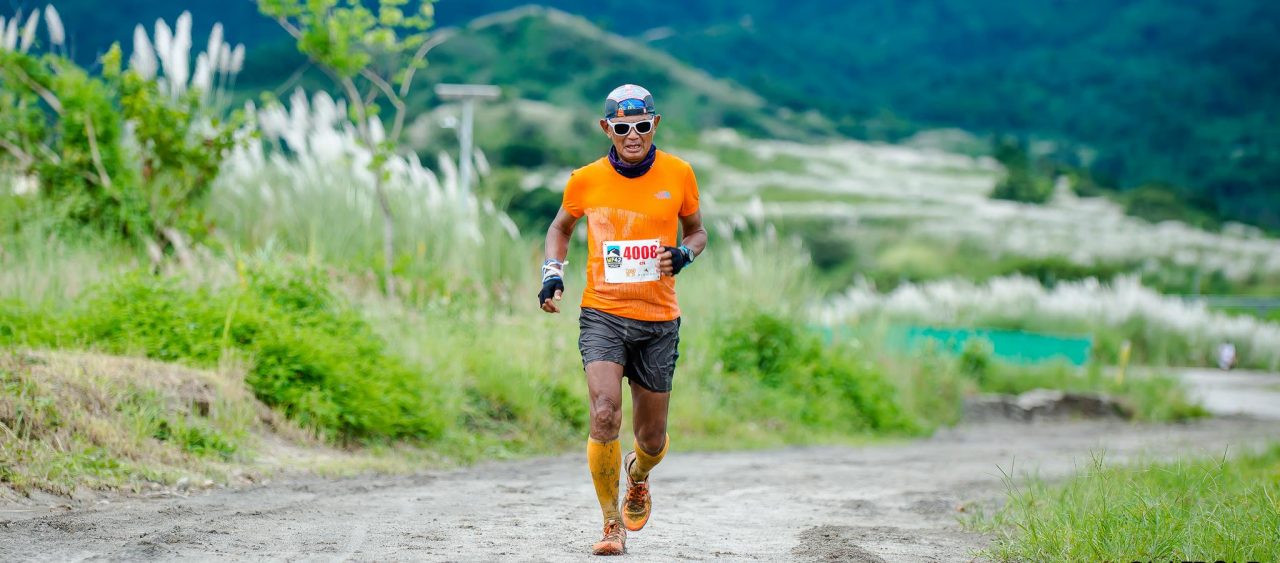
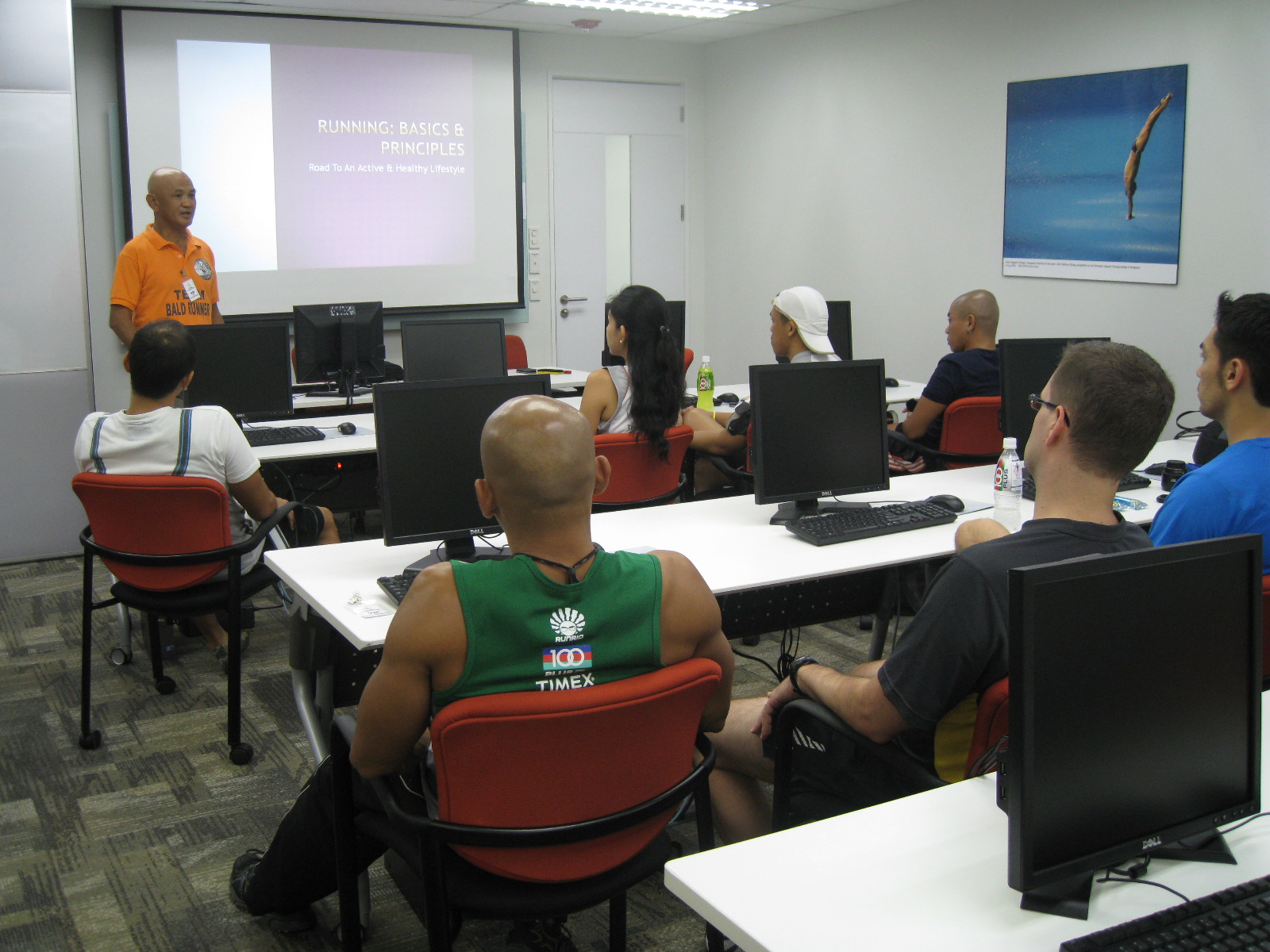
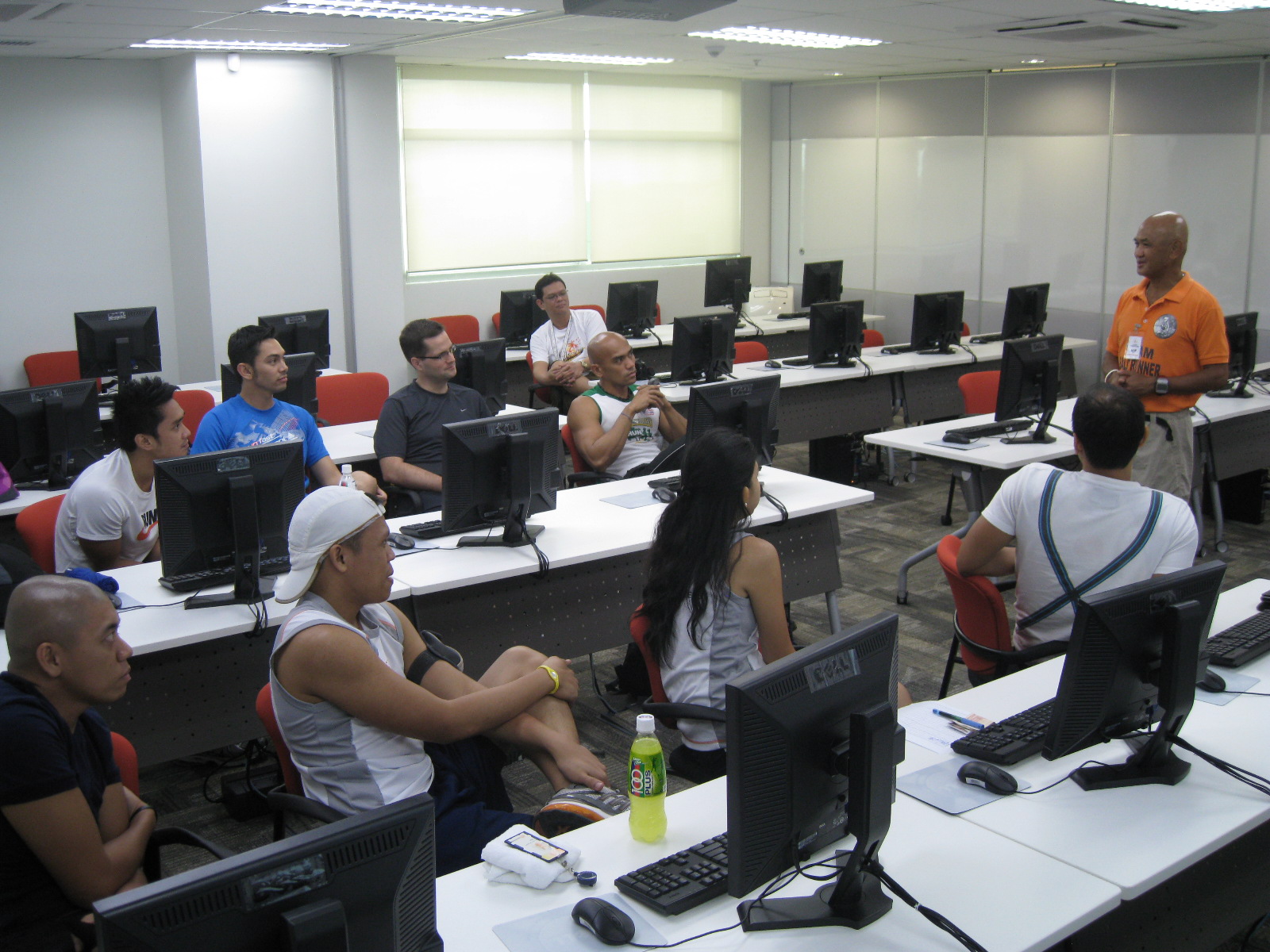
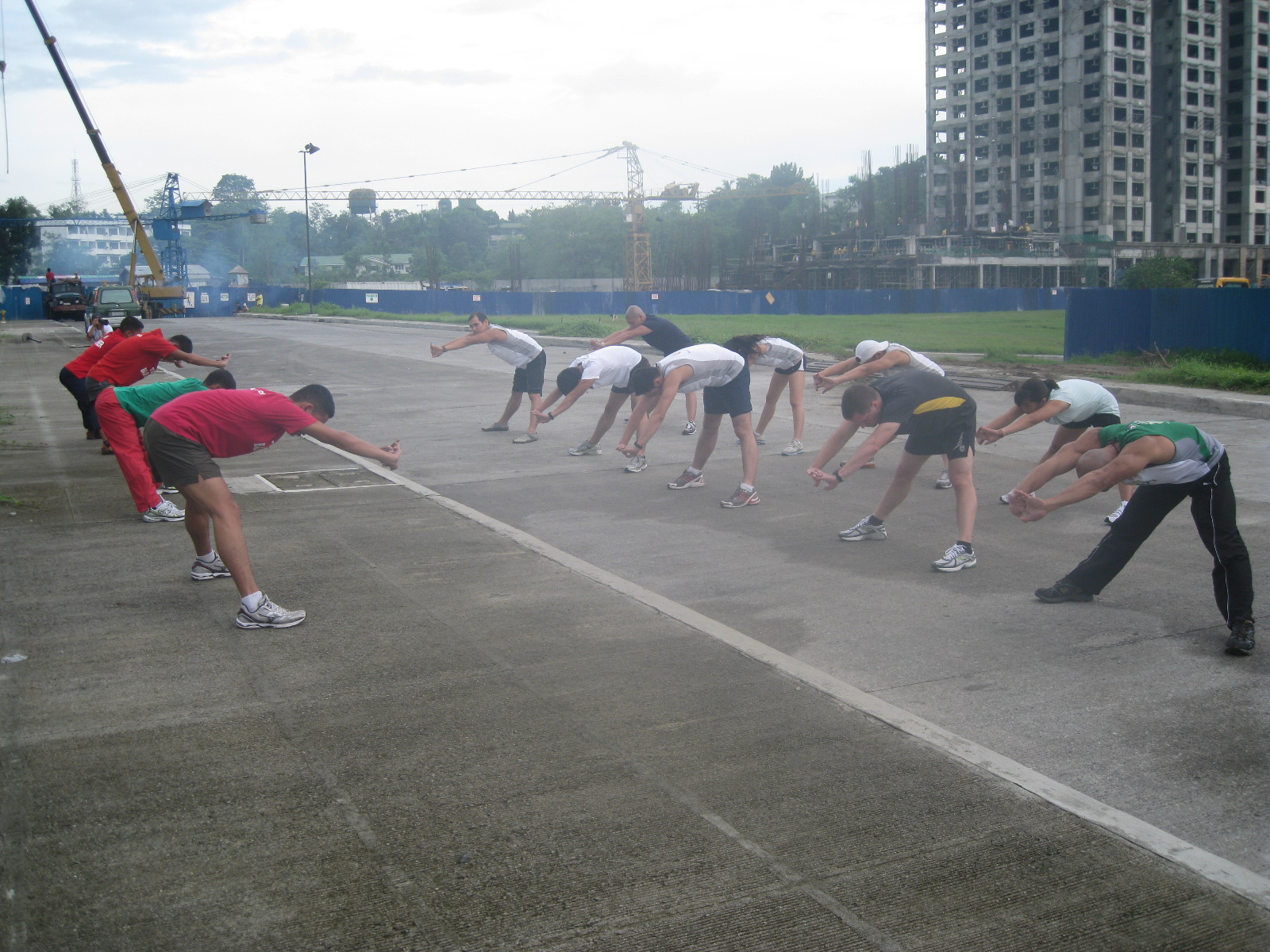
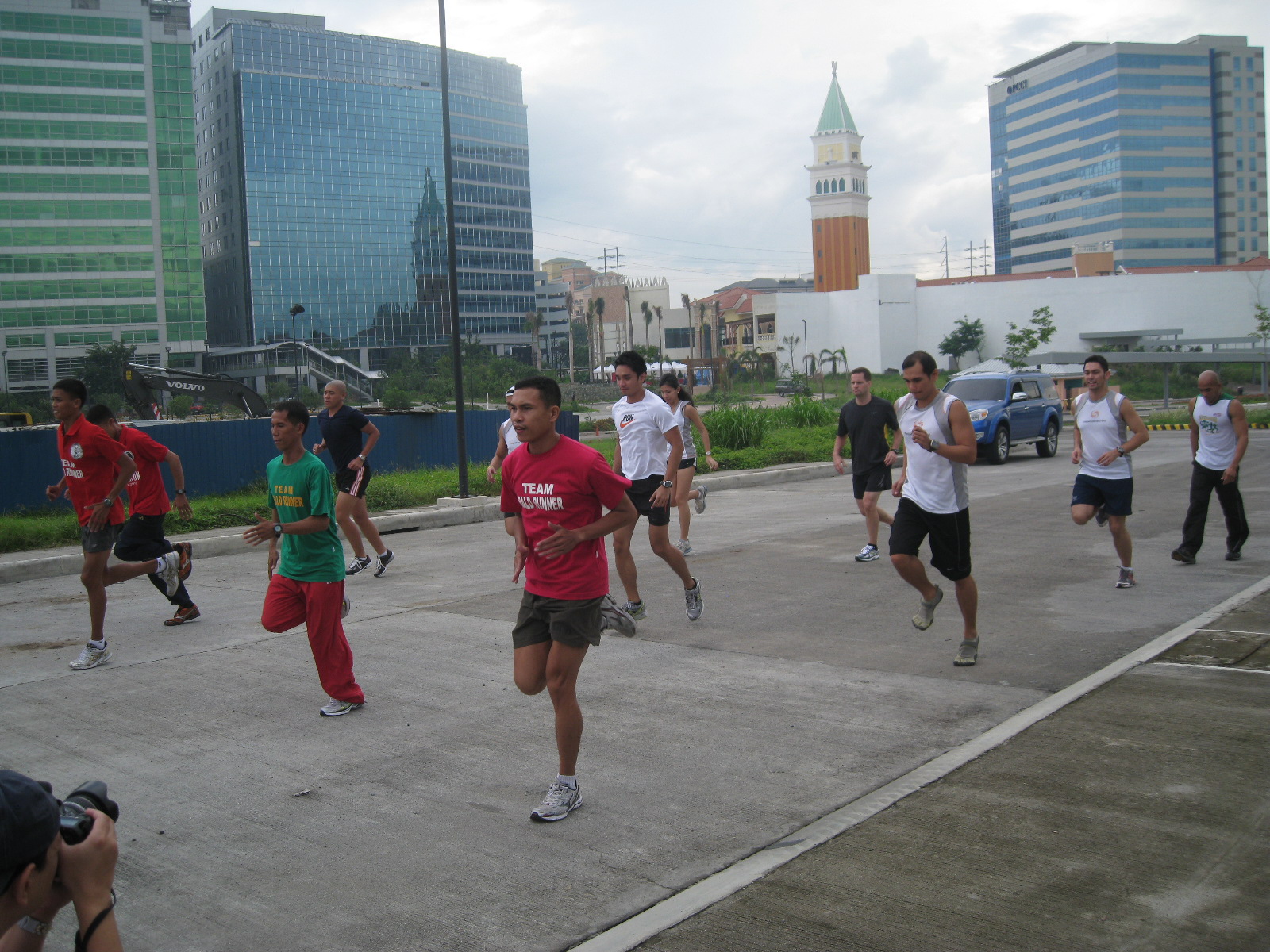
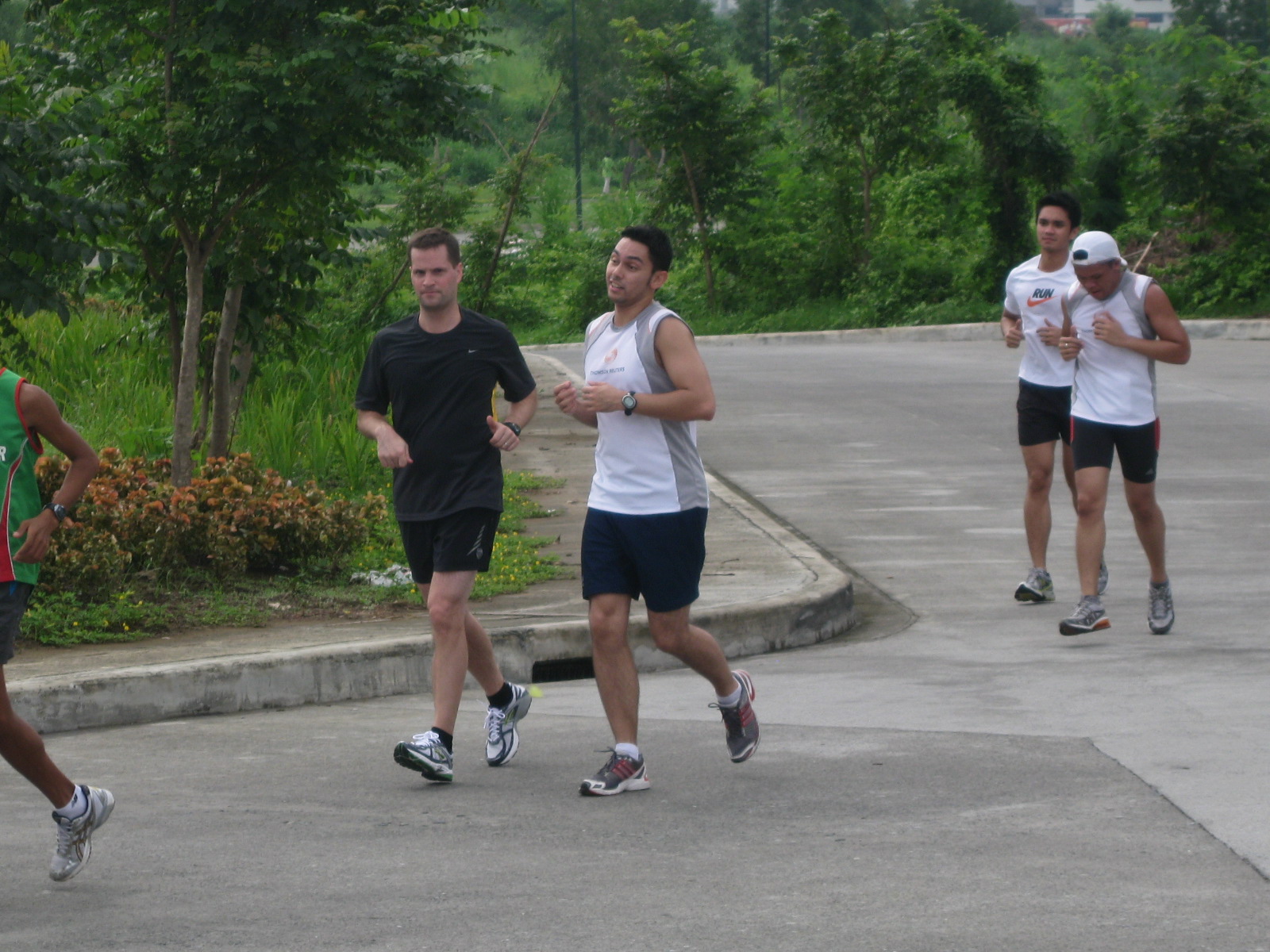
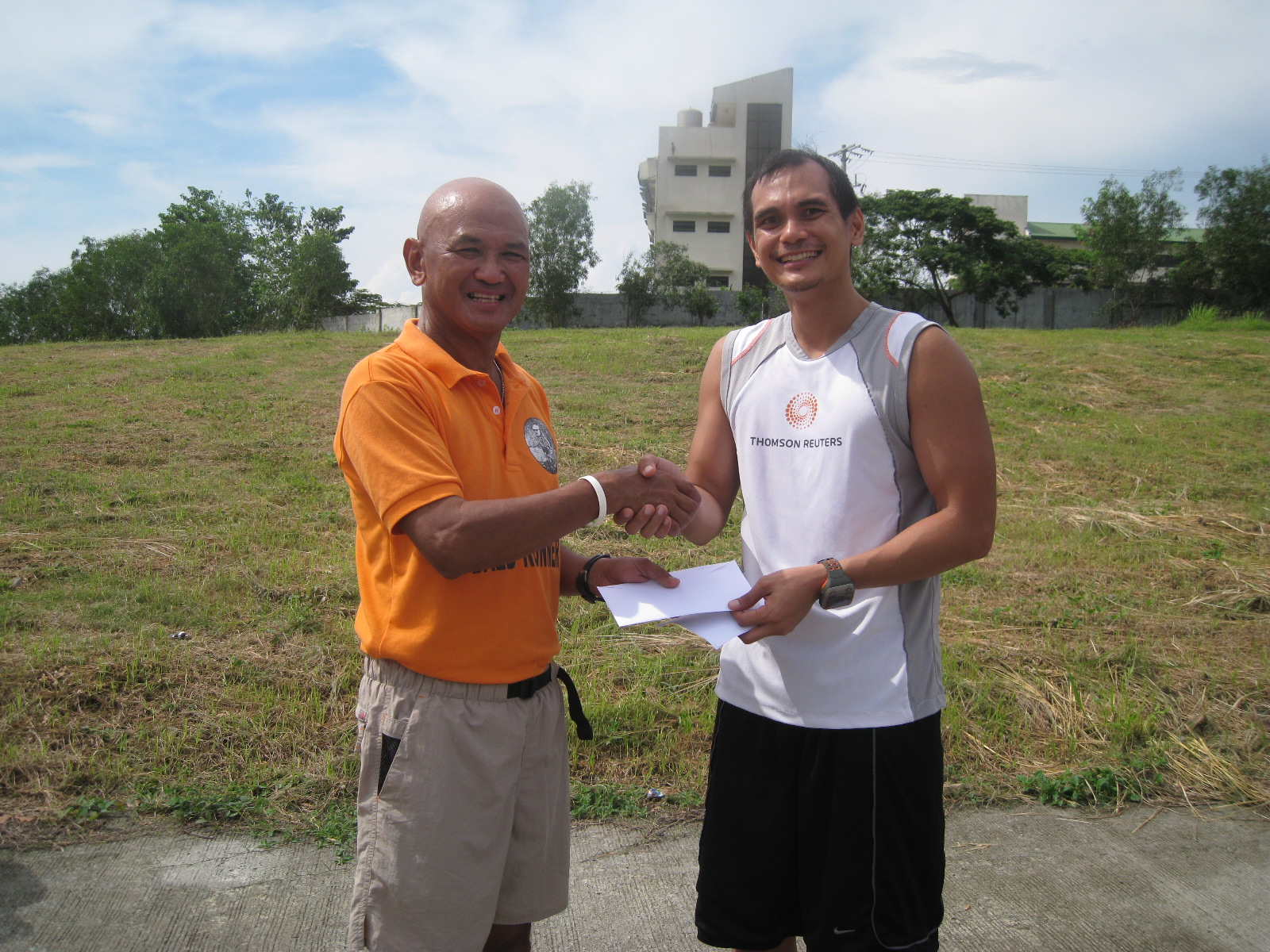
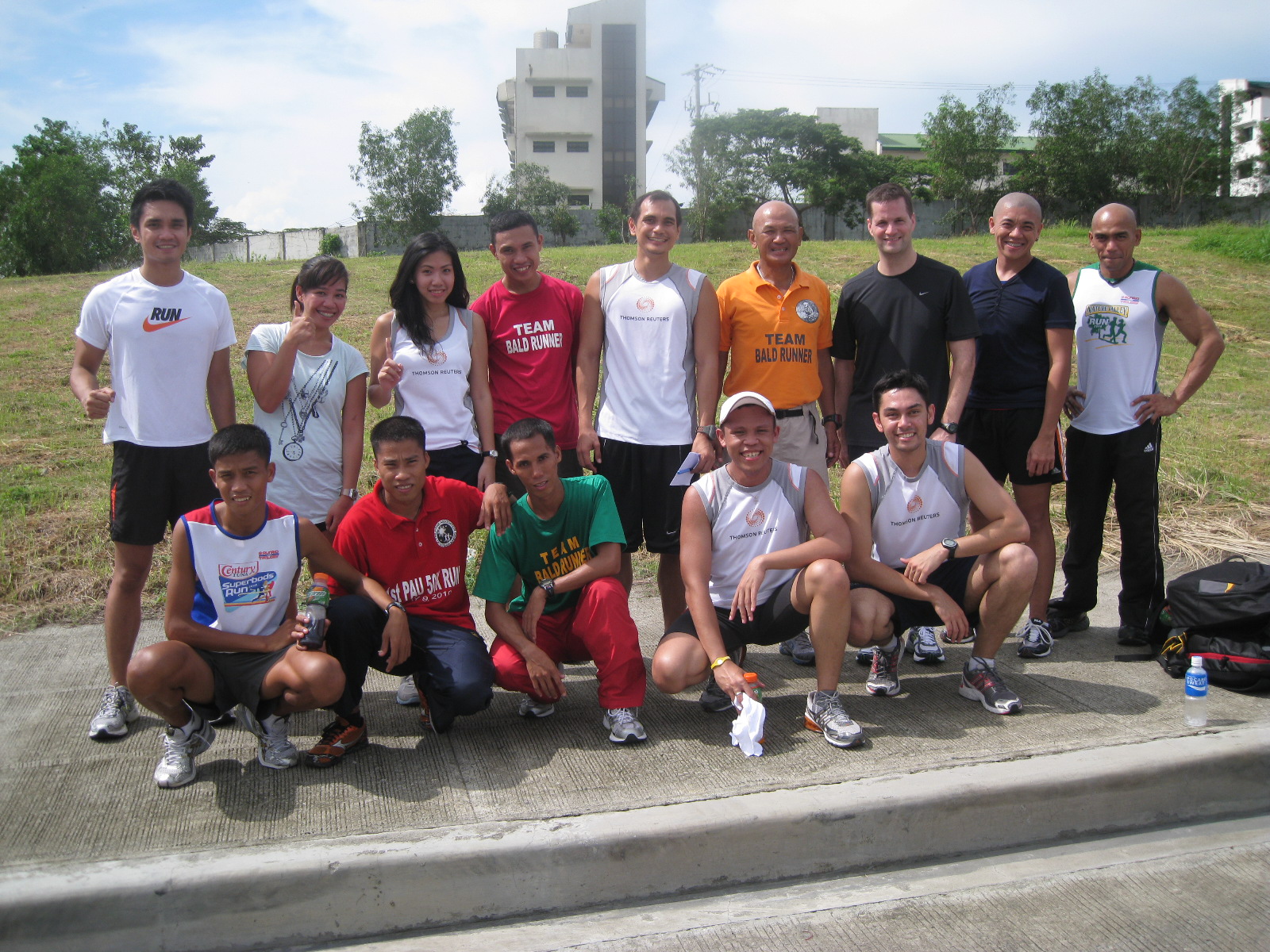
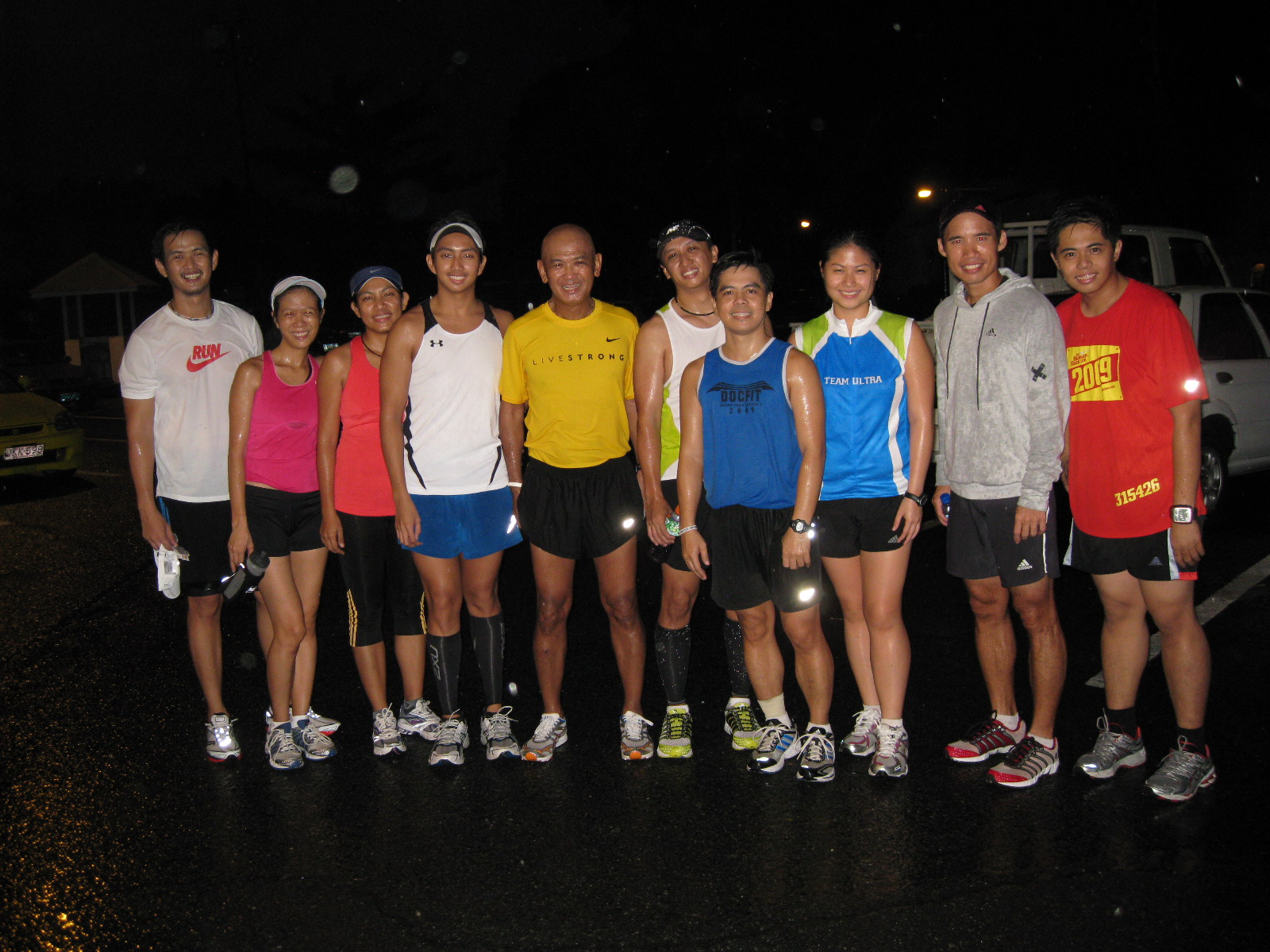
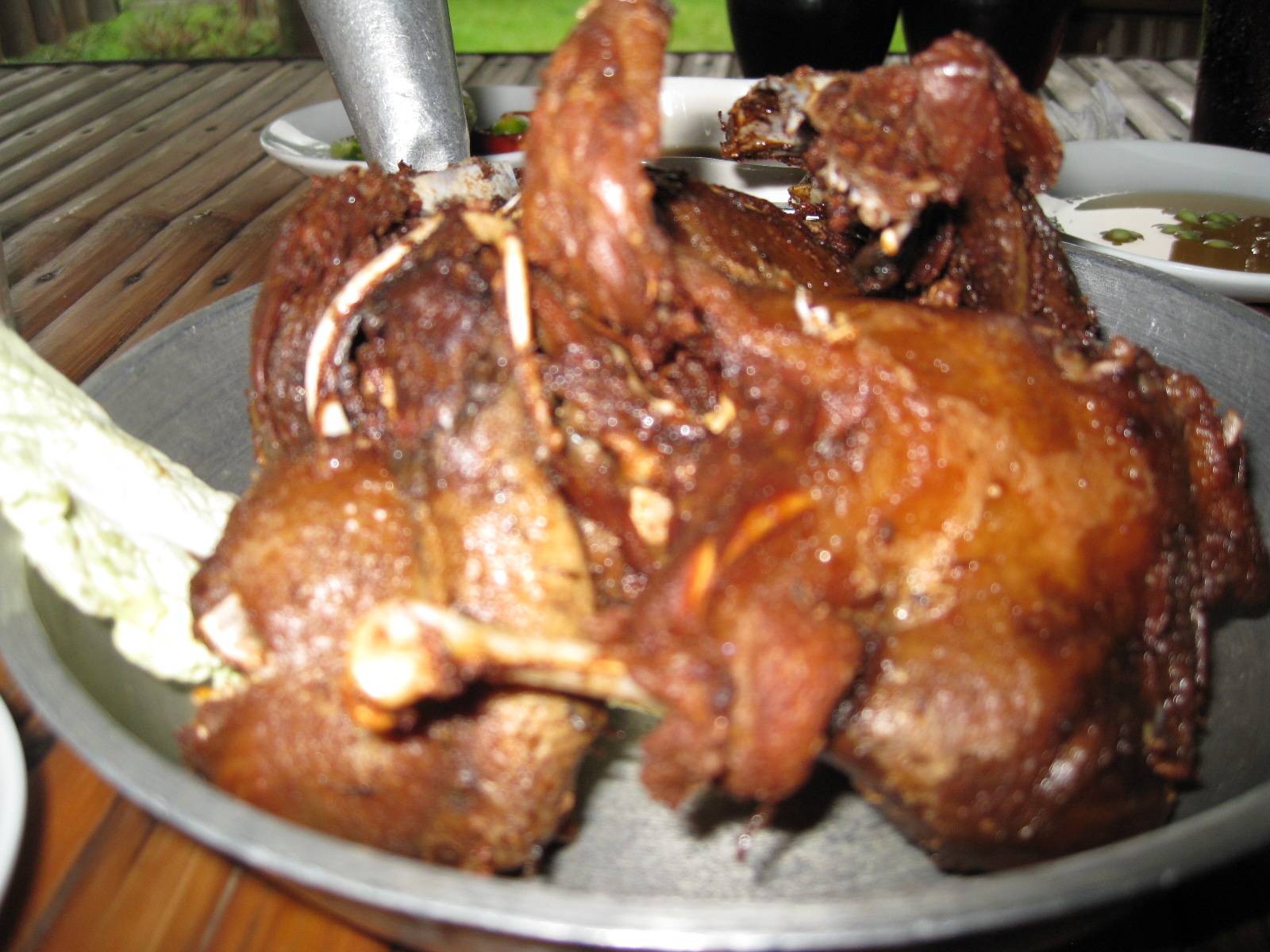
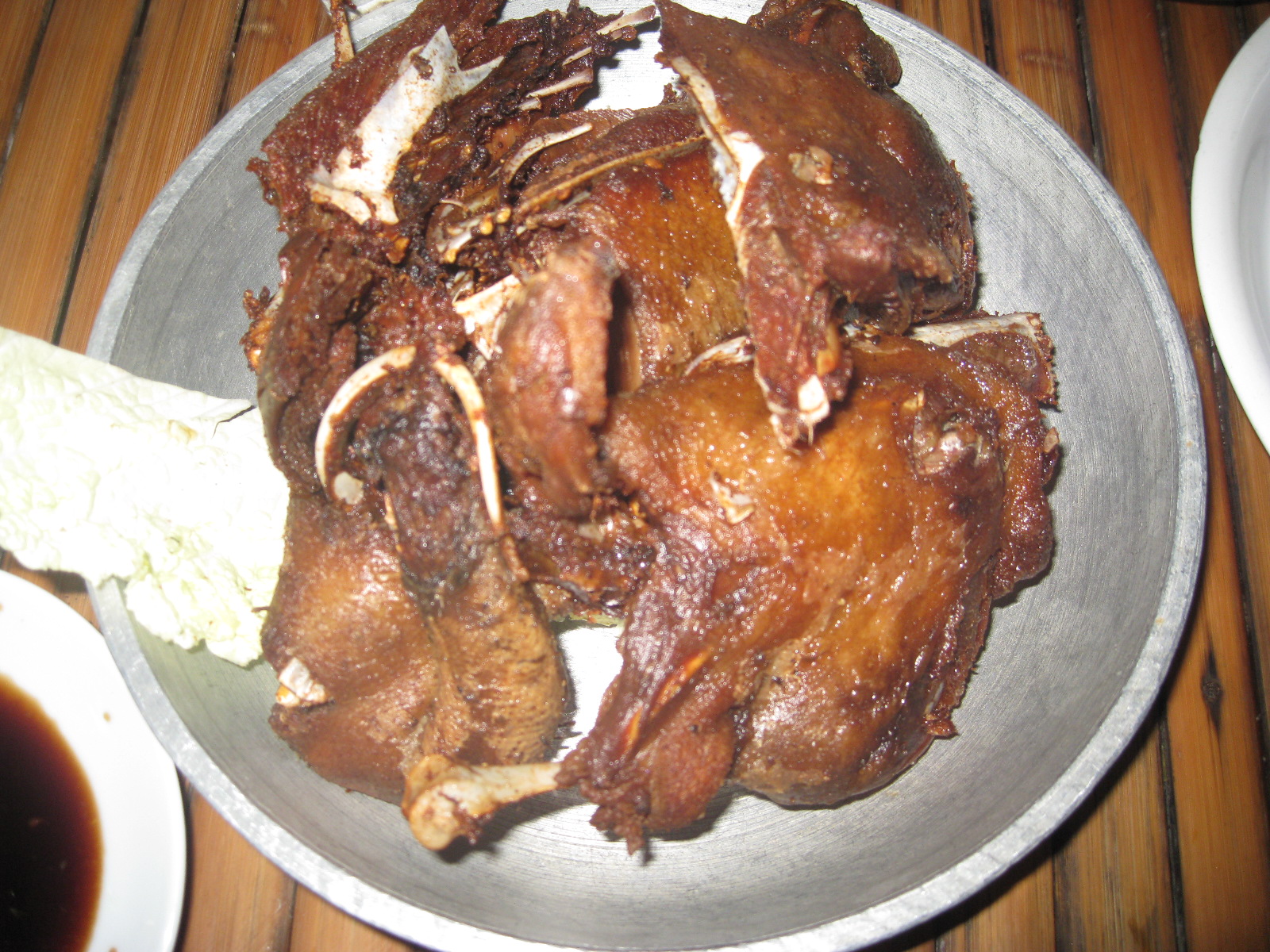
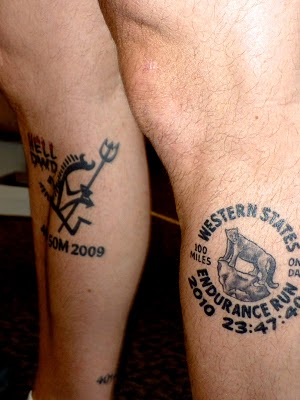
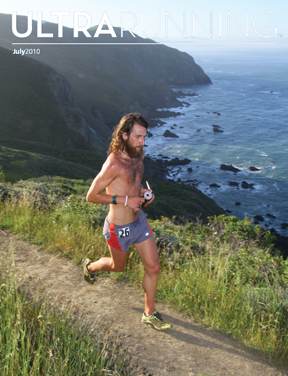
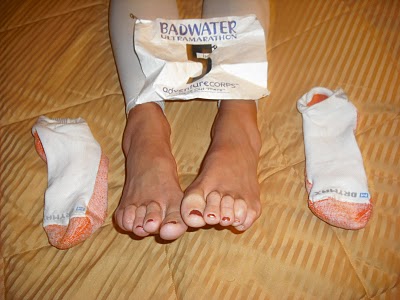
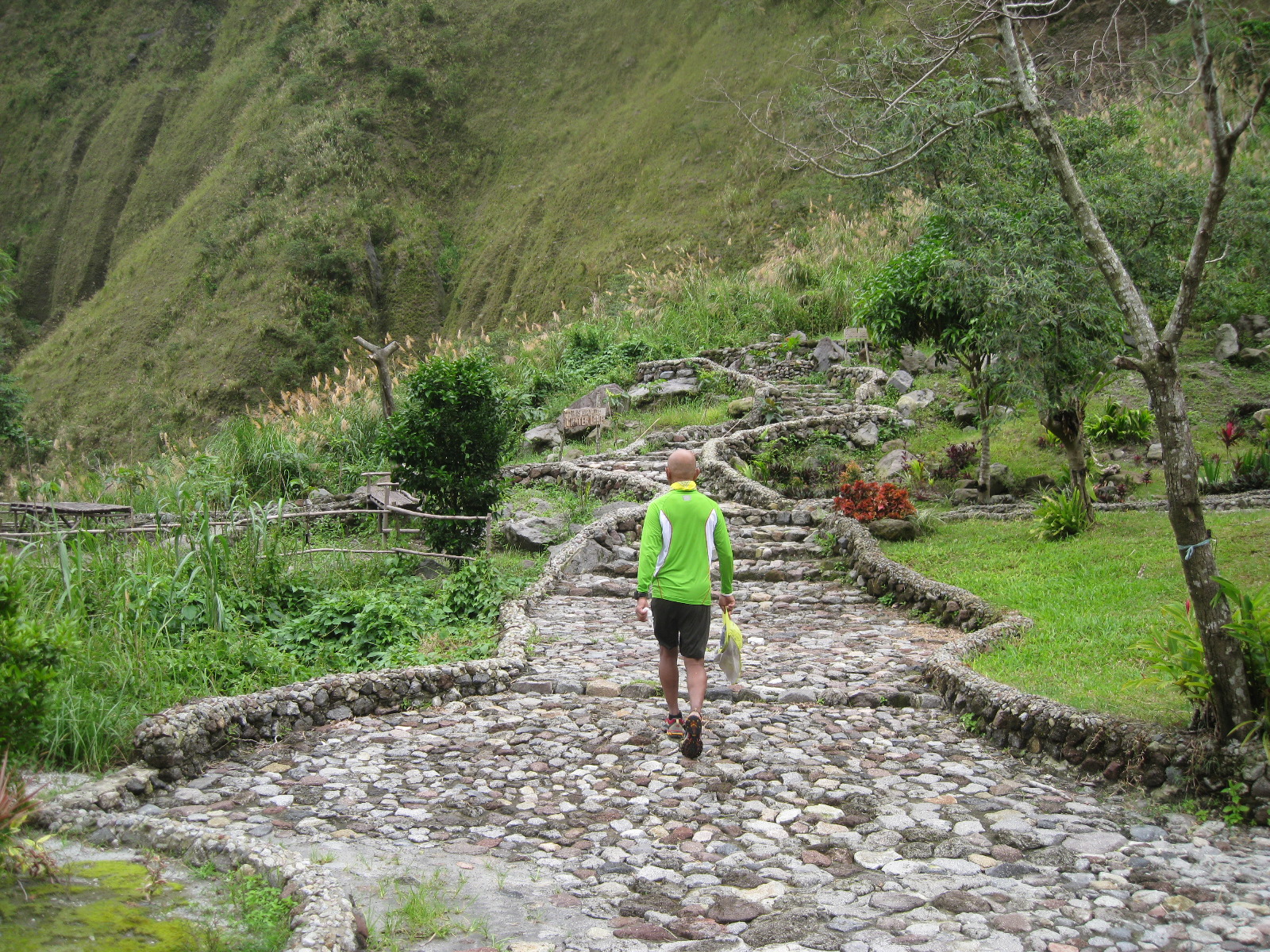
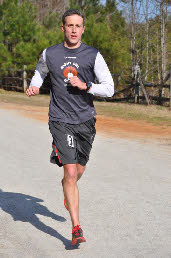
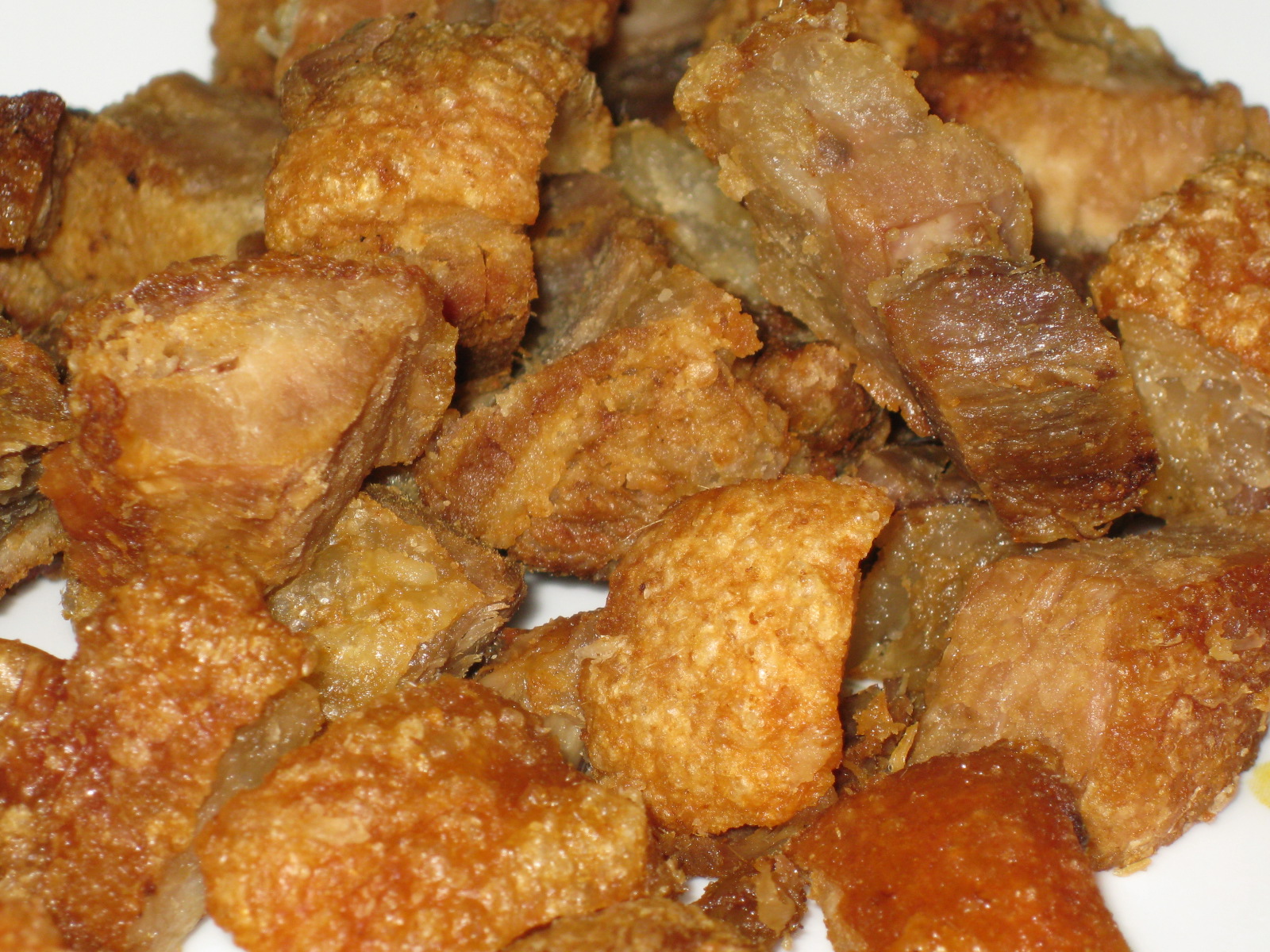
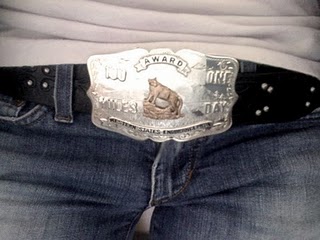

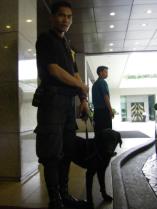
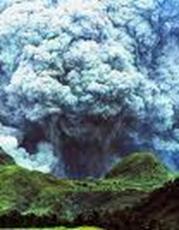
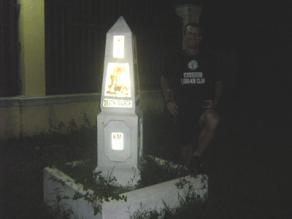
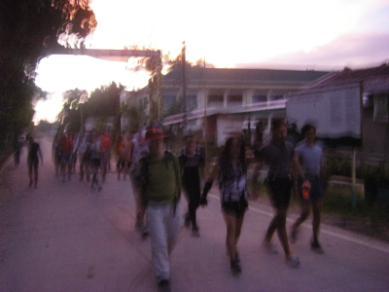

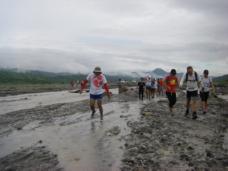
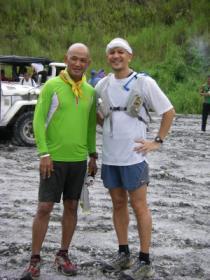
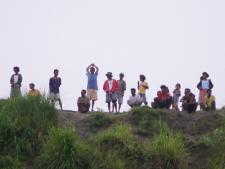

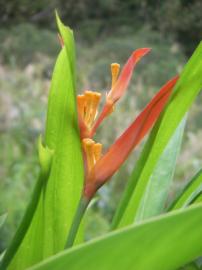
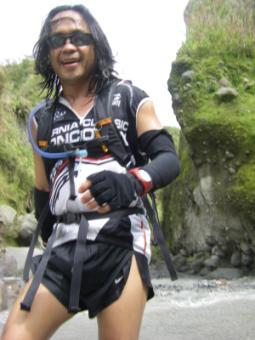
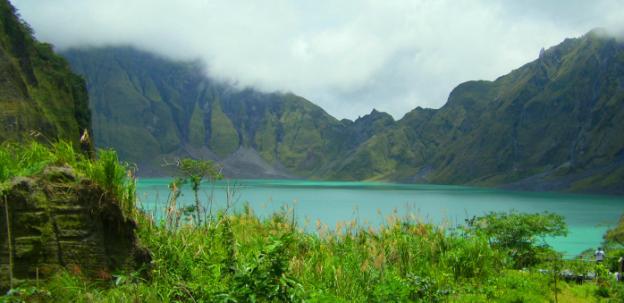

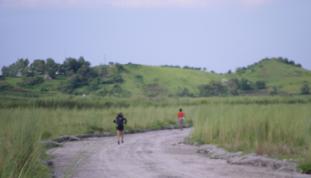
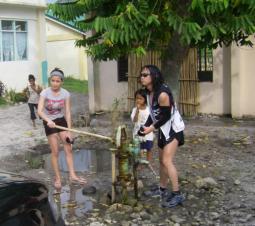
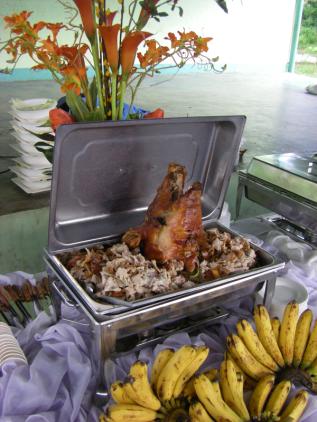




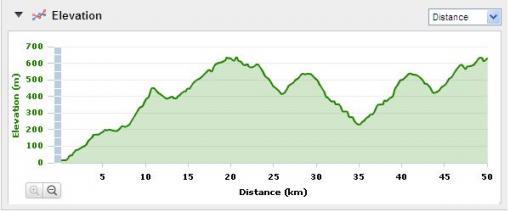
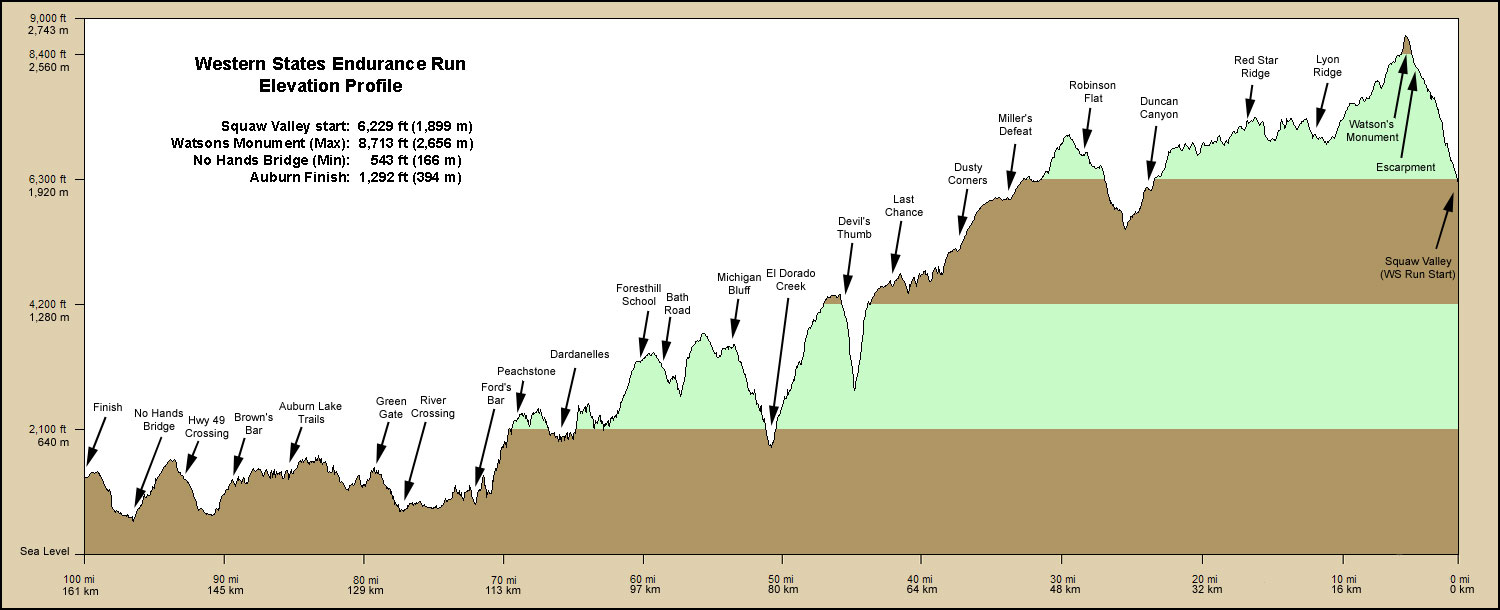
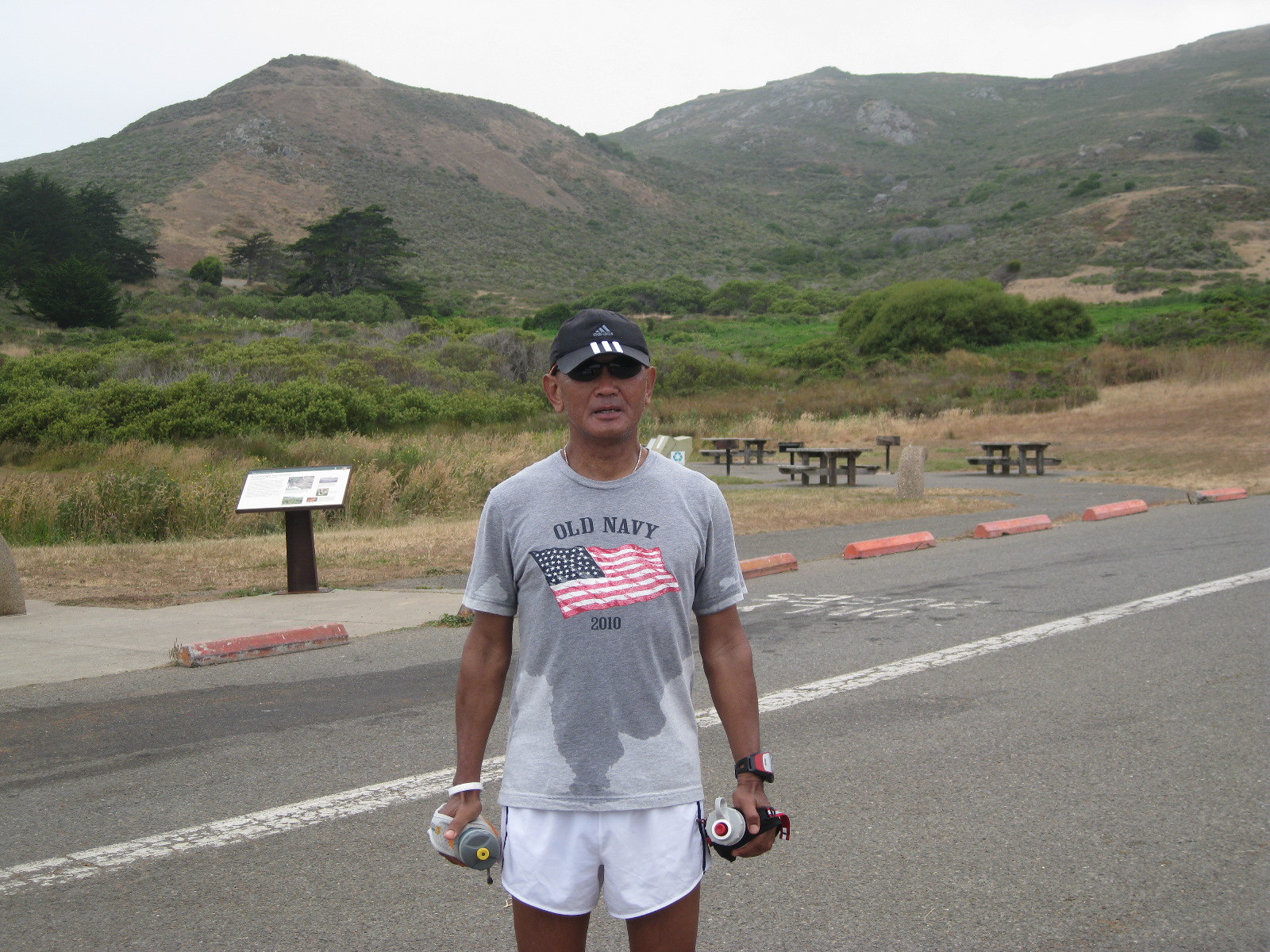
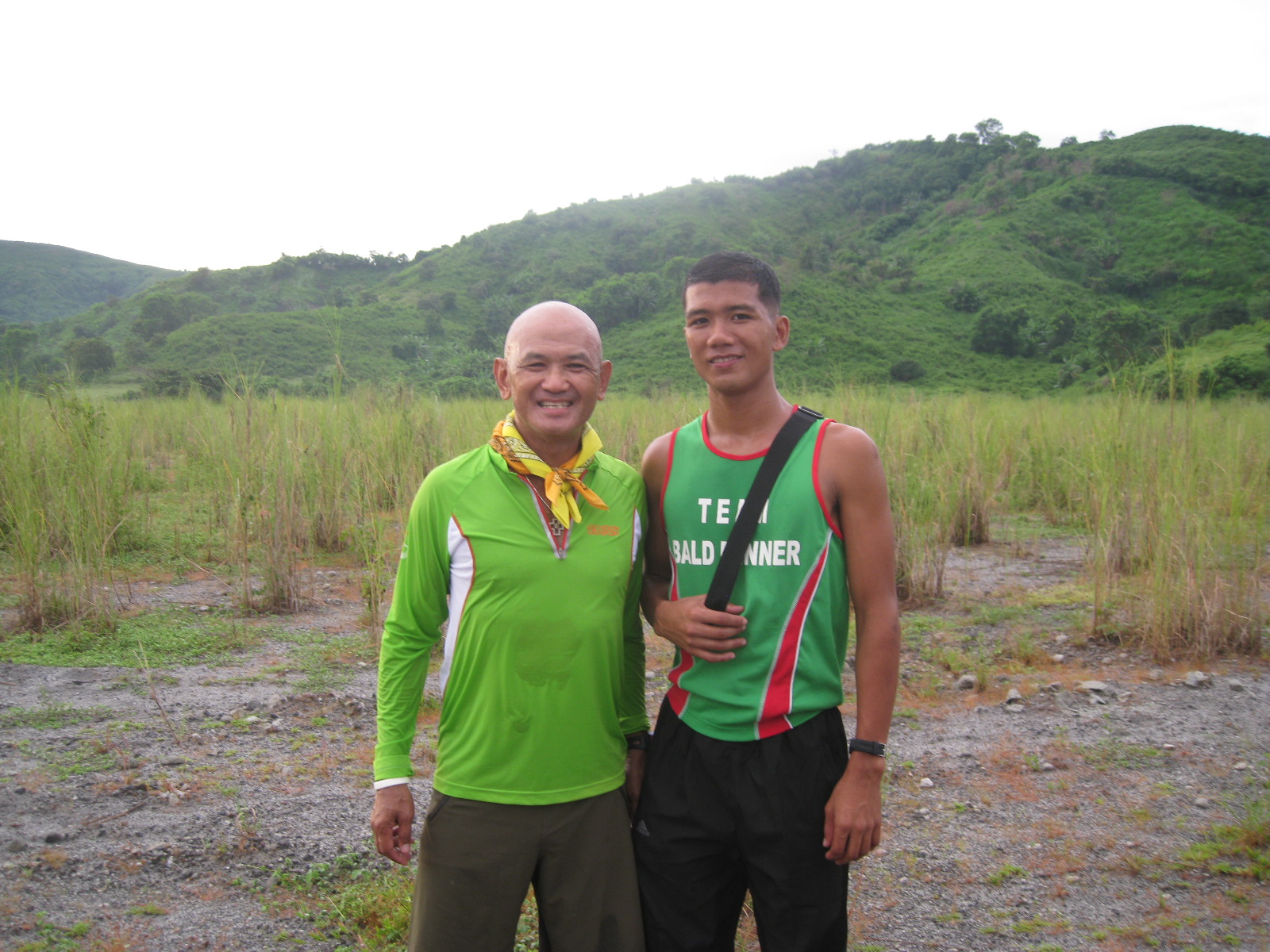
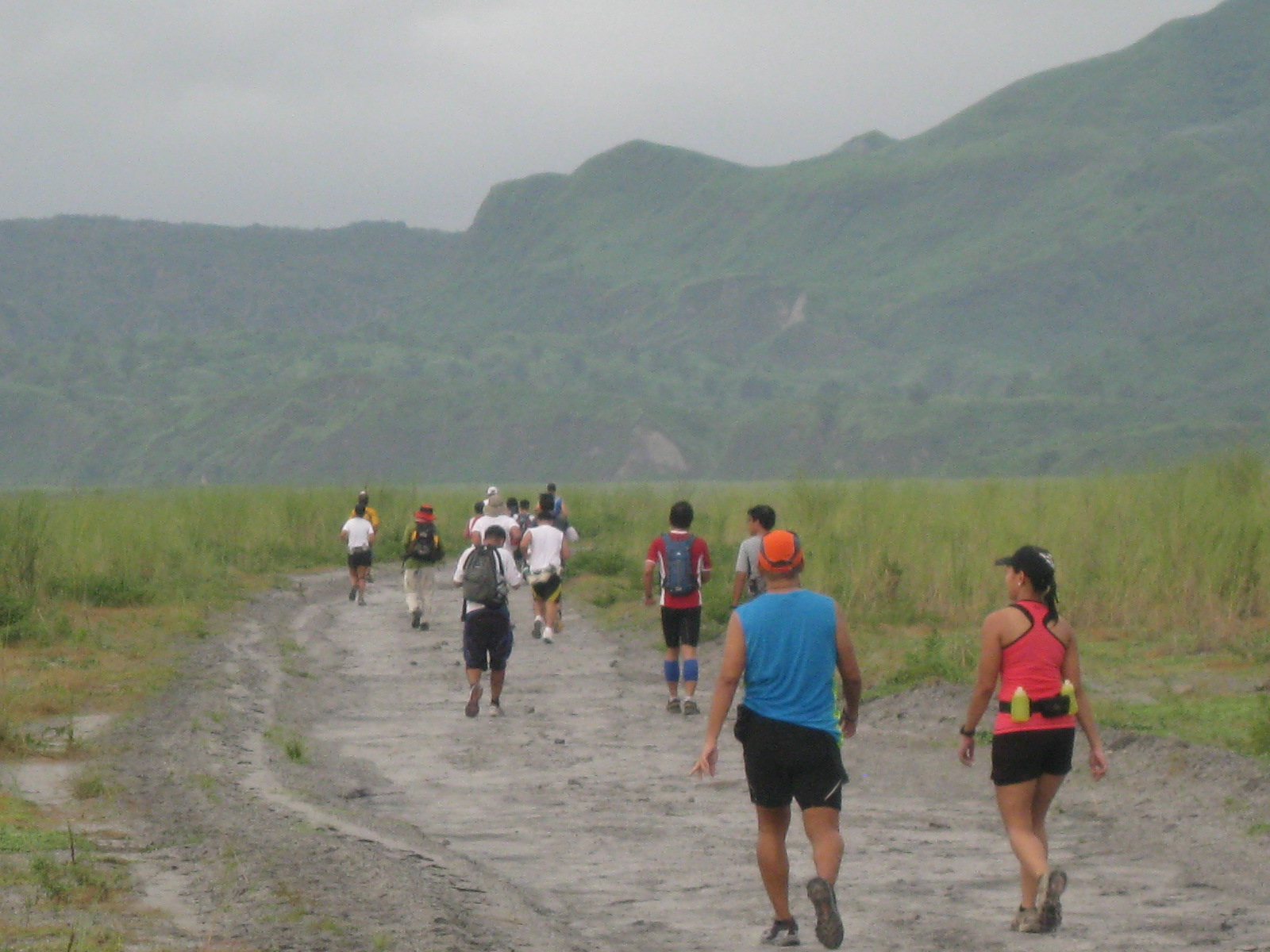
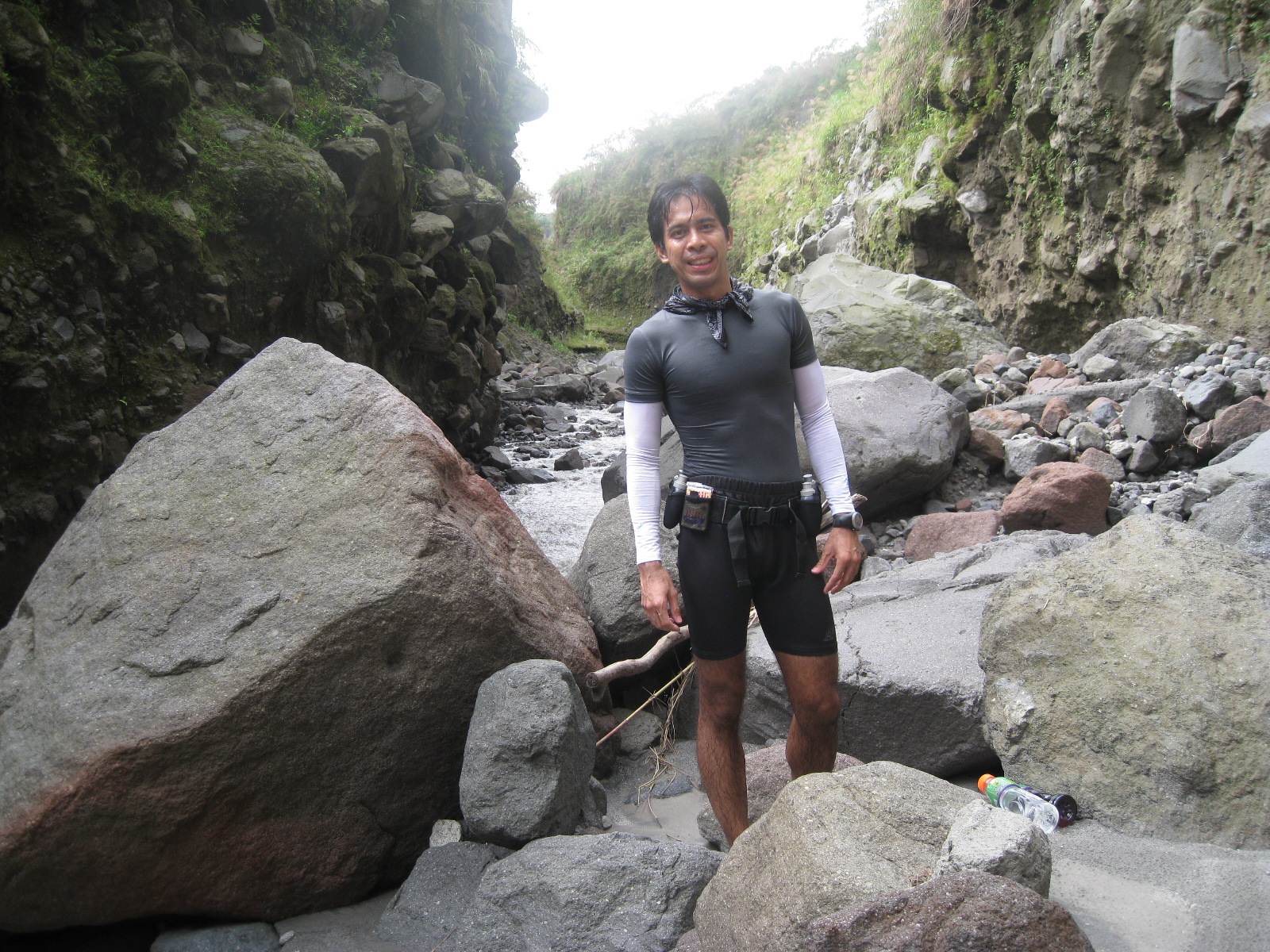
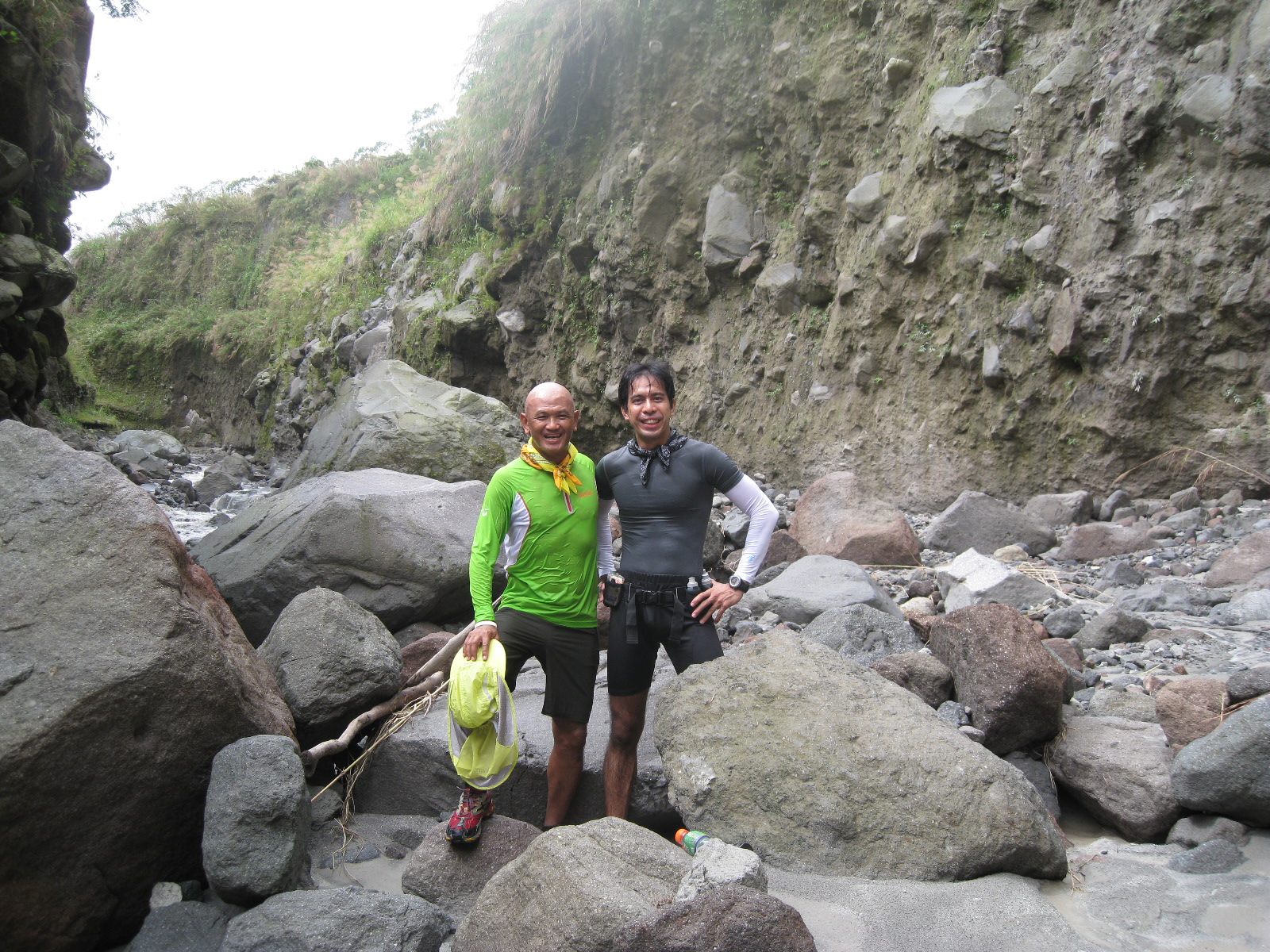
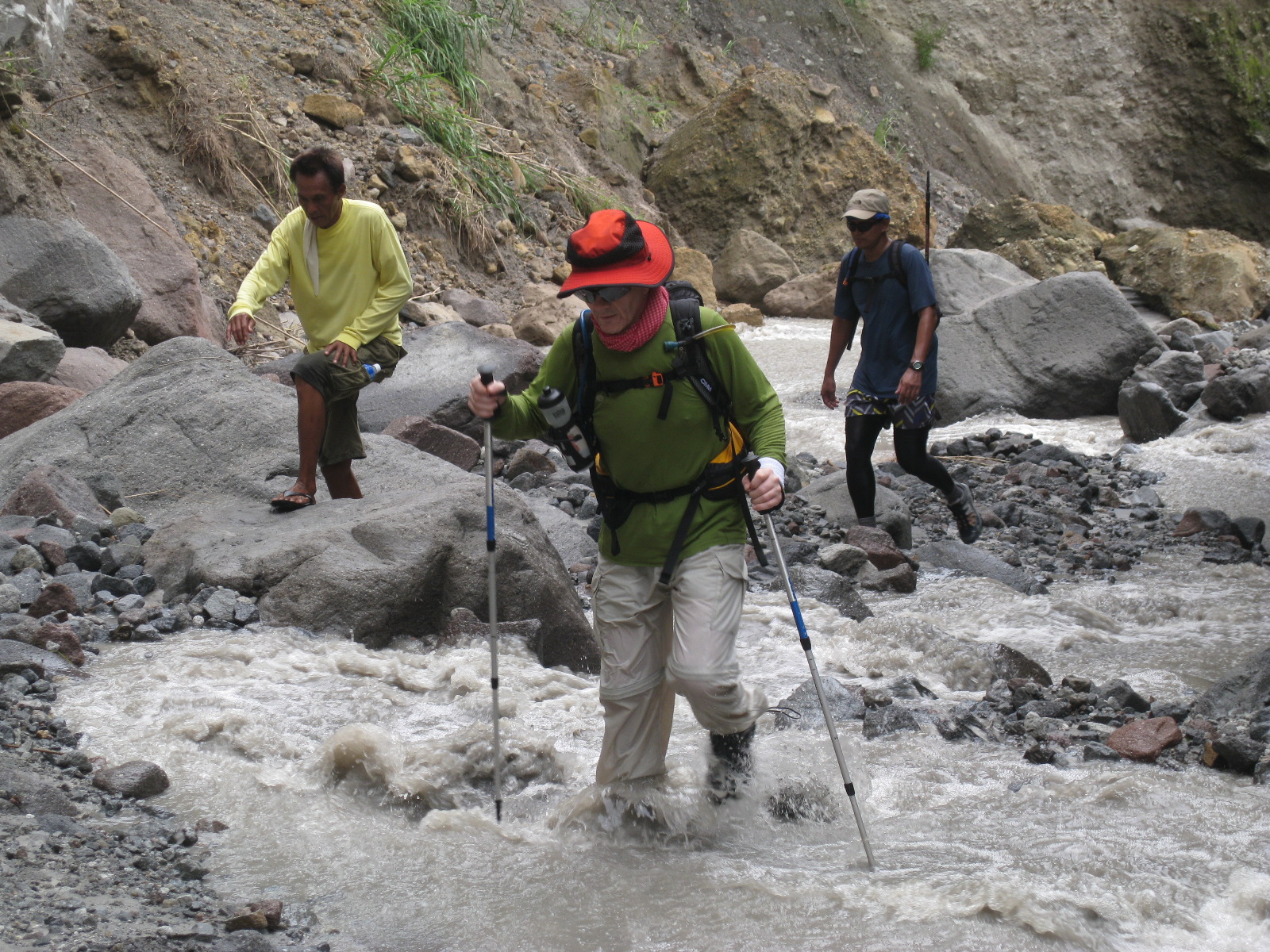
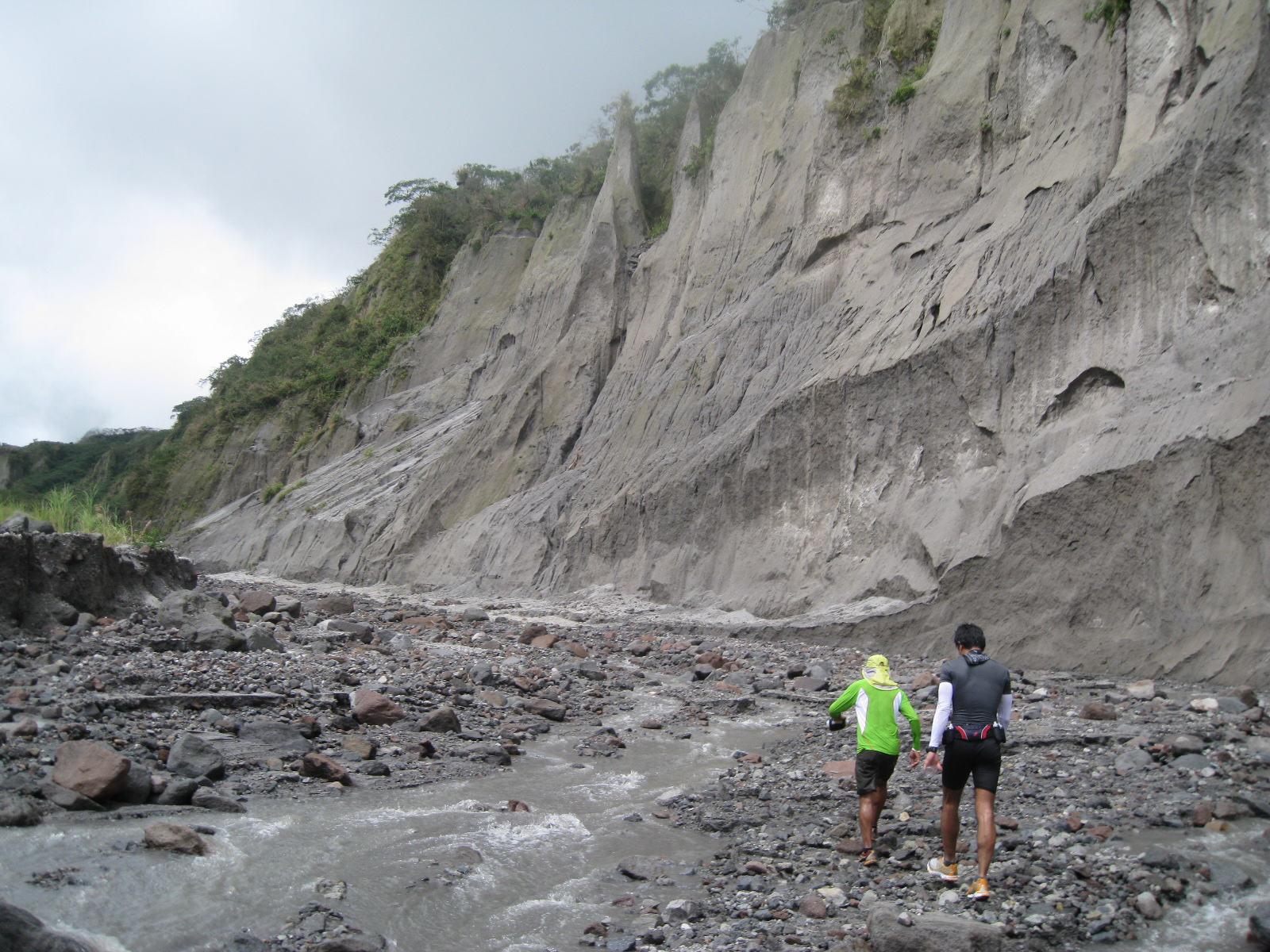
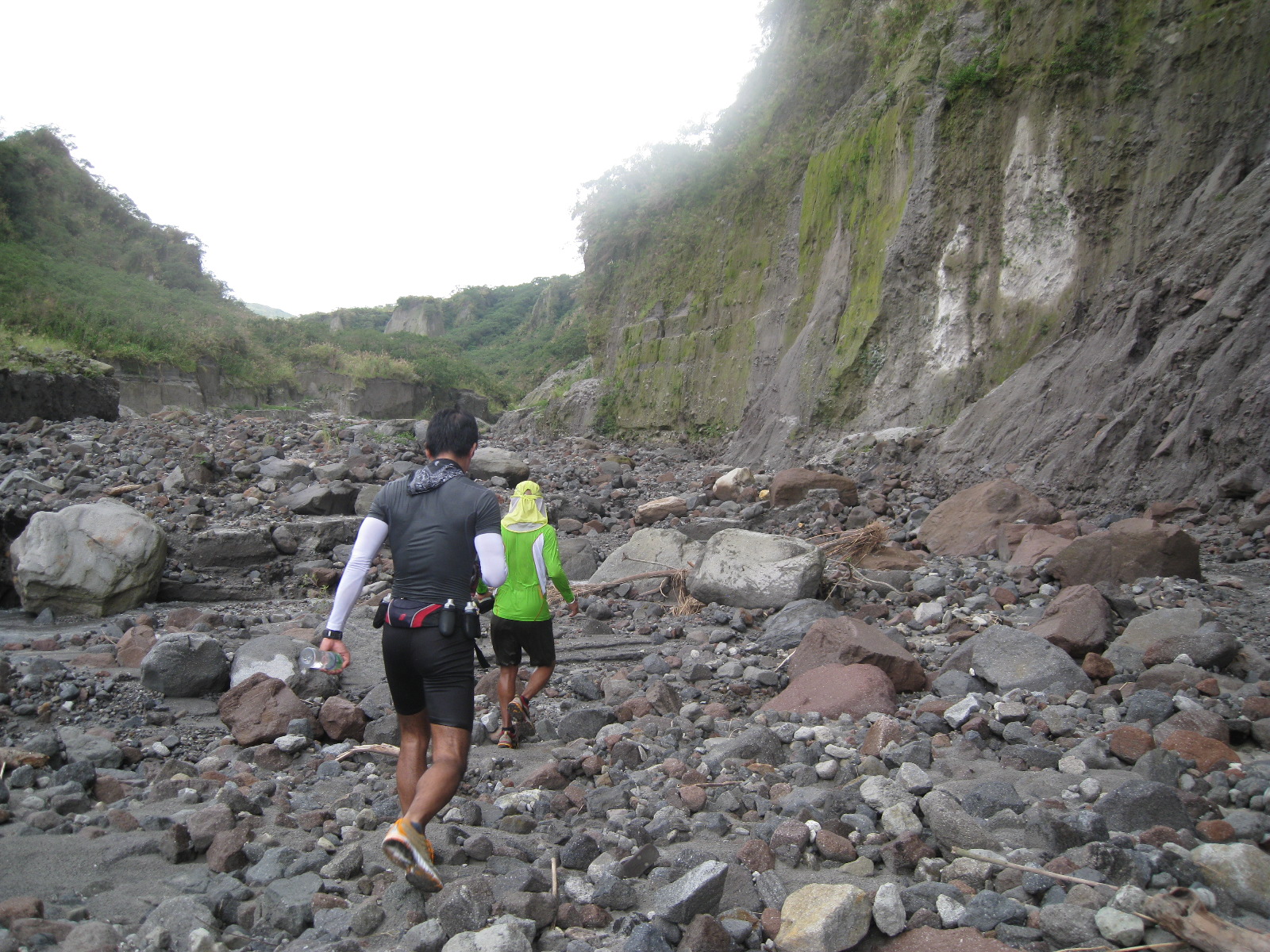
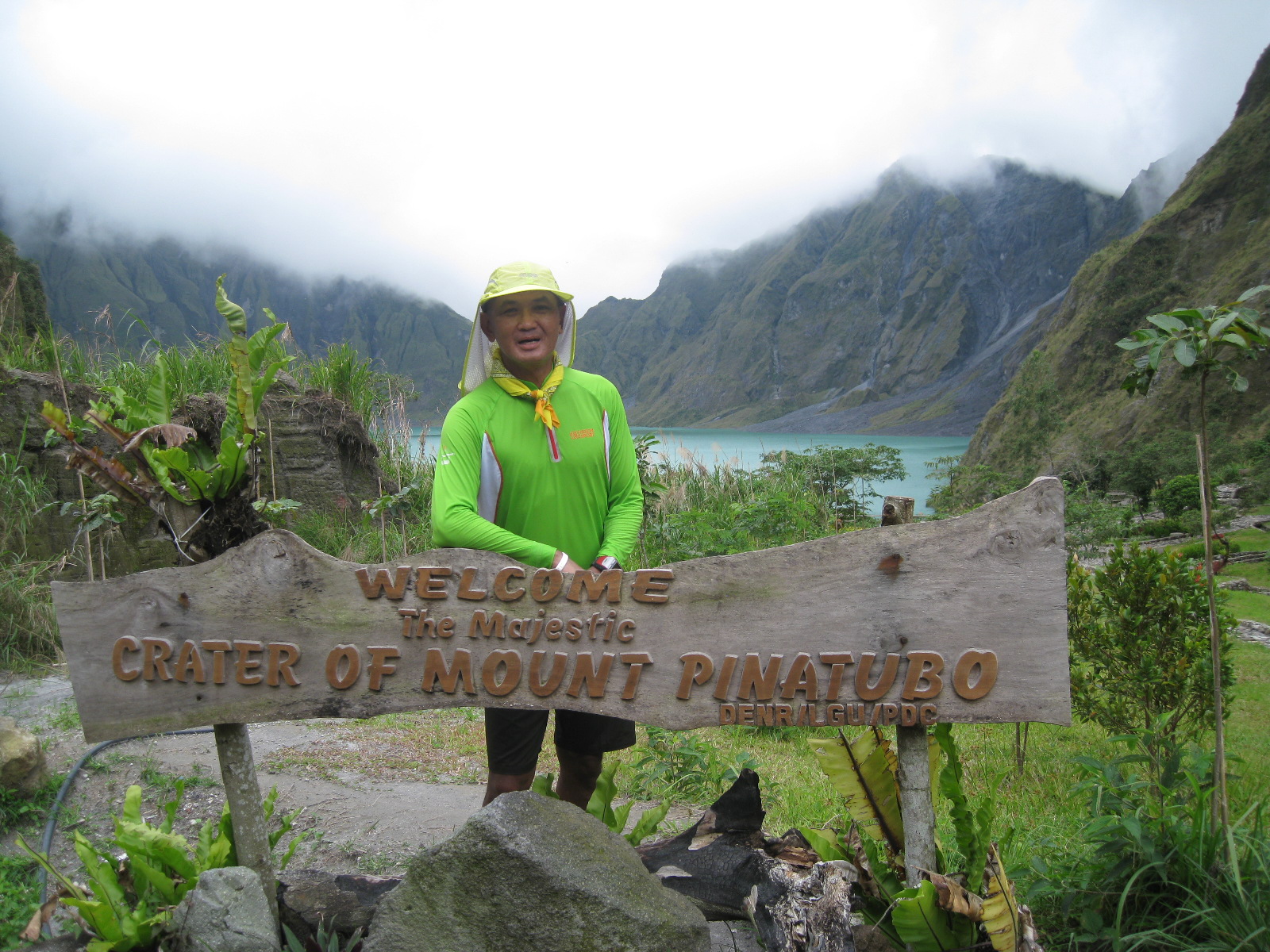
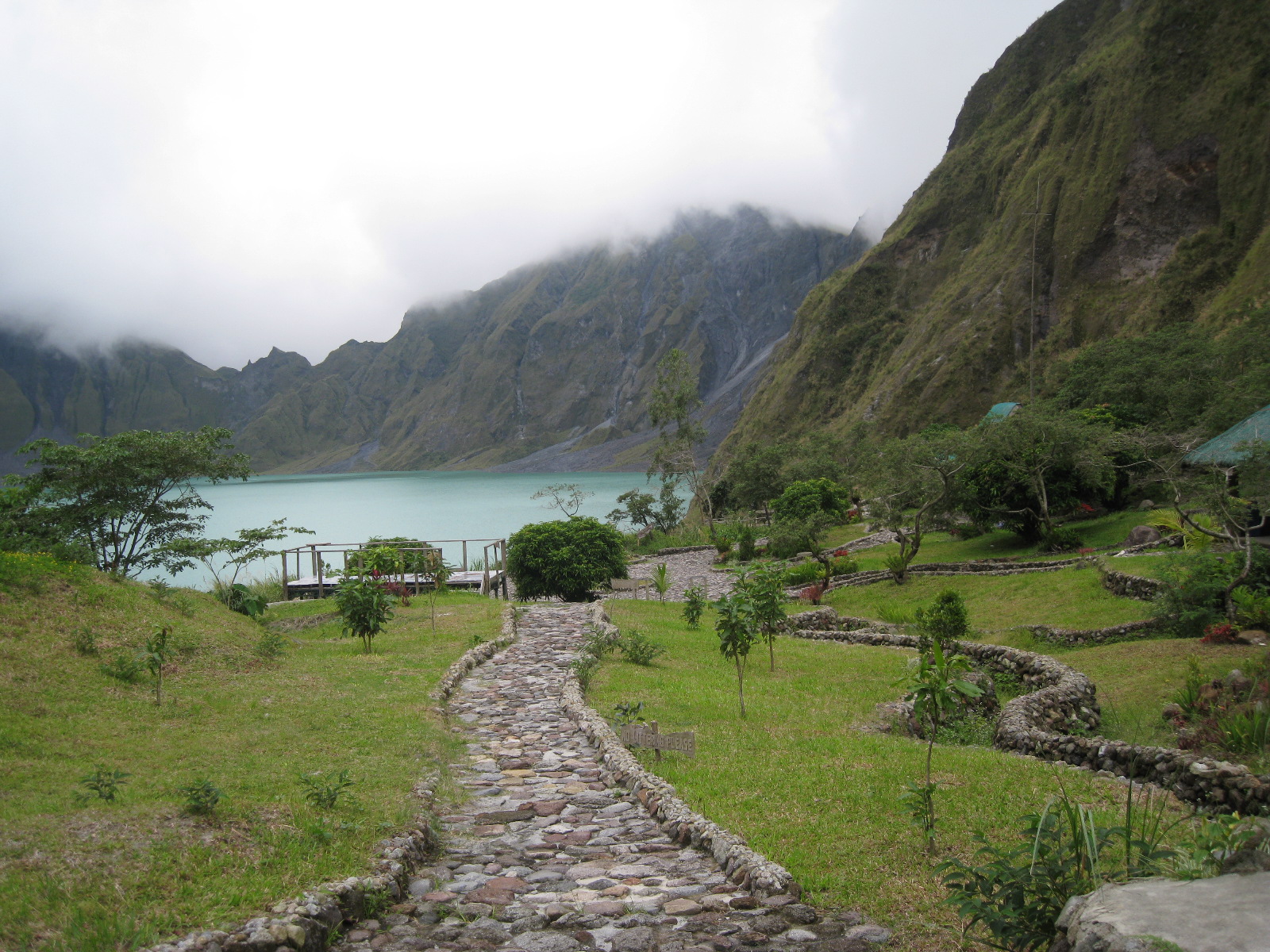
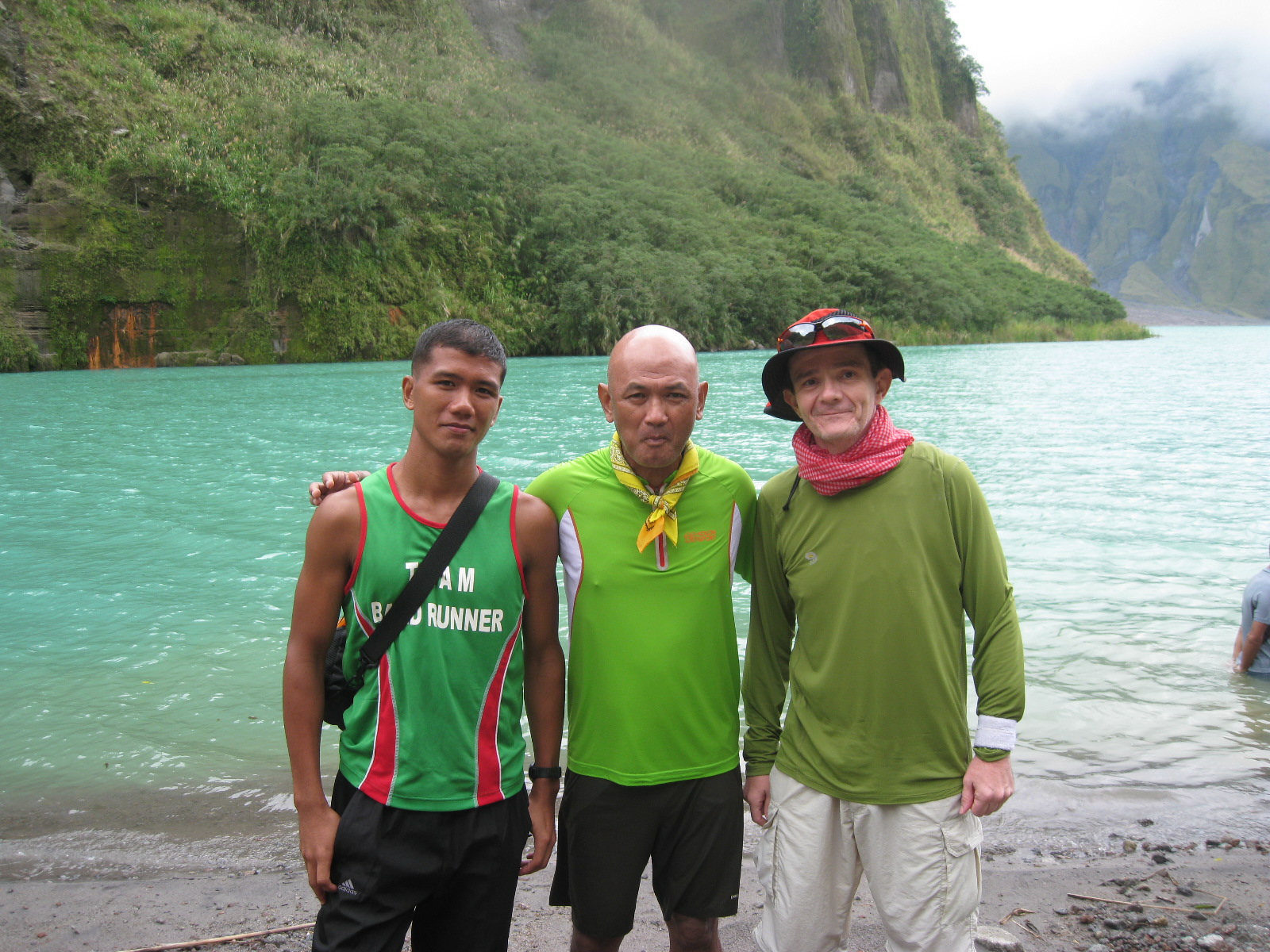
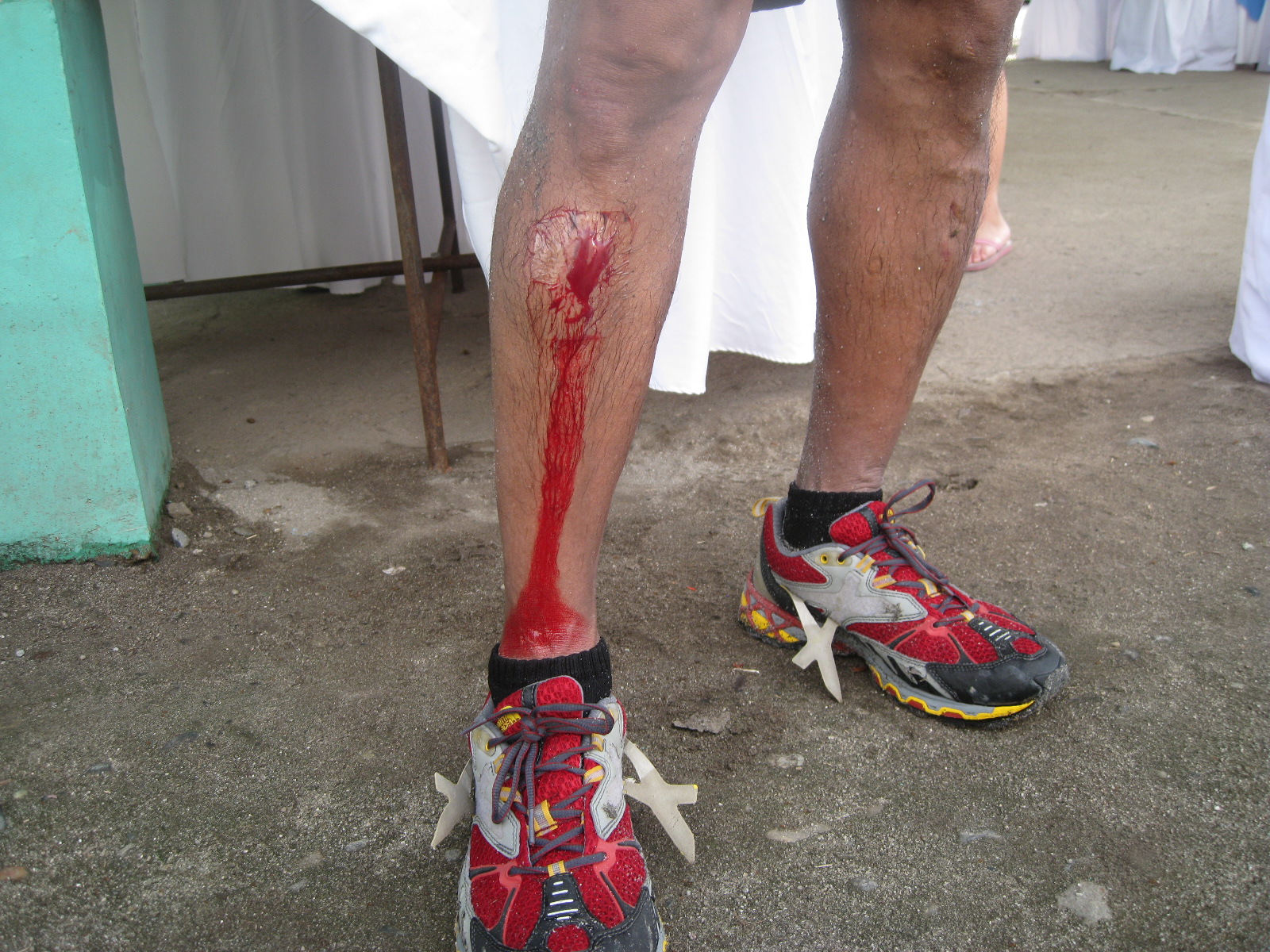
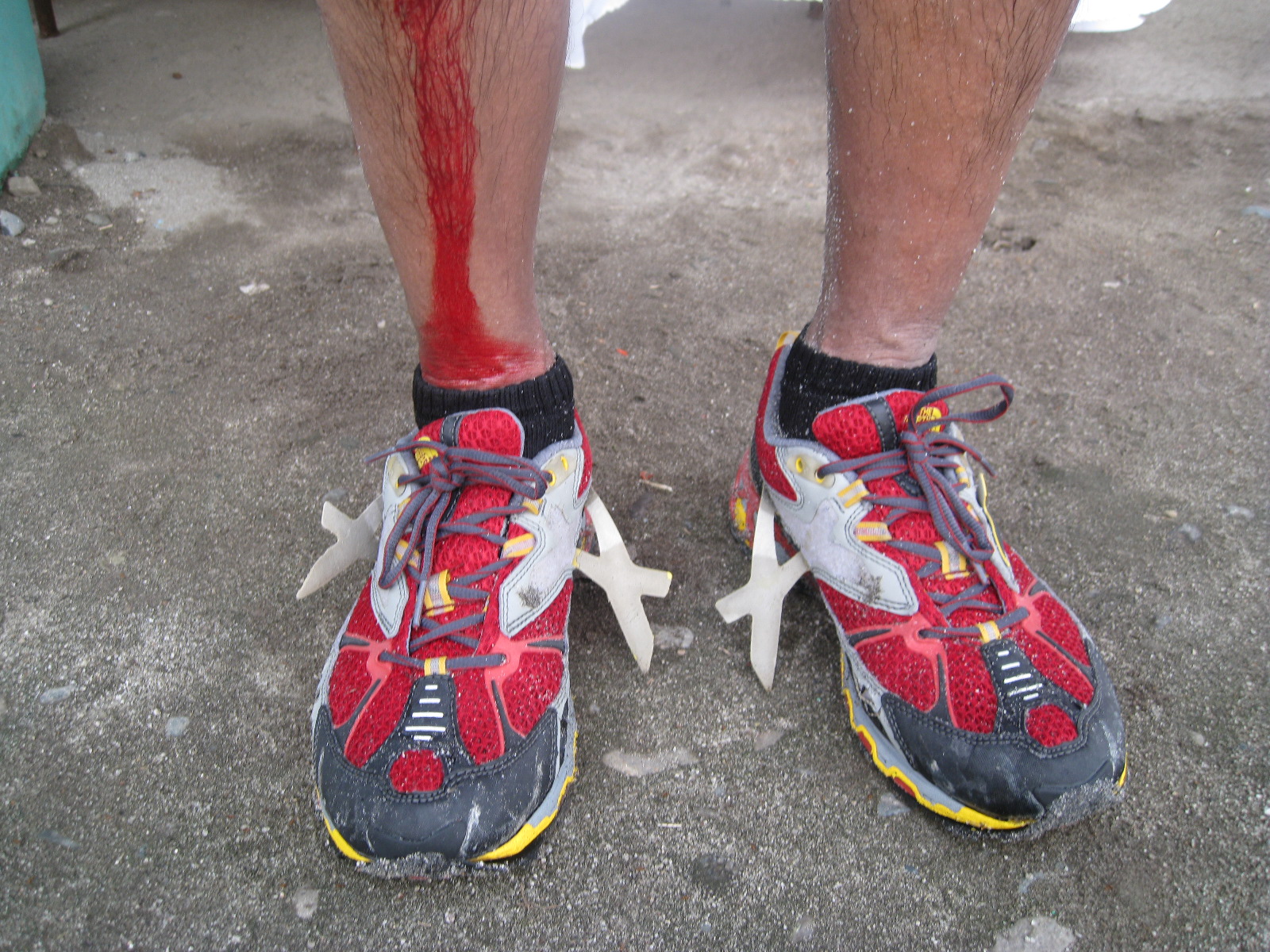
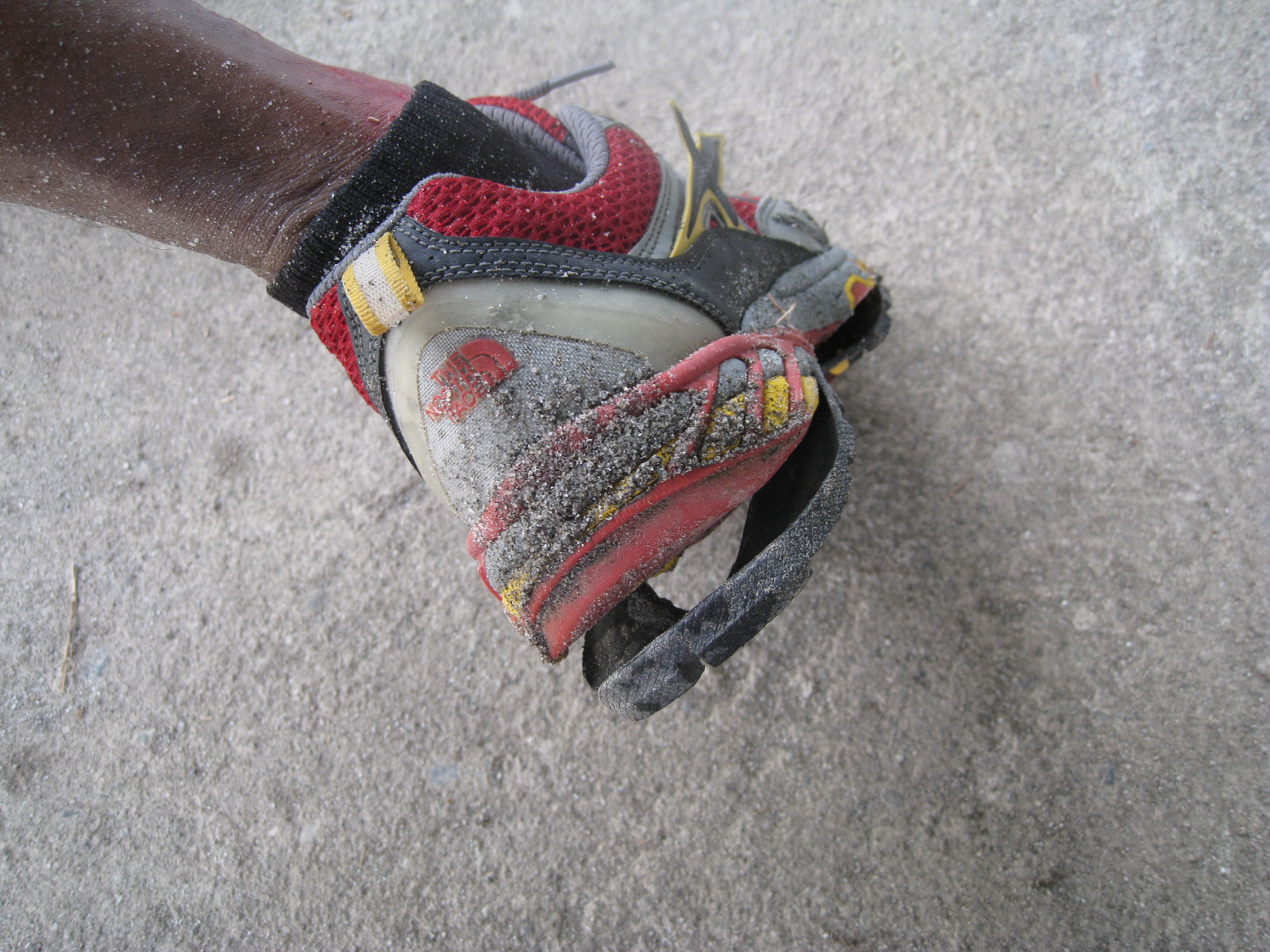
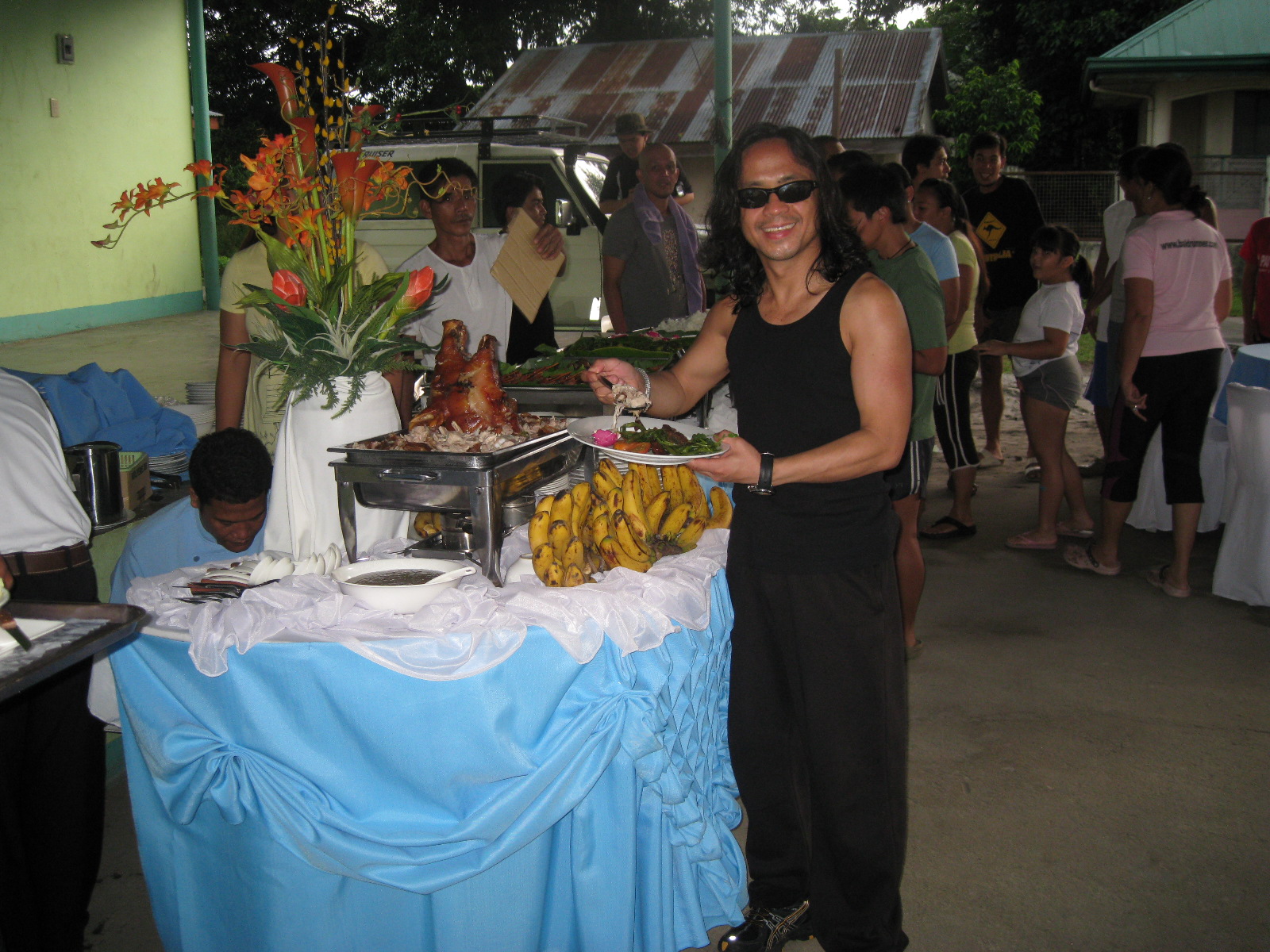
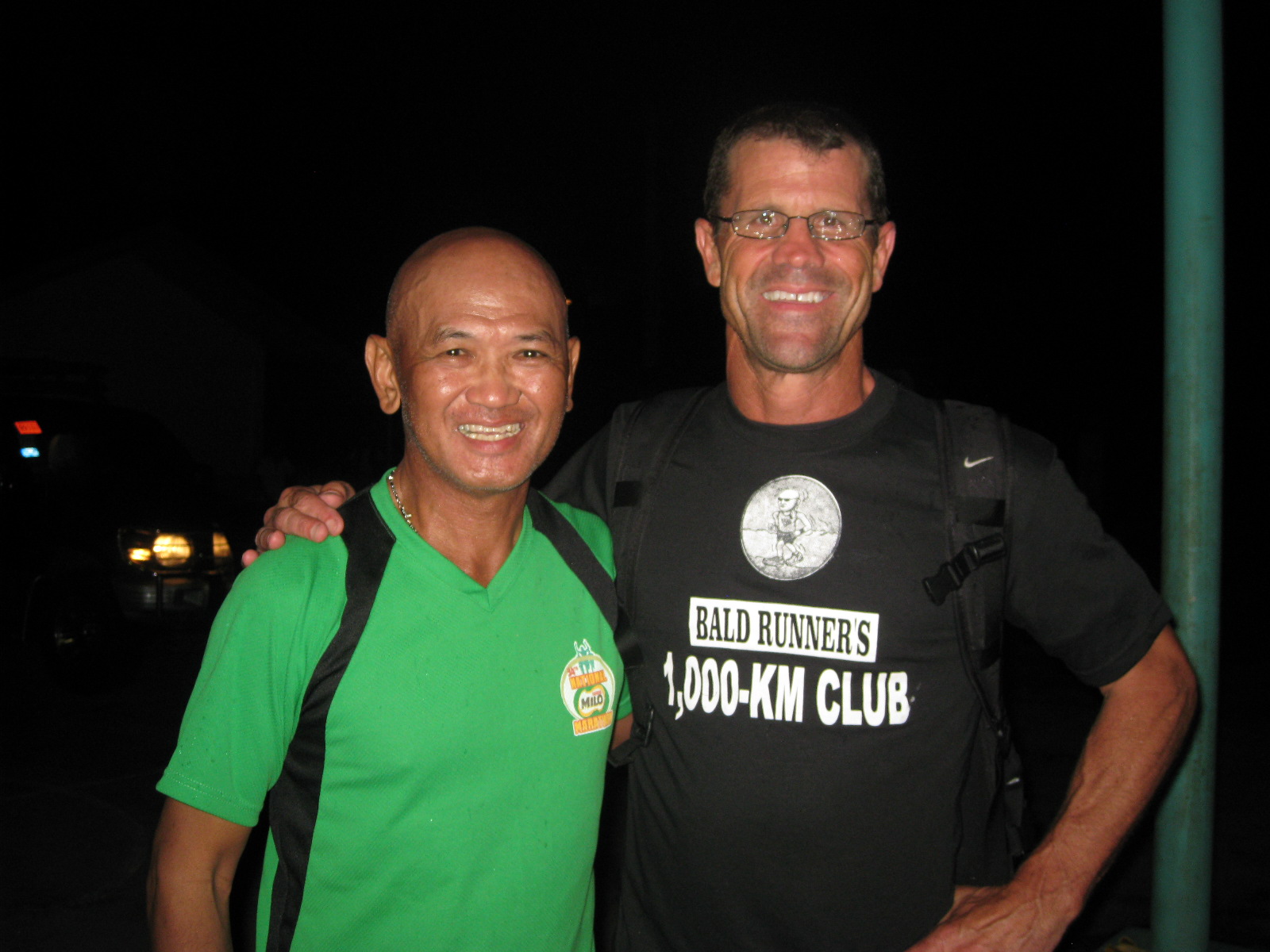
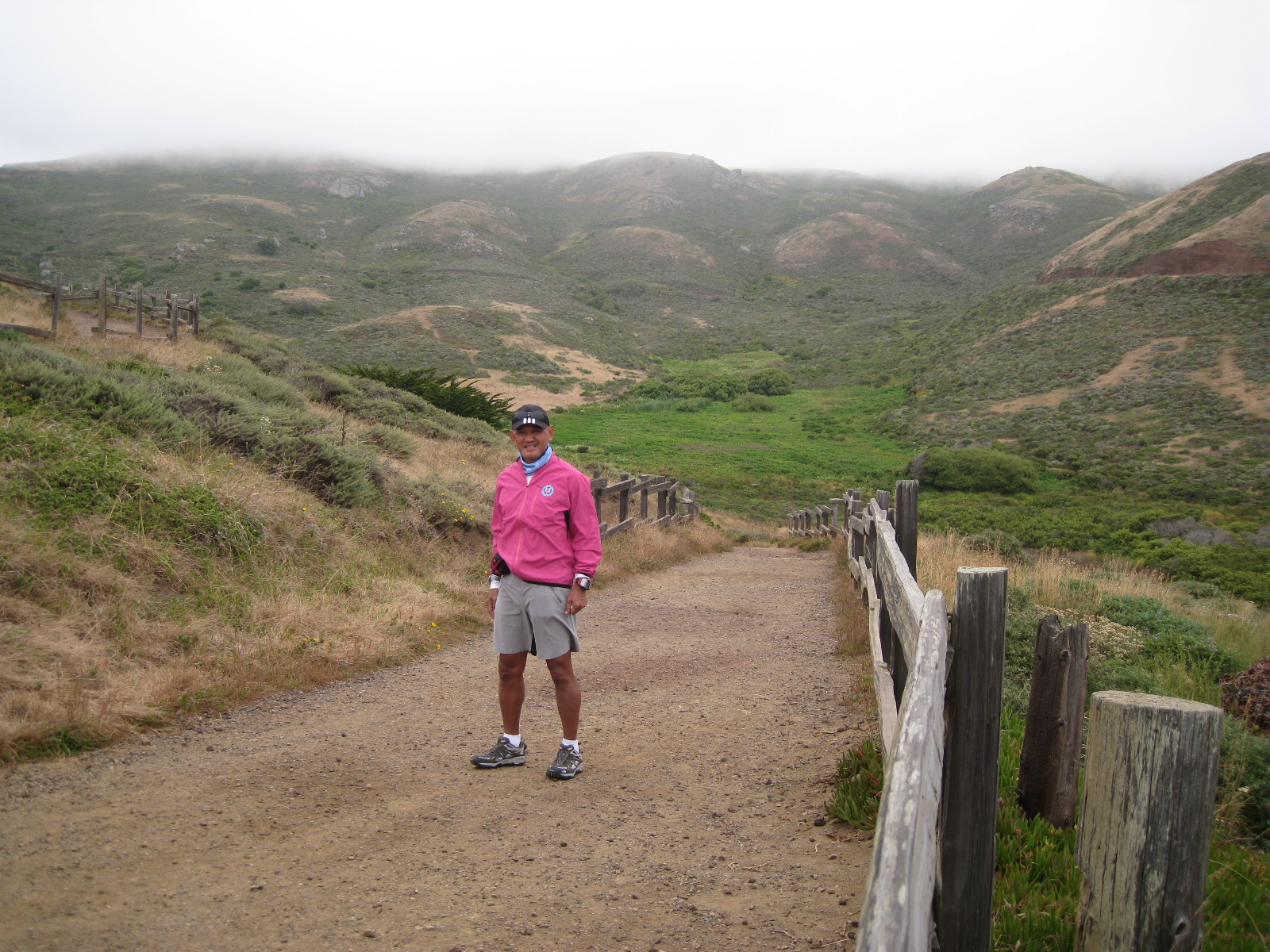
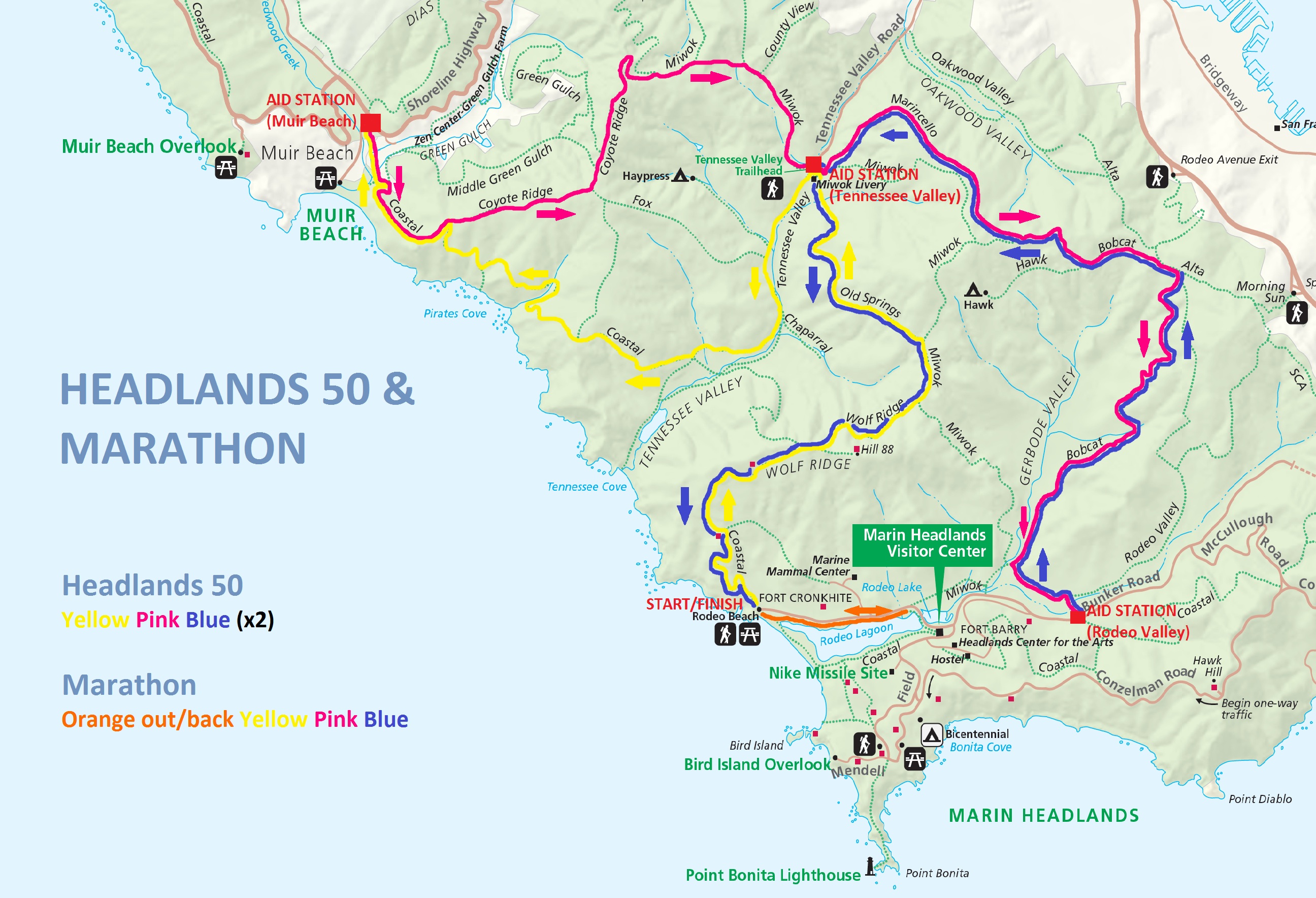
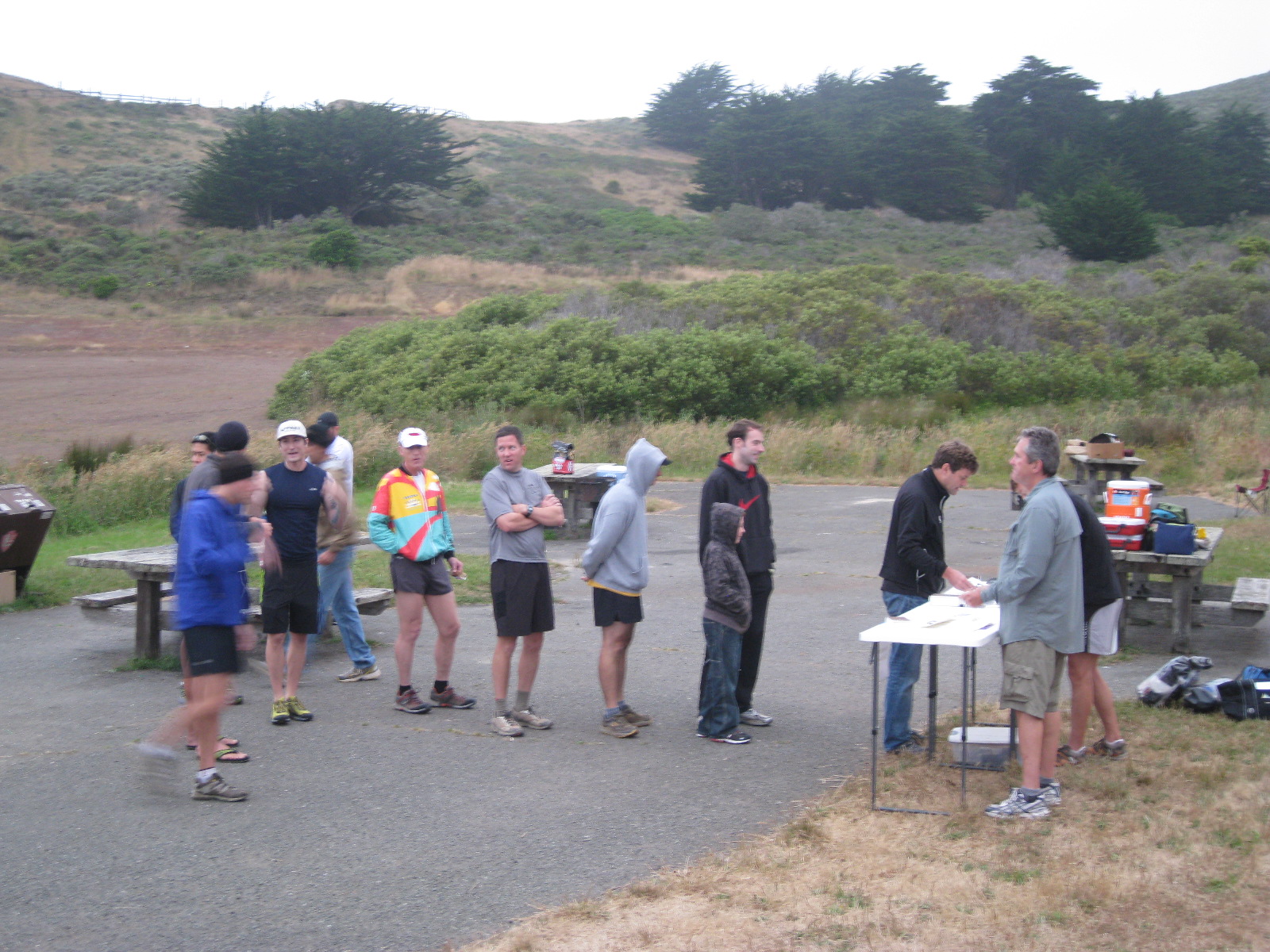
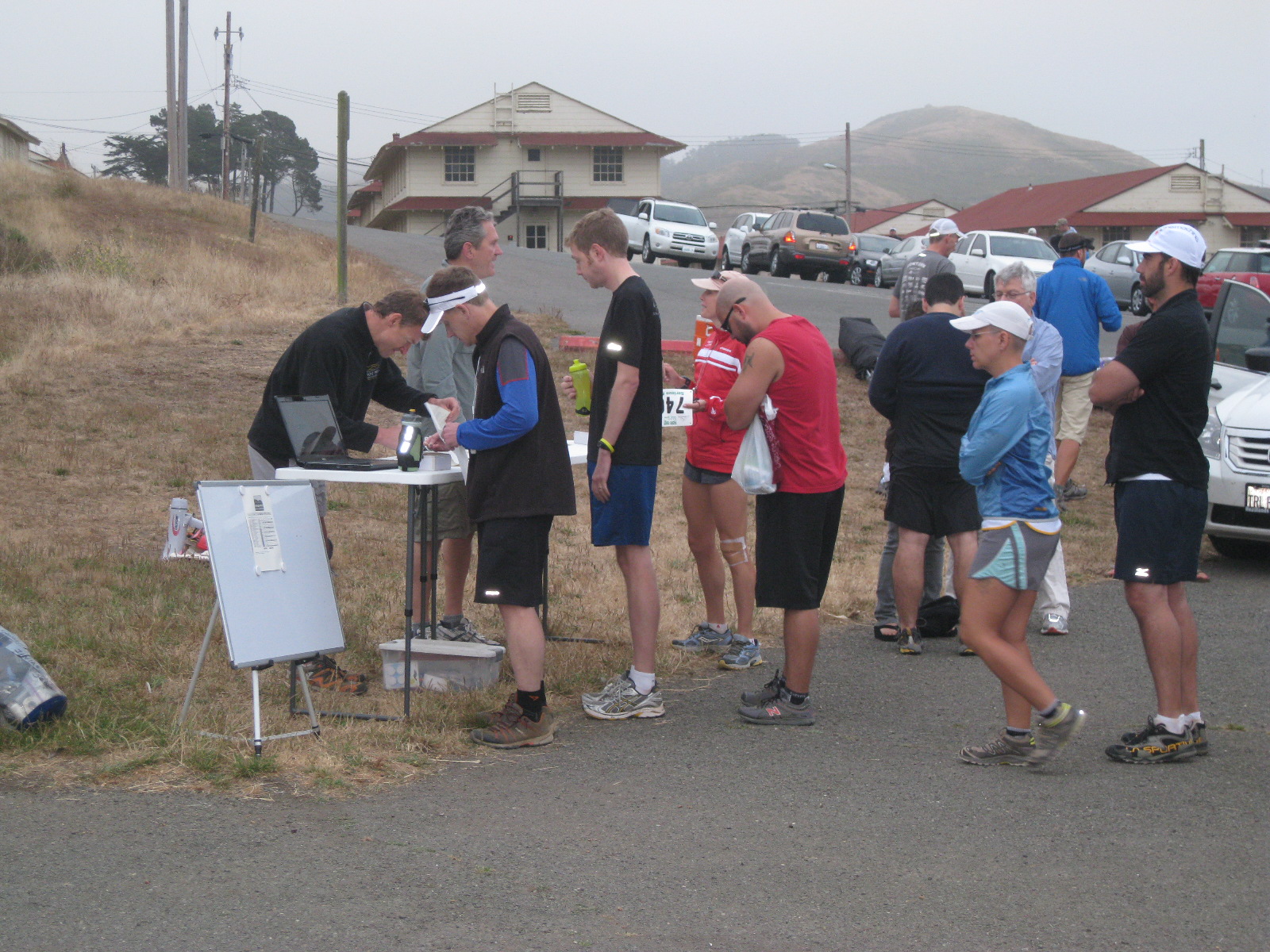
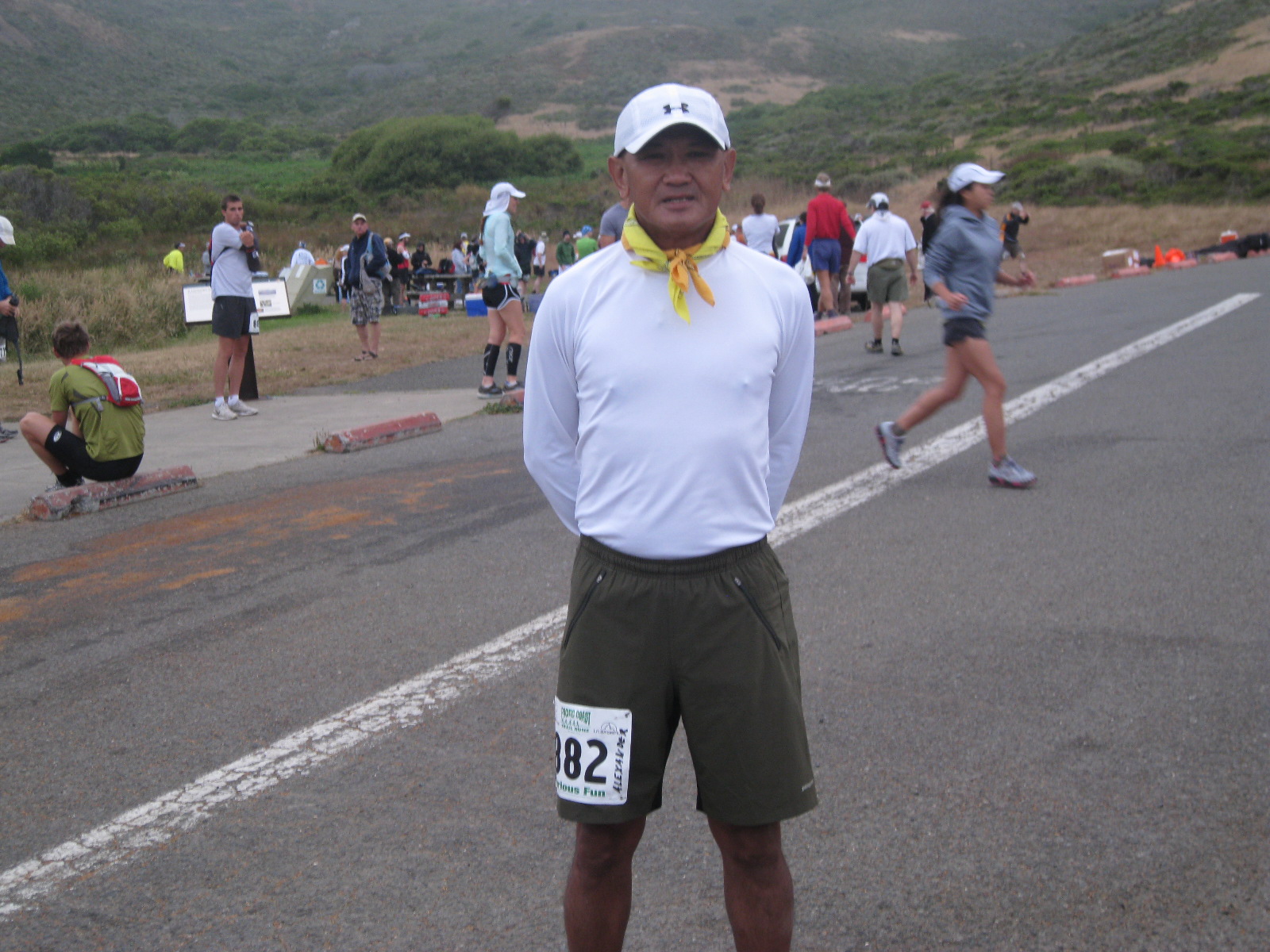
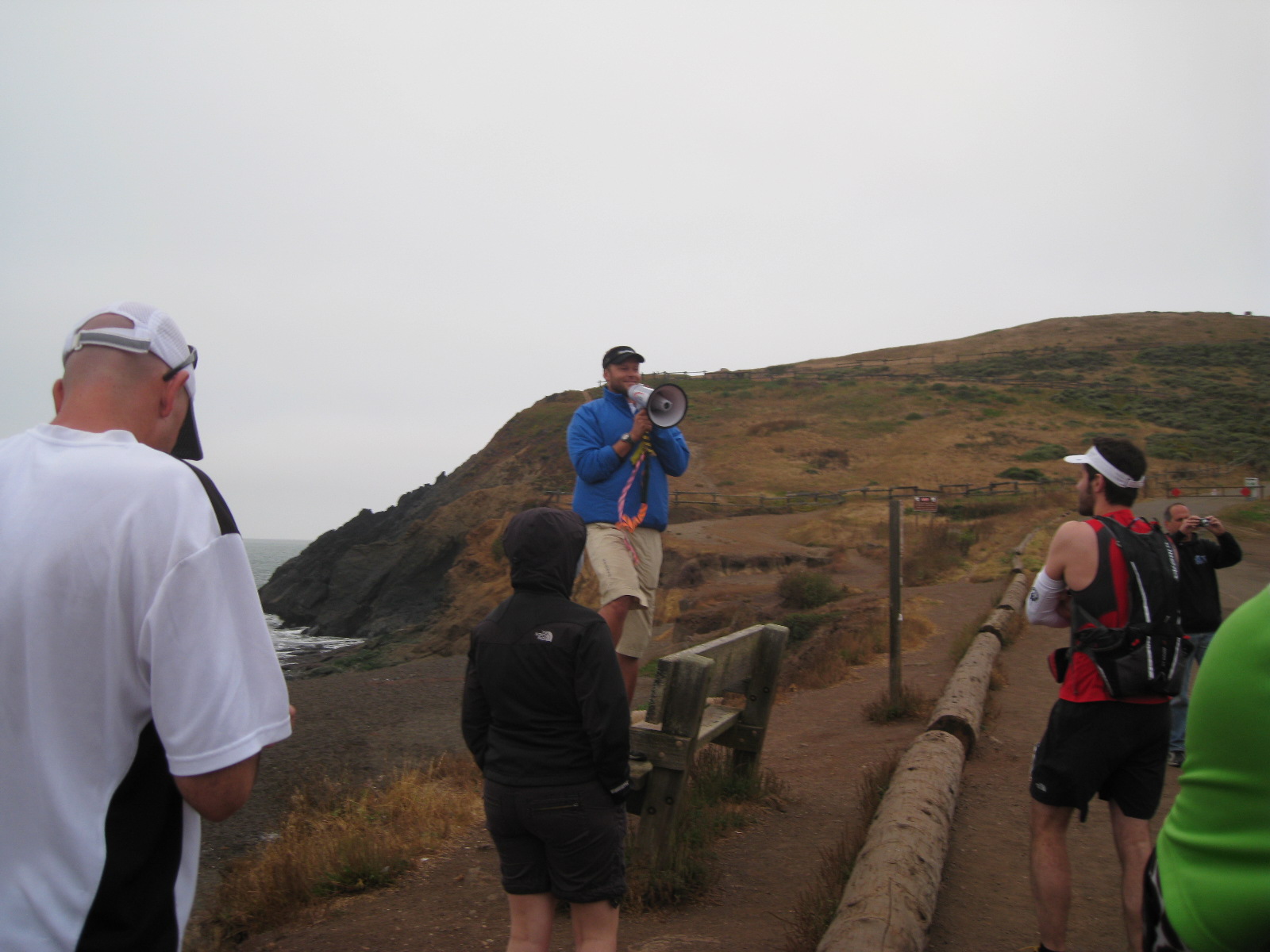
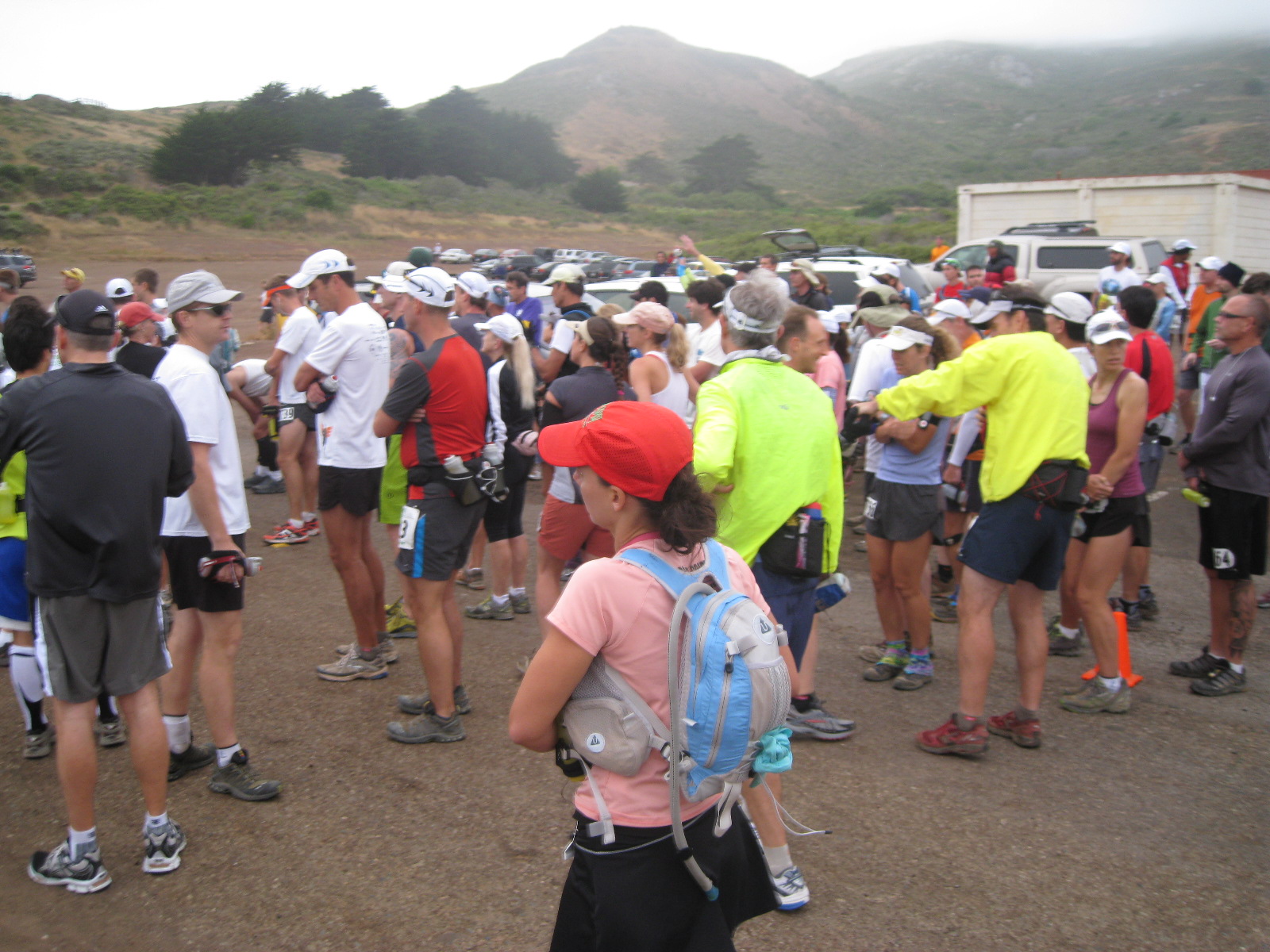
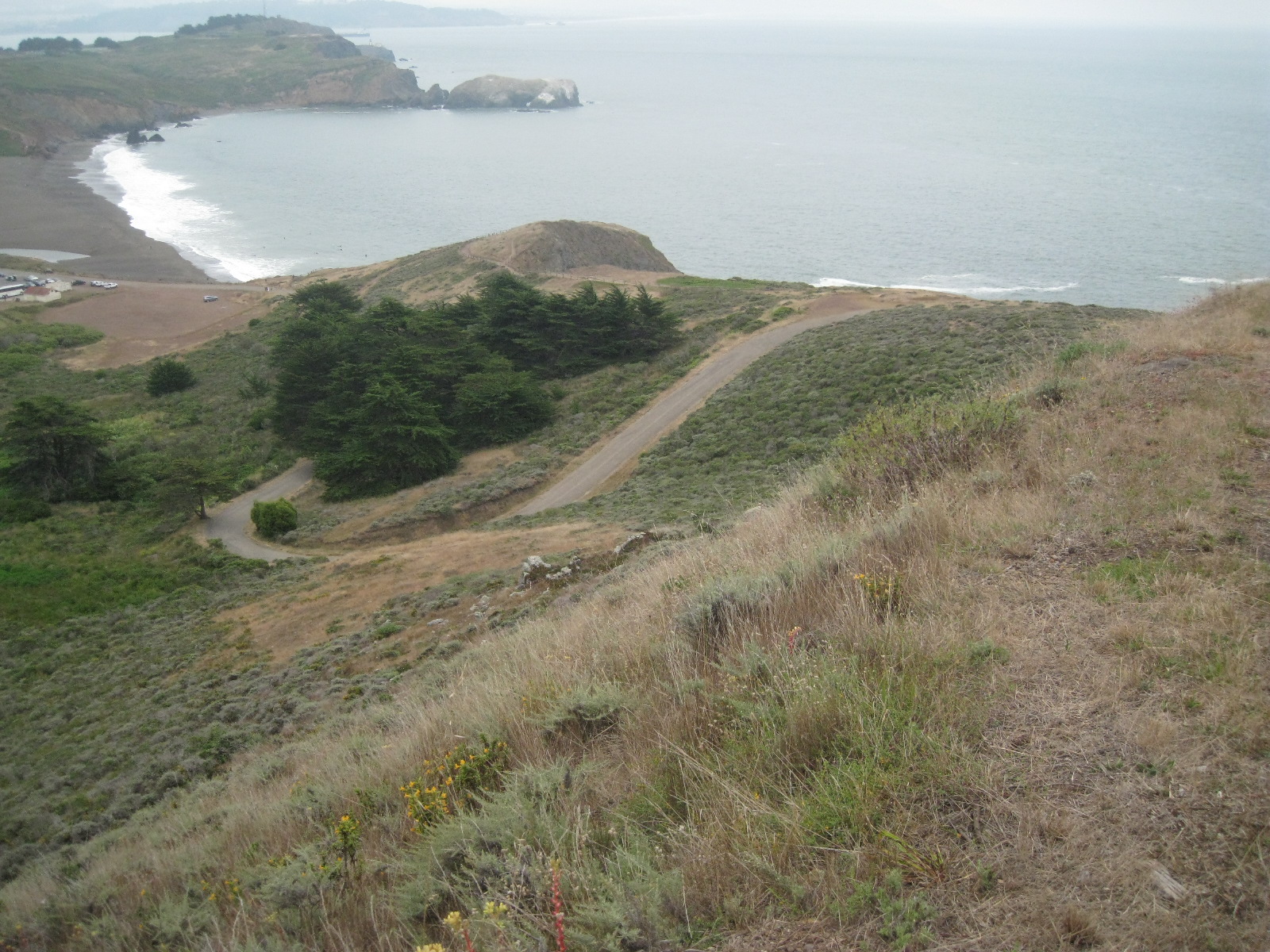
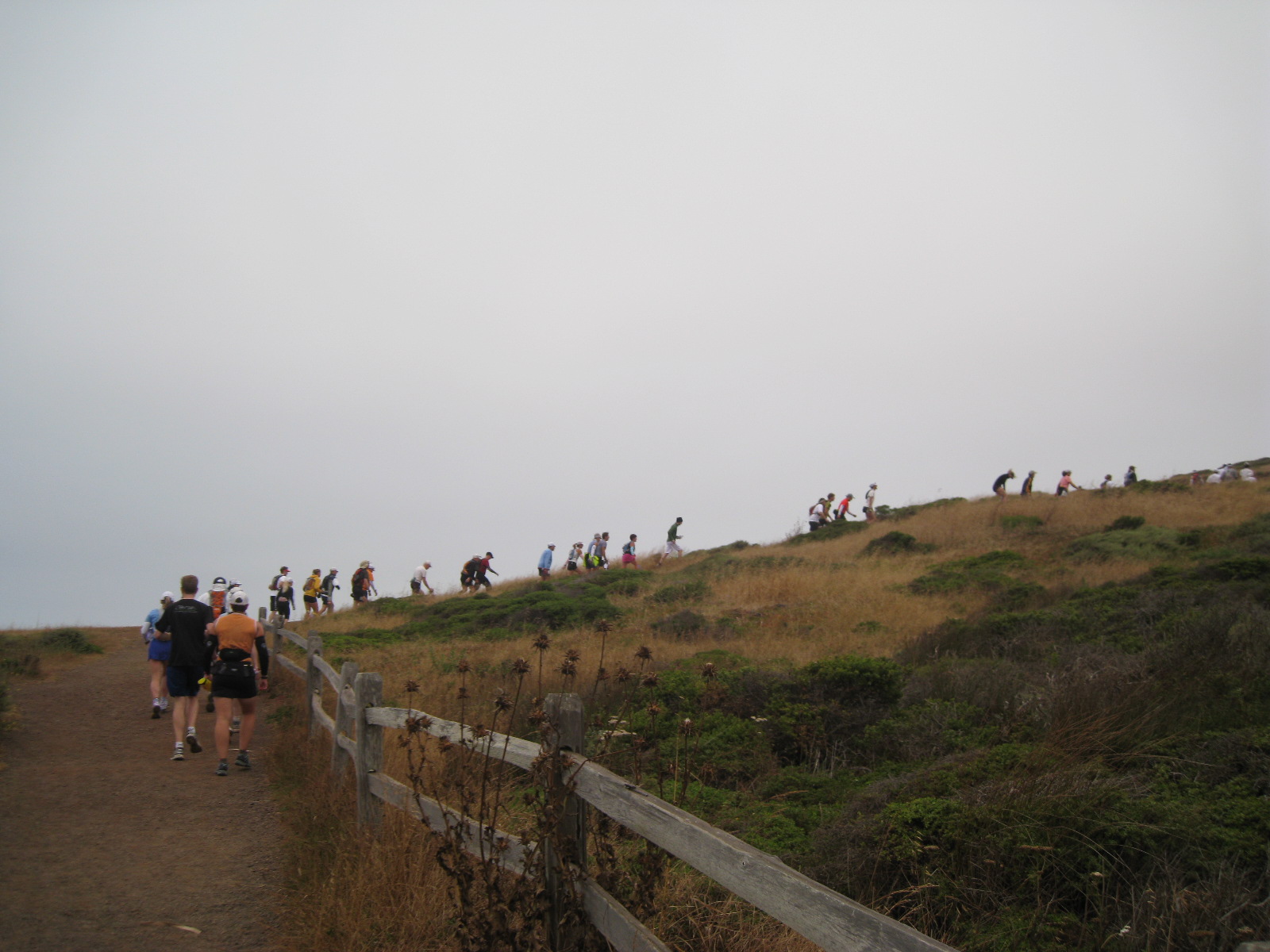
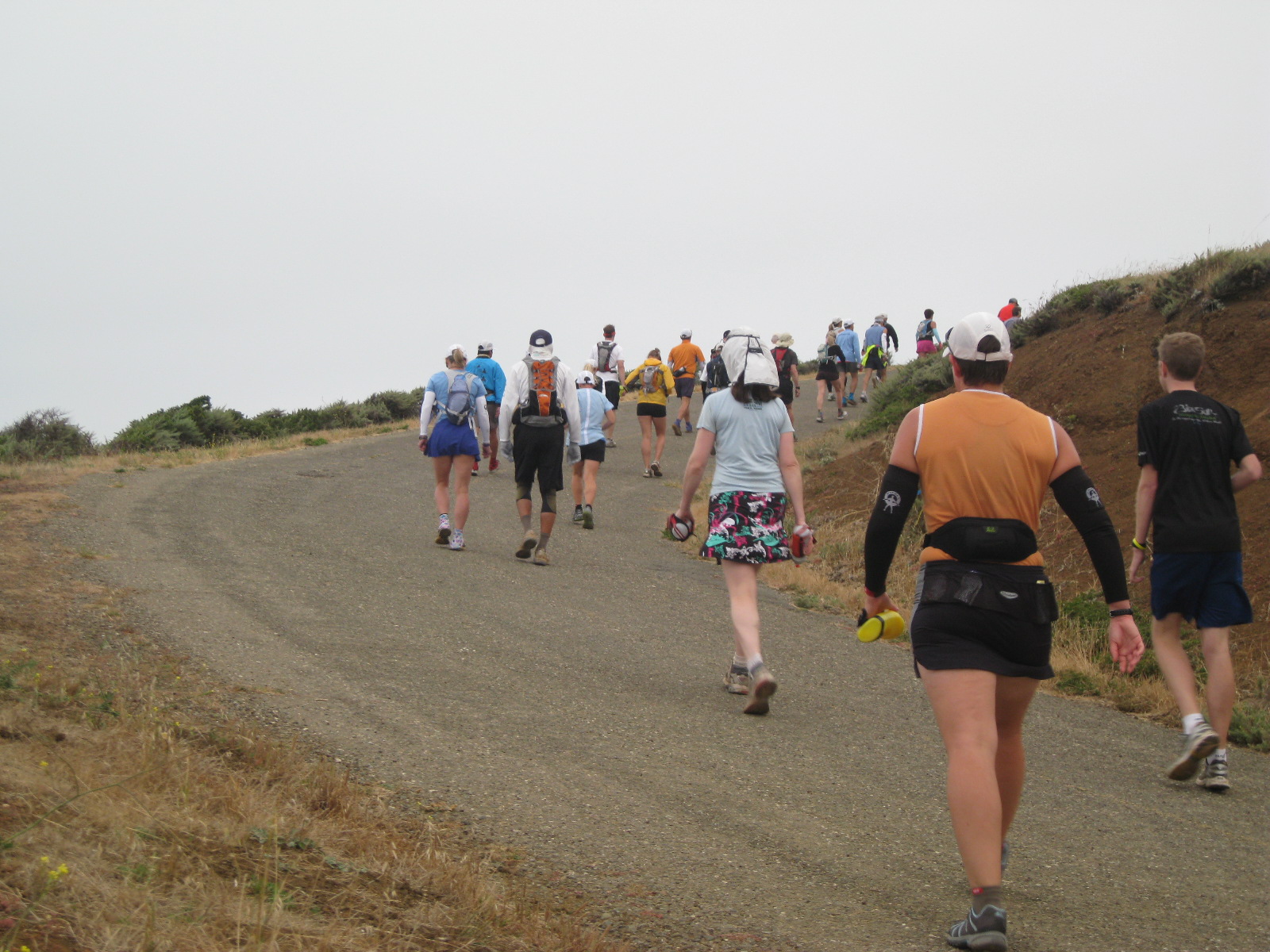
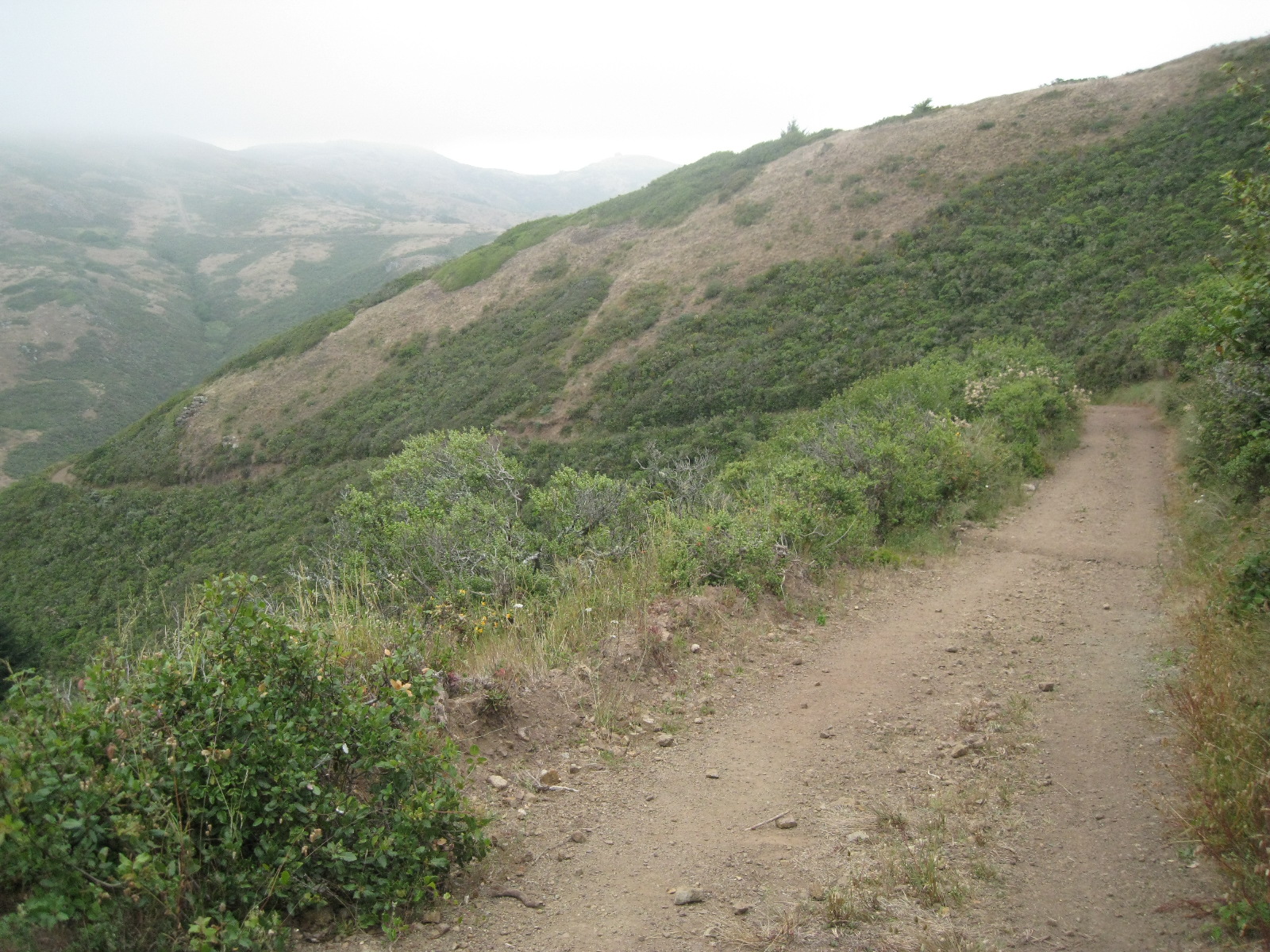
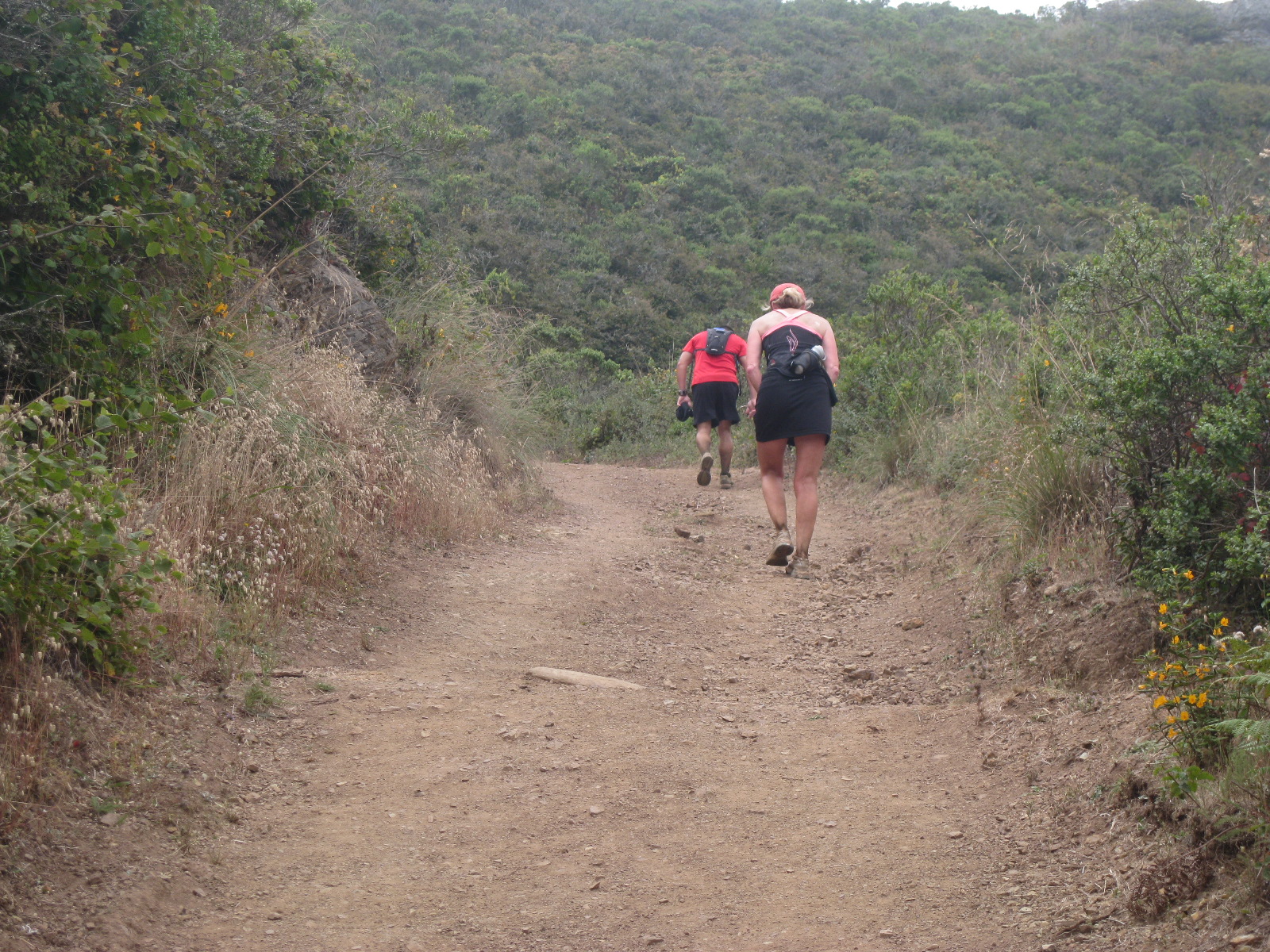
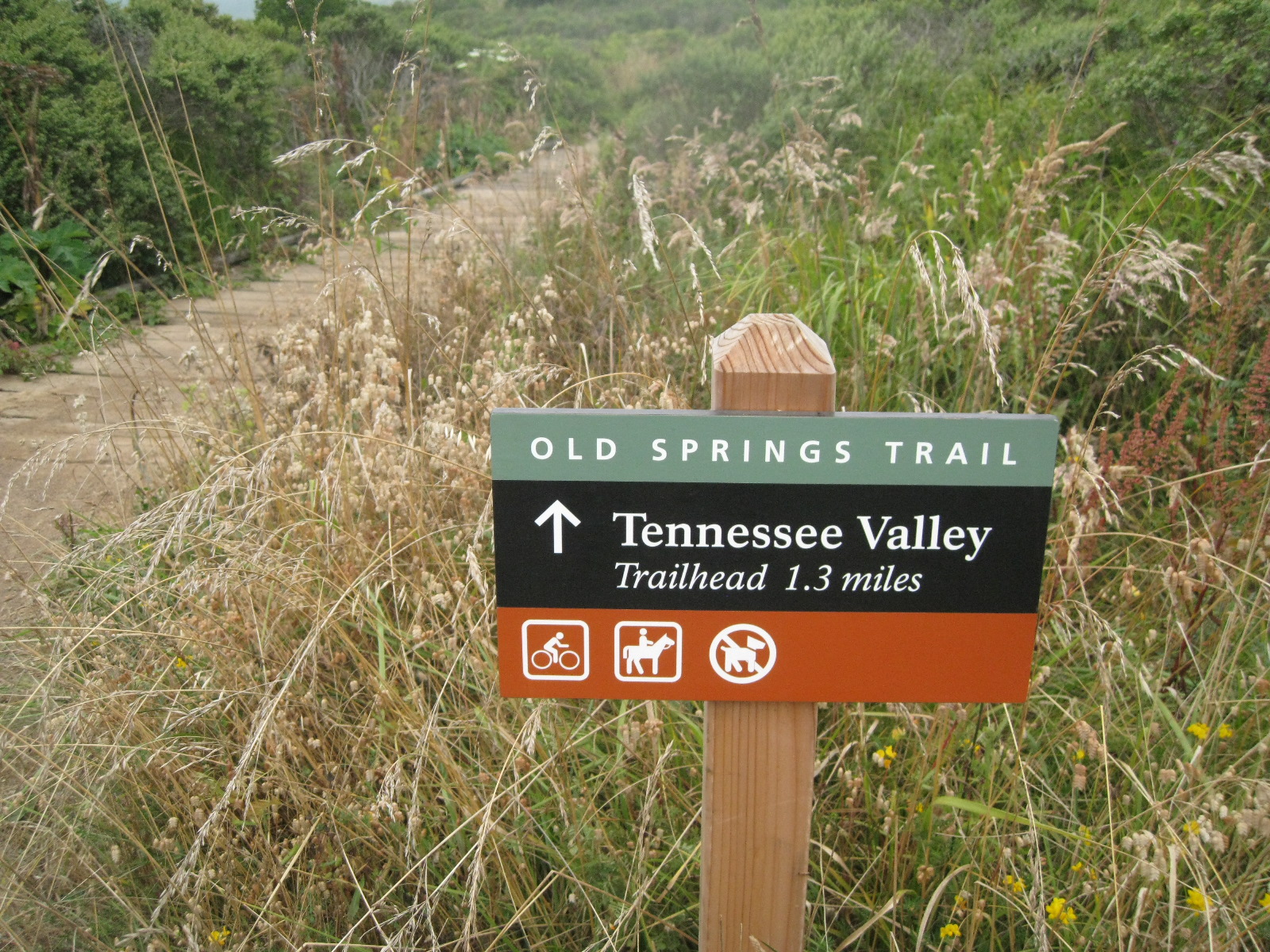
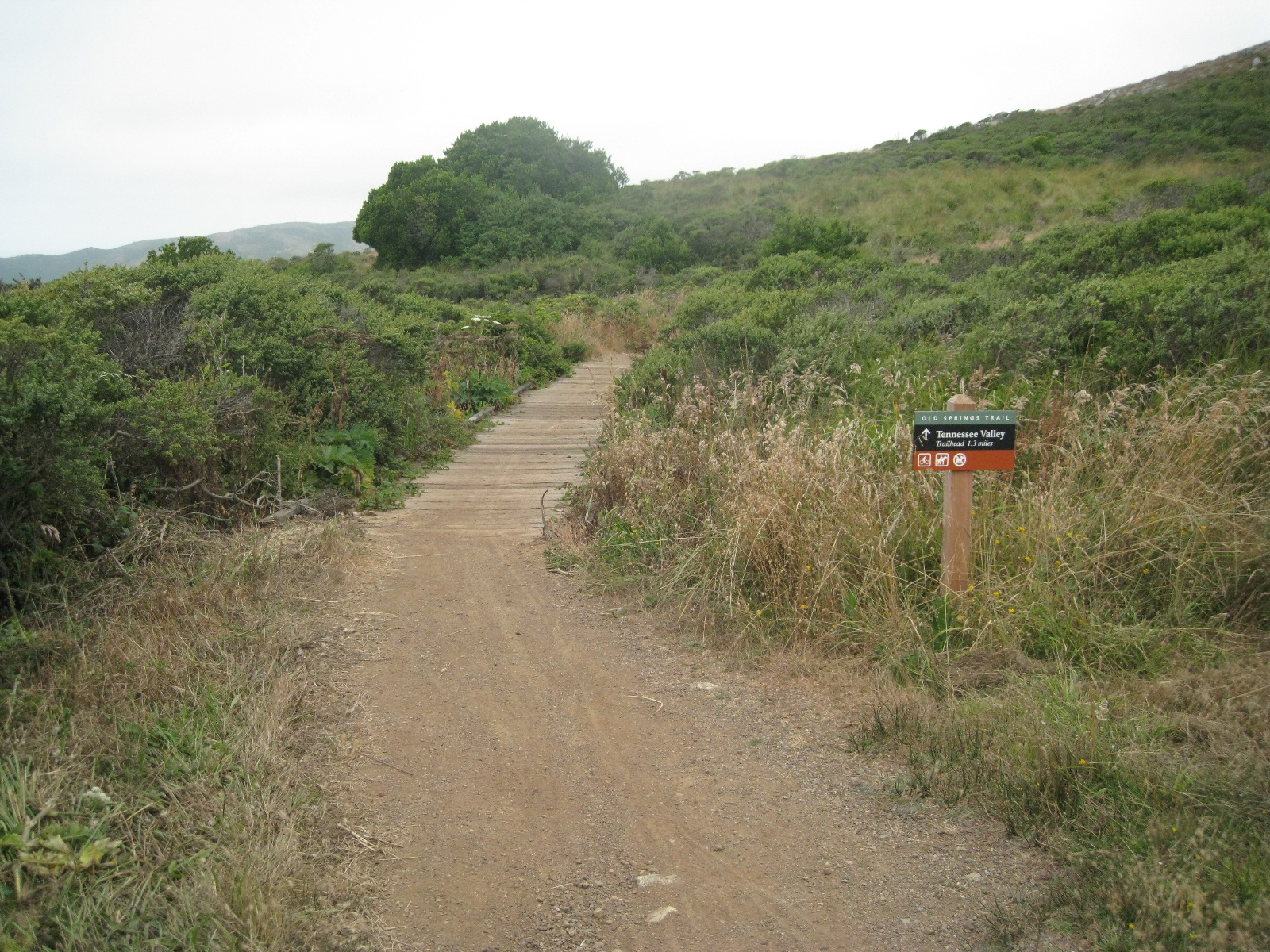
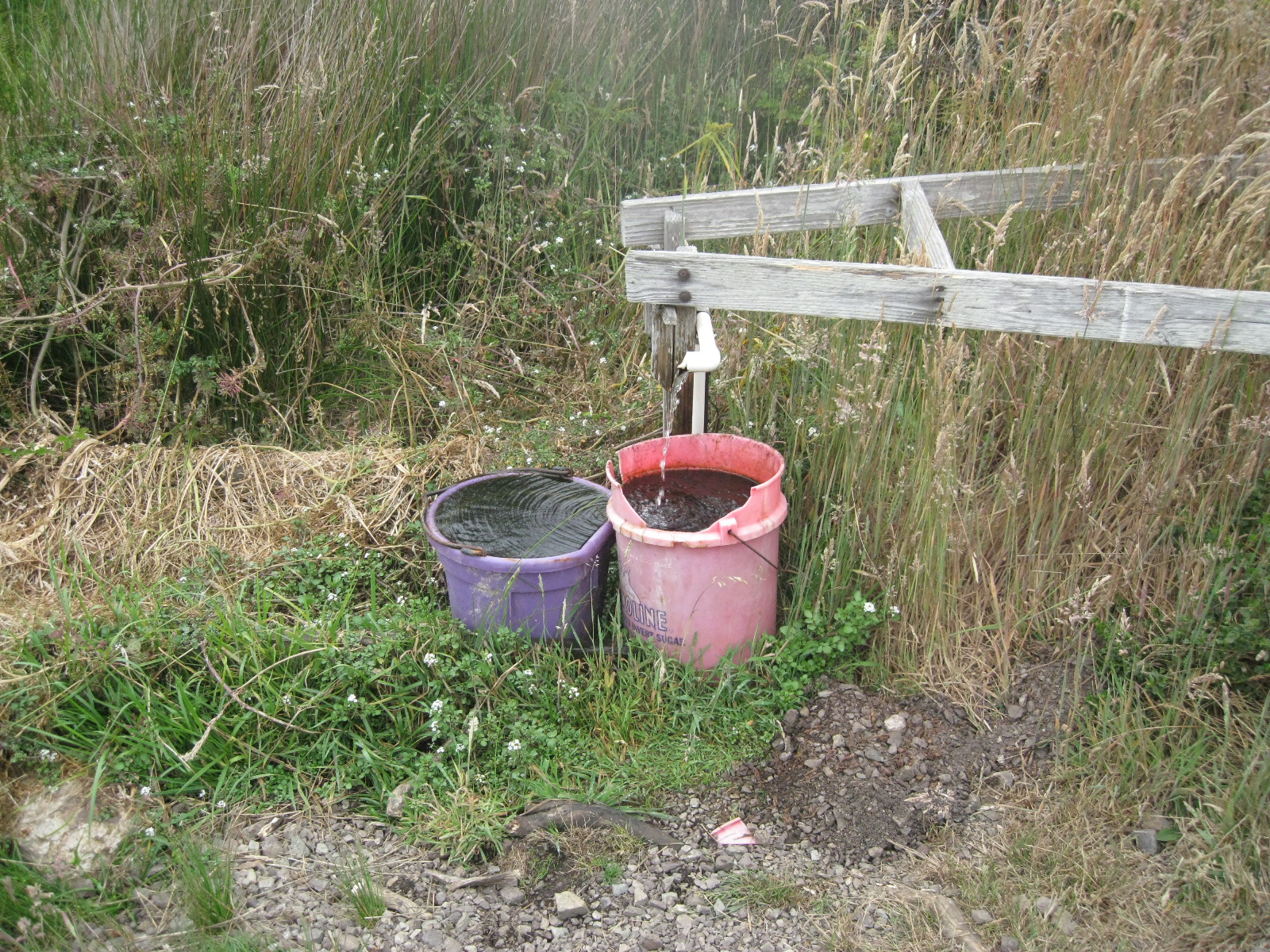
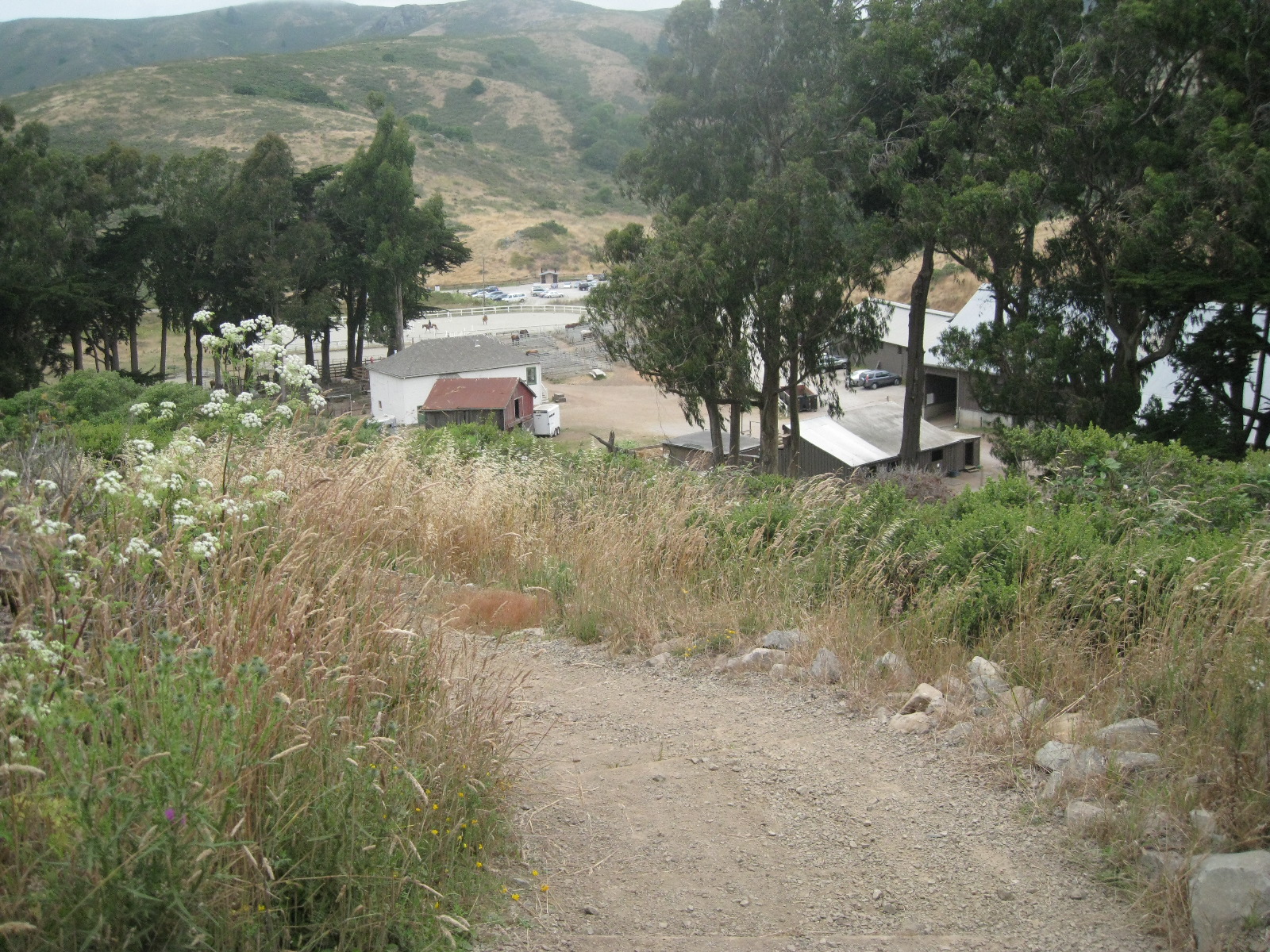
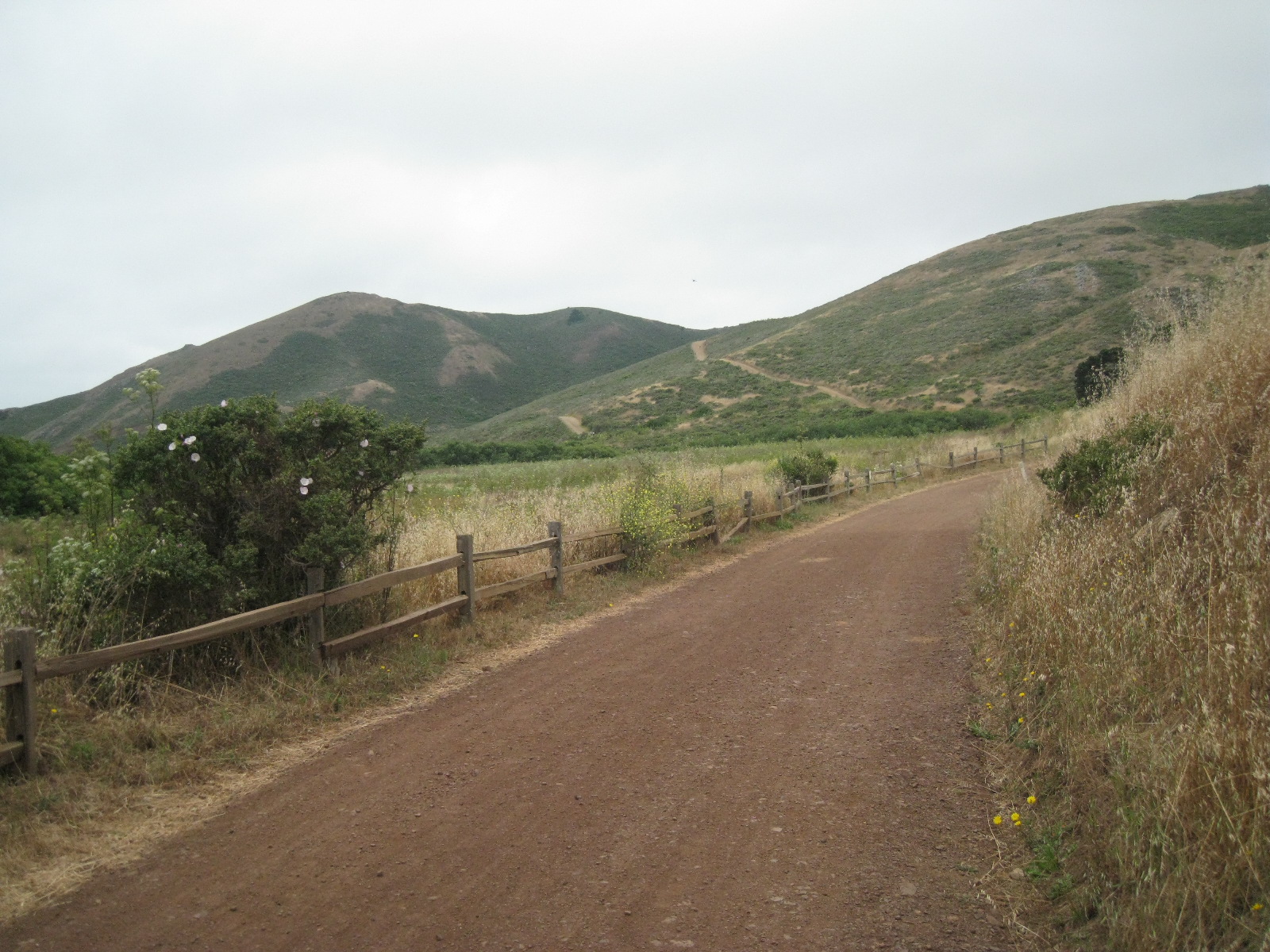
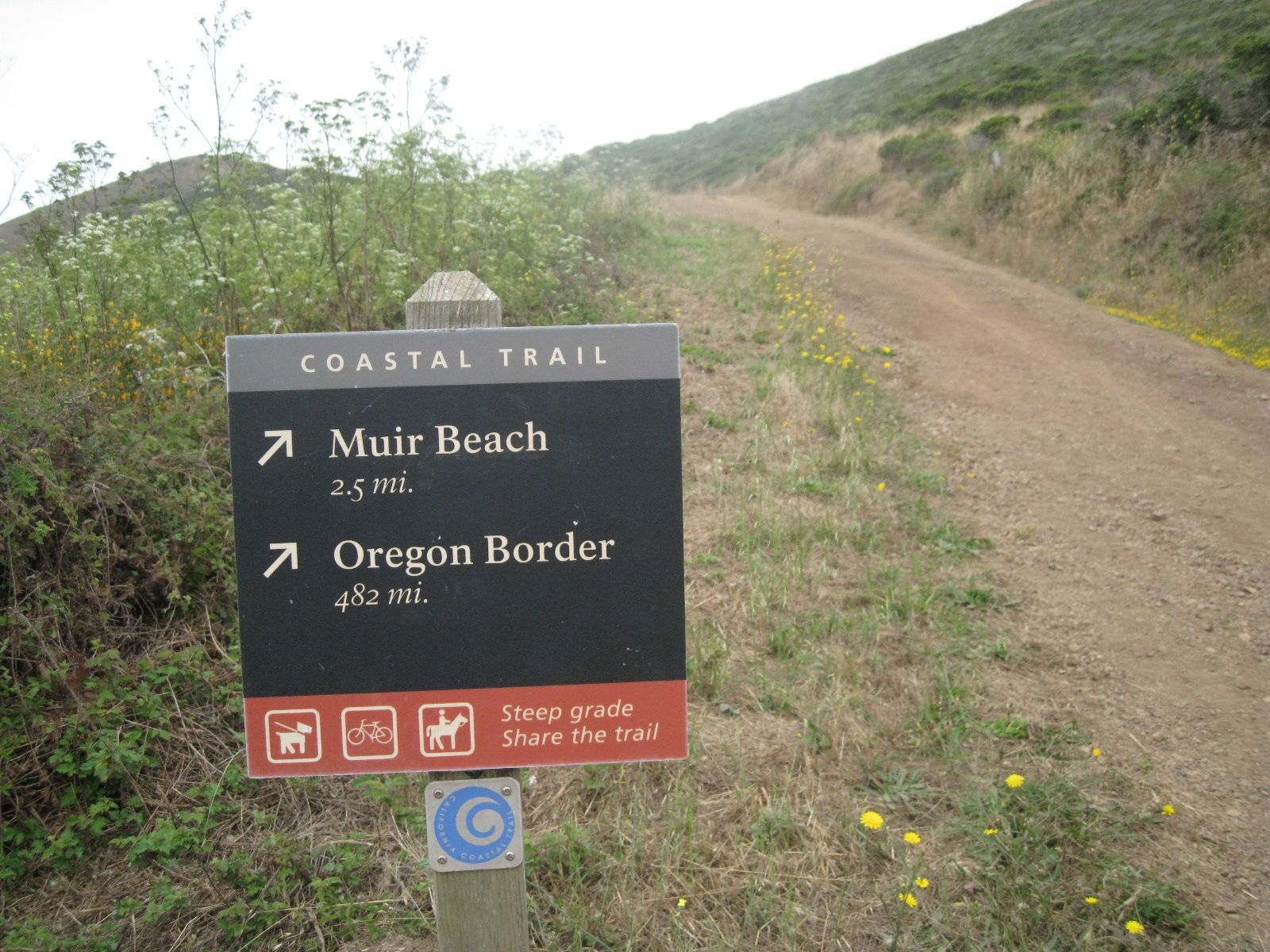
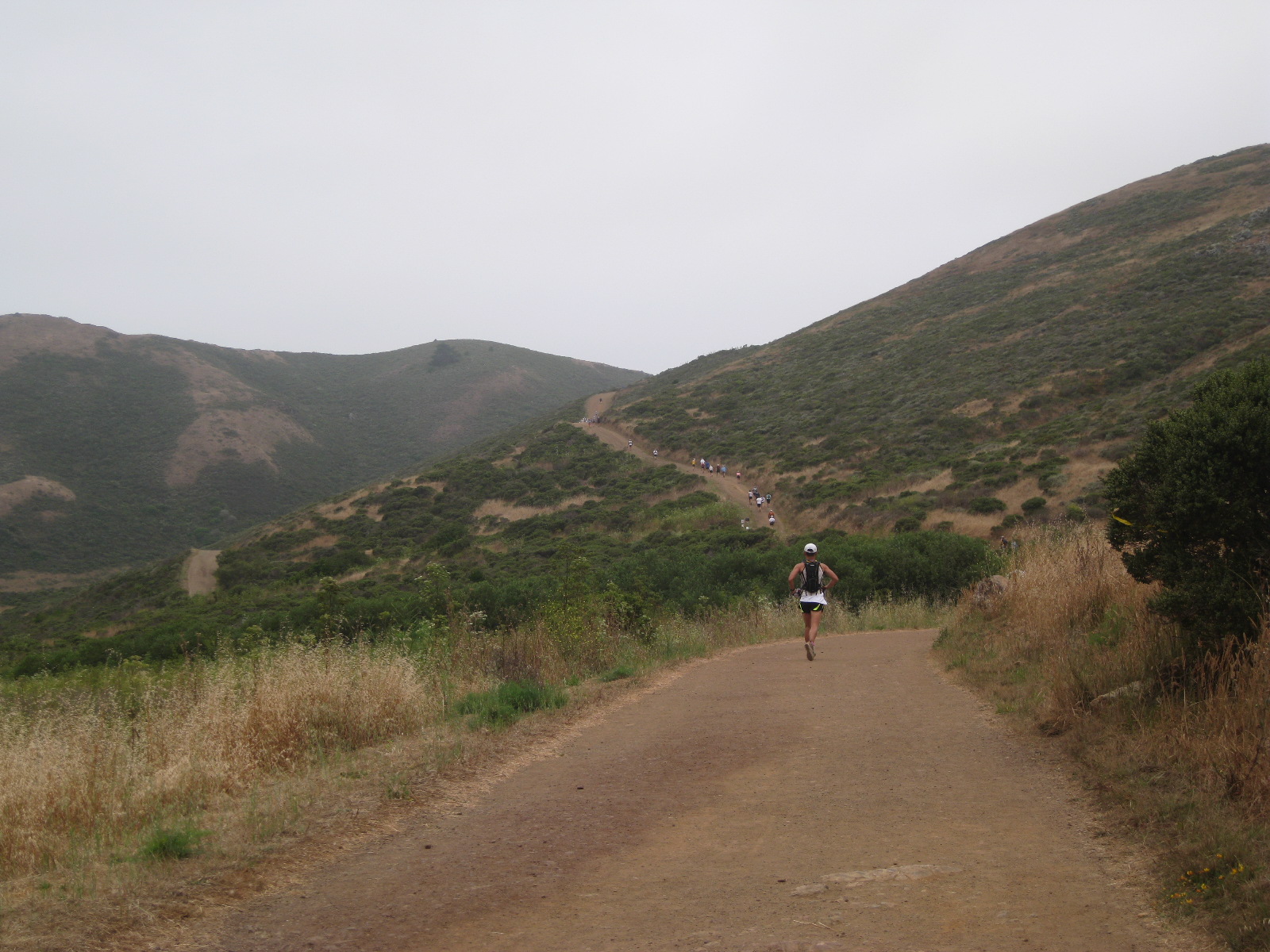
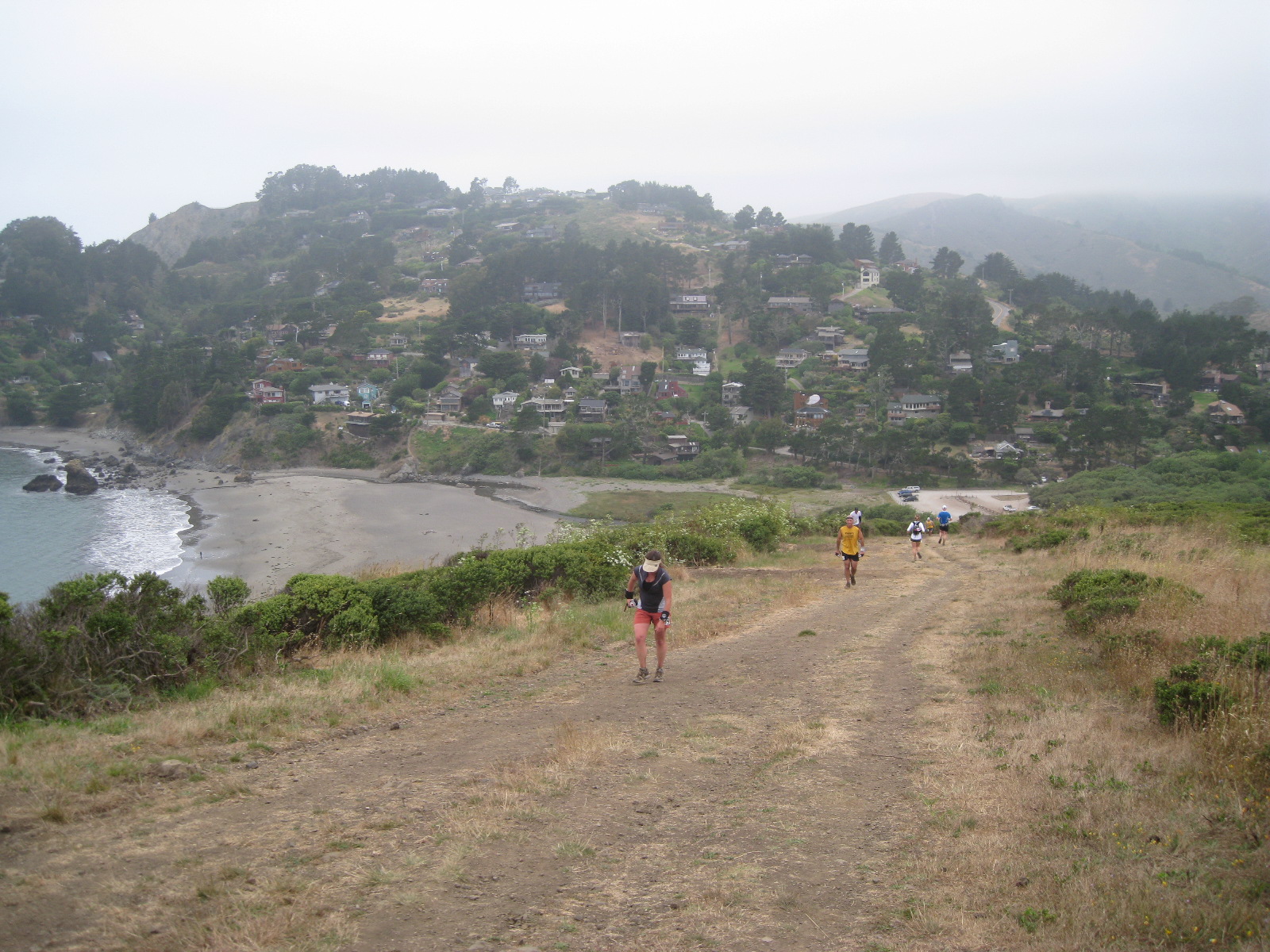
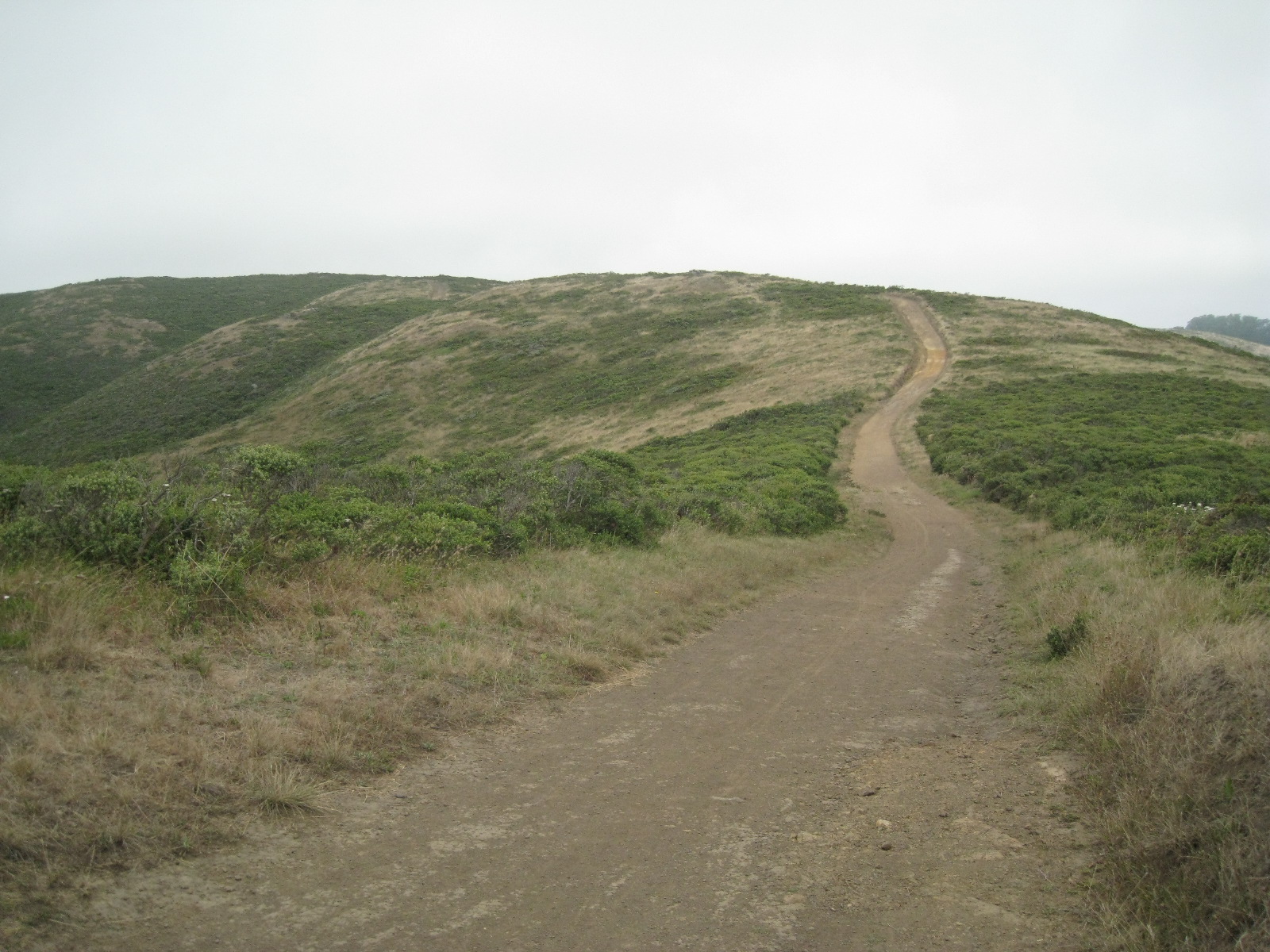
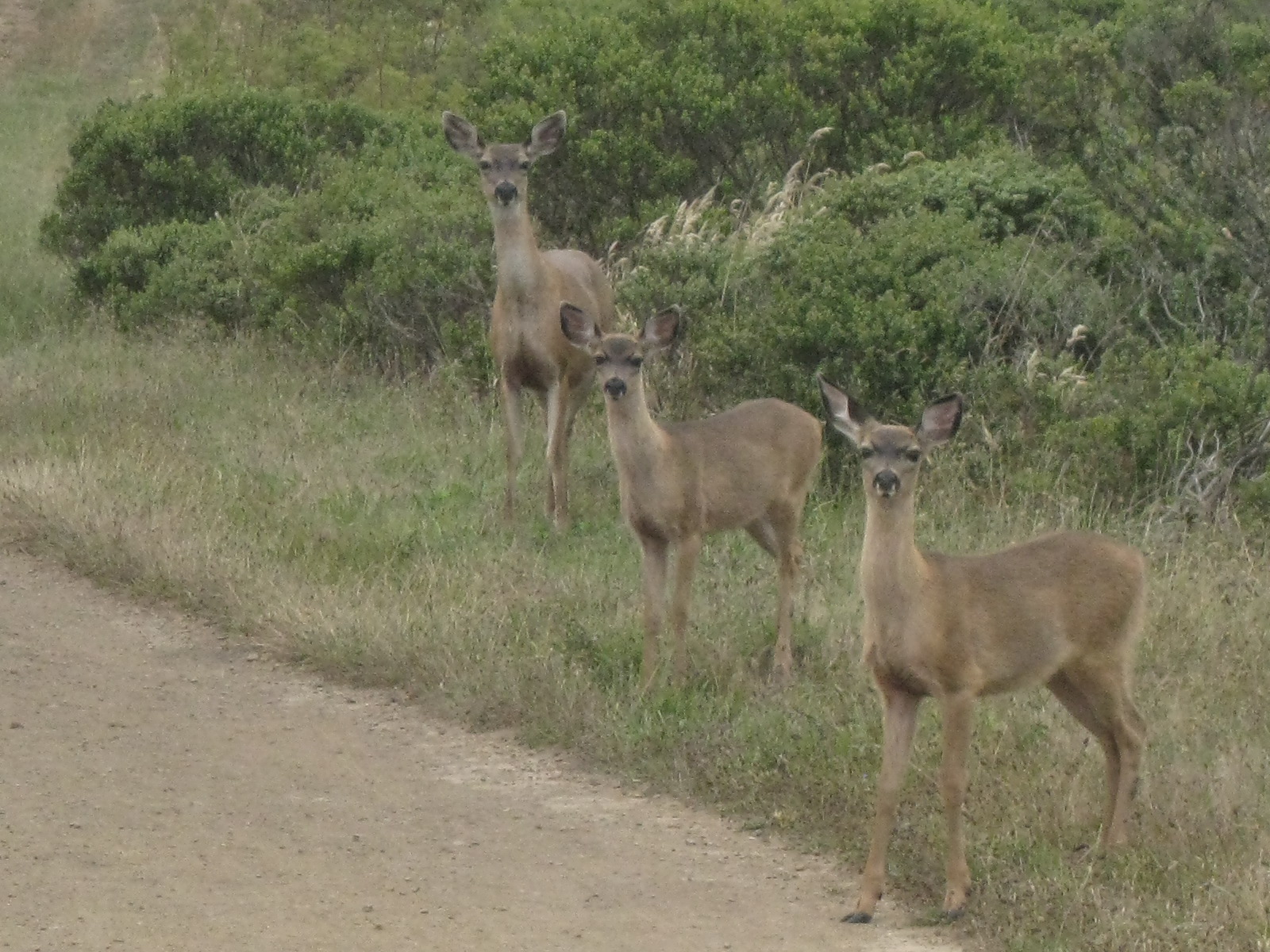
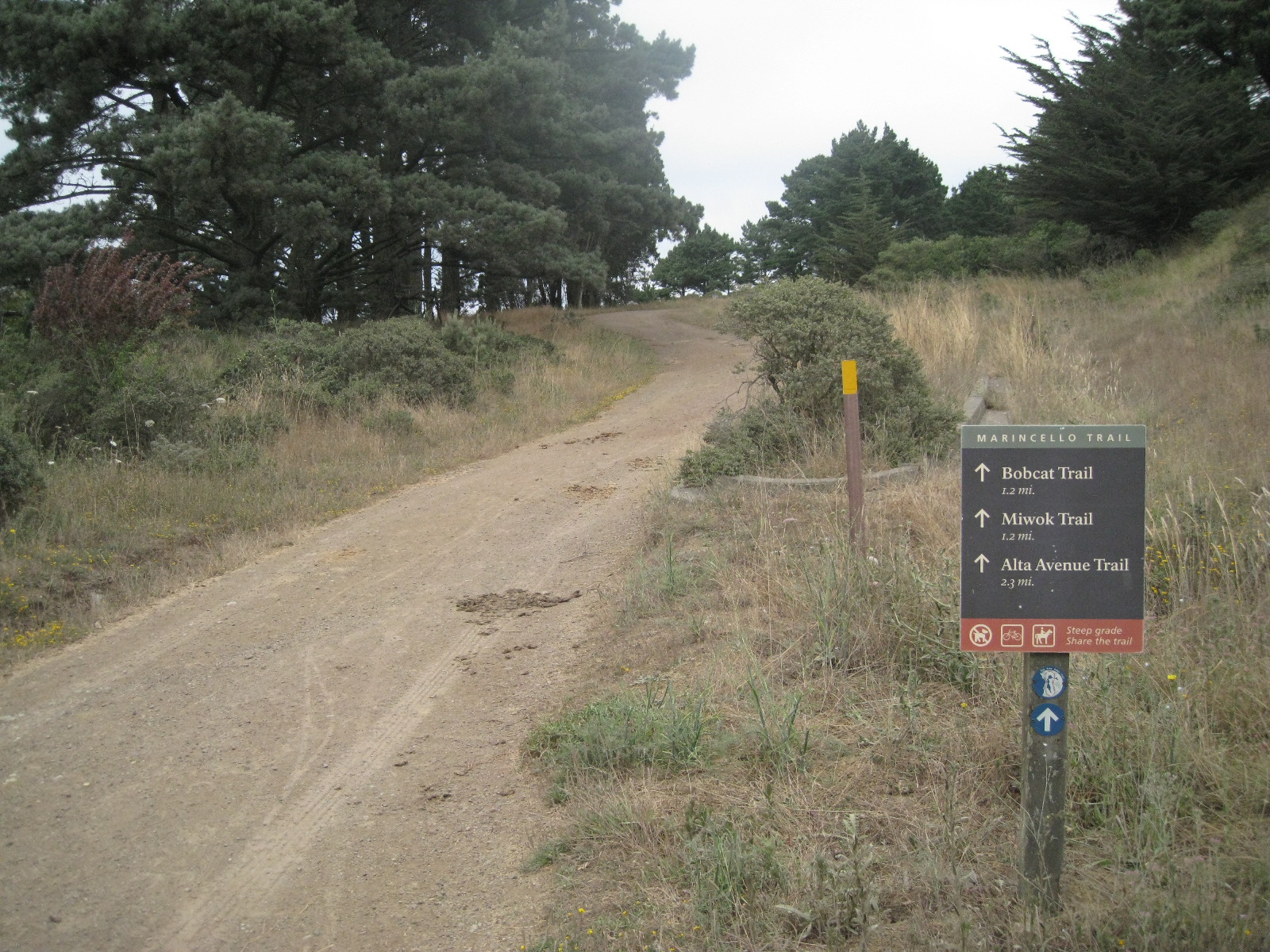
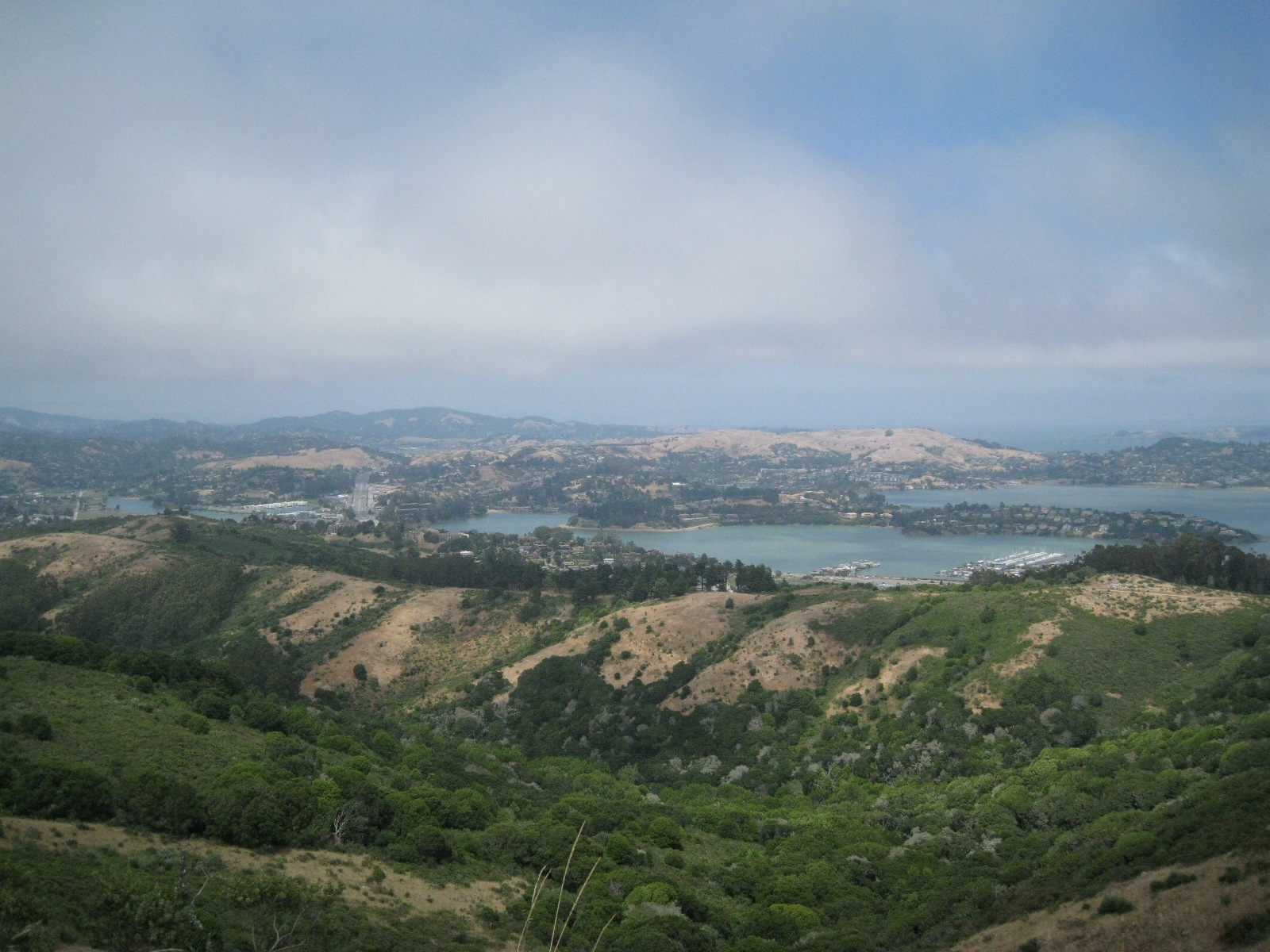
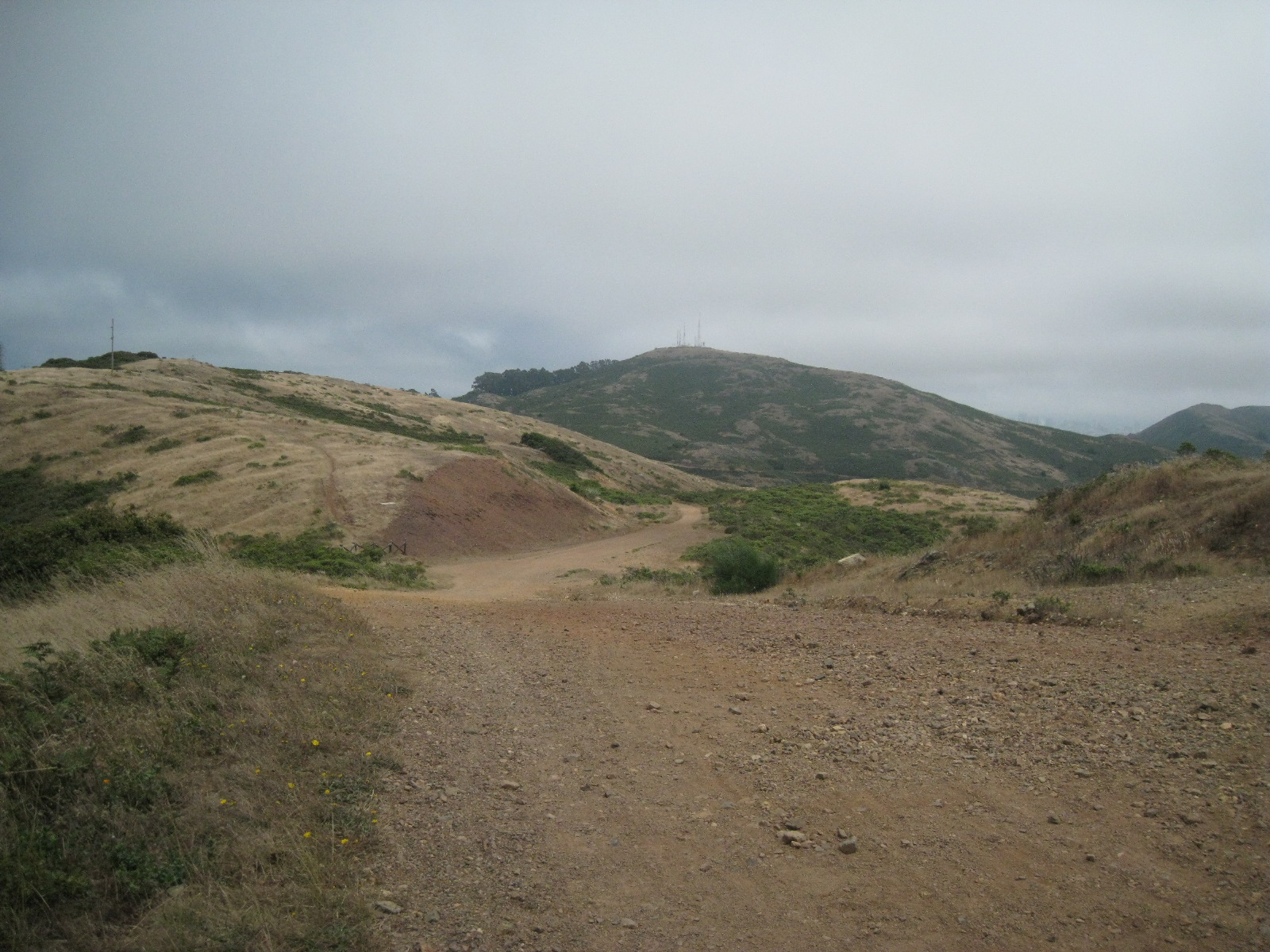
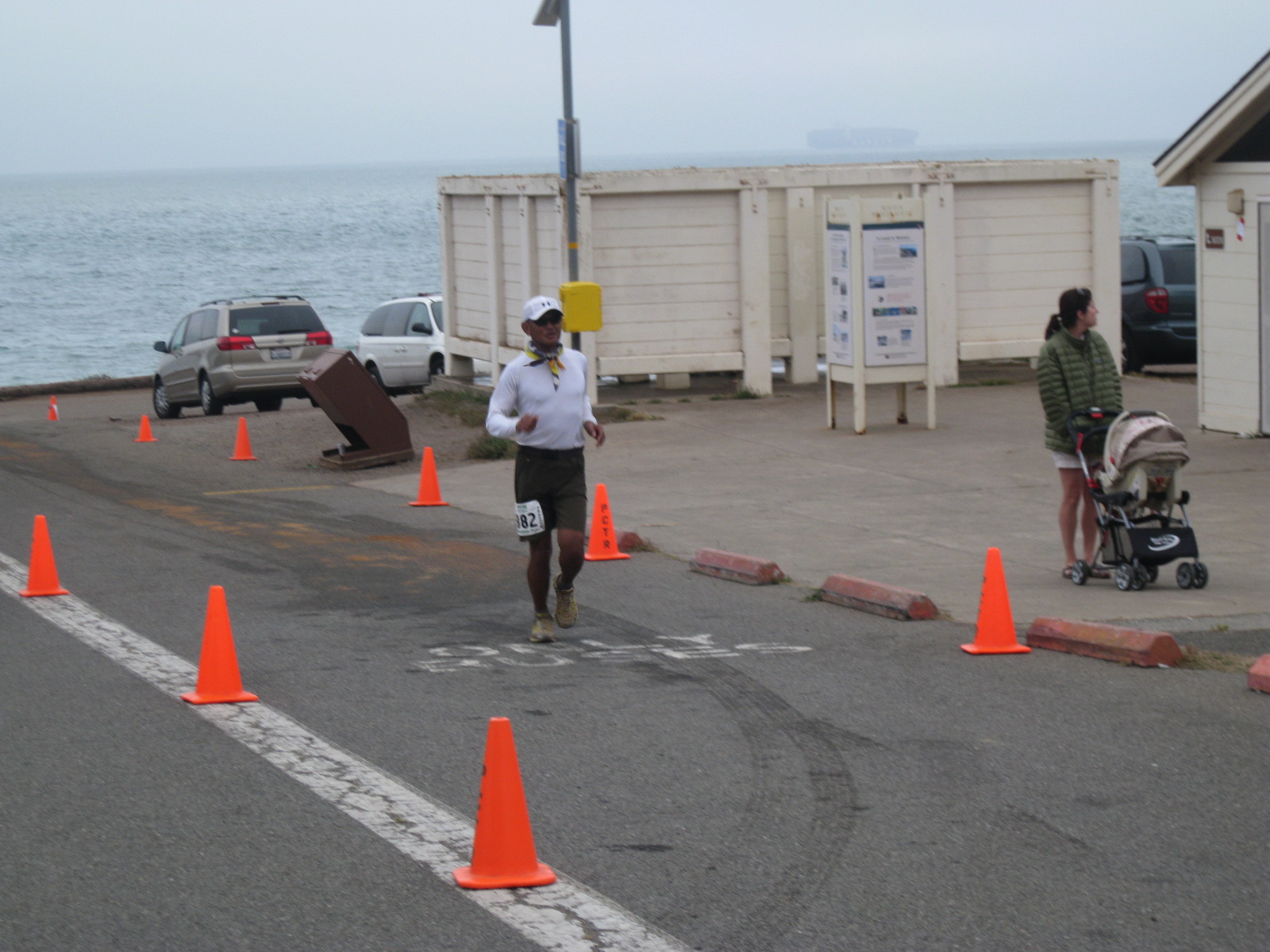
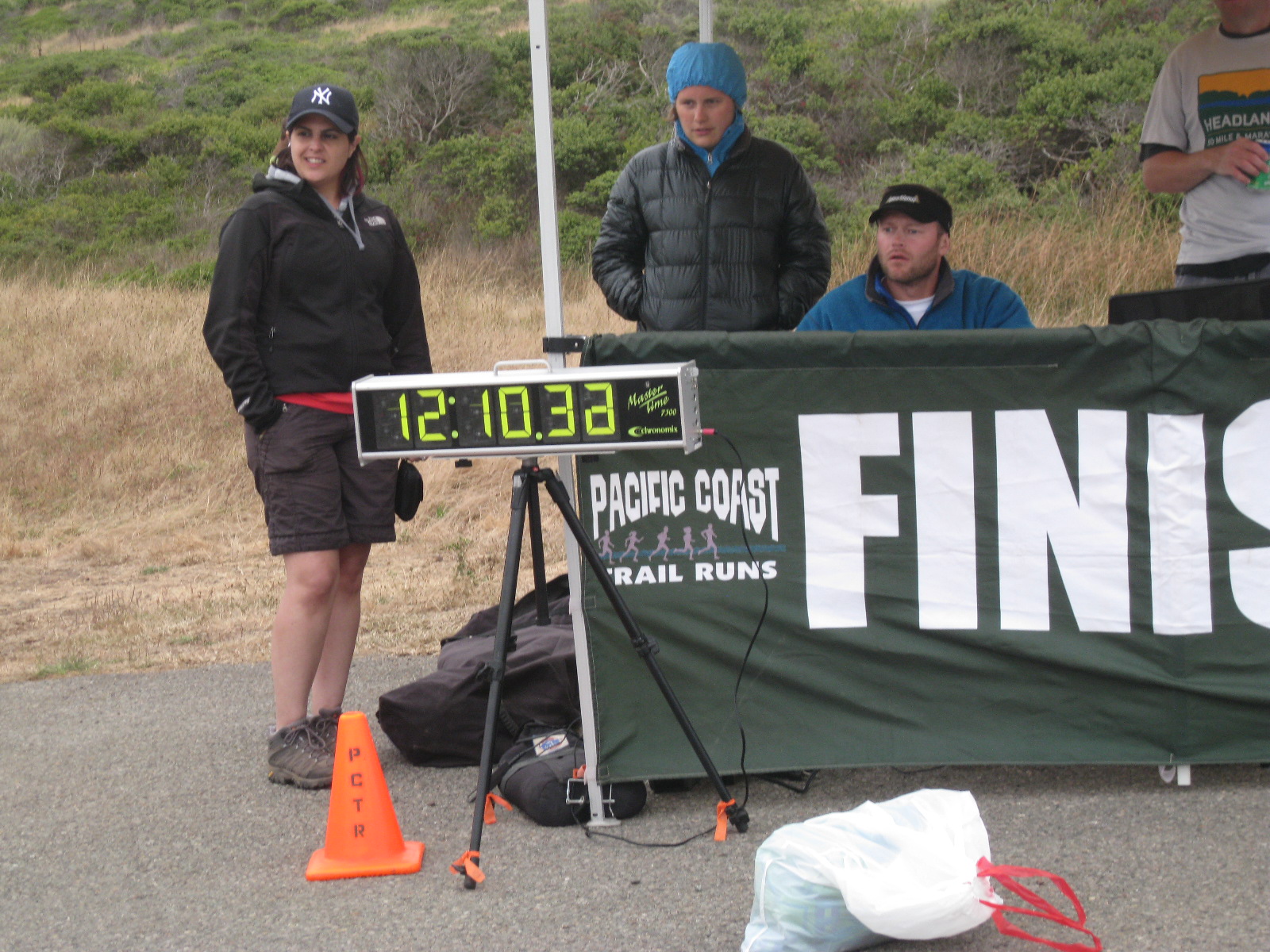
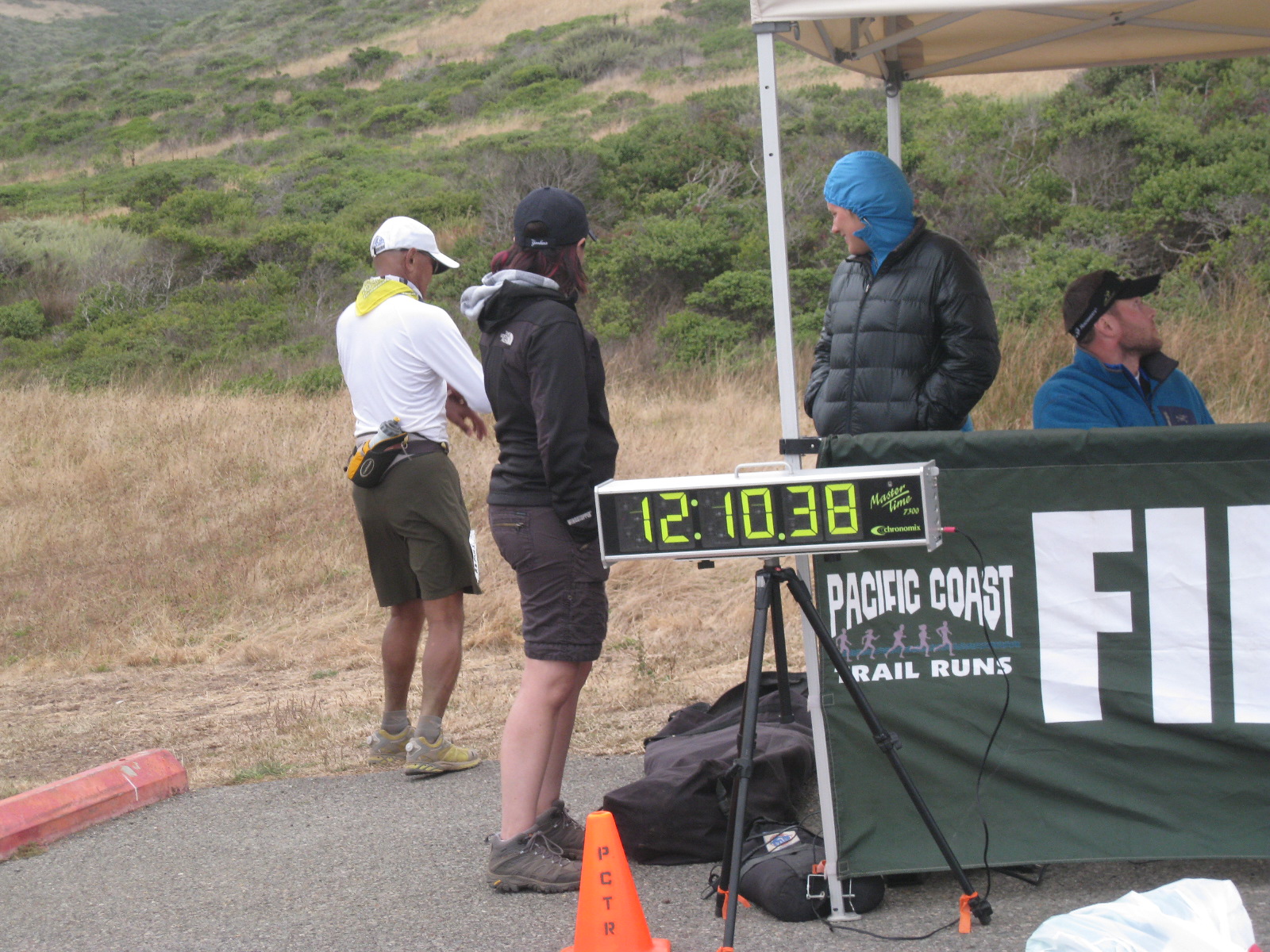
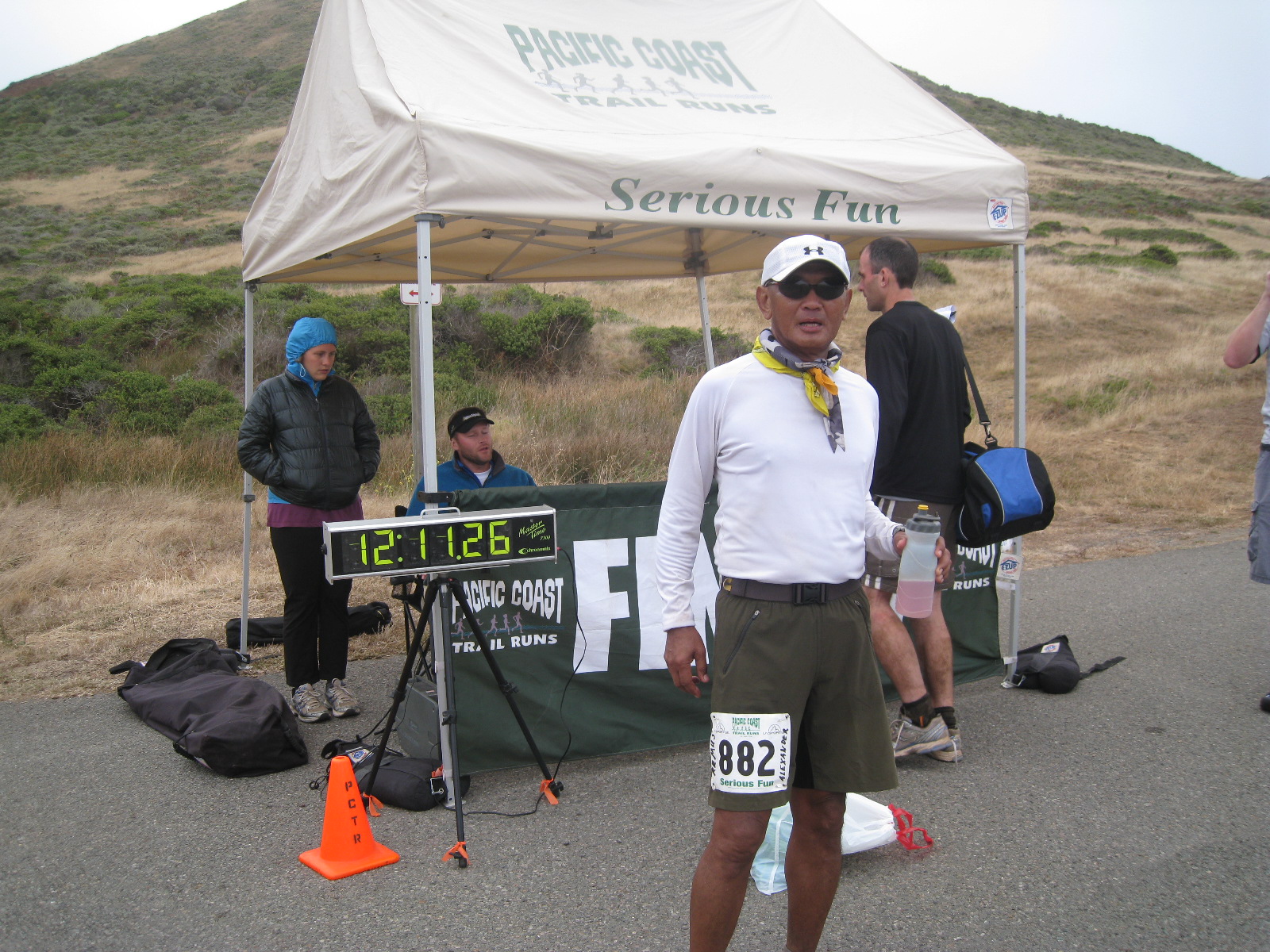
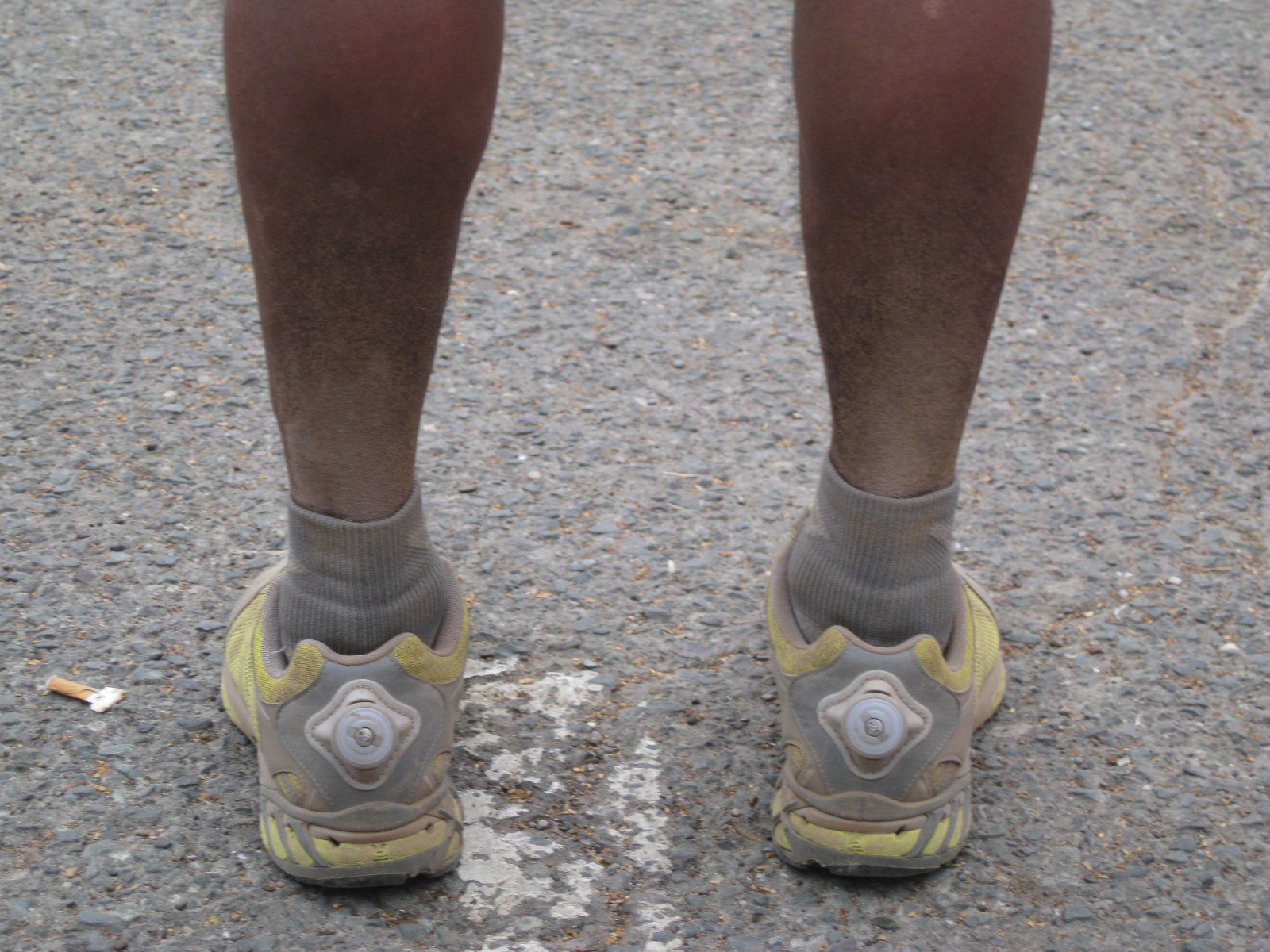
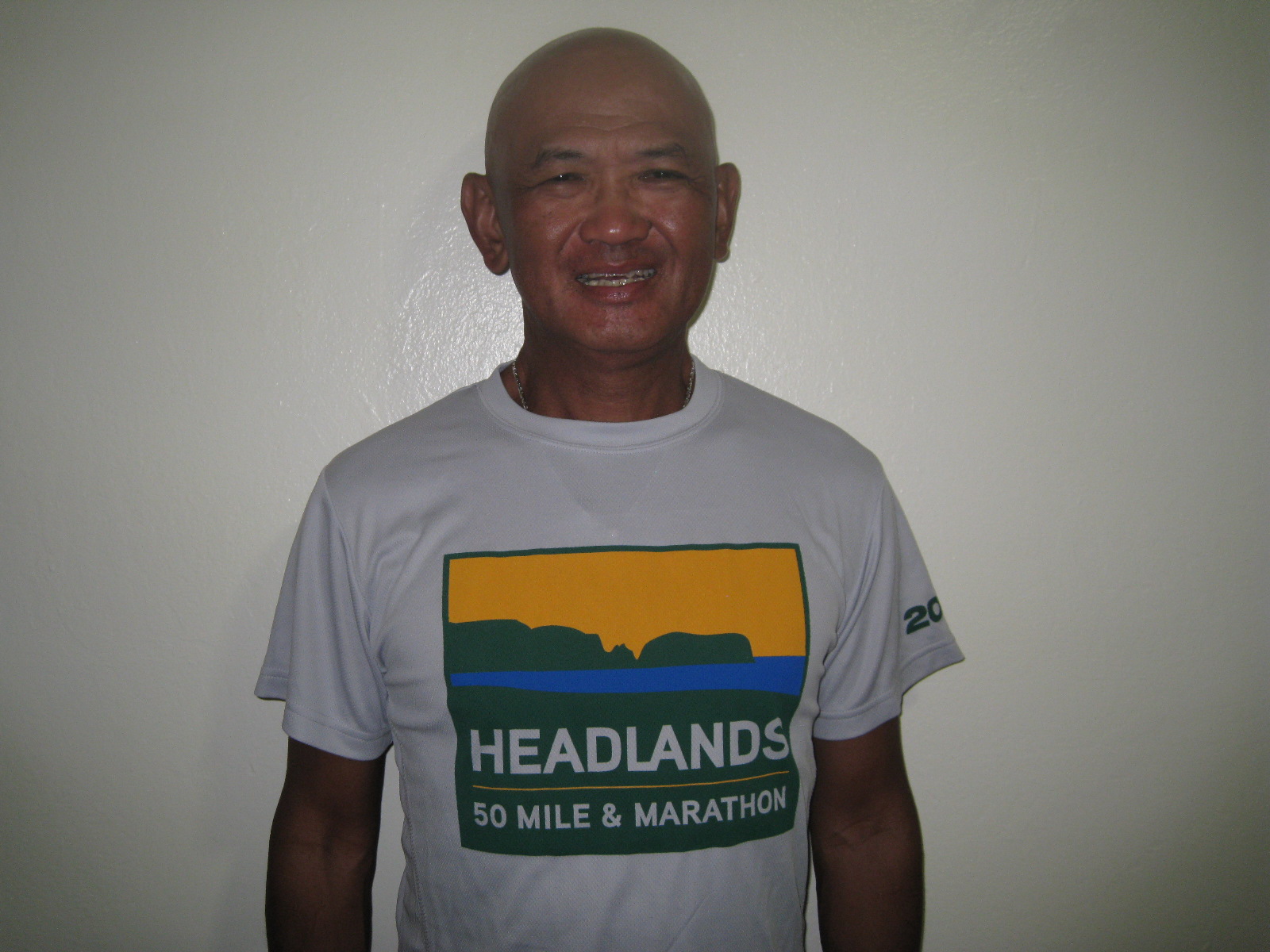
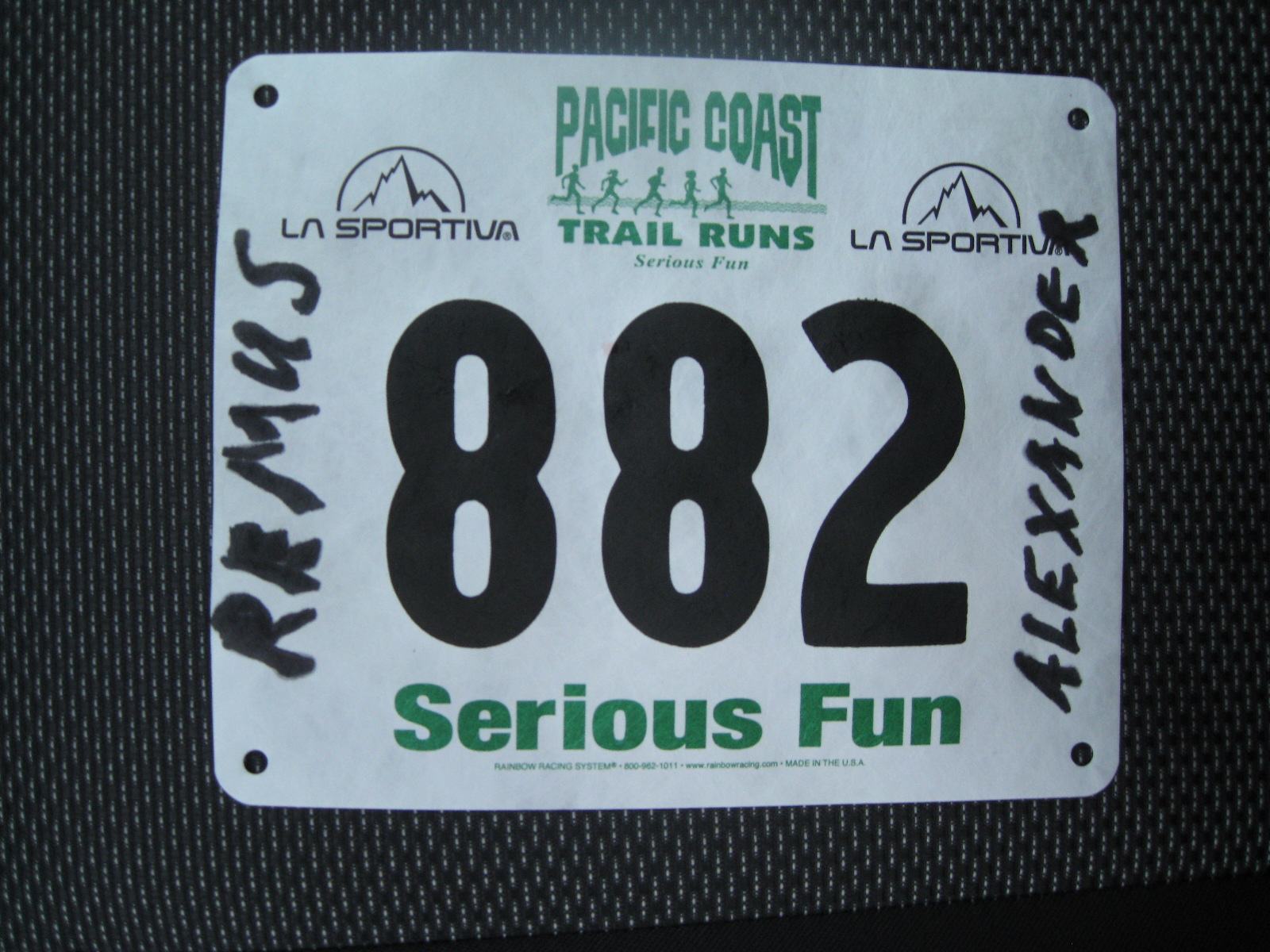
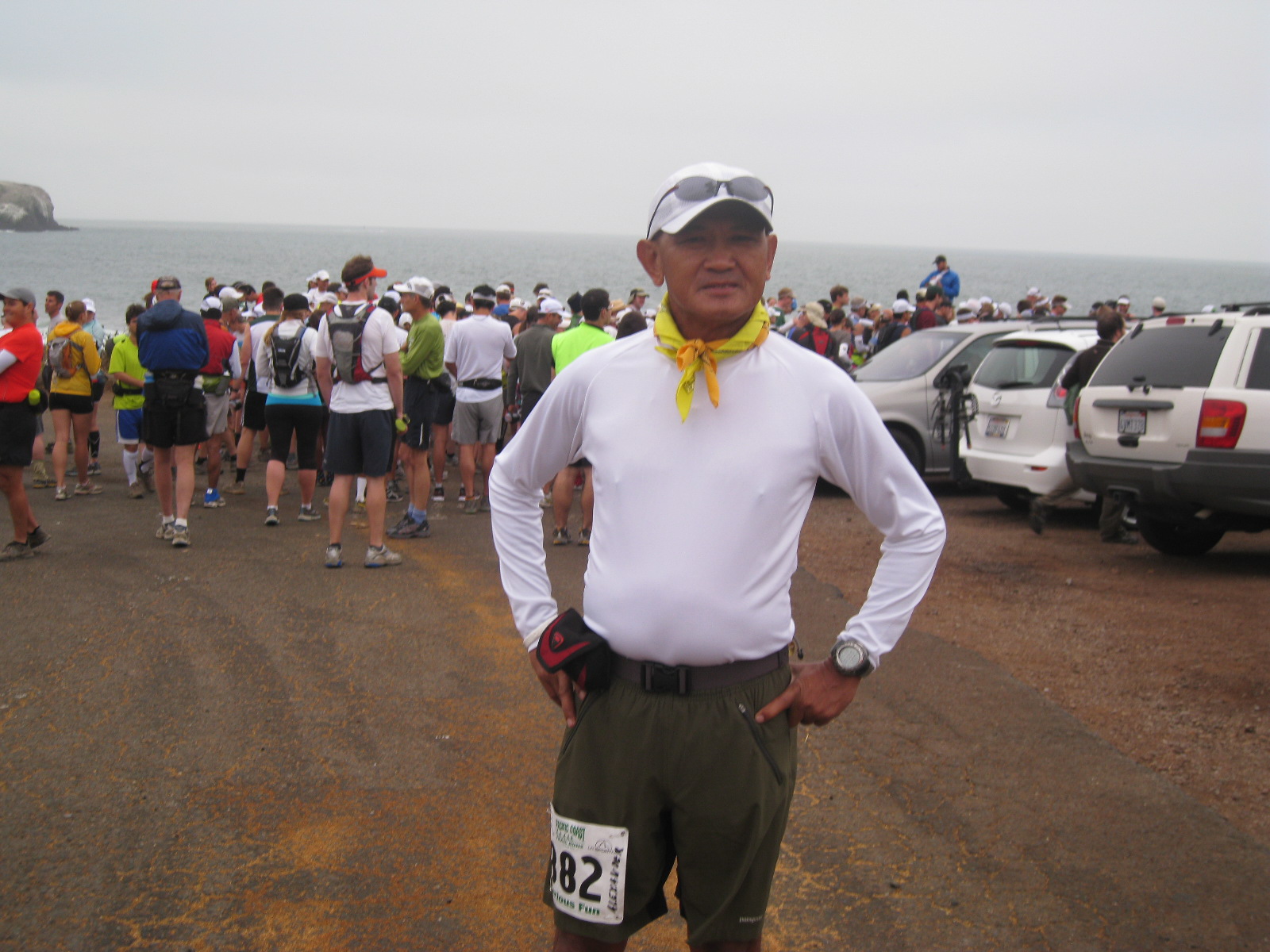
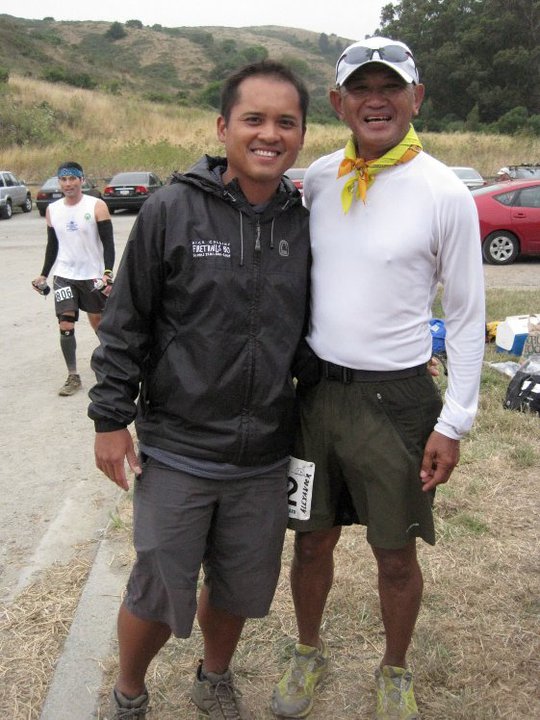
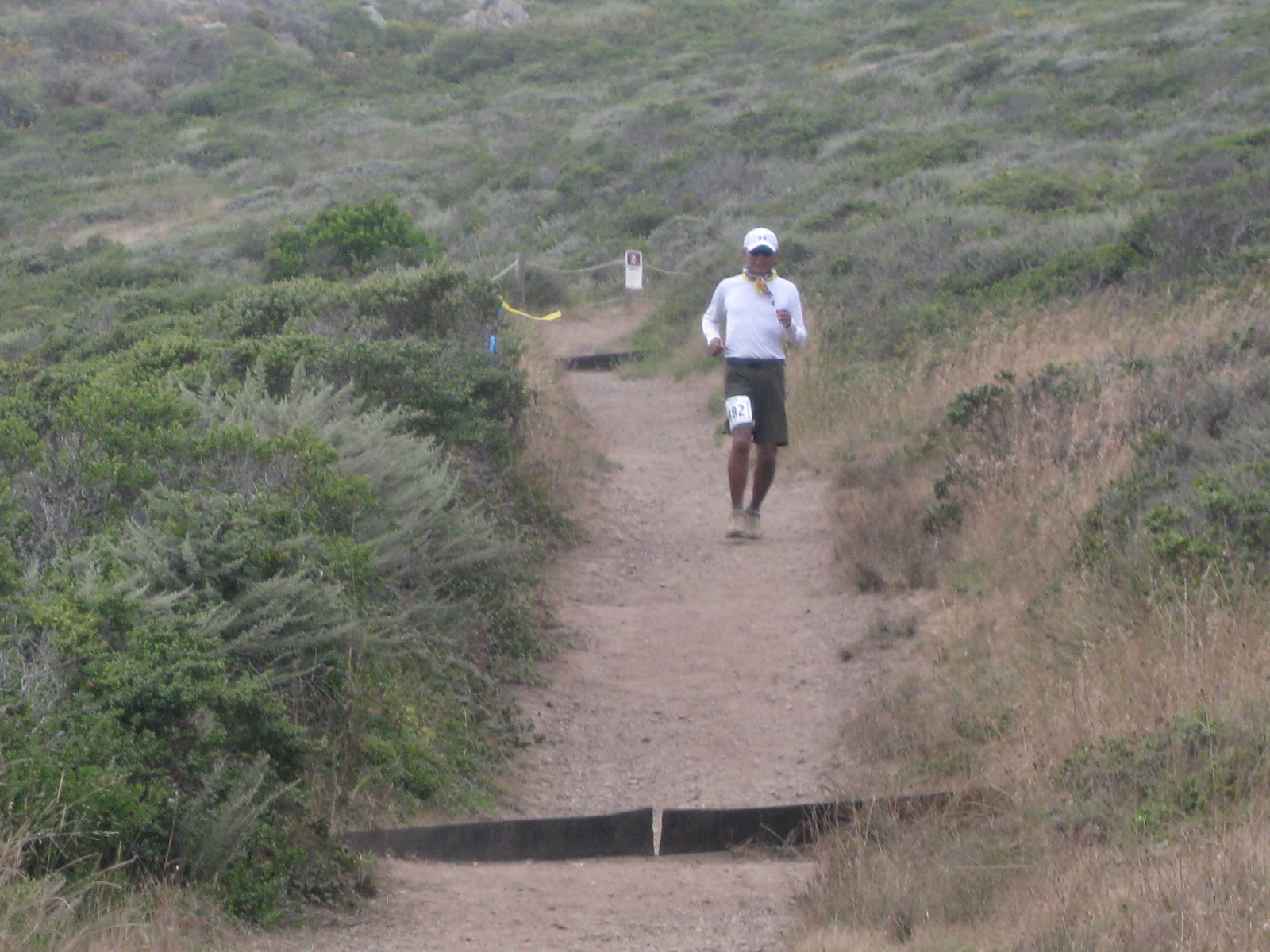
 Bald Runner
You must be logged in to post a comment.