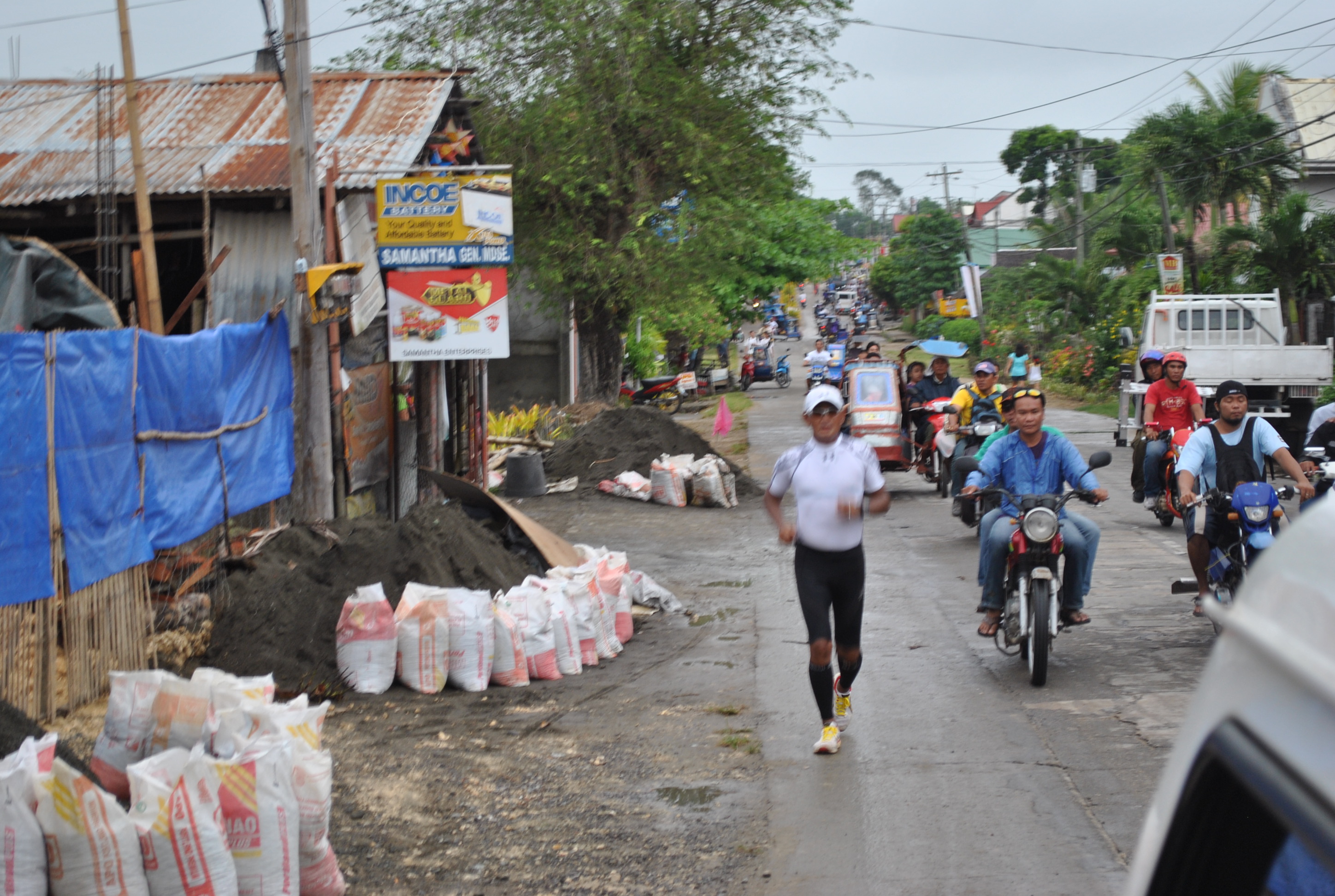
Results: 2nd MAYON 360 50-Mile Ultra Marathon Race


The following are the results of the 2nd MAYON 360 50-Mile Ultra Marathon Race held last Saturday, April 21, 2012. Please click on the link below.

Mayon 360 Race Result final corrected (1)

One Hundred Thirty Six (146) runners, out of 169 starters, finished the race within the prescribed cut-off time of 15 hours.

Congratulations to all the Finishers! Good job!

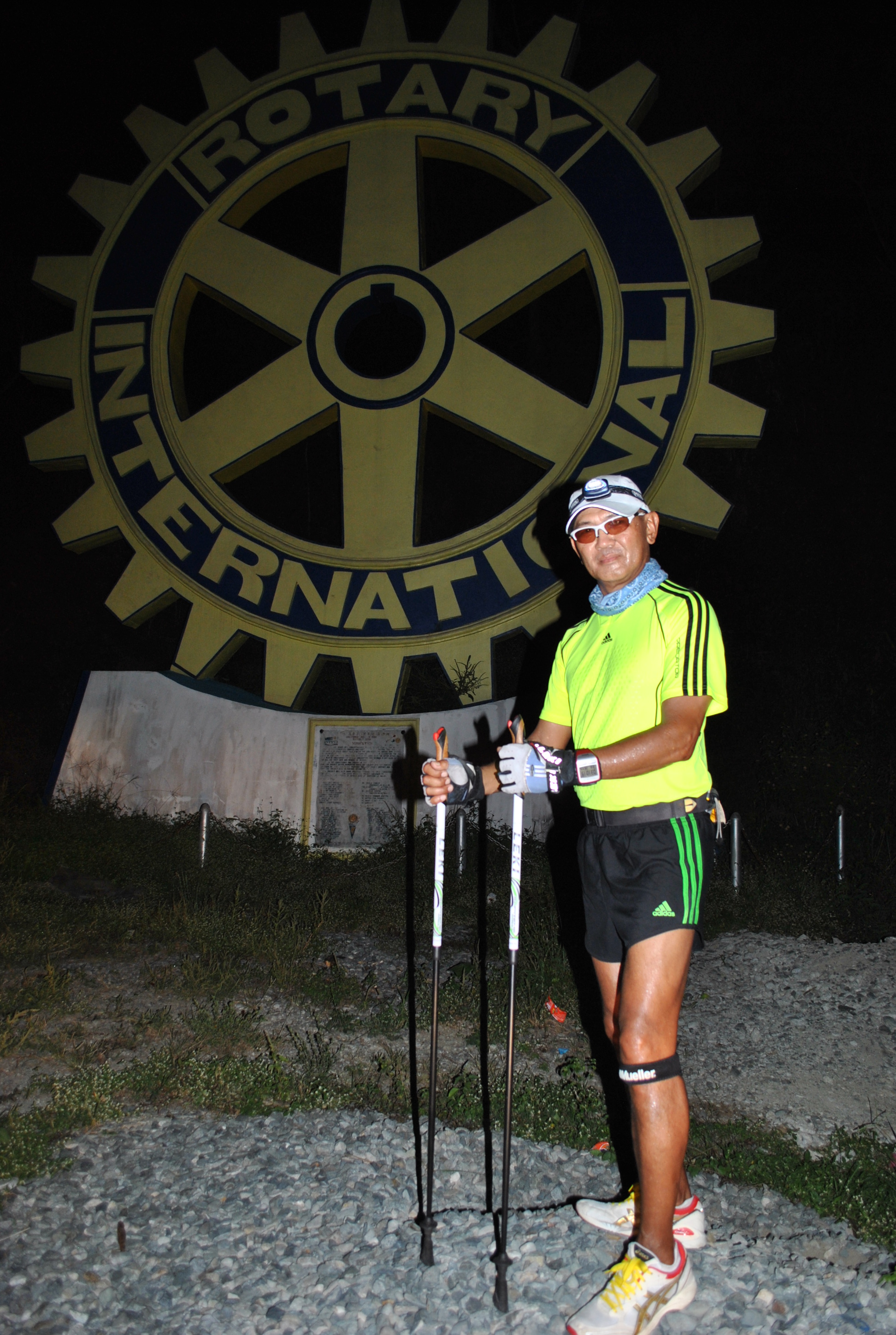
“Peak Bagging” & Mt. Pulag


March 12, 2012 @ Ambangeg, Bokod, Benguet

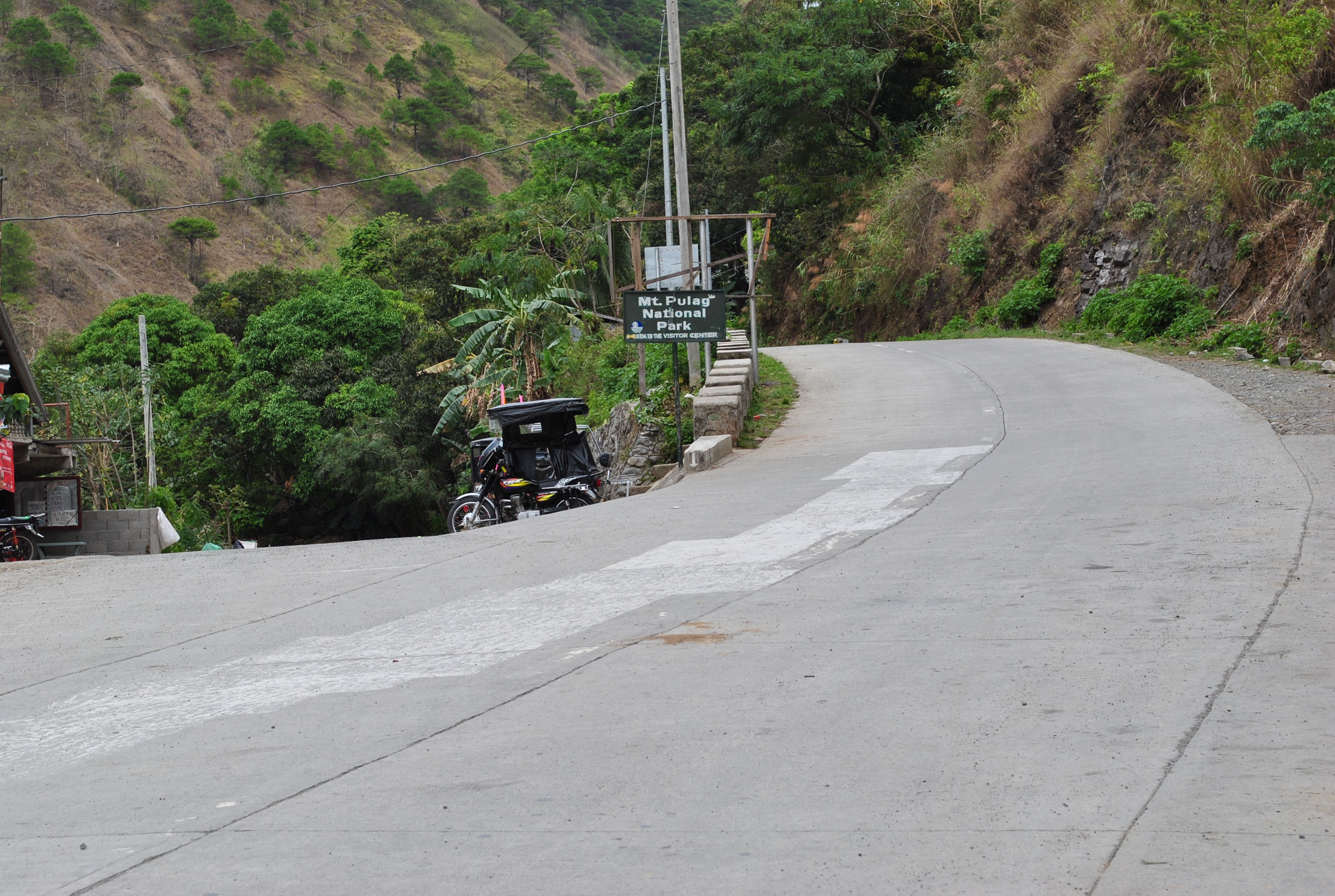
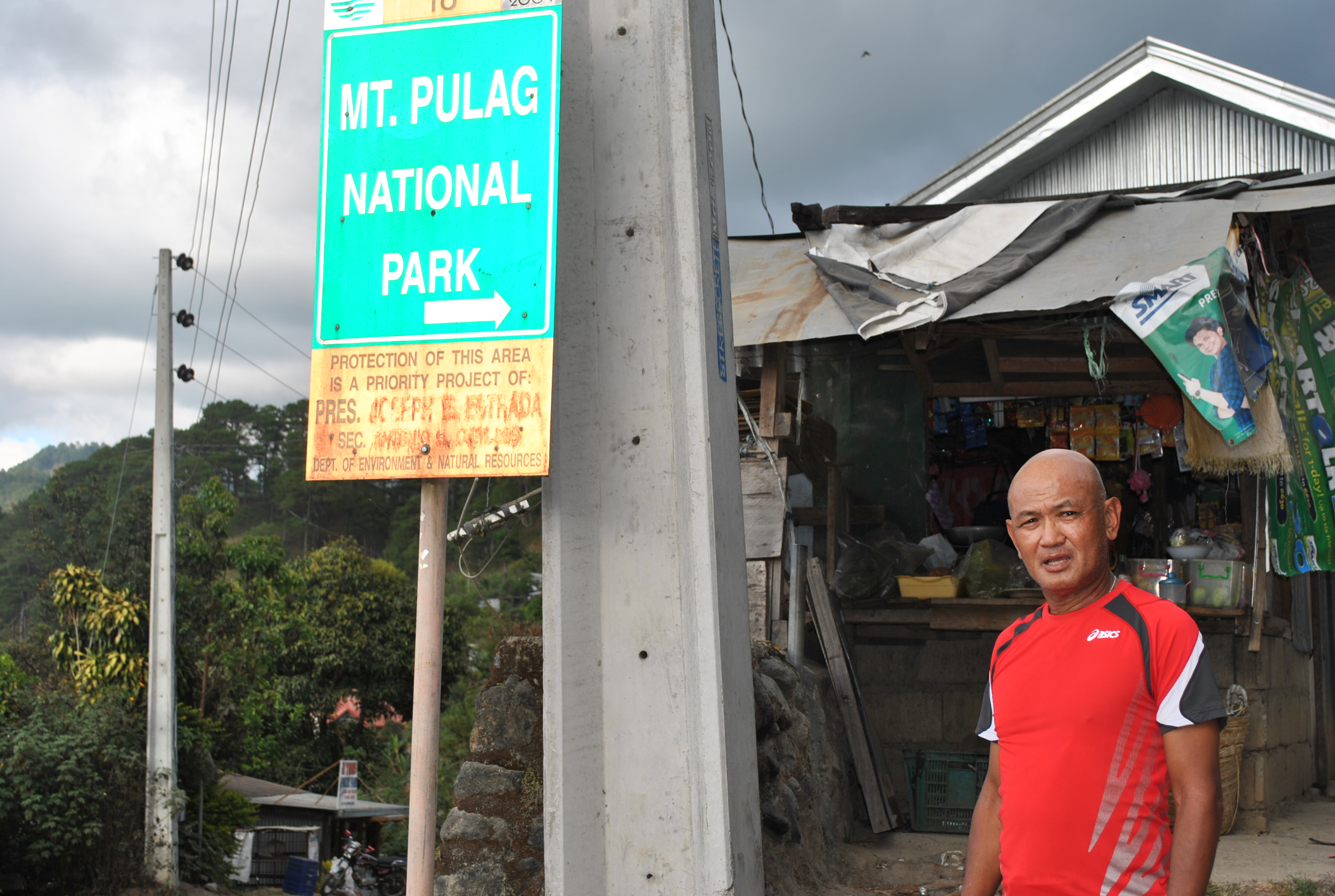
On my way to Kayapa, Nueva Vizcaya along the Benguet-Nueva Vizcaya Highway, I saw a directional sign that points to the Mt Pulag National Park. It was at the PNP Station in Barangay Gurel, Bokod, Benguet that changed my intention of going to Mt Ugo in order to recon the Marathon Route of Jonel’s race.

I said to myself, “Mt Pulag is the highest peak in Luzon and I am already here, maybe, I’ll drop by first on this mountan and then proceed later to Mt Ugo!” As I turned left at the intersection, there is no point of turning back. I am back again to my habit of being a “risk-taker”!

The road from the Gurel Junction to Barangay Ambangeg, Bokod is almost completely paved as some parts are still on road cementing construction. The road is winding and uphill and I did not notice that I traveled 9 kilometers up to the DENR Office/Police Detachment.

I am not a trained mountaineer and I am ignorant on the protocol of climbing peaks and mountains in the country. What I needed was the guts to ask questions and have the patience to listen…and listen intently! This thing was entirely new to me but I guess, I quickly learned some of the basic protocol in mountaineering. Everything boils down to “common sense” and respect to the culture and beliefs of the people in the community.

Although it was already almost 4:30 PM when I was given the usual briefing presentation by the DENR about the mountain I am going to visit, the sun was still shining brightly and I have to deal with the fact that I am taking my time from taking one step of the process at a time. There is no point to worry if my trek to Mt Pulag’s peak will be realized the following day.

After the usual briefing and payment of permit fee, additional information was provided by the people assigned in the said office. Permit fee per person is P 200.00 but you will be issued two receipts from the Bureau of Treasury. Since I am not with a group of mountaineers on a group tour, the office personnel advised me to contact a certain “Julius” to bring me to the Ranger Station in Ambangeg aboard a motorcycle. The fee for one-way is P 300.00 per person.

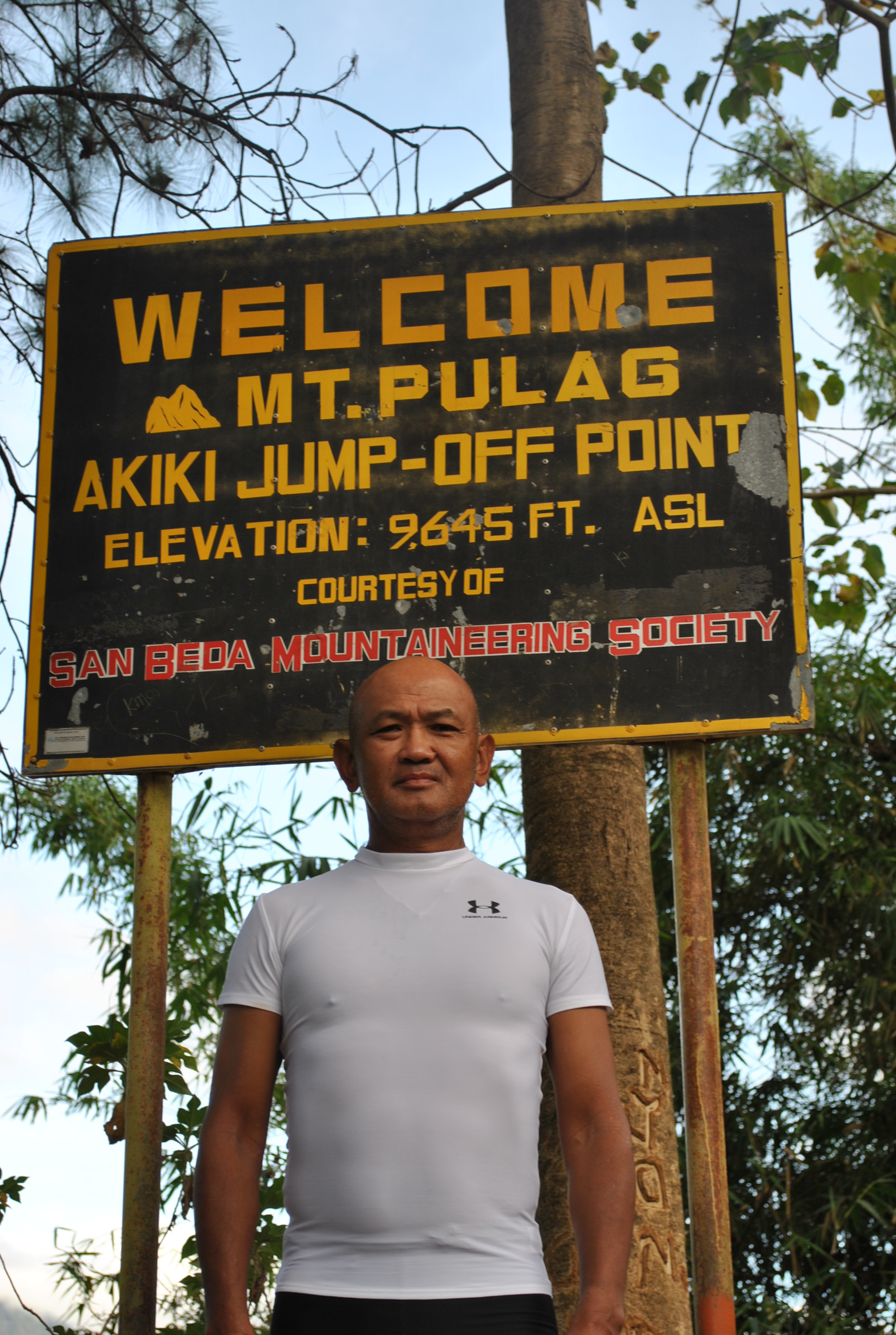
I was also advised to get a guide at the Badadak Ranger Station, the place where I am going to start my trek to the peak of Mt Pulag. The guide’s fee at the Ambangeg Trail is P 500.00. I found out later that the guide’s fee is more expensive if the entry point is from the Akiki Trail which is obviously a longer route to the peak. It can cost you P 1,800.00 but one guide may be good for a group of 6-7 hikers. It is a “must” to get a guide in trekking in most of our mountains in order to avoid of being lost.

The problem with Barangay Ambangeg is that there is no place to stay for the night! The nearest place where there is a dormitory-type of accommodation is at the Poblacion of Kabayan—a good 1 1/2 to 2 hours drive of unpaved road! There was no other choice but to go to Kabayan. The adventure continues and it is a part of touring and knowing the place for the first time.

It was already nighttime when I entered the quiet town of Kabayan. Only one establishment was still open with food to be cooked and ordered at 7:00 PM. Our overnight stay in the one and only dormitory in town cost us P 200.00 per person! One has to sleep on two-deck beds with basic mattress and pillow. The dormitory has a communal bathroom and toilet with separate bathroom for the ladies. There was no hot water or shower but the ever-reliable pail and “tabo” were there!

On that night that we stayed in the said dormitory, two European couples were with us and four males working with a company that delivers and sells bulbs and lighting fixtures to every barangay in the towns of Benguet. A simple greetings and smile was enough for the foreiners but for the people I’ve met along the trip, being an Ilocano was already an  asset during my trip as the people in every place in Benguet could easily understand my dialect. I could easily communicate with them!

We left Kabayan after a simple breakfast and we arrived in Ambangeg, Bokod after almost 2 hours of slow driving and taking pictures along the way. I saw the entrance to the Akiki Trail along the road and I found out that this is the harder entry towards the peak of Mt Pulag. I took some pictures of the place and promised myself to be back and make an assault to the peak using this entry.

“One-time deal” parking fee in Ambangeg cost me P 100.00 from 10:00 AM up to the time we left the place. I think, it was already 7:00 PM. I left my car and I was in tandem with Julius on his motorcycle on our way going higher to the foot of Mt Pulag. It was my first time to be riding in tandem on a motorcycle ride and Julius was complaining that I was doing some unnnecessary movements with my butt. He didn’t know that the bumpy road made me fly a few inches from the saddle/seat and the continous butt-jumps made me nervous that I might fall off from the motorcycle! My light weight made me unstable riding on a motorcycle on rocky/bumpy road!

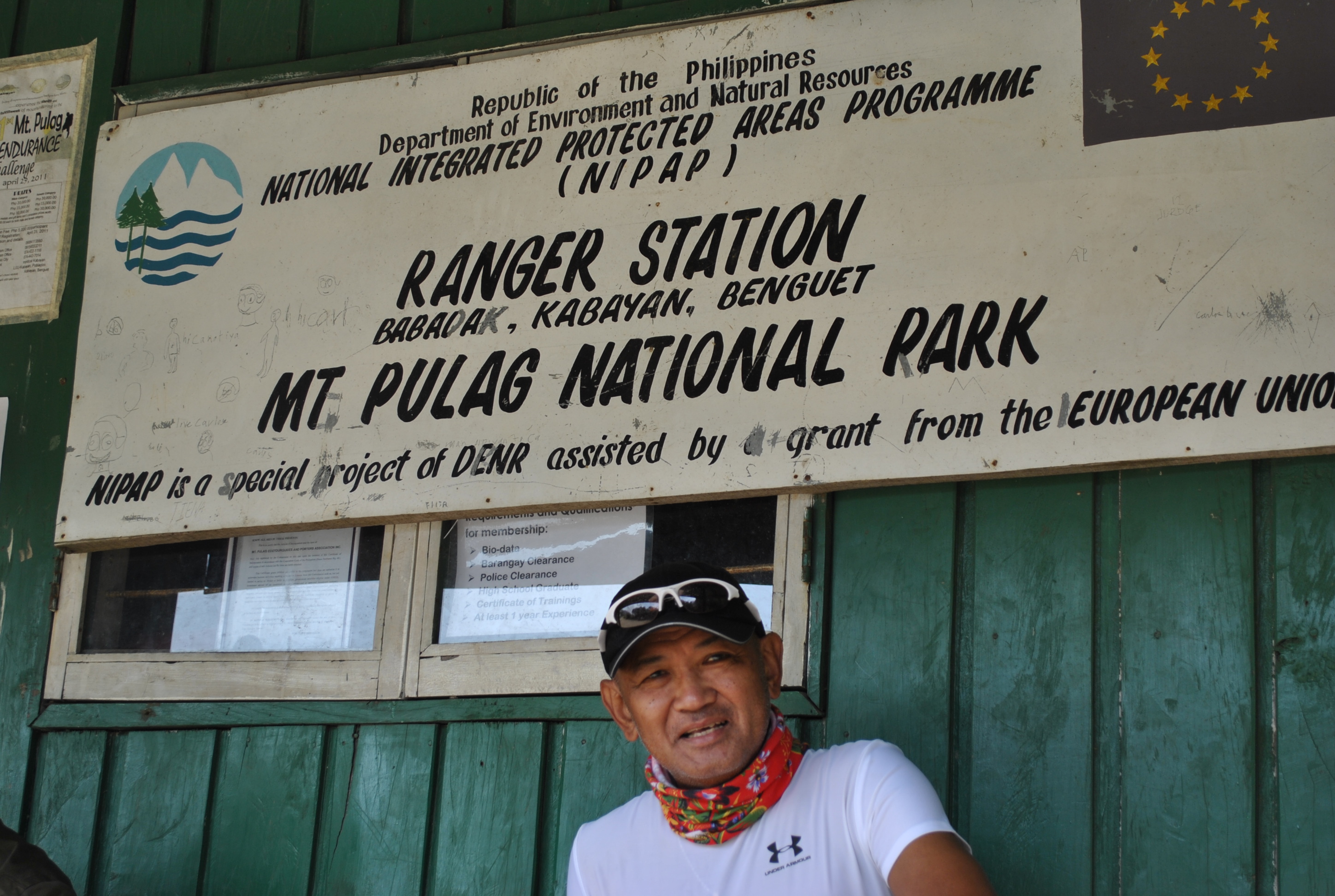
Wow! That was the most horrible ride I’ve experienced! The 9+ kilometers with rocks and slippery mud on the uphill path could be the longest 40 minutes of my life! Finally, we arrived at the Ranger Station in Sitio Badadak, Ambangeg. The Ranger assigned in the station was having his Lunch Break at 11:30 AM and there was no person to whom I would show the receipt that I paid as my permit fee. I just thought that I would see the Ranger once I’ll be back from the peak of the mountain.

After 15 minutes of waiting for a guide, Edgar came forward and signed up to guide me in my trek to the peak of Mt Pulag. I told Julius and company to return to the Ranger Station to pick us and bring us to where my car was parked at exactly 5:30 PM. Julius was surprised and made a statement that with the limited time, I might not be able to reach the peak of the mountain with such time. I just smiled at him and told him that I’ll be waiting for him at the Ranger Station on the said time.

Mountaineers (with packs) usually reach the peak in 4-5 hours from the Badadak/Ambangeg Ranger Station. Well, Julius and the rest of the people at the Ranger Station didn’t know that I will be running, jogging, trotting and brisk walking to and from the peak of the mountain! And so I did!

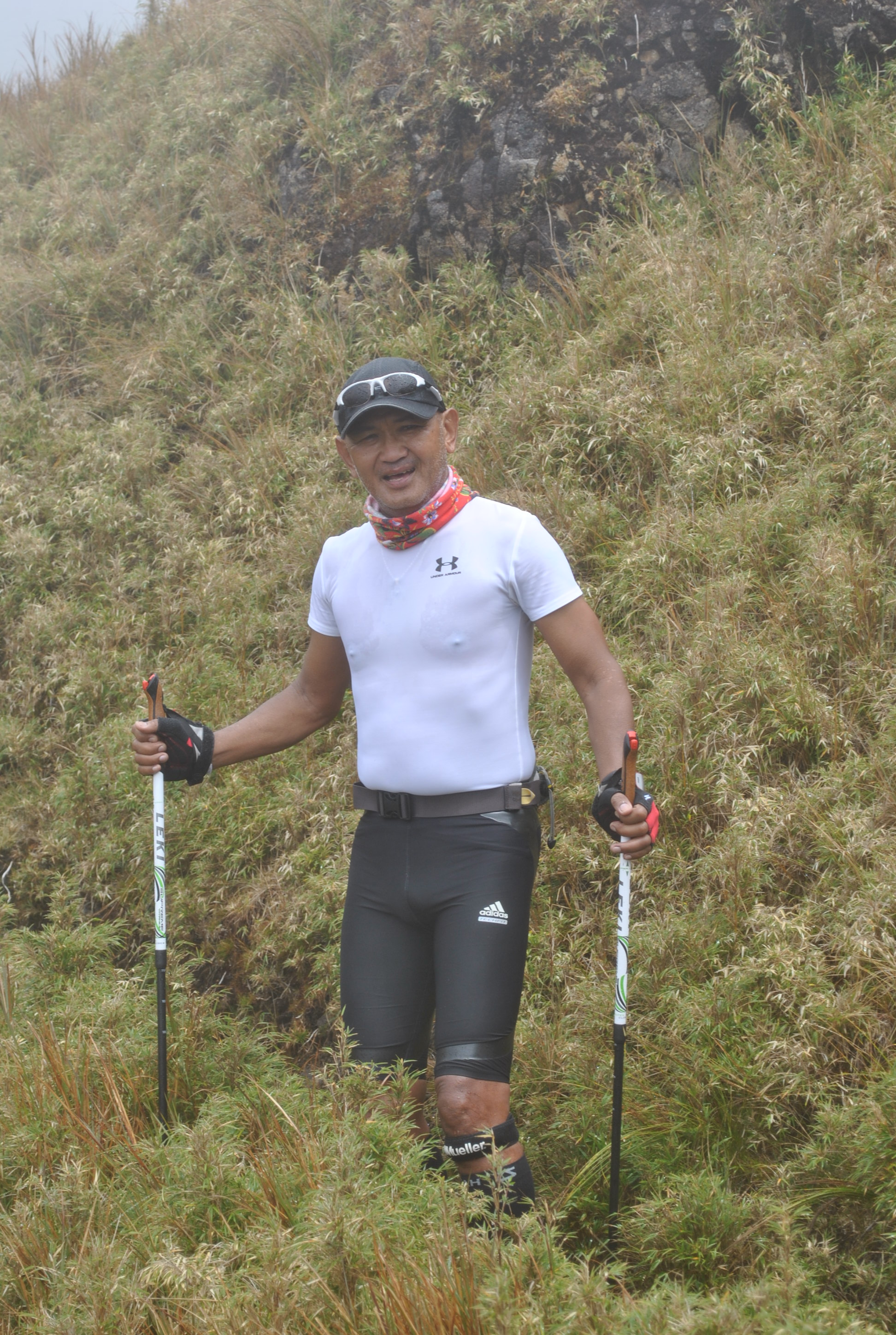
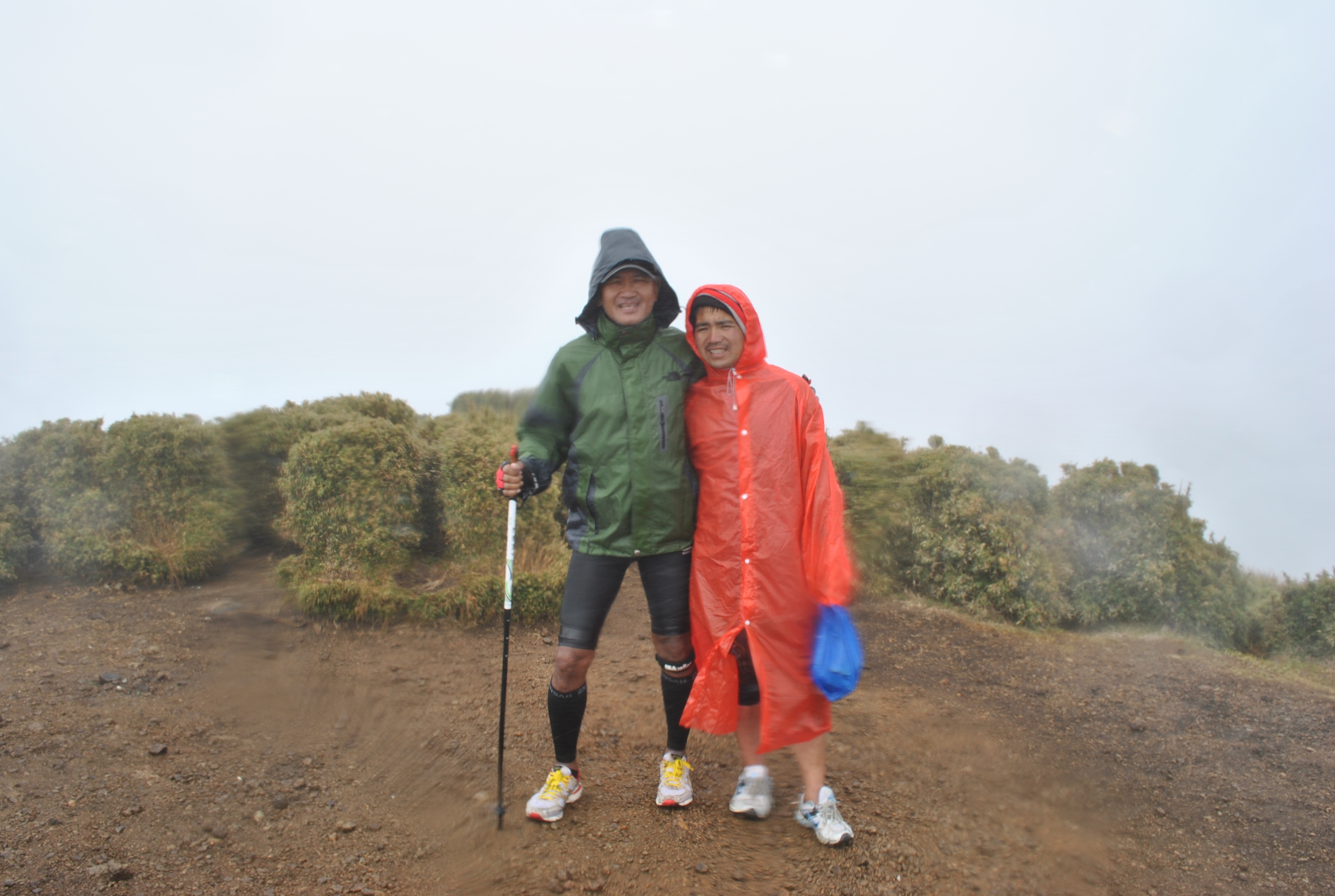
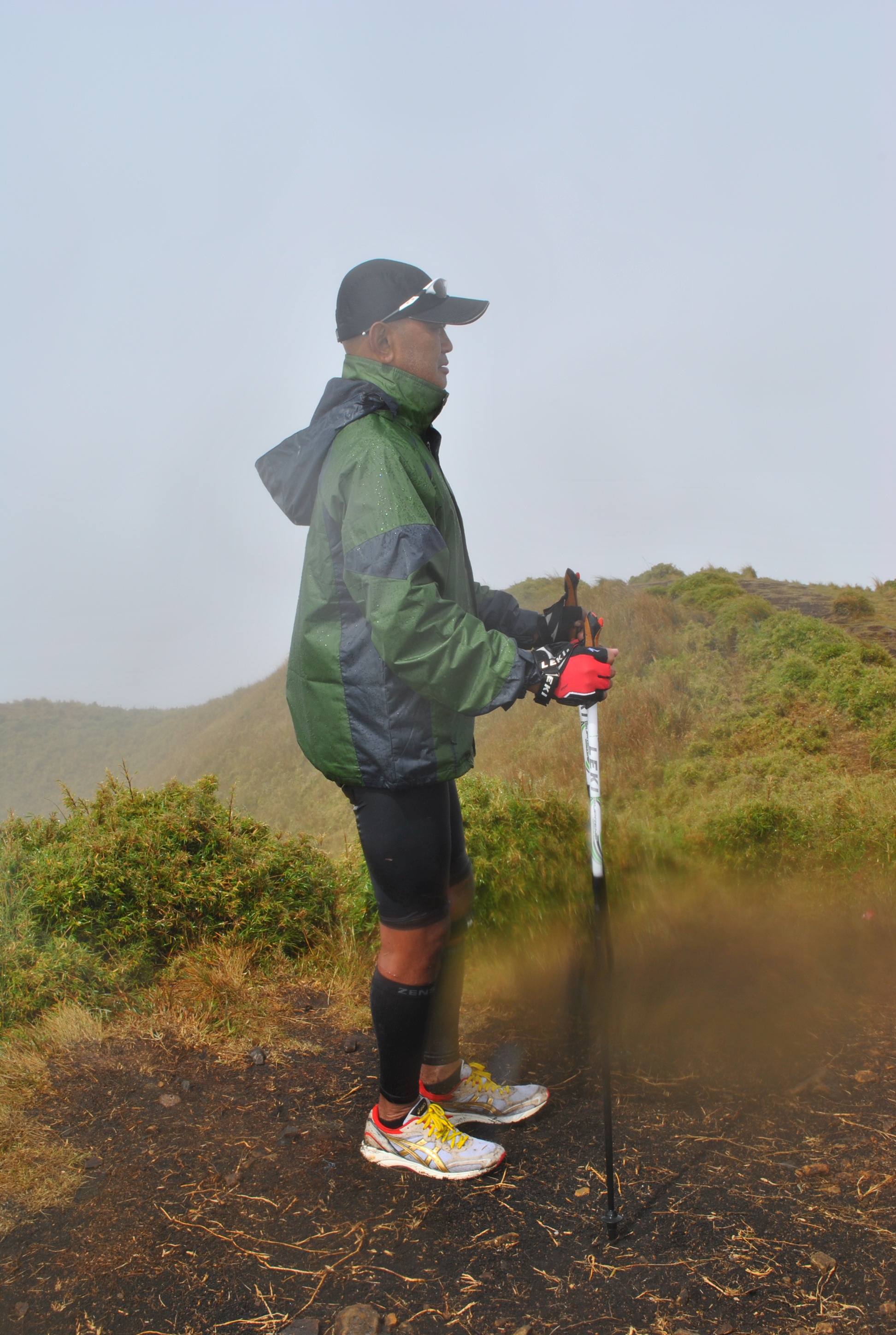
At 4:30 PM, I was back at the Ranger Station! I was able to reach the peak of Mt Pulag by “assualting” it through its steepest approach trail (last 50 meters) in 2 hours! Spent 15-20 minutes on the peak for picture taking and moving around the topmost portion and admiring the damp brown dwarf bamboos. The temperature at the peak was freezing as it was raining and the peak was covered with clouds! In a few minutes, my fingers were numb and my body started to feel the cold temperature. I kept on walking on the open space of the peak but the freezing temperature would make my body shiver.

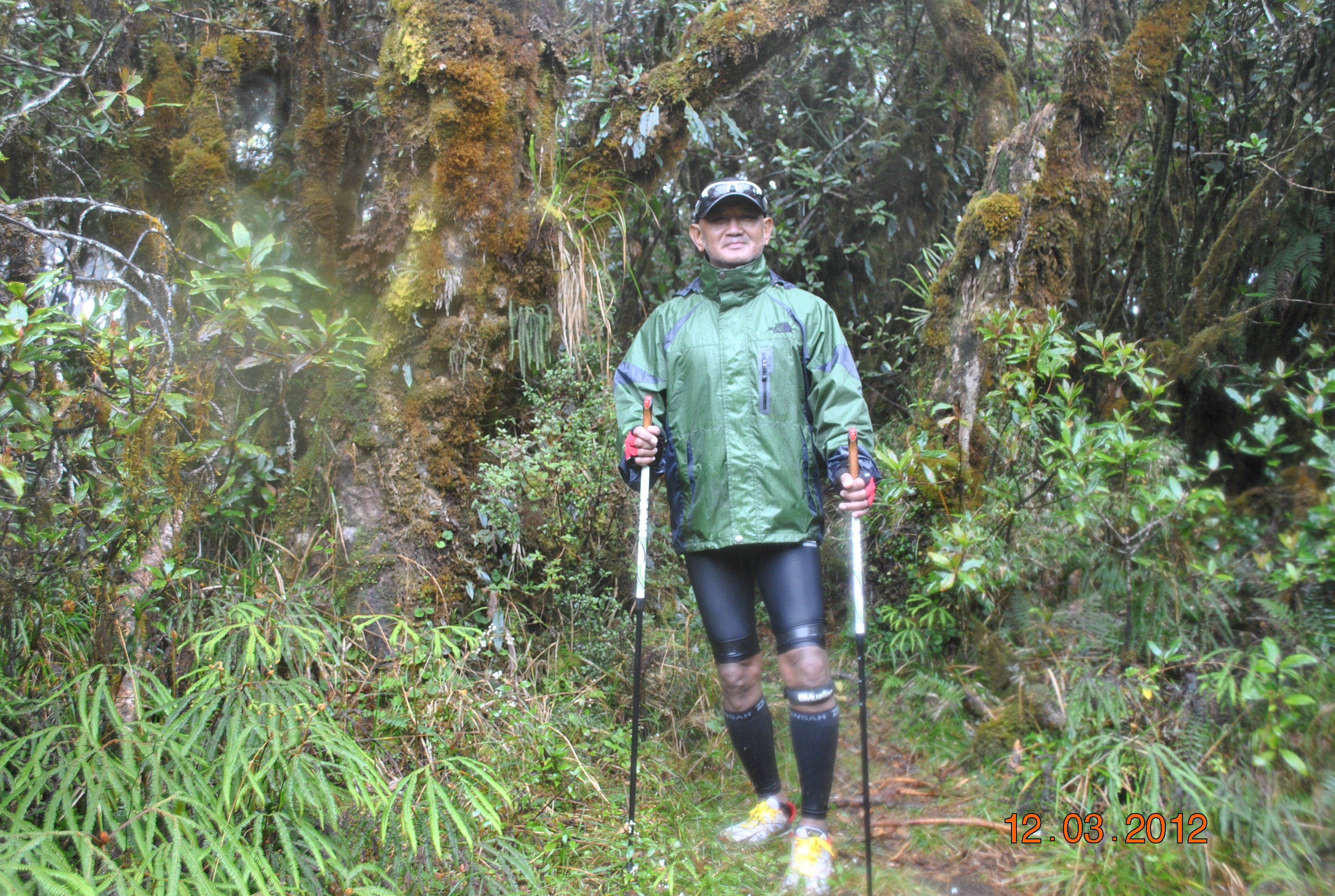
On my way to the peak after passing Camp 1 and before entering to the “Mossy Part”, I was able to meet a couple, a male foreigner and a Filipina, and I greeted them while I was jogging. As soon as I reached the place they call “Grassland”, I met a group of 18 campers/mountaineers with their guide and porter. This is the same group that I would catch up at Camp 1 on my way back to the Badadak Ranger Station. This group is from Lufthansa Airline Company. I would found out later that these campers whom I met along the Ambangeg Trail had been on the trail for 2 days as they have started their climb from the Akiki Trail and they had camped at a placed called “Saddle or Camp 3” before reaching the peak of Mt Pulag.

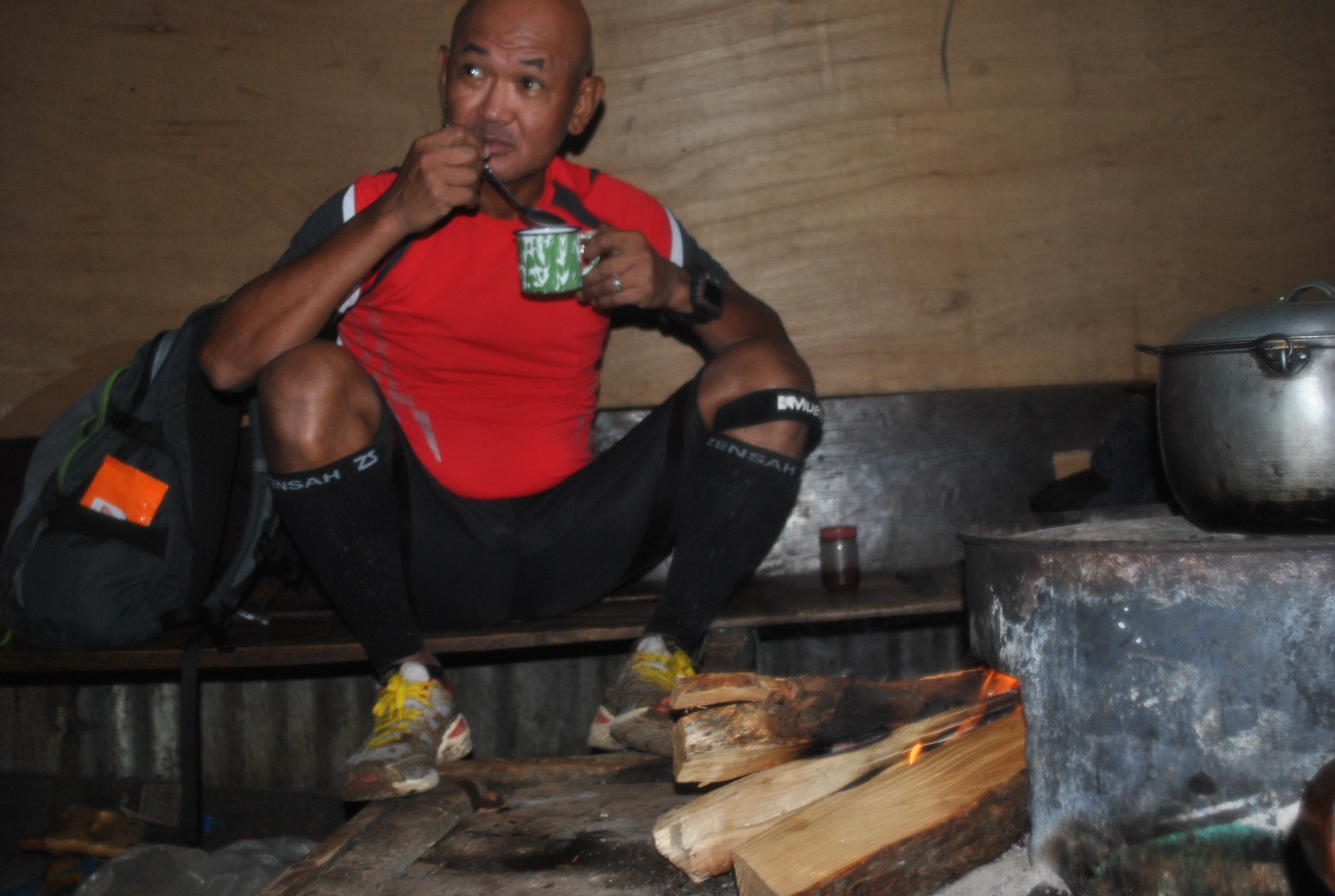
While waiting for Julius and his motorbiking friends to arrive at the Badadak Ranger Station, I asked Edgar, my guide, where I could buy some snacks—native hot coffee and some local bread. Edgar invited me to his parent’s house and I enjoyed sitting at a place where it is near their stove. Julius and company arrived with a delay of almost one hour. It was okey with me since I had a nice time talking to Edgar’s folks and brothers. The 30-minute downhill ride to the center of Ambangeg took a longer time due to faulty brakes on the motorcycle I was riding. After some stops and quick-repair/disassembly & assembly of rear brakes & tire, I was able to reach my parked vehicle. It was already nighttime.

My trip to Kayapa, Nueva Vizcaya has to be postponed and I decided to do my “peak bagging” to Mt Ugo on Race Day itself for the 1st King of the Mountain Mt Ugo Trail Marathon. I was already tired. I need the comfort of a nice bed in Baguio City. After a 2 1/2 drive to Baguio City, I was able to take my late dinner and I was in my favorite hotel room in Baguio City—taking an ice-cooled bath and sleeping under soft and clean linens!

This was my first experience of “peak bagging” on the highest mountain peak in Luzon and 3rd highest in the country! For the round-trip distance of 15K from the Badadak Ranger Station to the peak of Mt Pulag and back, I was able to register a time of 5 hours to include my stay at the peak and “pit stops” in every Camp that I reached. I started from an estimated elevation of 2,400 meters and was able to reach the peak of the mountain where my GF 305 registered an elevation of 2,940 meters!

After some research in the Internet and other blogs, I found out that there are events in Europe, particularly in England where mountain trail runs are called “fell running”. And there are also trail running events that would last for 24 hours or more where the number of mountain peaks are considered and counted to be reached as part of the route. Reaching those peaks is called “Peak Bagging”!

This is my own way of applying such event that I’ve learned from “fell running”. The procedure is so simple. Target one mountain peak at a time, run and walk through it, take some pictures at the peak, and run/jog downhill to where one has started. This is the “travel lite” of mountain trekking or climbing without the intention of camping overnight on each mountain. With my first experience of “peak bagging” at the highest mountain peak of Luzon, I guess, a new frontier and form of trail/road running is born!

Now, if you ask me if I enjoyed my experience? You bet! “Peak Bagging” is addictive!!!

Surprisingly, the road distance from the Gurel Junction along the Benguet-Nueva Vizcaya Highway up to the peak of Mt Pulag through the Ambangeg Trail is exactly 25 kilometers! And if you double the distance by going back from the peak of Mt Pulag to the Gurel Junction, the total distance would be a good 50 kilometers!

This could be the most challenging 50-Kilometer Ultra Run in the country!

Birth Of Another Ultra Route


March 9-10, 2012

After the Awarding Ceremony & Get Together Party for the 2012 BDM and PAU Races, I had already a plan in my mind to try the initial King of the Mountain Road Race envisioned by Jonel two years ago. This is the Road Race which he dubbed as the Baguio To Baguio Route which is popular among professional cyclists and the popular cycling lap that determines who would eventually  win in the yearly Professional Cycling Event in the Country.

However, the main reason and goal of this running trip/adventure run was to be able to recon the King of the Mountain Mt Ugo Trail Marathon route which I was planning to join. Running along the Marcos Highway, Kennon Road, and Naguilian Road would serve as my easy long runs as part of the training before going to Kayapa, Nueva Vizcaya.

Coming from Manila after breakfast of Friday, March 9, I drove my car without any target time for me to start my run as I planned to start at the Saitan Junction in Rosario, La Union once I reach the place and after wearing my running shoes. At exactly 3:00 PM, I arrived at the planned starting area and I was surprised to see that the structure on the said place is already abandoned and left to rot and decay. I wonder who is supposed to be responsible for its upkeep and cleanliness. Anyway, I parked the car and started to eat some cooked foods which we brought for my adventure run. We had cooked rice, pork and chicken adobo and fried fish. After my full meal, I changed to my running attire and I was ready to start my run.

My route has to take the Maharlika Highway going to the town/poblacion of Rosario, La Union and then turn right at the Junction which is the start of the Marcos Highway which is now called, “Ben Palispis Highway”. I wonder who is this guy who replaced the name of the former President of the country! From the Junction, the Marcos Highway would lead me to Baguio City. I finally started my run at 3:30 PM.

Strictly following my run-walk method of 3 minutes of run & 45 seconds brisk walk, I was able to progress my ascent to the summer capital of the country. My support vehicle would be able to “leap-frog” every 3 kilometers which is the estimated time that I would consume the water or Gatorade mix on my “Sprint” Nathan hand-held bottle. The last 5 kilometers climb to Baguio City would be the most challenging part of the route as I had to brisk walk most of the distance. I was able to run and walk the Marcos Highway going to Baguio City, a distance of 47 kilometers with a total gain of more than 6,000+ feet from the place where I started, at Barangay Saitan, Rosario, La Union. I did it in 8:20+ hours. I stopped my run infront of the Baguio General Hospital.

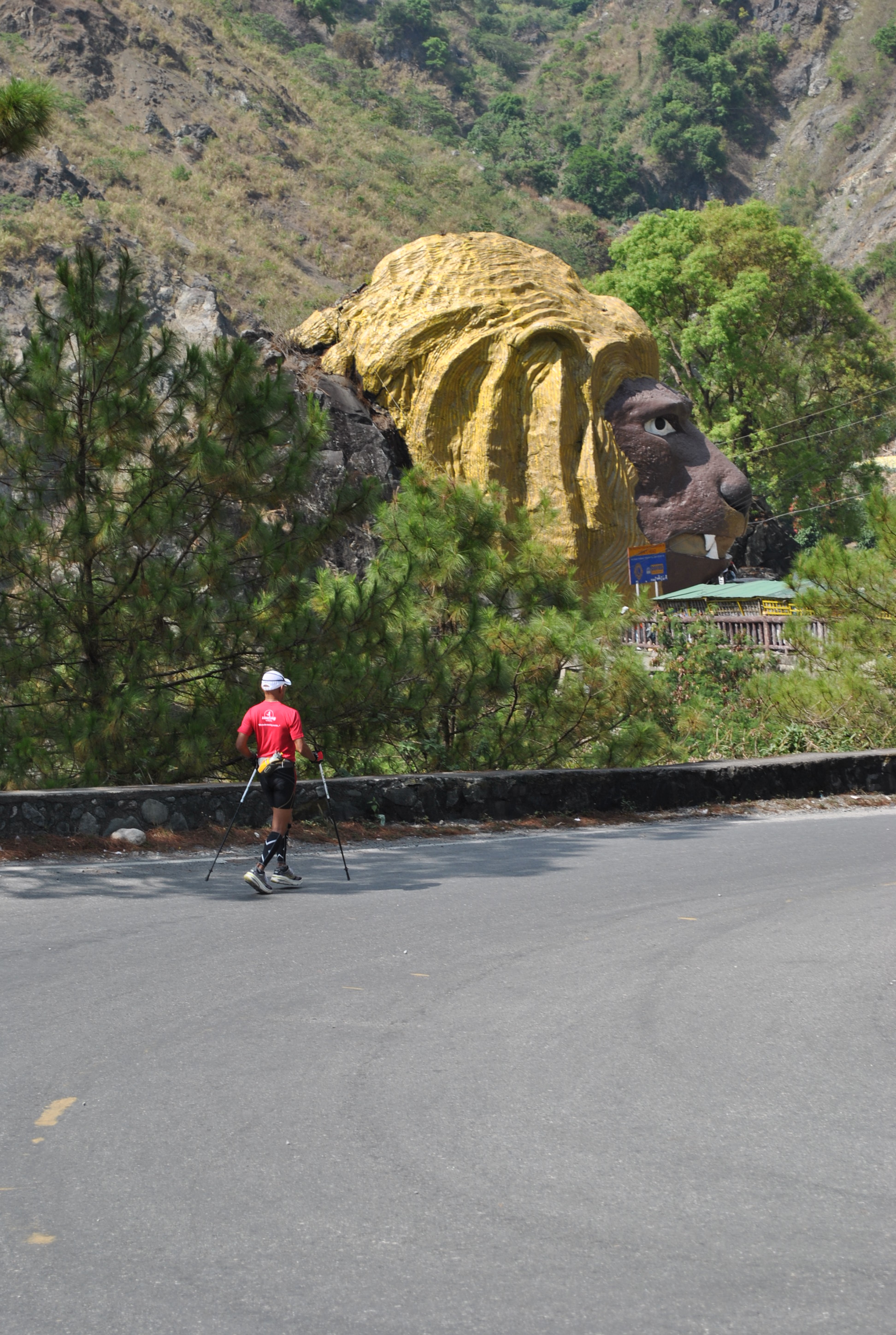
After an overnight rest in one of the decent hotels in Baguio City, I continued my run the following day from where I stopped and run through the famous Kennon Road going back to where I started. It was all downhill but I had to be cautious because I don’t want my quads and knees to suffer for the pounding with the distance of 33 kilometers. My trekking poles provided me with much comfort on those steep downhill portions of the route. With longer “pit stops”, I was able to reach my destination in 6:00+ hours.

After completing the 2-day running feat, I would discover that the total distance would result to 80 kilometers which is a good 50-miler route for an ultrarunning event. Thus, I decided to dubbed the event on this route as the “Marcos-Kennon 50-Mile Ultra Road Classic”. A status posted at FB gave some commitments from running-friends to help and support in the conduct of this event. Thanks to my ultra running friends!

I’ve decided not to run the Saitan, Rosario to Bauang, La Union route along the Maharlika Highway and instead, measured the distance aboard my car using my GF 305 watch. The distance registered at 53 Kilometers. Stayed overnight in Bauang, La Union. Enjoyed the food, beach and sea breeze of the place and I enjoyed my much-needed rest. From the Bauang, La Union Junction to Baguio City, the distance is 44 Kilometers up to Burnham Park. I did not run through the route but I simply observed the terrain closely as I drove towards Baguio City.

In summary, adding up all the routes of the Baguio-Baguio, the Original King of the Mountain Road Ultra of Jonel, it has a total distance of 224 Kilometers and it can be depicted on the following measured legs:

Baguio City To Saitan, Rosario via Kennon Road—33 Kilometers

Saitan, Rosario To Baguio City via Marcos Highway—47 Kilometers

Baguio City To Bauang, La Union via Nagulian Rd—44 Kilometers

Bauang, La Union To Saitan, Rosario via Maharlika—53 Kilometers

Saitan, Rosario To Baguio City via Marcos Highway—47 Kilometers

I will let Jonel push through with his plan Baguio-Baguio Route to be implimented. However, I will just take a portion of the said route as another challenging race route for interested ultrarunners to experience. Thus, the “Marcos-Kennon 50-Mile Ultra Road Classic” is born. Planning for this race route is not complete if I don’t share to you what are the detailed expenses incurred in order to discover and plan a certain ultrarunning route.

The following were my expenses incurred in the said trip:

Gasoline Expenses (Round Trip From Manila-Baguio & Back)—P 5,000

Food Expenses For 3 Days (For 2 Persons)—P 4,000

Hotel Accommodations—P 4,500

Miscellaneous Expenses—P 1,000

Hydration & Nutrition Needs For My Recon Runs—P 3,000

T   o   t   a    l ————-P 17,500

This is excluding for the Payment for the Wear & Tear/Service for the Car that I am using in my Recon Runs. And since this is my passion, I don’t give a price or costing on the time and effort/services I have to provide in order to create a safe road race for everybody. In addition, the daily salaries of my driver and assistant/support crew are not yet included in the above costs!

I hope in the future, Jonel would be able to stage a multi-day running event on his original Baguio-Baguio Route.

The Ultra Race along this route will come sooner than you think! Keep on running!

Running Is “Hard and Easy”


One of the time-tested principles of running is “Hard and Easy”.

“Hard” means running with much more intensity and more speed. The following are considered as “Hard” workouts for running—interval training on the Oval Track or on a measured distance on the road; tempo runs; hill repeats; and “fartlek” sessions. I would also consider some “cross-training” workouts as “hard” if they are done with much more intensity like lifting of heavier weights; interval workouts in cycling and swimming; and the likes of Crossfit and P90X or its derevatives.

“Easy” means running on a more relaxed and easy pace. Your “30-minute” a day run and LSD/easy run for at least one hour are considered as “easy” workouts. Yoga, Pilates, Stretching, easy and relaxed swimming and cycling, hiking/walking, and rest/sleep are considered as your “easy” workouts.

If your training is to run everyday to prepare a certain event, you don’t have to run the “hard” way everyday. You have to alternate “hard and easy” workouts throughout the week. Let your body rest and recover and you will be stronger on your next workout. If there is pain or soreness on your leg muscles, it’s time to rest and/or take the “easy” workout the following day.

Running the “hard and easy” ways is common sense!

Result: 2nd PAU Tanay, Rizal 50K Run


4:45 AM March 25, 2012/Tanay, Rizal-Sampaloc-Baras, Rizal via Marcos Highway

Congratulations! Welcome to the Ultrarunning Community!

# Bib # List of Runners Time
       
1 26 Alfred Ocampo 4:47:42
2 45 Warlito Dela Cruz 5:01:43
3 200 Alfred delos Reyes 5:32:02
4 35 Gregorio Ocampo 5:35:13
5 1 Graciano Santos 5:43:37
6 8 Paolo Osmena 5:43:57
7 92 Benedict Balaba 5:53:22
8 57 Raffy Gabotero 6:02:18
9 70 Almar Danguilan 6:06:16
10 36 Sergio Bandol 6:06:21
11 51 Raul Tapia 6:06:44
12 30 Samson Ocampo 6:10:37
13 42 Richard Montiano 6:13:26
14 58 Chips Dayrit 6:16:41
15 64 Melvin Pangan 6:19:38
16 27 Vergilio Leona 6:23:45
17 101 Ronnel Go 6:26:34
18 21 Myron Manuel Nuyles 6:29:21
19 38 Daphne Rose Codilla (F) 6:36:25
20 40 Romeo Santos Jr 6:43:05
21 24 June Javier 6:45:05
22 10 Erwin Tolentino 6:47:29
23 29 Sherwin Botabara 6:54:57
24 4 Johann Marquez 7:00:27
25 5 Aureo Cyrus Lim 7:02:21
26 54 Jon Borbon 7:04:18
27 69 Meljohn Tezon 7:04:49
28 62 Valen Co (F) 7:07:40
29 63 Angelica Leysa (F) 7:07:41
30 17 Ronaldo Robles 7:09:27
31 14 Franklin Ace Panuncio 7:10:07
32 67 Cesar Aquino 7:17:38
33 7 Miko Sabado 7:24:58
34 31 Gil Ocampo 7:26:16
35 37 Narciso Alipio 7:26:17
36 33 Raul Roco 7:28:21
37 55 Vans Camannong 7:28:56
38 53 Tony Viernes 7:40:35
39 32 Conrado Teodoro 7:44:18
40 34 Robert Reyes 7:44:19
41 39 Nelson Val Caro 7:47:27
42 68 Ariel Aquino 7:52:48
43 65 Hermogenes Saludes 7:53:07
44 25 Japhet Grande 7:54:07
45 16 Mary Grace Lao (F) 7:58:42
46 11 Marc Conrad Molina 7:59:34
47 9 Dexter Cruz 8:00:20
48 41 Jealum Cabo 8:06:07
49 6 Lady Dianne Palogan (F) 8:07:23
50 52 Jojo Paguia 8:17:35
51 56 Bong Alindada 8:21:26
52 23 Angelo Balisalisa 8:23:05
53 28 Jeje Ajosto 8:23:44
54 59 Bong Leano 8:25:57
55 49 Lyra Rosario (F) 8:26:23
56 48 Karl Ocampo 8:26:38
57 18 Carmeli Anne Ortega (F) 8:29:07
58 2 Mar Marilag 8:30:28
59 66 Marc Grande 8:30:40
60 47 Nap Ocampo 8:33:10
61 22 King Mark Joefred Patricio 8:38:00
62 12 Jhunbie Serna 8:38:13
63 50 Arianne Ortega (F) 8:40:31
64 13 Stephanie Hefti (F) 8:41:16
65 60 Antonio Jimenez 8:43:06
66 61 Chito Asuncion 8:43:08
67 43 Christopher Francisco 8:44:25
68 46 Chie Angeles (F) 8:50:02

Guimaras 110K Run


1:00 AM To 8:20 PM, March 20, 2012/Start & Finish @ The Provincial Capitol

On the last week of February, I made a trip to Guimaras Island purposely to visit the place, talk to the Provincial Governor, and recon the circumferential road with a plan to have it as a venue for the incoming PAU National Championships which I scheduled for September 15, 2012.

Despite my initial coordination with the Office of the Governor of Guimaras, my contact person informed me that Gov. Felipe Nava and his wife left for Manila for an important meeting the day before I arrived in the island. So, we had to make some adjustments for the initial coordination.

Provincial Board Member Roy Habana was our savior for the trip. He happens to be a former police officer and personally knows my Uncle-General of the former Philippine Constabulary who was also assigned in the Visayas Area. I explained the purpose of my visit in the island-province to Board Member Habana and he positively endorsed my plan to the Provincial Tourism Officer. After almost one hour of meeting with the Capitol’s Staff concerned on the preparation of my event, the good and very accommodating Board Member Roy invited us for a trip around the island with him as our driver!
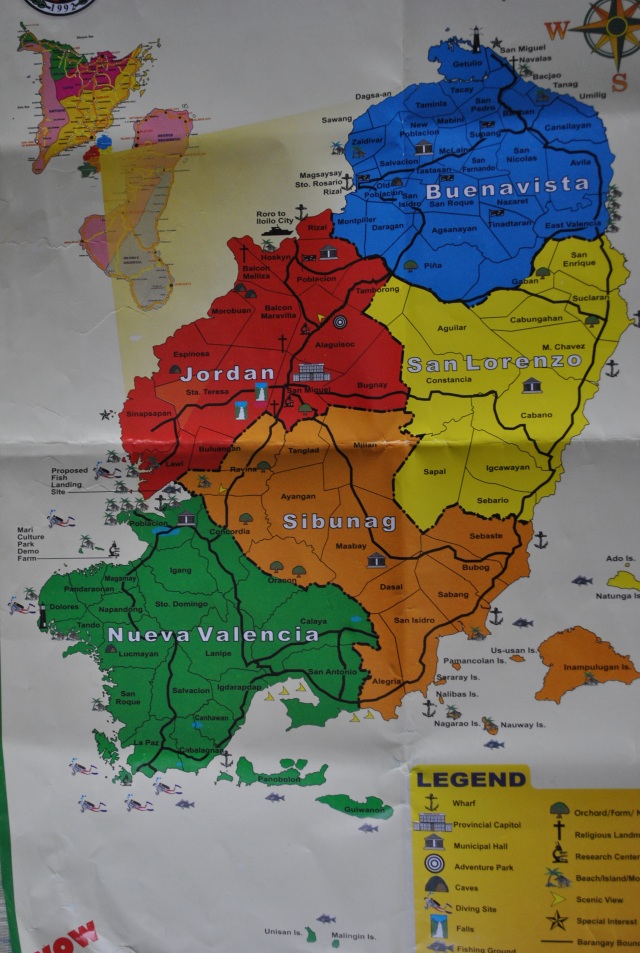
For almost 3-4 hours trip on the road around the island, Board Member Roy was our “tourist guide” and host for our “impromtu” lunch prepared and coordinated by her wife in Buenavista, Guimaras (the busiest town of the island). It is in this recon trip that I started to appreciate and love the beauty of the different scenery around the island. Each town has a distinct characteristic of its own which I wanted to feel and see while I am actually running on the ground.

My initial impression of the place is that, this is a “paradise” for ultrarunners! No frills, no vehicular traffic, very nice scenery, challenging terrain of the route, nice people, air quality is very good and above all, a very peaceful environment. No restrictions on what side of the road you would like to run and I intend to allow the use of earphones for the race!

The purpose of my day trip to the island had been attained. Before I left the island, I promised to Board Member Roy that I’ll be back soon for me to actually run around the island. He was amazed! He told me that I will set the record and history for the island for the first runner to run around the island-province! I smiled at him and expressed my heartfelt thanks for the hospitality given during my stay.

Fast Forward. Almost after three weeks, I landed in the Iloilo Airport (again, for the 2nd time this year) with my support crew/security waiting for me. Visiting Iloilo City is not complete if I don’t have my lunch at the Mang Inasal Resto inside the SM Mall in the city, a practice or habit I developed when I was a Division Commander of the Philippine Army in this area. After lunch, I bought my nutritional and hydration needs at the SM Grocery. Top on the list are “Biscocho” & “Butterscotch” from Biscocho Haus; lots of Gardenia Loaf Bread & a bottle of Lily’s Peanut Butter; SMB Pale Pilsen in Cans; Mountain Dew; Nescafe Latte in Cans; Gatorade Powder Mix (I brought it with me); and Absolut Bottled Water. (Yes, I drink beer during my adventure runs!)

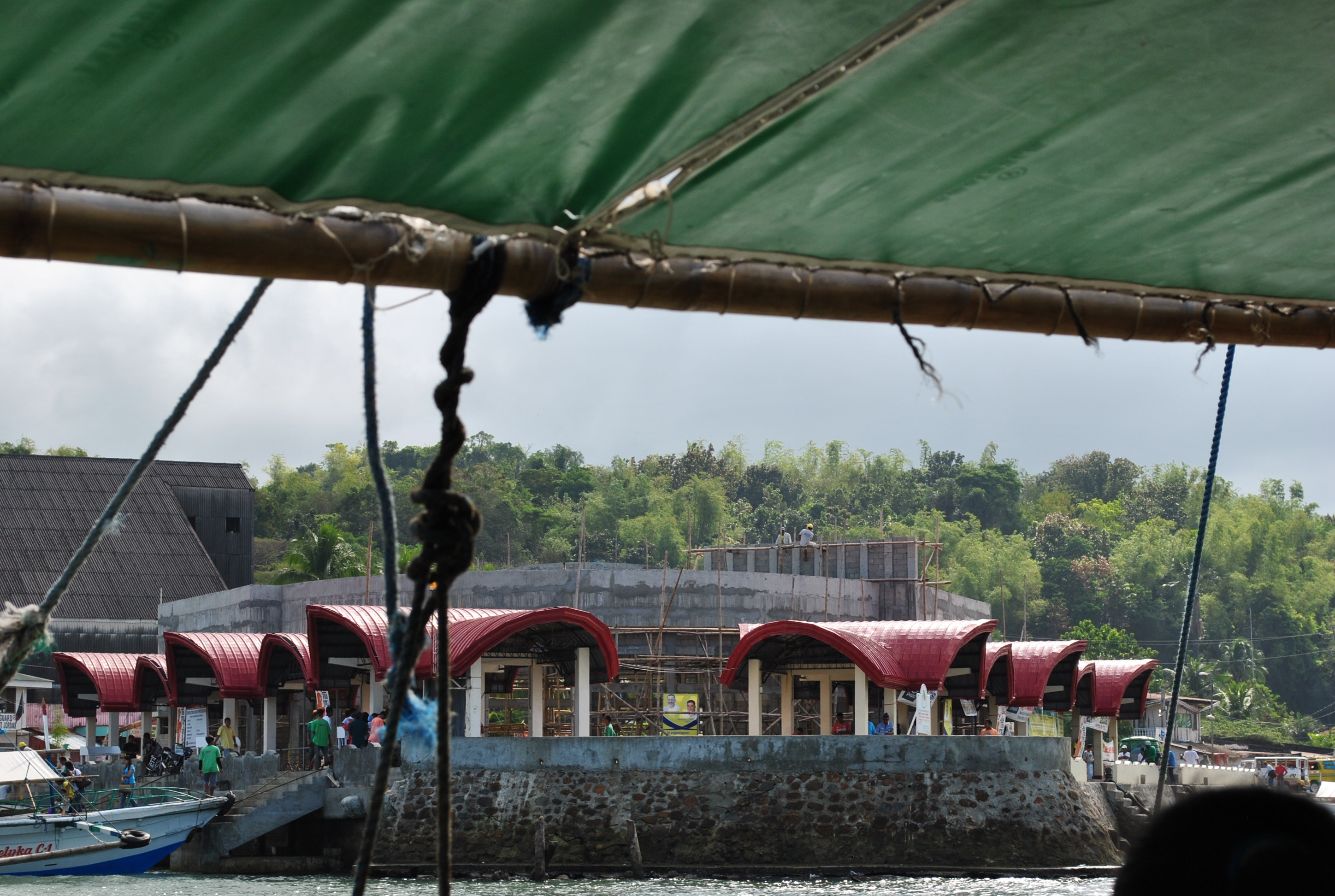
A boat ride (each boat is good for 50 passengers) from the city to the island of Guimaras followed after leaving the SM Mall. The fare is only Fifteen Pesos (P 15.00) per person and in 20-25 minutes, we were at the Jordan’s Port in the island. The boat ride was slower this time as compared on my first visit because of the rains, strong winds, and cloudy skies but the sea water is always calm in between Iloilo and Guimaras.

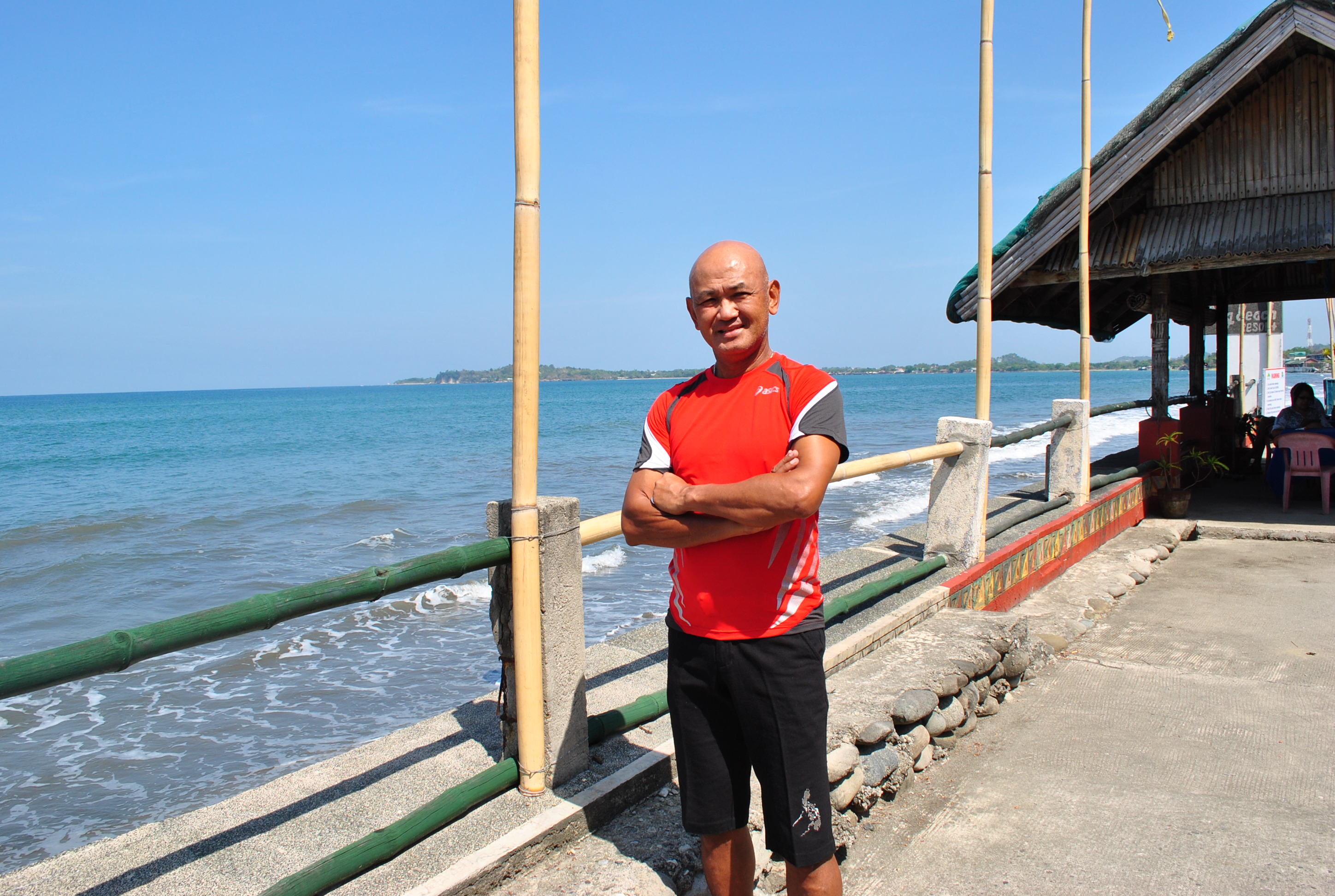
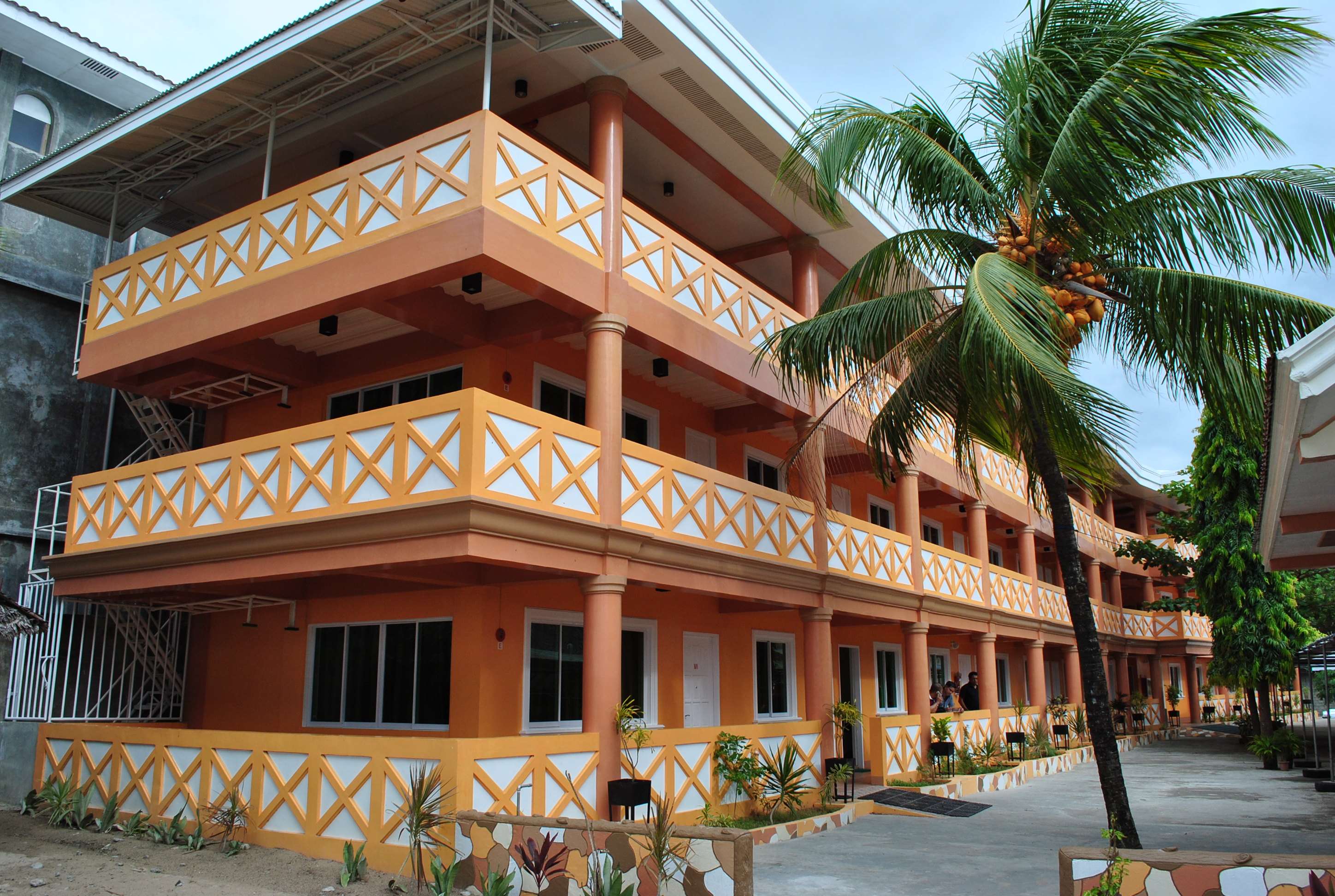
The generosity and hospitality of the Province is superb! Governor Nava prepared for my team’s free hotel accommodation and 50% discount on food for two days at the Raymen Beach Resort in Barangay Alubihod, Nueva Valencia, Guimaras plus the dedicated support vehicle, an Escapade Nissan Van (but I had to buy for the diesel/gas during the whole trip) ! The place, beach, water and amenities are great. Although it is far from the Provincial Capitol, my stay in this place was very relaxing!
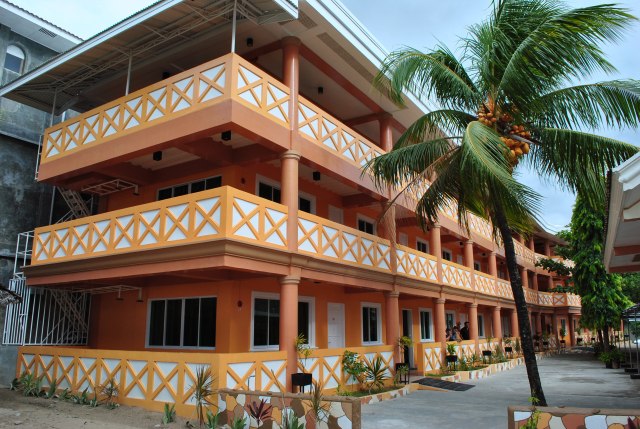
As soon as the team was settled in the resort, I met my support crew/security and briefed them about the details of my adventure run. My run would start infront of the Provincial Capitol in Barangay San Miguel, Jordan at 1:00 AM the following day and the run will go on a counter-clockwise direction around the island. My team was advised to sleep immediately after the briefing with a dinner call at 7:30 PM and then sleep again; and then with a “wake-up” call at 12:00 Midnight before going to the Starting Line. My support vehicle would “leap-frog” every 2 kilometers with a motorbike-riding-in-tandem would be on my tail. This adventure run would follow an ala-military operations style of implementation so that it will come out with a successful result! There should be no point where mistakes/errors should be committed.

At 00:45 AM, I was met by Board Member Roy Habana infront of the Provincial Capitol. Wow! I really admire this guy! I am not surprised why the people of Guimaras would elect him to his elective post every election year! My salute to this fine gentleman who is known from his unblemished and outstanding service in the Philippine National Police! We had a brief talk and he wished me good luck before I started my run. After offering a personal prayer for this run, I left the Starting Area at exactly 1:00 AM of March 20, 2012.

My run from the Provincial Capitol was generally downhill but there are also places where there are uphill climbs for the rest of the town of Jordan until I reached the boundary of Nueva Valencia, which is the next town. Nueva Valencia offers a mix of rolling hills just like Jordan but the southernmost part area in this town has a lot of places where it seems there is only the town of Nueva Valencia that covers the whole province! After covering a distance of 42K, I was still in the said town!

It was about sunrise when I saw a lone runner sprinting uphill doing his morning run in one of the last barangays of Nueva Valencia. He was the only runner whom I saw during my run. Nueva Valencia-Sibunag area has a lot fishponds and the scenery was simply refreshing to the eyes! Most of the Sibunag roads are under construction and there are sparse places where runners would encounter uphill climbs!

I would religiously follow my Gymboss setting of 3-minute run & 45-second brisk walk for the first 50 kilometers of my run and I did not feel any pain or imminent attack of cramps on my calves. I was fresh and still strong! Every 2 kilometers, I would eat 2 pieces of “biscocho” and 2 pieces of “butterscotch” with water or gatorade mix and the drill was repeated throughout my run. This is not an advertisement for Biscocho Haus of Iloilo City but that was my nutritional intake for the whole run. If you have tasted these two delicacies already, then you know already why it powers me up during this run!
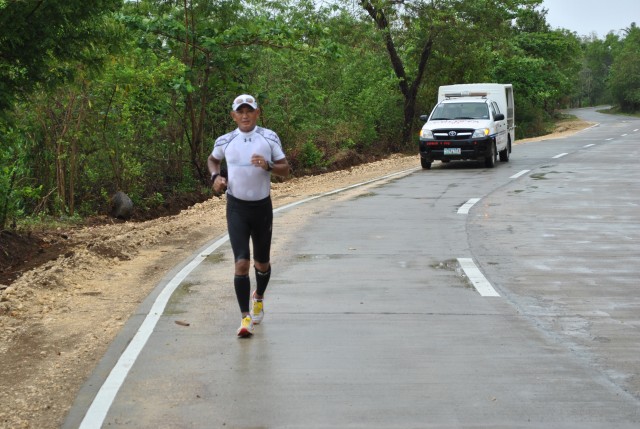
Board Member Roy Habana linked up with me in the boundary of Sibunag & San Lorenzo for my breakfast/lunch in a roadside eatery/resto where I ate the best “native chicken” tinola in the region with lots of broth! I was simply feeling cold because of my damp running apparel brought about by the rain during the run but the hot broth/soup of the dish kept me warm and my leg muscles’ fresh! I think we stopped for 40 minutes for lunch as more interesting conversation cropped up with the good host-Board Member Roy. Well, he paid for our lunch, to include the police escorts’ meal! Being the Chairman of the Peace & Order of the Provincial Council, he made sure that I was properly escorted by the PNP in every municipality of the Province! Amazing! I did not get this kind of treatment & attention when I was still in the active military service!

As I resumed my run, Board Member Roy passed by on a muddy part of a road under construction and said that he will be going ahead and hope to see me finish at the Provincial Capitol.
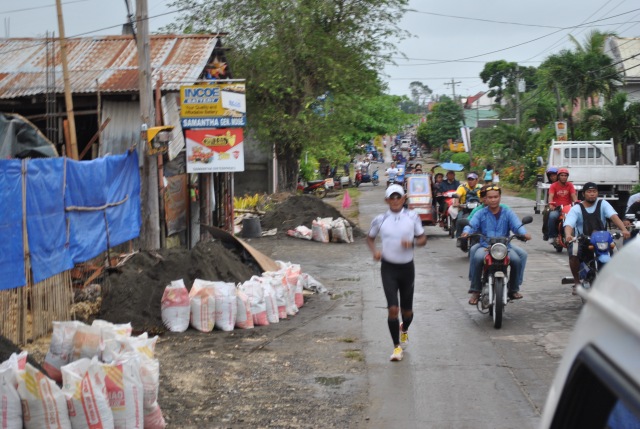
I made a discovery that I could run stronger and my endurance last longer if I drink 2-3 cans of beer during my adventure runs. Drinking one can at a time should be spaced properly during such runs. One should not drink more than one can every pit stop! I usually start to drink beer after finishing the marathon distance of 42K (at least, one can to reward myself for finishing the marathon distance) and from there every 10K, I take a sip and once I finished my 2nd marathon distance (84-85K), I should have finished my 2nd can of beer. However, every 2-Kilometer “pit-stop”, I have to drink water or Gatorade and ingest “biscocho & butterscotch”! The 3rd can of beer is taken after finishing my run! It worked well with me.

However, there are times when I fell sleepy while taking my time to finish my 2nd can of beer. The solution is to bring out my Nescafe Latte or Espresso Blend in Cans to perk me up. Espresso Blend is better though because of its strong bitter taste!

As I approached the 90-Kilometer mark all the way to the Finish Line, it’s time to bring out the most powerful source of sugar/glucose—Mountain Dew!

The strong headwinds and crosswinds of San Lorenzo almost zapped my strength on this run. The road is so flat that I was bent on increasing my pace but the wind was so strong that I spent so much force to maintain my short but quick strides. As usual, I was maintaining my Heart Rate of not going beyond 150 beats per minute for the whole duration of this run. There is no use to battle it out with the wind and I concentrated on following my Gymboss setting.

After the strong winds in San Lorenzo, here comes now the start of never-ending uphill climbs once I approached the town of Buenavista. Board Member Roy told me beforehand that there is only one uphill climb from San Lorenzo going to Buenavista, but he was wrong. I think I counted four (4) major uphill climbs before I reached the town!

Passing along the Poblacion of Buenavista was a blast! Board Member Roy, his wife and friends were on the roadside cheering and clapping their hands as I passed by! This town could be the busiest town in the island with lots of people/students leaving their schools; lots of people going and coming out of the public market; and vehicles/tricycles plying along the road.

I was scheduled to reach the finish line between 6:00 and 7:00 PM but the hills in Buenavista and Jordan prevented me from attaining it. It was getting darker already when I slowly ascended each of these hills that I had to brisk walk and took my time to breath the fresh air around. At this point, I was starting to feel the most awaited thing in endurance sports—pain, agony and suffering for an ultrarunner. I was already on my last 10 kilometer before the finish line and all the pains coming from all parts of my body were starting to appear. It is a warning that I need to take something solid in my stomach. I am lucky that we bought a lot of “biscocho & butterscotch”! Biscocho Haus’ products & Mountain Dew are the best food & hydration on this part of my run!
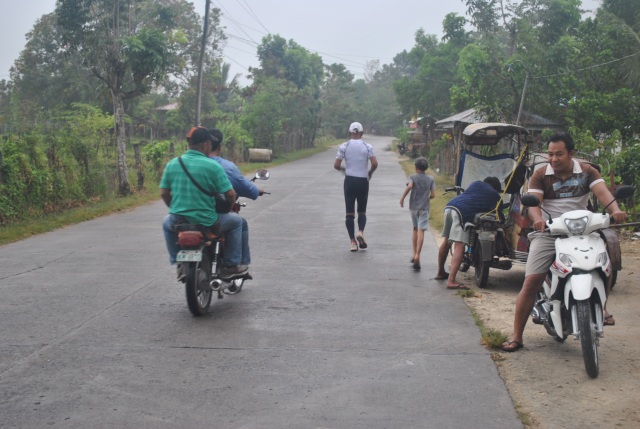
The last 10-kilometer distance in all my adventure runs is simply the hardest but the sweetest of them all. You can easily forget your first 10 kilometers in every ultrarunning race but the last 10 kilometers will always remain in your thoughts that gives a special signature or significance of the race/run that you have successfully finished! This is where you remember to recite and shout your favorite running mantra; this where the “demons and angels” of running will argue with each other; this is where “mind over body” would work; this is where you determine what you are made of; this where you remember your loved ones who are rooting for you to finish this race; this is where you think of your inspiration; this is where you curse yourself why you are doing this run/race; and lastly, this is where you separate yourself from being an ordinary “running boy or girl”! This is where you think that you are a brave “warrior” and nobody would defeat you in order to win your battle!
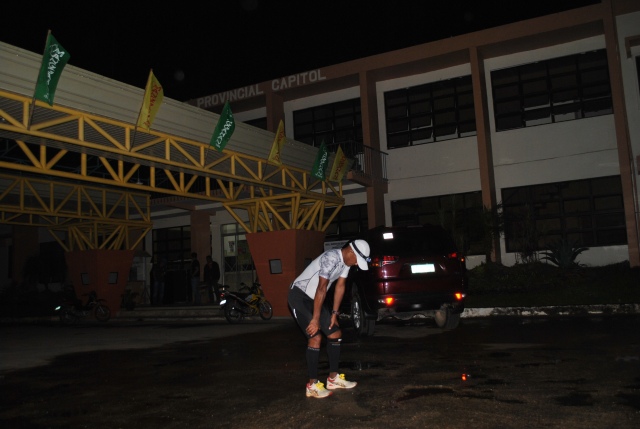
The last 10 kilometers were challenging part of the route indeed! My Garmin Forerunner 305 would prove that the Provincial Capitol sits on the peak of the highest hill in Jordan, Guimaras!  I finally reached the exact place where I started my run infront of the Provincial Capitol with a clock time of 8:20 PM of the same day which means that I finished my run in 19:20+ hours for a distance of 110 Kilometers.

Hereunder are the summary of data taken from my two (2) GF 305:

Distance: 110 Kilometers

Time: 19:20:04 hours

Average HR: 135 beats per minute (bpm)

Maximum HR: 149 beats per minute (bpm)

Total Calories Spent: 5,066 cal

Total Ascent: 3,663 meters (12, 088 ft)

Total Descent: 3,653 meters (12,055 ft)

Running Kit:

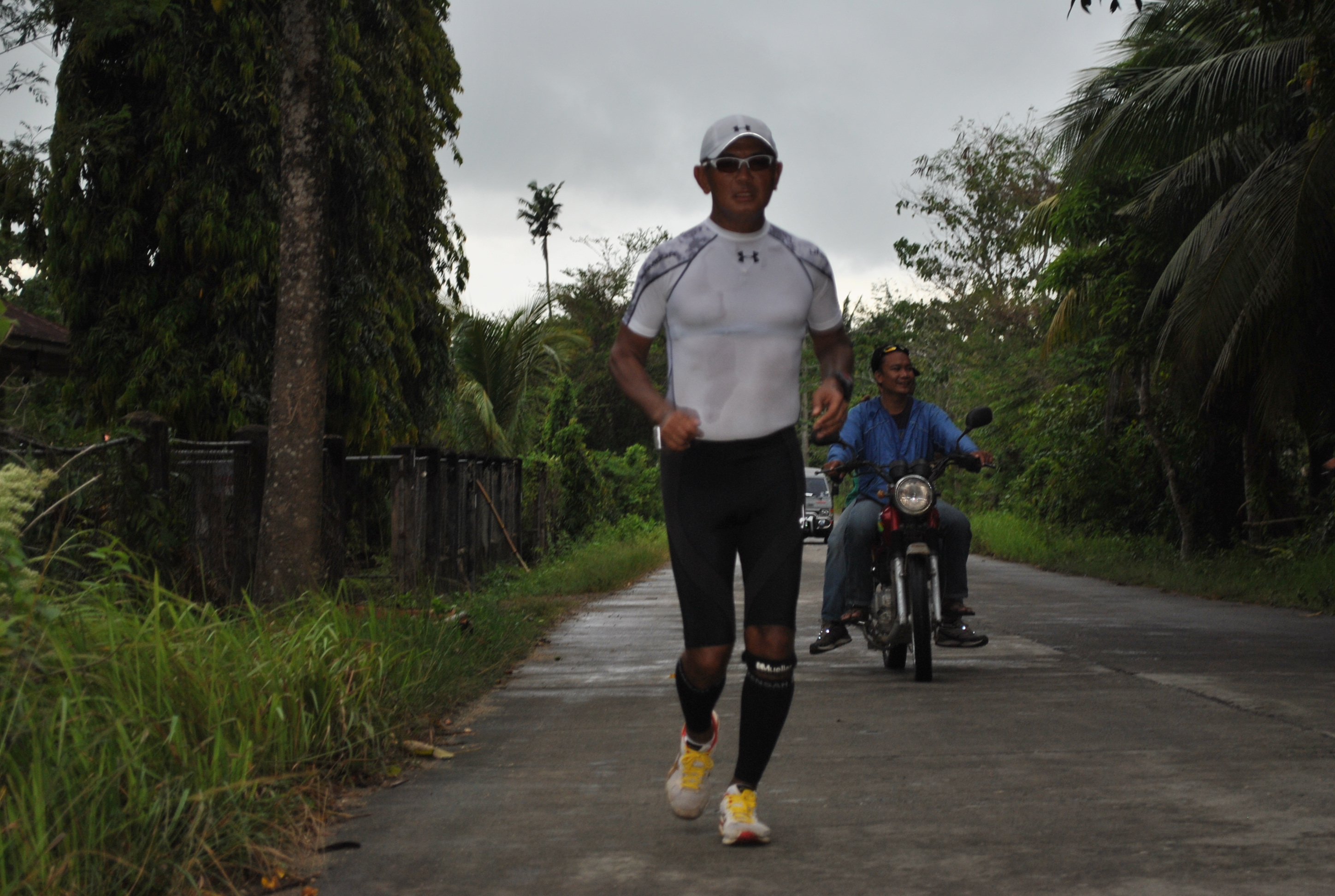
Under Armour Compression Shirt

CW-X Compression Shorts

Drymax Socks

ASICS Gel-Tarther

Under Armour Runner’s Cap

Nathan “Sprint” Watter Bottle

Peltz Headlight

2 GF 305 Watches with Heart Monitor

Ice Bandana

Oakley Sunglasses

Gymboss

After a dinner of Fresh Fish Sinigang, Native Chicken Adobo, Pancit Canton and lots Guimaras Mangoes, I was already on my bed snoring loudly. After almost 9 hours of sleep, I was already on the salty waters of the beach soaking my tired legs for almost 30 minutes.

Before my team left the island, I had the chance to personally talk to Governor Nava about my run and my plan to hold the PAU National Championships in his province in the later part of the year. He appreciated my feat in running the whole island and he told me that I made a history in the island as the first and only person (and the only retired Major General of the AFP) to have run around the island in a single stage. He also appreciates my purpose of bringing “Sports Tourism” in the province.

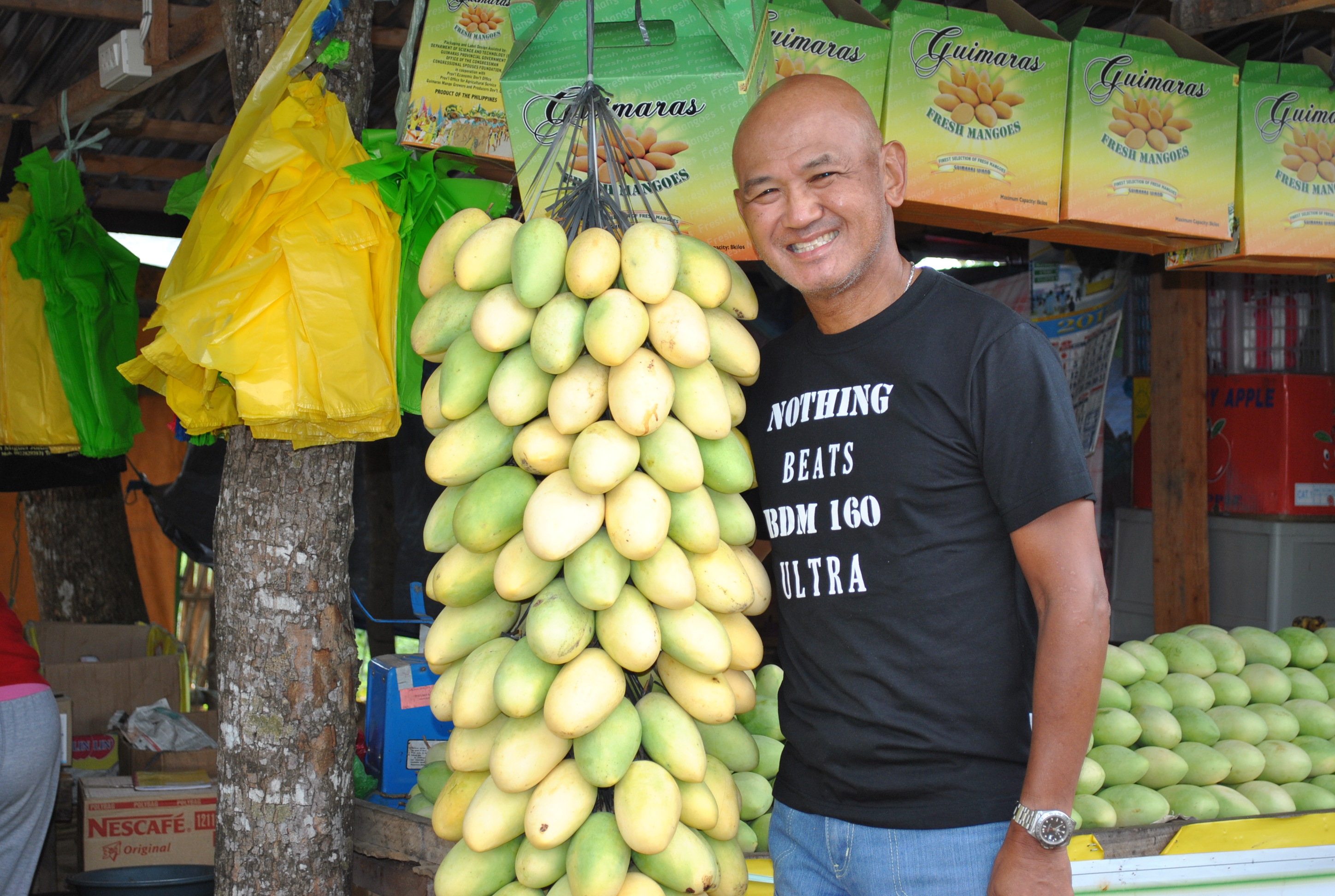
A visit to Guimaras is not complete if you have not tasted and brought back home the sweetest mango in the world—Guimaras Mangoes! “Nothing Beats The Guimaras Mango”!!!

See you in Guimaras in September 2012!
Facebook To Facemedia & BDM Races


Since July 2011, I started not to read the newspapers, watch the television, listen to the Radio on FM or AM and drink Coke or any carbonated drinks. But I started to spend more time with Facebook. By sharing my blogposts immediately to Facebook and within a few seconds I get immediate feedback and comments. Nowadays, I seldom get comments posted on my blog but once I post a link on Facebook, I get a lot of hits in my blog and most of the time, lots of comments are immediately posted on my status on Facebook. Very nice!
I started also to post my Race Events on my Wall at Facebook and the feedback is also amazing. Facebook is slowly taking over the power of the blogs. I had been reading a lot of NOTES on Facebook and they seem to take over the blogs, too!

News of events are published on Facebook faster than the On Line version of the printed newspapers which give me the prediction that these printed media/newspapers will be things of the past…soon!. I could still remember when I organized the first edition of the BDM 102 four years ago. I sent a lot of e-mails to the sports editors of the different newspapers with the purpose for the BDM 102 to be advertised as a new sports event to commemorate our past heroes in World War II. But none of my requests were published! Now, I don’t need to beg for help from these sports editors as I could simply post an Event in my Wall on Facebook and my races are known among hundreds and thousands of runners within a blink of the eye!

So, what am I trying to drive at? Facebook has already replaced the newspapers, TV, and the radio! There is no need to buy an space for ads in the newspapers. There is no need to buy an “air time” on radio and TV in order to advertise your product and services. Facebook will do it for you…FREE, anytime of the day within the comforts of your place. There is no need to listen to music as more and more FB users are posting Music Videos by your popular singers, old and new! Dead or living!

For the 2013 BDM 102 and 160 Ultra Marathon Races, application to participate in these events will be done on Facebook. I will create an Event Page for each Event and you can now apply for the race by stating your full name, age, latest Marathon Race & Finish Time on the Status of the Event Page. Individual Letter of Invitation will be sent through the participant’s Message (PM).

If you are intending to join these races, you have to start coming up with your own Facebook account NOW. It is very easy and fast!

Application for the 2013 BDM 102 & 160 Ultra Marathon Races will start on April 1, 2012 on Facebook ONLY.

Good luck and Train well.

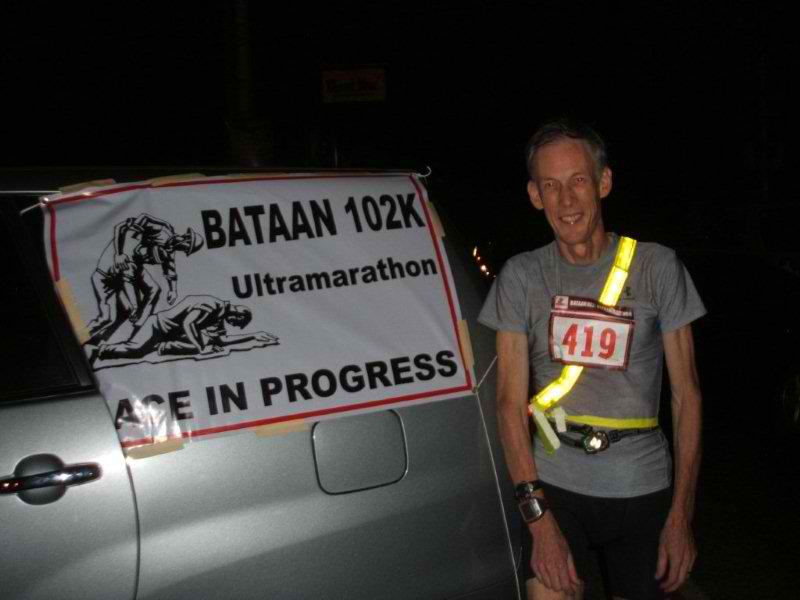
2012 BDM 102: Race Report By Peter Kennedy


Decision to Run

Back in September I wasn’t seeing any improvements in my 5 km/10 km times even though after three years in the Philippines I was fully acclimatised and my mileage was up at the 70 km level per week.  I knew I was leaving the Philippines in March and when I heard about the BDM 102 I thought that it would make a suitable climax to my running in the Philippines.

Race Preparation – Endurance and Speed

I wanted to do my best I could in the race, even though it was my first ever and possibly only ultra-marathon.  So I looked round for both a running coach and a nutrition coach.  I needed coaches who knew how to train someone for top-class ultra-marathon running and in Ige Lopez I found someone who is both an experienced ultra-marathon runner and coach.  He put me on a training schedule in three parts – 7 week build-up towards 100 km/week, 10 weeks of endurance/speed training which peaked at 160 km/week (including warm-up runs), and then one month tapering before the race.  The training was very varied – long slow runs at weekends reaching back-to-back 75/25 km runs, moderate-paced runs up to 21 km, sometimes with hill sessions or fast intervals, aerobic-paced runs on alternate weekdays and one rest day a week.  I was fortunate to avoid any injuries in training.  However if I had experienced the BDM course before the race, I would have realised that I needed to do a lot more hill work (Ige did hint this to me), but work and family commitments would have got in the way.  The highlight of this training was a 3 hours 20 minutes marathon in December.  The lowlight of the training were forgetting to take my hydration pack on one of my trips abroad, which disrupted the nutrition plan for my 60 km training run.

Nutrition

My nutrition coach Harvie de Baron was excited to take on the challenge of helping me with the BDM 102.  He has advised good athletes and those trying to lose weight before, but not someone doing an ultra-marathon who can’t gain weight.  In fact after a few weeks of additional healthy snacks (fruit, sports bars and milk) I gained 2 kilos which converted to additional muscle whilst my fat content remained very low at 5%.  This can be explained by my high metabolic rate, equivalent to that of a 12 year old!  The plan for the race was to get all my calories through liquid rather than food.  I opted for wearing a hydration backpack and taking frequent sips of isotonic drink, with short stops every ten km for an energy gel and extra water.  We slightly increased the concentration of isotonic drink to enable me to get 260 calories/hour.  I could also carry a phone, torch and spare headlamp in the hydration pack and I got used to carrying all this weight on my training runs.  Other key ingredients of the training were a protein recovery drink after all long runs and a weekly massage.

Gear

I decided to race in compression shorts and vest, much as the triathletes do, which avoided any chafing problems.  My GPS watch was essential to my training and the race itself, but I wore a second basic running watch as a backup just in case it failed me.

Life outside running

During the five and half months of ultra marathon training there wasn’t much of a life other than running and sleeping.  Moreover the demands of work as well as the training meant I often didn’t get enough sleep – but not starting work until the afternoon most days allowed me to catch up with sleep after the early morning runs.

The Race itself

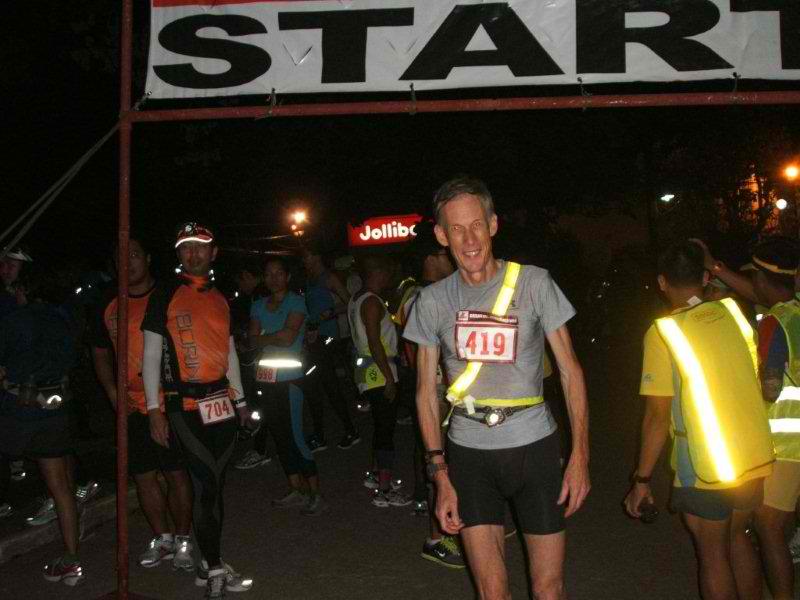
The gun went off promptly at 10:15 pm.  I immediately joined the leading group and was running comfortably at 4:30 mins/km pace!  I knew I had to slow down but somehow I kept up my pace on the long hill and even went into the lead for a few kilometres.  I arrived at my first drink refill stop after 12 km, five minutes ahead of schedule.  I knew then I blown the negative split strategy and it could lead to serious problems before the end of the race.   So after continuing quite fast downhill for the next ten kilometres, I eased back the pace considerably.  I got a bad shock when the 22 km marker for my next drink stop wasn’t in sight after 25 km and I lost five minutes making a phone call to the support team.  Jonnifer Lacanlale, the eventual winner, passed me at this point but I didn’t try to catch him.

All my drink stops every ten kilometres were under three minutes – the time it took me to swap drink packs on my back, and take an energy gel plus water, giving a total of 25 minutes of stops, which is probably less than most runners, even the other fast ones.  At the 42 km drink stop, I vomited due to the volume of liquid I was drinking but I was prepared for this – I just took another drink of water and set off without any delay.

Running in the dark went well – it was not too hot; there was a full moon and there was a wide edge to the road so that I could easily dodge any oncoming trucks/buses that didn’t move out when approaching me.  The only near-miss occurred when a bus coming fast from behind on the wrong side of the road passed within two feet of me but most likely the driver had seen me because of my reflective strips.  This year there were no accidents in the race.

After 52 km I slowed down to below 6 mins/km and thereafter the pace was closer to 6:30 mins/km.  Each ten kilometres seemed never-ending because I could see from my watch how slowly I was running, but I kept focussed.  I had been due to change shoes and socks after 52 or 62 km, but I abandoned this idea since I didn’t feel any problems with my feet, which turned out well since the third place runner was only five minutes behind me at the finish.

After the half-way point, I was followed closely by another runner.  However at 82 kilometres he only walked on whilst I changed drink packs and then when I passed him again he dropped out of sight.  I heard afterwards that he finished in 15 hours which meant that he spent more than 6 hours on those last 15 kilometres which is a horrendous consequence of his going too fast at the beginning.

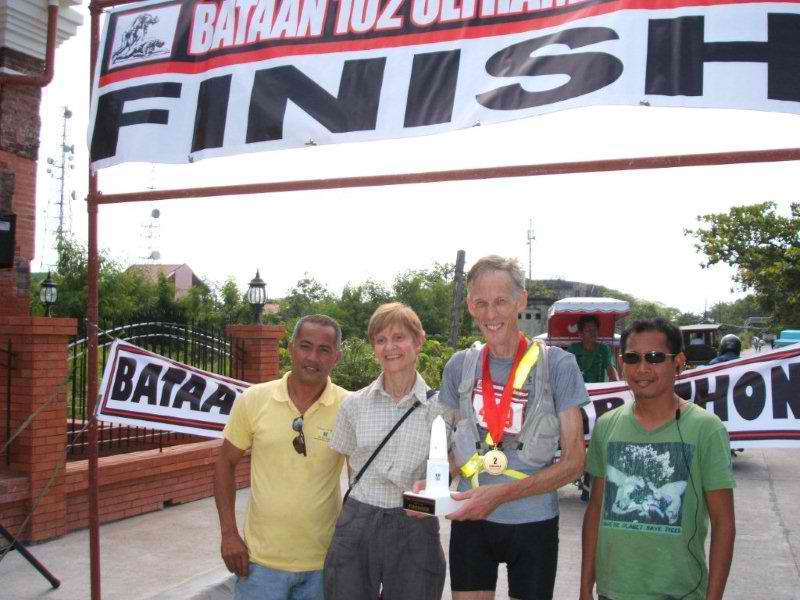
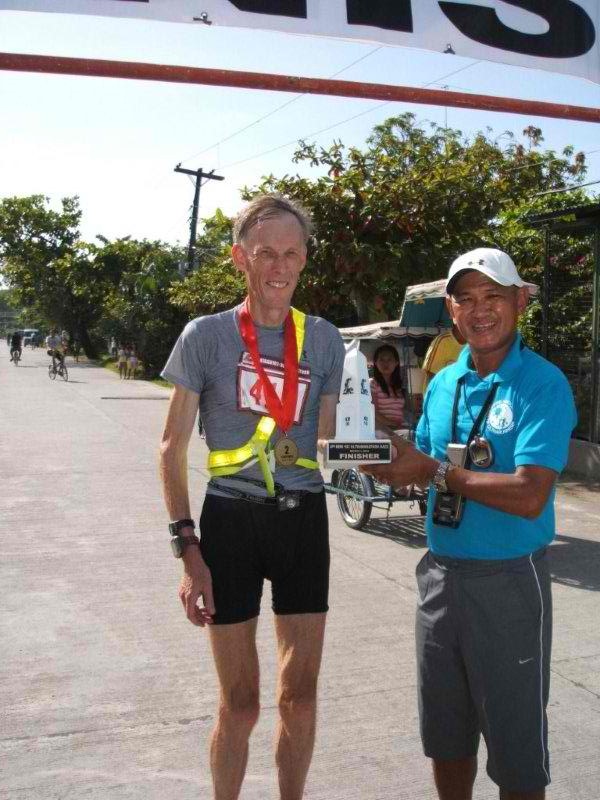
When dawn came I had reached 75 km, but I didn’t notice the heat until the last 10 km when I was running the very long straight road from Guagua to the finish.  At this point I couldn’t see anyone behind me and my final 10 km was done comfortably at 7:06 mins/km pace.  I crossed the finish line at precisely 9 am in a time of 10:44:56, which is an average running pace of 6:02 mins/km, and second place!

So the endurance training was a success but my pacing was a failure.  It was clear from my times in training that I could hope to run at 5:30 mins/km pace for the BDM, which when stops are added, would be a net 5:50 mins/km pace – within the course record.  I was well prepared for this, including many moderate pace runs at 4:30-5:00 mins/km and good practice at running negative splits.  Such times on largely flat roads probably gave me false hopes and the over-confidence in my speed that tapering brings plus the effect of running steeply uphill until 10 km was too much and I failed to follow my own race plan.

My overall liquid consumption was 150 ml/hour less than planned which is understandable in a night-time run.  This meant I only took in 220 calories/hour on average, which probably contributed to my slowing down in the second half of the race.  I didn’t make this risk clear to my support crew and so I never used the contingency plan of taking an energy gel every five kilometres instead of every ten to compensate.

Even if I hadn’t run too quickly at the beginning and everything else had gone according to plan, I am not sure I could have matched Jonnifer’s time without doing as much hill training as he did.

I very much appreciated the efforts of my support crew: my wife, our driver and one extra driver.  They ensured that I never missed them at a stop, checked I was crossing the road safely every time, re-filled my hydration packs in between stops, kept the stops to a minimum time and all this meant that they didn’t get any sleep either.

Reflections afterwards

Why did I do it? Were the long hours of training worthwhile? What’s next?

I run because it is easy to do and I am built for it, even though having the right running gear makes it an expensive sport.  I like the competitive nature of races and the thought of winning is a great spur for me to action.  I like the health benefits it brings – very high fitness level even at the age of 60, with not a day off work through illness in the last 10 years.  With no weight problems I can eat and drink what I like within reason.  Running also gives me extra energy for work which brings its own rewards as well.  So I see myself continuing to run for many years yet, competing against the world’s best runners in my age group.  The change from middle-distance running on the track in England to an ultra-marathon in the Philippines has been very enjoyable and I intend to vary my competitive programme going forward with a different focus some years to others.

I hope this account inspires more people of any age to change their lifestyle to include exercise and good diet and others to extend their running beyond the fun-run level right up to the challenge of doing a fast ultra-marathon.

 (Note: Peter Kennedy of Great Britain finished as the 1st Runner-Up with a time of 10:44:56 hours in the 2012 BDM 102)

Technicality


(Warning: This post is not meant to offend/embarass or question one’s running activity or capability. Whatever is written in this post is a personal opinion/impression of the writer)

When a runner says that he/she will run the entire Island of Luzon, that means, the runner starts in some place and continuously run the course with breaks like resting, eating, and sleeping along the way. After the runner’s break or pit stop, he/she would continue on the course. He/She repeats the process everyday until he/she reaches his/her destination. This is what I understand about what I call “adventure runs” or multi-day stage runs.

However, if a runner started somewhere in Luzon and then makes a “break” on his run by going to Manila to rest and visit his family, friends, and attend to his business or office, and then after a few days, he returns where he stopped and then resume his run, then this is not considered as a continuous run. I think this kind of practice or technicality is not what an ordinary runner would expect as the definition of an “adventure run”. If a runner started in Vigan City (Ilocos Sur) and plans to go around Luzon in a clockwise direction, he/she should be in the direction towards Ilocos Norte, then to the Cagayan Valley Provinces and so on and so forth. The runner does not need to go to Manila by bus, car, or airplane to take a rest for few days and then return again to where he stopped after his/her break somewhere else. An adventure run is a continuous journey from Point A to Point B or from the Starting to the Finish Area!

Let me tell you about my experience. On my first day of the West Coast 200 (Subic Freeport to Alaminos, Pangasinan), I was unluckily bitten by a dog in San Narciso, Zambales, a 40-kilometer distance from where I started. Because I wanted an immediate medical attention from people whom I know, I had to immediately go back to Manila. After 3 weeks of treatment, I continued my adventure run, not from the place where I stopped (San Narciso, Zambales) but from the place I started (Remy Field, Subic Freeport). It’s common sense!

I heard and read from news accounts that a lady Pinoy runner ran across America but at some point along the way, she had some injury and decided to go back to where she started (Los Angeles) for her to be treated and be able to rest. After few weeks, she recovered from her injury and she went back from where she stopped and resumed her run. She declared herself to have ran across America. If I am going to follow my impression and understanding about “adventure runs”, the runner is disqualified for the feat.

My good friend, retired Police Director Sam Tucay and his running buddy priest, had been running along the Maharlika Highway (from Aparri, Cagayan to Jolo, Sulo) for the past months with a commendable advocacy with the PNP and the civilian sector but there are instances that I see them in Metro Manila and I have the belief that they are having their running “breaks” in Metro Manila. This practice is considered as technicality in giving the impression to the public that these two persons have been continously running around the country with the much-needed breaks along the route (but in reality, they are having their running breaks in Metro Manila).

For a runner who declares himself to be running around the globe, he/she should be running from one country to another. Not for the runner to run in one country and then goes back to his home country for a week or two to rest and then fly out to the next adjoining country to continue his run around the globe.

I sincerely salute and respect our local adventure runner, Father Amado “Picx” Picardal, who is a “no-nonsense” and honest runner who had been keeping and posting his daily experiences in his adventure runs in his blog. This is the guy who really deserves to be the best example of an adventure runner. You can browse his running diary in his adventure runs at his blog at www.amadopicardal.blogspot.com.

The bottom line in an adventure run is an strict observance of integrity and transparency!

Please feel free to post your comment/s and impressions about such technicality in adventure runs or multi-day stage runs.

See you at the Starting Line.

WC 200: The Last Day


September 23-24, 2011: From Santa Cruz, Zambales To Alaminos, Pangasinan

After running for two days and having covered a total distance of 140 kilometers, I was already thinking of quitting from my adventure run and tried to pack up my things.

Once I woke up from a cheap hotel in Alaminos, Pangasinan on my third day, I decided to visit the Provincial Governor of Pangasinan in Lingayen, Pangasinan and gave him the Plaque of Appreciattion that I prepared in behalf of his support in the conduct of the PAU Bolinao to Sual 65K Run. After the Plaque of Appreciation was handed to him, I was still thinking if I will continue with my adventure run or not.

At Sual's Zigzag View Before Early Dinner

As I was driving from the Provincial Capitol area, I came to realize that I have to finish the task that I had started. I had a slow ride from Lingayen up to Alaminos, Pangasinan and decided to have my early dinner at the Zigzag View in Sual, Pangasinan. It was in this early dinner that I was able to firmly decide to finish the run and have it done as a “night run” and be able to complete 200 kilometers for 3 days.

After dinner, I drove to Santa Cruz, Zambales, the last town of Zambales before reaching the boundary of Pangasinan and tried to study the terrain and the points/places where I could have my “pit stops”. I arrived at my designated starting point, Town Plaza of Sta. Cruz, before 7:00 PM and was able to rest for two hours before my “jump-off” time at 9:00 PM.

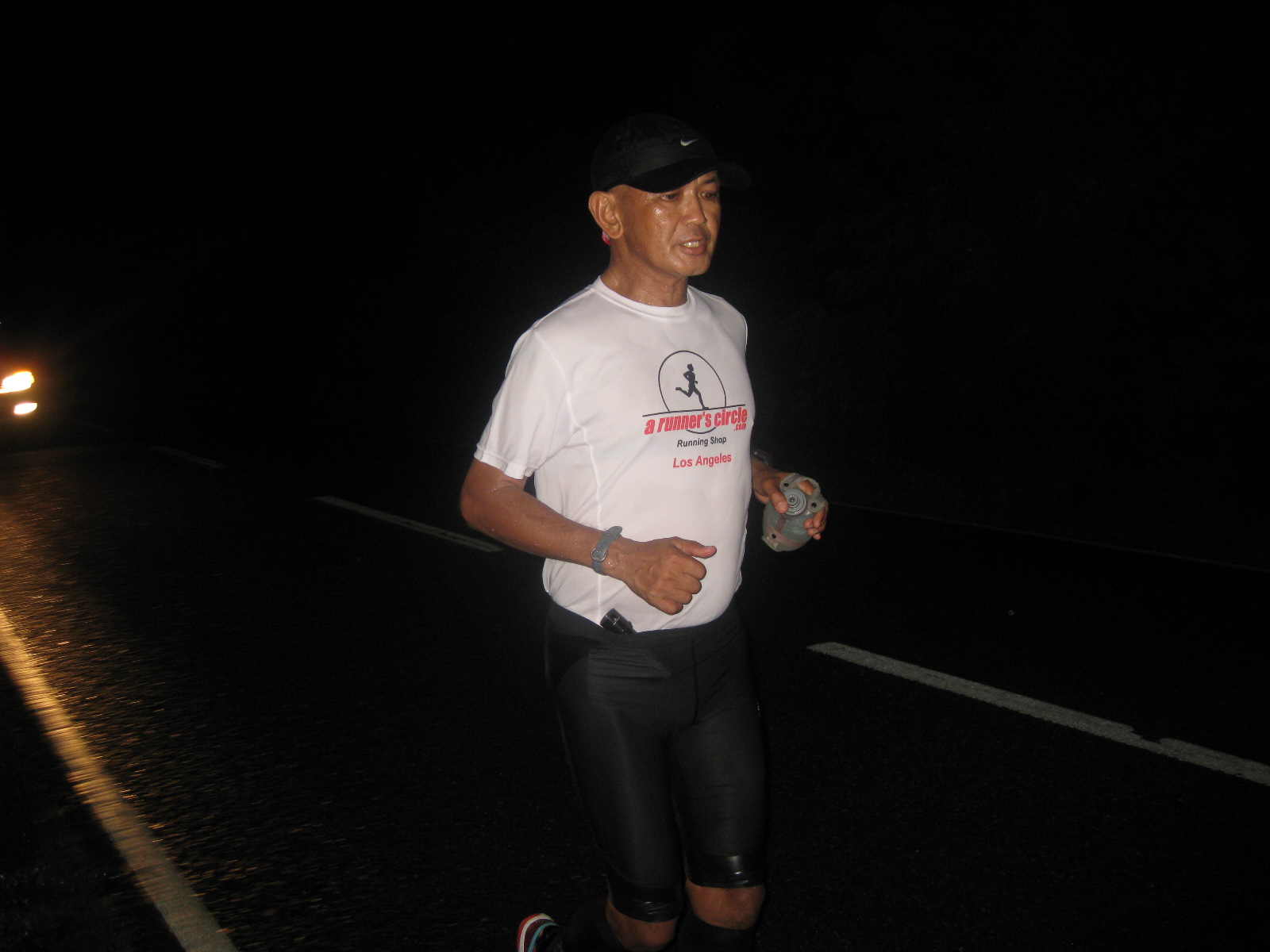
I wore my white ARC Shirt, Adidas Tech Fit Compression Shorts, CWX Compression Calf Sleeves, and Adidas Adizero Shoes and I was ready to go. At exactly 9:00 PM, I started to jog and run leaving the town of Santa Cruz using my headlight and “Surefire” hand-held mini maglight. It was cold and windy as there was a weather disturbance forecast on the said area for the days to come.

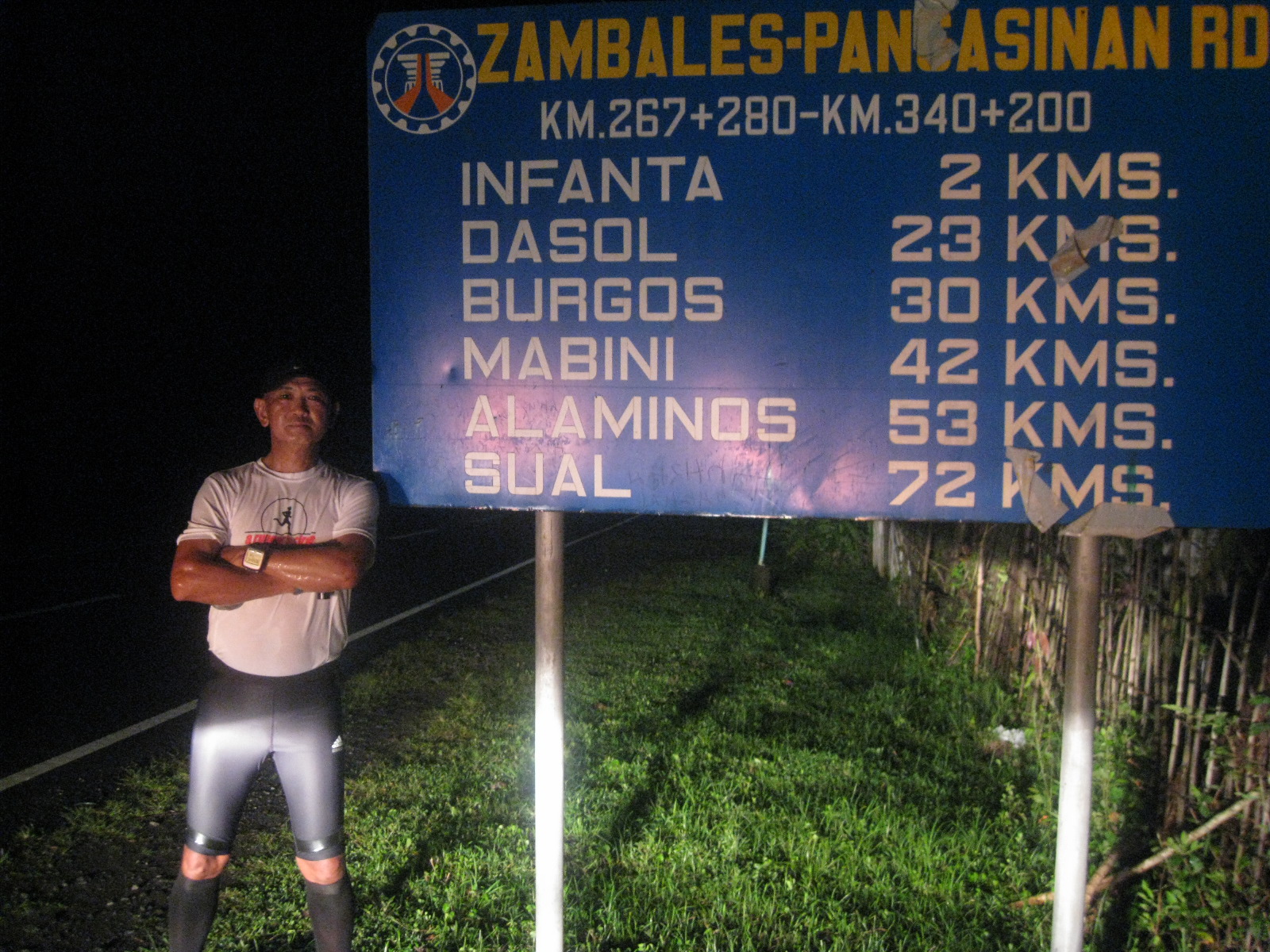
After a few kilometers, I could see the DPWH road markers stating the road distance from my place to the different destination towns along the way up to the end of the Olongapo-Alaminos Highway. I had to stop to have my pictures taken on these markers.

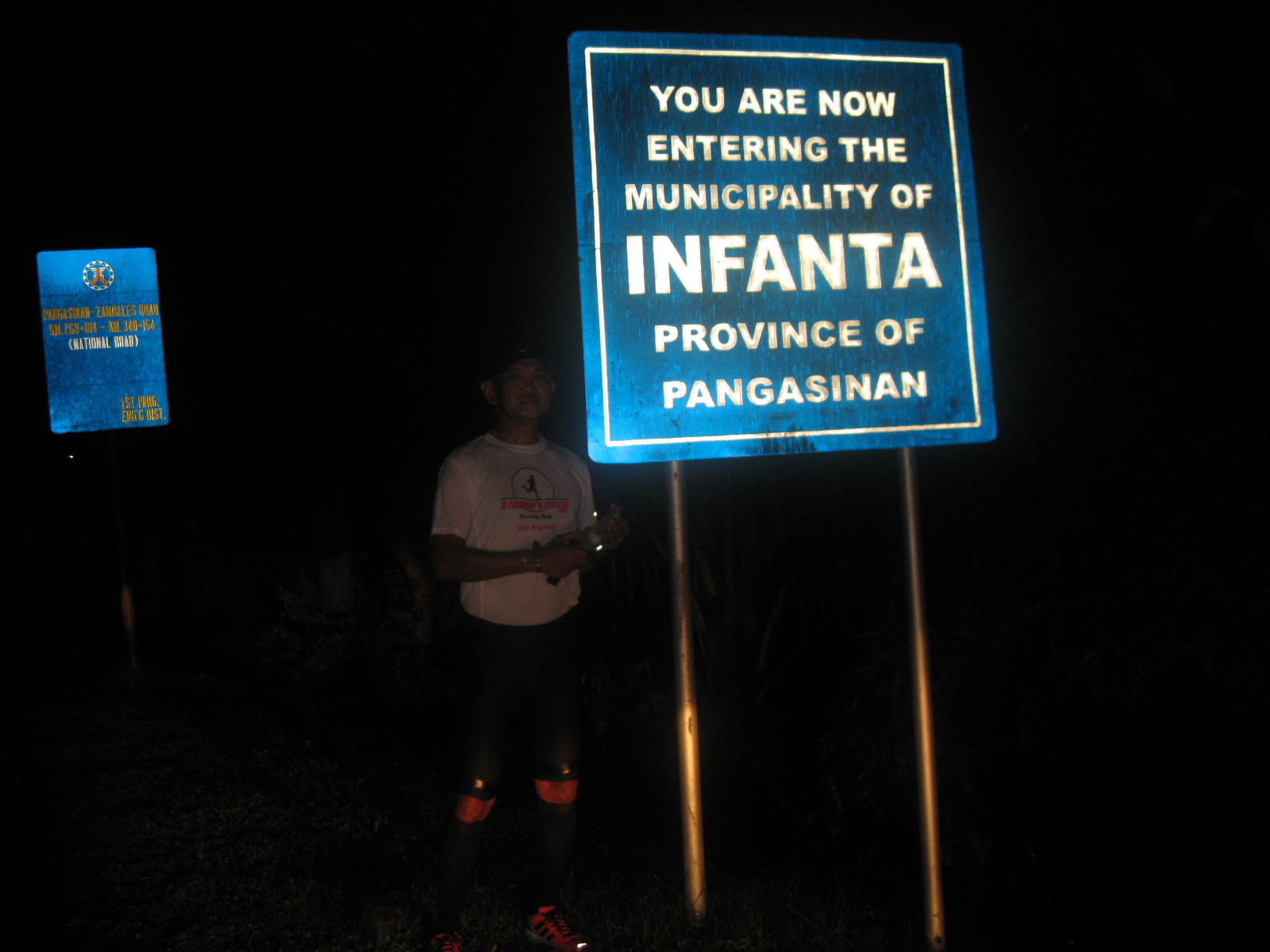
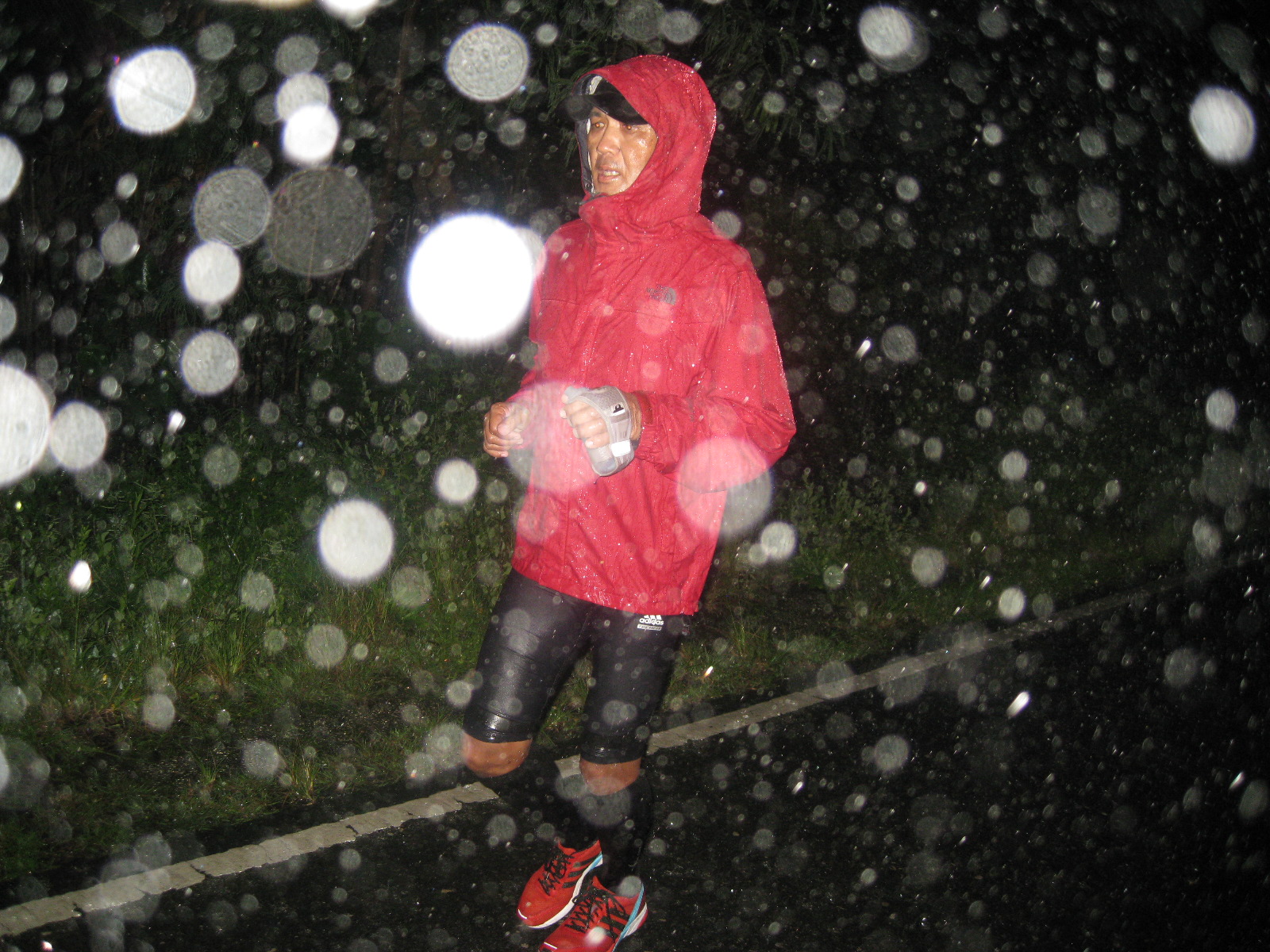
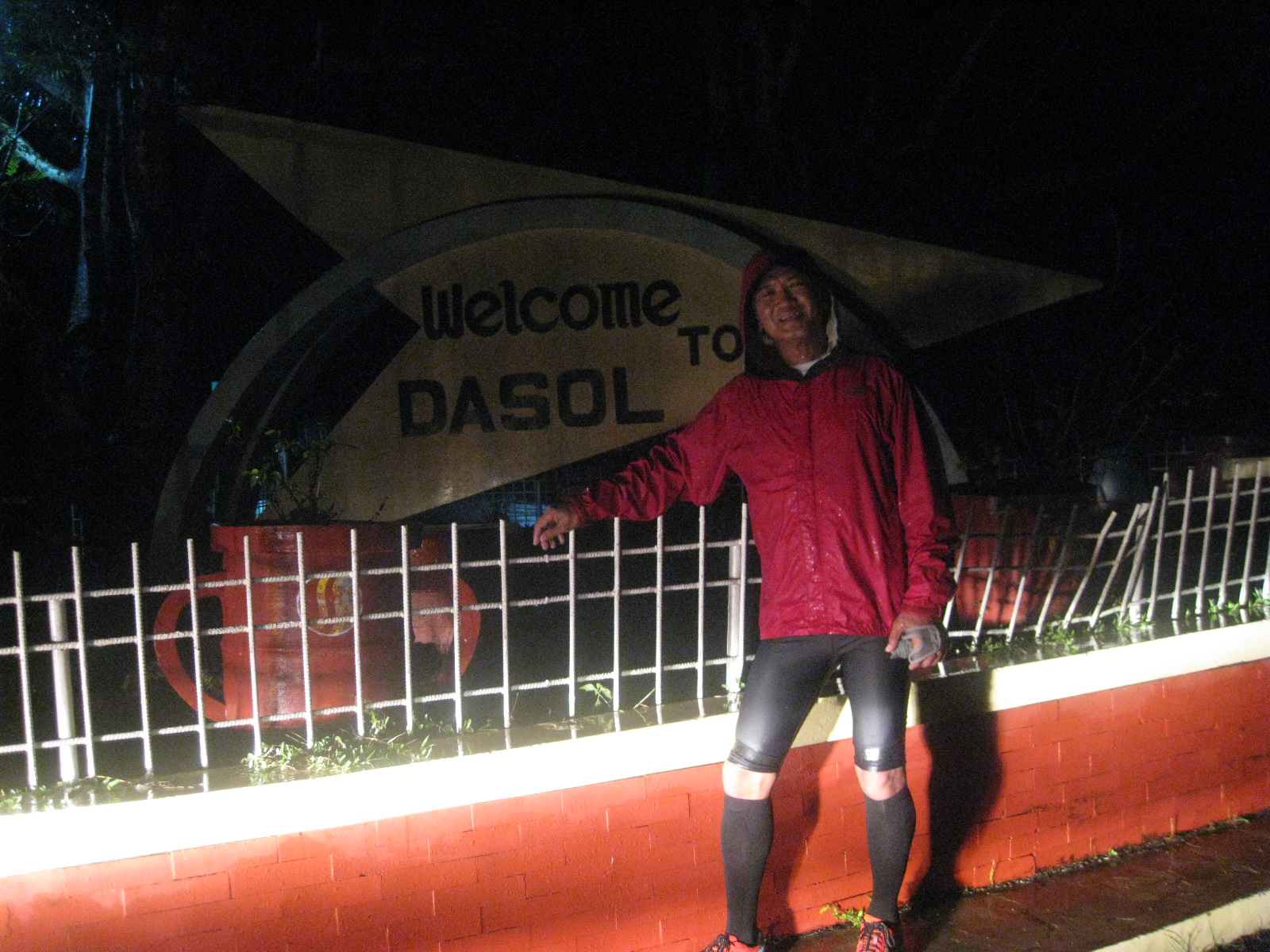
As I continued my run, it started to rain upon reaching the territorial area of the Province of Pangasinan. I had to use my TNF windbreaker to prevent my body from getting cold. There was not much vehicular traffic on the said highway and I was alone on mosts parts of the area. My support vehicle had to tail me in order to provide additional illumination on the road from the headlights of the car.

On this run, my support crew was already an expert in providing me the replenishment for my hydration and nutritional needs that I had to minimize stopping in waiting sheds. I had to take a lot of solid foods like boiled eggs, fruits, peanut butter sandwich, and sometimes energy bars. When there is an inclined road, I had to brisk walk and run again once I reach the peak of the road.

As I ran more on the rolling terrain of Pangasinan, the rain and winds keep on battering me while I tried my best to maintain my running pace. It was really fun running in this kind of weather. I felt I was sweating inside my shirt and my body was warm while the cold wind and rains keep on giving me the cold sensation on my face and my legs. I could not understand why it was too refreshing to run in this kind of condition. So, for the duration of 80% of my run, it was raining hard and I enjoyed every minute of it!

But at daybreak, I need to attend to my “morning call of nature”. Well, it was a nice experience bringing back those old days when I was a young officer patrolling in the mountains and forests where you can do anything to relieve yourself under a tree, a rock, and over a flowing stream of water. But this time, I was surrounded with plants on the shoulder of the highway with strong rains falling over me! I am sure those guava plants that surrounded me will bear a lot of fruits in the years to come!

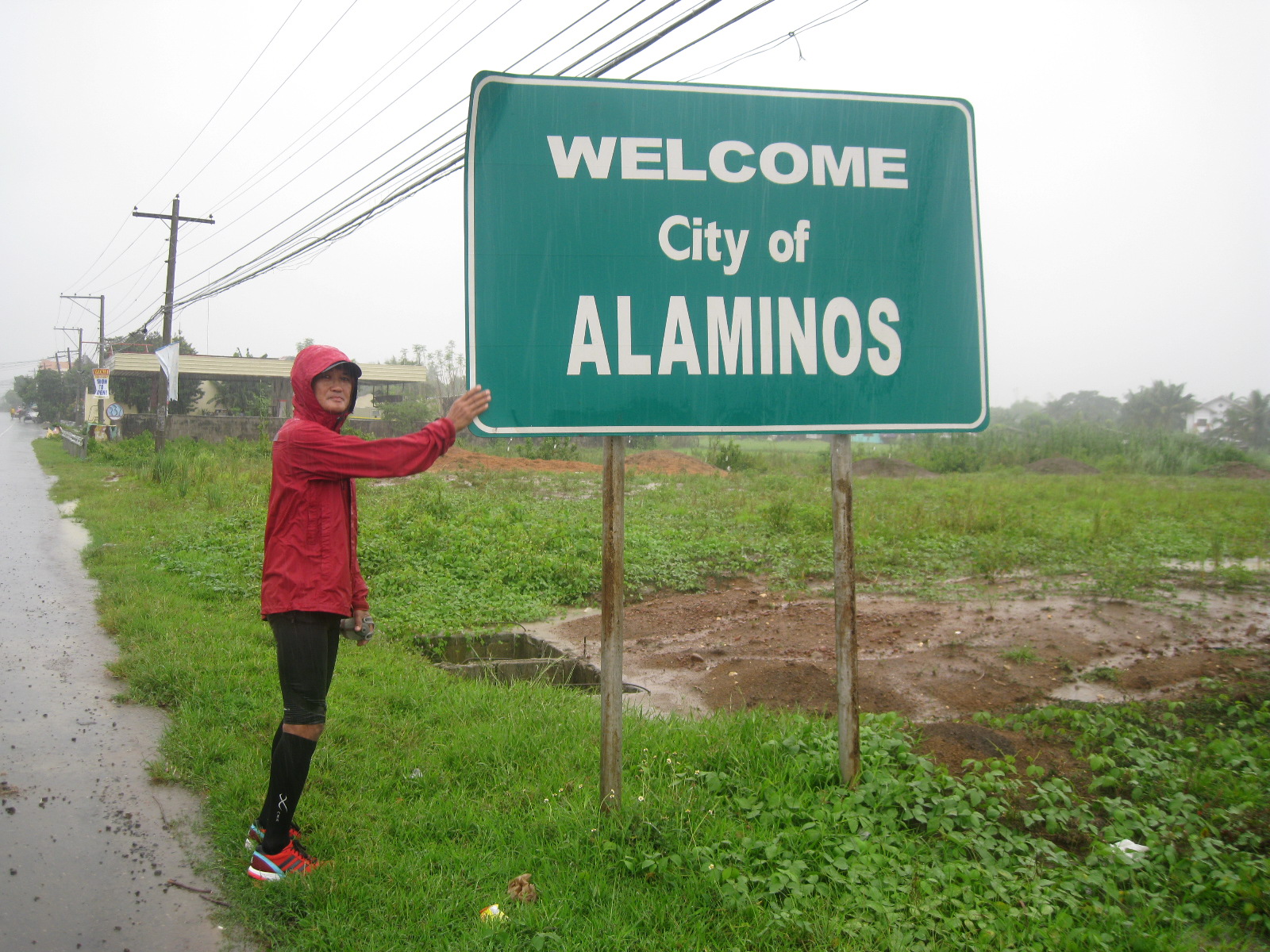
Finally, before 6:00 AM, I could see the buildings and structures of Alaminos, Pangasinan at a distance. More push and jog brought me to run along the Diversion Road until I reached the end of the road that connects to the Alaminos-Sual Highway. My Garmin watch registered a distance of 60.5 Kilometers and was able to cover it in 9:00+ hours.

Another Adventure Run done! I hope those runners who are inspired to experience this kind of activity will have a chance to see the scenery of the West Coast of Luzon from the Subic Freeport to Alaminos, Pangasinan.

In due time, the West Coast 200 as a Multi-Day Stage Run will be presented as one of the PAU/Bald Runner’s Events for this year. As per initial planning, this running event will be “By Invitation Only” with 50 Slots Available on a “First Come, First Serve” basis. Details will be announced on FACEBOOK and on this blogsite soon!

You may read the summary of my daily runs in the Western Coast 200 (WC200) on this link below:

https://baldrunner.com/2011/09/25/nalpasen/

See you on the roads and trails!