Race Report: 8th Clark-Miyamit 50-Mile Ultra Trail Run (CM50)
The score is now 3-2! For the past six years since 2012, I finished successfully the Clark Miyamit 50-Mile Race for three consecutive years, starting when I just turned 60 years old. I was lost on the last 3 kilometers to the Finish Line in the 2016 edition missing the cut-off time where I could had finished it easily. And then I volunteered as the Aid Station Marshal at AS3 in last year’s edition as my way of giving back to the trail running community in the country.
In my past Race Reports of this event, I made sure my story to be detailed as I can remember so that future trail runners who would like to join and challenge themselves with this event had some background on what to expect along the route and get some lessons and tips about my training/preparation; nutrition and hydration strategy; and those detailed things on what to do if things would go wrong. Until this time, I would re-read and review all my previous posts about my Race Reports whenever I have plans of joining this event. The RD, Atty Jonnifer Lacanlale is a very good friend who would readily accepts me to run his event in a short notice.
As everybody knows, I posted on Facebook that I finished the race but beyond the cut-off time of 9+minutes and I am considered as an Official DNF of the event. Out of 205 starters, I could had been the last finisher at #162 ranking and would had defended my self-imposed title as the Oldest Finisher of this Badass Event. And I was devastated and frustrated once I crossed the finish line for not being able to implement on my Race Plan—reach the turn-around point/Peak before 9:00AM; leave AS 4 after coming from the Miyamit Falls on or before 12 Noon; reach AS3 at 1:30PM; and a “go-for-broke” and “survival” mode on the last 4:30 hours for a distance of 22+kilometers to the Finish Line.
Cut-Off-Times
I failed “big time” on the last section of the plan where I had 4:30 hours of time to run a distance of 22+kilometers. If I finished the race within the prescribed cut-off time of 18 hours, I would not be here explaining those things that went wrong during the run. I would have easily said that everything went right and mentioned some “glitches” that challenged me to endure in order to reach the finish line. The runners who were with me on our descent from AS4 and AS3 towards the Finish Line were surprised that I faltered on the last 19 kilometers (AS2) up to the last last 8 kilometers (AS1). With those who were with me “fighting for the last golden minutes” (I think there were 5-6 of them whom I passed on the last kilometers, who are younger), I am sorry for giving them a false expectation or hope of telling them that we could still make it before 6:00PM. What I was trying to instill in them was to fight for their last strength and breathe in order to cross the finish line….they should have the “do or die” attitude to reach and cross the finish line, end their suffering, and of course, collect their deposit of P500.00!
You might say that I am “sour-graping” or looking for some excuses for not being able to finish this race as what I had planned for. But this is me, I had been a runner throughout my life and a fighter and passionate in this sport. It is in my brain, blood, and my body system. Whether I fail or succeed, I will still be a runner. And this is what really happened…..
My Coach prepared a Training Schedule for me after finishing the Salomon Cappadocia 63K Medium Race (in the middle of October) in preparation for the MILO Finals Marathon which will be held on December 9, 2018 in Laoag City. I told him that I would like to finish my BQ time of 4:10 or faster for my age of 66 years old in the said race. So, since then, everything on my workout was for a Marathon distance. However, two weeks ago, I told him that I will be joining a 50-miler trail run and just be able to finish the event as an LSD. I lied on the reason! Actually, I was trying to earn my UTMB/ITRA Points in this event and maybe, improve on my ITRA Performance Index. He told me not to join the event but I could have the option to choose a lesser distance and I told him that I could downgrade to the 60K event. He replied that 60K was too much for me and he was against it. So, the only choice I had was for the 10-miler event which I did not mention to my Coach. For the past days, I just kept silent and followed my prescribed training every day but on two weekends before the CM50, I would increase the number of hours of hiking in the mountains with my trekking poles in the company of one of my ultra running friends who joined and successfully finished the 60K course. My Coach silently knew that I was “hard-headed” and he would see my posts on Facebook that I am going for the CM50. This was my first mistake…not following the advise of the Coach whom I am paying for his services. Lesson learned: Let the experts do their work and strictly follow their advise!
@ AS3 Going To The Finish Line (Photo By Trail Ready)
2. For the first time, I decided to use a HOKA One One Speedgoat2 for this race, instead of my New Balance or ASICS Racing Flats or my Salomon Speedcross 4 which I’ve been using before. At Kilometer #8, while approaching PUNING’s RESORT my left foot hit a small rock imbedded on the road and I tripped, making my left knee hit the ground first, and then my right knee, and then followed with my two hands which acted as my brace to protect my face from hitting the ground! It was a hard fall as the ground was hard and solid, not a sandy ground! Shit! This tripping/falling to the ground was happening again early in the race with a pair of HOKAs on my feet. This thing happens to me all the time whenever I wear these HOKAS! I knew it was going to happen because I am natural “shuffler” when I run! Even if I was wearing the brightest headlamp available in the market, Lupine Lighting System, at that time, a sloppy “shuffler” runner like me should not wear HOKAS in a trail race. The impact of the fall on my knees would bring back havoc and pain as I descended from the peak down to Barangay Sapang Uwak. Lesson learned: I should have used my Salomon Speedcross 4 or Speedcross PRO or my new NB Racing Flats!
3. I bought the most expensive Trekking Poles in the market——GIPRON Trekking Poles and they are the lightest! I used them once or twice in my short runs and they were fine. But during my ascent and descent to and from the Peak (during the race), they gave me some “pain in the ass” as the string would loosen its hold on the different segments of the pole. Instead of the usual 3 segments in the Black Diamond and Leki Poles, GIPRON are folded in 4 segments. I would stop whenever the segments would loosen as both poles create a weird sound as they hit the ground. I would tighten the string only to find it loosen again after a few meters. It was stop and go for me fixing on this problem. Because of this problem, it slowed me down and just distracted my focus to maintain my speed/pace. A lot of runners had passed me on my way down from the Peak to the Falls because of this predicament. After a day since the race, I sent a message to an ultra running friend in Hongkong and sent him a picture of the locking system of the GIPRON Trekking Pole and told him my experience during the race. He told me that the trekking poles were not LOCKED when I used them during the race. He instructed me to pull the string harder until I could see a small knot on the string and let that knot to be anchored on the slot at the top end part of the handle! Another SHIT again!!! I saw the small knot as I pulled the string harder away from the handle! I was cursing and laughing when my friend told me that “I was not the FIRST one who experienced this SHIT on these trekking poles!” Lesson learned: Ask the manufacturer of this expensive trekking poles to enclose some written instructions on the package whenever they ship out to their buyer! Not even the video on YouTube would tell you about the presence of this small knot (on the string) on these trekking poles!
UNLOCKED Without The Appearance Of the Small Knot
4. Whether I apply Anti-Chafing Stick or “thing” on my Red Salomon S-LAB Sense Shorts or not, they still give me chafing on my groin areas! Yes, I have my chafing already as early when I was at Km 19 and it became worst when I was on my way back from the Peak. After the race, I could see the chafed areas as big as the size of a 10-Peso Coin on my left and right groin areas. When I finished the Salomon Cappadocia Ultra, I had the same chafed areas but they were not as deep and big; and did not give me so much pain during the race. Lesson learned: I should always bring an Anti-Chafing Stick as part of my Mandatory Gear for 50K and up races.
Last 22K To The Finish Line (Photo By Elle Alvarez)
I did not have any problems with my nutrition and hydration strategy during the race. I had enough water, electrolytes, and “solid” foods with me stashed in my hydration vest’s pockets and inside the pockets of my AMIHAN GoLite Belt. My Ice Bandana was always full of ice whenever I stopped at the Aid Station. I don’t think I stayed so long in the Aid Stations as I would eat the prepared solid foods most specially at AS4 and 3 (on my way back to the Finish Line) which were manned by special friends in the ultra running community.
The Race Organization; Trail Markings; Aid Station Services; and the prevailing Weather during the race were the BEST, so far, in the history of this race. Thanks to Atty Jonnifer Lacanlale for this International Standard Badass Event and for his Outstanding Leadership to make this yet another successful event.
Congratulations to all the Runners! Hopefully, I will be strong enough to join in next year’s edition!
Sometime in August 2015, I featured Conrado “Jun” Bermudez, Jr in this blog as the First Filipino Runner/Ultrarunner to have finished a 200-Mile Mountain Trail Single-Stage Endurance Race at the Bigfoot 200-Mile Endurance Race in Washington State, USA. It was in the post in this blog where I wrote about his background and running accomplishments since he became a passionate runner. For this year, 2018, he finished the Ultimate Award in Ultrarunning in the United States which is the “Grand Slam of Ultrarunning” Eagle Award and I was able to send him an e-mail to congratulate him on this inspiring feat which is considered as a “dream” to be accomplished among the best ultarrunners in the world. I also sent him some questions to answer of which I am now publishing his answers in this blog.
BR: Congratulations on your 2018 US Grand Slam of Ultrarunning finish! That’s a huge accomplishment and biggest pride for being the First Filipino to receive the Eagle Award in Ultrarunning. You are now Finisher #354 out of the 363 Finishers of the GSU since this award was created in 1986.
As usual, hoping that you will have the time, I am sending you some questions for you to answer which I will publish in my blog. There is no deadline though as I know you are still resting and recovering.
Jun:Thank you for this opportunity to be included on your blog, sir. Thank you also for mentoring me when I started my ultrarunning way back in 2013. As a Filipino citizen, it is a great pleasure and honor to represent our country in this sporting event. My heartfelt gratitude to all the support!
As a 45 year-old runner, joining the Grand Slam was a no-brainer. There was no shadow of doubt not to join. It was a once-in-a-lifetime opportunity and this chance may not be available to me in the future. If it is going to happen by that time, I may not be physically that capable anymore for the challenge due to old age.
Jun Bermudez Western States 100 Picture
BR: What is your feeling now that you have finished the US Grand Slam of Ultraruning with an impressive time of 106:52:09 hours and the First Filipino to have received the prestigious Eagle Award in Ultrarunning?
Jun: I am deeply delighted and humbled to be part of this 32nd year of the Grand Slam of Ultrarunning, a special historical event in ultrarunning world. It still feels surreal that I was able to finish them and trace the footprints of the first finisher, Thomas Green, in 1986 and the grandfathers of the five 100 milers. These races are the oldest 100 milers in the US or probably in the world with the Old Dominion 100-Mille Cross Country Run for 40 years, Western States 100-Mile Endurance Run for 41 years (the oldest in the world), Vermont 100-Mile Endurance Run for 30 years, Leadville Trail 100 Run for 35 years, and the Wasatch Front 100-Mile Endurance Run for 38 years. Just to be entered in the Grand Slam of Ultrarunning events, itself, is a privilege. It takes a lot of luck in the lotteries (Western States 100, Leadville 100, Wasatch 100) to get entered in the same year. All of the races, except Wasatch 100, do not give provisional entry anymore. For non-lottery events, the Vermont 100 is a first-come-first-served basis and the registration sold out in less than 15 minutes when it opened, and the Old Dominion 100 got filled up weeks before the event date which normally did not happen in previous years. My success was not possible without the support of my friends and, of course, the encouragement, the love and understanding of my wife and my daughter.
BR: You are one of the few Eagle awardees who finished and completed the FIVE Races in a span of three months, what was your recovery in between these races?
Jun: The Grand Slam is arduous to complete. The three to four weeks of minimal time for recovery between races and the cumulative fatigue put so much toll on our body.
I ran two road marathons in April (Boston and New Jersey) prior to the Old Dominion 100 (02 June). I started my taper three weeks before the race day so my body could fully recover. In between races, my first week of recovery consisted of moderate stretching and no running, which were slow hiking and light spinning workout. For the first two days after the race, I was doing ice therapy on my feet to remove the inflammation. And mostly during the period, I was doing a dynamic compression of my legs to flush out waste and hasten muscular recovery. Also, I am sleeping with my legs elevated almost every night even when I am not on training because I spend so much time on my feet at work with the load (tactical gear) on my body. I was taking Essential Amino Acids (EAA’s) complex to include Branched Chain Amino Acids (BCAA’s) to stop muscle tissue breakdown and reduce muscle soreness. It would take three to four days after the race for my legs to feel fresh and pain-free again. I was also consistent with my bodyweight strength workouts all throughout the Grand Slam.
In the second week and onwards, my recovery usually started with 30 minutes of easy running then alternated the next days with spinning and short tempo or intervals (controlled pace) on the treadmill.
A week before race day, I spent most of the days resting and sleeping. My routine was
taking two nights of having eight to ten hours of sleep two to three nights before the event so I would regain my energy and not be sleepy during the race. Although my recovery plan was not perfectly executed, I was still able to prevent injury and was able bounce back to be prepared for another adventure, and nailed them one by one to enjoy the experience.
Below is the illustration of events with their respective dates:
Old Dominion (02 June, Saturday) > 3 weeks >
Western States (23 June, Saturday) > 4 weeks >
Vermont (21 July, Saturday) > 4 weeks >
Leadville (18 August, Saturday) > 3 weeks
Wasatch (07 September, Friday)
BR: It seems that you did not have any “issues or concerns/injury” in every race, how did you manage to fight the “demons” (heat, exhaustion, muscle cramps, if any, GI issues, altitude, and “bonking”) during these races? What was the “hardest race” in this series of race?
Jun: My body held up very well. I do not have injuries since I started running ultras in 2013 except for my sprained ankle that I twisted during the HURT 100-Mile training in early December last year. I think my training on incline trainer/treadmill has preserved my legs to be stressed and injury-free. With my work schedule, at least 85% of my training was conducted indoor.
100 miles is a long journey but a manageable distance. For that long, I experienced nausea, vomiting, GI issue, and cramping during races. But I embraced them as my “normal”. I approached these races in a simple way, to control them by avoiding mistakes. As my spiritual endeavor, I ran the five races solo (no pacer, no crew) and dug myself deeper and fighting the adversities alone. One key to success is I put my heart and soul in this endeavor.
In my training, I focused on the elements that could eventually hit me during races. Since these are summer series, heat is the biggest factor. The US west coast has a dry heat with extremely high temperatures while the east coast has high humidity that brings to higher heat index. Twice or Thrice a week I was doing heat training on my incline trainer from one hour to a maximum of five hours wearing a double layer of thermal gear and raising our room temperature to make it hotter. To complement my heat training, I was wearing my armored vest at work for the whole day even during the hottest days. During the race, I was wearing a hat, bandana, and arm sleeves where I placed ice cubes in them. All of these help to neutralize my body temperature. So, for heat, I was really prepared and it did not bother me during the races.
Another element that is quite difficult to prepare is altitude. It is the most dominant factor that resulted to a huge number of DNF (Did Not Finish). Shown are the high altitude races of the Grand Slam with their corresponding highest elevation: Western States 100 (8,750 ft/2,667 masl), Leadville 100 (12,600 ft/3,840 masl), and Wasatch 100 (10,467 ft/3,190 masl). There are also significant sections of the courses that are above tree line. This is my weak point as a sea level flatlander. I incorporated speed work on my training since running on altitude is ran at slower pace. Although it does not really contribute on acclimation, it is still beneficial to run the race faster in order to have enough buffer from the cutoff and finish it with less pressure.
Among the Grand Slam events, the Old Dominion 100 and Vermont 100 have the fastest courses with 66.27% and 79% finish rate, respectively. Old Dominion has a cutoff of 28 hours. They are a runner’s race since the climbs are not long and steep. But the Old Dominion could be surprising. The Sherman Gap section is a steep technical climb. These two courses are on low elevation but with high humidity. In Western States 100, I suffered a lot of cramping in most parts of my legs starting at the early miles until halfway. The second half was even worse when I had a stomach issue. The course is point to point mountainous terrain but it got easier in the second half with the course going more downhill than uphill. I felt that among these races, my body was beaten up the most here. Despite the heat, it has 81% of finish rate. In Leadville 100, cramping was not that significant but I was nauseous the whole time. I did not have solid food intake all throughout the race. Every solid I took just went out. I went to Colorado 13 days before the race. But even with acclimation, breathing during a long climb in Hope Pass was a struggle. The air is just so thin that I could not push hard. The cutoff of 30 hours also made the race harder. The high altitude and fast cutoff contributed to a low finish rate of 57.9%.
The most difficult event for me is the Wasatch 100. It has a 62% finish rate. After four races, my body was not primed to run anymore, especially that my legs felt sluggish. The nausea hit me after a quarter of the race and I could not take solid food again. The course has more climbing and it is on high elevation. It was also the second hottest temperature in the history of the race. This year a significant number of bees were scattered in different sections of the course, which was difficult to avoid. Some got stung 14 times. Fortunately, I was only hit twice. Although this is the most technical course of the Grand Slam, this also has the most beautiful scenery. During this race as I was to retrospect the past four races, and the long journey of trials and tribulations, I was feeling highly and spiritually rejuvenated since it is already the finale of my Grand Slam journey.
I have some friends and compatriots who shared the trails with me and it lifted my spirit and energy. Thanks to Casey Fisher (Old Dominion, Western States, Leadville), Jovencio Luspian (Western States), Tim Aquino (Leadville), Kian Vicera(Leadville), Philip Pagdanganan (Leadville and Wasatch), and Ryan Espulgar (Wasatch) for friendship. The memories we have will be forever etched in my heart.
BR: What would you recommend or advise to Filipino Ultrarunners who would plan to complete or join this series of Ultrarunning Races?
Jun: The new system of the Grand Slam (started two years ago), which includes four of the five events with Wasatch 100 as a mandatory race, has given more opportunities for runners to join without undergoing through the virtually impossible selection process of the Western States 100.
The Grand Slam events per se involves time and money. As a starter, if a runner can afford the financial and logistical burden, and manage the time schedule, non-running-wise, he is ready to tackle the series. We just live once anyway. Taking the Grand Slam challenge is a priceless opportunity and a big milestone.
In the Grand Slam, a runner can choose what series he wants to attempt. A total of 18 finished this year from 28 starters. These are the variations with the corresponding number of finishers:
1) original version: Old Dominion, Western States, Leadville, Wasatch Front. None (except the two who did five races)
2) pre 2017 version: Western States, Vermont, Leadville, Wasatch Front. Seven
3) Old Dominion, Western States, Vermont, Wasatch Front. Six
4) Old Dominion, Vermont, Leadville, Wasatch Front. Three
5) Old Dominion, Western States, Vermont, Leadville, Wasatch Front. Two
In my personal point of view, the core of the Grand Slam are the Western States and the Leadville, aside from Wasatch Front which is mandatory. Missing either one of them could mean not a “complete” satisfaction for me. Leadville is known for being a grandslam-killer. And these two races are icons in the annals of the 100-mile races worldwide, especially the Grand Slam series.
Another step is to find a Western States 100 qualifying race that has more climbing and elevation in order to get used to the mountainous course. Applying for lottery every year gets a runner more chance to be picked.
In Leadville 100, there’s a 50% chance to be selected in the lottery. In the essay part of the application/registration, a runner has to indicate his willingness to be entered into the Grand Slam and make a convincing story of his running journey to get a better chance to be selected. Although it is a lottery, I still believe that the race organizer gives considerations to this special request.
Wasatch Front 100 is the mandatory and final race of the Grand Slam. It is also a lottery and the chance of getting in is high. If in case a GS entrant will not get picked in the lottery, the race organizer gives a provisional entry, meaning the entrant has a chance to run Wasatch if he is successful on his third race.
Another aspect to consider is the physical and mental readiness of the runner. Experience is a huge factor. So, doing back to back races that have difficult terrain is a good test. This is also to develop the physical stamina as well as to harden the mental fortitude of the runner. Most of the time, it is the indomitable spirit that brings the runner to the finish line.
US Grand Slam Of Ultrarunning Eagle Award & Finisher’s Buckles
BR: Having closely followed your Ultrarunning feats and accomplishments, you have only 2 DNFs, Barkley Marathons and UTMB. You redeem yourself in the 2017 UTMB and you finished in one of the coldest UTMB race. Do you have plans of going back to Barkley? What are your future races?
Jun: The Barkley is not in my thoughts right now. Being out there knowing the difficulty of the course, that five loops is an impossible feat. It is arguably the toughest race I ever experienced. I gave my all and had managed to finish one loop. I do not have a definite race for next year except for the Boston Marathon. I threw my name for lotteries in Hardrock 100 (5th year application) and Western States 100 (1st year application after getting in this year). There are some interesting races that I want to do in the future, maybe another mountain 200 miler and road ultramarathon. Some of the races that I did are also worth coming back. I love the electrifying spirit of UTMB, Leadville, and Western States, and also the old traditional and small community feel of the Old Dominion.
BR: Lastly, Did you get the services of a Professional Coach in preparation for this year’s events and what shoes did you use in your Grand Slam Races?
Jun: I did not get the services of a Professional Coach and I did my training on my own. I used the Hoka One One Mafate Speed 2 for Old Dominion and Western States and Hoka One One Mafate EVO for Vermont, Leadville and Wasatch Front.
Thank you, Jun for answering my questions. Your answers are considered as “Gold Mine” for those ultra runners, Filipinos or Non-Filipinos, dreaming to be a Finisher of the US Grand Slam of Ultrarunning. Keep inspiring us and good luck on your future runs/races.
Race Report: 2018 Salomon Cappadocia Medium Ultra 63K Race
Introduction
After my early on the race DNF at the Maideira Island Ultra Trail Race (MIUT) in April 2018, I immediately looked for another Ultra Trail World Tour (UTWT) Event where I would join even if I was already registered to join the TNF Lavaredo 120K Ultra Race on the last weekend of June 2018. When I DNF at Km 65 at the TNF Lavaredo 120K Ultra due to “altitude sickness”, I have evaluated myself and accepted that I am already getting older and weaker despite the fact that I’ve been training consistently for my races. Having thought of my past DNF, I was able to assess myself that I should run shorter/medium ultra trail races which are less than 100 kilometers to regain my confidence to continue doing international trail running events.
As soon as I was going back to Manila from Madeira, I reviewed the remaining races for the UTWT and I found out about the Salomon Cappadocia Ultra Trail Races which is scheduled on the third week of October 2018. Through a close and good friend who is based in London, Great Britain and had visited Turkey in the past, I made her a request to find out the details of the said race even if I could easily read the details of the said race in the Race Event’s Official Website. It was on the first week of May that I decided to join the said race. From there, I was officially registered to join the Medium Ultra which is 63+K distance. Later in the month, I asked my top trail runners who are regular runners in my BR’s Events and representing the Philippine Association of Ultrarunners (PAU) if they can join the event and take a shot at the longer distance which is the 119K event. Finally, we made a team of three (3) runners in the Medium distance (63K) and two (2) runners in the Ultra distance (119K). It was later, in the following months that another Filipino trail runner, Alex Yap, registered also to join the Ultra distance event. For this year’s 2018 edition, the Team PAU/Philippines is represented to join this event for the FIRST time!
My trip itinerary with our Team will be discussed in a separate blog to include our accommodation in Urgup, Cappadocia, Turkey. This is to include my training and other administrative activities related to the Race.
The Cappadocia Ultra Trail (CUT) 119K and Cappadocia Medium Trail (CMT) 63K Races started at exactly 7:00 AM of Saturday, October 20, 2018 at the Town Center of Urgup with 300+ CUT starters and 500+ CMT starters. So, 800+runners were at the starting line raring to go for their respective distances in a cold morning. After some greetings and briefing by the Race Director/EMCEE, the race started where I placed myself and my Pinoy co-runners for the CMT at the middle of the pack. The two Pinoy runners for the CUT were positioned in front of the runners.
Cappadocia Medium Trail 63K Elevation Profile/Details
The first 2 kilometers were on an uphill cobble-stone wide road where I could easily find my space once I left the starting line. Once the road leveled up, I was already few meters away from the start of the trail/dirt road where later we have to cross the paved highway going to the center of Urgup. Once I was on the wide dirt road, I was already feeling comfortable with my pace aside from the fact that we had a familiarity of the place due to a recon run on the first 9K of the route two days before the race day. As the wide dirt road would become narrower into a single-track trail, I would pass the slower runners who would form a “conga” line from the sides of the trail. This had been my routine on this part of the course, most specially, on the ascending portions of the trail. There were some flat portions where I could run and hike on short steep ascents until we reached a cobble-stoned paved road leading to a populated area where a “Stone Castle” is located. We passed this town and we descended to a very steep cemented stairs until we reached again a dirt road.
Cappadocia Ultra Trail Start/Finish AreaFirst 3-4 Kilometers of the RouteCappadocia’s “First” Castle
It was my plan to have an average speed of at least, 6 kilometers per hour on the first 10K of the course just to able to reach the first checkpoint so that I could have a buffer time of 20 minutes. And that is what I did. I reached the first checkpoint in 1:30+ minutes and I did not have to waste any time inside the Aid Station after I refilled my bottles with water. The place is called Ibrahimpasa which 10.8 kilometers away from the Start Line. I picked up 3 slices of Apple and placed them inside my Salomon Vest pocket. It took me at least one minute in this Aid Station. From this Checkpoint, it was another paved road going to the very peak of the mountain which is lined with houses. It was drizzling and cold but I enjoyed the coolness of the day and the air around me. Once at the peak, everything after was about 7-kilometer downhill where I was surrounded with the beautiful scenery of the mountains and hills on both sides of the trail. The scenery consisted of rock formations and rocks with some holes in them. I knew that the distance from Checkpoint 1 to Checkpoint 2 is 17 kilometers but I was confident that my two bottles of water and drink mix were enough for my hydration for the whole distance due to the cold weather. Although I have an empty hydration flask in my pack as a reseve for my hydration drinks, I was not able to use it during the whole duration of the race.
Route Scenery
The descending portion from the peak ended in a populated area with cobblestoned roads with commercial establishments on both sides and some parking areas. Race Marshals were there to point to us on which direction to take once we approach a road crossing. Because of the different electric posts and trees abound on both sides of the streets, there were tape markings tied on these posts and trees aside from those sticks with flag being being placed on strategic places and corners of each street turn. and As I got nearer to Checkpoint 2 which is called Uchisar, another populated area with houses and commercial establishments, I could see two pointed stone castles from afar but I need to pass through tunnels and canyons on a single-track trail. There was an incident where I bumped my head on the on the upper portion of the tunnel when I was not able to bend my body at a lower level just to be able to clear and pass through the tunnel. A Malaysian trail runner, Bryan Kho, was tailing behind me when this incident happened and he shouted to me, “Ingat, Sir”! (Be Careful, Sir!). And I said, “Thank you!”. I am glad that was the only cave with the lowest ceiling over ones head! The 63K route has a lot of tunnels to pass through and most of them are wide and big enough for the runners to pass through.
Cappadocia’s Second Castle
On a winding and uphill route going to the Checkpoint 2 (Uchisar), most of the runners in front of me would bring out their cellphones and took some pictures of a garden with lots of flowering plants beside the road. I was not tempted to bring out my phone and promised myself not to take any pictures of anything along the route before the start of the race. Finally, I reached the Uchisar Aid Station which also served as the Checkpoint 2. It is located inside the “Rock Castle” and I estimated that I was able to add another 15 minutes to my buffer time which was already 45+minutes in total. I did not stay long in the Aid Station after I refilled my bottle; drank some water and Coca Cola; and finally mixed my powdered nutrition. I left a lot of runners at the Aid Station who arrived earlier than me. I was already approaching Km 28. as soon as I left the Aid Station.
Camel Along The Road
Few meters from the Aid Station is a very steep descent that runners in front of me would stop and look for other part of the route where their trail shoes would be stable and prevent them from sliding. Although I did not have any trekking poles, I was happy that I decided to use my Salomon Speedcross 4 as it gave me the appropriate and stable traction on those loose and steep downhill runs. On the downhill, I observed that there were lots of tourists along the route and there was a group of children who were very noisy as they trekked the trails where we shared with each other. I avoided these children until I reached a paved highway with some Police and Race Marshal directing the traffic as runners would cross the Highway. It was at this point that I was able to see a Camel and because of my excitement to see one for the first time, I brought out my Cellphone and took a picture of the animal and a “selfie”!
Cappadocia’s Camel “Selfie”
From the Highway, it was another descending part of the route with rock formations on the left side and I was amazed with the beauty of the place. It was starting to heat up as the sun would show from the cloudy sky but the air was still moderately cold. I would be running with other runners on a wide dirt road which is sandy and loose on this part of the route. There are other parts which are muddy but my trail shoes would manage to maintain its traction. On these flat sandy trail, I would increase my pace and race with the other runners, making those runners in front of me as my “targets” to overtake. At this point, I was confident that I would be able to finish the race in less than 10 hours based from my prevailing speed as recorded by my Garmin GPS Watch. But I think, I celebrated too early!
I finally reached Checkpoint 3/Aid Station 3 in Goreme which is Km 35.5 with one hour and 15+minutes as buffer time and I was able to meet Akyut, a very popular Turkish ultrarunner who is finished the Spartathlon for so many times, as the Chief Marshal at the said Aid Station. I refilled my bottles and grabbed some apple chunks/cuts and stashed them in my vest pockets; ate some chocolate raisin bread; and drank some Coke. I was frustrated to find out that they don’t have any Ice which I intend to use for my Ice Bandana. I think this is the place where I stayed longer for about 4-5 minutes.
Rock Formation Scenery Along The Route
I started running on a flat terrain for about 1.5 kilometers from the Goreme Aid Station until I reached another paved road where I merged and joined the runners of the 38K distance event. As I left the paved road towards the trailhead, I was joined by these 38K runners who can still run through the trail on the ascents while I would hike on such parts of the route. I became irritated and uneasy whenever I could hear the footsteps of these runners who would be a group in 5-6 runners or more on a “conga” line. I was courteous enough to side step on the trail whenever they would be behind me and I was able to do this for so many times. Knowing that the distance to the next Checkpoint is 12.7 kilometers with two peaks/mountains to pass, I knew that my pace and speed had slowed down. Aside from the passing 38K runners, the ascents and descents were more technical, steeper, and more challenging. I was already having some signs of early cramping at this point but I was able to manage it through my nutrition and tempering my speed/pace. This part of the course slowed me down and I conclude that this is the hardest part of the course! However, this part of the course could be the most scenic and most beautiful, too.
As I was about to descend from the second mountain, the 63K and 119K runners were separated from the 38K runners and I was happy to be alone again on the trail. This is where the scenery would be amazing again. The single track trail would be tricky/technical because it is along the side of the rocky mountain where either side of the mountain would be very steep and scary to look to the bottom of the mountain. The downhill on the side of the mountain has long switchbacks but there are steep short ascents and descents in-between. Finally, I reached a descending cobblestoned road that leads to a populated area which is lined up with commercial stores with their local products. After a short right turn from these stores, I would see the Aid Station at Cavusin which is Checkpoint 4 and located in a small one-story building on the corner left side of the road.
Mountain Peaks & Castles
I refilled my bottles, drank water and coke, ate some slices of their chocolate raisin bread and stashed some slices also inside my empty ziplock bag. I already knew at this point that my buffer time of one hour plus had been reduced to less than 30 minutes and I really needed to get back fast on the trail route. I was following a male runner which was 10 meters ahead of me and after about 200 meters, I was faced with steepest incline of the course which took me almost half hour to reach the first level portion which later became much steeper after one kilometer. I call this portion as “Kiss The Mountain” (where the slope of the mountain is on your face) and there is no established trail as I reached the peak of the mountain. I was passed by a tall and younger male runner with trekking poles when I reached the peak of the said mountain and our eyes met with each other and smiled to one another. At this point, I was already cursing myself why I did not bring my new GIPRON Trekking Poles with me. Anyway, it was only at this part of the race where I thought I would have needed the aid of my trekking poles.
I could not believe when the peak of the mountain is a plateau where we would run for at least 2 kilometers and descending to a trail on the side of the mountain for another 3-4 kilometers. As I start to descend from the mountain, I would see the next Aid Station which is the Fifth and Last Checkpoint at Akdag, but it was still another almost 3 kilometers afar before reaching the Checkpoint. On these last 2 kilometers to the Checkpoint, the trail was very steep and the soil was very loose that almost all the runners in front of me had to slow down. But my reliable Salomon Speedcross 4 did the work for me as I put more speed on my downhill run. I reached the Akdag Checkpoint with about 30+ minutes as a buffer time from the cut-off time of 10:30 hours. With almost 9 kilometers to the Finish Line, I knew I would be able to finish the race in 11+hours. I refilled my bottles for the last time and mixed my nutritional powder which would be enough to bring me to the finish line.
Rock Formation Along The Route
The last section of the course is a vineyard with a rolling terrain which I would run the flatter sections and brisk walk the ascents. I could hear the sounds of the passing vehicles from the highway and it was my gauge on how I was progressing in my run towards the finish line. The sounds were becoming louder as I got nearer to the Highway but it was becoming darker as the sun was already setting to the west horizon. I was passed by a couple of male and female runners who are locals in Turkey and I made them as my “guides” towards the finish line. They were also kind enough to wait for me as I appear around the bend to make sure that I was following them. I decided not to use my headlight as I knew the street lights would be able to illuminate the last meters to the Finish Line. As soon as I crossed the Highway, it was my last 800 meters towards the Finish Line and everything was all downhill! However, I was very careful on the last few meters of the cobblestoned road because the road was rough and the cobblestones were not lined evenly flat that I might trip on them with a single misstep. (I found out later that some runners had fallen and tripped themselves on this road before they crossed the finish line).
Live Update Time Of Finish
I crossed the Finish Line in 11:36+ hours, which is almost one hour before the race cut-off time of 12:30 hours! I was happy and I was able to redeem myself from my past DNFs in the Ultra Trail World Tour races where I registered. This finish gave me much more confidence to join and tackle more international trail races in the future. Aside from my personal satisfaction and accomplishment of this race, my Team PAU made a history as the FIRST Filipino Team of Ultra Trail Runners to have finished the Cappadocia Ultra Trail 119K and the Cappadocia Medium Ultra 63K Trail Events.
Salomon Cappadocia’s Ultra FIRST PINOY Finishers (From Left: Alex Yap, Thomas Combisen, Khristian Caleon, Jovenal Narcise/BR, Rodrigo Losabia, & Ronnel Valero)
I started to get the guidance of a Professional Coaching Service in my ultrarunning/running in the middle of June 2017. Actually, it was my second experience to get the assistance of a Coaching Service abroad. The first one was with Karl Meltzer and it lasted for one year although I was the very basis Coaching Program that I have enrolled in. I became a very strong ultra trail runner in a short period of time and his Coaching/Training Schedule made me finished 3 successive finishes in the Clark Miyamit 50-Mile Ultra Trail; 2 Finishes in the Translantau 100K; and Tarawera 100K finish in New Zealand. My two attempts in the San Diego 100-Mile Endurance for two successive years did not go as planned because of GI issues related to excessive Heat Exhaustion in a desert environment and Nutrition problems. On hindsight, it maybe due also to overtraining and lesser appreciation of rest and recovery in between training blocks or in between race events.
When Jason Koop, author of Training Essentials Of Ultrarunning, published his book, we started to become friends on Facebook and that I would be one of the first to purchase it. And even went to the extent of recommending it to my FB friends after getting the full appreciation of his scientific approach to ultrarunning training. It took me sometime to read the book and started to apply its concepts in my daily training. Not until an advertisement popped out on Internet that CTS was offering One Dollar First Month Fee for their Coaching Service. I immediately sent an inquiry to Jason Koop through Direct Message and he replied to me instantly with a positive note. I told him that I am a 65-year old and I need to be a better mountain trail ultrarunner.
After a week of processing, I got a designated Coach and Premium Training Peaks platform where I can upload the data from my GPS Watch and at the same time, where I could see my Training Schedule. John Fitzgerald is my Coach and he would give me feedback almost everyday and I could arrange a scheduled phone call or simply send him a SMS regularly if I need some inquiries or inform him about my feeling/s during and after workout. He would know my races and adjust my training based from the information available from the event.
After one year being an athlete of CTS even if I failed in my scheduled Ultra Races last year and this early part of 2018, I admit that CTS and Coach John Fitzgerald were the primary factors/reasons why I was able to qualify for the 2019 Boston Marathon and most of all, not being “burned out” in every training block and in between my racing events.
On hindsight, I think I have over estimated myself in choosing very hard races in Europe & USA which are part of the Ultra Trail World Tour (UTWT) series. I should have chosen those shorter ultra versions of these races which could had served as my initial exposure or recon runs in these very challenging races. However, at this time, I knew that I am ready to go back in these places/races and more confident to finish these races with the support of CTS.
For an old and passionate runner like me, CTS will be my partner and guide to tackle more challenging ultra mountain trail races in the future.
For more particulars about the CTS Professional Coaching Services, you can contact them here at www.trainright.com
National Flag of the Philippines: I have observed that there is NO National Flag of the Philippines displayed at the upper walls of the Ice Olympic Stadium despite the fact that there had been four (4) Filipino Runners who have finished the race or for the the fact that our country was always represented in this event for the past four (4) years. If there is a way, I will ask one of the future runners for this event to bring one flag of our country and I will buy one for this purpose. The flag should be given to the Race Director/Organizer to be displayed at the Expo and Start & Finish Area.
Local Bus Schedule: It is highly advisable to know the schedule of the local Dolomiti Bus through their website or through the Schedule of Trips posted at the Town’s Bus Terminal. An iPhone or Google Application can be downloaded to one’s cellphone to find out their daily trip schedule and buy a ticket Online or simply go to the Bus Terminal to buy ones ticket at the counter.
Visit Tri Cime Di Lavaredo: The bus that leaves to the popular destination in the Dolomites leaves the city early in the morning (usually 7:00 to 7:30 AM) to be able to return back to the city in the afternoon. Prepare 20 Euros for the Ticket to enter the Park at Tri Cime Di Lavaredo (separate from your Bus Ticket/Fare). It is highly recommended to visit this place if a runner has the time.
Lavaredo’s Tri Cime (Photo From Facebook)
Hotel Accommodation: I highly recommend the Dependance Hotel Corona, the place where I stayed, as Stefano, the Hotel’s Manager and its Staff are very friendly and accommodating. Most of the runners stayed in this Hotel. You only have to make your reservation ahead of time, preferably, once you are picked in the lottery and have paid your registration fee.
Carry Some Rice From The Philippines: If ever I would go back to Cortina and run the Lavaredo, I would bring my Camping Cooking Gear and and maybe, 1-2 Kilos of Rice in my Check-In Luggage. I have observed that “Rice Balls” as my main source of Nutrition is very appropriate in this event. I can not live without Rice as part of my meal even if I brought with me lots of Lucky Me Instant Noodles to Italy. For 12 days of my stay in Italy, I was eating bread, pasta, spaghetti, and fruits but nothing beats Rice as my main source of Carbohydrate. I was able to reduce my weight despite my daily Breakfast Buffet at the Hotel to about 5 pounds which is maintained up to this day.
Flight Carrier: I have been traveling to Europe, since last year, through Qatar Airways. The fare is cheap as compared to the other Airlines if you buy your tickets ahead of time. The trip to the Marco Polo International Airport in Venice, Italy would take a maximum of 22-23 hours with a stop-over at the Hamad International Airport in Doha, Qatar. The round-trip ticket costs me P 35,000.00 more or less. (Note: Do not depart from the Clark International Airport, it collects a Terminal Fee which is supposed to be FREE or had been paid once you buy your airline flight ticket fare).
Qatar Airways
Bus Transfer From Marco Polo Airport To Cortina & Back: There are so many Buses to choose from as posted in the Event’s Website. You can book and buy ticket through Online at Cortina Express; FLIX Bus; or ATVO. I booked and bought my ticket through FLIX Bus in going to Cortina but I ended riding the Cortina Express. On my way back from Cortina to Venice, I took the ATVO Bus. Always remember that there is only One Trip in the morning and One Trip in the late afternoon in going to Cortina; and the same trip from Cortina to Venice. I suggest that you should buy your tickets On Line as early as possible. Each Bus ticket (One Way) costs from 14-18 Euros.
Tourist In Venice: If you intend to spend a day or two in Venice after the event and walk around at St Mark Square (San Marco Park), there is NO need to book for your Hotel accommodation within the vicinity of the said place. Simply, book a Hotel in Mestre, the railway and bus hub/terminal in Venice (about one hour travel to San Marco Park), and take the train to Santa Lucia (2.30 Euros) and from Santa Lucia Port, take the Public Boat to San Marco (about 6-7 Euros), and you can tour/walk (recovery) around the place and be back to your Hotel in the evening. Tickets are available in vending machines scattered in the Bus/Trail Stations and Sea Port Terminal. (Note: Looking for your Hotel Accommodation within the vicinity of St Mark Park is very hard and tricky. GPS signal is a failure if you are in between big buildings and structures in the Canals of Venice!)
Train Station @ MestreSan Marco Square, Venice
Venice Canal
Food & Accommodation In Cortina: Because I have a Free Breakfast Buffet in the Hotel, I only eat one meal outside of the Hotel for my early Dinner which would cost me, at least, 6 Euros (Panini) or 9-11 Euros (Hamburger without French Fries) or 9-11 Euros (Whole 8-inch Pizza). Extra food intake would be some fruits (bought from the grocery); Instant Noodles I brought from Manila; 3-in-1 Instant Coffee and SkyFlakes from Manila.
Shopping For Running Gear/s: You can buy some of the Mandatory Gear at the Expo after your Race Packet Pick-Up at the Ice Olympic Stadium. Always ask for discount from the Sales Person. I was able to buy my Salomon Bonatti Waterproof Pants with a 50% discount! After the event, there are sports brands and Sports Stores that are very popular in Europe but unknown in Asia and USA which are on Sale for 20% discount on most of their products. If you look closely on their material and quality of work, they are much better than the popular brands. I must admit, I bought some of these unpopular brands and be able to use them in my next year’s adventures in Europe.
Engage With The Locals & Other Runners: I always make it a point to smile and start a conversation with the people at the Hotel while having my breakfast or while relaxing at the Lobby or at the Porch/Terrace of the Hotel. You may never know that the one beside you had travelled a lot of countries and had joined a lot of ultra trail ultras in the past. They are very good source of A-1 experiences in these events. During the race, it is nice also to talk to a runner which is the same pace with you in the course. It starts with a simple smile and a greetings or a positive remarks. It is already a bonus if they have a Facebook account. (They will gladly give you their FB account if you ask while giving yours to them). Always remember that you are not competing with your fellow runner BUT you are in the event to compete with the course/nature and most of all, to YOURSELF! So, enjoy the company of the other runners, get to know about the capabilities of your body (strengths & weaknesses) and have fun with your journey. (Note: I will devote a separate post for those persons I’ve met in Cortina in this blog)
Training & Preparation: Trail runners who would try to participate in this kind of event must have the necessary ITRA points, which means, that a runner should have the experience to run in mountain trail events. I prepared for this event for 6 months through the Coaching Services of the CTS and I am satisfied of what my body is capable of. My old age is taking its toll to my overall performance as compared in my past running events where I have participated but I feel like I am healthier and more rested this time. As my Coach would say, the races that I’ve selected to join for this year are not the “EASY” ones but they are categorized as one of the hardest ones in the international ultra trail events and this is one of the reasons why such races are considered as part of the “Ultra Trail World Tour” Series. However, it would had been different if I’ve done these races when I was ten years younger. It is through perseverance, patience, discipline, and dedication that in the future, I will be able to finish these races.
Carmichael Training System Coaching Services
Whether I have DNFd or had succeeded to finish this event, this is just a part of the process of becoming a better and healthy mountain trail runner (which I may never know would prepare me to a more challenging trail running event). I travel to other countries to experience their trail races and be able to enjoy life to the fullest! But in the end, it gives me the best satisfaction if I could share these information and tips to those who are planning to experience joining these trail races outside of the country in the future. As what I’ve been saying, “If BR can do it, you can do it, too!” The experience is really priceless!
Keep on running!!! Thank you for reading my 2018 TNF Lavaredo experience. God’s willing, I will be back to Lavaredo!
Clothing & Gear: I think I used the best clothing gear, from trail shoes to my headlamp lighting system. My “layering” of my upper garment was perfect with a sleeveless Uniqlo shirt inside my Red PAU short-sleeved shirt with my Patagonia “Houdini” Windbreaker Light Jacket. I feel warm with my MIUT Buff/neck Gaiters; Compressport Headband and Salomon Running Cap. I had Giro Cycling Gloves with my LEKI Carbon Trekking Poles. My Salomon Speedcross 4 was perfect for the trail in Lavaredo which I used for two months in my training leading to the event. I was using a Salomon EXO Twinskin Short (Red) which was light, comfortable, and provided me with warm feeling during the night run.
Salomon 5L Sense Ultra Hydration Vest & Pulse Belt: My Salomon Vest carried all the Mandatory Gear and Nutrition Needs for the whole course/event as I opted not to have any Drop Bag at Km 66/Cimabanche Aid Station. My Salomon Pulse Belt was perfect for my Trekking Poles; additional nutrition (Skyflakes) and Cellphone.
Training: My “mountain and hill repeats” were very effective for the uphills and downhill runs for short duration/distance along the course.
Nutrition & Hydration: I only have 5 pieces of Power Gels for emergency situation; 6 pieces of KIND Power Bar; 4 packs of SkyFlakes Crackers (Condensada); NUUN tablets: and two pieces of empty Ziplock.
Pacing & Average Speed During The Race: I have a lot of lessons learned from my early DNF at MIUT in Madeira, Portugal. I needed to be very light during the race and trained for heavy loads (3 Liters of Water + Food) in my daily long runs in my Playground. I was satisfied with my average speed/pacing during my run at the TNF Lavaredo until I was slowed down with dizziness and pain on my knees.
Salomon S-Lab Sense Ultra 5 Liters
What Did I Do To Make It Right?
My frustration in MIUT last April gave me a lot of lesson learned and I was able to adjust things during my training. My early arrival in Cortina gave me the time to adjust with the weather and the altitude. However, I should have visited Tri Cime and other higher elevations of the course by Bus but with my lack of knowledge of the area, I was limited in trying to find the first and last few kilometers of the course. My CTS Coach John Fitzgerald sent me his last guidance with the gist/bottomline of focusing on the things that I could control during the race (nutrition, pacing, and mindset) with hiking with purpose and positive attitude. I learned a lot of variations on how to use the trekking poles during my training leading to this race. I really wanted to hike the uphills more efficiently with the trekking poles. I had more “push-ups” repetitions during my training days in order to make my shoulders stronger than what I had during MIUT.
Bringing lesser gels, bars, drink mix, and lighter mandatory gear (Salomon Bonatti Waterproof Jacket & Pants and Columbia Long-Sleeved Shirt) made my weight lighter during the run. I also carried lesser volume of water from the start to lighten my load but also carried an extra collapsible Salomon Foldable Bottle just in case I needed more water during the hotter part of the day.
After hiking the uphills, I would run at an easy pace on flatter and downhill portions of the course which gave me enough time to reach the First Cut-Off Time Checkpoint and put in more buffer time at the Check Point in Rifugio Di Auronzo.
Bring at least two empty Ziplocks in your pocket (easily accessible) for obvious reason.
Last Message Of My CTS Coach
What was NOT quite right during the race?
I opted to run the downhills on the early part of the course without using my trekking poles, most specially, on the seemingly flatter sections but they are actually gradual descents. I was thinking that I would be faster in running the downhills by not using the trekking poles but I was wrong. If only I have used my trekking poles on all the descents, I could have saved my quads and my knees from having pain even if I was slower by a few minutes. My old knees and legs need some cushioning when running the descents to preserve them for the last half of the course which has more descents.
I should have started to ingest my solid food on the start of the uphill climb from Lake Misurina to Rifugio Di Auronzo while on the move and not at the middle of the climb with a 3-5 minutes short stop and rest.
I should have NOT stayed so long at the Aid Station in Rifugio Di Auronzo and spent a lot of time sitting and talking with the Indonesian guy. I should have limited my stay there by simply eating the soup pasta, drinking my Coca Cola, and refilling my bottles while I was standing. I could have shaved at least 10-12 minutes of my stay here.
I really could not understand why I did not take the risk of taking some Aleve tablets to relieve the pain on my knees after the first switchback from Tri Cime/Peak of Lavaredo. I usually take these pain relievers on the middle of my race just to anticipate the pain on my knees which was very effective in solving the situation I am in in my past finishes.
At The Peak Of Lavaredo
What is the best-case scenario?
1. With a buffer time of 40+ minutes from Rifugio Di Auronzo, I should have maintained it up to the next Cut-Off Time Checkpoint in Cimabanche and gambled any remaining buffer time in every Checkpoint up to the last Cut-Off Time Checkpoint before the Finish Line.
2. I could have used my trekking poles more on the downhill/descents to save my knees/legs and be able to hike relentlessly with purpose up to the Finish Line. The time that made me faster to run or hike on the flatter and downhill sections without the trekking poles was nothing if I could have saved my legs and knees and be able to pass the Cut-Off Time Checkpoints.
3. From the start, one bottle of water/electrolyte mix (500 ml) is enough up to Km 33 to make my load lighter from midnight up to early morning due to the colder air/weather. One bottle filled with liquid in one bottle and another 1/2 bottle of liquid, totaling to 750 ml is needed from Km 33 up to the Aid Station in Rifugio Di Auronzo (Km 50). Carrying just the right amount of water on my vest could significantly reduce the weight I was carrying. Which translates to lighter load to my knees and legs.
What steps can you take to improve?
1. More strengthening exercises to my leg muscles. More push-ups and core exercises for my upper body.
2. More time to train for very LONG downhill running or hiking with the use of trekking poles. Downhill running/hiking distance should be at least 10 up to 20 kilometers straight down, whether they are steep and technical or not. (Note: Never stop using the trekking poles once they are deployed; in uphills, flats, and the downhills.)
3. More Mountain Downhill Repeats! Simply, the reverse of Hill/Mountain Repeats where one has to run or hike the downhill faster than going up to the mountain. This time, using my trekking poles!
4. Bring a lot of BUFF. One for the Ear Cover; one for the Mouth & Nose for the absorption of fluids due to “running nose”; and one for the neck. In addition, I can bring an extra BUFF to be looped on my wrist just in case I need a cloth to absorb some cold water from the streams to douse my head and neck during hotter part of the day.
5. If I have the time, I could have visited/recon by Bus or Car the highest peak or highest location along the course in order to acclimatize or take a brief hike.
After the Aid Station Marshal told me that I can no longer continue the race since I arrived at the Aid Station beyond the cut-off time of 1:30 PM of Saturday, I entered the Big Tent and ate some of the remaining food and drank some Ice Cold Coke. I was told to wait for the remaining runners on the road approaching the Aid Station before we could board the Bus waiting to bring us to Cortina. While waiting for the other runners, I brought out my dry long-sleeved Columbia Shirt from my Salomon Hydration Pack and removed my Patagonia Windbreaker and the rest of my upper clothing as they were wet from my perspiration. I was able to change my clothes and ready for the trip back to Cortina.
After about 40 minutes, all of the rest of the runners who were cut-off at the said station were accounted for. There were 3 ladies and 9 men, to include myself, and I have the impression that I am the oldest among the DNF runners.
The asphalted road from Cimabanche to Cortina seems to be a road that connects to all the mountains in the Dolomites. The road was not busy with traffic as I could not see or meet along the road big trucks and commercial buses. I could count with my fingers those private vehicles who were plying along this road. I slept for awhile until two of the younger runners (in their 40s) started talking to each other and they are Italians. They were comparing notes using the map on their Race Bibs on what went wrong with them. Although I could not understand what they were talking about, they were pointing on the descending portion from the Peak of Lavaredo to Landro as they talked to one another, the same section where I had my problem. I just smiled and tried to doze again.
After almost one hour, the Croatian/Polish lady was dropped in front of her Hotel which was along the highway, and 1.5 kilometers aways from Cortina. The bus finally stopped in front of the Olympic Ice Stadium and all of the remaining runners to include myself, alighted from the Bus. From there, I was limping while walking and carrying my things to reach my Hotel which about 650 meters from the Olympic Ice Stadium.
Sleep & Rest @ Hotel Cortina
I immediately had my hot shower and changed to my sleeping clothes. I ate whatever “left-over” food and fruits in the room and prepared instant noodles before I finally went to bed. At this time, it was already 5:00 PM of Saturday. I did not bother to check the Ultralive website about my personal data during the race and to those of the remaining Pinoy runners on the course. I was really tired and sleepy at this time.
View From My Room, The Morning After
I woke up at 6:30 AM of Sunday and I was happy that I was able to sleep more than 12 hours. I prepared a hot coffee and as I started to drink, I opened my Laptop to find out what happened to the rest of my Filipino friends. Since the cut-off time for the TNF Lavaredo is 5:00 AM of Sunday, I knew that the race was over already. I checked first on the LiveUltra page of Arwin and I was surprised that he DNFd somewhere in Km 90. I wonder what happened to him since I knew and was confident that he would be the one to finish the race with an impressive time because of what I’ve been reading and seeing on his training in Abu Dhabi, Dubai through his Facebook status. After looking at Arwin’s Page, I went to check if what happened to Rodel and I was surprised that he was able to finish the race in 29:23:10 hours. I was really happy that, at least, one of us in this year’s edition was able to finish the TNF Lavaredo 120K Ultra. I tried to review his time in every Cut-Off Time Checkpoint and I was impressed that he was able to make it in every checkpoint in a single digit number of minutes before the cut-off time in every checkpoint. I wonder what it was like for him to be catching up with the cut-off time in every checkpoint after the Cimabanche Aid Station (Km 66.9) and with those relentless uphill climbs on the second half of the course plus the cold weather during the second night.
Another View From My Room, The Morning After
Post-Race Meeting With Team Pilipinas
I have assumed that Arwin and Rodel had already left Cortina and took the Bus to their Accommodation place which is 20K from Cortina but after few minutes of browsing on Facebook and the results of the TNF Lavaredo on my Laptop, I received a Personal Message from Arwin asking me if we can meet at the Hotel to exchange notes and share our experiences with one another. Since I liked the idea of sharing ones experience with one another during the event, I asked them to proceed to the Hotel and I would wait for them at the Veranda/Main Porch of the Hotel overlooking the bridge and road leading to the town proper, the same place where we met and talked last Thursday.
Cortina’s Hotel Corona
I immediately came out of my Hotel room and went to the Hotel’s Porch to wait for Arwin and Rodel. After about 15 minutes, as I was going to the Hotel’s Porch, I saw them from the road leading to the Hotel walking slowly. I could understand and relate what these two gentlemen were feeling at that time looking how slowly they walked towards me. I immediately asked them if they need to have a shower as I offered my Hotel Room to them just in case they needed it. But they declined as they wanted just to share some stories with me. Arwin told me that that he had temporarily cleaned himself while he stayed at the Olympic Ice Stadium after he was transported from where he DNFd. Rodel also declined as he told me that he was able to change to dry clothes already and would be much better for him to take a shower in their place.
Dependance Hotel Corona/My 2nd Floor Room
We sat and we started to share our own experiences. I told them what happened to me at the switchback descent from the Peak of Lavaredo to Landro——twice experiencing dizziness and severe pain on my left knee that caused my slow pace. Arwin, on the other hand, shared his experience and he told us that at the same section where I had some dizziness, he was able inhale a “cold air” that went inside his lungs and made him feel weak on the uphill climbs after Cimabanche. As he struggled at the uphill climb from Km 80 to Malga Travenanzes, he said, that he was feeling weak and lots of hikers/runners had passed him at this section to include Rodel. He finally DNFd at Km 90+ at Rifugio Col Gallina. Rodel told us that he had almost been cut-off from Cimabanche (Km 66.9) up to the last Checkpoint of the course. He could not believe that he was able to run, non-stop, from Malga Ra Stua (Km 76) to Plan De Loa for about 3-4 kilometers just to be able pass the checkpoint and then at the Peak of Col Del Bos (Km 92) to Rifugio Col Gallina (Km 94). He told us that he was praying “non-stop calling all the saints”, his parents and his relatives while he was running and hiking to these Checkpoints.
Breakfast With Team Pilipinas
We talked for almost one hour and half at the Porch until I asked the Manager of the Hotel if I can invite my friends for the Breakfast Buffet and I will be willing to pay for their bill. The Manager said, “You can invite them for Breakfast and it’s FREE for them!” Wow! I was surprised to hear such generous words from him! Stefano, may the Good Lord bless you always! So, we continued sharing our stories while we had our Breakfast Buffet on the morning of Sunday.
Hotel’s Breakfast Buffet
We stayed at the Hotel’s Restaurant sharing lots of stories and observations during the race until the Breakfast Buffet was closed at 10:00 AM.
We parted ways later as I can see on the faces of Arwin and Rodel that they are about to doze. They left the Hotel and walked to the Bus Terminal which is just few meters away from the Hotel.
I really appreciate this kind of conversation and exchange of experiences among Filipino runners while joining an international running event abroad. These guys are real people who are very graceful in defeat and humble in victory.
I told them that I had posted already a Facebook status that says that I DNFd at the event stating directly the cause of my failure. I asked them also to do the same as most of our Facebook friends are eager to know our personal “drama” in the said event. I promised to these two gentlemen that I am going to document, through this blog, all the things that we experienced in this event and I told them that it will be a very detailed one which be used as a guide for future local Pinoy runners and other interested runners around the world.
Even if I was not able to finish this race, just a short glimpse and description of what I went through, would be able to provide a part of the puzzle of what makes TNF Lavaredo a race to experience and what makes the Dolomites as one of the best mountain scenery destinations worth visiting.
Recovery Walk @ Cortina
I went to bed once I got into my room after breakfast. I was able to sleep until after noon time and woke up at about 2:00 PM.
I decided to have my recovery walk in the afternoon to the Town Center, shop for some souvenirs and look for a place for my early dinner. As I left the Hotel, I met some of the runners, some who DNF also and some who finished the Ultra and shorter races. They were leaving the Hotel for the Bus Terminal and enrollee to their respective countries. I will post a separate blog for these runners whom I met during this event.
World War II US Military Jeep @ The Bus Terminal
As I was walking along the main road of the center of the town, I saw Hayden Hawks, the Champion of this year’s TNF Lavaredo 120K at the Event’s Arc. We had a picture and a brief conversation as he told me, after telling him my name and my country, that he has an Uncle who is a Filipino, married to his Auntie from Utah, USA. He asked me if there are Ultra Running Events in the Philippines and I told him that I am the Race Organizer/Director of the Bataan Death March 102K Ultra Marathon Race. He told me that he had not yet visited the Philippines and he might consider visiting the country in the near future.
Meeting With Champion Hayden Hawks
Before dinner, I was able to really go around the town, getting inside the Cortina Church to pray which I found out to be a Minor Basilica, checking where the Bus terminal is located, looking for Sports Stores where I could buy some souvenirs, and just simply sitting on those benches along the main road of the town while looking at the people walking around. This was the time that I could also see a lot of runners wearing their Finisher’s Vest/Gilets as they are also doing their recovery walks. I felt envious with these runners wearing their Vests/Gilets and I really respect them for what they had done, whether they finished the TNF Lavaredo 120K or the shorter Cortina Trail 48K, they really conquered the Dolomites!
Inside The Cortina Basilica
As I was sitting on one of the benches, I saw Tess Geddes, a Filipino Ultrarunner who is now the Race Organizer and Director of the Grand To Grand Ultra Marathon Race in Utah, USA. She joined the shorter Cortina Trail 48K and we shared some stories while we were sitting on the bench. After about 30 minutes of conversation, we parted ways as I was trying to look for some running attire which I saw being used by some runners during the event.
Sitting Along The Cortina’s Main StreetMeeting With Grand2 Grand Ultra’s Tess Geddes
As most of the restaurants in Cortina opens at 6:30 PM for dinner, I tried to walk around some places farther from the town center as I waited for the opening of the eating places. Finally, I was able to find a restaurant that offers a fine dining cuisine and I rewarded myself with my last dinner in Cortina. The best steak in town!
Best Steak In Town
I continued my celebration in my Hotel Room with two bottles of local beer before going to bed on my last night in Cortina.
@ Federavecchia (Km 33.5)/First Cut-Off Time Checkpoint
Reaching this First Cut-Off Time Checkpoint at Federavecchia within 6:30 hours was my primary concern and target just to redeem myself from my frustration on my previous performance at the MIUT in Madeira, Portugal on the last week of April this year. I was happy and excited that I was able to build-up a buffer time of 32 minutes. With my age of 66 years old, I could be the happiest person among the runners that reached the said Aid Station.
1st Cut-Off Time Checkpoint @ Km 33.5 in 6.5 Hours/Average Speed: 6.26 KPH
I immediately brought out my almost empty Salomon Bottle, drank the remaining liquid and had it filled up with water, dropped one tablet of NUUN, and placed it back on the vest. Brought out an empty Ziplock bag from my vest and immediately filled it with apple bite cuts and dried apricot and immediately left the Aid Station. It took me less than 2 minutes to do all these things. But as soon as I left the Aid Station, I was facing a straight steep uphill climb.
I started to eat what I took from the Aid Station while I was hiking up the uphill climb which is an asphalted road that can accommodate three runners abreast with each other. The uphill climb consisted of more switchbacks and it lasted for about 2.5 kilometers. It took me two times to eat the fruit bites from the ziplock and they provided me the much needed energy to reach the peak of the third climb of the course and was able to reach Plan Maccetto which is almost Km 39 from the Start. From this point, I started to run on a single track trail which was a soft ground with with lots of small grass around. Even if this place is still considered in a higher elevation, my “running nose” and numbing hands had stopped and the temperature was becoming warmer to my body. After about 3 kilometers of running downhill, I finally reached the edge of a body of water which is called the Lake Misurina!
Tip: You can master the art of filling the Aid Station’s food with an empty Ziplock Bag. It will save you some time, instead of standing while eating your food at the Aid Station. Keep moving while you are eating and hydrating.
Lake Misurina
Lake Misurina is a beautiful lake with very clear water. I was tempted to take a “selfie” and picture of the lake & the surrounding mountains but I promised myself not to bring out my cellphone during the course of my run. The three of us Pinoy runners had talked about not having pictures along the course since it will delay our run/hike from Aid Station/Checkpoint to the next one. Knowing that there are Professional Photographers along the course in different strategic locations, there was no need for “selfies” or picture-taking on the scenery. It was another 1.2 to 2 kilometers run on a wide dirt road surrounding the Lake before I reached a Lady Marshal who was holding a Time Scanner. She tagged me and I asked her how far was the next Cut-Off Time Checkpoint and she replied “10 kilometers”. But looking on the map/elevation profile on my Race Bib, it indicates a distance of only 7 kilometers! I wonder which is one telling the truth, the Lady Marshal or the Map printed on the Race Bib?
@Lake Misurina/Average Speed: 3.81 KPH
After I exited from the periphery of Lake Misurina, I was now following an asphalted road that was going up to the mountain but the runners were directed to run along the dirt path/trail beside the paved road as shown and depicted by the trail markings. It was doing an alternate hike on the paved road and then going back to the dirt track beside the road and back again to the paved road at this point using my trekking poles. I was able to pass by an Asian guy and I started to have a conversation with him. He told me that he is from Hongkong and he was busy looking at his cellphone. Thinking that he was checking on our route through his cellphone, I asked him about the actual distance (while hiking uphill) to the next Aid Station and he answered “I don’t know!” That’s it! That stopped my conversation with him and I just tread on with my fast hiking.
Tip: The main reason why a cellphone is an important mandatory gear is that for communication purposes to the Race Organizer in cases of emergency and not for photography!
Rifuego Di Auronzo
From the paved road, I veered right from the highway and followed a single-track trail that seemed to be going flat and downhill but it was a short one. Looking up ahead of me, I could see from the distance, the iconic Rifuego Di Auronzo where the famous 3-rock mountain formation is located! The Tri Cime mountain formation is the LOGO of the TNF Lavaredo! By looking at the next Aid Station at the Tri Cime, I had a mixed feeling of delight and sadness as I need a lot of strength to reach the highest point of the course. The single track trail was a relentless uphill climb which is about 2-3 kilometers of steep winding uphill assault. As I was about to crest the last “false” peak, I stopped and ate two packs of Skyflakes Condensada and followed it with a Clif Power Gel. I was able to regain my strength after that and I was able to reach the Aid Station and Cut-Off Time Checkpoint at Rifugio Di Auronzo in 10:23 hours! I was able to accumulate a buffer time of almost one hour at this point.
It was an awesome sight to see the Tri Cime in Lavaredo, Dolomites and I became in love with the place! But before I could absorb what I was seeing and feeling at that moment in a place so beautiful to be at, I need to refill my bottles and ate some pasta soup with powdered cheese at the Aid Station. I was seated beside an Indonesian runner and we had a short conversation. The Indonesian happened to be in the same hotel where I was staying and he arrived later than me in Cortina. He is 54 years old and he looks like he is from their uniformed services. I think I was able to spend at least 15-20 minutes in this Aid Station. Finally, The Indonesian and I left the Aid Station at the same time. However, he was stronger and faster than me in hiking with his trekking poles.
Tip: Never, never, never stay at the Aid Station for more than 5 minutes if you need to eat and rest thereat.Never have the temptation to sit!
It was a flat downhill wide dirt road from the Aid Station which is about one and half kilometer and we had at least 3 kilometers more of uphill climb to reach the peak of the Lavaredo Mountain which is the highest point of the course. I could still keep in step with the Indonesian guy on the first 1.5 kilometers but when we turned left for the steep uphill climb, he made a considerable distance from me but I could still see him from afar. I think I was able to reach the highest point in almost one hour from the Aid Station. I think it was at this point where I was able to meet the Official Photographers of the Event. It was also at this point that at least 3 local runners, coming from behind me, tapped my shoulders and cheered me & congratulated me for reaching the said place!
Peak of Lavaredo Mountain
Finally, I reached the peak of the Lavaredo Mountain where I could see the North side face of the Tri Cime! As I hiked the first few meters going downhill, I was excited and happy to have reached at this point. Since my Garmin GPS Watch had been connected with my USB Charger, I could not see what was my actual distance at this point but on the Map/Elevation Profile as reference, it could be at Km 51.
@Rifugio Di Auronzo/Average Speed: 3.13 KPH
After hiking downhill for about 250 meters, I started to feel dizzy. The feeling was like I was drunk with Irish Whiskey and became sleepy! It was almost 10:00 AM (actual day time) and the weather was mild (but I was still wearing my Patagonia Windbreaker with the hood on my head). I panicked and I had to rest and lean on right side of the trail/dirt road. The left edge of the road is deep ravine. While resting and taking in some deep breath, I was tempted to bring out my cellphone and took the picture of the Tri Cime. After taking the picture and drinking some sip of my electrolytes, I resumed my hiking! However, after another 100 meters, I felt some dizziness again! Instead of stopping, I reduced my pace and went nearer to the right side of the trail just to anticipate that if I fell to the ground or pass out due to dizziness, I will not fall to the ravine. I became nervous as I hiked with the thought that I might pass out at this place and be air-lifted with a helicopter or just pass out to die while I am on this place of the earth. All of these things were in my mind, trying to figure out what could be the best to do in this kind of situation. I guess, a simple prayer did the trick and more deep breathing to remove the feeling of dizziness while I was hiking slowly towards the first switchback of the downhill course!
Tri Cime Of The Dolomites
Tip: If you think something is wrong with your body, STOP, take a rest, relax, take a deep breath, and enjoy the scenery. Re-assess yourself, PRAY and resume slowly.
The first switchback along this downhill course from the Tri Cime/Peak of Lavaredo is being guarded by Park Ranger or Polize (?) who were in Red Uniform. From this switchback, it was a steep, rocky and very technical single-track trail which is about 2-3 kilometers of more switchbacks. As I hiked and jogged this portion, I started to feel some pain on my left knee and my quads were already feeling to had been trashed. As I crossed a dry river bed on the bottom part of this trail, I could hardly lift my legs and my left knee pain became more painful. I tried to hike on the flatter section with my trekking poles to relieve the pain on my knees and rest my trashed quads.
My ONLY “Selfie” During The Event
I could feel already the warm air on the lower elevation of the course and I started to have some sweat/perspiration and tried to lessen my thoughts about my left knee pain. I did not remove my Patagonia Windbreaker and instead, just removed the hood from my head and I could still feel the cold breeze passing on my head.
Landro To Cimabanche
Finally, I was on the last 3 kilometers before the Aid Station/Cut-Off Time Checkpoint at Cimabanche (Km 66.9) and I started to do whatever “speed drills” and “strides” I did in my training in order to speed up my pace. The wide dirt road seemed to be flat but in reality, it is a gradual uphill climb up to the Checkpoint. I tried to do all my best to reach the Aid Station within the cut-off time in 12:30 hours but I was thinking already that my race was done once I reach at this point. My aching left knee could no longer withstand the next 53 kilometers of more challenging climbs and steep descents, thus, I could no longer accumulate some buffer time in every Checkpoint. I was envious of those local Italians who were cycling on this road with their nice jerseys and expensive Mountain Bikes, as they would pass or meet me along this road. I just entertained myself on looking on these young men and ladies biking on the said road.
The “sweepers” were able to reach and catch me on the last 50 meters before the Aid Station. One of the sweepers started a conversation with me after he saw on my Race Bib that I came from the Philippines. He told me that his wife is a Filipino and she is from Digos City, Davao Del Sur and they have some children (I forgot how many) and he showed me the pictures of his wife and children in his cellphone while we were jogging. He even asked with a “selfie” with me! Wow! These Italians are like Filipinos and they like/love Filipinos!
Cimabanche: The End Of The Line/Average Speed: 4.07 KPH
I missed the cut-off time by almost 13 minutes!
Tip: Listen to your body…always! Determine your limits and gracefully surrender in defeat. There will always be next time to redeem yourself. You can not fight against nature if you are already weak and injured. You will never win!
While we were in the bus going back to the Ice Olympic Stadium in Cortina, I counted the number of runners who DNFd in the Aid Station and I was able to count to 12 and I was the oldest, I think. I just smiled and one the ladies (from Croatia or Poland?) in the bus (who smiled and winked at me in one of the previous Aid Stations, I guess, in Rifugio Di Auronzo) was also there and she smiled at me, too before I was able to sleep during the ride!
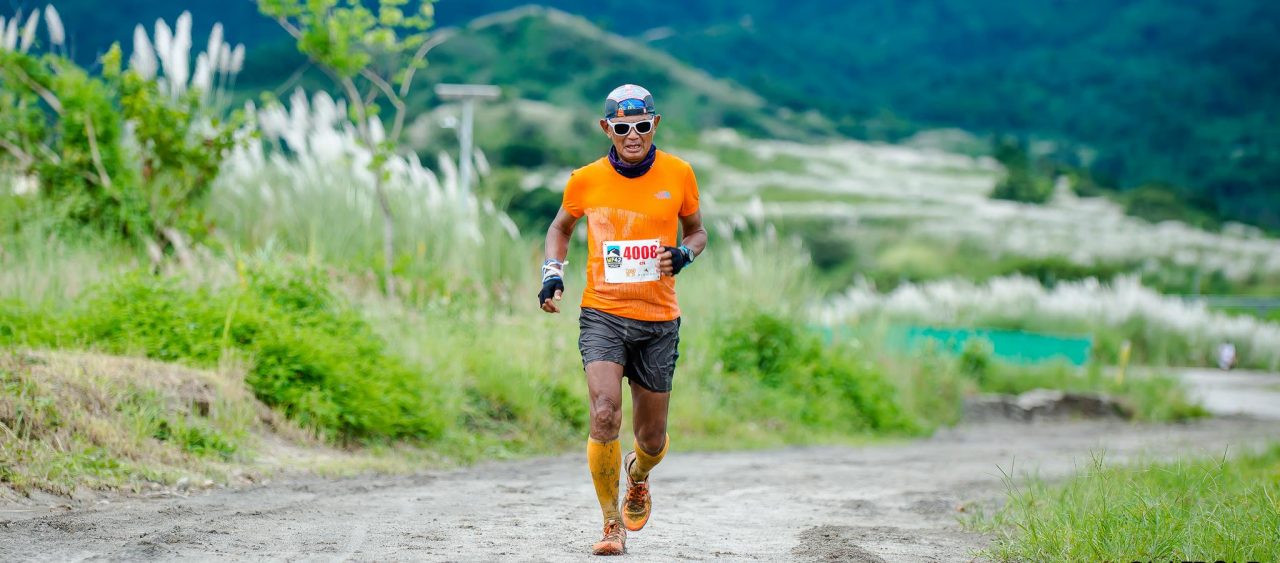
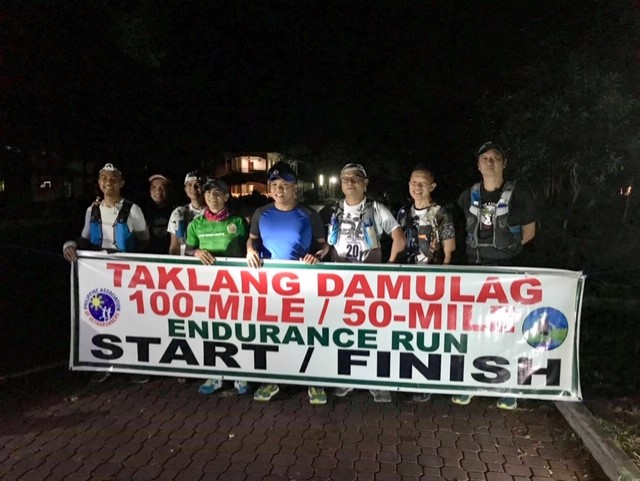
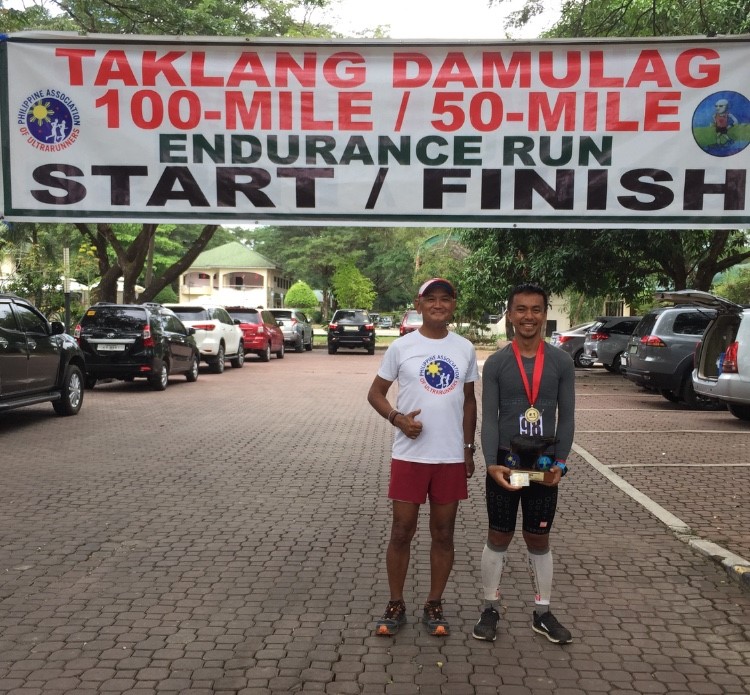
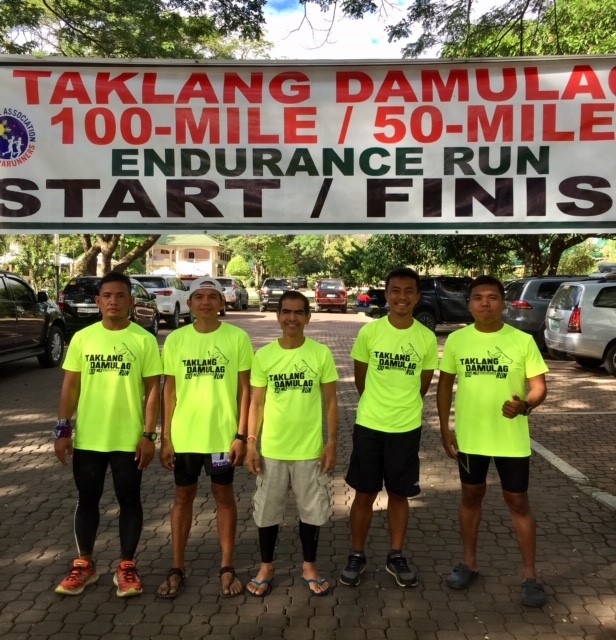
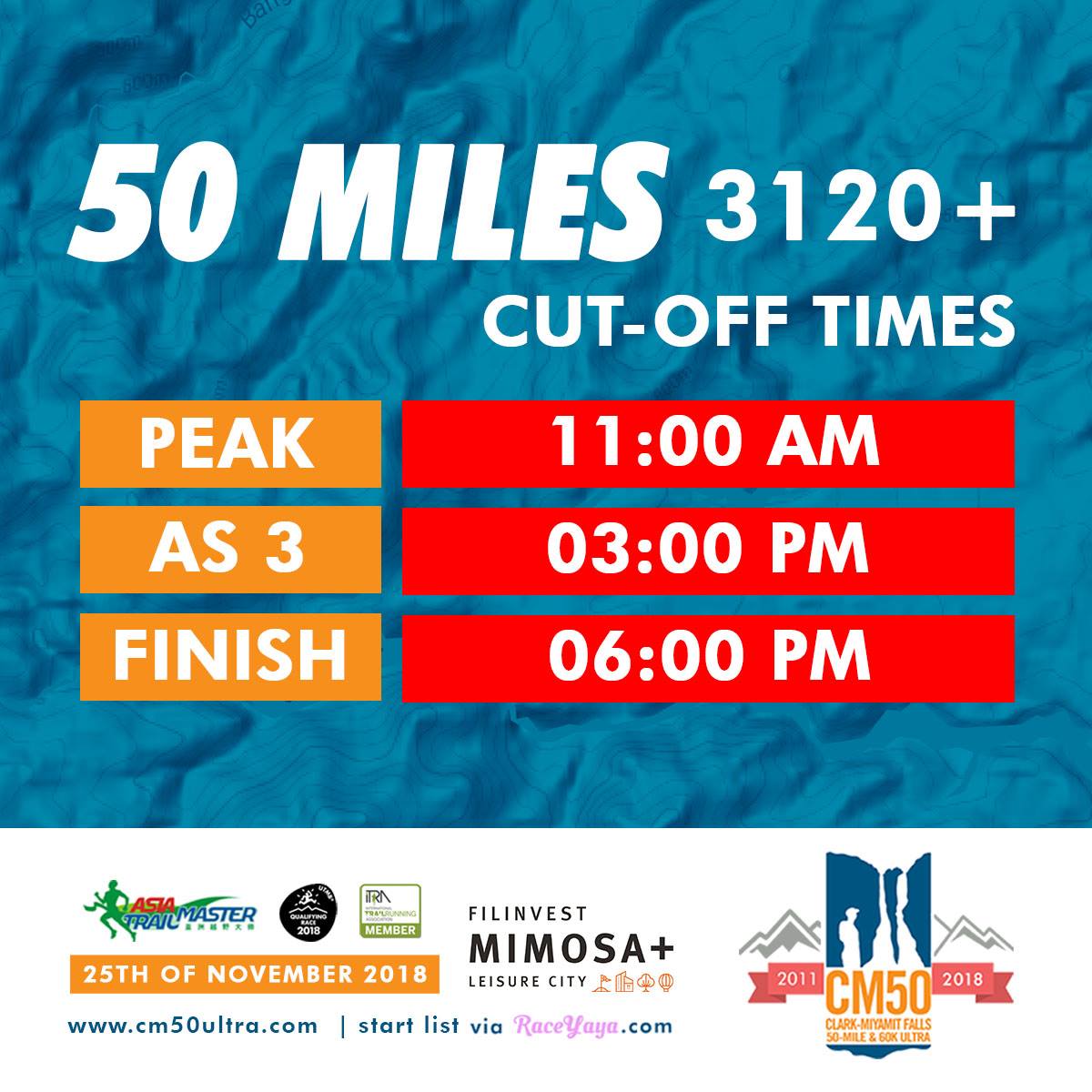
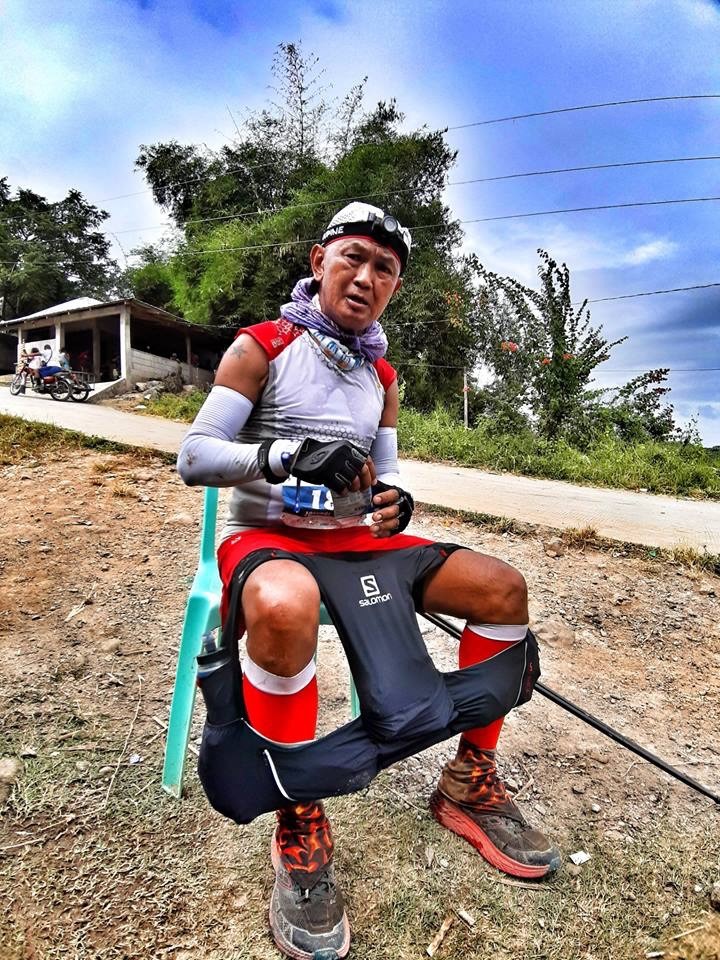
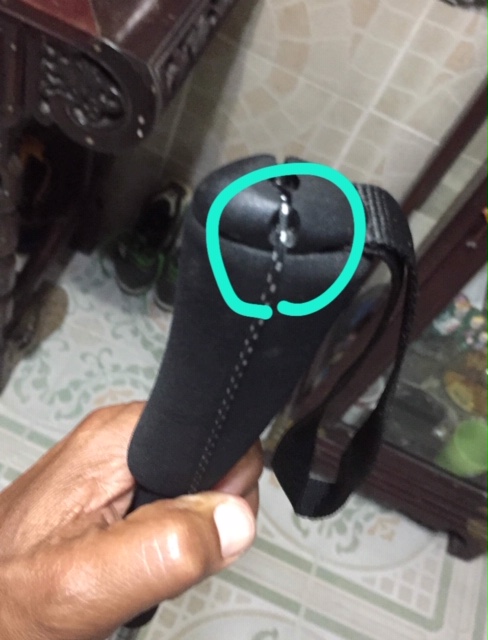
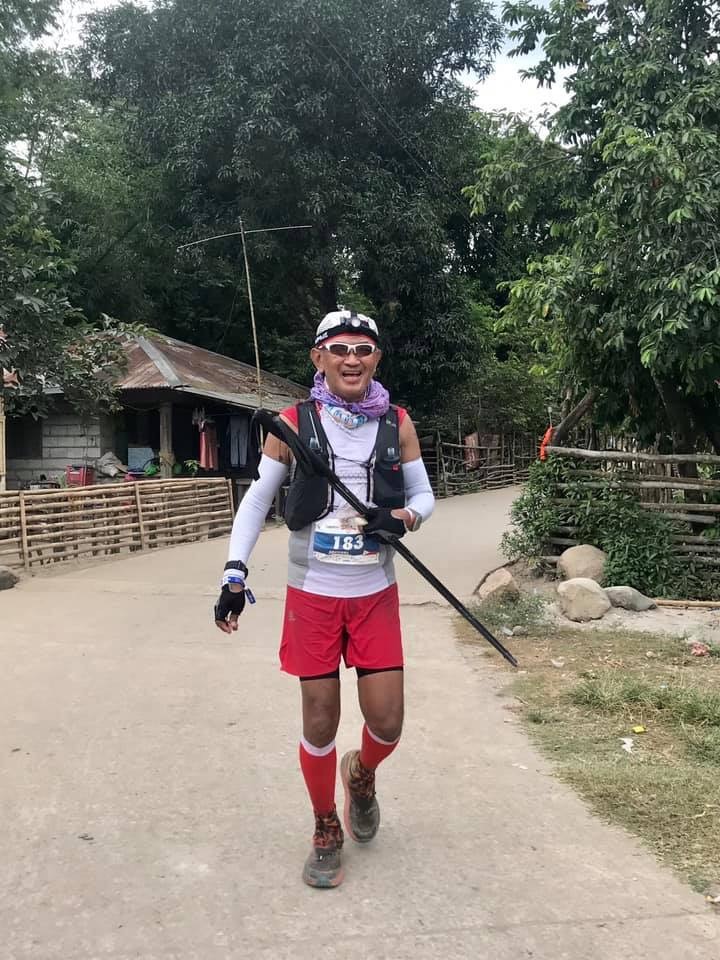
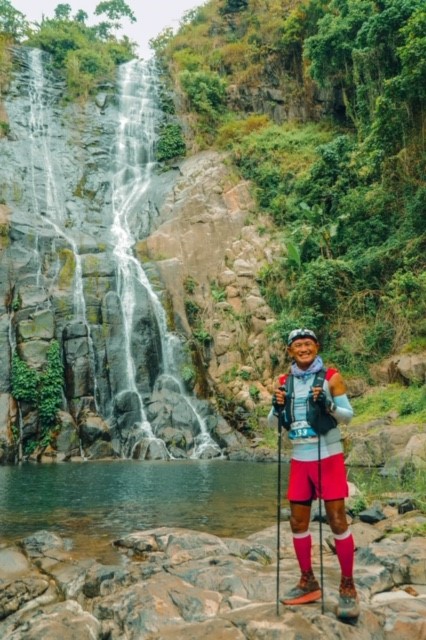
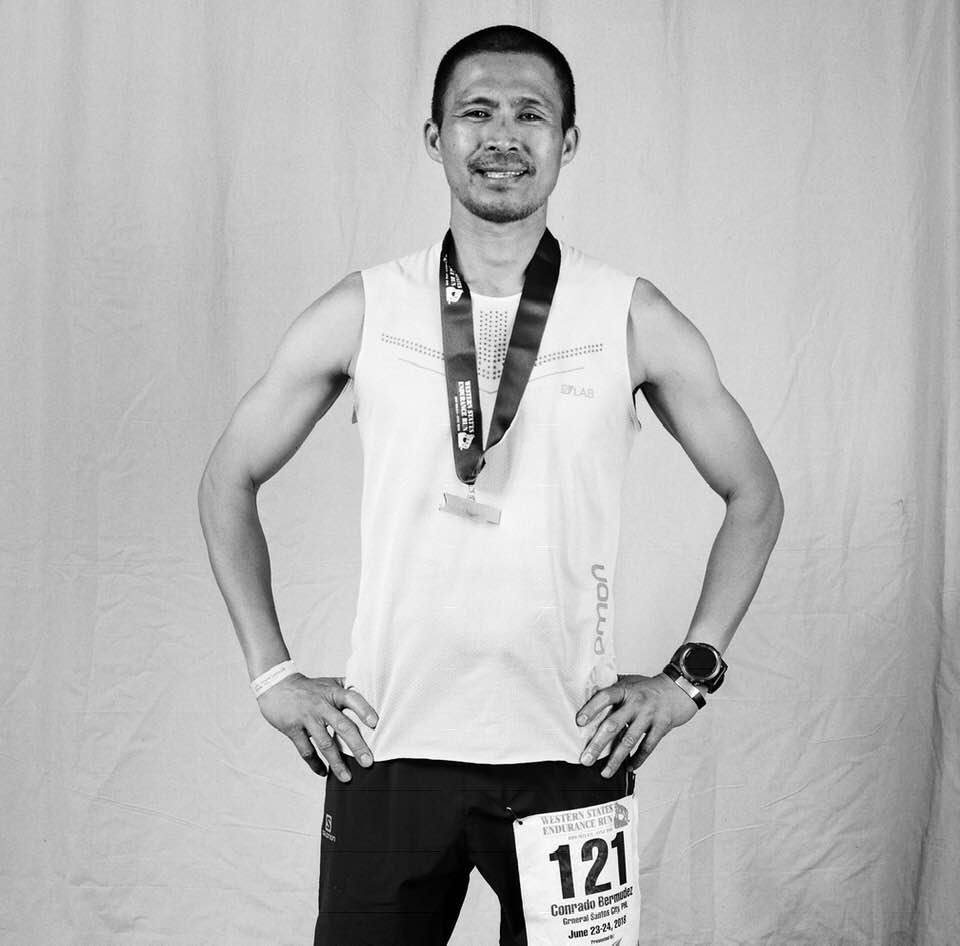
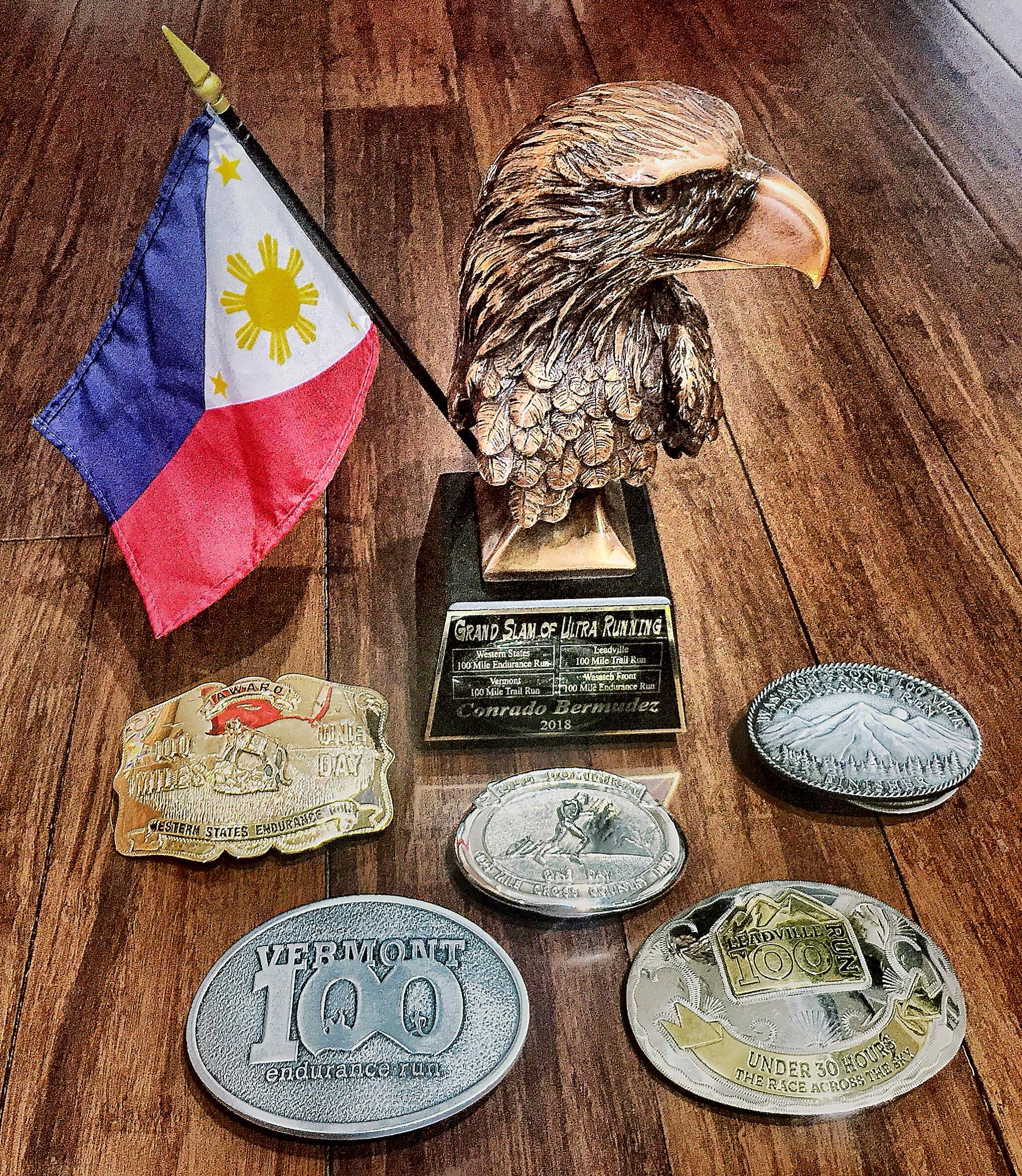

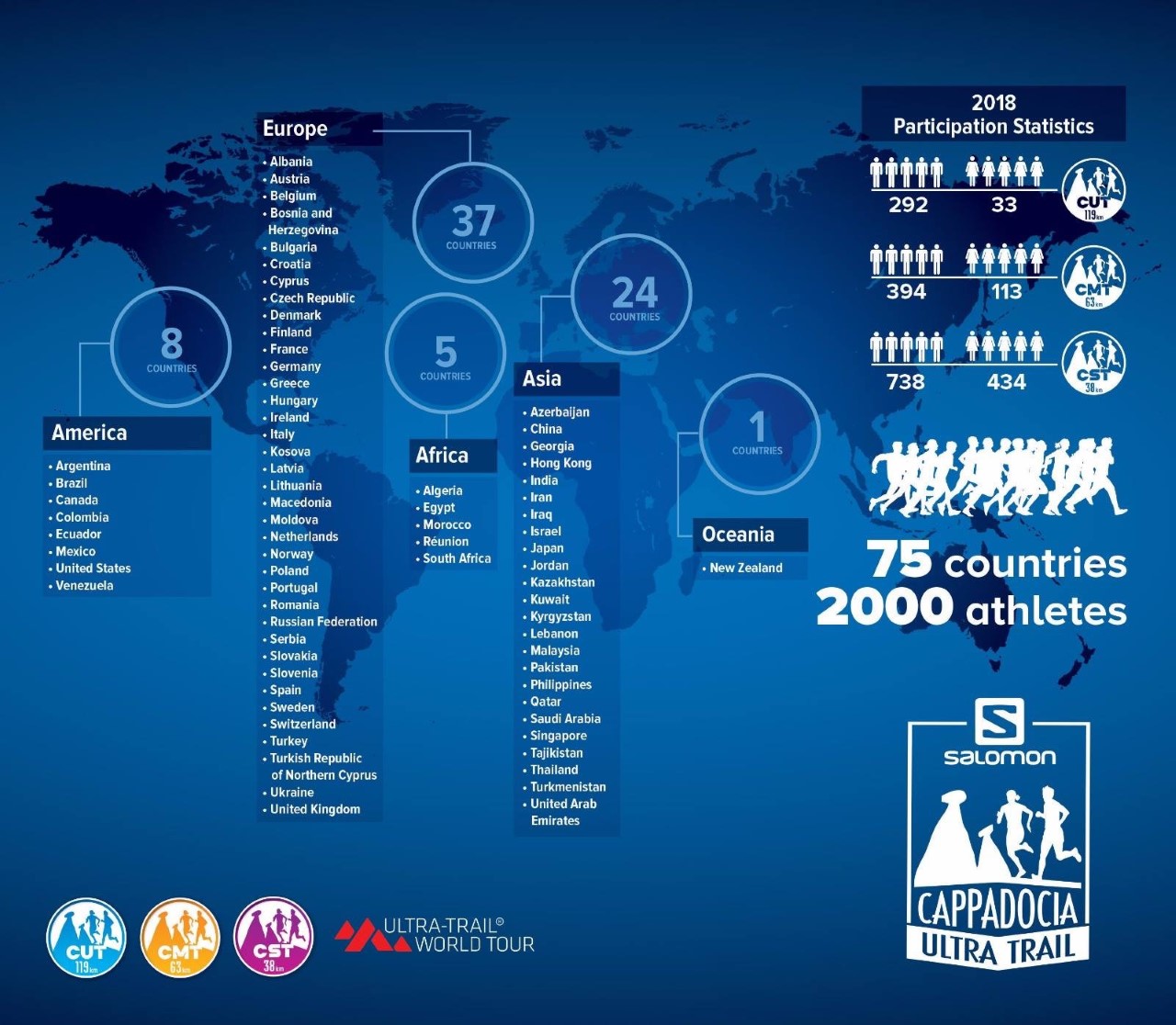
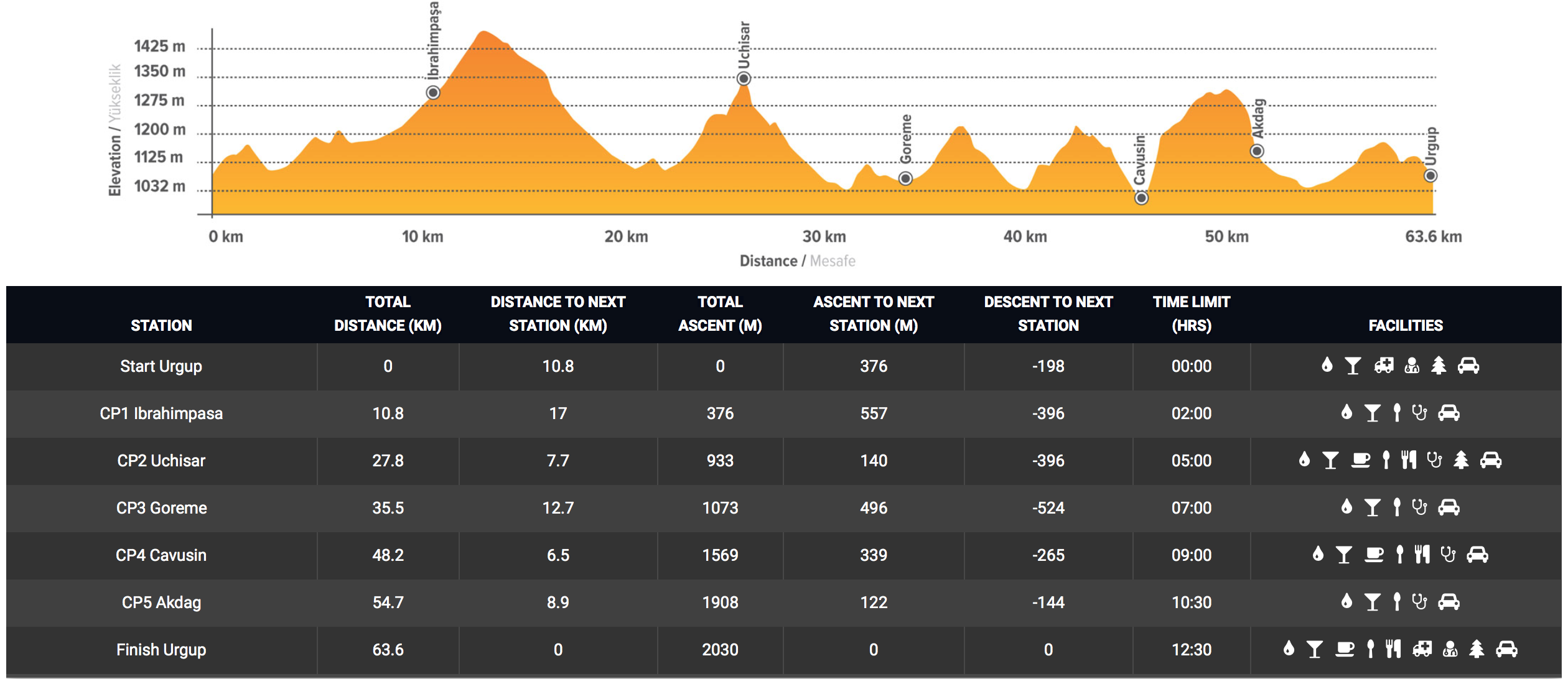
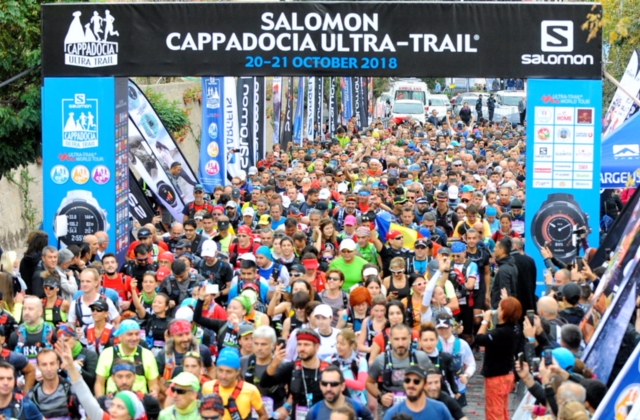
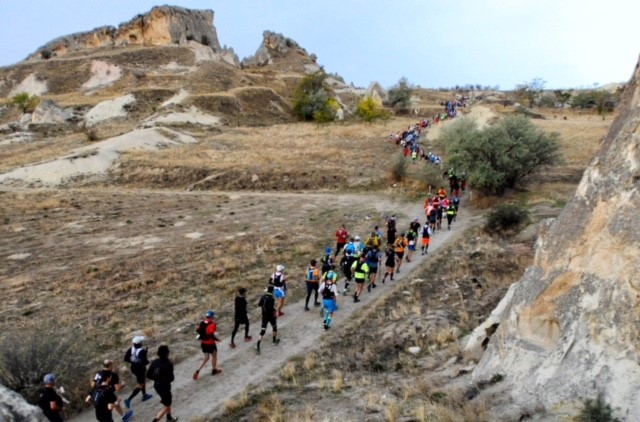
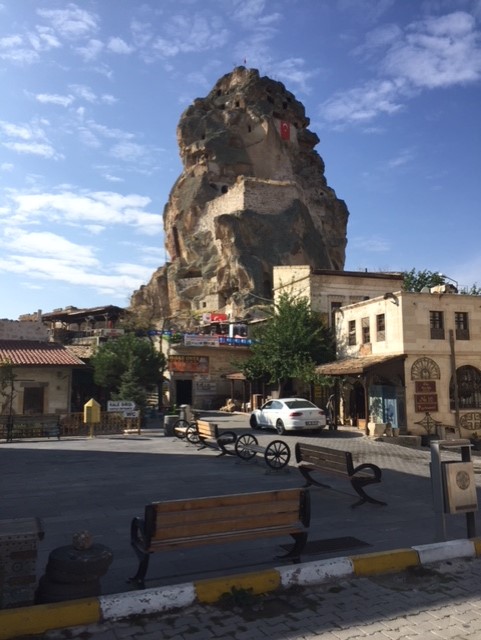
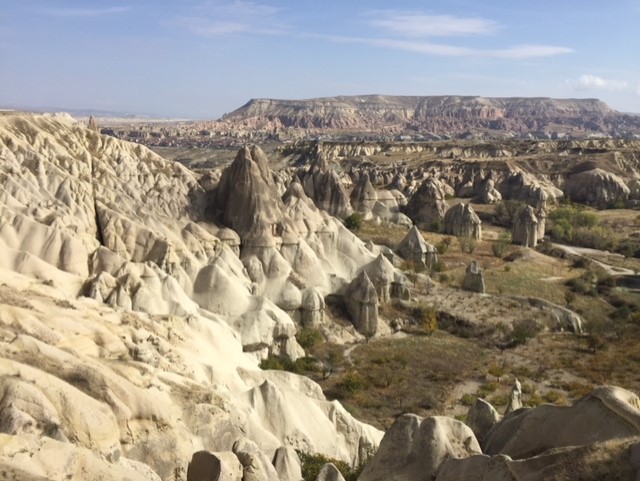
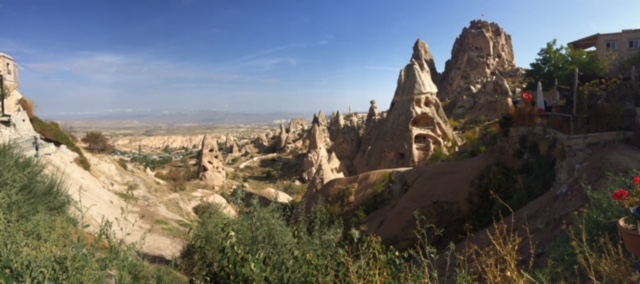
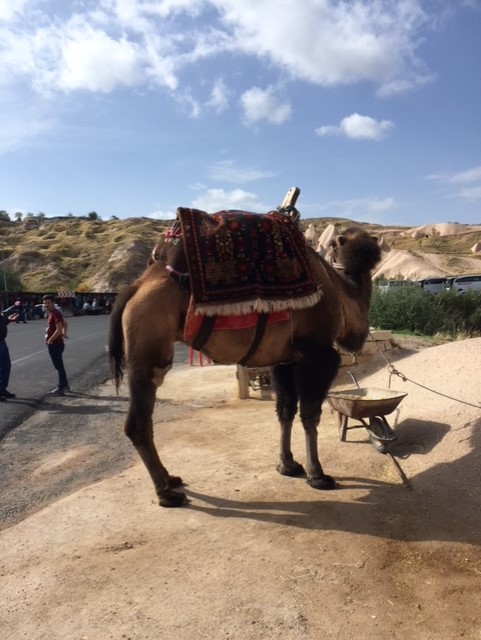
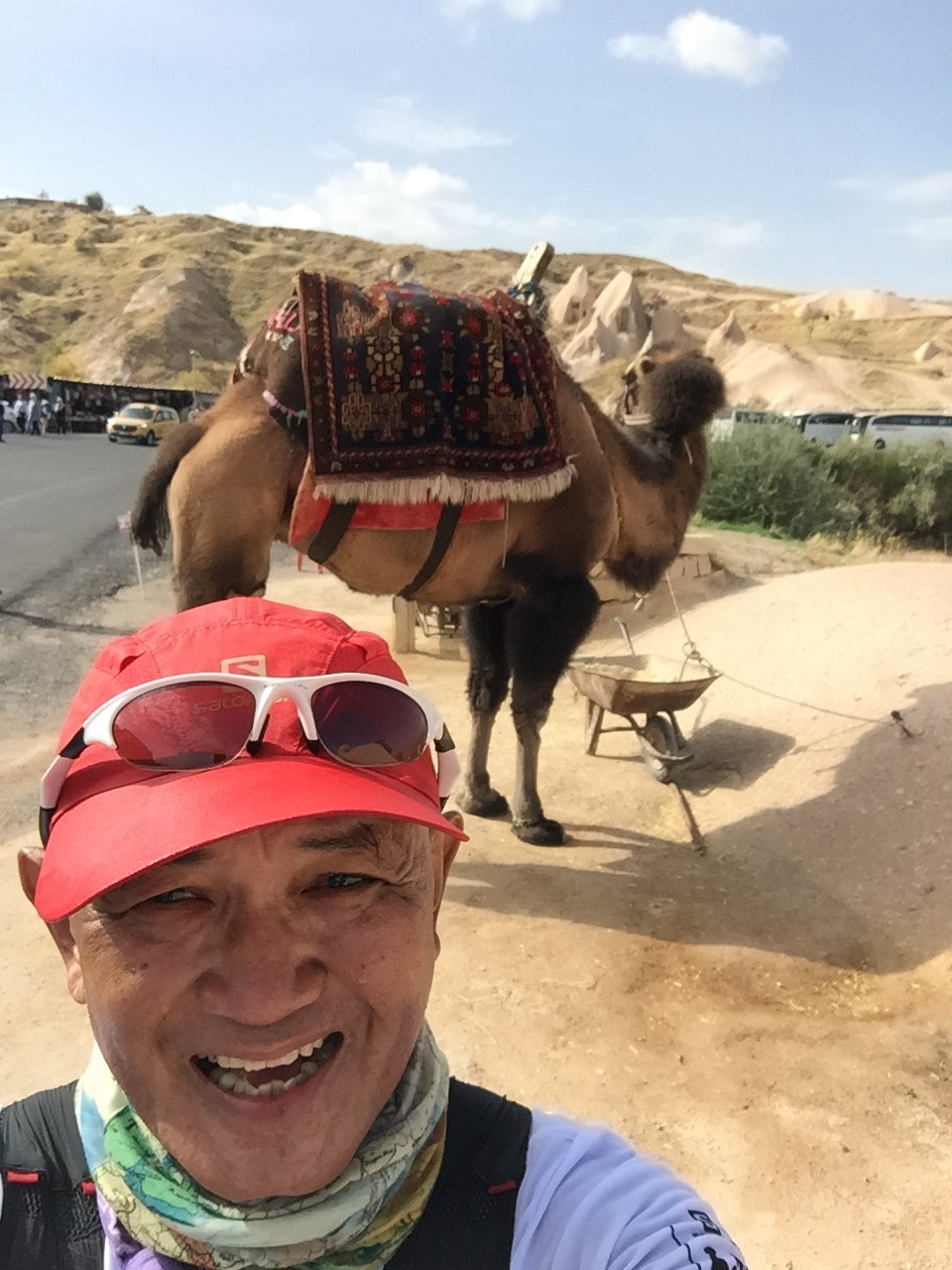
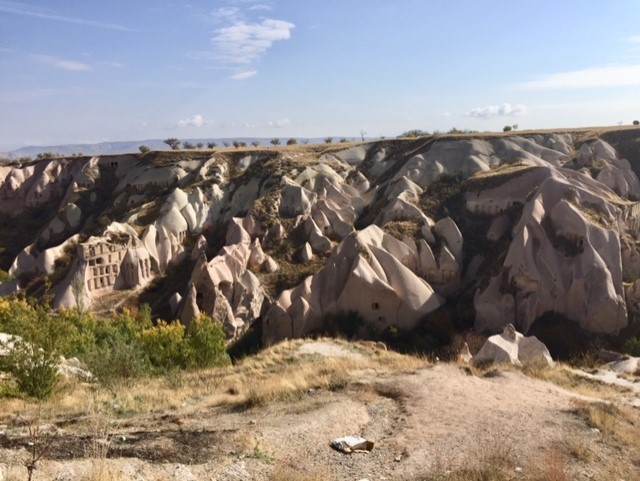
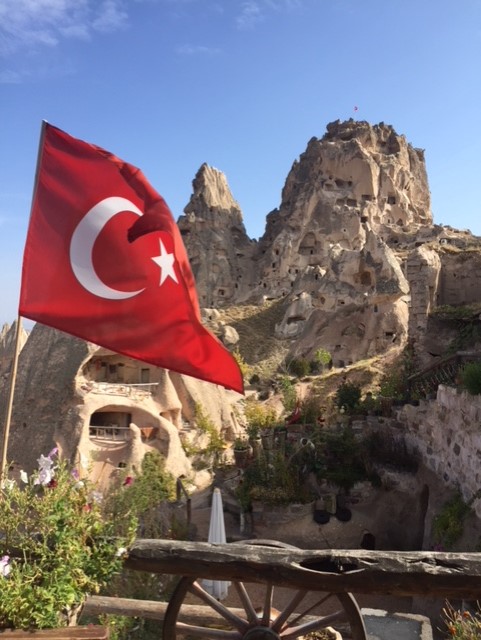
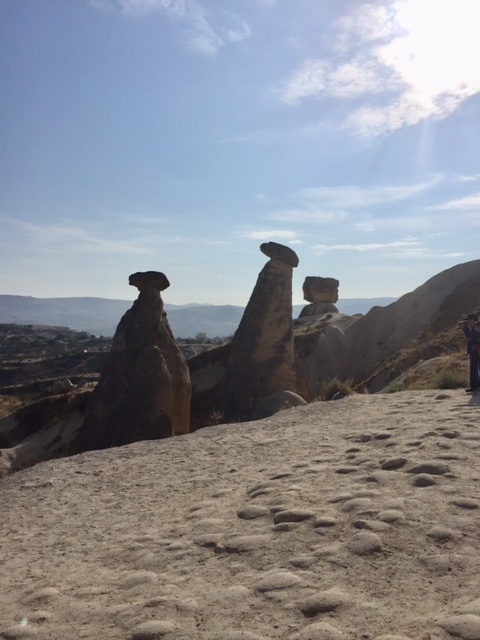
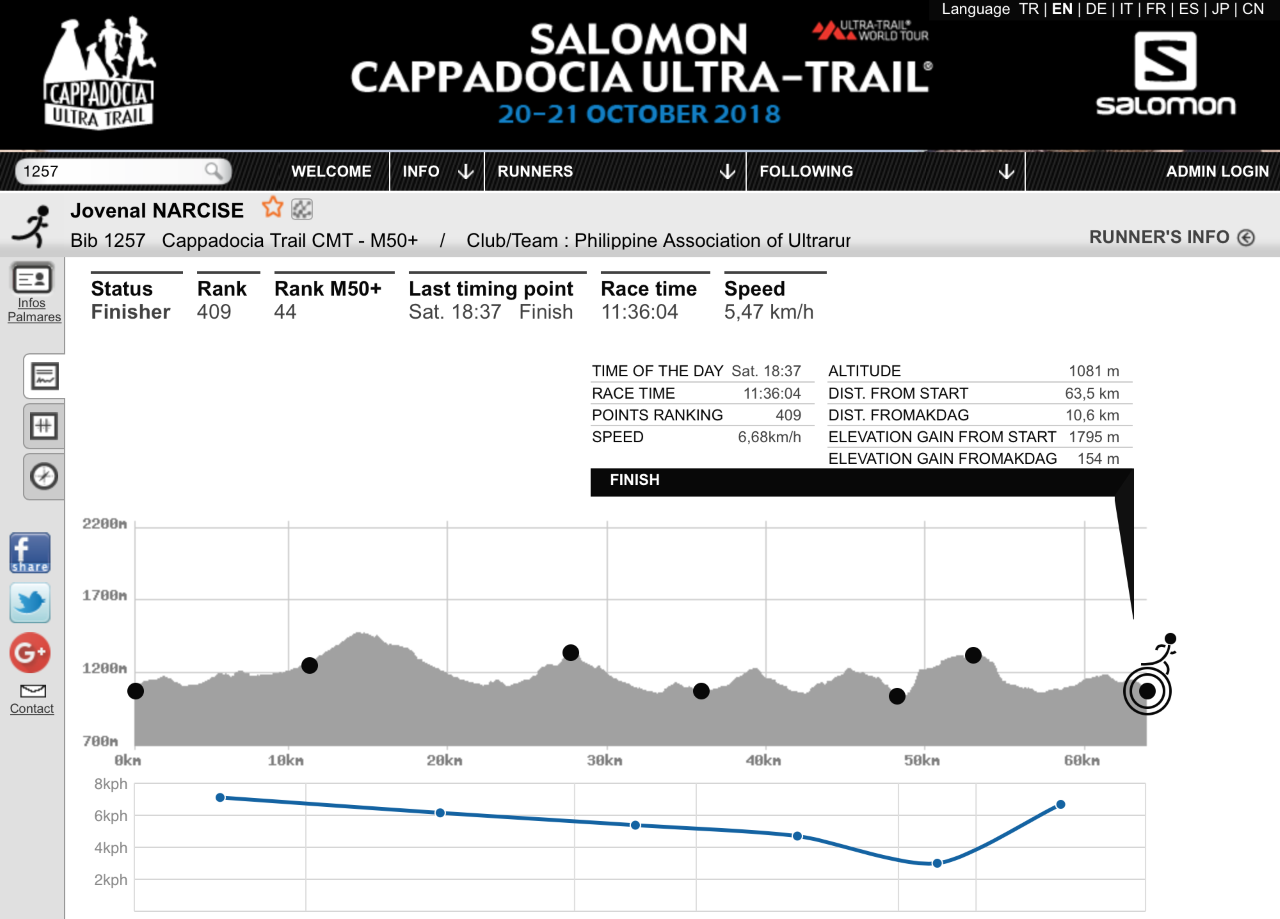
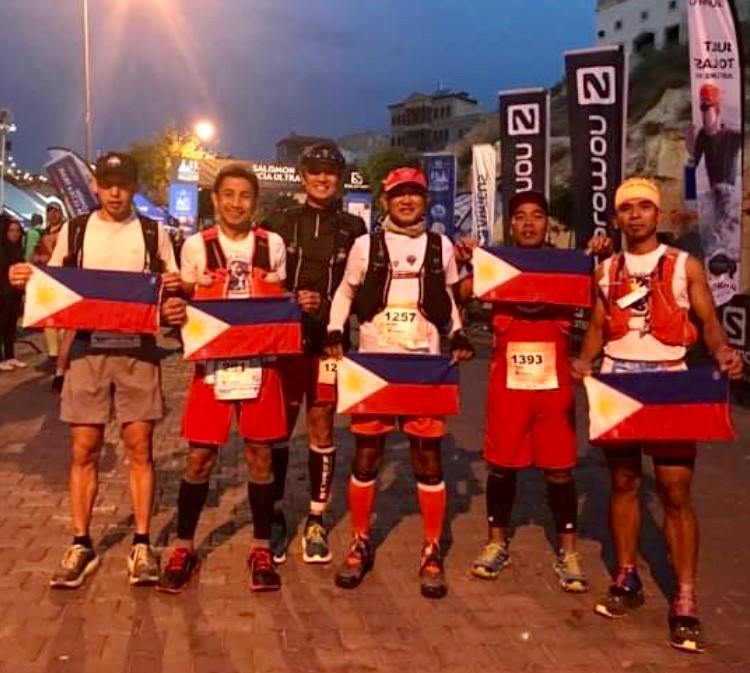
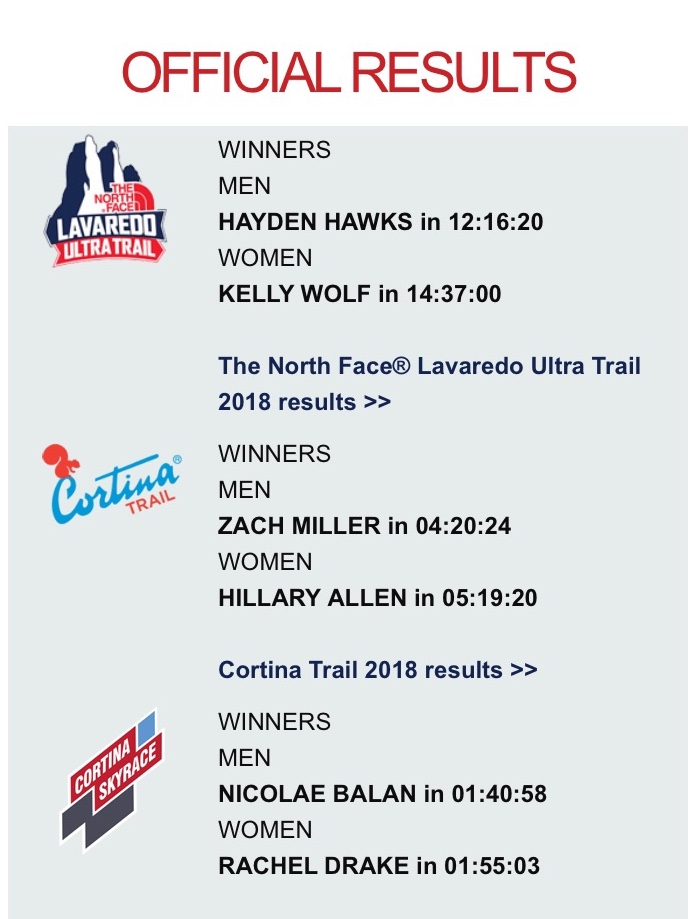
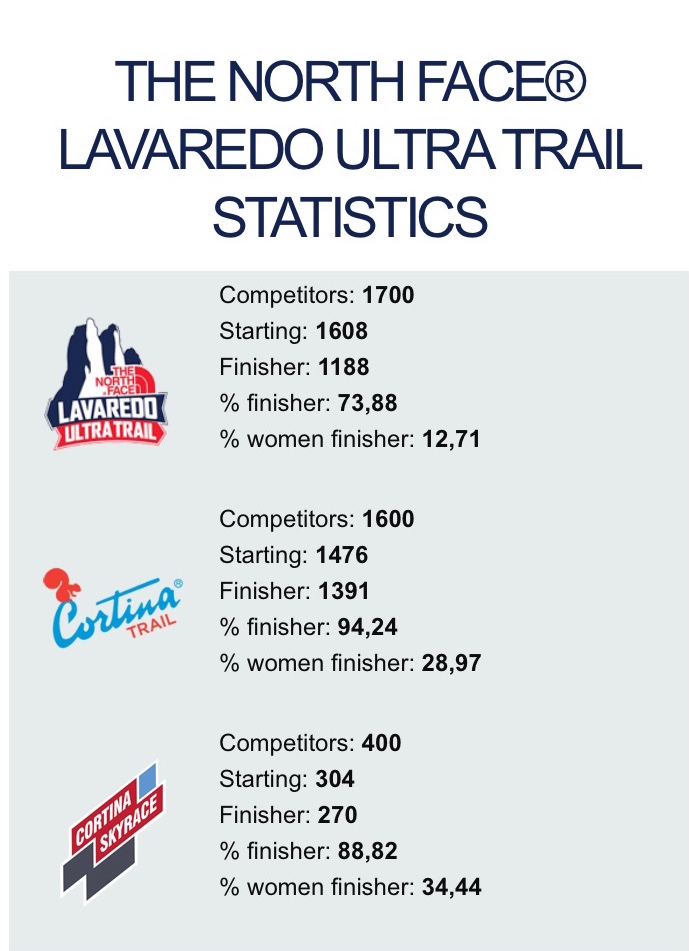
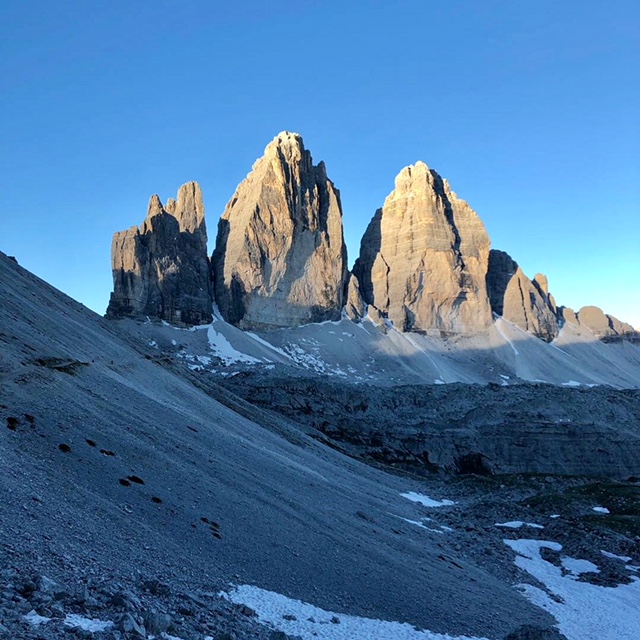

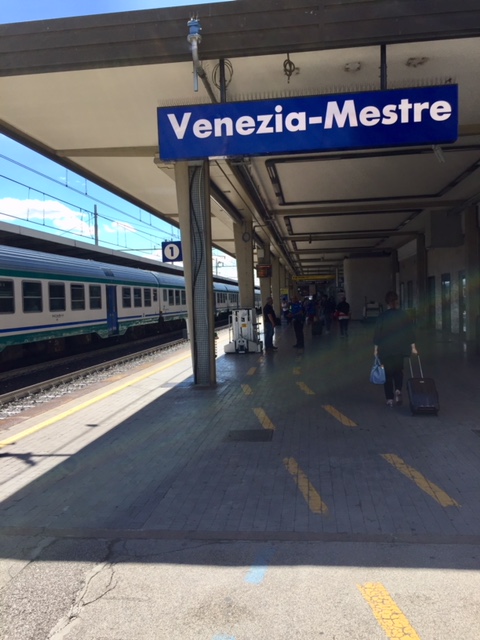
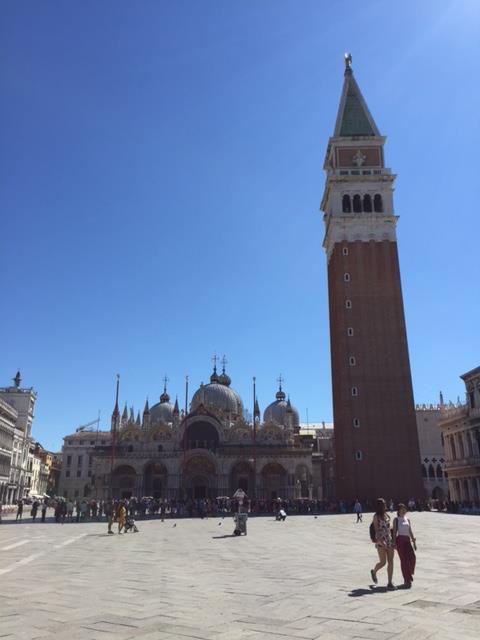
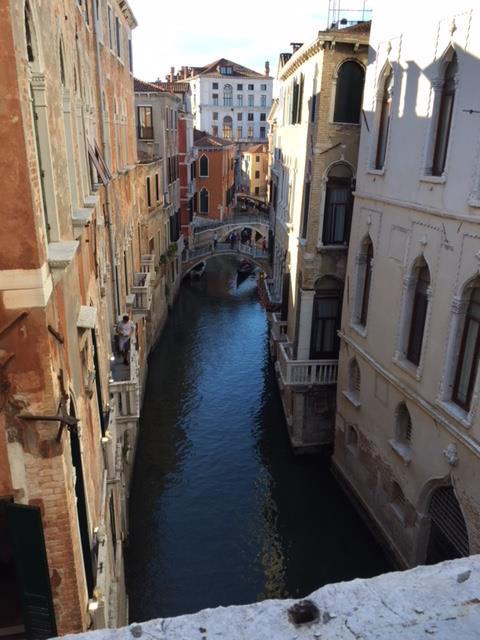

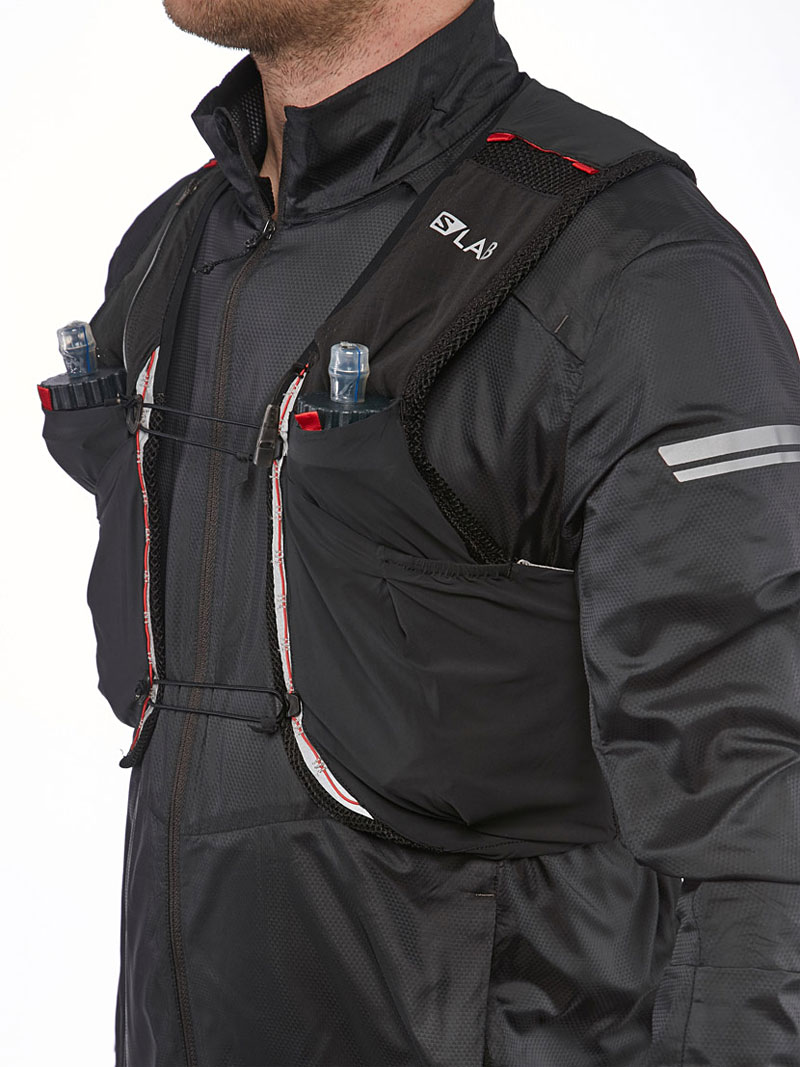
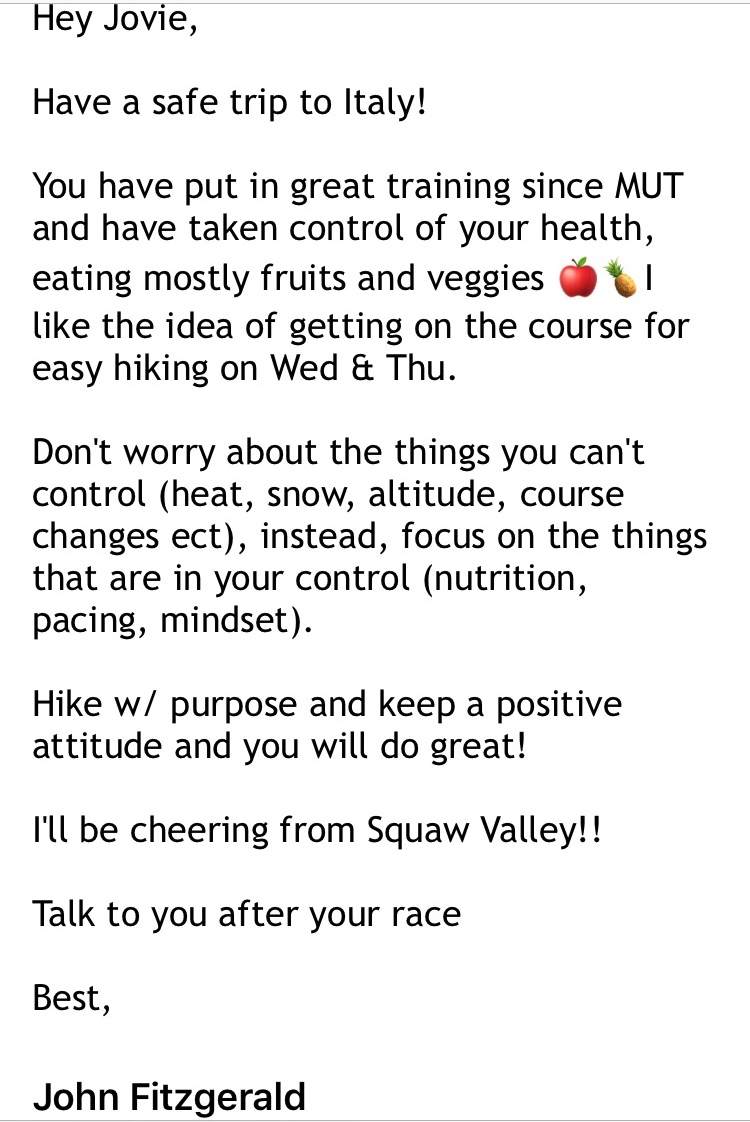
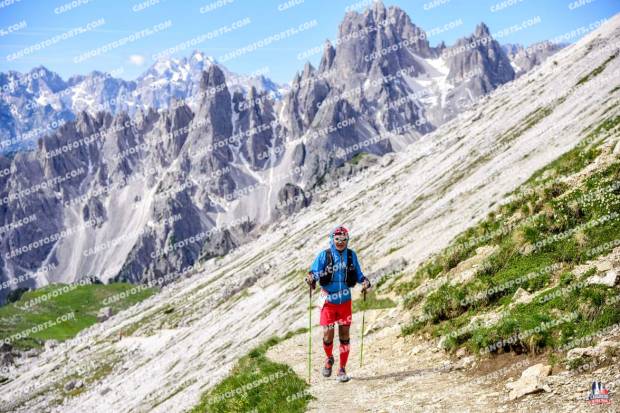

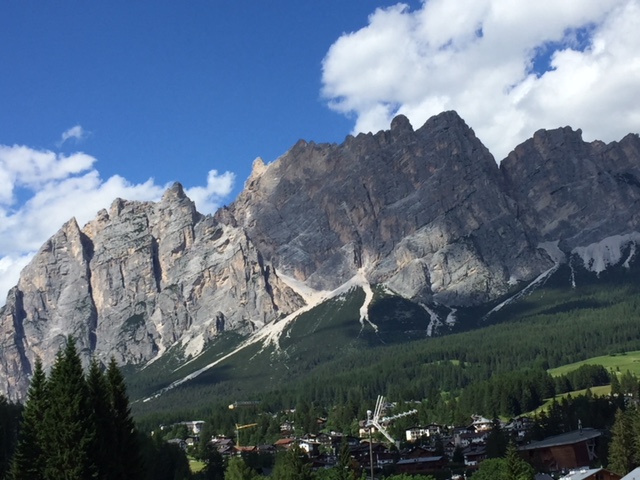
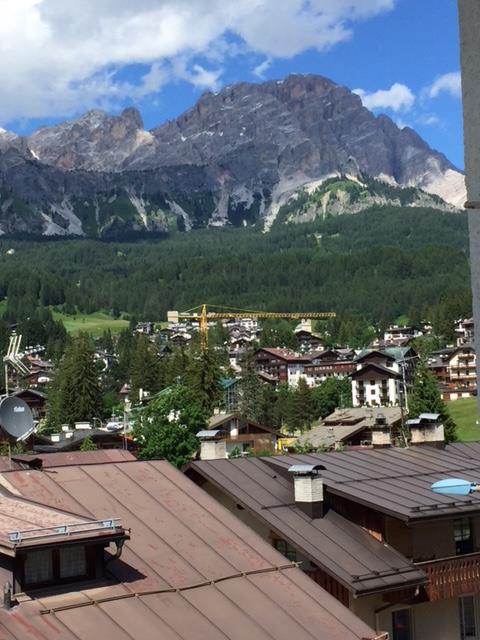
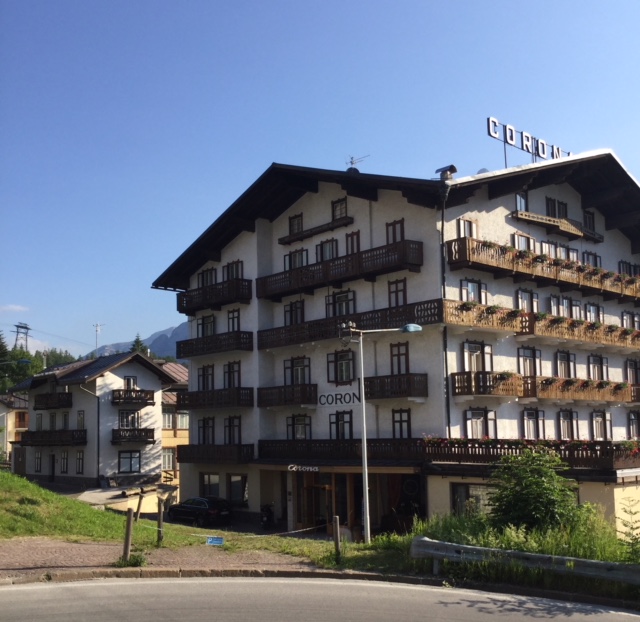
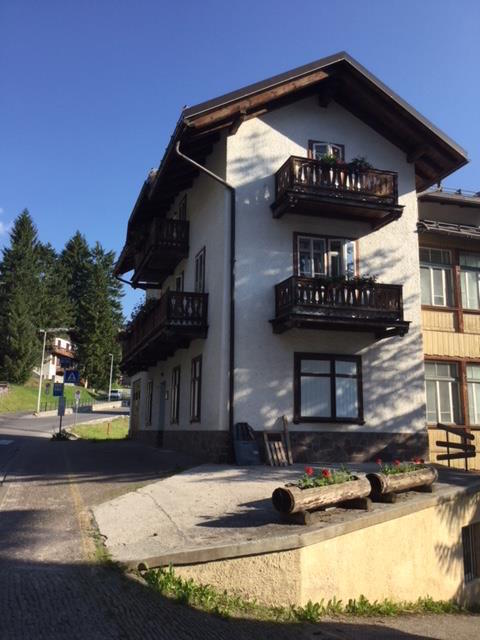
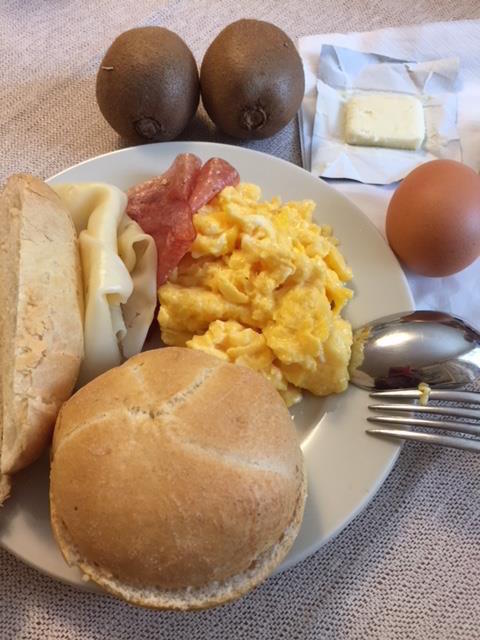
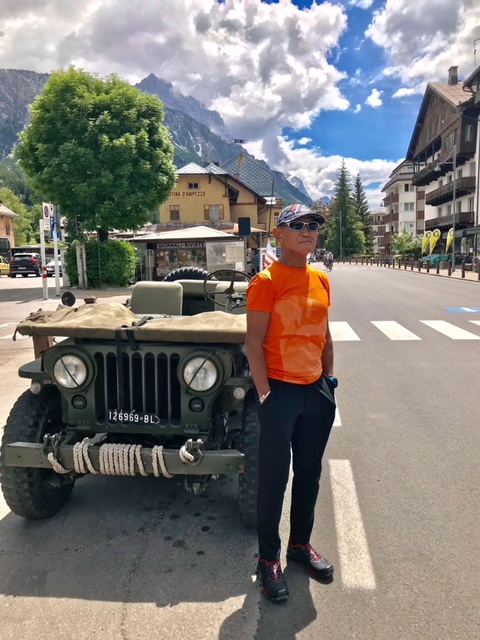
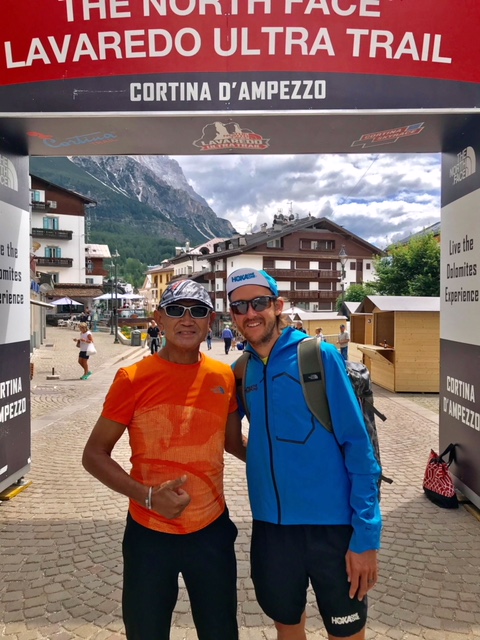
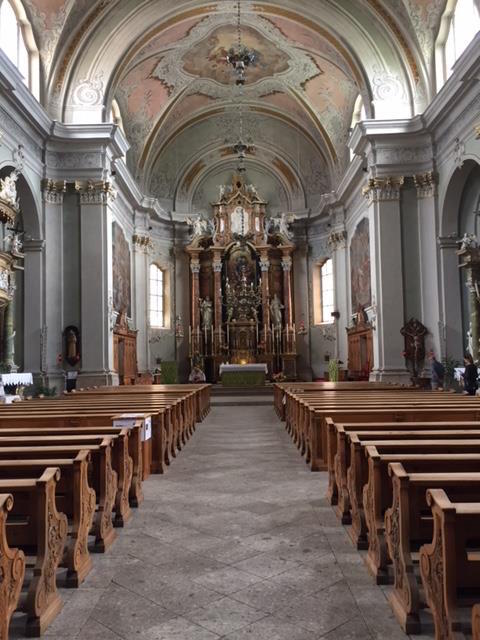
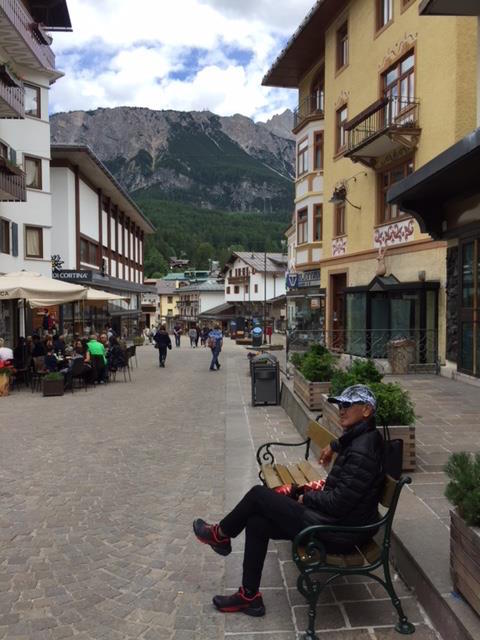
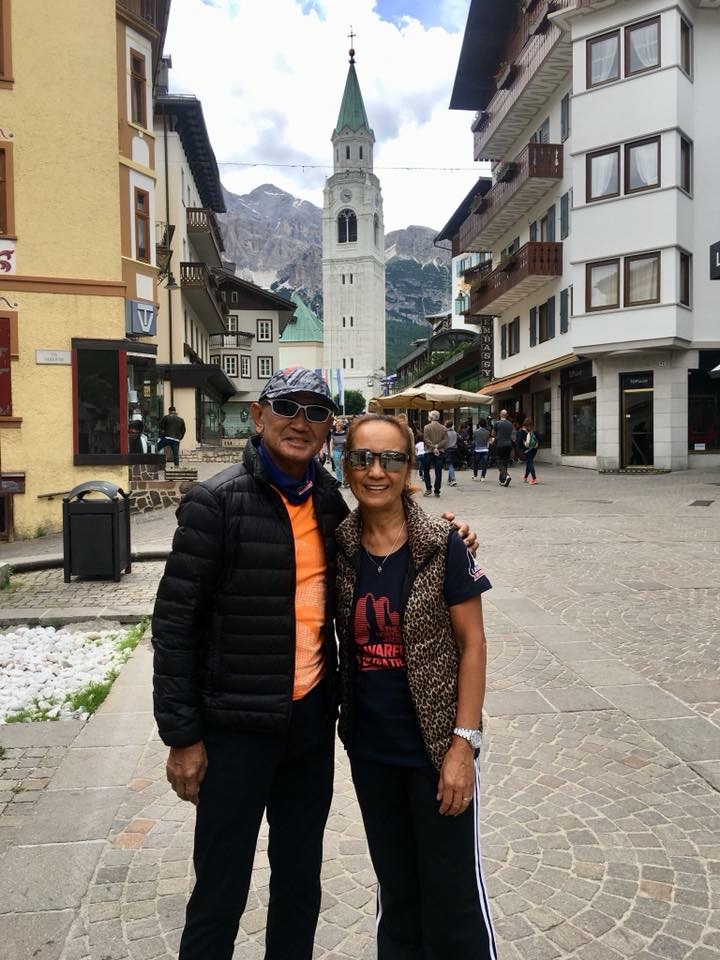
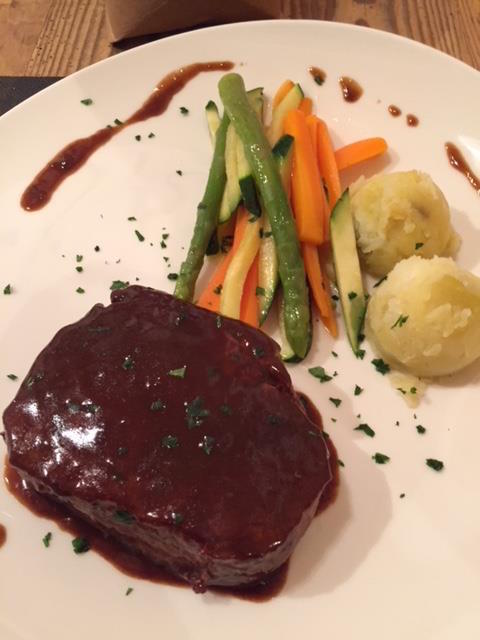
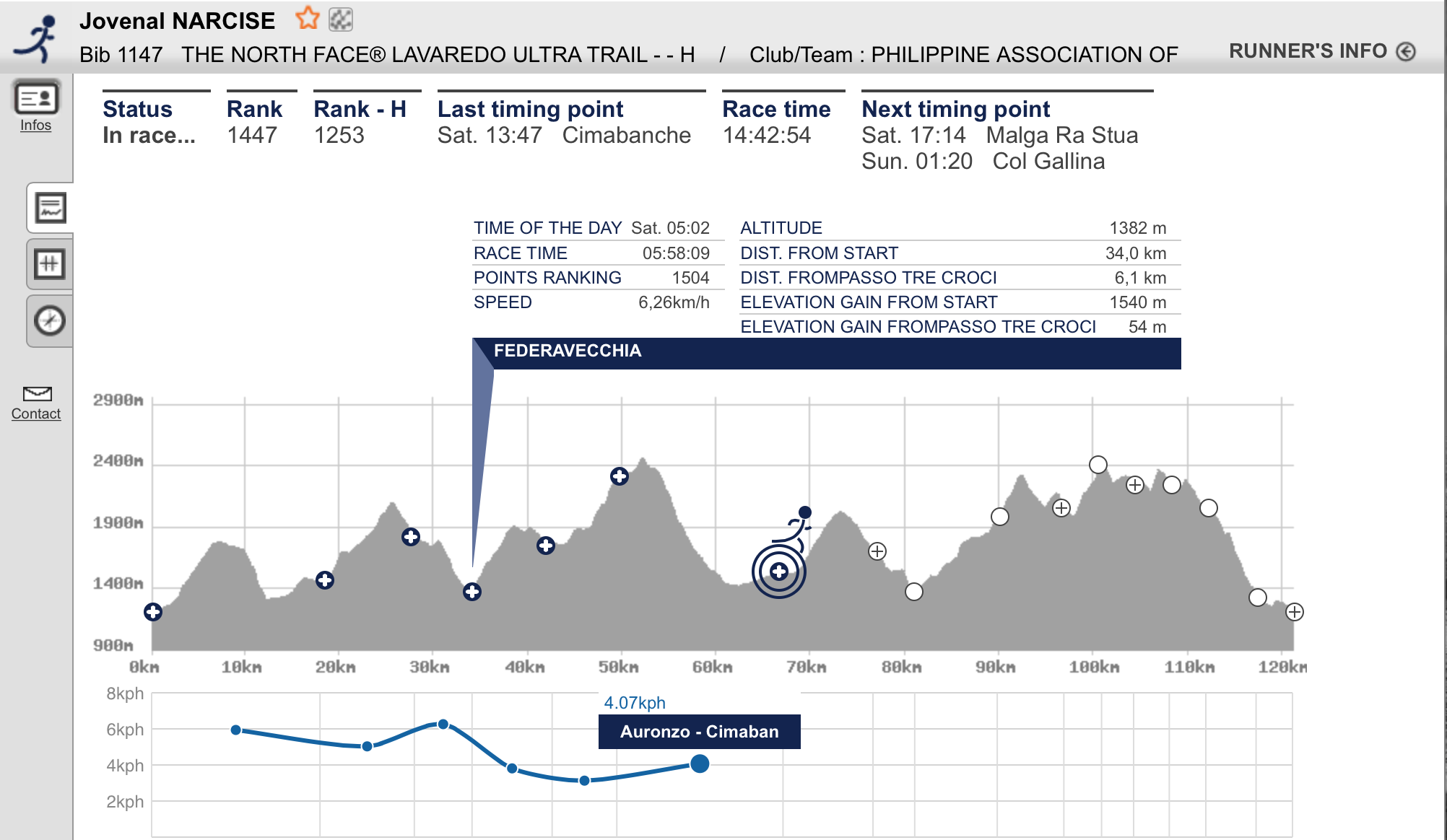
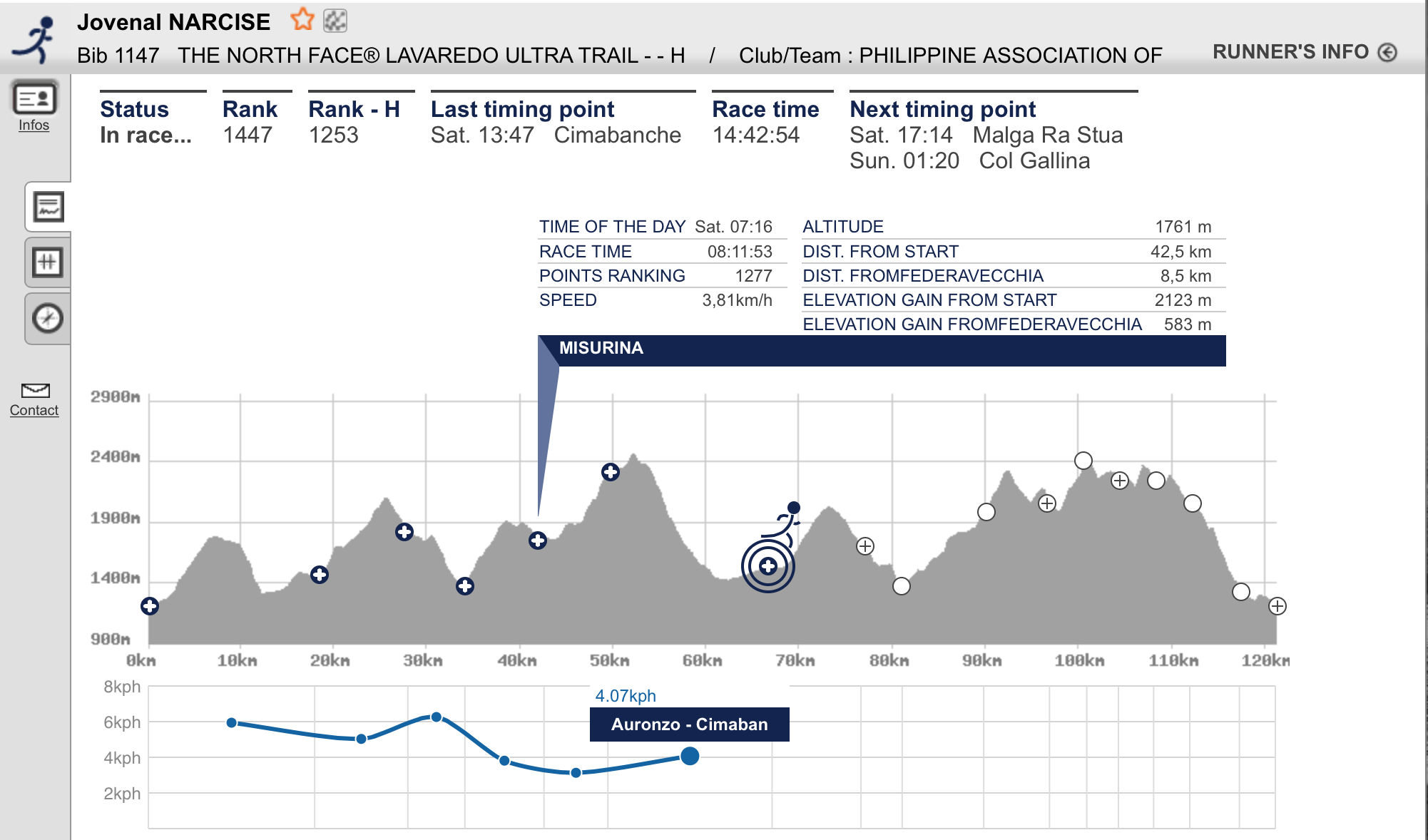
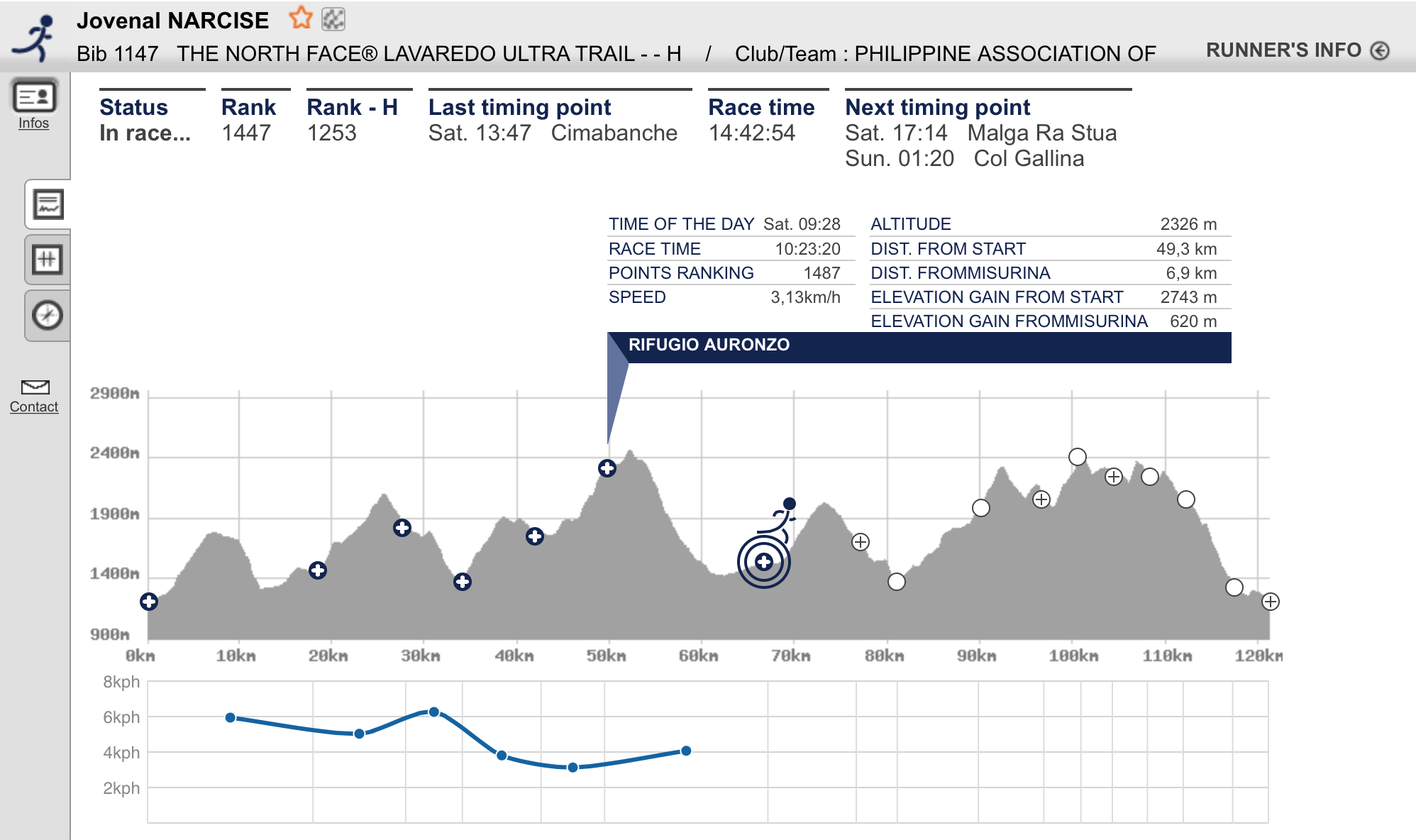
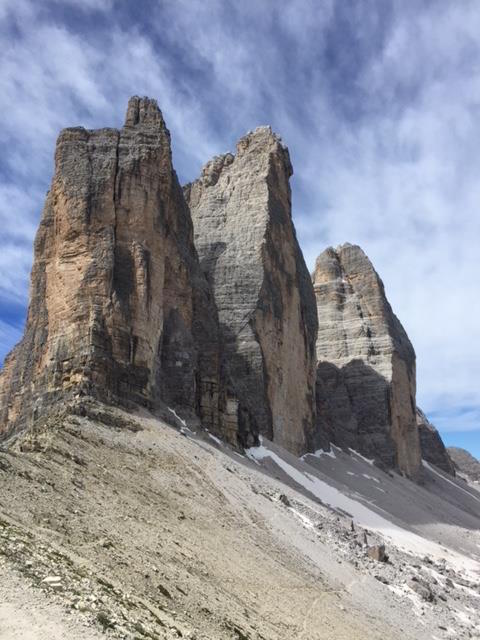
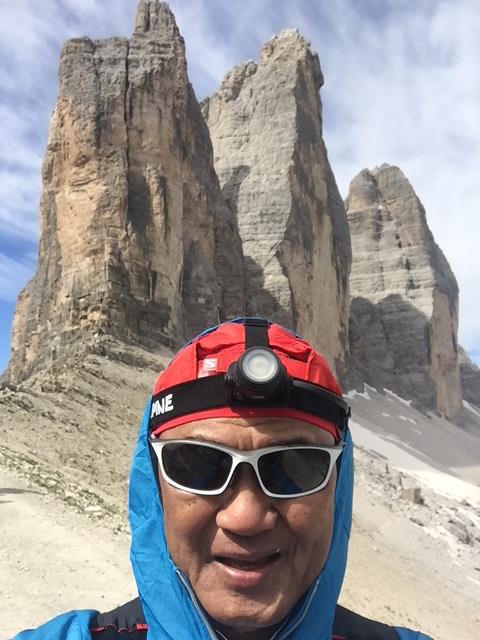
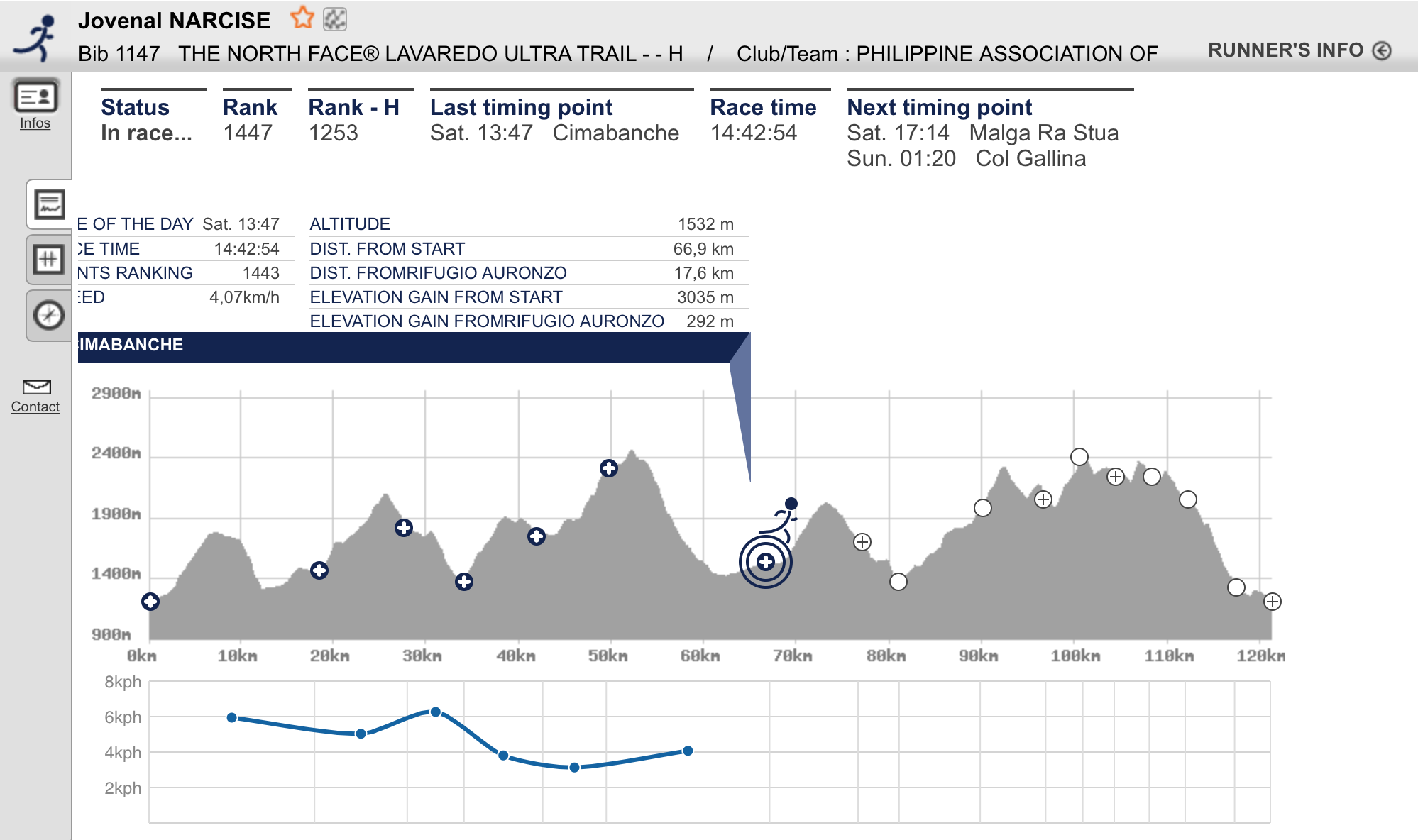
 Bald Runner
You must be logged in to post a comment.