Weeks before the arrival of Jeff Galloway to the country, I was invited by Lit Onrubia after he crossed the Finish line at the Rizal Day 32K Run to attend in one of the scheduled lectures. On the other hand, a few days after, Jerome Cartailler, BDM 102 veteran/PAU runner and resident chef of Oakwood Premier also extended his invitation for me to attend a “shorter” version of Jeff Galloway’s Lecture at the said hotel. I learned later that Jeff Galloway stayed at the said hotel during the duration of his stay in Manila.
I opted to join the lecture at the Oakwood Premier as it suited to my schedule for the said weekend. Twenty minutes before the scheduled start of the activity, I was already at the venue with another runner. Jonel Mendoza of FrontRunner Magazine joined later and Lit Onrubia of Chi Running was also there as he acted as the host and moderator of the event.
As soon as Jeff Galloway entered the lecture area, Jonel and I approached him and we started a conversation with him. As usual, Jonel was the more articulate and talkative one for the introductions and Jonel “trapped” Jeff Galloway with copies of his FrontRunner Magazine as he gave Jeff lots of them. The “blitzkrieg” approach led to a special pose for picture with the guest lecturer!
Number 1!!! BR, JG, JM
I could sense that Jeff Galloway knew things about me and Jonel (He could have visited my blog or had been well-informed by his Hosts about the running community and the running magazine of Jonel). He started a topic where he informed us about his son, Brennan Galloway, a running film producer who made lots of running films about the famous “minimalist” ultra trail runner, Anton Krupicka. There you go, Jeff knows that we are ultra marathon runners!
After a few conversations with the guests and Jeff, the lecture started at least 10 minutes late from the schedule which was okey with us as more interested guests were entering the venue. At least, 40 guests were present during the lecture.
Jeff Galloway had been in the country when he was still in the active military service as he was with the US Navy in his younger years. He knows about Subic and Olongapo, of course! He did not mention the particular year when he was here in the country. I could only guess that he was here during the Martial Law years under the administration of former President Marcos. (Note: Dr George Sheehan, a runner, writer and lecturer was also with the US Navy rising to the rank of Navy Captain).
One Hour Lecture Full of Information About Run-Walk Strategy
Jeff Galloway Lecture was geared towards his “The NO PAIN Marathon Program”. Let me quote the brochure which was available for all of us that explains the Jeff Galloway Method of Training:
Minimum workouts needed: 20-30 minutes on Tuesday and Thursday plus a weekend run.
Weekend Run gradually increases to goal distance in gentle increases, followed by short runs.
Walk breaks are inserted into every run, from the beginning, to erase pain and fatigue
Avoid running too fast by using a “magic mile” prediction exercise (MM).
Many surveys have shown that taking walk breaks early and often result in faster finish times.
The “Magic Mile” can predict current potential and set long run pace. You should be able to time yourself for one mile (4 laps around the oval track) about every 3 weeks and the following Run-Walk-Run Strategies should be followed depending on your pace (per km or per mile).
Pace Per Km
Pace Per Mile
Run/Walk Amount
4:58
8:00
4 min/30 sec
5:16
8:30
4 min/45 sec
5:35
9:00
4 min/1 min
6:12
10:00
3 min/1 min
6:50
11:00
2.5 min/1 min
7:27
12:00
2 min/ 1 min
8:04
13:00
1 min/ 1min
8:41
14:00
30 sec/ 30 sec
9:19
15:00
30 sec/ 45 sec
9:56
16:00
20 sec/ 40 sec
10:33
17:00
15 sec/ 45 sec
11:11
18:00
10 sec/ 50 sec
More interesting insights and information were gathered during the “Open Forum” where Jeff Galloway was able to answer questions from the guests. Some of the pointers were the following:
He does not recommend stretching exercises for long distance runners
Extensive Long Slow Distance Run (LSD) every 3 weeks in the Marathon Program
More Long Runs For Endurance rather than Speed runs
“Speed Training” is NOT recommended for the 1st time Marathon runners. They should simply enjoy the experience and have fun
On Core Strengthening, he recommends two (2) workouts: “Arms Swinging with Light Weights” (natural form when running) and Abdominal “Crunches”
Running is controlled by the Brain Function
On running compression tights, no benefits on the performance of a long distance runner. However, there are studies that compression calf sleeves are the most beneficial to runners. He highly recommends such apparel to long distance runners.
Water hydration during the race is the only thing that is needed during a marathon race.
It takes 24-48 hours for the body to absorb the replacement electrolytes from Sports Drinks like Gatorade, PowerAde, Propel, Pocari Sweat, and others.
Carboloading from foods rich in carbohydrate taken a day before the race is beneficial.
On a personal note, I don’t agree with his answers about his view on the unnecessary need of sports drinks and food being ingested during the marathon race. In a country like ours, the heat and humidity make our body metabolism faster and there is a need for sports drinks and food to be taken in somewhere along the marathon distance. He thought that Philippines is like Taiwan, South Korea, Japan or the United States where the temperature is too low that a runner could hardly perspire during a marathon race.
I could follow the Run-Walk-Run Galloway Method in an ultra running event to last and finish the distance but I will never walk in a Marathon Race where my goal is to finish a better PR best time.
Ironically, in my collection of running books, I found out that I don’t have any of the books written by Jeff Galloway.
3:30 AM February 6, 2011 @ The Fort/BHS to Skyway and Back
Plan
After my “muscle tear” injury on my left calf last December 7, I did not have any plans of training and running for another Marathon Race on the early months of the new year that is to include the 2011 Cebu Marathon. The 2011 Condura Skyway Marathon was not on my list of races for the year. I focused myself on my rest, treatment and recovery for the weeks and months ahead.
My attendance to the Fat Ass 2011 in Clark Freeport was a way for me to test and evaluate the extent of my treatment & recovery. I was very conservative during the run as the atmosphere among runners were very relaxed and non-competitive. However, I forced myself to run despite feeling some pain on the injured calf muscle. But my run at the Fat Ass had accelerated my treatment as the pain just completely vanished after 2-3 days of rest and recovery.
Since the Fat Ass Run, my runs were random and did not follow any pattern of a scheduled training program. I just ran if I felt like running. These random runs were limited to at least 1 hour & 10 minutes or 10 kilometers to the maximum. I was happy if I could run 2-3 times a week and I started to maintain an average pace of 7:00 minutes per kilometer. This pace had eventually became my training pace to build-up my endurance.
“Snafu”
As I was busy with my “out-of-town” trips talking and meeting with race organizers in far-flung provinces all over the country; being invited for my Running Lectures; reading a lot of Books on Running for my Book Reviews; and trying my best to update this blog, a little “hump or snafu” just came to my attention when the PR people of Condura Skyway Marathon sent me an email stating of their apology for not including me among the Runner-Bloggers they invited for a Media Release of this event. Well, I got a “free ticket” for this year’s edition of the Condura Skyway Marathon due to this incident.
Decision To Run
I really don’t need so much time to consider the “pros and cons” if I finally decide to run this event. Being a “road warrior”, I consider this as a simple setback in my quest to run an excellent race but I know I could simply finish it if I consider this run as an ordinary LSD workout as a part of my training for more “important battles” ahead. So, I conditioned my mind that this run would be a “walk in the park”—by maintaining a 7:00-minute per kilometer average pace for the run with the hope that I will finish a near 5-hour or sub-5 hour marathon. What is important is to enjoy the race, have fun, be seen to inspire others, and to “engage” any runner whom I will meet along the way. So, the decision was final, run the marathon and look like a “brave warrior”.
At The Starters Coral, 5 Minutes Before Gun Start
Race Proper
At exactly 3:30 AM, the race started with some fireworks, simple countdown, and the sound of a starting gun. The BHS area was well-lighted and there was no problem on how my feet landed on the streets as I’ve memorized every street of this place. For an increasing 1,200+ runners in the Marathon Race, the group had stretched after running at least 500 meters from the start. If I can remember right, in the 80’s, if you have at least 500 runners in the Marathon Race, such race is already a successful one! Two years ago, if you have 700-800 runners as starters, you can consider the race as a successful event already. Now, I was surprised with the increasing numbers of Marathon Runners in this race, reaching to more than 1,200+. What an improvement! More of the runners are becoming braver and more aggressive and I really like that kind of attitude! I could see new faces; hear different dialects on the conversations of the runners around me; and a lot of “newbies” which I could conclude from the attire and “gadgets” they have in their bodies! I only have one conclusion in this, if these people are bored in marathon races, they can always try to do an ultramarathon distances which PAU can offer, at least, a 50K Road Race!
The race organizer really invested on the safety and control of the runners. Almost all the streets were properly lighted with mobile lights and generators, a far cry from the unlighted streets in my ultra road races. We, the marathon runners, became the Kings & Queens of the Roads in Makati, for the whole duration of the event and it was a good feeling for everybody. It is unfortunate that there were still a lot of drivers who were cursing and blowing their horns as they were put “on hold” along key intersections along the road. I really admire those traffic enforcers who simply ignore and patiently not being irritated with such annoying drivers. As I passed by these traffic enforcers, I always say “Thank You” to them for doing their jobs well.
“Houston, we have a situation”
The problem when I am running in a cold environment (yes, I supposed 3:30 AM in the morning’s temperature is still cold) is that I pee most of the time. In almost all the water station, I have to stop and brisk walk to take my water drinks but I have to pee, too! Damn, I was peeing every time I pass by a water station and every portalet section along the route. You could just imagine the wasted time I’ve spent peeing almost all the time. I think this is the only Marathon Race in the history of my running career where I peed more than 20 times along the route. Well, I made the history of peeing on the asphalted road of the Skyway for three times! Thanks to Condura! How I wished I could have paid for my ticket for this race!
If only this race was an ultra trail run where you seldom see a runner on your back and front, I could have simply peed while I was running! I guess, this is normal among ultra trail runners as I did this thing in some of my practices and races along the trails here and abroad!
"Gallowalking" Towards My Food Pit Stop After Coming From The Skyway
“GalloWalk”
I got this term from ultra runner friend, Ben Gaetos. As a result of my attendance to a One Hour Lecture of Jeff Galloway a day before the Condura Marathon, I decided to have it as a trial or experiment. I am a “purist” in running when I train and compete with myself in road races up to Marathon distance, which means, that I don’t believe that you can improve your PR best time in Marathon Races by simply taking “walk breaks” from the Start up to the Finish.
Since I’ve decided to treat the Marathon Race as a LSD workout, I started to incorporate the Run-Walk-Run Strategy of Mr Jeff Galloway. At the first Water Aid Station, I started to walk once I was approaching the table. I picked up two glasses of water. Walked away from the Table by walking and slowly drank the water. After drinking the water, I had to count at least 30-45 strides (one stride = 2 steps) before resuming again with my run. Sometimes, the walking breaks and counting would reach up 60 strides! I did this ritual religiously every water aid station along the route.
This is not the proper way how to do the Galloway Method as he mentioned in his lecture but I wanted to experiment what was best for me with my present condition by incorporating “walking breaks” on a regular basis during the run. I really felt great doing all these “walking breaks” and “peeing breaks” during the run. The result was not a good PR but I enjoyed the run and the experience. But what is more important is that my run did not affect my “healed” muscle tear! I did not reach any “wall”. There is no “wall” after all. I did not have any muscle cramps or soreness on my leg muscles. And the best part of it, I was able to have my recovery run a day after the Marathon Race for a distance of 7 kilometers with an average pace of 6:10 minutes per kilometer! Yes, it was a fast pace for a recovery run but I did it without any pains or soreness!
Conversations along the Way
Conversations and Greetings are the things that I like when I run in local Marathon Races. Well, you seldom “engage” in a conversation in Marathon Races in the West if you want a nice finish time. But it is a “must” if you are joining an ultra train run as it relieves the “pressure and stress” on the rate of difficulty of the course. Ultra runners have an “unwritten code” that they help each other on the trails in order to finish the race within the prescribed cut-off time. Helping each other means that you have to engage another runner that you run along the trail by talking with each other. An ultra distance of 50K, 50-Mile, 100K or 100-Mile is so boring that you need to “engage” with another runner in order to break the monotony!
In the Condura Marathon, being known in the running community, it gives me the pleasure to engage with the runners by simply waving at them, calling their names, answering and acknowledging their greetings, or simply listening some conversation among the runners.
Some of the examples of conversations were the following:
#1: From a couple of runners that I passed along the Skyway:
Runner: Hey, that is Bald Runner! He is wearing an all-black ASICS apparel
I briefly waved my right hand to them.
The other guy said, BR is wearing a nice ASICS shoes! They are nice and new!
The succeeding conversation became garbled as I distanced myself from them.
#2: From a guy who paced with me just to request something:
Runner #2: Sir, I am a runner from the Visayas and I saw you at the 1st Cebu Ultramarathon Race. You were so strong and consistent during the race.
BR: Thank you! That was a hard course!
Runner #2: Sir, I can still join and register for the 2011 BDM 102?
BR: Are you qualified?
R #2: Yes, Sir! I finished the 1st Cebu 50K Ultramarathon Run.
BR: Ok. Please send me your personal data through my e-mail. You can still register.
Then, I had to pass him for good!
#3: Conversation with a Wife of an Ultra Runner @ Km #20
BR: Angela? Are you running the full Marathon Race? (I was surprised to see her running along with the other Marathon runners. Actually, it was my first time to see her run!)
Angela: Yes! (She was running ahead of me for the past 20 kiometers! And she was maintaining a nice competitive pace)
BR: Where is Paolo? Did he run?
Angela: He did not run and he is sick. He is at home. It seems that he is overtraining himself for the BDM 160.
BR: Ok. He needs some rest and he has to taper on his mileage at this time already.
We ran together for about 5 minutes, pacing each other, until we reached a water station. She went ahead of me as I took my walking breaks after drinking my water.
#4: Conversation with Somebody in the Military
Runner #4: Sir Jovie, Whoooooaaaaa!!!
I answered him back with, Whoooooaaaa!
The conversation was done!
#5: Conversation With A Tall Runner
Runner #5: Sir, BR, would you mind if I ask a personal question to you?
BR: No, what is your question?
Runner #5: Why do you have to wear a bandana tied around your neck every time you run?
BR: It catches my sweat/perspiration from my head and the wet bandana eventually becomes a “coolant” to my nape/neck.
Sometimes, I use it for emergency purposes—as a dust protector to my nose & mouth or simply use it to tie a knot around an injured leg muscle.
Runner #5: I observed you like those with bright colored ones and with flowers printed on them.
BR: Yes, I have all the colors for all the Bandanas available in the market but I don’t have any preferences with regards to color. ( Note: I am not gay, dude!)
#6: From a Runner Wearing Tights
Runner #6: Sir, BR. It seems you are having a good time with this run. You have slowed down with your pace as compared with your past marathon races.
BR: Yes, it is because I am recovering from my muscle tear injury on my left calf muscle.
Runner #6: How many runners will be joining the BDM 160?
BR: I will be happy if there will be 40 runners at the Starting Line this coming February 26, 2011.
Runner #6: Are you preparing to join this BDM 160 as I can see your pace is suited for such an ultra distance? I have the impression that you always join your first edition of your BDM runs. BDM 160 will be in its first edition this year.
BR: No, I will not be joining the BDM 160 as competitor. I have to be a full-time Race Director on this one due to some sensitive issues. And then my answer ended it with a laugh!
#7: From Francis, An Ultra runner from Mindanao (As we met along the Skyway)
Francis: (Running after the Marathon turn-around) Sir, You are really serious with your plan to run 7 minutes per kilometer!!!
BR: (Running towards the Marathon turn-around 2 kilometers away) Yes! This is what I call “Discipline and Patience”!!!
Last 5K To The Finish Line (Photo Courtesy of Francis Chua)
Manage the Pain
The last 2 kilometers of the race was a display of managing and preventing the pain to come out from my calf muscles. The last 2 kilometers was test to increase my pace or not just to be able to finish the race in sub-5 hours. I decided not to speed up just for a simple reason of finishing a desired time. I have to be smarter this time. I want to finish the race without any injuries that will sideline me again for another two months. The better decision is to be able to manage the pain and not doing any “gung-ho” attitude on the last few meters of the race. My calf muscles are still weak due to the rest and recovery for the past two months. I have already incorporated a lot of exercises and drills to my training program just to focus with the strengthening of such muscles. I need patience and a lot of time to do this.
I was able to finish the race without any injuries or any pain or soreness on my legs. The accomplishment in itself is already a victory for me. I have treated the Marathon Race as an LSD workout that my present condition of my body could afford. I did not have any structured training schedule for this race and I ran it through instinct by taking care of my body, listening to my body, and talking to my mind that I have to stick to my race strategy of maintaining an average pace of 7:00 minutes per kilometer. There was no stress and pressure at all to finish this kind of Marathon Race. After all, finishing a Marathon Race is a personal accomplishment where there is no need to compare yourself with the finish times with the other runners.
Taking Care of the Body
In a tropical country like ours, runners need to eat some solid foods and drink some sports drinks like Gatorade/PoweAde/Pocari Sweat, etc. aside from water to replenish electrolytes excreted from the body through our sweat/perspiration. I believe that water alone could not replenish the wasted electrolytes from the body.
Early during the race, I have to eat a Power Bar and had in my palm two GU Gel packets which I ingested from Km 10-21 and then from Km 22-32. On the last 7 kilometers, I had a “pit stop” to eat one serving of oatmeal and a hard-boiled egg. However, on my last 5 Kilometers, a staff from A Runner’s Circle Store gave me a GU Gel Packet which I ingested on the last 4 kilometers of the race. Practically, I was well-fed during the race together with those ripe bananas being served in some of the Aid Stations.
But I expected that there should had been Sports Drinks equally served with the water during the race. I made a feedback to Patrick Concepcion by asking him why they preferred to serve 100 Plus Drinks which is a carbonated sports drinks instead of serving the usual and more common to runners like Gatorade, PoweAde, Pocari Sweat, Propel, and others. He answered me that Summit Water & 100 Plus Drinks were the main sponsors of the race & Gatorade was not a willing Sponsor for the sports drinks support for the runners.
On the Race Route & Race Management
As compared with the last year’s edition, this year’s race route is better and simpler. I hope that this race route will be maintained in the years to come. I consider this route as the most perfect one for a Marathon Race In Metro Manila. It is out and back. The roads are wide and the runners from other distance are not mixed with the other runners.
On Race Management, the road was not full of traffic from the runners. Moreso, with the runners coming from the Half-Marathon and 10-Mile Run Races. The lesser distance runners just came out from nowhere where they met with the Marathon Runners running on the other direction! When all the lesser distance runners left the Skyway towards the Finish Line, it was time for the leading Marathon runners to clear the turn-around point and follow the last runners of the lesser distance runners. Basically, the roads were not jampacked with a lot of runners.
Conclusion
I finished the race in 5 hours 3 minutes & 31 seconds based from GF 305, with an average pace of 7:07 minutes per kilometer. The registered distance in my watch was 42.61 kilometers. I was still strong after I crossed the Finish Line and spent more time standing, talking with the other finishers, and posing for pictures. Without any serious training for this marathon race, I was able to finish it without any pain or issues and of course, after coming out from an “injured” status in running.
For two months without any serious training, I could finish a Marathon Race in 5 hours or less.
Few Yards To The Finish Line (Photo Courtesy of Vener Roldan)
Attire/Apparel
Bandana by Buff
Sunglass By Oakley
Running Apparel (Shorts & Singlet) By ASICS
Running Shoes: ASICS Gel-Lyte Racer
Socks: DryMax Running Socks
Body Glide
Watch: Garmin Forerunner 305
Sports Bar & Gel: Nature Valley & GU
Lessons Learned & Violations of the “Norms”
Stick to a Plan or Race Strategy and don’t get affected with the situation of other fast runners ahead of you. Do not chase any runner if you are not well-trained for the event. Never underestimate slow runners at the start.
Try to “engage” any runner that starts a conversation with you. Conversation with the other runners relieves stress and pressure during the race.
Run-Walk-Run Strategy works if you are not well-prepared for the event. It will not force you to get injured. However, this strategy works well if you have adjusted to it. Since I consider myself as a “purist” in Marathon Races, running is the best way to improve one’s time is such distance. However, in ultra running, the Run-Walk-Run strategy is a “must” in order to finish within the prescribed cut-off time.
It was my first time to use a brand-new running shoes in a Marathon Race. I was confident that I will not be injured or get re-injured with this decision since ASICS had been my favorite and most comfortable racing shoes.
I did not take any Imodium or Tylenol or Salt Sticks tablets this time and I did not have any “issues” with my stomach and leg muscle cramping.
Even if I have Gatorade drinks ready to be ingested from my support staff, I preferred to take in water only during the whole duration of the race. I wonder if it would have prevented myself from going to the side of the road in order to pee if I have taken Gatorade, in alternately with Water.
Those ripe bananas were great as my food source during the race. 3 GU gel packets, one Nature Valley Sports Bar, one serving of Oatmeal and lots of water were the source of nutrition during the race. I have a faster recovery after the race if I take some food during the race proper.
On this race, I did not ingest any form of “pain killer” tablets, before and during the race.
Congratulations to Condura Durables/Pat & Ton for a well-organized Marathon Race in Metro Manila. More power to you, guys!
See you on the next edition of the Condura Skyway Marathon!
The Concepcion Brothers and the Condura Durables have always been a “surprise” sponsor for my BDM 102K Ultramarathon Race. In last year’s edition of the BDM 102, they have donated Champion Prizes in the form of Refrigerators for the Men & Ladies Categories without me asking them for such. Aside from my BDM Races, Condura & Concepcion Brothers had been supportive to my advocacies in running.
Since the inception of the Condura Skyway Half-Marathon and Marathon Races, I had been a supporter of their runs and their advocacies and I never missed joining their yearly events. This Marathon Race had always “primed” my marathon and ultrarunning season for the year. Last year, two days after I finished the Condura Skyway Marathon, I ventured on my first multi-day/multi-stage 5-day run from Manila to Baguio City.
Due to my latest bout with an injury (muscle tear, again!) last December which forced me to recover for the past 6-8 weeks, Condura Skyway Marathon is not seriously considered as part of my marathon races for this year. However, a simple “snaffu” or lapse had happened on the earlier stages in the marketing of this race which could had made me “pissed off” was brought to my attention. Simply stated, the PR guys of this event missed me in their invitation for the “bloggers presentation & briefing” of this event. It could had been a nice post for my blog for a controversial topic of missing the Bald Runner in a bloggers night or maybe, for not inviting the Bald Runner in an event that he had religiously supported a running event since its birth!
Looking at those status and pictures of the bloggers night event in Facebook made me wonder why I was not invited. Well, I just said to myself and wondered why the Concepcion Brothers did not invite me in this event even if I casually contact them through SMS. I started to ask myself if I have done or said something wrong with Ton and Patrick in my posts but I never recalled anything. So, I kept silent and let the event passed. After a few days, I got my answer when the PR guys e-mailed me with apologetic messages for having accepted that they did not do their work well. I got the same SMS messages from the Concepcion Brothers. Well, guys, no harm done. With or without your invitation, I will still support your event.
It was only a few days ago that I found out that bloggers had been given a complimentary entry to run in the said event! It was a breeze when I simply went to their registration booth at the Greenbelt 3 and registered through the computers lined up in the area. I was able to save my money and got one of the best commemorative T-Shirt for a Marathon Race in the country! I am finally registered to run in the 42K event!
Now, here comes the best part. Will I run this marathon race even if I am not fully prepared for the distance? My longest running time for the past two weeks had been a one hour and ten minutes run which is easily converted into a 10K distance run. I still have 3 days to decide on this run.
Looking at the number of registered runners and the hype this marathon has created, I could see that this Marathon Race will showcase a Marathon Race which Metro Manila and/or country could be proud of and could make our country easily placed in the map of worldwide Marathon Races. It is just a matter of time that this Marathon Race will be a destination of more International Runners.
Congratulations to Ton & Patrick Concepcion and advance Happy Birthday to their Dad, Mr Raul Concepcion!
1) 2nd Edition of BDM 102—Better administration and conduct of the event with lesser manpower; more runner-participants; slowly getting exposure and awareness in the running community; runners from overseas increased; and finally dubbed as the “longest solo running event in the country today”.
2) Jeju & Soochow Ultramarathon Events—Exposure of our local elite athletes to IAU-sanctioned events proved to be beneficial. As a Race Organizer, more information and technology had been absorbed, studied and applied. Meeting and talking to the “Gods” of Ultrarunning in these events was one of the best experiences! Continue reading “BR’s “Best” In Running For 2010″→
4:30 AM December 5, 2010/2nd QC International Marathon
Last year, I ran the Half-Marathon of this event with my daughter, Jovelle, and I was on a pacer-crew mode. This was my last long run before I tapered off for the 2009 Subic International Marathon where I finished in sub-4 hours. The route was totally different then as most of the runners would run towards the Trinoma Mall area before reaching the Finish Line inside the Quezon Memorial Circle. Continue reading “2nd Quezon City International Marathon”→
These are the two general philosophies of training volume in running. By the words alone, they connote opposing description to one another. Minimalist is best described by doing the minimum amount of training in order to achieve one’s objective or goal. While the maximalist would be best described by doing as much volume or amount of training as the body could absorb and sustain in order to improve or attain your goal.
In the late 70s and early 80s, I was greatly influenced by the teachings of Arthur Lydiard which was the proponent for maximalist training philosophy. In my preparation for my 1st marathon race, I exposed myself to endurance runs with a daily menu of 10 kilometers and sometimes “double” the same distance for the day. In my weekend runs, my minimum distance then was 20 kilometers and a maximum run of 30 kilometers. Seldom did I do interval runs at the Oval Track but I improvised some running “burst” or fartlek sessions in my daily runs. Being young at the age of 30s gave me the strength to recover very fast in my running workouts. With this observation, the maximalist philosophy is more adept to the younger runners and this approach to training has a lot of potentials for the runner to improve greatly in his/her performance.
In the mid and late 90s, articles and personal experiences of older runners (40 years old and above) made way to the different runner’s magazines advocating that there is no need for too many kilometers/miles of running preparation in order to perform well in a road race. Experiments and studies had been made to elite runners as well as to the masters runners. Such studies resulted to almost the same results of performance for the athletes who are exposed to maximalist training philosophy. The minimalist practitioners had made their training more race-specific and with higher intensity of training as they have strictly followed some parameters or time/pace guidelines for a certain kind of running workout. This is where speed training and faster pace of workouts had been incorporated in their weekly training schedules. This kind of approach in training brought the importance of recovery to every runner. In my personal observation, this kind of training approach is highly recommended to runners or athletes who had been exposed to road races and intense training for a minimum of two years as running experience.
At my age of 58+ years old, I could hardly follow the teachings of the maximalist approach to training due to obvious reasons even though I have the time to run almost everyday. But I am still trying my best to find out the maximum of mileage I could do every week most especially now that I am preparing for another ultra mountain trail run next year. On the other hand, minimalist approach with higher intensity of training had given me positive results in my past marathon & ultramarathon races but I still have the feeling that I could still improve from my best PR times that I registered for the past 3 years. I know I could still improve in my future races using this training philosophy.
Considering “running as an experiment of one”, I could not recommend which one is fitted to your attitude/personality and personal lifestyle if you want to develop your potentials in running. However, you must possess the following qualities in order to improve in your running—discipline, patience, focus, and “warrior” attitude. Your training plans and programs are useless if you do not have these basic qualities.
Few days after the 1st CAMSUR Marathon, I had a conversation with one of the Finishers who finished the race in sub-four hours. The runner had been running his past Marathon Races in 3:35 to 3:50 hours but he would like to be consistent and cross the barrier of less than 3:30 hours. He simply meant that it is hard to master and predict your finish time in a Marathon Race if you are training and running the race here in the country. That’s true!
At the back of the mind of this runner, I could only analyze that he wants to set a record in his PR best time in his Marathon Race. Through my experience in running and being exposed to races here and abroad, I told him that the prevailing weather/climate in the country is the number one factor that prevents us from coming up with our PR best time. It is best to train hard here in the country and then choose/plan for a race in one of the temperate countries like China, Japan, South Korea, Taiwan, Australia, New Zealand, or to the United States. Running a race in a perfect and cool temperature makes wonder to the racing/running body. Aside from a better quality of air and running environment, I never had any problems with muscle cramps on my legs and problems on hydration.
The second most important factor is the intensity of one’s training. If you want a detailed explanation of this factor, you have to refer to the book, “Jack Daniels’ Running Formula” where you will encounter Vo2Max, VDot, and the different range of average pace depending on the intensity of your workout. Your average pace is categorized into the following types of workout intensity—EASY, Threshold, Marathon, Race, and Interval Paces. Based on your predicted time to finish a certain distance, you have to follow each recommended pace depending on the intensity of your running workout. In my case, I have to maintain an average pace of 5:45 minutes per kilometer in my EASY runs to be able to finish my predicted time of 3:45 hours in a Marathon Race. You can just imagine how I need to be consistent with my training if you will know my average paces in my Threshold, Marathon, Race, and Interval workouts. The bottom line is that, I want you to get hold of the book by Jack Daniels and learn the details from it. Remember that the “devil” is always at the details.
The last thing that I could recommend to people who would want to establish their best PR time is to be able to value the word, RECOVERY. In between these workouts with intensity, you must be able to find time to have your body recover from the stress of such workouts. You must have to follow a standard weekly schedule for your running workouts. In the many journals, books and reading materials, I found out that the best competitive runners follow a 7-day a week schedule that is generally presented like this:
Monday—Easy and Recovery Run
Tuesday—Speed Training/Intervals
Wednesday—Moderate to Easy Run
Thursday—Moderate to Easy Run
Friday—Speed Training/Tempo/Intervals
Saturday—Easy to Moderate Run (minimum of 1 ½ hours)
Sunday—Long Steady Long Run (minimum of 2 ½ hours Easy Run)
You could see in this basic weekly schedule that the body would be able to recover after your Speed Training days and after your weekend/Sunday LSD runs. You could also lessen the intensity of your weekly average runs after 3 weeks, making at least one week as recovery week within a month’s of training schedule.
CAMSUR Marathon/Pili, Camarines Sur/4:00 AM September 26, 2010
1. This is my 3rd Marathon Race for the year and I prepared this race without any training plan or program. Everything was done by “feel” and “instinct”. All my runs after the 34th MILO Manila Marathon Elimination were easy long runs; mountain trail runs; and a limited once a week tempo runs. Basically, I did not train for “speed” on this marathon race. I concentrated more on my “back-to-back” weekend easy long runs and decided to have the CAMSUR Marathon Race as part of my easy long run in preparation for another “epic” running experience in the future.
One of My Finish Line Pictures (Courtesy of Babes Guloy)Having Two Escorts At The Finish Line (Courtesy of Babes Guloy)
2. I finished the race in 4:39:33 hours (unofficial) as recorded in my GF 305. It is not a “shabby” finish time but I was able to learn a lot of what my body is capable of with my age of 58. Comparing myself with my friend and BDM 102 “veteran” Victor Ting who is already 62 years old, he was faster in reaching the Finish Line and I think he was ahead of me by 3 kilometers, I think I still have the chance to reach his age and run as fast as he can. But I think Victor is getting faster as he grows older. But for now, speed will remain at the back burner up to the end of this year and I will slowly introduce it again in my workouts at the start of the new year.
1st CAMSUR Marathon Logo
3. So far, this Marathon Race is the third major running event in the country that is fully sponsored and supported by a local government unit. The City Government of Quezon City came first with its own version of an International Marathon Race on the later part of last year and it was followed by the Cebu City Marathon last January 10 of this year and now it’s the Provincial Government of Camarines Sur. These local government executives in these cities and province are commendable for promoting the sports of running with their own resources without the support of the national government. How I wish more of these kind of local executives should come up with such sports events in their respective provinces and cities in order to promote their place through sports tourism. With cash prizes at stake on these running events provided through the efforts of the local executives, it will give more incentives to our elite athletes to train some more and at the the same time inspire the local folks and “grassroots” to develop themselves as competitive runners in the future. My salute and congratulations to the good leadership of these “pioneers” in promoting international running events in their own cities and provinces.
4. Camarines Sur Marathon is showing an example of the trend of marathon races in the country. It is no longer possible to have an ideal environment for a marathon race within the confines of Metro Manila and its immediate environs because of the problem of vehicular traffic, pollution, poor quality of air and the “no concern attitude” of the residents to people who are competing in a road race. It is only in the province and cities outside Metro Manila where you see spectators cheering and saying best wishes and good greetings to runners along the route of the race. Moreso, you can feel the hospitality when you see the barangay officials and folks manning the different Aid Stations offereing some food and water to the runners as Volunteers. I was informed that the Race Organizer had fielded almost 1,500 volunteers for this running event.
Relaxing Moments at CWC
5. Going to Naga City and Ipil by land and air from Manila was so easy. By land on our own vehicle, it took us an easy 8-hour ride on the late evening from Manila and arriving at Naga City on daybreak. Travelling by bus, I heard it was more comfortable by sitting on “Lazy Boy” seats with a Comfort Room inside. And by plane, after a short 45-minute ride, you are already in Naga City.
6. Having registered to run the Marathon Race last June, I had a lot of time to plan for the trip and for the accommodation for my Elite Team. I was lucky to know that one of my officers assigned as one of the General Staff of my Command when I was the Division Commander in Panay Island is now assigned with the 9th Infantry Division of the Philippine Army based at Pili, Camarines Sur. Col Ace De Asis took upon himself to look for a place for us to stay. I was surprised to find out that another officer who served as my Camp Engineer in Panay Island is also assigned in the said place. Through the transient facilities of the Philippine Army, my team and I were “billeted” at the VIP Transient Facility of the 565th Engineer Battalion of the Philippine Army for almost 3 days.
7. We arrived in Pili, Camarines Sur on the early morning of Friday and went around the facilities of the CWC and later proceeded at Camp Martillana where our the Philippine Army’s Transient Facility is located. We were received by our host, Lt Col Tony Celoso ( my Command Engineer in Panay Island) and led us to their Battalion’s VIP Transient Facility. The facility has two big bedrooms with two bathrooms; a big living room with TV and cable connection; and dining area. We were able to buy fresh foods at the Pili Market and cooked them in the facility’s kitchen. My elite team’s members were the cooks, dishwashers, and the ones going to the market to choose what food to eat for the day.
8. My elite team and I attended the scheduled briefing on Saturday morning at the CWC and I was impressed on the preparations made to make this running event a success. I observed that a lot of international runners attended the briefing and I saw new faces from the Kenyans. I even saw athletes whom I was informed to be from Russia. I was able to meet other runners who are regular participants of my PAU races as well as runners who came all the way from the Visayas and Mindanao. Definitely, this running event was a meeting place of the avid and passionate runners from all over the country.
42K Runners at the Briefing
9. A day before the Marathon Race, I requested the Battalion Commander of the 565th Engineer Battalion to assemble his officers and men for an “impromtu” Running Lecture which will guide them to a more scientific way of training in preparation for a running event. The running lecture was done after one hour with the hope that the soldiers of this unit would be able to train properly. I gave them the challenge for them to join the next year’s half-marathon race after imparting to them the basic principles in training as well as tips in running. I told them that they are lucky and fortunate to have the Provincial Oval Track located just in front of their camp. In conclusion, the most important thing that I emphasized to them are the good values each one of them to develop while they are preparing for a running event.
Running Lecture With The Army Engineers
10. The race was conducted perfectly as the race started promptly at 4:00 AM; there was a “festive” mood at the starting line which was highlighted with fireworks; lots of photo-ops with runners; greetings from the “usual suspects” in marathon races; lots of hydration points; proper markings along the road; presence of volunteers and marshals along the route; fresh bananas, sports bars & sports gels (although some were “expired”) were available to the runners at the 2nd half of the marathon route; and most of all, the presence of spectators who were cheering and greeting the runners!
My Favorite Racing Shorts & Singlet For Marathon Races!"The Usual Suspects" In Marathon RacesMy Walking "Breaks" On The Last 3-4 Kms
11. Kenyan runner Richard Kemeli Kemboi won the Marathon Race with a time of 2:19:40 hours. In the women’s category, Ethiopian Ayelu Lemma Geda won the race in 2:40:05 hours. The Champion received a Cash Prize of $ 7,000. This could be the highest paying marathon race for this year in the country. My Elite Team managed to win First Place & Third Place (Local Category) for the Half-Marathon Race with a Cash Prize of P 20,000 and P 10,000, respectively and 3rd Place (Local Category) for the 10K Race. My team did not make good in this running event due to sickness and flu weeks before this race.
Don't Worry, Guys..There Are More Races To Come
12. Successfully finishing a Marathon Race this year is becoming a “trigger” mechanism for me to do something more challenging in the coming days. Few days after my Condura Marathon last February, I did my 5-day multi-day run from Manila to Baguio City covering a distance of 240 kilometers. Two weeks after my July 4th MILO Manila Marathon, I ran the Headlands 50-Mile Mountain Trail Run in San Francisco, California. And now that I’ve finished the CAMSUR Marathon, I am supposed to run the Dick Collin’s Firetrails 50-Mile Mountain Trail Run on October 9 in California but I had to cancel it due to some commitment which I could not refuse. But instead of the Firetrails 50-Mile Run, I am coming up again with another multi-day run in the coming days (with the message that you can “journalize” your multi-day runs on near “real-time”!)
7:00 AM July 17, 2010 @ Marin Headlands, Golden Gate Recreation Area, San Francisco, California
Having experienced finishing a 50K Trail Run at Bulldog 50K two years ago, I was already planning to experience a 50-mile run or 100K trail run in any of the trail races in California. Mt Disappointment 50-Mile or Lake Tahoe 50-Mile Runs were my choices but they did not materialize due to schedule problems. After this year’s BDM 102, I decided to train for the 34th MILO Marathon Manila Elimination and plan to immediately proceed to the US to use my newly renewed US Visa which is good for another 10 years. So, the choice was to register for the PCTR Headlands 50-Mile Run, barely two weeks after the July 4th MILO Marathon. Lake Tahoe 50-Mile Run’s registration was already closed as early as March this year. I paid Eighty Dollars ($80.00) for the said run and my participation was sealed!
PCTR Headlands 50-Mile + Marathon Logo By Rick Gaston
Plan & Objective
The plan is to be able to build-up ultra distance runs in the United States in the 50K, 50-mile, and 100K runs for record purposes so as to be able to qualify to join a 100-mile mountain trail runs in the future. I guess, Boston Marathon Qualifying plans is put on hold while I am trying my best to focus on ultra trail runs and make a 100-mile run as one of the most important items in my “bucket list”. It is like saying that for a President of the Philippine Association of Ultrarunners (PAU) to be credible and example to its members, he should be able to, at least, finish a 100-mile mountain trail race. Unlike those “clowns” who head our sports federations who could not even practice their sports they are leading. How can you expect these “clowns” to lead and win for us some medals in the Olympics if they could not even feel how our elite athletes train with their blood, sweat, and tears? I rest my case!
Training
Basically, my preparation for this race was geared towards my training for the 34th MILO Marathon Manila Eliminations. But two months before the marathon race, I tried to start training towards the “Brown Mountain” and looked for trails to run into. It started with once a week routine until I was able to do twice and then three times a week. I was satisfied how my legs adjusted to the rigors of mountain trail running for those months. Such trail running made me stronger and faster as validated during my oval track interval runs two weeks before the marathon race day where I was able to register an average pace in my Yasso 800s workout at 3:45 mins which could be translated to 3:45 hours in a marathon race. But the environmental condition with severe hot temperature and humid condition on race day derailed my plans and target time to finish the marathon race within the finish time I desired . But knowing that I will be running in a colder place with an average temperature of 12-14 degrees Centigrade or 54-60 degrees Fahrenheit, I know my training for the marathon and for the 50-mile run was still intact. My MILO Marathon became as my tempo run for this 50-miler run!
Pre-Race Preparations
The most basic thing to do in a ultra trail run is to recon the actual route by running into it. So, two days after my arrival in the US, I went to the Marin Headlands for the first time and tried to trace the route with a piece of paper where I wrote the description and directions of the race. I was alone running on those rocky, hard & sun-baked, and dusty trails until I was able to run a distance of almost 16 miles/25 kilometers. However, I realized I was lost but I was glad I was able to cover such distance and have a feel of the environment and my bearing in the said area. After reaching the Tennessee Valley Trailhead, I went into the Miwok Trail instead of turning left, running along an asphalt road towards the Tennessee Valley Beach. I went on a reverse mode of the race until I reached the asphalt road of Tennessee Valley Road after coming down from the Coyote Ridge Trail and the Coastal Dirt Trail. From there, I saw a single track trail which was full of bushes that goes to a steep uphill directly towards the Wolfe Ridge Trail and from here I was back to the Coastal Trail and back where I started at the Parking Lot of Rodeo Beach. I enjoyed bushwhacking along that steep one-track trail but I had to stop once in awhile to see the different colors of flowers from the wild plants along the trail.
On this recon run, I was using my TNF Hedgehog BOA shoes which was very good in my downhill runs in steep and rocky portions of the trails but they are heavier and bulkier than my TNF Arnuva 50 BOA. Aside from using my white long-sleeved Patagonia Shirt, I was also wearing my Jeju Ultramarathon windbreaker as my outside garment. I was wearing my 9-Trail Patagonia Shorts where I stocked 3 Natural Valley Crunch Bars and 3 GUs inside its zippered pockets. It was windy and cold during my first recon run. It took me more time to brisk walk and take pictures as I was astounded and impressed on the scenery of the place whenever I was on top and along the ridges of the mountains!
1st Recon Run
It took me 4 hours to finish this recon run and familiarization of the place. I was surprised that only my shirt and bandanas were damped with my sweat and had never reached my shorts and my legs. I was surprised also that I did not feel any sore or pain on my legs for those immediate adjustments on the running surface I was used to. It appears that the weather condition plays a lot in determining the outcome of the race to evey runner.
After some recovery runs and the usual road runs to maintain my fitness level for about 4 days, I was back again at the Marin Headlands for another recon run with the objective to run the remaining trails where the race will go through. Actually, I was successful in tracing all the trails until I completed the whole loop of the original 25-mile route of the race which I completed in almost 6 hours to include those pit stops, photo-ops, and brisk walking. I finished at the Rodeo Beach Bridge instead of coming back from where I started. Instead of wearing a windbreaker, I decided to wear a long-sleeved technical shirt and my TNF running shorts which are thin and light. At this point, I knew I have acclimatized already with the weather condition of the place.
On this 2nd recon run, I took some easy time to see the scenery most especially when I was at the peak of the Marincello Trail. The views are amazing to behold and they are priceless! Once I reached the SCA Trail, the views of the Golden Gate, Vista Point and the whole of San Francisco Bay was also nice that it took me some time to freeze and look around the views all around me! However, the wind coming from the sea was so strong that I tried my best to go against it as I passed along the SCA Trail. After the Rodeo Valley Trail, it was another “bushswacking” experience when I finally ran along the single-track of Conzelman Trail until I reached the Bunker Road and went into the Lagoon Trail up to the sands of Rodeo Beach. I was able to run the whole one loop of the old course which is equivalent to 25 miles!
Race Route (2 Loops For The 50-Mile Run)
Few days before D-Day, I received an e-mail from the Race Organizer about the change of the race route and I wonder why the route did not reach the end at the Rodea Beach passing along the SCA and Conzelman Trails. I wonder where the rest of the trails will pass through after these trails were not available and indicated at the new map directions. But I was confident that the race route will finally end up with the correct distance of 50 miles. (Note: Runners who were equipped with Garmin watch would say after the race that the actual distance covered by all the 50-mile runners was 52.3 miles!)
Race Day
I was at the Starting Area at least one hour before the scheduled start at 7:00 AM. The Rodeo Beach was windy and cold and I saw a number of runners lining up in two lines to get their race bibs. One line is for the 50-miler and the other one was for the marathon trail distance run. The processing of runners at the assembly area/starting line was very simple and you don’t see see any signages or tarpaulins that indicate that there is a race to be held at the Marin Headlands. All you have to do is give your name, the staff look for your name in a master list where your race number is listed and then give your race number and then pick at least 4 pieces of safety pin in a small box placed on top of the table and you are done! No envelops, no race singlet, no piece of paper for instructions/maps/rules & regulations, and nothing fancy! Very simple but efficient.
Lining Up For Our Race BibsSimple But Efficient
After fixing my things and pinning my race bib on my trail shorts, I had some photo-ops with the rest of the runners lining up and busy doing their own things and the happenings at the assembly area. I was expecting to see some Filipino faces among the crowd but I could see some Chinese, Latino-looking ladies, and most are “whites”. What I see as very common to everybody are the smiles on the faces of each runner and they seem to be relaxed and composed. You don’t hear any loud conversation or thrash talks except for the loud sounds coming from the waves of the sea! I did not see anybody who was doing their warm-up jog or stretching. After some photo-ops, I opted to get inside the car to prevent myself from freezing from the cold wind coming from the sea.
Taking It Easy Before The Start Of The Race
Starting Area
In a short notice the Race Director holding a bullhorn announced to the crowd that the race will start in ten minutes and he asked all the runners to gather at the starting line which was indicated with only two orange cones placed on each side of the road. Immediately the RD explained the route and gave some reasons why the race route will not be passing and ending along the Rodeo Beach because of some constructions along the trails and asphalted roads at the area. The marathon distance runners would first run along the asphalted roads of Marin Headlands before going up towards the Coastal Trail and will do only one loop of the course. But for us on the 50-mile run, we will be going directly to the Coastal Trail but have to do two loops of the course.
Race Director In ActionRunners At The Starting Line
Coastal Trail
The first trail that you hit once your run from the Starting Line is the Coastail Trail where it is a mixture of asphalt road, single trail road, and winding stairs of big rocks and wood/small logs. It has a distance of almost 3.2 kilometers and it ascends to about 900-1,000 feet at its peak. This is the first trail that will test the early effort of the runner whether he wants to be sucked up with the pace of the stronger runners or be conservative to brisk walk up to the peak. The flats are limited to the bunkers at Battery Townsley and its dark tunnel which is about 100 yards!
Coastal Trail From Rodeo Beach
The race started at exactly 7:00 AM with a simple countdown from 10 to zero and a command of “GO”. From where I was standing at the back of the runners, I started to brisk walk while the faster runners started to jog and run up to the peak of the first mountain of the Coastal Trail. As I looked on my back, I could see that I was one of the few who were lagging behind. The race strategy was to brisk walk on the steep uphill portions and slowly jog or run on the peak flats and downhill parts of the route. Runners formed a single-file along the rocky one-track trails and along the winding wooden stairs of Coastal Trail. Once I reached the peak of Coastal Trail, the runners created some distance with one another. The route goes to the Wolfe Ridge Trail which is a descending route made of hard/sun-baked trail and some portions of loose soil mixed with small rocks. I was using my TNF Arnuva 50 BOA which I know it has the traction that could hold me from getting any slide or fall on the dowhill run. The descending Wolfe Ridge Trail has a distance of 1.2 kilometers and it seems to be short but on your way back to the Coastal Trail, this part of the route is often considered as “hardest and killer” part before you finish one loop or finish the race.
Uphill Climb at Coastal TrailI Was Walking With This Group Towards The Coastal Trail
Wolfe Ridge Trail & Old Springs Trail
Wolfe Ridge Trail is a descending trail from the peak of the Coastal Trail. Some parts of it are too steep that you should control your footing as you might slide from the steep nature of the trail. However, on our way back to complete one loop, this part is the hardest part of the course. If you are good in downhill running this part is where you could gain some speed to even up your brisk walking towards the peak. The trail is about 1.2 kilometers before entering to a small portion of Miwok Trail. The small portion of Miwok Trail is relatively flat until it reaches the intersection towards the Old Springs Trail.
Downhill View of The Wolfe Ridge TrailUphill View Of The Wolfe Ridge Trail
The Old Springs Trail is memorable with only two things that I observed along the route—the wooden bridges or wooden planks along the trail and there is a part where there is a continuous flow of water from a small pipe with two plastic pales full of water. The trail has some switchbacks and has a general flat course until it goes downhill towards the Miwok Livery where horses could be rented for horseback riding along the differet trails of Marin Headlands. The trail ends at the Tennessee Valley Trailhead where the 1st Aid Station is located. This AS will be the busiest AS for the whole race as each of the 50-mile runners has to pass it for six (6) times! I reached the Tennessee Valley Trail Head AS in 52:30 minutes. I had my Nathan bottle refilled with sports drinks and grabbed some cuts of beef jerky and went to the Rest Room to pee.
Old Springs Trail & Wooden BridgesWood Planks/Bridges On The Old Springs TrailDripping Water @ Old Springs TrailA View of the Tennessee Valley Aid Station Area/Miwok Livery from the Old Springs Trail
In about 3 minutes, I was back on the road, running along the asphalted road of Tennessee Valley Road going to the beach. I popped out my 1st GU and started to eat one bar of Nature Valley Crunch Bar. After almost 2 kilometers, I turned right towards the Coastal Dirt Road and run for another kilometer before it splits to the Pirates Cove Trail. This part is another uphill climb where I could see the tougher runners still running towards the peak of a trail. As we reached the peak of the Pirates Cove Trail, we started to descend towards another short stairs that has woods as stoppers and later leveled up into a one-track trail where all the runners started to “bushswhack” those shrubs and grasses that cover the trail. I learned that I was already running along the Coastal Dirt Trail which is already a part of the Pacific Coast Trail that connects up to the boundary of Oregon for another 480+ miles. We descended towards the Muir Beach Fire Gate where the 2nd Aid Station was located. At this point, I was at the 7.9-mile point of the race and had my Nathan Bottle refilled with sports drinks. After eating some slice of beer jerky and stashing another cut in my pocket, I started to run back uphill to the Coastal Dirt Trail which finally connects to the Coyote Ridge Trail.
Coastal Dirt Road from Tennessee Valley Asphalt RoadTo Muir Beach Fire Gate & PC Trail Towards The Boundary of Oregon StateUphill Climb at Coastal Dirt RoadDownhill To Muir Beach Fire Gate & 2nd Aid Station & Turn-around PointCoyote Ridge TrailAwesome!!! (Picture Taken During My 2nd Recon Run @ Coyote Ridge Trail)
At every Aid Station I made sure to eat some slices of beer jerky because I know it is a source of protein and salt. A slice of beef jerky would stay long in my mouth as if it is a “bubble gum’ and use my sports drinks to wash it away from my mouth to my throat. Before reaching the peak of the Coyote Ridge Trail, I was at the back, about 3 feet away, from two runners and I was able to hear what they were talking about. One runner is from Texas who is a triathlete and the other one is from one of the cities of California. We were brisk walking and they were asking each other what is the cut-off time and then suddenly both of them turned their heads on me. I told them that the cut-off time is 15 hours and I later joined their conversation. We introduced each other and found out that we are all first-timers for the 50-mile race! One of our conversations went this way:
Tall Guy (From California): Are you from San Francisco?
Bald Runner: No, I am from the Philippines!
Short Guy (From Texas): Did you come here for this race?
BR: No, I have a business deal here in California to negotiate. (Liar!)
Tall Guy: I am….. ( forgot the name and the Texan guy also gave his name)…What is your name?
BR: Just call me the Bald Runner. In my country, the runners there call me BR…Bald Runner!
In unison the two guys removed their running caps from their heads to show that they are also bald!
Tall Guy: We are the Bald Runner Trio!!!
And all of us laughed. But these guys are younger than me by at least 15 years!
We ran together on the wide portions of Coyote Ridge Trail and ran on a single file along the Miwok Trail Cut-Off until we were back to the Tennessee Valley Aid Station. I separated from them as I went to the Rest Room to pee (for the 2nd time). When I went out of the Rest Room, as I approached the Aid Station, I saw Rick Gaston and shouted his name and he was surprised to see me. While talking to him and having some photo-ops, I had my bottle refilled with sports drinks. I had another chance to eat some melon and water melon dipped with salt and stashed some beef jerky into my pockets. After refilling my bottle, it was time to go again and left Rick at the AS.
The Tall & Short Guys were left behind at the AS as I went to run on the next trail which is Marincello Trail. I started to brisk walk for the entire trail which has a distance of 2.3 kilometers and has a total ascent of almost 900 feet. Halfway along this trail, I joined a lady runner who is about my age as she was jogging uphill while I was brisk walking.
Lady Runner: Look at the incoming runner, he is the one leadig the race. ( We were meeting the top runners on their downhill run towards AS #1)
BR: Wow! He’s fast and very young!
Lady Runner: Are you running the 50-miler?
BR: Yes
Lady Runner: You are crazy!
BR: Yes, I am crazy, the same with the other 50-mile runners. How about you?
Lady Runner: I am running the marathon and after one loop and I am done. You are fast in your walking.
BR: Ok..Thanks..good luck! (I was able to pass her as she started to brisk walk)
Uphill View of Marincello TrailNice View On Top Of Marincello TrailDownhill View of Bobcat Trail
And I went ahead of her by making my brisk walk faster. In a few minutes of continous brisk walking, I reached the peak of Marincello Trail and in a few meters, it meets Bobcat Trail. I started to run again as soon as it flattened at Marincello Trail and all the way along the Bobcat Trail which is almost a steady and gradual downhill towards the Rodeo Valley Trail. As I turned left at the Rodeo Valley Trail, the trail was still flat until I veered right as I crossed a small wooden bridge towards the 3rd Aid Station. It was another chance to refill my bottle with sports drinks and popped out my 2nd GU. The 3rd AS was the turn-around point and it was time to go uphill to Bobcat Trail. I had more time to brisk walk along Bobcat Trail until I reached the peak of Marincello Trail. It was a fast run downhill along Marincello Trail until I reached the Tennessee Valley Aid Station for the 3rd time. At this point I am supposed to have run 21 miles and I still have 4 miles to go to reach the starting area for my first loop.
There was no problem running along the ascending portions of the Old Springs Trail and the flatter portions of Miwok Trail but the challenge was to reach the top of the Wolfe Ridge Trail as it is the steepest portion of my way back to the Coastal Trail and Hill #88. From the peak of the Coastal Trail everything was downhill and I was able to complete my first loop in 5:38+ hours.
At the starting area I ate one serving of oatmeal, boiled egg, fried slice of SPAM, one piece of Choc-Nut, and drank ice-cold Gatorade. I refilled my stash of GU Gels in my pockets to include my supply of Crunch Bars. I changed my Dry Max socks with another type of running socks with the same brand. I spent almost 10 minutes in the process and I feel that I can finish another loop for a sub-12-hour finish.
Second Loop
I left the Starting Line for my second loop with a prevailing elapsed time of 5:48+. I made a plan to finish the whole race in less than 12 hours and try to be faster in brisk walking in uphill climbs and faster running in the downhill parts of the course. I was already alone in going up to the Coastal Trail and made some steady progress in reaching its peak. Running along the descending parts of Wolfe Ridge Trail had been easy and comfortable and soon enough, I was able to reach the Old Springs Trail.
I had to stop at the Tenessee Valley Trailhead for another pit stop at its Aid Station before going to the Coastal Dirt Trail. As I ran along the asphalted road of Tennessee Valley Trail, I was able to pass one of male runner who was busy eating some food while he was brisk walking. As I turned right to the Coastal Dirt Trail Road, I was greeted by a family of four who were hiking down the trail and I greeted them with a hand wave, a smile, and a greetings of “Good Afternoon”. As I went up the Coyote Ridge Trail towards the Muir Beach, I joined an old ultrarunner whom they call as “Buzz” and a young runner who was wearing cotton shorts and shirts. The two “white” runners were talking about some topics related to the Western States 100-Mile Run and I listened to them intently. It appeared that the older runner were giving some advise to the younger runner on how to finish the WS 100 Race. I was able to pick up some good advises while I was listening to their conversation. I also joined in their conversation by telling them that I have plans of training for the WS 100 in the future and I told them that I need more exposure in ultrarunning events in the USA.
Along the Coastal Dirt Trail, two tall “white” runners tried to overtake us and we let them pass us. However, as we reached the downhill part that goes to the Muir Beach Fire Gate and AS #2, I increased my pace and left “Buzz” and the younger runner and later, was able to overtake the two tall guys whom we gave some room for them to pass us at the single-track trails of Coastal Dirt Trail. As soon as I reached the AS #2, I requested the volunteers to have my bottle filled up with sports drinks; picked-up some melon cuts and dipped them to a plate of salt; and drank some cups of Coke! I did not spend so much time at the AS and left the place immediately. While I was going up towards the Coyote Ridge Trail, I met “Buzz”, the young cotton-dressed runner, and the two tall guys who were going to AS #2.
I maintained my brisk walking on the steep portions of the Coyote Ridge Trail until it levelled off towards the Miwok Trail Cut-Off. From here, I was already alone where I could not see anybody infront and not minding who is trailing me on my back. As I was about to finish running along the Miwok Trail, I saw two ladies infront of me. I recharged at the Tenessee Valley Trailhead AS with Seven-Up with slice of melon dipped in salt and refilled my bottle.
As I charged to the uphill climb of Marincello Trail, the two ladies were ahead of me by 5 meters. I tried to increase my pace in brisk walking but I was surprised that I could not gain some distance to get nearer to them and try to engage some conversation with them. I was thinking if my pace in brisk walking was too slow as I tried my best to increase the turn-over of my feet on the ground. The truth is that, these two ladies gained another 5 meters distance from me. Before we reached the peak of Marincello Trail, the two ladies were already leading me with about 10 meters!
I made my move and ran the downhill part of Bobcat Trail and passed the two ladies and gained a distance from them. I was able to overtake one or two runners along the Bobcat Trail but more runners were already going back to the finish line as I met them going up along Bobcat Trail. Before reaching the Rodeo Valley Trail, I stopped by on the side of the road and looked for some cover for me to pee. While relieving myself, I saw a guy who passed me and he was looking at me. He must be trailing me and making me as his “target”!
After relieving myself, I immediately resumed my running and tried to overtake the guy. I finally caught him while he was eating and refilling his bottles at the AS #3. I did my “rituals” at the AS and immediately left the place after asking the volunteers on the remaining distance before we could reach the finish line. The old lady at the AS told me that I still have 8 miles to go—4 miles up to the Tennessee Valley Trailhead AS and another 4 miles towards the Finish Line.
I mentally computed my target time of arrival or finish as I had 9:45+ hour elapsed time when I reached the AS #3. I told to myself that I can finish 8 miles (12+kilometers) in two hours and I was confident that I could finish the race in less than 12 hours. I told to myself also to keep on moving but I had to slow down once I feel any pain on my legs. Having made my goal to finish the remaining miles in the race in two hours, I immediately left the AS ahead of the guy who passed me while I was relieving myself.
I really ran hard on the uphill climb of Bobcat Trail but have to revert back to brisk walking on the steeper portions of the said trail. As soon as I reached the peak of Marincello Trail, I saw a lady runner about 500 meters slowly running down the trail. I increased my pace on my downhill surge and was able to overtake her and made a considerable distance from her. But I need to refill my bottles with sports drinks that I decided to visit the Tennessee Valley Trailhead AS for the last time.
It was a quick stop but when I was running towards the uphill portion of the Old Springs Trail, the lady runner whom I overtook at the downhill part of Marincello Trail was already ahead of me by 10 meters. From the Old Springs Trail and Wolfe Ridge Trail, it was “cat and mouse” run between the two of us as I trailed her on those trails. The guy who overtook me while I was peeing at the Bobcat Trail was also on my tail trying to gain distance over me about 500 meters behind me at the Old Springs Trail. The lady runner ahead of me was “pressured” and I think she got tired while I tried to “push” her pace on the difficult parts of the Wolfe Ridge Trail.
Before I reached the highest peak of the Coastal Trail, the lady runner, made a hand signal to pass her and another group of three runners allowed me to pass them, too! I was still strong and my legs did not give me any problems as I reached the highest peak of the Coastal Trail and the last problem is to be able to run those winding wooden stairs and rocky one-track trail without any fall or misstep before reaching the Battery Townsley tunnels and the downhill asphalted road towards the finish line.
While running down the asphalted road of the Coastal Trail, nobody was trailing me and made an easy run towards the Finish Line. I crossed the finish line in 12:10:36 hours and I was happy to finish the race. I ranked #56 among the 90 finishers from the 126 starters. I was ranked #6 in my age category and I was very happy to have finished the race without any “issues” during the race and any injury! I was not able to attain my objective of finishing the race in less than 12 hours but I was happy and contented on the overall result of my capability to run such a challenging mountain trail run.
A Few Yards To The Finish LinePCT Run Staff & Race Director Looking At Me Before Reaching the Finish LinePassing The Finish LineThe Only Tent/Booth At The Race Start/Finish Area
I can only say that I had fun and good memories in this run. There is really a different kind of enjoyment and satisfaction that I felt during and after finishing the race. Even though the race was long, hard, and very challenging, there is something in ultra mountain trail running that keeps you coming back for more in order to test your ability in endurance and find out what you are made of. This is the feeling that I could not get from finishing marathon and lesser-distance races along the roads. I could not express the feelings and the emotions that I have gone through with my runs along the mountain trails of Marin Headlands.
Dusty Legs & Dirty ShoesMemorable Prize...Headlands 50 Finisher's Shirt
I guess, I need to prepare and train some more and experience the good feelings and experience in mountain trail running. Hopefully, 2011 MIWOK 100K would be the next one.
(Note: If you reached this part and read the whole Race Report, you have finished one of my “ultra posts” in this blog. It is just fair that you finished reading this post in 15 minutes or more while it took me 12+ hours to finish the race and another 10 days to write and edit this post. I hope you enjoyed my story on the said race.)
7:00 AM July 17, 2010 @ Marin Headlands, Golden Gate National Recreation Area, San Francisco, California (USA)
The lure of mountain trail running had been planted in my mind when I had my recon run barely two weeks before I participated in the Bulldog 50K Mountain Trail Run in Malibu Creek State Park in Calabasas, California in August 2008. Since then, my visits to the United States/California would include trail runs in Mt Wilson, Griffith Park Mountains & Elysian Park in Los Angeles, California. I found enjoyment and fun plodding my feet along the trails where the scenery is beautiful, the air quality is clean and unadulterated, and the dirt & dust that cling on my running legs are simply nice to see and wash off after my workout.
But at the back of my mind, I want to experience and finish the “ultimate” mountain trail race distance of 100 miles (160 kilometers) in the United States. It could be in San Diego, San Francisco, Texas, Vermont, Leadville, Pacific Crest, Arizona, Oregon, or in any of the 100-miler races available where I could participate. But first, I need to train and prepare for it. So, I started to research on how these runners, who finished 100-milers. prepared for their races. I found out that these runners took them years (yes, minimum of two years) to prepare and train for these challenging trail races by starting from lesser-distance races to marathon trail races, then up to 50Ks, then 50-milers, 100K runs, and finally confident to finish a 100-miler trail run. However, in-between these races, they spent a lot of positive attitude, patience, determination, discipline, balance, moderation, and focus (and of course, lots of money!) It does not mean also that these runners only finish one or two of the lesser-distance ultra races before they jump in to participate in 100-miler races. They join lots of these trail run races (< than 100-mile) before they embark on 100-mile races.
This is the reason why I was always running towards “Brown Mountain” for the past months and considered the last 34th MILO Marathon Manila Elimination Race as part of my preparation for something “bigger” in my Race Calendar for the year. I think my preparations paid off and I am satisfied that I finished the Headlands 50-Mile Mountain Trail Run with a time of 12:10:35 hours and ranked #56 among the 89 Finishers, without any “issues” during the race and any injury. I was ranked #6 out of the 12 finishers in my age category of 50-59 years old. The race has a cut-off time of 15 hours. I heard almost 120 runners started the 50-mile distance run. The course elevation of the whole race has a total ascent/descent of 11,040 feet (which is considered as “very basic” among the toughest guys (elite) in ultra trail running).
80K+ & Half-Day of Running Were Dedicated To Remus & Alexander10 Seconds Before The Start!Rick Was Surprised When I Saw Him at Mile #12 (Courtesy of Rick Gaston)Final Push Towards Rodeo Beach ( I thought I was Tony Krupicka in his dash to win the 2010 Miwok 100K at this point along the Coastal Trail! Ha! Ha! Ha!)
My Race Report of this race will be posted soon! It will be a detailed report where the reader will be “transported” to the actual place where the race happened with the hope that one or two of my readers will be inspired to experience what it takes to run the trails of Marin Headlands.
For the meantime, good luck to those Pinoy runners who are joining the San Francisco Marathon this coming Sunday. If you have time, visit the Marin Headlands and see for yourself the mountain trails around the place. Have fun!
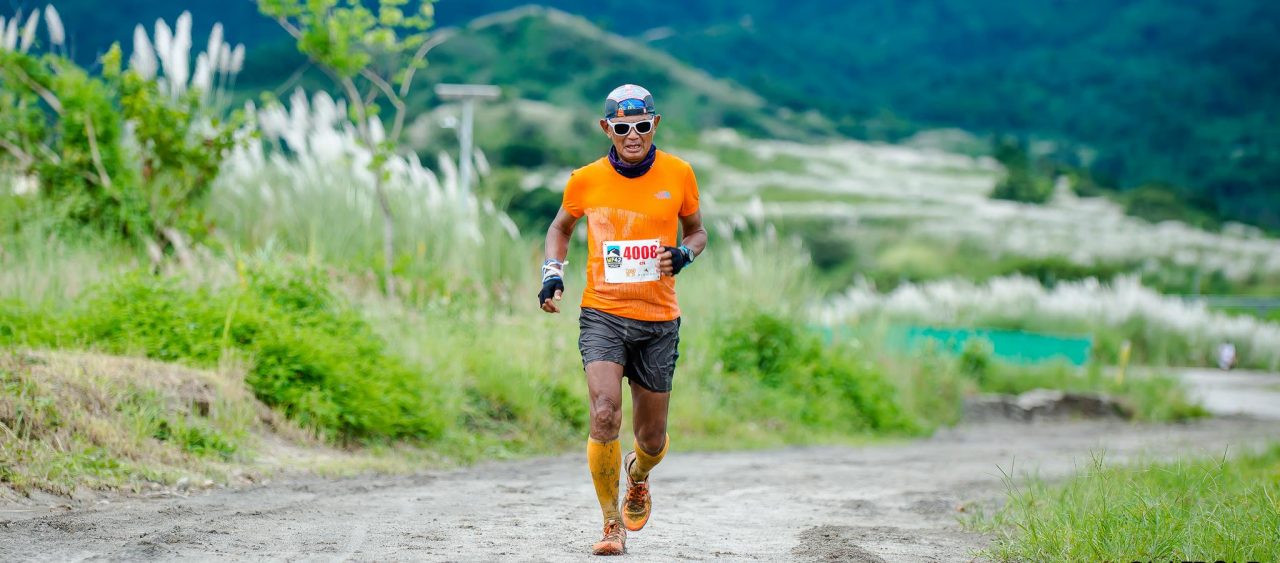
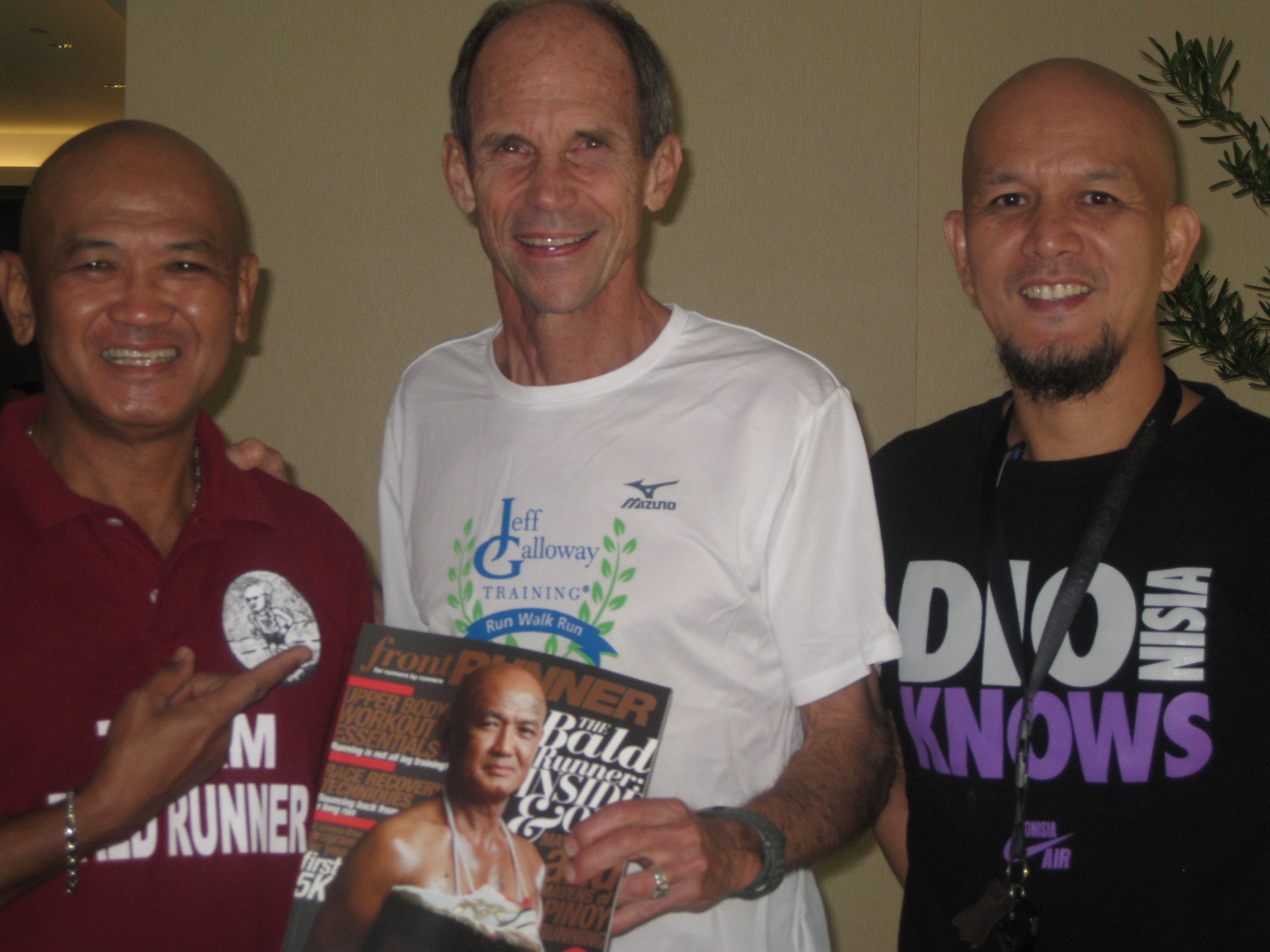
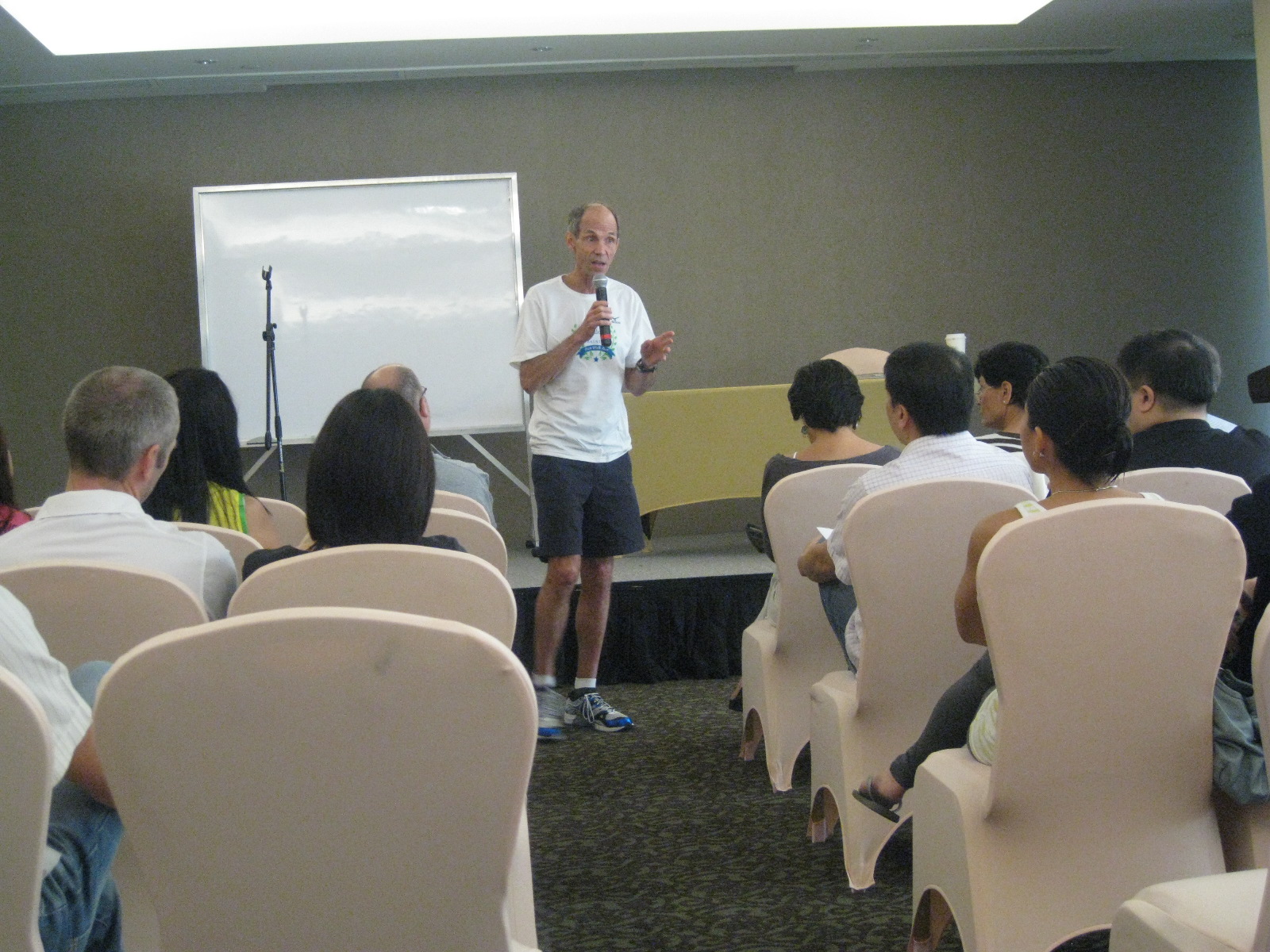
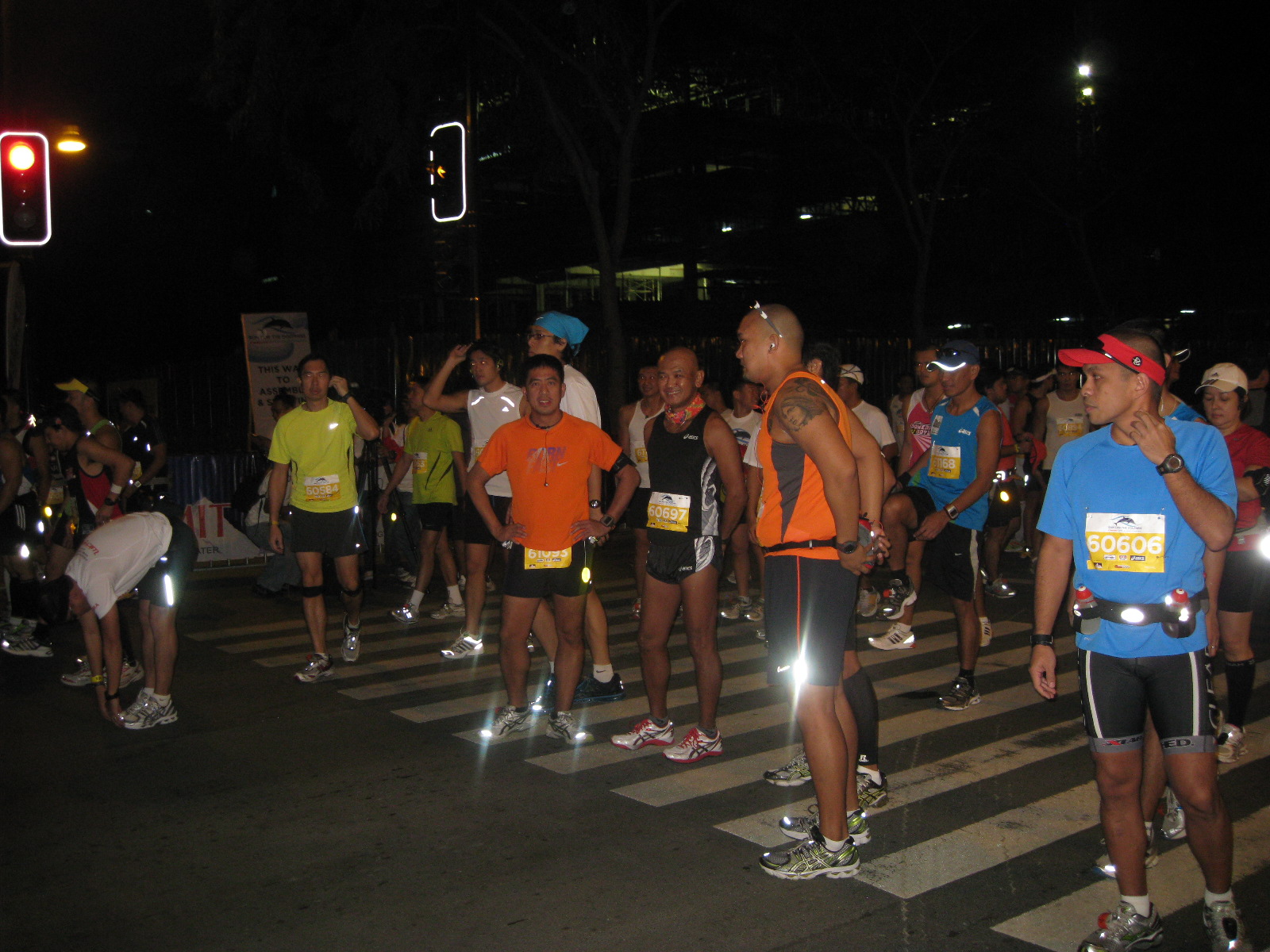
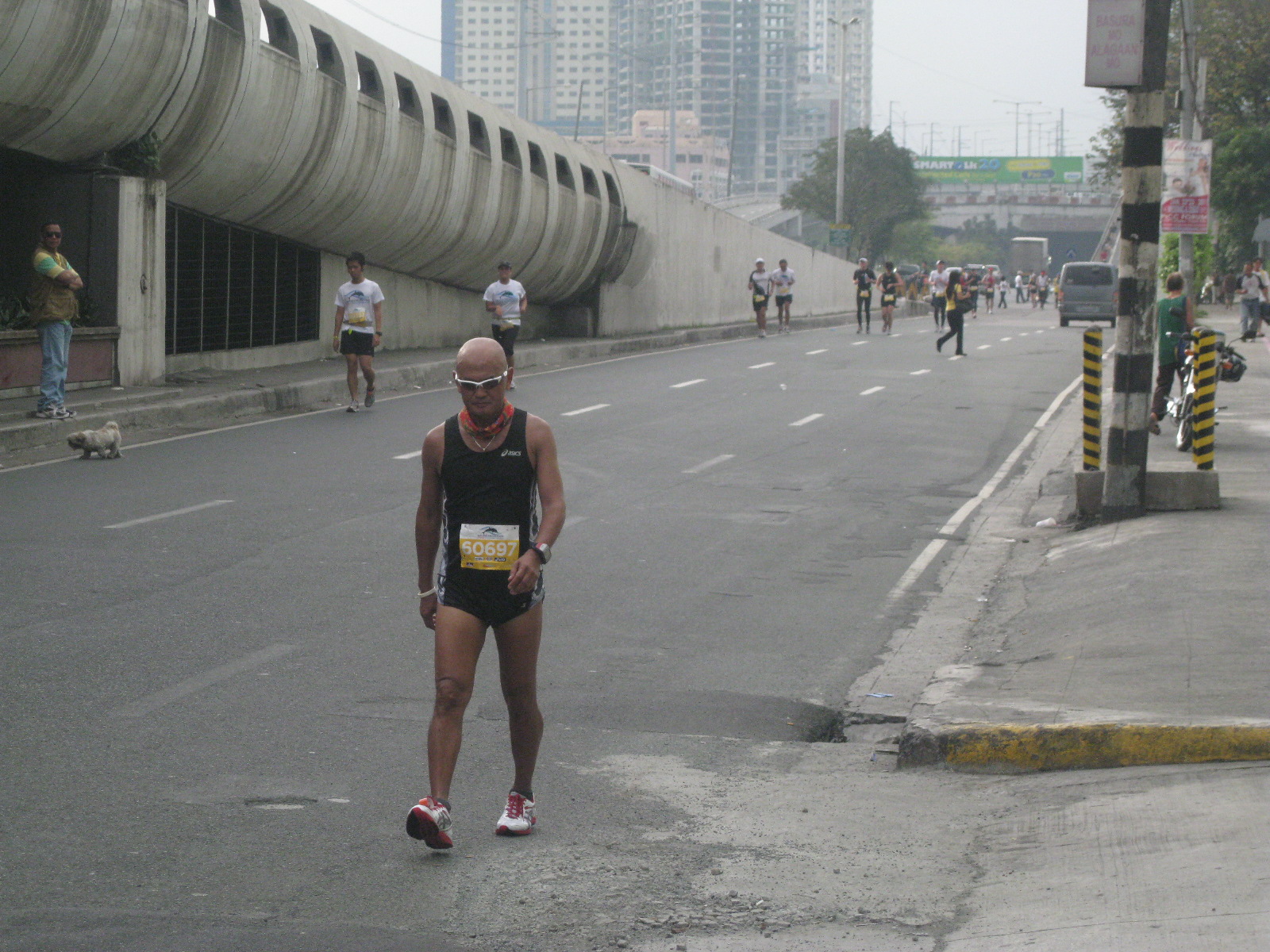
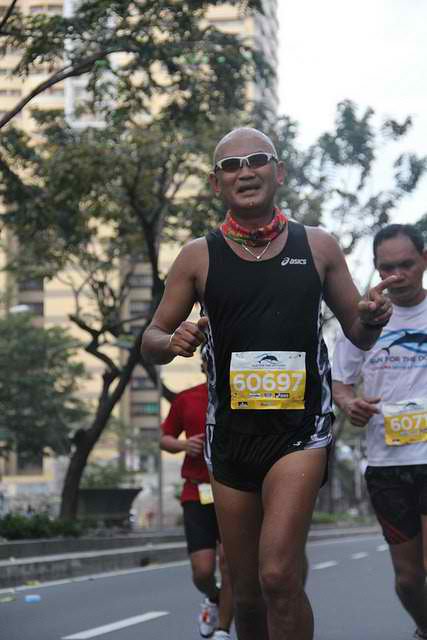
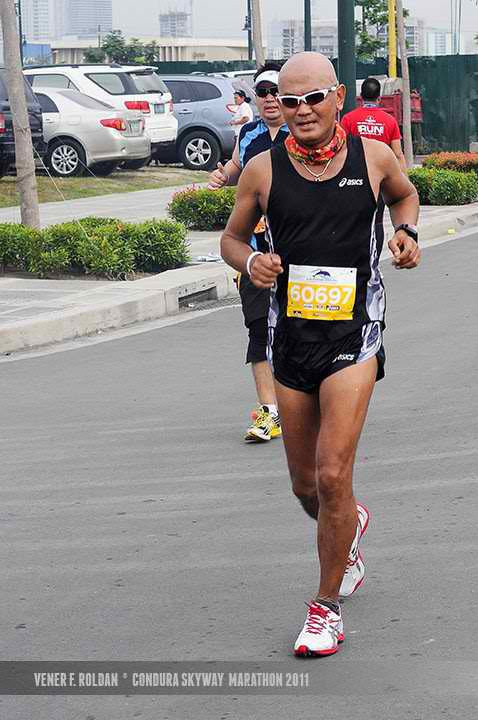
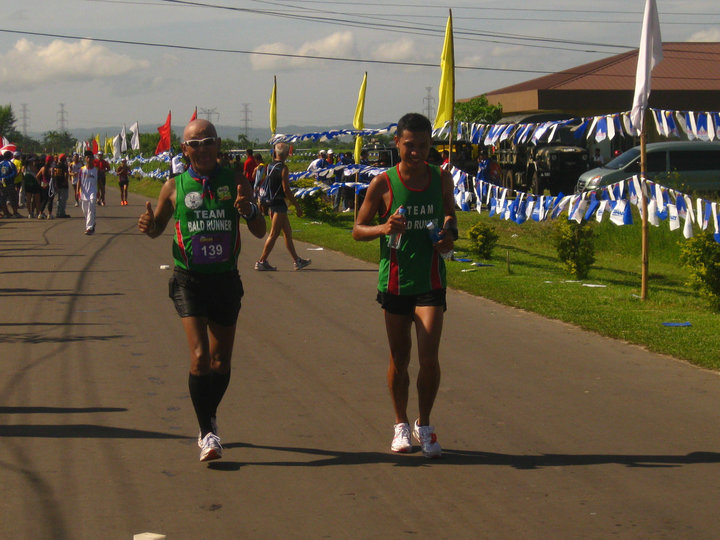
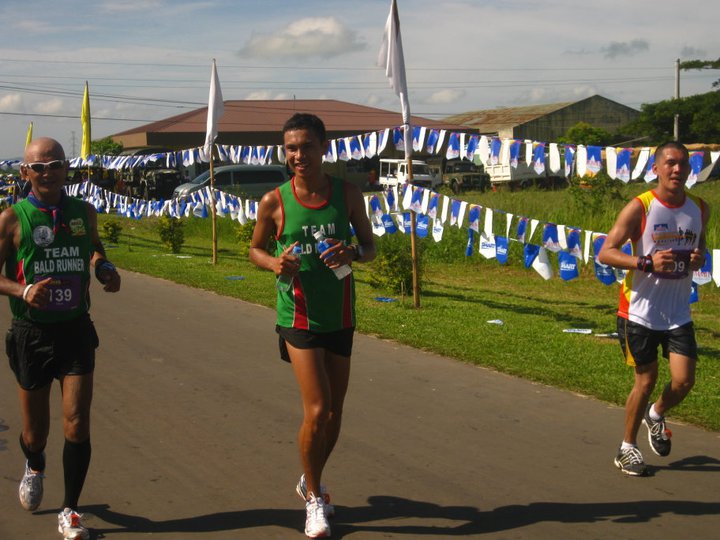

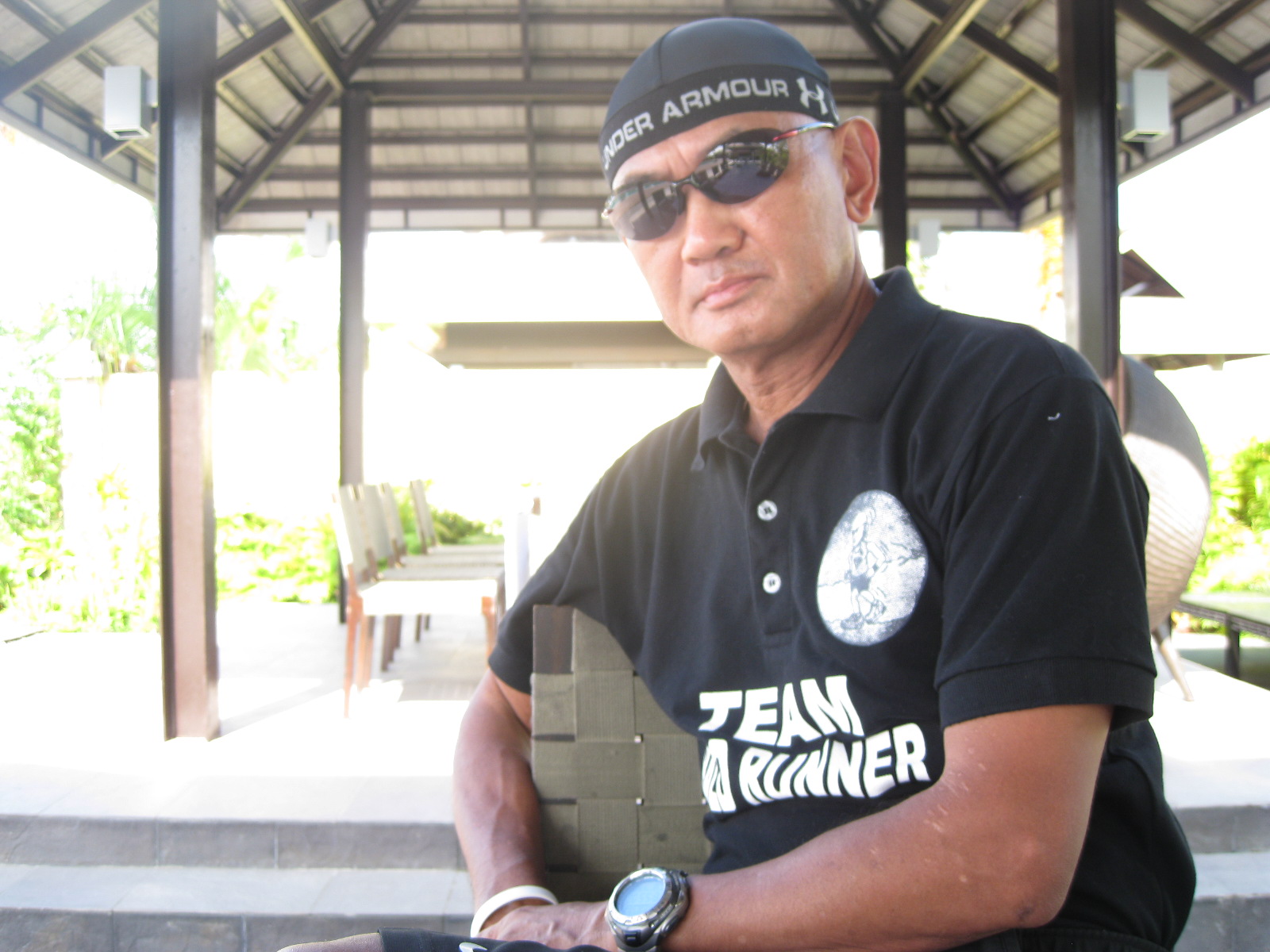
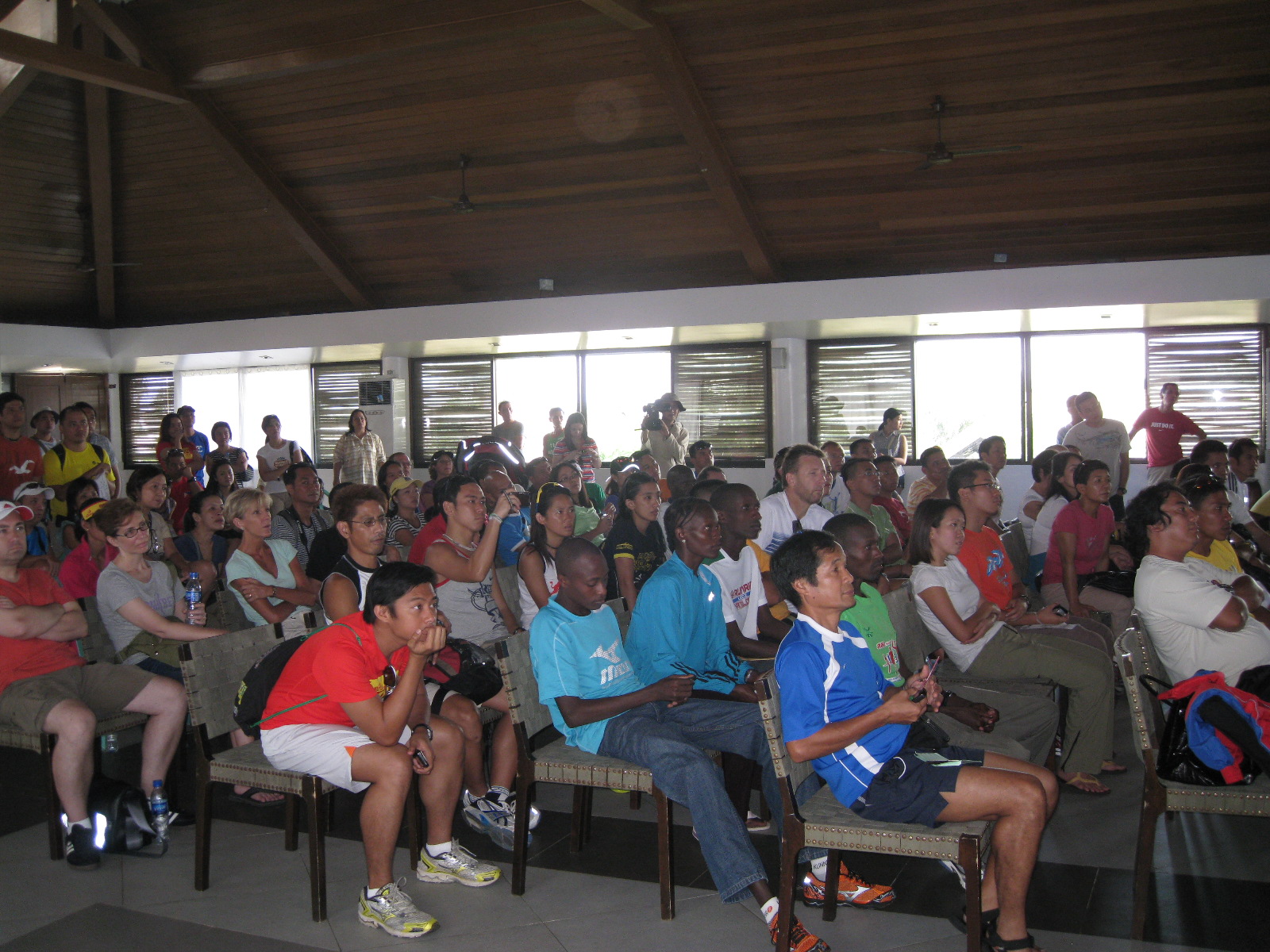
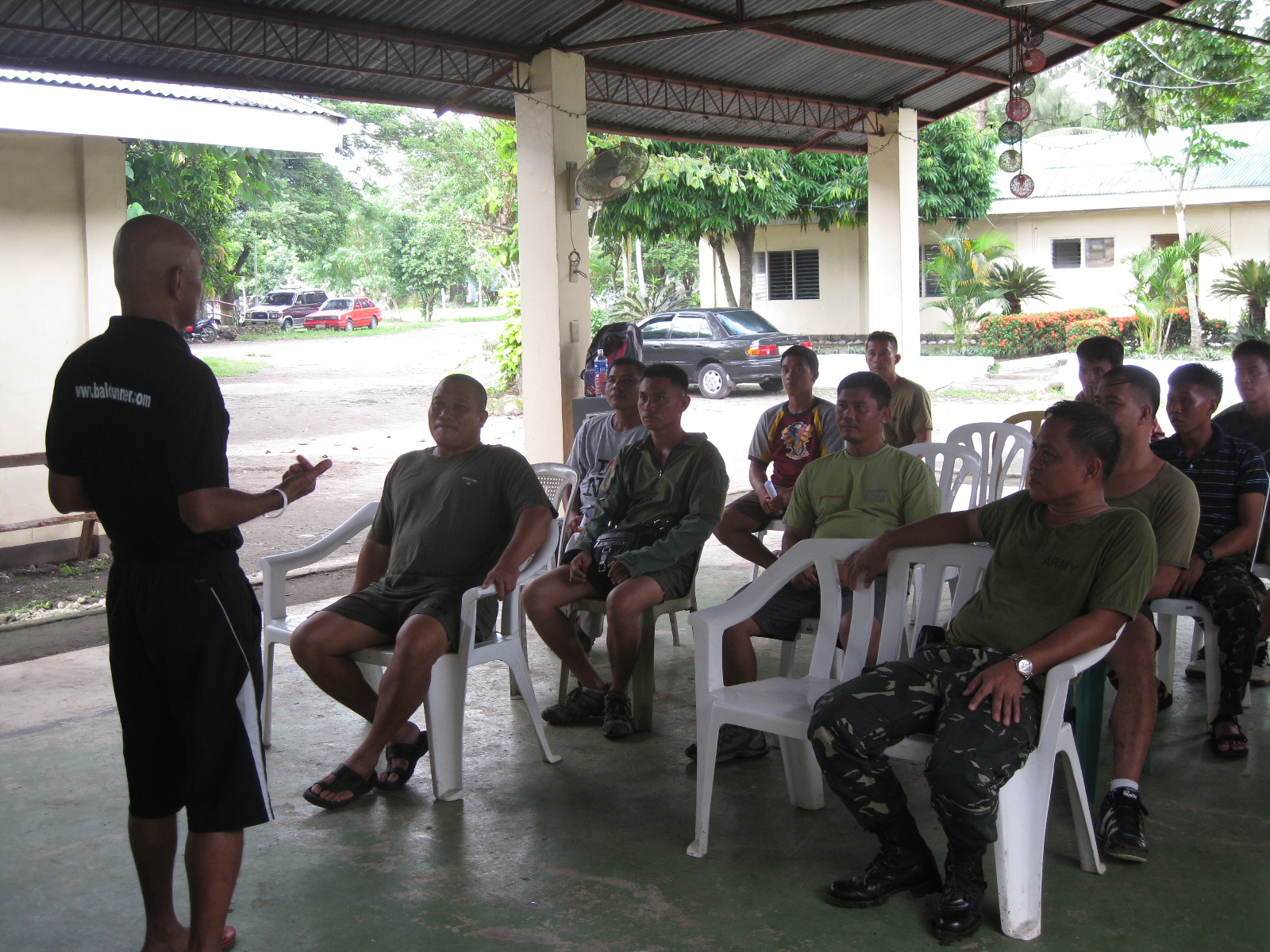
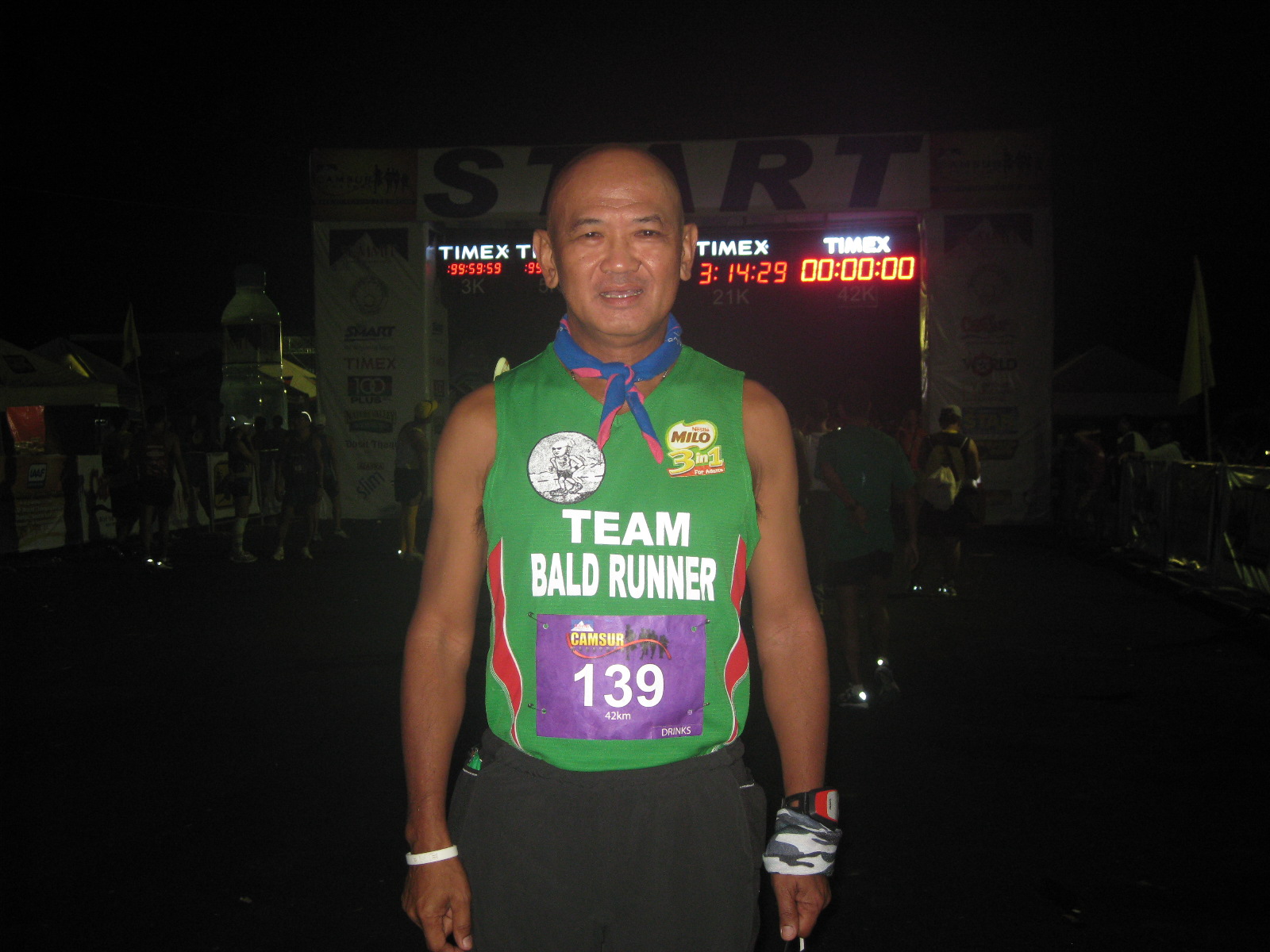
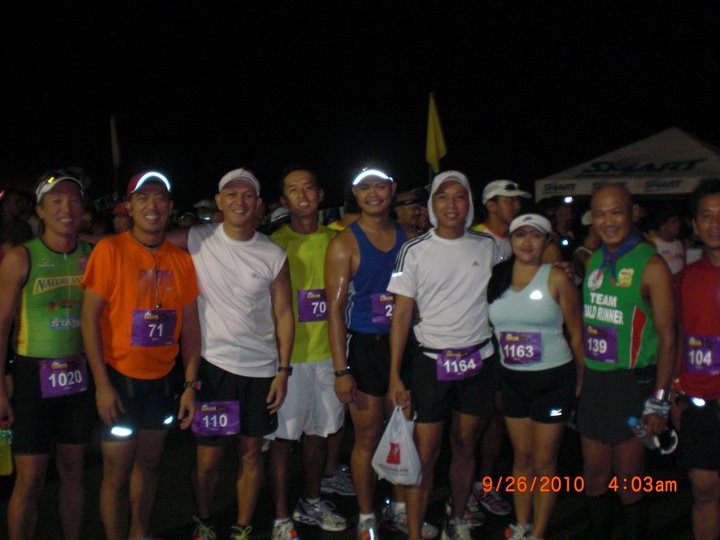
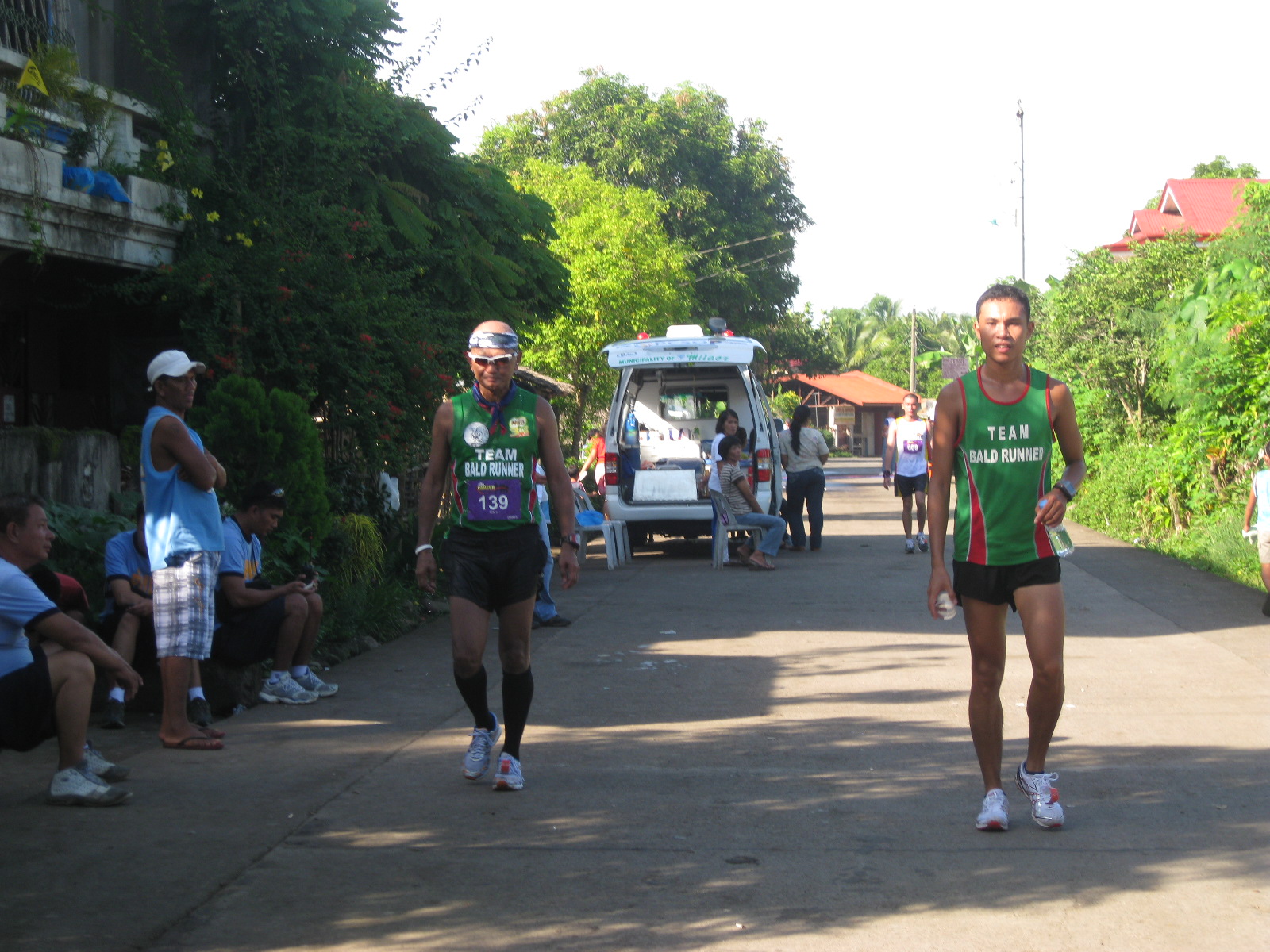
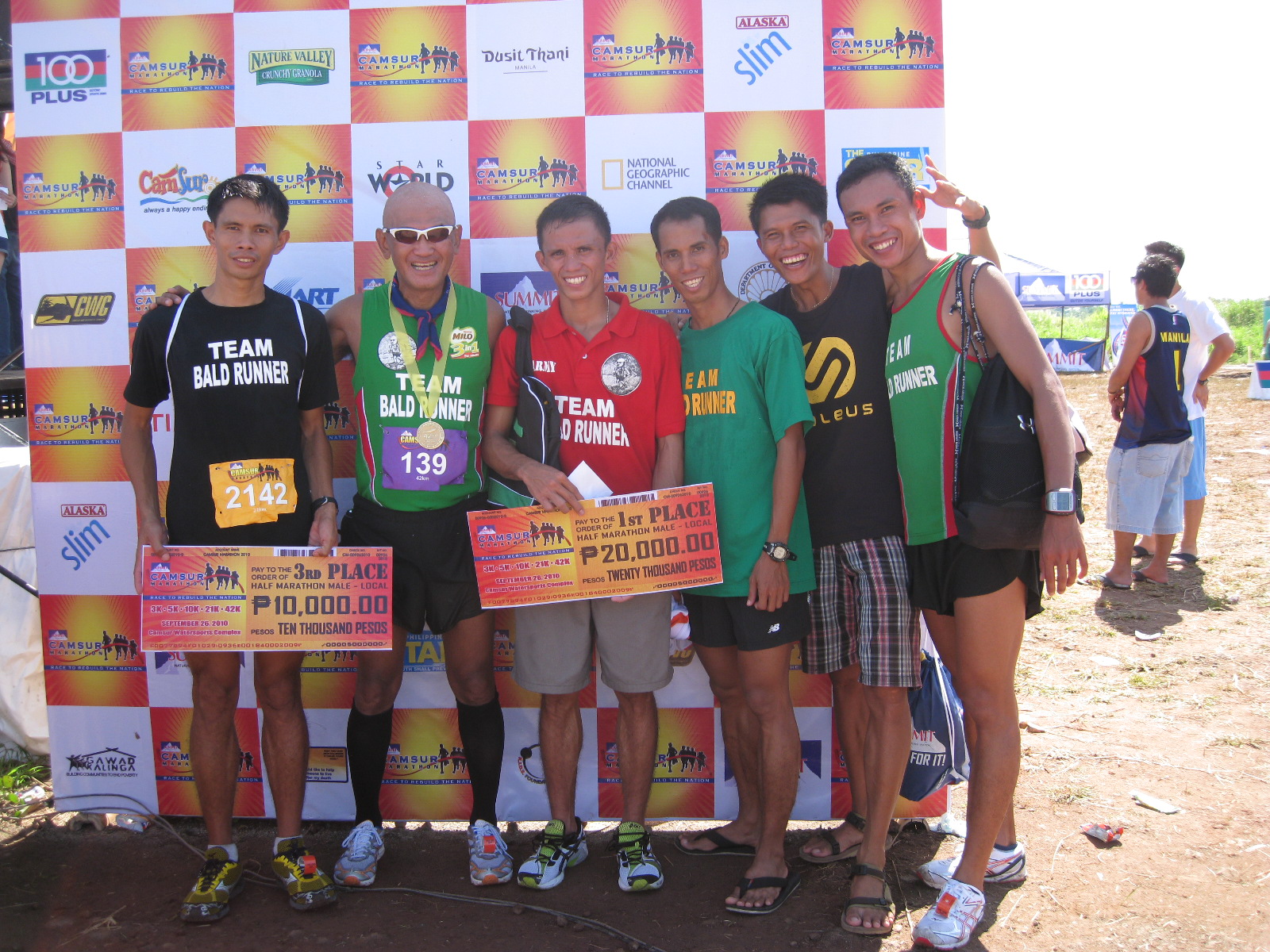
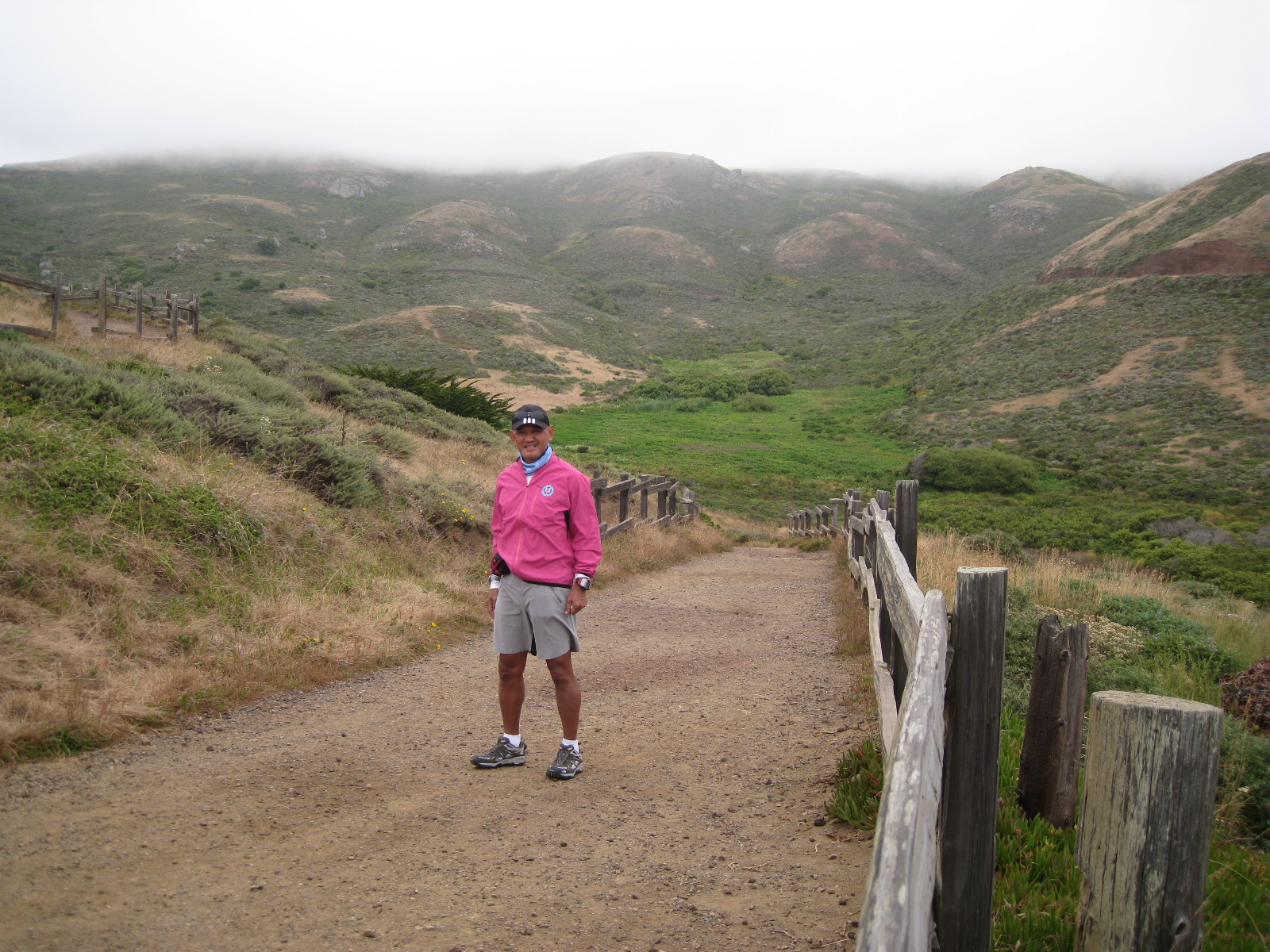
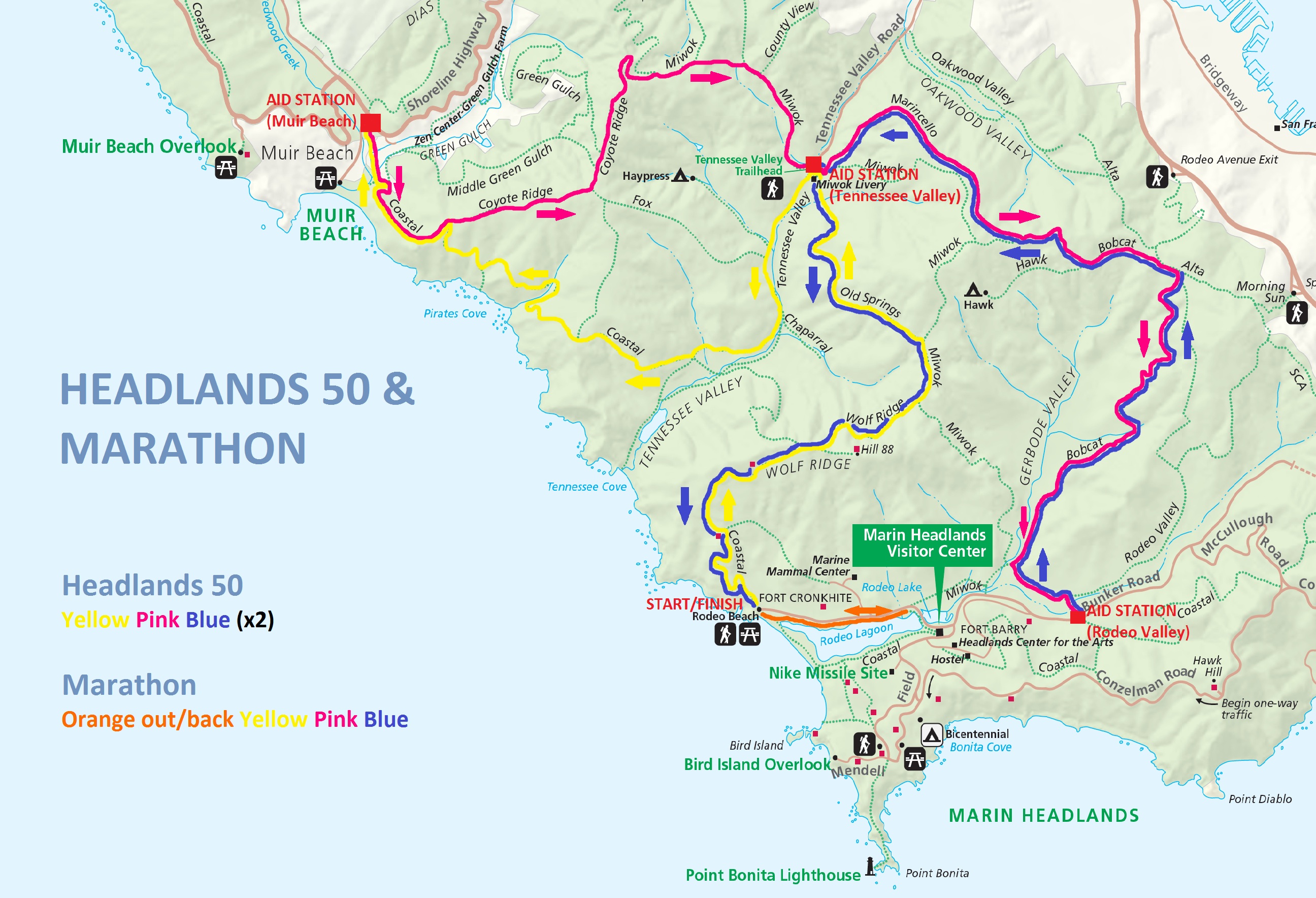
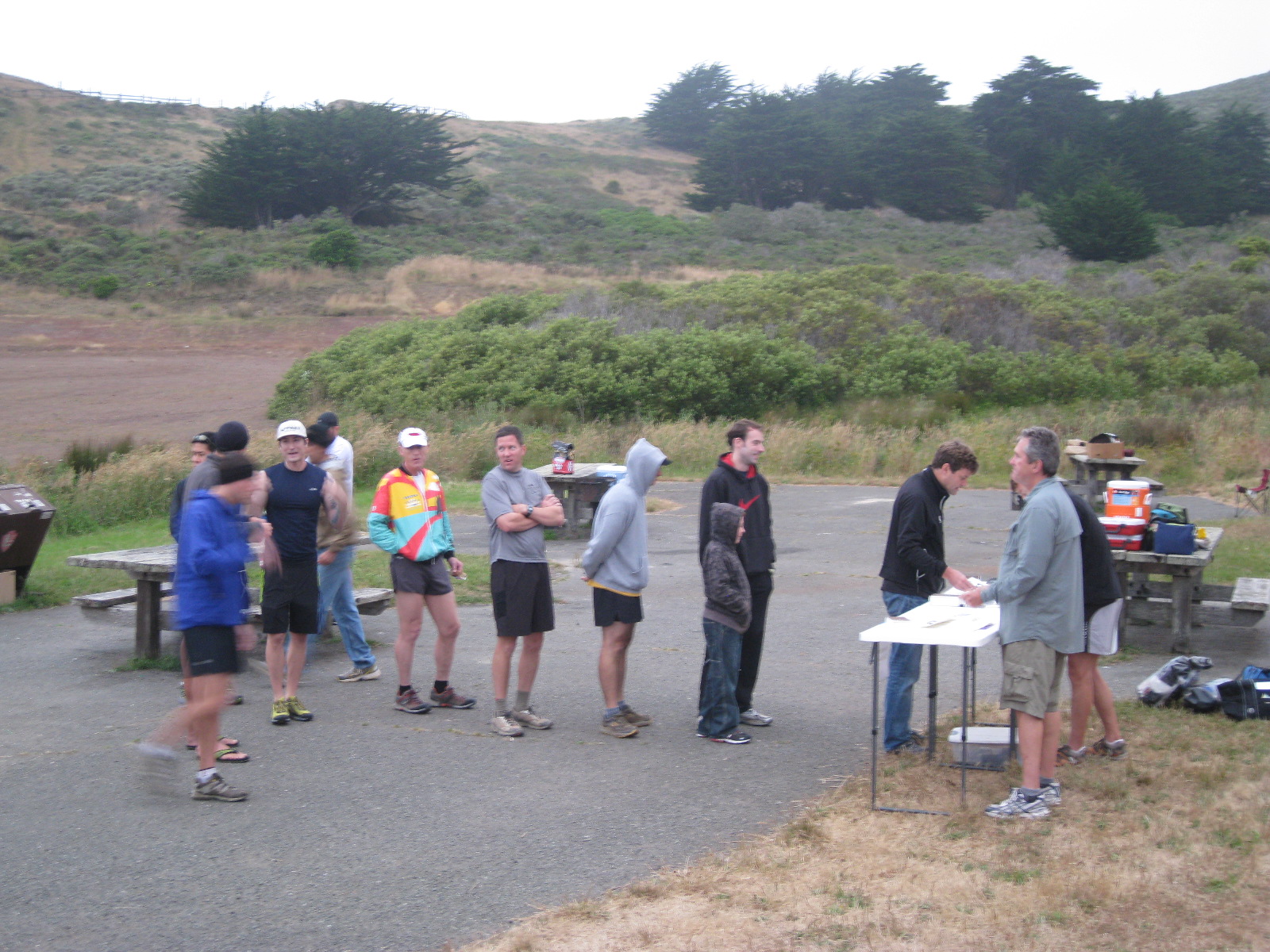
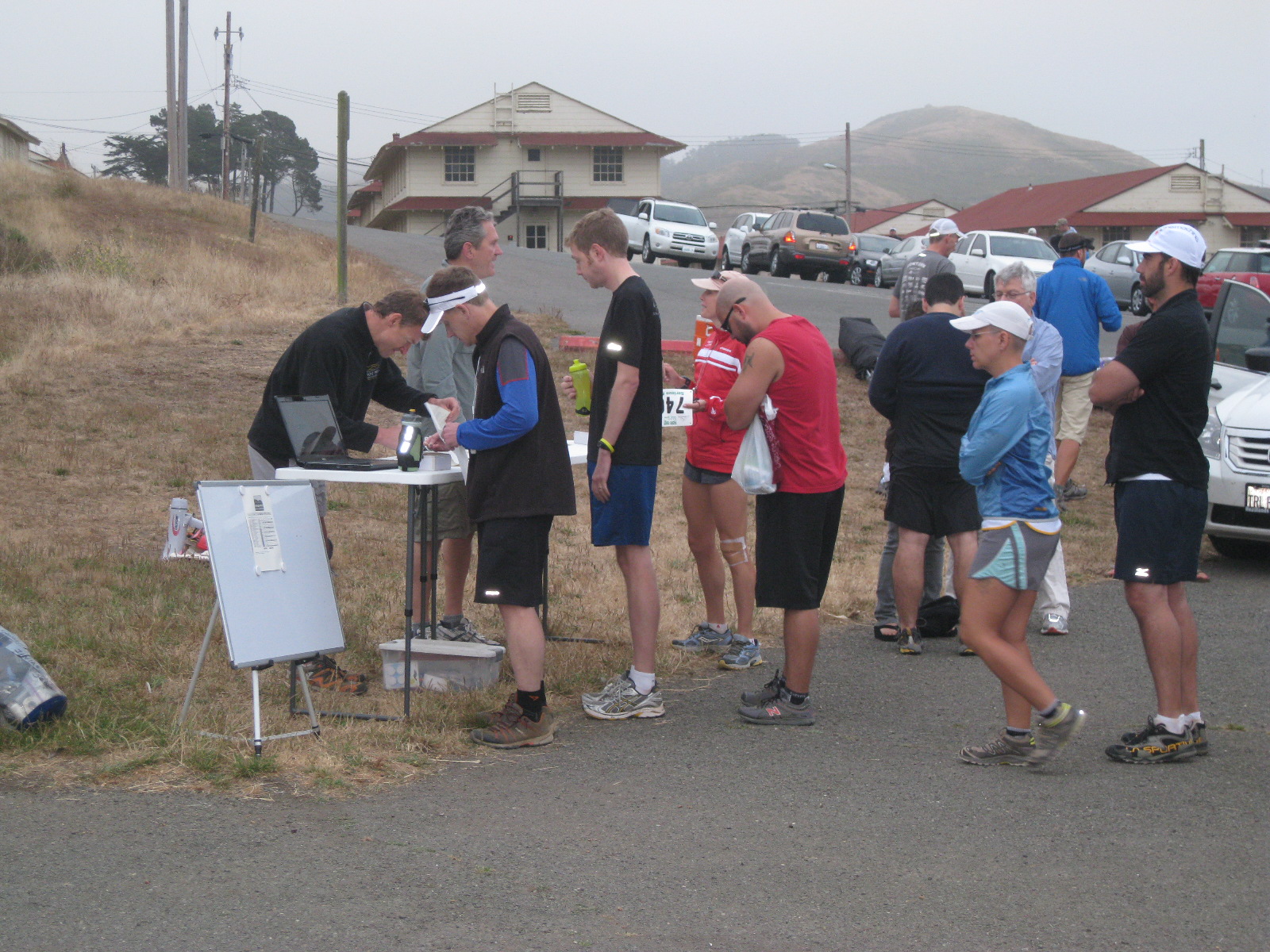
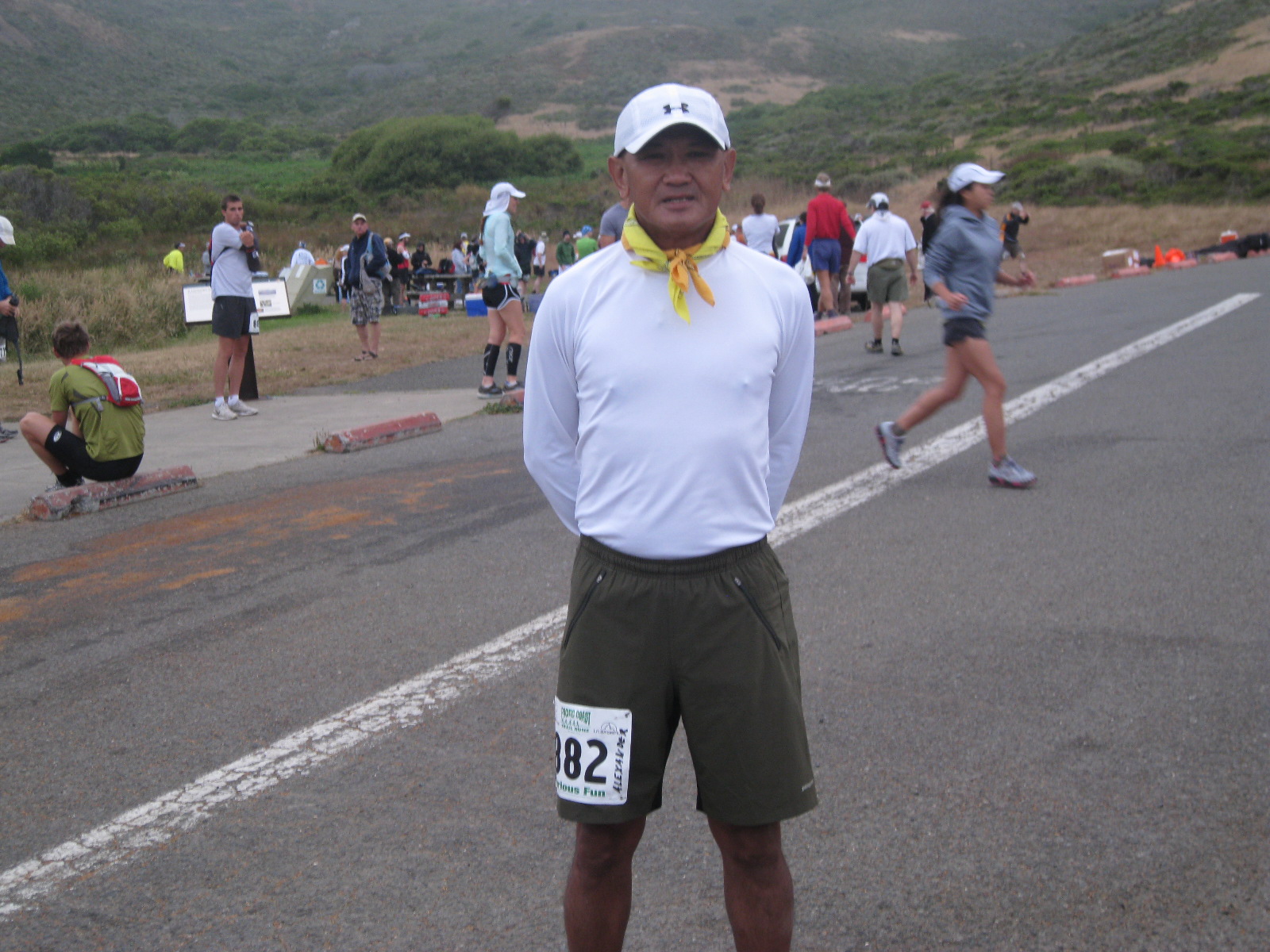
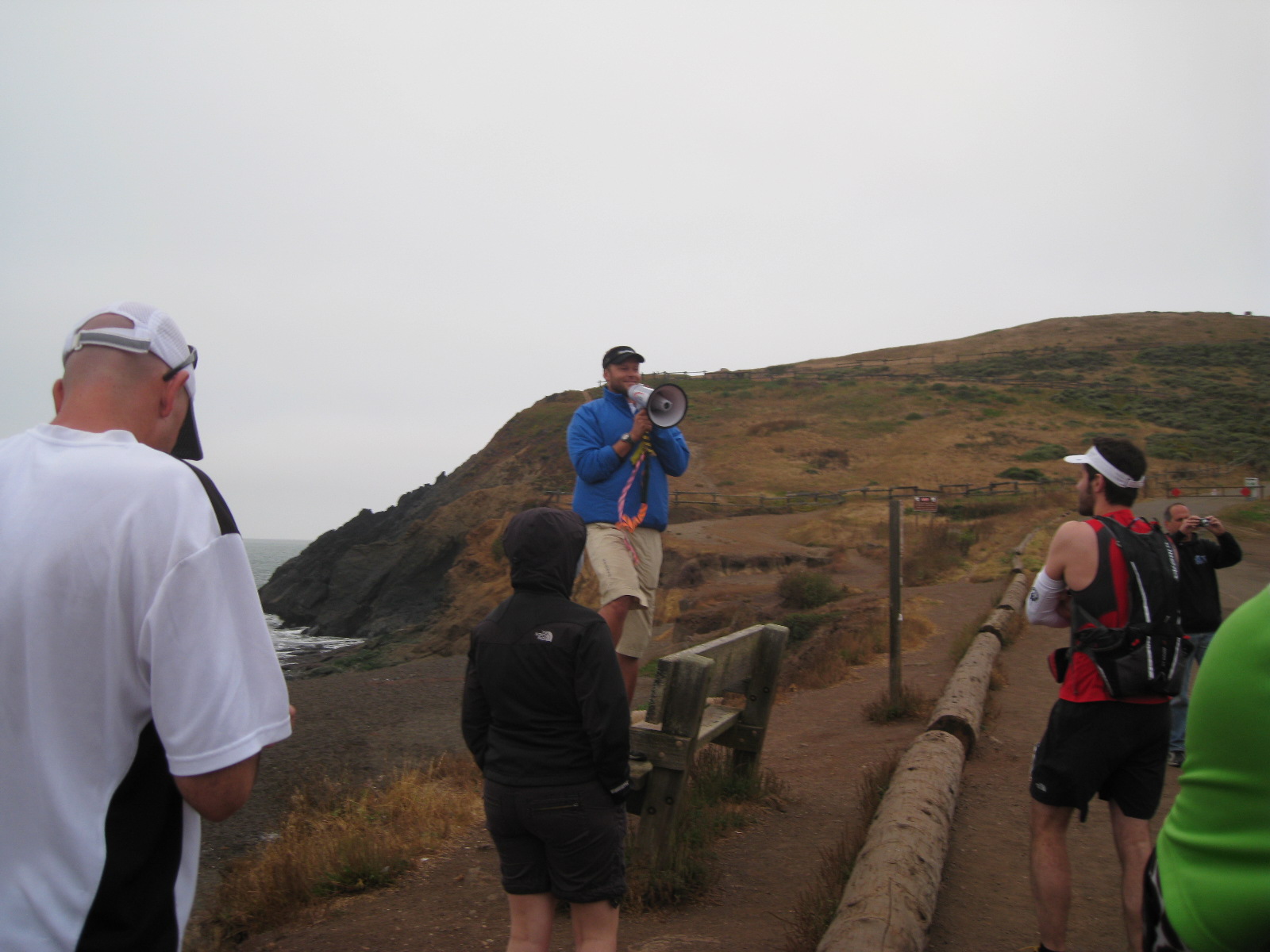
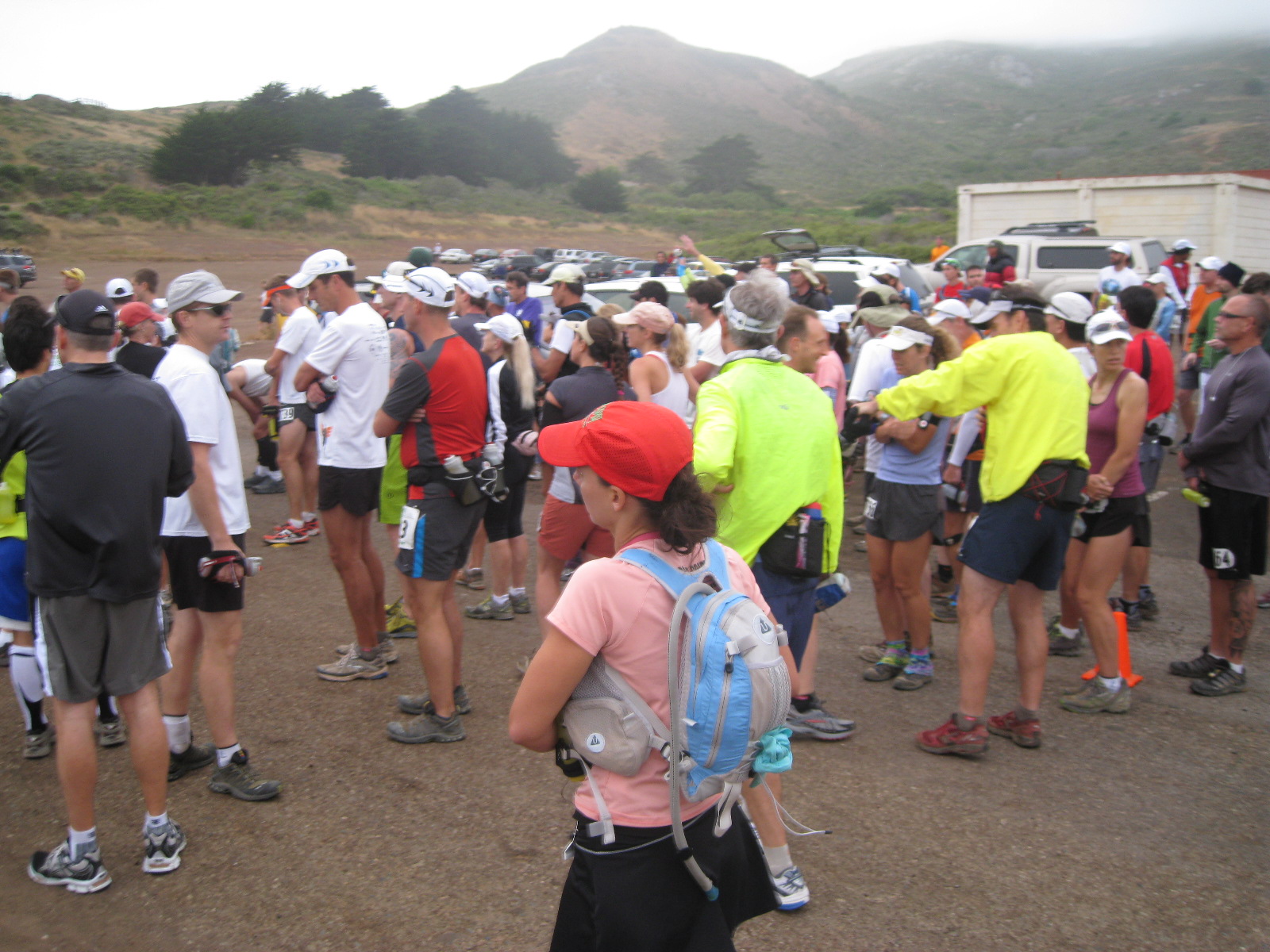
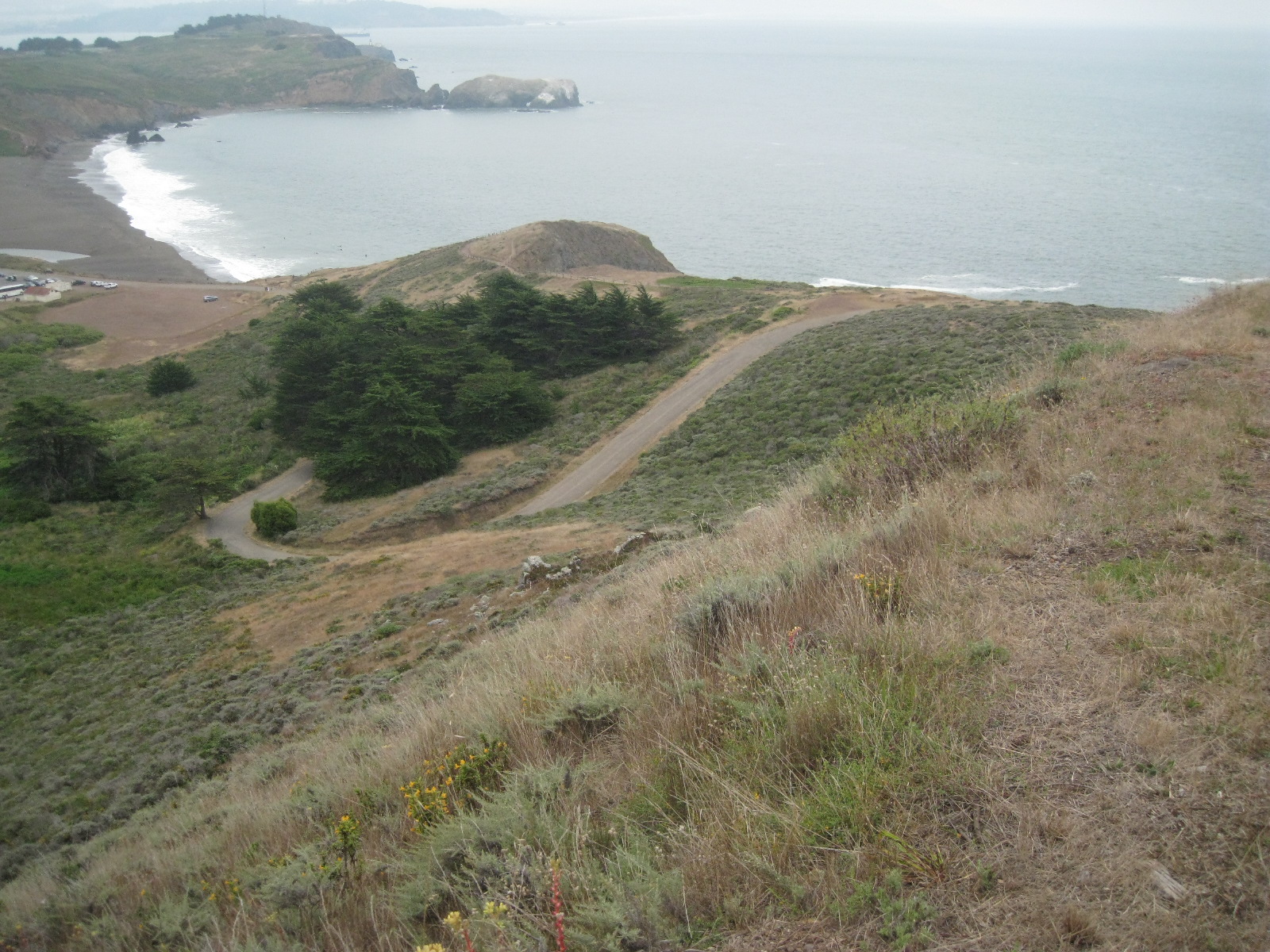
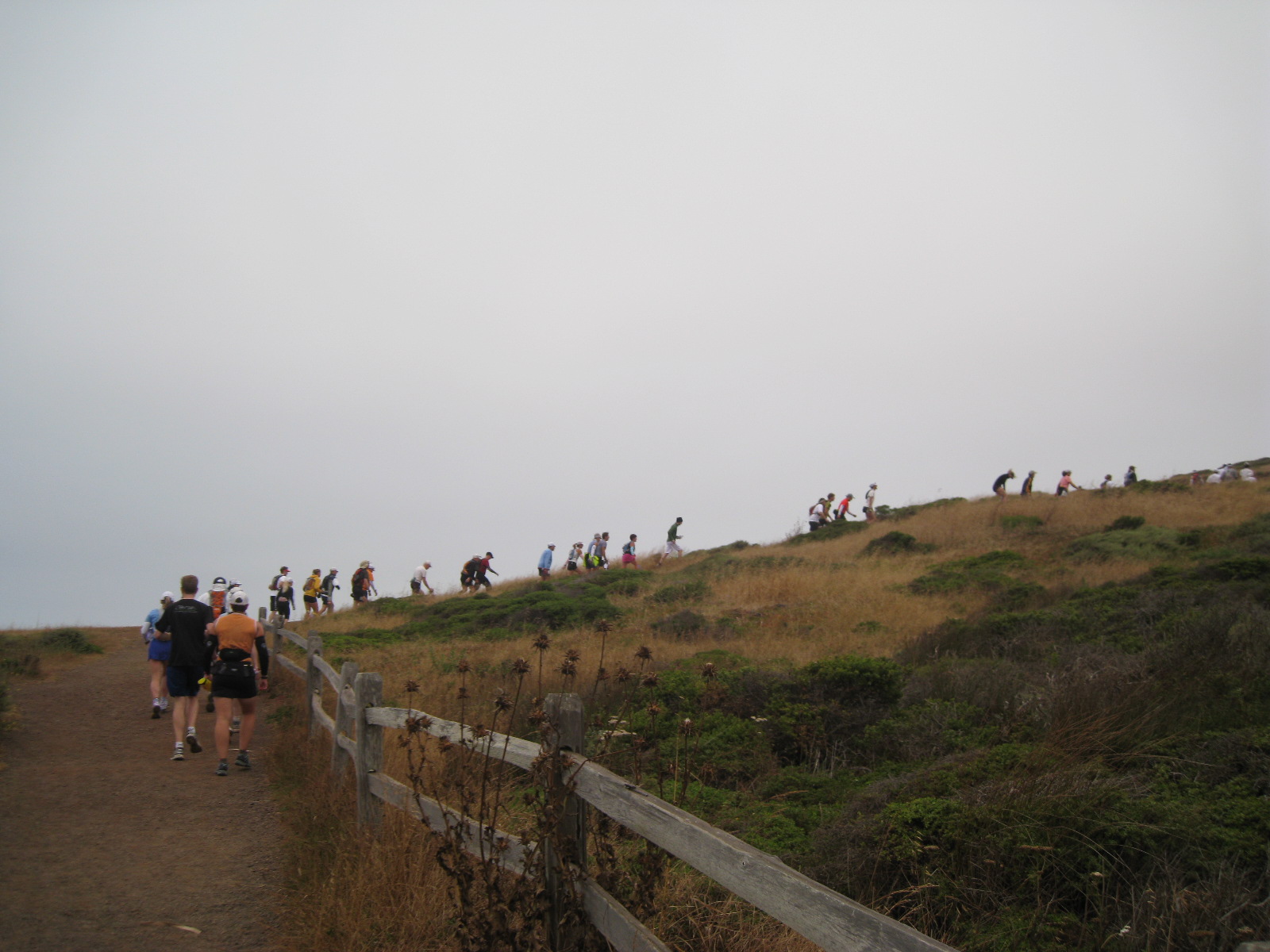
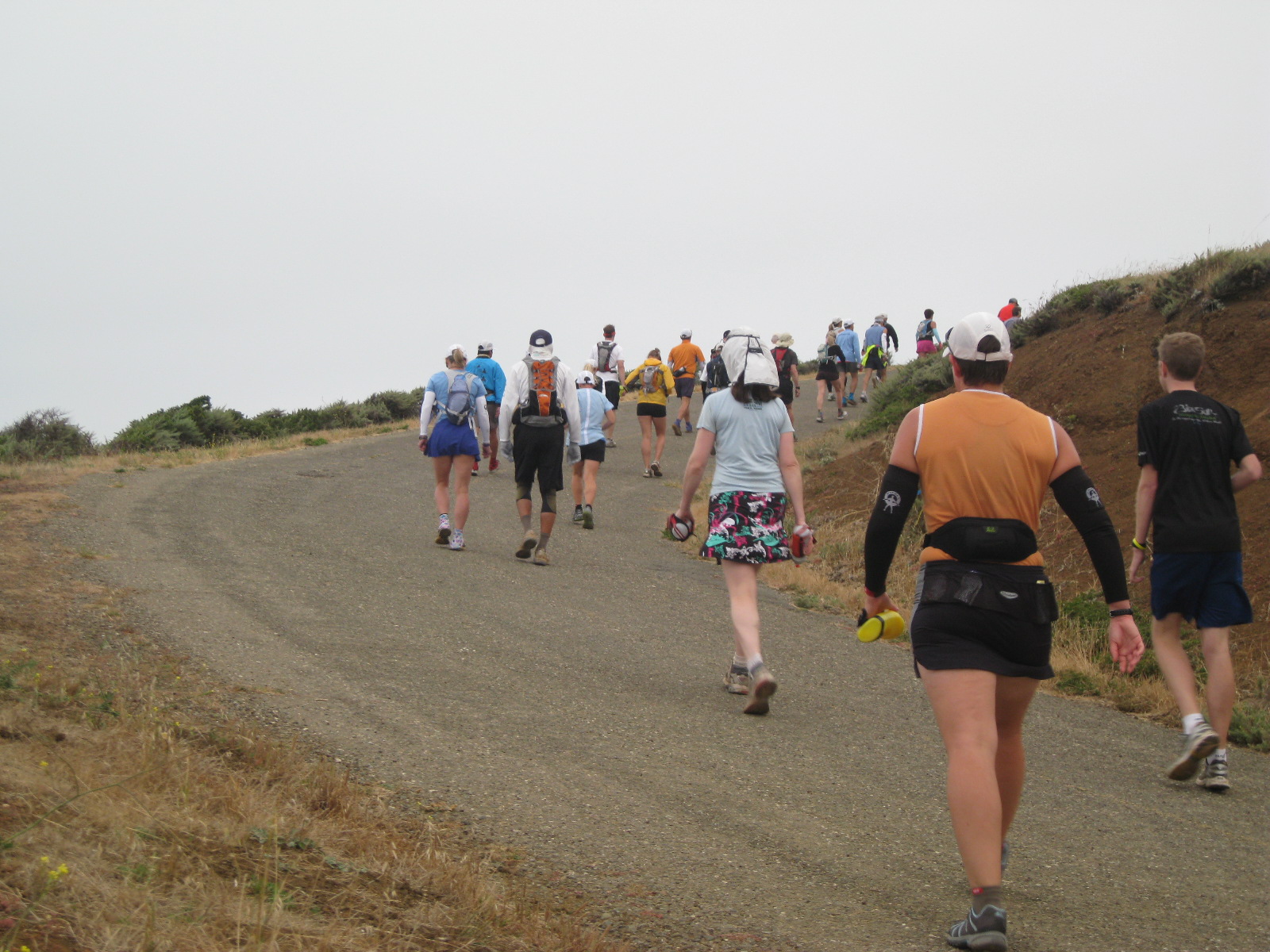
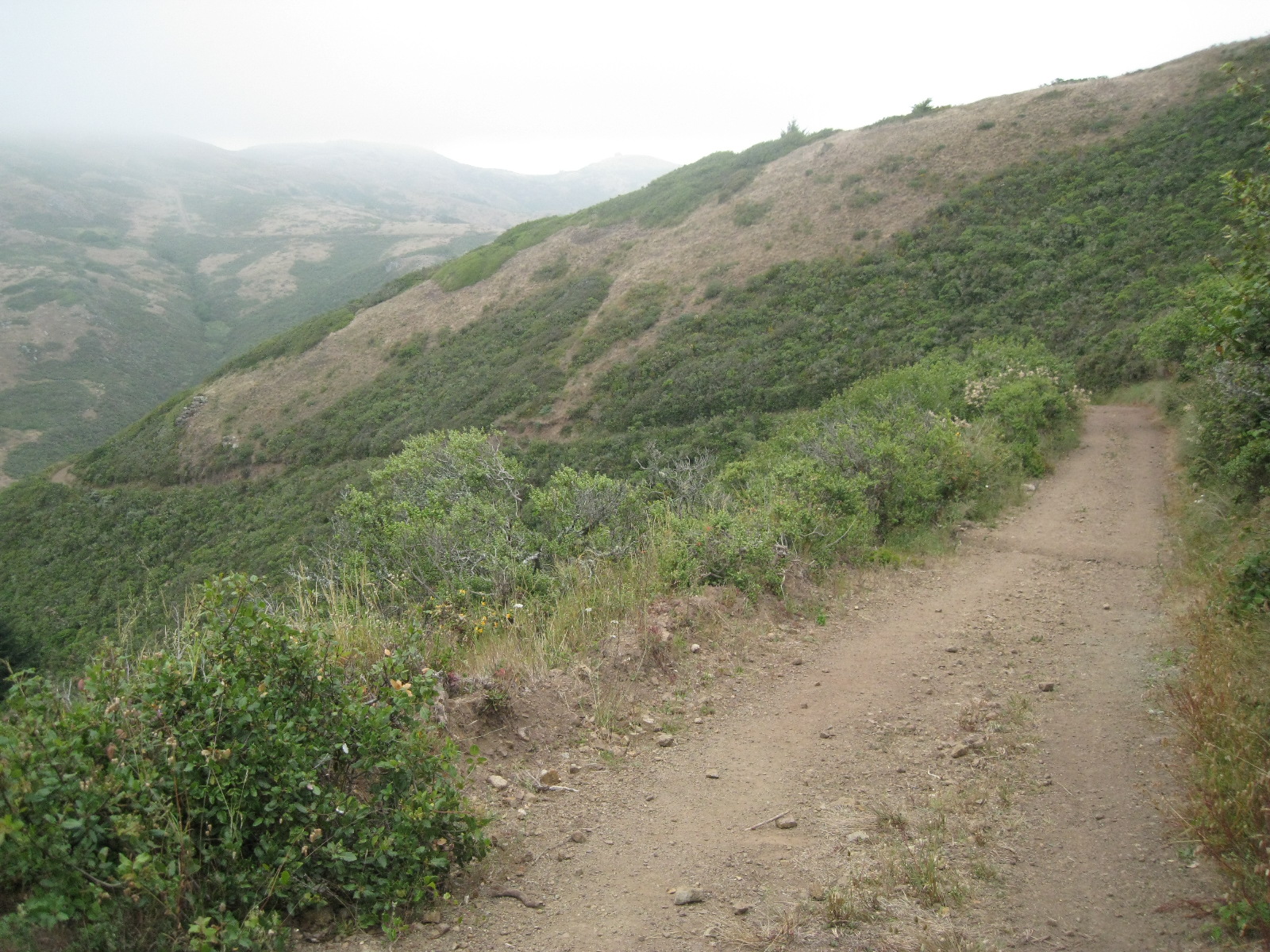
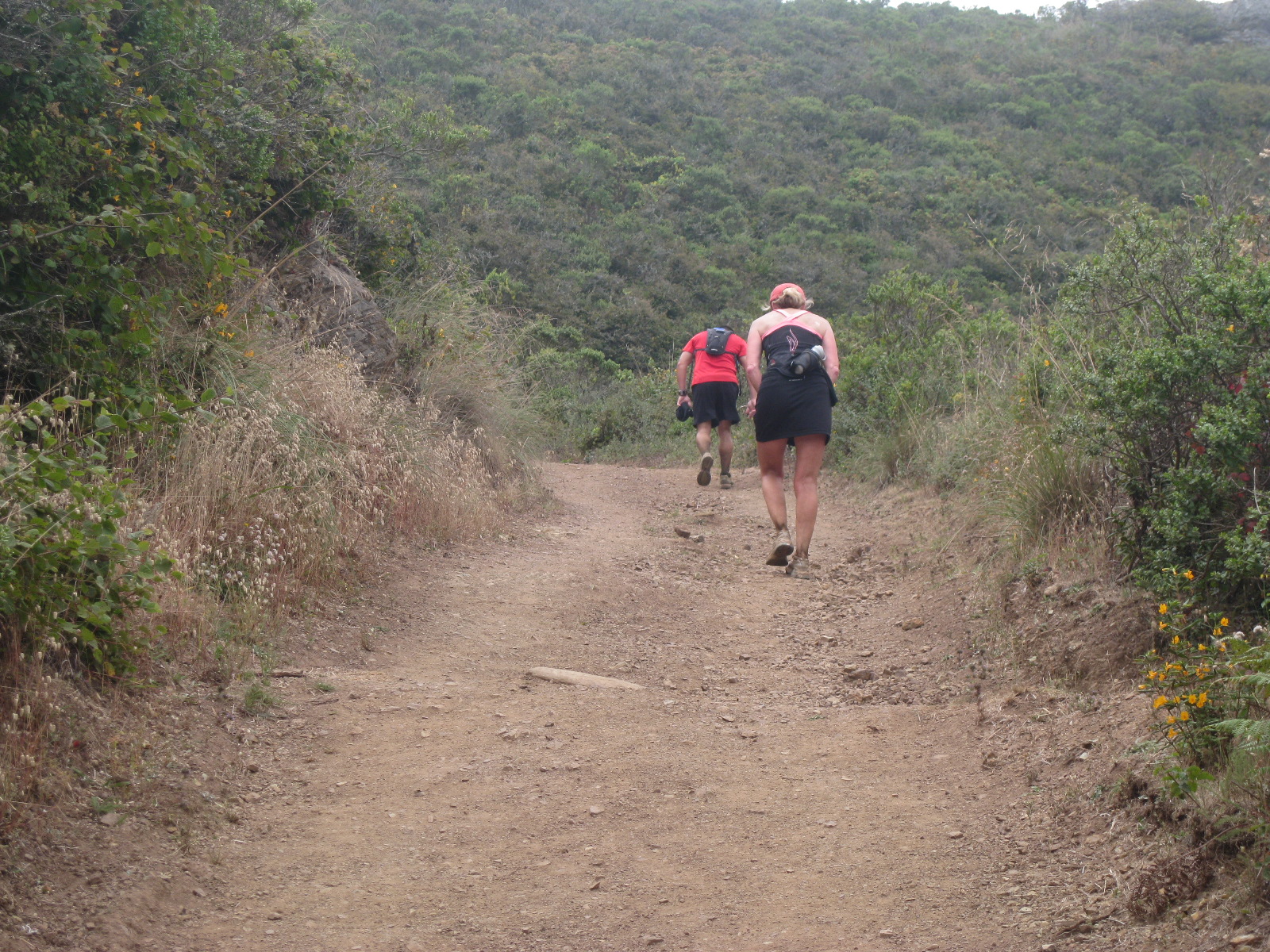
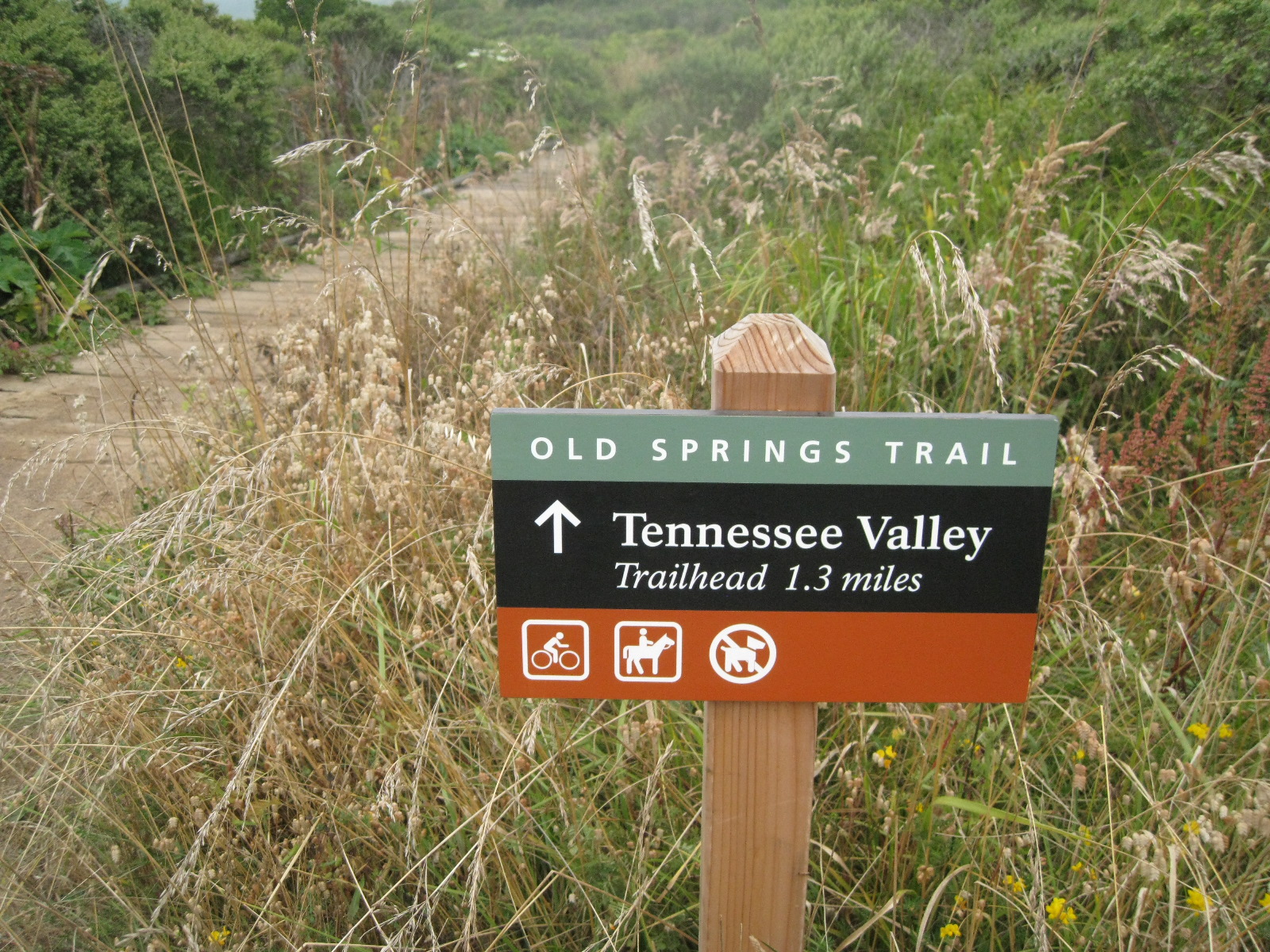
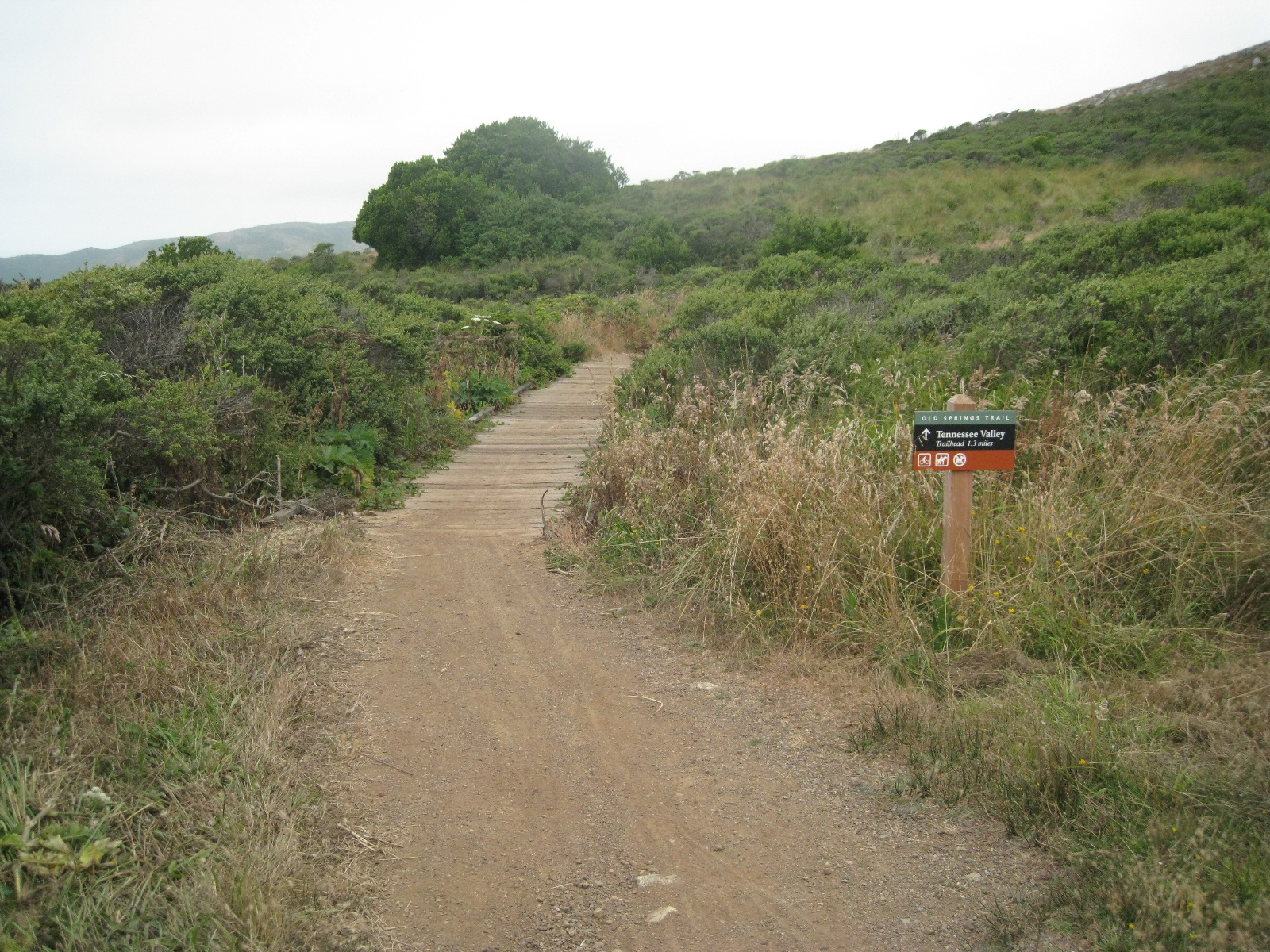
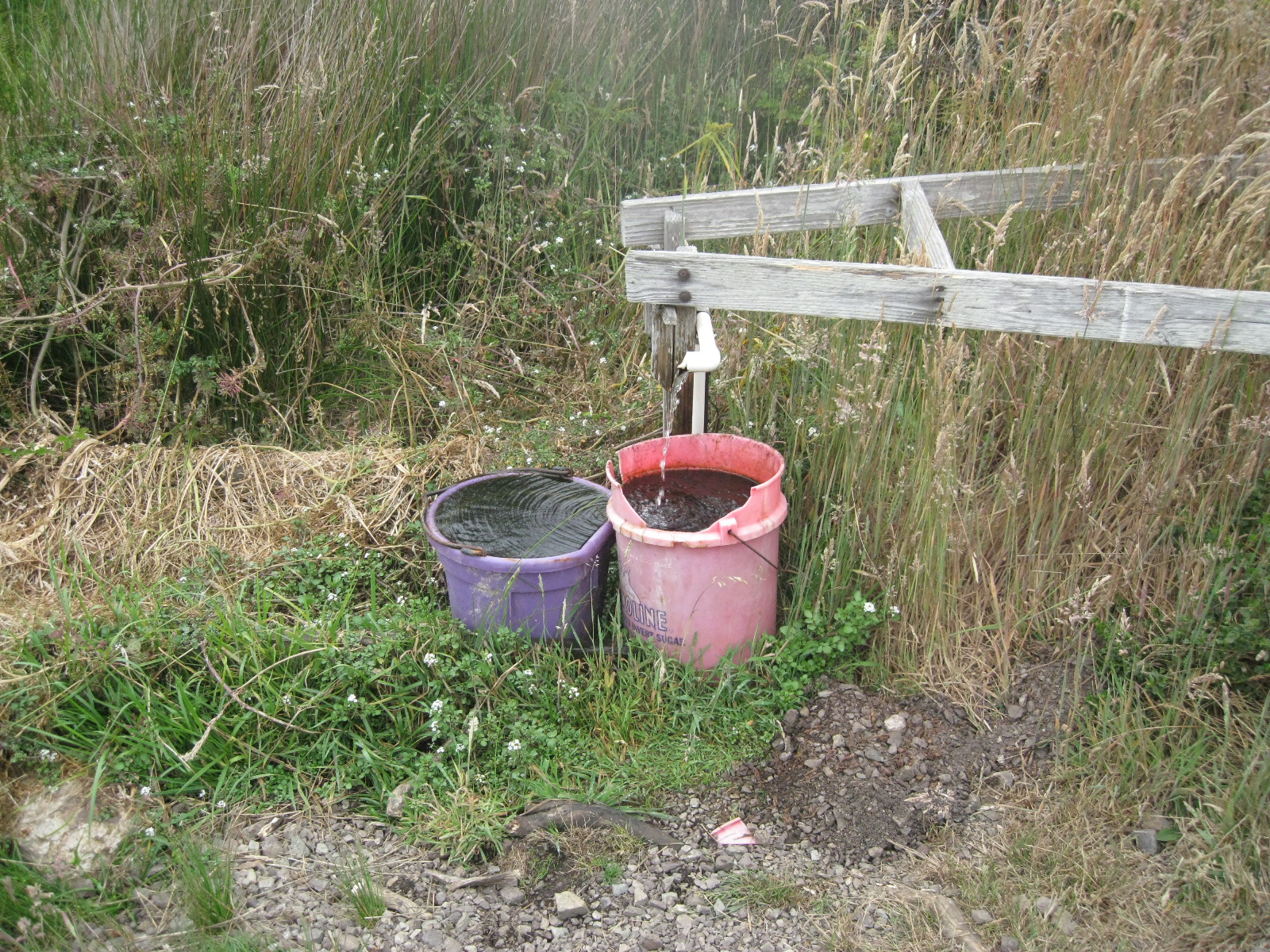
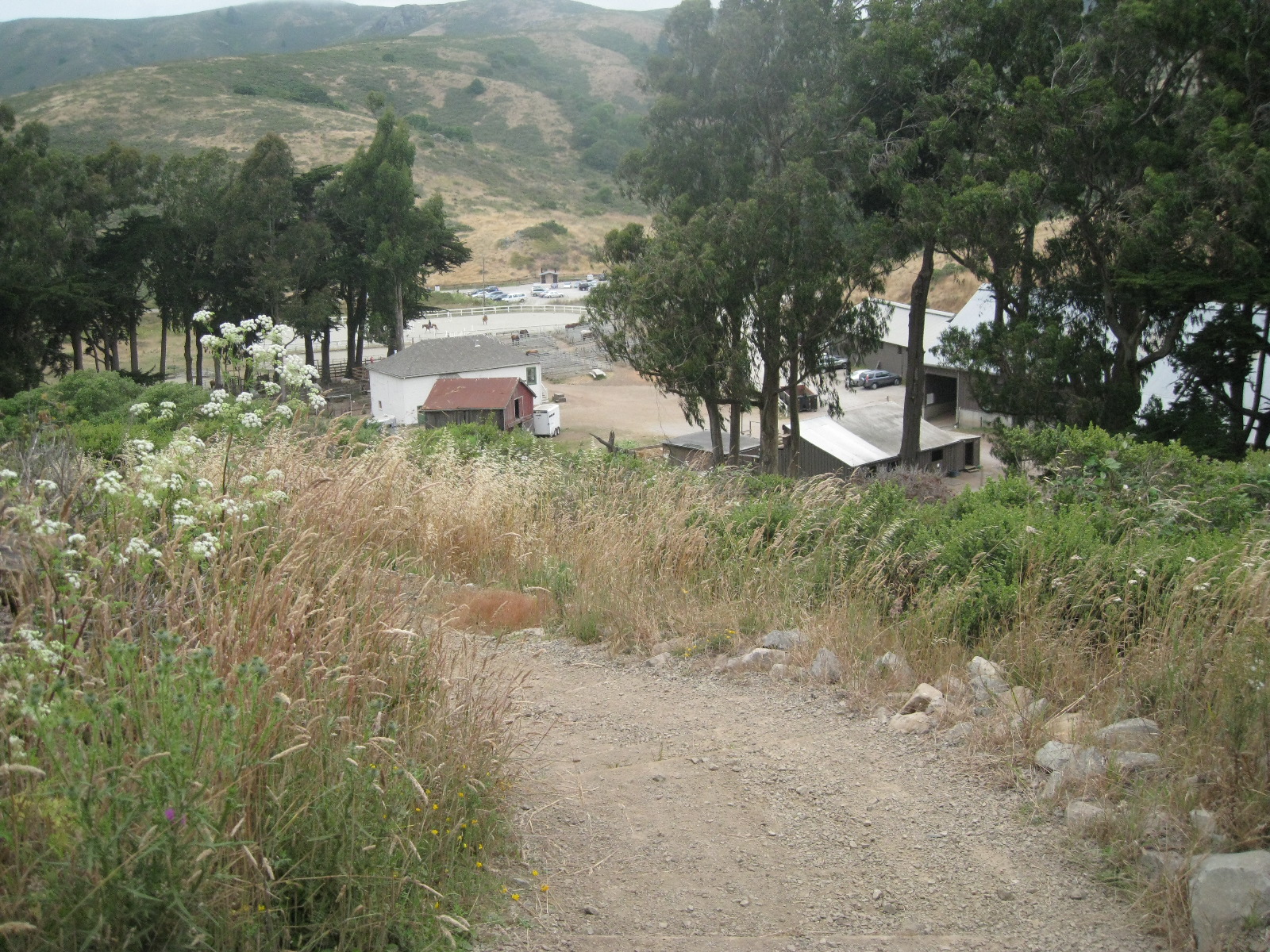
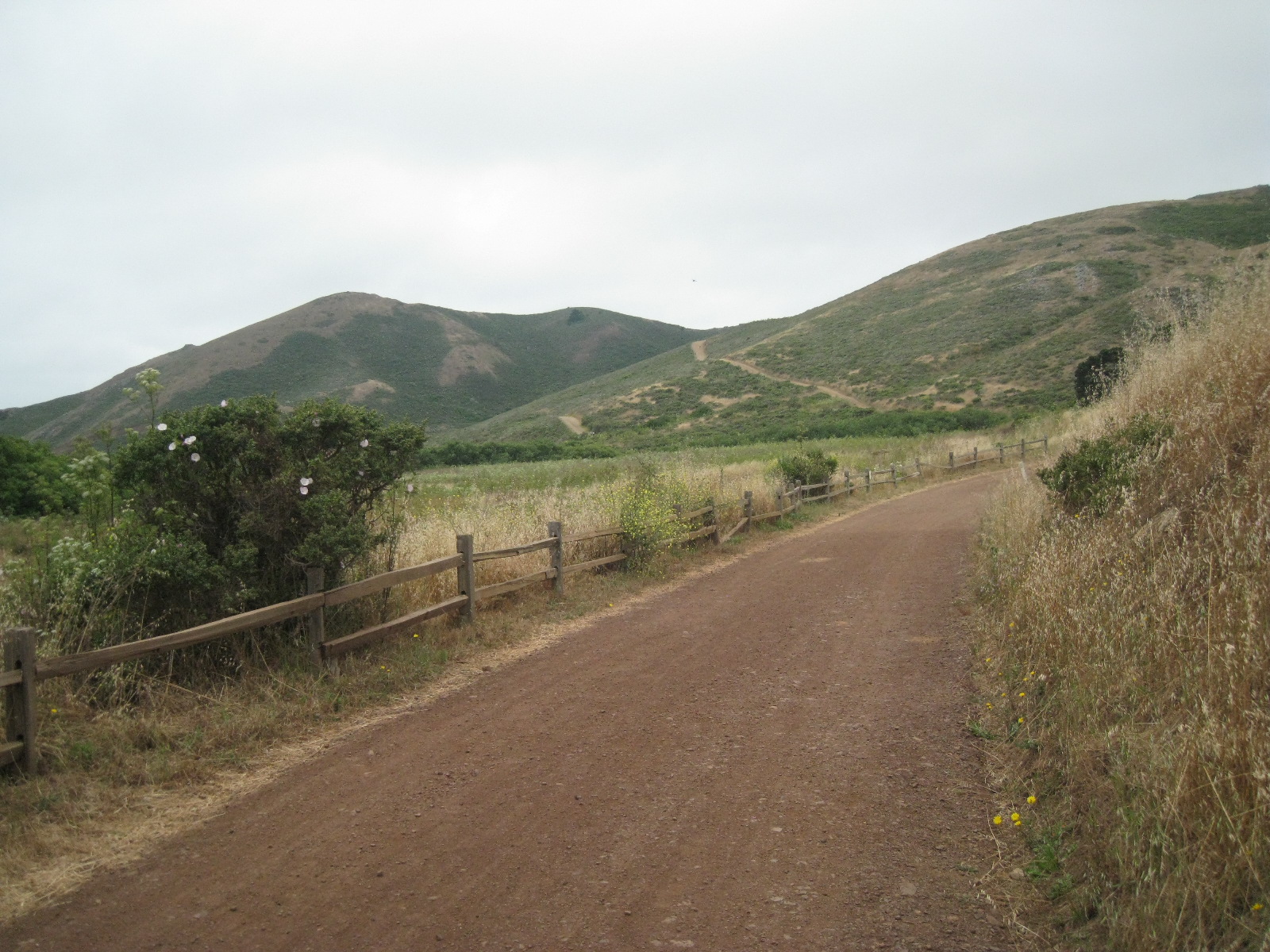
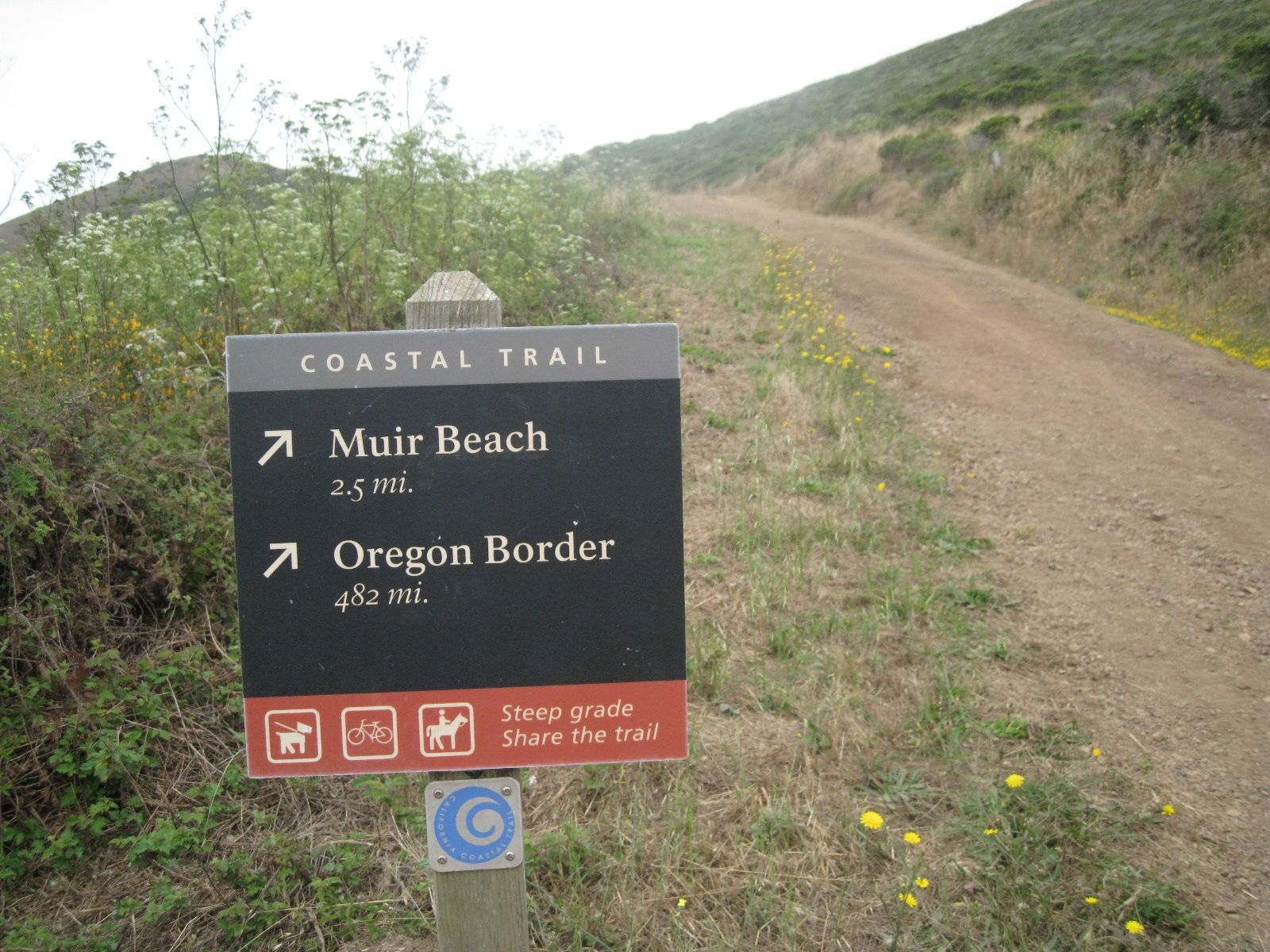
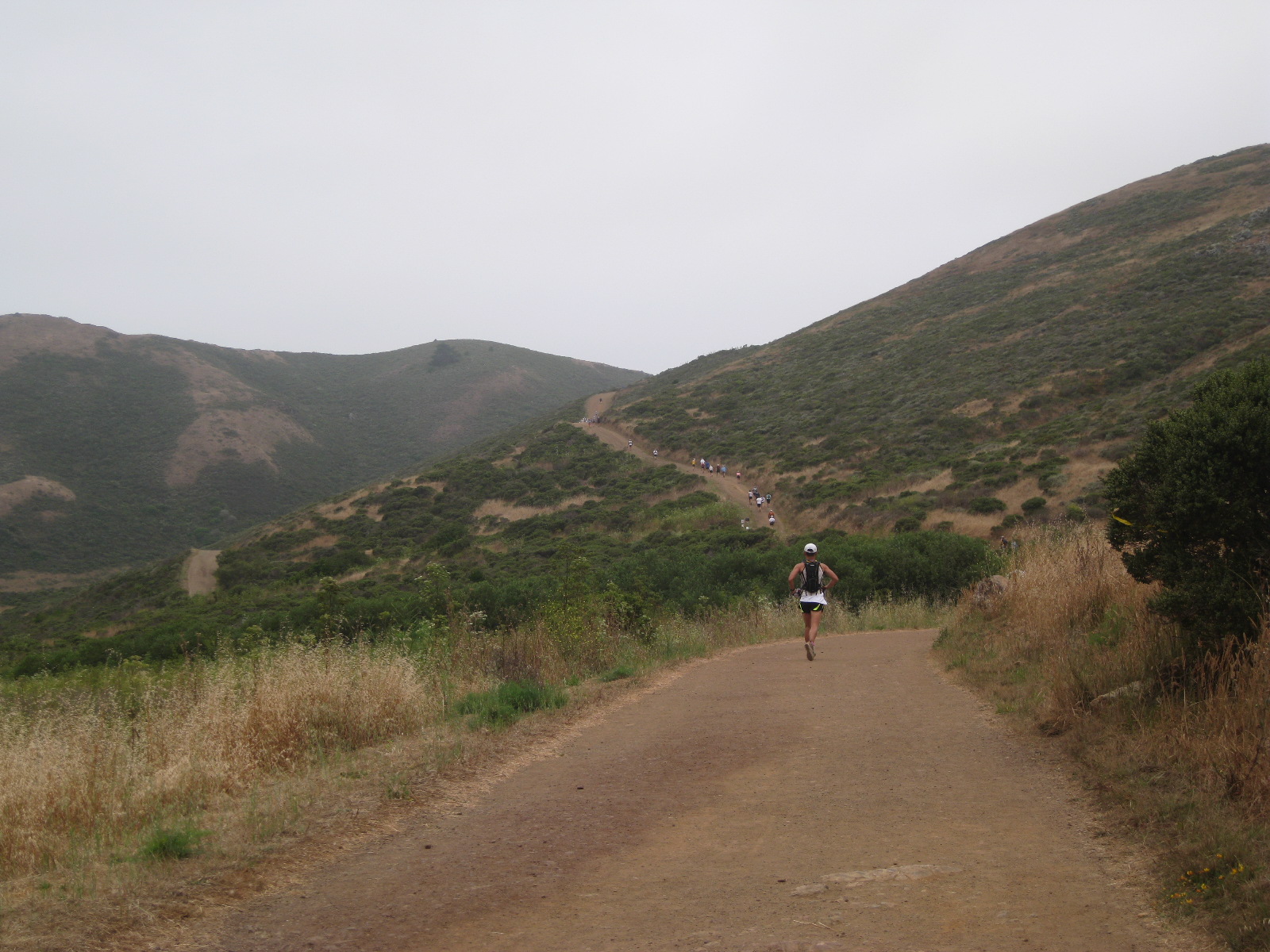
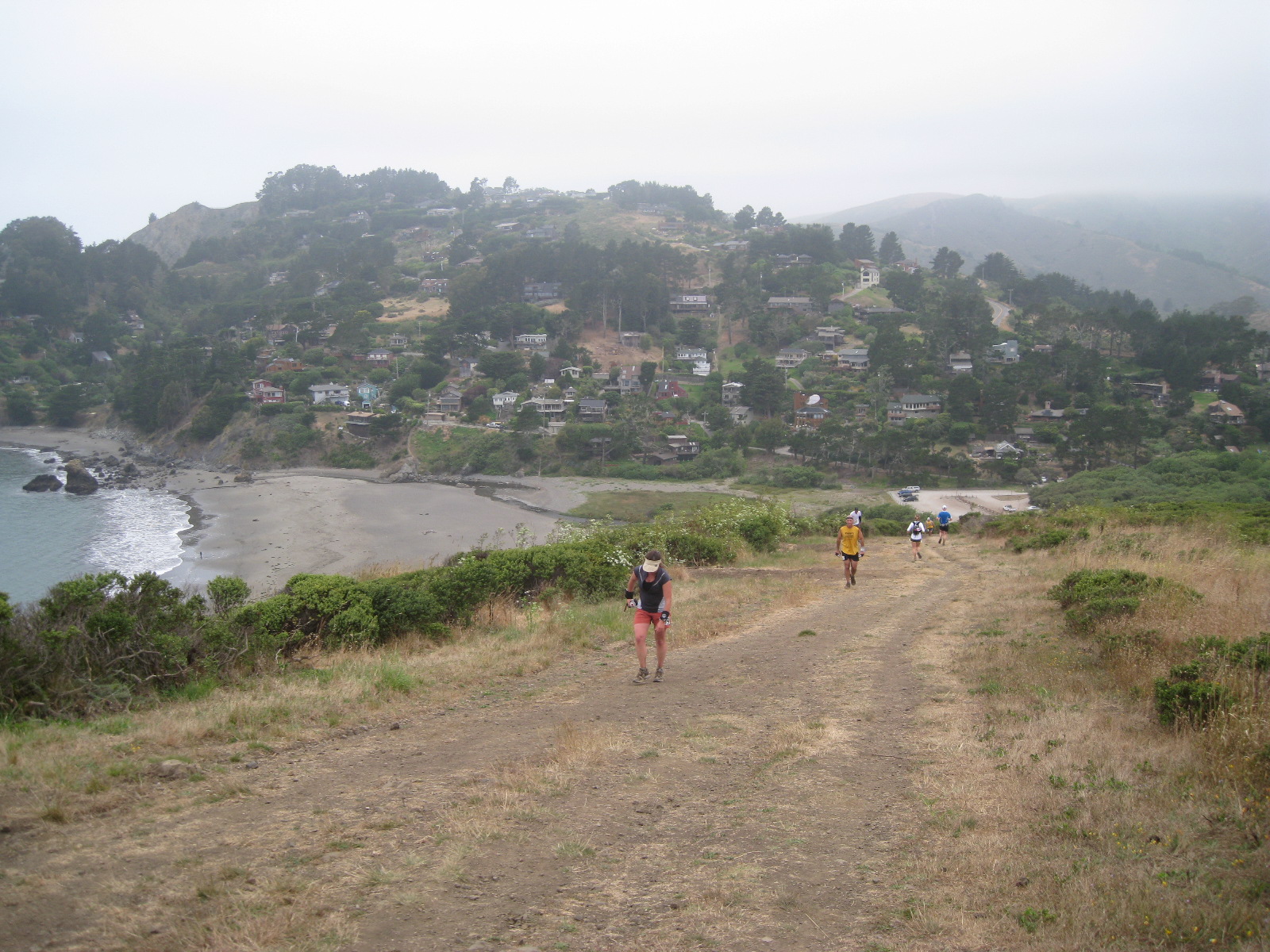
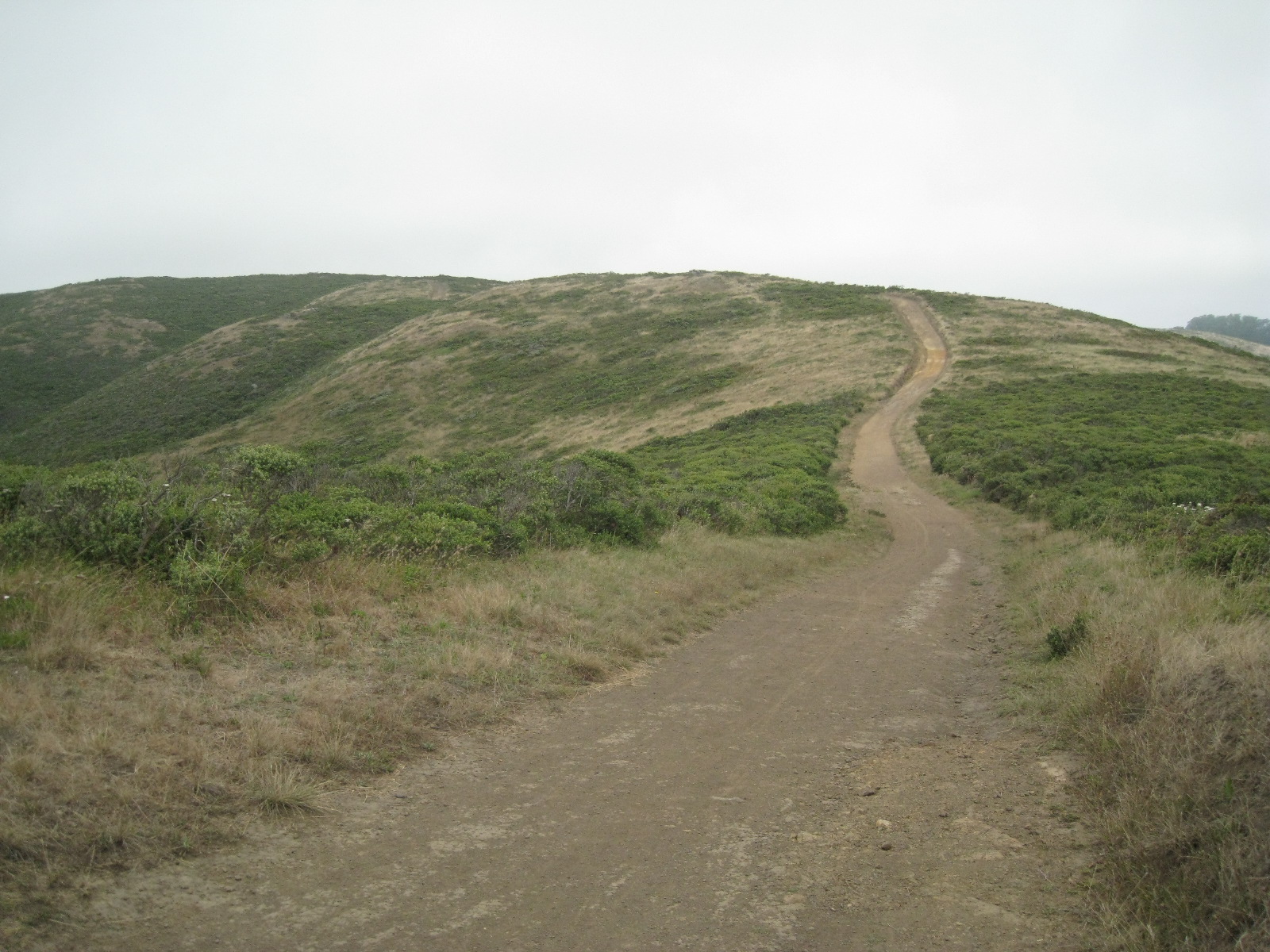
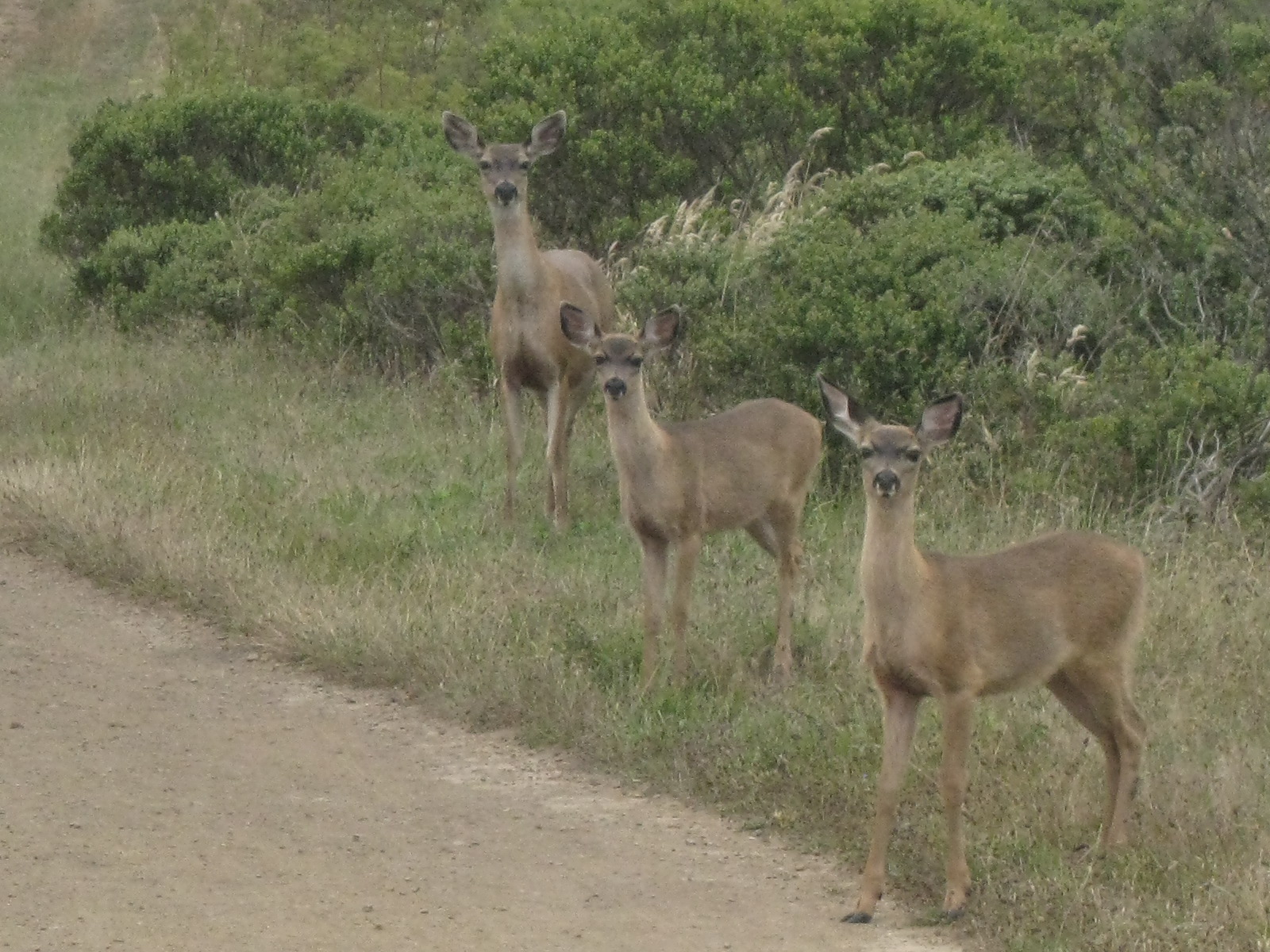
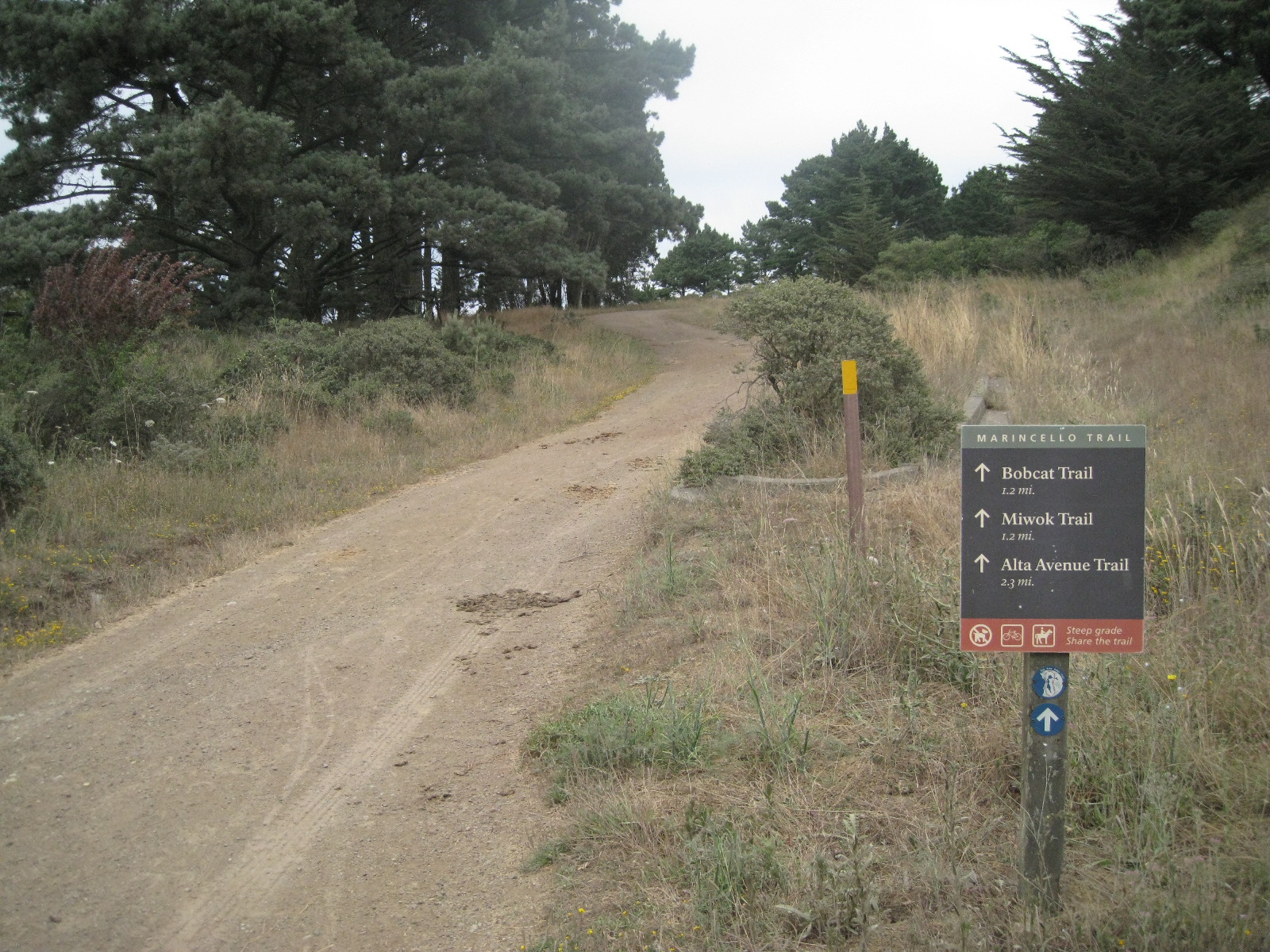
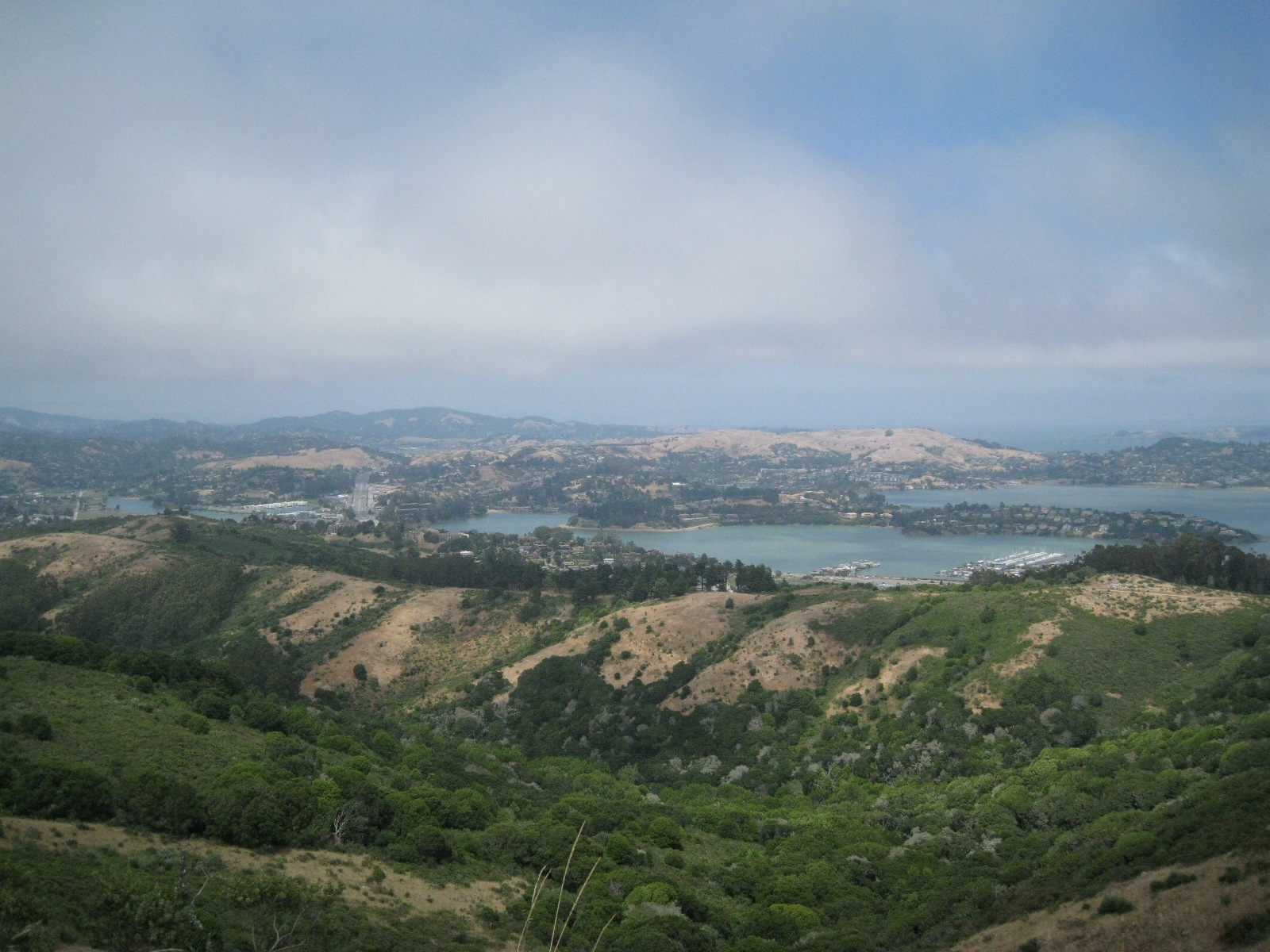
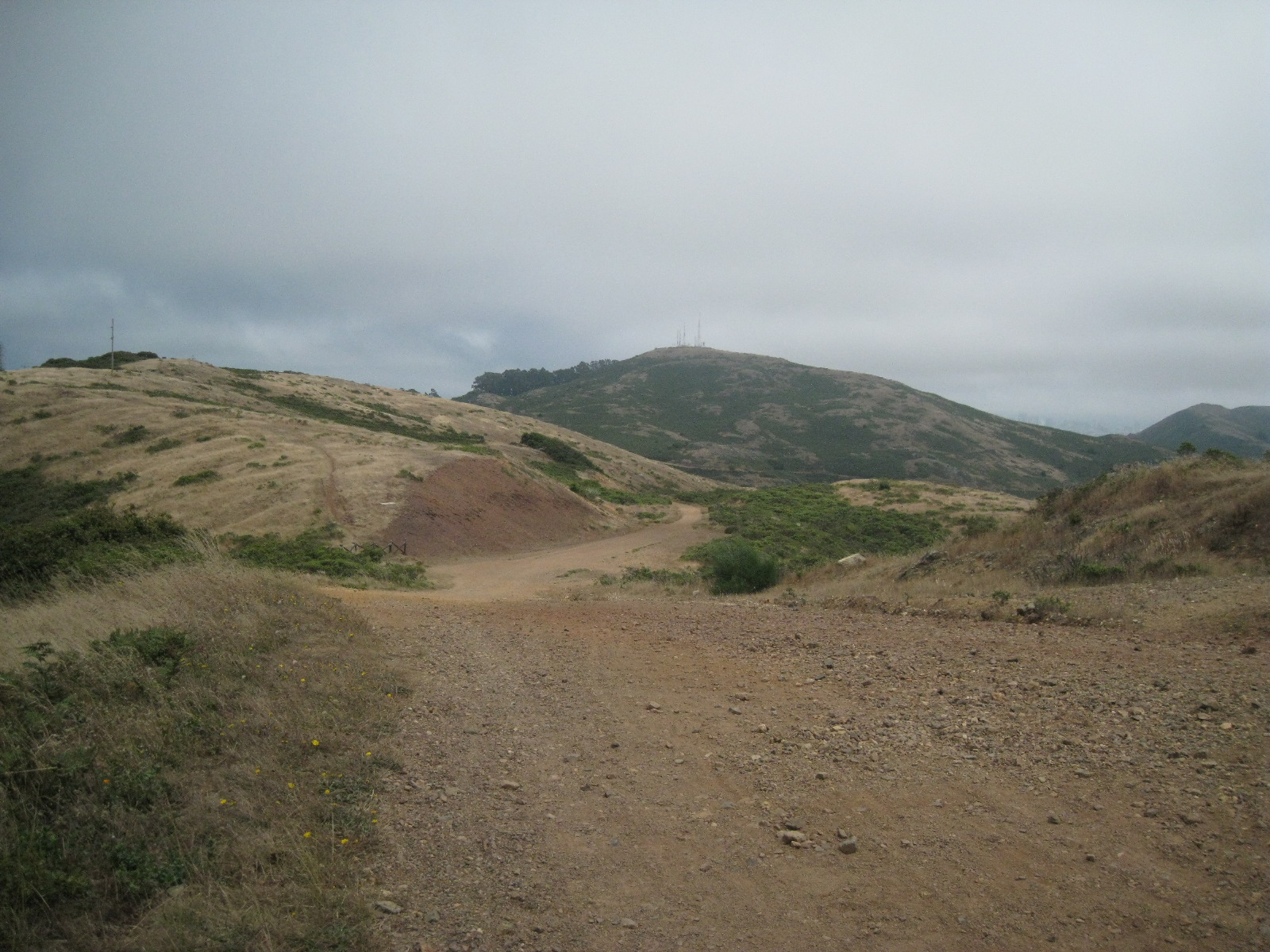
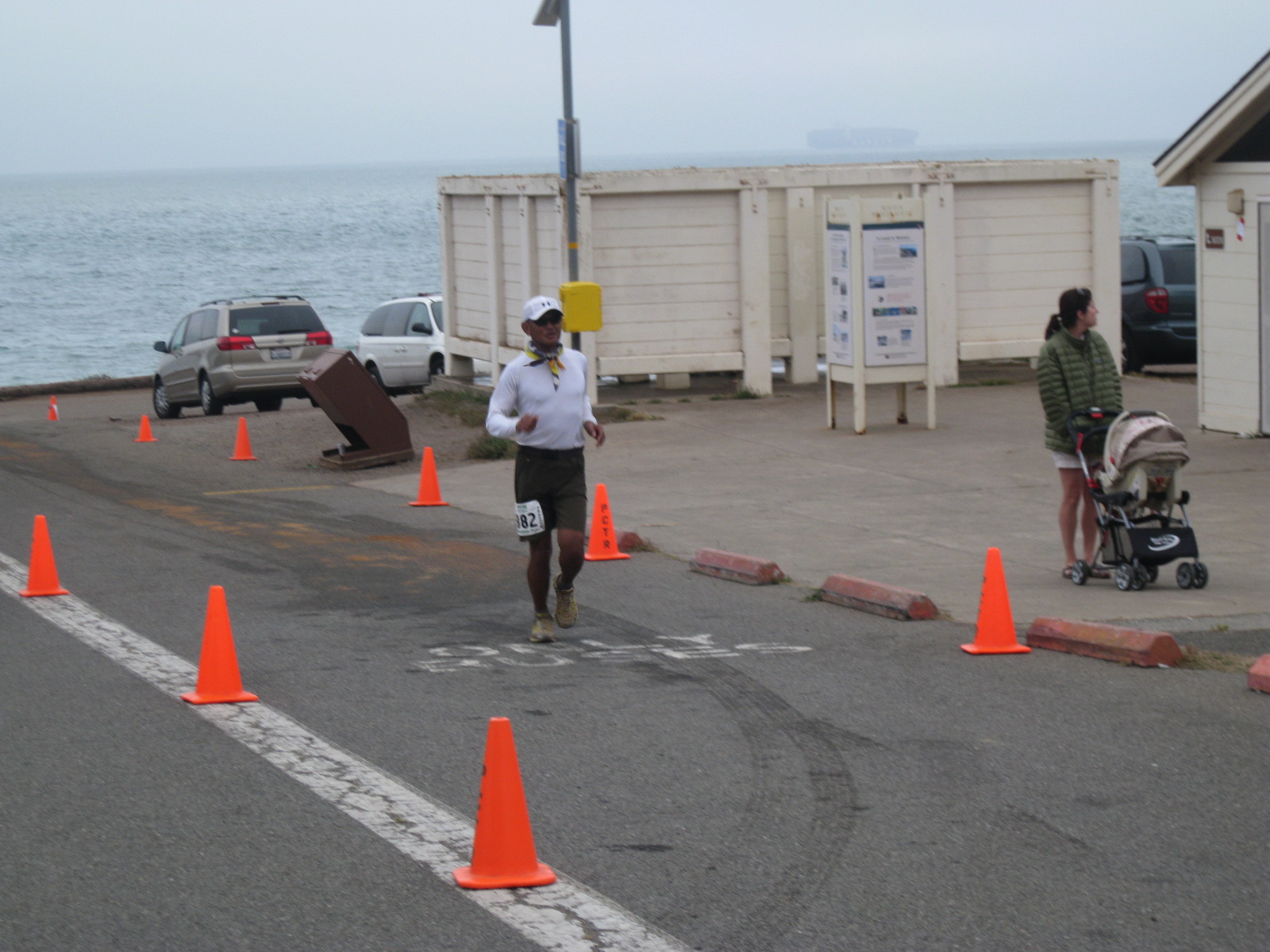
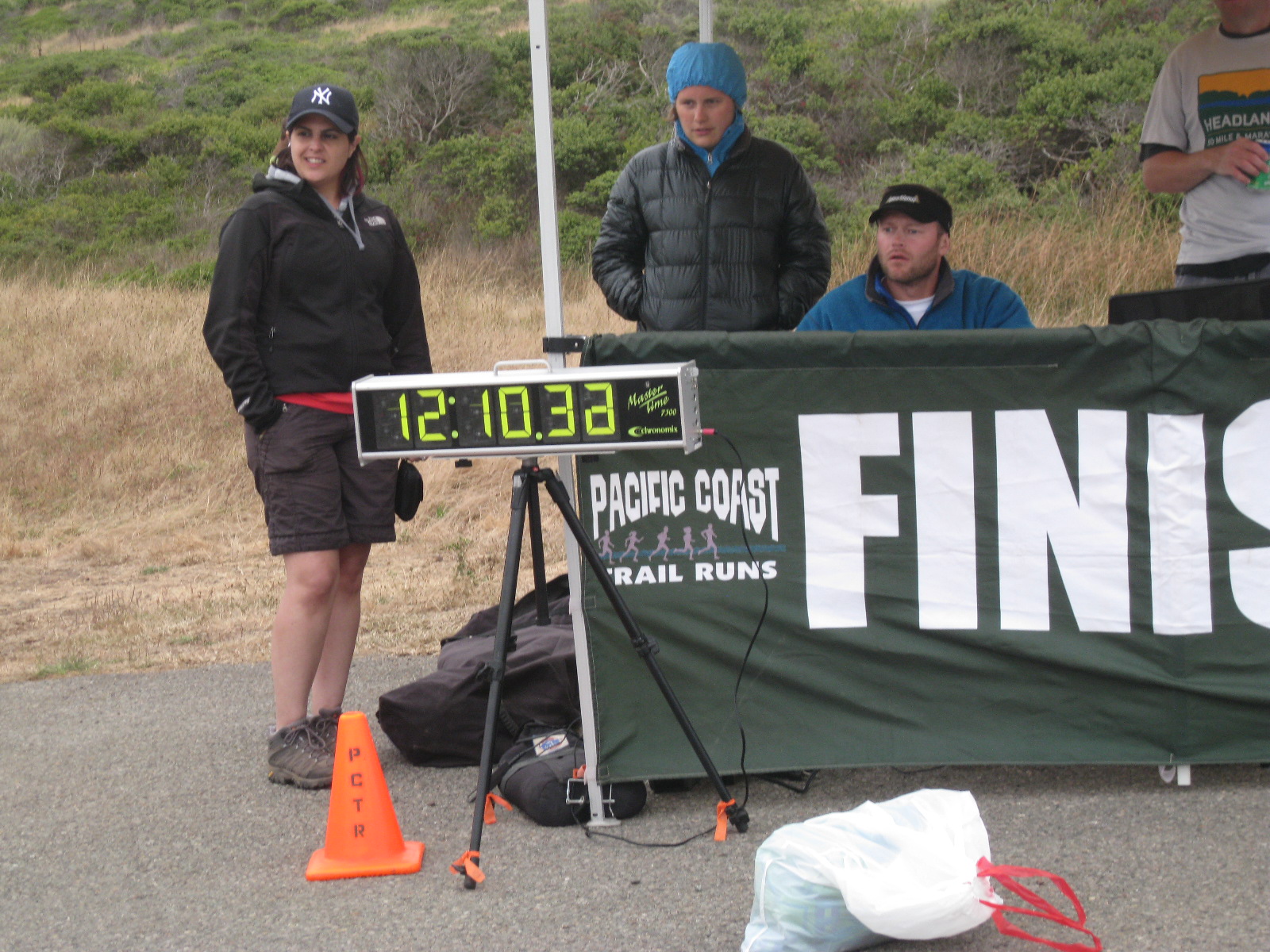
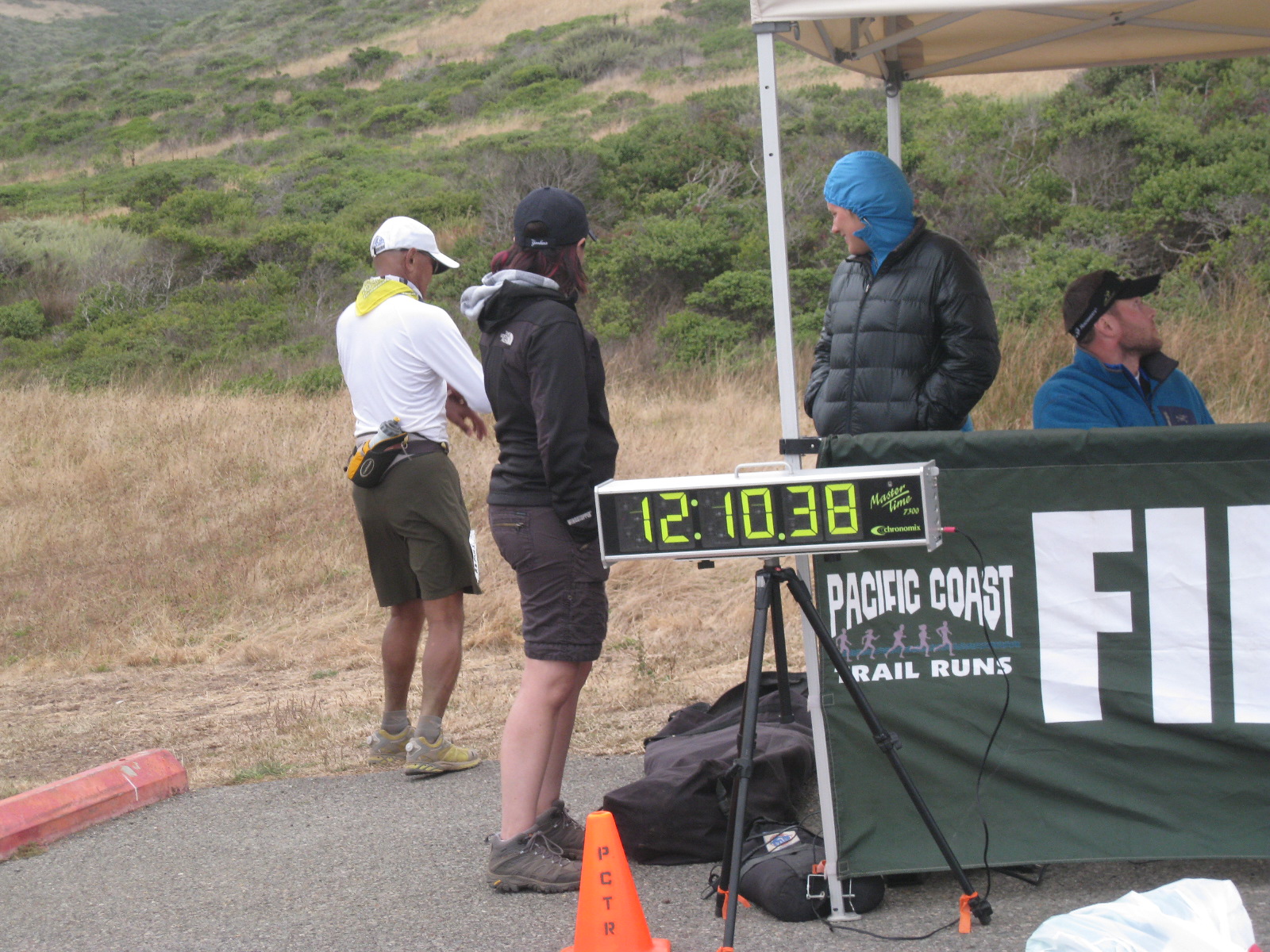
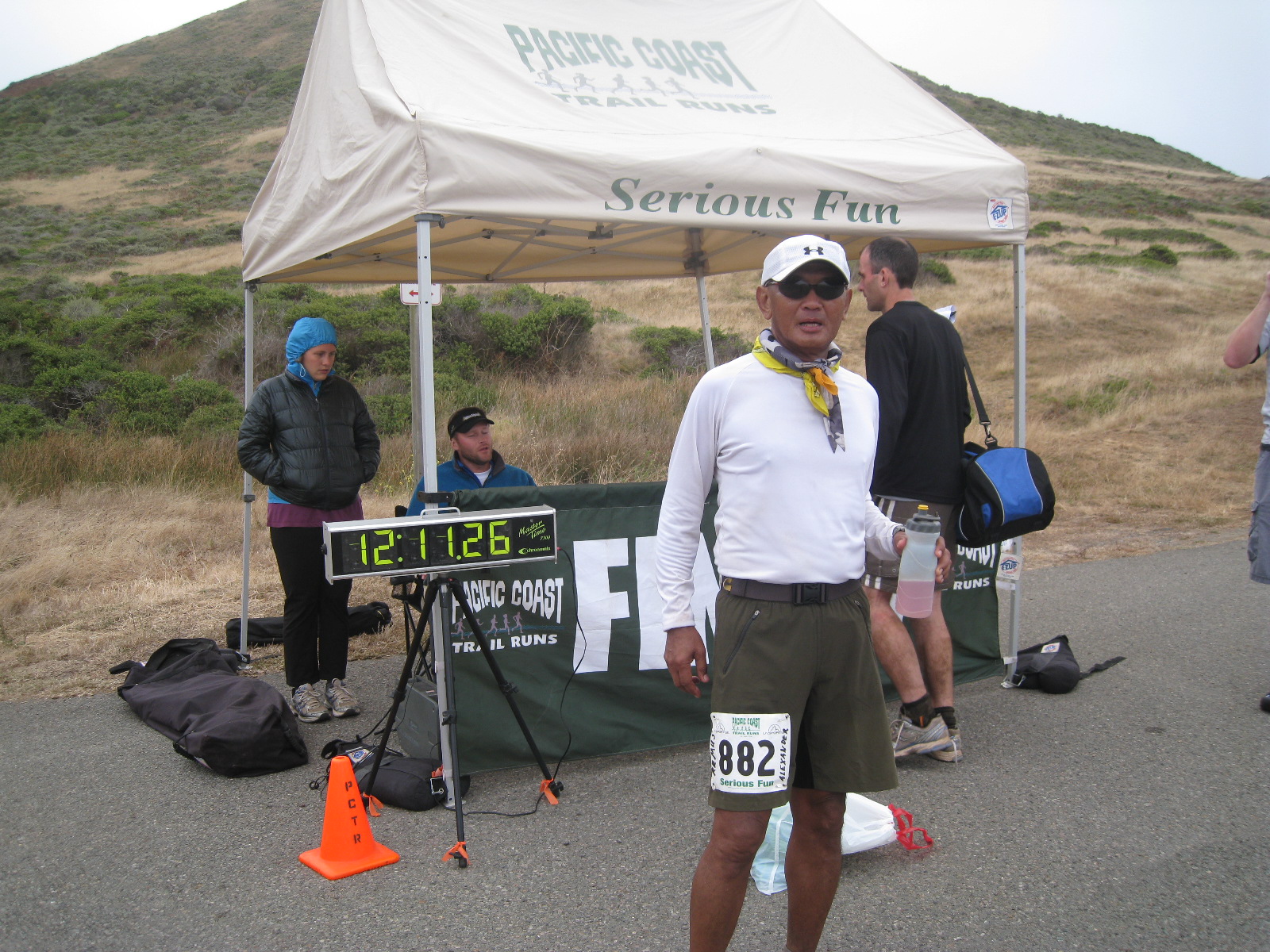
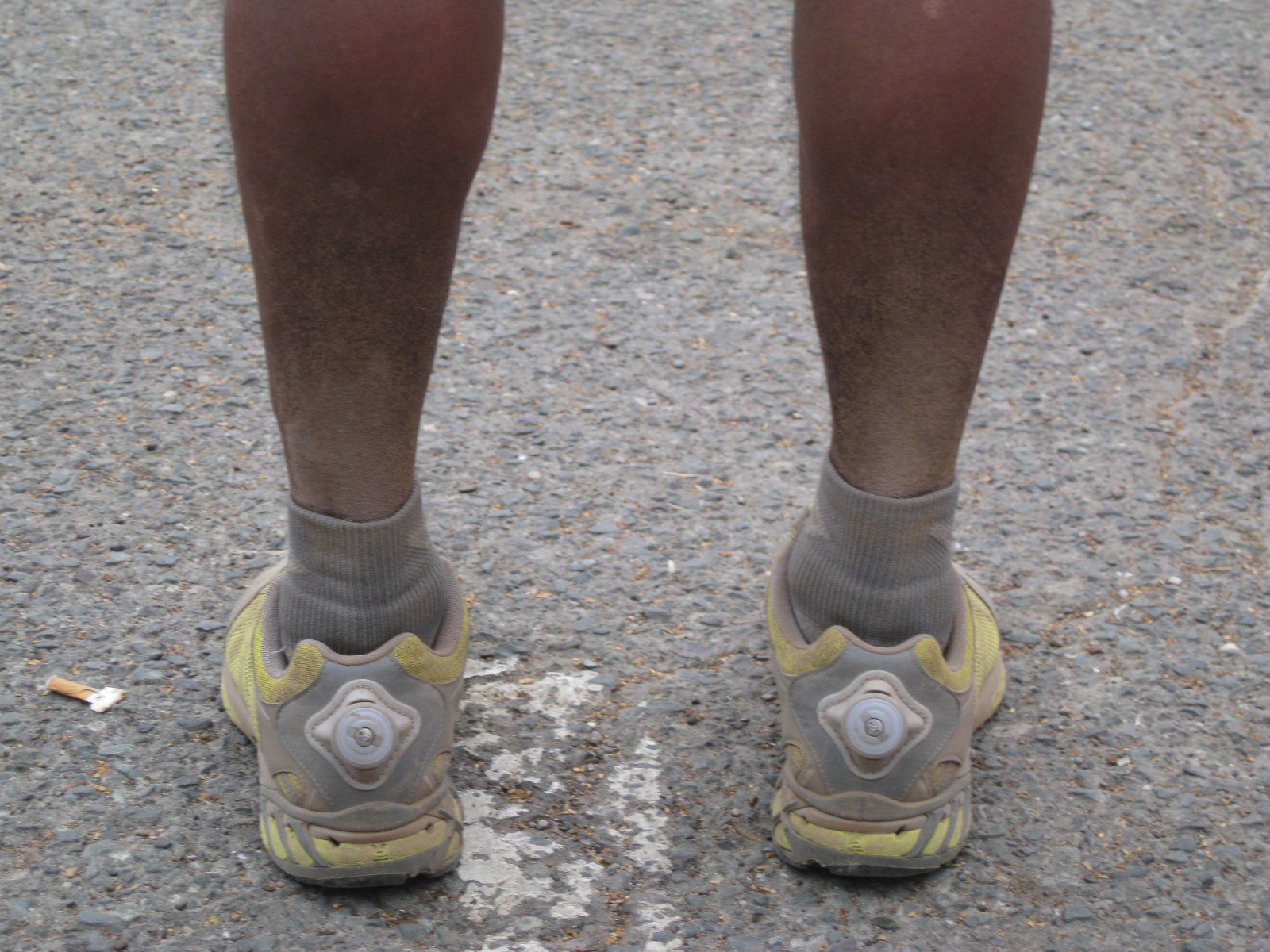
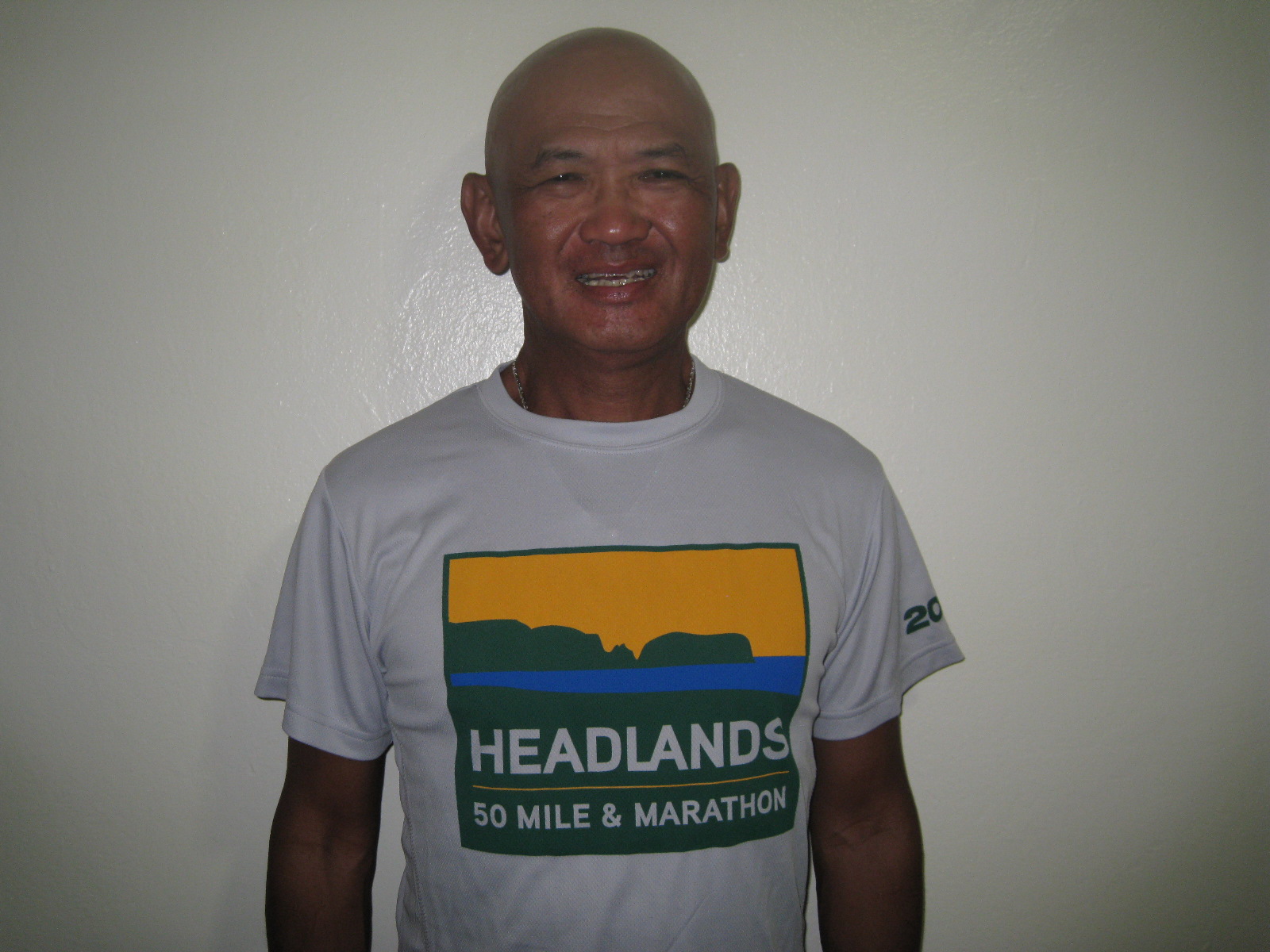
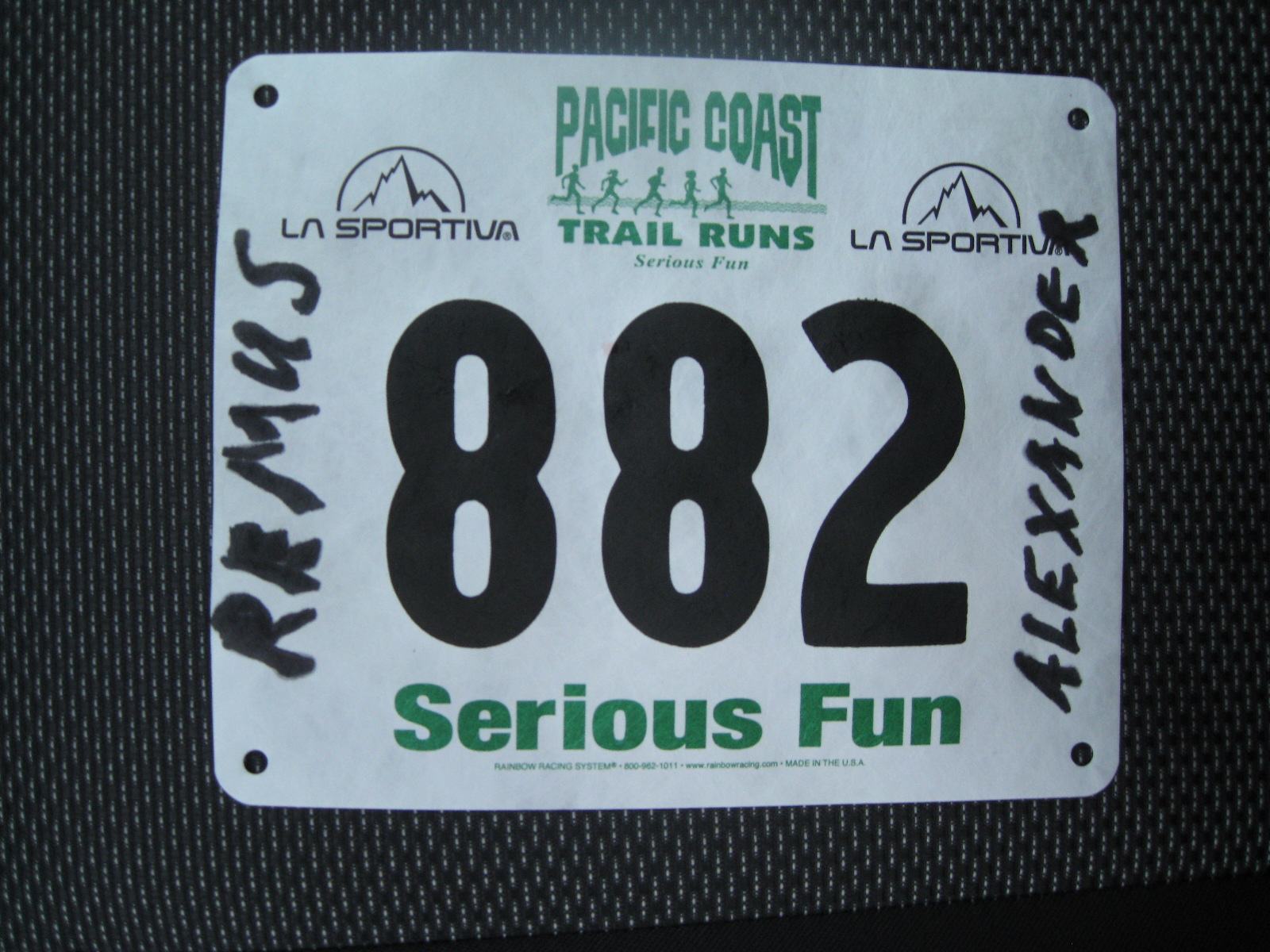
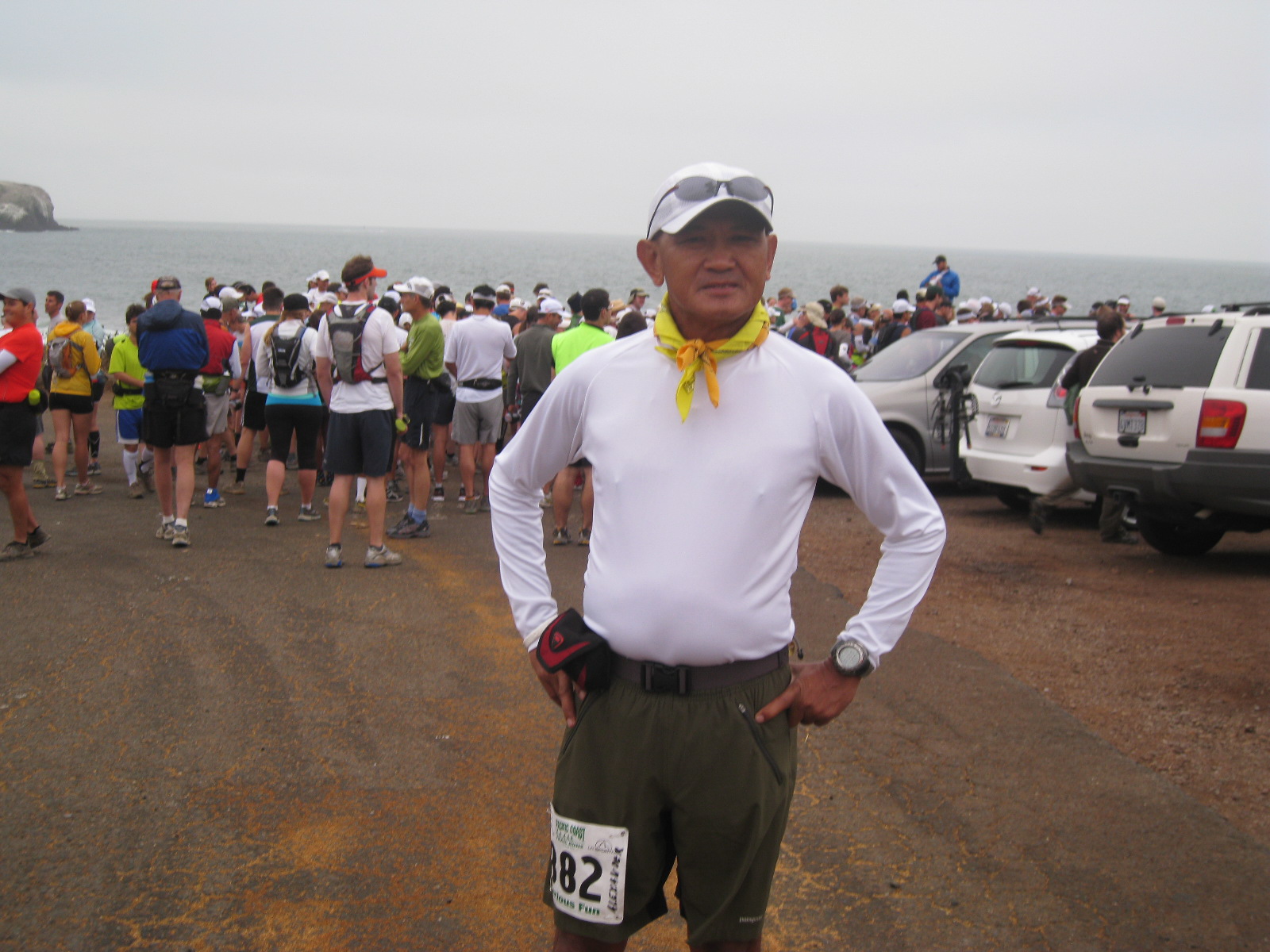
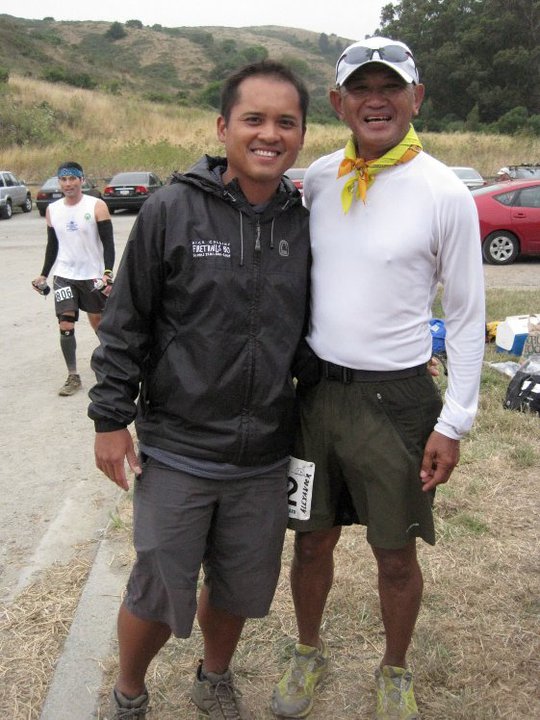
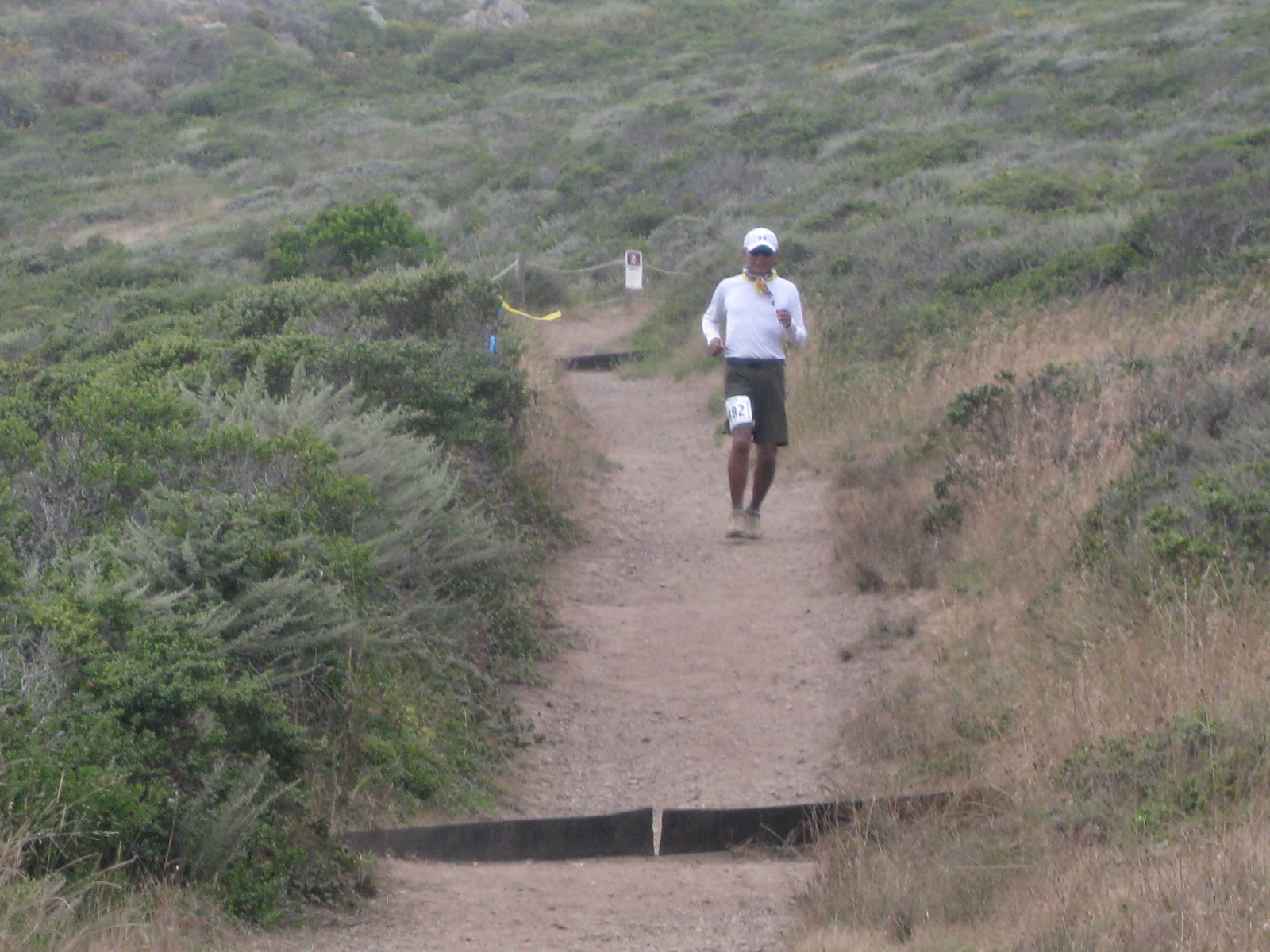
 Bald Runner
You must be logged in to post a comment.