General Aguinaldo Trail: Hike & Survey (Part #3)


General Aguinaldo Trail: Hike & Survey (Part #3)

I decided not to stay long in my “Base of Operations” in Salcedo, Ilocos Sur and instead, went directly to Cervantes, Ilocos Sur via the Bitalag-Bessang Pass-Cervantes Road aboard my private vehicle. There will be some more days to be scheduled for me to hike the first segment of the of the route, which is the Candon-Galimuyod-Salcedo- Gregorio del Pilar-Mt Tirad Pass-Quirino-Cervantes Route. This leg has a distance of 73 Kilometers.

I am surprised that the Bitalag-Cervantes Road is fully paved. On the day that I took my road survey, I was surprised that the PNP were stationed and visible in the Poblacion of Towns and Barangay Centers along the route. I had to briefly stop to talk to the uniformed men when I was already in the mountainous part of the route. I asked them why there is a lot of route security elements along the road. They answered me that they were tasked to secure the road up to Cervantes because a VIP and his entourage is going to pass the road and they will be there for the whole day.
Bitalag-Bessang Pass-Cervantes Road

As I reached the peak of the mountain range at the Battle of Bessang Pass Shrine, I could see a group of soldiers from the Philippine Army and took time to stop my vehicle, talk to them and to ask them about their unit’s headquarters and the reason why they are in the area for the task as route security. From the information I gathered, there is an on-going periodic Conference/Meeting among the Regional Directors of all the Government Offices in Region 1 and the meeting is happening in the Poblacion of Cervantes. I also found out that their Battalion Headquarters is located in one of the Barangays of Cervantes situated between the towns of Quirino and Cervantes.
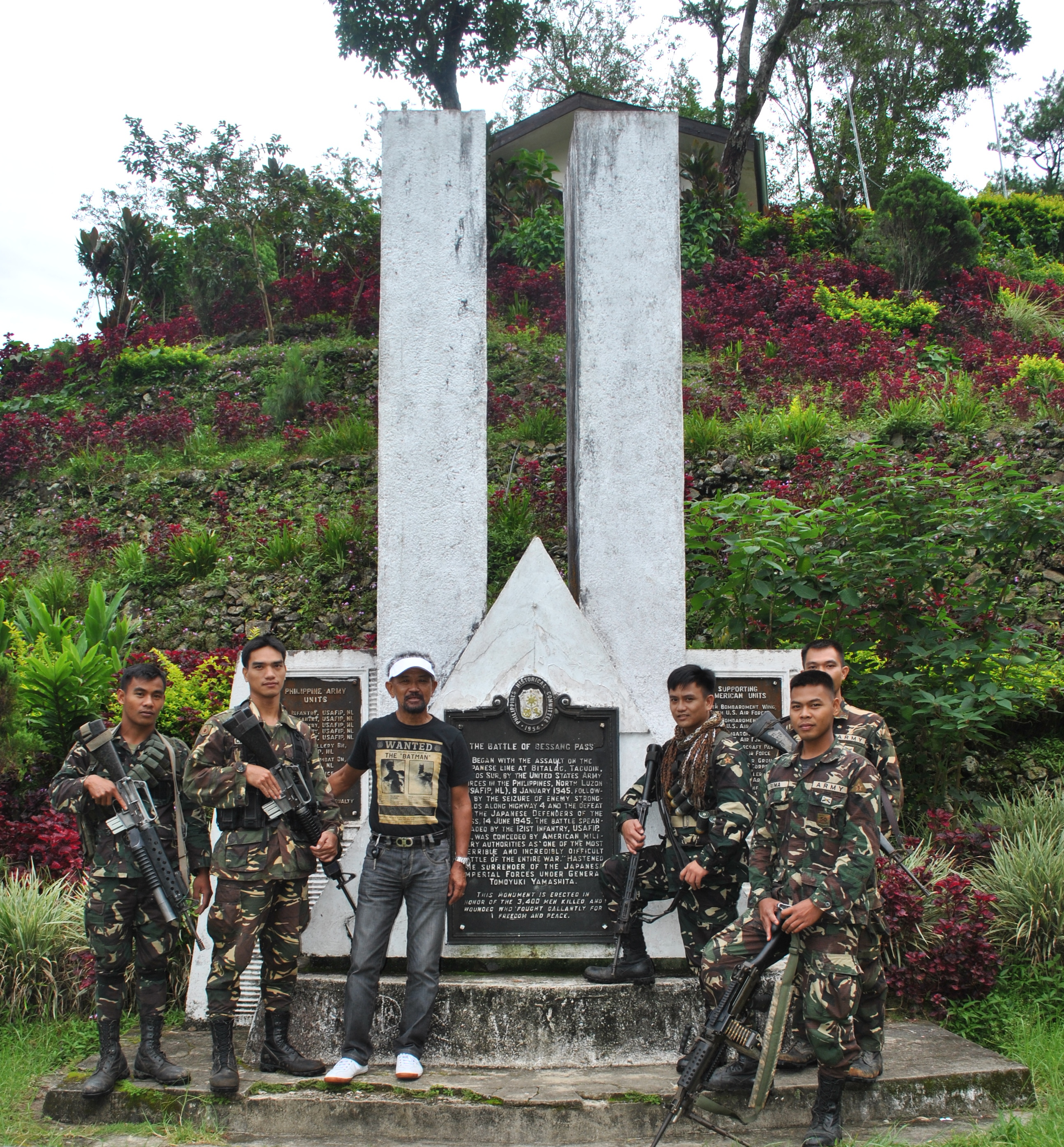
The Battle Of Bessang Pass Shrine

The scenic view of the route from the peak of Bessang Pass and the view of the Cordillera mountains on the east are simply very beautiful and amazing as one would go down on a zigzag road towards the plains of Cervantes. One could see a lot of pine trees beside the road and the mountains seem to be undisturbed by illegal loggers and “charcoal making” industry. The same observation can be gleaned on the Ilocos Sur side of the mountain except for the additional residences/houses that I’ve seen to be added since the time I last passed the area almost 20 years ago. The distance from the Battle of Bessang Pass Shrine to Poblacion Cervantes is 18 Kilometers.
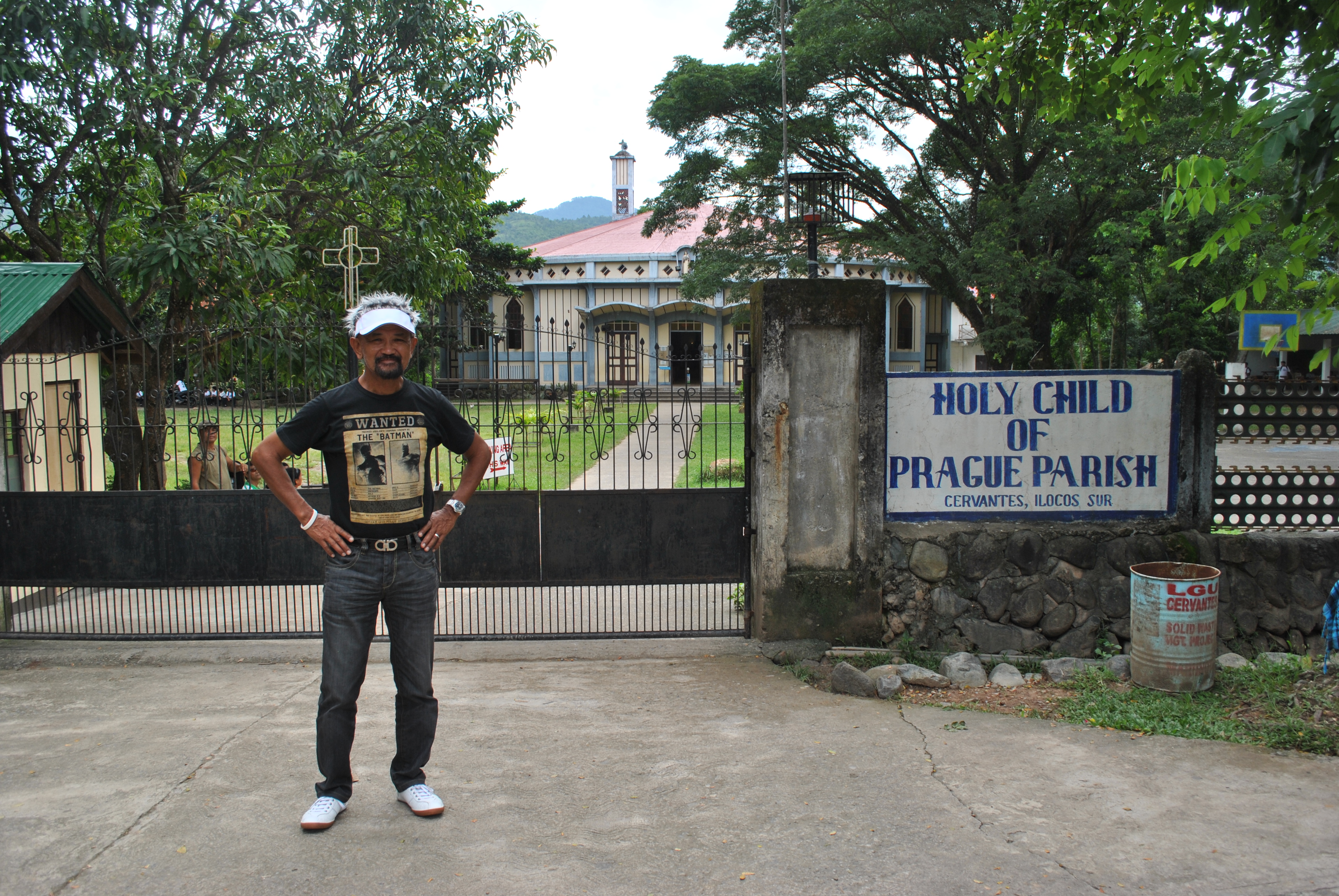
Church In The Poblacion Of Cervantes

Once I reached the Poblacion of Cervantes, I could hardly see a Parking Space on the roads surrounding the Municipal Hall and Public Market. I was luckily to park my vehicle near a road that leads to the Church. I went for a walk towards the Municipal Hall and I could see that a Program and Public Meeting/Consultation was being held with all the Heads of the Government’s Regional Offices taking their turns to speak before the Crowd and answering the concerns of the different “leaders” and Barangay Representatives of the Locals. There was no point of trying to locate one of my friends on Facebook who happens to be the Municipal Secretary of Cervantes and for me to pay a courtesy cal to the Municipal Mayor. I was trying to drive through the Cordilleras and orient myself as fast as I could and there was no way for me to wait until the proceedings would end late in the afternoon.
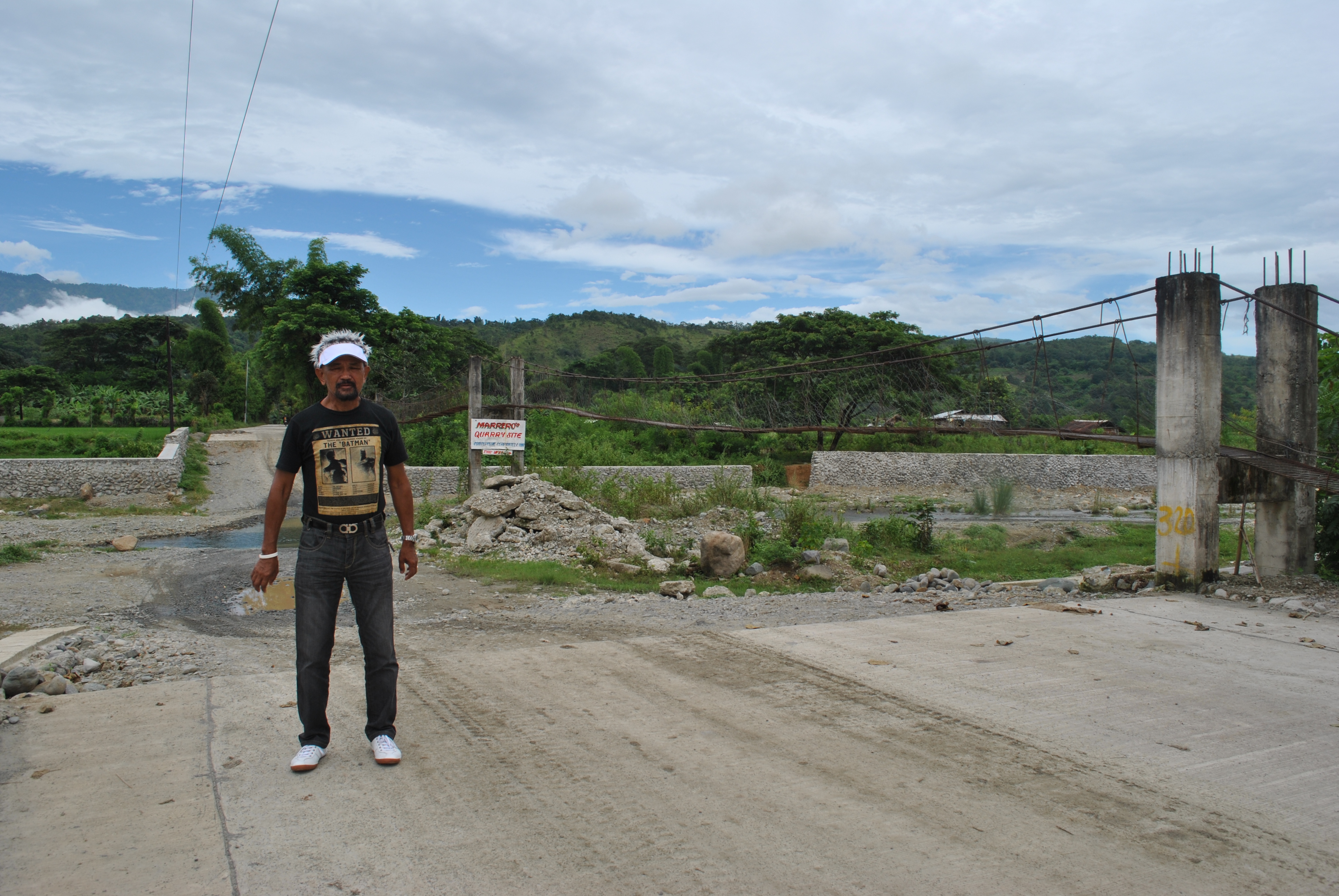
The Only Incomplete Portion Of The Quirino-Cervantes Road

Instead, I talked to two ladies who were selling fried bananas on the street and asked for directions in going to Quirino, Ilocos Sur and the the road that goes to Sagada-Bontoc, Mountain Province. On a crossroad/intersection being manned by 3 personnel of the PNP, I asked them about the directions to take in going to Mountain Province and they gave me a detailed description of the route and warned me on the “new” bridge that I need to cross towards the Cordilleras. Cervantes appears to be the Crossroad to travelers going to Ilocos Sur, Abra (via Qurino), Mountain Province and Benguet. It is the Gateway to the Cordilleras from the Ilocos Region/Northern Luzon Provinces.

Coming from one of the Ilocos Provinces, I would save at least 4 to 5 hours to reach Sagada, Bontoc, and the Banaue Rice Terraces, instead of passing the traditional Naguilian, La Union to Baguio and then to Halsema Highway to reach such places. I wonder on whose Presidential Administration that this road was finally paved and realized but it is concluded that such places in the mountains would be easily accessible to the lowlanders for progress and better economy.
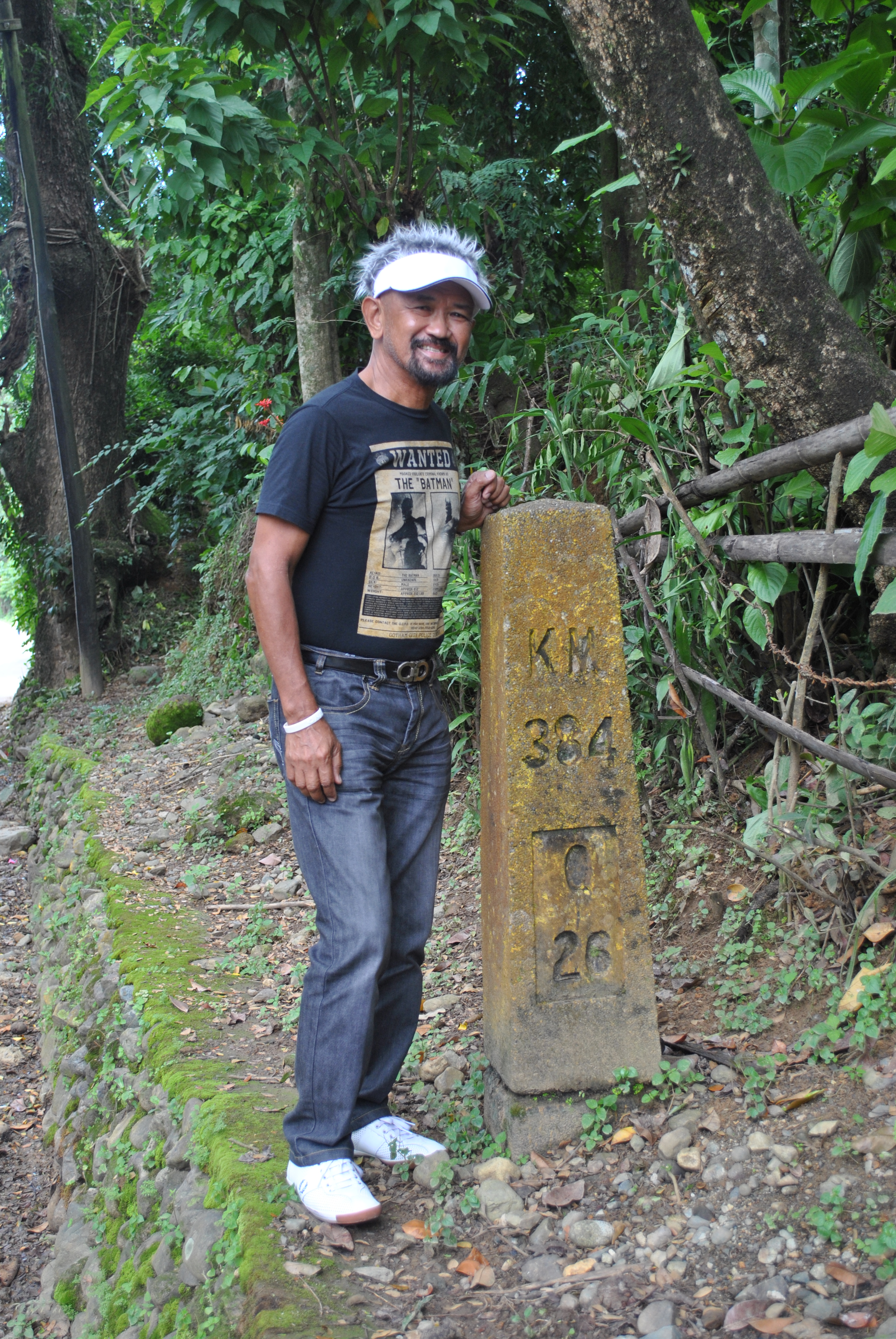
Kilometer Post Towards Quirino (One Km From Poblacion Cervantes)

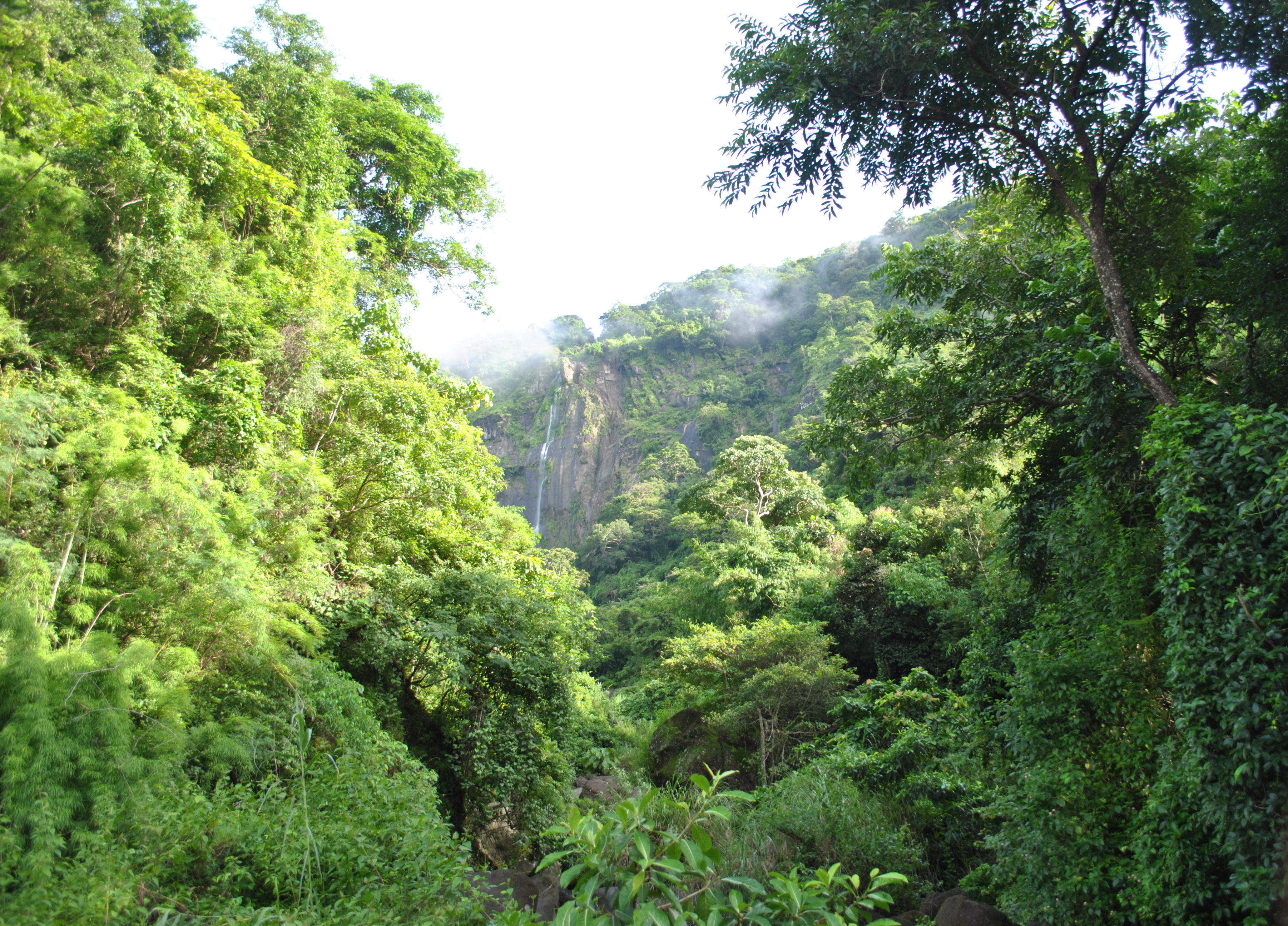
Knowing that the General Aguinaldo Trail connects the towns of Quirino, formerly known as Angake/Angaki, and Cervantes, I went to the road that connects the two towns but after one kilometer from Cervantes, I stopped before a part of the road that needs to cross a stream of water on a river. After assessing the depth of the flowing water, which is too deep for my vehicle to cross, I decided to just take pictures of the place with the skyline of Mt Tirad as the background. I would see more of this route when I will actually hike the other side of the town of Gregorio del Pilar.

I went back to Cervantes and took the road that goes to Tadian, Mountain Province. The Poblacion of Cervantes is located on top of a hill and for one to leave the place, the road leaving the center of the town is a descending one until it flattens. After a few turns, I could see a long and newly-constructed bridge that connects the lower mountains to the higher ones over a wide banks of a river. I need to stop at the approach of the new bridge for a photo-ops.
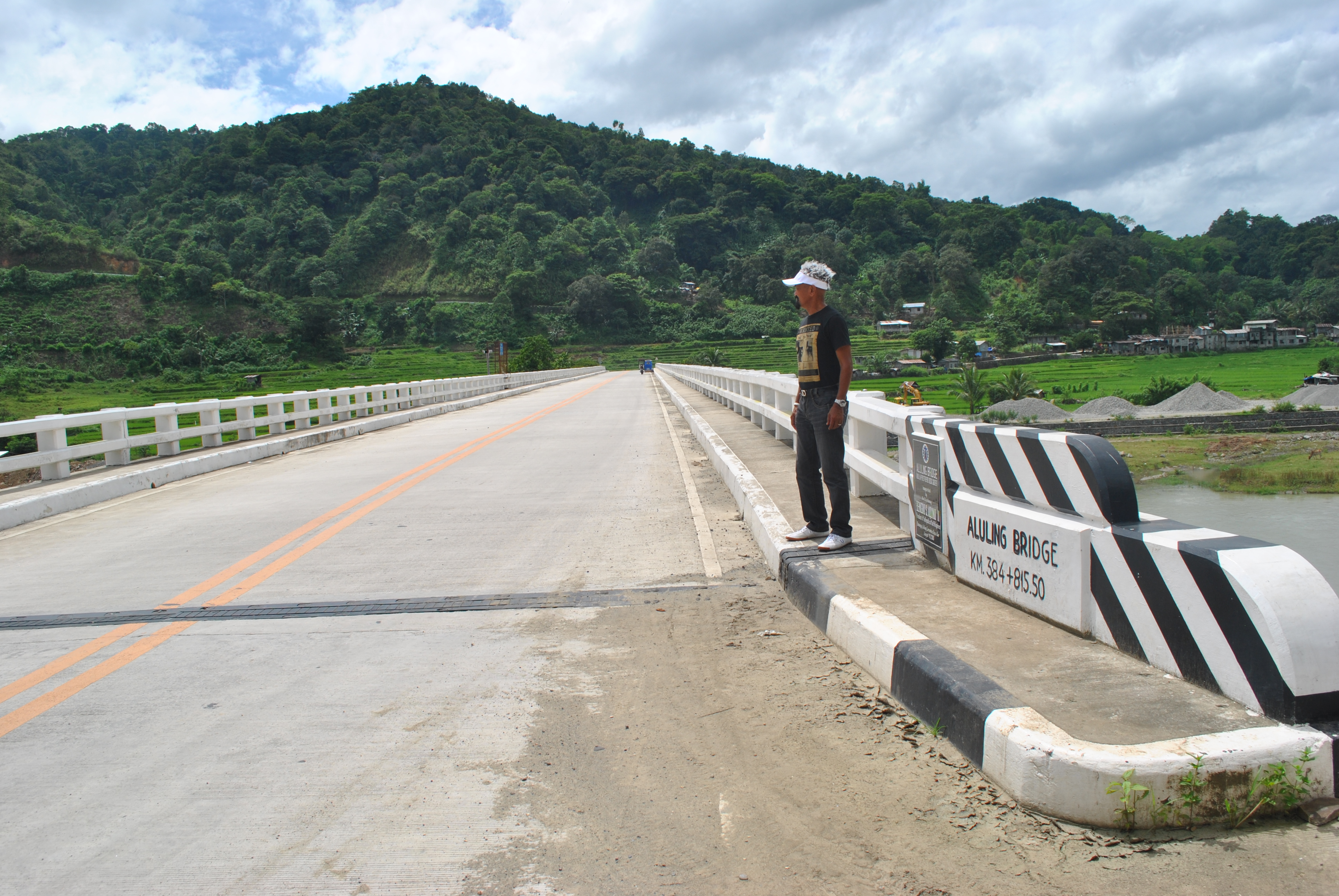
The New Aluling Bridge

After crossing the bridge, the road starts the ascending route towards the Cordilleras. I observed that few vehicles are plying the route and I only see delivery trucks for groceries and was not able to see any other private vehicle along the route until I reached an intersection where the other road leads to the barangays of the Municipality of Tadian, Mt Province and further up to the Halsema Highway that leads towards the province of Benguet and the City of Baguio.

I stopped by an intersection, took some pictures and talked to the locals who happens to be waiting for a ride and the owner of the store near the intersection. The old women who own the store was not aware and ignorant about the history that unfolded in their place but the middle-aged man who was sitting as if he was waiting for a ride, would start talking to me by answering my questions about General Aguinaldo’s presence in the area at the turn of the century. He would recall the stories from his old grandparents and parents about the presence of Katipuneros who passed their area. He confirmed that the road that goes to Tadian, Mountain Province is the same route that goes to Bontoc in the early days, popularly known then as the “Spanish Trail”.
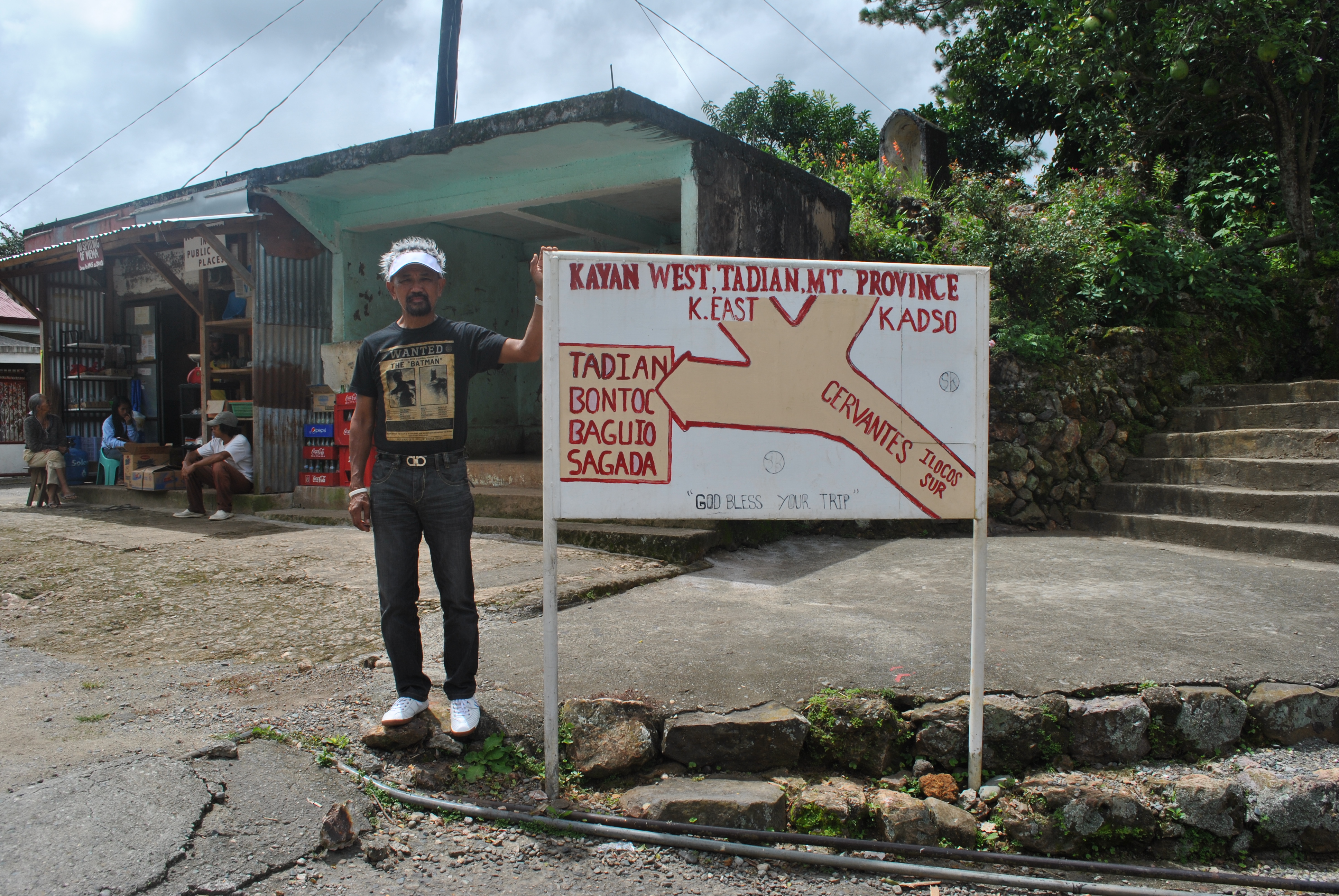
The First Critical Intersection From Cervantes To Bontoc, Mt Province

To Be Continued.
General Aguinaldo Trail: Hike & Survey/Talking To The Locals (Part #2)


It was nice to renew my ties with the people that I’ve met during my active military service now that I am retired. The former Municipal Mayor “Lofre” Gironella of Salcedo, Ilocos Sur was my host during my stay in the area of Ilocos Sur for two days. I have found out that he was responsible in extending the paved road from the Poblacion of Salcedo to Barangay Bulala, Salcedo, a distance of 6 kilometers, and situated the road on the side of the mountain, thereby avoiding at least 13 river crossings at the Buaya River. The trip from Salcedo to the Poblacion Gregorio del Pilar had been shortened due to his efforts. I’ve seen also the presence of hanging bridges on top of the river which could be used by hikers when the river is too deep to be crossed. The former Mayor is fond of planting trees during his three terms and one could see how thick the forests in their mountains. He is proud to say that there is no illegal logging or “charcoal making” industry in his town.

My Host, The Former Municipal Mayor Of Salcedo, Ilocos Sur

I told him about my plans of hiking the General Aguinaldo Trail and promote its awareness to the public so that history will be remembered and tourism will boost in their area. He pledged to help my project in coming up with permanent markers along the route. He also briefed me on the prevailing security and peace and order situation in the area and the developments & infrastructural structures that were established since I left the place.Practically, almost all the road networks in the far-flung municipalities in Ilocos Sur are already inter-connected and the cellphone signal system in these areas are present and efficient.

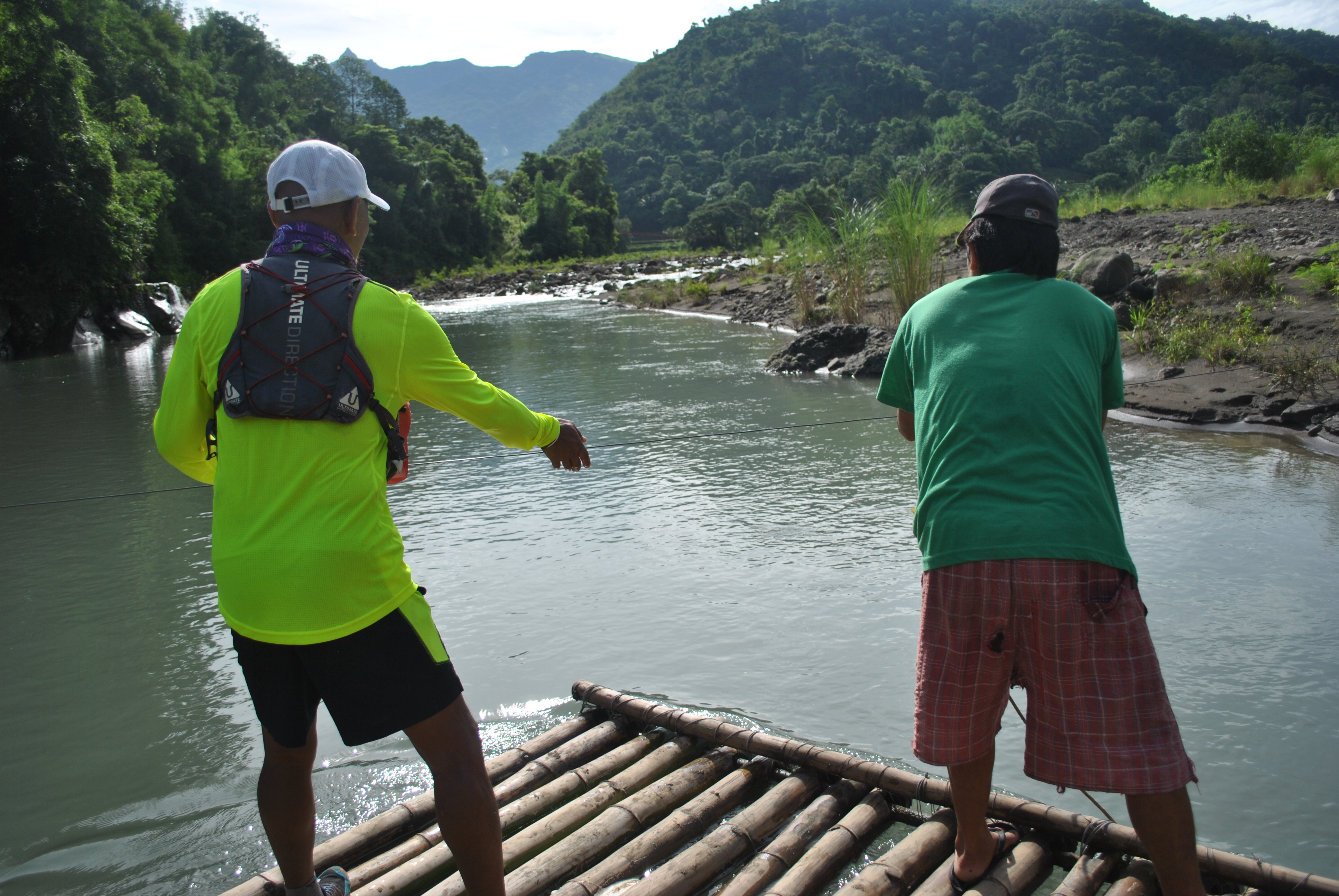
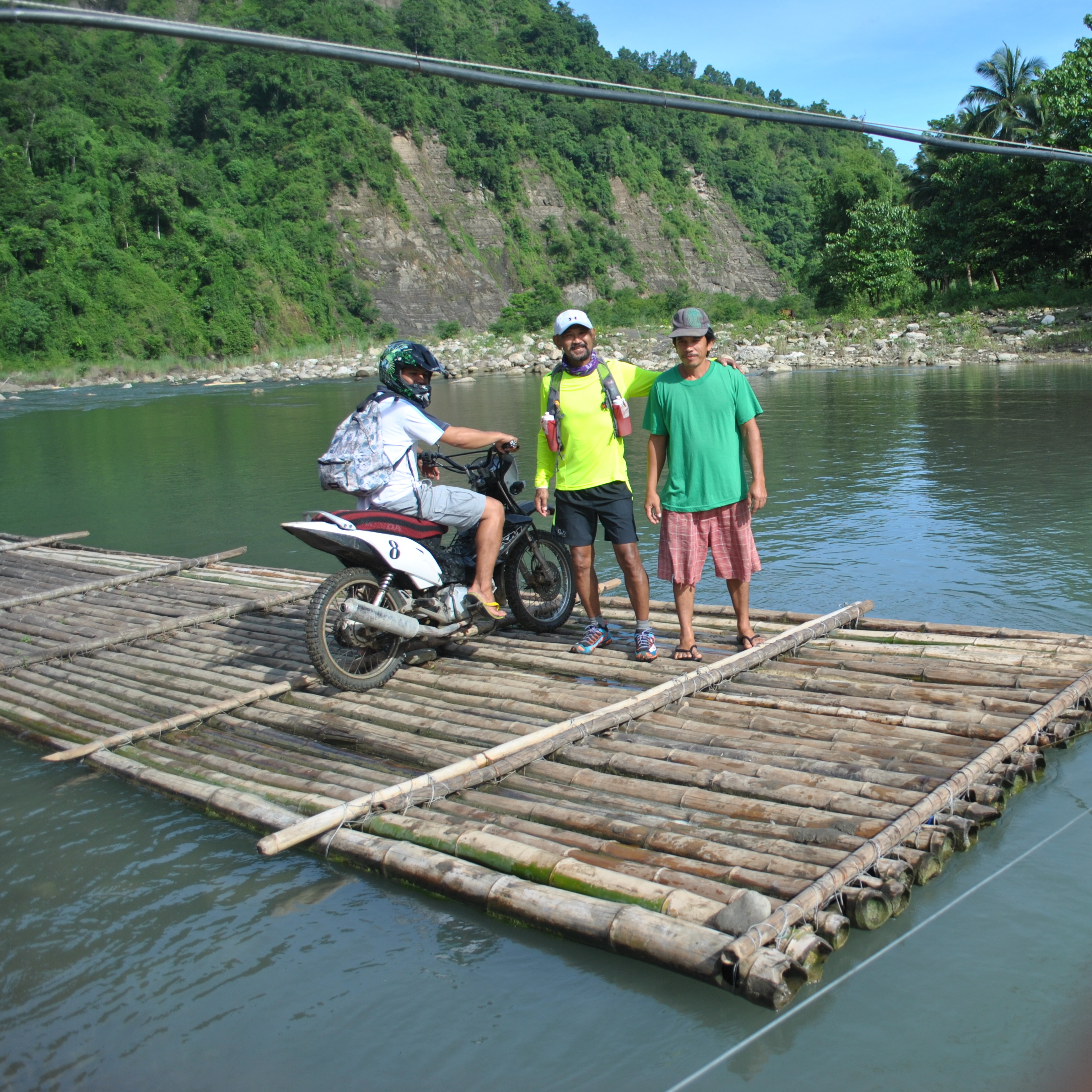
In my hike to the Poblacion of Gregorio del Pilar, I was able to talk to the Bamboo Raft Guy whose job is to bring motorcycle-riding persons across the river coming from both sides. It takes the Raft Guy (I forgot to get his name) about 30 seconds to pull the wire as the raft would move across the river. Each motorcycle-riding person would pay him Twenty Pesos (P 20.00) for the effort. He told me of another path/way if we don’t want to take his raft but just the same our feet would be damped and wet with lots of water falling from the side of the mountain where the trail is located. I know that his business is only good for the rainy season and soon his raft will be put into oblivion since Mayor Lofre told me that there is a plan to construct a concrete bridge so that there will be no more river crossings for hikers and vehicles between the towns of Salcedo and Gregorio Del Pilar.

Talking With The Raft Guy

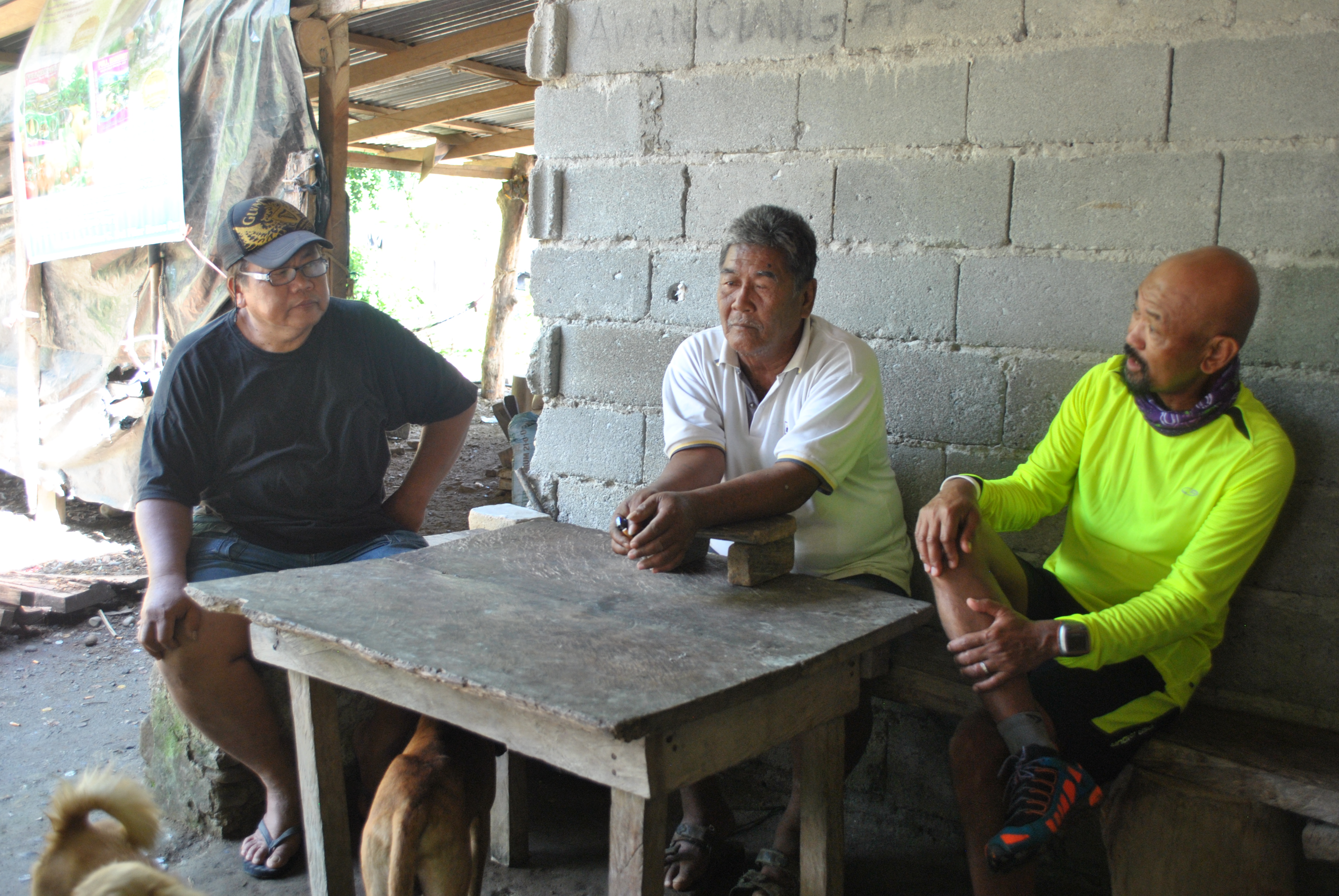
I saw a “sari-sari”/mini-store beside the road after I passed the intersection of Gregorio del Pilar and Sigay Roads. There was an old man sitting on a bench with his arms on the table in front of him. I asked him for two bottles of soft drinks and gave him my payment. I started the conversation in our dialect, Ilocano, and my short “pitstop” became longer to almost 45 minutes as we were joined by another guy who stopped by at the store with his motorcycle. As the conversation became longer, I found out that the guy with motorcycle is a retired Police/PNP and the owner of the store was also a CAFGU & Police Informant.

After introducing myself and telling them about my stint in the area in the mid-90s, they were able to recall and remember me of the things that I’ve done in the area. They remember that I’ve been constantly patrolling/hiking the Salcedo-Gregorio del Pilar route with my soldiers; provided Civil-Military Operations & Medical Missions in the Municipalities of Sigay and Gregorio del Pilar; but what is more significant for them to recall and remember is the realization of establishing a hiker’s camp near the peak of Mt Tirad, beside the spring water source in the mountain. They suspected me then as a “treasure hunter”, thus making the “camp” for my soldiers. However, I told them that the hiker’s camp was made as the “catalyst” for tourists to visit Mt Tirad and the Historical Marker where General Gregorio del Pilar was killed. Due to the Hiker’s Camp, it attracted  visits of top officers and Generals of the AFP and PNP, then to the relatives of General Gregorio Del Pilar from Bulacan, then leading to an annual visits of the Cadet Corps of the Armed Forces of the Philippines/Cadets from the Philippine Military Academy (PMA), most of all, it became as “rest area” for the residents of Abra who would like to take a shortcut through Mt Tirad Pass. Both of them were nodding their heads as I was explaining to them that I was the “first” Tourism Officer in their area.

Talking With Retirees & Senior Citizens In The Area

Macario Burgos, the Tourism Officer of Gregorio Del Pilar, gave a lot of vital information about the tourism developments in their town. Mang Gorio, a resident of Barangay Mabatano and whose residence is located on the trailhead to Mt Tirad Pass, died a few years after I left the place/area. Mang Gorio would tell me then the details on how the Filipino soldiers under General Gregorio del Pilar would prepare their defensive positions along the trails leading to the peak of the mountain and how they fought the Americans. He would also vividly relate the whole story on the Battle of Tirad Pass and how the young General was killed during the firefight.

Mr Burgos was six years old when I was assigned in the area and he would know me by my name from a soldier who happened to be my security detail from the time I was the Battalion Commander until I retired from the service. My security detail is married to a resident in Barangay Concepcion of the town who happens to be his Aunt. Obviously, he knows where I was assigned from the time my Battalion Headquarters left the area, in Mindanao, and before I retired from the military service.

DSC_0637
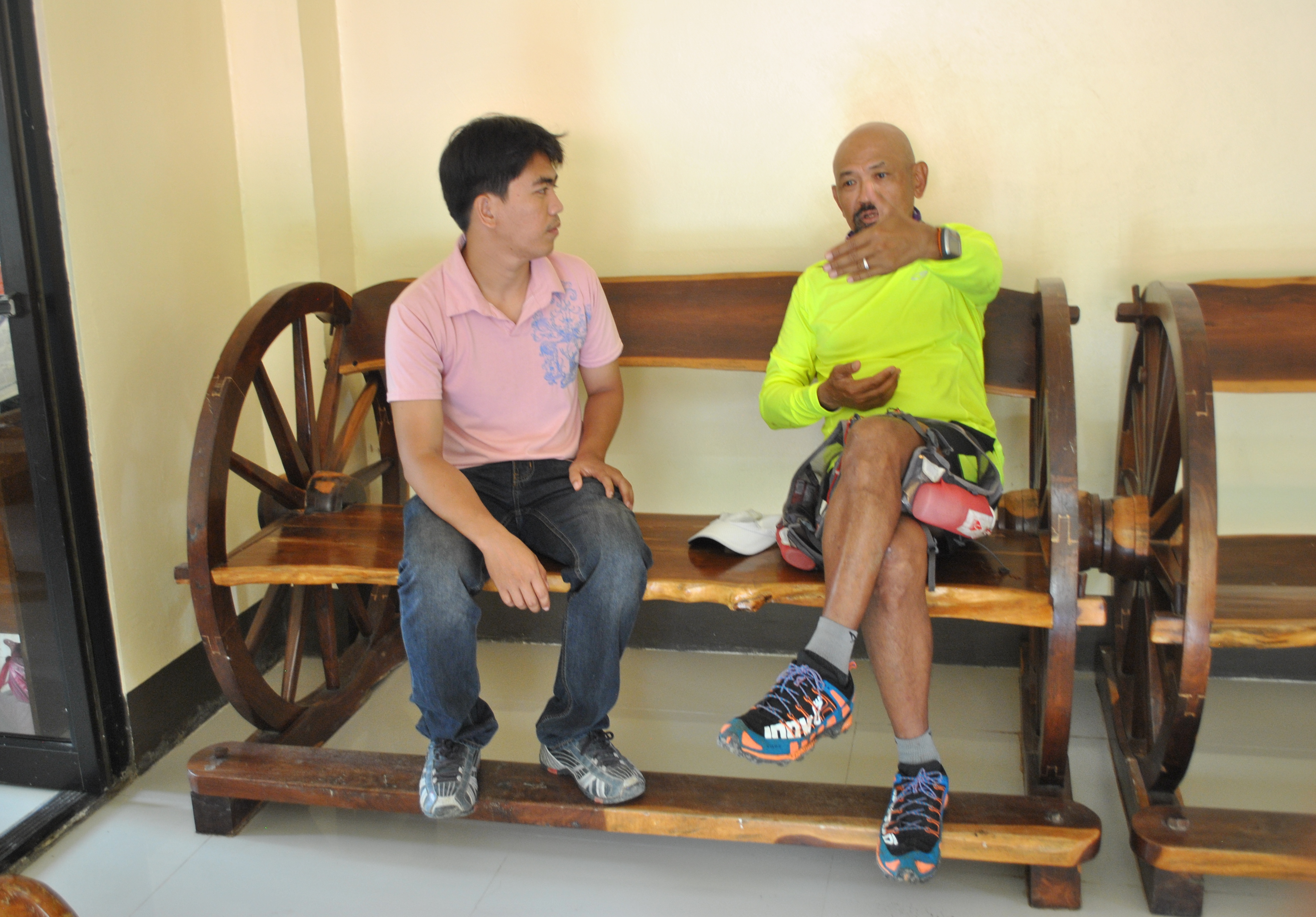
Macario Burgos, Tourism Officer Of Gregorio del Pilar

Macario updated me on the latest research he made on the Battle of Tirad Pass. He told me that the survivors of the Battle of Tirad Pass remained in the area and had their respective family instead of going back to the Tagalog Region. He mentioned at least five of them with their respective locations within the confines of the municipality. He even told me that the grandson of the US informant, Januarius Galut, who led the Americans to a trail to another mountain summit that outflanked the positions of the Filipino defenders of the mountain pass, made a research to prove that his grandfather was forced and under duress by the Americans to be used as a “guide”, instead of being known as a “traitor” who was paid by the invading forces. The Galut Clan are still presently residing in Sigay and within the boundary of Salcedo and Galimuyod.

He explained that there are no tourist facilities, like hotels, home stays , and restaurants within the Poblacion because the tourists would proceed immediately to the trailhead in Barangay Mabatano to register and pay a Permit Fee of Twenty Pesos (P 20.00) per person and then proceed to the General Greorio del Pilar Shrine/Monument or go to the peak of Mt Tirad, establish their camp by using their personal tents, sleep thereat overnight, go to the peak of Mt Tirad for photo-ops in the early morning the following day, and then go back to the Poblacion to catch up with the morning trips of jeeps to Candon City. It should be noted that Commercial Vehicles from the Poblacion of Gregorio del Pilar to Candon City is only available in the morning. The same commercial vehicles would go back to Gregorio Del Pilar in the afternoon, coming from Candon City. The Poblacion is thereby used as a “Drop-Off” point for arriving tourists in the afternoon and then as a “Departure Area” for the same tourists on the morning of the following day.

After I briefed Mr Burgos about my intention of re-visiting the place to re-trace the route that General Aguinaldo had taken at the turn of the 20th century, he told me about his story on his hike from the Poblacion Gregorio Del Pilar up to Cervantes, stating the trail condition, the distance and time/period he was able to cover the said distance. He told me that it took him 4 hours to hike from the Municipal Hall of Gregorio Del Pilar to the Poblacion of Quirino, a distance of about 22 kilometers. From Qurino to Cervantes, the trail that General Aguinaldo took is already a paved road where a small portion/river crossing before Cervantes is not yet paved. The distance from Qurino to Cervantes is 27 Kilometers. He added that the area that covers the route is peaceful.

Lastly, he reminded me that the Metal Plaque (A Dedication Message For The Hikers and People of Gregorio Del Pilar For The Construction of the Hikers’ Camp) that was carved and cemented on the face of big rock within the vicinity of the Hikers’ Camp near the peak of Mt Tirad is still there for me to see. That would be a nice mission for me to take a picture of it because my name and the name of the Municipal Mayor of Gregorio Del Pilar then were inscribed in the said plaque.

To be continued.
 

General Aguinaldo Trail: Hike & Survey (Part #1)


General Aguinaldo Trail: Hike & Survey (Part #1)

For four (4) days, I went for a hike and survey to the historic General Aguinaldo Trail from Candon, Ilocos Sur to Lamut, Ifugao which covers an estimated total of almost 300 kilometers of trails and paved roads.

After studying the available maps and sketch of the posted route of General Emilio Aguinaldo, I decided to start the survey and hike at the intersection of Candon Highway with the road going to the towns of Galimuyod, Salcedo and Gregorio Del Pilar. The road intersection is in front of the Candon South Central Elementary School.

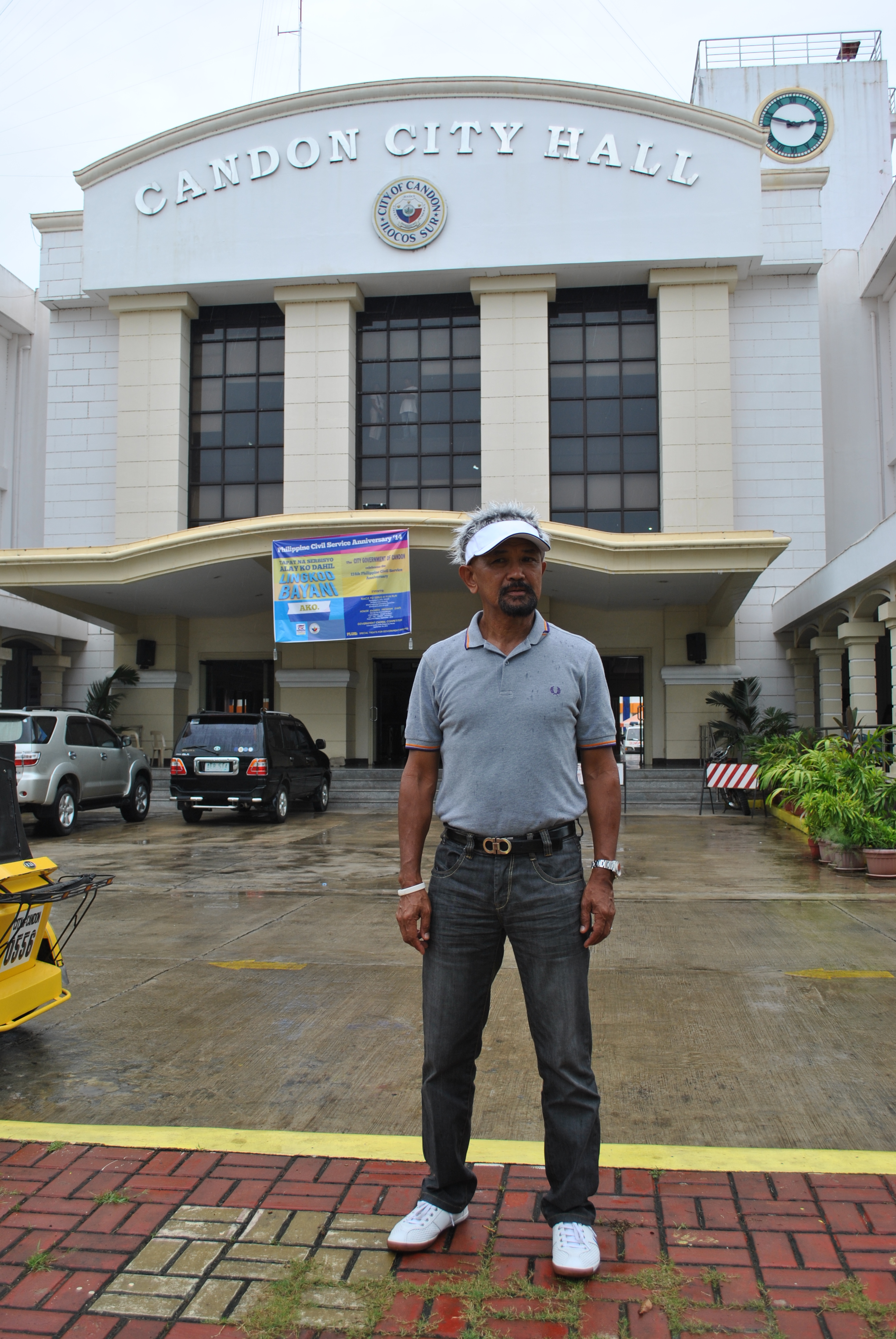
In Front Of The Candon City Hall
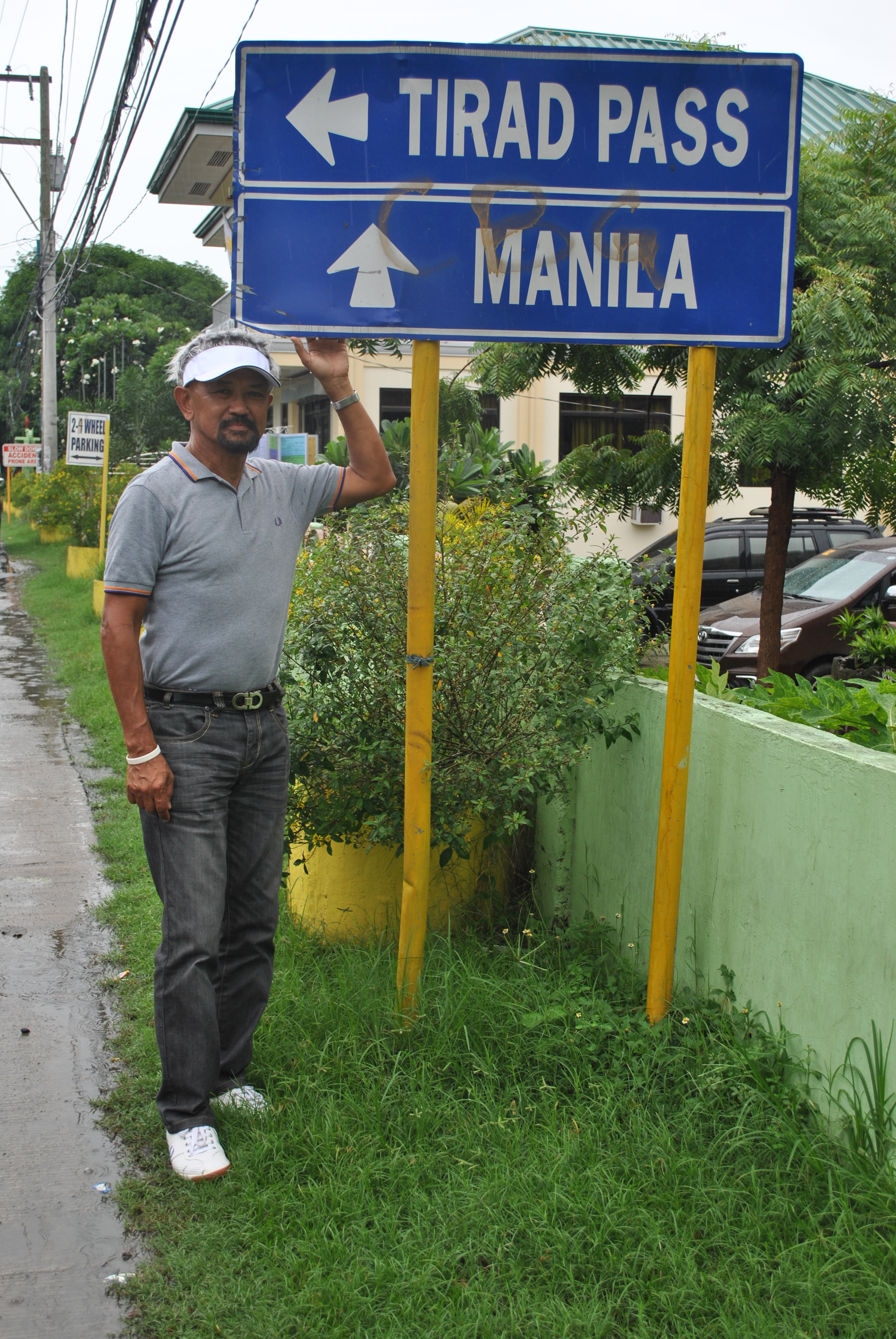
Intersection Candon Highway & Galimuyod-Salcedo Road
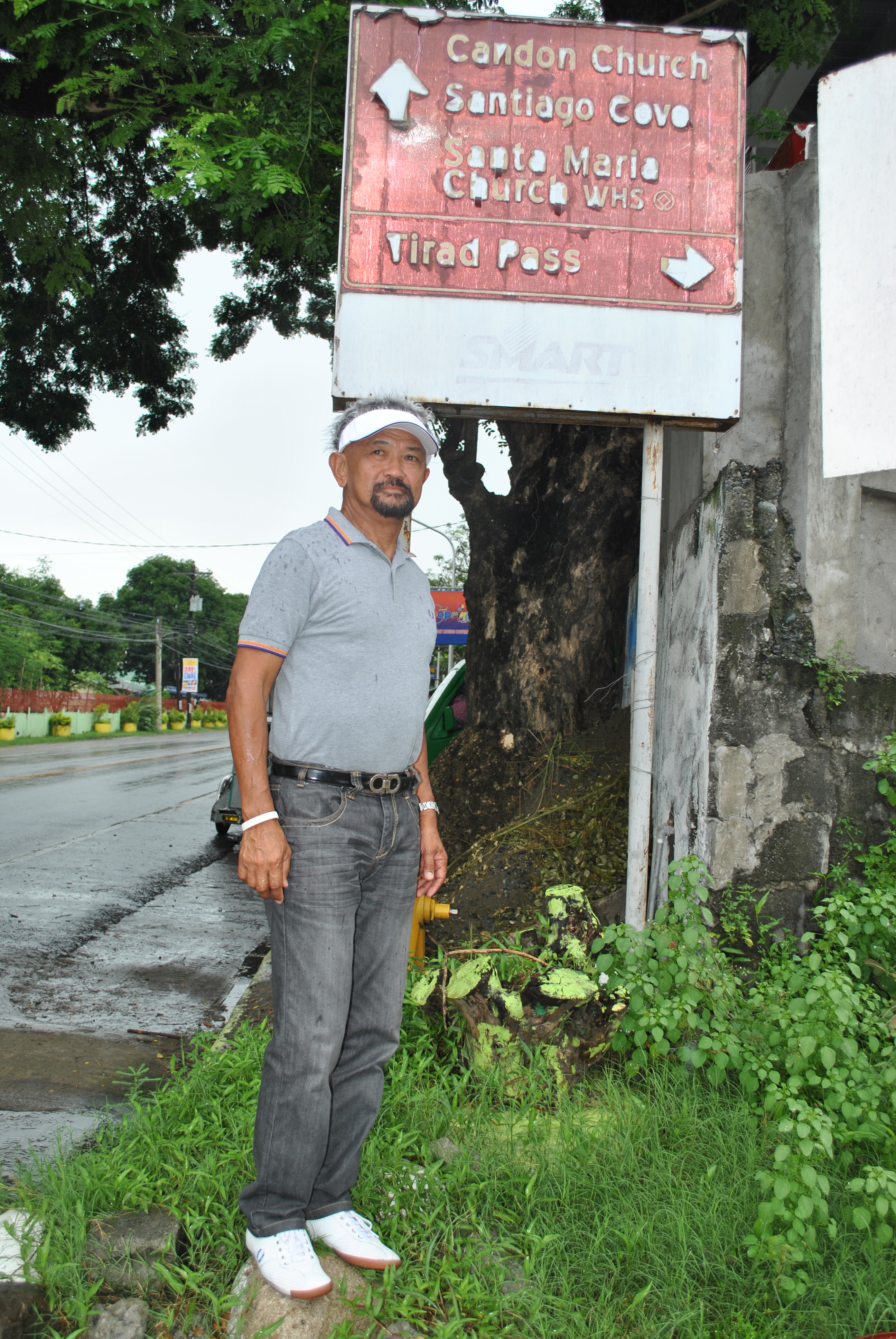
Another Entry Point To The Candon-Salcedo Road

I’ve been running on the road from the said intersection in Candon to the Poblacion of Salcedo when I was a Battalion Commander where my Headquarters was located at a high elevated portion of the town which is about one kilometer away from the Municipal Hall. The distance from the Highway Intersection is exactly measured as 12 kilometers to the Poblacion of Salcedo.

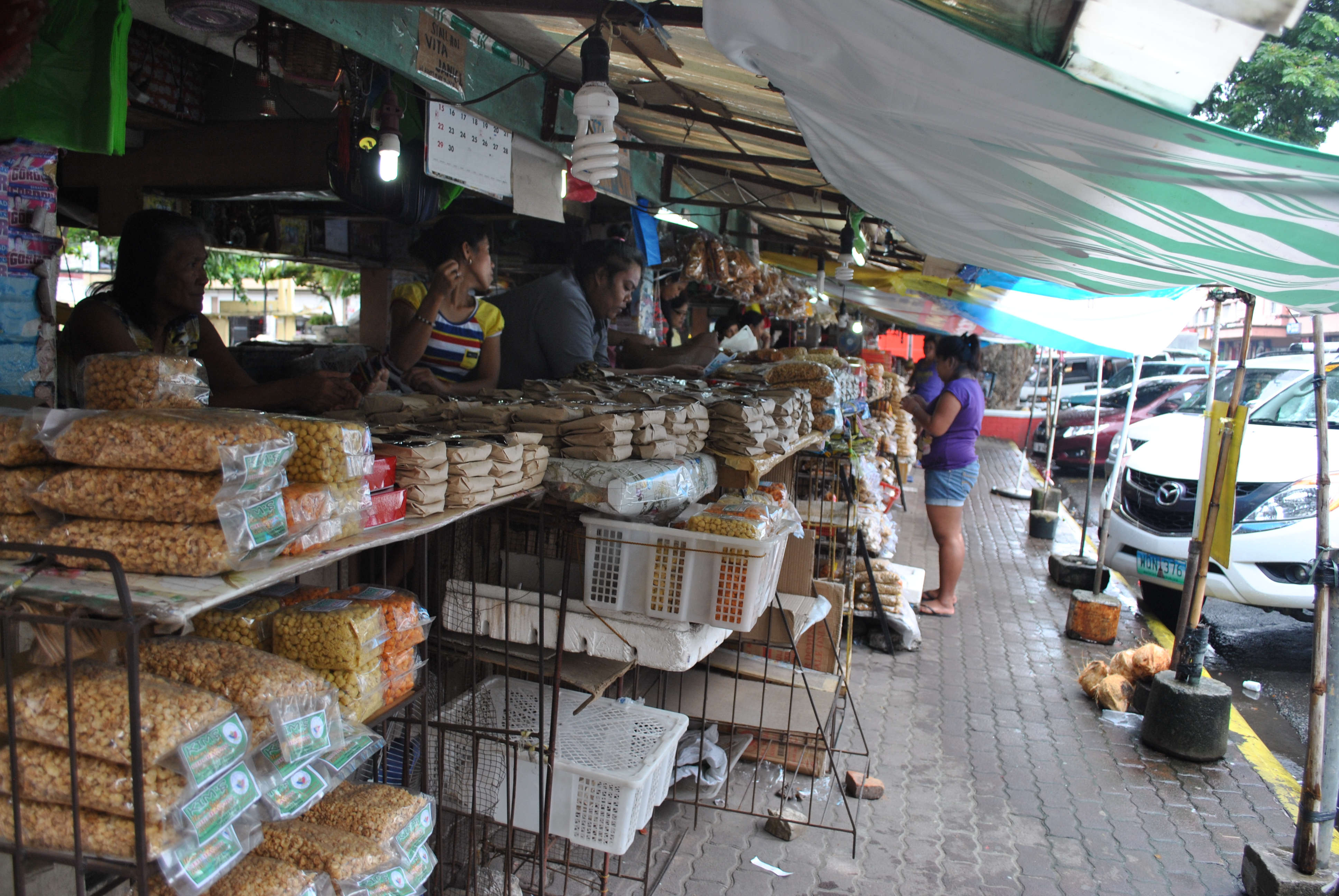
Candon City Is Famous For Its "Calamay"
Candon City Is Famous For Its “Calamay”

When I was the Battalion Commander of the 60th Infantry Battalion, I would hike up to the peak of Mt Tirad almost every month and I have measured it to about 24 kilometers from my Headquarters, one way. I had to pass and cross the Buaya River for fifteen (15) times before I would reach the intersection road to Gregorio Del Pilar and Sigay, Ilocos Sur. Bringing with me 15 Scout Rangers who are fast hikers would complete my weekend trips to Mt Tirad.

My first step in my survey for the General Aguinaldo Trail was for a courtesy call to the City Mayor of Candon City (Ilocos Sur). The travel from Manila to Candon City is about 5 to 6-hour easy driving in a private vehicle. There are also commercial buses that would pass the city that go to northern destinations like, Vigan, Laoag, or Bangued, Abra. Candon City has also hotels and pension inns located along the Highway and at the Commercial Center of the City. My purpose in paying a courtesy call to the City Mayor of Candon is for him to be aware that his city will be the starting point of the General Aguinaldo Trail. Unluckily, I was not able to catch the presence of the City Mayor in his office after his meeting with his City Council.

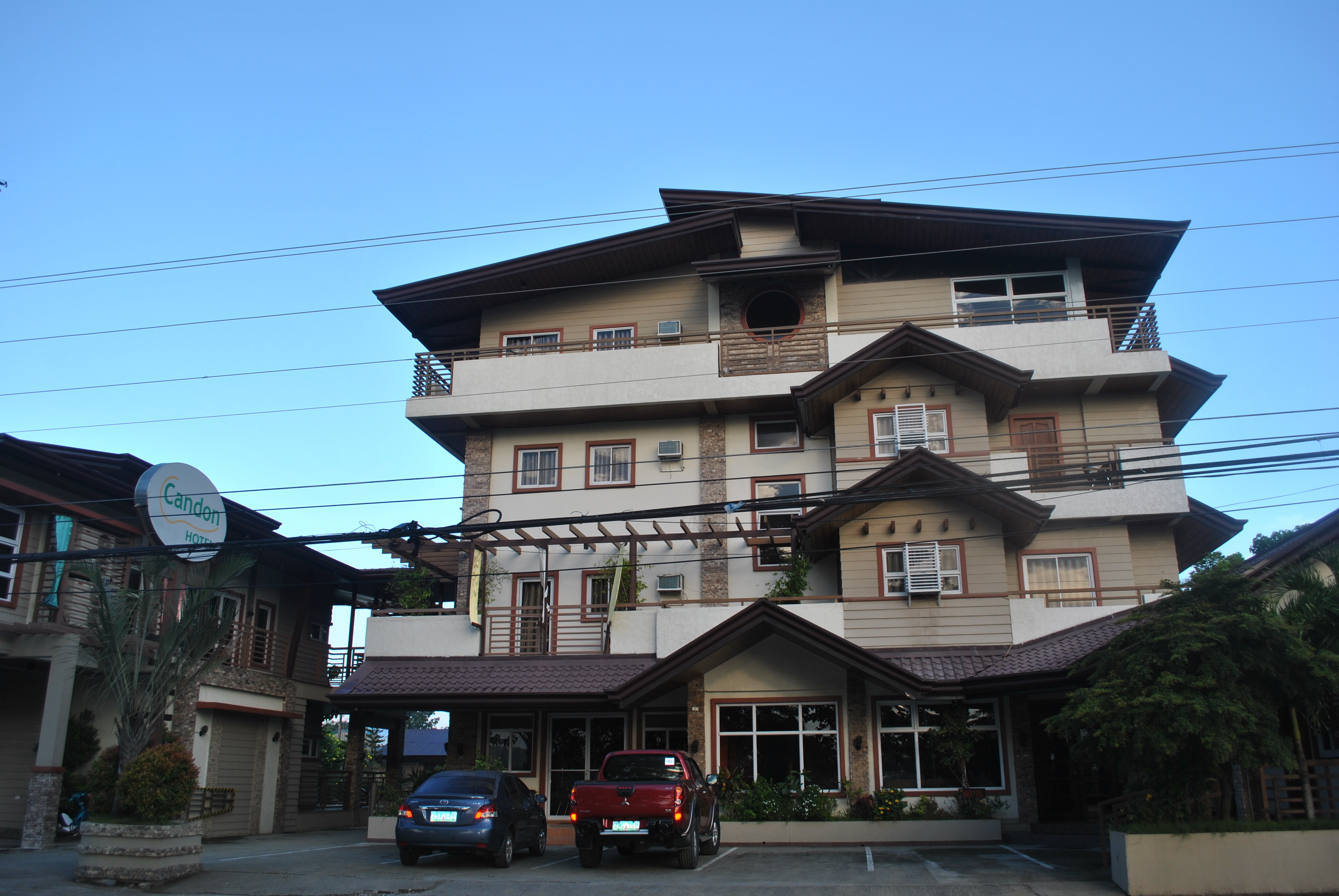
Candon Hotel Along The National Highway

My next visit from Candon City was towards the town of Salcedo where I’ve stayed for almost seven months in 1995 and where I’ve established my Command Post while my Battalion was in charge of the provinces of Ilocos Norte, Ilocos Sur, and Abra in our efforts to solve the insurgency situation in the area.

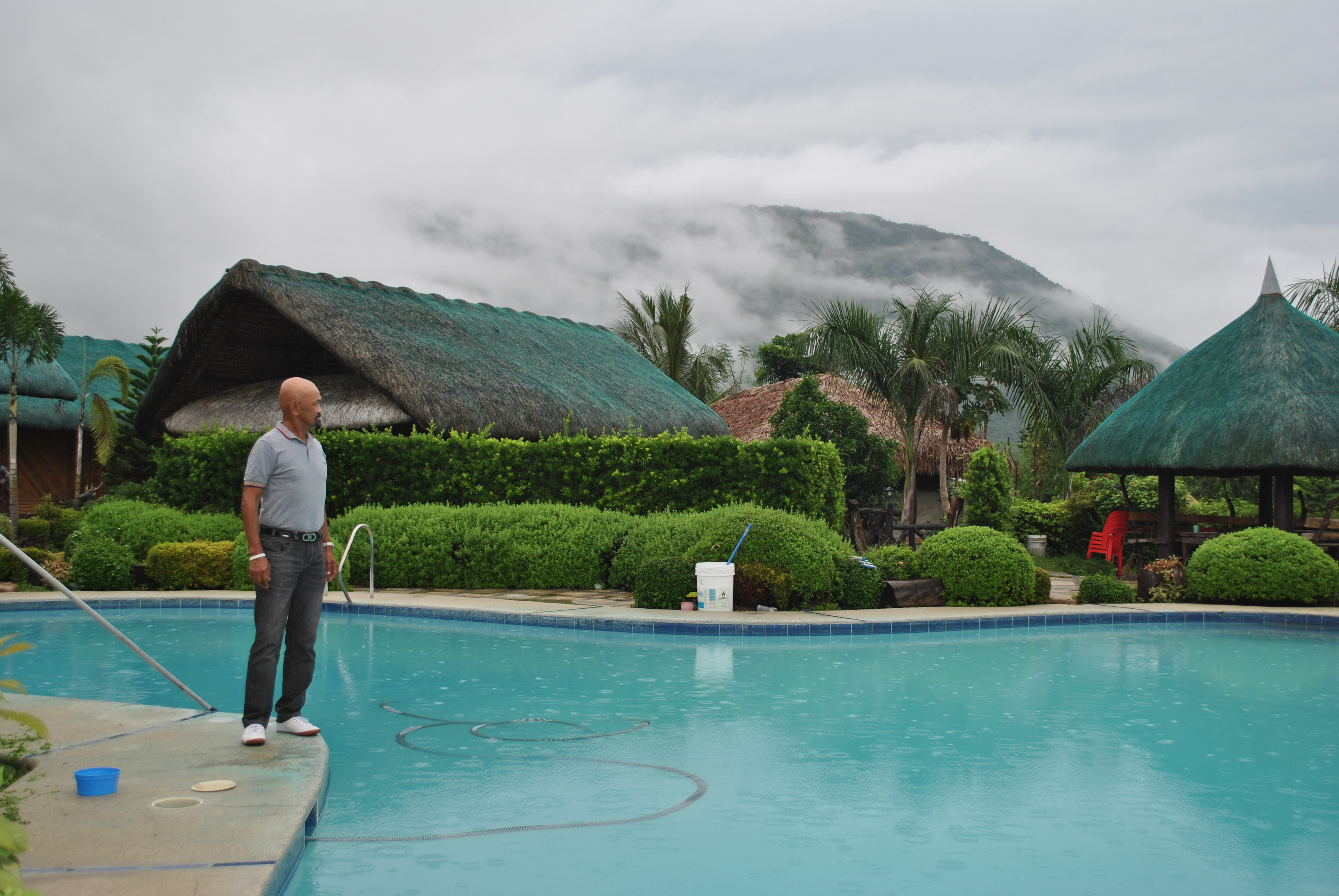
I was surprised to be entertained as a special guest at the Resort of the Former Mayor of the town, who happens to be the Municipal Mayor when I was posted in the area. For the two days that I’ve stayed in the Candon-Galimuyod-Salcedo-Gregorio del Pilar area, the Resort became as my “Base of Operations”.

My Adventure's "Base Of Operations"
My Adventure’s “Base Of Operations”

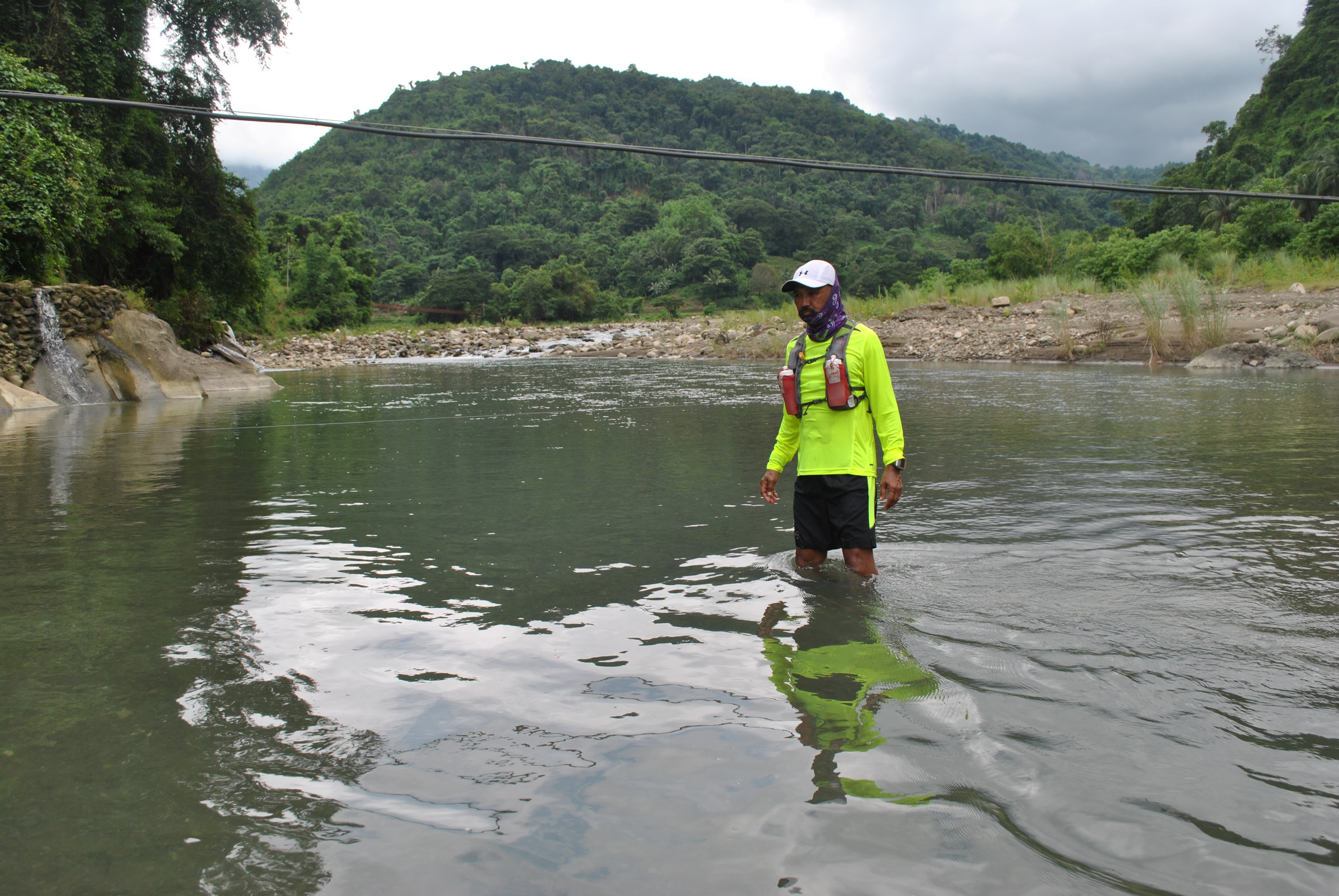
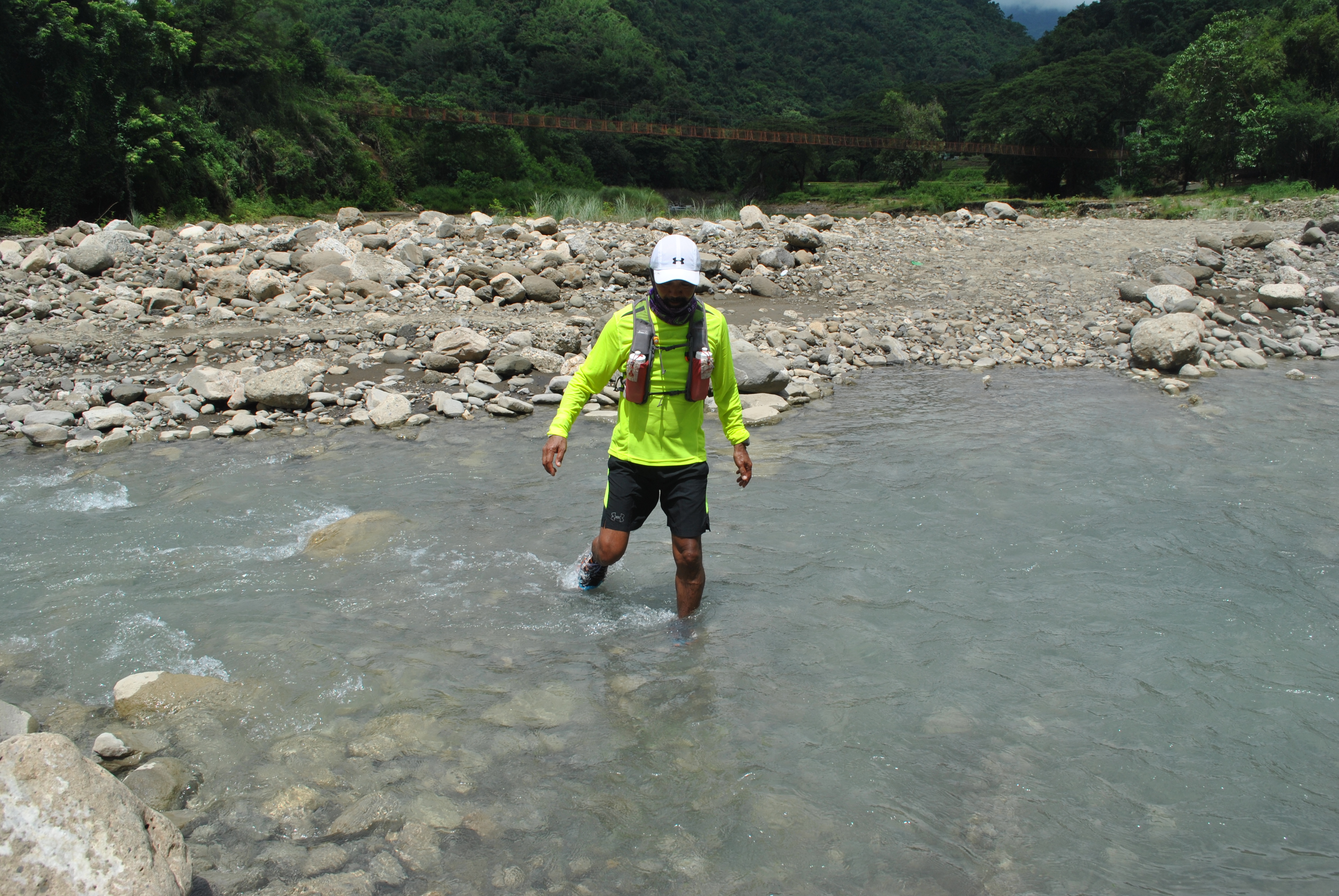
On my second day, I went for a hike from Salcedo to the town of Gregorio Del Pilar, the trailhead of Mt Tirad. I was surprised to see that there is already a paved road on the side of a mountain that connects the two municipalities. However, the road does not completely avoided the crosssing of the Buaya River. I was surprised that I had to cross the river for two times only instead of 15 times!

Salcedo-Dregorio Del Pilar Road
Salcedo-Gregorio Del Pilar Road
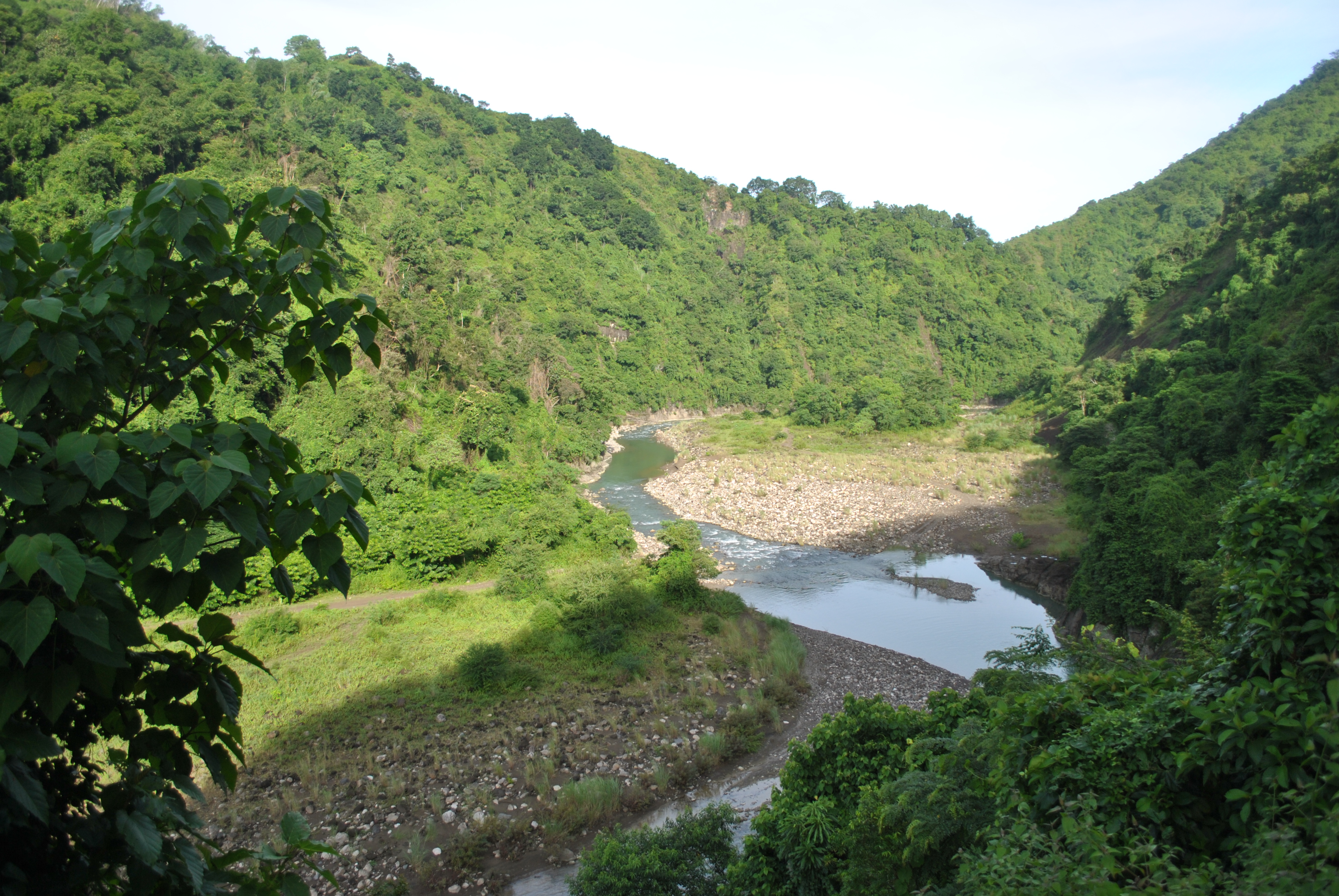
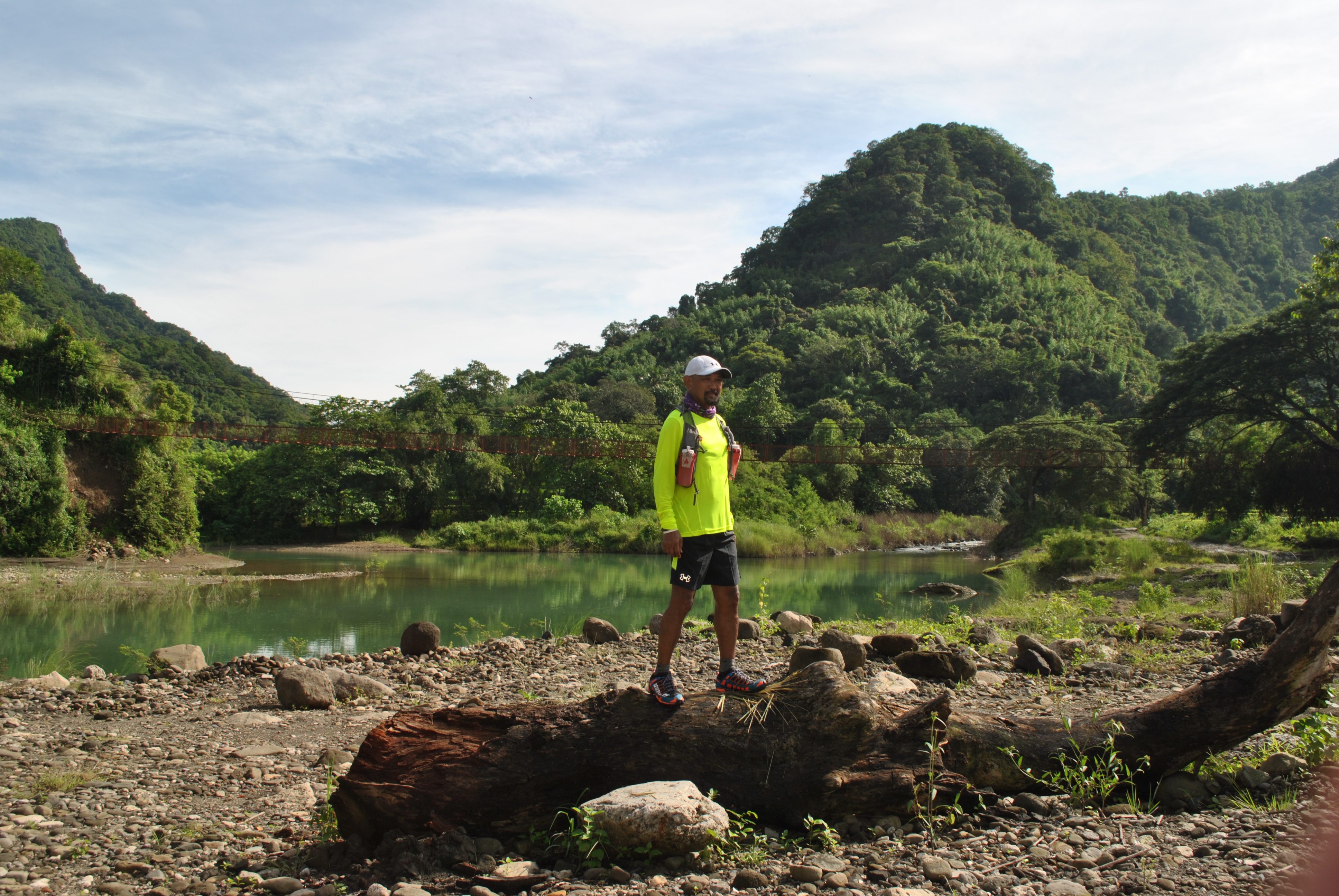
A View of The Buaya River From The Road

Along the way, I had a chance to talk to the people whose houses were located beside the route and where little convenience stores are located. I will post a separate story on these encounters and conversations with the local people.

From the intersection of Gregorio del Pilar and Sigay towns and after crossing the river for two times, a paved road which is 6 kilometers in distance would lead me to the Poblacion of Gregorio Del Pilar. The paved road is covered with trees and thick vegetation as I could see the peak of Mt Tirad getting closer. I have observed that the trail that I’ve been using during my hikes to the town 19 years ago was still being used by the farmers who would walk from one barangay to another and before reaching the Poblacion of Gregorio del Pilar.

Forest Along The Route
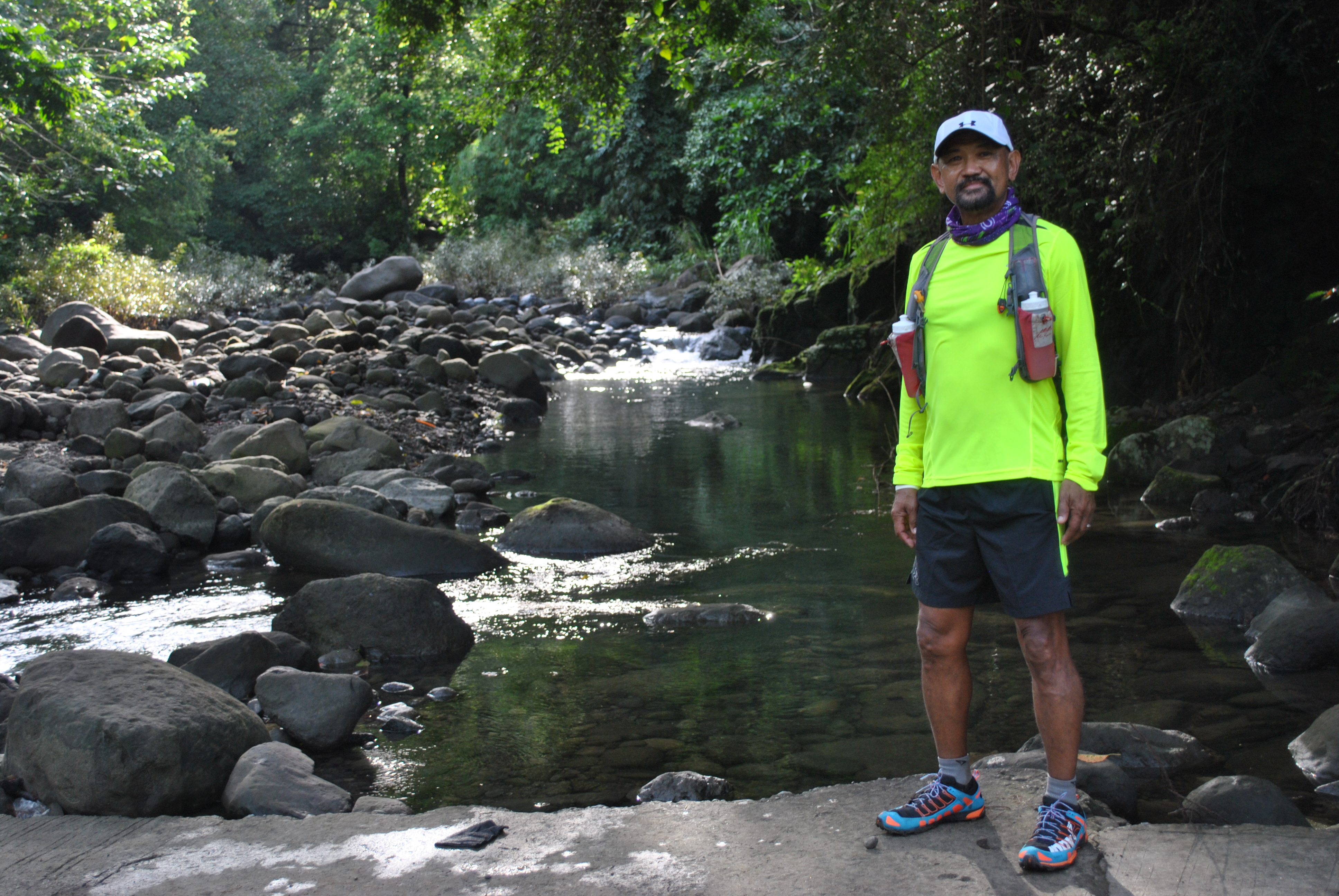
Clean Water On Creeks Along The Route

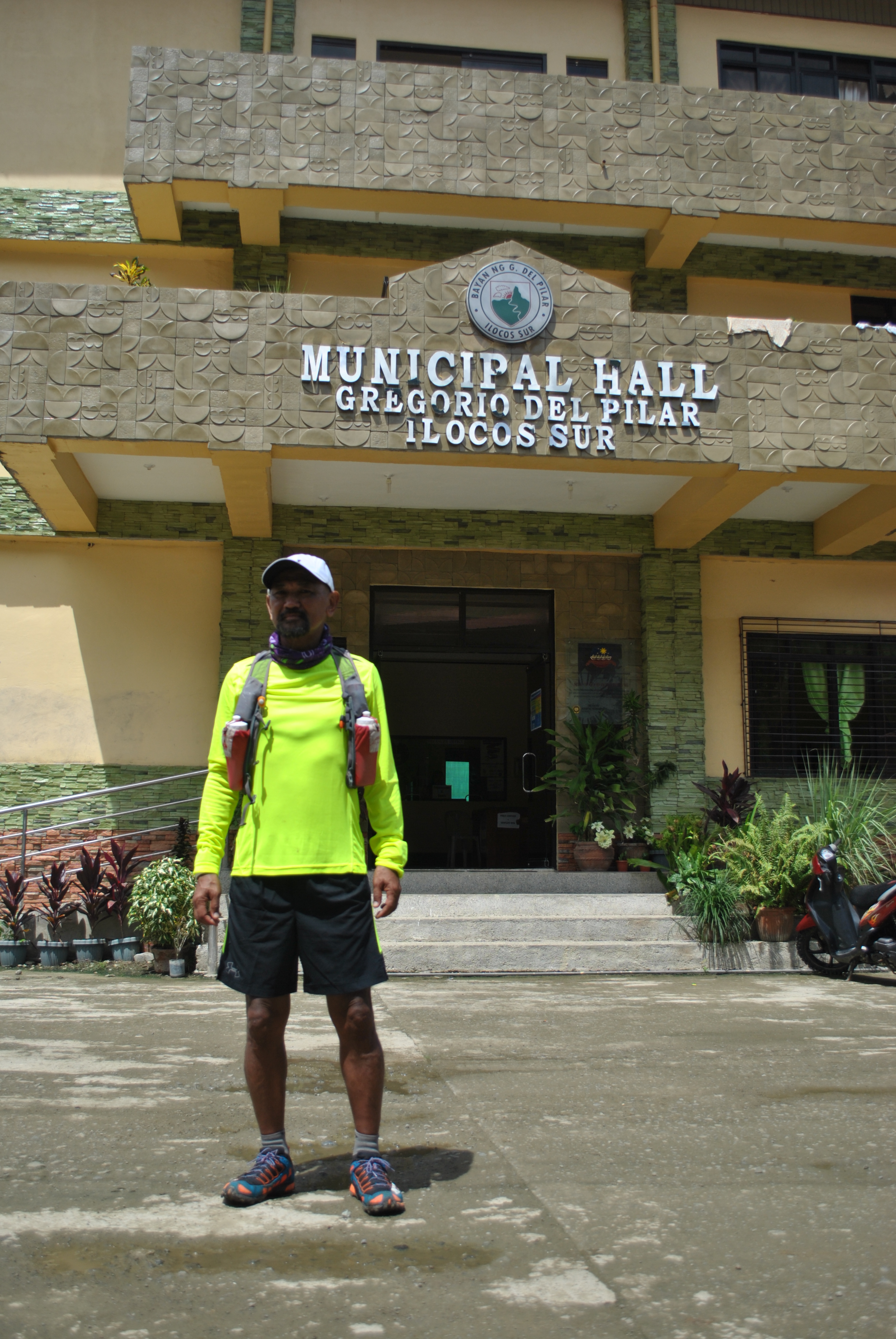
In less than two hours of hiking and jogging from the Intersection of Sigay and Gregorio del Pilar, I was able to reach the Poblacion of Gregorio del Pilar. The place seems to be congested with buildings and houses. There is a newly-constructed Municipal Hall, a separate Rural Health Office/Clinic One-Storey Building, and the Municipal Plaza is now covered with roof which could be transformed into a basketball court and Assembly Area. The old Municipall Hall is still there and being used as additional offices.

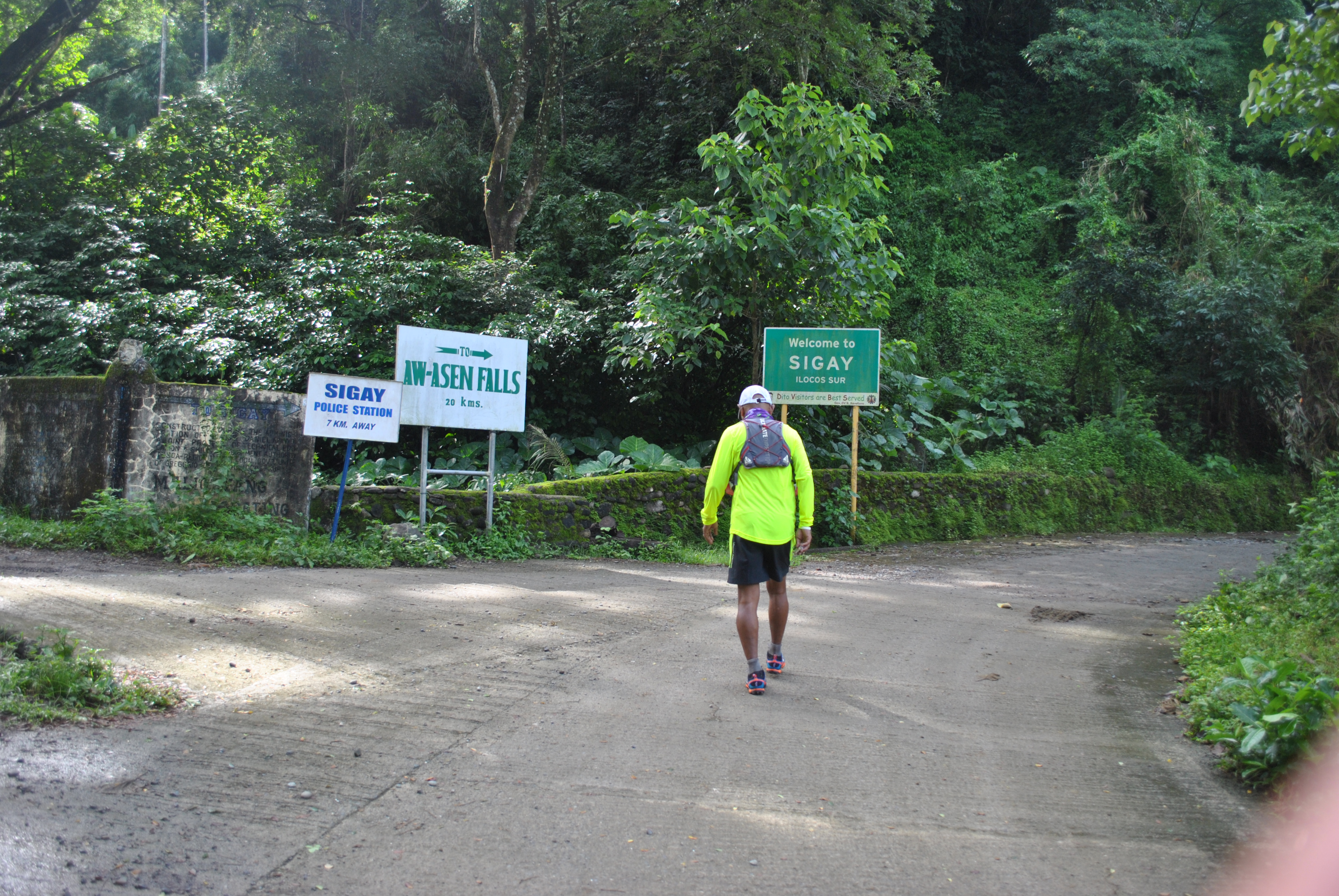
Intersection Road For Gregorio Del Pilar and Sigay
Road Intersection For Sigay & Gregorio Del Pilar

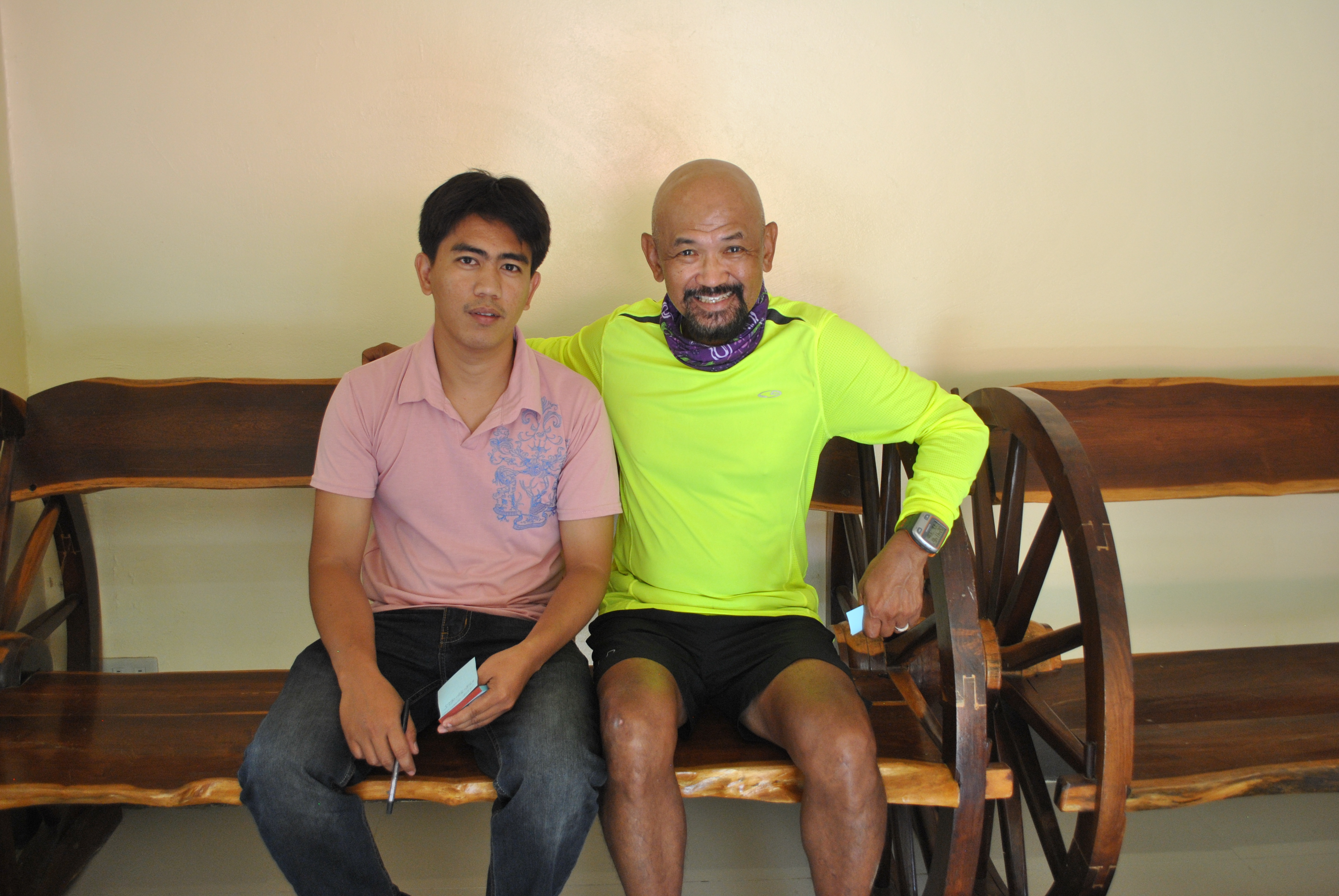
The Municipal Mayor is a lady but unfortunately, she was not in the area but her staff in her office were very kind, courteous, and accommodating. I was able to make a very quick rapport with her secretary and the administrator of the Municipal’s Facebook account. The young and energetic Municipal Tourism Officer, Macario Burgos, was able to brief me about the tourism developments in the town. All the needed information about Mt Tirad and the Municipality were provided by Mr Burgos. He even gave me additional information about the General Aguinaldo Trail.

In Front Of The New Municipal Hall of Gregorio Del Pilar, Ilocos Sur
Macario Burgos, Municipal Tourism Officer Of Gregorio Del Pilar

There is only one eatery/restaurant in the Poblacion and Mr Burgos was kind enough to accompany me and joined me for lunch. At the eatery, I was able to talk to more locals who would drop by to have their lunch. The Municipality had progressed due to tourism and agriculture since the mid-90s.

After lunch, I decided not to proceed to the peak of Mt Tirad having known the place and distance from the Poblacion when I was assigned in the area. I’ve found out that the Municipal Tourism has a registration area at the Trailhead at Barangay Mabatano and every hiker has to pay an Environmental Protection Fee of P 20.00. In my future thru-hike along the General Aguinaldo Trail, I will have to be back to this place and renew my experience in reaching the peak of Mt Tirad.

Getting back to my “Base of Operations” in Salcedo was uneventful and my staff and I had an easy jog and hike for the distance of 12 kilometers. We had more time to appreciate the beauty of the scenery and take more pictures on the things that we saw along the way.

The following picture gallery will explain more about my hike from Salcedo to Gregorio Del Pilar and back.

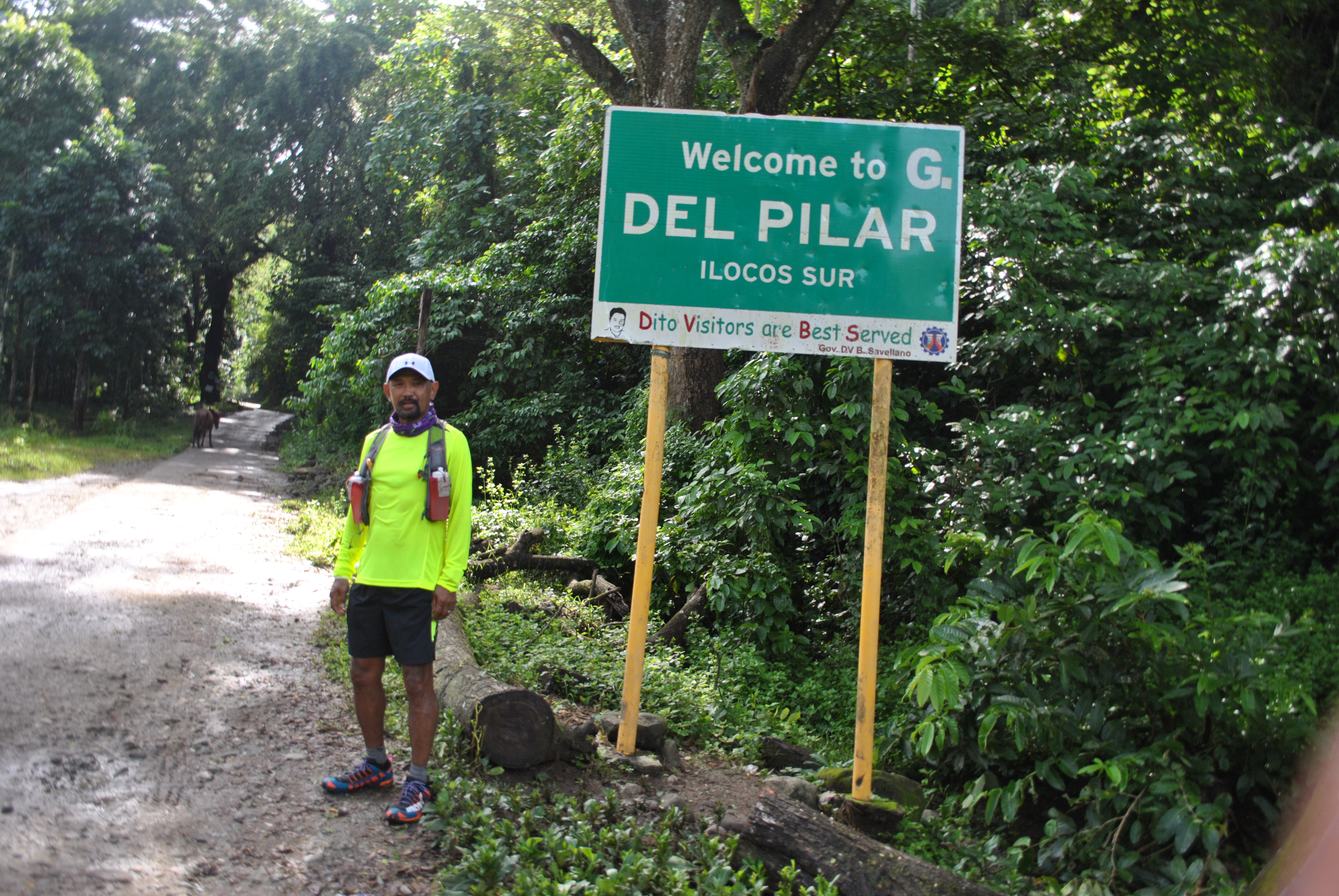
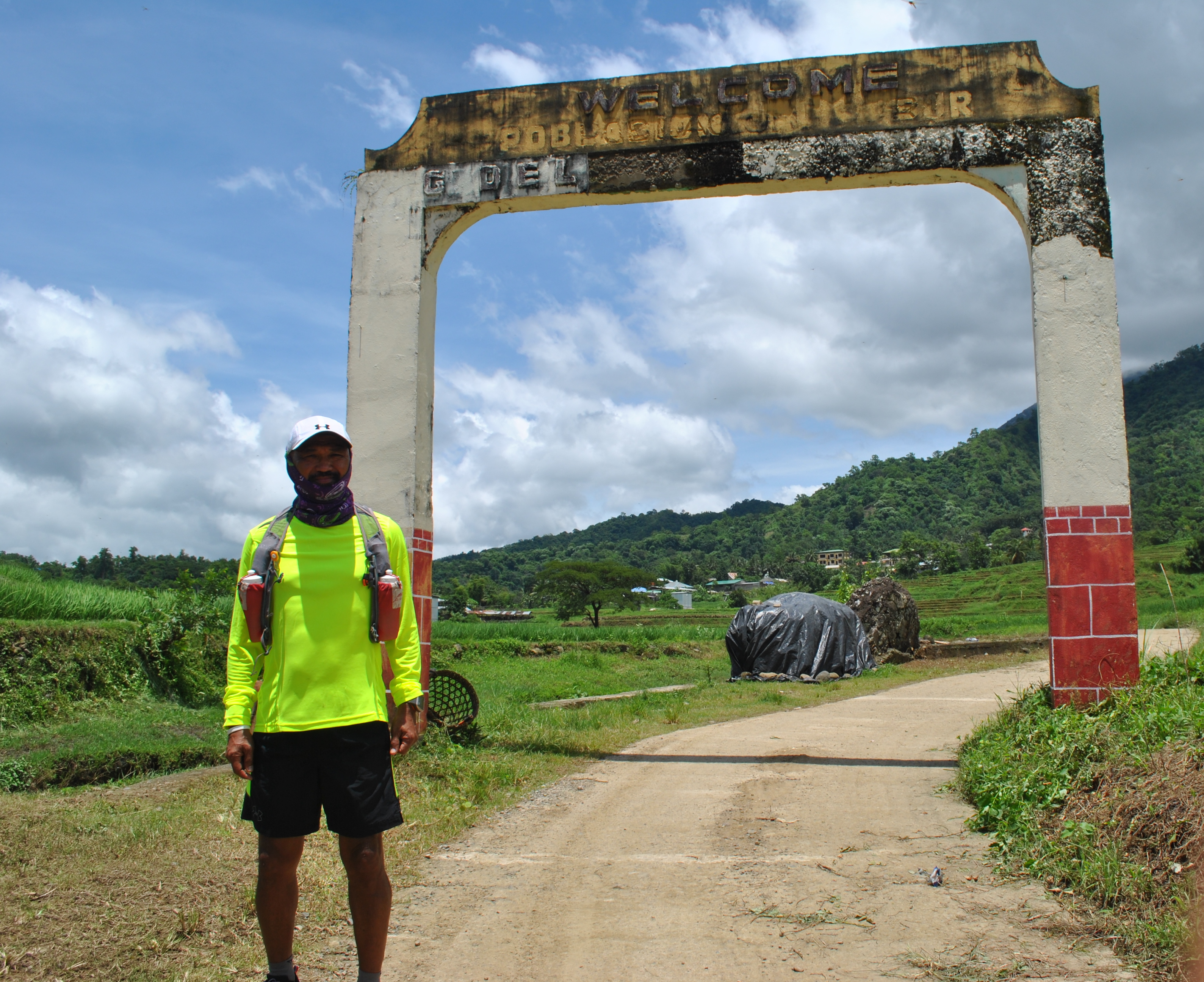
WELCOME Arch @ Gregorio Del Pilar's Poblacion
WELCOME Arch @ Gregorio Del Pilar’s Poblacion
River Intersection, Lagoon, Hanging Bridge, Beautiful Mountain & Hills, & Green Scenery
River Crossing #1
River Crossing #1
River Crossing For Motorcycles @ P20 Each
River Crossing #2
River Crossing #2
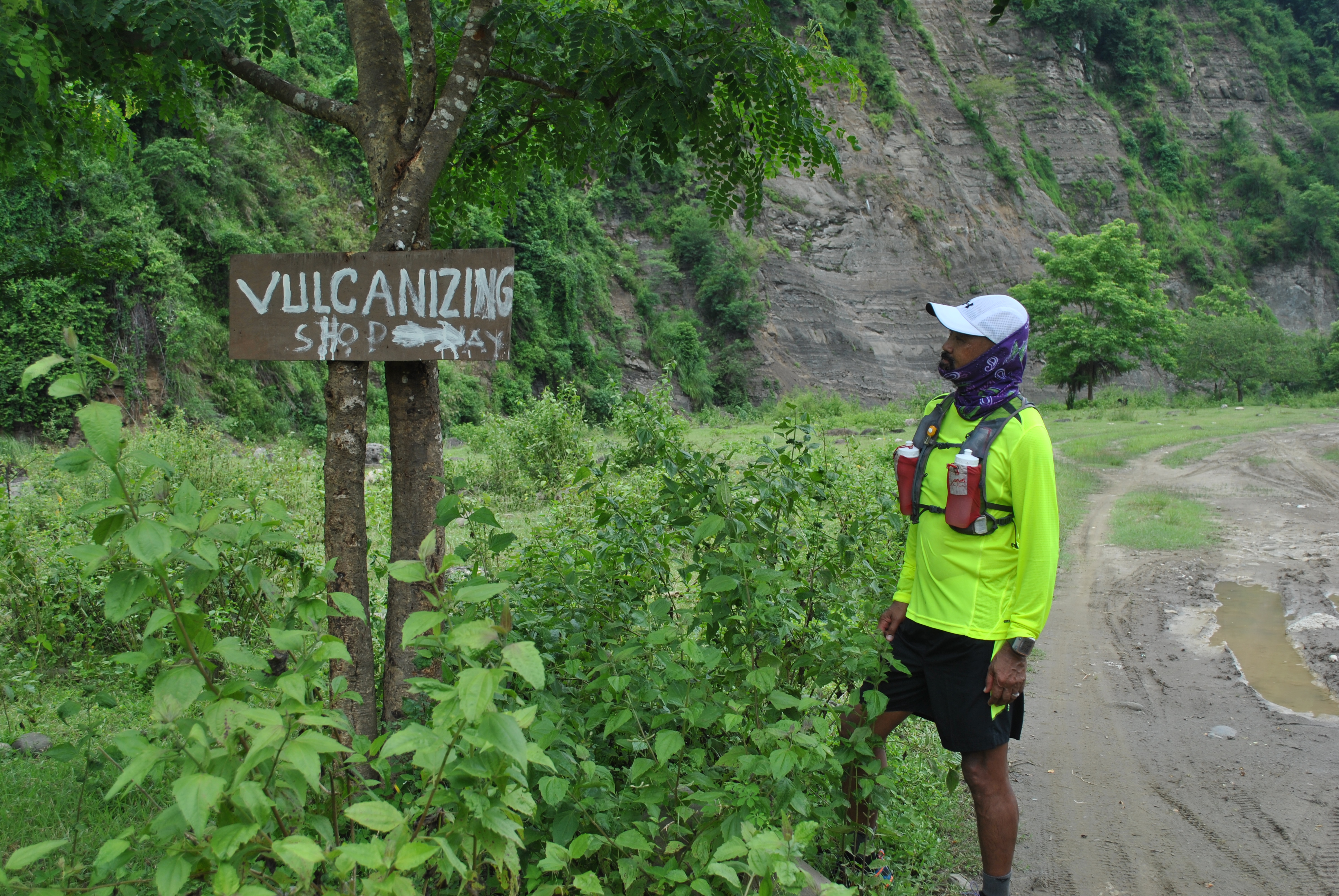
Vulcanizing Shop On The Trail?
The Reason Why There Is A Vulcanizing Shop!
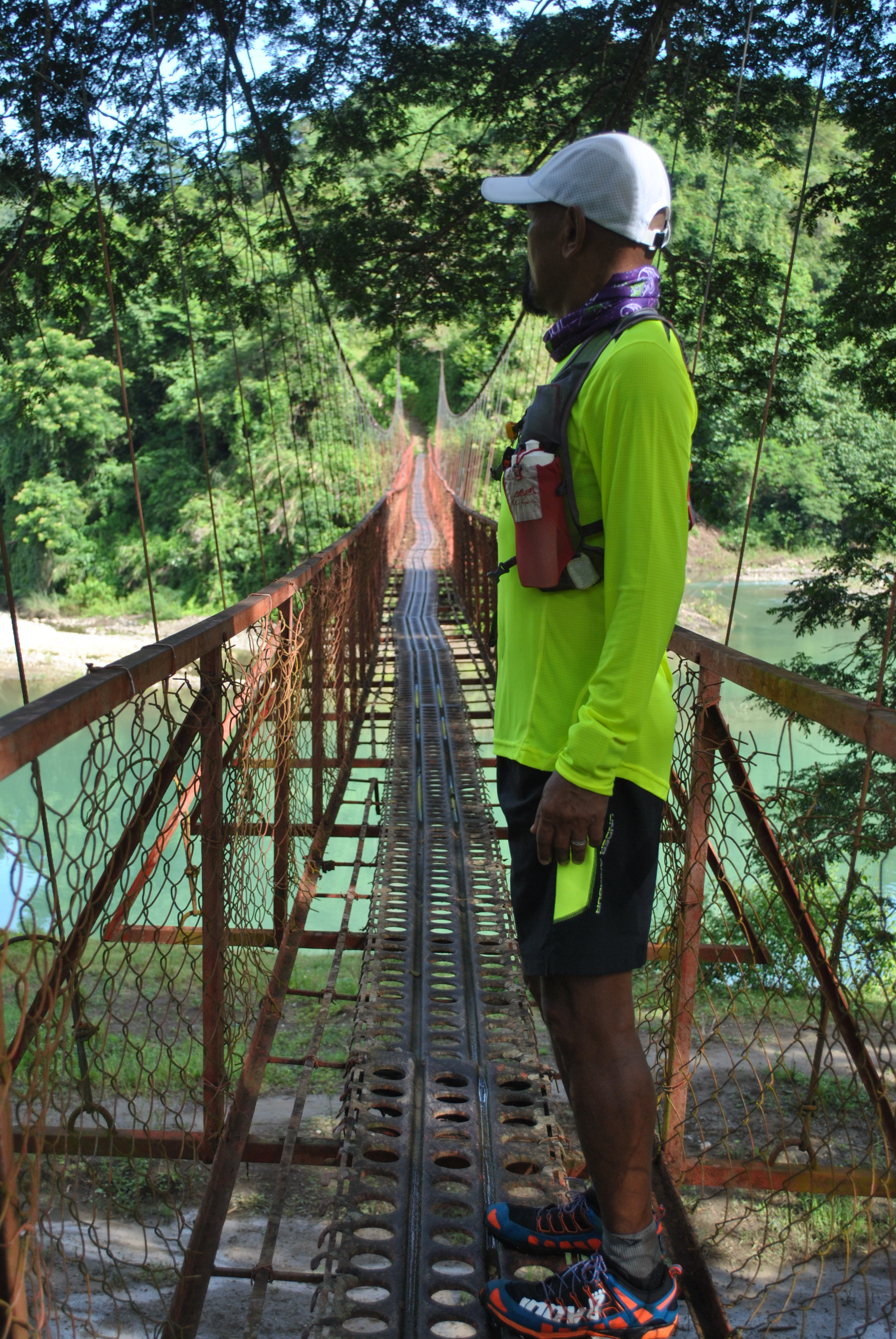
Hanging Bridges Along Salcedo-Gregorio Del Pilar Road
One Of The Hanging Bridges Along Salcedo-Gregorio Del Pilar Road
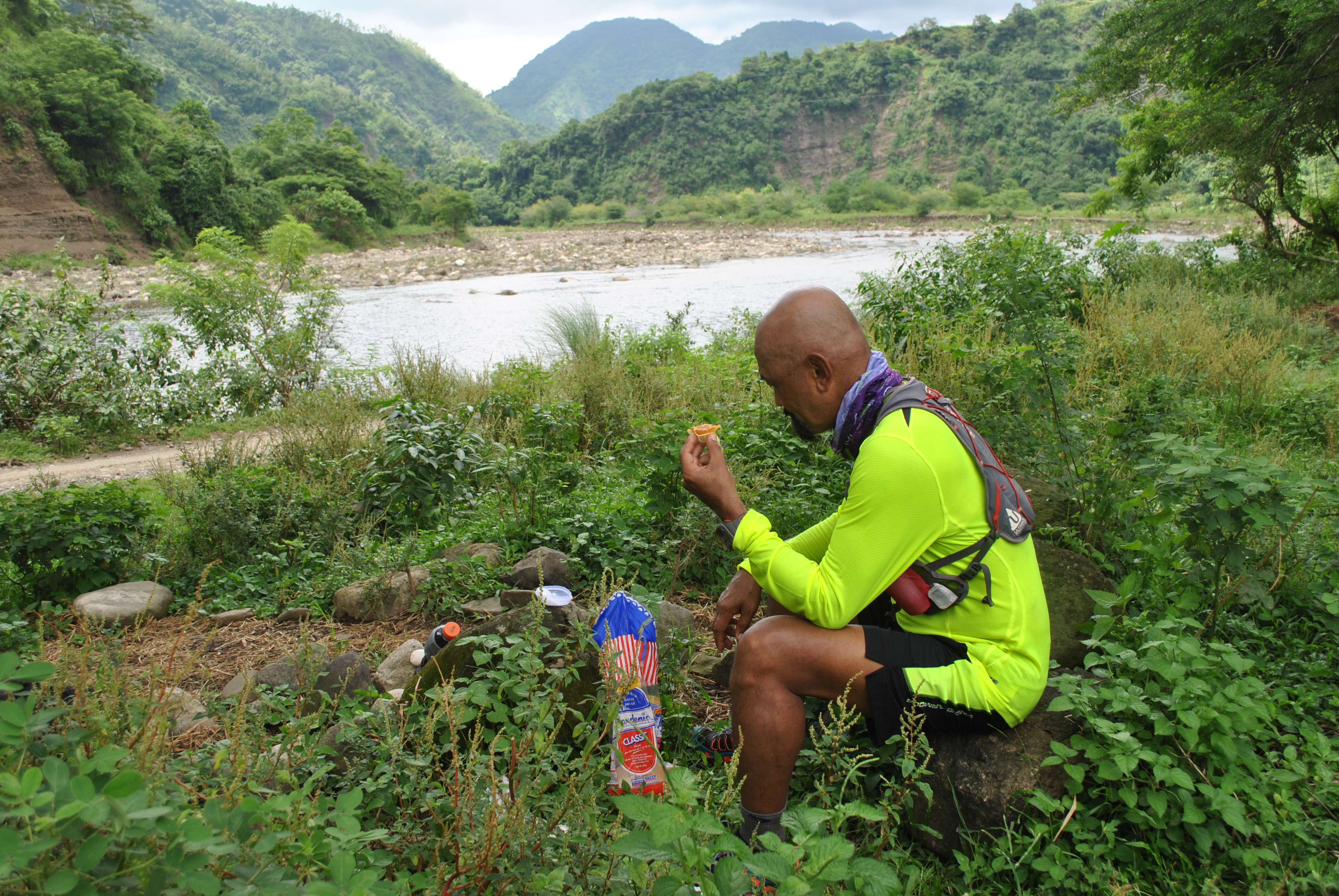
Afternoon Snacks Before Reaching My Base Of Operations
Afternoon Snacks Before Reaching Back To My Base Of Operations
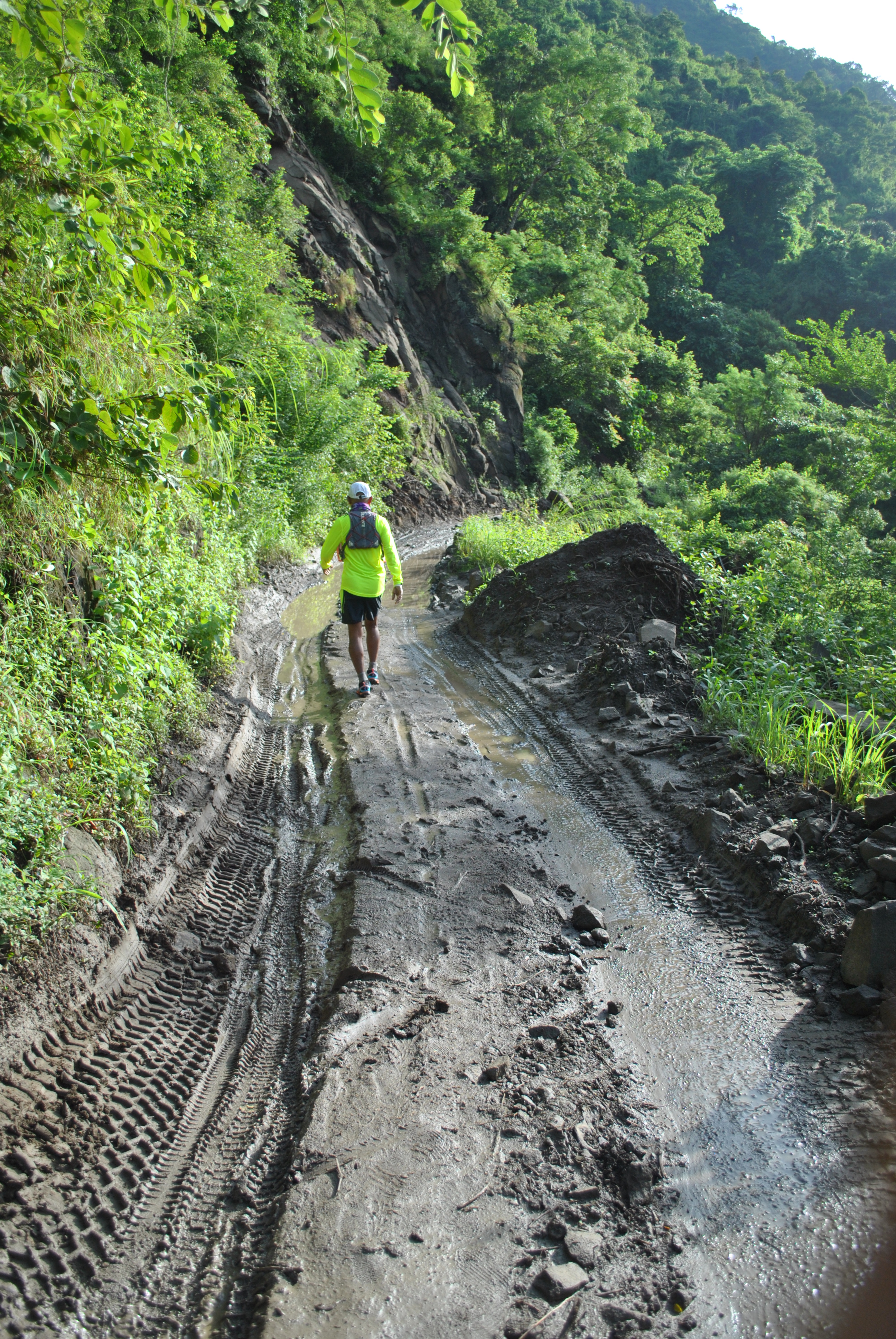
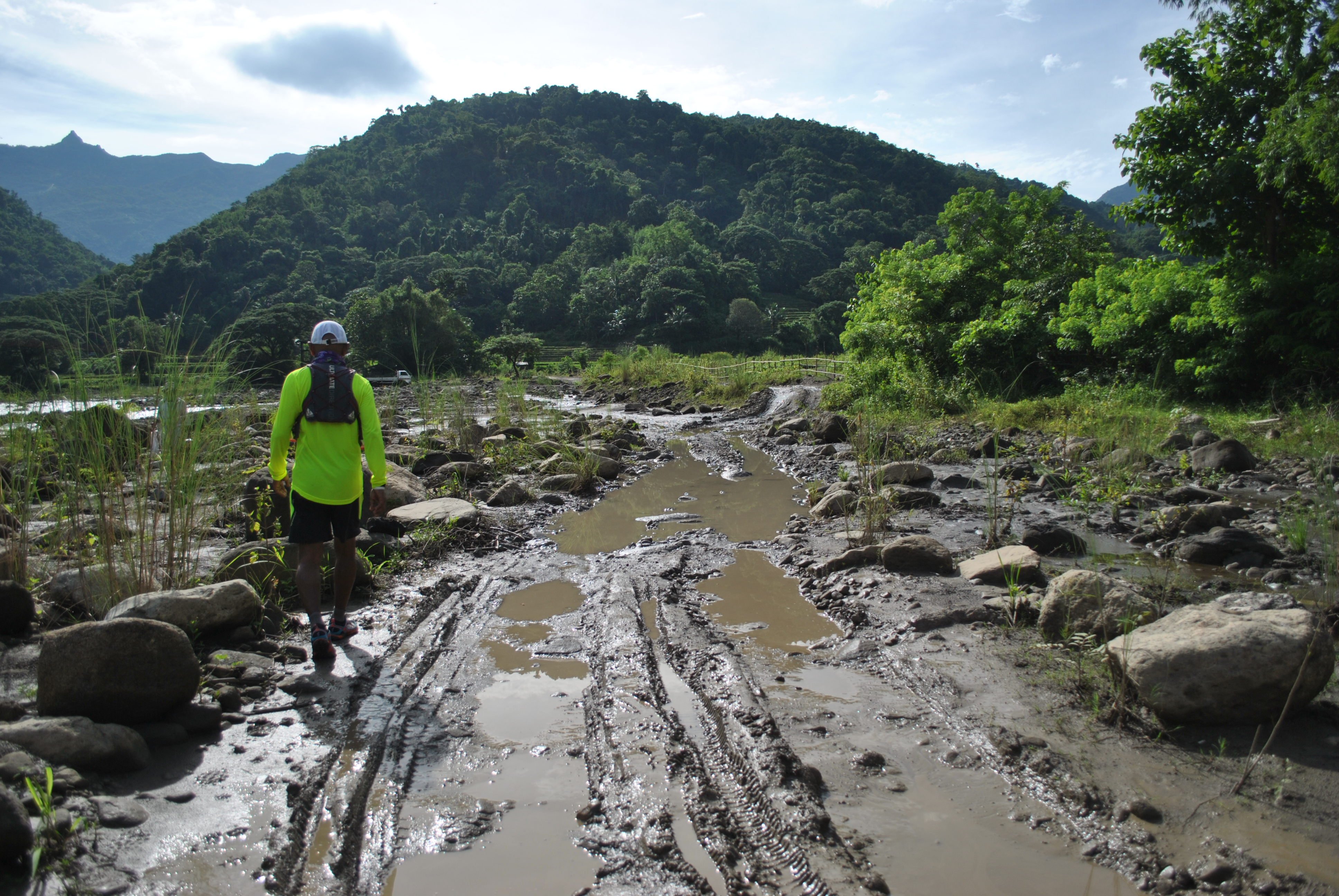
Muddy Trail During The Rainy Season

To be continued.
General Aguinaldo Trail #2: My Thoughts & Plans


My Thoughts & Plans On The General Aguinaldo Trail

As I am trying to re-trace the route that General Emilio Aguinaldo and his entourage took in his journey to avoid being captured by the American Forces during the Filipino-American War/Insurrection War in 1898-1902, from Candon, Ilocos Sur to Palanan, Isabela, the following thoughts played into my mind.

More or less, these thoughts will be implemented in the events that I would conduct and share to interested persons or groups who would like also to experience what our forefathers have trekked in this historic route.

1. The General Aguinaldo Trail is a HIKING destination. Going through what General Aguinaldo and his entourage had taken almost 115 years ago in five months and 18 days with a perceived armed enemy on their tail is beyond comparison to what the present day hiker would do along this route. There NO need for a hiker to be fast and come up with a new hiking record to travel on foot along the said route. However, anybody can do this kind of risk on their own.

2. A hiker can be on self-support, carry his/her own tent, sleeping bag, and his food provision. A hiker can take advantage of the Barangay Halls or Village Centers along the route or residences of the locals in the area as their resting places. There are also convenience stores and eateries along the route as most of the parts of the road are being used for commerce and visitors.

3. The route is no longer pure trail or dirt road. Some parts of the original Aguinaldo Trail are now paved where transport system is well established. Commercial transport as well as private vehicles can now travel along this route. However, the challenge on the elevation gain and loss is still there.

4. Honor System is encouraged to all the hikers from the start up to the finish.

5. Patterned after the famous trails like, Pacific Crest Trail (PCT), Continental Divide Trail, Appalachian Trail and other famous trail systems in the world, an Association will manage the entry and processing of each hiker that will pass through the route. Actually, I have created “The General Aguinaldo Trail Association, Inc.” and have it registered to the Securities and Exchange Commission as the sole association that will process interested hikers to this route.

6. Registration to Hike on this trail will be for “Thru-Hikers” Only. “Thru-Hikers” are those hikers who will stay along the route from start up to the finish or until they reach the final destination. If a hiker decides to take a break or rest in Baguio City or Manila or in his/her place of residence and then proceed back to where he/she stopped to continue the hike, this is NOT considered as “thru-hiking”. A hiker is considered DNF once he/she leaves the trail beyond the radius of 10 kilometers. It should be NOTED that there is only ONE Direction in “thru-hiking” this route—from Candon, Ilocos Sur to Palanan, Isabela. If a hiker decides to hike a section of the route, then there is NO need to register.

7. Registration to hike along the General Aguinaldo Trail will be On Line through my blogsite at http://www.baldrunner.com and/or through the General Aguialdo Trail Group Page on Facebook. This system/ arrangement is temporary while a dedicated Website for the General Aguinaldo Trail Association, Inc. is being constructed.

8. A corresponding registration/processing fee will be paid by each hiker (officially registered) which will cover the following:

a)  Passport and Map/Directions of Route

b)  Commemorative Shirt (Short-Sleeved)

c)  Finisher’s Medal

d)  Finisher’s Certificate

e)  Finisher’s Shirt (Long-Sleeved, Dri-Fit)

f)  Donation for the Establishment of Permanent Markers along the route.

g)  Coordination Fee with the LGUs

h)  Website’s (General Aguinaldo Trail Association, Inc.) Maintenance

i)  Postage/Shipping Charges (For the Finisher’s Medal, Finisher’s Shirt and Finisher’s Certificate)

9. The details of my thoughts and plans will be duly coordinated with the Department of National Defense, Armed Forces of the Philippines, Philippine National Police, Department of Interior and Local Government, Department of Tourism, Department of Transportation and Communication, and the LGUs (Provincial, City and Municipal Levels)

10. Passport must be duly marked and stamped by the Municipal Tourism Officer or Philippine National Police in the Municipality with Signature of the Person On Duty with the appropriate Time & Date of Check-In in the stated office/s.

11. The following trail/route marker will be seen along the way to guide the hikers:

Route Marker
Route Marker

12. There is a possibility that some portions of the route will be used for ultra running events in the future. Details of these events will be announced through this blog or on Facebook.

13. Hopefully, the General Aguinaldo Historic Trail will be open for “official registered hikers” by January 1, 2015. This will make the “General Aguinaldo Historic Trail” as the FIRST Thru-Hiking Destination In The Country!

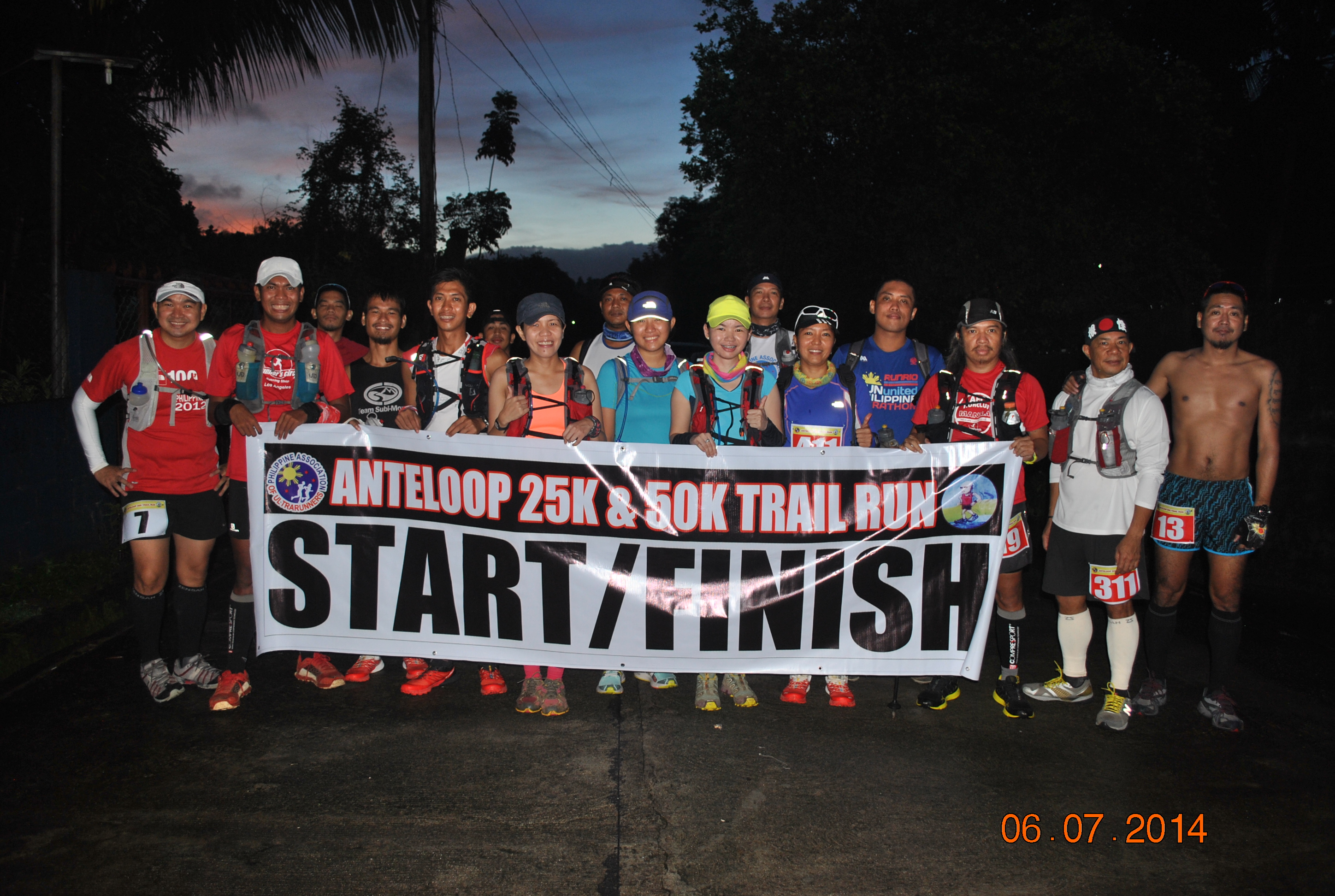
Results: Anteloop 50K/25K Trail Run


6:00 AM July 6, 2014

Sacrifice Valley, Hermosa, Bataan

Result: Anteloop 50K Ultra Trail Run (In Hours)

1. Patrick Harvey Aquino (Champion, Men)—9:50:14

2. Epoy Poblete (1st Runner-Up, Men)———10:50:48

3. Roy Gracia (2nd Runner-Up, Men)———-10:51:36

4. Excelienieno Haloy —————————11:40:13

5. Tess Leono (Champion, Ladies)————-12:52:15

6. Ryan Garcia————————————13:18:54

7. Joyce Regalado (1st Runner-Up, Ladies)—14:28:18


Result: Anteloop 25K Trail Run (In Hours)

1. Ronnel Go (Champion, Men)——————5:41:19

2. Manny Ocampo (1st Runner-Up, Men)——6:17:54

3. Par Buenvenida (2nd Runner-Up, Men)—–6:29:58

4. Junar Layug————————————-6:36:40

5. Jun Soriao—————————————6:36:43

6. Jay De Jesus————————————7:00:53

7. Nica Tanjutco (Champion, Lady)————-7:04:49

The Few Brave & Strong Trail Runner

Congratulations To Everybody!

Raising The Bar


Next year will be the 7th edition of the Bataan Death March 102K Ultra Marathon Race (BDM 102) and I firmly believe that this running event opened the awareness of our local runners on the possibility to finish a running event more than the distance of a Marathon Race. Its historical significance and the experience of past finishers had lured a lot of new marathon runner-finishers for them to train and finish the race. And slowly it is becoming more prestigious that you can not call yourself as a “full-blooded” ultra marathoner among the local Filipino runners if you have not finished this race. Better yet, if you consider yourself as a Race Director/Organizer of a local ultra running event.

Almost yearly, the course record of the BDM 102 had been broken by what we consider as our “elite runners” and nothing happens after that for them to be exposed to other ultra running competitions abroad and find out how they would compare themselves to international runners. With the help of ultra running friends and former comrades in the military service, I was able to expose some of these elite runners in three instances but these were the notable results: (1) Alquin Bolivar, an active Philippine Army soldier set a National Record for 100K with a time of 9:04:23 hours and placed #6 among the fast ultra runners of Asia in an IAU-sanctioned Asian 100K Championship Road Race in Jeju, South Korea in 2010 and (2) Marcelo Bautista, a 9:45:59-hour finisher of BDM 102, who placed #15 in the 2013 Hongkong 100K Trail Ultra Race among 1,250 runners coming from different countries with a time of 12:08:42 hours making him a qualifier for the prestigious Western States 100-Mile Endurance Run in California, USA.

Due to different factors and reasons of which I don’t have any control, I could no longer afford to send such “elite” athletes to international ultra running competition. If TNF Philippines could not even afford to send the Champion of its yearly TNF100 to any of the Southeast Asian TNF100 events, how much more for a “pensioner” like me who does not have any profit from having less than 100 runners in my regular ultra races.

There are potential “elite” ultra runners among us who would like to be exposed to international races but I have the observation and personal opinion that they lack two of the most important considerations or attitude which are very paramount for me aside from the fact that they lack the financial resources: Loyalty and Humility.

Loyalty? Do I need to define what is loyalty? Humility? Do I need to define this word also? If you are one of the local ultra runners who know me personally or had been reading my blog since the time I created this, you would know what I am talking about. If you are new in this blog and don’t know me personally, you can always “search” for my rants and random thoughts in my past posts.

So, if you have the influence or the capability to send our elite ultra runners to international competition, you can do also your share in this effort. If you are one of the “Big Shots” in the Government Service or in the Private Corporate World, you can be a great help to these potential elite runners making sure to test them of their “loyalty and humility”.

For those who have the time, money and resources to participate in international races and considered as our “elite” ultra runners, the whole local ultra running community will be behind you to cheer and pray for your safety in your travel and for a competitive resolve to be faster and stronger than the other runners.

This brings me to a more focused observation to our “elite” ultra runners who are competing (not participating) in an international ultra running event. It is assumed that if you are an “elite” ultra runner, you are supposed to compete with the best of the other international runners. There is no doubt that your sole purpose and focus in this race is to be able to finish the race as fast as you could within the confines of your skill, talent, training and mental fortitude. It is assumed also that you have figured out, through your training and preparation, the best race and nutrition strategy for such event. There is NO point of thinking that you are there to simply to FINISH the race event. The ultimate aim of an “elite” ultra runner is to be able to land and place as one of the podium finishers (top 3 or top 10), period!

For the “middle-of-the pack”, their purpose and goal is to be able to pass or overtake as many runners as they can before they cross the finish line. These are the ultra runners who keep on coming back every year to improve their Personal Best or PR times for the event. They find satisfaction to beat a friend or an opponent or a training partner, whether their satisfaction is for bragging rights among other runners or silently praising himself/herself that he/she could improve some more. These are serious runners who always find ways and means for them to be faster, stronger and smarter ultra runners. They keep on improving with the end view of someday joining in one of the international ultra running events as part of their “bucket list” given with a well-balanced family and job/professional career. I can say in my opinion that these are the “Silver Medalists” in the past BDM 102 editions.

The “back-of-the pack” are mostly “whiners”, “fakers” in their training, pressured by their peers to join, old and aging runners who would like to put a tab on their “bucket list” before they fade away (that’s me!), non-believers to accept that they are little heavy in weight and very slow in running and ask a lot of unnecessary TLC in Aid Stations, those who don’t accept that they are injured in their training, and those who always have a laminated printed copy with them of their targeted split time in every kilometer post along the route in order to avoid being cut-off from the race. I call these runners as “hit or miss” ultra runners.

As more ultra running events, whether road or trail, are being organized in the country, there is a possibility of more runners being lured into joining ultra running events and you can easily distinguish them as the “elite”, “middle-of-the pack” or “back-of-the-pack” ultra runners. I just hope that their interest will not end once they finish the BDM 102. As for the elite runners, I am still confident that private individuals and/or corporate brands will be able to support and send them to prestigious international ultra running events, whether they are in Asia/Australia, Europe or in the USA/Canada, in the years to come.

If former President Marcos was able to invite past Boston Marathon Champions and Marathon Olympic Medalist in the past to be as special guest/runner and if MVP can bring a whole NBA Team to the country to play with our National Basketball Team or send our Basketball Team to play tune-up training games to a popular and former NBA Champion Team in the USA, I have the strong belief that our ultra runners will soon be running side by side with elite ultra runners worldwide or for these world’s elite runners to be running in our local ultra races.

I hope and pray that these things will happen before I finally fade away from ultra running as a “back-of-the-pack” runner!

Mountain Hiking, here I come!

Mt Whitney & PCT Within My Reach
Mt Whitney & PCT Are Within My Reach

Pacific Crest Trail (PCT)


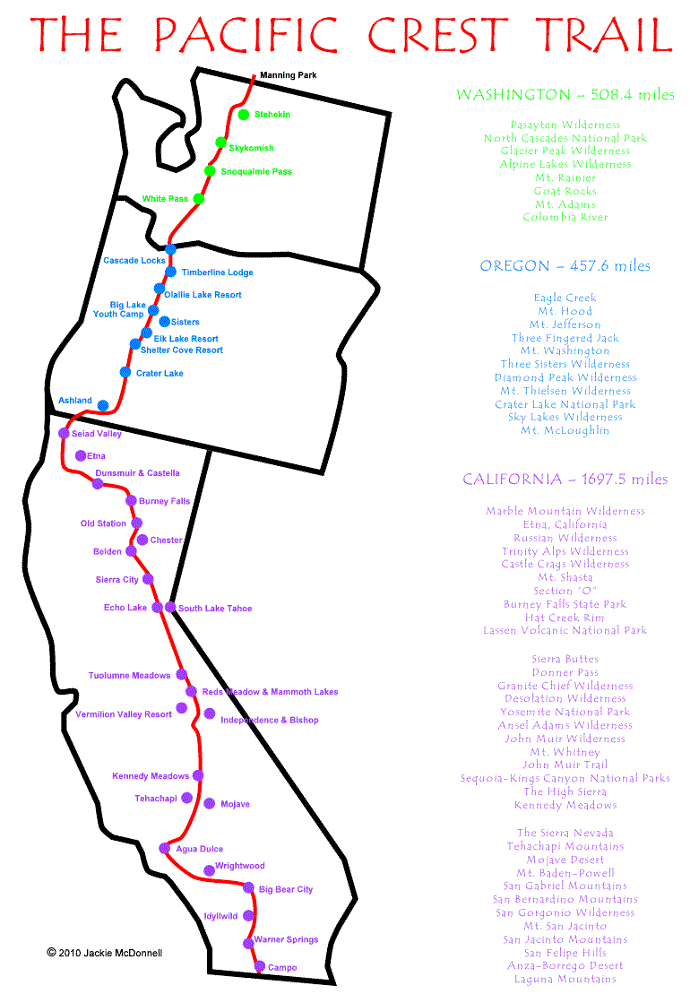
The Pacific Crest Trail is commonly known by its abbreviation, PCT and it is often designated as the Pacific Crest National Scenic Trail. The trail system is located on the Western Portion of the contiguous USA Mainland and it passes through the States of California, Oregon, and Washington. The trail covers a distance of 2,663 miles or 4,286 kilometers from South to North or vice-versa. It is one of the three most popular trail systems in the United States, the other two of which are the Appalachian Trail and Continental Divide Trail.

History on the creation of the trail states that the first proposal for the trail system connecting the States of California, Oregon, and Washington was made in 1926 which could be an exchange of mails and correspondence among early explorers in the area. The actual exploration started sometime in 1930 but there are no available evidence or journal to support this fact. However, in 1932, an oil magnate and explorer, Clinton C Clarke, started promoting the creation of the trail system as evidenced from his correspondence with John Muir and other explorer-environmentalist-outdoorsmen during those time.

Pacific Crest Trail Route

In 1935, Clinton C Clarke organized and spearheaded the conduct of the first meeting among his friends and associates who believe in his vision and objectives. Thus, The Pacific Crest Trail System Conference was formed with the objective to formally establish the route/connect “all the dots”/establish a route map and to lobby or create awareness for the federal government of its existence and to protect the trail system. The Conference consisted of Clarke, the Boy Scouts of America, YMCA, John Muir, Ansel Adams (famous photographer-environmentalist), and other environmentalists. From 1935-1938, YMCA and the Boy Scouts of America did a splendid job of organizing a yearly “Boy Scout Relay” along the trail route where each of the team carried a Log/Journal. The objectives of the “Boy Scout Relays” were to provide an actual ground/activity to practice the skills of scouting; create awareness on the activities of the Boy Scouts; and as a proof that the trail concept of Clinton Clarke is doable. The dedication, passion and commitment of Clinton C Clarke to the Conference and its accomplishments earned him the title of “The Father Of The Pacific Crest Trail”.

In 1939, a year after, the Pacific Crest Trail system appeared on a federal government map for the first time. With the signing of the National Trails System Act by President Lyndon B Johnson in 1968, PCT was designated as one of the National Scenic Trails and protected by the federal government. The Pacific Crest Trail Conference became incorporated in 1977 and later merged with the Pacific Crest Trail Club in 1987.

The Pacific Crest Trail Conference changed its name as the Pacific Crest Trail Association which is the establishment that supervises, manages, and administers the Pacific Crest Trail. So, if you have plans of conducting a “thru-hiking” or “section hiking” along the PCT, it is best to visit their website for you to be guided in terms of permit, maps, schedules, and other details/announcements on the PCT. You can go to: www.pcta.org.

One Of The Trail Markings @ PCT

I became aware of the existence of the Pacific Crest Trail for the first time when I recon the route of the San Diego 100-Mile Endurance Run two years ago as some  portions of the first half of the ultra trail would course pass through the actual PCT. As I conquer and “peak bagged” some mountains in the San Gabriel Mountains and mountainous parts of Los Angeles area for the past 2 years, I’ve been seeing the PCT trail markings. However, I came through a published article about the exploits of Scott Williamson who was considered as the first “thru hiker” who did a “yo-yo” hike (South-North-South) on the PCT in a year and it gave me the resolve to read more about the people who were successful in their “thru-hikes” along the PCT!

This interest on the PCT led me to read more stories and journal about the hikers at the PCTA Website, most specially on the blogs of those “thru-hikers” who are on the route and at the same time blogging about their activities/experiences and pictorials on the trail. At this time, I have three (3) published books which I’ve been reading for the past weeks. I am not saying that I am already an expert on the details of the Pacific Crest Trail but it is worth knowing the experiences of those who successfully finished their “thru-hikes”.

In One Of My Trail Running @ PCT

It brings me back to a surprise conversation encounter with the Former President Ferdinand E Marcos during one of his annual Holy Week stay in soon-to-be Malacanang of the North at Paoay Lake, Ilocos Norte in 1979 with the then Commander of the Presidential Security Command (PSC) and Director-General of the National Intelligence and Security Authority (NISA), General Fabian C. Ver. In my recollection, the brief conversation went this way:

General Ver: Sir, this is Lt Narcise, our NISA Station Commander in Ilocos Norte.

President Marcos: Lieutenant, from where are you?

Me: I am a native of Laoag City, Sir!

President Marcos: How is the CPP/NPA situation here?

Me: There is not much of activity except for sightings along the Ilocos Norte-Cagayan boundary, Sir. They don’ t have any mass base or reported training camps in the province, Sir.

President Marcos: Try to locate the “Guerrilla Trail Route” that goes from North to South in the province all the way from Pagudpud to Pangasinan. I am sure the insurgents are using that route in their movements.

Me: Yes, Sir!

End of Conversation

In the late-80s when the CPP/NPA established their mass base and training camps/s in the eastern mountainous parts in the province, they used this trail system in their movements from Cagayan and Kalinga-Apayao to the province of Ilocos Norte and back. The information about the presence of this “Guerrilla Trail Route” in Ilocos Norte was shared to the Scout Rangers of the Philippine Army in their Test Mission Operations which eventually led to the crushing and destruction of the CPP/NPA Provincial Committee and its armed personnel/component. With this debacle on the part of the insurgents, Ilocos Norte was never been attempted as a “refuge” or training base for them.

In 1995 when I was a Battalion Commander of the 60th Infantry Battalion, Philippine Army where my area of operations would cover the province of Ilocos Norte, I deployed a platoon of soldiers to monitor the movements at the said trail system. In a few weeks, it resulted to a bloody armed encounter with the insurgents that cause to the death of three (4) insurgents and capture of numerous firearms and subversive documents. This armed encounter with the insurgents was recorded as the last armed fighting in the province up to the present. In a few months, the province was cleared and I was ordered to transfer my Battalion to the Province of Abra.

At present, it is my plan to revisit the Guerrilla Trail System in Ilocos Norte and formally establish a route map to be shared to everybody. I envision a trail system that would start at the northernmost part of Luzon in the province of Ilocos Norte to the its southernmost tip of the province of Sorsogon. It will be a daunting task and a grand undertaking for me to accomplish with the support of my ultra running friends and my former/active comrades in the Armed Forces of the Philippines and the Philippine National Police.

Initially, I will call this trail system as the “Luzon Ridge Trail” (LRT). The history and establishment of the famous and popular Pacific Crest Trail Association will be the template of this undertaking. The activities on the exploration of this “Luzon Ridge Trail” will be one of the topics of this blog in the days, weeks and months to come. The exploration will start this month in Pagudpud, Ilocos Norte.

However, there is also a plan to start another trail system in Sta. Ana, Cagayan where the route will pass along the Sierra Madre Mountain Range all the way to the southern tip of the province Sorsogon. I might temporarily call this route as the “Pacific Coast Trail”.

This a dream, a plan, and an undertaking that is worth dying for. I can only envision that this undertaking will benefit the whole country.

Wish me luck!

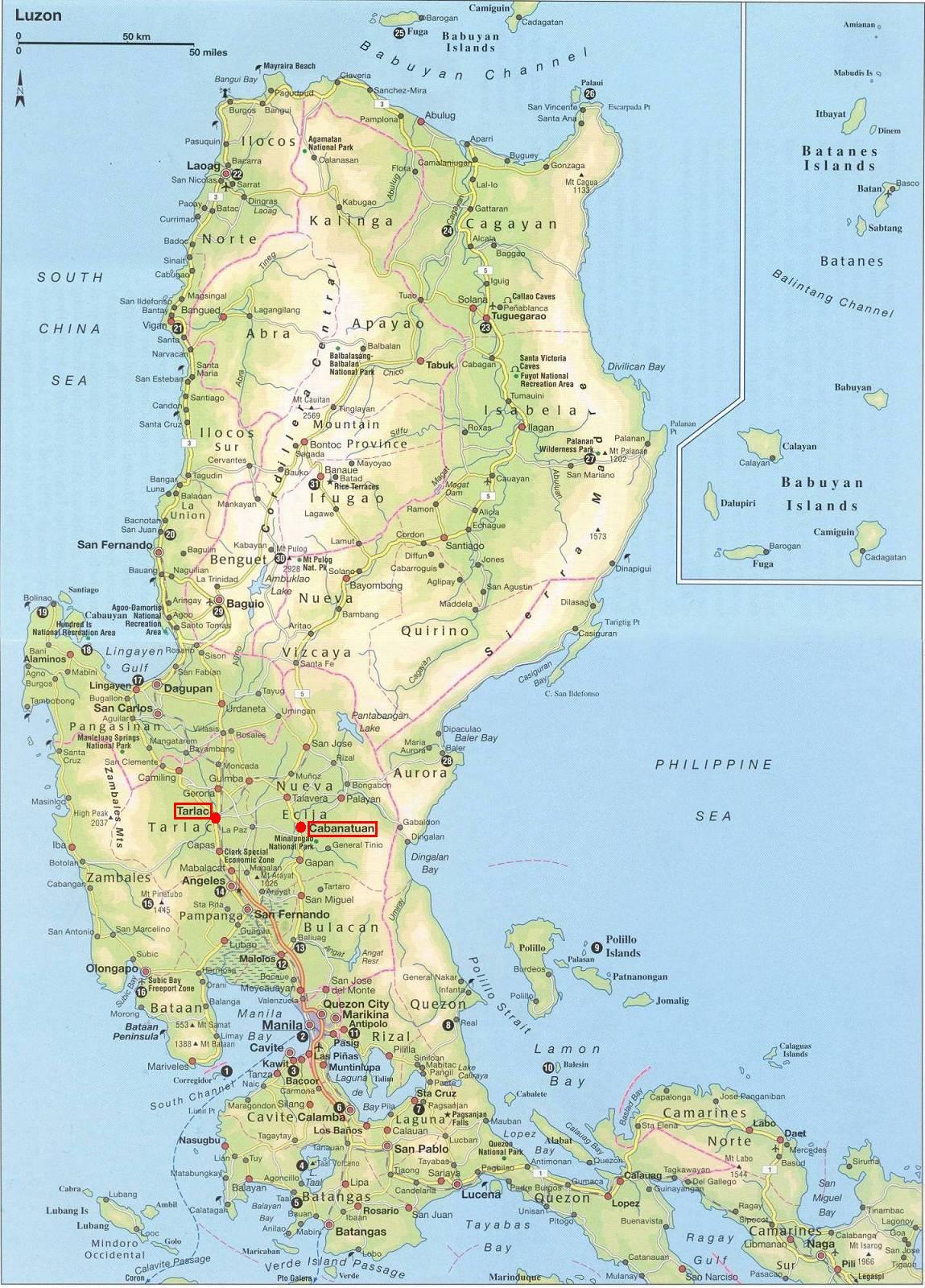
Map Of Luzon, Philippines