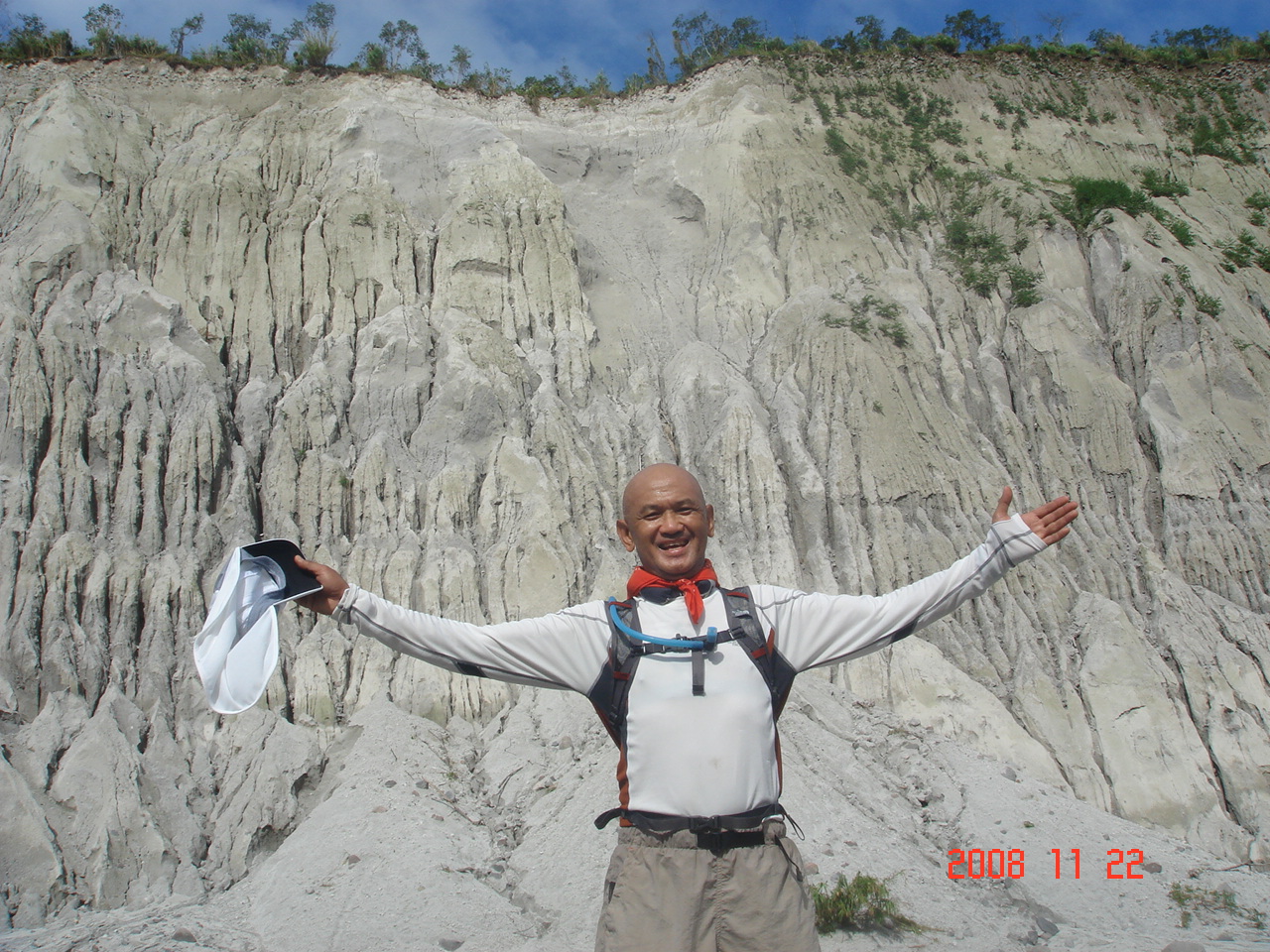
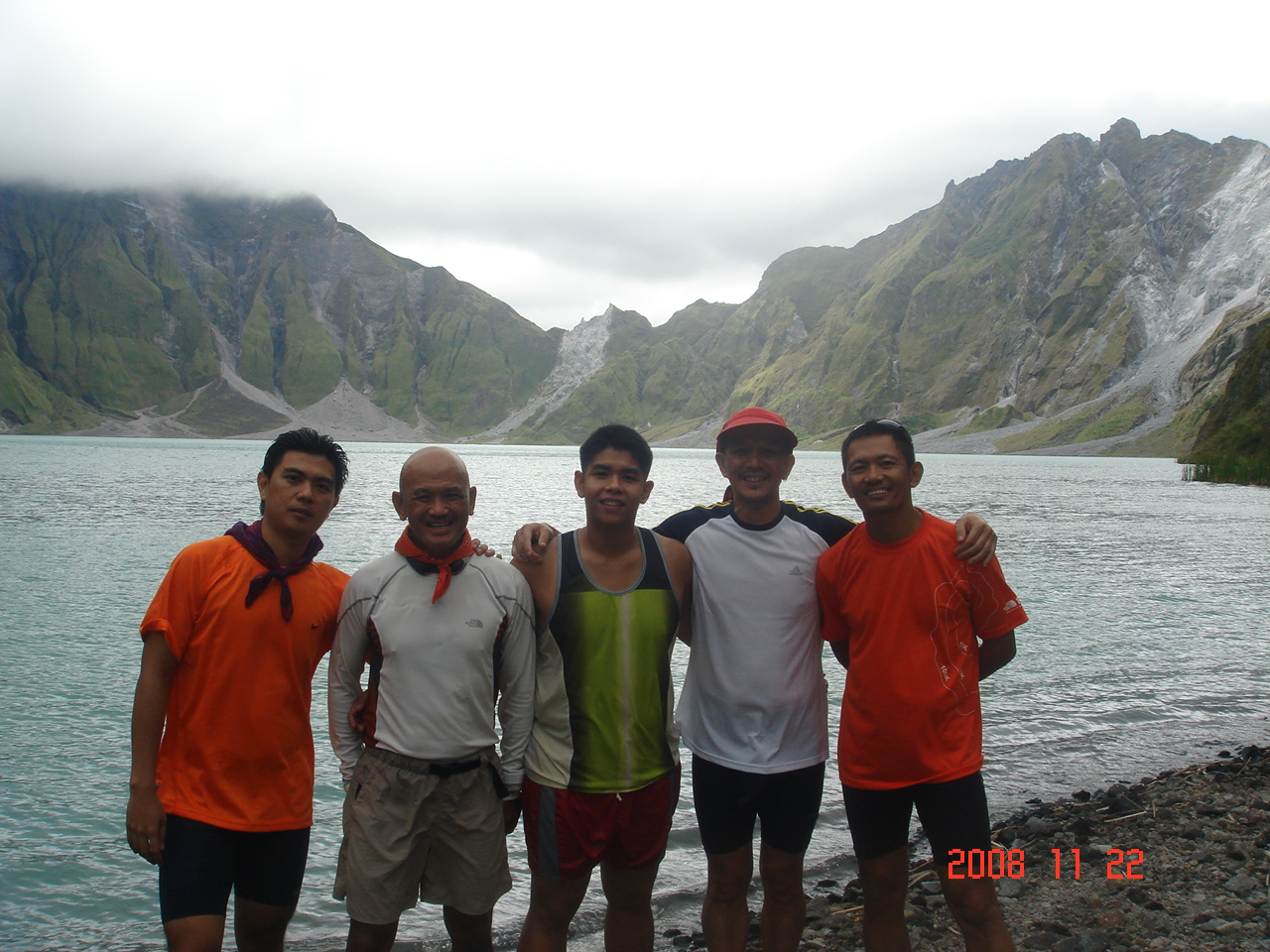
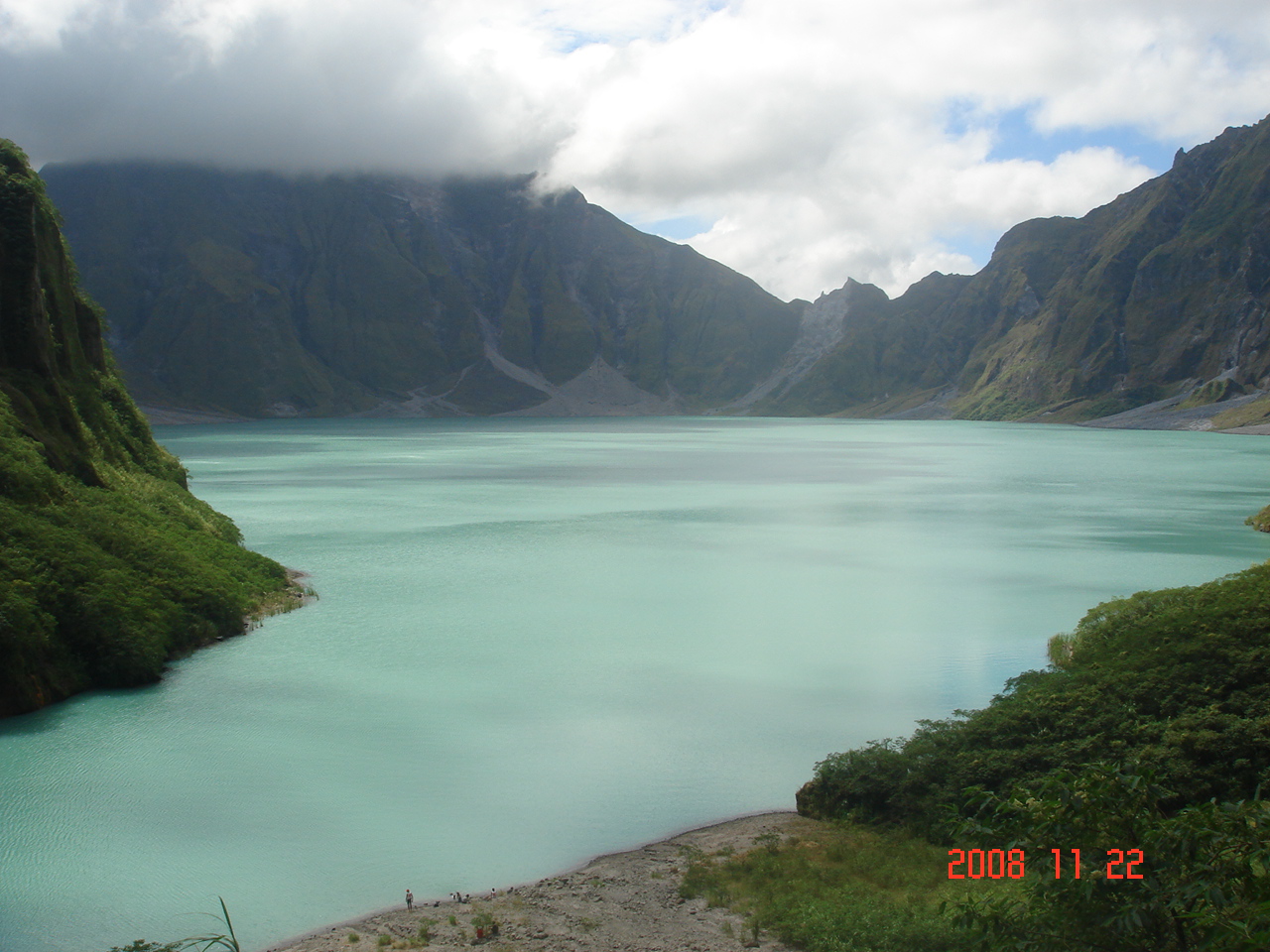
2nd Mt Pinatubo 50K Trail Challenge


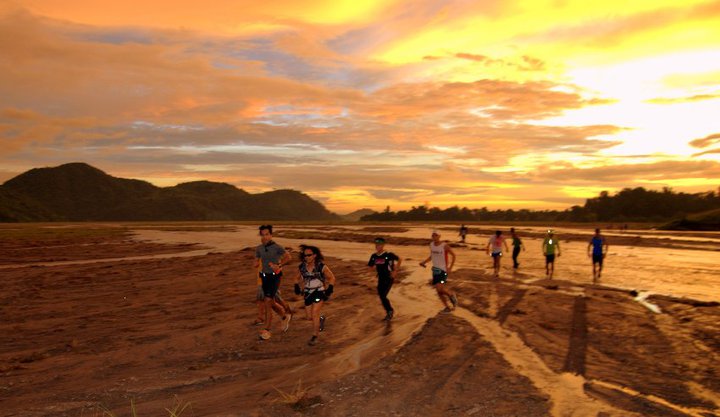
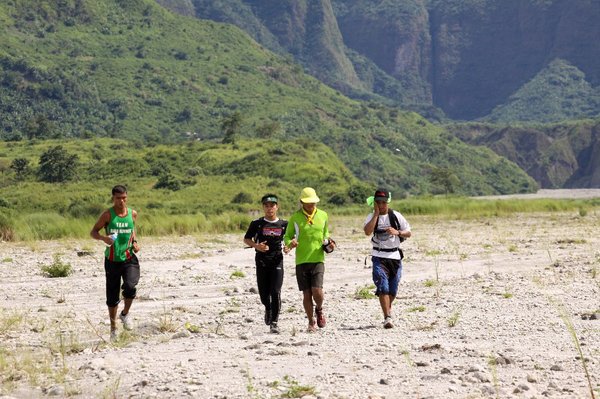
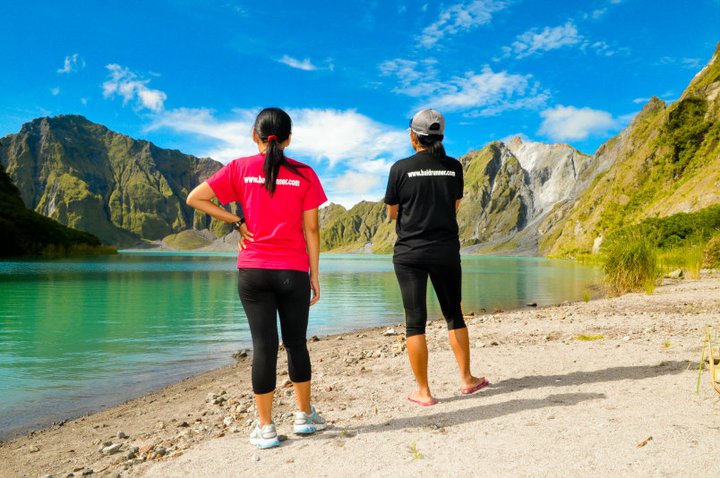
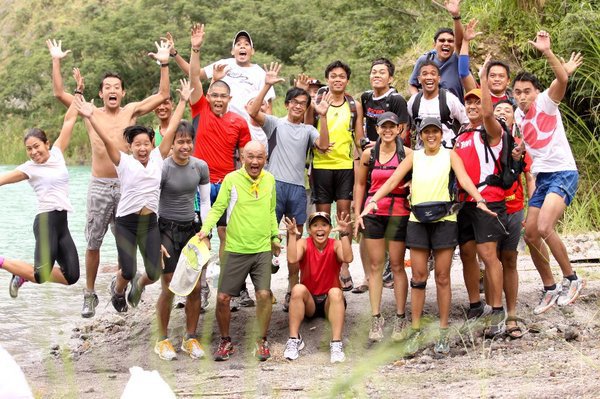
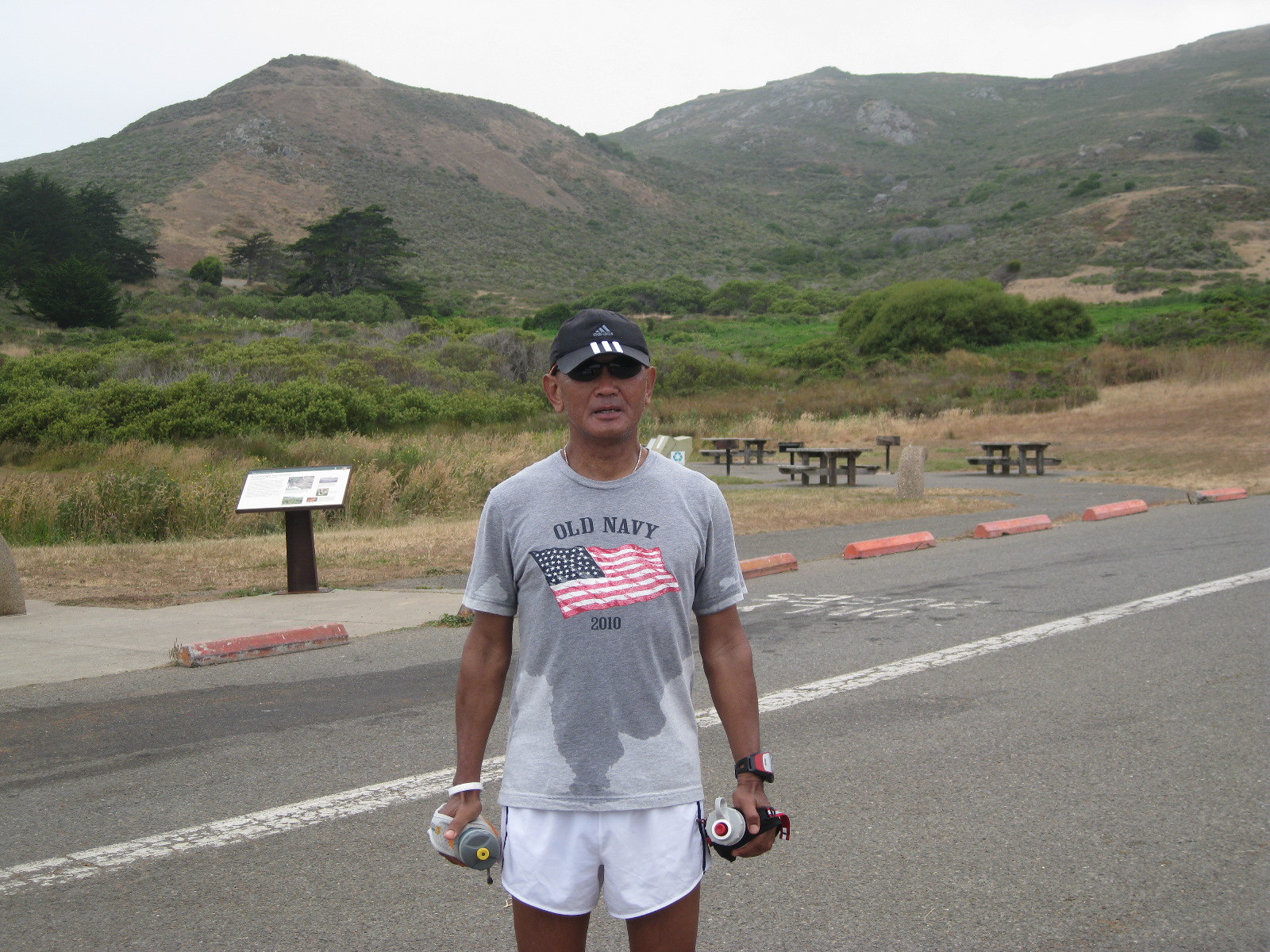
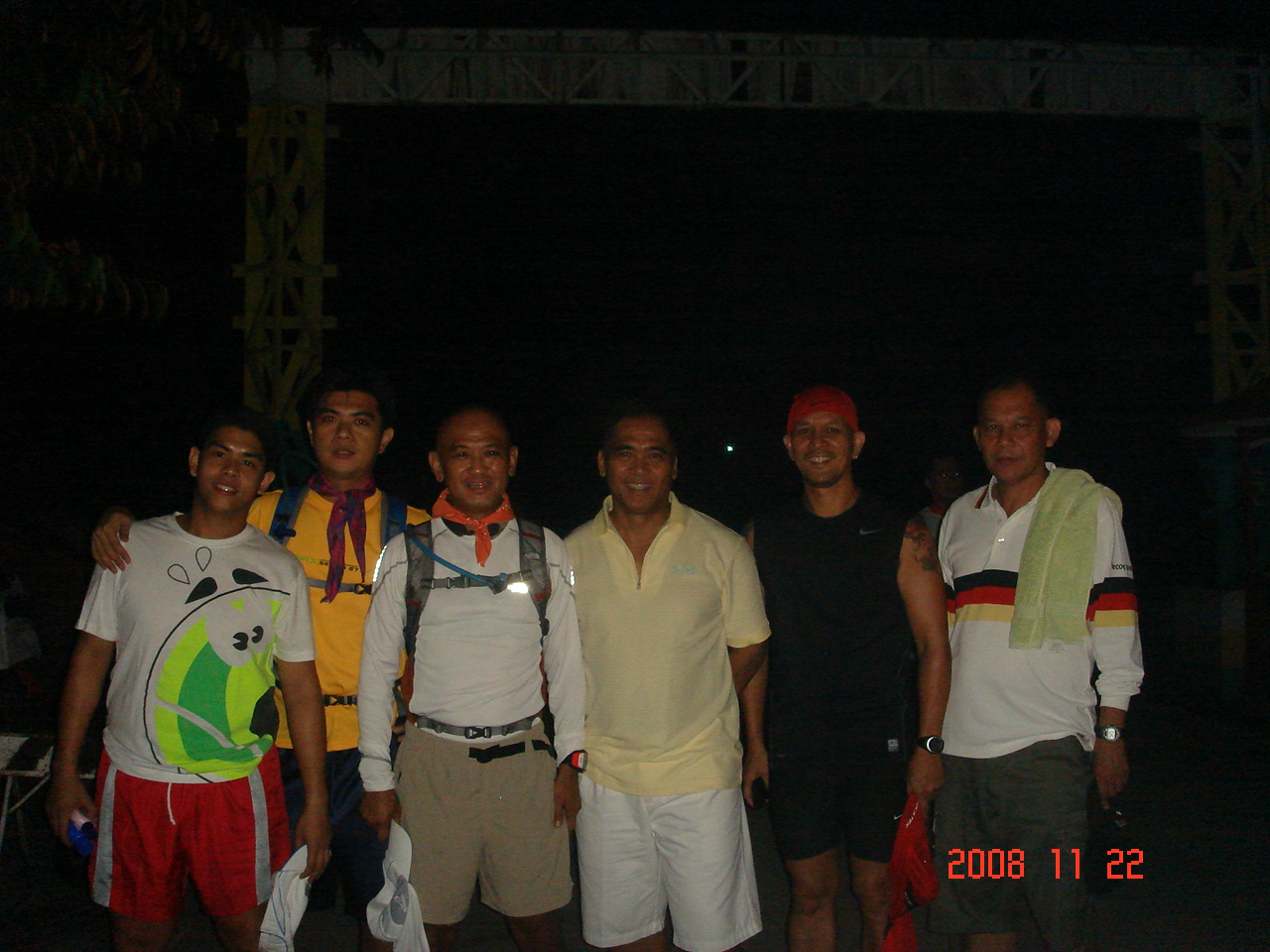
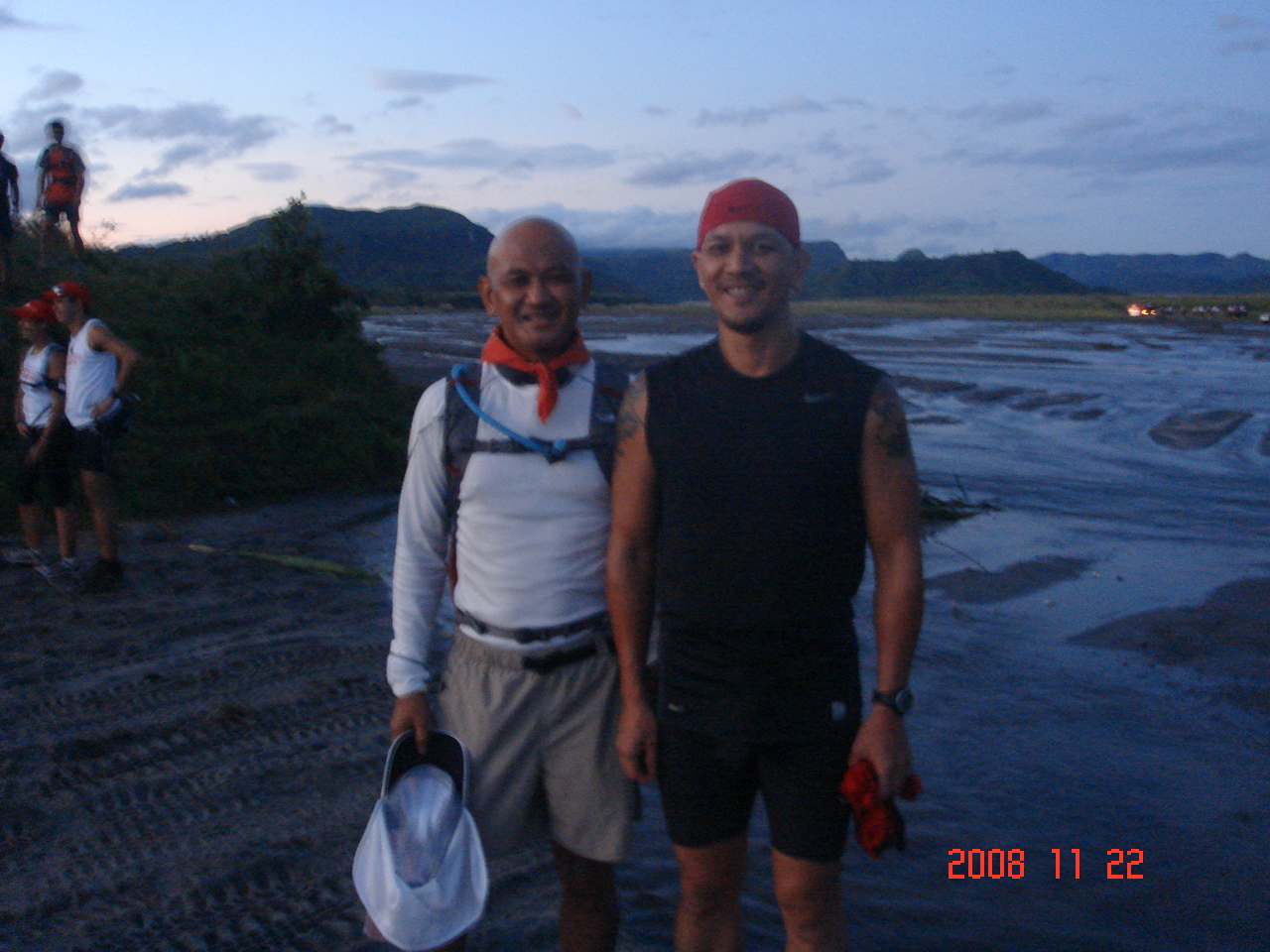
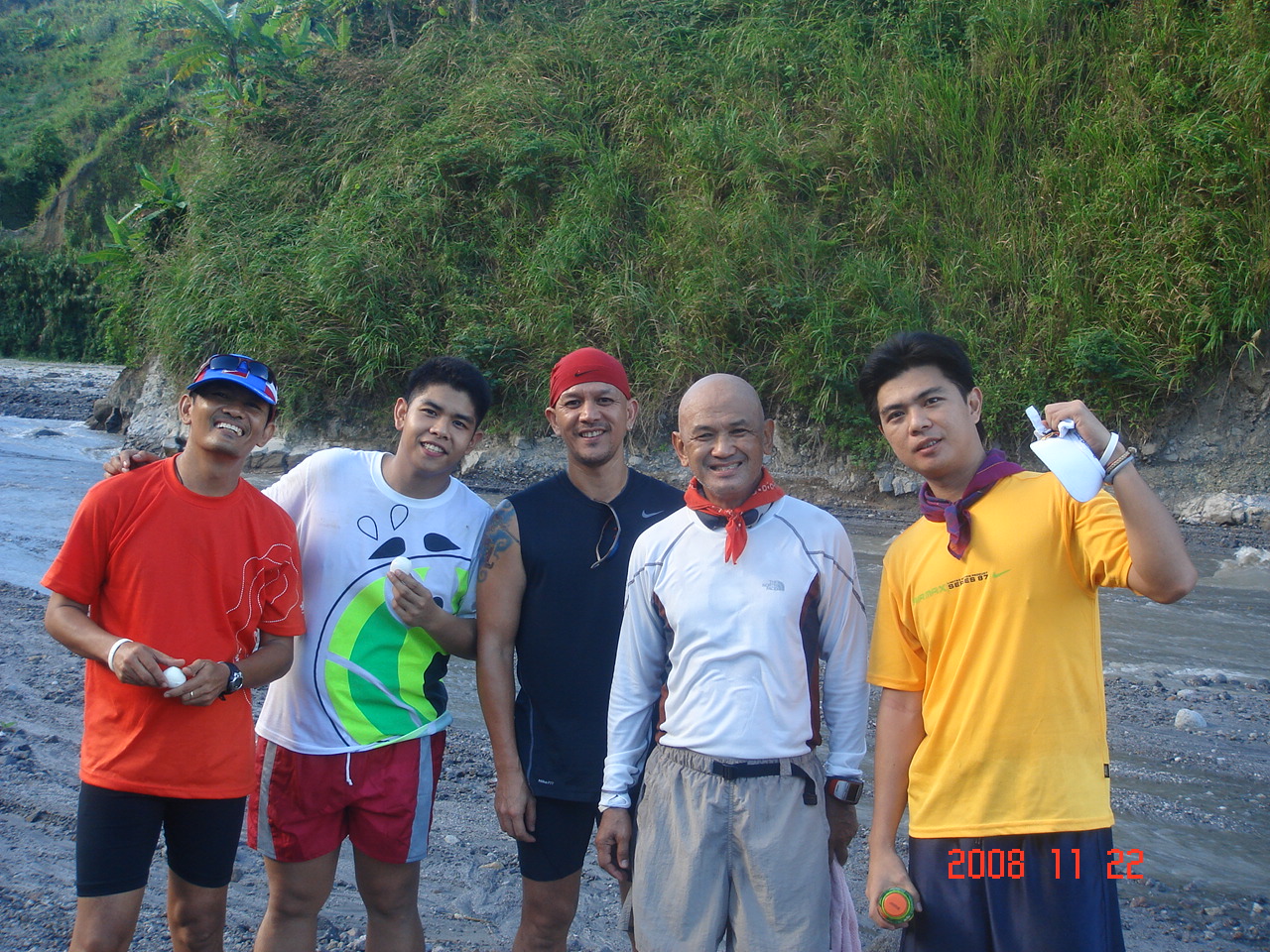
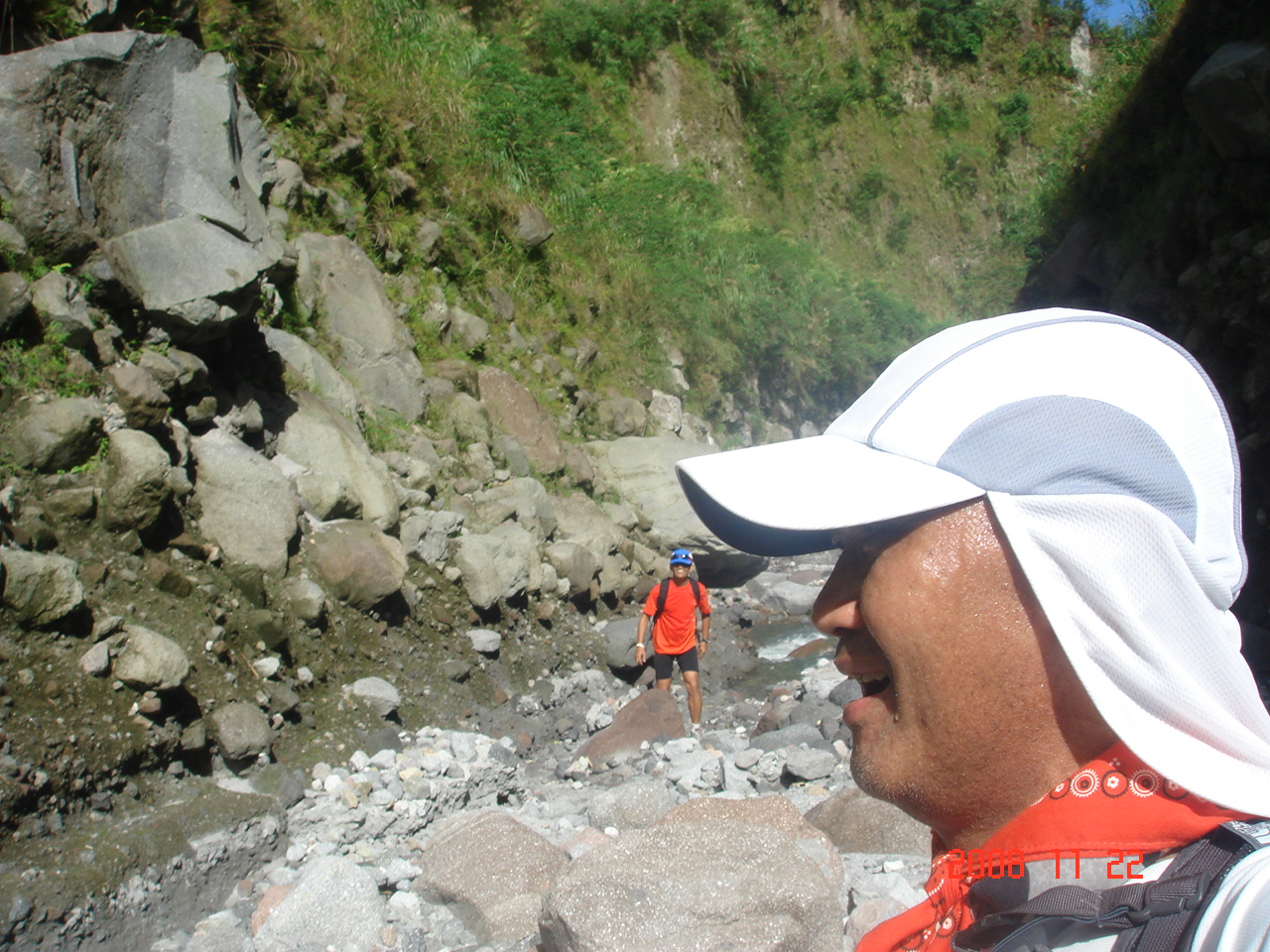
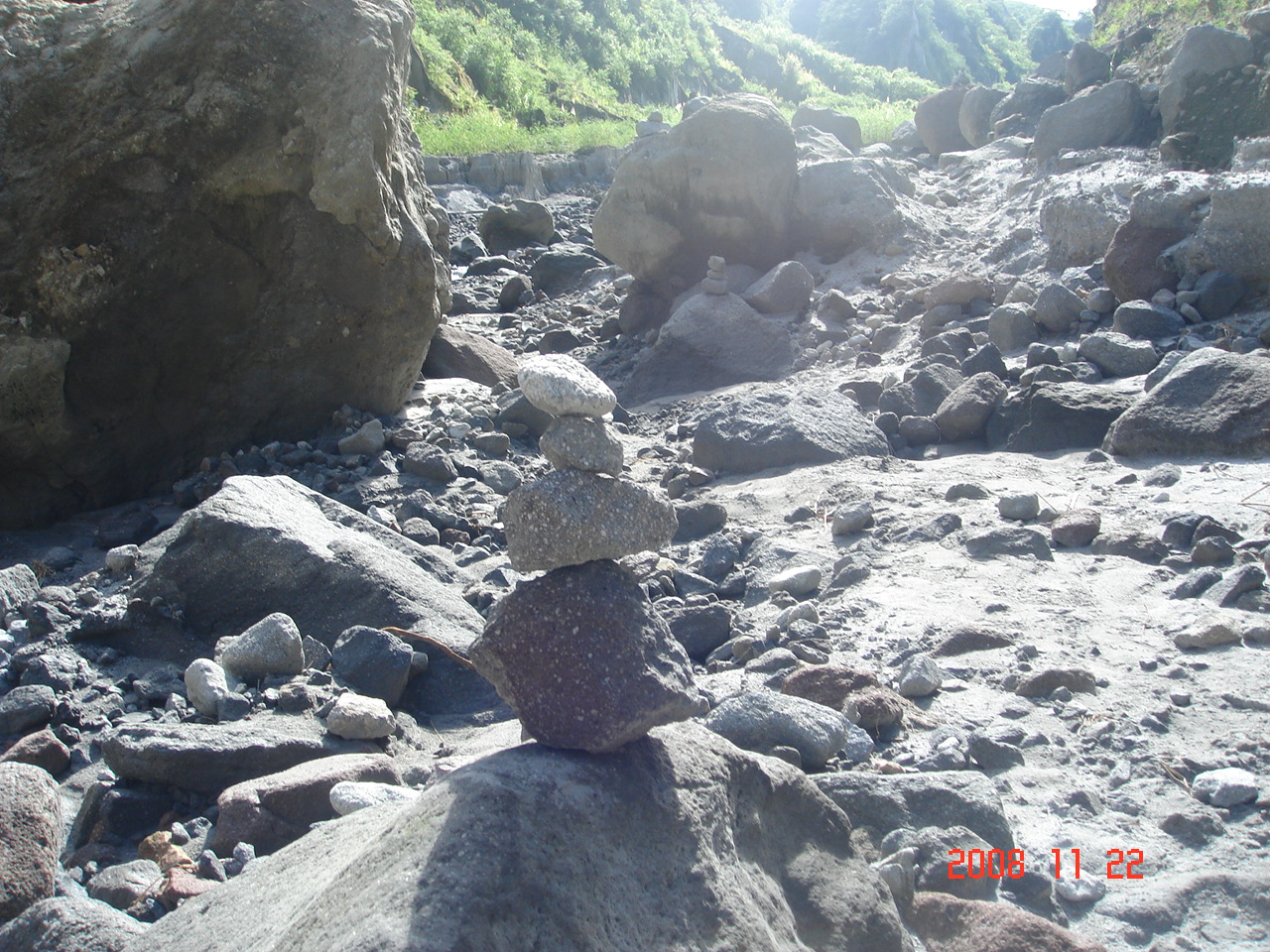
Note: The pictures above were taken last July 31, 2010 during the Birthday Run of July Oconer to Mount Pinatubo.

Rules and Regulations: 2nd Mt Pinatubo 50K Trail Challenge

  1. The race starts at 5:00 AM of September 4, 2011 (Sunday) at the vicinity of the Barangay Hall of Sta. Juliana, Capas, Tarlac.
  2. This race is a solo run and the distance is 50 kilometers. The distance from the Starting Line to the Mt Pinatubo Crater Lake (turn-around) is 25 kilometers. From the turn-around point, the runner has to go back to the Starting Line which will serve also as the Finish Line. Pacers are not allowed.
  3. The cut-off time for the race is twelve (12) hours. Runners must be able to reach the turn-around point in 5:30 hours. Runners who will reach the turn-around point in more than 5:30 hours will be advised to ride on the available 4X4 vehicle in going back to the Starting Line. Such runners will be declared as DNF.
  4. Each runner must be able to have their respective hydration system/belt. The runner’s hydration system must be able to carry liquid/water needed to cover a distance of at least 15 kilometers. There will be Aid Station at Km#8-9 & Km#16-17 and these same Aid Stations will serve as Stations at Km# 33-34 and Km # 42-43 (on the way back). These Aid Stations will be 4X4 vehicles manned by Race Marshals. Be sure to carry some food for you to eat at the Crater/turn-around point (Km #25). The park at the Crater has faucets where you can fill water for your hydration system.
  5. The Aid Stations will have water, cola drinks and limited food supply. The foods served will be chocolate bites, salted biscuits, boiled eggs, and boiled bananas.
  6. Runners are encouraged to prepare their own “drop bags” which will be carried/transported by the 4X4 Vehicle-Aid Stations. Drop Bags should be properly marked with the runner’s name, race number, and Aid Station Number/Km Point where it will be available.
  7. Runner has the option to provide his/her own support vehicle from the 4X4 vehicles for rent available through the Barangay Officials at the Barangay Hall of Sta Juliana. The rent/cost of one vehicle is P 2,500.00 (last year’s price). The fee for a guide is P 500.00 (optional for the runner to get one). However, such individual support vehicle should not “shadow” the runner. It is advisable that support vehicles must “leap-frog” from the runner.
  8. The exact turn-around point is at the edge of the Crater Lake. Runners should go down the stairs as each runner must be able to register to the marshal-recorder upon his/her arrival thereat. Runners shall be properly “marked” at the turn-around point by the Race Marshal thereat.
  9. Runners are advised not to ride on their respective support vehicle even for a short distance or while crossing the river. Riding on the vehicle is tantamount to “cheating” during the race.
  10. Since most of the route towards the Mt Pinatubo has no established or designated trail or path due to changing landscape as a result water & earth movements, the runner can improvise or have his/her own personal choice in establishing his/her direction towards the crater. The rule of thumb for the direction towards the crater is ALWAYS STAY ON THE LEFT PART OF THE EXPOSED AREA going southerly direction.
  11. It is advisable to run with somebody or with a group with the same pace. If not, each runner must be able to have a sight on the runner in front and runner at his back.
  12. This is a trail run which is considered as a RACE. However, it is advisable to help each other on matters of emergency and occurrence of accidents along the route. Any casualty or runner who needs medical attention should be brought to the nearest Aid Station.
  13. Each runner must carry with them basic First Aid Kit. This is a MUST and it is a ground for Disqualification if a runner is without this basic requirement. The First Aid Kit should consist enough cotton, sanitary gauze, medical adhesive tape, betadyne/iodine, and anti-biotic ointment.
  14. Runners must be extra careful in stepping those big rocks along the route. Most of the rocks are slippery and some are not stable. It is safer to walk rather than run on these rocks. Always think safety when you encounter rocks along the way.
  15. There will be a lot of river crossing. Find time to be deliberate in crossing such flowing rivers, most especially where there are a lot of rocks. There are some places where the current of the river are strong, take time in establishing a firm and balance footing as you cross such rivers.
  16. Basically, you will have damp/wet running shoes throughout the run. It is advisable for each runner to apply petroleum jelly to their feet before the run to prevent blisters.
  17. Walking sticks or Trekking Poles are allowed on this run.
  18. At the Crater Lake, if you are not a swimmer, please do not attempt to swim at the lake. We don’t have any Lifeguards for this race.
  19. If in case there will be typhoon or continuous raining on race day, the event will be cancelled and it will be postponed to a later date when weather is favorable for the safety of the participants. Please check on the recent race updates on the Event Page on my Wall at Facebook.
  20. Top 3 Overall and Ladies will receive trophies. Every Finisher will receive Individual PAU’s Finisher’s Medal; Finisher’s T-Shirt; and a Certificate of Achievement (to be given later). This trail run is included in the Ranking of PAU Runners for the Year.
  21. Parking Areas will be available on one side of the Road at Barangay Sta Juliana and at the area near the banks of the river (500 meters from the Barangay Hall). Barangay Tanods will serve as the security/”look-out” to your parked vehicles. Be prepared to pay P 50.00 as Parking Fee for each vehicle to the Barangay Tanods.
  22. The RD and Race Marshals will be conducting random checks on each runner’s hydration system and the mandatory First Aid Kit along the route. It is mandatory for each runner to show their First Aid Kit as he/she checks-in at the Starting Area.
  23. Lastly, please maintain the Integrity of this Race.
  24. For those who paid/deposited their registration fee at LANDBANK, please bring your deposit slip/receipt at the Starting Line for verification.
  25. No bandits to be allowed on this event. Insisting to be a Bandit? Go ahead, make our day!!!

Good luck and Have FUN!!!!

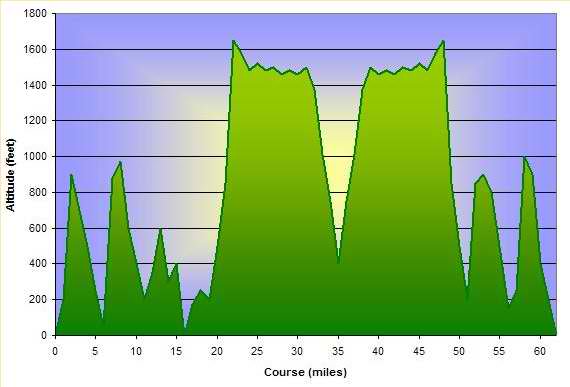
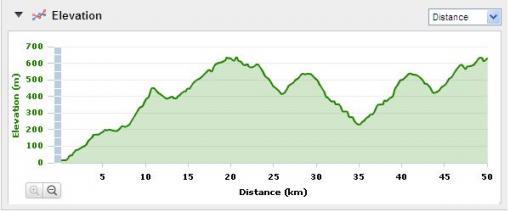
Mt Pinatubo 50K Trail Challenge Elevation Profile (Courtesy of Mark Hernandez)

Conversation With A Champion


One hour before the first runner to arrive at the Finish Line of the 2011 Western States 100-Mile Endurance Race, I was already on the gallery/grandstand area of the Placer High School Oval Track which is a few feet away from the finish arc. Volunteers for the race were mixed with lots of spectators whom I believed were family, friends, and other ultra runners from all over the neighboring States in USA and from other countries around the world.

As soon as the Emcee, John Medinger, publisher & editor-in-chief of Ultrarunning Magazine, announced that Kilian Jornet was a few meters aways from the entrance of the Oval Track, I purposely went down to the sides of the Finish Arc and positioned myself on the left side of the gallery.

I was standing on the gallery and on my left was a guy who was wearing a Hawaiian Shirt and denim pants. There was no way that I could see his frontal appearance as we were standing side by side. As soon as Kilian Jornet crossed the Finish Line, I must have said something about the physical description of the Champion. In my recollection, I might have said, “He’s small as an ultrarunner”! And then the guy on my left said something and our conversation started.

I will mention him in our conversation as the Hawaiian Guy and our conversation went this way. (Actually, he did almost all the talking and I could hardly comprehend/understand some lines that he said. I hope I can accurately relate what transpired in that brief talk with this guy).

Hawaiian Guy: Kilian Jornet is a kind and sweet person. We had been “twitting” with each other months before this race. I knew what he went through in his training and preparation.

Bald Runner: He’s too small and light to be an ultrarunner. He came prepared for this year!

HG: Kilian Jornet is a honest man and he was very transparent on his preparations towards this prestigious event.

BR: Yes, I’ve seen his Kilian Quest Videos in the Internet and he is really good. And he has the full support of Salomon.

Our conversation was interrupted with the announcements of the Emcee and some moments of taking some pictures of the Champion. As the second runner, Mike Wolfe, crossed the finish line, we continued our conversation.

The guy kept on talking about the challenges and the hardships that the elite and the average runners had gone through in their training and most of all, to come up with their respective goal in finishing the race on hand. I just kept nodding my head and sending the message to the guy that I understood all the things that he was teling me.

And suddenly, I’ve asked the following questions:

BR: Did you have the chance to participate in this race? Are you waiting for a particular runner to arrive at the Finish Line?

HG: I finished this race for THREE times! And this is the only time I came to be an spectator in this race for the past 22 years. I was the CHAMPION in the 1989 Edition and my name is Mark Brotherton! This is the old WS 100 Belt Buckle that I won as the Champion then. (Showing me his BIG Champion SILVER WS100 Belt Buckle as he turned his body to his right!)

BR: Ohhh…Wow!!! Awesome!!! (Surprised with BIG eyes!!!) I am Jovie and I am from Manila, Philippines. This is my first time to watch this event and see the terrain of the route. I came here to run for MIWOK 100 but I was injured and I extended my stay here to see the real action of the top ultra trail runners in this event.

Mark Brotherton: Very nice! I have friends who are Filipinos and they are the “best” Registered Nurses in the whole world. As a Medical Doctor, I’ve worked with them. They are kind, loyal and industrious. Do you have plans of participating in this race in the future?

BR: Thanks for that nice compliment to our nurses. Well…I hope I am still strong to finish a 100-mile run in 30 hours with my age of 60 years old by next year. I have to qualify first. I have to improve my 50-mile finish time.

MB: You can finish it. Just prepare and train for it. Wait…I think there is a famous ultramarathon race in the Philippines which I discovered while I was browsing the Internet 2-3 nights ago. I think…it’s the BATAAN DEATH MARCH!!!!

BR: (Surprised…Smiling…with both Eyes wide-open!) Oh, yes…we have that race in the Philippines and I am the Creator and Race Director of the said event and we had this year’s 3rd edition last March. This year, we did the first BDM 100-Mile Run where the finish line is the very same place where the POWs Concentration Camp was located in Camp ODonnell, Tarlac.

MB: Wow! It’s a honor to meet you!

BR: It’s my pleasure also to meet and talk to a Legend and Champion of the Western States 100!

MB: We have to look where Kilian Jornet is right now and I have to meet him.

BR: OK, I have to look for my wife, too! And then try to have a picture with Kilian.

As we were going on a separate direction, Mark said something which I could vaguely understand…but there were words which I could understand.

Mark Brotherton: Jovie, thanks for the conversation. I hope you will not say I am “Mr GAGO” if you relate this story to your friends.

Bald Runner: No! I will not do that! Bye..Thanks! (At the back of my mind, I was thinking that Mark B must be fluent in Tagalog as he is associated with Filipino nurses in the hospital. Well, I just said to myself…if there is “LADY GAGA”, why not for a “GENTLEMAN GAGO” as a name of a male singer? hahaha! I am sure, he should be a Pinoy!)

As soon as I was back at the Hotel, I immediately opened my laptop and browsed the Internet to find out more about Mark Brotherton. This is what the results are: 1985 WS 100; 1987 WS 100; and 1989 WS 100.

As the Champion in the 1989 edition of the Western States 100-Mile Endurance Race, his finish time was 16:53:39 hours. In this year’s edition, his time would land on the 13th position which is still considered as solid, heroic, fast, and strong finish.

He is now one of my “friends” on Facebook and we exchange “comments” with one another. I know he will be the first one who will read this post as soon as I publish it.

With his permission, I am posting some of his pictures that I “grabbed” from his Profile at Facebook.

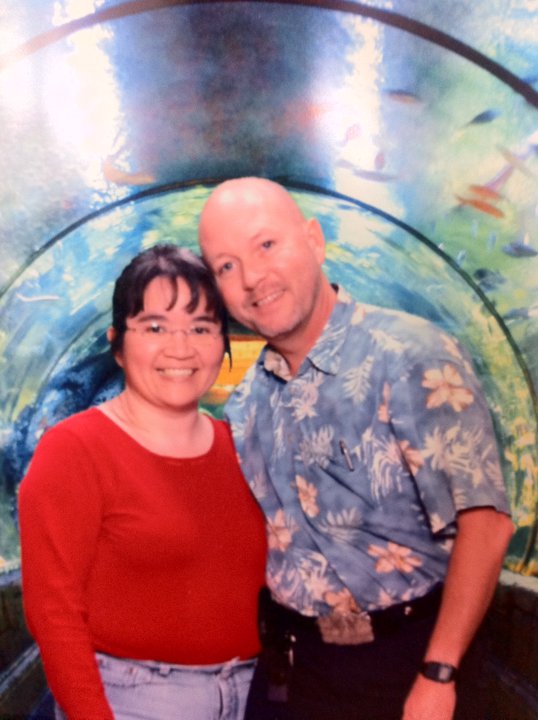
Janelle & Mark Brotherton (Note: The Hawaiian Shirt & WS100 Silver Buckle)
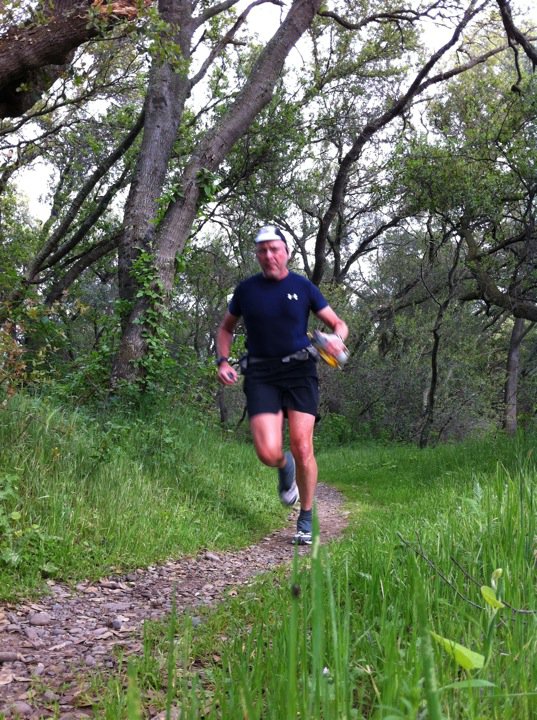
WS 100 Champion Mark Brotherton In Action

Yes, he is also sporting a “Bald” look!!!

This confirms my theory (again??) that “Bald Runners” are the best Ultra Runners!!!! (Joke!)

Insights & Observations @ 2011 Miwok 100


On Race Management

1. Registration—Every runner must apply and register at Ultra SignUp, at least 8 months before Race Day. The deadline of application is approximately 6 months before Race Day. (Note: It is a good motivation to follow a 24-week training program for this ultra trail event). The last day of application was on December 1, 2010. All runner-applicants must go through a lottery to be able to cover the maximum number of runners allowed for the race to 446 only. The final list of accepted runners (through lottery) are published at Ultra SignUp effective on December 10, 2010. The registration fee of $ 155.00 is immediately credited from the runner’s Credit Card once he/she is accepted . Few weeks from race day, each runner is designated with a Race Number. Most of the runners can redeem their Race Packet/Bib within the period of at least one hour before the Start of the race.

2. Maturity of the Race—The 2011 Race is the 16th edition of the event as it started in 1996. I am sure through the years, the Race Management, to include the Prizes and “give-aways”/schwag, had improved with the presence of corporate sponsors. According to Rick Gaston, Miwok 100 had built its reputation as the “prime” ultra trail run at the Marin Headlands during the spring season. The other trail race that is also popular and has one of the best reputation in terms of race management and attendance of top elite athletes in the Marin Headlands is the TNF 50-Mile Championship on the 1st weekend of December every year. Maturity goes with the proper planning and preparation of the event as seen by the favorable feedback from the runners after the race. As one of the volunteers, I was impressed on the cooperation and unity among the members of the group.

3. Volunteer System—The involvement of the volunteers was impressive. The leadership of the Race Director in orchestrating all the jobs of all the committees involved speaks well of the excellent organization, planning, and professionalism of everybody. I was able to feel the “bayanihan” atmosphere among the volunteers. Each of the volunteers had specific job to perform and they are expert and knowledgeable of what to do. I am not surprised about this because all the volunteers are ultra marathoners themselves!  The volunteers at the different Aid Stations made sure that each runner was attended through all their needs, from cheering, filling their hydration bottles, serving them with food and even locating and giving them their drop bags.

4. Prizes, Schwag, and Montrail Cup Series—If I joined the race, finishing the distance within the prescribed cut-off time would be the most defining “prize” for me. Those schwag/give-aways are just souvenirs or evidence to prove that I was part of the race. However, for the top elite runners, what is important to them was to earn points as this race was part of the annual Montrail Cup Series where a runner joins at least four (4) ultra trail races of the said series and the runner with the highest points will be awarded a cash prize of $ 5,000.00. For this year, the Miwok Race started to award $ 500.00 for the Champion.

Miwok 100 Altitude Profile (Source: Miwok 100 Website)

5. Simplicity—Trail Running events are not evaluated in terms of bright lights, lots of tarpaulins and banners, loud speakers with blaring disco music, Emcees with nice English pronunciation, leading a prayer and singing the National Anthem, arches, marshals and security personnel at the Start/Assembly Area. They are evaluated by the simplicity of the event. Trail running is the purest form of running event where the scenery, degree of difficulty, and the camaraderie of the participants and the volunteers count most. The event lacked the things that I mentioned previously. Also, there are no distance markers along the route as the location of the Aid Stations serves as the distance markers for everybody. I did not even see water cups filled with water or sports drinks on the tables available in the different aid stations. What I saw were water pitchers being used to fill-up the hydration bladders and bottles of runners who need water or sports drinks. The route was marked with pink-colored ribbons tied on the shrubs, trees, grasses, and trail posts; and the paved road had pink-colored adhesive tape with an arrow-directional sign. What impressed me most was the fact that the race started on time!

On the Runners

1. Hydration System—Out of the top ten finishers whom I personally observed at the Starting Line up to the Pan Toll Aid Station and at the finish line, it was only Ian Sharman aka Elvis Presley (#10) who was running with a shoulder hydration pack (TNF Enduro BOA Hydration Tack). I did not see Hal Koerner holding or sporting a hydration system throughout the race. All the remaining top 8 runners were holding a hydration bottle on either one of their hands during the race. On the mid-pack and the sweeper groups, most of them use hydration backpacks (Camelbak & Nathan) and some with hydration belts with at least two bottles of 20-ounces each in liquid capacity.

2. Running Shorts—It was only Hal Koerner who was using a compression shorts and the rest of the top 8 runners were using the regular running shorts which are the split and v-notch type. I would suspect that their running shorts must have a lot of pockets where they can stow their gels, endurance powders, Vitamin I, and Clif Bloks. Or else, they have their respective support crew waiting for them in every Aid Station to provide them with their necessary nutrition and hydration needs. I did not recall if I saw any of the men among the participants using long compression tights.

3. Body Structure—Dave Mackey, Mike Wolfe, Hal Koerner, and Dakota Jones are tall and have muscular bodies. Which is translated to longer legs and ultimately, longer strides when they run. Their longer and strong legs could withstand their momentum in maintaining a running form on the inclines/uphills of the route. With such body structures, you could just imagine how fast these guys would run on the downhills. As for Ian Sharman, he has an average body size of a runner who happens to be an inch or two taller than me and leaner than the top 4 runners but I was able to discover why he was able to beat Tony Krupicka at this year’s Rocky Raccoon—he has a very fast, quick and light leg turn-over in an ultra race! Personally, I can predict that Ian Sharman will be this year’s Champion in the Western States 100-Mile Endurance Run even with the presence of Kilian Jornet Burgada.

4. Running Shoes—I was surprised to see Dave Mackey using a weird-looking trail shoes (Hoka One One) which he used in his past 1st place trail running events. This is an opposite view of the minimalist approach of some of the elite trail running athletes. I was more surprised when I saw Mike Wolfe, a TNF model & endorser, to be using a New Balance MT 101 Trail Shoes! On the other hand, Hal Koerner was using a NIKE Lunaracer which is considered a road racing flat shoes!

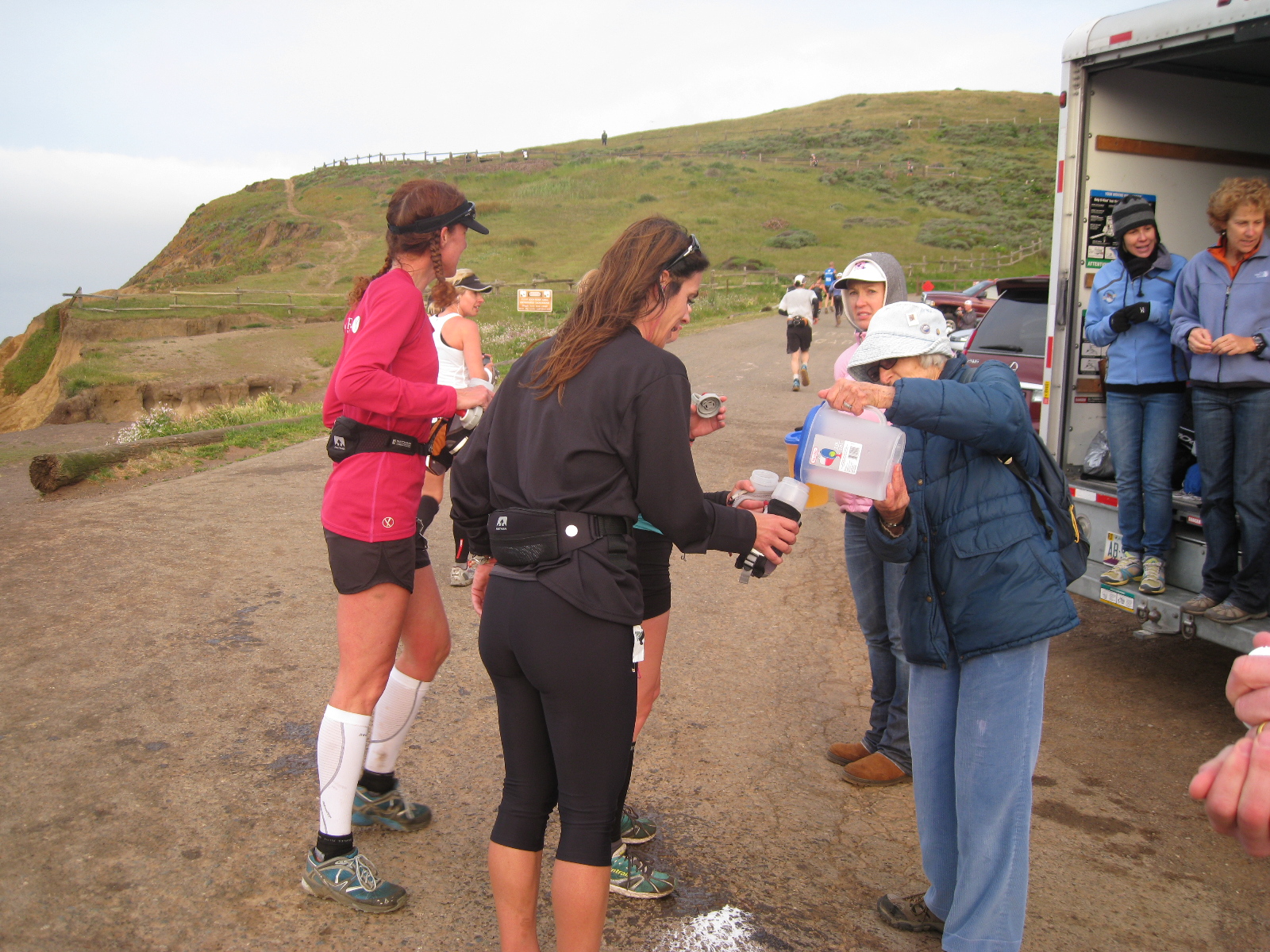
5. Stop or Pass On Aid Stations—Elite athletes do not stop at Aid Stations if they have support crew waiting for them to hand them what they need from one Aid Station to another. For those who who don’t have any support crew, they stop to refill their hydration bottle/s or packs with the needed fluids and grab some gels or foods offered on the tables. A few yards from the Aid Station, the runners would remove the lid/cover of their bottles and as soon as they reach the Aid Station, the runner would simply extend his/her arm to the volunteers who would refill such bottle using a water pitcher. Sometimes, they just grab canned soda drinks and drink the contents while they are running. You will be surprised how they would stow their empty cans and empty gel packs in their running shorts up to the next aid station where trash bins are located. Runners are strictly following the rule of not littering their trash on the trails or else they will be disqualified. As for the mid-pack and sweepers, stopping on the Aid Station is a must for re-supply and rest purposes as long as they are within the cut-off time of arrival on such Aid Station.

Runners With Open Bottles Few Yards From the Aid Station
Volunteers With Water Pitcher Refilling Hand-Held Bottles @ Aid Station

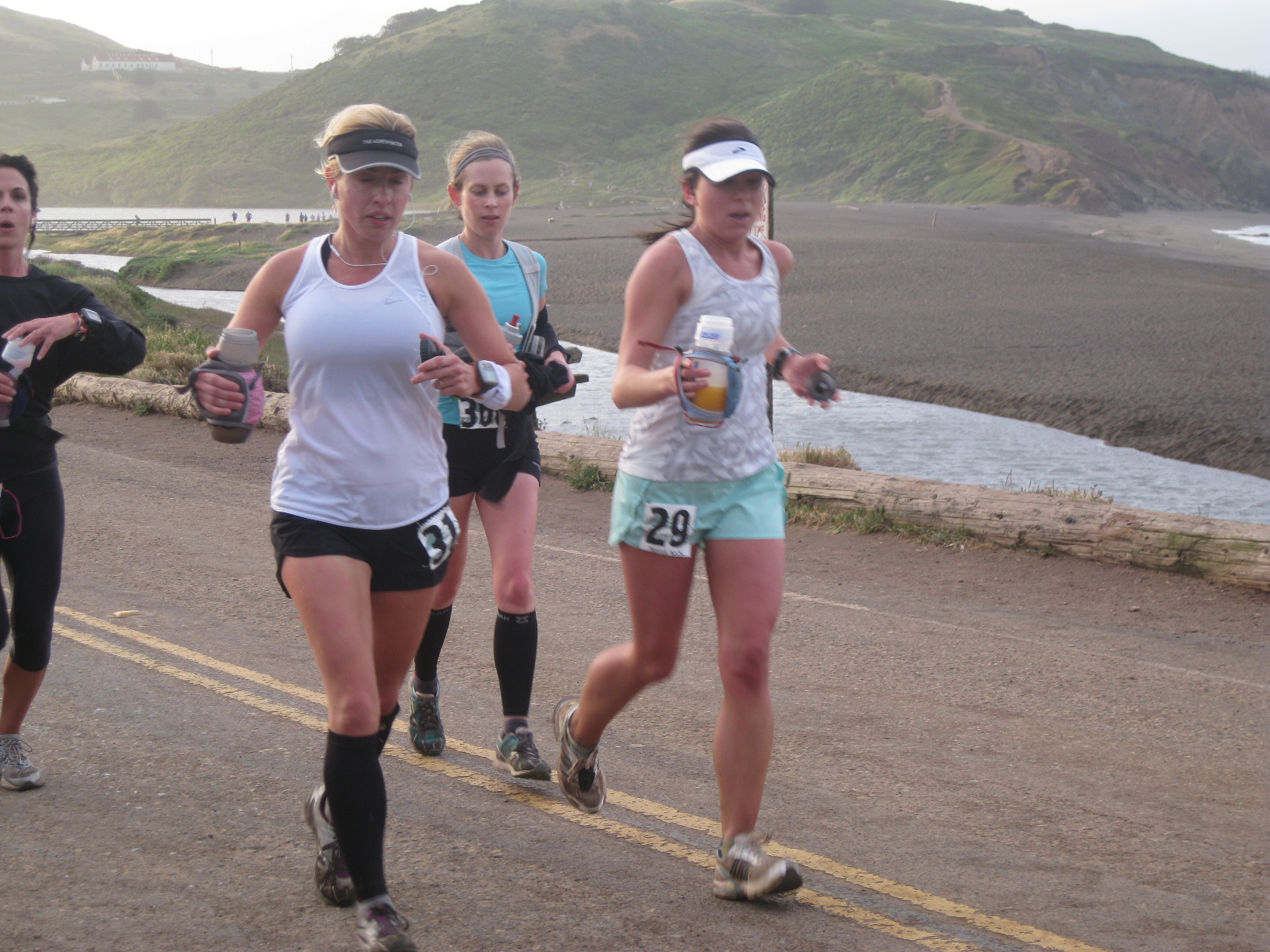
6. “Fanny” Packs or Belt Bags—These bags worn as belt could be seen on the picture above where the two lady runners are using. If a runner is using hand-held water bottles and using running shorts with small pockets, these “fanny” belt packs which are light, flat and snugged to the body are good running accessory for an ultra trail runner where he/she could stow a cellphone/camera, cash, keys, sports gels, sports mix, salt tablets, Vitamin I, and sports bars/food.

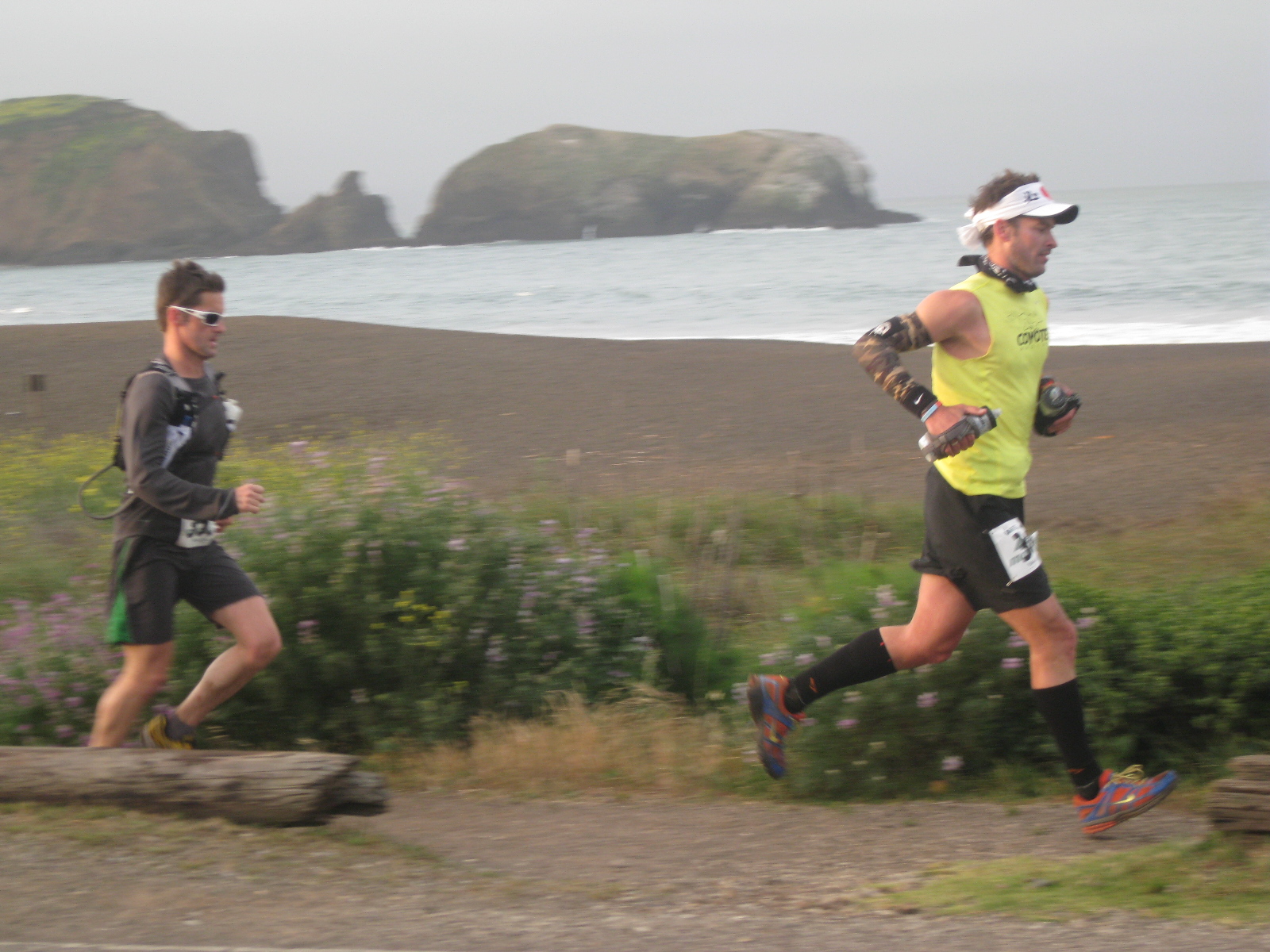
7. Arm Sleeves & Calf Sleeves—It is reasonable that the runners would use arm sleeves because of the cold temperature but I could see that most of the runners were using calf sleeves, to include the lady runners. In my experience, I believe in the use of these calf sleeves during my workout and during my recovery. I am presently using the Zensha Compression Calf Sleeves during my long runs while a tighter 2XU Compression Calf Sleeves are used during my recovery periods.

One of the top runners (Freedman) with Arm & Calf Sleeves

8. Using of “Wires”—The top 4 male and female runners were not using any “wires” to their ears. I believe that these elite runners are well-focused and sharp on the task at hand during the race. In the Race Reports of these elite athletes, they could hear the steps, breathing, and sounds of the environment. These top runners would maintain conversation among themselves on wider trails. Instead of listening to music, these runners listen to their footsteps on the trails; they listen how their competitors’ breathing in order to find out if they are still strong or exhausted; and listen to the steps of the runner ahead and behind them. On single-track trails, there is a need to communicate to the runner ahead of you if you intend to pass and it would be inappropriate if a runner to be passed is using some “wires” with some loud music being played on his earphones and could hardly hear the verbal warning from the runner behind him.

Lastly, Tia Bodington (RD) sent me an e-mail 2 days after the event expressing her thanks for being a part of the Volunteer Group of the event. She called me as one of the members of the “Miwok 100 Traffic Czars”. Sweet!

Running Around “The Ring”


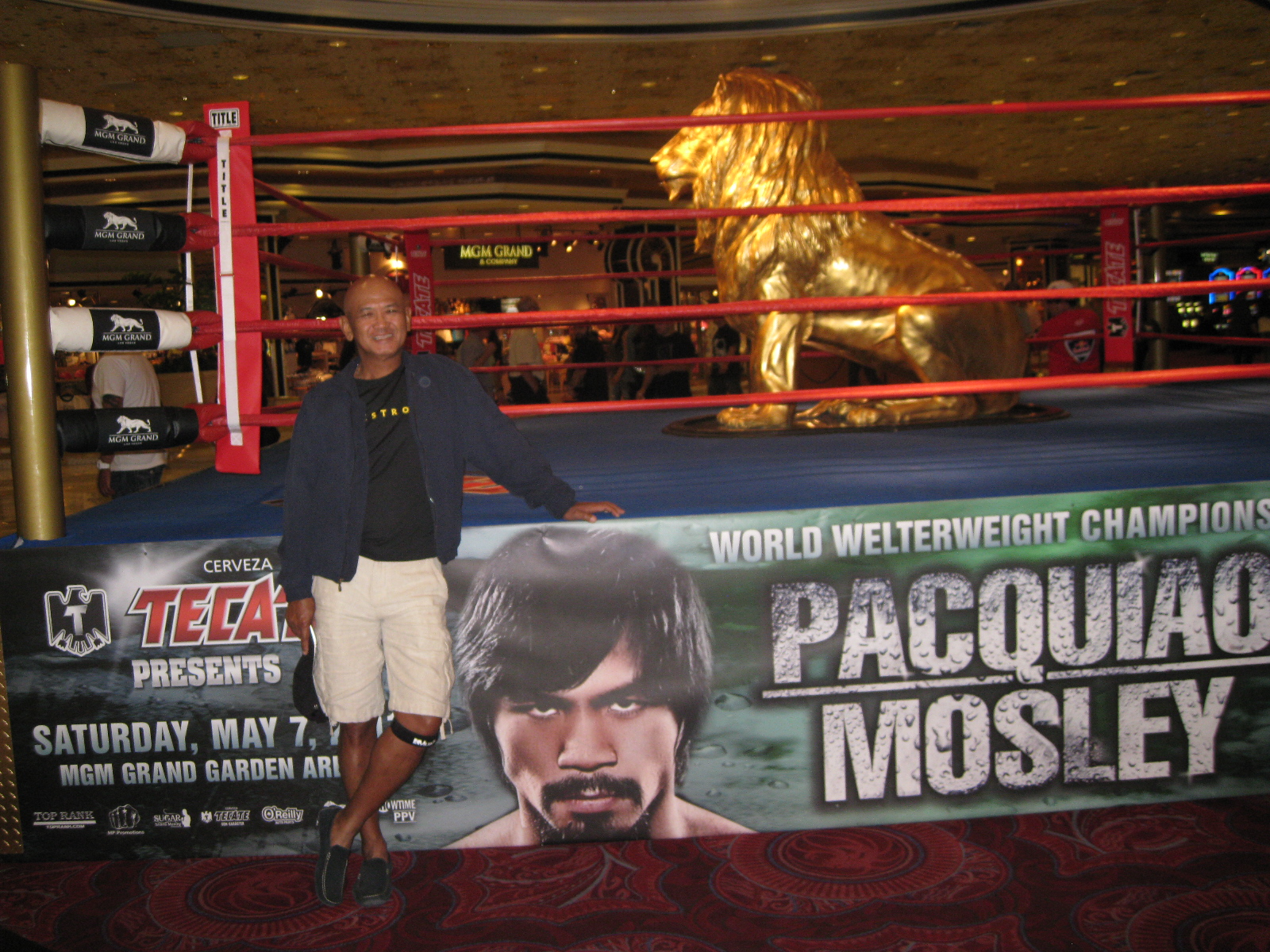
My running injury did not heal for the race I’ve been preparing for this year. Instead of forcing the issue to run the race and be able to finish the prescribed finish time of 16:30 hours for the Miwok 100K Ultra Trail Race at the Marin Headlands in San Francisco, California last Saturday, I have opted to watch how Manny Pacquiao and Shane Mosley “run around” the boxing ring at the MGM’s Grand Garden Arena.

Congratulations to Congressman Manny Pacquiao for another impressive show and for “entertaining” the whole world through boxing!

At The MGM Hotel, Las Vegas, Nevada

Going To Ultrarunning?


I highly recommend marathon finishers to read the following article from the Running Times Magazine if they are interested to try ultra marathon running in the future. 

http://runningtimes.com//Article.aspx?ArticleID=21831

Good luck and train well!

Epilogue: 2010 Headlands 50-Mile


Lessons Learned and Insights/Observations In The Headlands 50-Mile Trail Run 

1. Finish The Race—The main objective in participating an ultra trail run is to be able to finish the race. Yes, finish within the cut-off time of the race. In order to finish the race, you must be able to have a positive attitude and apply your race strategy. Aside from having a positive attitude and full resolution to finish the race, there is a need to be patient by not forcing your body on the early stages of the race. It is best to experience the run by trying to enjoy the scenery and looking how the other runners react to the different terrain of the route. If I need to finish the race with a lesser time, it is mandatory that I have to train harder and increase my mileage. 

2. Training & Preparation—Two months before this ultra trail run, I shifted my training by running towards the “Brown Mountain” (BM) and tried to strengthen my legs and cope up with the challenges of mountain trail running. However, I found out that my “trips” to “BM” were not enough. There is a need to do more quality mountain repeats, not hill repeats! In my trips to “BM”, I tried to force myself by running on the incline portions of the trails and resting on the downhill and flat portions. With this thing repeated during my training, I became very conservative in my running effort during the race. I have made so many observations on the “tougher” runners on how they attack the inclines and the downhill portions of the course and I’ll try to mention them in my observations and things to improve in trail running.  

3. Race Strategy—In my training, I adopted the race strategy of brisk walking on the uphill climbs and resuming my running on the flats and downhill portions. I was able to do this strictly during the race. However, after the race, I found out that I still have enough strength left. I have a feeling that I ran the course very conservatively and did not have the effort to force my body from my “comfort zone”—being afraid of having muscle cramps at the Km #40 point. On my hydration, I trained myself by bringing my Nathan Belt Bottle (on my small on the back) and a Nathan Hand-held on my left hand/palm. The bottle on my belt was filled with Gatorade while the hand-held bottle was filled with water. I had to drink water and Gatorade alternately every 2-3 kilometers and I could only finish one-half of the content of each bottle within a distance of 10-12 kilometers. During the race, I finally decided to bring only the Nathan Bottle on my belt and opted not to bring the hand-held bottle. I also decided to drink only Gatorade/Sports Drinks during the race. It worked fine with me to be having one bottle during the race and drinking only Sports Drinks since the drinks served during the race did not have any taste of a Sports Drinks. I am still wondering what is the brand of sports drinks that they served during the race. On the food, I took the regular GU Sports Gel every 10 kilometers, ate 3 bars of Nature Valley, lots of beef jerky cuts, and sliced melon & water melon dipped on salt which I picked up in every Aid Station! I took also 2 capsules of Salt Stick, one capsule in every loop! However, after the 1st loop, I ate one serving of oatmeal, fruits, SPAM slices, hard-boiled eggs, and drank one bottle of Gatorade. 

Old Logo Of PCTR

 4. Acclimatize and “Feel” The Route—My two (2) recon runs on the race course was a way to familiarize myself with the weather condition and the terrain of the area. I concentrated more on the beauty of the scenery and how to trace the route as seen and described on the map and on the route description. Running almost one loop of the course during my second recon run gave me confidence to be able to finish the course. And I decided to be conservative on the 1st loop during race day and try to run faster on the 2nd loop. But the results would show that I ran the 1st loop faster than the 2nd loop on race day! It shows that I was not able to determine on what parts of the route where I could be faster or slower. I just kept on following what was set in my mind—to brisk walk on the uphill and running comfortably on the declines. It was only on the last 8 miles where I was concerned about my pace and time to be able to reach the Finish Line. As to the acclimatization to the weather, I found out that after two weeks of stay in the area, I was able to bear the cold temperature even if the sky was overcast and the mountain environment was foggy. Three days after the race, I returned to Marin Headlands and ran another 20 miles and “attacked” the uphill climbs by continuously running on them, instead of brisk walking and running fast on the downhills, instead of comfortably running in a slow pace! At the uphill portions of Coastal Trail and downhill portions of Wolfe Ridge and Old Springs towards Tennessee Valley AS, I was able reduce my time by more than 6 minutes. I also ran on the uphill climbs of Marincello Trail and Bobcat Trail and with a faster pace on the downhill of these trails which resulted to a faster time on these portions by a cumulative time of 16 minutes!   

Headlands 50- Mile Run Elevation (Clockwise)

If given another chance to run again in the Marin Headlands, I am sure I will be able to improve my time and have more confidence to attack the uphill and the downhill. 

5. Specificity of Training—If you are preparing for a mountain trail run for a distance of 50 kilometers and above in the US, you have to train to a terrain that resembles to the course profile and race route condition. Comparing the course profiles of the Headlands 50-Mile Run and the 1st PAU 50K Run in Tanay, Rizal, there is a big difference aside from the fact that the weather is also different from one race to the other. Tanay’s elevation is higher but the inclines and declines are gradual than the Headlands 50-Mile Run. With this comparison, Tanay’s mountain trails would be a nice training ground for mountain trail runs in the US. I hope Tanay’s mountains would be able to resemble at least the last half of the Western States 100-Mile Endurance Run.  

1st PAU 50K Race-Tanay Course Elevation (Courtesy of Mark Hernandez)
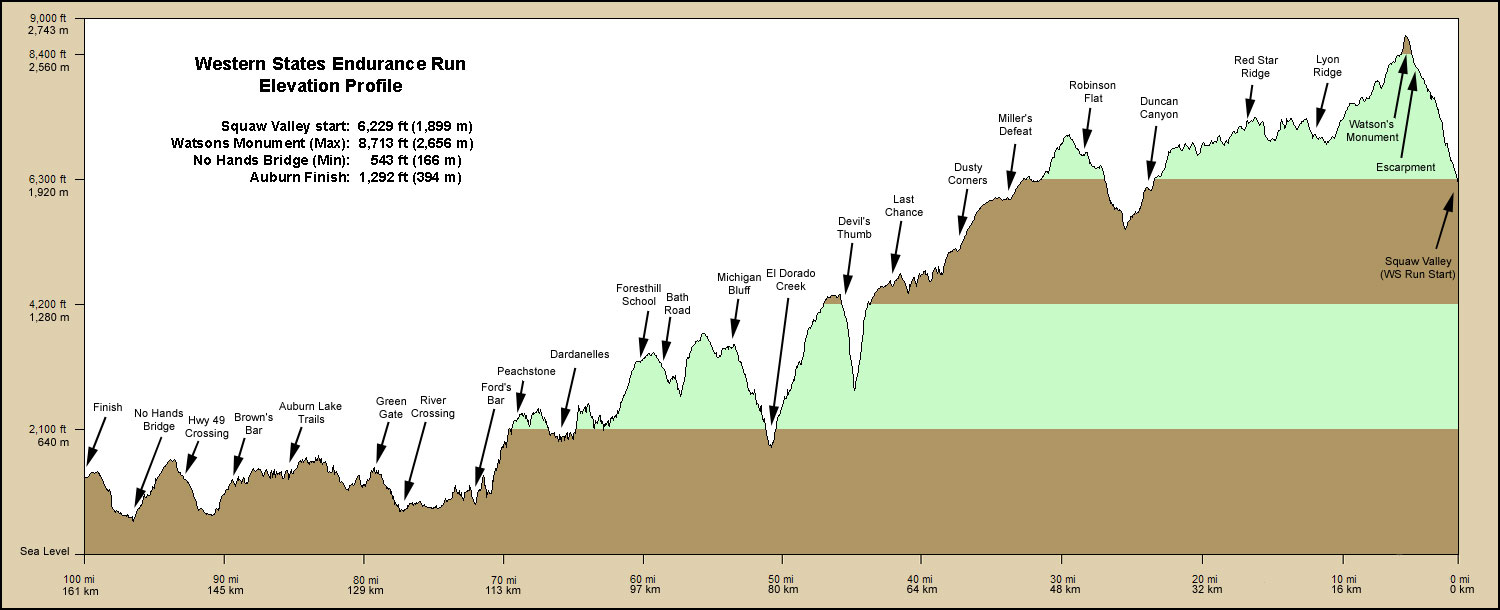
Western States 100-Mile Run Elevation Profile (From WS100 Website)

6.  Staying Longer at the Aid Station & Refueling After 1st Loop—Changing my socks, eating some food, and posing for my pictures after the 1st loop took at least 10-11 minutes of my time. If only I could make such stop for only 5 minutes, it would have shaved off some of my time. Shaving another 30-seconds in my stops in every Aid Station means another 4 minutes deducted from my time. Waiting in line at the Comfort Rooms for almost 2 times during the race also added few minutes of my time. I should have just “peed” more along the side of the road to shave off some seconds of my time. I will be smarter next time whenever I need to stay longer or not in every Aid Station. 

7. Observations on the Conduct of Headlands 50-Mile Run 

a) No Marshals Along The Route—There are no marshals positioned on the intersections of trails. You only see colored ribbons and small flags towards the direction of the route and along the route. If you don’t see any ribbons or small flags on the route, that means you are lost. You have to retrace your route and go to where you have last seen the ribbons. You only see volunteers on the Aid Stations. 

b) Everything Is Simple—There are no race singlets as part of your registration fee. There is no loot bag after you finish the race. You simply receive your Finisher’s T-Shirt and the rest of the souvenirs and the items promised to be given to each of the runner will be sent to your home address through post mail. There are no “distractions” or “circus” mood at the Start/Finish Area. You are lucky if somebody along the trail will give applause or cheer at you. The only people who will cheer and greet you with “Good Job”, “Looking Good”, or “Good Morning/Good Afternoon” are the other runners in the race whom you meet, you pass, or those who are about to pass you. 

c) Everybody is HONEST—Nobody cheats on the race course even if there are so many chances when a runner could easily make a “shortcut” as there is nobody who is checking the time or arrival of each runner in every Aid Station or critical point along the course. Each runner does not receive any band or string/straw necklace after he/she finishes a loop. There are no timing chips! 

After My 2 1/2-Hour Run On The Course (3 Days After The Race)

d) Runners Are Having Fun–Runners in ultramarathon races are friendly. They do not compete with the other runners but they compete with themselves and the course. Ultra runners help each other to survive and finish the course within the prescribed cut-off time. You can start a conversation to anybody and you can keep on pace with somebody, too. This is where friendship starts. Through constant conversation of any topic while running or brisk walking, you will find out that those steep inclines just looked to be easy to have been passed along the way. You feel relaxed while running in pace with somebody. Sometimes, you are fully motivated to increase your pace not to be able to be left behind by your running companion. 

e) Top Runner Are Really “Tough”—I did not see these guys walking except when they approach the Aid Stations to refill their bottles or bladders in their Camelbaks. They simply run hard on the uphill and run fastest on the downhill. I’ve been trying to copy them and unfortunately, it resulted to a bad fall during my latest trail run to Mt Pinatubo. I need to practice some more towards the “Brown Mountain” soon and practice the technique I’ve seen with these “tough” guys in trail running! 

It’s time to go back to the mountains again for more training! See you at “P2P 65K Run” in Ilocos Norte!

Run 55K Ultra And Win 10K Race (My Hair Grew at Mount Pinatubo and Became a Champion at the UNICEF Run) Part 1


5:33 AM 22 November 2008 @ Barangay Sta. Juliana, Capas, Tarlac

Last Friday, I attended the Team Bald Runner’s Speed Training at ULTRA Oval Track for the first time since it started last Tuesday evening and I met the “student-runners”. Each runner was given a strip of paper which was prepared by Capt Espejo where their respective goal-times were listed for a particular distance from 400 meters up to 5-Km with the proper “personalized” instructions on how to follow the said list/schedules. After their stretching, warm-up and drills, I joined their speed runs around the oval and acted as one of the “timers” for each of their lap runs. I was happy that I was getting postive feedbacks from these runners aside from those who made favorable comments on this blog who joined the said training and those who posted their experience in their respective blogs. I’ll make a separate post on the feedbacks of these runners who are presently undergoing such “speed” training. I had to leave the Oval Track early at 8:30 PM while the runners were still doing their “lap-sets” in order to prepare my things for the forthcoming ultramarathon run the following day. 

After three hours of sleep, I woke up, prepared my things, picked-up Capt Espejo and we were on our way to Sta Juliana, Capas, Tarlac from Manila. At 4:30 AM of Saturday, Captain Espejo and I arrived at the Barangay Hall of Sta Juliana and I could see the members of the Pinoy Ultra Runners busy preparing their things for the Run to Mt Pinatubo. Neville Manaois, the leader of the Pinoy Ultra Runners invited me and the “Hardcore Group”/guest runners to join their group in their first run up to the peak of Mt Pinatubo. Jonel aka Bugobugo85, George, Nico and Anne (girlfriend of Nico) were also at the vicinity of the Barangay Hall busy preparing their things and support requirement. Without the knowledge of the host, I contacted my brother who is the Commanding General of the Light Armor Division of the Philippine Army, at least one week before the event, whose Headquarters is located in Camp O’Donnell (few kilometers to Sta Juliana) to provide me and my runners with vehicle support and security along the way and within the area. I was surprised to see that my brother was at the starting area together with his senior officers and we had a brief conversation and briefing from him and his officers.
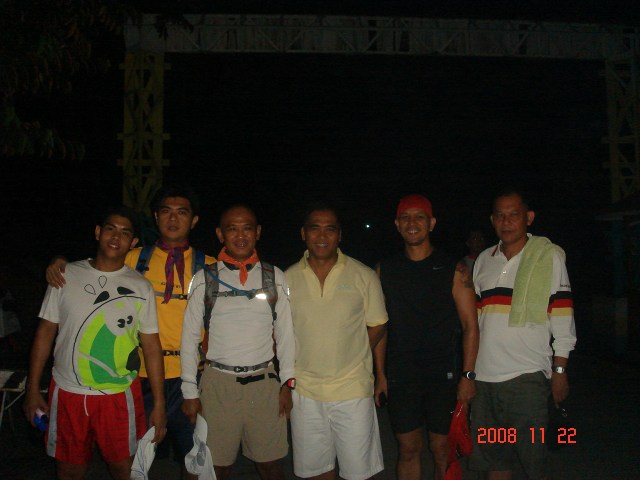
dsc04452

Nico, George, BR, General Samie (my brother), Jonel aka Bugobugo, & Col Mayor de la Cruz

Having identified our support vehicle, we started loading our food/water/logistics and getting the necessary instructions on the conduct of the run and information on safety from Neville and we were ready for the start of the 55-Km run (frm Sta Juliana to the peak of Mt Pinatubo and back). Our start was delayed for about 33 minutes but it was okey because it was still dark and the number of runners were minimal. To be exact, we were 32 runners. After departing the Barangay Hall by walking, we ended at the edge of the 1st of the so many river crossing along the route as most of us would not like to have our trail shoes to be soaked with water. The 1st, 2nd, & 3rd group of the Pinoy Ultra Runners were brough to the other side of the river by riding on the 4X4 jeeps and we had time to have our photo-ops while waiting for those jeeps to bring us also to the other side.
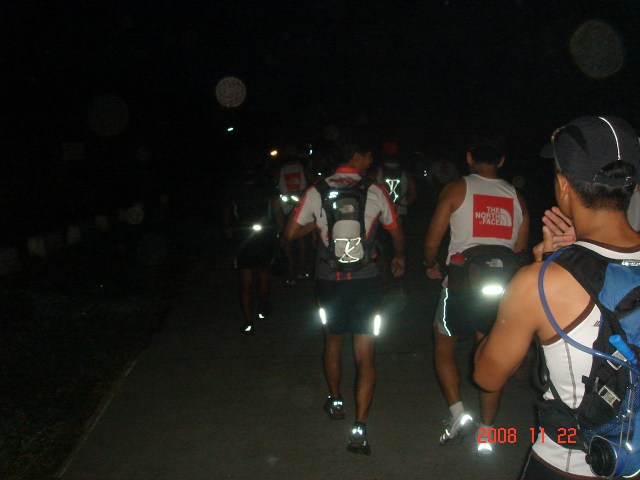
dsc04453

The members of the Pinoy Ultra Runners running ahead of our group at the start of the 55K Mt Pinatubo Run

After our group (BR, Bugobugo, George, Capt Espejo, and Nico) reached the other side of the river, we started our run with the Pinoy Ultra Runners having a lead distance of about 100-200 meters away. It was really a very slow run for us and I was the one controlling the pace at 6:30 to 7:30 mins/km for the group. I knew that we have to conserve our energy for us to be able to complete the ultra run without any problems with our body and legs. Without the knowledge of my group, I set a goal of finishing the run in less than 9 hours of actual running, not including those logistic stops, conversations with the officers and men of the Philippine Army, and a brief “picnic” and photo-ops at the peak of Mt Pinatubo. However, I told to the runners of my group that we should be able to be back at Sta Juliana on or before 4:00 PM so that we have more time to travel back to Manila and have a complete rest/sleep before joining the UNICEF 10K Run the following day.
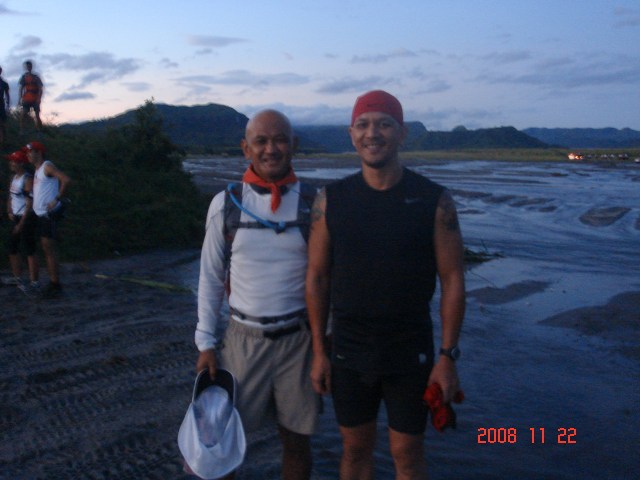
dsc04458

With Jonel aka Bugobugo85 while waiting for the 4 X 4 Jeeps to ferry us across the river

The run at the lahar covered ground was very challenging as our feet would land on loose, hard and sometimes wet lahar. At first, it was a very comfortable run with those lahar filled route and the route we took was the existing jeeps’ route that passes through a vast area covered with lahar up to the “Baseline”—the limit of the vehicles’ route. We ran almost 15 kilometers up to the Baseline for almost two hours. We had to reach a shaded portion of the route before 8:00 AM in order to escape from the intense heat of the sun. At first, it took my group to cross those numerous rivers as we tried to select a narrow portions of the river where we could easily jump over the flow of water. Some of my runners, started to remove their running shoes to save them from being wet and it took so much of our time and delayed us to reach the baseline. Later, we were amazed to experience of wading through the waters and rivers with our shoes on and it gave some frefreshing feeling to our tired feet and legs because the water was a little colder. From here, we dared to cross the rivers and step on submerged rocks and fight the strong currents of the flowing water while we were running/jogging.
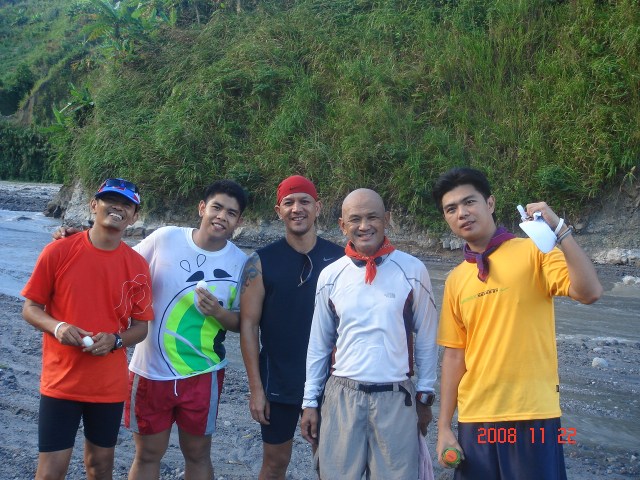
dsc04459

Capt Espejo and the Hardcore Group before reaching the Baseline
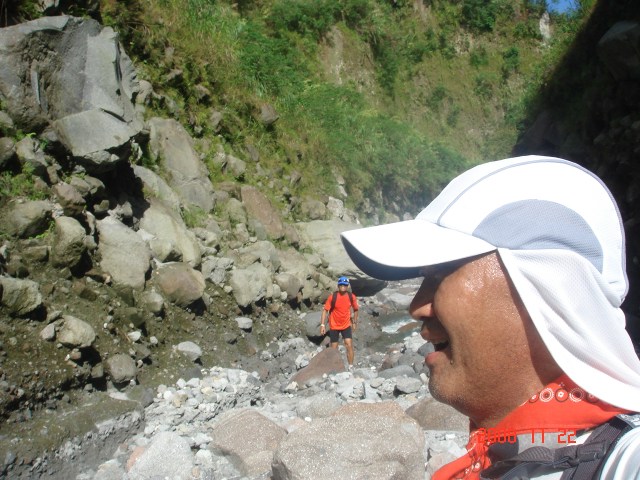
dsc04468

These rocks were all around us as we followed the river towards the Baseline and peak of Mt Pinatubo.

After two hours of running, we reached the Baseline and we had our Aid Station from the support vehicle which went ahead of us. I brought boiled sweet potatoes (camote), boiled eggs, and boiled bananas as our initial support food. We ate a lot of these solid foods and drank our sports drinks. Boy, we were really hungry and we need to re-charge ourselves for the next 20 kilometers which I expected to be an uphill climb to the crater of the volcano. After almost 45 minutes of eating, drinking and talking to the support personnel and our local hosts for the event, we started to resume our run towards the peak of the volcano.
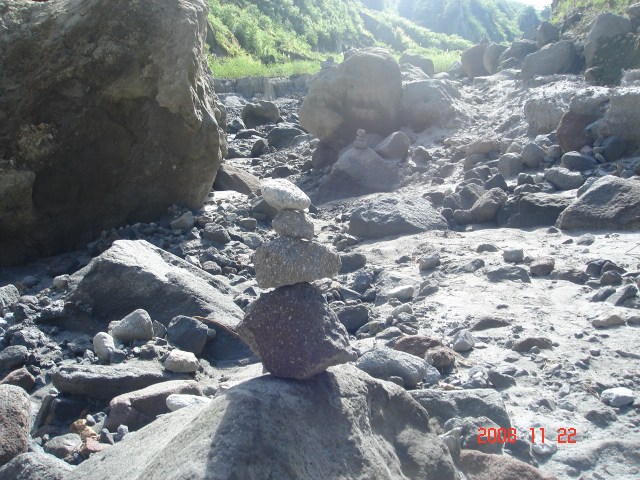
dsc04472

This is one of the markers that points us to our route along the rocky banks of the river. Take note of the rocks along the way which makes jogging/running more challenging.

From lahar sand, the ground changed into small rocks mixed with lahar and later with big rocks along the way and there were no more road for the jeeps to be followed by the runners. As we moved towards the volcano, we had to walk and jog along the river and banks of the river with big rocks. We had to see and look for “markers” to indicate the way/hiking route towards the mountain. The jogging became brisk walking and later the brisk walking became simply walking along and in between the rocks along the way. As we got nearer, we started to see and meet the members of the Pinoy Ultra Runners going down from the crater of the volcano and they gave us encouraging words and warning us that the crater/peak was already near. Even if our trail shoes were already wet and filled with lahar sands which caused them to be heavier as we jogged and walked, we concentrated and focused to keep one step at a time as we started to walk along a rocky steep trail. It was a relief when we saw a concrete stairs and it was a sign that we were already near our destination. Finally, we saw the crater-lake on the peak of Mt Pinatubo. It was really a breath-taking view which could be an exact copy of the views/scenes seen in movies like “The Lord of the Rings” and resemblance of pictures I’ve seen on the scenery of New Zealand’s mountains ranges. Not contented of just the sight, we went down to the edge of the lake and washed our socks and shoes. Some of the runners with my group experienced a brief plunge on the sulphuric water of the lake. We rested and ate some more food which were brought and carried by Captain Espejo in his backpack. Capt Espejo requested us to finish everything as she wanted his pack to be light on our way back to the Baseline. Washing and soaking my tired feet into the water of Mount Pinatubo was already enough for me and I could feel that I haven’t shaved my head and face for the past days. I thought my hair miraculously grew after soaking some parts of my body to the lake at Mount Pinatubo. That’s a joke!
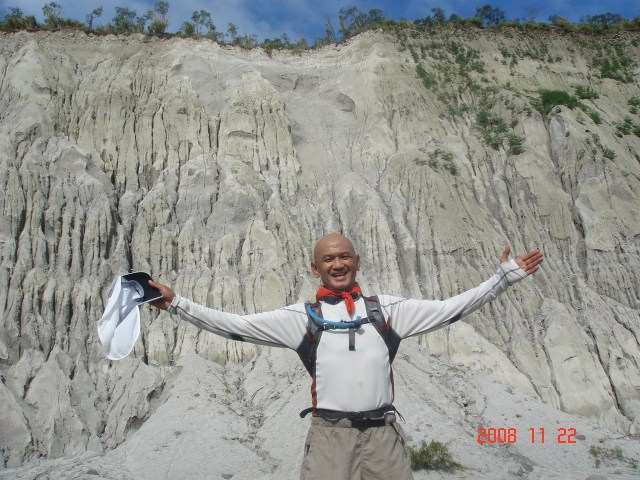
dsc04476

If you think you are surrounded with mountains as you go up to the peak, yes, these are mountains made of lahar from Mt Pinatubo.
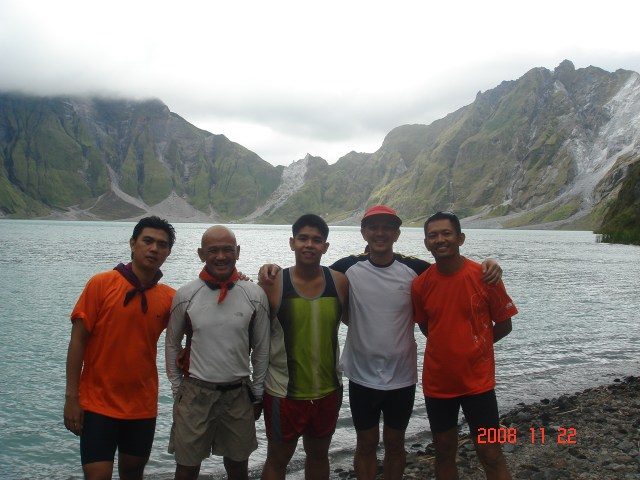
dsc04489

At the edge of the crater-lake at the peak of Mt Pinatubo

While eating and resting at the edge of the lake, I was entertained by the stories of Capt Espejo,  Jonel aka Bugobugo, George, Nico, and Anne. These guys are really “kalog”, funny, “cowboy”, witty & smart, strong, dependable, “risk-takers”…in short, these guys are really “hardcore and warrior” runners. We talked a lot of things, about our blogs, about our PR best times, training and running. But we never talked about the other half our of run back to where we started which was another 27-28K run. We talked about our plan to reach the finish line at 4:00PM and immediately go back to Manila for a good night rest and have to see each other again the following day for the UNICEF 10K run. I know already from these plans that I was in a right group—a group of “crazy runners”.
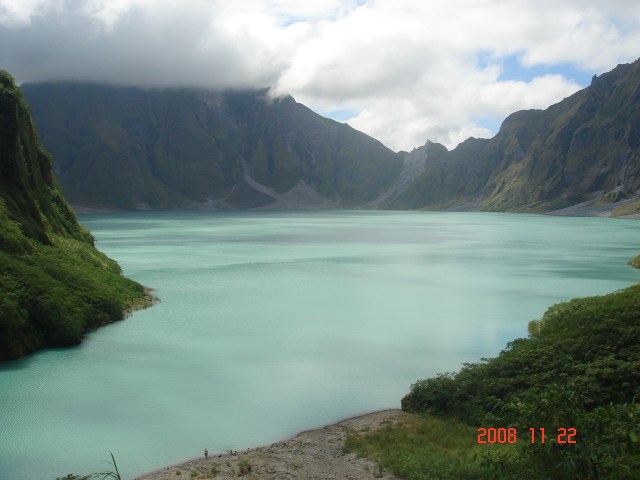
dsc04482

This is the sight one can see at the end of the rocky trail at the crater of Mt Pinatubo. There are still 125 steps of a crude concrete stair from this place to the edge of the lake.

We left the crater-lake at 12 Noon and Bugobugo volunteered to count the number of steps of the stair that leads to the start of the trail from the edge of the lake. He was able to count 125 steps and we were breathing heavily once we reached the top. As we left the crater, we met the last two members of the Pinoy Ultra Runners who just arrived at the area. As we hiked slowly down the rocky trail, we met  more trekkers and tourists approaching the peak and almost all of them were asking us how far is the end of the trail in order to reach the crater. We answer them in terms of the number of minutes of walking or the number of meters from the crater and they were glad to hear that they were almost at the crater.

After passing those rocky trail where nobody would dare to jog/run, I started to speed up my pace. Later, I did not notice that I was already jogging and then later running down the rocky slopes of the volcano. It was like doing some “pylometrics” or “speed drills” running on the rocks and rivers while going down to the Baseline. Capt Espejo ran on my side while Bugobugo, George, Nico and Anne were left behind and agreed to wait each other at the Baseline and make it as our last “pit stop”. Capt Espejo and I became faster during our run as we were already familiar where to find the trail and had the courage to cross the river even with the strong current. Due to our fast pace, we were able to pass some members of the Pinoy Ultra Runners. In one hour and half, we were already at the Baseline where our support vehicle was waiting. Being our last “aid station”, we ate our late lunch—rice porridge with chicken (chicken lugaw) and sauteed ampalaya with tofu (guinisang ampalaya with tofu) and lots of Gatorade and Propel drinks.
dsc04493

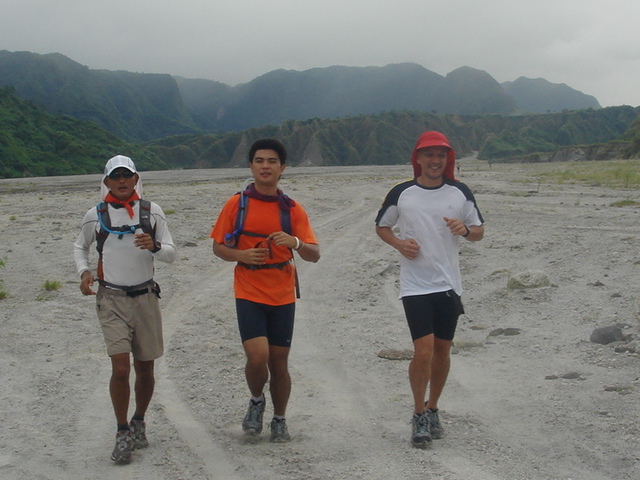
This picture was taken by Capt Espejo as we approached our 40-Km mark and back to Sta Juliana. We passed in between the mountains on the background as we reached our final destination to the peak of Mt Pinatubo.

After our late lunch with the rest of my group, we started our last leg of our run and we were able to have run or cover a distance of 32 kilometers already. It started to shower and later rain were already falling when we started our run and it was refreshing. The weather was very cooperative as the sky became cloudy before 12Noon and it started to rain early in the afternoon. We ran faster along the jeeps’ tracks and crossed the rivers without any reservations and kept maintaining our pace. At this point, we passed more members of the Pinoy Ultra Runners along the way. When we reached the 44K-45K-mark as registered on my GF 305, I started to slow down while Bugobugo and George kept their constant pace and went ahead of me and Capt Espejo. At Km 47, we had to stop to eat a sandwich and drink water from a support vehicle and started to walk. While doing brisk walking, our support vehicle came at our side and Nico, who rode the vehicle from the Baseline, joined us for our remaining kilometers of the run. Our last “pit stop” gave us the much-needed strength up to the finish line and we continued our run after Nico joined us. The first river we passed was a sight to behold as we knew we were already less than 2 kilometers away from the Barangay Hall. There was no need for our support vehicle to bring us to the other side of the river as our shoes had been wet and dried while running along the route. As we reached the Barangay Hall, the faster members of the Pinoy Ultra Runners were seen fresh as they had their shower/bath and wearing clean clothes already. These runners approached and congratulated us for finishing the run. It was really nice of them to be telling us encouraging words and statements about what we had accomplished. Thanks, guys!

My GF 305 registered a distance of 52.14 kilometers but Neville explained to Bugobugo and Capt Espejo that the readings on the GPS did not consider the actual land distance on the rocky  trail along the steep slopes of the volcano. So, basing from the actual land distance measured by the Pinoy Ultra Runners, the course covered a distance of 55 kilometers. Our actual running time was 8:14 + hours and we finished in less than the mandatory 9-hour cut-off time for a 50K Ultra Trail Race.

In behalf of my running group, I would like to extend my thanks to Neville Manaois, the Pinoy Ultra Runners, and to the Officers and Men of the Light Armor Division of the Philippine Army for an adventurous and memorable Mt Pinatubo run. It was my first visit to the place and my second ultramarathon run in my running career. Our thanks also go to the sponsors, support staff, The North Face personnel, Pocari Sweat, and to our hosts from Tarlac and Pampanga.

And now, the “Hardcore Group” is already asking…”Neville, when will be the next ultra run?”
201 Days: Ben Gaetos & Carmela Layson


This post is a tribute to the two (2) Pinoy Ultramarathoners who are well-knowned among the ultra runners in California. They just finished their third (3rd) participation to the most challenging ultra trail running event, Angeles Crest 100-Mile Endurance Run, which was held last Saturday & Sunday (13-14 Sep 2008) with hours to spare before the cut-off time of 33 hours.

The following was the race report of Ben Gaetos on his 2nd Angeles Crest 100-Mile Endurance Run in September 2007: Continue reading “201 Days: Ben Gaetos & Carmela Layson”

Lessons Learned: Bulldog 50K Ultra Trail Run


1) Intelligence (“Know The Enemy”)—I had the chance to run through the 22K distance (except the last 3K) for each loop of the trail run distance on two occassions; my first time one month before race day and the second time two weeks before the race day. These practice runs along the trail route starting at 9:30 AM and 7:30 AM on each run gave me the needed knowledge and information as to the overall profile and condition of the route. Through these practice runs, I was able to gain confidence and finally plan for my race strategy. Running through the trail route gave me 50% chance of finishing the race.

2) Do Your Homework—I had to make a research on the Internet and from books and magazines available in order to get as much information I could about running an ultramarathon. The book “The Ultramarathon Man” by Dean Karnazes had greatly influenced me to take my body what it feels to experience and finish the ultramarathon.  Printed magazines on Ultra Trail Running and books about ultramarathon had also helped me by reading the experiences of ultramarathoners who were just like anybody else—they started too as beginners. “Tips” and words of encouragement from my blog visitors (Ben Gaetos aka Benwah, Quicksilver, and Eric aka Habang Tumatakbo) were very helpful. Thanks to these ultra friends! Continue reading “Lessons Learned: Bulldog 50K Ultra Trail Run”

“Think Time, Not Distance”


6:47 PM 11 August 2008 (Silverlake & Echo Parks)

The advise of elite runners in ultramarathon trail running is to think of the time of one’s duration to finish the distance but not the distance of the course. Since the terrain of the trail will be more challenging and the elevations will be higher, the pace from my ordinary road runs will be greatly reduced.

The duration of one’s time in trail running will include lots of brisk walking in steep uphill routes; slower pace on narrow trails good for one person; uneven road due to the presence of protruding roots and rocks along the way, the intense heat of the sun, and the time at stop-overs in food/drink & medical stations for replenishments. Continue reading ““Think Time, Not Distance””