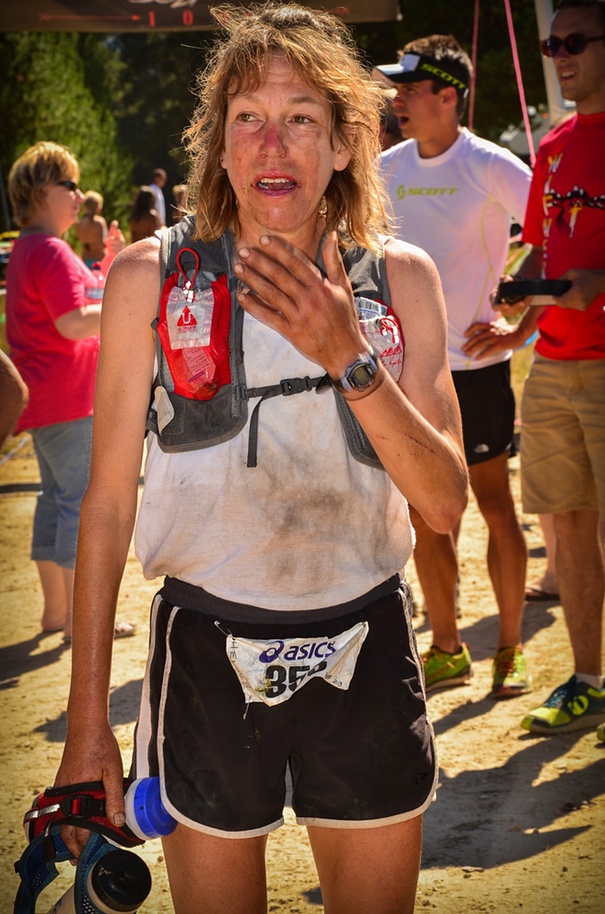
If you don’t know Ann Trason, then you are not an Ultrarunner. Before you type her name on Google, I would like to briefly mention that she was the Lady Champion of the Western States 100-Mile Endurance Run for 14 times after failing to finish the race on her first two attempts. She has also broken twenty (20) World Records On Ultrarunning during her career.
She is now a Running Coach of a Middle School in Berkeley, California; coach for a High School Track Team; a Race Director; and an On Line Ultrarunning Coach. She is also a columnist/writer for the Ultrarunning Magazine where this post was taken/copied. The following is the complete copy of the “Ask Ann” Column in the said magazine.
Ann Trason
Dear Ann,
Now that you’re a coach, are there some, key lessons you pass down from your own coaches?
—Michael
Dear Michael,
I have always loved being a student of the sport—reading, asking questions, trying new things and learning what worked for me. I have been fortunate to have had several coaches who helped fill in gaps in the complex puzzle we call ultrarunning. Your question gets me thinking about the one who did the most to make me the runner and coach I am. Here are 17 lessons I learned from my favorite coach.
Consistency My coach made sure I would get out and do something every day, every week, every month, year after year. Sometimes a lot, sometimes just a little, occasionally fast, often very slow. Consistent training yields consistent racing.
Smile Happiness is infectious. She taught me that no matter how tough the day, there is always something to smile about. How can I mope about something going wrong when it makes such a great story to tell my friends?!
Passion I learned that a good coach must be as passionate as her runner. She made it obvious that she shared my passion for running.
Adaptability I always admired her instinctive ability to accept and instantly adapt as situations changed. We all have that ability buried inside us. I’ve worked hard to let it out.
Running is play, not work I have no idea how many miles I’ve run in my career. I can thank my coach for that. She viewed running as a chance to play. For her, there was no focus on checking the pace, tracking the miles, counting the hills. A good run was being out there having fun.
Positive attitude My coach never scolded me, never barked orders. She did give me a sly look occasionally when I did something wrong, but it was always to encourage me to do something better.
Relax let yourself run free. My coach had a naturally beautiful running form. Just watching her glide along, no tension, no unnecessary motion, made me a better runner.
Keep it simple My coach was always about simplicity. She was not into fancy gear. It was simple running.
Don’t overthink things She taught me to never overthink my running.
A steady trot is the fastest way to cover ground I’ve never been the fastest runner, nor the most talented. My coach helped me learn to run steady, mile after mile, never worrying about the other runners or the terrain ahead.
Enjoy the journey For my coach, it was always about the journey, not the destination.
Explore new places My coach made sure we searched for new trails, trotted across green meadows and bounded up hills just because they were there.
Stop to sniff the flowers My coach taught me to look around, smell the fresh air and feel the breeze blowing my hair. No matter how long or hard a run I had scheduled, there was always time to take in the unexpected view.
Get wet Every stream, every lake is a chance to refresh yourself with a quick dip.
Enjoy the moment There are times in life when we need to run long and hard. There are other times when the best thing to do is sit quietly at the edge of a meadow. In either case, enjoy the moment.
Passing the torch Seeing her love of running increased my desire to give back to the sport by mentoring and coaching others.
Unleash your potential There are times to hold back, but there comes the moment when you need to take off the leash and let yourself run free.
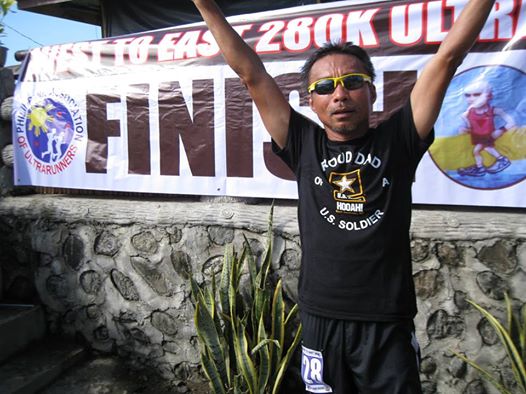
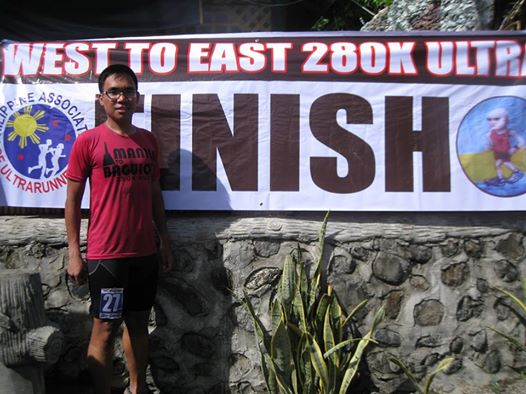
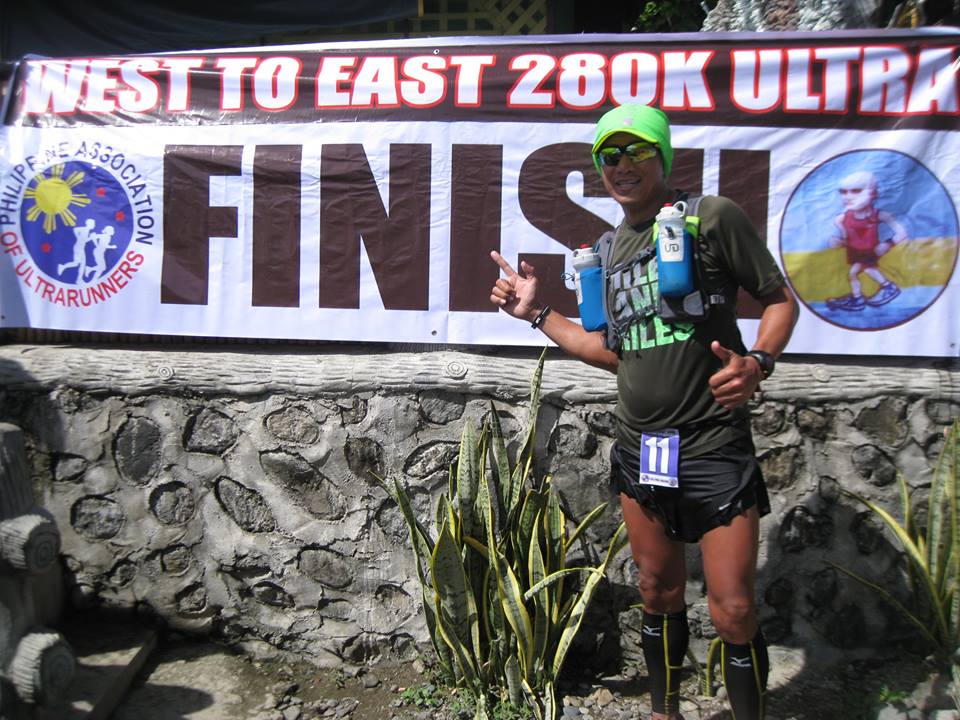
Since it is the first PAU-sponsored event in Zamboanga City and being the one who suggested this event to be conducted, I have to join this race as one of the participants. It is also a part of my “evaluation runs” to test if my training program is working and to determine some feedback on the improvements of my speed, endurance, and nutrition. Lastly, it is also a way of sharing my experience to my readers, hoping that one day they will be a part of this race.
The following are the things that went right (nothing went wrong) during my race:
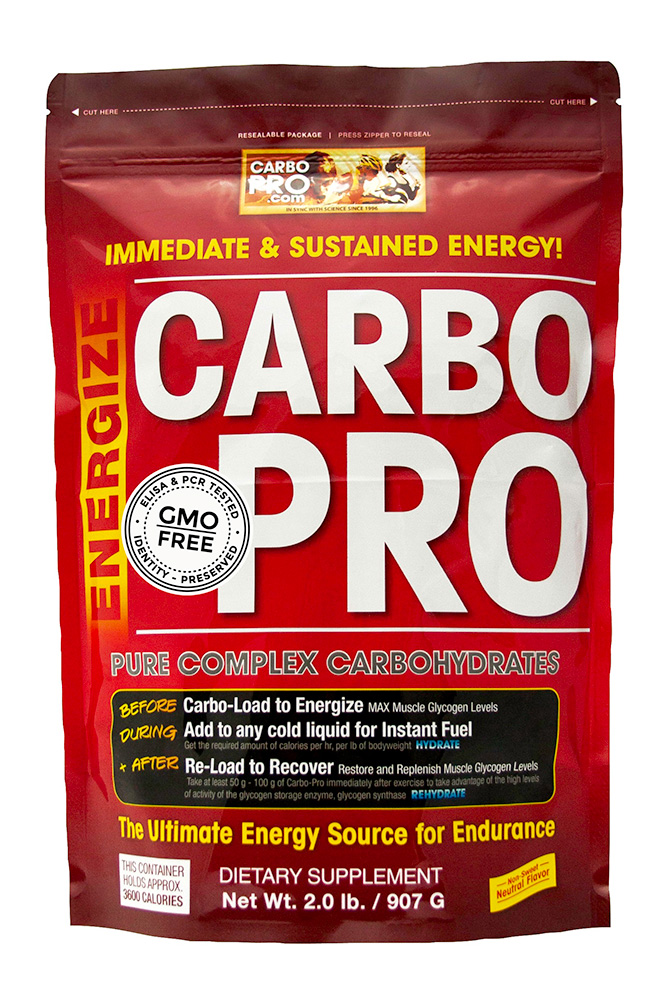
Nutrition & Hydration——It is the most important thing that one have to plan and have a strategy to be strictly followed. Although there are Aid Stations along the route, I was not well-informed on the details and what kind of drinks and food that are available in the race. Although, I have a general idea of what to expect in those Aid Stations. So, I brought my own “mini-nutrition pack” stashed in my Ultimate Direction (UD) Belt. I had 2 Packs of Clif Bloks (one pack in the UD Belt & one pack in my shorts front pocket); one Meal Bar (in my UD Belt); and two (2) GU Gels stashed in my shorts back pockets. I have also a CarboPro mix (with water) in my Simple Hydration Bottle and 2 Packs of it in my other Simple Hydration Bottle and in a tiny 3-oz bottle (without liquid). I brought with me two (2) Simple Hydration Bottles where one of it is filled with CarboPro Mix without water and the other one with water mixed with CarboPro. Both bottles were clipped with my UD Belt and placed on the back of my waist. A reserve CarboPro powder was inside a 3-oz bottle which is stashed in one of the pockets of my UD Belt.
My Nutrition & Hydration Strategy went this way: Eat 3 pieces of Clif Bloks every hour or when I feel hungry; sip my Carbo Pro mix every time my GPS watch makes a “beep” sound which tells me that I just finished one mile which is approximately equivalent to 14-16 minutes; drink at least 16-oz of cold water in each of the Aid Stations; eat something solid and fruits in the Aid Stations; take one Succeed S-Cap Capsule every 1.5 hours; and then mix the remaining CarboPro mix with Gatorade Drinks. The routine was repetitive and boring but it was the key for having successfully finished the race without any issues or problems.
CarboPro Powder Mix
2. Run Light——I did not use a hydration vest in this race and I only used my UD Belt where I stashed my IPhone and my food/mix powder. I was practically running with one Simple Hydration Bottle with liquid in it entire the race. I would have been lighter if I did not bring my Clif Protein Bar and two (2) GU Gel Packs but these food were my “reserves” just in case of any “bonking” during the race. I was using my Hoka One One Huaka which is more of Road Shoe but it is the lightest shoes that I can use for this race. No need for Calf Sleeves; Arm Sleeves; or Gaiters for this run.
3. Metronome——For the past months, whether it is a trail run workout or speed workout on the flat paved roads, I would use the Metronome Application stored/downloaded in my iPhone. This is the very reason why I had my IPhone with me with only one earbud on either on my right or left ear during the race. Metronome Application is now available Free for download and it is very useful in my making sure I was consistent in my running cadence. My Metronome is set at 180 steps per minute and the “tick-tock” sound could be easily followed every time I step each foot on the ground. Since my steps are short, quick and fast, I could easily keep in step with the beat. In the early 70s whenever I join Marathon Races, I’ve been using a metronome which was installed in earlier models of TIMEX/CASIO Running watches where there was no need for earphones. The continuous beat would remind or motivate you to keep up with your cadence during the run. Try it in your training runs and you will be surprised on how fast you can keep up with your pace. Additionally, it will generate constant reminder and at the same time distract the pain and suffering you are experiencing during the run. Whether I am the in the ascending or descending parts of the route, the metronome reminded me to maintain my cadence even if I was power hiking on the ascents.
The Actual Metronome
4. Heart Rate Monitor——As soon as I reached the first peak of the course (Km #7), my HR reached its highest Average Record of 163 beats per minute (bpm) which happens to be my Maximum Heart Rate as shown by my Suunto Ambit 3 Peak GPS Watch. I made a quick stop and rest at AS 1 by drinking some water and eating a suman (rice cake). It was a quick stop just to lower my HR and after about a minute, I continued the race by walking and only started to jog again when my HR was lowered to 150 bpm. Throughout the race, I was monitoring HR every mile and I was satisfied that I was able to maintain an average of 150 beats per minute and would not exceed my Maximum Heart Rate of 163 bpm in the steep ascents. Through my HR Monitor, I did not feel any tiring moments even when I was hiking up the “Gulod de Medyo” area.
5. Electrolytes & Salt Tablets——Aside from the CarboPro mix, I used one tablet of GU Electrolyte Tablet every bottle of mixed drinks and constantly orally had taken Succeed S-Caps Capsule every 1.5 hours throughout the race. While my drink mix maintain the continuous replenishment of electrolyte loss through excessive sweating, the S-Cap Capsules made me pee regularly and try to give some feedback on the color of my urine if I am dehydrated or not. This combination of Electrolyte Tablets and S-Caps had been very effective to me in my training for the past 2 months.
6. Quick & Short Stops In The Aid Station——Except for the “turn-around” points where I refilled my bottles (with the CarboPro & Electrolyte Tablet inside) with Gatorade, ate some foods, and drink at least one bottle of 16-oz mineral water and some Cola drinks, where I would spend at least 3 minutes, the rest of the Aid Stations were short and quick to pick-up some bottled water to drink and then leave to continue the race. I think I spent not more than 2 minutes in these remaining Aid Stations during the race. I ate my Clif Bloks and then drinking my CarboPro mix while I was hiking the ascents.
7. No “Selfies” & Unnecessary Picture Taking——Taking some pictures with ones camera or IPhone is very cumbersome and very irritating sometimes as you have to bring out and bring in your camera to your race belt’s pocket or hydration pocket. If it is wrapped with Ziploc or some plastic pouch, the opening and closing of this protection from being wet and damped would entail some unnecessary movements that result to being not focused to the main task of running efficiently. Even if it takes a few seconds to “point and shout” ones camera, if these seconds are totaled or accumulated, it would add up to more minutes of delay on the course. Since there are members of the Running Photographers in the race, I just let them, as the experts with better cameras, take my pictures and just wait for them to post their pictures on Facebook.
In a nutshell, proper training/preparation where one has to test his apparel, hydration system, nutrition & hydration strategy and positive mental attitude is the key to a successful finish in an ultra running event. Although, running is an experiment of one, I hope my experience will guide you or test the above mentioned factors if you can adopt them or incorporate them in your running style or manner of finishing an ultra running event/race.
Expenses:
Round Trip Ticket (Cebu Pacific)——P 1,200.00 (Promo Fare/Sponsored By ZRC)
Hotel Accommodation & Meal——P 4,000.00 (2 Days)
Gratuitous Expenses (Tips)—-P 500.00
Total Expenses——P 5,700.00
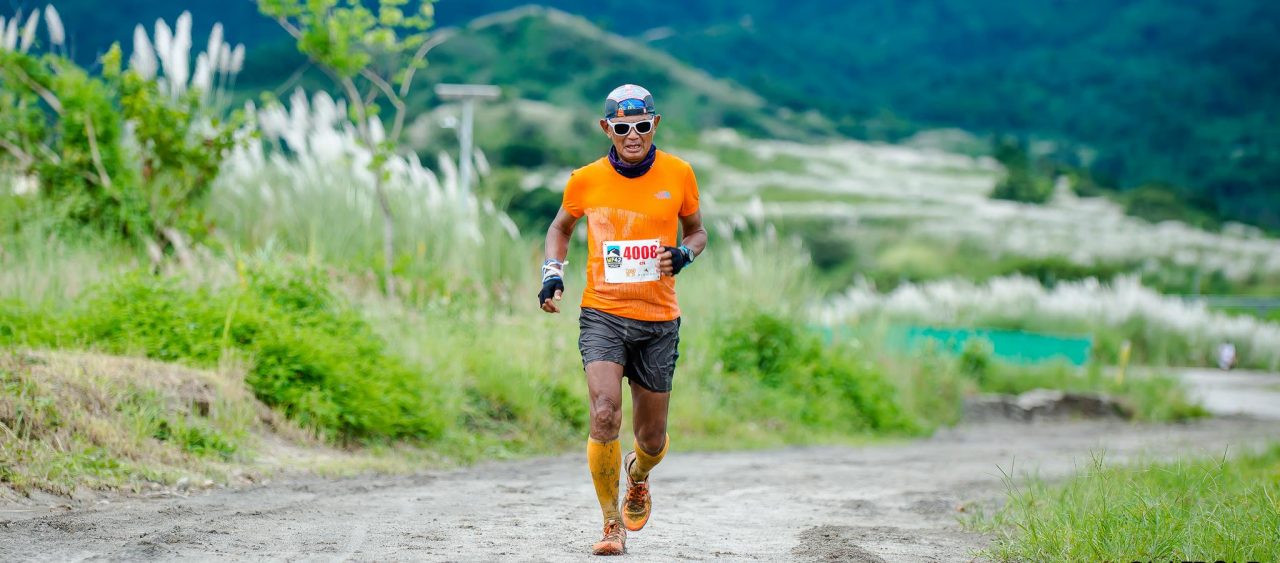
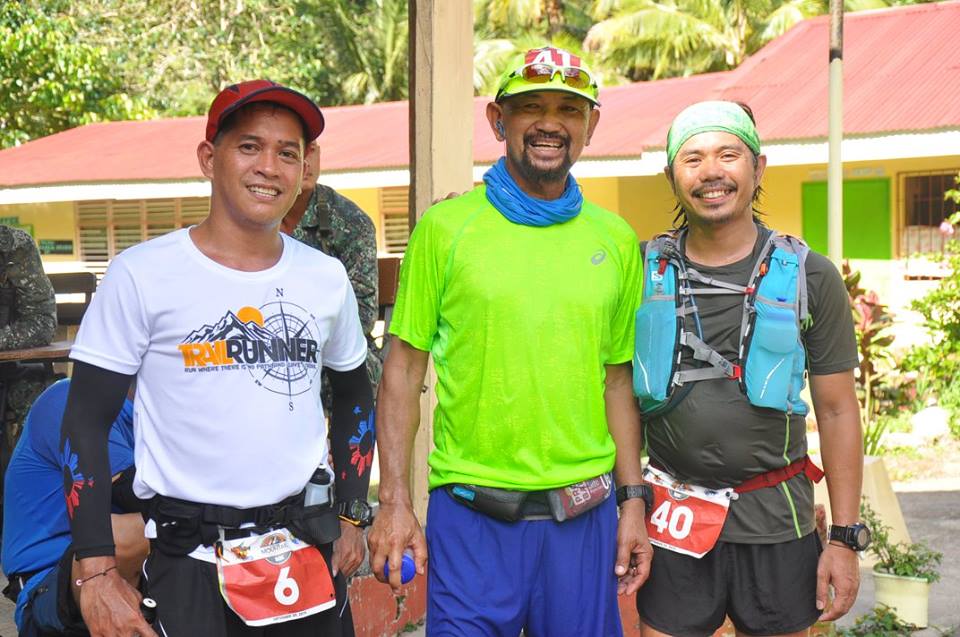
My Running Kit (Picture By Running Photographers @ Km #17)
Even if I am not an sponsored athlete, I would mention the things that I’ve used during the event:
Intermediate Cut-Off Time: 10 Hours Every 50 Kilometers
Number Of Starters: 11 Runners
Number Of Finishers: 7 Runners
Percentage Of Finishers: 63.63%
RANK NAME TIME (Hours)
1. Henry Laron (Overall Champion, Course Record)—-51:32:09
2. Elmar Bob Tolete (1st Runner-Up, Overall) ——-52:00:36
3. Thomas Combisen (2nd Runner-Up, Overall) —-52:27:52
4. Bong Anastacio ——————————–53:34:18
5. Marlon Santos ———————————54:31:18
6. Romhel Biscarra —————————— 55:21:37
7. Benedict Meneses —————————– 56:32:20
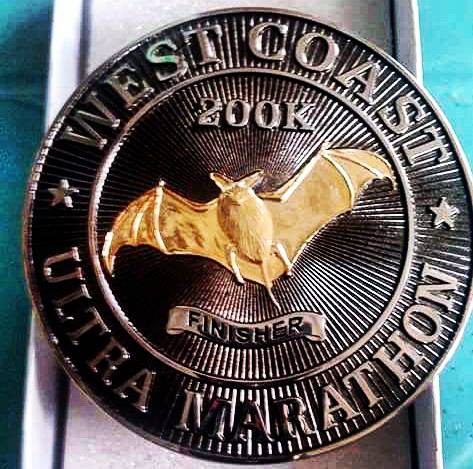
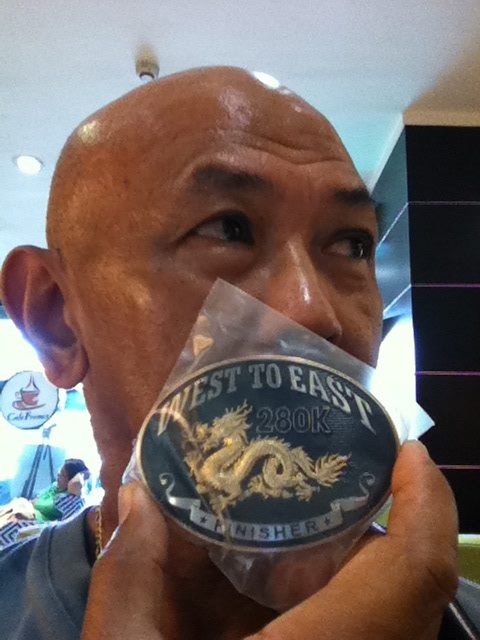
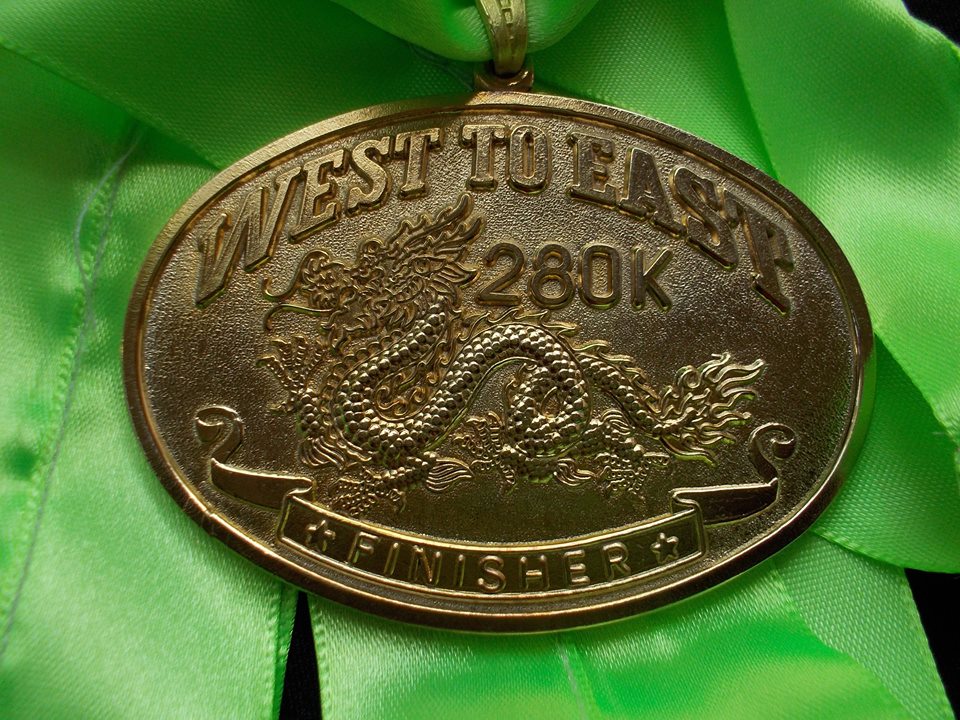
Overall Champion Henry Laron Overall 1st Runner-Up Elmar Bob ToleteOverall 2nd Runner-Up Thomas CombisenFinisher’s BuckleFinisher’s MedalFinisher’s Shirt
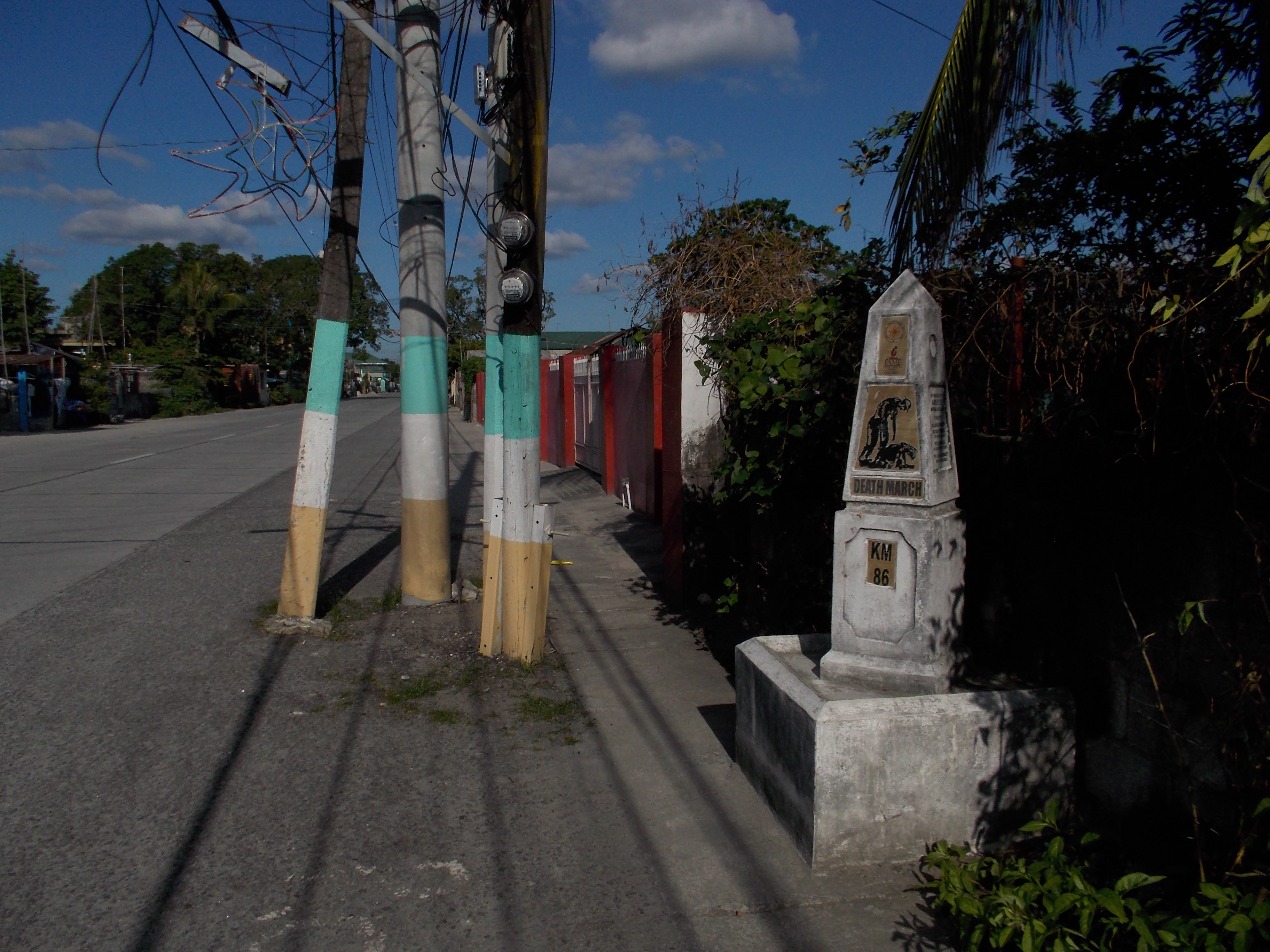
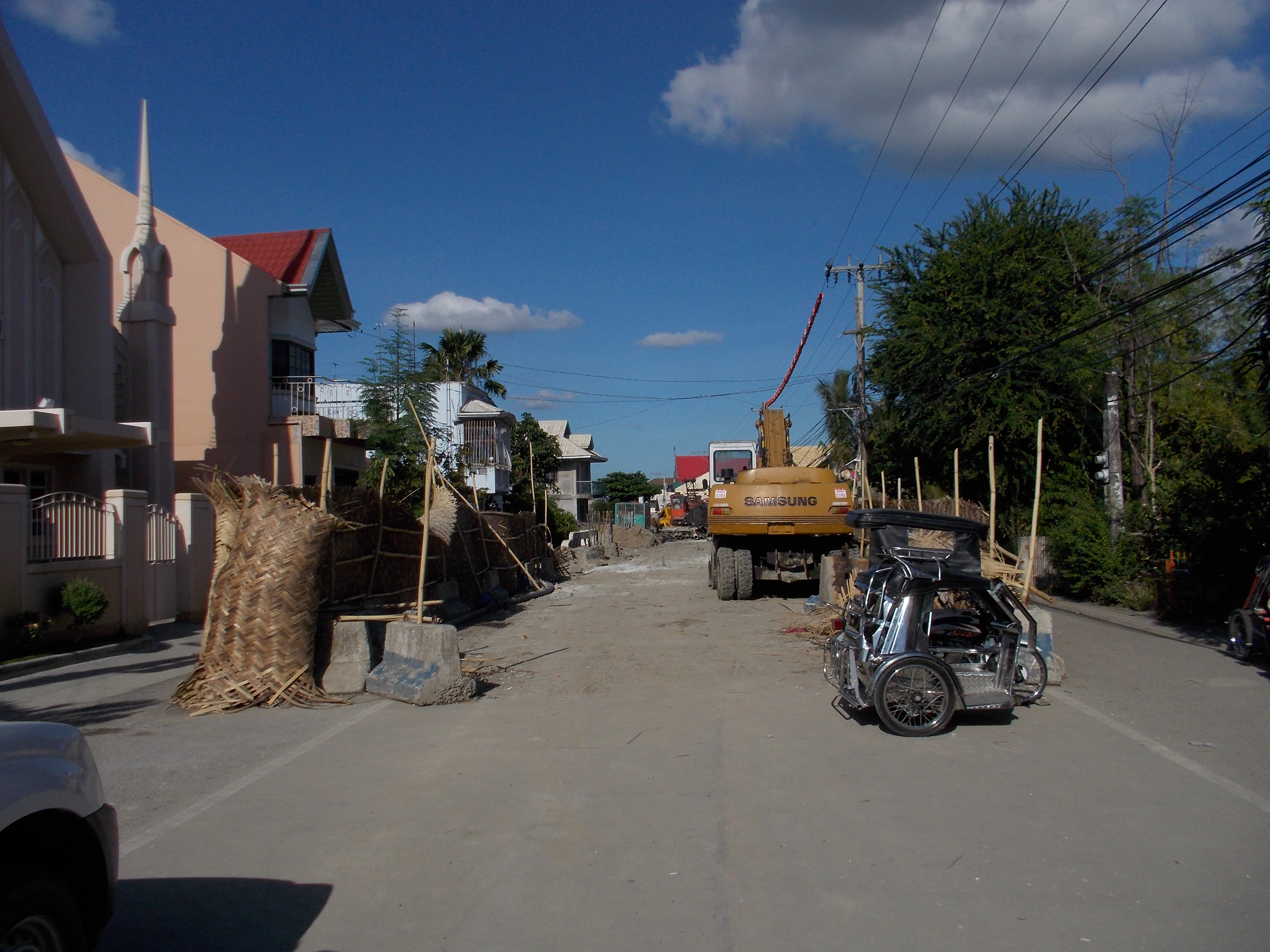
There had been some new construction and repair jobs being done along the course route of the BDM 102 & 160 Ultra Races. The first construction site is located after passing the BDM Kilometer Post #86 which is located in Lubao, Pampanga. It is a repair job of a small bridge.
BDM Km Post #86 @ Lubao, PampangaBridge Repair/Construction After BDM Km Post #86
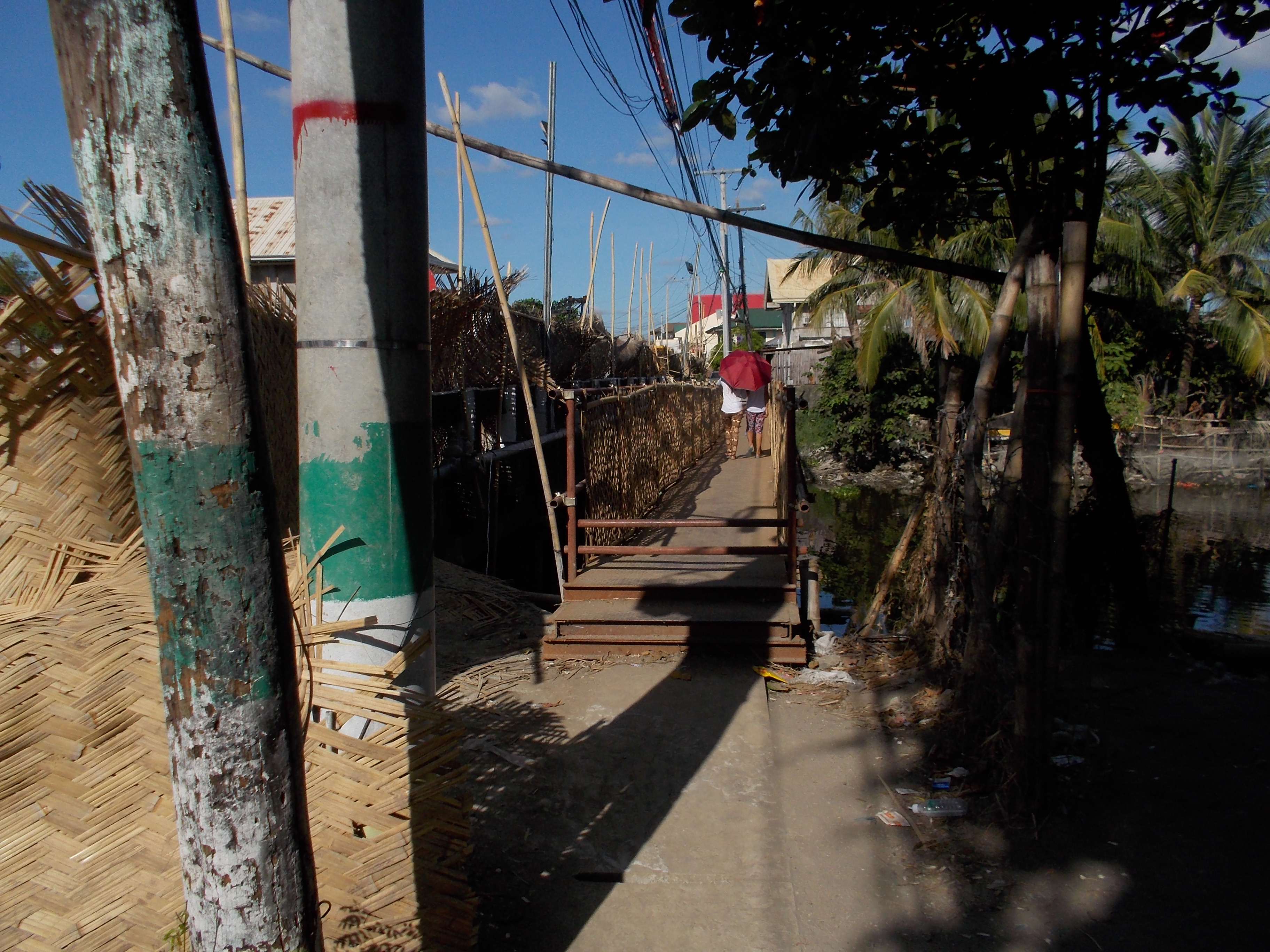
The runners can proceed to the construction area and they can cross the bridge by running or walking along a pedestrian bridge located at the right side of the construction site. It is shown on the picture below. However, the Support Vehicle are advised not to push through towards the construction site as the detour is located on an intersection before the bridge. One has to turn left and follow the road that goes back to the San Fernando-Olongapo Highway. On the first intersection along the said Highway, turn right and follow the road that goes to Guagua, Pampanga.
The second construction site located in the Poblacion of Guagua, Pampanga before reaching the BDM Kilometer Post #91. Once you pass the Poblacion of Guagua, Pampanga and the elevated bridge, the first road that turns right is now under construction. The runners can still walk through and pass this construction site in order to reach the BDM Km Post #91 but the Support Vehicles should be able to follow the Detour Route that would bring them back to the BDM Route.
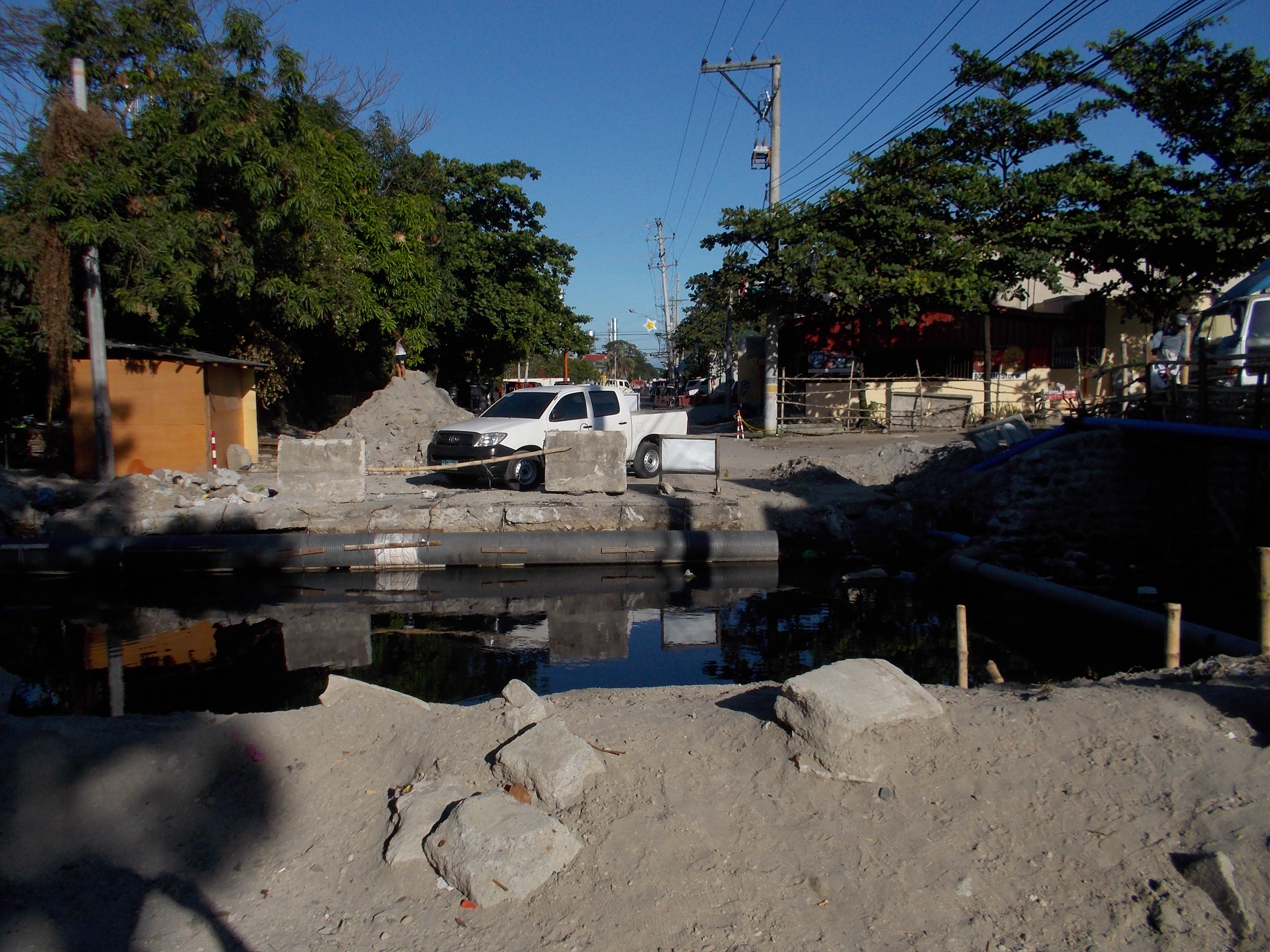
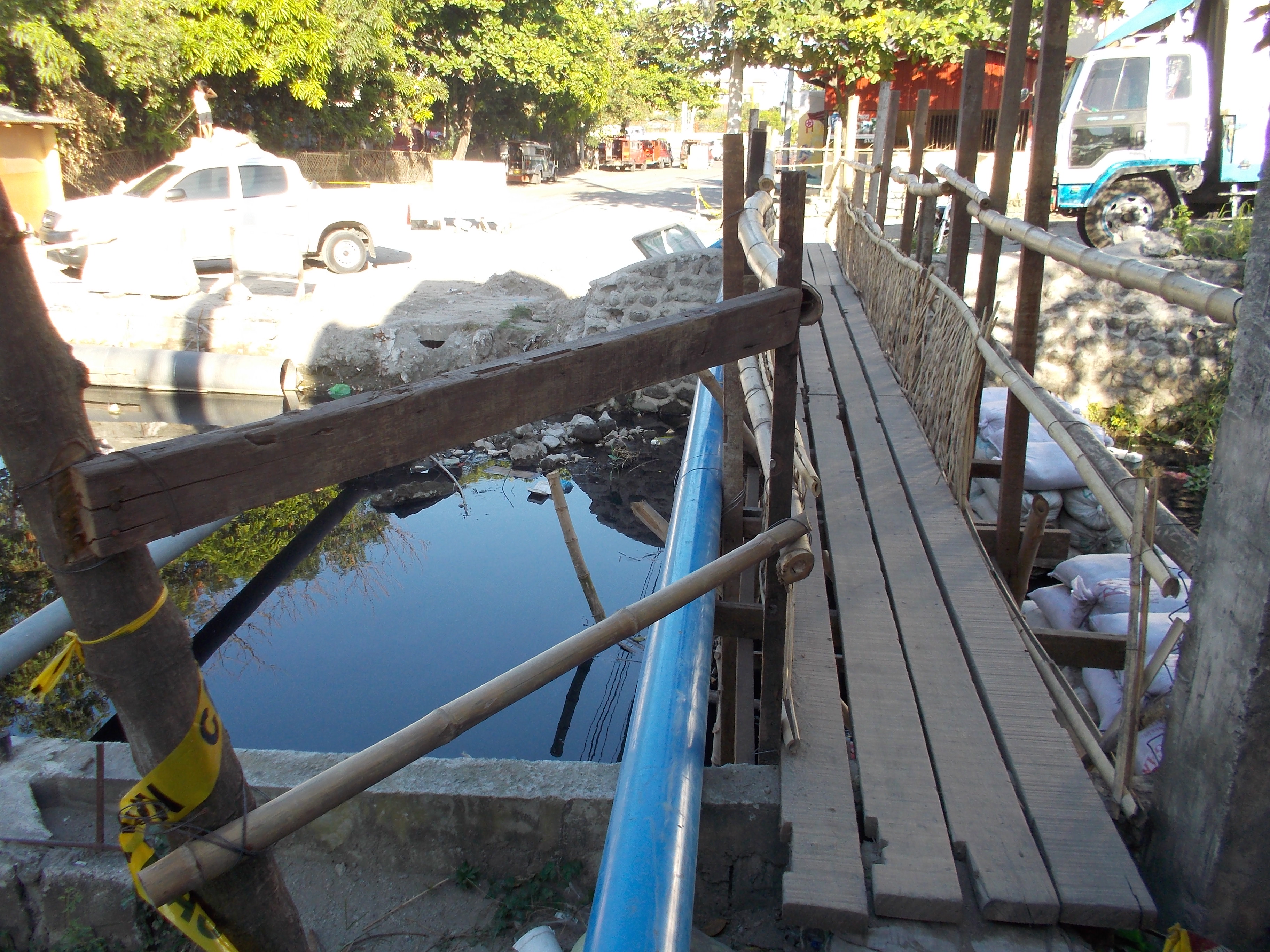
Replacement Of Culvert @ Vicinity BDM Km Post #101
The last construction site is a replacement of a culvert near the vicinity of BDM Km Post #101. There is a pedestrian wooden bridge located at the right side where the runners could cross the canal or construction site. Support Vehicles can take the detour route which the last crossing before reaching this construction site. Vehicles should turn left and follow the road that would bring them to the San Fernando-Olongapo Highway. Instead of going to the overpass, vehicles should stay at the rightmost lane for them to turn right on a road that would lead them to the BDM Km Post #101 and to the Provincial Capitol of Pampanga.
Pedestrian Wooden Bridge @ The Right Side Of The Construction Area
Runners should take extra precaution on these construction sites as most of the average ultra runners will be reaching these areas or locations on nighttime.




 Bald Runner
You must be logged in to post a comment.