Running Season


Do we have a “running season” in the Philippines?

Do you prepare and train for a particular race during this supposed “running season” in the country?

Are runners and race organizers observe this supposed to be “running season” in the country?

If your answer to these questions is NO, then, we have to find out what is the appropriate “running season” for the country.

In countries where they have four seasons—spring, summer, autumn, and winter—they usually start their running season during spring time up to the end of autumn. Runners usually recover during winter time when it is hard and cold to be running with sleet and snow on the roads and trails. They usually recover, re-charge, rest, or do indoor cross-training activities just to maintain a physically fit body. So, if you observe the race schedules of popular marathon races in these countries, they are scheduled from the end of spring up to the end of autumn (Ex. Boston Marathon in April and New York City Marathon on the 1st week of November). The same is true with the popular mountain trail endurance runs and the more extreme running events (Ex. Western States 100-Mile Endurance Run on the last weekend of June and Badwater Ultramarathon on the 2nd week of July).

In the Philippines, we have only two distinct seasons–wet and dry seasons, which means that we have 6 months of wet/rainy season and another 6 months of dry/hot season. Rainy season starts in the month of June and ends on the last week of November and the Dry season starts in December and ends on the last week of May.

If you think that the 6 months of the dry season would be the appropriate “running season” for the country, you could be slightly wrong. The first 3 months (December, January, and February) are the coldest months of the year but it is followed with the very hot months of March, April, and May where Race Organizers should start their races very early in the morning.

So, based on my observation, the appropriate “running season” for the country would be the period from the first week of December up to the last week of February.

If you are a smart runner, you have to follow a “running season” where all your training and preparations are geared and focused to races (marathon, half-marathon and ultra runs) scheduled in the months of December, January, and February. Make the other scheduled races in the remaining months as part of your your training and evaluation workouts. Also, make the first three months of the rainy season (June, July, & August) as your rest & recovery months or start of your aerobic endurance phase.

On the financial side, if you are preparing for a certain race on the suggested “running season”, you will be saving a lot of unnecessary registration fees to unnecessary weekend races which are not part of your training and evaluation program for a certain race. Be smart, be simple and focused to a particular race where your target goal is realistic and attainable.

This is just a personal advise and please feel free to make your own suggestions through your comments on your thoughts about our country’s “running season”.

Recalculating…


If you are familiar or have a GPS gadget in your car or in your iPhone/Android Apps (not in your Garmin Forerunner watch), you would know about the word.

Once you set your destination on the said GPS and push the button “GO”, you are “locked” to the said place and the GPS will do the rest for you by taking the fastest route (or sometimes, the less traffic route) and it will lead you exactly to your destination. However, if you miss a street or a turn, a voice of a lady would be be audible and you would hear the word, “recalculating”!

The word, Recalculating, will warn you that your GPS will correct your mistake and finally, bring you on course to your destination.

At this point in my running career as an average runner, I am on a “recalculating” mode after missing a “turn” or missing an “exit” along the highway. In long distance running, those “missed turns and exits” could be similar to mistakes in training; injury; plateau in competition; wrong choice of running shoes and apparel; wrong coach; wrong attitude; wrong company of running friends; wrong goals/objectives; boredom; wrong values; wrong choice of races; wrong focus; or simply, wrong choice of living the life!

So, “recalculating” mode would mean to me as rest and recovery; change in training; change in one’s strategy in racing, nutrition & hydration; changes in Race Directing; changing in one’s attitude; changing one’s values; changing one’s outlook in life; or simply said, completely “overhaul” of what I’ve learned and doing before. Recalculating is Changing!

With my running and preparation for my next race, I have embarked on a different approach which I’ve been doing for the past one week. This kind of training will take me at least 3 months to determine and test if it is working for me. I hope that the duration of 3 months would completely bring back my aerobic endurance base. I really need PATIENCE in this kind of training.

Give me three (3) months before I could post in this blog if I am improving or not. Knowing that running is an experiment of one, I hope this kind of training approach and philosophy will guide me towards more years of living and be able to fulfill my “dreams and bucket list” in running. (Note: It does not mean that I will be out from blogging from those 3 months!)

Let us find time to think and ponder on the quotation below:

“Everyone thinks of changing the world, but no one thinks of changing himself”—-Tolstoy

Update: PAU Fort Magsaysay 60K Run


Update: PAU Fort Magsaysay 60K Run (July 16, 2011)

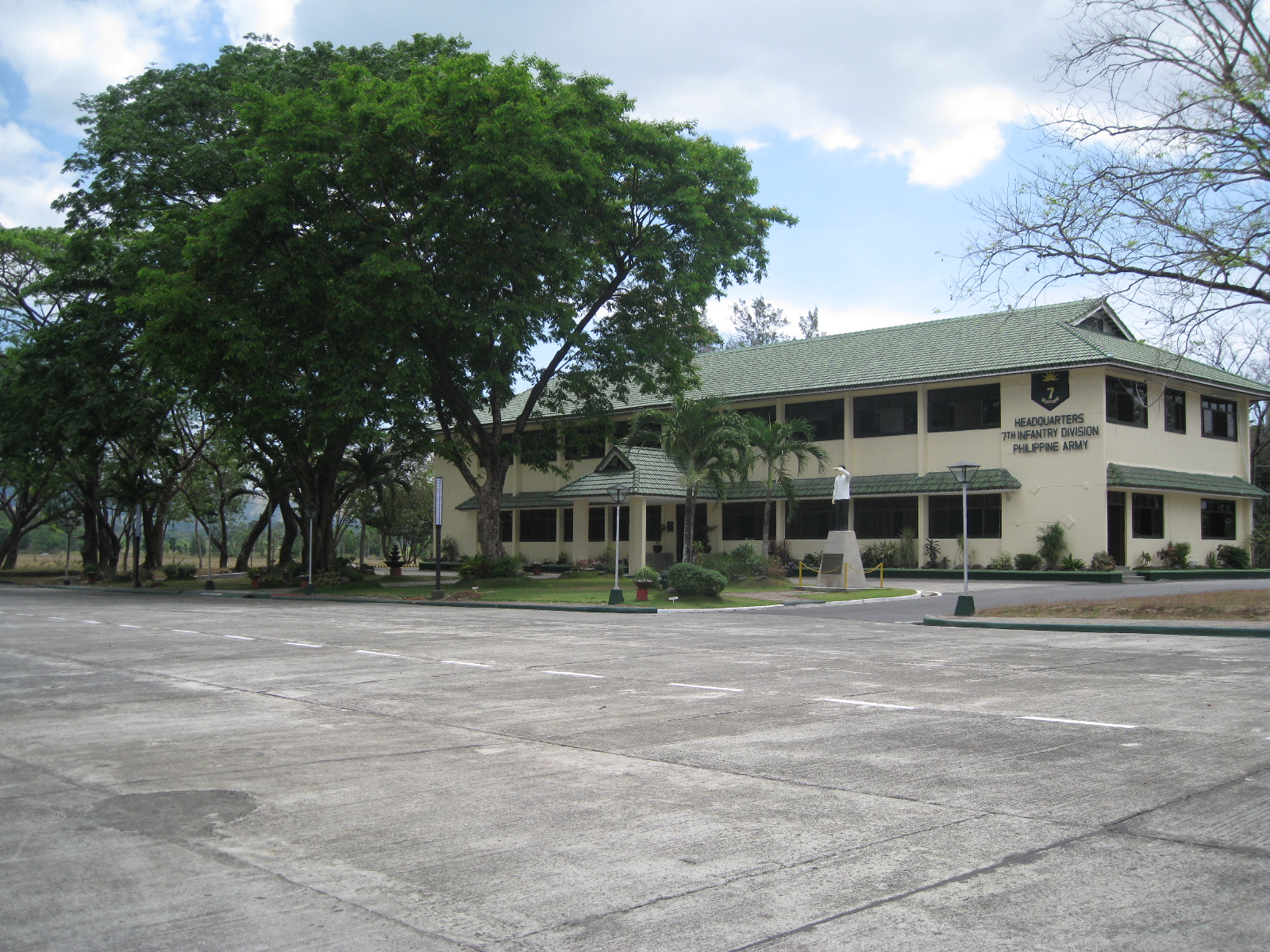
This is the 2nd PAU Race for the year (2011) and it will start at the 7th Infantry Division Headquarters of the Philippine Army inside Fort Magsaysay, Palayan City (Nueva Ecija) at 5:00 AM of July 16, 2011. The Assembly Time will be at 4:00 AM and Race Bibs will be distributed to the registered runners during this period before finally starting race.

There are 223 applicants to this race as listed in the PAU Races’ site at http://pauraces.blogspot.com and acceptance of application had been CLOSED since the last week of May 2011. We are expecting 223 runners who will finally register to run the said race. If ever there are slots to be vacated (from the 223 slots) due to non-registration of applicants, such slots could be filled-up with late registrants before the start of the race.

Registration and payment of registration fee can be done at the A Runner’s Circle Store located at Aloha Hotel, Roxas Boulevard, Manila or simply deposit the registration fee of Nine Hundred Pesos Only (P 900.00) to LANDBANK Savings Account # 1686-0795-85 and keep the deposit receipt for confirmation of your payment. Bring your deposit slip and present it to our staff to claim your Race Bib on Race Day. Deadline of Registration/Payment of Registration Fee is July 13, 2011 or before the Closing Time of the ARC Store on the said date.

There will be no late registration on Race Day (if all the 223 applicants had registered and paid their registration fees).

Starting Area of the 60K Run (7th ID Headquarters)

Rules and Regulations of the Race:

1. The race will start on or before 5:00 AM of July 16, 2011.

2. There will be No Aid Stations along the route. Runners are “self-supported” in this race. Runners may bring their respective support vehicle and/or support crew. Support vehicles should always “leap-frog” their runner/s. Support Vehicle shadowing their runner/s is strictly not allowed. Reports of such incident will be a ground for disqualification from the race. Support Vehicle must always park on the right shoulder of the road.

3. Pacers are not allowed in this race. Support crew will be there to simply hand in the needs of the runner-participant or help/assist on the needs of the runner. Support crew are not “mules” for the runner-participant.

4. Runners without any support vehicle can run the race on “self-support” and they are allowed to ask assistance from other runners. The route has a lot of local convenience stores and eateries but they have to pay for their own needs.

5. Runners are advised to run on the left side of the road, however, they could also have the option to run on the right side. Stay safe and be observant on your surroundings while running.

6. There will be no restrictions on the use of earphones and “wires” attached to the runner. However, the volume of such earphones should be set on a lower tone for the runner to still hear what is happening to his/her surroundings.

7. Strictly, “bandits” will not be allowed in this race.

8. Race Bib should be displayed in front of the runner’s shirt or shorts. Runners who are using race belts must be always aware that their race bib is always on the front. There will be “secret marshals” who will be listing your number on different locations along the route.

9. If possible, runners must be on “single-file” or two runners abreast, if there is no incoming traffic on the road. Personal discretion and judgement are needed on how a group of runners run along the route. Safety is the foremost consideration on this race.

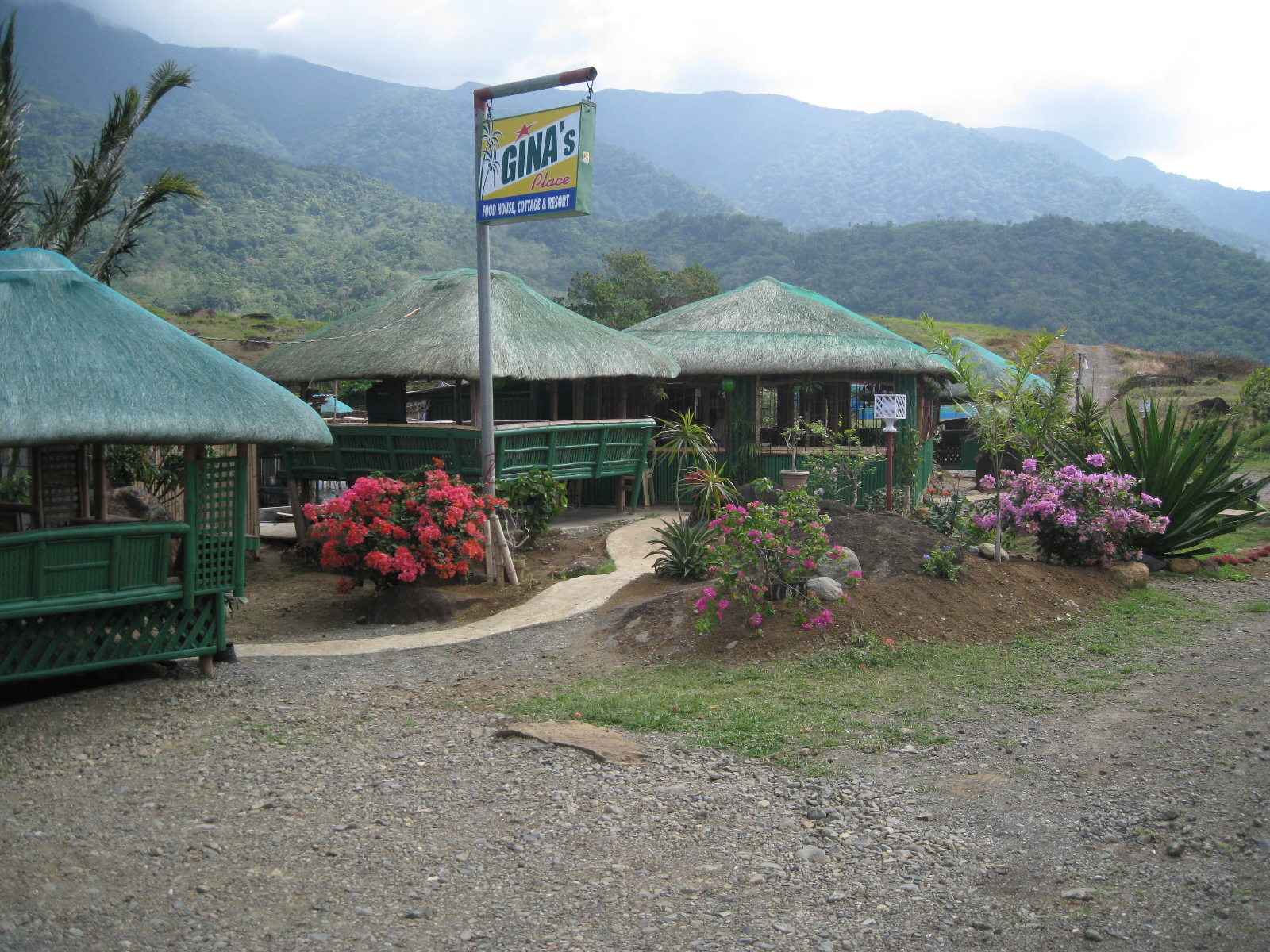
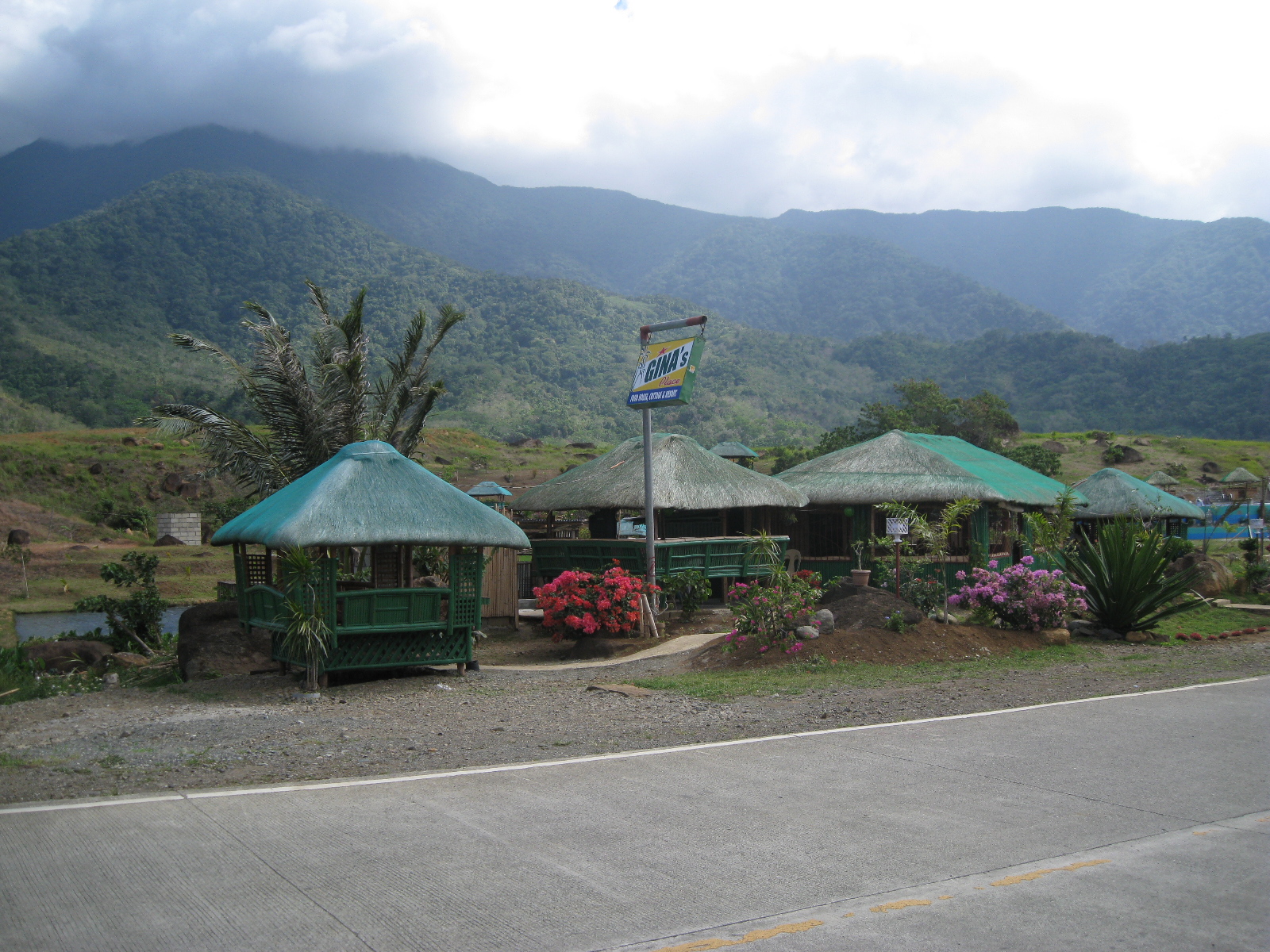
10. Cut-off time for the 60K Run is 9 hours. The Official Finishers of this race should be able to cross the Finish Line on or before 2:00 PM of the same day.Finish Line will be at the View Deck at Dingalan, Aurora, specifically at the vicinity of the GINA’s Restaurant & Resort.

11. Official Finishers will receive Finisher’s Medal, Finisher’s T-Shirt, and Finisher’s Certificate.

Finish Line Area in Dingalan, Aurora (GINA's Place & Resort)
Finish Line Area @ GINA's Place & Resort In Dingalan, Aurora

12. There will be Medical Team/s and Ambulance/s deployed along the route. However, runners must bring with them basic First Aid Kit as a “stop-gap” measure on the brief period before the arrival of the Medical Team.

13. Do not look for portalets along the route! There is a vast space of vegetated areas and tracts of land along the route and they need “fertilizer”. Make sure you are covered or hidden by the terrain or trees during these “spraying” and “depositing” moments.

14. In case of emergency and other incident reports to be relayed to the Race Director, calls and/or text messages shall be sent to this number—0918-910-0825. Sender must be able to identify himself/herself if message is sent through SMS.

15. The integrity of the race shall be maintained. Reports of cheating will be investigated immediately and runner/s involved shall be disqualified from the race and future races of the Bald Runner’s Events Management and PAU Races. Runners are deputized to report acts of cheating and/or violation of the race’s rules and regulations.

16. If you are new in ultra marathon and this is your first ultra road race, be prepared to submit a copy of a Medical Certificate or a Doctor’s Certificate stating therein that you are capable of participating in any endurance sports like long distance running and that you don’t have any heart-related ailments. Such Certificate shall be submitted to our Staff at the Starting Area.

17. It is the personal responsibility of each runner to arrange for his/her trip/travel arrangement or itinerary to the venue of the activity and lodging accommodation before and after the race.

Last reminder: We always maintain our signature/reputation of starting the race ON or BEFORE the scheduled start time. Arrive at the Race Venue ahead of time.

“NO WHINING IN ULTRA RACES”…GOOD LUCK AND HAVE FUN!!!!

Bohemian Rhapsody


Do you remember this song?

It was a part of my Playlist in my Ipod and always hear this song during my running workouts and road races. And I really liked it and it brought some strength and power in me in my road races. This song really drives me to exert some more effort because of its music composition, style and some understanding of the lyrics.

But two years ago, I just simply dropped using the “wires” during my workouts and road runs and completely forgotten the song in my mind. However, lately, while recovering from my injury, the thing to do was to browse the Internet and watch/listen to “live” concerts of famous singers on You Tube. Actually, I am fond of watching Shirley Bassey’s Concerts on her younger days, watching her sing the song, Never, Never, Never and her rendition of the songs from the James Bond 007 movies in the past. You can watch her sing the rest of her songs here and here!

Well, that shows how old I am and I am pretty sure that my contemporaries (my age group) will be happy to watch and listen to these old songs which bring back good memories in the past. Guys, you know who you are!

One thing led to another until I thought of the song, Bohemian Rhapsody by Queen.

I first heard of this song during my first R & R (Rest & Recreation) as a Platoon Leader from the combat areas of Maguindanao in December 1975 (barely 10 months after graduating from the Academy). It was the same time when Disco Music was so popular on the radios then. But the song, Bohemian Rhapsody, stands out then as a Rock Song which is totally different from the standard rock songs of other bands, like the Beatles, Dave Clark 5, Herman’s Hermits, Rolling Stones, Procul Harum, Deep Purple and others. From then on, this song was one of my favorites where the CD copy is still in my collection of music.

Is this the real life?
Is this just fantasy?
Caught in a landslide
No escape from reality
Open your eyes
Look up to the skies and see
I’m just a poor boy (poor boy), I need no sympathy
Because I’m easy come, easy go
little high, little low
Anyway the wind blows, doesn’t really matter to me, to me

Well, just forget the lyrics but the music composition/arrangements, tune and the imagination on how the lead singer of Queen, Freddie Mercury, sings his solo act and the rest of the band blend their voices, give something out in me whenever I hear this song. It is so powerful that you are inspired to force yourself to do something harder, faster, and stronger! There is mystery in that song that drives me something to excel some more!

Listening to the song is like doing a tempo run or staying with your strategy during a road or trail running race! It is said that the song has three (3) distinct parts, some says there are six or four. But I would consider it in 3 distinct parts. The first part would consist of the introduction with the 4 blending voices of the members and the solo act of Freddie Mercury; the second part starts with the solo guitar rendition up to the end of the opera act singing; and the third part goes back to the slow solo performance of Freddie Mercury until the end of the song.

If you relate the song to running a race or tempo run, a runner starts with a slow pace for about 2 kilometers and then steadily progressing to a faster pace and maintaining such race pace before the last 2 kilometers of the distance and later, finishing the run with a steady slower pace before ending the run. The result is a good 10K tempo run!

In road and trail races, your performance and strategycould relate also the arrangements of the song. A runner starts the race in a easy and slower pace then picking up his pace on the middle part and sustaining his race pace while his body could sustain it. Sometimes on the middle of the race, a runner encounters some “issues” and change in pace or for some adjustments but basically, the runner would stay on to keep up his intended race pace. And at the end, the runner slows down once he/she crosses the finish line and it’s time to rest and recover.

If you are a “newbie” runner, this is a song that could gauge your workout while listening to it. Start with walking on the first part of the song, then slowly picking up a pace to jog on the middle part, and then slowly going back to walk on the last part. You can repeat the song so many times as the whole song covers an elapsed time of 6 minutes plus a few seconds. If you can repeat this song for five times, then you have a solid 30+ minutes of a good workout for the day. Why don’t you try it!

For sure, this song brings back good memories. By the way, I’ve added a Solo Ukelele rendition of the same song by Jake Shimabukuro. I hope you will like it, too!

Enjoy the show and keep on running!

(Sources: You Tube & Wikipedia)

Ultra Running Association


I have created and organized the Philippine Association of Ultrarunners (PAU) as the official sports federation on ultrarunning (road races, trail races, 6/12/24/48-hour endurance races and multi-day stage races) in the Philippines which is under the umbrella and approval of the PATAFA. PAU had been an accredited member of the International Association of Ultrarunners (IAU), the world’s governing body of ultrarunning.

In my research, I was able to read the blog of Scott Dunlap and found out a post which he published on February 16, 2005 where he interviewed Nancy Hobbs, an ultra trail runner, Race Director, co-author of the book The Ultimate Guide To Trail Running, and Founder of the All American Trail Running Association (AATRA).

The following is the link on the details of Scott Dunlap’s interview to Nancy Hobbs.

http://runtrails.blogspot.com/2005/02/trail-running-past-and-present.html

I hope the Race Directors in Ultra Running in the country will be able to learn from this, to include the ultrarunners.

Happy reading.

Cheers!

Something To Read & Think About


Before you read the following article which I copied from the website of Marathon Guide (http://marathonguide.com), I would like to mention my insights about the New York City Marathon which is true to the other Marathon Races in the different cities in the USA and to other countries around the world:

1. It takes an avid or regular runner who has the passion in it to create, organize, and implement  a Marathon Race, no matter how small the number of runners on its first edition. What it needs is a good leader and a vision for the event. Fred Lebow, founder of the New York Marathon and later President of the New York Road Runners, was neither a natural-born American nor an elite & fast runner but through his dedication to the event, the race had become as one of the World’s Championship Marathon Races.

2. The need to be backed-up by an organization that shares your vision and purpose. The New York Road Runners had been the running club/organization that is behind the event. Of course, the club has membership fees and such fees have corresponding privileges.

3. Partnership with the City Government and Sponsors.  I am sure the City Government had the strategic thinking/view that the event will become bigger as the years come. With more participants to this race, it will increase the number of visitors, and income to the different establishments, thereby making the economy of the city more vibrant and active. The bottom line is that the city government receives more revenues from the taxes being paid  by such establishments.

4. Involvement of the Community. Like the Los Angeles Marathon, San Francisco Marathon and other city marathons, they are very memorable to runners because of the involvement of the community as volunteers and cheerers along the ENTIRE route of the event. By reading the experiences of runners in their marathon experiences, you could find out that almost the whole route is lined up with musicians; volunteers with water, beverages, sports drinks, and even beer; acrobats; dancers; rock bands; loud stereo music from big speakers; and simply people cheering you loudly and even stating your name.

5. Lastly, the runner-participants. The more the runners participating the event, the better for the event and the city. It is stated in the report below that the runners contribute much in the economy for the city from their brief stay in terms of hotel accommodations, foods, tours and shopping. On the other hand, the taxes being paid by the Race Organizer, the New York Road Runners, to the City Government come from the registration fee paid by the runner. So, if you are wondering why you are paying much for the registration fee as compared from other Marathon Races in some of the key cities in the USA, it’s because you are in New York!!!

Enjoy reading this one.

2010 ING New York City Marathon Generates $340M for NYC

Race Raised $30.8M for Charities

Total Economic Impact Increased 25% Since 2006

New York, NY—The ING NYC Marathon generated a new high of approximately

$340 million in total economic impact for New York City last year, a New

York Road Runners (NYRR) commissioned study released today found. In

addition, the study showed that the Marathon generates more than $30

million for charities, and a record number of visitors, participants and TV

viewers were involved in last year’s race.

The study is based on a survey of over 1,000 participants in the Marathon,

and assesses their spending in categories such as hotel, travel,

entertainment and retail, in addition to their direct expenditures on the

race itself.  In addition, the study includes other metrics such as total

charitable donations captures, visitor estimates and number of total race

participants.

“This study demonstrates the crucial role the ING NYC Marathon plays in

bringing benefits to our whole city and making it more vibrant every year,”

said New York Road Runners CEO and President Mary Wittenberg. “In addition

to the hundreds of schools we help with health and fitness programs and

hundreds of thousands who participate in the races, this race has clearly

become a cornerstone of positive economic activity for New York that the

city can count on year in and year out.”

“The New York Road Runners impact our economy by bringing in millions of

dollars through programs that benefit our overall city’s health including

hundreds of thousands of students in public schools,” said Council Member

Robert Jackson, Chair of the New York City Council Education Committee. “I

look forward to continue participating in races to come and supporting its

initiatives to improve the health and daily lives of our children.”

“Running the ING NYC Marathon is a feat of willpower – but it’s also a

testament to the economic power of the 2 million spectators, the runners

and their guests, the sponsors, the vendors, and the New York Road

Runners,” said New York City Economic Development Corp. Chief Operating

Office Josh Wallack. “Not only does the marathon raise money for charity,

it results in real contributions to the City’s booming tourism economy.”

The study showed two ranges of total economic impact.  The “conservative”

range showed $304 million in impact and the “baseline” range $378 million.

The conservative range includes only those impacts that would not have

occurred within New York City without the Marathon, and the baseline

includes all expenditures associated with Marathon participants and their

guests.

The full report can be requested by emailing ahowe@globalstrategygroup.com

Other key findings from the report include:

  • Total economic impact from visitor and guest spending is 25% greater in

2010 than in 2006

  • Tax revenues to New York City from the ING NYC Marathon ranged from

$10.8 to $11.2 million.

  • 2010 ING NYC Marathon drew 45,350 participants, 2 million spectators,

and a television reach of 315M worldwide

  • The race raised $30.8M for charities, $24.3M of that went to charities

in NYC

  • The total number participants and their guests was about 290,250 people
  • Participants spend a total of close to $1,800 each during their visit

The 2010 ING NYC Marathon made an unprecedented charitable impact, raising

$30.8 million overall, $24.3 million of which went to NYC based charities.

NYRR provides a number of charities with entries to the event, each of

which recruits runners to raise at least $2,500 per participant and then

provides the runner with guaranteed entry into the race.  NYRR receives a

fee for the entries, all of which is dedicated to NYRR’s non-profit

mission.

More than 2 million spectators came to watch the 45,350 runners in person

and total direct spending was approximately $153.2 million from

participants and their guests.

The first phases of findings were based off an electronic survey of

approximately 1,000 participants in 2010 ING New York City Marathon. In

addition NYRR collected data concerning spending by Marathon sponsors and

vendors as well as charity fundraising. The final estimates were based off

ING NYC Marathon participants and their guests, the NYRR organization

itself, Marathon sponsors, vendors at ING Health and Fitness Expo, and

associated charity fundraising.

The analysis does not include spending and impacts generated by

unaffiliated spectators because many of them are likely NYC residents who

would be spending money anyway, even though this does not account for the

many others who are likely non-NYC residents who traveled into the city for

the race but were not associated with a participant.

Expenditures by Marathon sponsors, vendors at the ING Health and Fitness

Expo, and charity revenues generated by fundraising are also considered in

the impact analysis. Sponsor and vendor expenditures as well as NYC-based

charity revenues are assumed to be either directly or indirectly associated

with the Marathon.

Expenditures by media organizations for providing televised coverage of the

event, public costs of staging the event (security, street closures etc)

and media and branding value from extensive world-wide television exposure

for NYC were not considered.

NYRR retained AECOM to estimate the economic and fiscal impacts of the ING

New York City Marathon 2010. AECOM was retained on similar occasions by

NYRR to conduct a similar analysis.

New York Road Runners

Headquartered in New York City, New York Road Runners is dedicated to

growing the sport of running, enhancing health and fitness for all, and

meeting our community’s needs. Our goal is to leverage the expertise

acquired in our 50+ year history to empower all people of all ages to live

fitter, healthier lives through participation in our races, community

events, instruction and training resources, and youth programs. Our races

and other fitness programs draw upwards of 300,000 people annually. The ING

New York City Marathon, NYRR’s premier event, is the largest and most

inclusive marathon in the world, attracting the world’s top professional

runners and raising over $20 million for charity annually. NYRR’s

running-based youth programs, which currently serve nearly 100,000 children

in hundreds of schools and community centers, promote children’s physical

fitness, character development, and personal achievement in underserved

communities.

So, after reading this report from the New York Road Runners, it is deplorable and sad to remember that we had then a Manila International Marathon; PAL International Marathon; and Pasig River Heritage Marathon since the early 80’s but all of these just disappeared.

Sayang!…What a waste!!!

I rest my case.

(Source: http://www.marathonguide.com)
2012 Olympic Games Qualifying Standards For Athletics


Sculptor Art For the London Olympic Park (From http://www.london2012.com)
In a meeting last April 11-12, 2011 in Daegu, South Korea among the members of the IAAF Council, it was approved that  there are 47 Medals (Men & Women) to be contested which are categorized as the following:
IAAF Qualification System Athletics 2011. In addition to the list of events, a qualification system is also discussed and stated.
Running/Walking/Track Events—29 Medals
Field (Throwing & Jumping)—16 Medals
Combined Events (Decathlon & Heptathlon)—2 Medals
Total Medals In Athletics—47 Medals
With the list above, it is in Athletics where you have the most number of Medals in contention in the Olympic Games. The next sports which has the most number of medals would be Swimming. I think the 3rd medal earner would be Gymnastics. And the last would be a tie for boxing, taekwando, and other combat/contact sports like wrestling and judo.  It could be noted that these sports are all DOABLE for the Pinoys and we could excel in them! Basing from our physical features, average height and weight, we are not different from the Chinese, Japanese and Koreans who had been among the top medal earners in the Olympic Games.
I will not deal on how we would be able to excel and become Olympic qualifiers on these sports because our Sports Officials and NSA Coaches have better ideas and have the necessary resources to attain such objective/goal.
The following are the qualifying times and distances for the different track/running and field events for the 2012 London Olympic Games:
The following are the list of Marathon Races which are considered as Olympic Games Qualifying Races for the 2012 London Olympics’ Marathon Race. It is well noted in the list that the 2011 CAMSUR Marathon Race is the qualifying Marathon Race in the Philippines. I hope our National Pool of Athletes for the Marathon Race will be able to attain their qualifying time for the 2012 London Olympics.
On Racewalking, the following are the published races which are considered as Official Qualifying Races for the 2012 London Olympic Games.
I hope the above documents will be a good reference to our NSA in Athletics, to their Coaches, our National Pool of Athletes and to the upcoming elite athletes in athletics.

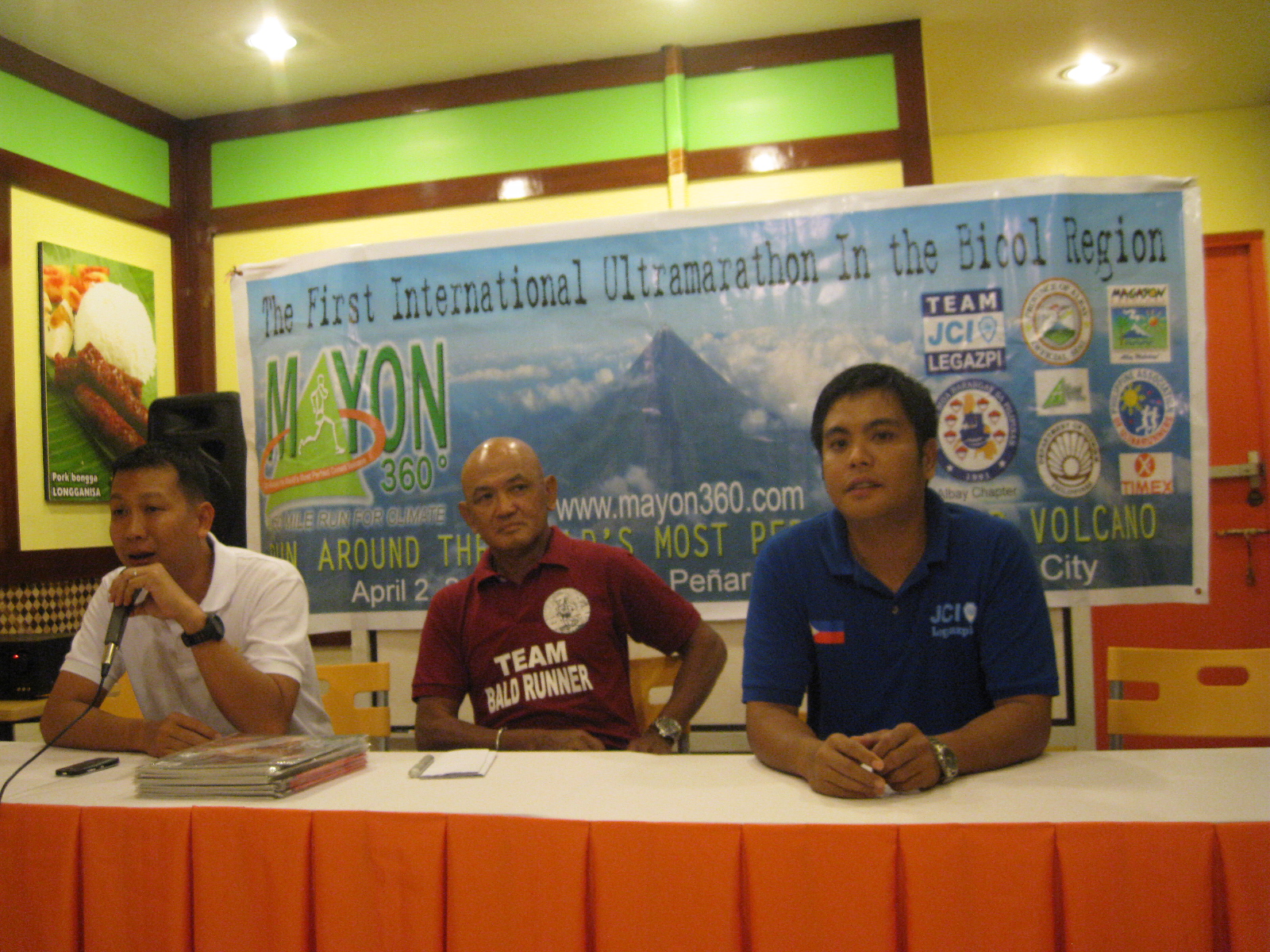
Race Director’s Report: 1st Mayon 360 50-Mile Run


4:00 AM April 2, 2011/Penaranda Park, Legazpi City


Event's Logo By Yves Yu


A Dream Race 

Yves Yu, an avid visitor of my blog and a member of the Jaycees International of Legazpi City, and I personally met during the 1st Mt Mayon Trail Run in October 2008 when I joined the said trail run. In one of our conversations, he asked and invited me to try and run the circumferential road of the Mount Mayon Volcano and be the first runner to complete and run the distance from Penaranda Park and back where I’ve started. I told him that I will be back to Legazpi City and have a try on the said run.

Fast forward. After three years such attempt to run around Mt Mayon did not materialize but the dream was still alive. When I participated in the 3rd Mt Mayon Trail Run last October 2010, Yves again reminded me about the run and I said that finally, I will be coming back soon to have a try to run the dream run.

On the early part of January this year, Yves and Provincial Board Member JP Lee had a chance to meet in Manila and we discussed about the conduct of the said event as part of Albay’s Magayon Festival. The schedule was set and the overall administration and operational needs of the event were laid out already. It was a plan which needs to be approved by the Governor of Albay, Hon Joey Salceda.

Recon Run in Legazpi City (January 25, 2011)

Although I was still recovering from my injury, I visited Legazpi City on the later part of January this year. Instead of running through the road surrounding the volcano, I opted to have a short recon run and measured the whole distance of the route while inside a vehicle. After seeing the route and scenic surrounding of the places we passed by during the recon run, I told Yves and his friends with the JCI Legazpi that the course is beautiful and challenging to ultra runners. It is doable and there is a need to implement the plan for the said race without any delay and it could be done on the first Saturday of April.

Mt Mayon & Memorial Park For The Victims of a Flood/Disaster Incident

And just like that, assignments of jobs to be done were designated to each member of the JCI Legazpi City and I was tasked to be the Race Director and have the race sanctioned by the Philippine Association of Ultrarunners (PAU). Despite the needed qualifications of runners imposed by the standards of PAU, the Race Organizers approved the implementation of such standards.

The Majestic Mt Volcano From The Oval Track of BSU

Courtesy Call To Governor Joey Salceda

While I was in Legazpi City for the recon run, the Event Organizer decided to drop by the Office of the Governor for a short courtesy call. It was my first time to meet the Governor. The planned short visit and courtesy call lasted for 2-3 hours. The casual conversations about the running event and other topics led to the approval of the budget for the said event. In short, the Mayon 360 50-Mile Ultra Marathon Race was approved as part of the Magayon Festival with the approved budget for the Cash Prizes for the winners and for the expenses needed for the logistics and mobilization of security/administrative personnel and volunteers.

Governor Joey Salceda of Albay & BR

Governor Joey Salceda simply wanted something different to happen in his province for the Magayon Festival. He knows that nobody had done such feat, to run around the most beautiful volcano in the world in 15 hours, and he knows that this is an opportunity to create awareness about ultrarunning for his province.

Vision

The Race Organizer/JCI Legazpi and I were one in coming up with such running event with the thought of not making a profit out of it. I could be corny and try to be naive but it was far from our thoughts and objectives of raising some funds from such event. The mere fact that the Provincial Government had supported the event, it was already enough to have this dream realized. The vision was to develop this sports event as part of the yearly Magayon Festival and promote “Sports Tourism” in the region.

I told Yves that if we have 70 runners, it will be a good start to create awareness about the event as it will be the first PAU-sanctioned ultra marathon race being organized by a Provincial Government outside Metro Manila. Yves understood my point as he experienced what came out with his Mt Mayon Trail Run (MTR) for the past 3 years. His races which he founded and initiated had grown in its participants through the years and runners keep on coming through the years.

I have a prediction that the Mayon 360 will be a regular ultra marathon schedule of the year where runners would train and prepare for. It will be an ultra race where the participants will be growing in numbers through the years.

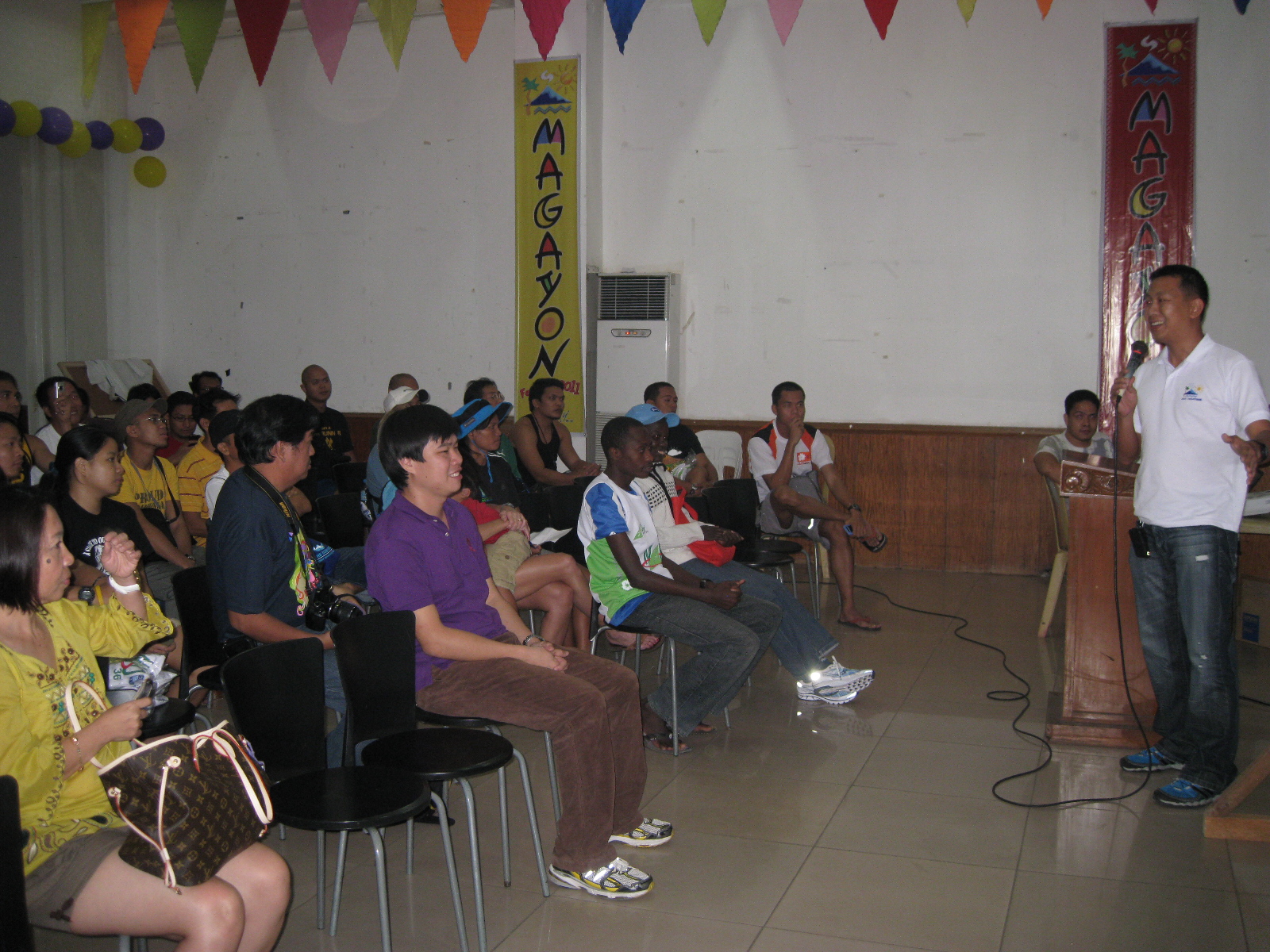
Coordinating Meetings & CarboLoading/Briefing Party 

Two nights before Race Day, I joined the last coordinating meeting among the different committees involved in the said race. I was impressed on how the member-units were able to brief the whole group on their preparations and jobs to be done during the race. Different scenarios had been played and “brainstormed” by the group or committee involved in any particular situation to happen during the event. These guys were so meticulous on their preparations and I could see in their eyes the interest and drive to make this event a successful one. 

Coordination Meeting With All The Committees Involved

The CLP and Briefing was done at the Provincial Capitol Center with almost all the runners who most of them are from Metro Manila and the so-called “PAU-loyalists” and “BDM Veterans”. I was happy that these runners, although not yet fully recovered from their BDM Races, have joined this event and be a part of history in running in the Bicol Region.

Prov'l Board Member & President of League of Barangays JP Lee, BR, & Oriel Maddela/Chairman, JCI Legazpi

As the Race Director, I delivered a very detailed Briefing about the race and what the runners would expect along the route, to include the elevation and the logistics, but I did not tell them about the beauty of the scenery of their surroundings while they will be running the race. Finally, I told them that they are already part of history in this event as the first group of runners who ran around the Mt Mayon Volcano. They should not be pressured with the distance as the people of Albay will be in every Aid Station to cheer and support them in their run from Start to Finish.

Board Member JP Lee Delivering His Opening Remarks to the Guests & Runners
Runners & Guests From Metro Manila
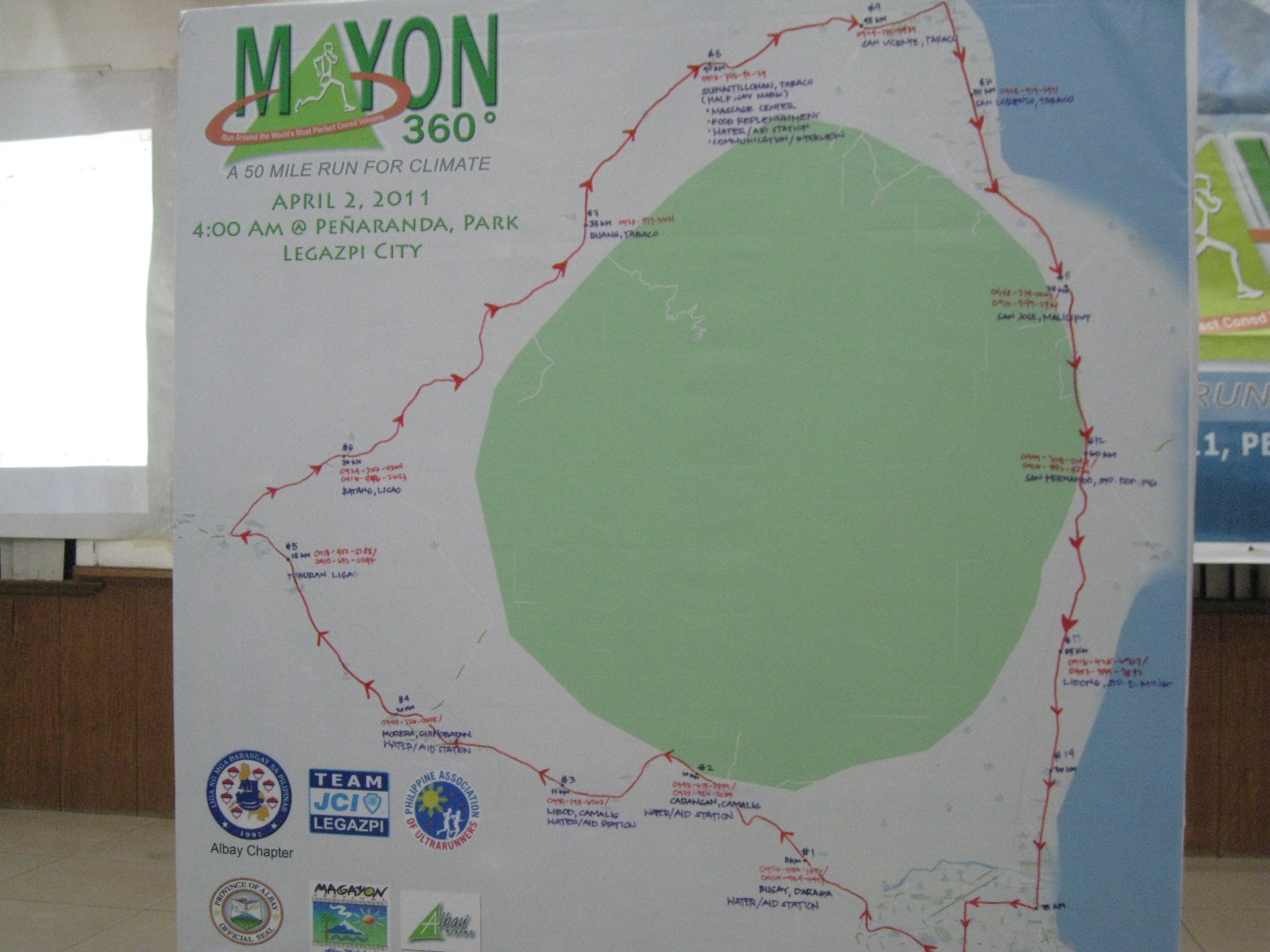
Route of the 1st Mayon 360

Race Proper

My first frustration in directing a road race is when the scheduled time of start is not done on the dot. I have that “signature” of starting my races before or on the scheduled time of start. It is a little shy of 5 minutes after 4:00 AM that the race started after a short prayer, singing the national anthem, and a short talk from the Race Organizers. At least, the race started not more than 10 or 20 minutes from the scheduled time. I knew the runners would not notice such a little delay. 

Start of the 1st Mt Mayon 360 50-Mile Run

The communications, support, and logistics systems of the race were great and everybody was working as a team and they were very efficient. A local radio station was broadcasting a “live update” of the race from the top runners from Start to Finish. The AMA School Computer Team was also feeding a “live update” on the event’s website at http://mayon360.com with photos of finishers as they cross the Finish Line! Results of the Race were on real-time as they are posted on the website immediately. Simply great!

Mt Mayon 360 Website Picture

What is nice about an ultra marathon race is the “drama” within each runner; the “drama” among runners and competitors; and the “drama” of the runner with the challenges of the environment; the route; and the warm hospitality & appreciation you receive from the local people witnessing the event. Moreso, the interaction of the runners with those people who volunteered to make this road race an enjoyable and successful one! 

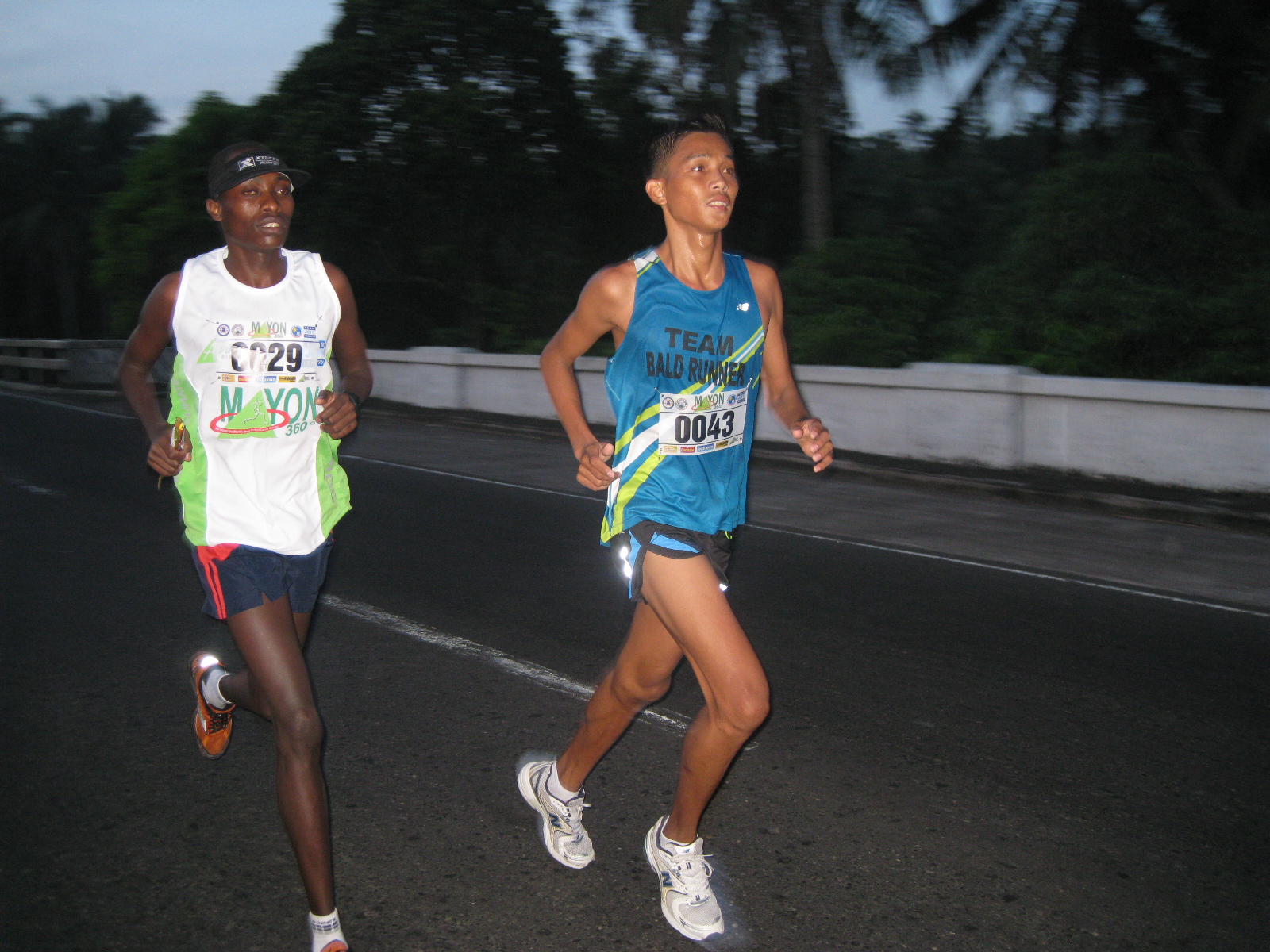
Elmer Sabal & Willy Rotich Leading The Race @ Km 25
Alley Quisay, Willy Rotich, Mario Maglinao, & Elmer Sabal @ Km 40

The “drama” on the first half of the race was the competition between our own elite runners, Elmer Sabal, Alley Quisay and Mario Maglinao with the visiting Kenyan runner, William Rotich. The four made up the frontrunners for almost 40 kilometers with each of them exchanging places from time to time, depending on the terrain of the route. At Km 41, Elmer Sabal dropped out from the race due to severe muscle cramping in his legs and declared as DNF before he rode in one of the support vehicles. From here on, it was a matter of knowing who will win as the Champion as the three of them were confident to bring home cash prizes after the said run. At Km 50, Mario and Alley were already having problems with leg cramps and they slowed down. William took advantage of the situation and started to speed up his pace towards the Finish Line. He did not look back and went alone to win the race. Mario was running 2nd place while at far back of him of about 500 meters, Alley was trailing his back.

Willy Rotich Leading The Race at Km 70
Alley Quisay Running 2nd at Km 70

The “drama” started to unfold between Mario and Alley when suddenly Mario was struck with a severe leg cramping that he had to lie down on the pavement to be given a “massage” by the Medical Team. Alley was able to pass him with 15 kilometers more to go before the Finish Line. Alley maintained his pace and he was able to create a big gap from Mario. When Mario was able to recover and started to run again, Alley was already 2-3 kilometers ahead of him. Alley won 2nd place and later, Mario arrived in 3rd place.

The Hardcores of Ultrarunning!!!

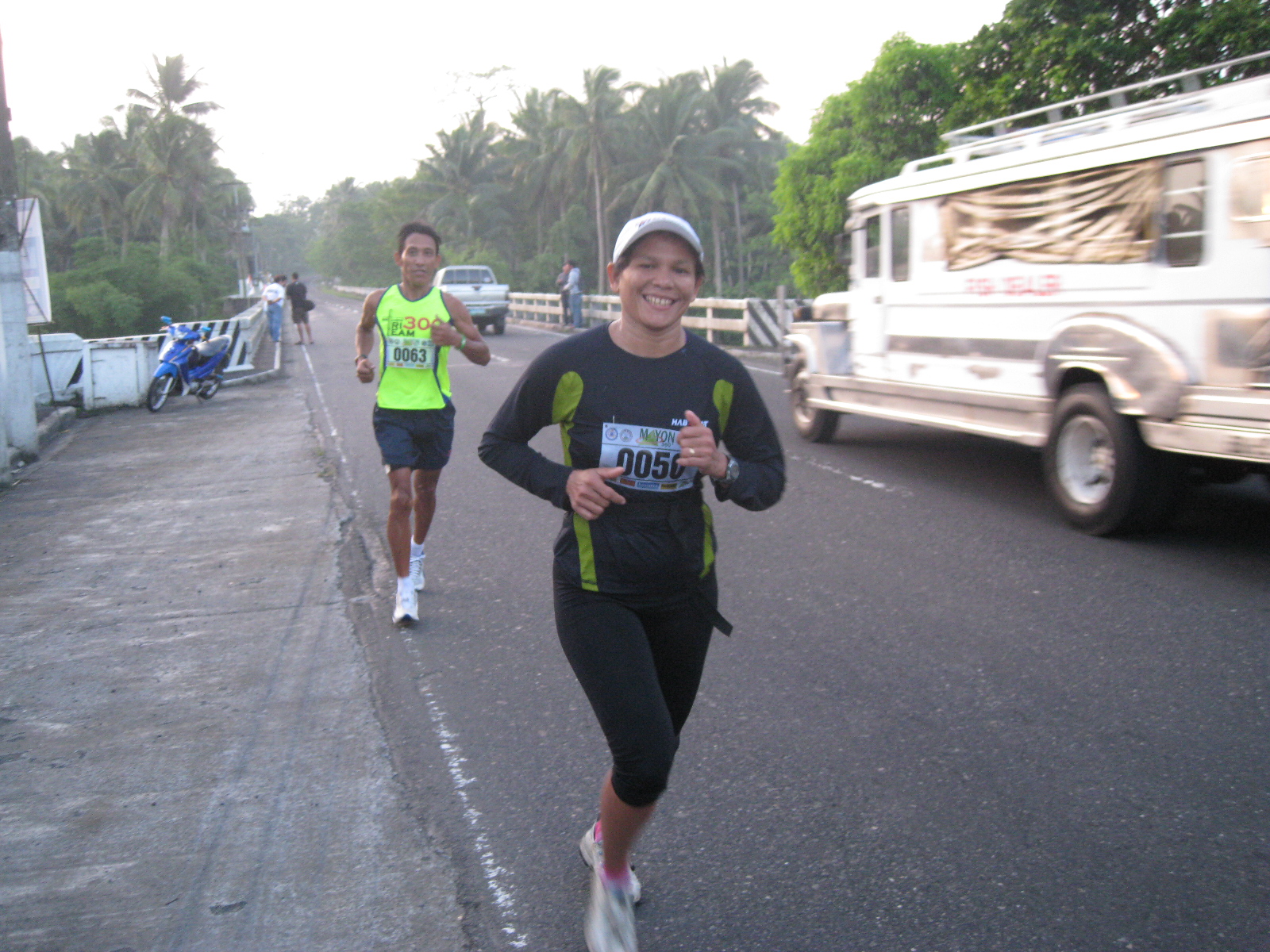
There was a “big drama” with the Women’s Division. Merlita Arias was leading for about 2 kilometers from the Kenyan runner at halfway but at Km 60, Merlita slowed down due to cramps and Poywo was able to overtake her at Km 70 and she was leading for awhile. But Merlita was able to recover and through her strong will to win the race, she placed all her efforts to regain back the first position. On the last 10 kilometers, they alternately changed positions but Merlita prevailed and she was able to lead the race until she reached the Finish Line. Poywo came in second.

Merlita Arias Dunkin @ Km 25
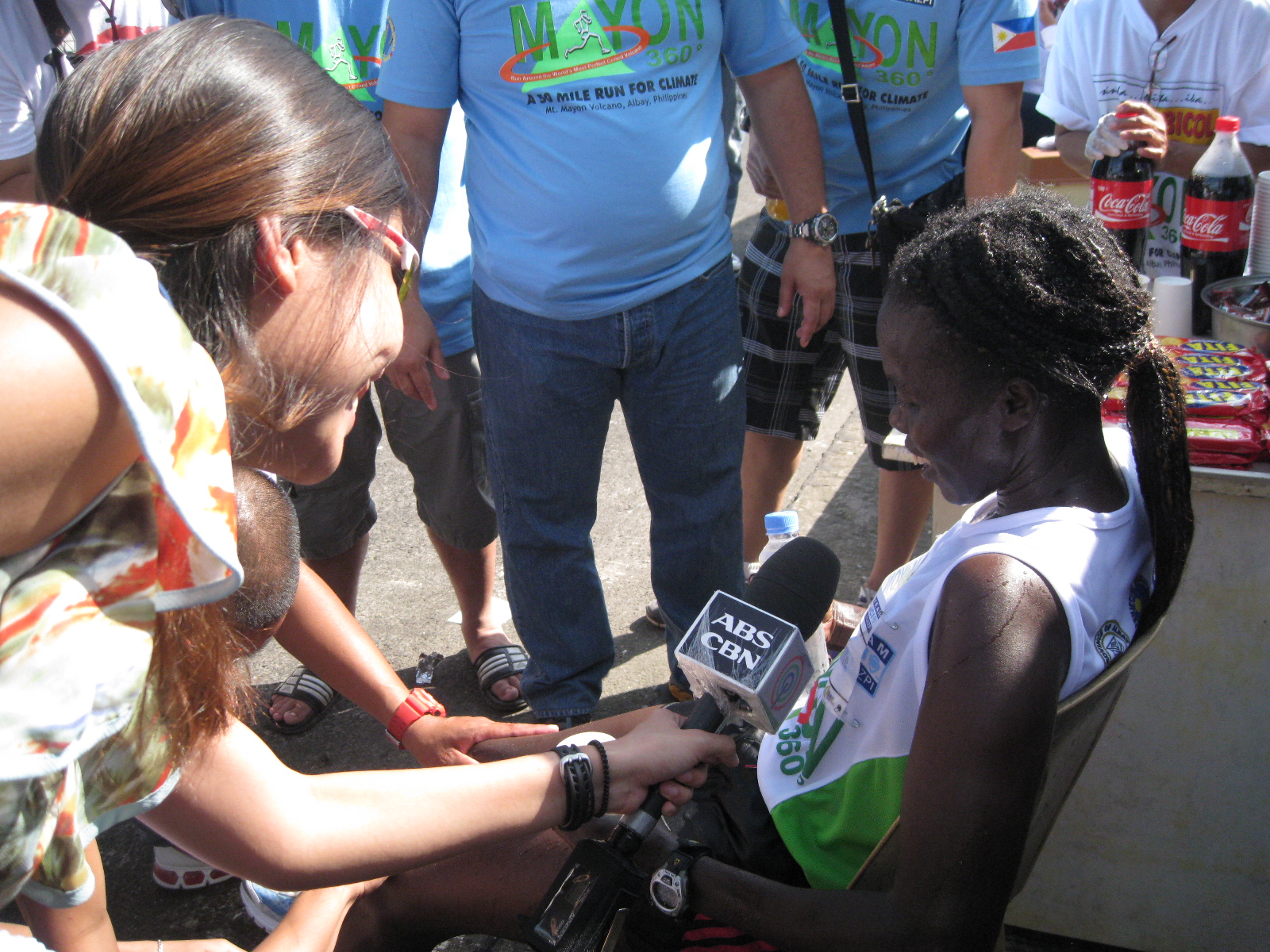
Peris Poywo of Kenya Having Massage & TV Interview @ Km 40

Due to unavoidable circumstances, a first-time lady ultrarunner whom I invited to join the event through the Event’s Page on Facebook got the 3rd place. Arianne Ortega was surprised when she crossed the Finish Line and declared as the 3rd top finisher among the women’s division. She joined her first ultra marathon race with the only objective to finish the race within the prescribed cut-off time of 15 hours but she got a bonus for winning a cash prize of $750.00. She was very happy and she thanked me for the invitation. Nice and happy lady!

Out of the 69 runners who started the race, 59 runners were able to cross the finish line and all of them were declared “official” finishers as they finished within the cut-off time of 15 hours. 

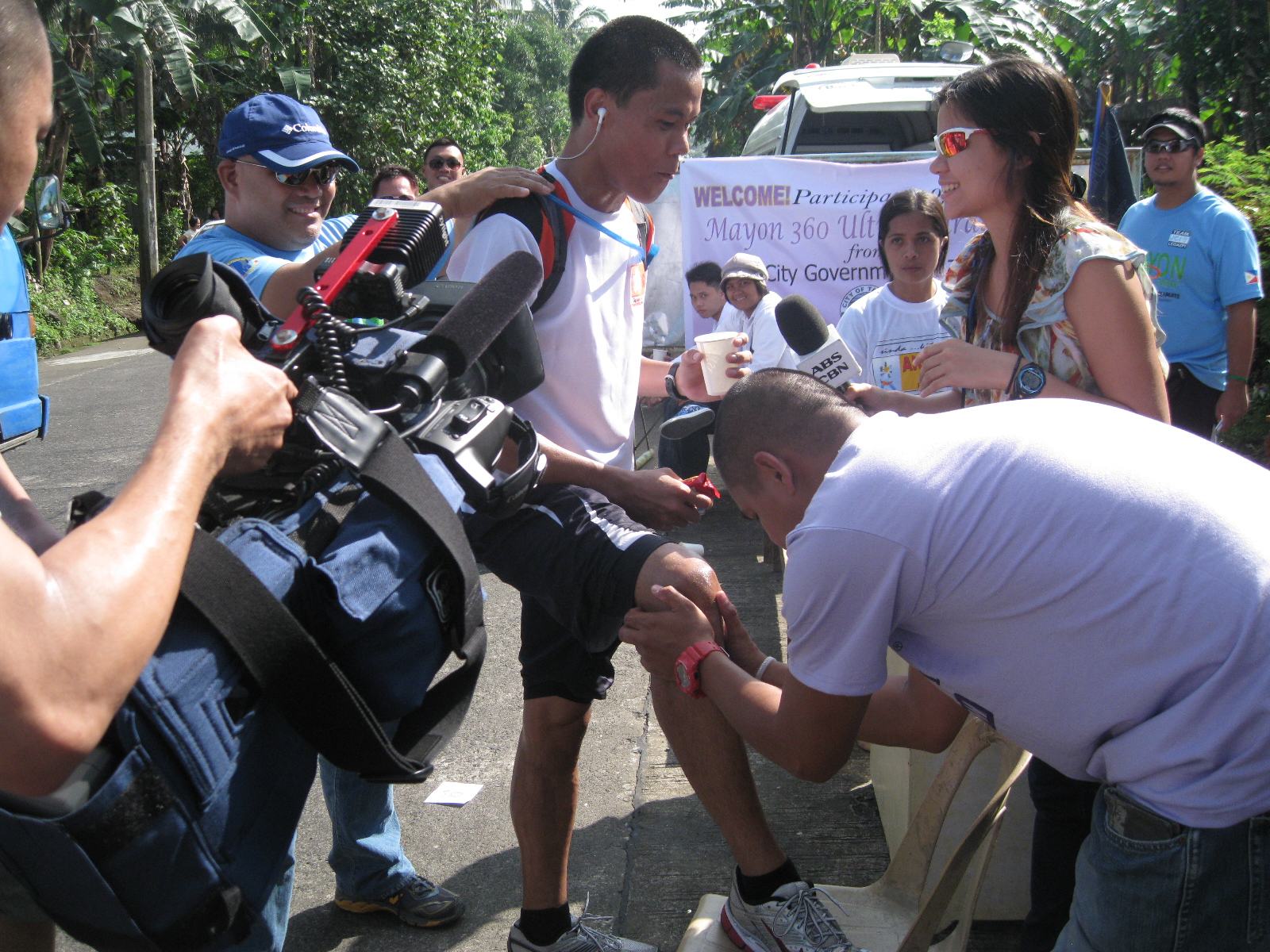
Mac Milan Having Massage & TV Interview at Km 40
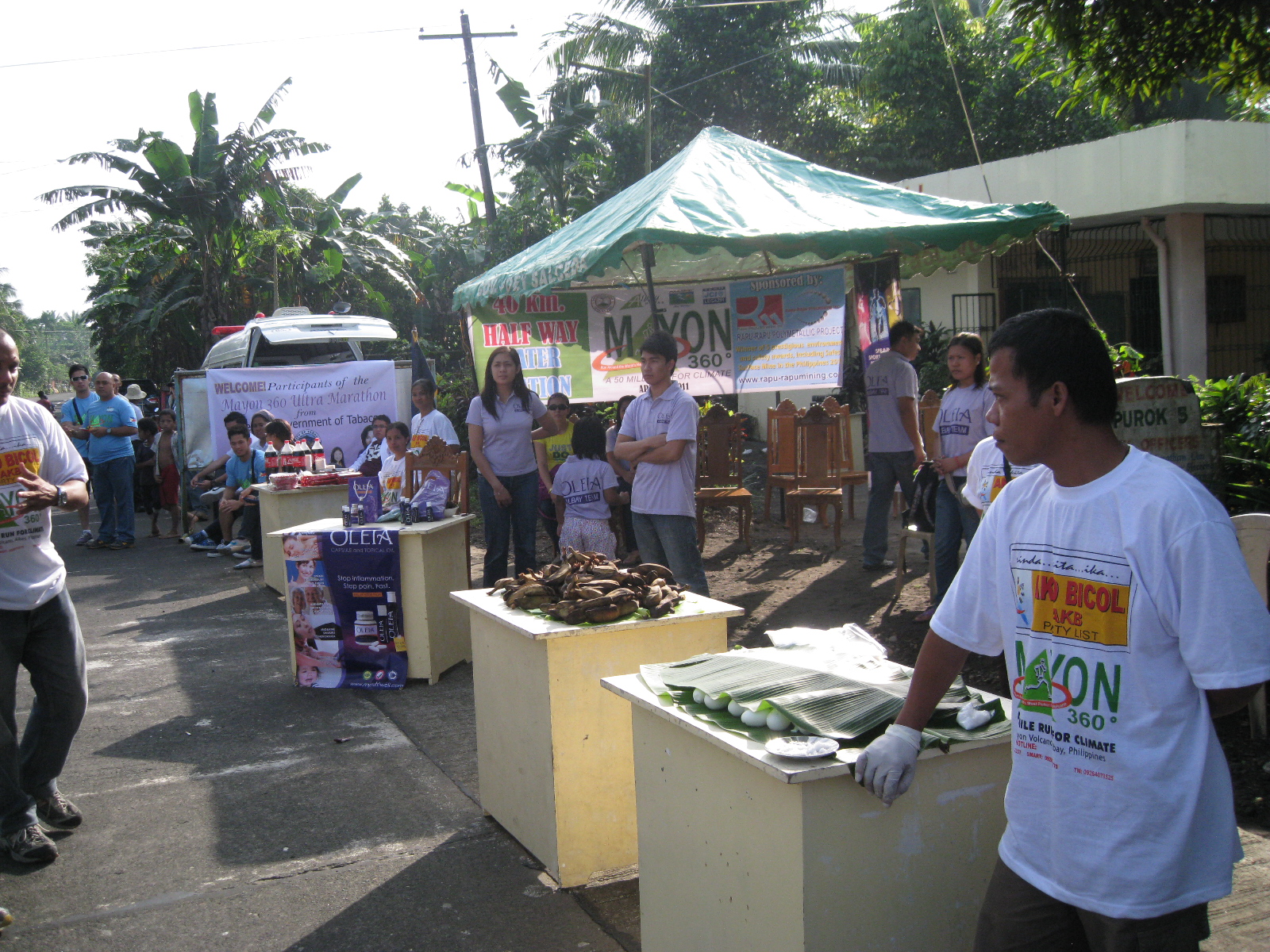
A Typical Aid Station Along The Route
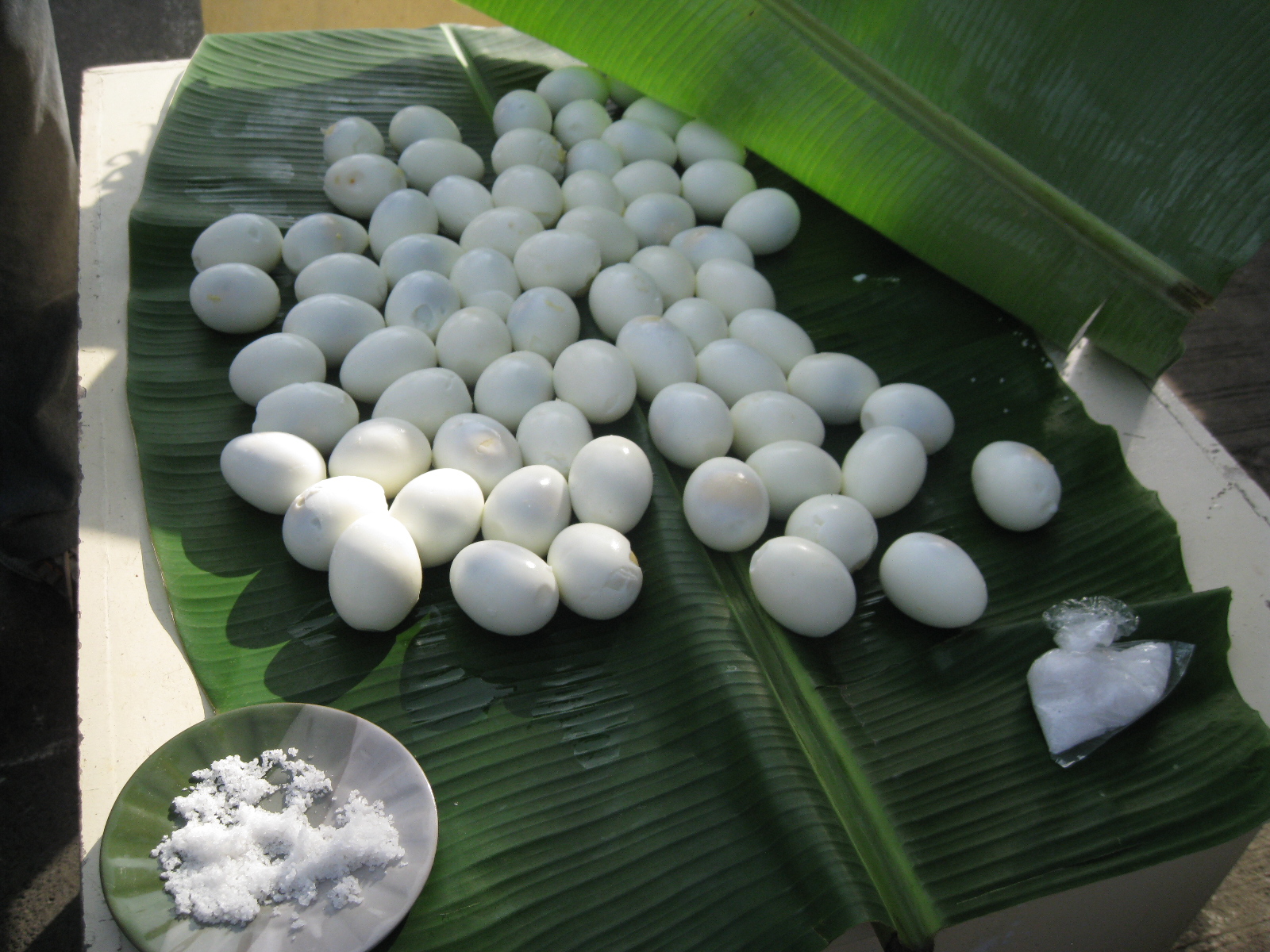
Hard-Boiled Eggs With Salt
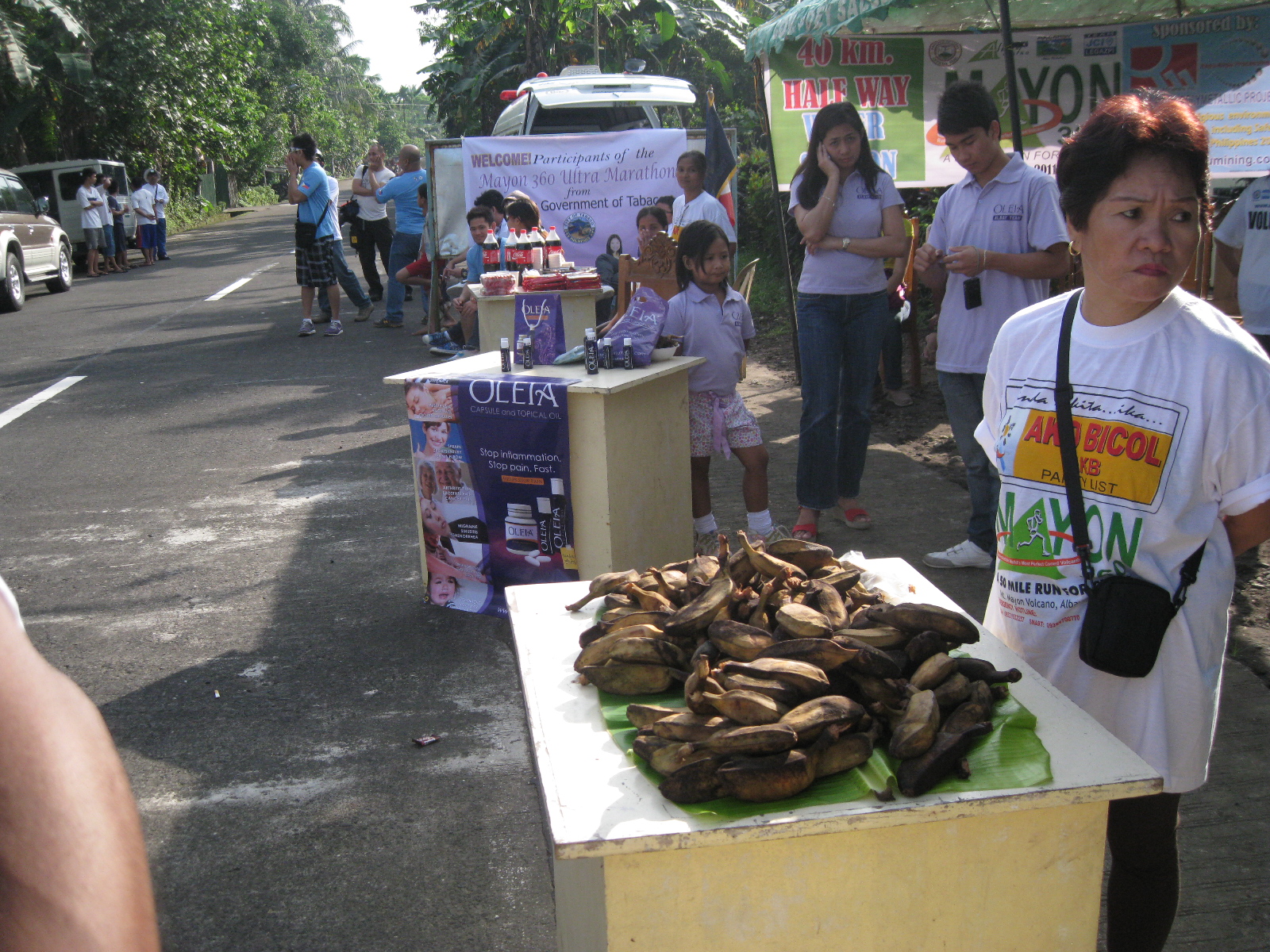
Boiled Bananas & Massage Station at the Next Table
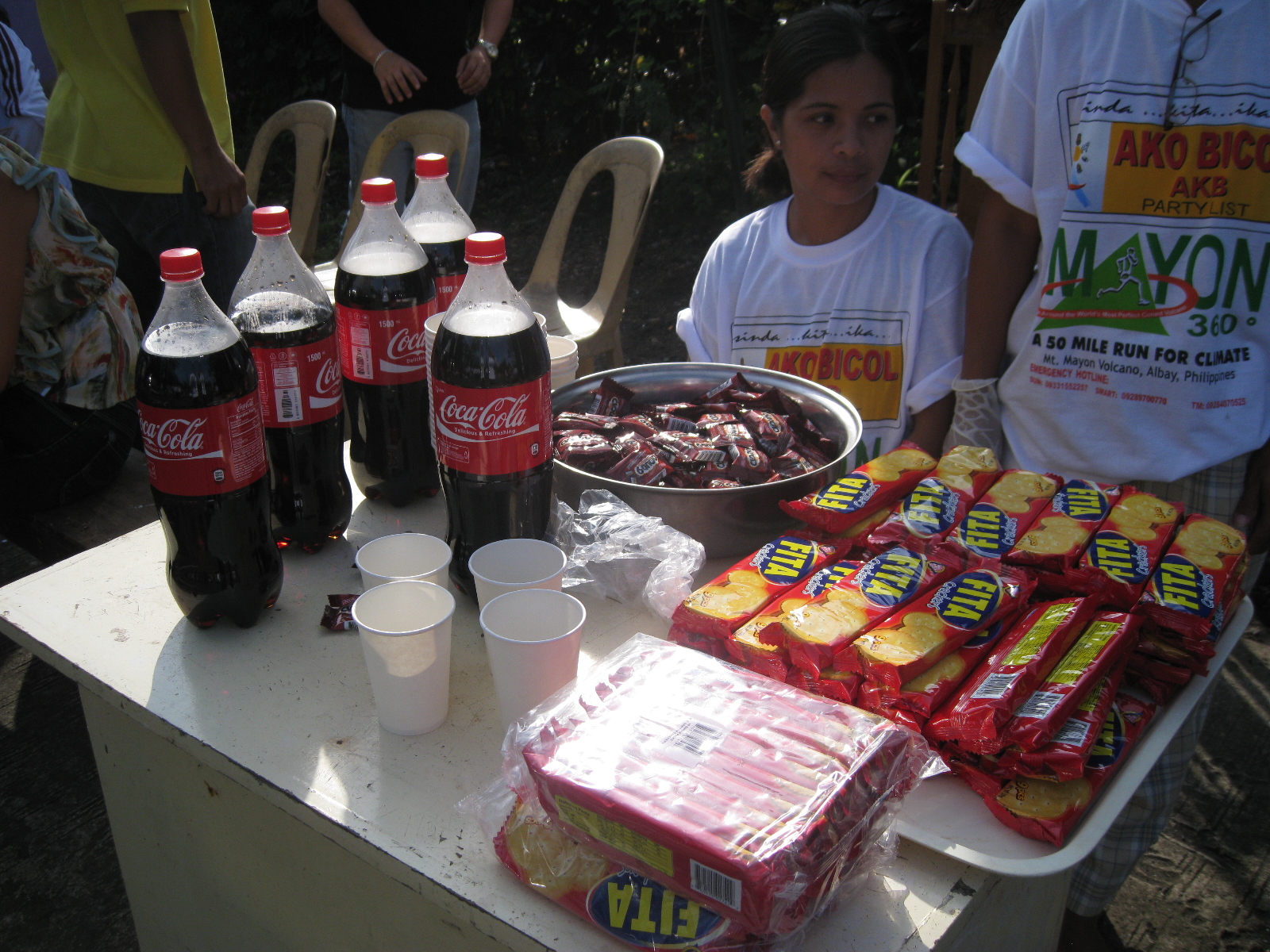
Sodas & Bite Foods

Awarding Ceremony

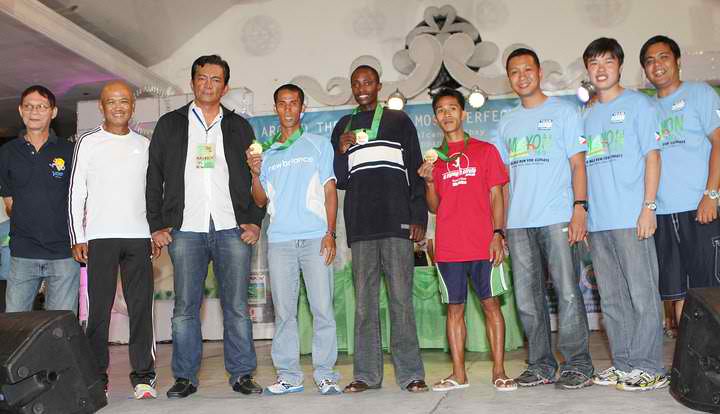
The awarding ceremony started as soon as the last runner crossed the finish line. Gov. Joey Salceda awarded the cash prizes, medals, and certificates to the top finishers (men’s and women’s). Governor Salceda was satisfied with the result and the awareness the event had created among the people of Albay. He stated in his closing message that this event will be made bigger and with more participation from international runners in the next year’s edition. Thus, this event will be a permanent activity for the Magayon Festival that will promote Sports Tourism in the Region.

Awarding Ceremony With Governor Joey Salceda

Things To Be Improved

Knowing that 85% of the runners would be coming from Metro Manila and the “usual suspects” in PAU and BDM Races, I did not strictly impose on the rules and regulations of PAU Races because I knew that such rules/regulations are already “automatic” to them. I did not realize that the local “first-time” ultra runners were not aware of such rules and regulations. We will improve on the strict implementation of the PAU/BDM Races’ rules & regulations on the future editions of this road race event. (Note: About 30+ local runners ran as “bandits” and pacers for the registered local runners)

Through my suggestion, a local Marathon (42K) race must be conducted in Albay months prior to the Magayon Festival to give a chance for the local and regional runners to qualify for the next edition of the race.

Future and Expectations 

As stated by Governor Joey Salceda in his closing remarks during the Awarding Ceremony, the ultra running event will remain as a permanent activity of the yearly Magayon Festival. It will be a bigger event where international runners will be invited and hopefully, included in the calendar of events in ultra marathon websites and Ultrarunning Magazine Online.

The involvement of the Provincial Government, League of Barangays of Albay, JCI Legazpi, and the people of the 3 cities, 7 municipalities and 77 barangays of the province will showcase the unity, warmth, hospitality, and the kindness of the populace.

This ultra marathon race must be a part of the yearly checklist of an ultrarunner!

See you next year!

Result: 1st Mt Mayon 360° 50-Mile Ultra Marathon Race


The following is the result of the 1st Mt. Mayon 360° 50-Mile Ultra Marathon Race in Albay which was held yesterday, April 2, 2011. A total of 69 ultrarunners started the race but only 59 finished the race within the cut-off time of 15 hours.

Starting this year, all PAU and PAU-sanctioned road and trail races’ results published will have its corresponding PAU Points as the basis for the selection of the recipient for the 2011 PAU Runner of the Year Award.

Rank Name Time PAU Points
1 Willy Rotich 6:07:24 80
2 Alley Quisay 6:41:08 73.17
3 Mario Maglinao 7:09:20 68.36
4 Franklin Penalosa 7:29:04 65.17
5 Gene Olvis 7:53:10 62.03
6 Barnedo Numeriano 7:58:34 61.4
7 Smith Luna 8:12:32 59.61
8 Merlita Arias (F) 8:13:10 59.49
9 Bhong Tobe 8:18:25 58.89
10 Peris Poywo (F) 8:21:09 58.53
11 Eric Bullena 9:09:44 53.42
12 Mac Milan 9:32:28 51.27
13 Jose Llaneta 9:34:06 51.09
14 Randy Rubio 9:53:27 49.47
15 Jesel Bassanta 9:54:15 49.37
16 Reynan Morante 10:08:50 48.25
17 Jose Duenas 10:13:17 47.84
18 Graciano Santos 10:17:14 47.55
19 Salvador Castilla 10:19:20 47.38
20 Victor Exequiel Verry 10:53:04 44.92
21 Yul Almayda 10:54:00 44.84
22 Paolo Osmena 11:01:23 44.33
23 Jose De Asis 11:06:52 44.03
24 Rodel Cuaton 11:10:41 43.77
25 Bong Bernadez 11:22:04 43
26 Eutiquio Bagacina Jr 11:41:06 41.85
27 Dindo Diaz 11:51:19 41.24
28 Edgar Orellana 11:58:51 40.8
29 Mel Severino 12:11:48 40.09
30 Ruben Fajardo Jr 12:15:49 39.9
31 Arianne Ortega (F) 12:37:05 38.74
32 Danilo Lim 12:45:55 38.33
33 Julius Cervantes 12:48:22 38.18
34 Raymond Suarez 12:48:41 38.15
35 Marvin Pangan 12:54:12 37.89
36 Blas Ople Tiangco 12:58:49 37.68
37 Mark Viesca 13:03:31 37.43
38 Andreco Primero 13:11:13 37.08
39 Earl Warren Navor 13:14:19 36.94
40 Cesar Abarientos 13:14:20 36.9
41 Carl Balagot 13:14:22 36.86
42 Ralph Salvador 13:14:24 36.84
43 Jonel Mendoza 13:14:30 36.8
44 George Dolores 13:14:33 36.77
45 Vincent De Lima 13:20:10 36.66
46 Jimmy Ong 13:24:46 36.43
47 Jeffrey Avellanosa 13:39:20 35.78
48 Erell Villalba 13:43:39 35.61
49 Ryan Viesca 13:56:02 35.08
50 Bong Alindada 13:58:24 34.98
51 Ayette Padua (F) 14:05:14 34.71
52 Christopher Montaos 14:05:48 34.67
53 David Aquino 14:16:16 34.25
54 Marcus Lontoc 14:16:25 34.22
55 Marlin Marilag 14:25:00 33.9
56 Jose Arturo Virata 14:44:33 33.16
57 Abigail Castillo (F) 14:48:13 33.02
58 Yan Dizon (F) 14:50:10 32.95
59 Alex Galapin 14:51:25 32.85

For more details and pictures of runners at the Finish Line, please visit http://mayon360.com

Men's Podium Awardees (Quisay, Rotich, Maglinao) With Gov. Joey Salceda of Albay
Ladies Podium Awardees (Poywo, Arias, Ortega) With Governor Joey Salceda of Albay & JCI Legazpi (JP Lee, Vyes Yu, Oriel Maddela)

“West To East”: 5th Day/”Pain Is Temporary”


12:45 PM March 19, 2011/SCTEX Exit/Entry in La Paz, Tarlac to Santa Rosa, Nueva Ecija 

I got good signs that I would be able to continue my run on the 5th day when I saw my swollen left quadriceps had reduced in size and the pain I felt could be tolerable when I woke up in the morning with 9 hours of sleep. It did not matter if I was going to start at noon time for my day’s run as long as I can push my body to run a distance and bring myself nearer to my place of destination.

I was glad that I brought my Adidas Tech Fit Compression Shorts which has those shiny straps that are positioned on the buttocks & hamstring areas and connecting to my quadriceps muscle. The shiny strap has a way to compress and hold my muscles on the areas it covers and it relieves pain on such areas. I was lucky to have brought such compression shorts which I don’t normally wear on my training and road races. It was a blessing that I brought such compression shorts!

After taking my shower after I woke up, I tried the shorts and it perfectly solved my problem about my quads—the swollen portion is pressed by the strap and it minimizes the pain that I could feel every time I lift me left foot from the ground. At this point, I know I could reach my destination with the plan to use this compression all the way to the beach of Dingalan Bay.

After we checked-out from the hotel, we have to travel 35 kilometers from Cabanatuan City back to La Paz, Tarlac but along the way, we decided to take it easy for the day and observe how my swollen quads would react for the day’s run. In Zaragoza, Nueve Ecija (the first town of Nueva Ecija from Tarlac Province) and the town next to La Paz, Tarlac, we stopped by in one of the road side eateries which had been there for the past 40 years serving broiled catfish (hito) to people passing such area. These catfish are freshly caught and cooked as the place is surrounded with river and marshland.

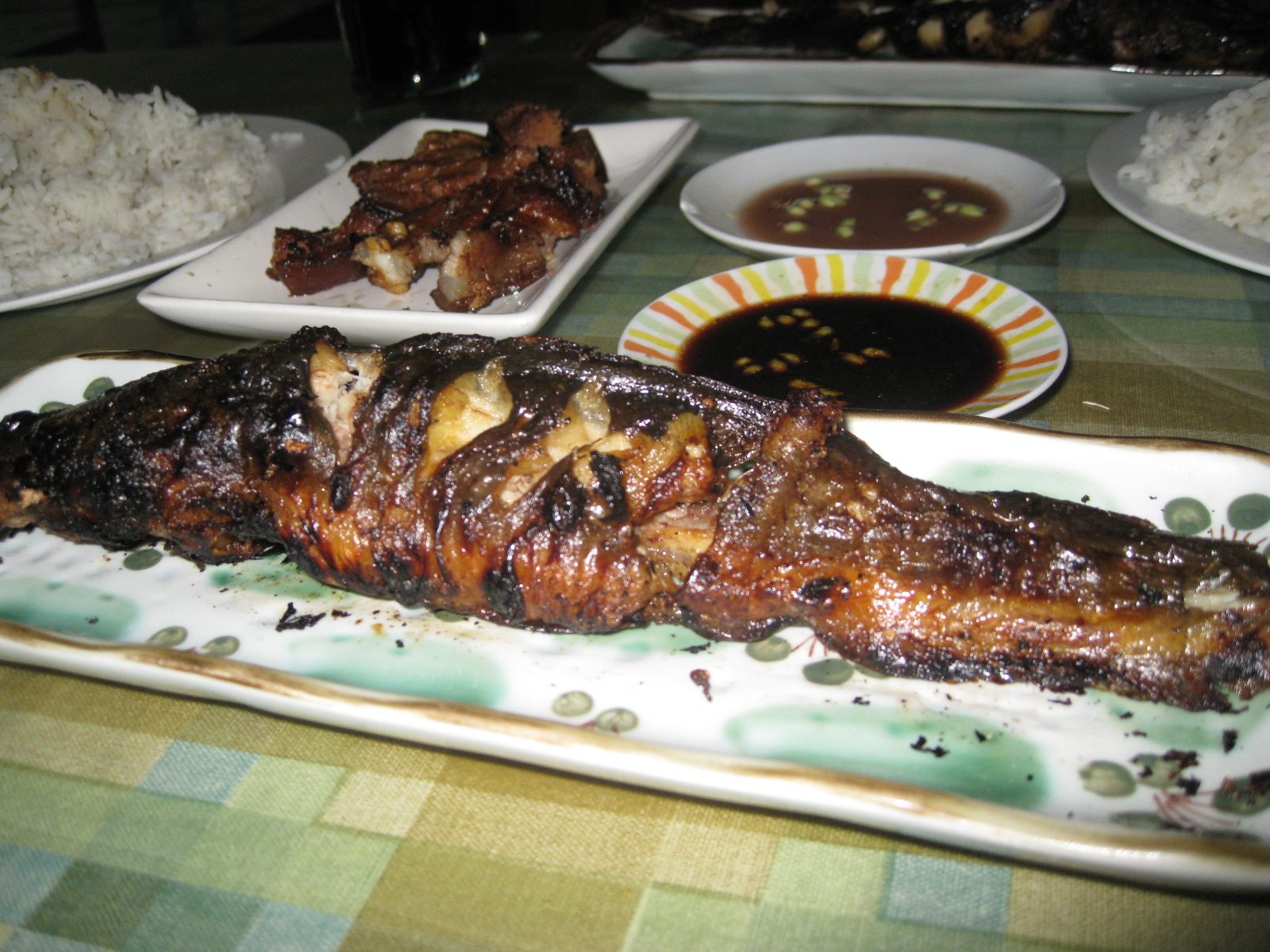
Early Lunch @ Eva's Restaurant (Broiled Hito, Fried Pork Liempo, and...)
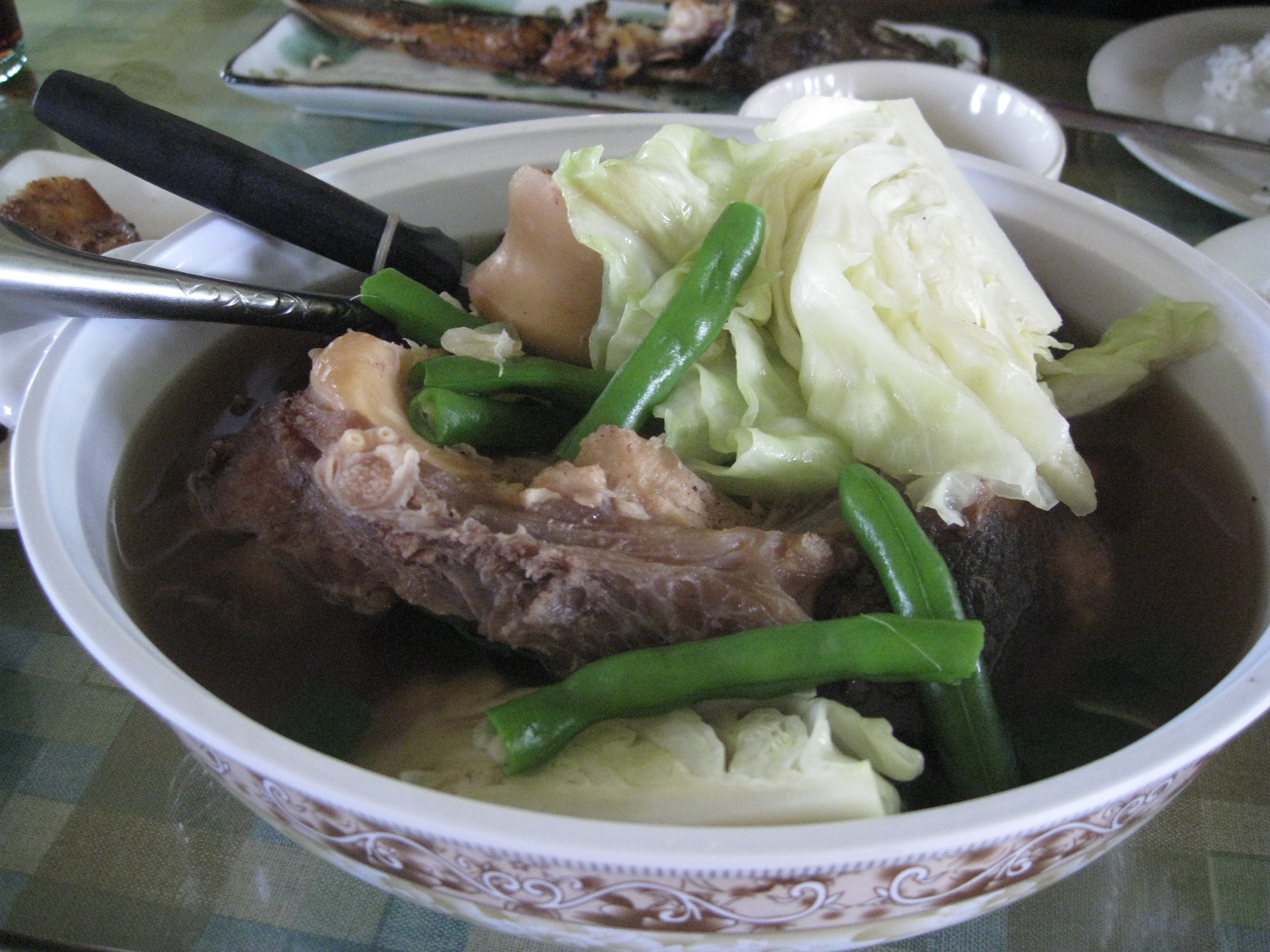
Beef Bulalo @ Eva's Restaurant (La Paz-Zaragoza Boundary)

We had our early lunch at 11:00 AM at the Eva’s Eatery which located near the Zaragoza Bridge (there is a lot of bridges though in Zaragoza in between La Paz and Santa Rosa). As we entered the place made of bamboo, wood, nipa hut, and concrete floor, I observed that the place is clean and had improved a lot since my last visit here when I was still a Lieutenant/Captain. The Inihaw Na Hito and broiled Pla-pla wrapped on an aluminum foil are still the favorite dishes in the place. We ordered Bulalo, Inihaw Na Hito, and Fried Pork Liempo and the food was great. We stayed in the place longer as we had planned as more customers entered the establishment. There was this group of motorbikers who stopped for lunch, two families in two separate commuter vans also joined, a middle-age couple, individuals, and seemingly businessmen and travellers passing along the said road.

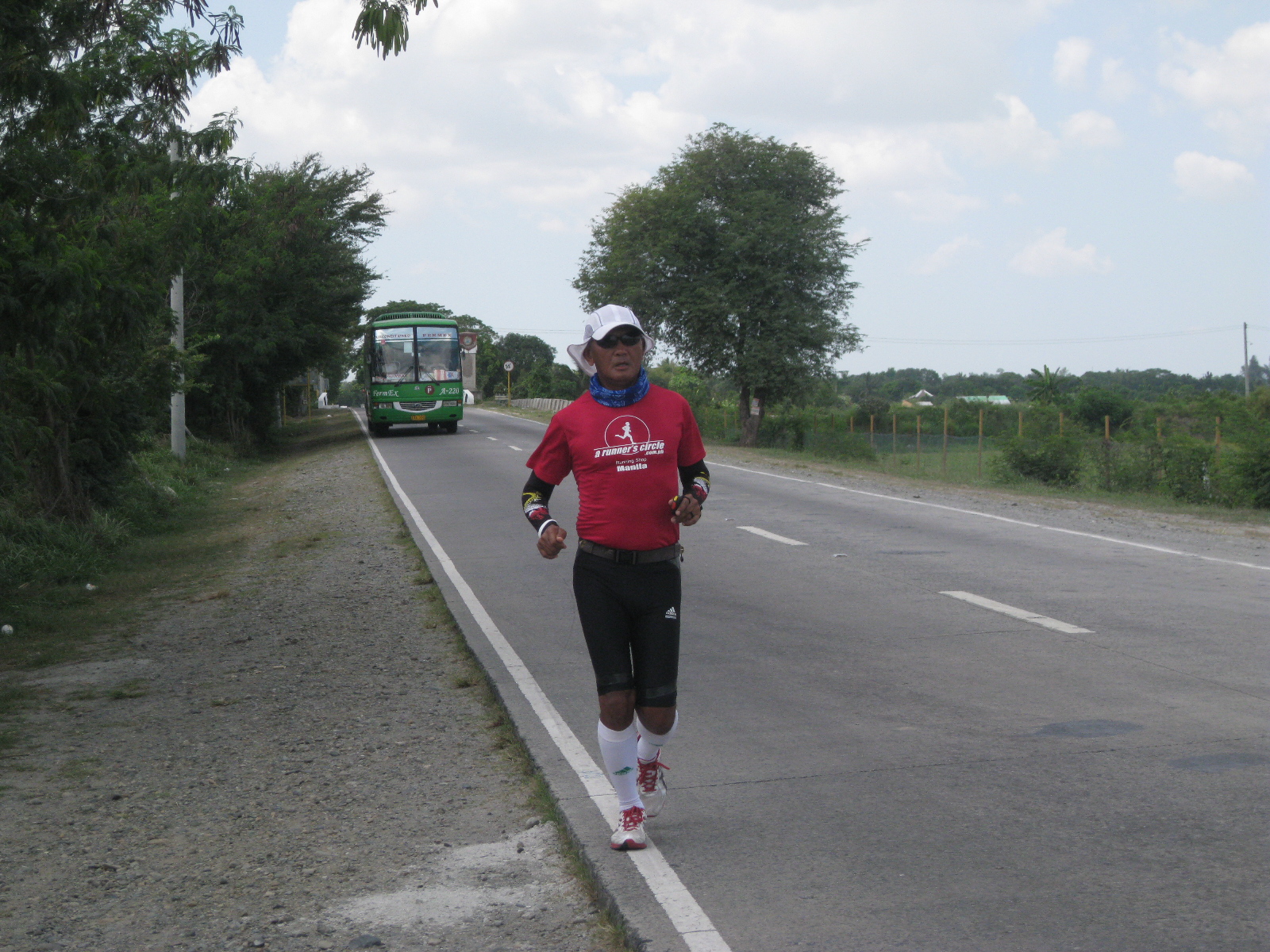
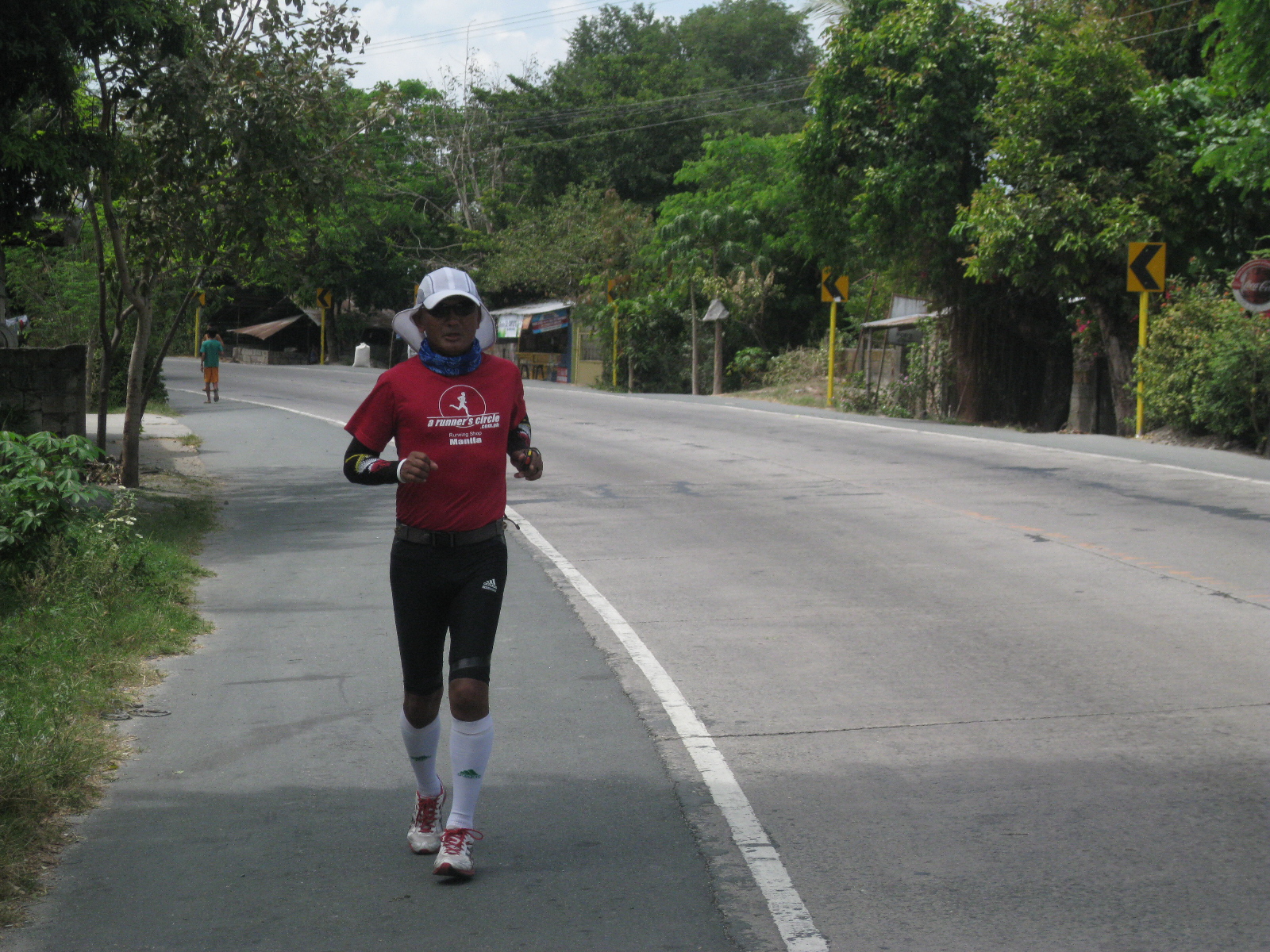
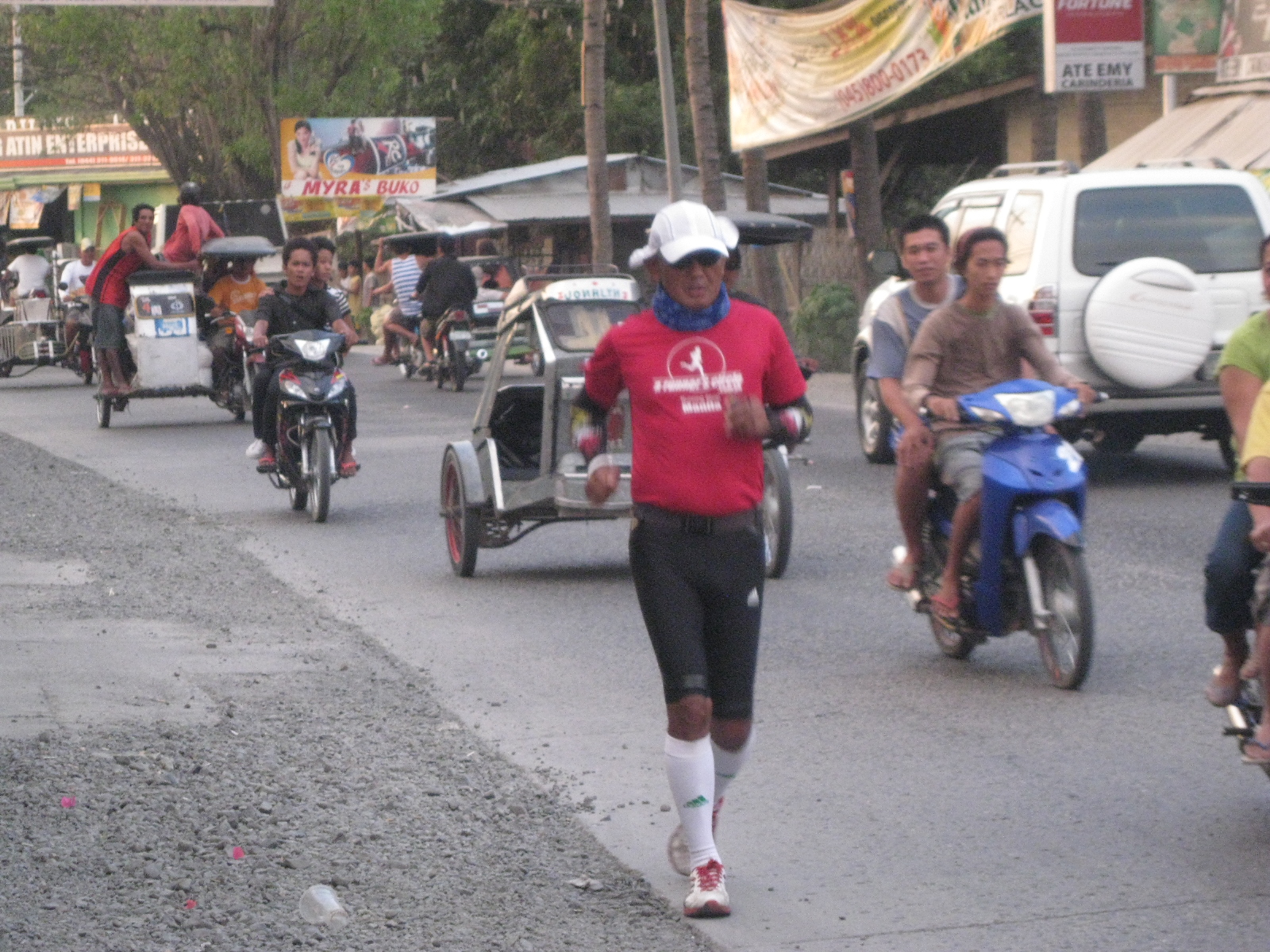
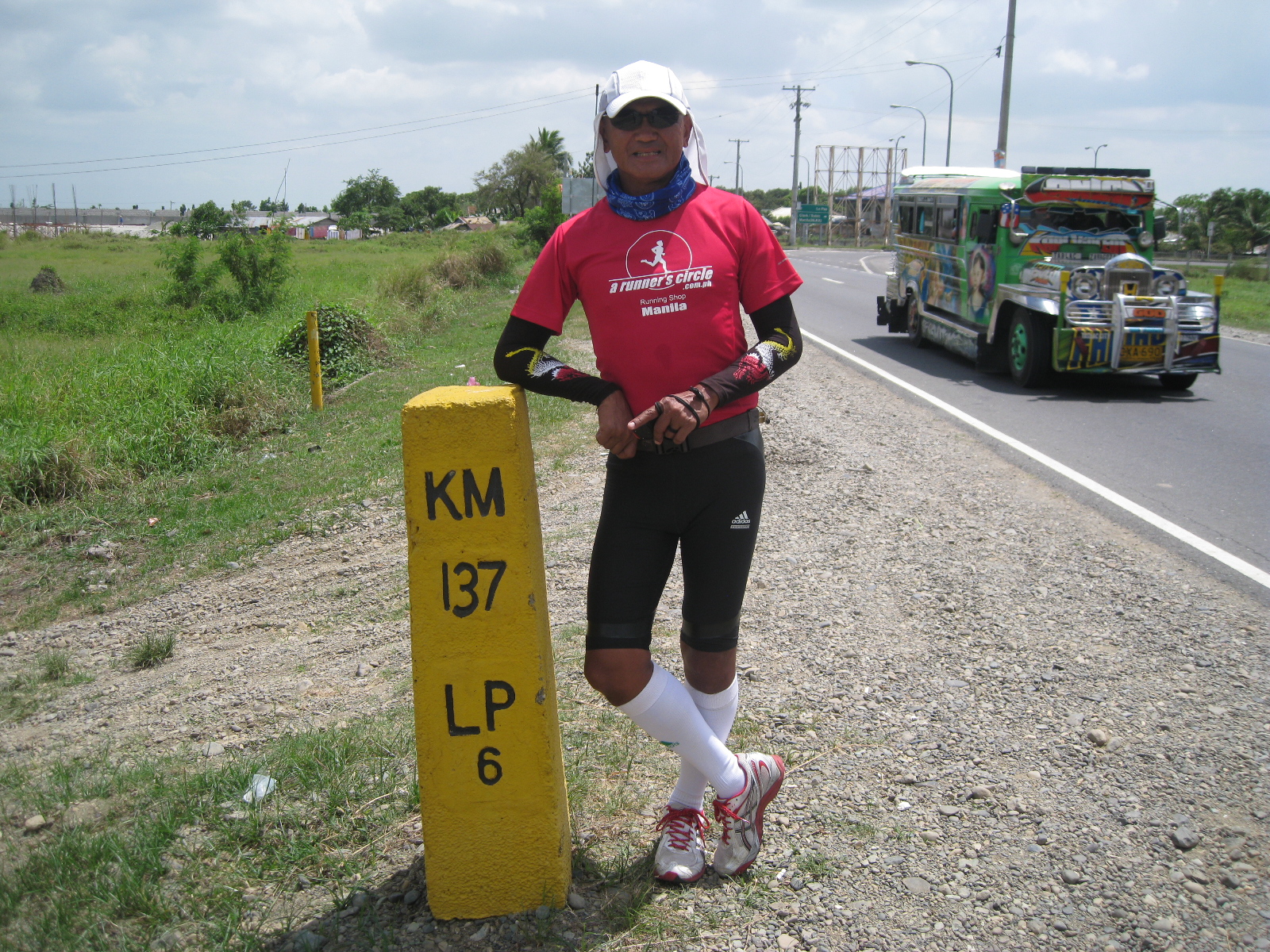
After lunch, I prepared myself inside the restaurant by wearing my running shoes and arm sleeves and I knew that my trip to the starting point will be a short one. I started the run at 12:45 Noon after the usual photo-ops. It was hot but I was used to it already. At this time, I was wearing the “A Runner’s Circle” (BOA USA) Technical Shirt from Joe Matias, Raul, and Perkins of the said Specialty Running Store. I know, wearing this shirt is some sort of advertising the place and most of the people at the Eva’s Eatery were able to see my shirt, moreso, on all the places that I have passed along the way. It was a way to give back the favour of what ARC Manila had supported to the Elite Team Bald Runner, BDM and PAU Races. Thanks, guys! You are doing great to serve the running community of the country. Please continue helping others!

@ The SCETX Exit/Entry in La Paz, Tarlac

 I was glad my swollen left quads are holding up with the continuous pounding of my left foot on the road. I tried to shift my “more dominant” running leg to my right leg/foot and tried to run with my left leg with a very light touch on the ground. The counting of strides was still there and the “drill” on the road was followed religiously without let-up. Everything that I was doing on the road was already automatic and the support crew was already expert on providing me everything that I needed.

On The Road To Santa Rosa, Nueva Ecija
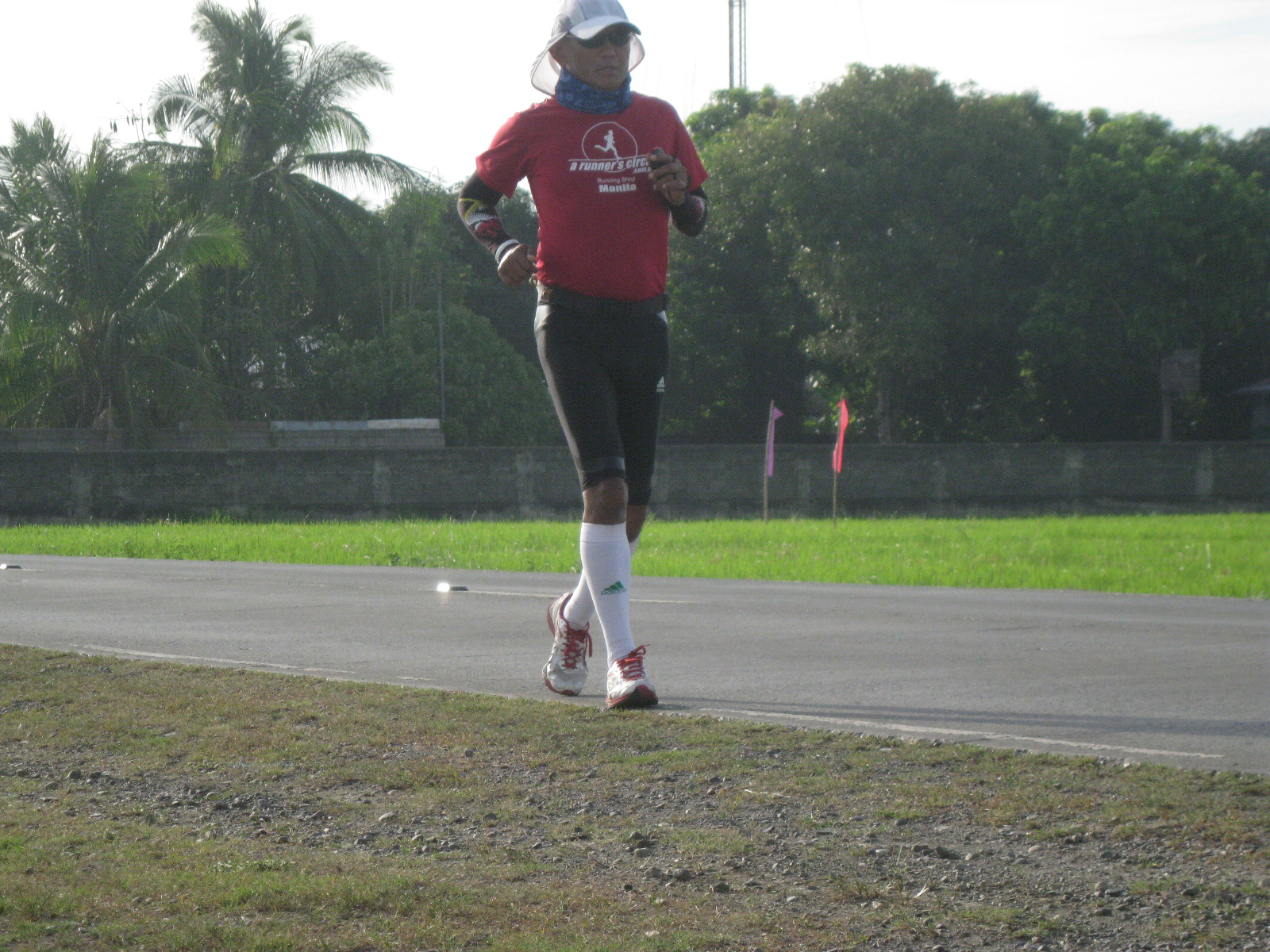
Running Alone On The Road
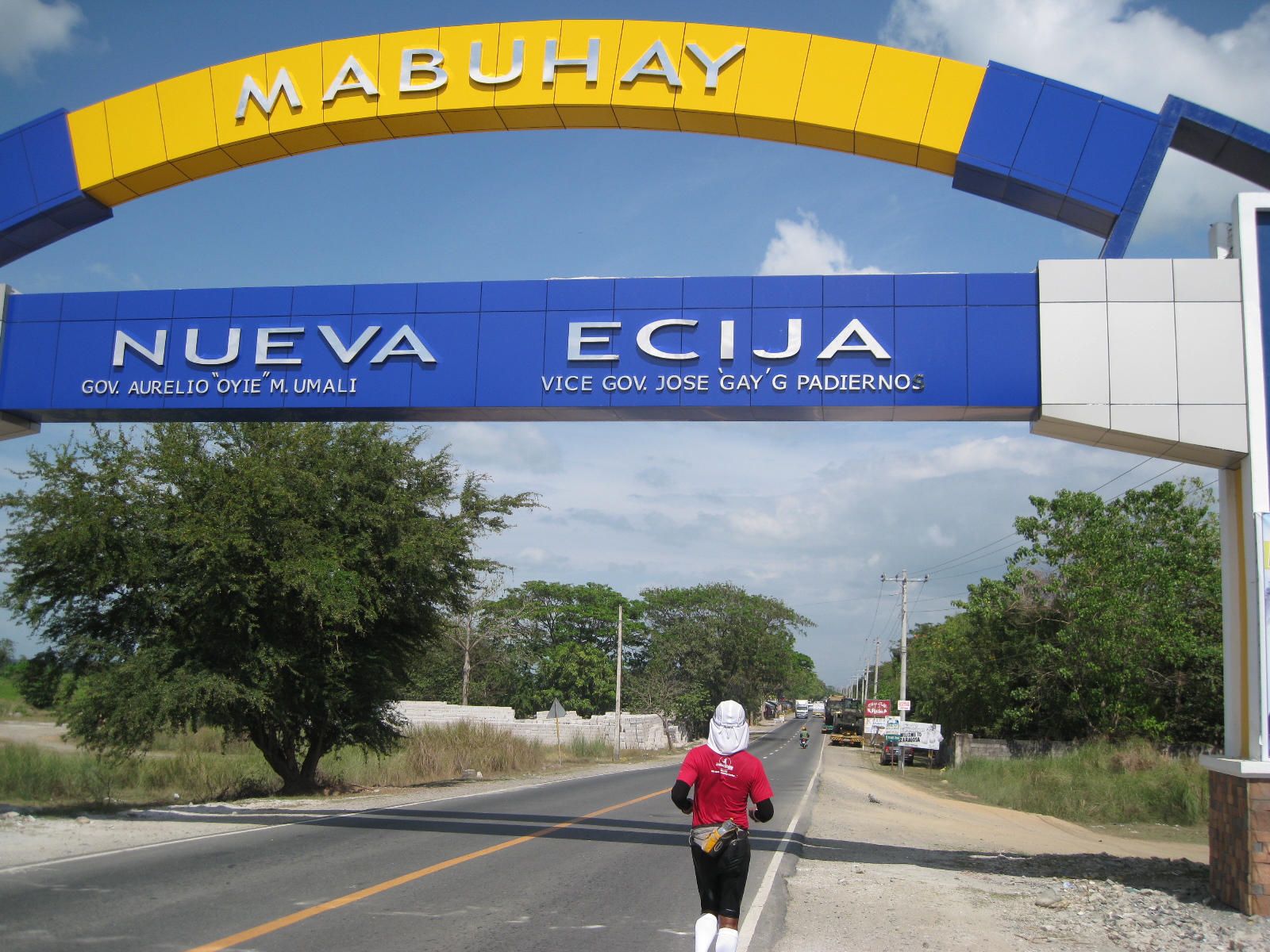
Entering The Province of Nueva Ecija

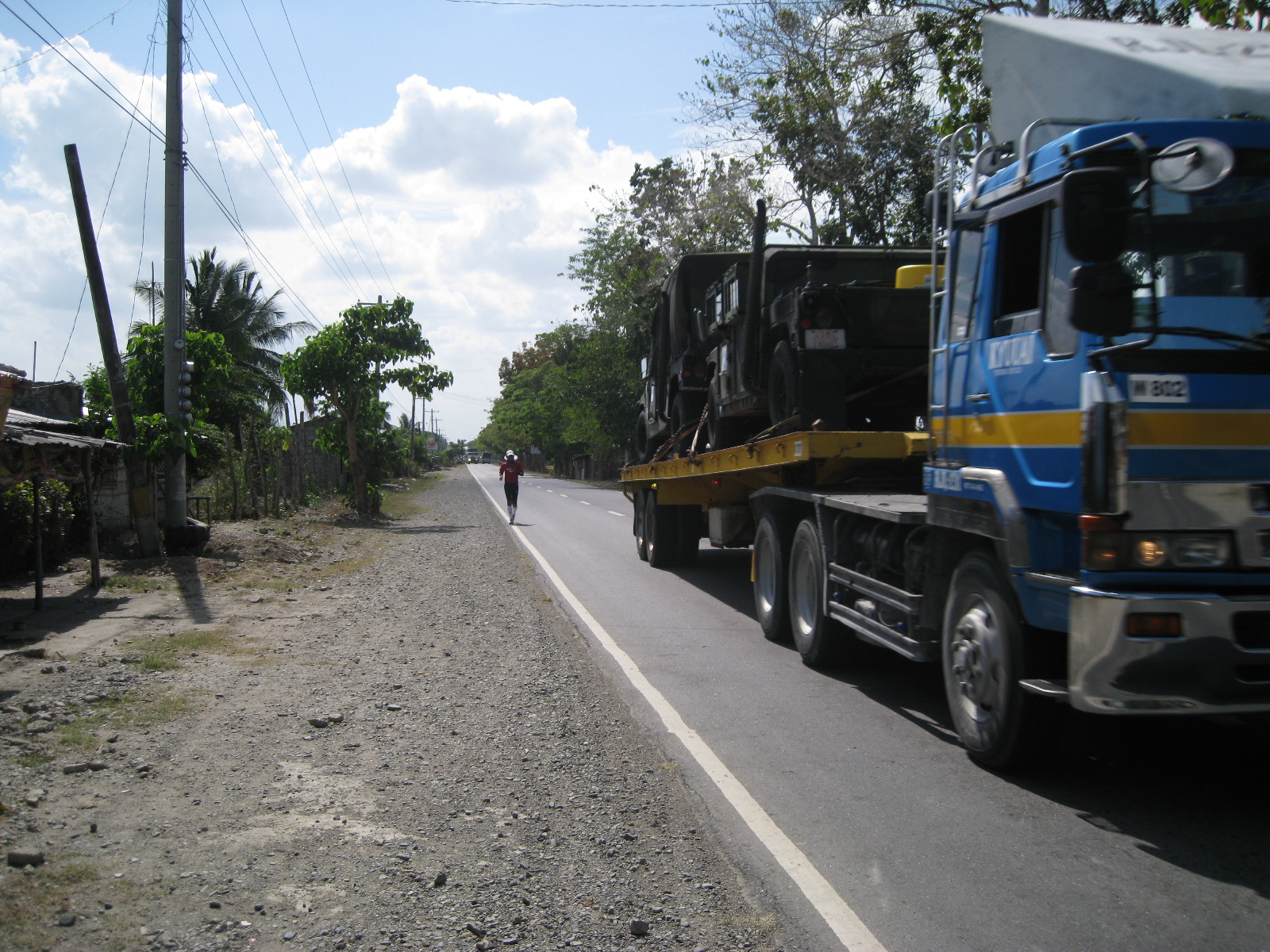
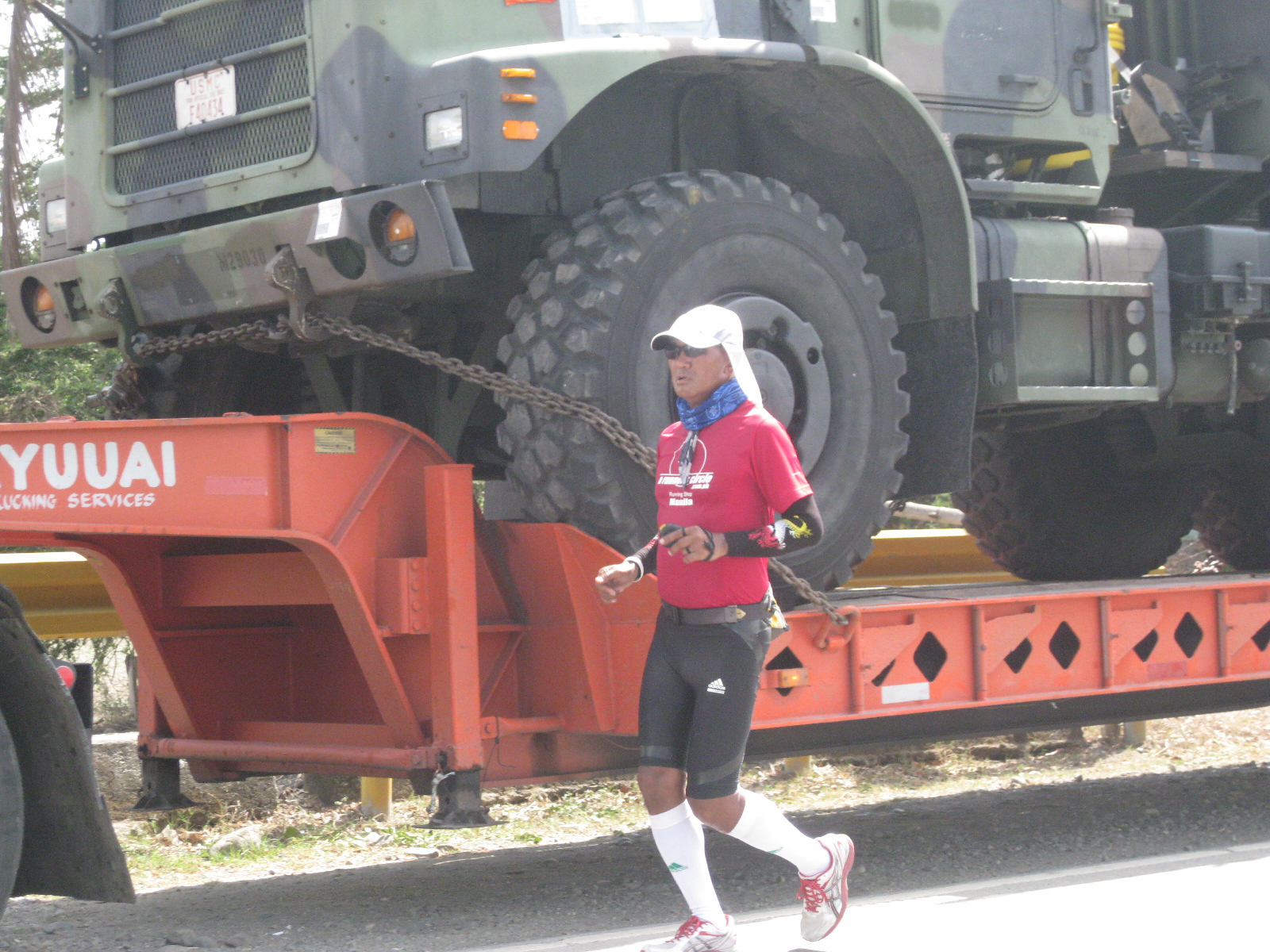
Along the La Paz-Zaragoza-Santa Rosa Road, I was consistently passed by wide trucks that carry US Marines’ mobility equipment, generators, and water treatment facility which I suspect to be proceeding to Fort Magsaysay. There must be a Joint Military Exercises which is about to be conducted with the US Armed Forces and the Armed Forces of the Philippines inside the vast areas of Fort Magsaysay. Even if I was running on the right side of the road, these wide trucks really give some space as they passed me. The trucking company has good and disciplined drivers.

Passing On Those Parked Trucks Carrying US Armed Forces Assets
Passing Trucks Giving Me Space On The Road
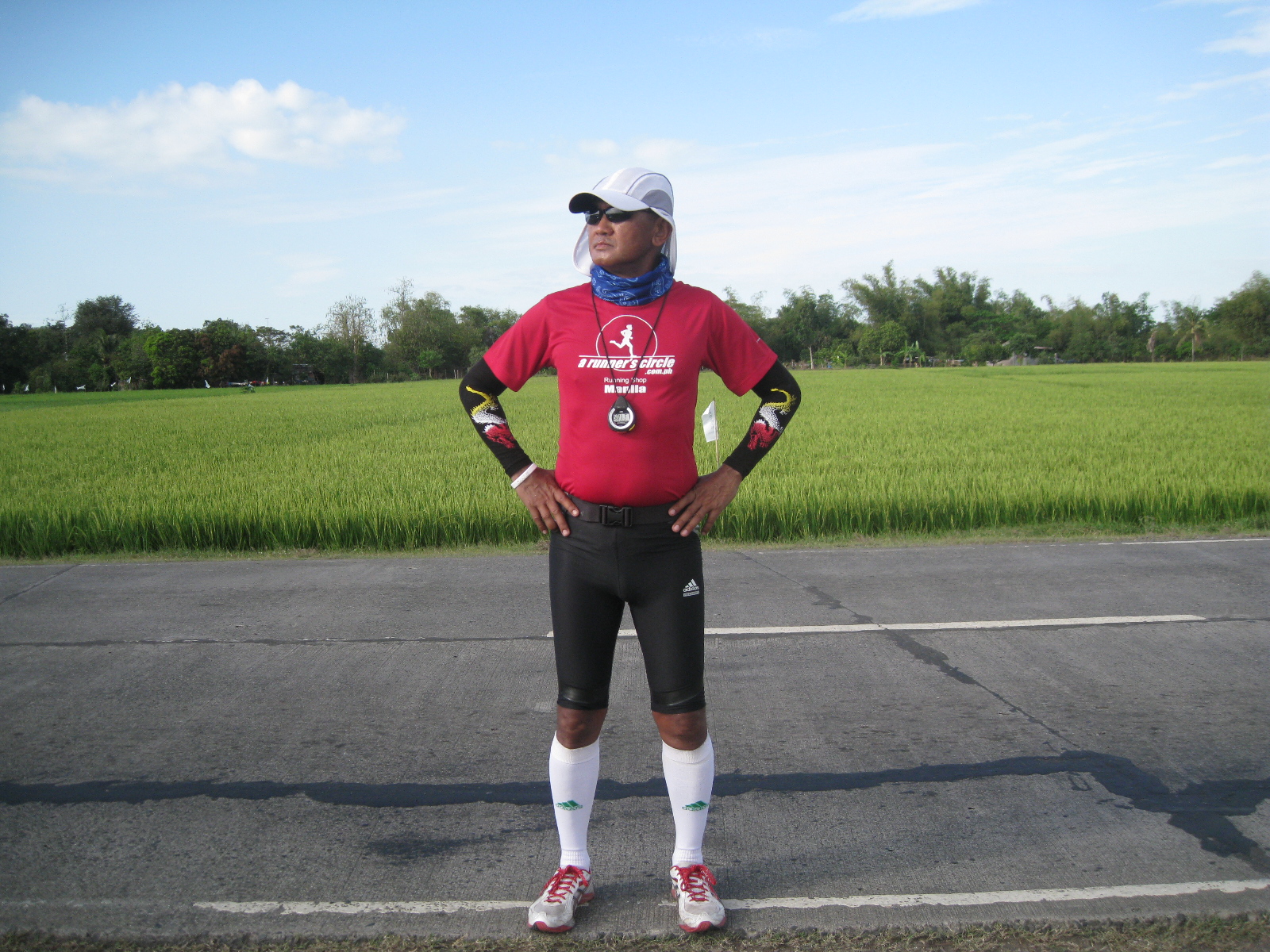
Resting While Having Some Photo-Ops With The Ricefields
I Love The Pain and The Scenery Along The Road

I passed by the Eva’s Eatery and had some photo-ops outside of the place. The traffic of vehicle on the Nueva Ecija side is lesser as compared with the Tarlac side. The road from Zaragoza to Santa Rosa is bounded with vast ricefields on both sides and it was refreshing to see the colors of green and yellow as most of them have already grains on it. The rice will be ready for harvest in a few weeks’ time. 

Signs That I Was Near The Poblacion of Santa Rosa
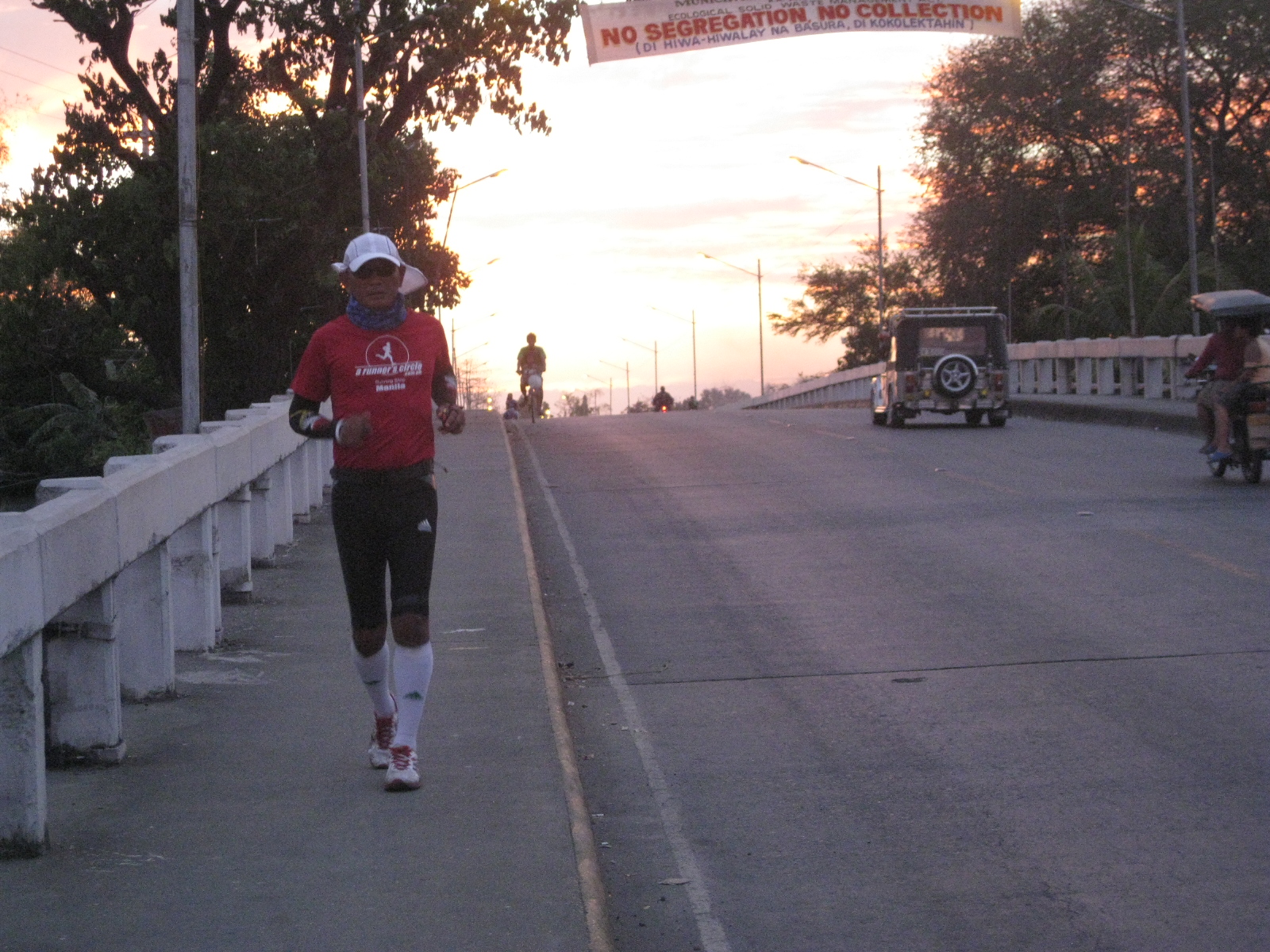
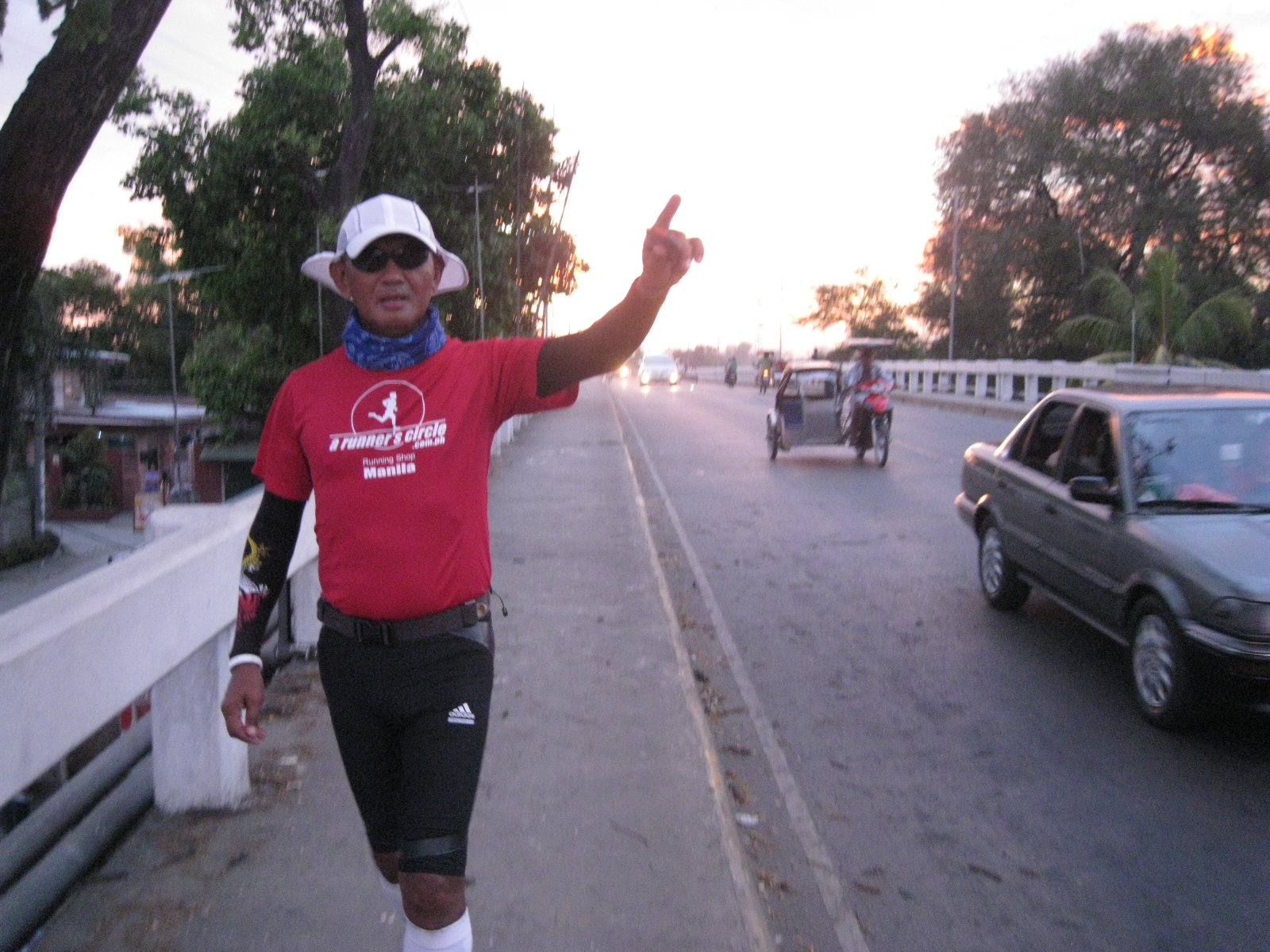
Running As I Crossed The Santa Rosa Bridge
And Then Walking Up To The End of the Bridge
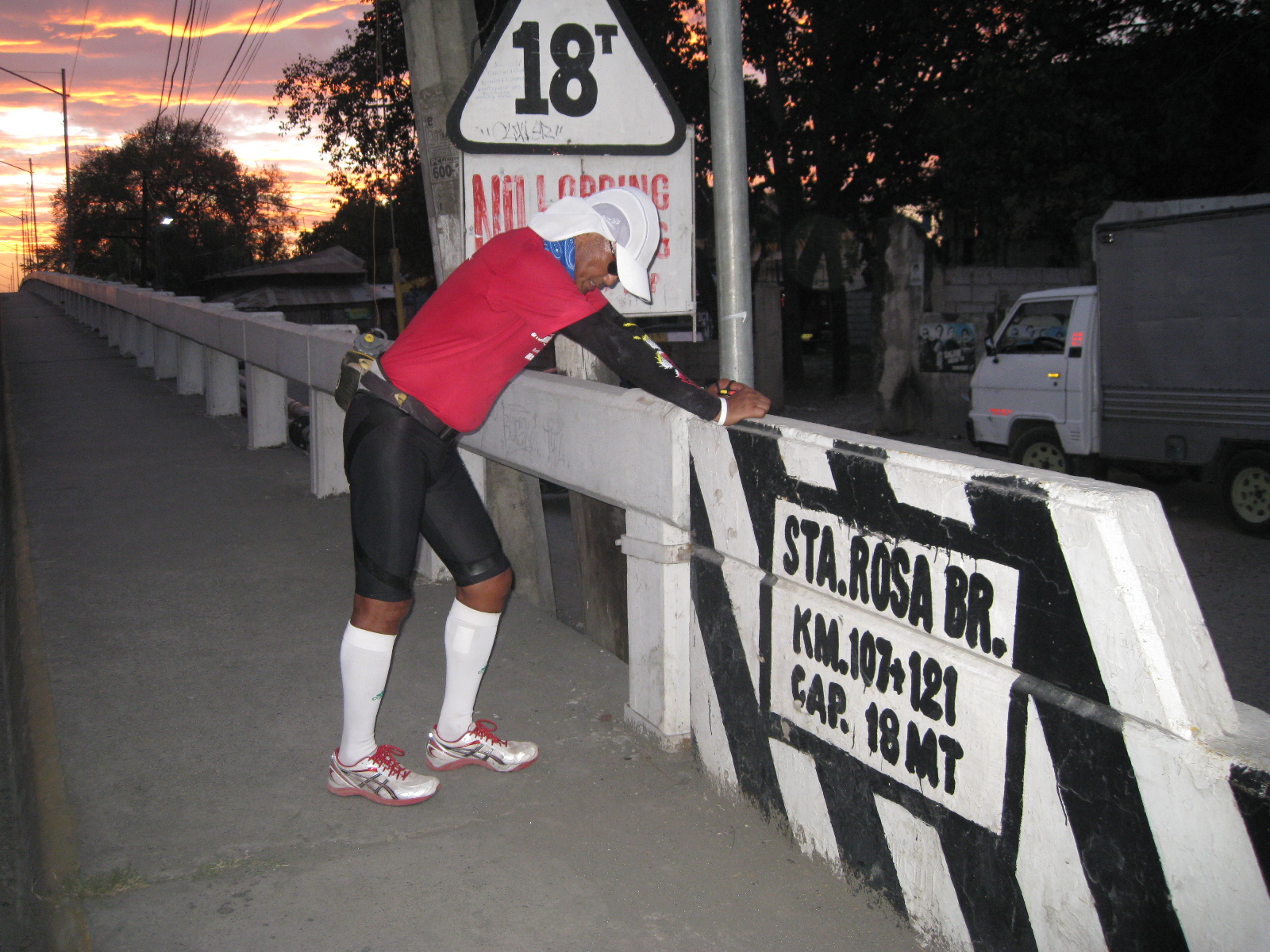
Finished 30K At This Point But I Need To Run Some More!

Since this day’s run is for me to observe the condition of my swollen quads, I made it a point that this is my recovery run. I decided to cover a distance of 32 kilometers. Once I crossed the Santa Rosa Bridge, I was able to complete 30 kilometers. I needed to run another 2 kilometers and crossed the Maharlika Highway as the road leads me to Fort Magsaysay.

It was already dark when I reached the last kilometer post for the day. My swollen quads had passed the test and they have maintained its present condition. The pain was still there but it was tolerable. A longer sleep/rest will surely do the trick for me to be ready again for the next day’s run. The Adidas Tech Fit Compression Shorts did its job to hold my leg muscles during this recovery run lasting for 5 ½ hours actual time of running. I highly recommend this kind of compression shorts for those who are ultra runners and planning to do their multi-day adventure runs in the future. I decided to have it washed immediately and have it as my running shorts for the next day!

Continued To Run, Passing Along the Santa Rosa Public Market
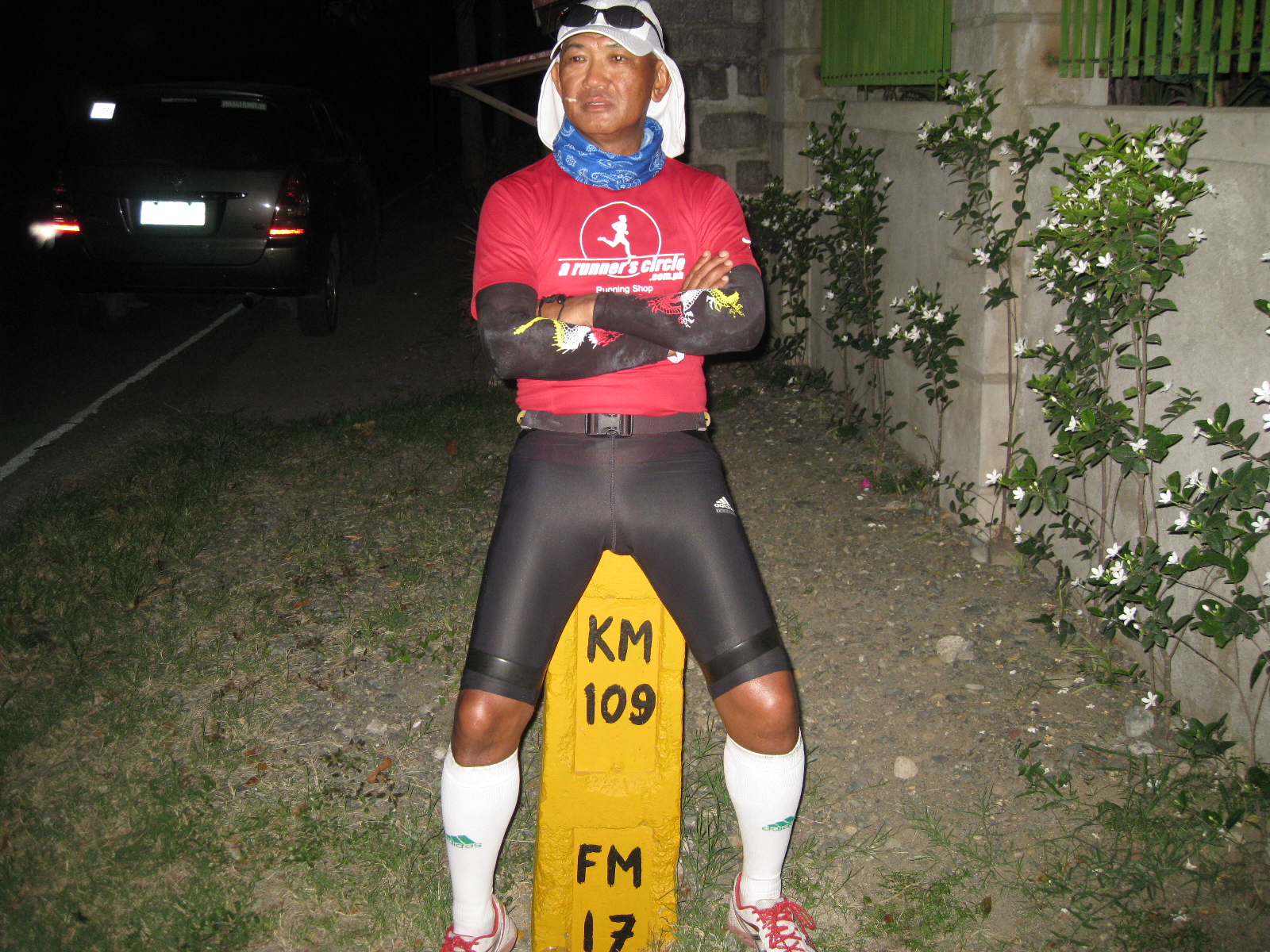
Finally, Sitting On Top Of the Last Kilometer Post of the Day!

My dinner was in one of the road side eateries in Cabanatuan City with Sinigang Na Baboy, Lechon Paksiw, and our left-over of our Bulalo from the Eva’s Restaurant in the La Paz-Zaragoza boundary. After the dinner, we had to go back to the Hotel where we stayed the previous day because of its Wi-Fi Connection and clean rooms.

I did not had my swollen quads massaged but placed an Ice Bag to it for a duration of 30 minutes and then apply a thin layer of Omega Pain Killer and I took one capsule of Alaxan FR before going to bed.

So far, I’ve completed a distance of 207 kilometers after 5 days of running from the beach of Bolinao, Pangasinan. I knew I would be running another 70+ kilometers until I would reach my destination. I had mixed emotions before going to bed as I knew the places I will be passing along will be bounded with mountains and the roads offer more steep inclinations and therefore, will be more challenging on my part. There is only one way to think about the challenges for the next days—think positive!

Some of the additional data/information on this day’s run:

Weather: Very hot but becoming colder during night time.

Distance Covered For the Day: 32 Kilometers

Duration of Actual Running: 5 ½ Hours

Average Pace: 5-6 Kilometers Per Hour

Running Apparel: A Runner’s Circle (BOA USA) Shirt; Adidas Tech Fit Compression Shorts; Adidas White Soccer Socks; Headsweat Running Cap; Local Buff; Arm Sleeves; Nathan Hydration Belt; and Sunglasses by Ray-Ban

Running Shoes: ASICS Gel-LyteRacer

Expenses:

Dinner (Previous Day)—P 450.00

Early Lunch @ Eva’s Restaurant with Softdrinks—P 640.00

Hotel Accommodation—P 900.00

Dinner @ Cabanatuan City Roadside Eatery—P 160.00

Gasoline @ Cabanatuan City—P 1,000.00

Total Expenses For The Day—P 3,150.00

Total Distance Covered (After 5 Days)—207 Kilometers

To be continued…