1. Whether August 30 is declared Non-Working Holiday or not, the 2nd edition of PAU run will push through. Whether it will rain or shine, the “show” will go on!
2. Last day of registration is August 15, 2010.We are not after the number of runners joining the PAU races. We are after the quality of runners who find the challenge & enjoyment in running along the roads outside Metro Manila; promote camaraderie among ultra runners; and enjoy the tourist spots in the province.
3. Finally, individual trophy for the Finishers had been delivered and soon to be transported to the Finish Line. I hope the runners will like and treasure their Finisher’s Trophy for this road race.
Individual Trophy For FinishersReplica of the Bangui Windmill
4. A Briefing & Carbo-Loading Party will be held at the Main Restaurant, AFP Officers Clubhouse in Camp Aguinaldo, Quezon City at 6:00 PM on August 24, 2010 (Tuesday). Each participant shall be asked to pay P 200.00 at the entrance/registration table. A briefing will be presented to orient the participants on the route/race course. Each runner must be able to reach or pass on the following tourist attractions in Ilocos Norte as depicted on the following pictures.
Kapurpurawan Rocks In Burgos, Ilocos Norte (Picture Courtesy of Dr Chester Puno)Guys, You Have To Bring Your Camera!!"Puraw" In Ilocano Dialect Means "White"Burgos Lighthouse (Photo Courtesy Of Rey Jimenez)Bangui Windmills & The TrailFinish Line @ Saud Beach, Pagudpud, Ilocos Norte
5. For those who were not able to read my tweets, the Official Hotel in Laoag City is the La Elliana Hotel along Rizal St, Laoag City. (Guys, this is not a 5-star or 3-star hotel but it is near one of best restaurants in the city that offers the best Ilocano cuisine!) To make a reservation, please contact Joel Bagay, the owner, at CP# 0917-568-1968. And for those who are opting to stay in Saud Beach, Pagudpud, Ilocos Norte, you can make your reservation at Terra Rika Hotel & Dive Resort (location of the Race Finish line) through their website at www.terrarika.com. (Note: Mention that you are one of the participants of the P2P 65K Run being Race Organized by Retired General Jovie Narcise).
6. Race Bibs will be distributed during the Briefing & CLP. If you can not join us for the Briefing & CLP, you will get your Race Bib at the Starting Line in Pasuquin, Ilocos Norte. (Note: For those who will get their Race Bib during the Briefing & CLP, please make sure to bring them with you on your trip to Ilocos Norte).
That is Clark Air Field, if you don’t know your history.
I was invited by the members of the Team Bald Runner-Professionals to run a 10K Race dubbed as “Takbo Para Sa Katutubo” at Clark Air Field this morning. But the group scheduled a workout that starts with a 10K easy run before and after the said race. This kind of running workout is what I call an “ultramarathon tempo” run!
I arrived at Clark’s Parade Grounds at 4:15 AM and started my run around the 2.34K-loop. The rest of the group arrived after I completed one loop. After a brief greetings, we had a group run. Before we proceeded to the Starting Line of the 10K race, I was able to run a distance of 8.5 kilometers at an average pace of 6:30 minutes per kilometer.
Team BR-Professionals
We assembled at the Starting Area at 6:00 AM and after a short prayer and singing of the National Anthem, the 10K race started ahead of the 5K and 3K races. It was a simple race without any “distractions” and I consider it as a perfect and well-organized race. The total number of runners was approximately 500 but everything was very orderly. This is the only race where the 10K runners were not disturbed by the 3K & 5K runners at the Finish Line. Most of the road races in Metro Manila commit this simple mistake of giving a problem to the longer distance runners get entangled with the slower runners in the lesser-distance races as they approached the Finish Line.
This is the only 10K race which is perfect—accurate distance, nice and challenging route, no vehicles racing or disturbing the runners, water station in every kilometer, lots of cups and water supply, visible kilometer markings and directional signs, and perfect weather! I was not surprised about the preparations and outcome of the race as the Race Organizers are competitive runners and ultra runners! Congratulations to Atty Jon Lacanlale and to the rest of his company who happen to be BDM 102 “veterans” for a perfect race this weekend.
I finished the 10K run in 51:23 minutes as registered in my GF 305 with an average pace of 5:10 mpk. It is a slow time but the route was very challenging. I was happy of the result of my run although I tried my best to finish below 50 minutes. After congratulating the Race Organizers for a good job on the race and talking to some of the participants of the race, I re-joined my group and resumed our easy run. It rained hard during this part of our workout and I was relaxed and comfortable of my pace. I was able to run a distance of 11.5 kilometers and I could still run some more distance without any pain or soreness on my legs.
In summary, I was able to run a distance of 30 kilometers with a total time of 3:04:20 hours. I felt good after the run and the rain had contributed much for my body to sustain my pace and endure the distance. After my shower, the whole group re-grouped again for “brunch” in one of the Cafes/Restaurants at Marque Mall in Angeles City.
Thanks to the members of the Team BR-P for the invitation and get-together “brunch” to culminate the running activity for the day.
And for my food “tip” for the day, drop by at the Total Gas Station at “Wetlands” along the North Luzon Expressway (NLEX) and look for Nita’s Fried Itik & Restaurant. This place has the best-tasting fried duck at the price of P 150.00 only!
Fried Duck!Fried Duck...The Best!
I am back on training again for another ultra race or adventure run in the future.
See you at the PAU’s “P2P 65K” Run in Ilocos Norte! More updates to come! And train well!
Lessons Learned and Insights/Observations In The Headlands 50-Mile Trail Run
1. Finish The Race—The main objective in participating an ultra trail run is to be able to finish the race. Yes, finish within the cut-off time of the race. In order to finish the race, you must be able to have a positive attitude and apply your race strategy. Aside from having a positive attitude and full resolution to finish the race, there is a need to be patient by not forcing your body on the early stages of the race. It is best to experience the run by trying to enjoy the scenery and looking how the other runners react to the different terrain of the route. If I need to finish the race with a lesser time, it is mandatory that I have to train harder and increase my mileage.
2. Training & Preparation—Two months before this ultra trail run, I shifted my training by running towards the “Brown Mountain” (BM) and tried to strengthen my legs and cope up with the challenges of mountain trail running. However, I found out that my “trips” to “BM” were not enough. There is a need to do more quality mountain repeats, not hill repeats! In my trips to “BM”, I tried to force myself by running on the incline portions of the trails and resting on the downhill and flat portions. With this thing repeated during my training, I became very conservative in my running effort during the race. I have made so many observations on the “tougher” runners on how they attack the inclines and the downhill portions of the course and I’ll try to mention them in my observations and things to improve in trail running.
3. Race Strategy—In my training, I adopted the race strategy of brisk walking on the uphill climbs and resuming my running on the flats and downhill portions. I was able to do this strictly during the race. However, after the race, I found out that I still have enough strength left. I have a feeling that I ran the course very conservatively and did not have the effort to force my body from my “comfort zone”—being afraid of having muscle cramps at the Km #40 point. On my hydration, I trained myself by bringing my Nathan Belt Bottle (on my small on the back) and a Nathan Hand-held on my left hand/palm. The bottle on my belt was filled with Gatorade while the hand-held bottle was filled with water. I had to drink water and Gatorade alternately every 2-3 kilometers and I could only finish one-half of the content of each bottle within a distance of 10-12 kilometers. During the race, I finally decided to bring only the Nathan Bottle on my belt and opted not to bring the hand-held bottle. I also decided to drink only Gatorade/Sports Drinks during the race. It worked fine with me to be having one bottle during the race and drinking only Sports Drinks since the drinks served during the race did not have any taste of a Sports Drinks. I am still wondering what is the brand of sports drinks that they served during the race. On the food, I took the regular GU Sports Gel every 10 kilometers, ate 3 bars of Nature Valley, lots of beef jerky cuts, and sliced melon & water melon dipped on salt which I picked up in every Aid Station! I took also 2 capsules of Salt Stick, one capsule in every loop! However, after the 1st loop, I ate one serving of oatmeal, fruits, SPAM slices, hard-boiled eggs, and drank one bottle of Gatorade.
Old Logo Of PCTR
4. Acclimatize and “Feel” The Route—My two (2) recon runs on the race course was a way to familiarize myself with the weather condition and the terrain of the area. I concentrated more on the beauty of the scenery and how to trace the route as seen and described on the map and on the route description. Running almost one loop of the course during my second recon run gave me confidence to be able to finish the course. And I decided to be conservative on the 1st loop during race day and try to run faster on the 2nd loop. But the results would show that I ran the 1st loop faster than the 2nd loop on race day! It shows that I was not able to determine on what parts of the route where I could be faster or slower. I just kept on following what was set in my mind—to brisk walk on the uphill and running comfortably on the declines. It was only on the last 8 miles where I was concerned about my pace and time to be able to reach the Finish Line. As to the acclimatization to the weather, I found out that after two weeks of stay in the area, I was able to bear the cold temperature even if the sky was overcast and the mountain environment was foggy. Three days after the race, I returned to Marin Headlands and ran another 20 miles and “attacked” the uphill climbs by continuously running on them, instead of brisk walking and running fast on the downhills, instead of comfortably running in a slow pace! At the uphill portions of Coastal Trail and downhill portions of Wolfe Ridge and Old Springs towards Tennessee Valley AS, I was able reduce my time by more than 6 minutes. I also ran on the uphill climbs of Marincello Trail and Bobcat Trail and with a faster pace on the downhill of these trails which resulted to a faster time on these portions by a cumulative time of 16 minutes!
Headlands 50- Mile Run Elevation (Clockwise)
If given another chance to run again in the Marin Headlands, I am sure I will be able to improve my time and have more confidence to attack the uphill and the downhill.
5. Specificity of Training—If you are preparing for a mountain trail run for a distance of 50 kilometers and above in the US, you have to train to a terrain that resembles to the course profile and race route condition. Comparing the course profiles of the Headlands 50-Mile Run and the 1st PAU 50K Run in Tanay, Rizal, there is a big difference aside from the fact that the weather is also different from one race to the other. Tanay’s elevation is higher but the inclines and declines are gradual than the Headlands 50-Mile Run. With this comparison, Tanay’s mountain trails would be a nice training ground for mountain trail runs in the US. I hope Tanay’s mountains would be able to resemble at least the last half of the Western States 100-Mile Endurance Run.
1st PAU 50K Race-Tanay Course Elevation (Courtesy of Mark Hernandez)Western States 100-Mile Run Elevation Profile (From WS100 Website)
6. Staying Longer at the Aid Station & Refueling After 1st Loop—Changing my socks, eating some food, and posing for my pictures after the 1st loop took at least 10-11 minutes of my time. If only I could make such stop for only 5 minutes, it would have shaved off some of my time. Shaving another 30-seconds in my stops in every Aid Station means another 4 minutes deducted from my time. Waiting in line at the Comfort Rooms for almost 2 times during the race also added few minutes of my time. I should have just “peed” more along the side of the road to shave off some seconds of my time. I will be smarter next time whenever I need to stay longer or not in every Aid Station.
7. Observations on the Conduct of Headlands 50-Mile Run
a) No Marshals Along The Route—There are no marshals positioned on the intersections of trails. You only see colored ribbons and small flags towards the direction of the route and along the route. If you don’t see any ribbons or small flags on the route, that means you are lost. You have to retrace your route and go to where you have last seen the ribbons. You only see volunteers on the Aid Stations.
b) Everything Is Simple—There are no race singlets as part of your registration fee. There is no loot bag after you finish the race. You simply receive your Finisher’s T-Shirt and the rest of the souvenirs and the items promised to be given to each of the runner will be sent to your home address through post mail. There are no “distractions” or “circus” mood at the Start/Finish Area. You are lucky if somebody along the trail will give applause or cheer at you. The only people who will cheer and greet you with “Good Job”, “Looking Good”, or “Good Morning/Good Afternoon” are the other runners in the race whom you meet, you pass, or those who are about to pass you.
c) Everybody is HONEST—Nobody cheats on the race course even if there are so many chances when a runner could easily make a “shortcut” as there is nobody who is checking the time or arrival of each runner in every Aid Station or critical point along the course. Each runner does not receive any band or string/straw necklace after he/she finishes a loop. There are no timing chips!
After My 2 1/2-Hour Run On The Course (3 Days After The Race)
d) Runners Are Having Fun–Runners in ultramarathon races are friendly. They do not compete with the other runners but they compete with themselves and the course. Ultra runners help each other to survive and finish the course within the prescribed cut-off time. You can start a conversation to anybody and you can keep on pace with somebody, too. This is where friendship starts. Through constant conversation of any topic while running or brisk walking, you will find out that those steep inclines just looked to be easy to have been passed along the way. You feel relaxed while running in pace with somebody. Sometimes, you are fully motivated to increase your pace not to be able to be left behind by your running companion.
e) Top Runner Are Really “Tough”—I did not see these guys walking except when they approach the Aid Stations to refill their bottles or bladders in their Camelbaks. They simply run hard on the uphill and run fastest on the downhill. I’ve been trying to copy them and unfortunately, it resulted to a bad fall during my latest trail run to Mt Pinatubo. I need to practice some more towards the “Brown Mountain” soon and practice the technique I’ve seen with these “tough” guys in trail running!
It’s time to go back to the mountains again for more training! See you at “P2P 65K Run” in Ilocos Norte!
This is the 2nd series of the ultra distance road race runs of the Philippine Association of Ultrarunners (PAU) whose primary purpose is to promote ultra running in the country by bringing the runners outside of Metro Manila and in the different parts of the country. It has also the same purpose of discovering talented runners in the provinces who have potentials in ultra running. This will also have an effect in the promotion of eco-tourism in the different parts of the country.
The 2nd PAU Road Race will be held in the province of Ilocos Norte. It will start in front of the Municipal Hall of Pasuquin, Ilocos Norte (18 kilometers north of Laoag City) at 5:00 AM of August 29, 2010 and the road race will go towards the north direction along the National Highway, passing along the Municipalities of Burgos and Bangui and finally ending in one of the Beach Resorts in Pagudpud, Ilocos Norte. (Note: The name of the Beach Resort will be announced soon). The road race has a distance of 65 kilometers. The race route will pass along the famous Bangui Windmills along the beach and getting also to the Parking Space of the Burgos Lighthouse. These two landmarks are famous being the oldest structure (lighthouse) in the country and the only windmill establishment constructed in the country which is the source of renewable energy through the power made by the winds coming from the sea.
The road race has a cut-off time of 12 hours and the runners has all the time to enjoy the scenery of the route and drop by the tourist attractions in the place.
All finishers within the cut-off time will be awarded with a Finisher’s Trophy and Finisher’s T-Shirt. There will be Aid Station in every 10 kilometers and the runners are advised to bring with them their individual hydration belt or hydration system. Runners are also allowed to bring their support vehicle but they are advised not to “shadow” their respective runner. The support vehicle should be able to “leap-frog” and park along the shoulder of the road. Potable water, Gatorade, and “food bites” will be available in the Aid Stations.
The registration of this race is extended to August 15, 2010. The registration fee is P 850.00 and registered members of PAU are entitled to a 10% discount. For particulars and details in the registration, you can send your inquiry at bald.runner@yahoo.com or look for Mariane at telephone numbers: 408-4930 and/or 775-2334.
The official hotel is La Elliana Hotel located along Rizal St in Laoag City. In Pagudpud, the official beach resort and Finish Line is at Terra Rika Beach Resort in Barangay Saud, Pagudpud, Ilocos Norte.
Food and drinks will be served at the Finish Line. Donors/Sponsors for additional Ice-Cold Beer and Food are highly encouraged.
7:00 AM July 17, 2010 @ Marin Headlands, Golden Gate Recreation Area, San Francisco, California
Having experienced finishing a 50K Trail Run at Bulldog 50K two years ago, I was already planning to experience a 50-mile run or 100K trail run in any of the trail races in California. Mt Disappointment 50-Mile or Lake Tahoe 50-Mile Runs were my choices but they did not materialize due to schedule problems. After this year’s BDM 102, I decided to train for the 34th MILO Marathon Manila Elimination and plan to immediately proceed to the US to use my newly renewed US Visa which is good for another 10 years. So, the choice was to register for the PCTR Headlands 50-Mile Run, barely two weeks after the July 4th MILO Marathon. Lake Tahoe 50-Mile Run’s registration was already closed as early as March this year. I paid Eighty Dollars ($80.00) for the said run and my participation was sealed!
PCTR Headlands 50-Mile + Marathon Logo By Rick Gaston
Plan & Objective
The plan is to be able to build-up ultra distance runs in the United States in the 50K, 50-mile, and 100K runs for record purposes so as to be able to qualify to join a 100-mile mountain trail runs in the future. I guess, Boston Marathon Qualifying plans is put on hold while I am trying my best to focus on ultra trail runs and make a 100-mile run as one of the most important items in my “bucket list”. It is like saying that for a President of the Philippine Association of Ultrarunners (PAU) to be credible and example to its members, he should be able to, at least, finish a 100-mile mountain trail race. Unlike those “clowns” who head our sports federations who could not even practice their sports they are leading. How can you expect these “clowns” to lead and win for us some medals in the Olympics if they could not even feel how our elite athletes train with their blood, sweat, and tears? I rest my case!
Training
Basically, my preparation for this race was geared towards my training for the 34th MILO Marathon Manila Eliminations. But two months before the marathon race, I tried to start training towards the “Brown Mountain” and looked for trails to run into. It started with once a week routine until I was able to do twice and then three times a week. I was satisfied how my legs adjusted to the rigors of mountain trail running for those months. Such trail running made me stronger and faster as validated during my oval track interval runs two weeks before the marathon race day where I was able to register an average pace in my Yasso 800s workout at 3:45 mins which could be translated to 3:45 hours in a marathon race. But the environmental condition with severe hot temperature and humid condition on race day derailed my plans and target time to finish the marathon race within the finish time I desired . But knowing that I will be running in a colder place with an average temperature of 12-14 degrees Centigrade or 54-60 degrees Fahrenheit, I know my training for the marathon and for the 50-mile run was still intact. My MILO Marathon became as my tempo run for this 50-miler run!
Pre-Race Preparations
The most basic thing to do in a ultra trail run is to recon the actual route by running into it. So, two days after my arrival in the US, I went to the Marin Headlands for the first time and tried to trace the route with a piece of paper where I wrote the description and directions of the race. I was alone running on those rocky, hard & sun-baked, and dusty trails until I was able to run a distance of almost 16 miles/25 kilometers. However, I realized I was lost but I was glad I was able to cover such distance and have a feel of the environment and my bearing in the said area. After reaching the Tennessee Valley Trailhead, I went into the Miwok Trail instead of turning left, running along an asphalt road towards the Tennessee Valley Beach. I went on a reverse mode of the race until I reached the asphalt road of Tennessee Valley Road after coming down from the Coyote Ridge Trail and the Coastal Dirt Trail. From there, I saw a single track trail which was full of bushes that goes to a steep uphill directly towards the Wolfe Ridge Trail and from here I was back to the Coastal Trail and back where I started at the Parking Lot of Rodeo Beach. I enjoyed bushwhacking along that steep one-track trail but I had to stop once in awhile to see the different colors of flowers from the wild plants along the trail.
On this recon run, I was using my TNF Hedgehog BOA shoes which was very good in my downhill runs in steep and rocky portions of the trails but they are heavier and bulkier than my TNF Arnuva 50 BOA. Aside from using my white long-sleeved Patagonia Shirt, I was also wearing my Jeju Ultramarathon windbreaker as my outside garment. I was wearing my 9-Trail Patagonia Shorts where I stocked 3 Natural Valley Crunch Bars and 3 GUs inside its zippered pockets. It was windy and cold during my first recon run. It took me more time to brisk walk and take pictures as I was astounded and impressed on the scenery of the place whenever I was on top and along the ridges of the mountains!
1st Recon Run
It took me 4 hours to finish this recon run and familiarization of the place. I was surprised that only my shirt and bandanas were damped with my sweat and had never reached my shorts and my legs. I was surprised also that I did not feel any sore or pain on my legs for those immediate adjustments on the running surface I was used to. It appears that the weather condition plays a lot in determining the outcome of the race to evey runner.
After some recovery runs and the usual road runs to maintain my fitness level for about 4 days, I was back again at the Marin Headlands for another recon run with the objective to run the remaining trails where the race will go through. Actually, I was successful in tracing all the trails until I completed the whole loop of the original 25-mile route of the race which I completed in almost 6 hours to include those pit stops, photo-ops, and brisk walking. I finished at the Rodeo Beach Bridge instead of coming back from where I started. Instead of wearing a windbreaker, I decided to wear a long-sleeved technical shirt and my TNF running shorts which are thin and light. At this point, I knew I have acclimatized already with the weather condition of the place.
On this 2nd recon run, I took some easy time to see the scenery most especially when I was at the peak of the Marincello Trail. The views are amazing to behold and they are priceless! Once I reached the SCA Trail, the views of the Golden Gate, Vista Point and the whole of San Francisco Bay was also nice that it took me some time to freeze and look around the views all around me! However, the wind coming from the sea was so strong that I tried my best to go against it as I passed along the SCA Trail. After the Rodeo Valley Trail, it was another “bushswacking” experience when I finally ran along the single-track of Conzelman Trail until I reached the Bunker Road and went into the Lagoon Trail up to the sands of Rodeo Beach. I was able to run the whole one loop of the old course which is equivalent to 25 miles!
Race Route (2 Loops For The 50-Mile Run)
Few days before D-Day, I received an e-mail from the Race Organizer about the change of the race route and I wonder why the route did not reach the end at the Rodea Beach passing along the SCA and Conzelman Trails. I wonder where the rest of the trails will pass through after these trails were not available and indicated at the new map directions. But I was confident that the race route will finally end up with the correct distance of 50 miles. (Note: Runners who were equipped with Garmin watch would say after the race that the actual distance covered by all the 50-mile runners was 52.3 miles!)
Race Day
I was at the Starting Area at least one hour before the scheduled start at 7:00 AM. The Rodeo Beach was windy and cold and I saw a number of runners lining up in two lines to get their race bibs. One line is for the 50-miler and the other one was for the marathon trail distance run. The processing of runners at the assembly area/starting line was very simple and you don’t see see any signages or tarpaulins that indicate that there is a race to be held at the Marin Headlands. All you have to do is give your name, the staff look for your name in a master list where your race number is listed and then give your race number and then pick at least 4 pieces of safety pin in a small box placed on top of the table and you are done! No envelops, no race singlet, no piece of paper for instructions/maps/rules & regulations, and nothing fancy! Very simple but efficient.
Lining Up For Our Race BibsSimple But Efficient
After fixing my things and pinning my race bib on my trail shorts, I had some photo-ops with the rest of the runners lining up and busy doing their own things and the happenings at the assembly area. I was expecting to see some Filipino faces among the crowd but I could see some Chinese, Latino-looking ladies, and most are “whites”. What I see as very common to everybody are the smiles on the faces of each runner and they seem to be relaxed and composed. You don’t hear any loud conversation or thrash talks except for the loud sounds coming from the waves of the sea! I did not see anybody who was doing their warm-up jog or stretching. After some photo-ops, I opted to get inside the car to prevent myself from freezing from the cold wind coming from the sea.
Taking It Easy Before The Start Of The Race
Starting Area
In a short notice the Race Director holding a bullhorn announced to the crowd that the race will start in ten minutes and he asked all the runners to gather at the starting line which was indicated with only two orange cones placed on each side of the road. Immediately the RD explained the route and gave some reasons why the race route will not be passing and ending along the Rodeo Beach because of some constructions along the trails and asphalted roads at the area. The marathon distance runners would first run along the asphalted roads of Marin Headlands before going up towards the Coastal Trail and will do only one loop of the course. But for us on the 50-mile run, we will be going directly to the Coastal Trail but have to do two loops of the course.
Race Director In ActionRunners At The Starting Line
Coastal Trail
The first trail that you hit once your run from the Starting Line is the Coastail Trail where it is a mixture of asphalt road, single trail road, and winding stairs of big rocks and wood/small logs. It has a distance of almost 3.2 kilometers and it ascends to about 900-1,000 feet at its peak. This is the first trail that will test the early effort of the runner whether he wants to be sucked up with the pace of the stronger runners or be conservative to brisk walk up to the peak. The flats are limited to the bunkers at Battery Townsley and its dark tunnel which is about 100 yards!
Coastal Trail From Rodeo Beach
The race started at exactly 7:00 AM with a simple countdown from 10 to zero and a command of “GO”. From where I was standing at the back of the runners, I started to brisk walk while the faster runners started to jog and run up to the peak of the first mountain of the Coastal Trail. As I looked on my back, I could see that I was one of the few who were lagging behind. The race strategy was to brisk walk on the steep uphill portions and slowly jog or run on the peak flats and downhill parts of the route. Runners formed a single-file along the rocky one-track trails and along the winding wooden stairs of Coastal Trail. Once I reached the peak of Coastal Trail, the runners created some distance with one another. The route goes to the Wolfe Ridge Trail which is a descending route made of hard/sun-baked trail and some portions of loose soil mixed with small rocks. I was using my TNF Arnuva 50 BOA which I know it has the traction that could hold me from getting any slide or fall on the dowhill run. The descending Wolfe Ridge Trail has a distance of 1.2 kilometers and it seems to be short but on your way back to the Coastal Trail, this part of the route is often considered as “hardest and killer” part before you finish one loop or finish the race.
Uphill Climb at Coastal TrailI Was Walking With This Group Towards The Coastal Trail
Wolfe Ridge Trail & Old Springs Trail
Wolfe Ridge Trail is a descending trail from the peak of the Coastal Trail. Some parts of it are too steep that you should control your footing as you might slide from the steep nature of the trail. However, on our way back to complete one loop, this part is the hardest part of the course. If you are good in downhill running this part is where you could gain some speed to even up your brisk walking towards the peak. The trail is about 1.2 kilometers before entering to a small portion of Miwok Trail. The small portion of Miwok Trail is relatively flat until it reaches the intersection towards the Old Springs Trail.
Downhill View of The Wolfe Ridge TrailUphill View Of The Wolfe Ridge Trail
The Old Springs Trail is memorable with only two things that I observed along the route—the wooden bridges or wooden planks along the trail and there is a part where there is a continuous flow of water from a small pipe with two plastic pales full of water. The trail has some switchbacks and has a general flat course until it goes downhill towards the Miwok Livery where horses could be rented for horseback riding along the differet trails of Marin Headlands. The trail ends at the Tennessee Valley Trailhead where the 1st Aid Station is located. This AS will be the busiest AS for the whole race as each of the 50-mile runners has to pass it for six (6) times! I reached the Tennessee Valley Trail Head AS in 52:30 minutes. I had my Nathan bottle refilled with sports drinks and grabbed some cuts of beef jerky and went to the Rest Room to pee.
Old Springs Trail & Wooden BridgesWood Planks/Bridges On The Old Springs TrailDripping Water @ Old Springs TrailA View of the Tennessee Valley Aid Station Area/Miwok Livery from the Old Springs Trail
In about 3 minutes, I was back on the road, running along the asphalted road of Tennessee Valley Road going to the beach. I popped out my 1st GU and started to eat one bar of Nature Valley Crunch Bar. After almost 2 kilometers, I turned right towards the Coastal Dirt Road and run for another kilometer before it splits to the Pirates Cove Trail. This part is another uphill climb where I could see the tougher runners still running towards the peak of a trail. As we reached the peak of the Pirates Cove Trail, we started to descend towards another short stairs that has woods as stoppers and later leveled up into a one-track trail where all the runners started to “bushswhack” those shrubs and grasses that cover the trail. I learned that I was already running along the Coastal Dirt Trail which is already a part of the Pacific Coast Trail that connects up to the boundary of Oregon for another 480+ miles. We descended towards the Muir Beach Fire Gate where the 2nd Aid Station was located. At this point, I was at the 7.9-mile point of the race and had my Nathan Bottle refilled with sports drinks. After eating some slice of beer jerky and stashing another cut in my pocket, I started to run back uphill to the Coastal Dirt Trail which finally connects to the Coyote Ridge Trail.
Coastal Dirt Road from Tennessee Valley Asphalt RoadTo Muir Beach Fire Gate & PC Trail Towards The Boundary of Oregon StateUphill Climb at Coastal Dirt RoadDownhill To Muir Beach Fire Gate & 2nd Aid Station & Turn-around PointCoyote Ridge TrailAwesome!!! (Picture Taken During My 2nd Recon Run @ Coyote Ridge Trail)
At every Aid Station I made sure to eat some slices of beer jerky because I know it is a source of protein and salt. A slice of beef jerky would stay long in my mouth as if it is a “bubble gum’ and use my sports drinks to wash it away from my mouth to my throat. Before reaching the peak of the Coyote Ridge Trail, I was at the back, about 3 feet away, from two runners and I was able to hear what they were talking about. One runner is from Texas who is a triathlete and the other one is from one of the cities of California. We were brisk walking and they were asking each other what is the cut-off time and then suddenly both of them turned their heads on me. I told them that the cut-off time is 15 hours and I later joined their conversation. We introduced each other and found out that we are all first-timers for the 50-mile race! One of our conversations went this way:
Tall Guy (From California): Are you from San Francisco?
Bald Runner: No, I am from the Philippines!
Short Guy (From Texas): Did you come here for this race?
BR: No, I have a business deal here in California to negotiate. (Liar!)
Tall Guy: I am….. ( forgot the name and the Texan guy also gave his name)…What is your name?
BR: Just call me the Bald Runner. In my country, the runners there call me BR…Bald Runner!
In unison the two guys removed their running caps from their heads to show that they are also bald!
Tall Guy: We are the Bald Runner Trio!!!
And all of us laughed. But these guys are younger than me by at least 15 years!
We ran together on the wide portions of Coyote Ridge Trail and ran on a single file along the Miwok Trail Cut-Off until we were back to the Tennessee Valley Aid Station. I separated from them as I went to the Rest Room to pee (for the 2nd time). When I went out of the Rest Room, as I approached the Aid Station, I saw Rick Gaston and shouted his name and he was surprised to see me. While talking to him and having some photo-ops, I had my bottle refilled with sports drinks. I had another chance to eat some melon and water melon dipped with salt and stashed some beef jerky into my pockets. After refilling my bottle, it was time to go again and left Rick at the AS.
The Tall & Short Guys were left behind at the AS as I went to run on the next trail which is Marincello Trail. I started to brisk walk for the entire trail which has a distance of 2.3 kilometers and has a total ascent of almost 900 feet. Halfway along this trail, I joined a lady runner who is about my age as she was jogging uphill while I was brisk walking.
Lady Runner: Look at the incoming runner, he is the one leadig the race. ( We were meeting the top runners on their downhill run towards AS #1)
BR: Wow! He’s fast and very young!
Lady Runner: Are you running the 50-miler?
BR: Yes
Lady Runner: You are crazy!
BR: Yes, I am crazy, the same with the other 50-mile runners. How about you?
Lady Runner: I am running the marathon and after one loop and I am done. You are fast in your walking.
BR: Ok..Thanks..good luck! (I was able to pass her as she started to brisk walk)
Uphill View of Marincello TrailNice View On Top Of Marincello TrailDownhill View of Bobcat Trail
And I went ahead of her by making my brisk walk faster. In a few minutes of continous brisk walking, I reached the peak of Marincello Trail and in a few meters, it meets Bobcat Trail. I started to run again as soon as it flattened at Marincello Trail and all the way along the Bobcat Trail which is almost a steady and gradual downhill towards the Rodeo Valley Trail. As I turned left at the Rodeo Valley Trail, the trail was still flat until I veered right as I crossed a small wooden bridge towards the 3rd Aid Station. It was another chance to refill my bottle with sports drinks and popped out my 2nd GU. The 3rd AS was the turn-around point and it was time to go uphill to Bobcat Trail. I had more time to brisk walk along Bobcat Trail until I reached the peak of Marincello Trail. It was a fast run downhill along Marincello Trail until I reached the Tennessee Valley Aid Station for the 3rd time. At this point I am supposed to have run 21 miles and I still have 4 miles to go to reach the starting area for my first loop.
There was no problem running along the ascending portions of the Old Springs Trail and the flatter portions of Miwok Trail but the challenge was to reach the top of the Wolfe Ridge Trail as it is the steepest portion of my way back to the Coastal Trail and Hill #88. From the peak of the Coastal Trail everything was downhill and I was able to complete my first loop in 5:38+ hours.
At the starting area I ate one serving of oatmeal, boiled egg, fried slice of SPAM, one piece of Choc-Nut, and drank ice-cold Gatorade. I refilled my stash of GU Gels in my pockets to include my supply of Crunch Bars. I changed my Dry Max socks with another type of running socks with the same brand. I spent almost 10 minutes in the process and I feel that I can finish another loop for a sub-12-hour finish.
Second Loop
I left the Starting Line for my second loop with a prevailing elapsed time of 5:48+. I made a plan to finish the whole race in less than 12 hours and try to be faster in brisk walking in uphill climbs and faster running in the downhill parts of the course. I was already alone in going up to the Coastal Trail and made some steady progress in reaching its peak. Running along the descending parts of Wolfe Ridge Trail had been easy and comfortable and soon enough, I was able to reach the Old Springs Trail.
I had to stop at the Tenessee Valley Trailhead for another pit stop at its Aid Station before going to the Coastal Dirt Trail. As I ran along the asphalted road of Tennessee Valley Trail, I was able to pass one of male runner who was busy eating some food while he was brisk walking. As I turned right to the Coastal Dirt Trail Road, I was greeted by a family of four who were hiking down the trail and I greeted them with a hand wave, a smile, and a greetings of “Good Afternoon”. As I went up the Coyote Ridge Trail towards the Muir Beach, I joined an old ultrarunner whom they call as “Buzz” and a young runner who was wearing cotton shorts and shirts. The two “white” runners were talking about some topics related to the Western States 100-Mile Run and I listened to them intently. It appeared that the older runner were giving some advise to the younger runner on how to finish the WS 100 Race. I was able to pick up some good advises while I was listening to their conversation. I also joined in their conversation by telling them that I have plans of training for the WS 100 in the future and I told them that I need more exposure in ultrarunning events in the USA.
Along the Coastal Dirt Trail, two tall “white” runners tried to overtake us and we let them pass us. However, as we reached the downhill part that goes to the Muir Beach Fire Gate and AS #2, I increased my pace and left “Buzz” and the younger runner and later, was able to overtake the two tall guys whom we gave some room for them to pass us at the single-track trails of Coastal Dirt Trail. As soon as I reached the AS #2, I requested the volunteers to have my bottle filled up with sports drinks; picked-up some melon cuts and dipped them to a plate of salt; and drank some cups of Coke! I did not spend so much time at the AS and left the place immediately. While I was going up towards the Coyote Ridge Trail, I met “Buzz”, the young cotton-dressed runner, and the two tall guys who were going to AS #2.
I maintained my brisk walking on the steep portions of the Coyote Ridge Trail until it levelled off towards the Miwok Trail Cut-Off. From here, I was already alone where I could not see anybody infront and not minding who is trailing me on my back. As I was about to finish running along the Miwok Trail, I saw two ladies infront of me. I recharged at the Tenessee Valley Trailhead AS with Seven-Up with slice of melon dipped in salt and refilled my bottle.
As I charged to the uphill climb of Marincello Trail, the two ladies were ahead of me by 5 meters. I tried to increase my pace in brisk walking but I was surprised that I could not gain some distance to get nearer to them and try to engage some conversation with them. I was thinking if my pace in brisk walking was too slow as I tried my best to increase the turn-over of my feet on the ground. The truth is that, these two ladies gained another 5 meters distance from me. Before we reached the peak of Marincello Trail, the two ladies were already leading me with about 10 meters!
I made my move and ran the downhill part of Bobcat Trail and passed the two ladies and gained a distance from them. I was able to overtake one or two runners along the Bobcat Trail but more runners were already going back to the finish line as I met them going up along Bobcat Trail. Before reaching the Rodeo Valley Trail, I stopped by on the side of the road and looked for some cover for me to pee. While relieving myself, I saw a guy who passed me and he was looking at me. He must be trailing me and making me as his “target”!
After relieving myself, I immediately resumed my running and tried to overtake the guy. I finally caught him while he was eating and refilling his bottles at the AS #3. I did my “rituals” at the AS and immediately left the place after asking the volunteers on the remaining distance before we could reach the finish line. The old lady at the AS told me that I still have 8 miles to go—4 miles up to the Tennessee Valley Trailhead AS and another 4 miles towards the Finish Line.
I mentally computed my target time of arrival or finish as I had 9:45+ hour elapsed time when I reached the AS #3. I told to myself that I can finish 8 miles (12+kilometers) in two hours and I was confident that I could finish the race in less than 12 hours. I told to myself also to keep on moving but I had to slow down once I feel any pain on my legs. Having made my goal to finish the remaining miles in the race in two hours, I immediately left the AS ahead of the guy who passed me while I was relieving myself.
I really ran hard on the uphill climb of Bobcat Trail but have to revert back to brisk walking on the steeper portions of the said trail. As soon as I reached the peak of Marincello Trail, I saw a lady runner about 500 meters slowly running down the trail. I increased my pace on my downhill surge and was able to overtake her and made a considerable distance from her. But I need to refill my bottles with sports drinks that I decided to visit the Tennessee Valley Trailhead AS for the last time.
It was a quick stop but when I was running towards the uphill portion of the Old Springs Trail, the lady runner whom I overtook at the downhill part of Marincello Trail was already ahead of me by 10 meters. From the Old Springs Trail and Wolfe Ridge Trail, it was “cat and mouse” run between the two of us as I trailed her on those trails. The guy who overtook me while I was peeing at the Bobcat Trail was also on my tail trying to gain distance over me about 500 meters behind me at the Old Springs Trail. The lady runner ahead of me was “pressured” and I think she got tired while I tried to “push” her pace on the difficult parts of the Wolfe Ridge Trail.
Before I reached the highest peak of the Coastal Trail, the lady runner, made a hand signal to pass her and another group of three runners allowed me to pass them, too! I was still strong and my legs did not give me any problems as I reached the highest peak of the Coastal Trail and the last problem is to be able to run those winding wooden stairs and rocky one-track trail without any fall or misstep before reaching the Battery Townsley tunnels and the downhill asphalted road towards the finish line.
While running down the asphalted road of the Coastal Trail, nobody was trailing me and made an easy run towards the Finish Line. I crossed the finish line in 12:10:36 hours and I was happy to finish the race. I ranked #56 among the 90 finishers from the 126 starters. I was ranked #6 in my age category and I was very happy to have finished the race without any “issues” during the race and any injury! I was not able to attain my objective of finishing the race in less than 12 hours but I was happy and contented on the overall result of my capability to run such a challenging mountain trail run.
A Few Yards To The Finish LinePCT Run Staff & Race Director Looking At Me Before Reaching the Finish LinePassing The Finish LineThe Only Tent/Booth At The Race Start/Finish Area
I can only say that I had fun and good memories in this run. There is really a different kind of enjoyment and satisfaction that I felt during and after finishing the race. Even though the race was long, hard, and very challenging, there is something in ultra mountain trail running that keeps you coming back for more in order to test your ability in endurance and find out what you are made of. This is the feeling that I could not get from finishing marathon and lesser-distance races along the roads. I could not express the feelings and the emotions that I have gone through with my runs along the mountain trails of Marin Headlands.
Dusty Legs & Dirty ShoesMemorable Prize...Headlands 50 Finisher's Shirt
I guess, I need to prepare and train some more and experience the good feelings and experience in mountain trail running. Hopefully, 2011 MIWOK 100K would be the next one.
(Note: If you reached this part and read the whole Race Report, you have finished one of my “ultra posts” in this blog. It is just fair that you finished reading this post in 15 minutes or more while it took me 12+ hours to finish the race and another 10 days to write and edit this post. I hope you enjoyed my story on the said race.)
7:00 AM July 17, 2010 @ Marin Headlands, Golden Gate National Recreation Area, San Francisco, California (USA)
The lure of mountain trail running had been planted in my mind when I had my recon run barely two weeks before I participated in the Bulldog 50K Mountain Trail Run in Malibu Creek State Park in Calabasas, California in August 2008. Since then, my visits to the United States/California would include trail runs in Mt Wilson, Griffith Park Mountains & Elysian Park in Los Angeles, California. I found enjoyment and fun plodding my feet along the trails where the scenery is beautiful, the air quality is clean and unadulterated, and the dirt & dust that cling on my running legs are simply nice to see and wash off after my workout.
But at the back of my mind, I want to experience and finish the “ultimate” mountain trail race distance of 100 miles (160 kilometers) in the United States. It could be in San Diego, San Francisco, Texas, Vermont, Leadville, Pacific Crest, Arizona, Oregon, or in any of the 100-miler races available where I could participate. But first, I need to train and prepare for it. So, I started to research on how these runners, who finished 100-milers. prepared for their races. I found out that these runners took them years (yes, minimum of two years) to prepare and train for these challenging trail races by starting from lesser-distance races to marathon trail races, then up to 50Ks, then 50-milers, 100K runs, and finally confident to finish a 100-miler trail run. However, in-between these races, they spent a lot of positive attitude, patience, determination, discipline, balance, moderation, and focus (and of course, lots of money!) It does not mean also that these runners only finish one or two of the lesser-distance ultra races before they jump in to participate in 100-miler races. They join lots of these trail run races (< than 100-mile) before they embark on 100-mile races.
This is the reason why I was always running towards “Brown Mountain” for the past months and considered the last 34th MILO Marathon Manila Elimination Race as part of my preparation for something “bigger” in my Race Calendar for the year. I think my preparations paid off and I am satisfied that I finished the Headlands 50-Mile Mountain Trail Run with a time of 12:10:35 hours and ranked #56 among the 89 Finishers, without any “issues” during the race and any injury. I was ranked #6 out of the 12 finishers in my age category of 50-59 years old. The race has a cut-off time of 15 hours. I heard almost 120 runners started the 50-mile distance run. The course elevation of the whole race has a total ascent/descent of 11,040 feet (which is considered as “very basic” among the toughest guys (elite) in ultra trail running).
80K+ & Half-Day of Running Were Dedicated To Remus & Alexander10 Seconds Before The Start!Rick Was Surprised When I Saw Him at Mile #12 (Courtesy of Rick Gaston)Final Push Towards Rodeo Beach ( I thought I was Tony Krupicka in his dash to win the 2010 Miwok 100K at this point along the Coastal Trail! Ha! Ha! Ha!)
My Race Report of this race will be posted soon! It will be a detailed report where the reader will be “transported” to the actual place where the race happened with the hope that one or two of my readers will be inspired to experience what it takes to run the trails of Marin Headlands.
For the meantime, good luck to those Pinoy runners who are joining the San Francisco Marathon this coming Sunday. If you have time, visit the Marin Headlands and see for yourself the mountain trails around the place. Have fun!
I am not sure if this is the “real” Official Statement of Team MILO/NESTLE, Phils as a result of the death of Remus Fuentes on the July 4th MILO Marathon Manila Elimination Race. One of the BDM “veterans”, Albert Salazar, sent a comment in my previous blog stating the following statement which he indicated as taken in one of the links with MILO Philippines’ Facebook account. In the said link, the following statement had been posted in their PHOTO ALBUM Page. I really don’t know why they have to take a picture of the said statement and have it posted in their Photo Album. They could have simply sent to the e-mail addresses of the runner-bloggers and other interested parties.
I’ve been waiting for this Official Statement as I requested from Team MILO/NESTLE, Inc to send it to my e-mail address in order to give them a chance to explain their side of the incident. Up to this time, I have not yet received such copy in my e-mail address. Anyway, whether the following statement was not signed or not, the fact that it was posted at MILO, Phils Facebook Account, it needs to be posted in this blog in order to get the side of Team MILO/NESTLE, Phils and its Race Organizer. Hoping it is the real one!
After reading this statement and the side of Remus family, the runners who participated in the 21K and the Marathon (42K) Race and my readers will be the judge.
STATEMENT ON MILO MARATHON
We are deeply saddened by the passing away of Mr. Remus Fuentes, a participant of the July 4, 2010 MILO Marathon held in Luneta, Manila.
We reached out to Remus’ family as soon as we were informed. Our deepest sympathy is with his family during this most difficult time.
We assure participants that all the internationally recognized precautions had been taken by the organizer for the Manila leg of the MILO Marathon, specifically:
On hydration stations, according to the International Association of Athletics Federation (lAAF), the rule is, for a race longer than 10 km, refreshment stations shall be provided at approximately every 5 kms along the race route. For mass races in a tropical country like the Philippines, the same IAAF rule recommends to have water stations every 2.5 km, The Manila leg of the MILO Marathon had water stations installed every 2 km along the race path, and in between each water station, there were Gatorade stations to ensure every runner had the opportunity to hydrate as necessary. On average, there was a hydration station around every 1 km of the 21K race path. In total, there were 13 water stations, 10 Gatorade stations, 2 sponging stations, and 1 banana station strategically Iocated throughout the 13.5 km race loop.
On first aid, all MILO Marathons are fully equipped with first aid teams to attend to runners needing assistance. In the Manila race, for instance, there were 7 roving ambulances plying the 13.5 km race loop, 15 medical stations, 5 teams of first aiders on bicycles, and nearly 500 marshals – policemen, traffic aids, and radio communicators – manning various points of the race path. These marshals were equipped to immediately contact first aid stations and ambulances with trained crew and rescue facilities.
Like any vigorous sport, the marathon involves a certain amount of risk, especially for those who participate in longer distance events such as the 21K and the 42k. We would like to remind all runners who plan to participate in the forthcoming MILO Marathons to adequately prepare before the race, ensuring that they are properly conditioned mentally and physically. This includes undergoing the necessary training getting enough rest, properly hydrating, and eating the right food.
Our thoughts and prayers are with the family of Remus Fuentes at this very difficult time.
(Note: Copied from MILO Philippines Facebook’s Photo Album)
The following is the Summary Report on the death of Remus Fuentes written by Rudy Fuentes, father of the victim, as gathered from witnesses, his personal observations, and insights. Obviously, this is just one-side of the story and I am still waiting for the Official Statement from Team MILO/NESTLE, Phils and the Race Organizers. I will reserve a post in my blog for such statement.
However, the fact & reality remain…A runner died due to running/participating in a road race and the running community should be aware and well-informed on the effects of this sports and we have to learn some lessons from this incident and prevent this from happening in future road races.
REMUS FUENTES died of multiple organ failures as result of heatstroke secondary to severe dehydration two days after he ran the 21K in the recent 34th Milo Marathon last Sunday, July 4, 2010.
His death was the result of fatal mistakes, incompetence and negligence in the event organized by Organizing Team.
Photo Provided by Mr Rudy Fuentes
My son, 37-year-old Remus ran the 21K together with a running buddy when he collapsed at 19.9 kilometer mark. There was none of organizer’s ambulance nor marshals to respond in the incident. Policemen hailed for a taxi and they, together with his buddy, assisted in bringing him to the nearest hospital, Ospital ng Maynila. At the ER, the diagnose was suspected heart attack. My wife and me, upon being informed by his younger brother, Roy Fuentes, who also ran the 21K, rushed to the hospital and saw that Remus in coma, had seizures and struggled breathing in spite of hand-pumped oxygen and dextrose attached. His body temperature was 40 degrees C and when asked, the medical attendant told us he had fever. She introduced paracetamol intravenously twice at interval of about 15 minutes. Remus continued having seizures even until the arrival of Medical City doctor & ambulance attendants that we have arranged for his transfer. The Medical City doctor attending said his status was unstable, contrary to the earlier advice to her by the Ospital ng Maynila ER doctor. They rushed him with the ambulance to Medical City at about 11:30 AM. There, a series of tests were done, including blood chemistry, CT scan, etc. Cardiologist told us his heart was strong and no intervening medicine was necessary. Blood Chemistry results showed positive findings on creatinin level, an indication of kidney failure. They suspected liver failure too. To stop his seizures, Remus was put on full sedation for 12 hours. Kidney functions further deteriorated after 36 hours. Blood pressure and heart rate went erratic. Doctors attending him in the ICU asked our permission to do dialysis and blood transfusion to stabilize his blood pressure. Seven hours later, ICU nurse woke us up and asked us to rush to the ICU. We saw 18 medical people around him, several taking turn doing the CPR. Failing to revive him, the doctor asked our consent to stop the CPR after 15 minutes. We begged them to continue hoping for a miracle. 30 minutes further, doctor told us again that all numbers in the monitoring board “were bad” and asked again the consent to stop the CPR. Finally, we relented. Few minutes later, his heart rate monitor went flat. All these happened in front of his mother and me. We lost Remus 48 hours after he collapsed into coma which he has never recovered. His young wife and his eight-year old son took the news very badly.
About Heatstroke:
It usually happen in extreme sports like basketball, football, boxing and marathon.
Heat stroke is a life-threatening medical condition. The person’s cooling system, which is controlled by the brain, stops working and the internal body temperature rises to the point where brain damage or damage to other internal organs may result. The body temperature, usually at normal 37 C, goes up during the exertion of effort as result of the increased heart rate. When it reaches 40 C, the person is in danger of getting heatstroke. Above 40 C and mostly at about 42 C, the person can collapse into unconsciousness. If nothing is done within few minutes, he can slip into coma and brain damage may occur. The proven first aid response for heatstroke is cooling the body rapidly in whatever means to the level of below 40 C before bringing him to a hospital. Ice and water is the best way to do this, the same way it is done for a child having high fever who has convulsion.
Another way of understanding heatstroke is comparing it to the performance of car engine. At idling, the engine temp is low and safe. At sustained high speed, engine temperature increases rapidly but because of the cooling system, the heat is continuously dissipated in the radiator and safe temperature level is maintained. But when the water in the radiator is gone, Undissipated heat will rack up the engine temperature and ultimately exceeds the safe limits. At this condition, engine breakdown will occur in minutes starting with broken piston rings, rods, pistons, etc.
With the human body, perspiration cools down the body so hydration by drinking water is essential. Without water, perspiration stops and body temperature goes to critical level and into heatstroke and then organs and brain begin to fail.
Big obvious difference between human body and car engine is that you can always overhaul the engine but you cannot do that on the human body.
Why Heatstroke is More Dangerous in Marathon than in other Extreme Sports?
In basketball, the player exerts extreme effort only in bursts, stopping or slowing down intermittently which slows down heart rate and cools down the body. At timeout, they drink to replenish lost body water hence you always have the waterboy. Heart stroke is rare but ask any PBA player what they do when a player collapse. They don’t move the body but cool them off with water or ice before bringing him to the hospital.
The same is true in football and in many similar sports.
In boxing, in between rounds of three minutes, boxer rests and drinks water. We can only wonder what will happen if the rule of the sport is drastically changed and will only end when one is down and out.
In Marathon, the risk of heatstroke is much higher for the following reasons:
The long distance runner aims for shorter time as a goal and therefore motivated to keep a sustained effort, not unlike cars at high speed in the highway.
Furthermore, the target minimum time set by the organizer adds more to the motivation to run faster. The cut-off time added more pressure to the marginal marathon runner, meaning if you are used to run above the target time, the tendency is to do better time, probably at pace unproven by your body in practice. (Milo Marathon set the target for 21K medal at 2 ½ hours or less. Remus collapsed at near 20th km. with time of 2 hours 10 minutes when his previous record was 2 hours and 27 minutes. ).
The more critical factor is that the hydration management is not in the control of the runner. He has to rely on water availability at the water stations provided and planned by the organizer along the route. ( In this 34th Milo Marathon, several runners including Remus brother, Roy and Remus running buddy asserted that practically there was no water to drink in the last 2~3 kilometers before the finish line, a fatal failure for Remus by the organizer when they changed the route resulting in merging and over-traffic near the finish line. There were record 28,000 runners on that day and the organizers failed to anticipate the complexity of hydration management. Milo’s last year marathon participants were well below 10,000 runners.)
The correct life-saving response for heatstroke depends on few knowledgable people who may happen to be around the person. To mitigate this, the organizer deploys ambulances with water & ice for cooling heatstroke victims and is expected to respond within minutes. In addition, marshalls are provided along the route to assess runner situations continuously. (Obviously, the organizer failed again on this aspect because Remus was helped by policemen and his buddy instead. By this time, Remus is probably already brain damaged as evident by his seizure at the hospital. No Milo people knew of Remus case on that day until Roy, his brother, sent an email informing the organizer of the incident in the next morning)
The Sun Factor adds to the danger in Marathon. Running under the heat of the sun in tropical country like ours cannot be underestimated. To minimize the effect of the sunheat, Marathon run is planned to finish in the early morning avoiding the heat at later time. Organizers usually take this into consideration. (Milo organized the 21K to start at 5:30 AM , a departure of common practice of other marathons which started at 5:00 AM. Remus collapsed at about 7:57 AM. Roy, who is a better runner than his brother Remus, complained that it was unusually hot that morning even if he was able to finish it earlier in 1 hours 45 minutes )
Clearly, Marathon is an extreme and dangerous sport even to the young, healthy and trained runners. This is not the “fun run” many people confused of.
The organizer has clear life-and-death responsibility to make sure that the conditions the runners will run under item 3, 4 and 5 above are done properly. Obviously they did not do their job properly in the 34th Milo Marathon. In my opinion, being the father of Remus, Milo Marathon Organizer have failed my son. It is their incompetence and negligence of their duty that results in the death of Remus …an unneccesary death.
About Remus:
At the time of his death, he was an IT project manager of Hewlett-Packard (HP) responsible in computerizing big companies like Unilab, Coke, etc. including installation of hardwares (servers, etc.) and software system. He used to work for Intel for 10 years before he moved to HP 3 years ago. He graduated in Computer Engineering. He left a housewife, Takako and two children, Raphael, 8 years old and Therese, 4 years old. Raphael is enrolled at La Salle Greenhills. He played basketball with his brothers regularly on weekends. He has been running since his high school days in Lourdes School of Mandaluyong. He has run many 10Ks and two 21Ks before these, the “Freedom Run” in June 13 and “Nature Valley” in May 20 only this year. He has no history nor complaint of illness and he lived clean.
My Questions for the Marathon Organizer:
How many died in the 34th Milo Marathon last July 4? Is it true that there was another runner at 42K who collapsed at 33 km and later died?
How many runners collapsed in that marathon due to heatstroke who later survived but now are no longer the same person as before due to partial brain injury? At Ospital ng Maynila, we saw a 2nd runner brought in unconscious and woke up later but he can no longer recognize his family. Do the Organizers knew this? What happened to him. Are there more?
Is it true that another 36 year-old runner, Fidel Camson, who ran the 42K 31st Milo Marathon in November 2007 collapsed near the finish line, brought to the Ospital ng Maynila and died later of undetermined cause? If true, what did they do to avoid a repeat which apparently did not happen in this 34th Milo Marathon? If true, why do they still keep the same Marathon organizer for 10 years until now?
Do they keep tally of deaths in the 34 years of Milo Marathon? Do they study the statistics and establish how many died of heatstroke, the preventable one?
What is the corporate culture of the Organizers regarding its respect of the value of life? Upon knowing the death of my son Remus, A Senior Vice President of the organizing team, who head its Beverages Business Unit went to see me and among other things, he told me that the Marathon is continuously improved and but sometimes “lapses occur and they will learn from these lapses”. Lapse is defined as a ‘mistake’. People learn from ‘error’, a deviation from being correct but a ‘mistake’ is caused by a fault: the fault could be misjudgment or carelessness. We learn from ‘error’ but we take action on ‘mistake’ and more drastic action when people die of this ‘mistake’. So death in my son’s case is a mere learning process for this person? Is this the culture that pervades in their Organization? or only in him?
Is the measly “humanitarian” offer to help the family shoulder medical & funeral expense to the family had become an SOP too often? Was it their expectation that as appreciation of this help, the family will keep quiet about the whole thing? Do they really think that the waiver signed by the runners protect them from being liable? Do they know that this waiver won’t apply if negligence of their duty as organizer can be established?
What did the Organizers do, if any, to keep the news of Remus death from appearing in the media even after one week? Not one news item of his death appeared in the newspaper, TV or radio. Could the news of “ HP Manager Died of HeatStroke during the Milo Marathon” not interesting to the public? Were they afraid that the bigger news is when the subline “Father charged Milo Marathon Organizer of Incompetence and Negligence” which may damage the public image of the company?
The answers to these questions will help enlighten the public whether Milo Marathon is safe or not for the runners. To the runners, their parents, wives and relatives…they all better ask these questions before the runners decide to run in Milo Marathon.
Last Words from Remus Father:
I am not condemning the sport but the organizer who failed to make sure runners will not die of heatstroke, when the risks can be greatly minimized with proper route planning, hydration management and quick medical response. I am condemning the contribution of the apparent culture of the sponsor of diminished value of human life as indicative of its senior executive’s attitude that my son’s death is a result of lapses. My hope is something good will come out of Remus death and as result of improved organizing of the marathon run, few lives will be saved from heatstroke. My other hope is to get justice and for the Organizing Team to answer for his untimely death. I am working on it.
This post should have been published in my blog last week.
Last May 28, 2009, I posted a blog entitled “What If…?” and I made some predictions on what the public or the running community reaction would be if in case there is a case of death of a runner caused by joining a marathon or road race. Reading back at the said post, I think my predictions did not happen and will not happen now that we have a reported case of death in a road race.
A day after the 34th MILO Marathon Manila Elimination Race, I got an information/status update from Facebook that a runner died during the race. It was confirmed by other runners that there was such a case of death on the said road race.
Reading back on the posts/blogs after the MILO Marathon from takbo.ph and other runner-bloggers who participated in the said race, the topics that I’ve read were all about frustrations, cheating, injuries, lack of medals, lack of hydration needs on the last 10 kilometers of the race and prevention of heat-related injuries or cases…but nobody tried to inform the running community about the case of death during the 34th MILO Marathon Manila Elimination Race or wrote a detailed account about the death of this runner. What I’ve read is about the death of a (Malaysian) runner in the Kuala Lumpur International Marathon last month! Why do you have to blog and re-post the death of a Malaysian runner and keep silent on the death of your co-Filipino runner? I think that is not fair!
I wonder why nobody among the Filipino runner-bloggers wrote about this Filipino runner who died at the 34th MILO Marathon Manila Eliminations? I wonder also why the traditional media outlets in our country kept “silent” about this incident. I hope one or two runners who tried to help the victim would be able to say something about this case or maybe, an officemate or co-running club member would be able to say something about the person…maybe, his name, age, number of years of running, and health condition before the run. A simple interview with the family, relatives and friends would be better to find out the background of this runner. I hope the frontRUNNER Magazine will do its work to find out the details and write about this case so that the running community will be aware of such cases in running.
Or maybe, the runner died because our Medical Support are not properly trained or well-equipped to react appropriately to running cases and injuries such as this. The same case that happened to my former classmates who died due to heat stroke.
I may not be an investigative reporter or member of the CSI but a detailed information about this case should be heard from Team MILO/NESTLE, Phils and the Race Organizers on the details to answer the questions WHAT, WHERE, WHEN, WHO, WHY, and HOW…and the ACTION TAKEN by the people responsible on the said road race.
Guys, this is NEWS! The public, especially the running community, deserves to know the TRUTH! ( This is the “overused” line you always here from the media! Right?). We have to learn something from this case with the hope that we could prevent this thing from happening again.
Cheating, Death, Frustrations, Redemptions, Happiness, Friendships, Betrayal, Power, etc….the Marathon Race offers a lot of DRAMA…like LIFE!
(Note: While trying to find details about this death and while waiting for the Official Statement from MILO/NESTLE, Inc, I happened to discover the Official Statement from Mr Rudy Fuentes, the father of the casualty, posted on the Internet. I will post the Official Statement of MILO/NESTLE, Inc. soon).
I copied the following article from the USATF Rules and Regulations on Road Racing. I hope Race Organizers and Runners should be able to be aware of the following rules and regulations and information about cheating in Road Races. This may be an old version of the rules and regulations due to the absence of RFID timing chips being mentioned in the article. Anyway, this is a very good source of information so that we are more aware and vigilant on the actuations of other runners in a race. Let us continue reporting and exposing these chearers.
VERIFICATION OF PERFORMANCES
Cheating in road races is more common than most people realize. The more attractive the awards or the greater the attention winners receive, the more incentives there are for cheating. Cheating is easier to get away with in a large race vs. a small race where everyone knows everyone else.
Types of Cheating
Cheaters can be highly original and may show considerable imagination. The dumb cheaters are easily caught; the 2:16 marathon by a 60 year old for example. The smart cheaters can be hard to catch. We can only look at a few of the more common types of cheating.
Course Cutting
Course cutting may simply involve the runner ducking down a side street to join the race and “saving” some distance. Out-and- back courses have serious problems in this regard. It is very easy for the out-going runner to join the returning stream of runners.
Course cutting may involve a runner “dropping” out of the race at perhaps 25 km, only to “rejoin” the race at 35 km. The intervening distance is often covered by automobile but runners have been known to use city buses and subways.
It is often rather difficult to distinguish between runners who have taken a legitimate toilet stop from those who are cheating. You may wish to assign monitors to locations on the course where you have porta-johns. The cheater may enter via your porta-john, entering the race as he/she leaves the porta-john, just like any real runner.
One imaginative course cutter was accompanied by his friend riding a bicycle. Every five miles or so, they would trade places AND shirts. He managed to “improve” his time sufficiently to qualify for Boston. Note that he was “checked” thru each checking station along the way! Video-tape could have caught this cheater if the time were taken to check the video-tape that carefully. This was only found out much later when the “story” was related by a runner who observed one of the switches.
Failure to Start at the Start
The easiest way to cut the course is simply skip the first part of the race. How many marathoners just run the last few miles of the race? You’ve seen them, the ones that aren’t sweaty, bouncing along coming into the finish as though they’re out for a stroll.
The dumb cheater doesn’t know when to “enter” the race. This gives you the 2:16 marathon by the 60 year old. The smart cheater figures he/she can run 7 minutes per mile for a couple miles. The runners finishing just under three hours are usually doing 7’s forthe last couple miles. They measure back from the finish, two miles. They wait for 2:45 on their watch and jump in when the time is right. They run their two miles in 14 minutes, finishing in 2:59. They don’t stand out since they are running the same pace as the other finishers. The dumb cheaters are getting passed by runners doing 5:30’s while they are doing 8’s.
Wave starts are highly conducive to cheating and need to be monitored VERY closely. Otherwise, the runner can “improve” by starting with an earlier group. Color-coded and number blocked bib-numbers PLUS lots of monitors help here.
Impersonation
Impersonation may be one person running for another or simply a person misrepresenting his/her age to take advantage of weaker age group competition.
Inadvertent number switching, e.g., husband and wife, occurs quite frequently. When handing out two or more race packets to the same individual, use magic markers to clearly mark the envelopes e.g., “HIS” and “HERS.” Different colored bib-numbers for men and women AND separate finish lines help reduce this problem.
Pre-registered runners may choose, for whatever reason, not to run the race. The temptation is there for a second runner to compete WITHOUT paying an entry fee by “borrowing” the registered runner’s bib-number. The impersonator may simply show up and pick up the bib-number for the runner who is registered and run with that bib- number. You may wish to request identification or signatures from runners as they pick up their registration packets to reduce this problem.
You also may wish to permit reassignment of a bib-number for a minimal fee. In this way, you can preserve the integrity of your coding system for the awards search and the integrity of your race results by correctly identifying the runners.
Course Monitoring
The first step is to identify potential problem areas on your course. If you run the same loop three or more times, you will need to record times for each runner for each loop. If you have an out-and-back course, you will need to record turn-around times for all the runners. If your course has inter-connecting or nearly connecting loops, points of intersection between different streams of runners present intractable problems. Intersecting streams of runners should be AVOIDED. Change your course.
Points where you have spotted potential problems should be monitored. At least one monitor should be assigned simply to record bib-numbers for any runners observed leaving the course in the vicinity. If you record the bib-number and the time the runner was observed leaving the course, knowing the location allows you to check against their finish time (if they finished) to see if they “speeded up” unduly.
The best way to monitor a course is by video-taping at certain check points along the course. Choose a section where the runners are making a right angle turn. As runners make such a turn, they will tend to “line up” so each can run a shorter path around the corner. Station the video-camera outside the corner and film as the runners round the corner, in effect presenting their bib-number to you.
The 1984 San Francisco Marathon video-taped their turn-around point at 30 km. The first 100 finishers were checked. Ten were disqualified for not passing through the check station.
Another way of checking is to use a standard voice tape recorder and read bib-numbers as the runners pass by. If another worker is reading times every 5 or 10 seconds AND the split is a standard distance, e.g., half way in a marathon, you will have split times recorded for many of your runners. This is a nice addition to your race results, plus a good method for verifying performances.
A method you might consider for large race where prize money is awarded to masters runners is to create a “prize money” classification. You might charge a dollar extra to be in this “special” group but allow anyone to enter who wishes. Give this group bib- numbers of a distinctive color that may be easily spotted and distinguished from the normal bib-number. Have a number of teams along the course to spot and record these “special” numbers as they pass by. This will give you a much smaller list when you verify award winning performances.
Start Check-In Procedures
One way to prevent your runners from starting your marathon at the 40 km mark is to have a start check-in and controlled holding area until the starting gun. The Honolulu Marathon checks runners off on master lists as being present at the start. Bar-code scanning as runners enter the starting area is another method used by the New York City Marathon.
The Tucson Marathon has used a dual pull-tag system, one pull- tag is collected when the runners enter the starting area; the other is collected at the finish. One year, eight of 500 “finishers” failed to check in at the start and were disqualified.
Bay-to-Breakers also has a cordoned off starting area that seeded runners may enter but may not leave until the starting gun goes off. As runners enter, a worker with a special color water-proof marker makes a colored check or ÔX’ on the runner’s bib- number to indicate that they were are the start.
Video-Tape the Finish
Video-taping the finish not only provides answers to who- finished-in-what-order questions but also serves to identify runners visually as they finish. Many errors result when runners use another runner’s bib- number. The video-tape usually can tell you if a man ran with a woman’s number or a 25 year old ran with a 60 year old’s number.
Awards and Disqualifications
If you give awards that have commercial value or are cash awards, you should ANNOUNCE the award at the ceremony but MAIL the award after you have had a day or two to check to determine if the performance is valid. One marathon disqualified three award winners. unfortunately, the trophies had already been given out.
If you disqualify a runner, you may expect problems. Some are honest enough to admit they cheated (although dishonest enough in the first place to cheat) and return trophies, etc. Roughly 10% of the cheaters will try to out-bluff you. Even in the face of documented evidence that they cheated, they will still maintain their innocence and will threaten to sue you.
The methods you use to substantiate cheating need to be pretty solid. If you have teams recording bib-numbers, the runner may claim his/her number was covered at the time or the recorders simply missed it because he/she was running in a pack. The same is true for voice tape recording.
Even video-taping can be questioned. If you do not have a built-in record of the time on the video-tape, the runner could argue that the recorder was not operating when he/she passed and therefore you missed him/her. With a time record, you can document the videotape record and, if need be, use it in a court of law.
If you disqualify a runner, BE SURE he/she cheated. If you KNOW the runner cheated, be sure you DISQUALIFY that runner. If no action is taken against cheating, your awards will go to the cheaters and the sport suffers. Remember that the cheater is cheating someone else of something that is rightfully theirs. There is no such things as a “recreational” cheater or “cheat-for-fun” because cheating demeans the entire sport and everyone is the worse for it.
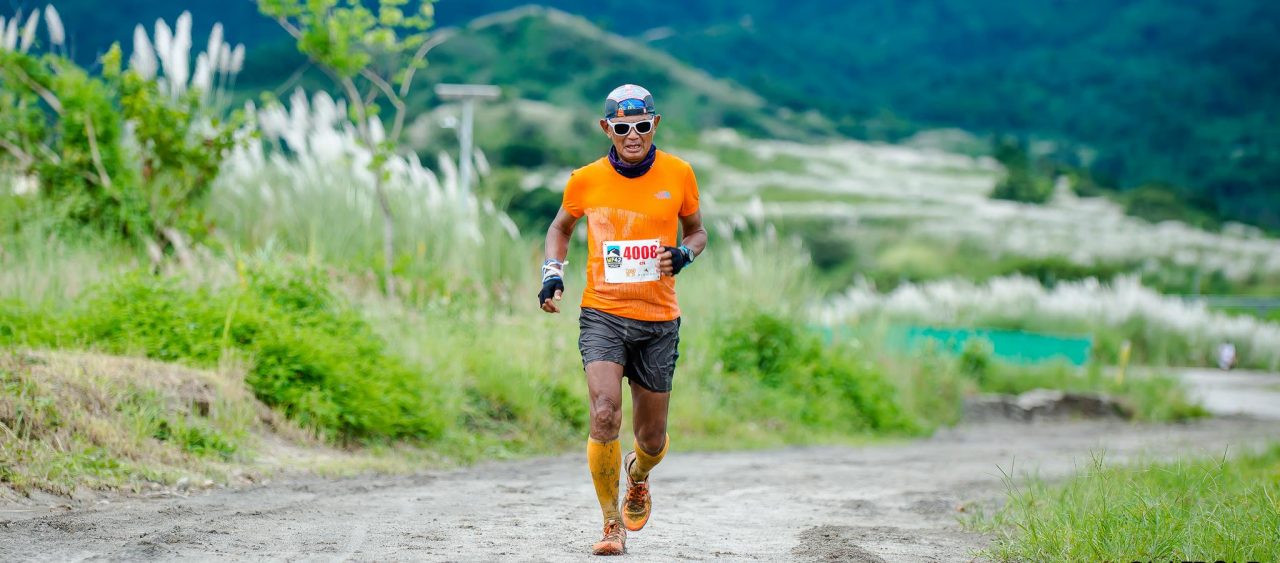
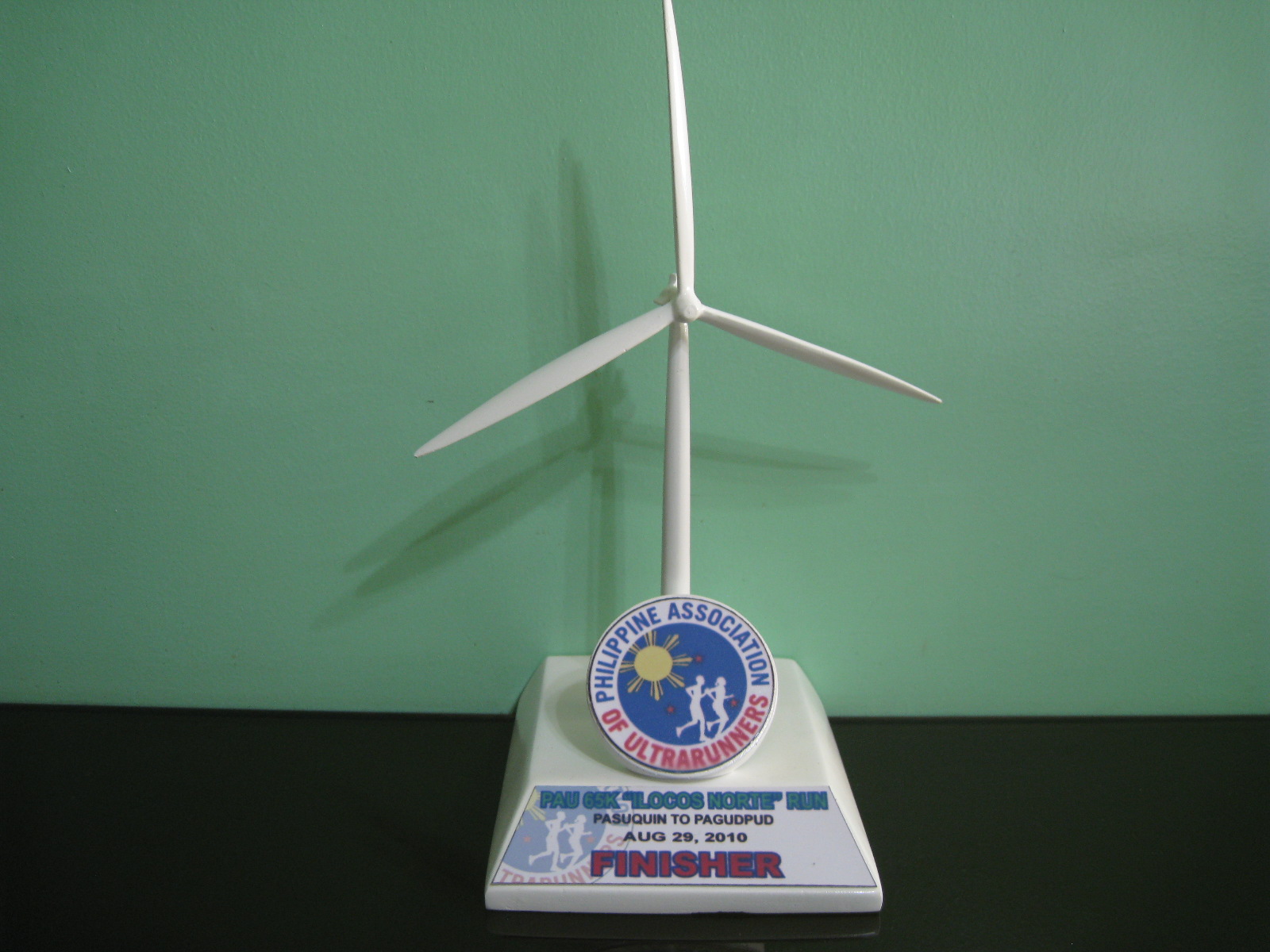
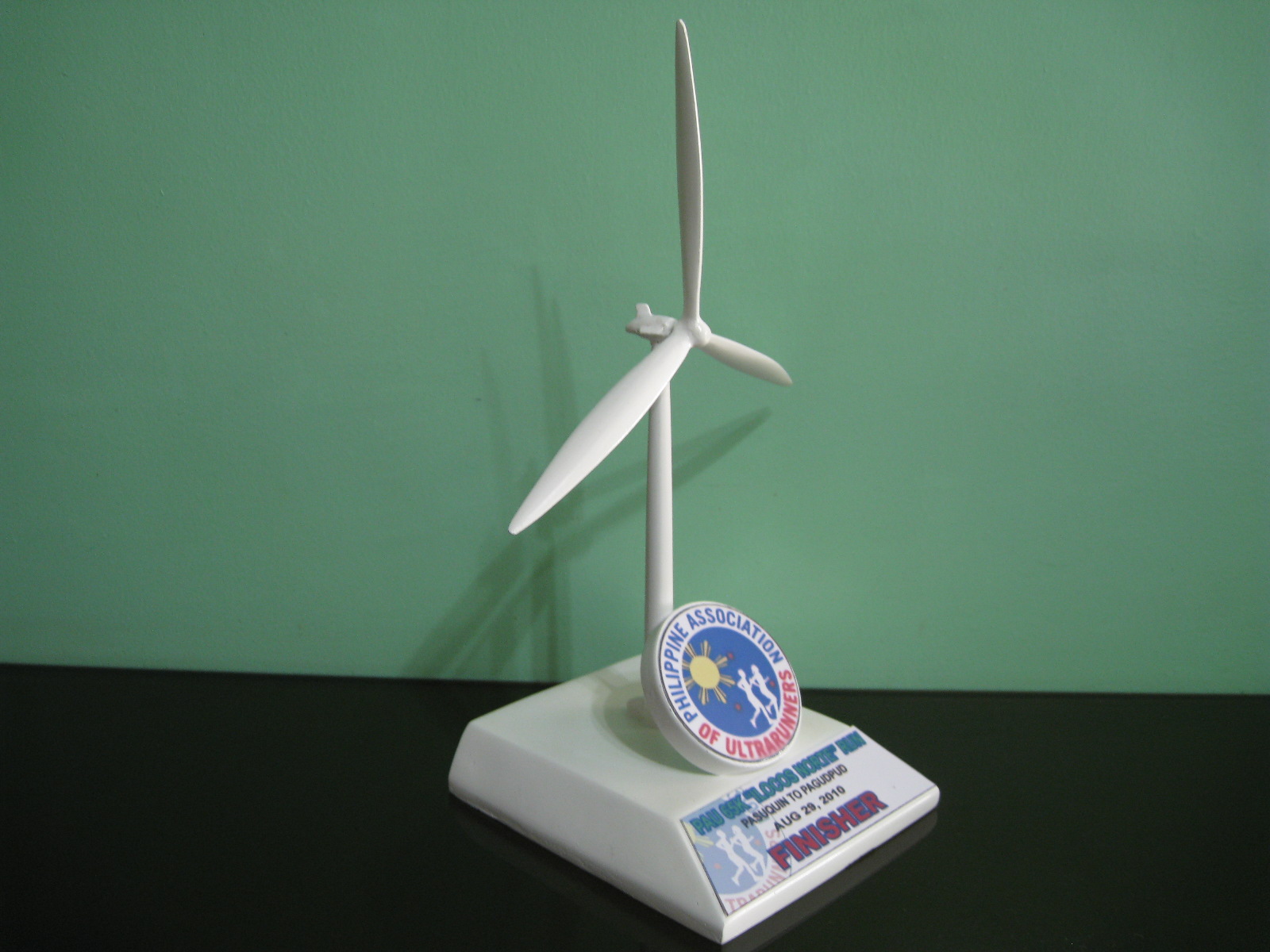
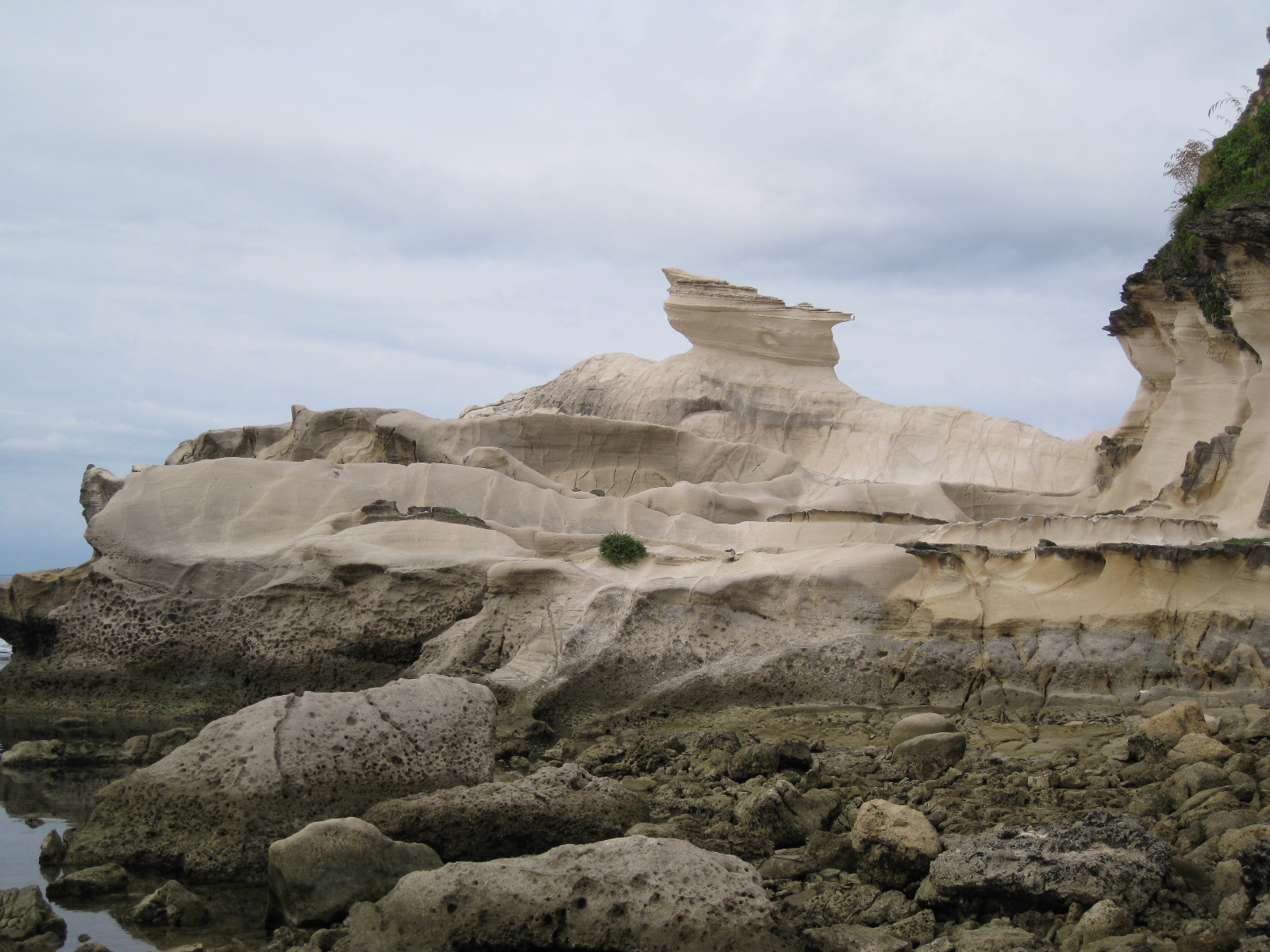
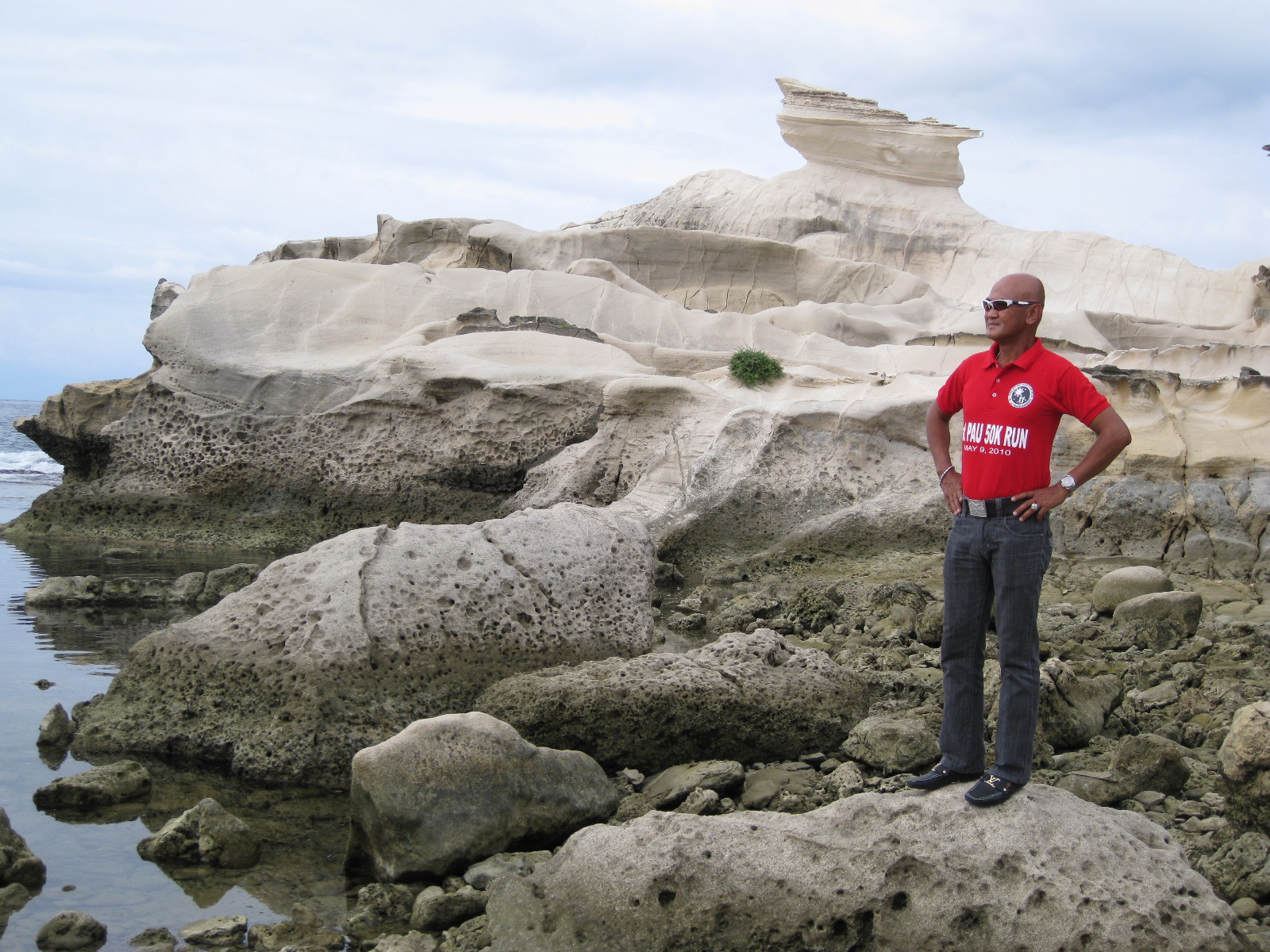
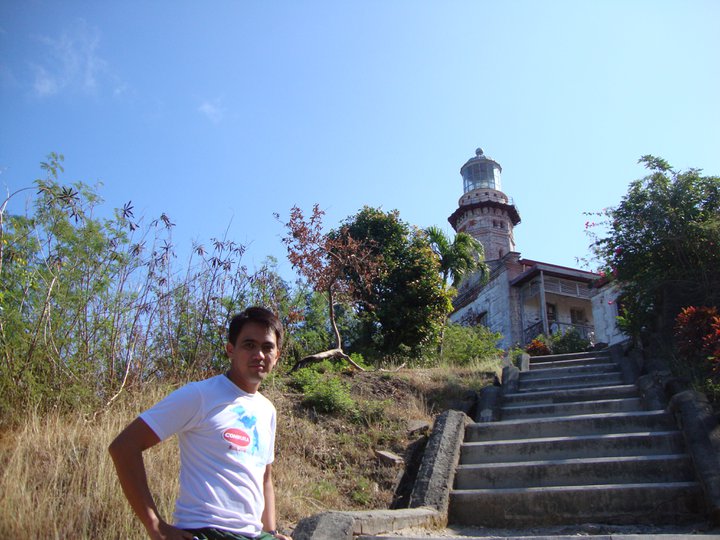
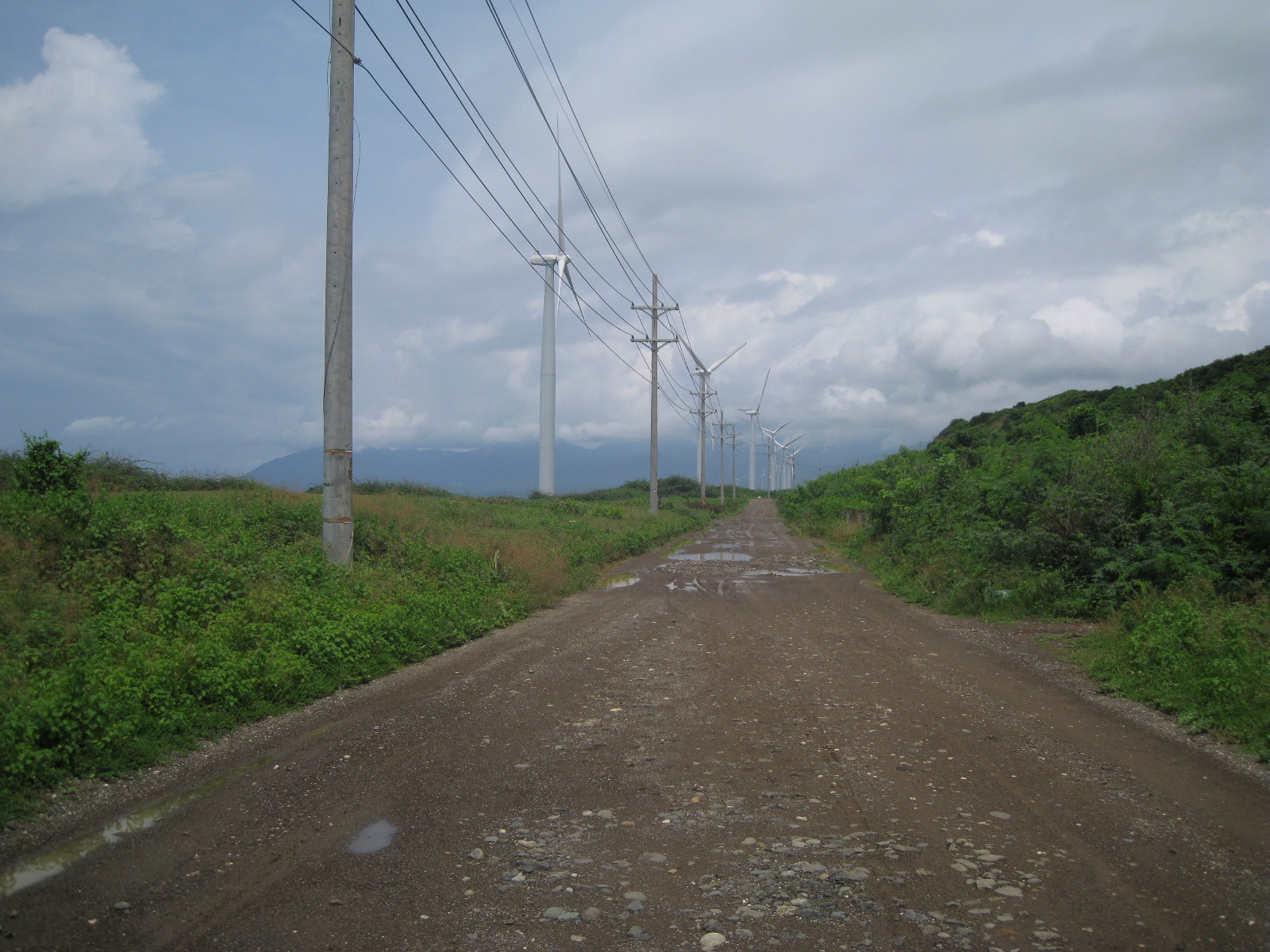
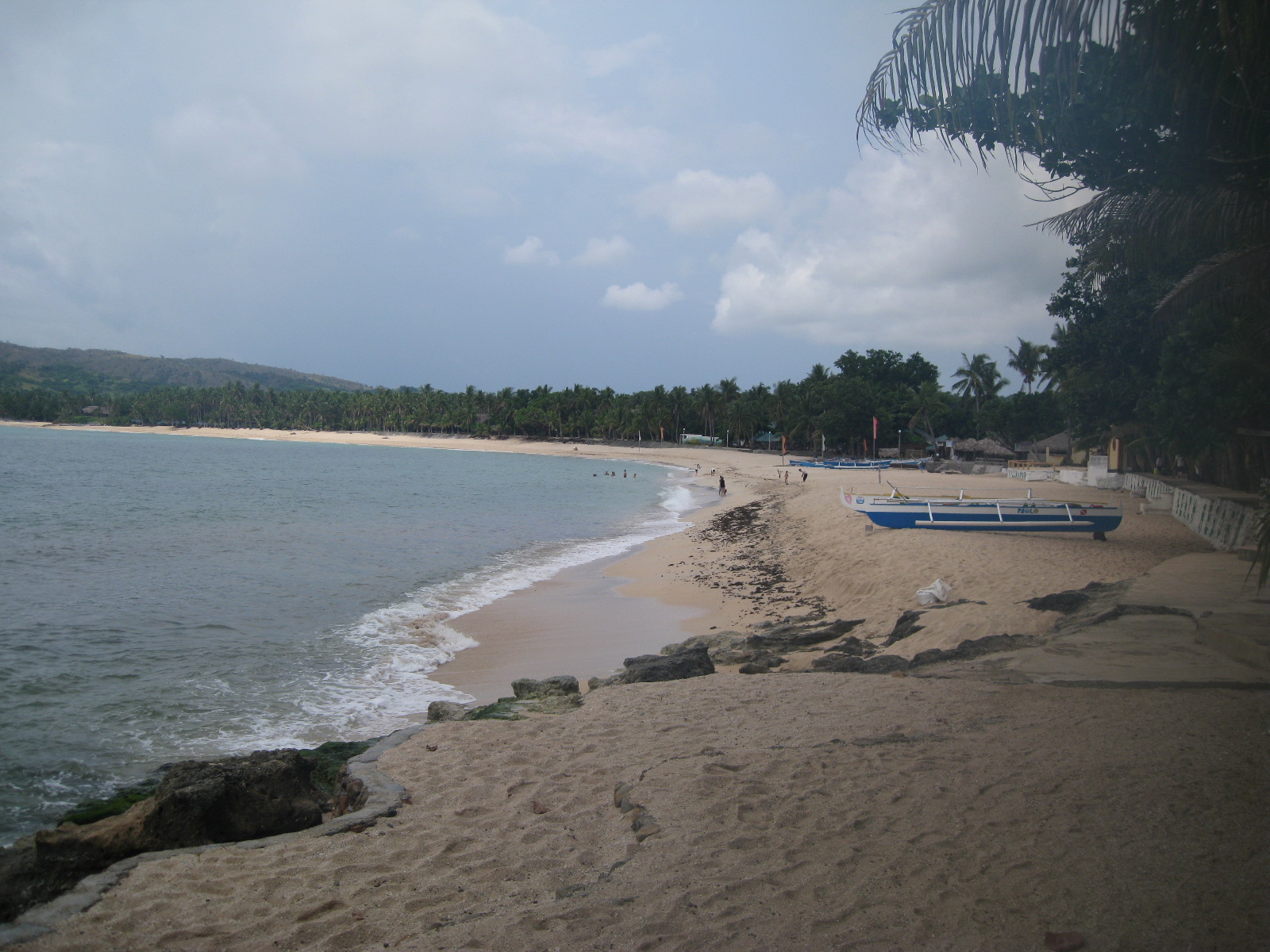
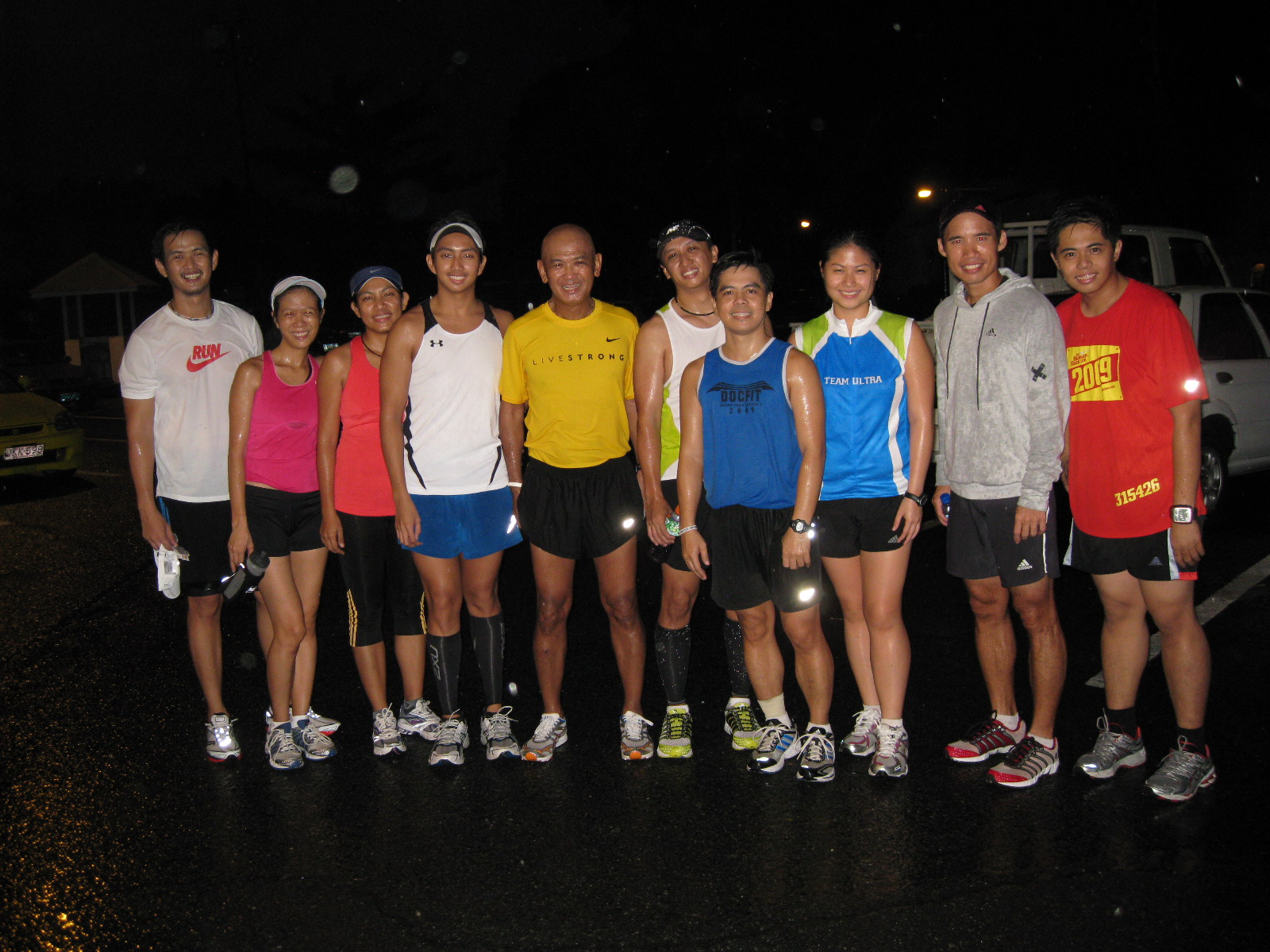
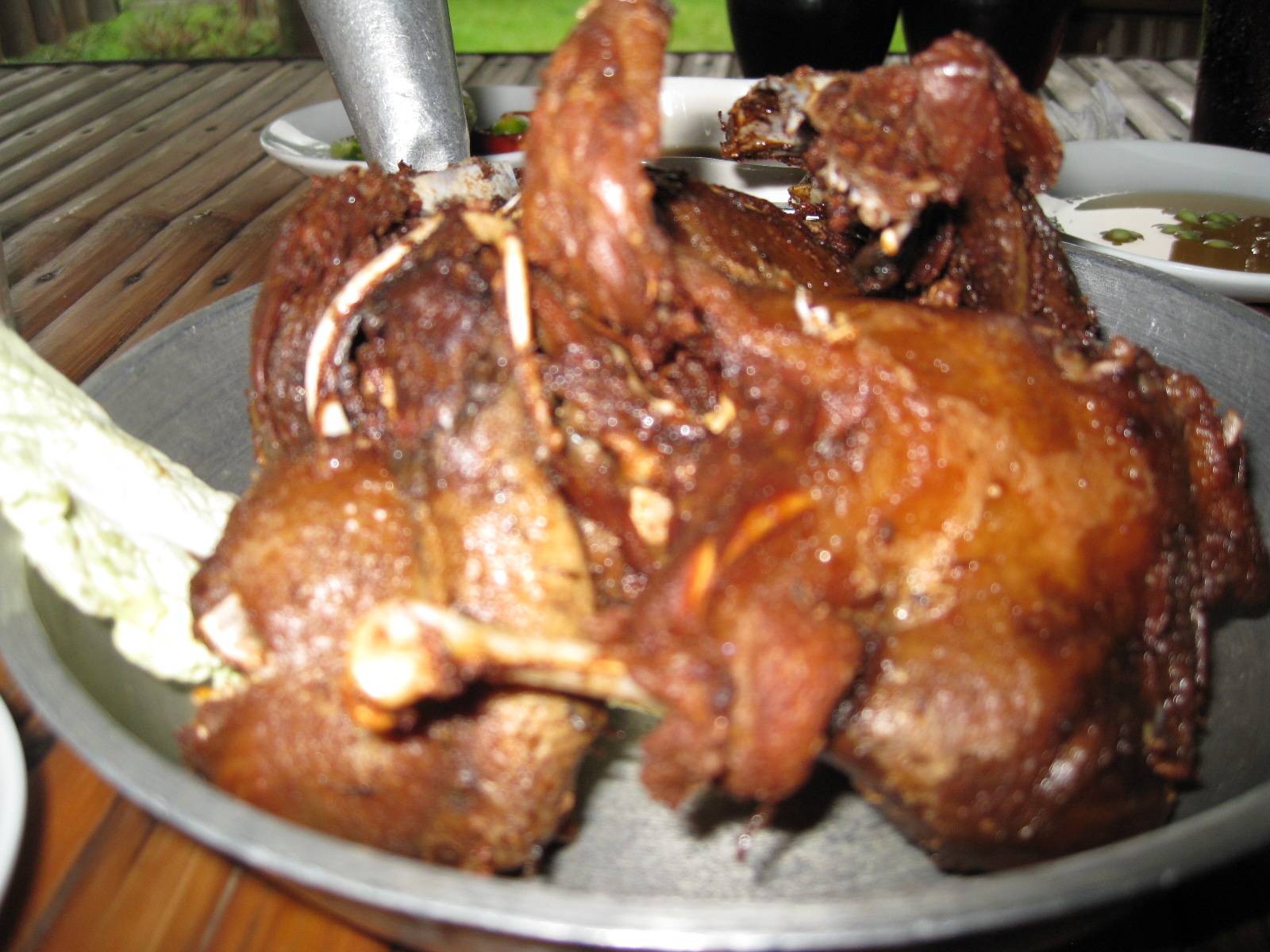
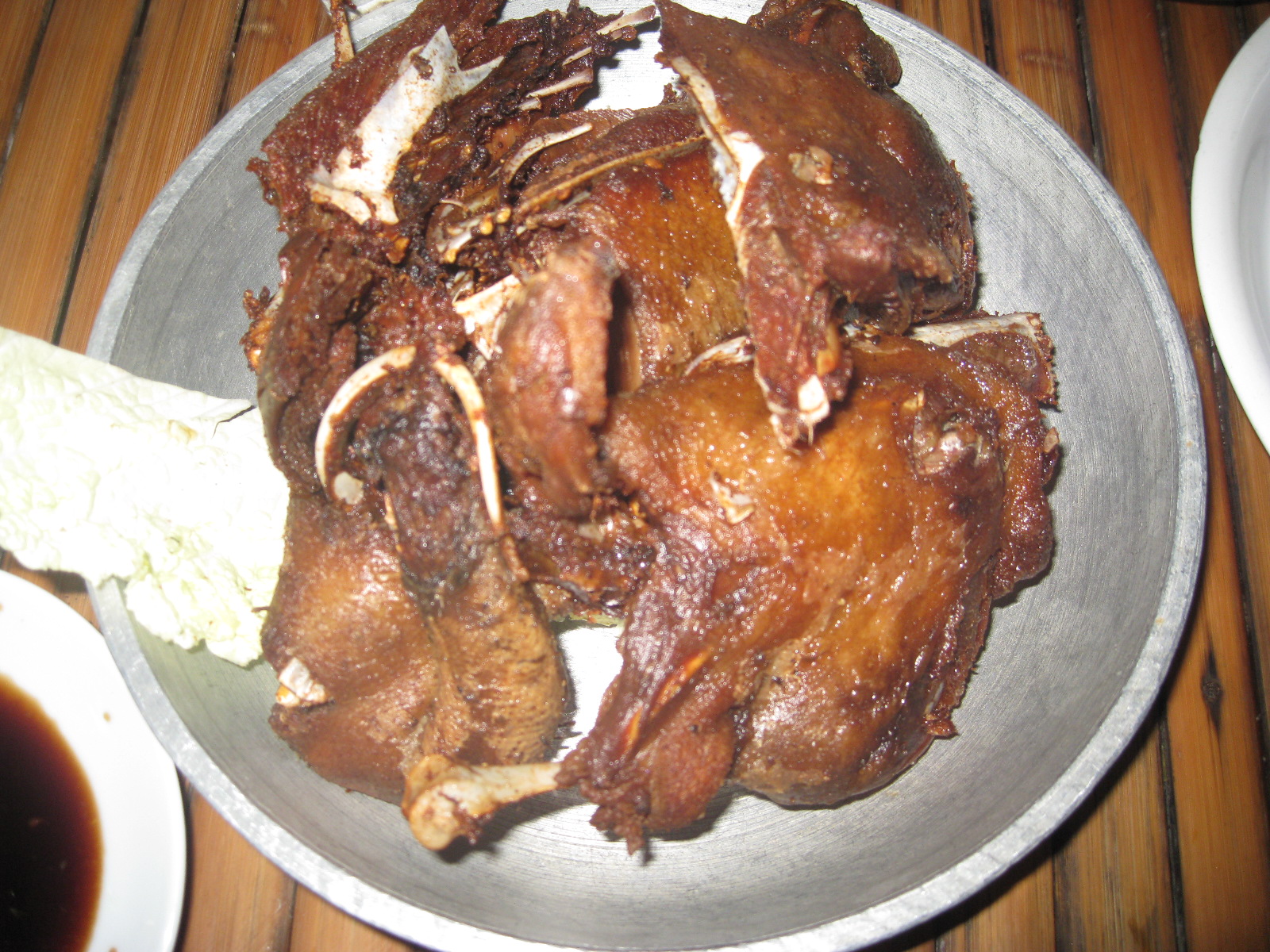


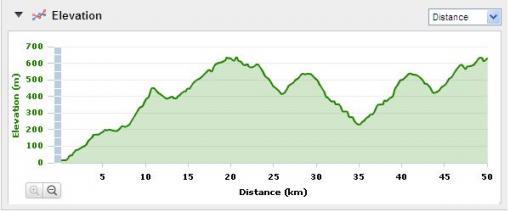
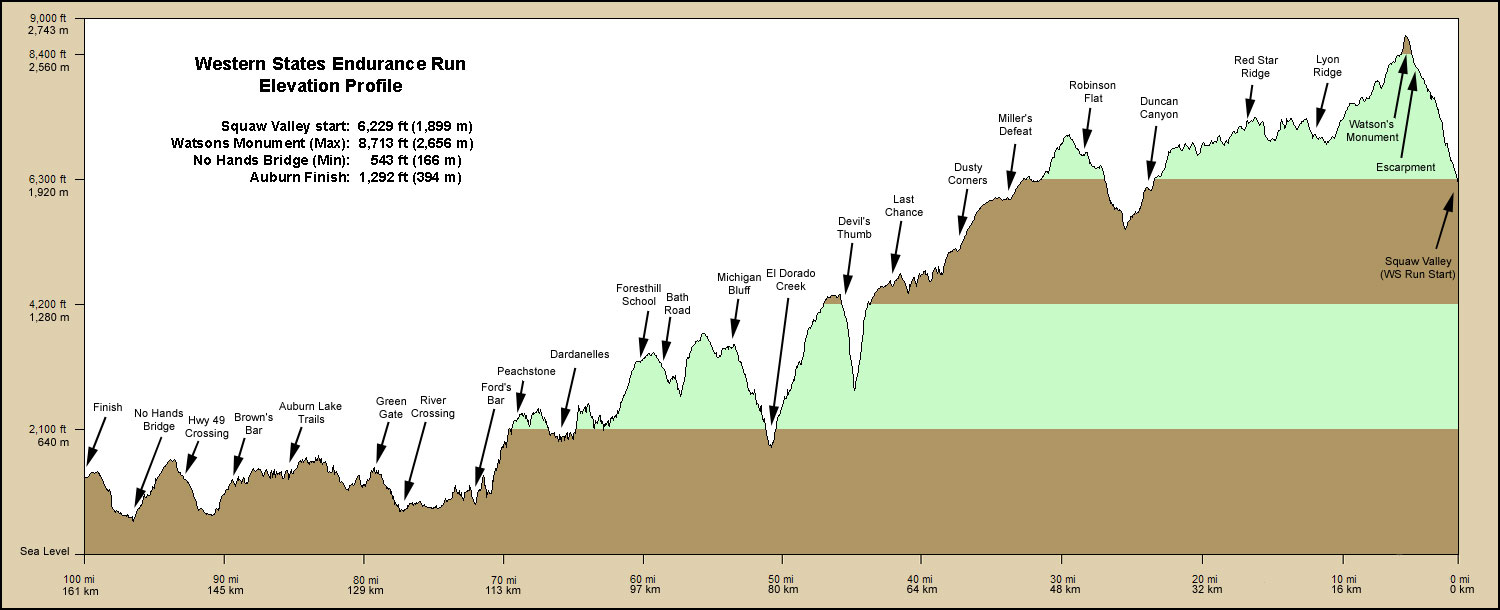
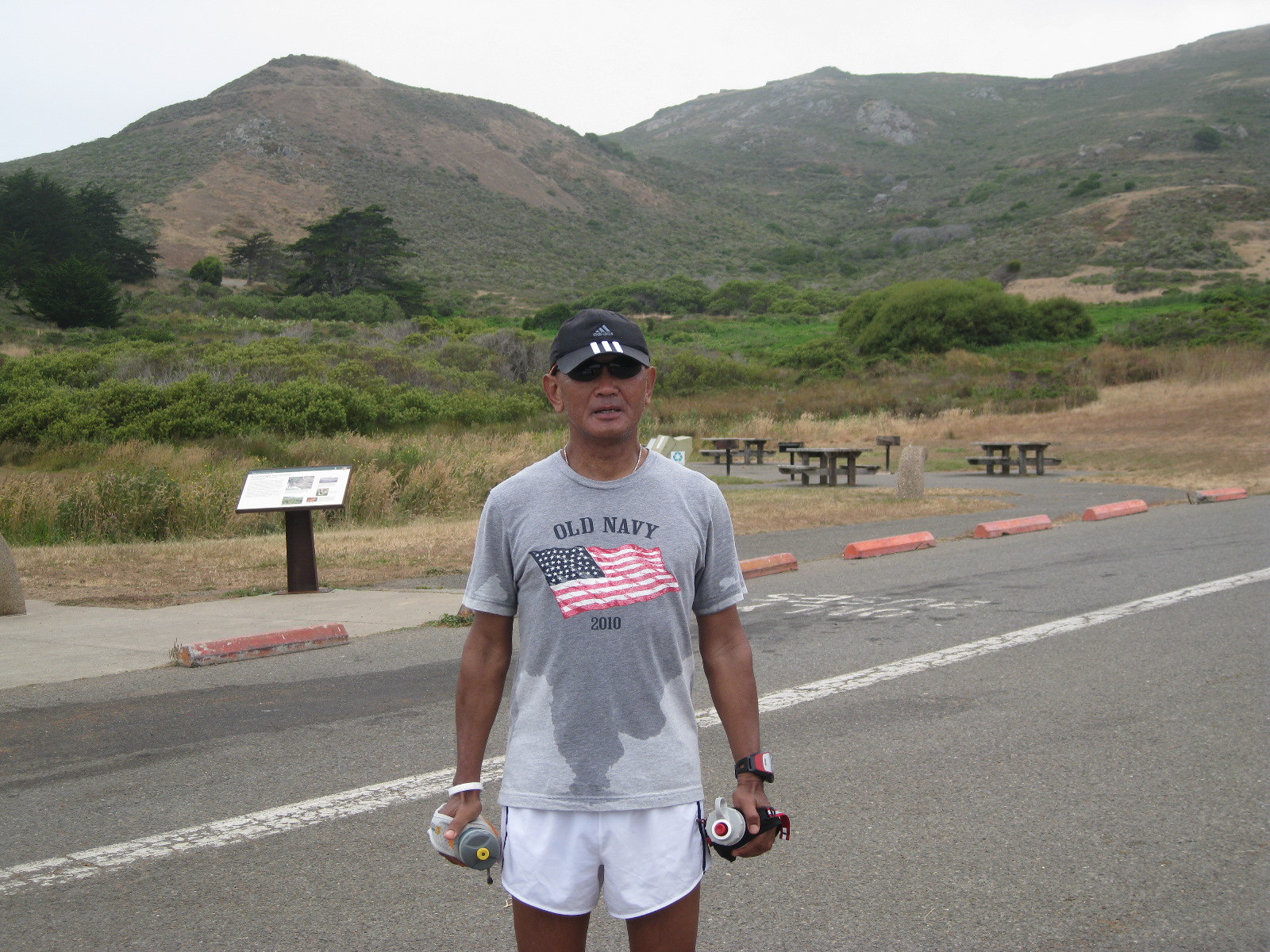
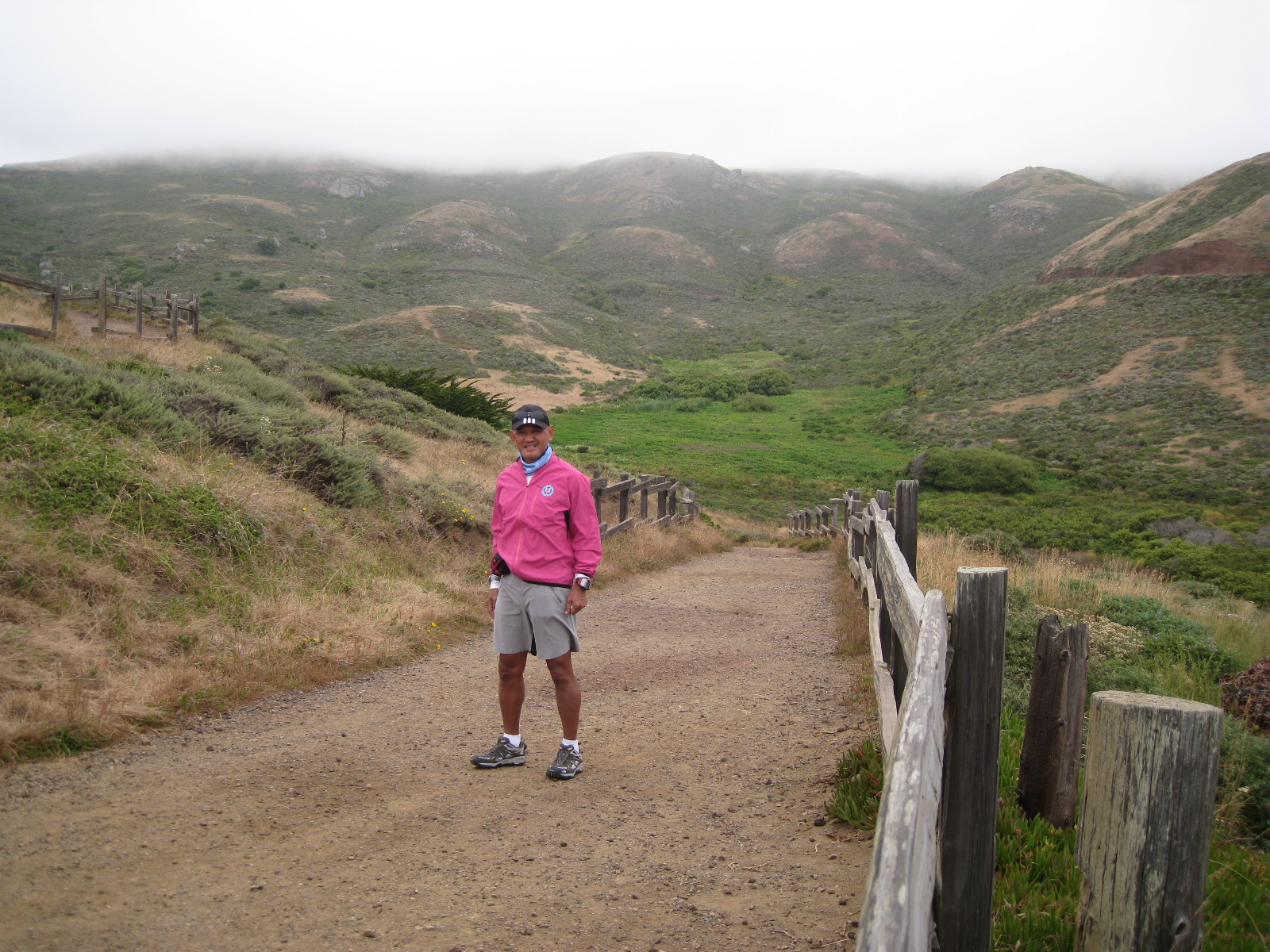
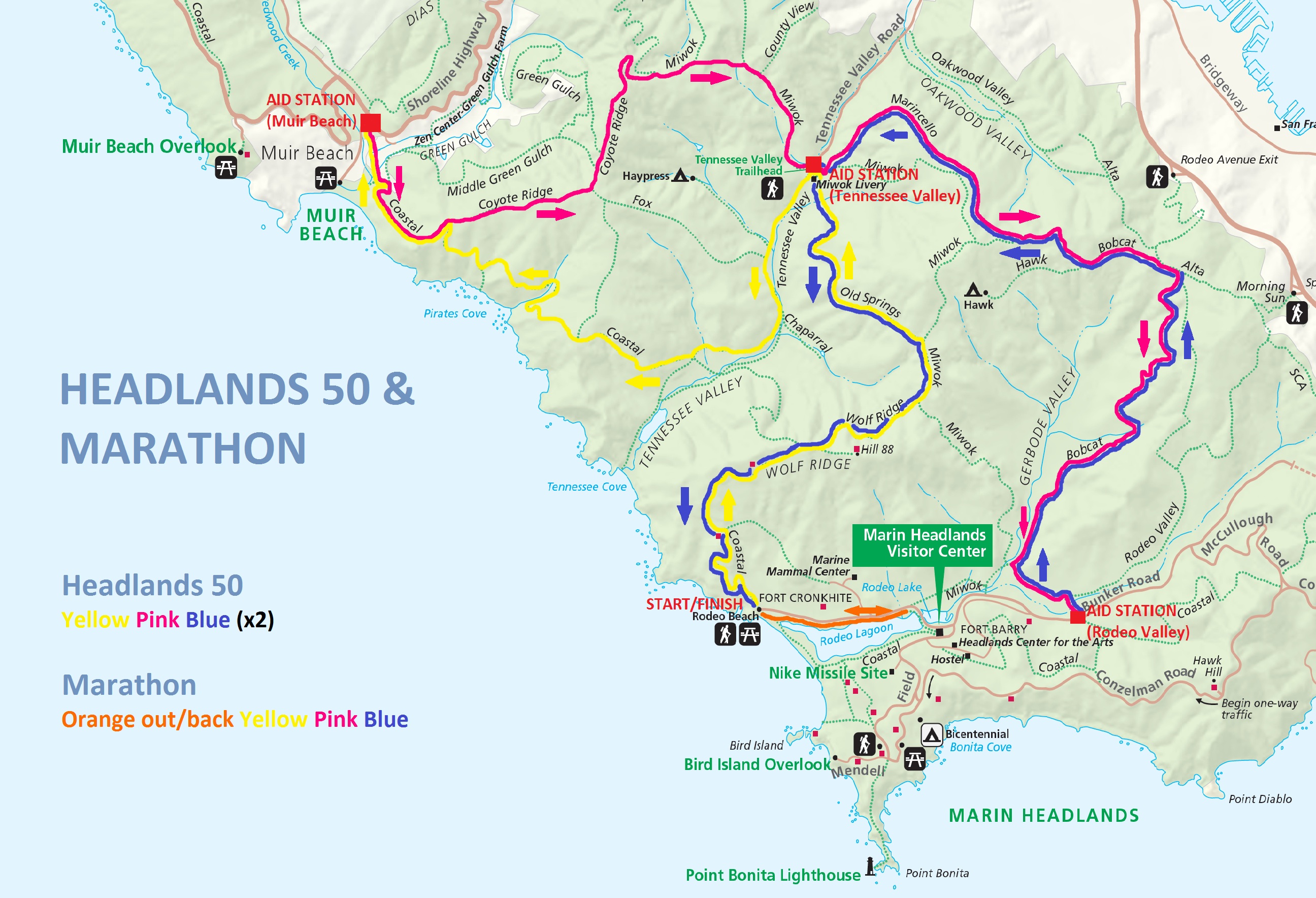
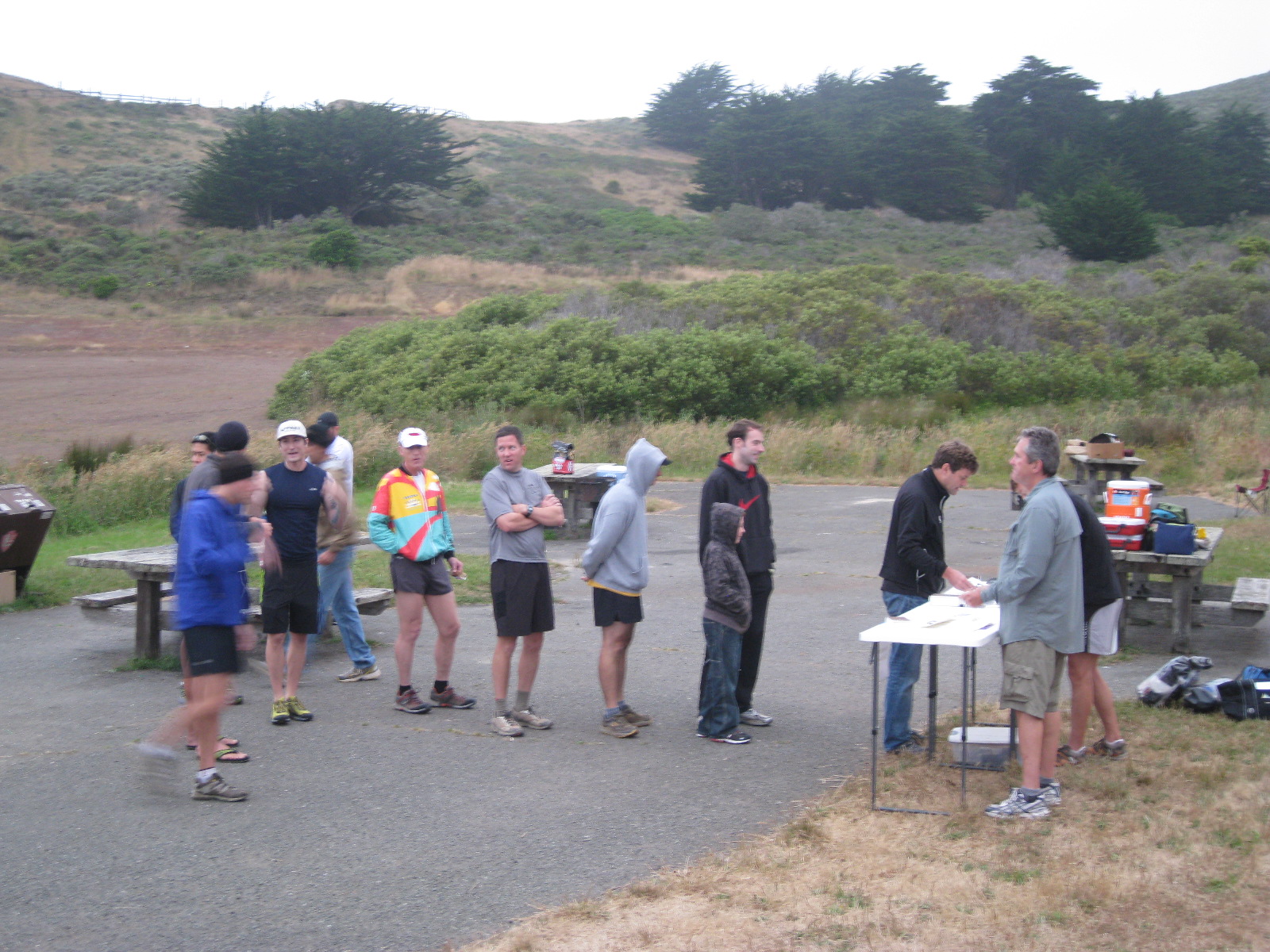
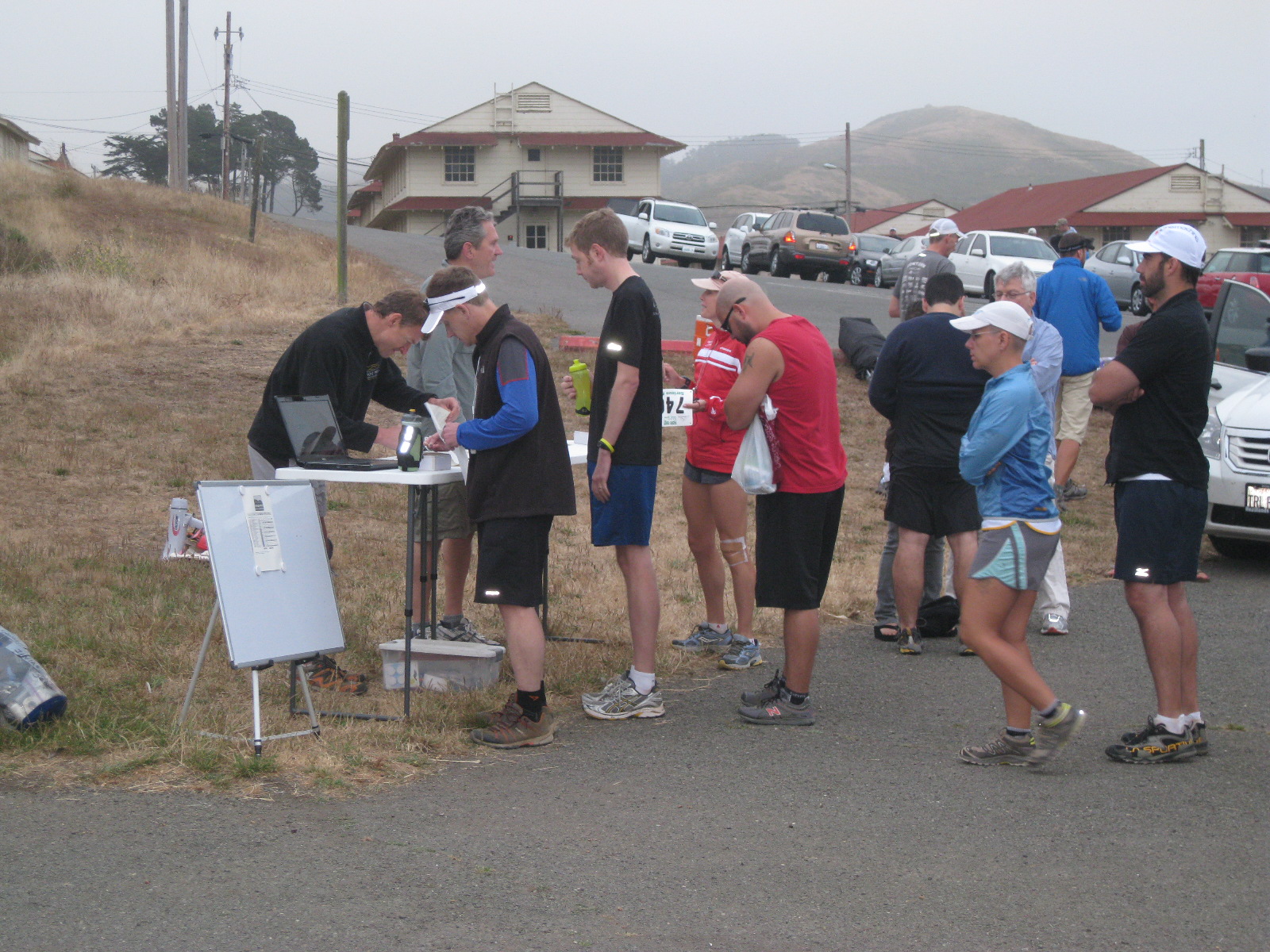
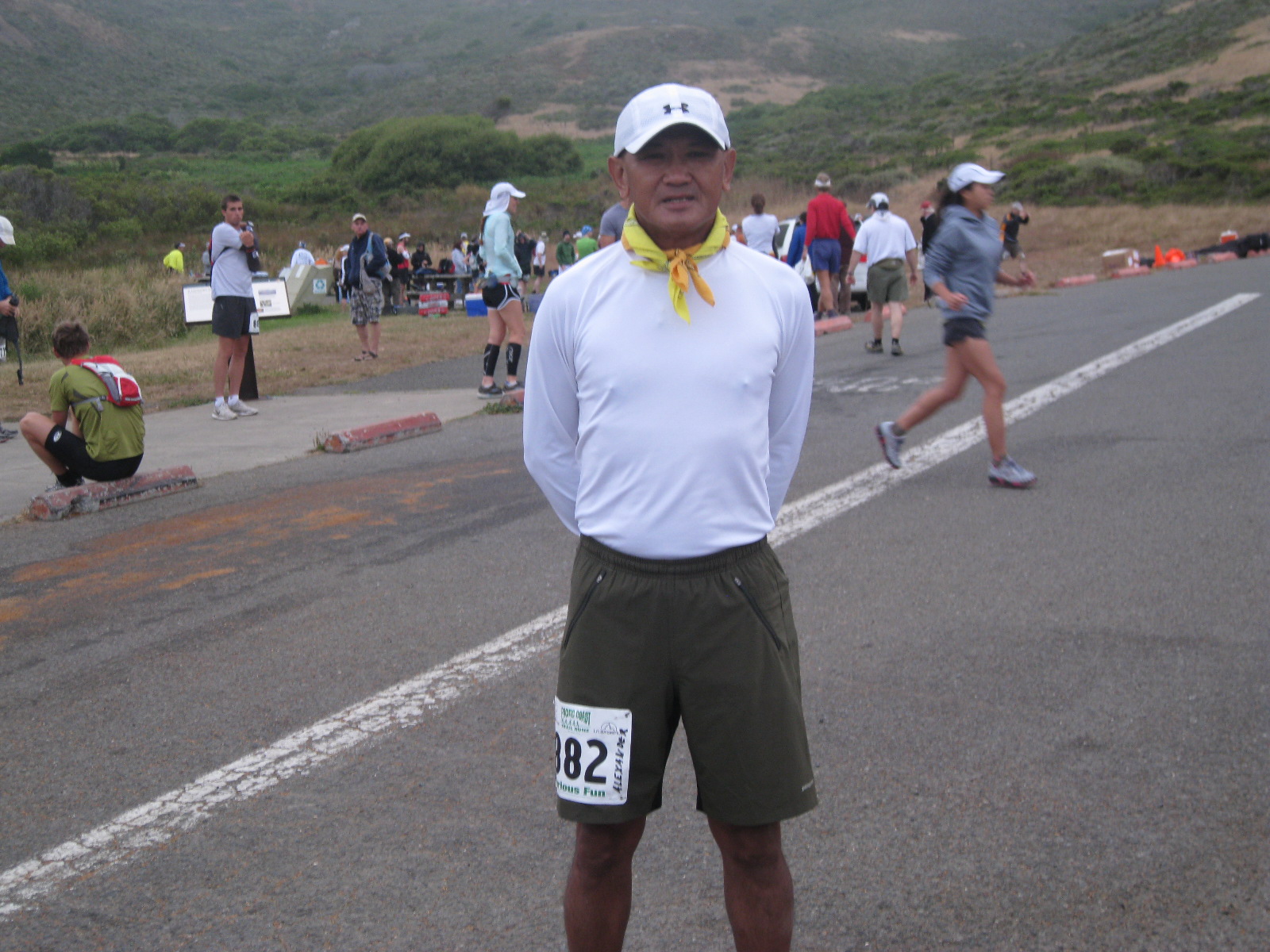
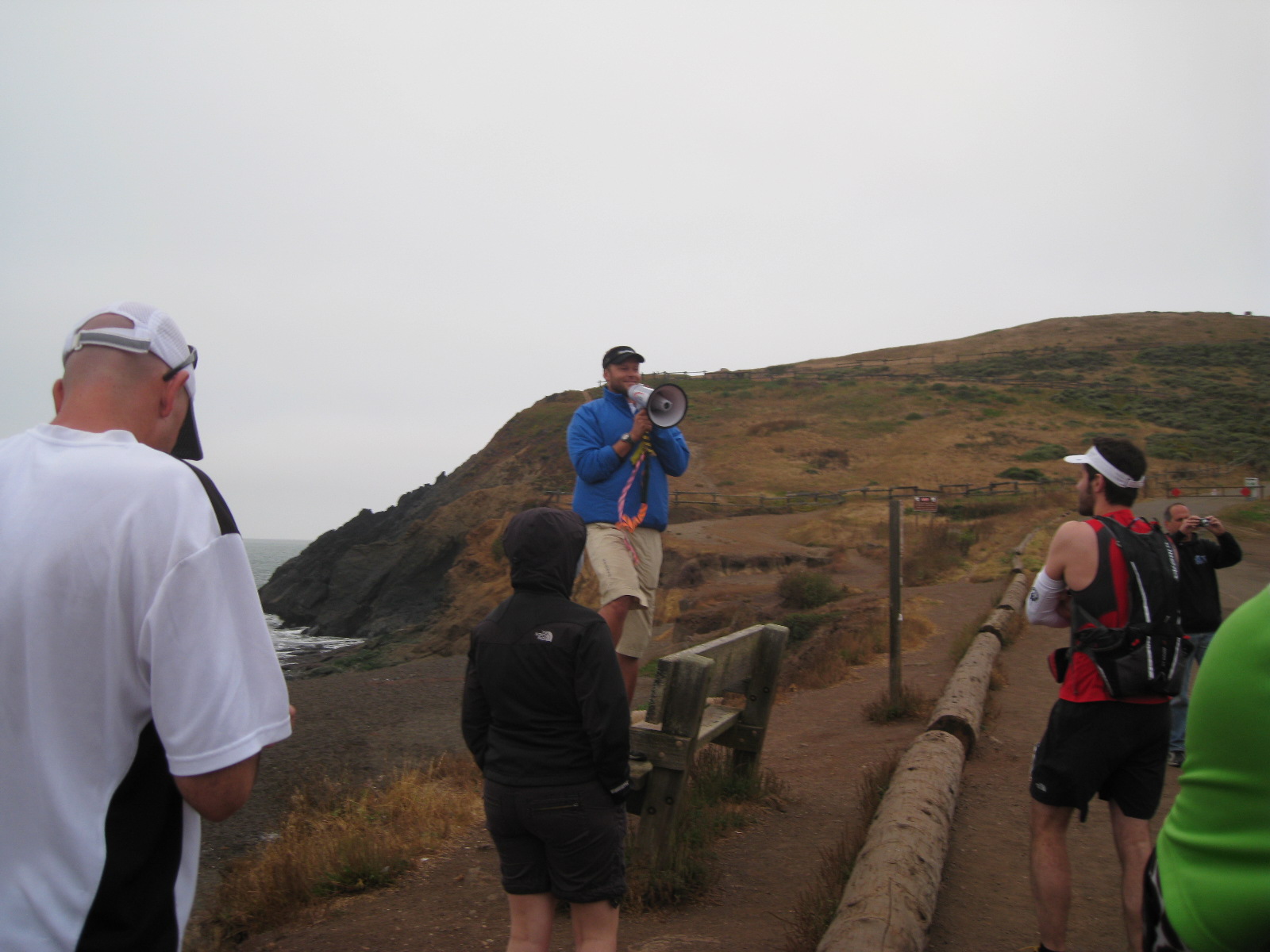
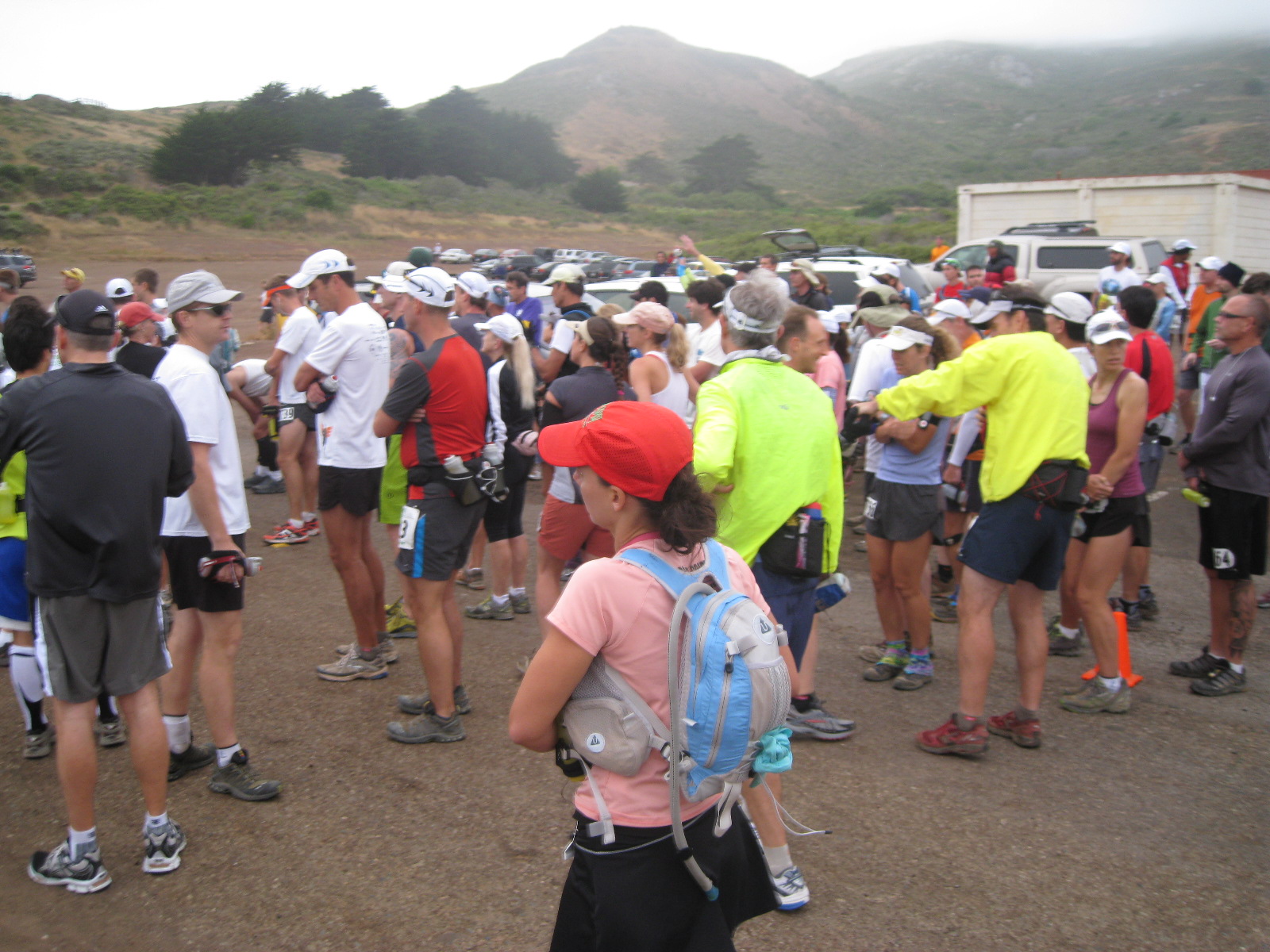
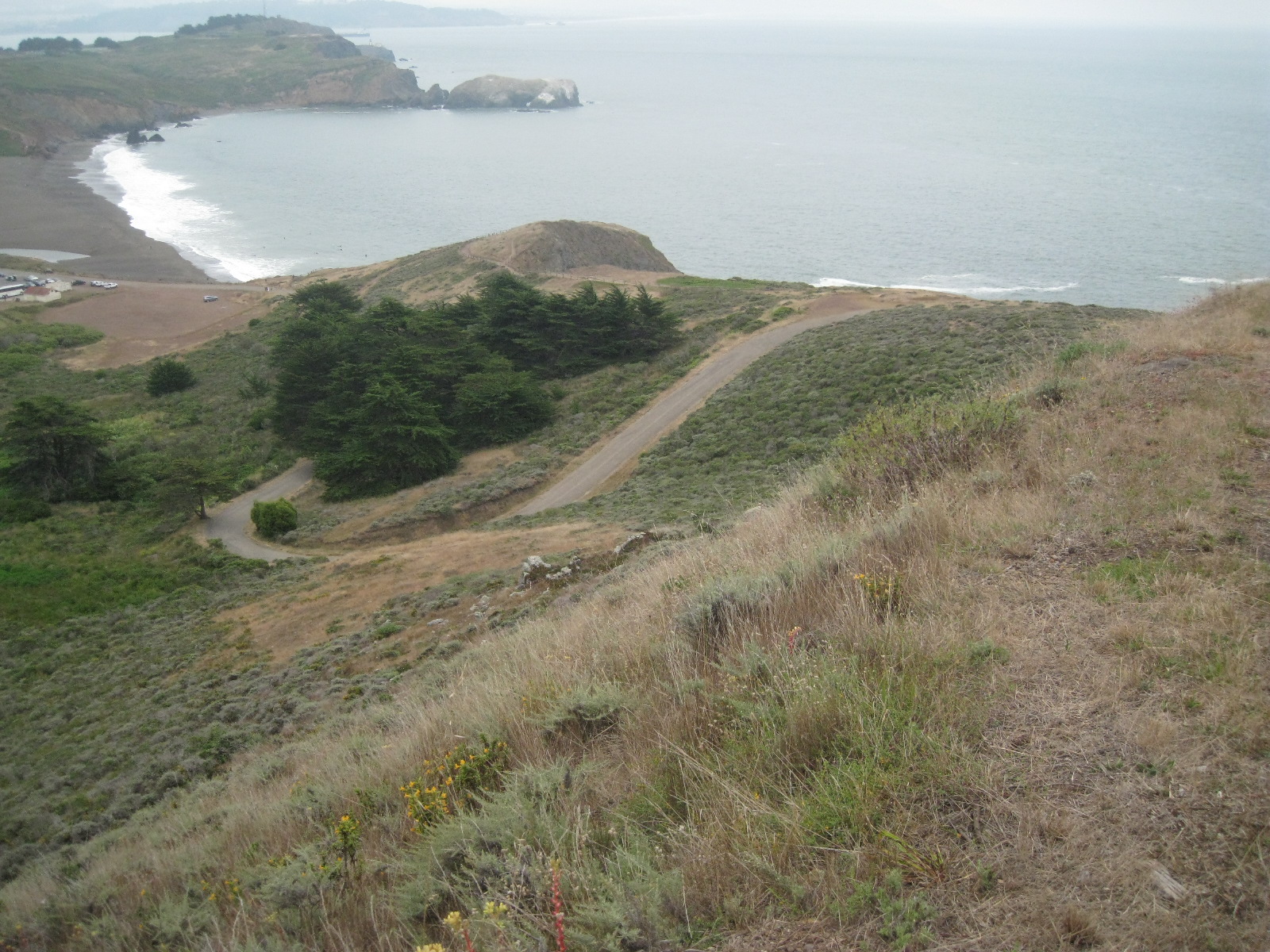
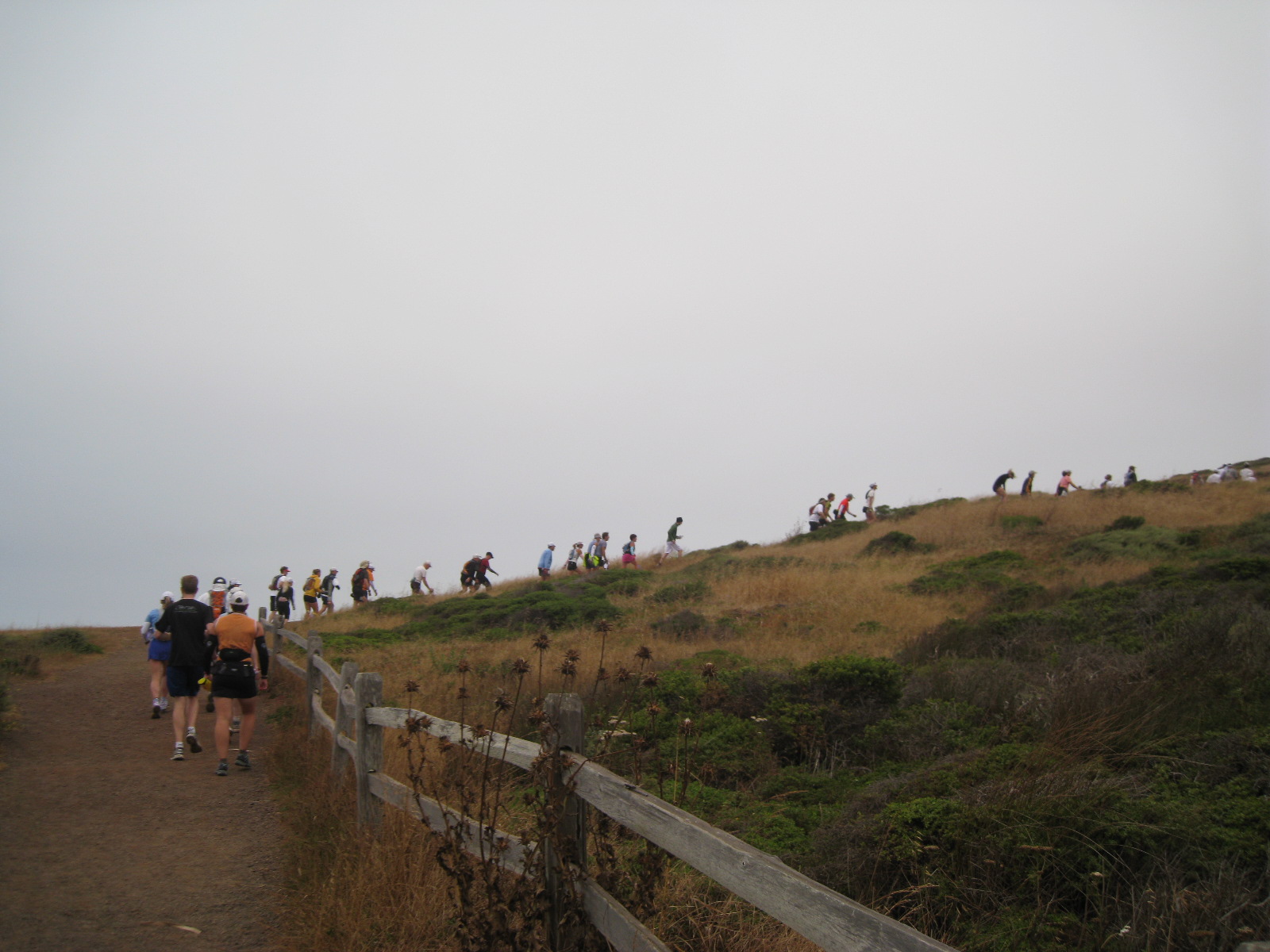
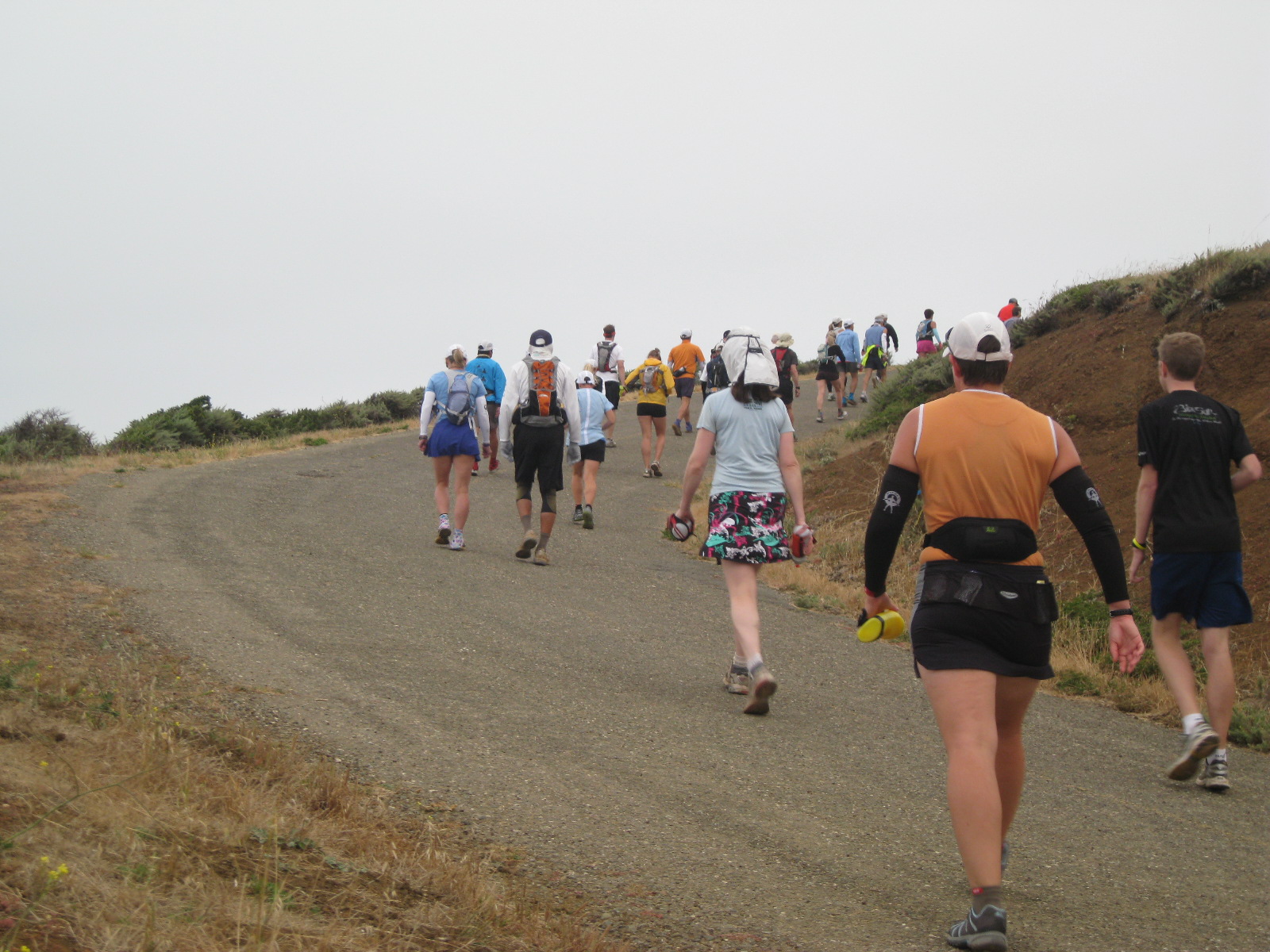
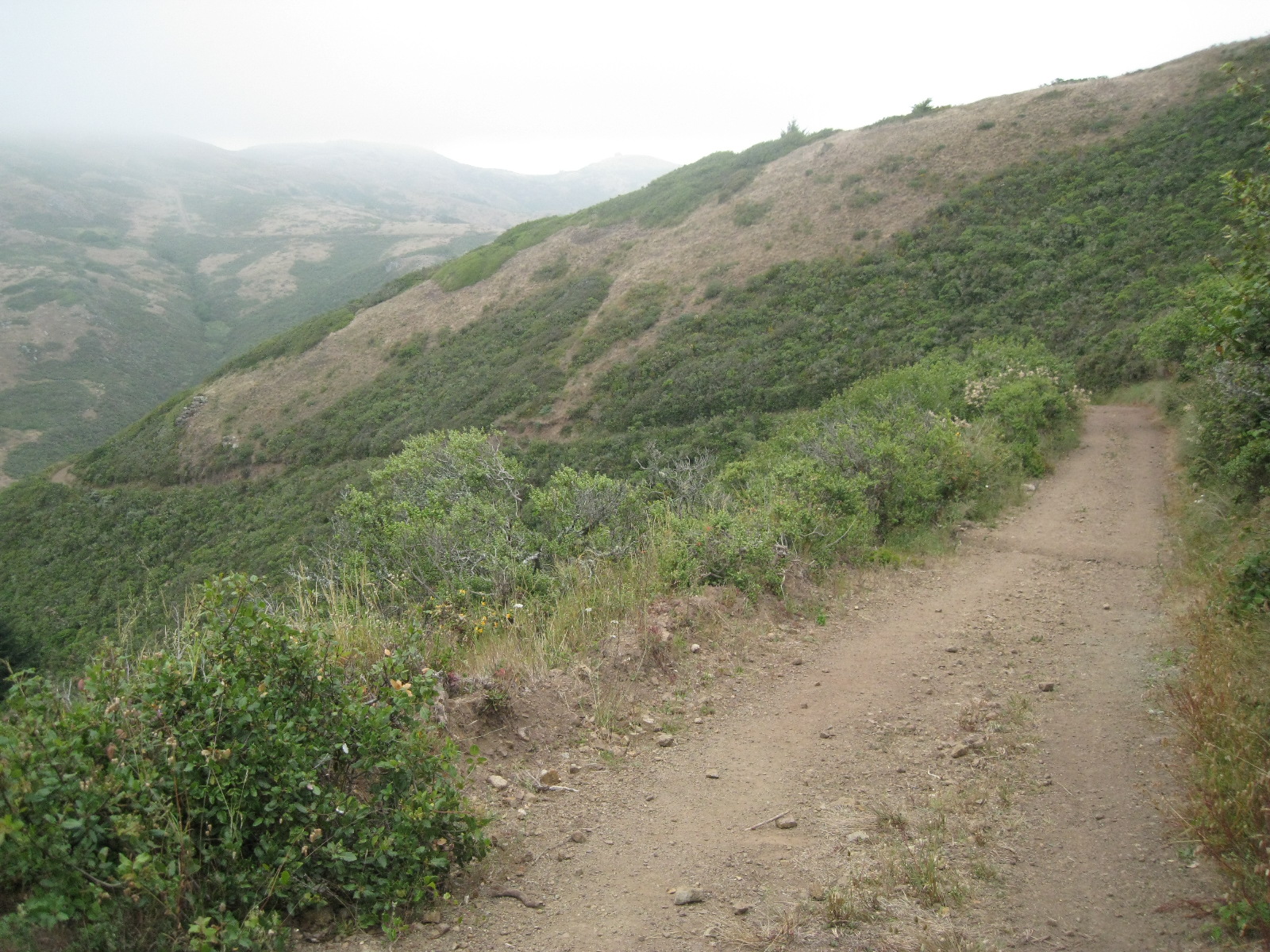
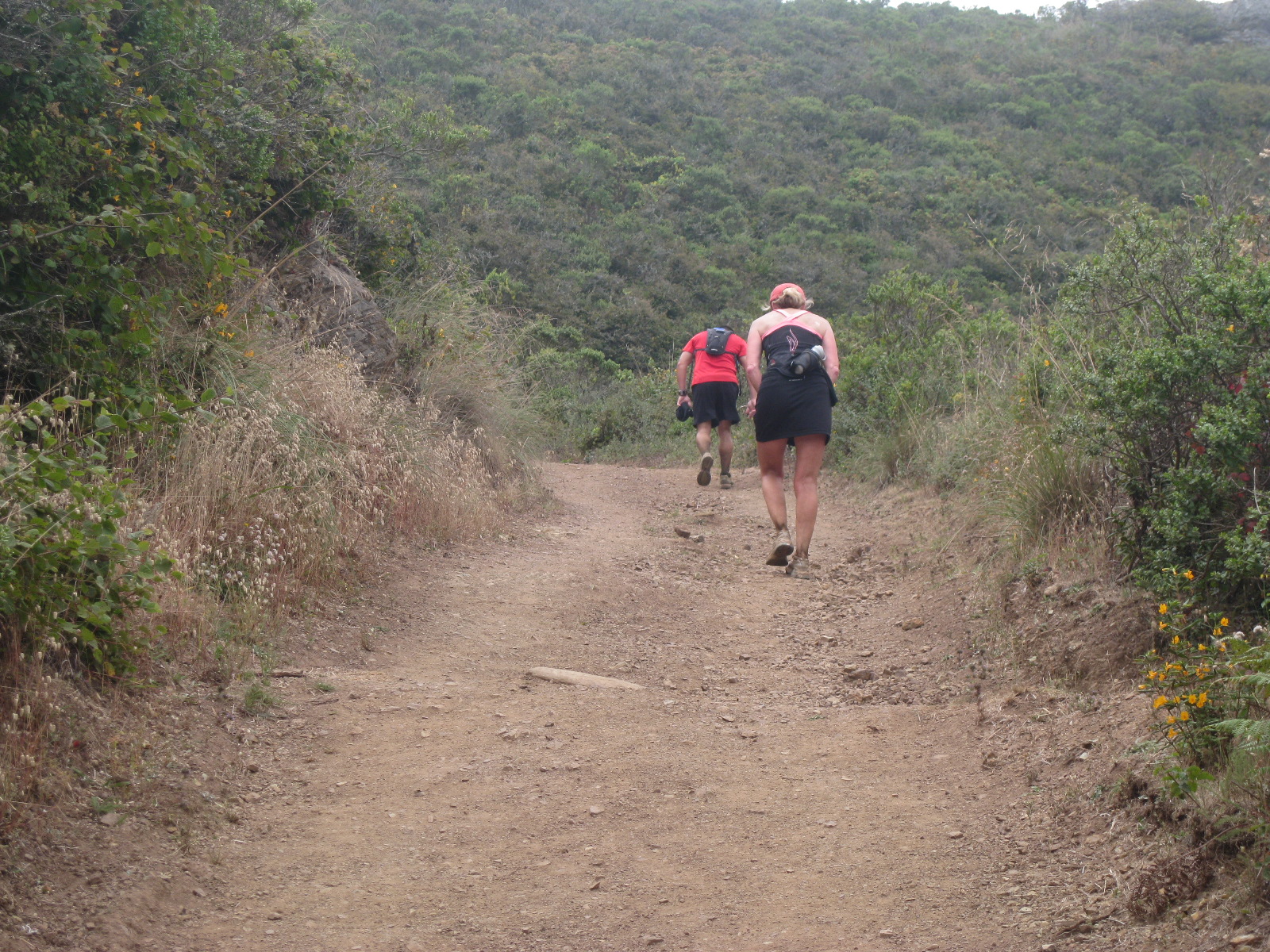
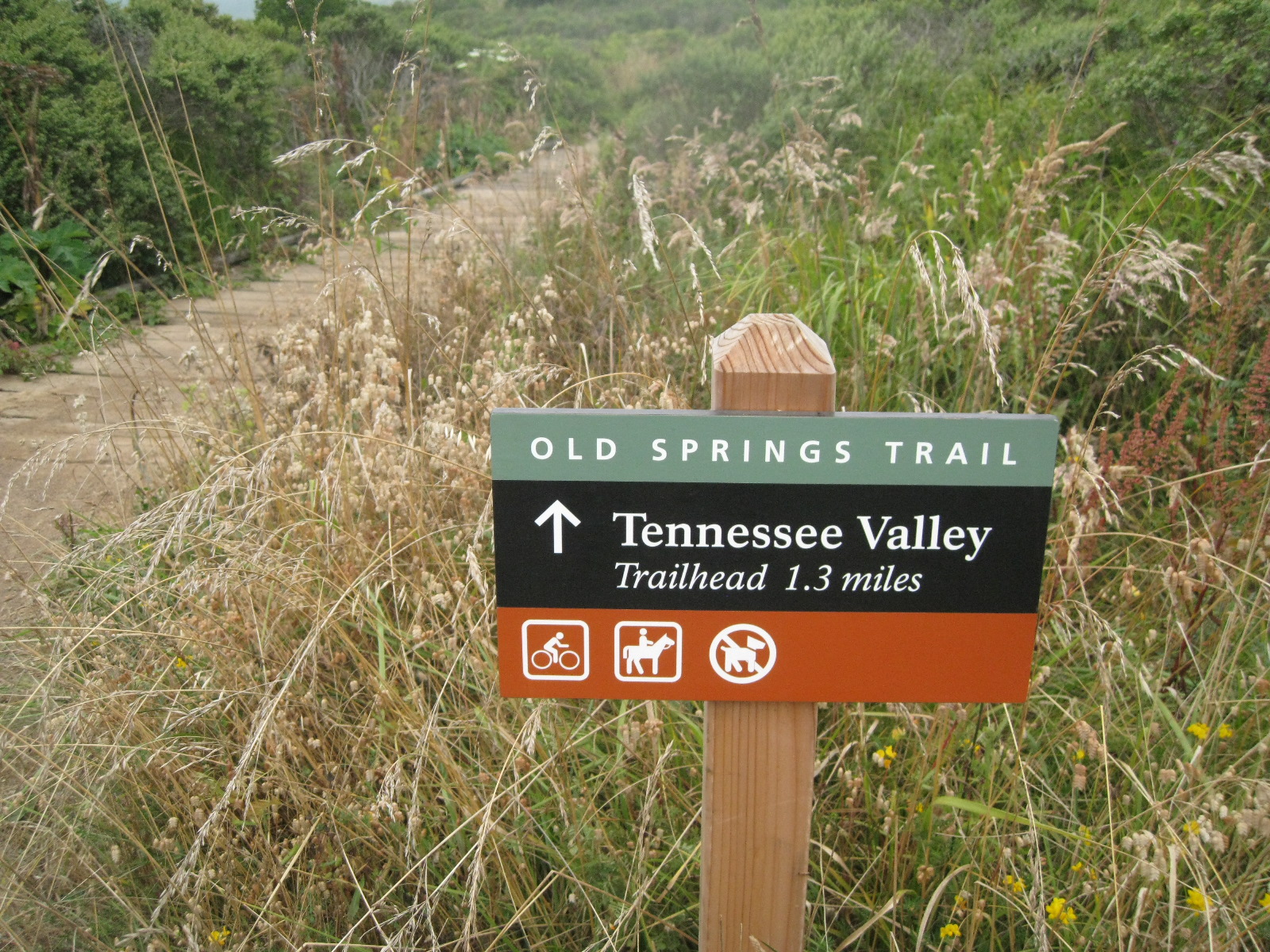
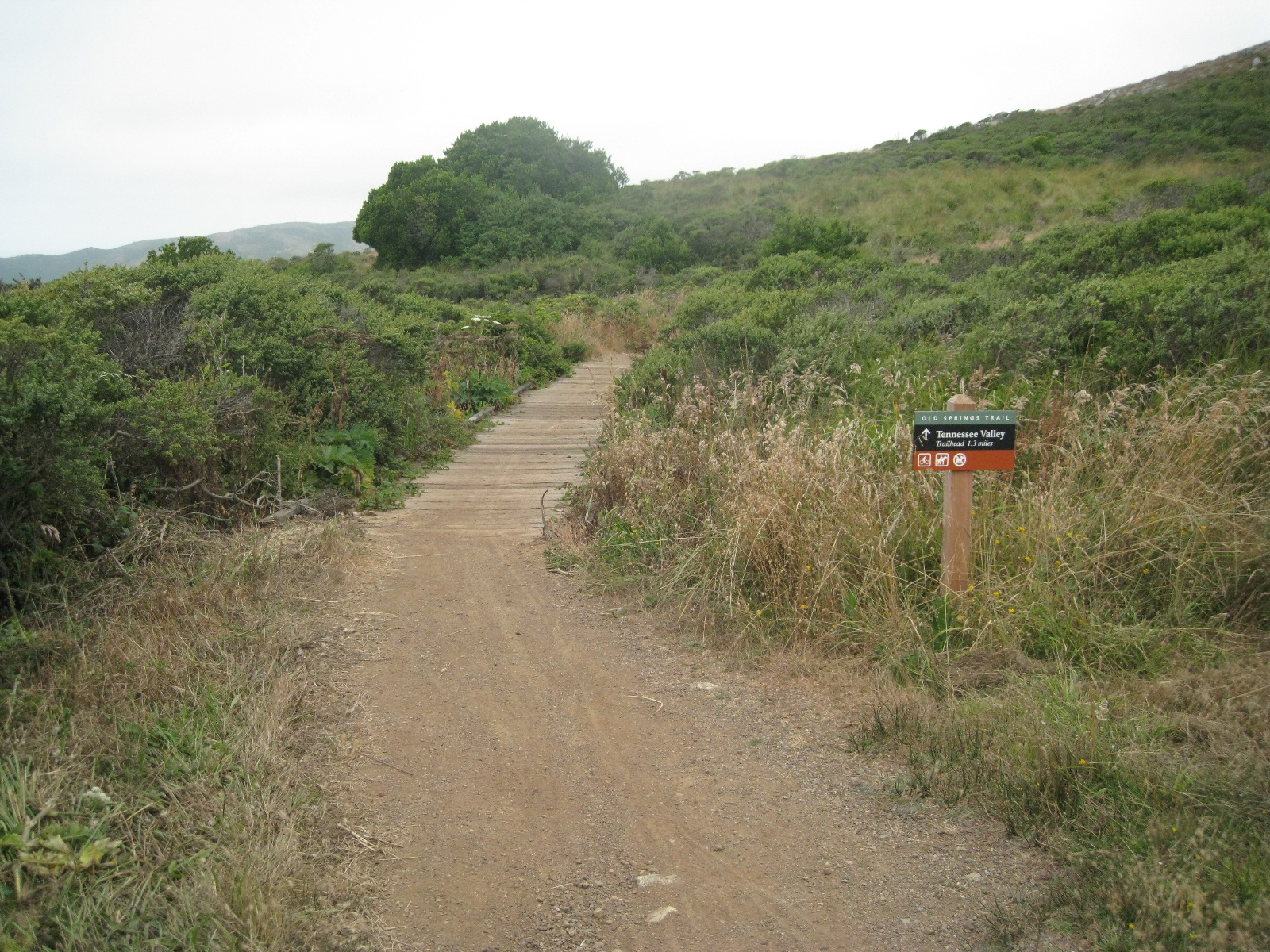
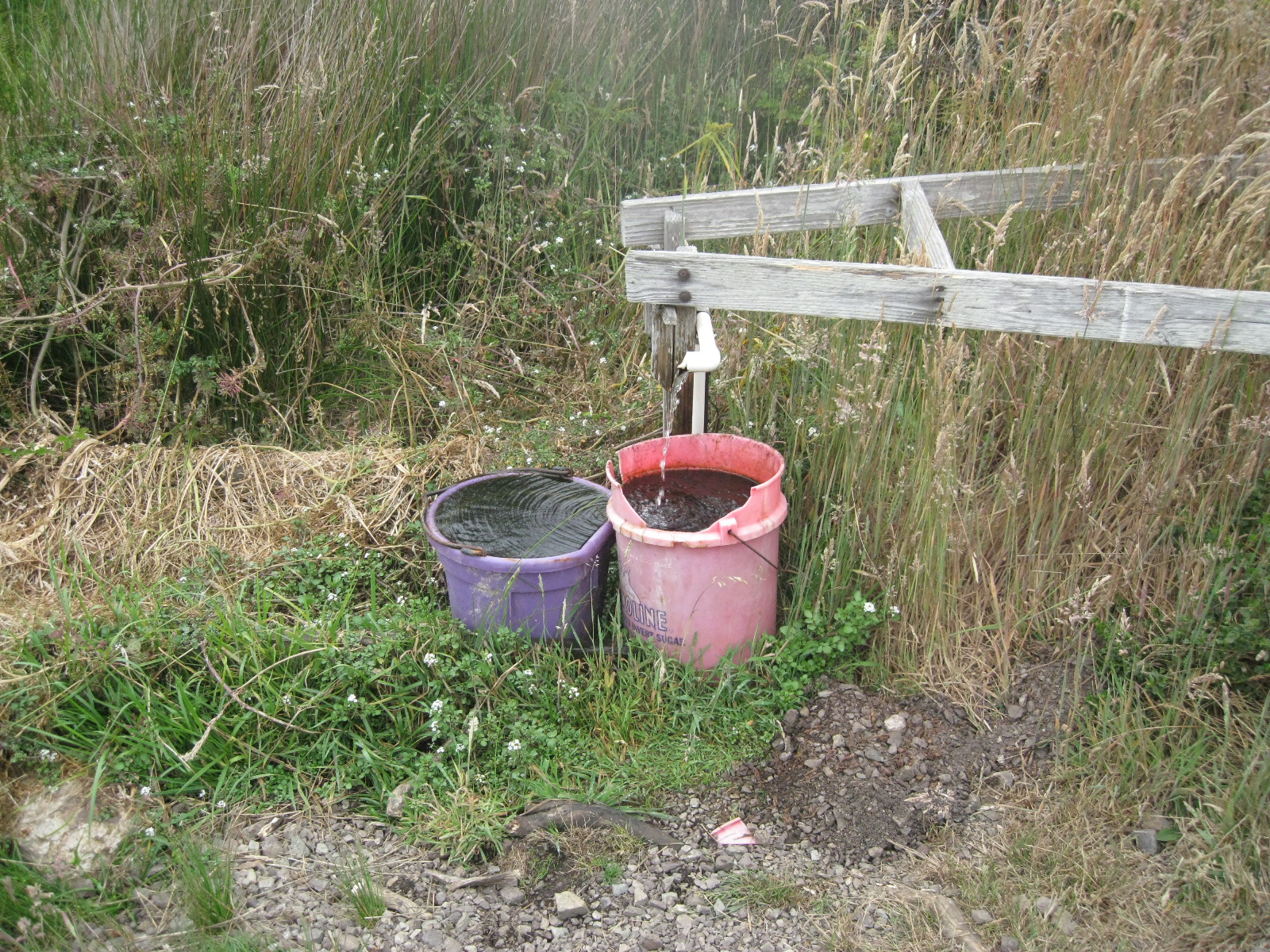
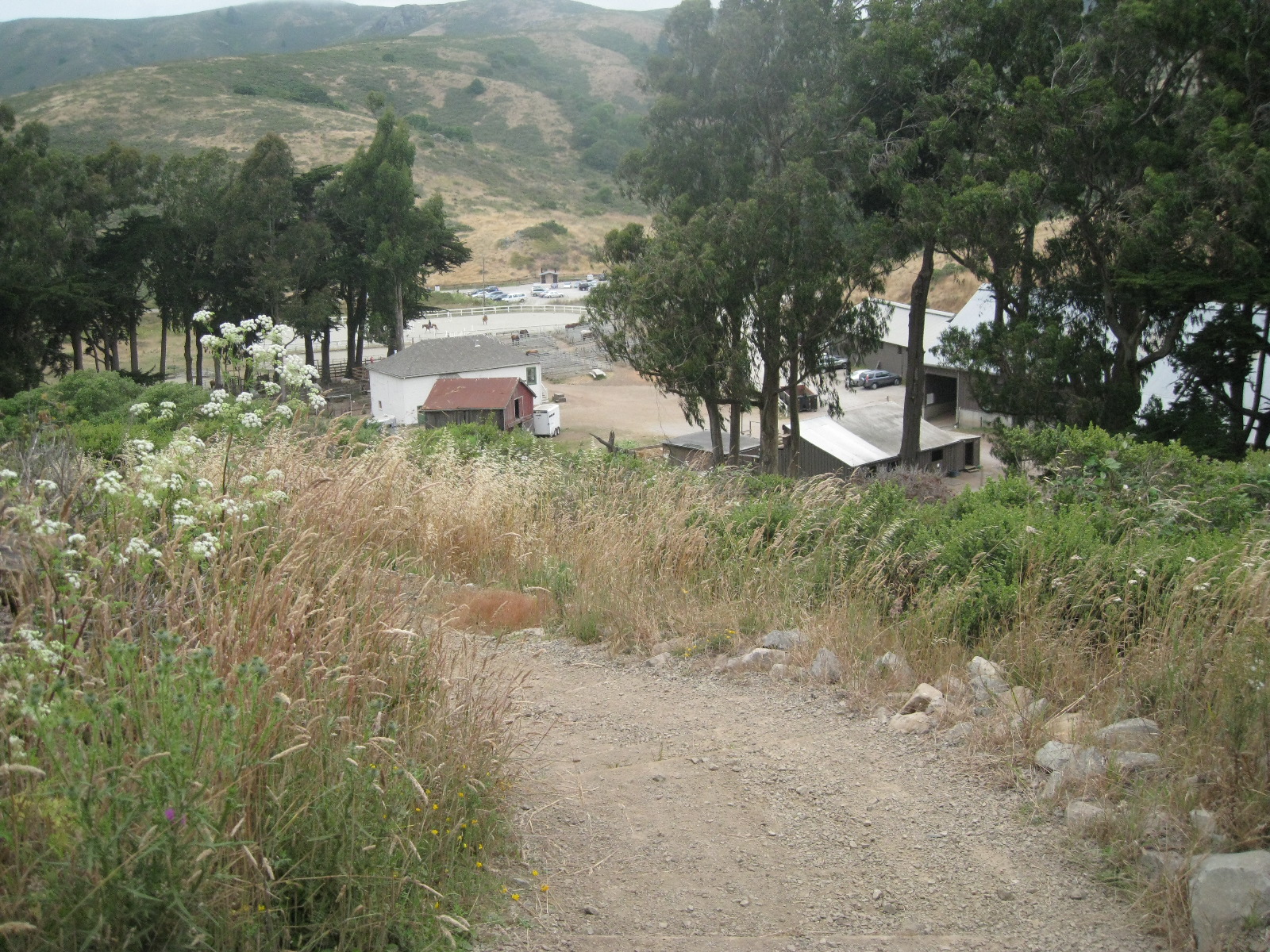
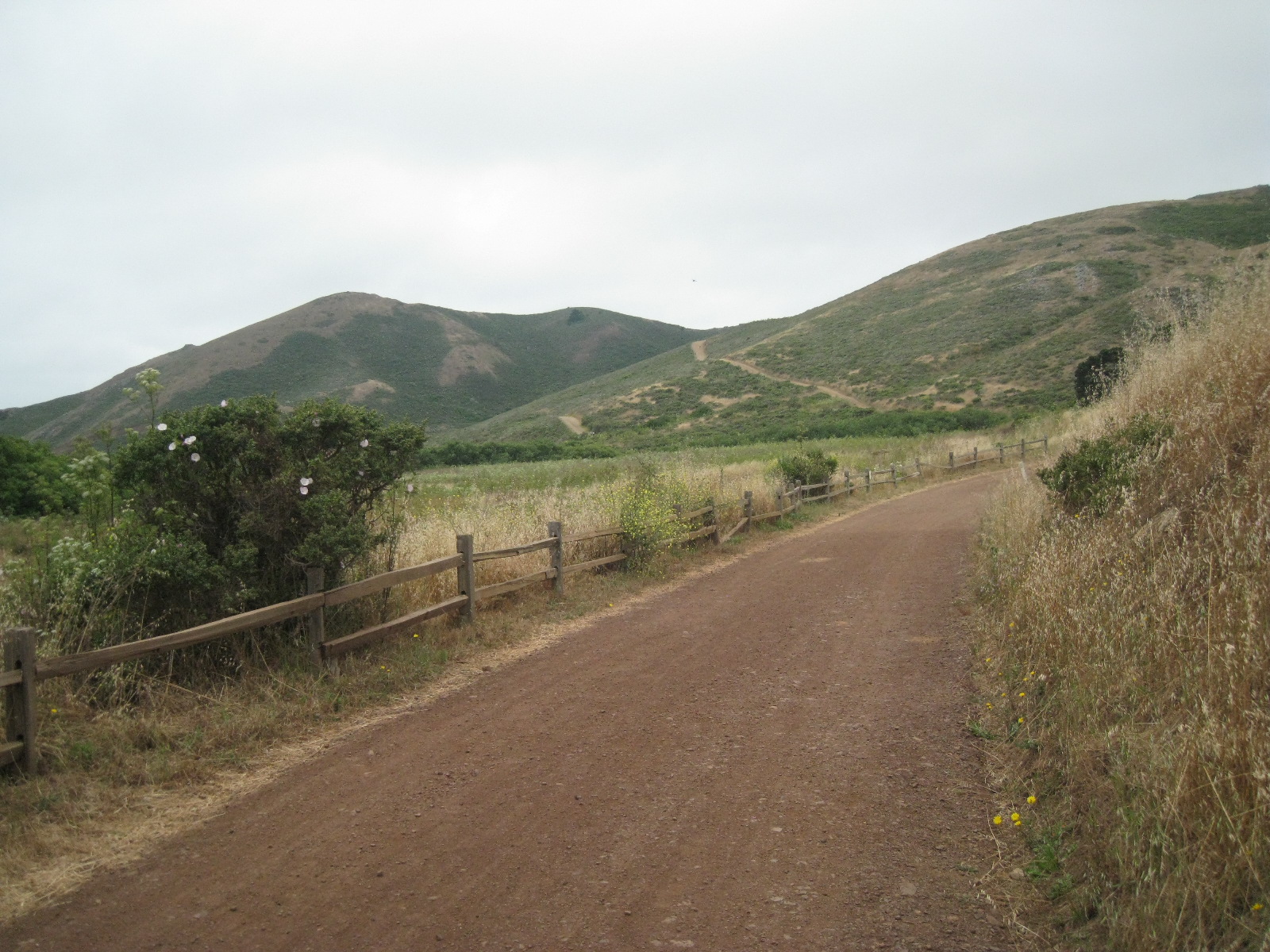
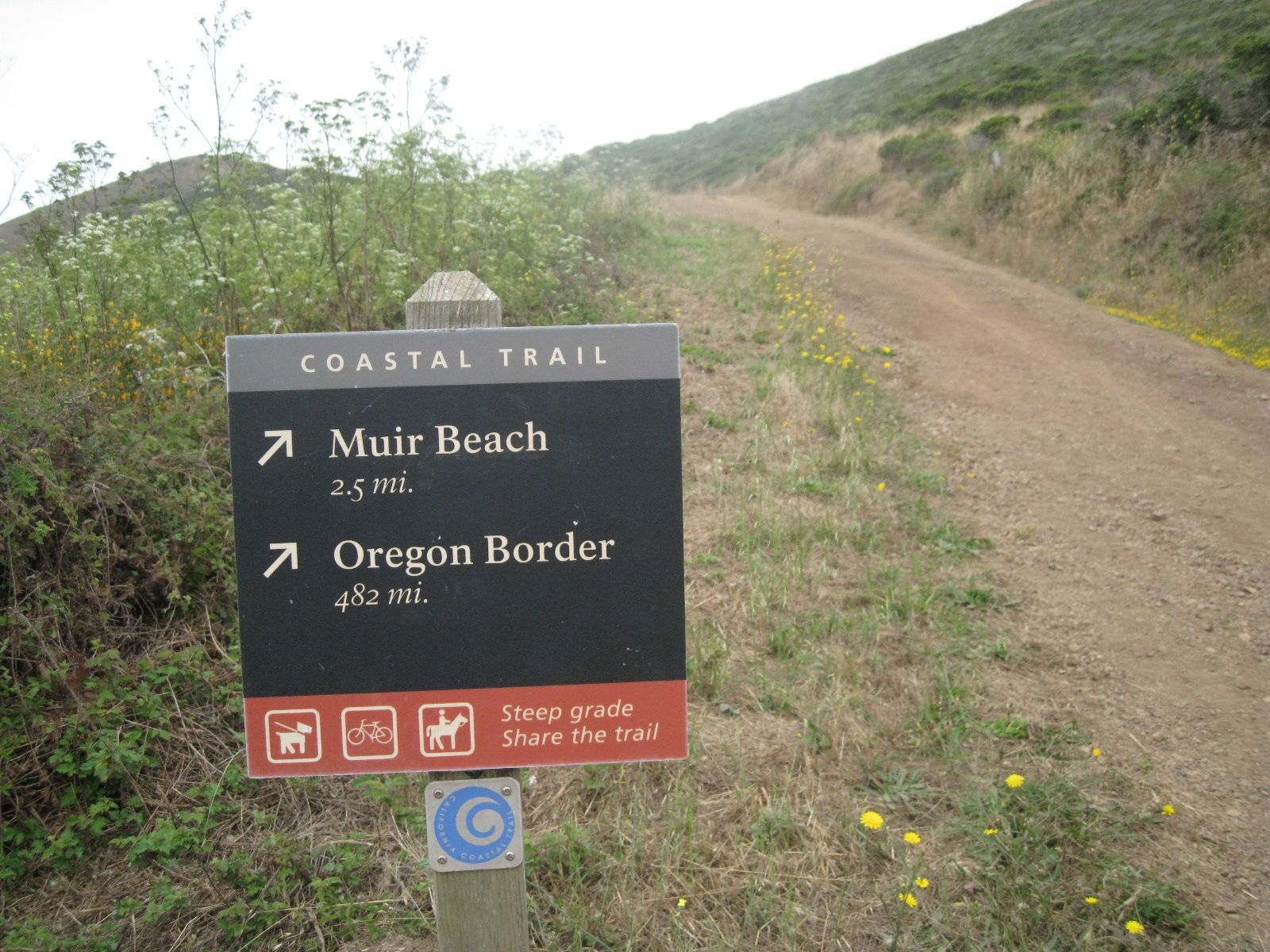
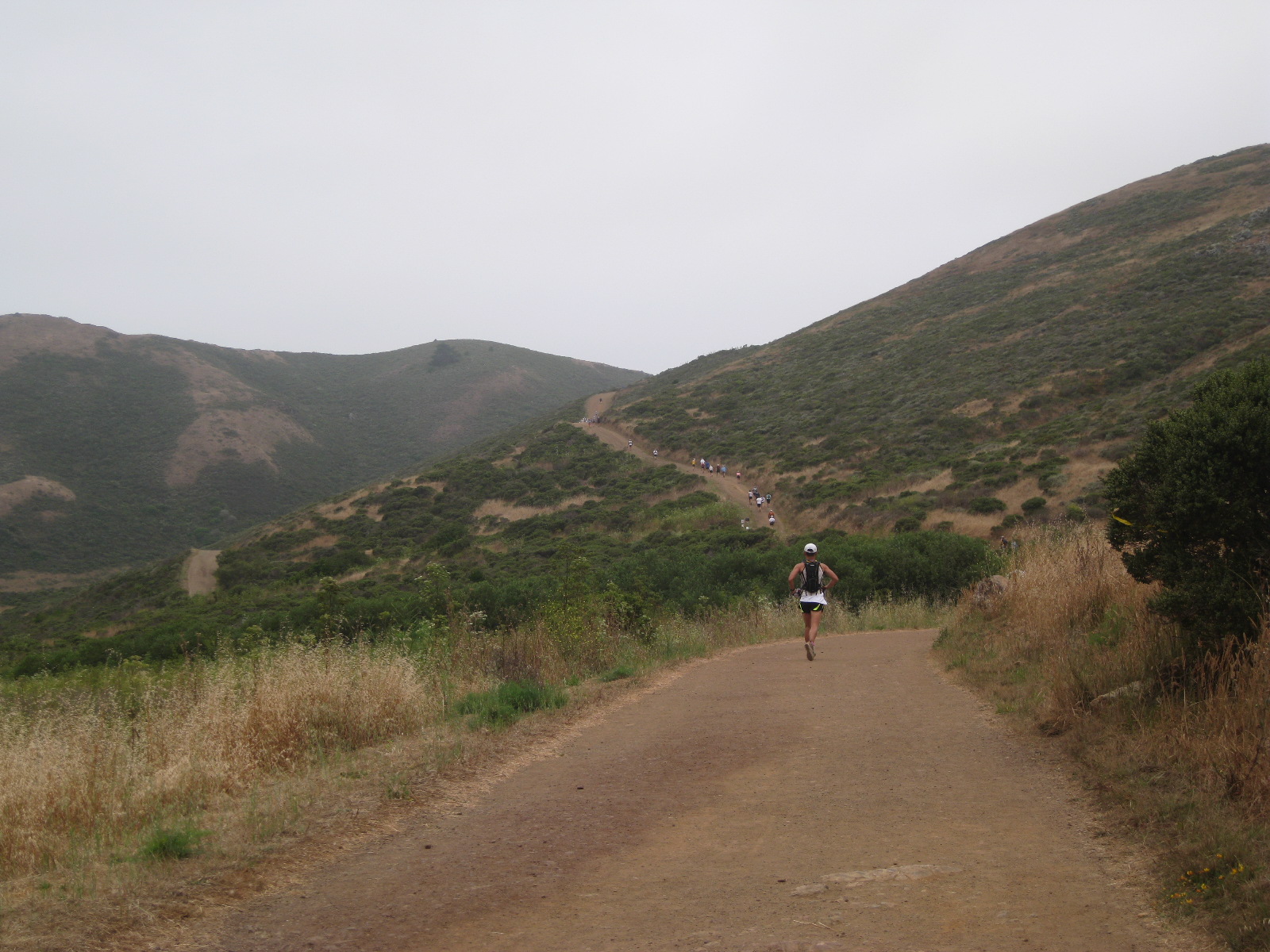
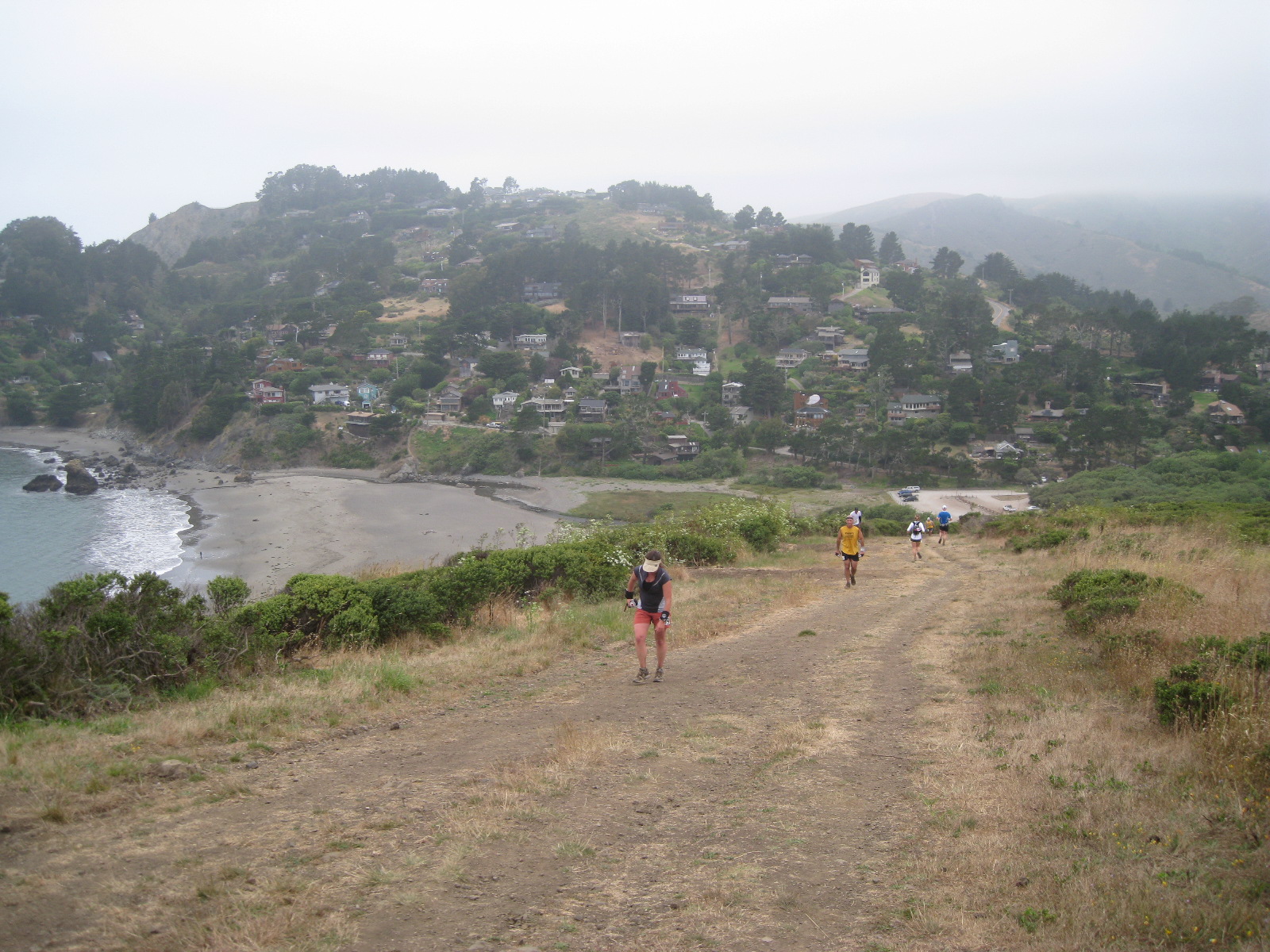
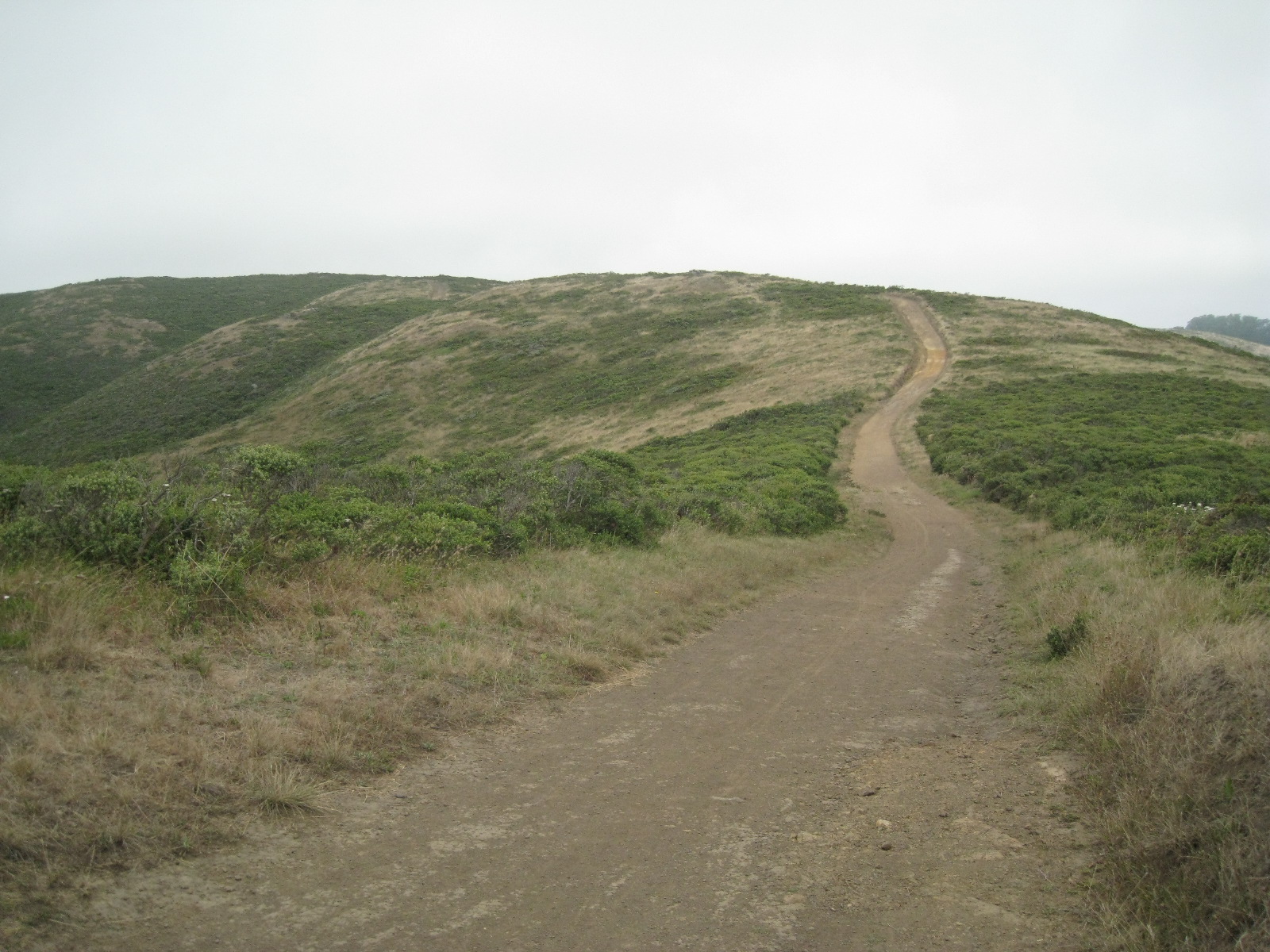
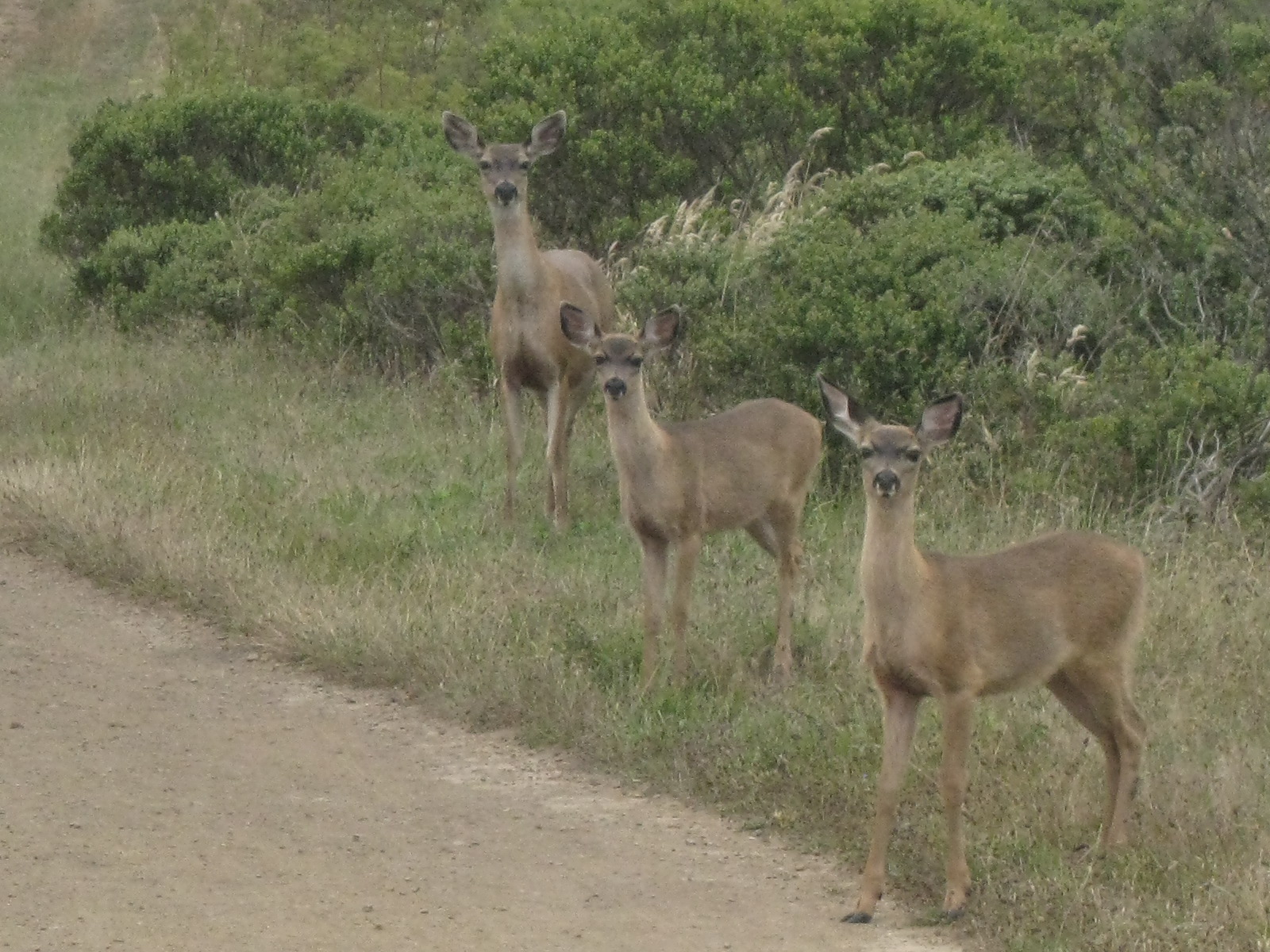
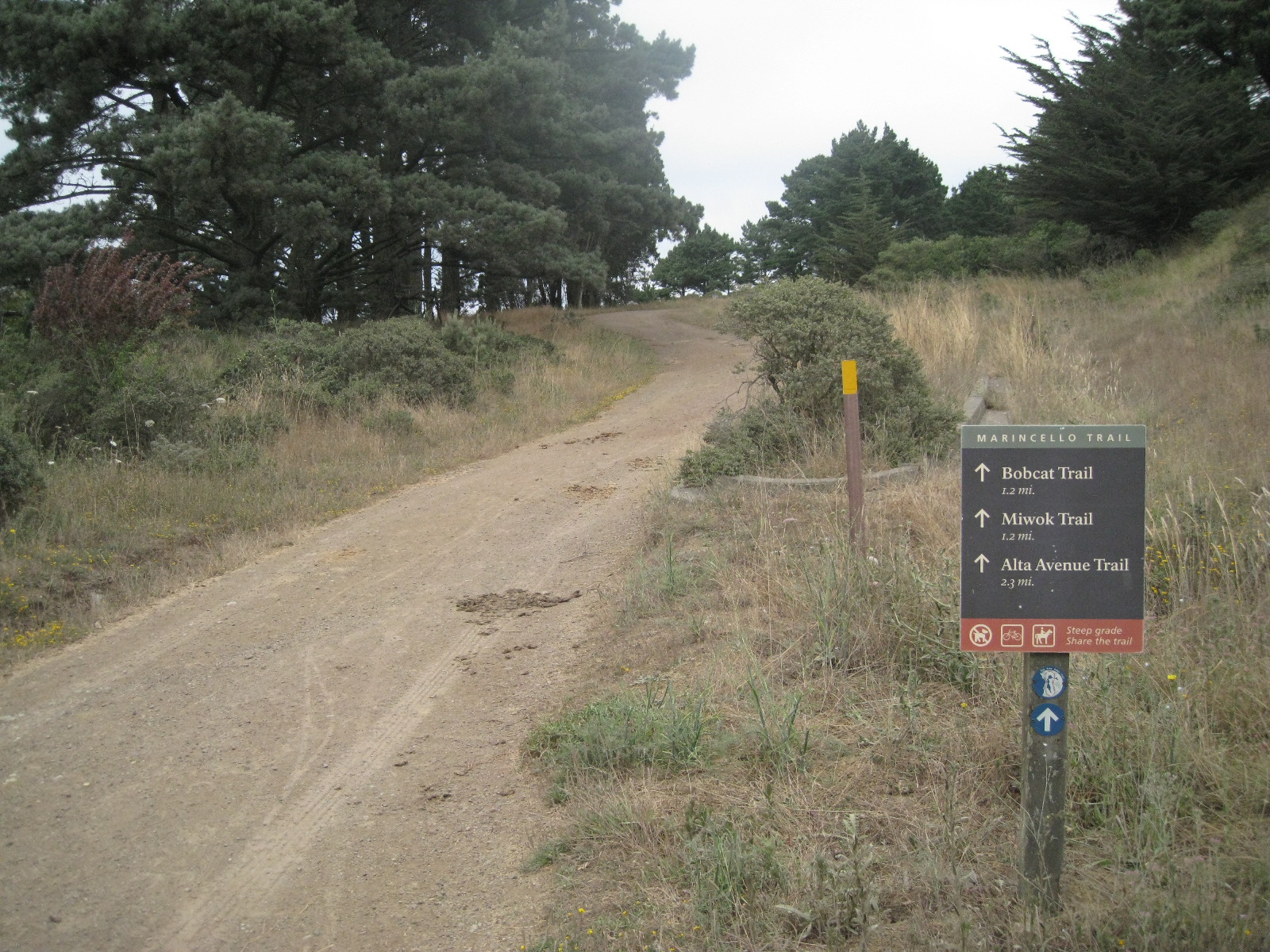
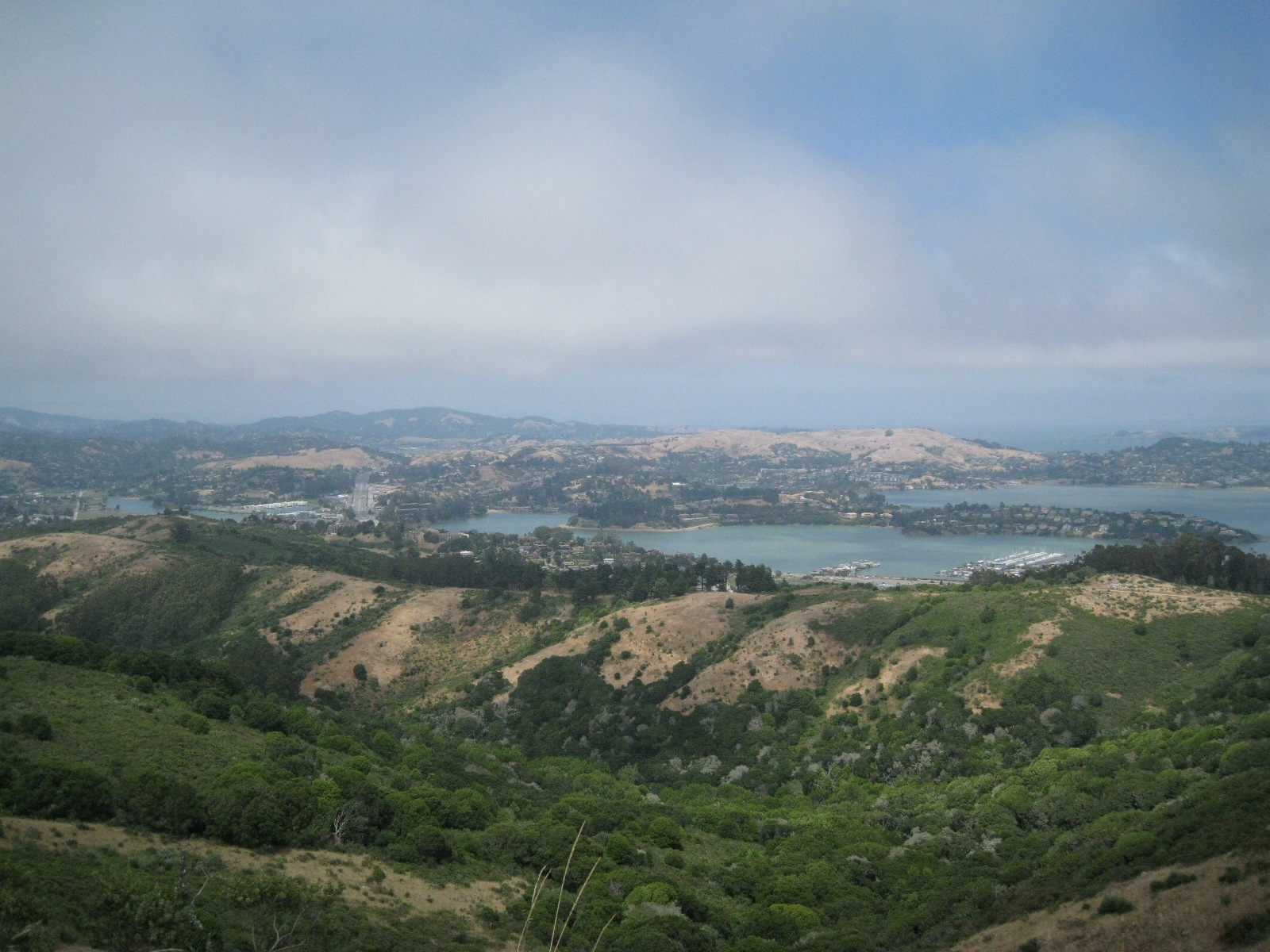
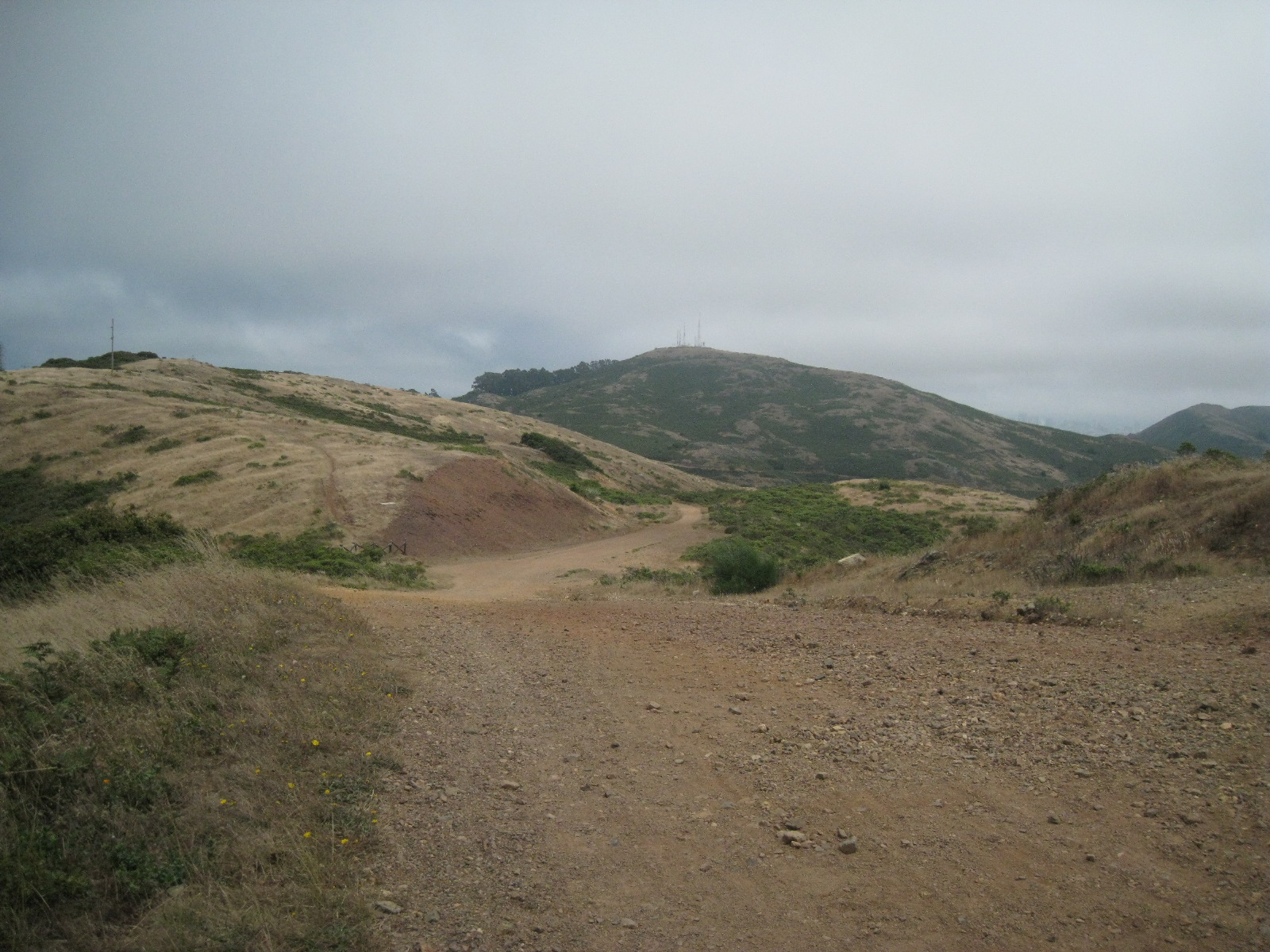
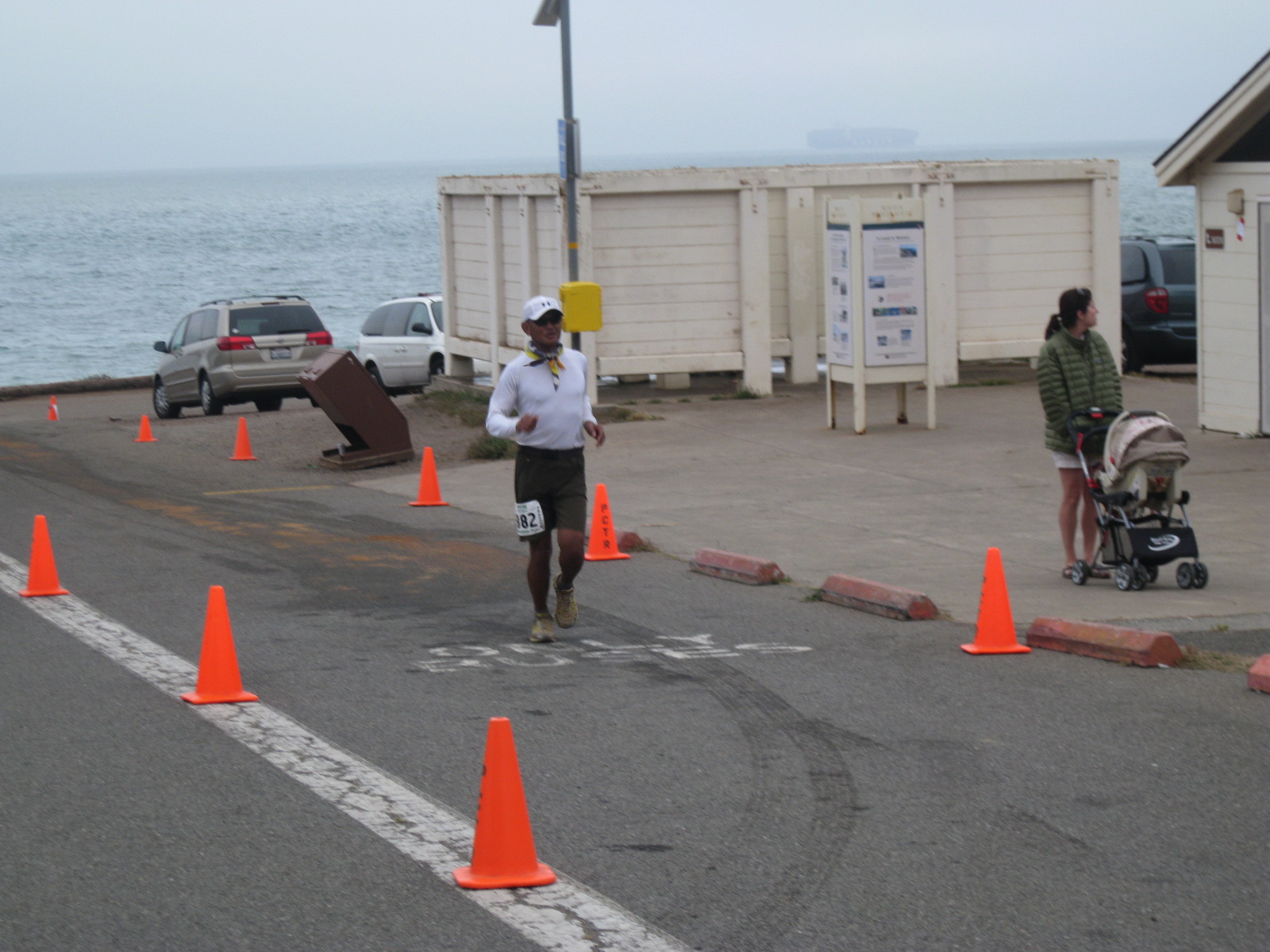
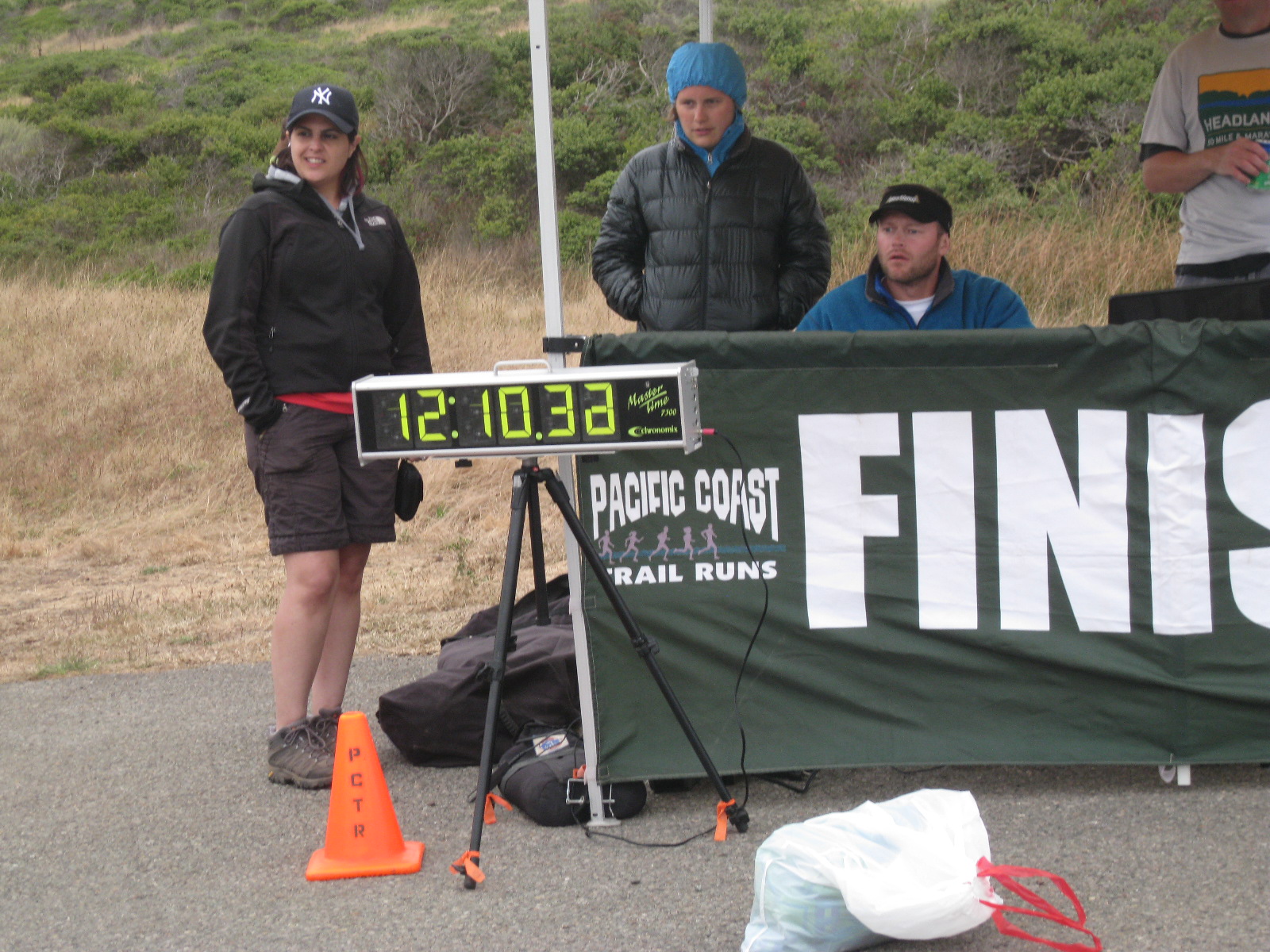
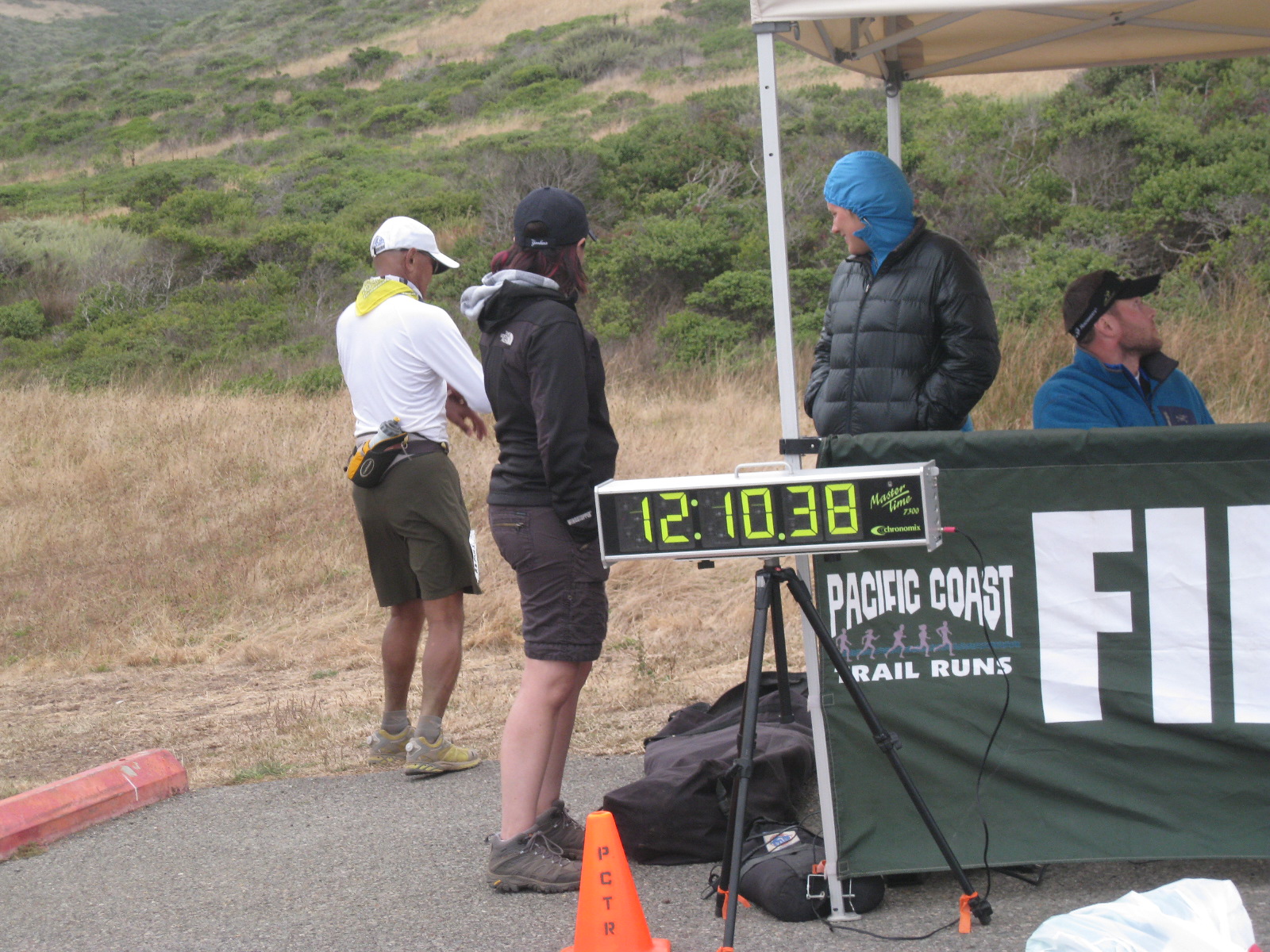
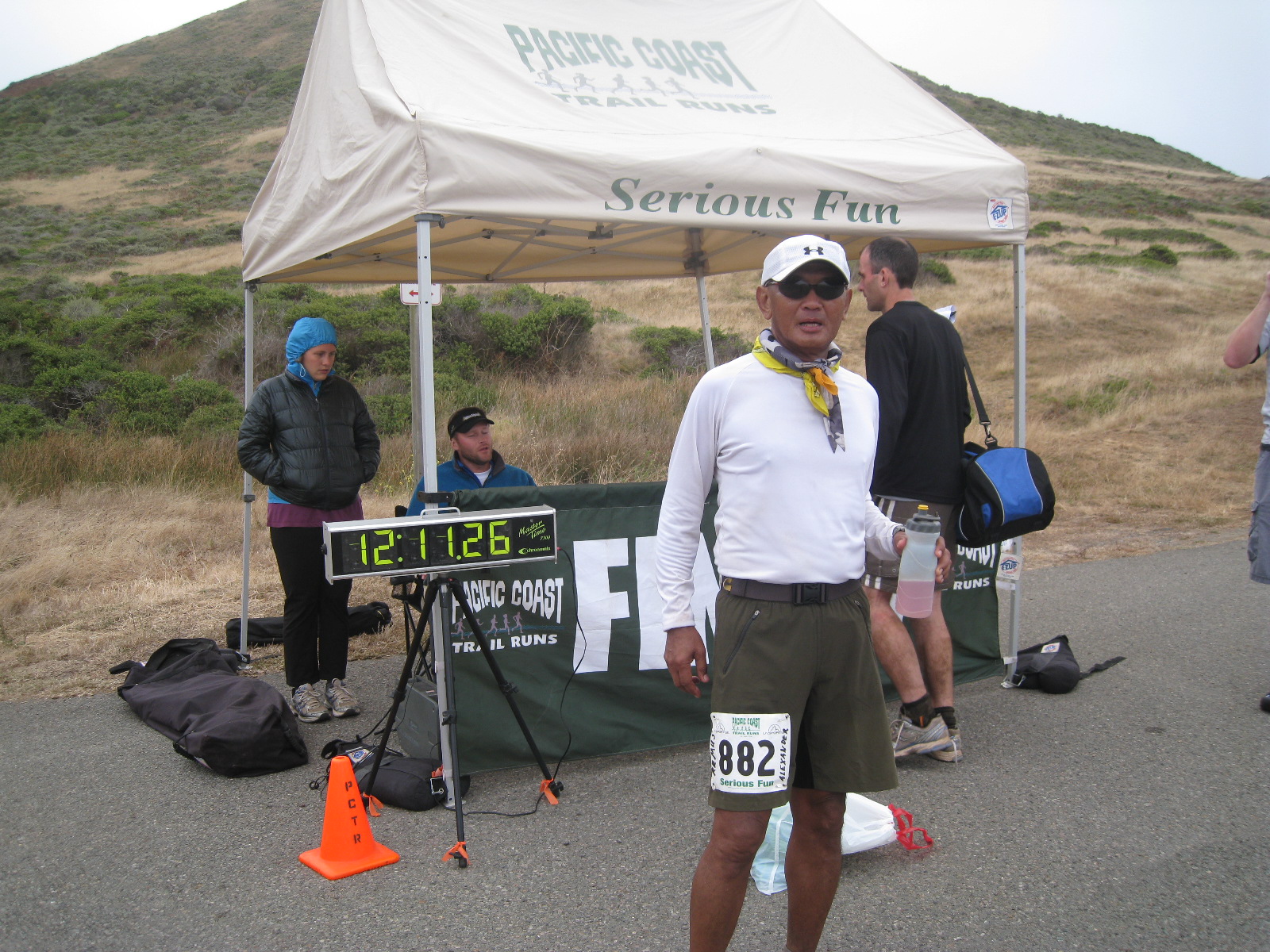
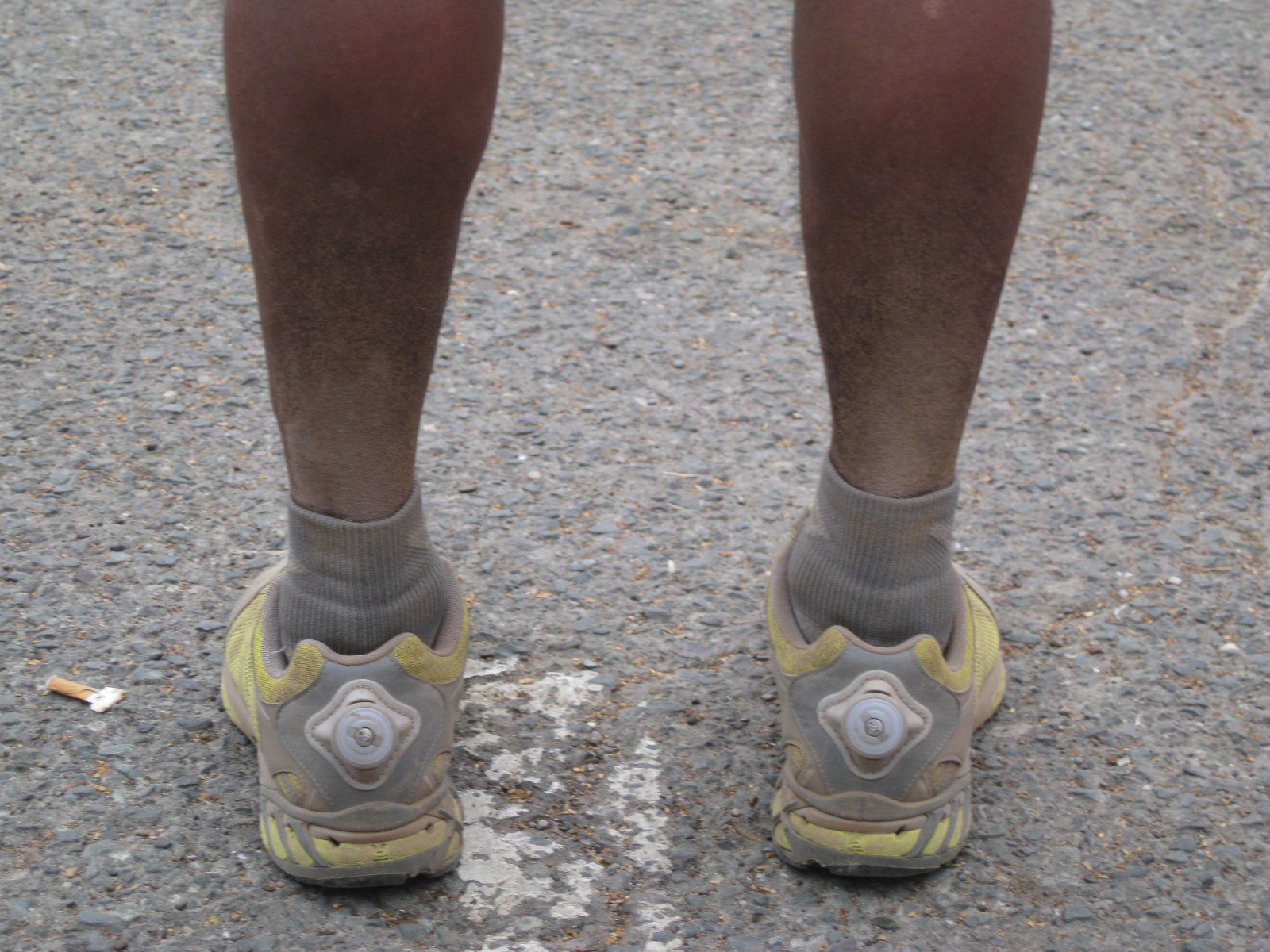
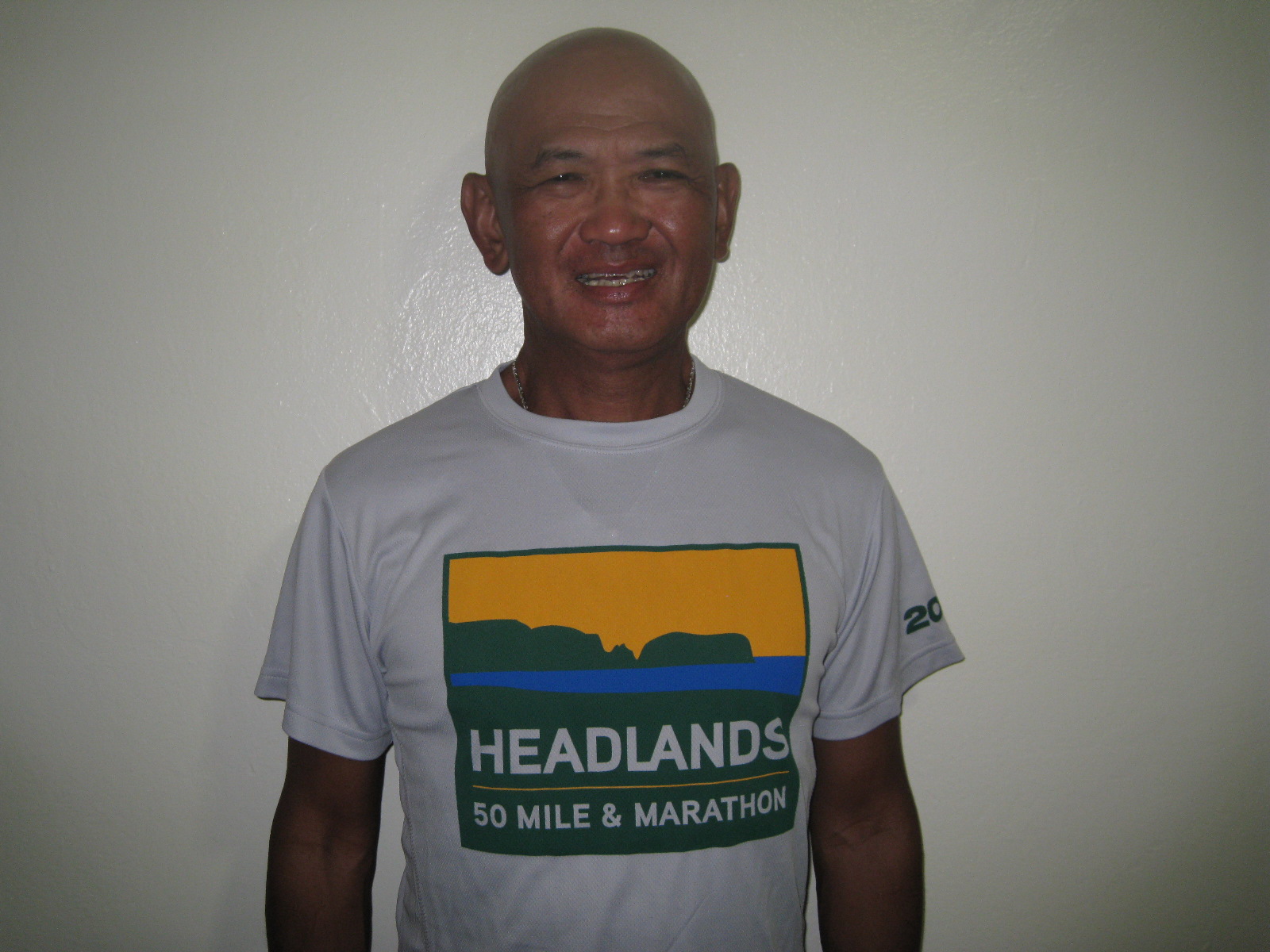
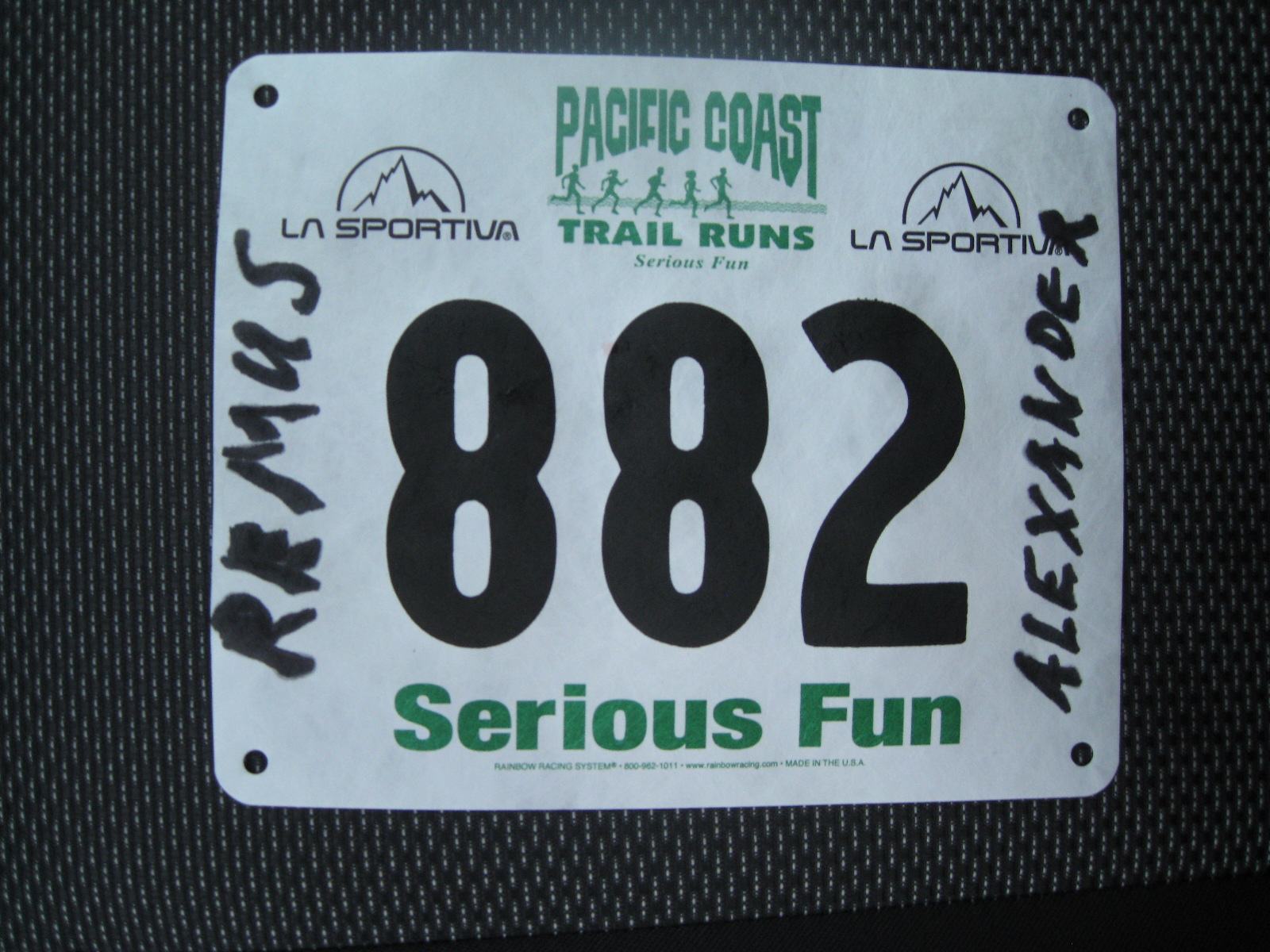
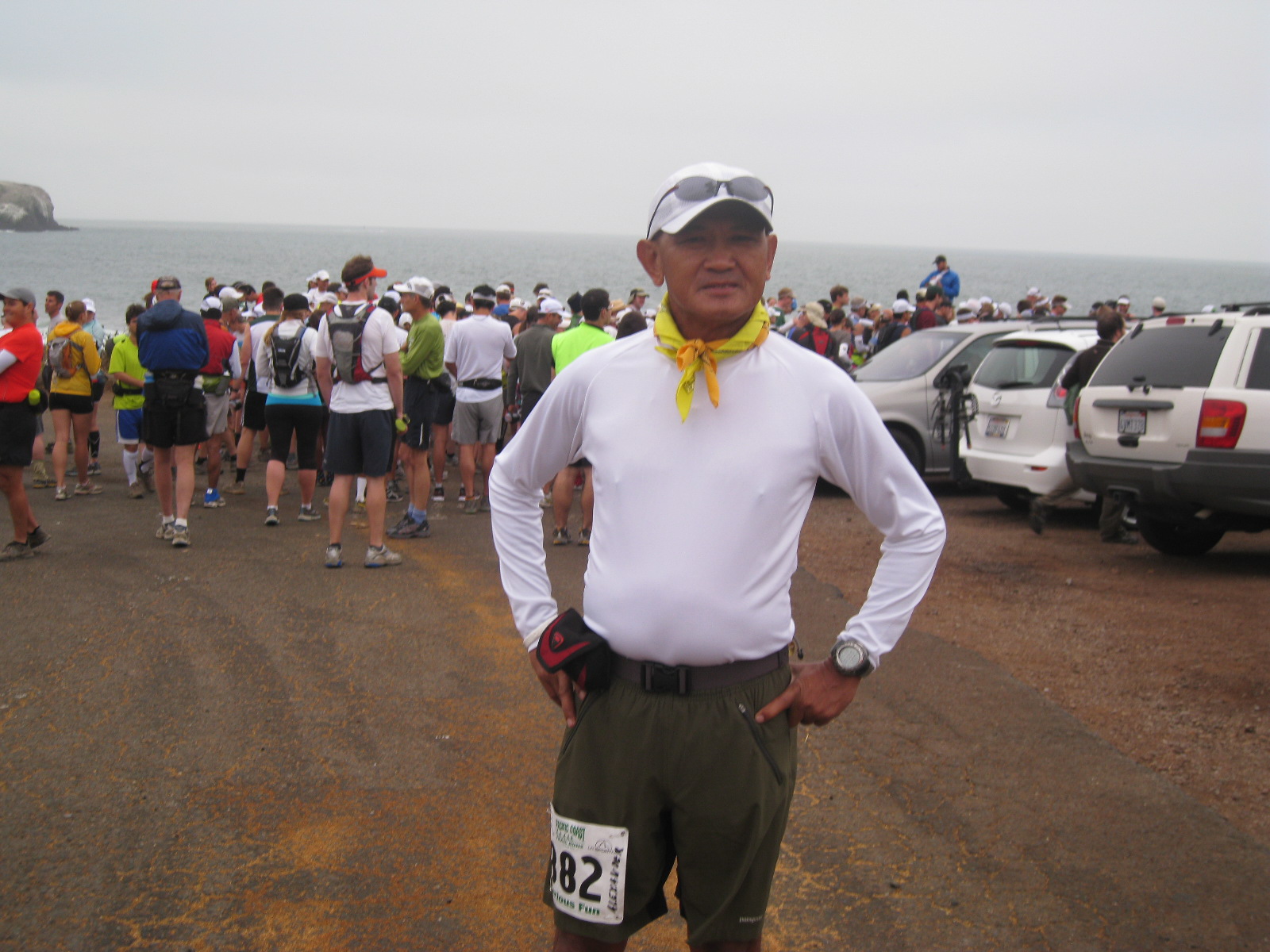
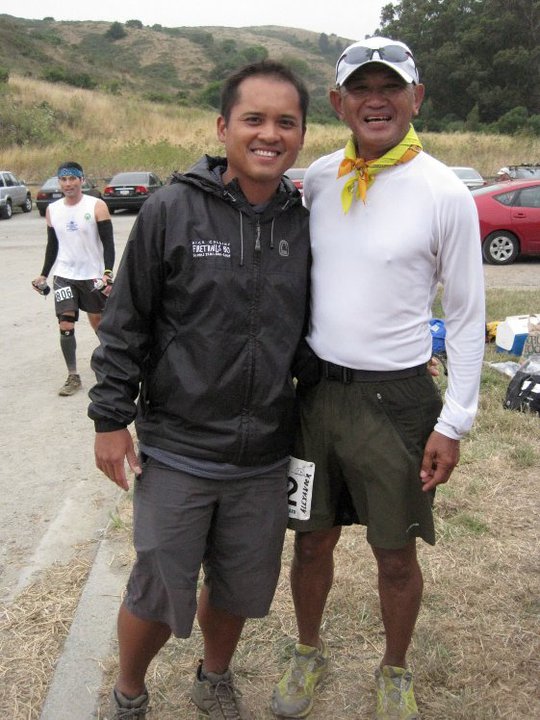
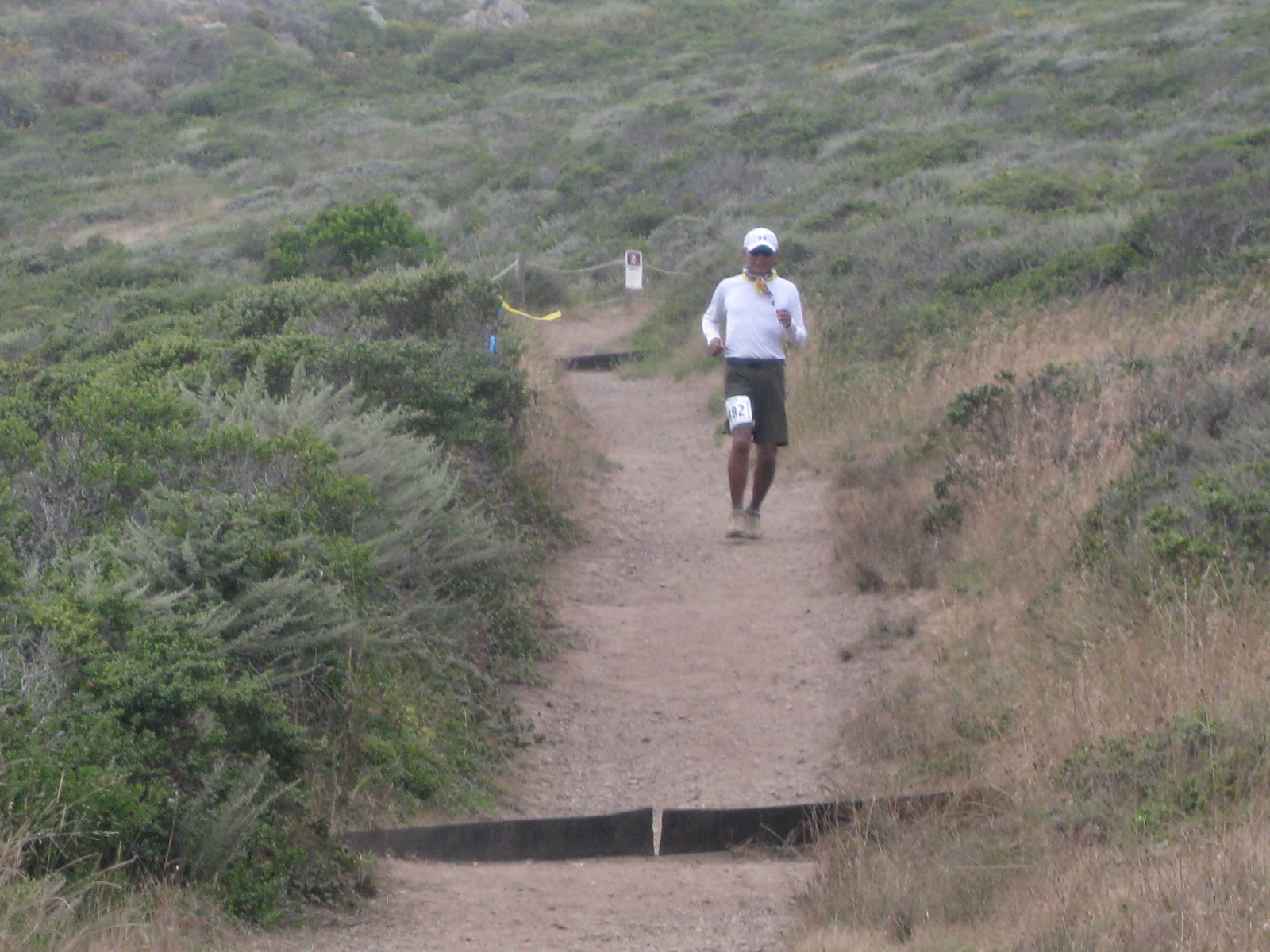
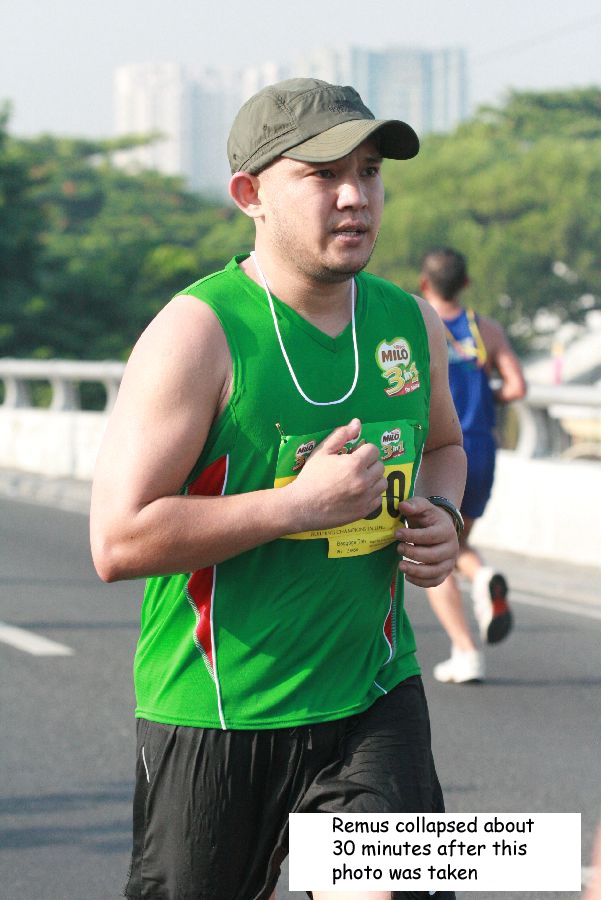
 Bald Runner
You must be logged in to post a comment.