Team Tabios Logo Of Badwater 135-Mile Race. Shirt Was Designed By Bryan Calo of San Diego, California (Photo From Facebook)
This year, 2015, Gerald surprised us again for his feat to run and finish the actual/original route of the race. As a result of a thorough study on the safety of athletes in the conduct of sports activities in the Death Valley Park which resulted to its closure to sports events for almost two (2) years, the Superintendent of the Park allowed the conduct of the Badwater Ultra Marathon Race on its original route, from Badwater, Death Valley Park, California to Mt Whitney Portal, Lone Pine, California with a very strict start in the evening, instead of a morning start. The race was held on July 28-30, 2015, on the hottest time of the year in the Death Valley Park.
Team Tabios @ The Starting Area (With Wife Donna, Robert Rizon, Kat Bermudez, Luis Miguel Callao Is Not In The Picture) Photo From Facebook
This is the brief description of the race as taken from the Badwater 135 Website:
“The World’s Toughest Foot Race”
“Covering 135 miles (217km) non-stop from Death Valley to Mt. Whitney, CA, the Nutrimatix Badwater® 135 is the most demanding and extreme running race offered anywhere on the planet. The start line is at Badwater, Death Valley, which marks the lowest elevation in North America at 280’ (85m) below sea level. The race finishes at Whitney Portal at 8,300’ (2530m). The Badwater 135 course covers three mountain ranges for a total of 14,600’ (4450m) of cumulative vertical ascent and 6,100’ (1859m) of cumulative descent. Whitney Portal is the trailhead to the Mt. Whitney summit, the highest point in the contiguous United States. Competitors travel through places or landmarks with names like Mushroom Rock, Furnace Creek, Salt Creek, Devil’s Cornfield, Devil’s Golf Course, Stovepipe Wells, Panamint Springs, Keeler, Alabama Hills, and Lone Pine.”
For this year, Gerald Tabios is one of the 97 starters who represented runners coming from 23 countries, including USA and Canada. With a cut-off time of 48 hours to finish the race, the runners have to endure the hottest temperature in the area, reaching to a high of 130 degrees Fahrenheit (air temperature) and another 200 degrees Fahrenheit heat coming from the pavement , gusty winds in the desert and mountains, the challenging vertical ascents of three (3) mountain ranges, and the sight of never-ending paved highway on the horizon. These are the challenges that each of the runners would experience before they reach the Finish Line. Each runner is ably supported by his team, consisting of a Support Vehicle, driver, pacer, and a medical/logistic aide, but most of the time, each member of the team are doing multi-tasks just to be able to bring their runner to the Finish Line, safe and without any injuries. Each runner would bring with him his logistical support and emergency medical/first-aid aboard his/her Support Vehicle, “leap-frogging” the runner from one point to another along the route. Gerald was supported by Team Tabios consisting of his wife, Donna Tabios, Kat Bermudez (wife of Bigfoot 200-Miler Finisher Jun Bermudez), Luis Miguel Callao (a Pinoy Ultra Runner), and Robert Rizon.
Luis Miguel “Nonong” Callao and Gerald Tabios are very close childhood friends and classmates since kindergarten!
Starting Area: Badwater Basin @ Death Valley Park (Photo from Facebook)Gerald In Action With Luis Miguel Callao As Pacer (Photo From Facebook)
Considering that the “original” course is harder and more challenging than last year’s “alternate/new” Badwater 135 route, Gerald improved on his performance. Gerald finished this year’s edition with a time of 42 hours, 52 minutes and 9 seconds, making him as the 65th overall finisher out of the 97 starters. Out of the 97 runners who started, 18 runners did not finish the race. Such DNF record for this year is higher than of last year’s edition. Despite such situation, Gerald was able to improve his performance chipping off almost 2 hours of his time last year and improving his ranking among the finishers.
To make his accomplishment more significant, he is the ONLY Filipino to have been qualified and invited by the Race Organizer to join in this year’s edition. And he is now in the history of this race as the FIRST Pinoy Ultra Runner to have finished the Badwater 135-Mile Race in two consecutive years!
Approaching Mt Whitney @ Lone Pine, California (Photo From Facebook)
The Overall Champion of the 2015 Badwater 135-Mile Race is Pete Kostelnick of Lincoln, Nebraska, USA with a finish time of 23:27:10 hours. The Lady Champion, Nikki Wynd of Australia, finished the race with a time of 27:23:27 hours, making her as the 4th Overall Finisher of the Race. Race results can be seen here:
The Race Organizer of the Badwater 135-Mile Race is very selective in accepting its participants every year. Even if you have the financial resources to register; support the logistical needs in this race; or have the physical and mental prowess to undertake and run this course, every Runner must convince the Race Organizer on his/her advocacy to help the community or to the world for a better place to live in. As in last year, Gerald ran for a Charity to help the Victims of Typhoon Yolanda in the Philippines. And since his successful finish in last year’s edition, Gerald had continuously channeled whatever amount of money he had raised to this advocacy/charity for the past two years.
Never-Ending Highway @ Death Valley Park (Photo From Twitter/Badwater.Com)
In a brief interview with him, I asked if he is joining in the next year’s Badwater 135-Mile Race. He immediately replied, “Yes, I will be joining this race as long as I can run. This is a significant way that I can help my country, most specially, to those who are still suffering due to the effects brought about by Typhoon Yolanda.” Not only does Gerald is firm in his stand on his advocacy, he is also a good example of a fit, healthy, and hard-working father of a family.
Mabuhay ka, Gerald! You make us proud to be a Filipino! Congratulations to you and to Team Tabios!!!:
Proud To Be Pinoy! (Kat Bermudez, Donna Tabios, Gerald Tabios & Luis Miguel Callao (Photo From Facebook)
My friends and contemporaries would always tell me that I am CRAZY to be running ultra marathon distances in the mountains in the country as well as in Asia and the United States. I just smile because that is the best description we (as ultra runners) could get to those who have not yet experienced our sports. But now, more ultra runners have extended their body limits and endurance by introducing a 200-mile endurance mountain trail event which has doubled the famous 100-mile distance which is now being accepted as the NEW Marathon Distance in Ultra Running. The runners of this new event could be the CRAZIEST of them all and since it was introduced only last year in the first edition of the Lake Tahoe 200-Mile Endurance Run, three of these events had been scheduled for this year and called the Grand Slam of 200-Milers (it was supposed to be 4 races: Colorado 200; Arizona 200; Lake Tahoe 200; and Bigfoot 200 but the Arizona 200 was cancelled).
Let me introduce to you the CRAZIEST Ultra Runner who just recently finished the 1st edition of the Bigfoot 200-Mile Endurance Run——Conrado Bermudez Jr! Being the FIRST Pinoy to have finished this mountain ultra trail running event, it would be proper and fitting to have his story in running to be published here as one of the main highlights of this blog with the hope of inspiring others and telling to the world that we, Filipinos, are very strong and resilient in nature.
Bigfoot 200-Mile Endurance Race Picture Collage
Conrado Bermudez Jr, or fondly called as “Jun”, finished the 200-Mile Race in 94 hours, 26 minutes, and 30 seconds, placing himself as #40 among the 59 finishers where 80 runners started in the morning of Friday, August 7, 2015 at the Mt Helens National Monument in Washington State. The race has a cut-off time of 108 hours which is equivalent to 4 1/2 days, forcing the runners to complete 45 miles per day during the race. The following is the general description of the race as taken from its Website:
“The Bigfoot 200 is a trail running event in the Washington State that seeks to give back to the trails by inspiring preservation of the wild lands and donating money to trail building in the Pacific Northwest. The race is a point to point traverse of some of the most stunning, wild, and scenic trails in the Cascade Mountain range of Washington State. The Race ends in Randle, WA after traversing the Cascade Mountains from Mt St Helens to Mt Adams and along ridge lines with views of Mt Rainier, Mt Hood, and more!
The race will bring together people from all over the world to tackle this incredible challenge. With over 50,000 feet of ascent and more than 96,000 feet of elevation change in 2015 miles, this non-stop event is one of a kind in both its enormous challenge and unparalleled scenery. The race is not a stage race nor it is a relay. Athletes will complete the route solo in 108 hours or less, some without sleeping.”
Jun finished the race with barely 6 hours of sleep during the race! He was supported by his wife, Kat, their daughter and running friends who would meet him in Aid Stations where there is vehicular access. For more details of the race, one can visit the following link:
Finish Line Of The Bigfoot 200-Mile Race With The Race Director (Photo From Facebook)
Jun is a native of General Santos City, graduate of the Philippine Military Academy belonging to Class 1996, a Special Forces Airborne, and Scout Ranger of the Philippine Army before his family migrated to the United States.
In my interview with him on the later part of last year after he finished the other 3 100-Milers in the Grand Slam of Ultrarunning (except Western States 100); he recollected that he first personally met me when he was the Aide-De-Camp of the Commander of the Southern Command in Zamboanga City and I was then the Commander of the Task Force Zamboanga. The year was 2000 and he was barely 4 years in the military service. He went further to tell me that he got inspired by my blogs and photo running galore through my posts in our PMA Bugo-bugo Facebook Page.
Jun finished the prestigious Boston Marathon Race in 3:11:14 hours.
The following are the some of the data about Jun and the answer to the questions I’ve asked him:
1. Home Province-Gen. Santos City; Age-42 ; Height- 5’9″; Present Body Weight-146 lbs ; Schools Attended (Elementary to Graduate Schools)-Notre Dame of Mlang, Noth Cotabato (Elem), Notre Dame of Dadiangas College-High School Dept; PMA Class-1996 and Special Training in the Military-Scout Ranger, Airborne.
2. Places of Assignments and Positions held in the Military/Philippine Army:
Platoon Leader- Alpha Coy, 25IB, PA as Ready Deployment Force (striker battalion) of 6ID in Maguindanao, Sultan Kudarat, Cotabato Province. My platoon was also involved in capturing Camp Rajamuda in Pikit, Cotabato Province in 1997.
Company Commander- Bravo Coy, 25IB, PA , mostly deployed in Maguindanao. My company was also deployed in the front lines of Matanog and Buldon and was very instrumental in capturing Camp Abubakar.
3. Present Job & Working Hours-Security Officer in the United Nations Headquarters in NYC and works on day shift; City of Residence in the US-Jersey City, New Jersey; Wife’s Job- ER Nurse; Gender & Number of Children- one daughter
4. Brief Background of Running (during Childhood up to College and as Cadet of the PMA)
I started running when I was 7 years old. I grew-up in a farm and the only playground we had was an open field and trails where we would run and tag each other. In elementary and high school, I was so engrossed on soccer games than any other ballgames. This is why when I joined the PMA, I discovered that I was a decent runner because I was always in the lead pack when we had our 2-mile run as part of our physical fitness test. I also represented my company (PMA) in various races but most of the time I bonked because I usually go all out at the start and faint halfway through, which resulted to my ER visits. My style of running then was with a “do or die” mentality; no technique, no proper hydration and nutrition. It was just a plain “old-school” way and lots of brute force.
5. Best time in 5K- 19:22; 10K-42:08 ; Half-Marathon-1:26:52 ; and Marathon-3:11:14 All were done in 2013.
6. Brief story on your exposure to ultra distance running events—-first 50K; first 50-miler; first 100K; and first 100-miler.
I started joining races in 2012. That year I only finished 2 marathons. I was following your blogs and postings about the Bataan Death March 102 and 160 and the other races you directed and I got inspired by the spirit of the running community, and it was that I got curious about ultrarunning, especially the 100-mile distance.
To start my ultrarunning quest, I signed-up for a local flat, out-and-back, looped course. Thinking that 50km was just over a marathon, and 50 miles was just 2 marathons, I signed-up for a 100k, which was held in March 2013 in New Jersey. I’m glad that I met some new good friends there, who are now like a family. I was so proud that I finished in that muddy, swampy, and cold course third place. My wife and daughter were there for my first ultra. As a solitary person, running alone for a day was not such a big deal. The feeling of finishing a long distance further boosted my spirit… I got hooked. Then I signed-up for my first 100 miler scheduled three months after. It was in June in the inaugural Trail Animal Running Club (TARC) 100-Mile Endurance Run and the first 100-mile run in Massachusetts. The race started at 7 pm Friday with a cut-off of 30 hours. The course was in a 25-mile flat trails with some creeks spread along the way. I was very enthusiastic to train knowing that some of my friends are also running the race. As part of my preparation, I was reading some blogs and race reports, and I even asked your advice on how to deal with the distance. You discussed to me the proper nutrition and hydration and also incorporating hike into running. The course got indescribably muddy, with most sections in knee-deep mud in every mile, but with my grit and determination, I was able to finish despite a big number of DNF in the race. I felt reborn and my spirit was so high. It took me a week to recover from the pain.
In November, I did my first 50-mile race as a finale for the year. The JFK 50 Mile is the oldest and the largest ultramarathon in the US. The course is a combination of road and trail. It passes through the Appalachian Trail and C&O Canal Towpath then ends in an 8-mile paved road in Maryland. The course was pretty easy and fast. This is where I met some new hardcore ultrarunners from the Virginia Happy Trails Club.
After running all long distances, I signed-up for my first 50k as part of my back-to-back training for my incoming six 100’s. The Febapple Fifty was held on Saturday of February 2014. Then the next day, I ran the Central Park Marathon. The Febapple race was fun. The course was filled mostly with knee-high ice and snow in a rolling hills of South Mountain Reservation in New Jersey. It was quite a tough race because the ice turned slushy and it was a bit hard to run. I still managed to finish in the top ten.
All of my first attempts of these distances were mostly to get me into groove to venture and discover ultrarunning. I realized the 100-mile distance is my favorite.
7. Training Preparation in your 100-Miler Races and Nutrition Strategy in your Races. How do you balance your training with your work and family? (*I will discuss my training in item # 9).
In short ultra races, I carry a handheld bottle or belt hydration system. They are lighter that I could run faster. I take one salt tablet every hour but if I sweat a lot, I take two every hour and nothing at night when it’s cold. In aid stations, I eat potato, banana, watermelon, and PB & J aside from the Ensure that I carry as my basic load. I make sure I take more nutrition at the early stage of the race. I also drink ginger ale and Coke/Pepsi to refresh my mind from the lows.
I come home from work around 8pm and do my chores and help my daughter do her homework. If all is done, I relax for awhile and train. It usually takes me an hour or two to finish my training. I sleep around midnight and wake-up at 6am. I am fortunate that my wife is also supportive of my passion as she herself is an ultrarunner. And our daughter is also our number one cheerer. So far, everyone is in sync in the family.
Jun Bermudez @ Leadville 100-Mile Race (Photo From UltraSignUp)
8. Were you aware of the US Grand Slam of Ultrarunning? Since you missed the Western States 100 this year, do you intend to take a shot on the 2015 US Grand Slam of Ultrarunning?
I did not have my qualifier for Western States last year. I was already aware of the Grand Slam of Ultrarunning, so to get the feel of it, I tried to sign-up for six 100-mile races. I put my name in Massanutten Mountain Trail 100 and Wasatch Front 100 for lottery and fortunately, I was accepted. Since I have proven that I could finish multiple races in a gap of 3-5 weeks, I have more confidence now to challenge myself in GS in the future. There’s only a slim chance for me to get into Western States with one ticket but I will make sure I will apply every year to increase my chances. If not, I am planning to do more challenging 100-mile mountain races next year. It just sank-in that what I did was insane. Every time I finished, I cursed myself for signing-up and promised myself not to do 100’s anymore. But a couple of days after, I feel that I am ready to go again. Thus, if ever I am accepted in Western States in the future, I won’t hesitate to join the Grand Slam.
9. Knowing that you are a “lowlander”, how did you train for the 100-mile mountain races that you finished? How did you cope up with the possibility of encountering “high altitude” sickness in your latest two 100-milers?
My training was focused in strengthening my legs, ankles, and feet in battling the rigorous technical terrain. But 90% of my training was indoor because of my busy schedule, and I have a child to watch that I could not leave at home if my wife is working or training for her ultra events. I usually do stairs workout, climbing up and down, up to 250 floors without rest every two weeks, which is a great way to improve my VO2max and giving me more mountain legs. Most of the time, I abuse my incline trainer/treadmill, which goes to 40%. I use it for incline hike/run with 10-15 lbs of rucksack together with my 2.5 pounder ankle weights. Although I hated speed workout, I still do my 5k in treadmill and this keeps my pace honest. Sometimes I do my trail long runs in the weekends with my friends but most of the time, I am stuck on my treadmill. Treadmill running is boring but it gives me more mental conditioning to tackle the distance. Aside from that, it also preserves my feet from the hard pounding of the pavement. I don’t really track my weekly mileage because I don’t have a proper training plan that I follow. I just listen to my body and do whatever I feel I need to work on. And to avoid injury, I do strength and core workout twice a week.
In an attempt to combat altitude sickness, I was taking iron, B complex, and vitamin C supplements. But these didn’t really help much. I still got more vomitting in Leadville (12,600 ft highest altitude) after mile 60 and had some also after mile 70 in Wasatch.
10. How did you balance recovery and preparation in between those 100-milers for the 6-month duration of your ultra events?
I treat every race as my long run. After the race, I relax, stretch, and foam roll for 3-4 days to get rid of the pain. I also come back to work 2 days after the race. At work, I stand for 6 hours. I think standing at work and walking from home to train station and to work helps my fast recovery. At the end of the week, I start doing easy runs again. Then the next week, I go back to my usual training routine. My taper starts 2 weeks before the next race. I did this routine in my last four 100 milers. In fact, I was feeling fresh every time I start the next race and my spirit gets stronger. I was amazed that I was able to do sub 20 hours in 3 100 milers. Although I did not achieve my goal of finishing Leadville 100 in sub 25 and Wasatch Front 100 in sub 30, I am still ecstatic that I finished those races SOLO (no pacer, no crew) and without getting injured. When I finished Leadville 100, I focused more on recovery by just doing stretching, hiking and easy runs. It was in Leadville that I suffered much because of the altitude and my mistake of not hydrating properly. I had nausea and I threw up every time I ate and drank after mile 60, and I was also suffering from a bad stomach issue. Wasatch is harder than Leadville. But due to my proper hyrdation and nutrition, I felt better and stronger although I still had gastrointestinal issues around mile 70, but later I managed to cope with them by slowing down and taking my time at aid stations to recover.
11. What are your tips and advise to those who would venture to mountain ultra trail running events. What would be the things that you have to improve upon if ever you want to improve your performance in your previous 100-milers?
It takes a lot of discipline. Training involves time away from your family and it is important that no matter what, family comes first. It is helpful if your family is supportive, so that is paramount in your quest for ultrarunning and paramount in the list of things you have to make sure you obtain, foremost.
Never be afraid of the adventure. It is not always about the destination (aka finishing) but the journey. That is my advice to other runners.
Personally, I think I need to improve on certain strategies like hydration and nutrition. Also, not just to eliminate issues like GI problems that come with certain races, but— more importantly— how to perform well regardless of these problems because, lets face it, problems encountered during races MAY NOT ever go away. So it is a matter of pushing past these issues and finishing strong. Thats what I need to work on.
12. Aside from the 2015 US Grand Slam of Ultrarunning plan, what is in store for you in the coming ultra running years?
I want to venture into other Ultra races. The challenging ones, in particular. There are many races out there to explore with challenging course and beautiful sceneries. When they go hand in hand, they become priceless experiences, especially when you finish them. Like I said, mountain 100-milers are my favorite, but that is not to say I will not try to explore on distances beyond that. We’ll wait and see.
Jun could not stop wanting for more and he is now one of the few mountain ultra trail 200-mile single stage finishers entire the world. For the past two years, he has the following 100-miler mountain trail races with their corresponding finish time in his belt :
TARC 100-Miler in Westwood, Massachusetts (June 14, 2013) —-25:19:27 hours
New Jersey Ultra Trail Festival 100-Miler in Augusta, New Jersey (November 23, 2013)—-18:53:31 hours
Massanutten 100-Miler in Front Royal, Virginia (May 17, 2014)—-28:05:55 hours
Great New York City 100-Miler (June 21, 2014)—-19:33:14 hours
San Diego (California) 100-Miler (June 6, 2015)—-22:16:27 hours
After his sub-24 hour finish at the San Diego 100-Mile Endurance Race, I told him that he has to rest and recover in between his races to let his body free from injuries brought about by over racing or over training in ultra distances. I even told him that he has to prepare for the possibility of being selected in the lottery for the Western States 100-Mile Endurance Race if ever he registers to join the race. I emphasized that I am betting on him that he will be the FIRST Pinoy Ultra Runner to be awarded the “One Day-24 Hour” Silver Buckle in the said race and I am sure that it will take another generation of Pinoy Ultra Runners to surpass such accomplishment.
My prediction on his ultra running career brought not a single word from his mouth but instead responded to me with a smile. Jun is a silent type guy and does not openly brag about his ultra running finishes on the Social Media and he does not even have a blog or journal where he can relate and share his stories in his ultra races. However, my interview with him has a lot of tips and advise for those who would like to embark on mountain ultra trail running, most specially to those who are in the lowlands and for those who don’t have access to the mountains or simply lazy to be in the outdoors.
BR & Jun @ Lake Cuyamaca
Before we parted ways in Lake Cuyamaca in Mt Laguna, San Diego, California, he intimated to me that his ultra running career is not complete if he will not be able to finish the Grand Slam of the Bataan Death March 102/160 Ultra Marathon Race! Hopefully, that will be the day that Jun will be able to meet the whole Pinoy Ultra Running Community in his homeland.
This is what I said to Jun, “Get your Western States 100-Mile Silver Buckle first before coming home, Cavalier!”
(Note: Jun had been using HOKA ONE ONE Shoes in all his trail running races and training)
The “1st Running Boom” was felt in the Philippines after Frank Shorter of the USA won the Gold Medal in Marathon in the 1972 Munich Olympic Games which resulted to the conduct of more Marathon Races and other Running Events in the United States. Of course, more books and publications on running had been published making the sports more accessible to the public. The “ripple effect” on the popularity of Running in the USA had reached the shores of the country and it was too easy and convenient due to the direct interest and involvement of the government and the support from the private sector as sponsors, as well as, Race Organizers. It was also the period of Golden Age In Athletics in the country due to the government’s Project “Gintong Alay”, that produced our best athletes in medium to long distance runners and ultimately, which also catapulted us among the bests in the ASIAN Games and Southeast Asian Games. (Note: If you want to read more details on the “1st Running Boom” in the country, you can browse on my previous posts in this blog. Be patient.)
In the mid-80s, specifically, after the February 1986 EDSA People Power Incident and the change in Political Leadership, the conduct of Running Events had diminished but some of the international/multi-national companies in the country continued their yearly events as Race Organizers, maybe, it’s because it is one of their “tax shelters” or tax-deductible items and not so-much as an income generating activity for the company. It could had been a part of their so-called “Corporate Social Responsibility” by giving back something to the public as their main stakeholder. As for the government, there was no initiative to conduct such running events and the elite program in sports was ignored and shelved without any attempt of resurrecting it up to this time.
In the advent of the Internet and its accessibility to the country, the Social Media, through WordPress and Blogger, anybody who owns a laptop or computer with connection with the Internet, can already write anything under the sun and have it posted so that others could read them. In the country, Bull Runner started a running blog and I followed (after 5 months) to create my own and the Bald Runner was born and the rest is history. The year was in 2007.
So, let us now go where this post is leading to. Few months back, there was a study published by RunRepeat.com showing data and observations about the rise of Marathon Running since 2009 and the study covered the period 2009 to 2014. The study compared the marathon activities and performance across all nations with a database of 2,195,588 marathon results and according to the study, their analysis is the largest in history of running. The research/study is entitled: Marathon Performance Across Nations. The details of the research could be seen here:
Out of the so many factors and topics on the research/study, this post will be dealing on the growth of Marathon Running in the country (Philippines) based from the data below:
Screenshot Taken From The Study
It appears that we are in the Top Podium, being the Number 3 in the Top Performing Countries with regards to the Growth In The Popularity of Marathon Running during the period of the study. We have a 211.90% growth in the Philippines which is HUGE! And as such, we also contributed as the Top Continent in the World (ASIA) with a 92.43% growth which is also huge! I can only surmise that Bull Runner and I were the “catalyst” of this phenomenon in the country as other bloggers/runners followed to create their own blogs whether they are there as “real and dedicated” runners or simply as running resource for running events or fond of “reposting” articles or links in the Internet related to Running.
In the data below, China beats us for the 2nd place by mere 47+% but as compared to our population with theirs, our growth in running is REALLY HUGE!!! Other countries in Asia are also significantly growing in marathon running, Hongkong is #7 followed by India with Singapore as #10.
Screenshot Taken From The Study
Based from the data above, I would conclude that we are in our “2nd Running Boom” era. I could see that this is a good sign of things that had been happening since 2009 and for sure, more positive to come in the future. Why? Because the data portrayed had been good to the economy of the country! (Find somebody who is graduate of AIM or any Business Degree for the explanation!) There could be some exceptions to this case but I am very positive that this growth in marathon running had and will have a direct contribution to the economy of our country in the future.
In short, I am happy that I am one of those who are contributing to a positive outlook in the economy of this country due to running.
By the way, can somebody who has the time and resources/contacts come up with an Annual Report of Marathon Running in the country? A good reference would be what the USA is doing for the past years as seen in these links:
I wonder what would be the data and analysis if a study or research would be made for ultra marathon events, as well as, trail running events in the country would be like ever since I started with the Bataan Death March 102 Ultra Marathon Races and other PAU Races. I am sure, this will be an interesting one. But that will be another story in this blog!
Speedgoat is the monicker of Karl Meltzer in the Ultra Running Community. He is an elite mountain trail ultrarunner and has the distinction of winning the most number of 100-Mile Ultra Running Events, a record of 36 Championship Awards and had been awarded the Ultrarunner of the Year. He is the Race Organizer and Director of the famous Speedgoat 50K Ultra Trail Run and other Vertical Trail Races in Snowbird, Utah. He also one of the most sought after Ultra Running Coaches. He is the first elite ultra runner in the USA who used and introduced the shoe brand HOKA ONE ONE and the rest is history. It is fitting that the shoe company honors him with a specific trail shoe model that speaks about the man. Thus, HOKA One One users around the world are excited to have a hand on the said shoes.
Attempts To Get The Shoes
As a one of his clients to his Coaching Services and having met him personally in last year’s edition of the Speedgoat 50K Trail Run (which I didn’t finish due to strict cut-off time at Mile 20), I sent him a request if I could buy directly to the shoe company of the earlier production of the shoes on the later part of May this year as I could see and read shoe reviews on the Internet about the shoes. I think my request was relayed by him to the company but I did not hear any response from them. So, I waited for the announced release to the distributors and sports stores on the first week of July but only to get the news that the release date will be sometime in August.
On the last week of July, I monitored almost everyday the availability of the shoes by visiting the Website of the HOKA ONE ONE (HOO). The availability of the shoes at Running Warehouse for my particular shoe size was scheduled on the 3rd week of August and then to September and lately to October this year. My patience bear fruit on the last few days of July when I got a “green light” with the advise that my shoe size and model is “On Stock” on the On Line Sales of Hoka One One. I immediately ordered one pair and the shoes was delivered after two days. I paid $140 + $12 (Sales Tax), with a total amount of $152.00 with Free Shipping Fee.
Finally, I was able to realize what I posted in our Facebook’s HOO Philippine Club Group Page three months ago, “I will be the first one to have this kind of shoes in this Club”.
Finally, The Box Arrived
Actual Review & Observations
Color Combination——The first thing that will attract ones attention is the combination of colors of the shoes. Yes, they are the colors of Red Bull (silver, red, and blue), one of the Sponsors of Karl’s Runs and Races and the usual colors of the Shoe Brand HOKA ONE ONE—-blue & yellow. The other Speedgoat model has the colors, red, black and blue! If you are not attracted with the name of the shoe model, then for sure, you will be attracted with the striking color-combination of the shoes. Most of the runners that I know have the impulse to buy any kind of running shoes due to the striking color combination.
Shoe Laces Holes——Obviously, these are the holes where one has to insert the shoe laces. As compared to the other HOO Shoes, this is the only model that has 5 holes, all the rest have 6 holes in one shoe. If you are not using the last uppermost hole of the Speedgoat (where it is used to lock the shoes with the foot), the shoes has only 4 holes! It means that it is easier and faster to tighten and tie the shoes and also to untie and remove the shoes from the foot. If you have the habit of changing your wet socks with dry ones in the Aid Stations in an ultra running event, the time on untying and tying your shoes would mean a lot if you are trying to catch up with those tight intermediate cut-off times in the different Checkpoints along the race route. Since I am always on the back of the pack in every race, this is a big advantage and useful for me!
First Model/Prototype To Shoe Reviewers & HOO Elites With 6 Holes & Flat Laces
From Flat to Round & Light Shoe Laces——Earlier model of this shoes have those flat shoe laces, the same shoe laces on my HOO Challenger ATR and I was surprised to see that my shoes have those rounded shoe laces which are smaller/thinner in size as compared to those rounded shoe laces of my old HOO Stinson EVO. I have observed that the rounded shoe laces have an average length as compared to the longer flat shoe laces of the Challenger ATR. Those flat shoe laces have the tendency to get longer and longer as the shoe is being used for more mileages. It appears that Speedgoat’s shoe laces will remain with their present length and size.
Observation about 1/2 size Bigger——In almost all those blogs and reviews that I’ve read from their sponsored elite athletes, they stated that the shoes is 1/2 size bigger. However, when I used them with my slightly thicker Drymax Trail Socks, I am surprised that they fit exactly with my feet with a little allowance (1/2 inch) from the tip of my big toes. This is exactly the same fit that I’ve experienced with my HOO Stinson Evo which I consider as my best road racing and training shoes so far. With the use of the regular Drymax socks, I have observed that there is more room for my forefoot and toes to splay on the toe box area of the shoes. It felt like I was using my Altra shoes! If it is too roomy for my feet if I use the ultra thin & light Drymax socks, I might try to use the additional insole of my HOO Challenger ATR (The Challenger ATR has two inserts/insole in each shoe). With my experience in using the HOO, I simply tighten the shoe laces more to prevent my feet and toes to be moving unnecessarily while I am running or hiking. After running with them for almost 100 kilometers (62 miles), I could feel that the shoes had stretched a little for more space for my toes and forefoot.
Thickness of Sole——All the shoe models of HOO have thick soles that is why they are fondly called as maximalist running shoes. However, this model is an exact copy of their Rapa-Nui 2 model which is also designed as a trail shoes. The Rapa-Nui has a stack height of 33 mm on the Heel portion and 28 mm on the Forefoot section. The 5mm difference, popularly known as “heel-to-toe drop”, gives a feeling of “rockered forefoot” which according to the HOO designers and engineers provide a more efficient gait, better running form and faster “heel-to-toe” transition of the foot during running. Whatever that statement means, I assume that it will make a runner faster by some milliseconds! The Speedgoat’s sole thickness has a stacked height of 34 mm on the heel and 29 mm, maintaining a difference of 5 mm, that looks to be deceivingly thicker than the Rapa-Nui 2 model. The bottom-line is that this shoe, just like the other HOO models, the thick soles will give you the best comfort to your feet on your runs on the road, as well as, along the trails whether they are technical or not. And to be more specific, I find more efficiency in running with all the HOO models when I land my foot deliberately with the heel first and letting it roll towards the forefoot. With the Speedgoat, I feel more cushion and comfort most specially in the downhill running as the “rocker” effect in ones gait is more pronounced and experienced. In ultra running distances, such comfort will give an edge to the runner for more sustained strength on the legs during the day and night running. And did I tell you that you have faster recovery after an ultra race if you used a Hoka One One Shoes? Well, it’s true!
Vibram’s Metagrip Outsole & Figure “8”
Metagrip VIBRAM Outsole——From the HOO Bondi B, Bondi Speed, Stinson EVO, Huaka, and Challenger ATR (the shoe models that I’ve used for the past 5 years of running), the common denominator as a weakness of these models is the durability of their outsoles. After running for the first 100 kilometers of each of these models, you can already see a significant “wear and tear” on their outsoles which I never experienced from the other trail shoes in my arsenal. But the Speedgoat is some sort of a Redemption Shoe for all HOO “addicts” and loyal customers as they are fitted with the Metagrip VIBRAM Outsole. After running on single track trails, rocky trails, and fire roads for almost 100 kilometers, I could not see any signs of “wear and tear” from the Vibram outsole which is a big improvement from my old and ‘soon-to-be” retired other HOO models in my arsenal. This is the MOST significant feature and advantage of this model from the other trail shoes of HOO——the durability of the outsoles of the shoes!
Cushioned Tongue——Not only for being cushioned but they are also a little longer but does not affect ones efficiency in running and would not cause any abrasion on the front part of the ankle. One would notice that there are TWO slots on the tongue where the shoe laces coming from holes #2 and #3 would pass. I have observed that these slots would maintain the position of the tongue while on the run giving more comfort on the top part of the foot. Most of my trail shoes have only one slot on their tongues and after every run, I would observe that the tongue have the tendency to slide towards the outer side of the foot/shoes and this movement allows the tendency for the debris from the trail to get inside the shoes. I was even more surprised when I did not experience any small particles from the trail getting inside these shoes. I guess, it is time for me not to use gaiters for this shoes!
Cushioned Upper Part of Heel Counter——This is the yellow-colored portion at the heel counter of the shoes. I’ve noticed a big difference of this part of the shoes when compared to my HOO Challenger ATR as the Speedgoat has a more pronounced cushion that would be flashed closer and tight to the Achilles tendon and both sides of the ankles. I’ve observed that my Achilles tendon sits comfortably on the shoes even if I have the shoe laces tighten to the max.
Cushioned Heel Counter
Light and Porous Material On Its Uppers——Have I told you that this is one of the lightest shoes of HOO? Actually, it is the third lightest HOO model in my arsenal being the Challenger as the lightest and the Huaka as the 2nd lightest. The shoes has a weight of 9.7 ounces despite the fact that it has a Vibram outsole and more cushioned tongue. The light and porous material on its Uppers contributed to the lighter weight of the shoes. It also gives more breathability to the feet where air would enter in these porous holes during the run most especially in hot and humid conditions. However, in water/stream crossings, water would easily get inside making the the socks and lining of the shoes wet and damp but with the continuous pounding of the feet, these water would easily exit through these porous holes! Through my past experiences in running in the lahar areas and rivers in the Mt Pinatubo 50K Trail Run and Clark-Miyamit 50-Mile and Marathon Trail Races, these shoes would not prevent those abrasive lahar from entering the shoes. Did I say dust entering the shoes? Yes, the dust would enter through these porous holes and it is advisable not to use white socks in them. Surprisingly, there is also a Drymax “Speedgoat” Trail Socks available in the market that would match the goods looks and functional capability of the shoes and they come in black/gray color!
Another View Of The Lug Pattern Of The Outsole
Thickness of the Lugs and Lug Pattern——Yes, the lugs on the outsole are thicker than any of the HOO trail shoes that I have and they are 5 mm thick! This is almost the same thickness of the outsole lugs of my Salomon Sense 3 (Soft Ground) and Inov-8 Roclites (but, they are NOT Vibram outsoles!). However, most significant improvement and advantage of the HOO Speedgoat from these other shoes is the pattern on how they are positioned on the outsole. The pattern of lugs on the sole would show a figure of number 8, as seen from the top view. The figure 8 is the space in-between the array of lugs and it looks like a loop course where the heel portion has a cave or depression on it. According to the designers and engineers at HOO, such pattern would result to a feeling of running with a “fully independent suspension system” (like a 4 X 4 truck) on the different parts of the outsole when running in a technical terrain or trail. It means that if you stepped on a root or rock, the specific part of outsole that contacts with the object will be the only one that compresses while the rest of the outsole remains without any deformation. I suspect that the “cave” or significant depression on the heel would allow better ride and cushioned feeling for those “supinator and pronator” runners.
Having been a HOO user for the past five years, I would say that this particular model will be my racing and training shoes for my ultra trail running events in the future. Everything is almost perfect with regards to its Comfort, Speed, Security of Fit, Durability, Agility and Responsiveness and Protection to the Feet. I could not see any major flaw or anything to be corrected or improved on the shoes without compromising its light weight and perfect fit on my feet.
After mentioning those significant changes and improvements on the shoes plus the fact that I have logged almost 100 kilometers (62 miles) with these shoes (to include 10+ miles on the paved road), the question is, “Will I highly recommend these shoes to everybody for them to buy as their trail running shoes?” Yes, of course! I am now in the process of ordering my 2nd pair of the Speedgoat (Red & Black Model) through the Running Warehouse website! So far, this is the best HOO trail shoes model in the market right now.
As Karl Meltzer would say, “100 Miles Is Not That Far”, and I would add to say, “100 Miles Is Not That Far With The Speedgoat Shoes On Your Feet!”
Those “one-liners” below were the supposed titles which I would choose for this post but I ended up with a General Statement of what is really happening in our Running Events. This is again a very long post which will compensate the long period of time that I was not able to post in this blog. So bear with me and hope that my post will somehow prevent “Mr Murphy” from creating a havoc to our well-planned or well-organized running event. Happy reading!
Why Runners Die In Running Events?
Things To Do If You Want To Die In A Running Event
Why Die Running When You Are Supposed To Be Having Fun?
How Can We Prevent Deaths In Running Events?
Phidippedes (Picture From Google)
If you want to relive the origin and history of the Marathon Race, you are not Phidippedes, who was then a professional runner, messenger and one of the warriors of the Athenian Army before and after The Battle of Marathon in 490 B.C. If you don’t know what went through with him, then I have to refresh you with what he did before and after the said battle. Phidippedes was sent by the Athenian Army Generals to ask help and for additional troops from Sparta to repel the impending attack by the Persian Army by running a distance of 140 miles in 36 hours. After getting a negative feedback from the Spartan government, he went back to Athens running the same distance delivering the message of the Spartans. Without the support from Sparta, the Athenians went to battle with the Persians at the Battle of Marathon and the Athenians won with the surviving Persian Army retreating through their ships and tried to make their way nearer to Athens. Phidippedes was sent to Athens to deliver the message that the Athenians won the battle and warned the remaining Greek Army to prepare for the impending attack of the retreating Persians. After delivering the message, Phidippedes died despite running a distance of 26 miles. Thus, this heroic deed of Phidippedes as a runner-messenger gave birth to our sports of Marathon Running. (Note: If you read closely to the history, Phidippedes’ deed also gave birth to Ultra Marathon events!)
Map Showing The Locations Of Athens & Sparta (Picture From Google)
In this modern time, you, as a runner is not Phidippedes! You are not a trained warrior or a soldier of an Army who dons a warrior’s armor and spear or sword, running on trails and mountains or hills and through vegetation on sandals or maybe, on barefoot! Organizers of Running Events are already well-equipped and prepared to prevent and respond to any contingencies, more so, on the safety and well-being of every runner-participant. Nobody would like to die in a running event and want himself/herself to be declared a hero! Every runner has the ultimate desire to finish the race and hope that his/her attendance to future running events will give him/her a better performance.
Then why do we have these deaths in Running Events when we should be joining them for fun and healthy reasons?
Who gives a SHIT on this topic when only few people or runners gave such information (death/casualty of the race) on the Social Media and everything stops there? And as in the same with the previous deaths, this incident was not published in any of our traditional media and our BroadShits/Daily Newspapers
Where is the Official Statement of the Race Organizer for us to know the details of the death so that those “experts” would know what to do to prevent this thing being repeated in the future? Remember, the same death occurred five (5) years ago in the same Running Event and the same distance. And other deaths in running events were not officially reported in the past and up to this time, no studies or conclusions were published.
Is there any note/message/appeal from the family of the victim? Five years ago, the father of a runner came up with this article stating all the facts and his observations he gathered on the death of his son. It would be nice to refresh everybody’s mind on this. https://baldrunner.com/2010/07/16/r-i-p-remus-fuentes/
The father of the dead runner five years ago made a very well-written and well-researched article on the death of his son and asked some questions to be answered. However, his seven (7) questions to the Race Organizer remained to be unanswered up to this day. So far, I have never encountered published answers to these questions by the Race Organizer whether in Social Media/Traditional Media outlets or an information from the father of the victim if his questions were answered.
Whether such questions were answered by “other means”, I really don’t give a SHIT out of it. But the fact remains, there will be more deaths in running events in the future!
As they say, “History repeats itself!”
On the lighter side, I am coming out with a parody on the deaths of runners being organized by BIG Multinational Companies.
I might be senseless and insensitive or maybe, boastful but take these next statements as comical and non-serious in nature. I am just trying to express the possibilities of things to happen in the future on these deaths of runners.
—If you are depressed and wants to commit a suicide, join a running event without any training, run as hard as you can without hydration or food from start to finish. If nothing happens on your first attempt, do it again until you pass out. Hopefully, you will be considered as a hero and your bereaved family’s questions on your death will be answered by “other means” by the Race Organizer. Who knows your death would mean an educational scholarship on your younger brothers or sisters. Or maybe, your parents will have a capital to come up with a good investment or business to remember you!
—Since most of the greater bulk of runners lives below the poverty line, these people could just join any running event so that “others in their family may live”. Make sure they should join BIG Running Events sponsored by BIG Companies! Training & Race Strategy? NONE! Just go with the flow, stupid!
—Come up with a Facebook account, get as many Friends as you can get and fake yourself as a Runner. Develop your “fake identity as a runner” with lots of “selfies on running attire” and “photoshopped” running pictures. When the timing is perfect, join a running event without any training and no hydration. If you pass out and will be able to survive it, you will be more popular. Repeat the process until you die. Who knows, one of your siblings will be able to win the Presidential Race in the next elections!
OK, I will stop this non-sense! Anyway, these are just jokes playing in my mind. Back to being serious again.
Pictures Taken Where The Victim Was Carried To The Ambulance (Pictures From Facebook)
What are the things that we should do to prevent these deaths from happening in the future? I think there is no need for a Congressional Investigation on this matter as we know nothing would result in these investigations. Such investigation will put a great SHAME on our law-makers as they are ignorant of what a long distance runner is going through. In the first place, these people do not exercise as you can see in their body forms. They are ONLY good in RUNNING for an Elective Position! Right? Do we need Laws to be obeyed for us to organize and participate in Running Events? Who need Laws when they are not fully implemented and most of us would violate them after all? However, as I said, there are basic things that we should do to prevent these deaths from happening again.
The following are my suggestions:
1. Make it mandatory to state/print a BOLD Footnote in all advertisement of running events that “RUNNING WITHOUT TRAINING & HYDRATION IS DANGEROUS TO YOUR HEALTH. IT CAN KILL YOU”. Period! It is like buying a pack of cigarette where a word of caution/warning from the General Surgeon is written on the pack stating that “Smoking Can Cause Deaths & Other Forms of Disability” (some sort of that kind of message). This warning footnote should be printed in bold letters in every Registration Form of a Running Event.
2. If the advertisement is on TV, emphasize that “Running Without Proper Training Is Dangerous To One’s Life” with the pictures of dead runners of past events flashed on the screen of the TV.
3. Do not “force” or make the Running Event as “mandatory” to students of High Schools and Colleges/Universities through their Physical Education Departments. More so, making it mandatory to the young pupils in the Elementary Schools. By the way, who gives a SHIT if you have these “thousands or millions” of runners featured as a front page picture of the most popular daily newspaper/broadSHIT of the country? In the first place, such coverage of the event was paid by the Race Organizer from the registration fees of the runners! If you think you are attracting or inspiring more “soon-to-be” runners to join the event, then it is directly proportional that we will have more deaths in future running events. However, if you think you have more profits to rake with a lot of runners, then that is called GREED.
4. FREE Running Clinics should be conducted continuously during the year in order to educate the citizenry on the benefits of running, how to train for it, and the importance of hydration during ones training, and during the running events or races. Make these clinics or lectures in the local dialect so that the simple instructions on training will be absorbed easily in the minds of the runners. Simplicity is the KEY. The goal is to transform a person to an endurance athlete through graduated progression and preparation. This goal brings me to the next item.
5. It is the responsibility of the runner to transform himself to a long distance/endurance runner through graduated or calibrated progression. It is a basic step to start from walking for about 30 minutes and then jogging for 30 minutes after a period of time if one is bored with walking. From there, the 30 minutes jogging becomes one hour and so on. And the worse thing happens, you want some more time to run and you now try to find out how far you can run in one hour. And then the worst thing to happen is when you try to find out where you can register for a 5K race. Through these races, a runner is now addicted to the sports, most specially when he/she learns a lot of mistakes/lessons and be able to correct them as he/she progresses to longer distances, making this runner as a smart, strong, and fast “beast”. Simply said, there are NO shortcuts in training for a running event. “Everybody starts in the Kindergarten!” (Note: Every runner should be able to read and understand the Waiver Of Liability from the Race Organizer/Sponsors before writing his/her signature on the Registration Form)
6. More of the responsibility rests on the shoulders of the Race Organizer. The safety of the runners is the outmost goal of the Race Organizer in order to make it a successful event. This is the reason why 5K, 10K, 21K and Marathon (42K) races have its routes as closed from vehicular traffic. The runners are the Kings & Queens of the Roads for the duration of the race and that is why they paid so much for their registration fees. There are lots of Aid Stations which offer Water, Electrolyte Drinks and Bite Foods. There are lots of Medical Response Teams along the route ready to act on emergency cases involving the runners. But despite of these planning and preparations, something happens wrong. Mr Murphy is always there to test on how we prepared for such an event and most of the time, it is Mr Murphy the one who is laughing on us. And when Mr Murphy had done his damage on us, we try to look for somebody to blame to, pointing everybody around us, rationalizing that the Race Organizer had provided all the safety nets for the event. Through “other means” of solving the situation, the incident is buried in the memory of every runner until another victim comes along. And the cycle continues and this is very true in many running events around the world.
7. It is easier said than done. There is a need to establish a Race Management Regulatory Board which could be under the National Government (maybe, in the Local Government, too) or on the level or part of the National Sports Federation that would impose fines, penalties, and suspension of licenses to operate as Race Director and/or Race Organizer. This is the body that investigates incidents of deaths or casualties in running events. It also screens Race Organizers and even controls the “sprouting” of Running Coaches in the country. Every coach should have a license from this Regulatory Board in order to do their business. More functions and mission could be on the responsibility of this office/establishment for the benefit of the safety of the runners. Maybe, this is the reason that we should have a Department of Sports Excellence.
8. This is another “out of the box” suggestion. Every runner-participant in these BIG Races should belong to a Running Club or a Running Team which has an established organization, meaning, it has its elected officers with established protocols (training, etiquette, and others) for each member to follow. If there is a death among its members related to running in races, its officers and coaches should be held liable and appropriate criminal charges should be filed against them by the family of the victim or by the government. Having said this, each runner must submit a Certification from the Running Club/Team that he is fit and duly trained by the group as an additional requirement in the registration process. Most of the time, it is the “peer pressure” among Running Team Members that would force a seemingly not prepared and not well-trained runner within the group to join a running event.
9. How about those Medical/Health Practitioners who issue Medical Clearances and Certifications to every Runner, should they be liable also if their names appear in the submitted requirement? Of course, Yes! This should put a pressure on those issuing authorities of Medical Requirements to be thorough in their examination and tests to the runners before giving them the appropriate certificate. This process could be very expensive on the part of the runner but what is ones money’s worth when ones life is at stake in doing this process properly. Staying alive after a running a race is the best prize one could get in joining running events.
10. Just maybe the Government would come into the picture for the youth to be mandatory involved in Boy Scouting & Girl Scouting in Elementary Grades; Preparatory Military Training (PMT) for High Schools; and ROTC in the Colleges and Universities. Or maybe, come up with a Physical Fitness Test for High Schools and College Levels. Such programs would make our youths physically active instead of sitting their asses in front of their Laptops, iPads, or IPhones playing Internet Games or posting their status on Facebook.
11. Lastly, I could be wrong but in my opinion, the Emergency Response Teams are not capable in dealing with heatstroke and more so, if the runner had a heart failure/attack. Please correct me if I am wrong on this assessment to this group. I have only this word for them——Over Acting (OA)! I have the impression that the Emergency Response Team has the primary job to determine if the casualty needs to be transported to the hospital or not. If the personnel of this Team do not know what to do or on a panic mode, their best bet is to simply call for the Ambulance. This leads me to the next issue to ask—if the personnel in the Ambulance that transports the casualty have the capability to make first -aid procedure en route to the hospital.
For whatever is worth in this post, I wish this post would reach to all the runners, soon-to-be runners, Race Organizers, Race Directors, Sponsors, Volunteers, Race Marshals, members of the Race Management Staff, and the family/friends of runners with the hope that we should learn something from these deaths in running events.
Lastly, let me remind again that in endurance sports, always remember to “listen to your body”.
Two weeks before the race, the Race Director and friend of mine, Bong Delos Angeles, sent me a message telling me that I am invited to join the 2nd edition of this race which he is organizing. I told him that I will try my best to join the race if I have the time to return to Manila after my 1st Mt Tapulao Trail Run which is held the day before this race.
One week before the Mt Tapulao Trail Run, I decided to shorten the course from 46K to 36K so that I can have the time to return to Manila, coming from Barangay Barangay Dampay Salaza, Palauig, Zambales and spend the night in Manila before proceeding to the Starting Area which is located in Barangay Malaya, Pililla, Rizal.
The plan was not to race in this race because I had a 20K easy run to the peak of Mt Tapulao the day before the race. I was following a training plan that called for a “back-to-back” Long Runs on the said weekend and it was a good reason to join this race to comply with the training program.
I arrived in Manila on the night of Friday coming from Zambales and I knew that I will have a limited time to sleep as it was my first time to go to Pililla, Rizal and look for the starting area. I found out that the way to Pililla, Rizal is the same way that goes to the starting area of my Tanay 50K Run. I missed the turn that goes to the town of Pililla and I had to go back after finding out that I got lost. It was a bad sign!
As soon as I arrived at the Starting Area in the Multi-Purpose Covered Court of Barangay Malaya, I could see the runners ready for the start of the race. The race has two distance categories: 15K and 30K. The 15K distance category is for those “newbies” in trail running and other local running “celebrities”. I opted to join the longer course and expected to be “fried” under the heat of the sun!
First Mile Of The Race
The 30K distance started ahead of the 15K runners and I was positioned at the back of the pack as one of the last runners. The route was simply going on easterly direction from the Barangay Hall and it was a paved road going to the trailhead which is a straight assault trail to the peak of the mountain which is ultimately the Mt Sembrano. From the trailhead, it was a single-track trail ascending at a very steep grade. I just simply hiked on this trail, trying to follow the runner in front of me. Just when I was halfway to the first peak of the mountain, the leading runner of the 15K distance category were already on my back trying to pass me along the trail. I was impressed with the 15K runners as they were able to maintain their pace despite the steepness of the trail. I had to give way for them and some of them are my friends and runner-finishers in my previous races.
I decided to use hand-held water bottles on each of my hands instead of using my hydration vest with bottle pockets on both sides of my chest. It was my first time to use my TNF Handheld bottles in a trail running race which I bought sometime in 2009. I had no problem using them as I was using my cycling gloves which provided lightness on the way I was gripping them. I could still use my fingers and palms/hands in holding the rocks on those very steep portions of the trail.
I did not join the race to compete but to have a “back-to-back” long runs for the weekend. My goal was to finish the distance of 30 kilometers within the cut-off time; try & test my apparel/shoes; and find out if I can withstand using two hand-held bottles for the distance.
Going To The Peak
Once I reached the first peak, I had to refill my water bottles in an Aid Station and I could see a beautiful scenery all around me. The mountain is covered with cogon grass with the Laguna De Bay on the West; the Windmills of Bugarin on the North; the Mt Sembrano Peak on the East; and more cogon grasses on the South. I could see already runners coming from the peak as well as the runners in front of me going to the peak. It’s time to move and reach the peak.
Looking at the elevation profile of the whole course, the peak is about 700+ meters above sea level with a cumulative distance of 7 kilometers. It looks like my “Brown Mountain” playground but with a shorter distance to the peak of the mountain. From the peak, the course is descending with few hills and runnable ascents. But it is the heat of the sun that will definitely slow down the runners.
It took me a few seconds to stay at the peak of the mountain just to appreciate what is all around the area and I was on my way to the first peak. As I went down, I was surprised to see more runners along the way and I suspect that they could be the 15K runners. I was in the company of newly-promoted Lt Colonel Ron Yllana since the time we ascended the first peak of the mountain. He was always behind me trying to keep his pace with mine. At least, I have somebody to talk to along the course. As we went down to a lower portion of the mountain, we were able to be in touch with the other runners until we reached a junction where a tent and two marshals are located.
Coming Down From The Peak
The marshals said that the 30K runners had to take the trail on the right while the 15K runners had to take the trail on the left as they are going back to the starting area. Ron and I took the trail on the right and we started to go down along the trail. After about one kilometer, we started to meet some runners asking us for directions and we answered, “just follow the yellow marker”. More runners were going up the trail while we were going down and we suspect that something was wrong. Not until we saw the Race Director telling us that we missed a turn so that we should be proceeding to Barangay Bugarin which is a cluster oh houses in the middle of some hills and trees with the windmills from a distance of about 7-8 kilometers.
Retracing back to the right trail for more than one kilometer of ascent with the heat of the sun on top of our heads is very frustrating. But the race (or LSD) must go no matter what or whether I will be last in this race. There was no need to complain or “whine” as the Race Director was so apologetic when he showed to us the correct way. It was our first time to see the trunks of trees that were placed across the trail to indicate that we have to veer right to a steep descending trail with yellow ribbons on it. I hope there should be more signs leading to this point and within this sharp turn. Ron & I and the rest of the runners behind us were puzzled why we were led to trail that goes to the Finish Line. At this point, my Garmin Watch registered a distance of 8 miles (12 kilometers) to include our “lost moments” of about 2.5 kilometers!
Elevation Profile On The First Half
It was time to be back in business. Once we reached the wide dirt road that leads to Bugarin, I took a 10-second rest under a tree, took one of my GU Gels, drank my water, and took some deep breaths while looking at the far distant Bugarin. I said to myself, this will be a mental game! I have to give a “trick” to my brain and finish this race! Think Positive!!!
It’s time to count my steps and strides and power walk on the ascending portions while trying to hydrate myself. It was a boring and repetitive mental game but I would gain distance. I just let my Inov8 Trailroc Trail Shoes and my legs work on their own. Drink water alternately from my water bottles and try to maintain my pace. Ron and I would joined by another runner, Xcel Halog who is also a runner from Subic and who happens to know my playground. The three of us would be together as we got nearer to the next Aid Station.
As soon as we reached the Aid Station, I removed my cap and my buff and placed them inside an ice chest filled with ice water. Ate some ice-cold packed fresh fruits and hydrated myself with water and bottled sweet drinks. A lady volunteer at the Aid Station asked me if I am the Bald Runner and I said, Yes! She told me that almost all the runners that passed on the said Aid Station were asking if I passed already at the said point. The lady could not answer them as she would reply to the runners that she does not know the Bald Runner. I just smiled at her as these runners were on a “panic mode” if I will be passing them or will be on their backs trying to catch them.
One Of The Last Runners After Gun Start (Using Two Hand-held Bottles)
We left the Aid Station refreshed and we were still in a fighting mode! We finally reached the turn-around point in Bugarin and I ate some food and fruits. After refilling our bottles, we were back on the course and I mentally programmed myself not to stop for a long time in my rest breaks. I just hope my two other running companions will be able to cope up with my pace. We did not mind the hot and humid conditions of the day as the trail was exposed to the heat of the sun. We were focused to finish the race and try to do the best we can!
It was unnecessary to force my body to a faster pace as this race was treated as a long run. My strides are very short but quick which I am accustomed to in my daily training runs in my playground. I have to take care of my body and made sure that I did not have any encounter with any injury along the way. I always think to relax my body while running and let my gluteus muscles do their work in the ascending parts of the route.
At The Finish Area
My nutrition played a key role on this part of the route despite the high temperature of the day. I mixed two GU Gel Packs in my water-filled hand-held bottle and filled my other bottle with water. I would drink my hydration from these two bottles, alternately and I was able to maintain my pace all the way to the finish line. The ice-cold fresh fruit packs served at the last Aid Station have also contributed in my nutrition needs to include my Stinger Waffle which I carried in my UD Pocket Belt.
As I got nearer to the Finish Line, along a descending paved road which is named as “Road Less Traveled”, I could sense that I was already running alone. Since I don’t have the habit of looking who is behind me, I kept on focusing on the road ahead and continuously being aware of what is happening to my body ( breathing, swinging of arms, lifting of my feet, correct body posture/running form, and relaxed pacing) making sure that there is no pain on my legs and my body.
The SMART people gave me a cold water to douse my head and a runner ahead of me offered a cold cola drinks from a convenience store along the road which I declined. I stopped when I saw a water coming out from a pipe and I slowed down thereafter to allow the said runner (from the store) to pass me on the last kilometer of the race. The runner even asked me to have a “selfie” with him as I allowed him to do so. From there, I told him to finish the race ahead of me.
I finished the race in 6:54+ hours with a smiling face!
Congratulations to Dabobong Delos Angeles and his MGM Team for organizing this event. Definitely, I will be back next year to improve my time in this event.
In Mountain Trail Running, everything is about the Total Vertical Distance or Total Gain In Elevation for the whole course or distance that should be the main considering factor to be able to train and prepare in order to finish a certain ultra trail race.
Starting this year, I’ve been particularly interested on the total vertical distance or total gain in elevation in most of my training runs. This interest of mine had been based from an advise or suggestion from ultra trail internet resources and from two different bloggers who are also ultra trail runners and coaches. According to such advise, if the total trail distance of the course is 100K and the total elevation distance or total vertical gain is 15,000 feet, you have to divide the total gain distance by 10 in order to find out the total elevation gain for every 10K distance. By applying the formula from the said 100K course, your total elevation gain for a 10K distance should be 1,500 feet.
Simply put, if you intend to run a distance of 10K in your training, your total elevation gain should be 1,500 feet or 500 meters! If you want to have a LSD trail run for 20 kilometers, obviously, your total elevation gain should be doubled to 3,000 feet or 1,000 meters.
If you are not distance conscious and you record your runs by the time you spent on your runs or training, you can also consider your time in relation to the total gain of elevation you have covered. For example, if a 100K trail course has a cut-off time of 15 hours with a course total elevation gain of 15,000 feet, you have to divide 15 from the total elevation gain for you to have the minimum elevation gain that you should have covered for a period of one hour. Applying it on the example, you must be able to cover a vertical distance of 1,000 feet for every hour of your training run.
Because of this advise, I looked for a place where I could train for the Trans Lantau 100K Trail Run in Hongkong which has a total elevation gain of 18,000+ feet. I must have a trail running course that satisfies a total elevation gain of 1,800+ feet for every 10K distance! My Playgrounds “Alpha & Bravo” barely passed the test but I wanted a steeper trail to force my knees and gluteus muscles to be engaged more during the run. The once neglected “Brown Mountain” came into my mind and I asked my training partner, Dannin, to clean the trails with the help of the locals living thereat. In a “test run and hike” after the trail was established, I was happy about the results! At 4 miles (6.4 kilometers), my GPS watch registered 2,000 feet in total elevation gain and I have not reached the peak of the mountain yet! This is great!
The peak of the mountain is almost 1,800 feet or almost 600 meters with a distance of almost 5 miles (8 kilometers) from the point where I usually start my run. The total elevation gain once I reach the peak is almost 2,500 feet! I said to myself, this place is more than what I’ve been looking for. My runs in the “Brown Mountain” started as a Run & Hike To The Peak & Back and for a short period of time until my legs had been accustomed to the elevation. Dannin and I would take a break on the last one-third of the ascent until we were able to have a non-stop ascent to the peak of the mountain.
Our longer runs would be to traverse the mountain and have our turn-around at the other side of the mountain. I call this particular course as our “Yo-Yo” course where we have to reach the peak again once we go back from our turn-around point on the other side of the mountain and back to the place where we started. The “Yo-Yo” course would give us a total distance of 14 miles (22.4 kilometers) and a total elevation gain of 4,200+ feet or almost 1,400 meters. Our average finish time is 5.5 hours!
I may not be faster on my speed runs but my endurance in tackling more challenging and steeper slopes of mountains had improved tremendously. Finishing the TransLantau 100K Trail Run without any pain, “issues” or injury would proved that such advise on considering the Total Elevation Gain as one of the most important factors in trail running’s successful finish is a very valid and effective training tool.
As a Race Director of Running Events, it is also advisable that in order to plan for a trail running event and have it offered to the running public, the total elevation gain should also be considered. As a suggestion, if one has the intention of coming up with a trail running event, make sure that the minimum total elevation gain in a 10k distance should be at least, 1,200 feet or 400 meters. Anything that is less than the said numbers are good for the “newbies” in trail running. However, if the vertical distance of a certain course is more than the suggested 1,200 feet or 400 meters in every 10K distance, then it would be best if you have it considered as a trail running course which could earn some points for the finishers to join the UTMB or in other international trail running events.
2. Cesar Lumiwes (1st Runner-Up, Overall) ————4:41:11
3. Ronnie Moreno (2nd Runner-Up, Overall) ———–5:39:55
4. Aldous Gabriel Elan ———————————–5:52:01
5. Moises Abadan —————————————-5:52:42
6. Graciano Santos —————————————5:55:19
7. Jaime Tulio ———————————————6:03:11
8. Jay Ar Romamban ————————————-6:10:58
9. Joseph Montilla —————————————6:39:54
10. James Rapp ——————————————6:62:32
11. Jeffrey Velasco —————————————7:01:26
12. Pojie Penones —————————————-7:13:35
13. Sony Testinio —————————————–7:42:20
14. Salustiano Ramos Jr ——————————–7:42:21
15. Roel Romero —————————————-8:20:16
16. Alfonso Limque ————————————-8:32:43
Overall Champion & Course Record Holder Raffy Gabotero
Congratulations To All The Finishers!
Thanks and Appreciation to the Provincial Government of Zambales under the leadership of the Honorable Hermogenes Ebdane, Jr and his Staff for making this trail running event as part of the Dinamulag Zambales Mango Festival.
Since the time I started running and buying running shoes, I always think and have the impression that “cheap shoes are low in quality and it is a waste of money spending on them”. This is the reason why I concentrated on using ASICS Shoes (Made In Japan, then) and New Balance (Made In USA, then, too!) during my early days as a road runner/marathon runner. Obviously, these brands then were the most expensive ones.
Since I started blogging, I’ve used different brands of running shoes and it was Joe Matias of “A Runners Circle” (ARC) Specialty Running Store in Los Angeles, California that gave me the ONLY Complimentary Shoes in my entire running career when the HOKA ONE ONE was initially introduced in the market. I am proud to say that I was the FIRST Local Runner in the Philippines to have used the said shoes 4-5 years ago. I was able to try their first models of their Bondi B and Stinson EVO. I never had a chance to review these shoes as I found them to be perfect shoes in my LSD on the paved roads due to its maximal cushioning. Up to this time, I always use these shoes in my training on paved roads.
Out of curiosity, I started to browse on the website of Merrell Shoes and I found their models very interesting and was able to read feedbacks/reviews of each model from its users which is a mixture of pros and cons on the on its fit, comfort, and durability. My interest in this brand of shoes led me to visit their distribution stores in Metro Manila. I am surprised that their stores have stocks on those shoes and models that I’ve seen in their website. In short, I bought my first Merrell Shoes which is the “All Out Rush”.
Fresh Look From The Box
The All Out Rush (AOR) is categorized as a Cushioned Trail Shoes and I got the red one. I am not particularly interested with its specifications and material components because I just wanted an alternate training shoes for my trail running workouts.
I immediately used it in my trail running workouts. For the past one month & half and for almost 100 miles of trails in my “playground”, I am satisfied with it. The fit was perfect whether I use a thin or thick running socks or whether I tie the shoe laces tightly or loosely. But I prefer them (shoe laces) to be tied tightly so that the shoes is tightly snugged on my feet.
I have observed that these shoes don’t have any insole but I still find them to be comfortable. At first, I could feel the lugs of the sole of the shoes on my feet during my downhill running but as I used them, my feet became accustomed to the feeling as if there is a “massaging” feeling on my sole. But when I use a thicker pair of trail running socks, the feeling is completely gone. Actually, I have the same experience on the first few miles while using my Salomon S-Lab Sense 3 (SG) Shoes with its more aggressive studs on its sole.
I’ve been using it in my daily trail runs and have it sun-dried every time I removed them from my feet after my runs. I have never washed them and I am excited to wear them with the dirt and dust on their uppers every time I go for my trail running workout. I don’t smell any “nasty” odor from the shoes due to its “Breathable mesh lining treated with M-Select™ FRESH odor control”, whatever that description means but it is really true!
I find the shoes weight lighter than my Hoka One One Shoes which is 9.3 ounces per shoe, a standard weight for a cushioned trail shoes. I find the weight of a trail shoe and its cushioning as the two most important factors to consider in selecting a trail shoes for ultras and shorter distances.
Circular Studs On Its Outsole
I wonder what material the outsole is made of but it is not Vibram. I find it surprising that I don’t see any “wear & tear” signs on them after using them for almost 100 miles in the mountains over hardened trails, rocks, sandy lahar-like soil, and paved roads. The sole studs don’t have any signs of being deformed or shaved-off from its original appearance. As compared with my other trail shoes, like Hoka One One, Salomon, New Balance, ASICS, Adidas, and Altra, with almost 100 miles of usage, I could already see some signs of shaving-off of their outer soles (usually on the outer side portions) due to “wear and tear”. The outsole studs are not pointed or look aggressive as they are in circular forms but I find them very effective in my downhill running over loose soil and steep hardened trails.
You can buy two pairs of these shoes for the price of a “high-end” trail shoes being used by European elite mountain trail runners. But surprisingly, if you buy the shoes in the local market or in local Merrell Stores, they are much cheaper than what is posted as their price in their website.
Trail Shoes Are Meant To Be DIRTY
Bottomline? Will I highly recommend these pair of trail shoes for you? Of course! You will get your money’s worth with this pair of shoes. If you are a compulsive runner-shopper, there is no need for you to order On Line/through Internet and wait for the delivery of your order. You simply go to the Malls and most likely, all the Sports Stores have Merrell Shoes in them. However, if you want more choices on their different models, the best way is to visit one of the Merrell Stores which are located in all the big malls in Metro Manila. (Note: The Staff/Sales Personnel in these stores are NOT trail runners or mountaineers, so be patient to just hear their usual “sales talk” while you are trying to walk or fit with the shoes!)
On my part, in a span of six weeks, I’ve already bought three (3) pairs of MERRELL Shoes to include the “All Out Rush”. Simply said, this is to inform my readers that I am NOT an Ambassador or Sponsored Runner/Blogger of this Shoe Company.
More “User’s Report” on other Merrell Shoes to follow.
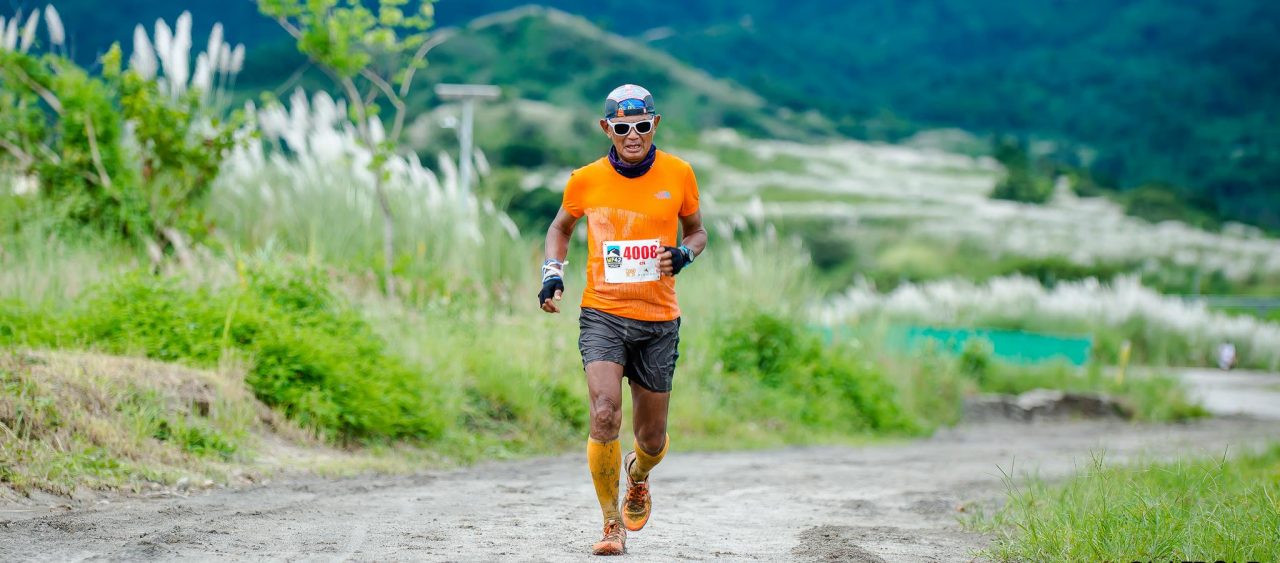
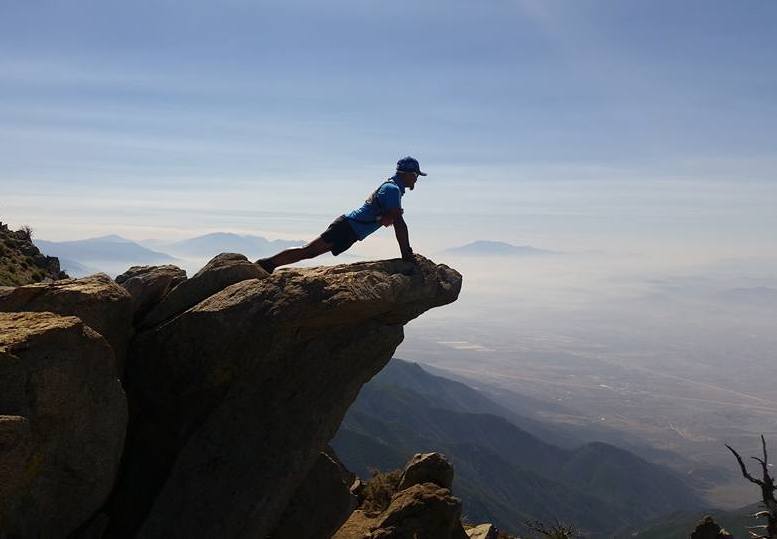
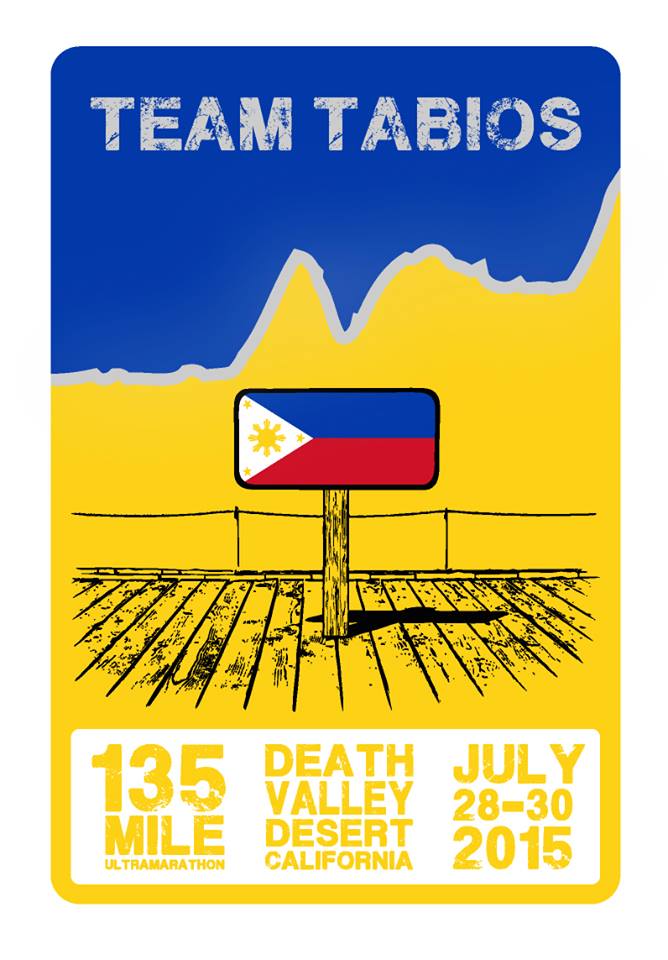
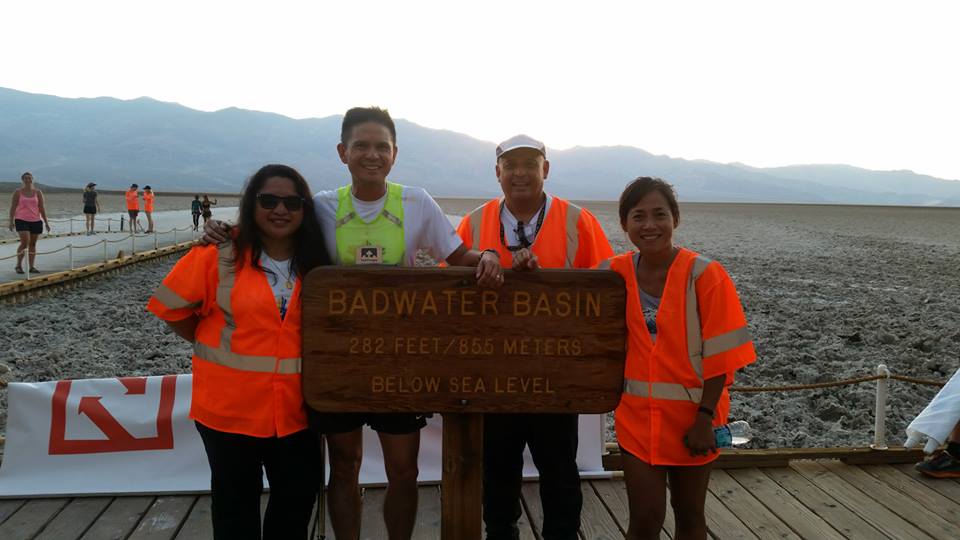
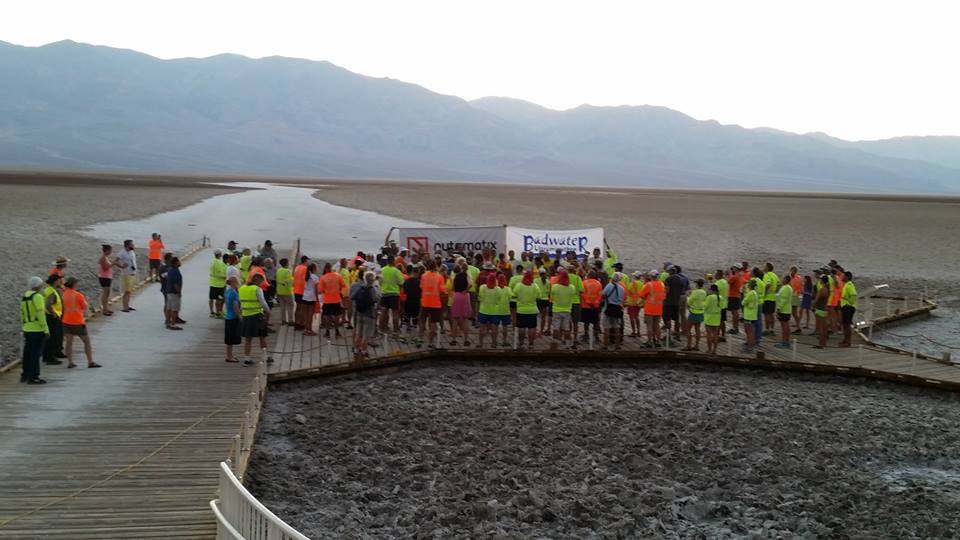
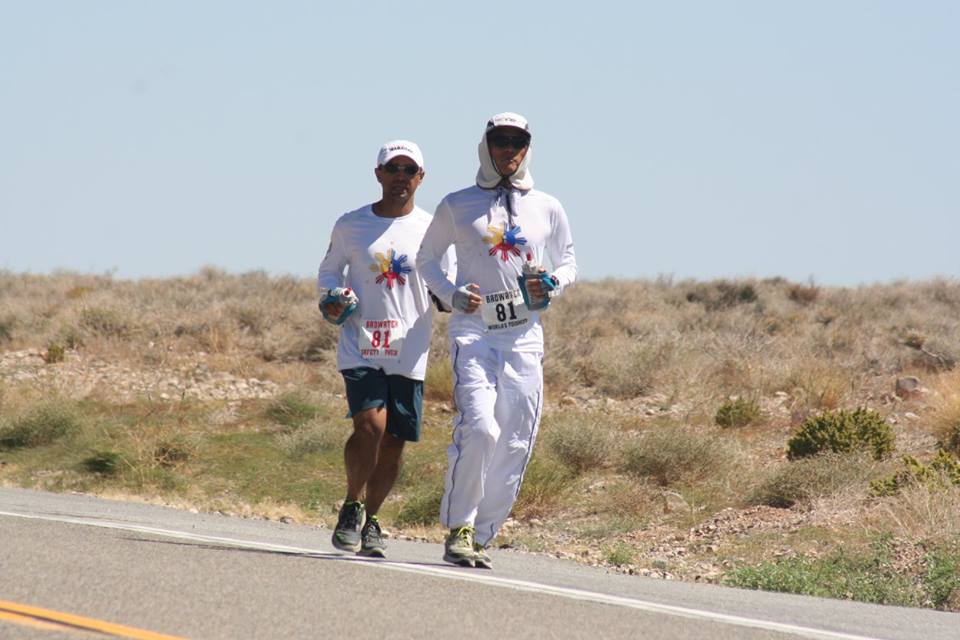
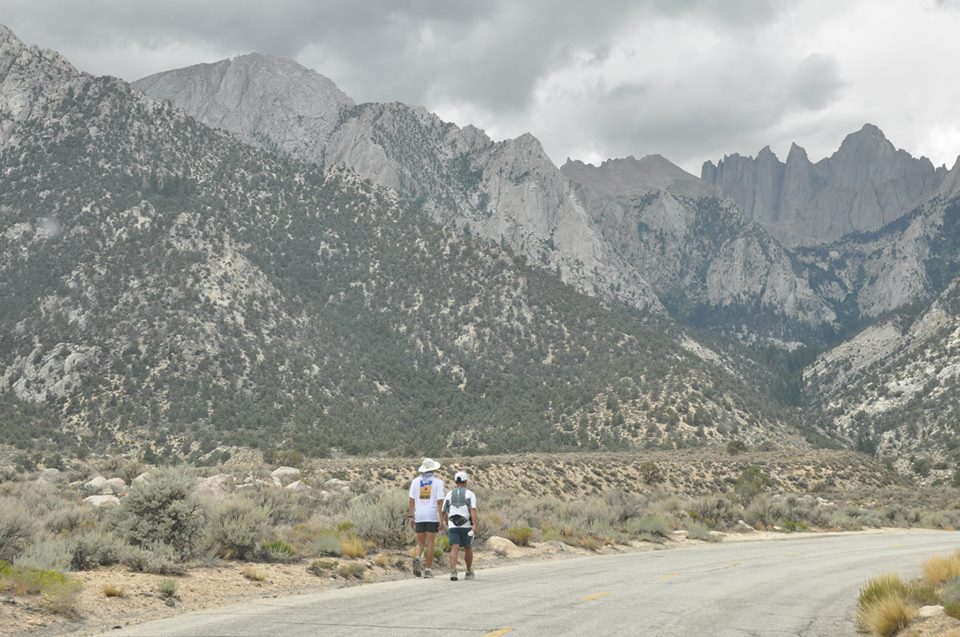
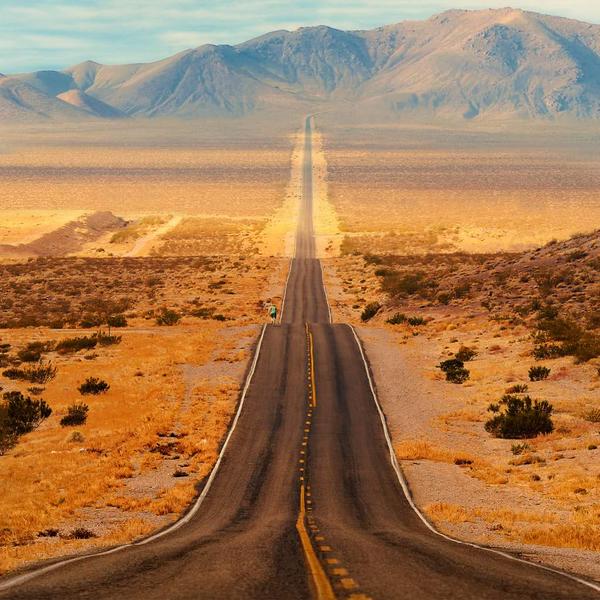
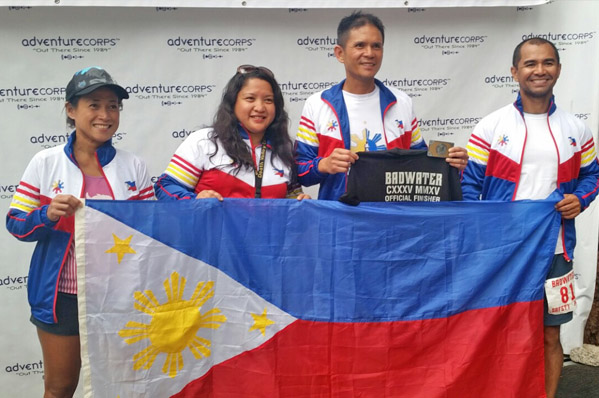
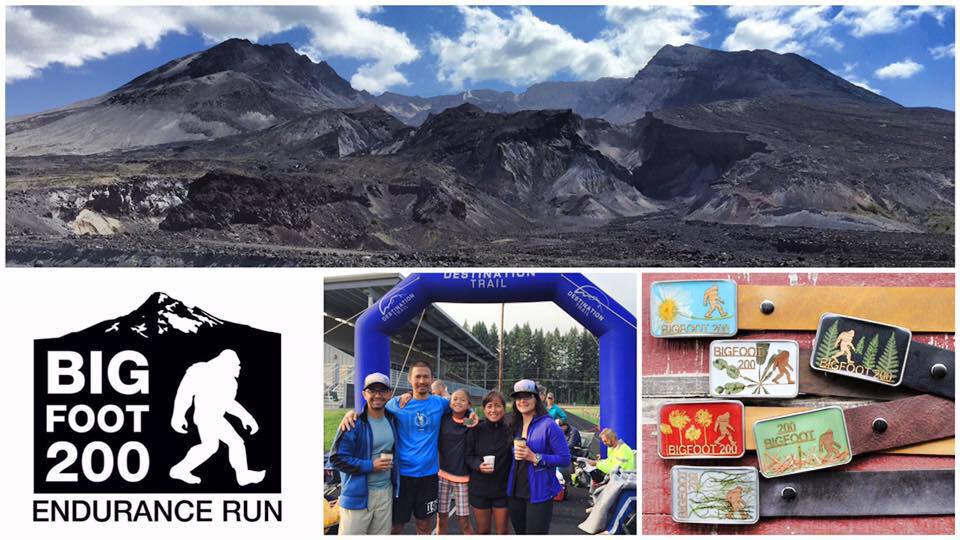
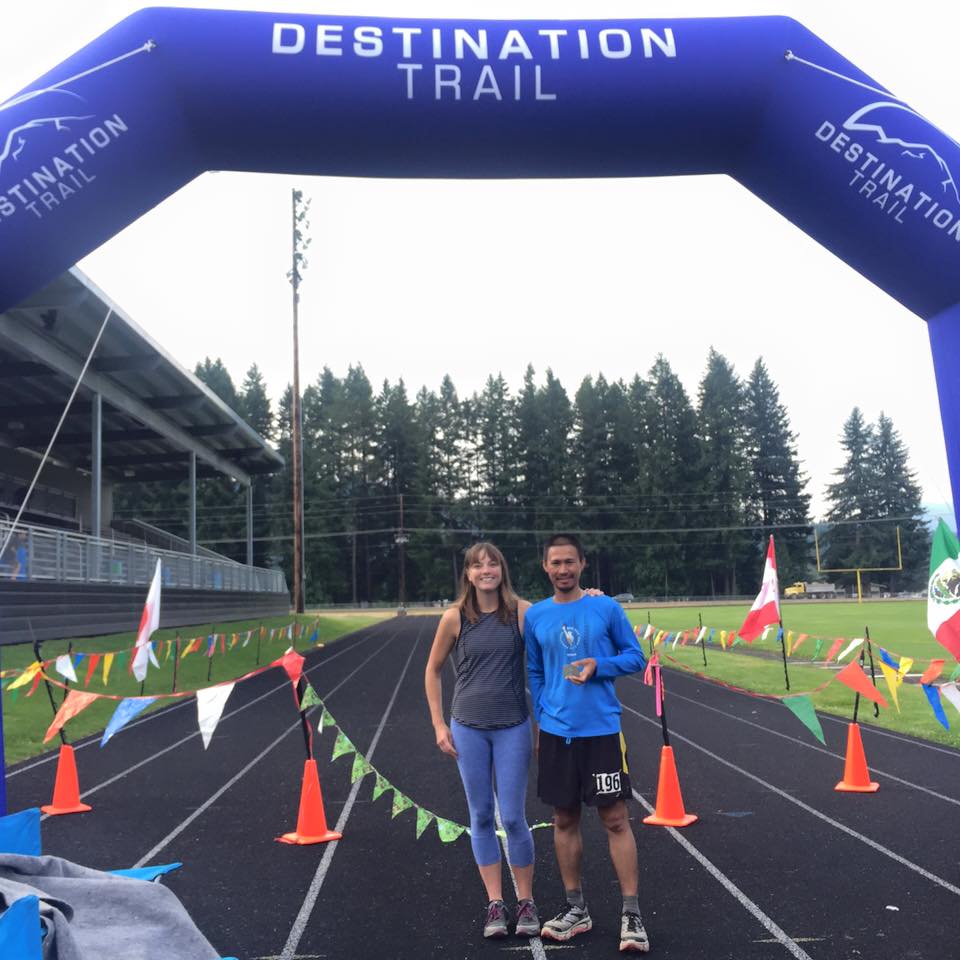
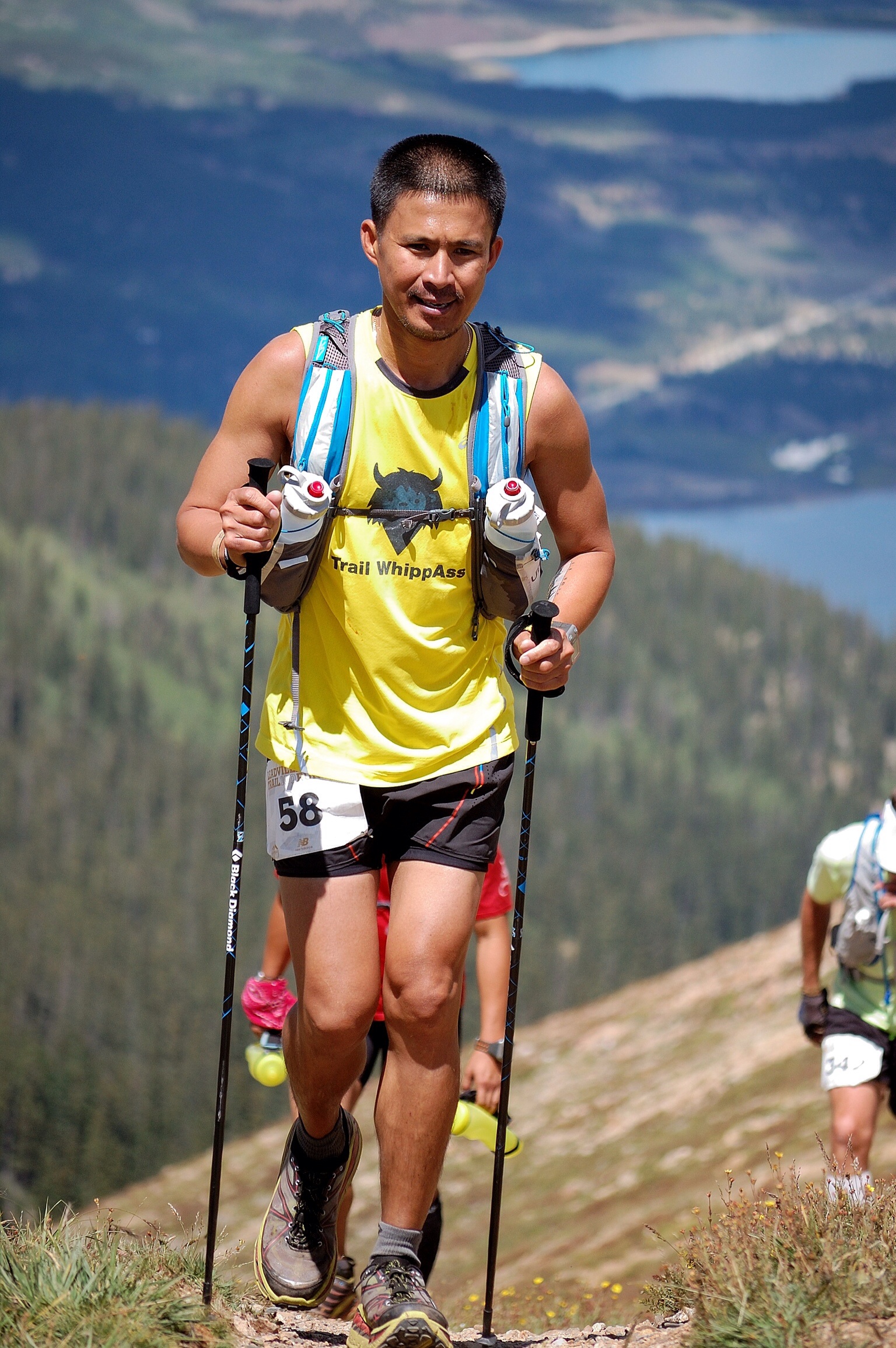
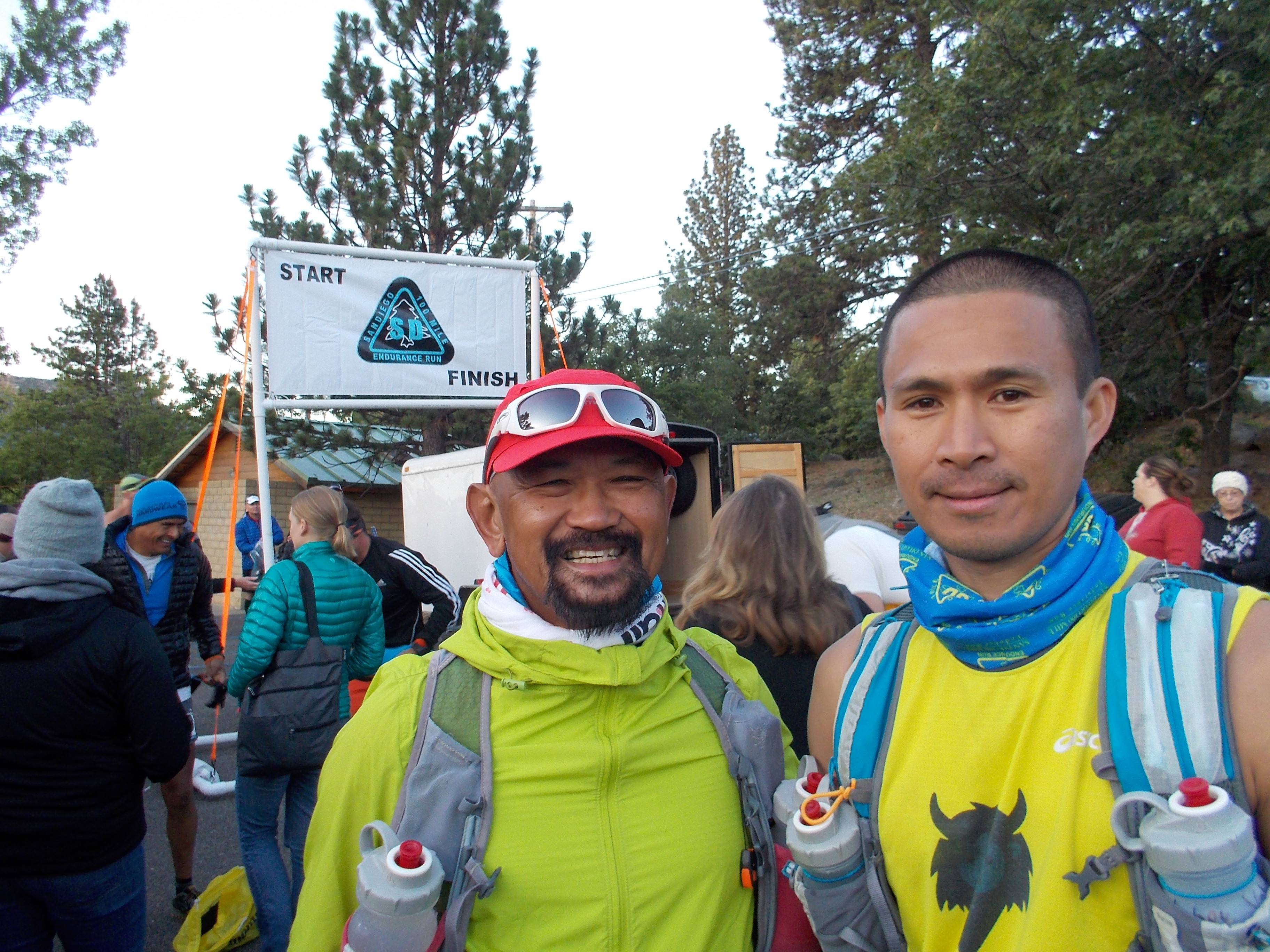
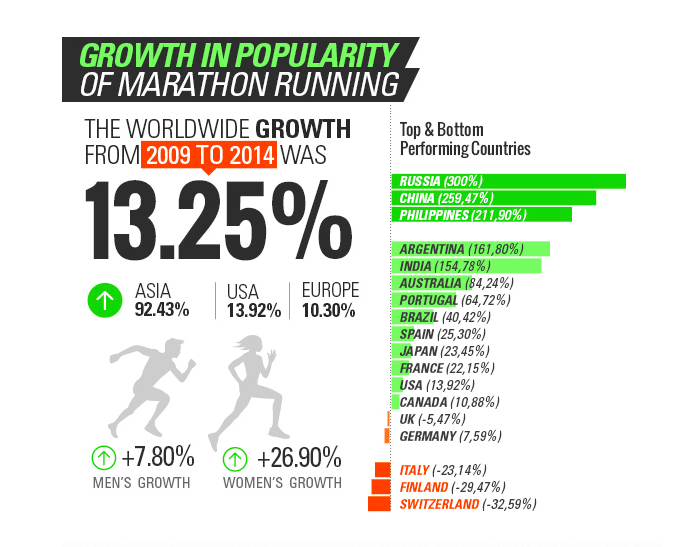
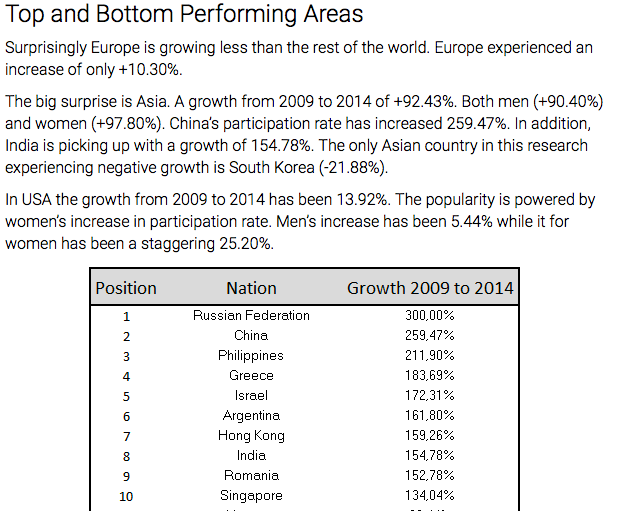


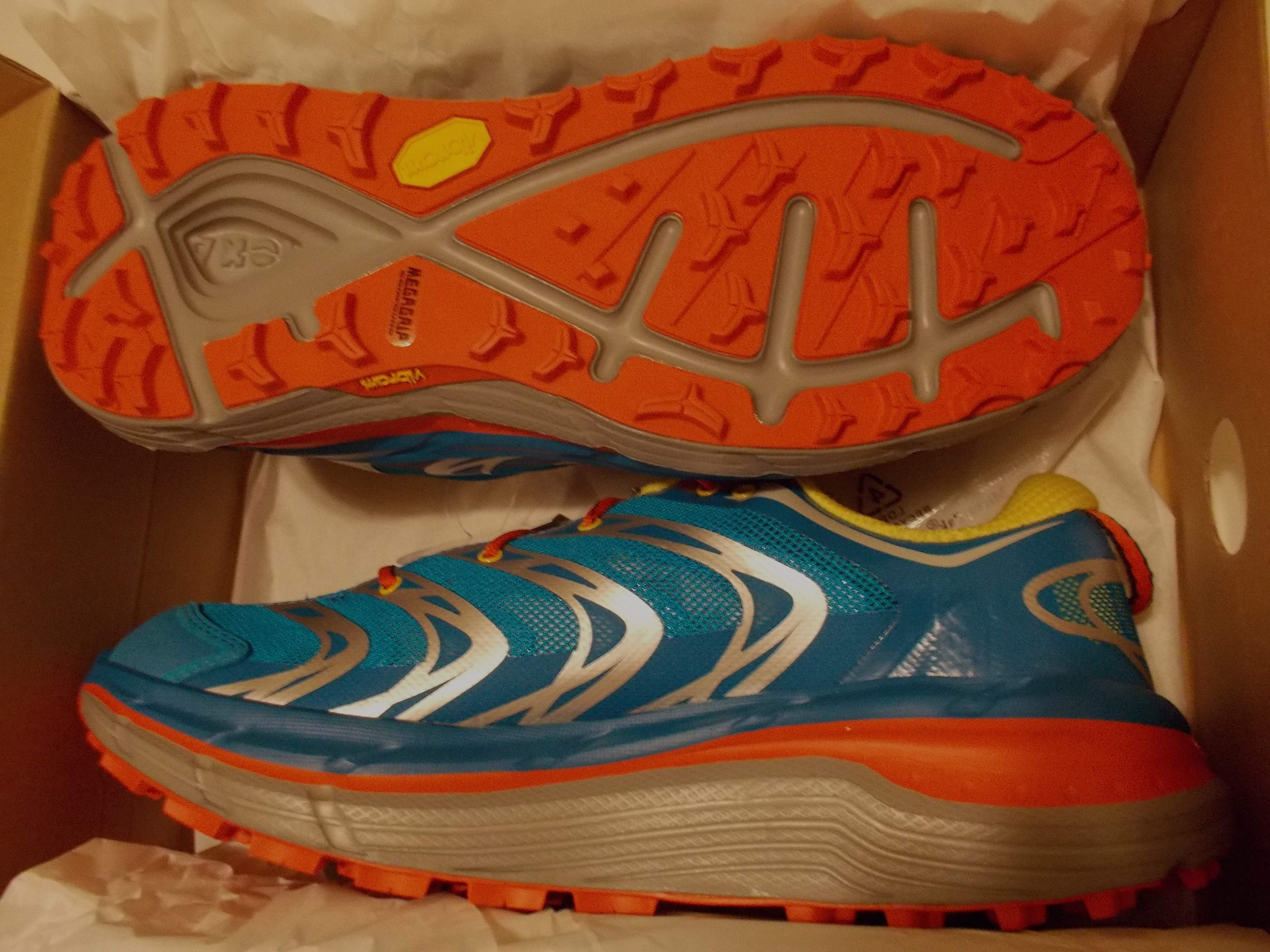
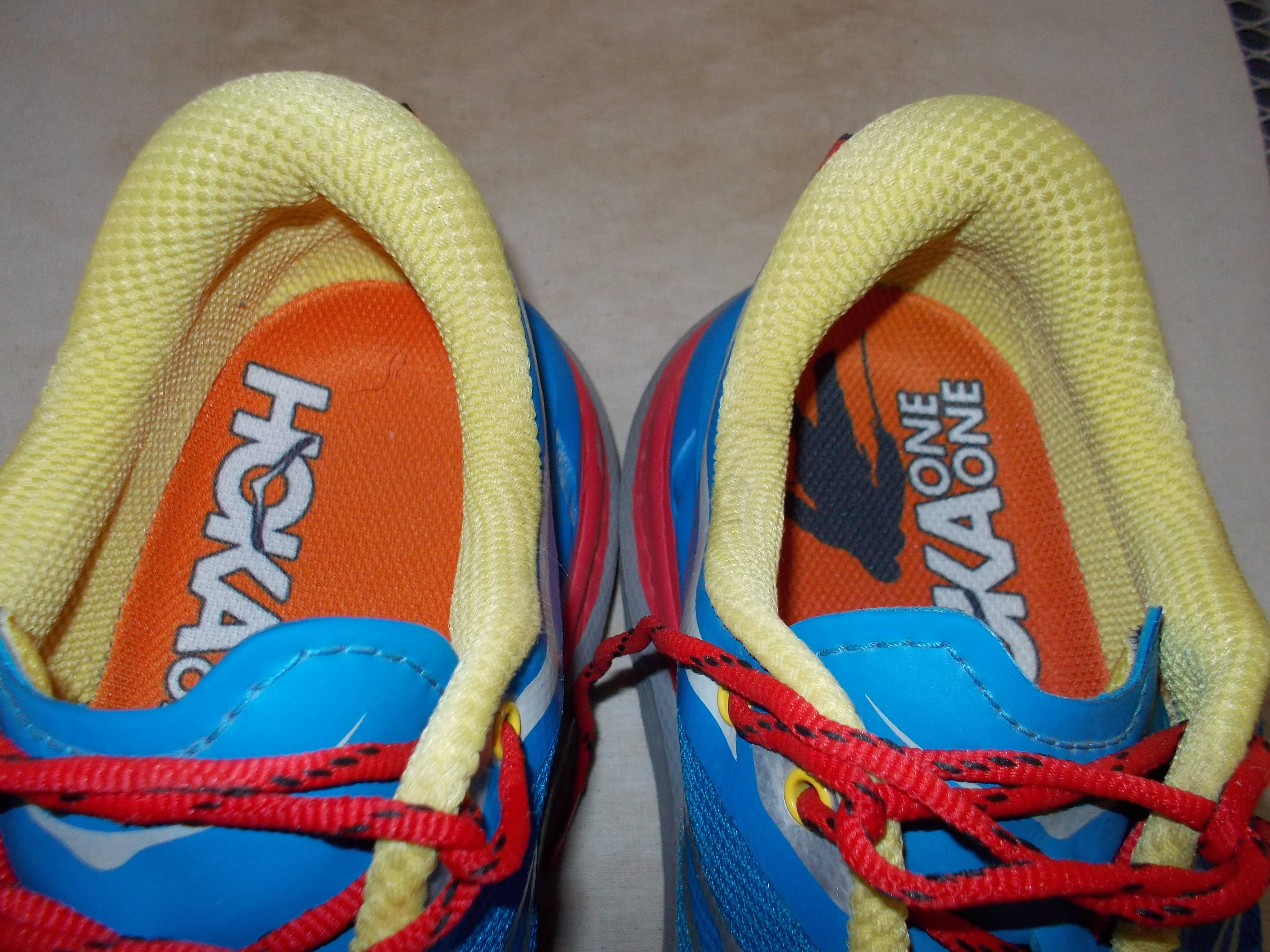
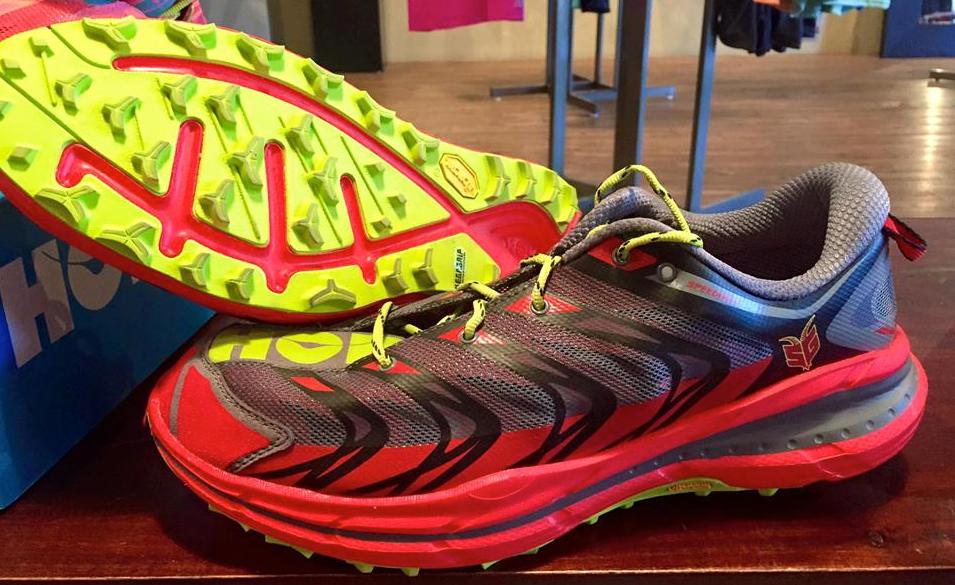
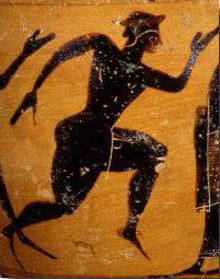
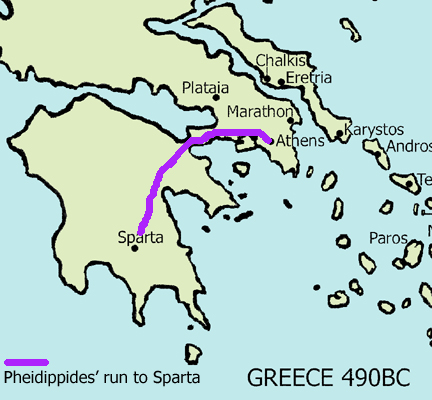

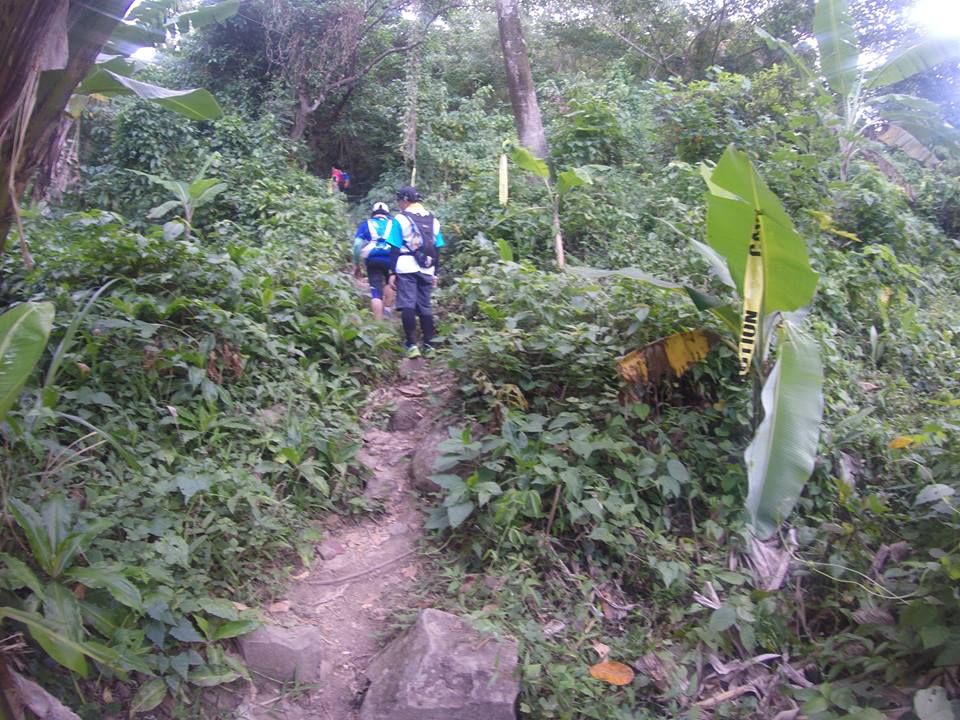
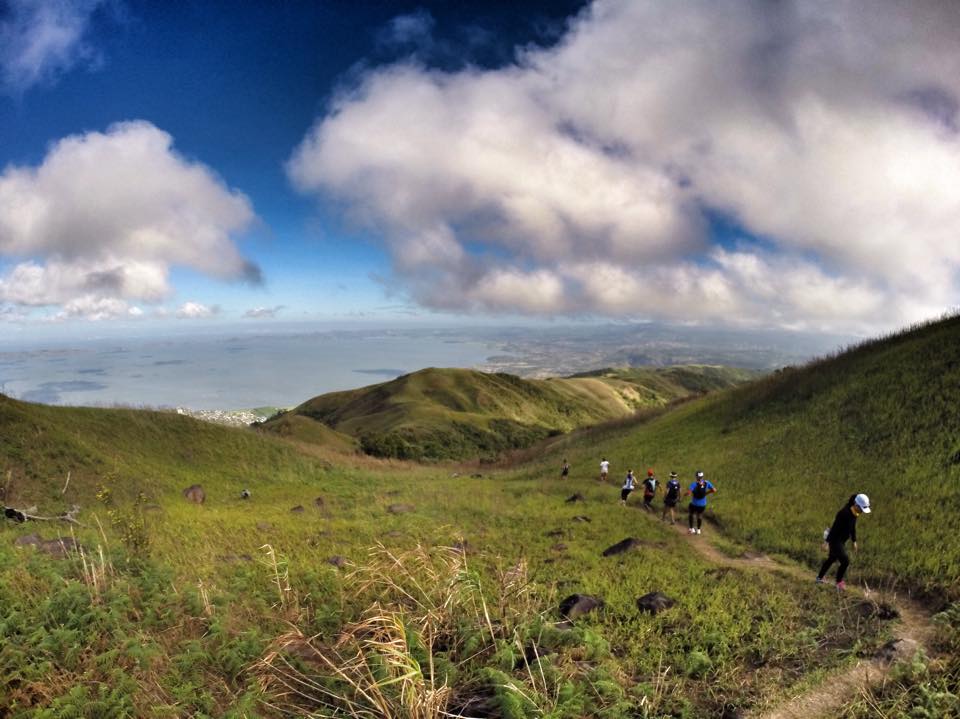
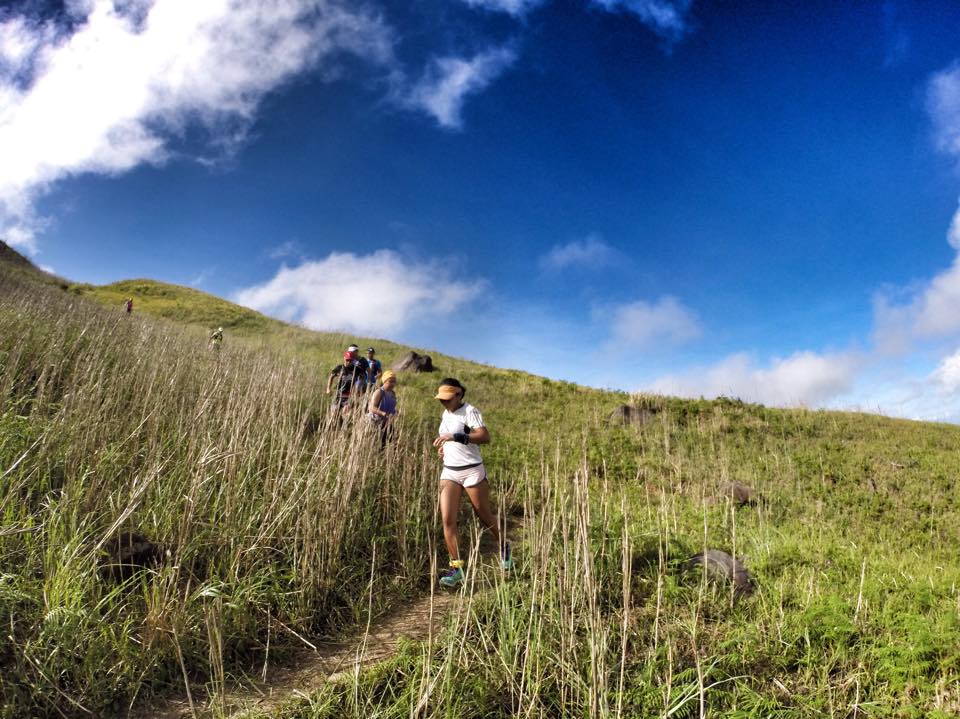
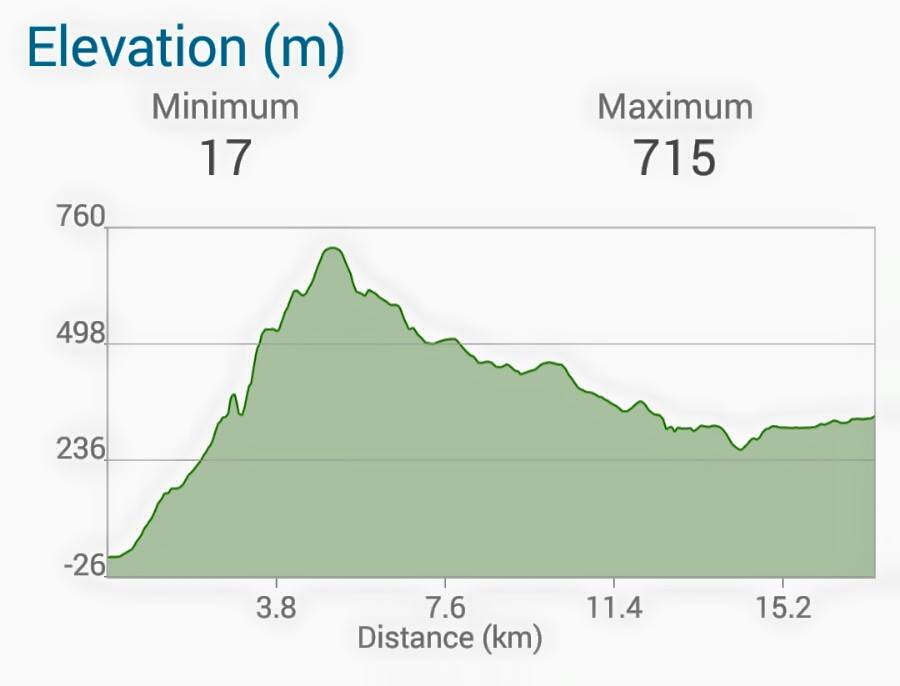
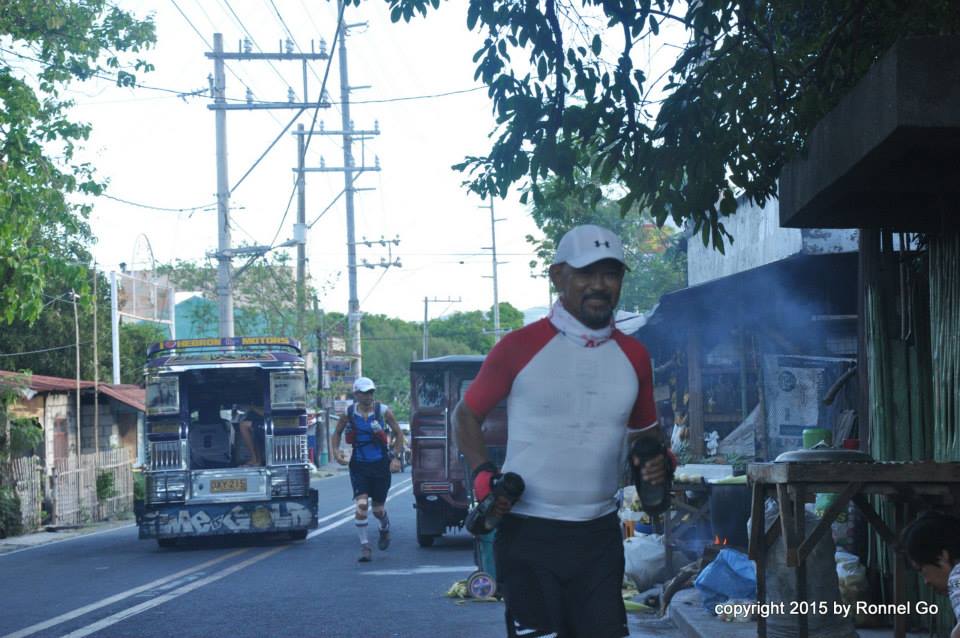
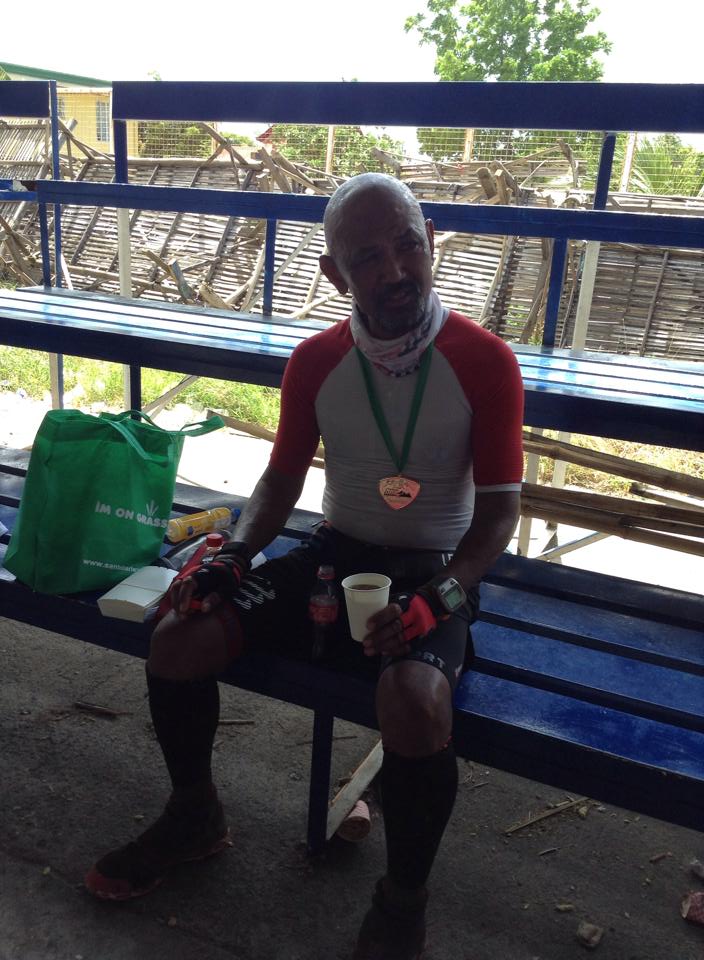
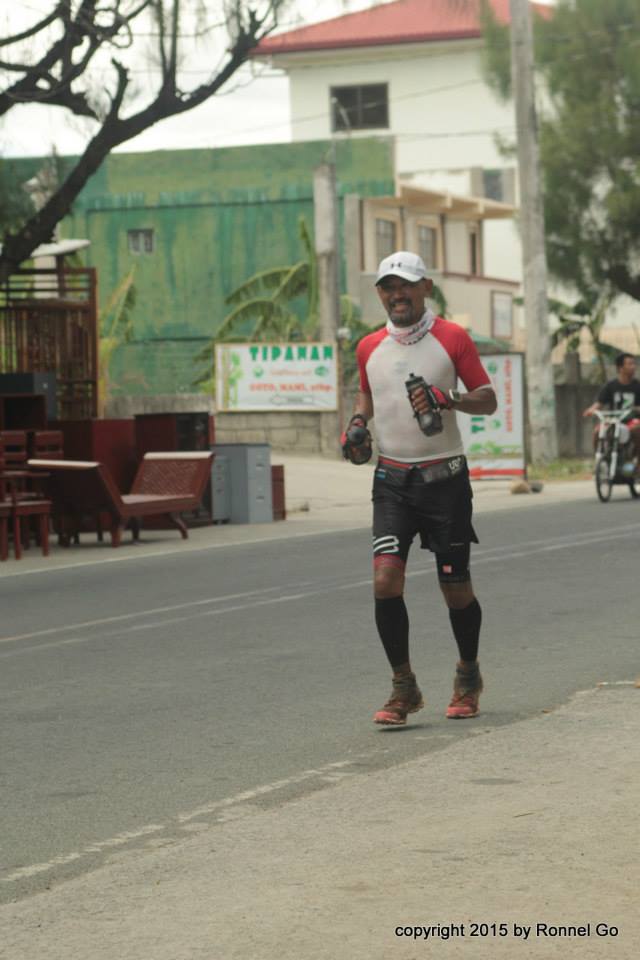

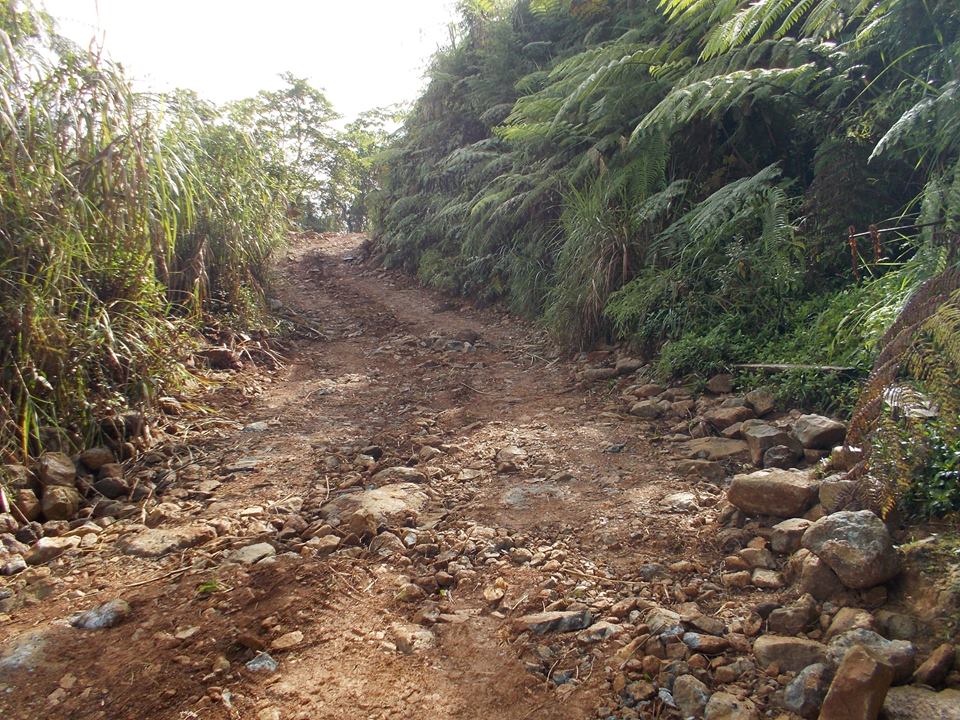
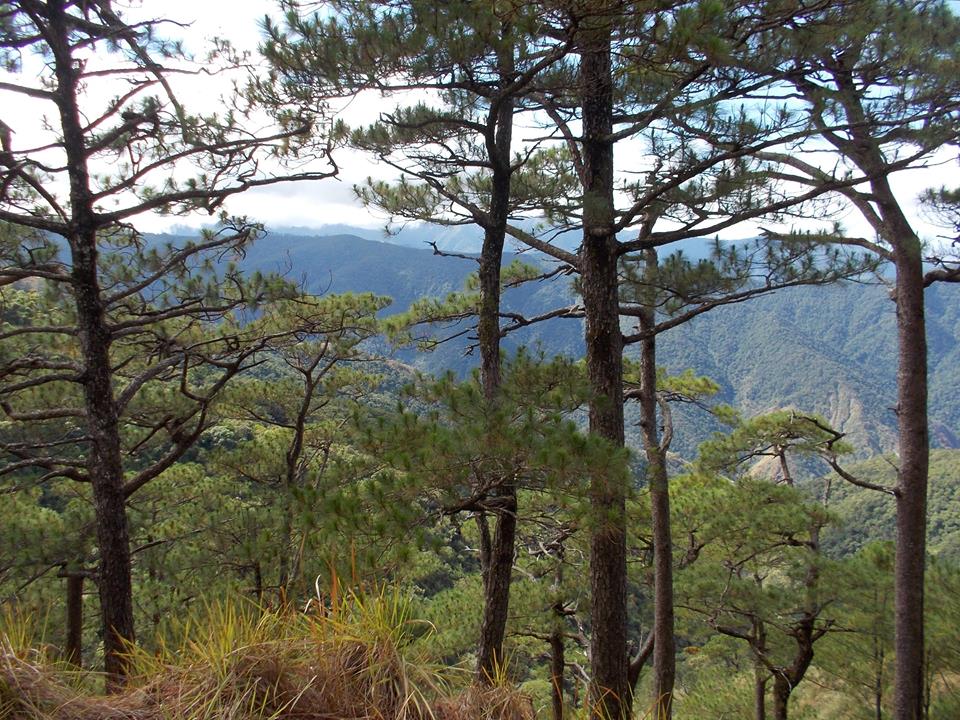
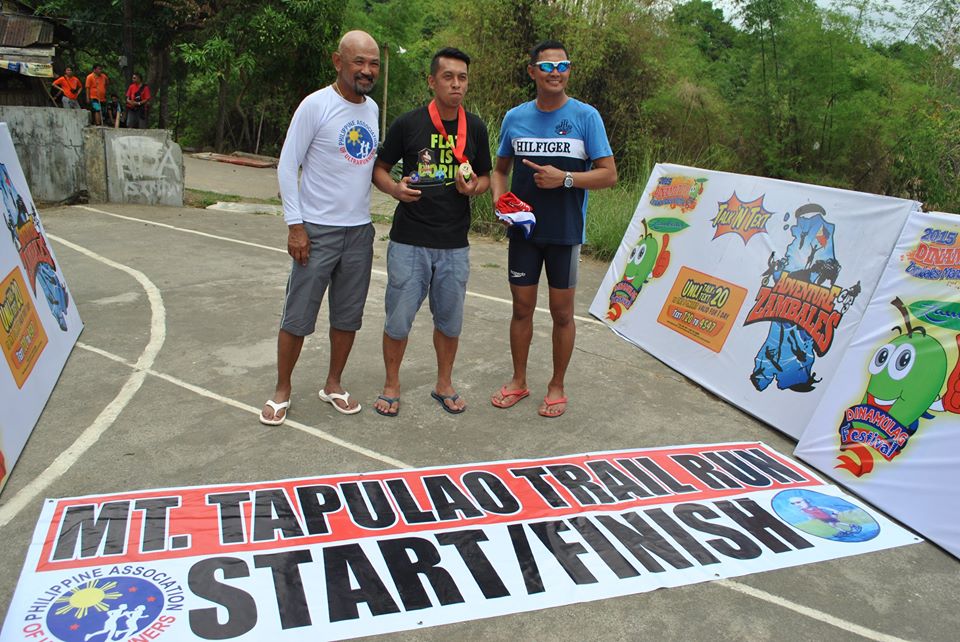


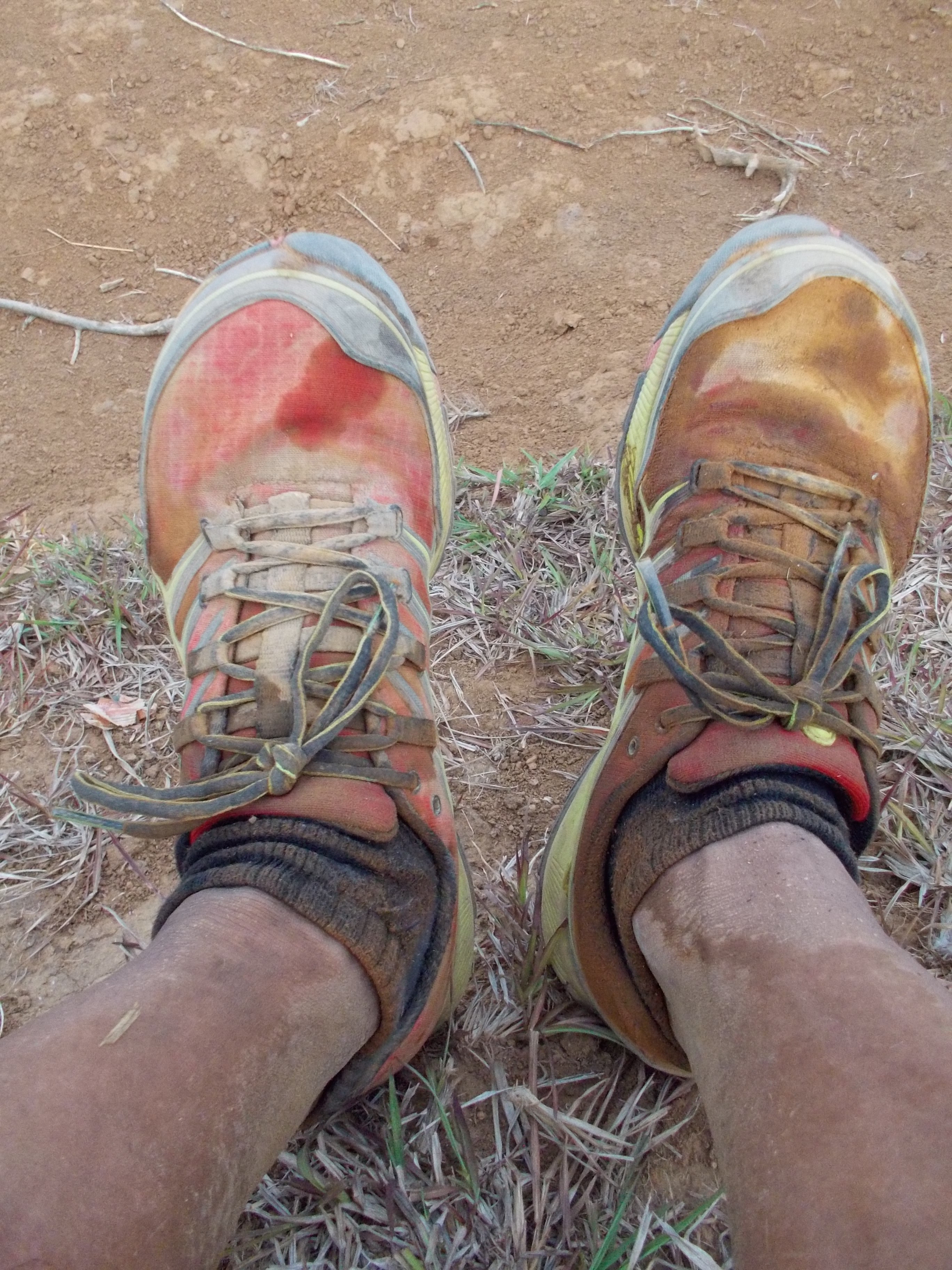
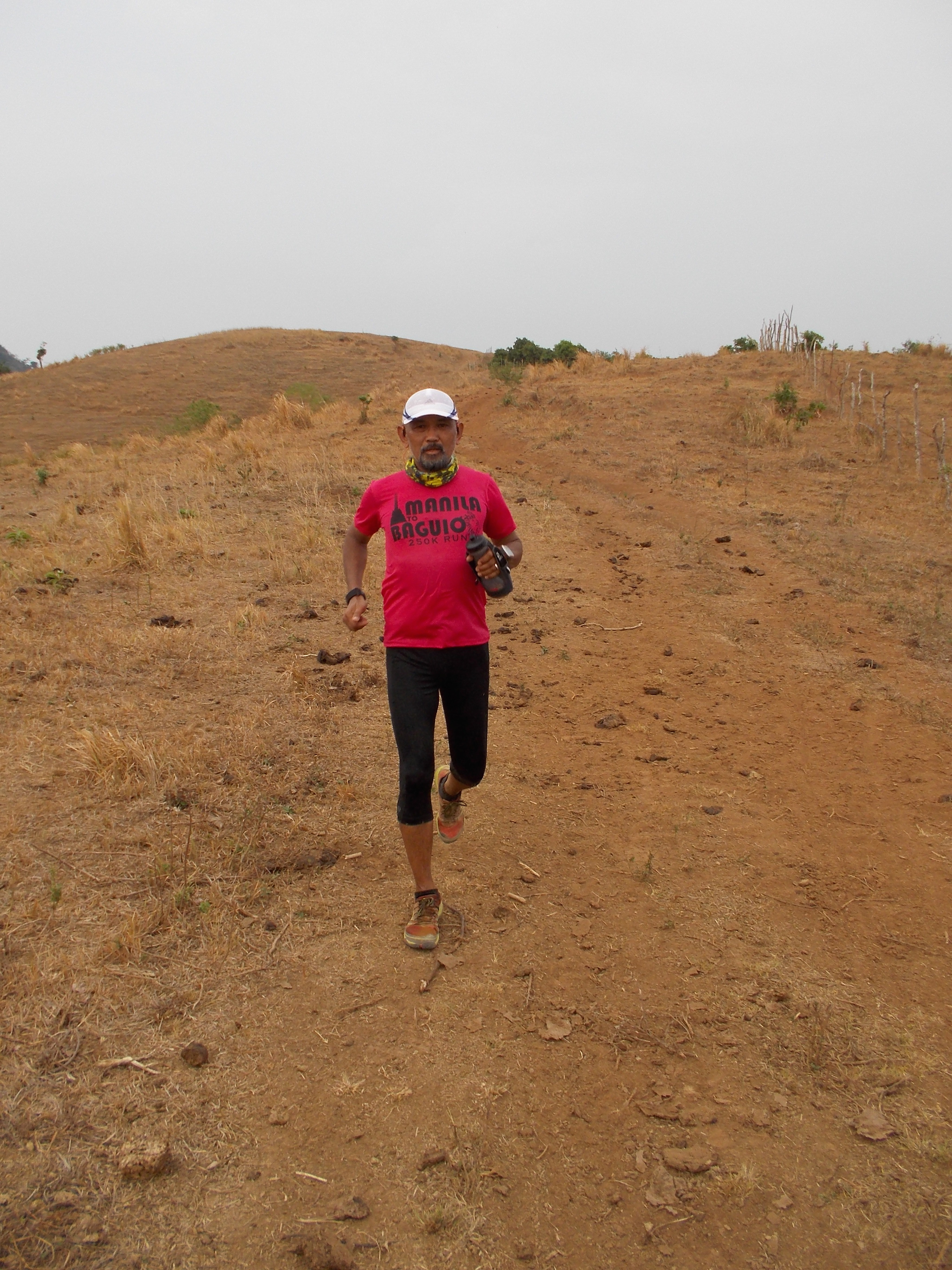
 Bald Runner
You must be logged in to post a comment.