BDM 102 @ Ultrarunning Magazine


Months before the publication of the April 2010 issue of the Ultrarunning Magazine, Ben Gaetos, a BDM 102 veteran and ultrarunner from Los Angeles, California, sent me an e-mail informing me that the article I sent to Tia Bodington of the Ultrarunning Magazine last year will be published in the April 2010 issue of the said magazine.

I was so excited about this information as this will serve as a venue for the ultrarunners in the United States and other countries to be aware of the presence of an ultrarunning event at the very same place where history happened in the last World War II.

My reply to Ben Gaetos was to request him to buy one copy for me as I thought that the said magazine is available in the newsstands, magazine stores and bookstores in the United States. I found out later that the said magazine is only available to subscribers.

Last week, I was surprised when I received a copy of the said magazine from Ben Gaetos which he sent through First Class on the US Postal Service. Thanks, Ben for sending to me your subscription copy of the Ultrarunning Magazine. I hope you will send also your personal Race Report for the 2010 BDM 102 to Tia Bodington this time. We’ll expect that to be published on the April 2011 issue of the said magazine. 
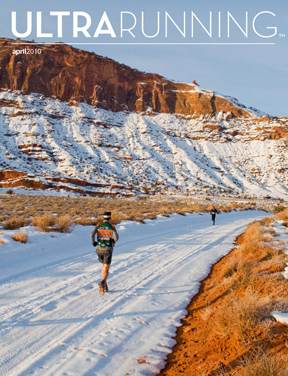
Cover Page of April 2010 Issue of Ultrarunning Magazine

The following article can be seen on page 44, under the Adventure Run Section of the Ultrarunning Magazine:

REMEMBERING OUR HEROES: BATAAN DEATH MARCH 102K ULTRAMARATHON RACE

By Jovenal Narcise, RD 

It started as a dream and it became a reality.

Having been a retired Two-Star General from the Armed Forces of the Philippines last year and a passionate runner, I thought of conducting an ultramarathon road race by adopting the actual route of the infamous Bataan Death March that happened on April 6-15, 1942 after the US and Philippine Forces surrendered to the invading Japanese Imperial Military Forces. This March resulted in the deaths of almost 700 US soldiers and 20,000 Philippine troops and Auxiliary members due to the atrocities of the Japanese soldiers, lack of water & food, weak bodies due to diseases, and the scorching heat of the sun during the day being April as the peak of summer hot weather in the country.

In memory of our heroes, this ultramarathon race was dedicated to them in celebration of the country’s National Heroes Day. The other purpose was to promote ultra running events in the country and develop future ultra runners for international exposure. Lastly, I would like to make this celebration as an annual running event to raise funds for the living survivors of the Bataan Death March in the country who are few and proud to have served to defend the country in the name of freedom and democracy.

A total of 82 runners, consisting of 8 runners from other countries (US, Japan, France, Indonesia, and Singapore) and 5 lady runners, became part of history of this ultra road running event as they started the race at 30 minutes passed midnight of April 4, 2009.

The event followed the actual route where our heroes had to walk from the coastal town of Mariveles, Bataan up to the Old Train Station in the City of San Fernando, Pampanga covering a distance of 102 kilometers. Runners started their uphill climb after 3 kilometers from the Starting Line, traversing the first mountain along the route. The next 35 kilometers would be a roller-coaster run with uphill and downhill as more towns would be reached and passed by the runners. The next 60 kilometers and down to the final stretch of the race are all plain but the heat of the sun would be the most important concern among runners in order to have the strength and endurance to reach the Finish Line.

Each runner was encouraged to bring with them their hydration belt, at least, one container for water and another one for their sports drinks for mineral replacements. The Aid Stations were located every 20 kilometers while 3 Roving Aid Stations aboard vehicles were constantly in touched with the runners, giving bottled water and sports/energy drinks and food along the way. At the Halfway mark (Km Post 50), an Aid Station was available to serve breakfast to all the runners and it became a recovery point for Drop Bags of the runners. Three (3) Ambulance Vehicles were available moving with the runners and One Ambulance was dedicated to follow the last runner of the event up to the Finish Line.

The first half of the race was a test of patience for all the runners. But the second half was a test of endurance as the heat of the sun would reach up to 100-110 degrees Fahrenheit and this condition would slow down most of the runners. Due to proper information and previous “test run” along the second half of the route two months before the race and long runs along the main streets in Metro Manila during daytime, runners knew how to deal with the early signs of “heatstroke” and the finishers were proud to have overcome such condition and challenge along the way by applying those preventive measures they have learned from their past long runs and training.

Out of the 82 starters, 63 runners were declared Finishers beating the cut-off time of 18 hours. Out of the 5 lady runners, 2 of them finished the race within the prescribed time. Each finisher was immediately awarded with a Finisher’s Medal, Finisher’s Trophy, and Certificate of Finish immediately after passing the Finish Line. To top it all, a separate Awarding Ceremony Dinner Party was held at the Philippine Army’s Officers Club with all the participants and sponsors celebrating as a community of ultra runners, a week after the running event.

The race was a successful one and more runners had already signified their intentions to join in the next year’s edition of this ultra road race. The 2nd edition of the race will be held on the midnight of March 6, 2010.

The 3rd edition of the BDM 102 is now listed among the Ultra Running Events in the Calendar Link of Ultrarunning Magazine. However, an additional calendar entry will be requested for the 1st BDM 151 soon. Please check at www.ultrarunning.com.
Subic, Baguio, B2B Runs & Buckle


1. Last Wednesday, I was on top of some of the insignificant hills and mountains of Bataan looking for trails under the heat of the sun. I did not run but I walked a lot on those trails hoping that the area is not considered as “territory” of the insurgents. After an overnight stay in Bataan, I decided to have a long slow distance run inside the Subic Base/Export Processing Zone  on the morning of Thursday. I started my run at 6:30 AM and I took the route of the Subic Half-Marathon Race when I joined the said race on January 20, 2008.

2. While I was running my first 5 kilometers, I was anxious to reach the uphill portions of the route. Before I reached the Subic International Airport Terminal, the uphill climb started to meet me and I was surprised that I could sustain my average stride frequency of 170-180 steps per minute. Yes, I’ve been counting my steps since I started to be aware of my stride frequency two weeks ago. This was the very reason why I wanted to run a longer distance in order to test my legs if they could sustain an average stride frequency of 180 steps per minute.

3. More uphill climbs would meet me along the way and I was happy that I was comfortable with my pace. As compared when I first run this route, I felt that the two years of continous & consistent running would make the uphill climbs at the Subic Base as very easy and insignificant challenge to my running legs. I knew that I’ve improved a lot in terms of strengthening my legs and my aerobic capabilities for the past two years.

4. Instead of turning-around the usual 10.5K point, I extended my run up to the direction of the Morong Gate, running an additional 2-3 kilometers. As I turned-back, the first 2 kilometers was an uphill climb and I was able to maintain my stride frequency but with shorter strides. I have to count up to 100 stride cycles repeatedly until I could count 10 X of the hundreds plus a hundred cycles in order to cover a distance of one kilometer. I really enjoyed counting my steps in this run. I was able to cover a distance of 25 kilometers with a time of 2:49+ hours. The heat of the sun slowed me down on my last two kilometers. But I enjoyed my practice in counting the number of stride cycles during this kind of LSD run.

5. I intended to cheer for the 100K & 50K TNF runners at the starting line (Burnham Park, Baguio City) last Saturday morning but due to some miscommunication, instead of 3:00 AM start time, I got a wrong information that the race will start at 4:00 AM. I missed the runners by 45 minutes! So, I went back to the hotel and have some more sleep. At 7:00 AM, I was out of my hotel room for another long run with the intention of running all the way to Fort Del Pilar.

6. Another reason why I was in Baguio City was to look for a manufacturer of a Cowboy Belt Buckle for the Finishers of the BDM 151 to be held next year. I want to have a Silver Cowboy Buckle for these “crazy & hardcore” finishers of the 1st BDM 151. Having lived in Baguio City in the late 60s and up to mid-70s, I know that the best Silver-works manufacturers are in Baguio City. So, I have to locate and talk to the owners of the famous Manantan and Ibay Shops of Baguio City after I finished my scheduled long run in the morning of Saturday.

7. As I was approaching the Old Gate of Camp John Hay, a local runner joined me in my run and started asking about the route of the TNF 50 & 100K. Maybe, the local runner thought that I was a participant or pacer of the TNF race as I was sporting a TNF Runner’s Cap! The guy distracted my concentration as I answered him truthfully that I am not “in the loop” with the said race. The local runner told me that he was requested by his friend, a TNF race participant in the 50K run, to meet him at the Camp John Hay area. Instead of taking the road that goes to Fort Del Pilar, I turned towards the left road which is South Drive and went all the way to the Mines View Park.

8. On my way back, I went directly to the Gate of the Baguio Country Club and turned back to South Drive and went all the way to the Old Gate of Camp John Hay. Oh, how I missed playing golf when I passed by the Baguio Country Club’s Golf Course afte looking at those golfers walking towards the green. At the Old Gate of Camp John Hay, I was surprised that the Head Marshal of the TNF at that point greeted me! I realized that the road going to PMA was a part of the TNF route and I kept on running until I reached the Scout Barrio area. After I passed the Jeepney Stop area at the Scout Barrio, I noticed one of the marshals guarding one of the trail exit/entrance along the paved road and I asked permission from him to run along the trail.

9. The marshal permitted me to run on some of the trails with the purpose of taking some pictures for my running friends who happened to be finishing the 50K. The marshal told me that two leading runners had passed his position and that they are the 50K runners. While I was on the said trail, I was following a man riding a horse and he later took another dirt trail as we separated. It was easy to follow the trail route of the race as there were lots of stringed small TNF banners tied on trees along the trails and in intersections. After running for about 2 kilometers, I met the third place 50K runner and it was my first time to see his face. He must be a local runner from Baguio City or Benguet Province, the runner with some missing front teeth as seen when I started a conversation with him in the local dialect.

10. Before reaching the Loakan Airport, I ended my run & walk on those trails with much frustrations. I am frustrated on how those preserved forest areas being attacked and invaded by “squatters’ and land developers. I’ve been running along  these trails when the US Armed Forces were still the Lord of Camp John Hay and I could still remember the smell of those Pine Trees around. Now, running along these trails would be “hazardous” to your health and to your personal security. I made my turn-around and slowly jogged back to the hotel. I was able to run a distance of 23 kilometers with a slower time because of my jog & walk along the trails.

11. I was doubly frustrated when the two famous Silver Shops in Baguio City told me that they don’t accept Made-to-Order Silver Cowboy Belt Buckle. They told me that there is no way that they can make one for me! However, one of the shopowners was brave enough to tell me that he will make one for a price of Thirteen Thousand Pesos a piece! He must be crazy, too! (like my ultrarunning friends!). I might as well buy an LV Belt (Big Buckle & Belt) at Greenhills for the BDM 151 finishers instead of being “crazy” to order silver buckle from Baguio City with such price! Despite such frustration, I am still looking for somebody who would make that Cowboy Belt Buckle for my “crazy & hardcore” ultrarunning friends!

12. I was already back sleeping in Manila when the first TNF 100K runner reached the Finish Line at Burnham Park. In Manila, instead of observing and cheering the runners of the VSO Bahaginan’s Starting/Finish Line on the morning of Sunday, I was on the road again for another LSD. This was my first Back-to-Back (B2B) long run after my Jeju 50K Run. As I started my run, I saw a lot of running friends who were already going back to the Finish Line. Some of them are also having a good time with their respective LSDs for the weekend. The Lawton-Camp Villamor-NAIA 3-Lawton-Heritage Park/C5 and back at McKinley Hill route is already a worn-out LSD route for runners. I finished almost 15 kilometers for the day but I wanted more but due to the heat of summer, I decided to call it a day and rest my body for the next week’s training.

13. For the week, I was able to register a mileage of 67 kilometers (with a B2B weekend LSD) and two sessions of gym workout. Hopefully, I will be able to sustain my stride frequency, improve on this matter and prepare for my next Marathon Race.

Stride Is Everything!


Have you ever tried counting the number of strides/steps or stride cycles to complete one lap on the Oval Track at Lane #1? Or have you counted the number of steps or stride cycle for you to cover a distance of one kilometer? or up to the distance of 3, 5, or 10 kilometers? 

I have never tried counting my stride cycle on Lane #1 at the Oval Track but I’ve tried counting my stride cycle on Lane #8. I was able to count 240 “stride cycles” on my first try, counting every time my left foot strikes the ground. (Note: Stride Cycle is equivalent to two (2) strides/steps). But for my 2nd try, I was able to lessen the number of stride cycle to 210 until I was able to decrease it to 204 on my 3rd up to 5th repetitions.  This means that at my fastest pace, I was able to count 408 steps/strides to complete one lap on the Oval Track at Lane #8.

The problem was that I was not able to get my exact time to finish one lap of the oval track! I can only assume (through my feelings) that I was able to finish one lap at 2:15-2:20 minutes at Lane #8. With this assumption in time, I can say that my stride frequency or leg turn-over on that particular workout was 180-182 strides per minute! Surprised? Of course, I was surprised also because elite runners would generate an average of 180 to 190 strides per minute according to scientific studies based on the performance of elite runners and Olympic Champions. But the problem was that I was not as fast as the world elite runners. It is due to the fact that a have a short stride length, which is the distance between the tip of my rear foot to the tip of my front foot.

I did this workout two weeks ago and since then I was observant on the number of strides or “stride cycles” I can generate in running a particular distance, whether I am in the Oval Track or on the road.

Experts would say that for you to generate a faster pace or faster finish time, a runner must be able to increase his/her stride length and at the same time increase his/her stride frequency or leg turn-over. It is easy to say and comprehend this theory or rule but the implimentation would take a lot of patience, hardwork, & determination. Being an old runner, there is no way I can increase my stride length as I have the tendency to “shuffle” with my feet/legs when I am running. I barely lift my knees when I run and I am more comfortable in letting my feet graze a few inches from the ground as if I am sliding my feet, one foot at a time, barely hitting the ground. This “shuffling” technique had protected my knees for the years that I’ve been running. I never had any injuries or pain in my knees!

The only way I could generate a faster pace and finish time is to be able to increase my stride frequency or stride cycle. I must be able to consistenly count 180 strides per minute or count 90 stride cycles every minute. In counting stride cycle, I count every time my right of left foot touches the ground. Although I’ve been doing this technique in my past races, I only think of doing this technique when I want to sustain my strength in the last kilometers of the race. The counting of the stride cycles becomes my “mantra” when I need more push and extra effort to maintain my average pace in a race.

Last Monday, I tried running at the Oval Track at Lane #1 and I was able to register the following number of stride cycles, time and average pace:

Rep #1—167 stride cycles—1:47 minutes—4:20 mins per km

Rep #2—173 stride cycles—1:53 minutes—4:32 mins per km

Rep #3—173 stride cycles—1:49 minutes—4:25 mins per km

Rep #4—166 stride cycles—1:45 minutes—4:11 mins per km

Rep #5—172 stride cycles—1:48 minutes—4:18 mins per km

In this workout, I was able to generate an average of 170 stride cycles or 340 steps; with an average time of 1:48 minutes; and with an average pace of 4:21 minutes per kilometer. By looking at the results of my experimentation, I can safely say that I can generate a stride frequency of 180 steps or more per minute but the problem is how to sustain such frequency in a half-marathon or marathon distance race. For me to improve on my time in my next marathon race, I should be able to sustain my stride frequency of 180 steps per minute for the whole race.

After my workout at the Oval Track last Monday, I asked one of my elite runners on how to sustain my stride frequency during a race. He answered that I need to do a lot of “drills and plyo” exercises. He also suggested some of the drills I have to do regularly.

This issue on sustaining my stride frequency led me to make some research on the Internet. I was able to browse on an article made by Tony Benson who was the Australian Coach behind our successes in Athletics through Governor Michael Keon’s Project Gintong Alay in the 70s and 80s about a list of “guide” (based from his experience) to maximize ones potential in running by counting the number of strides/steps to cover a certain distance. The following is his “guide” on the number of steps a runner expects to generate depending on his/her average pace:

  • 8 minute kilometre pace (48 seconds per 100m) = 122 to 127 steps per 100m (~1250 per kilometre)
  • 7 minute kilometre pace (42 seconds per 100m) = 109 to 111 steps per 100m (~1100 per kilometre)
  • 6 minute kilometre pace (36 seconds per 100m) = 98 to 102 steps per 100m (~1000 per kilometre)
  • 5 minute kilometre pace (30 seconds per 100m) = 83 to 86 steps per 100m (~850 per kilometre)
  • 4 minute kilometre pace (24 seconds per 100m) = 64 to 67 steps per 100m (~650 per kilometre)
  • 3 minute kilometre pace (18 seconds per 100m) = 55 to 57 steps per 100m (~560 per kilometre)
  • From this “guide”, you can conclude that if you run at a slow pace, the tendency is to run with a shorter stride length. However, if you have a faster pace/average pace, the tendency is to run with a longer stride length. This is due to the fact that a runner with a faster pace has the tendency to generate a bounce/jump that propels the runner to take a longer stride. In my experience, I could only generate an average of 75 to 80 centimeters of stride length during my LSD or easy run but if I am doing my speed and/or tempo runs at the Oval Track, I could generate an average of 115 to 117 centimeters. Yes, I went to the extent of measuring my stride length just to be able to improve on my running.

    In the book, “Brain Training For Runners” by Matt Fitzgerald, I found out that the “drills and plyo” exercises recommended by my elite athlete is a small portion of the whole solution in the pursuit of stride development. The author, for obvious reasons, recommends the “Brain Training Approach”. The first approach is Emulation. I am not saying that I should emulate or try to run like Haile and the other world-class elite runners/Olympic Champions in the Marathon Race as seen on tapes, DVDs, You Tube, and other recordings.

    Observing my elite athletes do their workouts at the Oval Track, I could not find a running form that resembles my style. They have very long stride lengths and faster stride frequency. But, what impressed me most was my observation (with my own eyes) on how the Japanese ultrarunners performed in the Jeju International Ultramarathon 100K Race, that is to include the women runners. They have short strides but their stride frequency was very fast. They land their feet on midfoot and they quickly lift their feet once they get in contact with the ground. Their foot contact with the ground was very quick and light. You could hardly see them lift their thighs so high and see them lift their feet on the backward motion. It was amazing to see their feet “shuffling” and grazing a minimum height from the ground!

    Since Monday of last week, I’ve been counting the number of steps or stride cycle every time I run, trying to emulate those Japanese ultrarunners. I know it will take a lot of practice and patience to count every time I run but I could feel some improvements with my average pace.

    Right now, I am looking for that inexpensive watch with a metronome beat of 180-190 beats per minute which will be my “partner” in my running workout until such time that my body system will be used to the beat. At least, that will save me from counting every step I make in my run. 

    To be continued…

    (References: BENSON’s EPS Step With The Best To Success & “Brain Training For Runners by Matt Fitzgerald)

    Running Lecture @ METROBANK Technology, Inc.


    MBTC Technology, Inc (MTI) or METROBANK Technology is the IT arm of the METROBANK Group.

    Randy San Miguel and Jerry Adriano of METROBANK Technology, Inc. had been training with the BR’s “Speed” Training Sessions at the ULTRA Oval Track for almost two years already and they are very dedicated in their training every week. It was only two months ago that Randy invited me to conduct a Running Lecture and Clinic to the office/corporate institution where he is working as he had to make some planning and coordination with the administration and getting a good crowd of his officemates who are interested to know the “basics” of running.

    Randy and Jerry are inseparable during our training workouts at the ULTRA Oval Track as they belong with the same office. They are dedicated runners and had been joing competitive races from 10K distance to the full Marathon distance. I also observed that they always run together in their competitive road races. I can say that they are already veteran runners! So, when they asked and invited me to conduct a running lecture, I immediately approved their request.

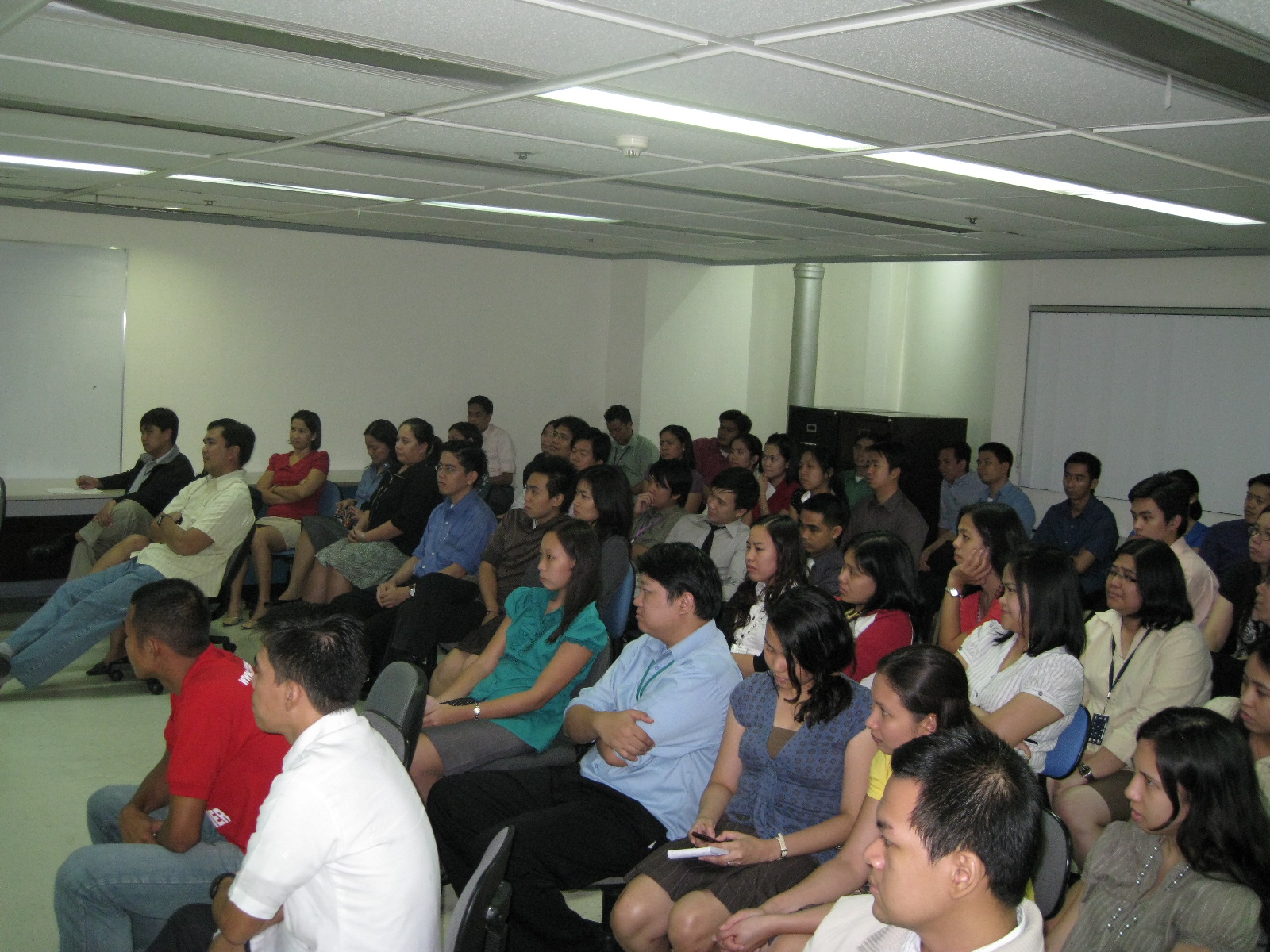
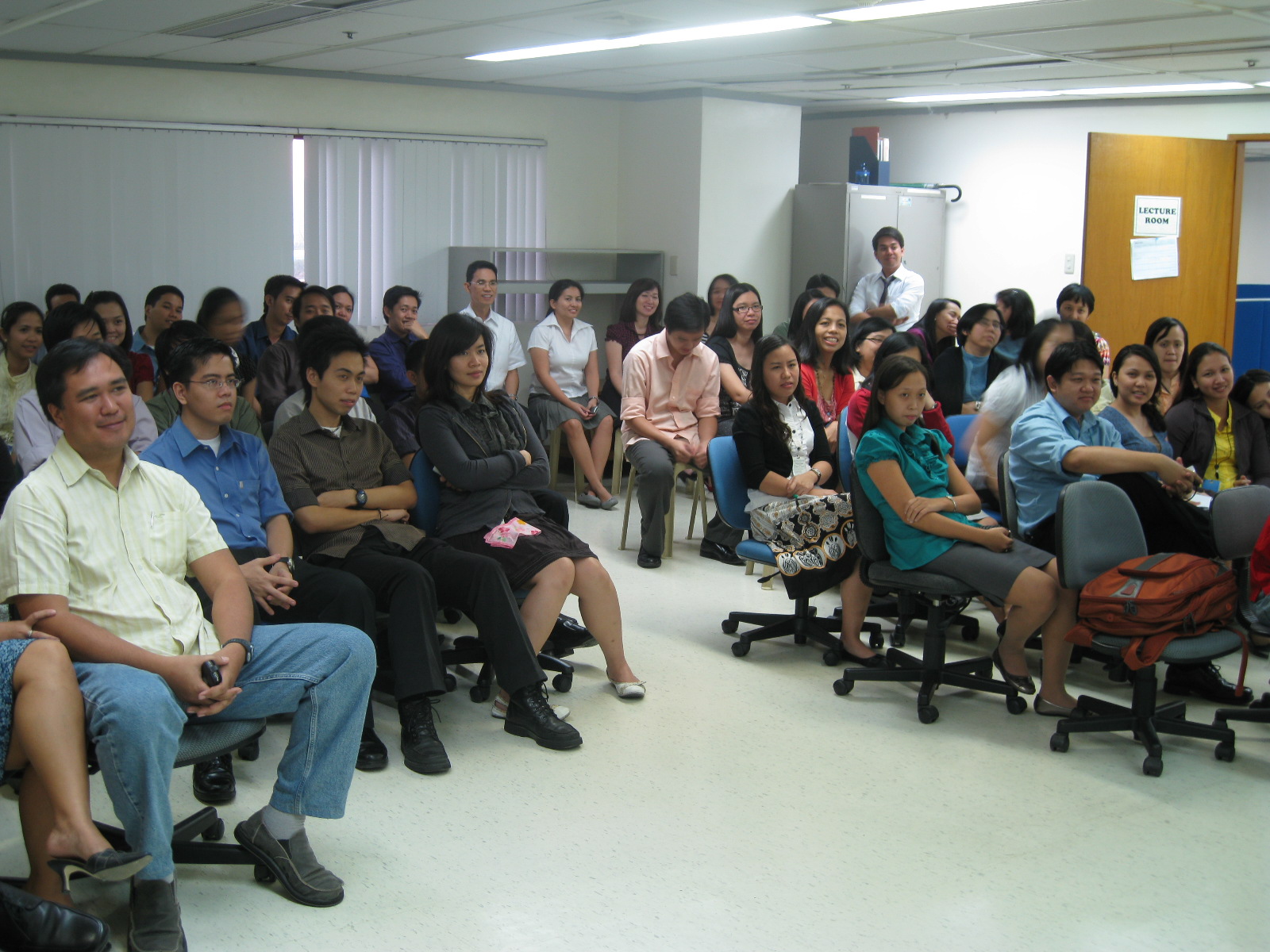
    METROBANK Running Lecture Participants

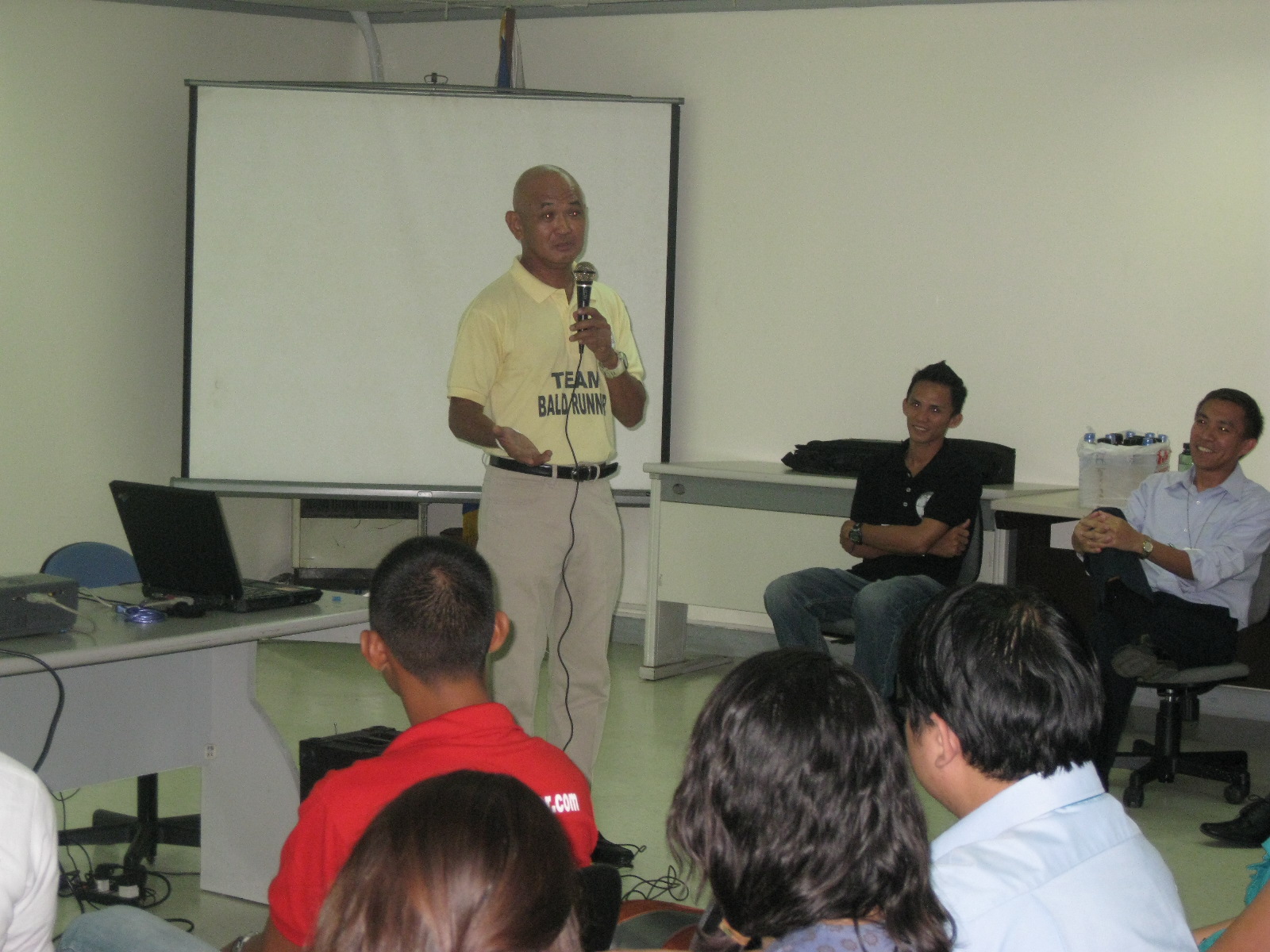
     So far, this could be the biggest group of corporate personnel who attended the BR’s Running Lecture & Clinic. Almost 70 personnel were present at the Training Room of the METROBANK Technology, Inc. in Makati City. I am confident that these participants will form the core of the company’s running club in the future.

    The "Basics" of Running & "Tips" To Enjoy Running

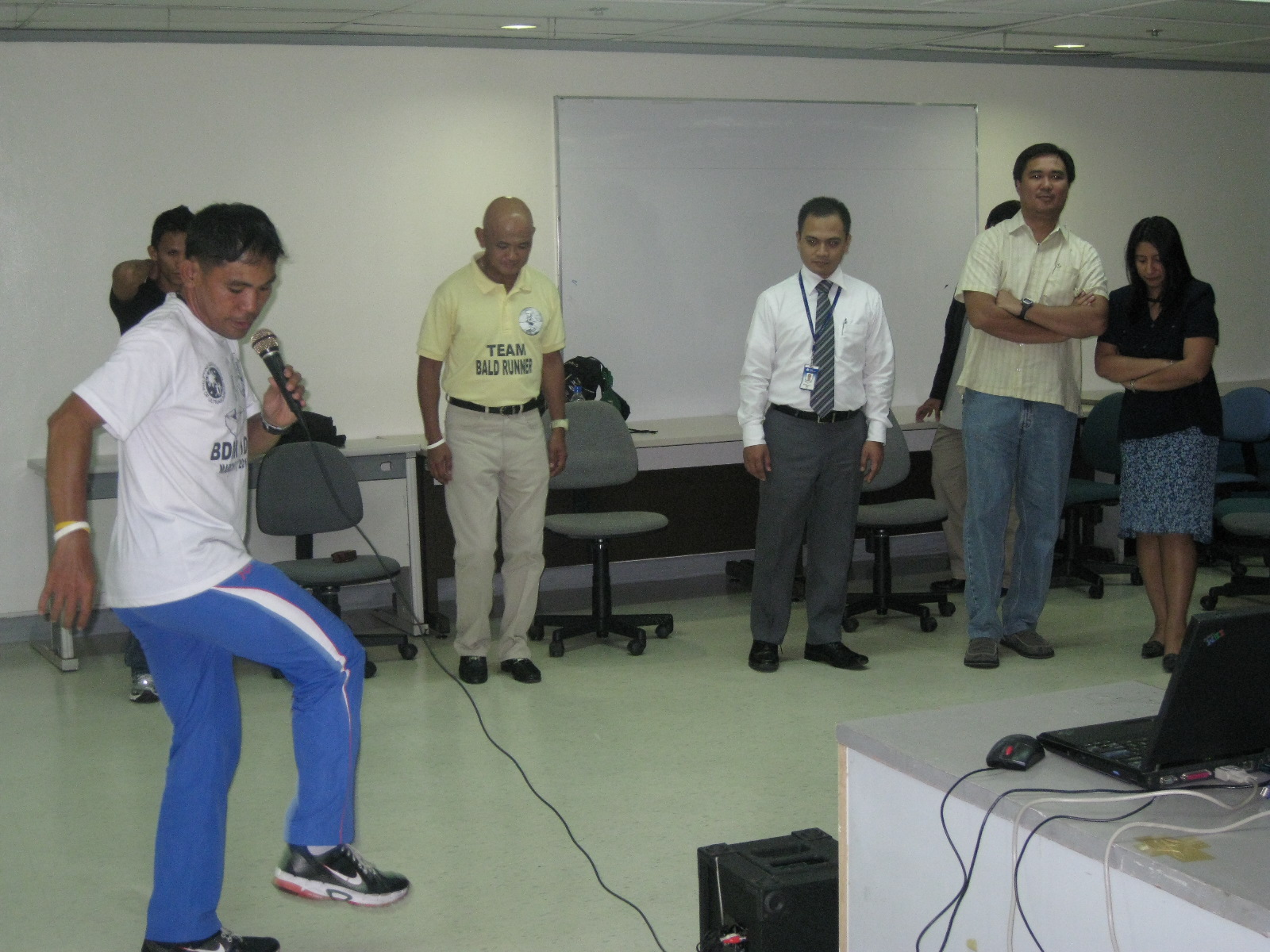
     This activity was conducted a day before my team left for Jeju, South Korea last March 23, 2010. The lecture started at 5:30 PM and finished at 7:00 PM. Coach Titus Salazar had his turn to demonstrate technical matters and “tips” on running. The lecture hall immediately turned into a jogging hall when all the participants were requested to imitate what Coach Titus was demonstrating to them.

    Hoping That All The Participants Will Start To Enjoy Running
    Coach Titus Demonstrating Some Techniques In Running
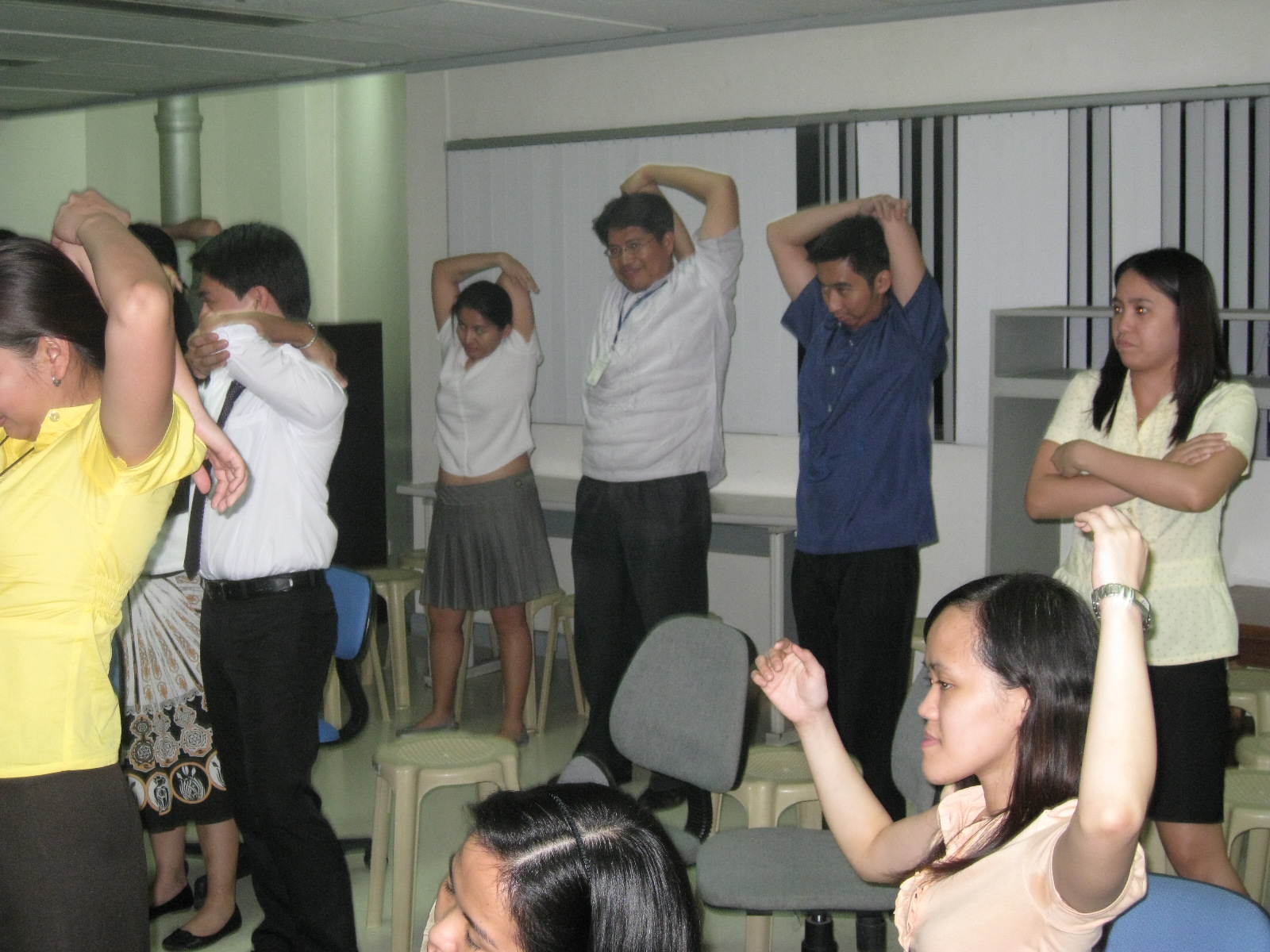
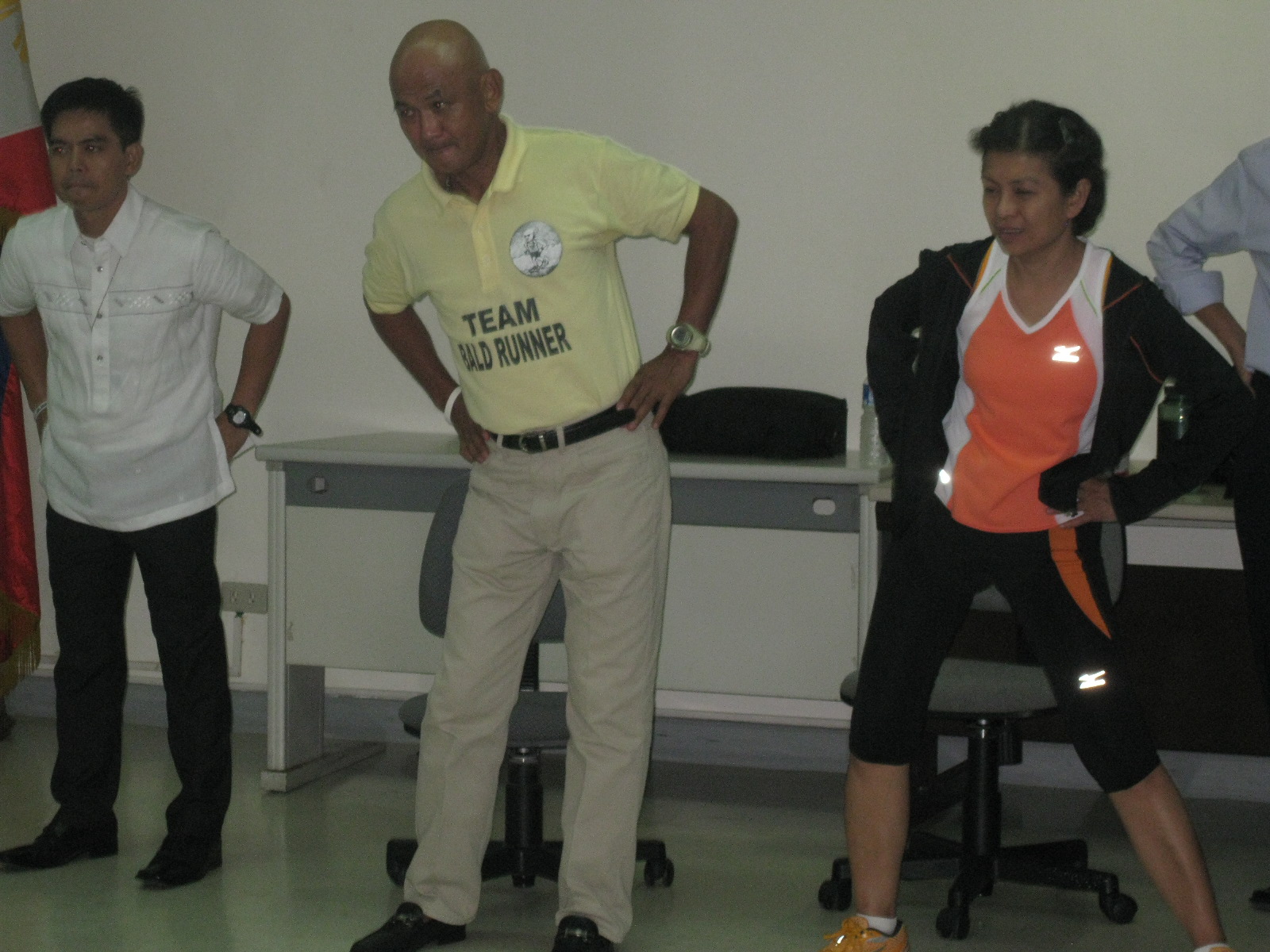
    Participants Were Made To Do Actual Stretching Exercises

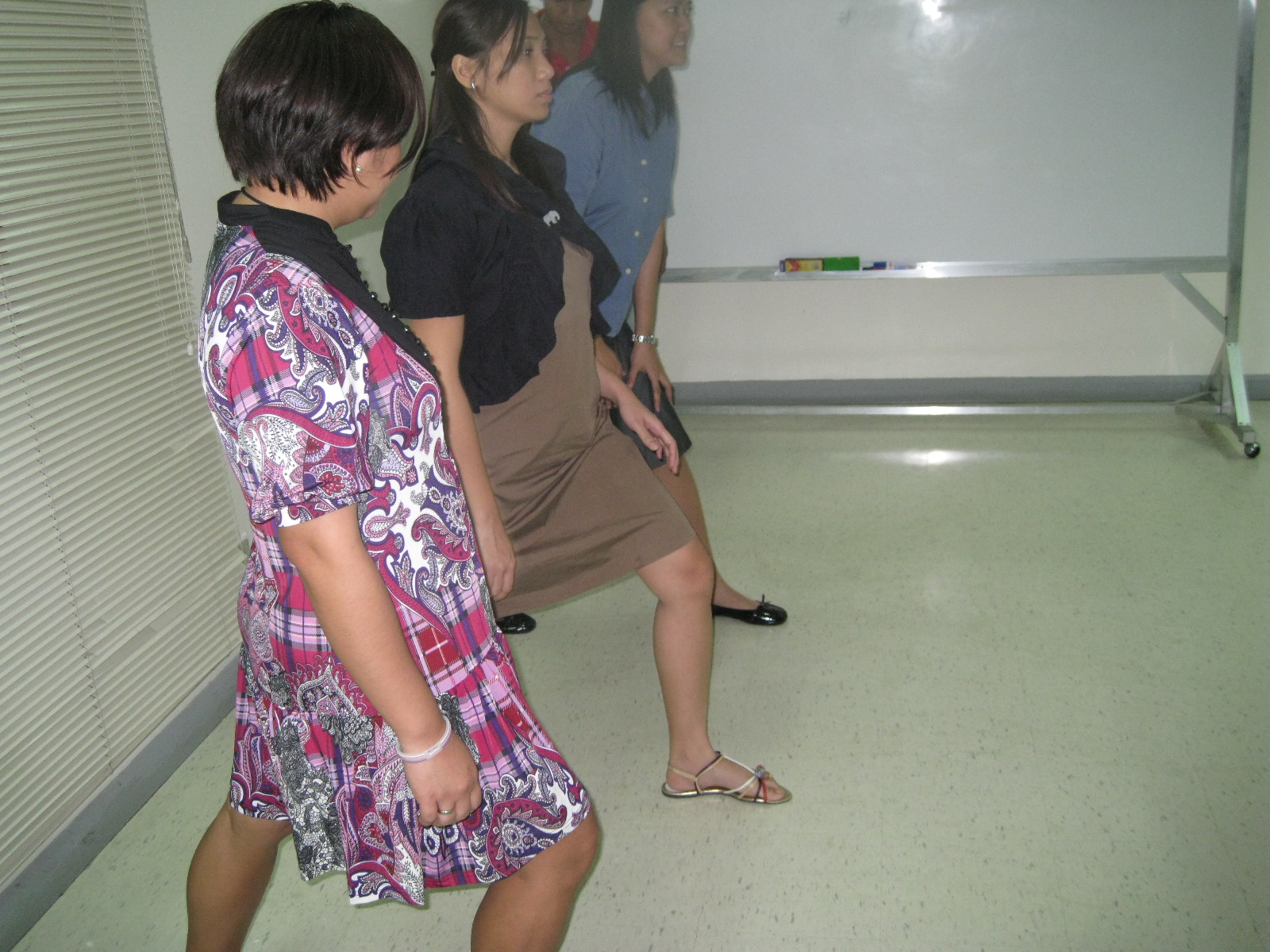
     All the participants were made to stand up and were made to do the “must do” stretching exercises before and after their running workouts. They were made to “jog in place” and experience the feeling of running with midfoot footstrike as compared to “heel strike” running.

    Another View of the Participants Doing Their Stretching
    Post-Run Stretching Routine Demonstration

     The members of the Elite Team Bald Runner were made to demonstrate the proper running form and running “drills” after the stretching exercise demonstration made by the participants. The practical portion of the running lecture and clinic was fun as the group enjoyed doing their “jogging in place” and stretching exercises.

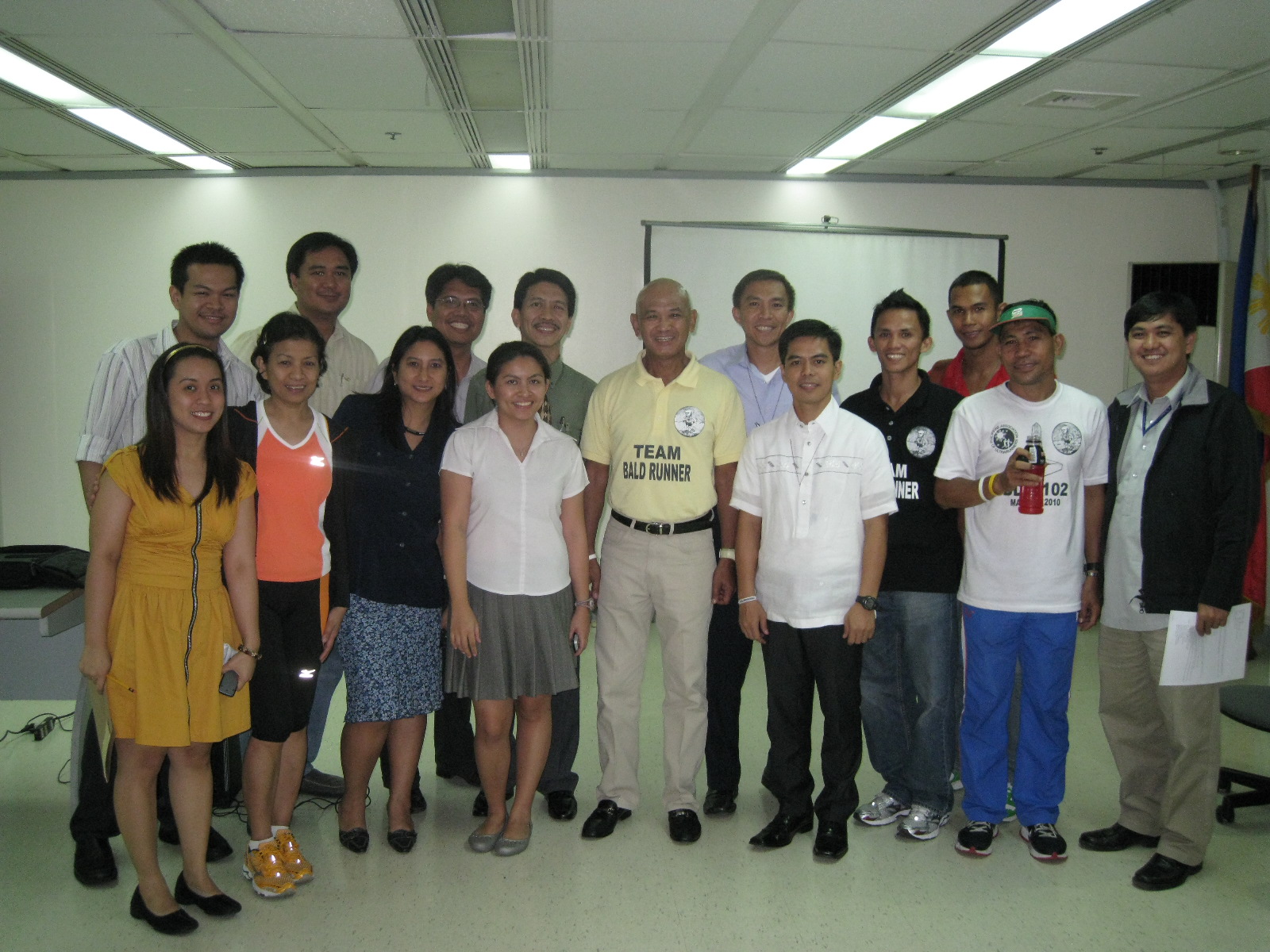
    Before the lecture was concluded, there was an Open Forum where Coach Titus Salazar and I answered some questions and clarifications from the participants ranging from injuries, treatment, nutrition, running shoes, and training programs. After a group picture with the Officers and Staff of the said office, the activity concluded at 9:00 PM.

    Group Picture With METROBANK's Electronics Division's Officers & Staff

     Let me take this opportunity to thank the following officers of the said company—Francis Carandang, the First Vice-President of Consulting Division, who is a runner who joins weekend races in Metro Manila; Marijo Caronongan, Vice-President for Human Resources; and Nikki Oxales, First Vice-President for Quality Assurance. Their concern for the welfare and healthy lifestyle of their employees through this running lecture is exemplary and commendable. I hope more corporate heads will follow in this endeavor.

    Lastly, thanks for supporting the Elite Team Bald Runner!

    Lesser Weekend Races


    My last weekend race (in Manila) was way back in February 28 during the DZMM’s Takbo Para Sa Kalikasan 10K Run and since then I never ran a single road race except for the Jeju International Ultramarathon Race where I finished the 50K Run.

    I knew that my fininished times in the Century Tuna Half-Marathon Race on February 21 and the DZMM’s 10K Takbo Para Sa Kalikasan were my gauge and measurement that I still have the proficiency in competitive running within my age classification.

    With my regular long runs after these local races, I was able to finish the 50K Run at the Jeju International Ultramarathon Race last March 27 with a PR time of 5:25:38 hours.  

    I missed the Mizuno Infinity Run; Earth Run’s 21K Run; TNF and other trail runs; and other races on the past weeks. This means that I was able to save some money for my registration fees. And I had more time to plan and prepare for the incoming races of PAU.

    I really don’t know with the other runners if they really know the true meaning of recovery period. Recovery period for me is trying to relax my running workouts by lessening the number of kilometers I’ve been doing for the past days and lessening the intensity of of my runs. Most of the time, I’ve been running not more than 10 kilometers for every workout; having my regular massage; eating my regular diet; sleeping more hours to include naps in the afternoon; sometimes, running every other day and the intensity or pace of the runs are very relaxed, easy and slow.

    However, after those recovery weeks, I’ve been doing some running workouts again in preparation for the 2010 MILO Marathon Eliminations on July 4, 2010. Barely eleven (11) weeks to go, based from my training program, I should be doing at least 25-26 kilometers during my LSD runs on weekends.

    Last weekend, I just did “back-to-back” 15.5K & 20K at UP Diliman Loop and The Fort-McKinley Hill-Lawton-C5, respectively. I did not have any problems with these long run workouts except for the hot & humid conditions. I need to adjust the start of my long runs earlier in the morning for a cooler temperature.

    Since Monday of last week, I’ve started to visit the gym again. My gym workouts are generally concentrated on my upper body, core muscles, and legs. I hope to have more strength to finish at least 25-26 kilometers in my long runs this weekend.

    After the MILO Marathon Elimination, Camarines Sur Marathon will be the next!

    Ranking For PAU Members


    Yes, you are reading it right. There will be an annual ranking of PAU members starting this year. Although I got this idea from one of the Ultra Running Groups in Southern California, I deemed it necessary to apply this “ranking system” to the members of the PAU for whatever purpose the Sports Federation will decide later this year. I hope that the members will be happy to know about this development as they would be able to compare themselves with their co-ultrarunners and will serve as their source of motivation to improve some more and excel in ultrarunning.

    The first race to be considered as part of the PAU’s ranking of members is the result of the 2010 BDM 102K Ultramarathon Race. The formula goes like this: Winner’s Finish Time Divided by the Individual’s Finish Time X 102. The higher your points is, the higher your rank is. So, Alvin Canada earns the highest total points of 102 because he is the Champion. Let us compute Jonel Mendoza’s points for the 2010 BDM 102 as he had a Finish Time of 14:47:25 hours. Since Alvin Canada’s Finish Time is 10:01:05 Hours, it is now divided by Jonel’s Time X 102, and the result is 69.08 points. All the Finishers of the 2010 BDM 102 will be ranked according to points based on the said formula.

    The second race to be considered for PAU’s ranking will be the 1st PAU 50K Run at Tanay, Rizal on May 9, 2010. The third race will be the 2nd PAU 65K Run from Pasuquin, Ilocos Norte to Pagudpud, Ilocos Norte on August 29, 2010. The fourth race will be the 3rd PAU 50K Run  sometime on November 2010 from People’s Park, Tagaytay City to Nasugbo, Batangas.

    And the 5th Race will be a 24-Hour Endurance Race in an Oval Track for the Top 30 Ranking PAU Members (taken from the 2010 BDM 102 + 1st PAU 50K Run + 2nd PAU 65K Run results) which will be held before the 3rd PAU 50K Run. In order to find out the ranking/points in the 24-Hour Race, the formula is, Runner’s Number of Kilometers Completed divided by Winner’s Kilometers Completed X 100.

    A member of the PAU is considered to be in the ranking if he/she can finish at least four (4) PAU races before the end of the year.

    I hope this ranking system will motivate you more to train for the ultras! Good luck!

    1st PAU 50K Run: Ultrarun Challenge


     Finally, I was able to save and download Google Earth to my blog after I’ve transfered most of my “files” from my “C” Drive to my Unused “D” Drive! Well, for being a “low-tech” blogger, it took me some time to experiment and try how the other bloggers post their runs by using the Google Earth.

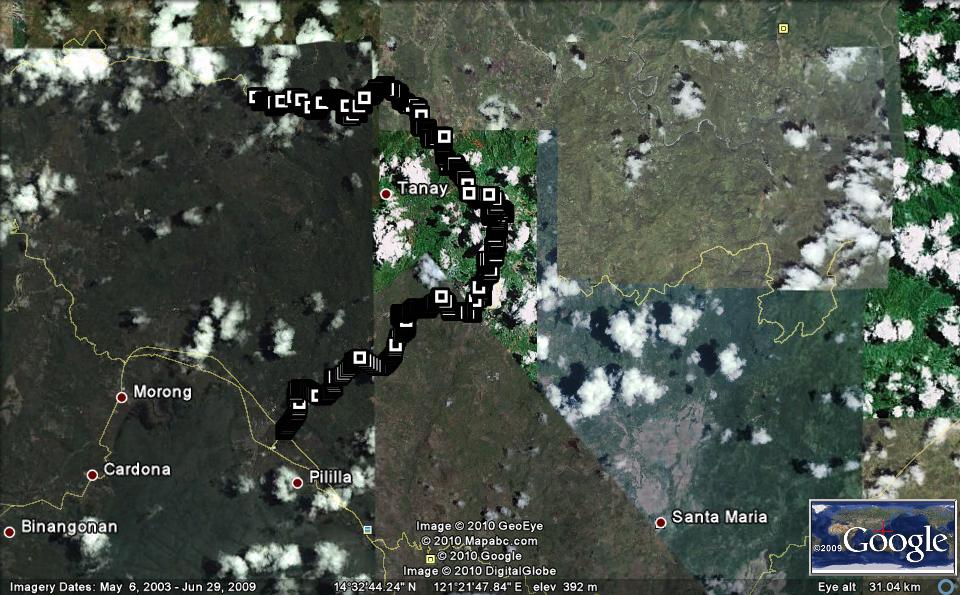
    From Crossing Tanay-Sampaloc to Sierra Madre Hotel

     The incoming PAU races are well-described as “fun runs” with a “guerrilla-type” conduct of the race (according to Marathon Foodie). There are no “distractions”; no “festive” atmosphere; and no corporate endorsements and tarpaulins. What is important is to be able to have an orderly start, conduct , and finish of the race where every runner would be able to enjoy the scenery and challenge his/her personal endurance limits. Thus, we try to be simple in our purpose…we provide each runner a nice & challenging venue/route and you join this race because you love to run!

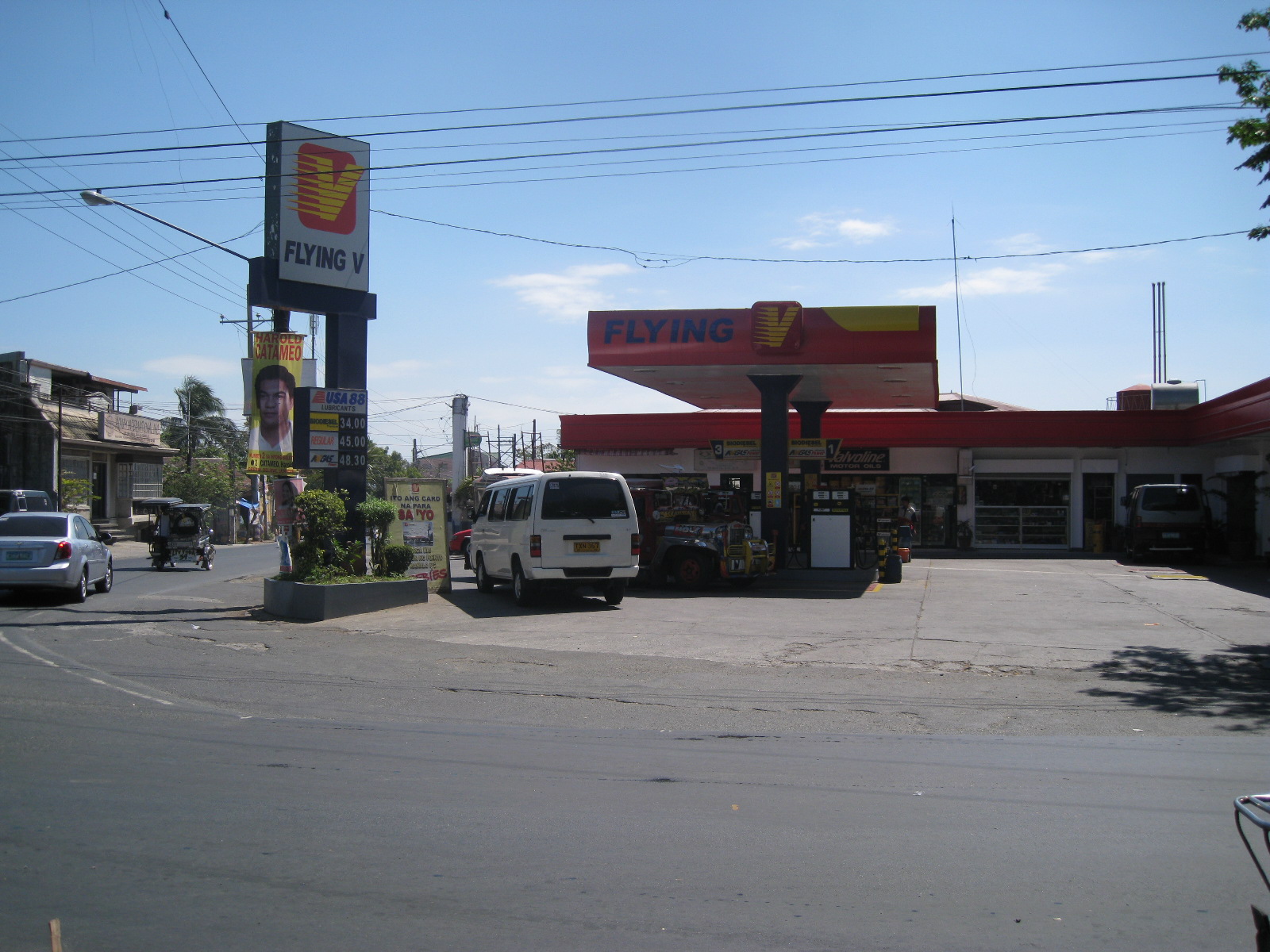
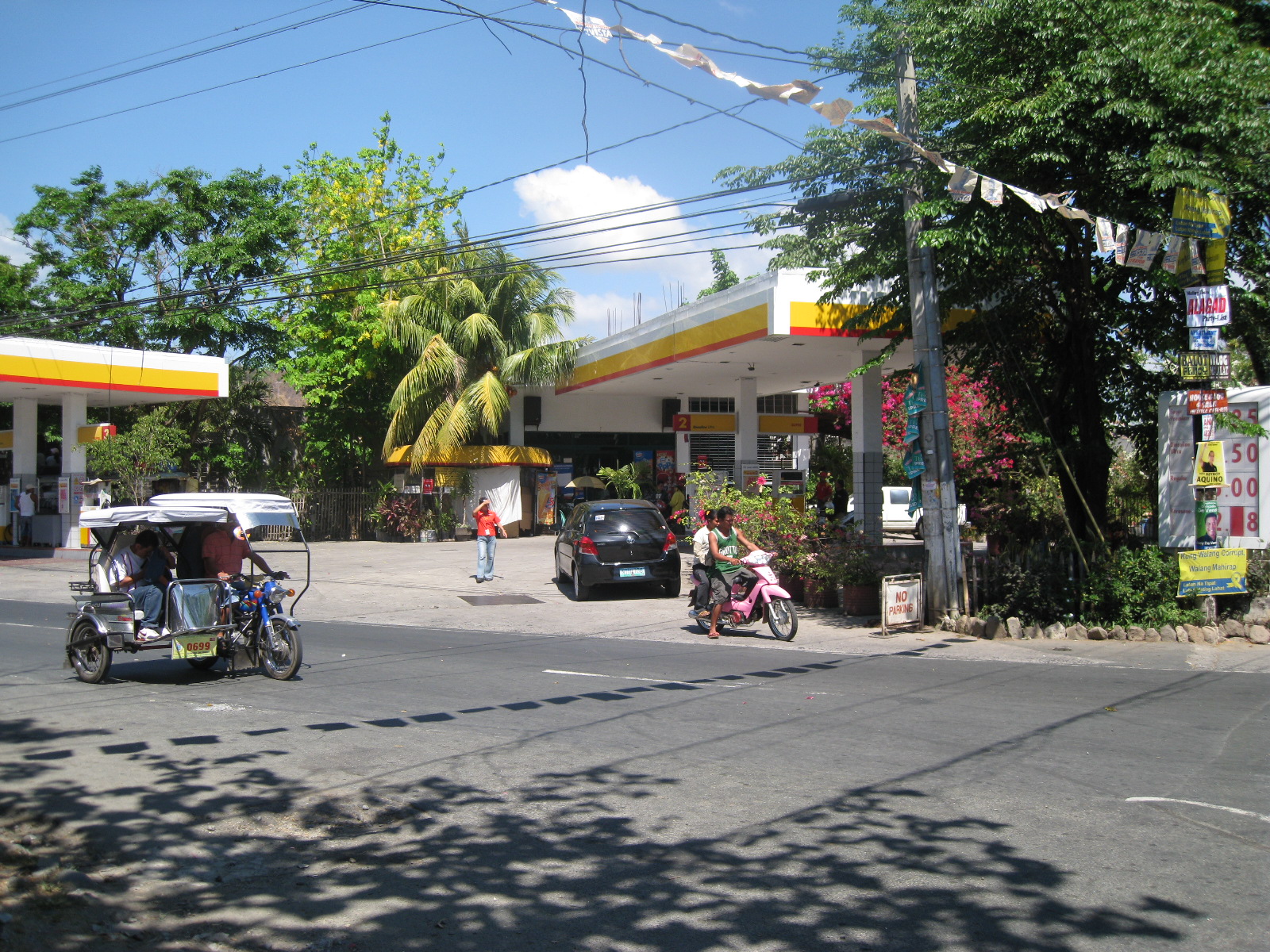
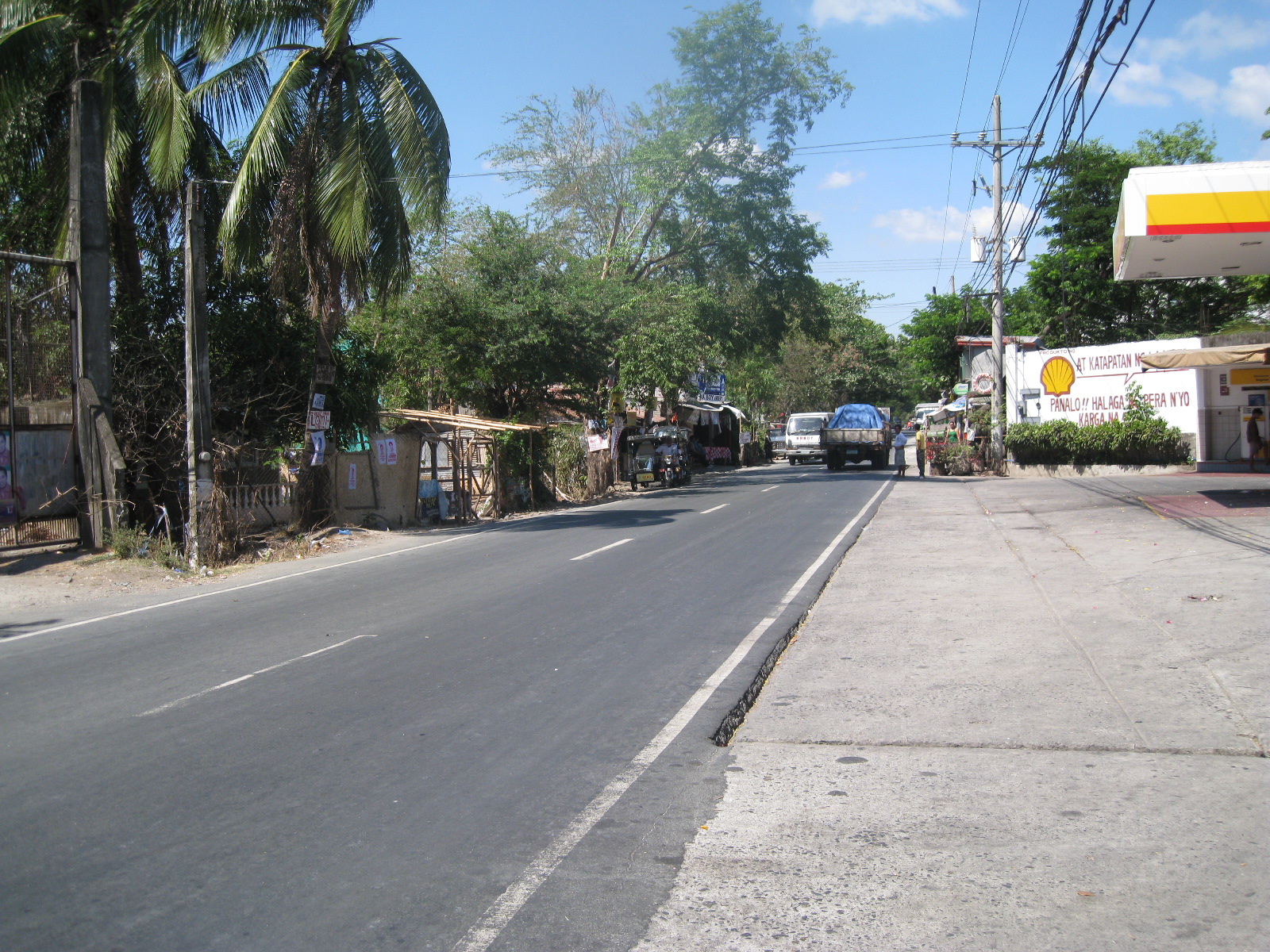
     The 1st PAU 50K Run will start at 5:00 AM of May 9, 2010 at the crossing of Tanay, Rizal and the road that goes to Barangay Sampaloc, Tanay, Rizal. Barangay Sampaloc is the location of Camp Capinpin, the Headquarters of the 2nd Infantry Division of the Philippine Army. Coming from Metro Manila, one has to take the Ortigas Avenue/Extension going East towards Antipolo. The National Road leads you to Morong and then to Tanay, Rizal. Once you see Kilometer Post #54 on the right side of the road, there is an intersection that goes to Tanay Proper (going right) and Barangay Sampaloc (going left). The intersection has Flying V Gasoline Station on the right side of the road and a Shell Gasoline Station on the left side of the road. The Shell Gasoline Station is the location of the Starting Line of the 50K Race. 

    "Flying V" Gasoline Station On the Right Side of the Road
    SHELL Gasoline Station On the Left Side of the Road
    Sampaloc Road/Starting Area

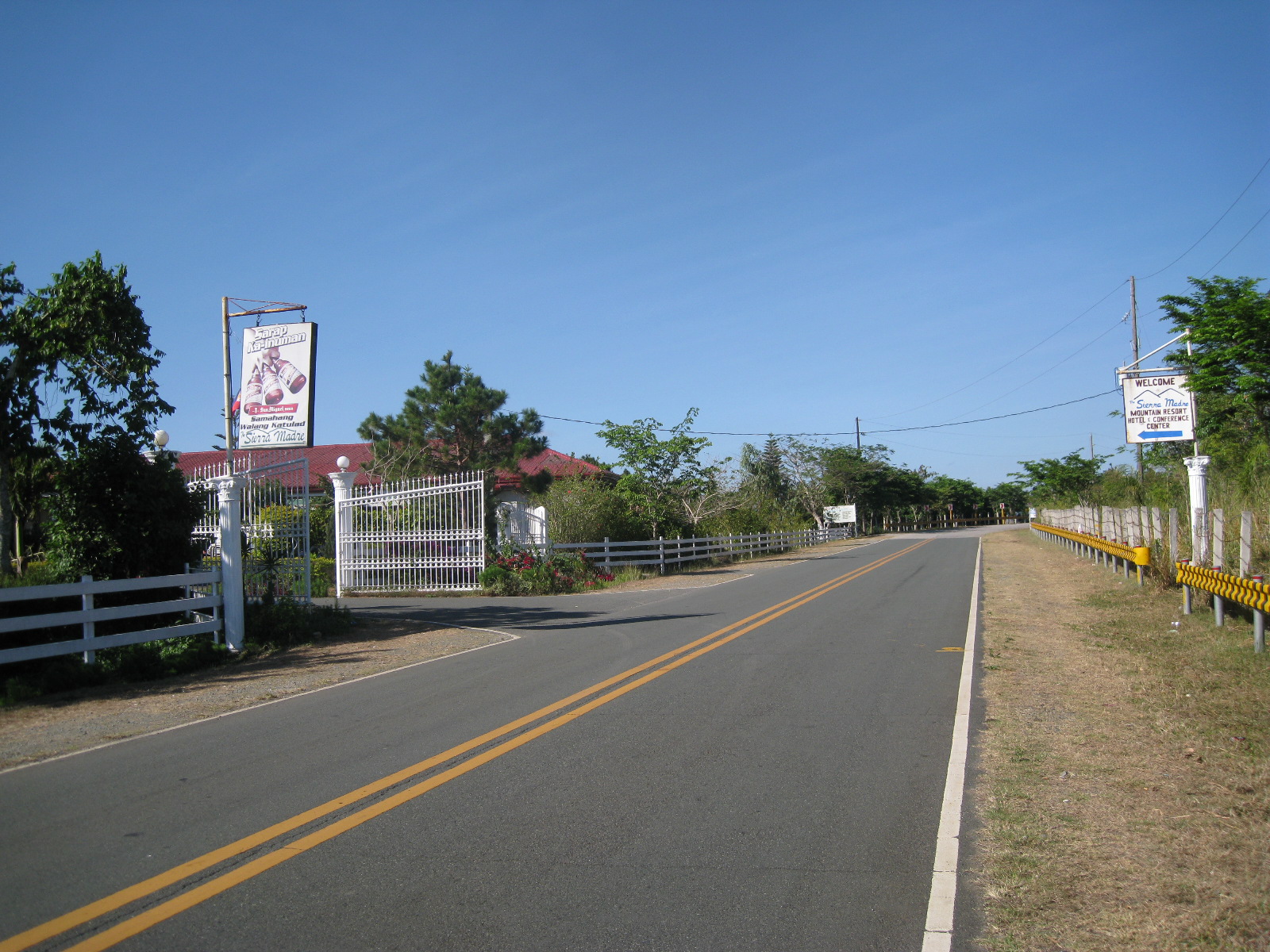
    Runners would reach the center of Barangay Sampaloc after running an uphill climb of 13+ kilometers and they have to turn left at the crossroad/intersection, leading the runners to the Pranjetto Hills Resort. After 7 kilometers from the Intersection of Barangay Sampaloc, runners would be able to reach the Sierra Madre Hotel & Resort. From here, runners would run a roller-coaster hills for a distance of 15 kilometers. The runners would pass the entrance of the Palo Alto Subdivision and run another 2 kilometers from the said gate. At the turn-around, the runners have the last 15 kilometers to run before reaching the Gate of the Sierra Madre Hotel & Resort which is the Finish Line.

    Gate of Sierra Madre Hotel & Resort/Finish Line

    This race has a cut-off time of 8 hours. The race is planned to start at 5:00 AM as daybreak will be earlier due to the Summer session.

    Runners are required to have with them their hydration belt or Camelbak during the race as there will be limited number of Water/Aid Stations.

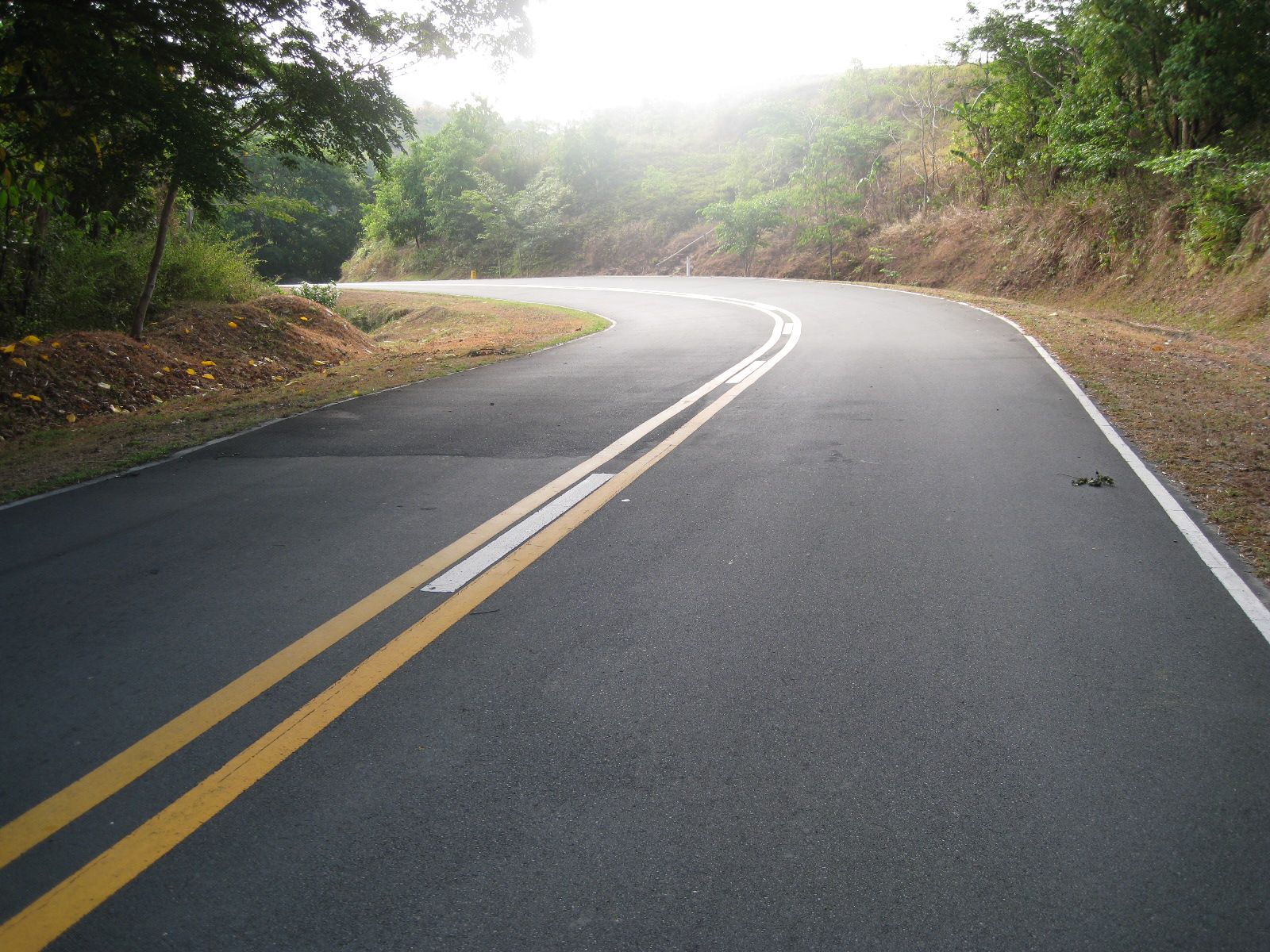
    Pollution-Free and Well-Paved Sierra Madre Road

    For those who can afford to bring with them their support vehicle & support crew, they are allowed to bring them during the race. Also, runners can share their support vehicle with other runners. For those without any support vehicle, they will be provided with 4-5 plastic bags where they can place their water, sports drinks and food replenishment and will serve as their “drop bag” in every 10 kilometers.

    At the Finish Line, every runner will be awarded with Individual Trophy, Finisher’s Certificate and a Finisher’s T-Shirt. We are hoping that there will be good and generous Sponsors for Ice Cold Beer at the Finish Line.

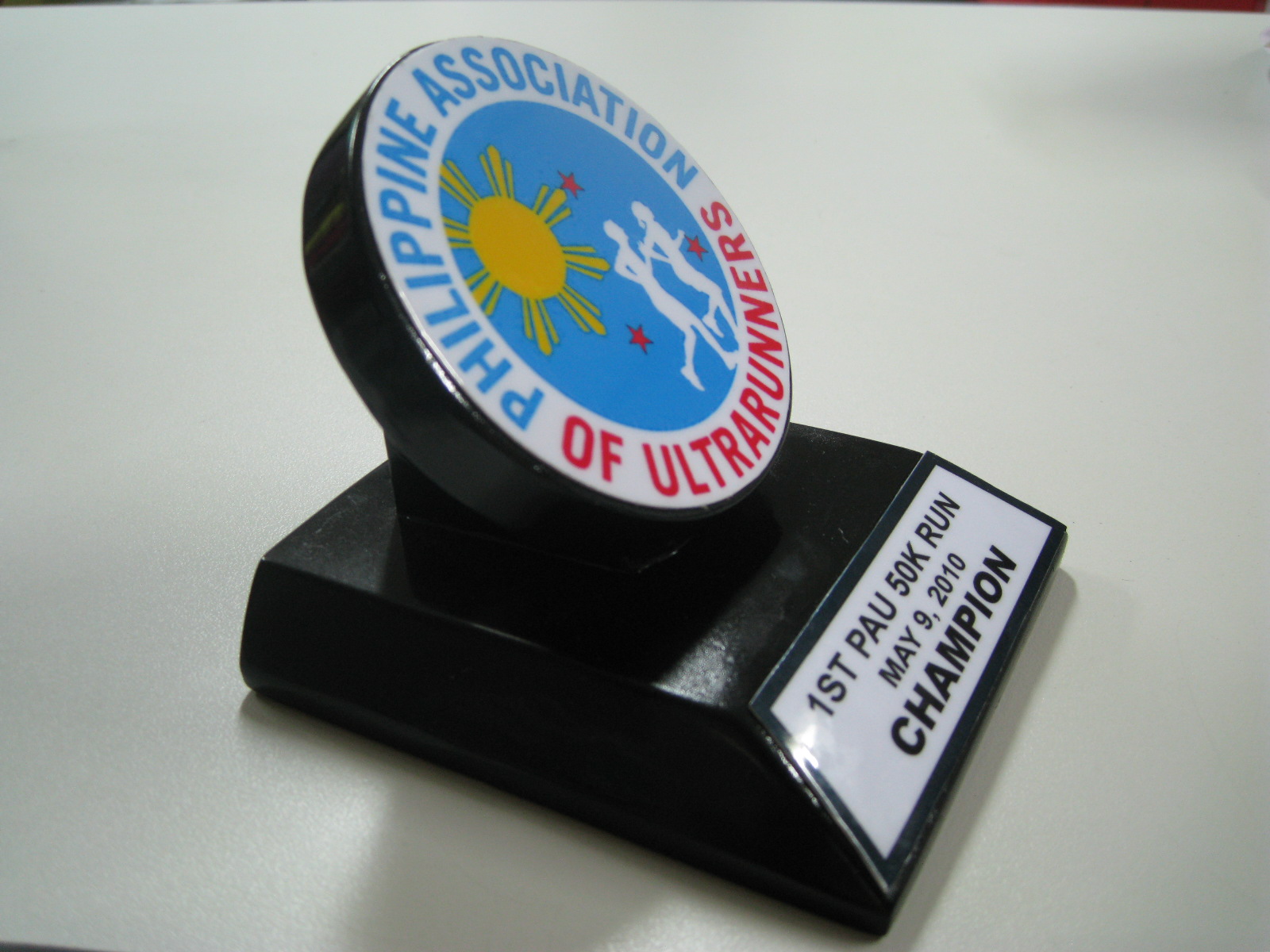
    Replica of the Finisher's Trophy

    This race is limited to only 200 runners!

    See you at the Starting Line!

    Jeju Ultramarathon Experience


    1. The invitation of the International Association of Ultrarunners (IAU) for the Philippine Association of Ultrarunners (PAU) to participate in the 1st Asian IAU 100K Ultramarathon Race was an opportunity to represent the country in the sports of ultrarunning in an international event and to make an impression among the Asian Ultrarunning Federations that PAU is a legitimate Sports Federation on Ultrarunning.

    2. The Ultrarunning Federations of Japan, Taiwan, and South Korea maximized the number of runners per country-delegation into 6 athletes ( 3 men & 3 women). These countries had been into ultrarunning events for the past 10 years or more. Mongolia, the latest member of IAU, and the countries of Indonesia, India, and Hongkong were represented with only one male runner. While the Philippines, Vietnam, and Thailand were represented with two (2) runners. Among the delegation, I was the only Head/President of an Ultrarunning Federation who competed and ran in the 50K Ultramarathon Race.

    3. Due to the unfamiliarity of the place and the lack of communication among the residents of Jeju (Jeju residents could hardly understand and speak in English), we were not able to recon the actual route but verbal explanation from the Race Director (the only member of the Korean Ultramarathon Federation who can speak with good English) was the only source for the description of the route.

    4. Meeting the President of IAU, Dirk Strumane, IAU General Secretary Hilary Walker and the Asian Representative to IAU Souhei Kobayashi was an opportunity to meet the “top bosses” of IAU. These personalities were very close to our delegation because of our ability to communicate with them in English.

    5. The Chairman of the Event, Mr Jun Sang Yu, is presently the President of four (4) Sports Federations in South Korea and a former 6-time elected Congressman in one of the Congressional Districts in South Korea, was the one responsible in raising the funds from the government and the private corporate world to support the conduct of this international ultramarathon event. He is also an ultrarunner who ran and finished the 100K distance last year in the said event within the cut-off time of 15 hours. (I really do not know if we could find a Congressman/Politician in our country who has that kind of passion of being athletic and has the “all-out” attitude to support an international event).

    Sights & Scenery of Jeju Ultramarathon Race

    6. The 1st Asian IAU 100K Championship Race was held as part of the 9th Annual Jeju International Ultramarathon Race which has the 50K, 100K, 148K Trail Run and a 200K Race. Out of the 585 participants, the 50K, 100K and 200K runners were equally divided with only 33 runners who joined the 148K Trail Run.

    7. The race did not have any race marshals along the route as the runners followed the circumferential paved road of the island. A small printed white paint of “U200” with a small arrow on the paved road is seen few meters before any intersection. However, if there is no printed indicator on the paved road is seen, it means that the runner should go straight. (In the future editions of BDM 102/151, I hope that runners would not need any race marshal to follow the route of the event).

    8. It was funny when the Head of the Japanese Team asked if the Race Organizer had placed Portalets along the route. The answer of the Race Organizer was there was none and instead, the runners have to use the toilets/CR of gasoline stations, parks along the sea, or knock on the doors of houses/commercial establishments along the way, or look for a big rock or tree or canal/ditch where the runner could do his/her thing. Silently, I was smiling when I heard this question during our technical meeting. I remember the experiences of the BDM 102 runners for the past two editions!

    9. It appeared that the Koreans just ran the course on “automatic mode”—they were smiling, chatting with one another, and enjoying the scenery of the route. The Koreans are very strong runners and calm during the run. I did not see any of them “wired” with MP3 or Ipod during the run.

    10. The Japanese ultrarunners have small strides but their “turn-over” or frequency of their strides was very quick. I could not believe what I’ve seen with these Japanese runners. Their strides were consistent from Km 0 up to the Finish Line! It shows their advance and dynamic knowledge on running as I saw them running with midfoot strike in an ultramarathon race!

    11. The Taiwanese runners were also strong but they are more comfortable in their 24-Hour Endurance runs in their country. One of the male runners who was running the 100K race had passed me at the 43K mark and he was fast and strong. The first female Taiwanese runner who finished the 100K race was trailing me when I finished the 50K race.

    12. The only Mongolian runner whose country is colder in climate than in South Korea had some issues on the second half of the race due to his blistering pace on the first half of the race. He was not able to manage his pace for the 100K race. I had to bring out my Salonpas spray for him to use when he was in pain due to leg cramps at the Km 65 point.

    13. The first Aid Station was placed at Km 10 mark and after the first one, each Aid Station was placed in every 5 kilometers. Each Aid Station’s contents were simple. It has few cups for water, Pocari Sweat, Coke with sliced fresh bananas (Imported from the Philippines), sliced Oranges, and Chocolate Munchmallow. The volunteers serve water, Pocari Sweat and Coke from 2-liter bottles and each runner would ask for additional water from their cups. There is no need for a lot of lined-up cups of water/Pocari Sweat or Coke as a few runners would stop or pass along these Aid Station at a time. There is no excess or wastage on the liquid or food being served in the Aid Station as the fruits are only served if the runner would ask for them!

    14. For those runners who don’t need the Aid Stations, these runners are given plastic bags where their race number is written with permanent Pentel Pen. These bags are used as their “drop bags” where the runner could place his/her drinks/special drinks and food and even running apparel which he/she can use to change. These “drop bags” are placed every 10-Km mark and they are collected from the runners before the race started. It is the duty of the Race Organizer to place these “drop bags” in every 10K mark along the route. The last “drop bag” at the Finish Line contains the clothes/apparel of the runner which he/she can use to change from his/her running attire. (I am planning to adopt this “drop bag” concept for the 1st PAU 50K Run in Tanay, Rizal in order to get rid of those Aid Stations but I am still allowing runners to have their Support Vehicles/Crew with them).

    15. There are no Km Posts along the roads/highway in South Korea. There are no Kilometer Markings on the route of the race. The Aid Stations act as the Km marker in the race as they are placed every 5 kilometers after the Km 10 marking. The race route was measured by the Race Organizer/Director through GPS.

    16. I’ve never seen any Ambulance during the race! Not even at the Starting & Finish Lines! This implies that the runners are well-trained and prepared for the event.

    17. With the prevailing cold temperature at 8 degrees Celcius during the race, I observed that my quadricep muscles were the ones that started to feel tightness and “cramps” when I reached the Km 36 mark and before reaching the Km 40 mark, my groin muscles were also starting to have cramps. As compared when running in the country with hotter and humid weather, the calf muscles are always the ones that have the tendency to experience “cramps”. In Jeju, it was my first time to experience “cramps” on my quads & groin muscles! It could be the cold climate and elevation profile of the course that contributed to such experience.

    18. What impressed me most is that all the runners/participants in this ultramarathon race were HONEST. Nobody cheated and most of the runners just run, have fun , and enjoy the scenery and the “journey” towards the Finish Line by themselves.

    19. I am encouraging the ultrarunners here in the country to experience this event in their next edition. If you are a member of PAU, this race and experience is a MUST.

    (Note: Please click the picture above)

    Top 10 Training Mistakes By Sasha


    The following is an article that is worth reading for those who are preraring for their first or next marathon race or their first ultramarathon race which I copied from www.fastrunningblog.com.

    Enjoy the weekend!!!

    Top 10 Training Mistakes By Sasha Pachev

    Below is a list of the training mistakes I have collected from the training entries at the Fast Running Blog:

    • Doing anaerobic speed work without proper aerobic base conditioning. If you are running less than 8 miles a day and/or less than 6 days a week, your extra energy should go into increasing the daily mileage and the number of training days per week rather than speed work. If you feel you have to reduce your aerobic mileage on the speed day or the day after, this also shows that anaerobic speed work is not something you need at the time.
    • Randomly skipping training days for odd reasons. Do not do it. Active recovery is more effective than passive recovery even if you are very tired and sore. Sure, one missed day does not hurt, but it creates a precedent that will make you miss enough days to make a difference.
    • Making up for a skipped day with additional mileage or intensity. This catches your body by surprise and gives it a jolt that it may not be ready to take often resulting in an injury. Additionally, a habit of doing so makes it easier to rationalize skipping days thinking you can make up. You cannot, the train is gone. If you missed a day or more, come to grips with the setback and start the recovery. If you’ve missed too much, you may need to resume with a significantly lower mileage or intensity to avoid injury and/or overtraining.
    • Running longer in the long run than you have the fitness for. A long run as a rule should not exceed 3 times your regular daily mileage. Otherwise, the long run will likely beat you up beyond your ability to recover, and you will be wondering why you hit the wall so soon even though you’ve gone 20+ miles in the long run on a number of occasions. Increase your daily mileage before you increase your long run. If you can feel the effects of your Saturday long run Monday morning, you have gone too long.
    • Neglect for recovery. Many runners mistakingly believe that they get faster from training. Think about this for a moment. Are you faster before a hard 10 mile run, or immediately after? Of course, before. So what did the run do to you? It made you slower! When do you actually get faster then? During the times you do not run! What you do when you are not running is absolutely critical to your growth. You must get enough quality nutrition, as well as enough sleep. You must learn to control your emotions and deal with potentially stressful situations in a calm and graceful manner. If you allow yourself to experience any kind of emotional stress, it greatly reduces the effectiveness of your recovery window.
    • Failure to adjust the training volume and intensity in response to reduced recovery. Perfect recovery regime is difficult to achieve even for a professional runner, and practically impossible for somebody with a full-time job, family to take care of, community or church service, etc. You may have to work longer hours than you planned, a sick child may keep you awake in the middle of the night, or your boss may insult you in a particular way that just gets under your skin. Your recovery potential is reduced, and so must your training stress. You should first seek to reduce the intensity of the workout, and only then cut the mileage if you feel that was not enough.
    • Cutting a run short due to not feeling energetic at the start. When you first increase the training volume, you will often find yourself tired in the morning. If so, your body does need to relax and recover. However, active recovery is much better than passive recovery. You can continue to build your general aerobic fitness almost just the same while recovering from a harder workout a day earlier. Just run at a pace that feels right even though in may be much slower than you think you should be going, and cover the distance you originally planned to run. A lot of times it is not so much the fatigue of the body, as the inertia of the nervous system. When training harder, the nervous system often goes into a deeper rest mode, and takes longer to get activated. Some days, it takes me as long as 4 miles before I start feeling good in my runs.
    • Pushing the pace on the easy runs. There is no pace that is too slow for an easy aerobic building run. If your body wants to go slow, that is fine, do not force it to go fast. In fact, I often recommend finding a slower training partner for those runs, running with him, and making sure he stays conversational. If you start feeling feisty, maybe you should be doing a tempo run instead that day. Pick it up to the fastest pace you can hold while still in control, and try to hold it. One of the two things will happen after about 10 minutes of that – if you are truly ready for a tempo run, your body will tell you to keep going. If not, it will tell you to stop, and your pace will slow down to a true recovery pace for the rest of the run. You may also try doing 10-15 second strides in place of a tempo run.
    • Increasing the mileage or intensity too fast for your fitness. This is perhaps the most common cause of injuries. Your body can be trained to handle a lot of stress eventually through a gradual increase of the training load. However, any kind of a sudden stress is bad. How fast should the training load be increased, and how fast is too fast? The answer depends on your body a lot. There is a standard 10% rule, which is a good rule of thumb, but does not always apply. Forget the rule. Listen to your body instead. Generally, if you are venturing into the levels of training load you have never done before, or recently, you should be very cautious. In some cases, it may be a good idea to keep the load the same for months or even years. If you have trained at a certain training load recently, you can return to it a lot faster than the 10% rule would dictate. If your current load gives you soreness or makes you feel you are on the verge of injury, do not increase at all. If your current training makes you feel undertrained in every way – e.g an hour after the run you would have had no idea you’ve run just from the body signals and without the actual memory of having done it, you can increase it fairly fast. If you are going from sporadic training (2-3 days a week) to consistent (6 days a week) you can in most cases go ahead and nearly double your mileage by running the same daily volume with greater frequency. If that is too much, then cut the daily volume as appropriate, usually 20-30% cut will do. Similar principle if going from single runs to training twice a day – keep the first run the same, and add some easy jogging for the second run.
    • Using the popular heart rate guidelines as the primary guide to determine training intensity. Why can this be bad? Your heart rate monitor could be malfunctioning. Your maximum heart rate may be not what you think. Your anaerobic threshold percentage as well as the easy run threshold percentage may not be what the charts would recommend.  The air temperature and the humidity could vary affecting your heart rate. The primary guide of the training intensity should be the way you feel. For an easy run threshold, you should feel very comfortable carrying on a conversation (although for some people this is not a good guideline, they might be very fit but still will not pass this test even sitting down). For a tempo run, the thought of having to run like that for an hour should not scare you. Heart rate can still be used effectively, but the focus should be on the observation rather than guidance/pace decision making. Sometimes it is fun to play a game of keeping your heart rate below a certain limit while trying to run no slower than a certain pace. This game is good for easy run, and mild tempo runs. When running hard or racing, use your perception of effort as the primary guide and your heart rate only for observation/second opinion.

    Shoe Review: ASICS Gel-Hyper Speed 3


     I bought this ASICS racing shoes as my “prize” for finishing the 2009 Los Angeles Marathon in May of same year. I think I bought it through On Line/Internet with a cheaper price as it was not available in the running specialty stores in Los Angeles. I did not try to use it for my daily training or made a “break-in” of this racing flat shoes and had to use it immediately in a Marathon Race.

    What caught my attention and interest in buying this racing flat was for the reason to have a lightweight racing flat for my road races aside from the fact that I am an ASICS “die-hard and loyalist”. The shoes was advertised to have a weight of 6.9 ounces! The running shoes that I used in the 2009 Los Angeles Marathon was my one-year old ASICS Gel-DS-Trainer which I have retired after the said marathon. As compared with the DS-Trainer, the Hyper Speed 3 is much, much lighter.

    It was advertised also as the official racing flats used by US Marathon Runners Ryan Hall and Deena Castor in the 2008 Beijing Olympics. Although these runners did not win any medals in the Olympic Marathon Race, the shoes was still popular because of its lightweight but well-cushioned sole due to the presence of gel inserts which “disperse shock on foot impact on the ground and during toe-off”. It also has “Magic Sole” which minimizes weight and maximizes breathability because of the presence of well-placed “holes” on the sole. Even the open mesh upper is made of lightweight material which provides comfort to the feet and additional breathability.

    ASICS Gel-Hyper Speed 3

     The first time that I used this shoes was during the 2009 MILO Marathon Elimination which was held last July 5, 2009. I did a poor performance on this race due to lack of training and preparation after the 2009 Los Angeles Marathon. The shoes was really light and versatile for marathon races as I did not have any problems or pains after the marathon race. The shoe appears to have a narrow width but as soon as I wear them, I can still feel more room for my feet. But in order to prevent my upper midfoot from sliding from side to side, I have to tighten the narrow & thin shoestrings for me to feel a “tight & well-snugged” fit with my feet and the shoes.

    Since then, I’ve been using this lightweight racing flat in my next marathon races except when I participated in the 2009 Pasig River Marathon in November where I used an Adidas Adizero Racing Flat. I think this sudden change in racing shoes had also contributed to my peroneus injury at the middle of the said marathon race. In my other marathon races, this shoes helped me a lot to register better finish times in the 2009 MILO Marathon Finals and the 2nd SMART Subic International Marathon.

    Lately, I used this shoes in my latest Condura Marathon held last February of this year. So far, I used this racing flats in only four (4) marathon races which is contrary to some of the reviews that I’ve read that say that this racing flat is more recommended to be used up to half-marathon distance races. But with my experience, this racing flat is perfect for the marathon distance. However, this kind of shoes should not be used in trail running as small rocks and dirt might enter through the “holes” of its “Magic Sole”.

    Since I only use this shoes in my Marathon Races, I think I have yet to breach the 200-Km usage of this racing flat. After browsing the Website of ASICS, I’ve seen the new model of this shoes, which is the Hyper Speed 4. I guess, I have to wait for my Hyper Speed 3 to reach the 600-700-Km mileage before I will be able to replace it with the latest model.

    I don’t recommend this racing flats to those who are using cushioned/stability shoes as these are neutral shoes. I don’t also recommend this shoes to those heavyweight runners, moreso, with the “newbies” and those who have not yet experienced their first full marathon. This racing flats need strong feet and strong legs for them to provide the runner’s a decent finish time in any road race.