Race Report: 2014 Clark-Miyamit 50-Mile Trail Run (Part 2)


2013 CM50 Experience

I finished my first Clark-Miyamit 50-Mile Trail Run (CM50) with a ranking of #28 among the 120+ starters and I am proud to have registered a finish time of 15:30:20 hours. I did not publish or post on this blog a Race Report about such accomplishment but I was able to post a Race Report of a shorter version of the event which was the Miyamit Falls 42K Trail Run. More or less, my Race Report on this short trail run (which is one-half of the CM50) covers those significant points that brought my successful finish in this event.

My success in my first CM50 can be summarized by the following factors or reasons:

1. I finally decided to get the services of a reliable mountain trail ultra Coach.

2. My training program was done consistently on mountain trails. Monday is my Rest Day. The rest of the days of the week were running days where recovery or hard/easy runs were strictly followed. My training started in the middle of June of last year, making it to five (5) months as my training/preparation for this event.

3. Hydration and Nutrition were tried and experimented during my long runs.

4. Core Workouts and Strengthening Exercises were done regularly, at least, three times a week.

5. I joined the Miyamit Falls 42K Trail Run and was able to conduct a recon to the peak of Mt Miyamit.

6. The weather during the race was cooler and the sky was overcast.
CM50 Logo
CM50 Logo

2014 CM50 Experience

I finally decided to join this year’s edition in the middle of September of this year as I had some time to rest and recover from trail running for almost six weeks. This “rest & recovery” period was devoted to mostly mountain hiking at an easy and relaxing pace.

I had to make some adjustments to my training due to my recurring knee injury. My knee injury would be the result of getting older and “wear and tear” due to running. This is the reason why I had to run consistently on the trails for a softer impact to the ground. And whenever I try to run on the pavement for my long runs, my knees would be sore and aching.

I told my running coach about my recurring knee injury and my plan not to join the Chimera 100 in Corona, California on November 15. Instead, I told him that I will be attempting my second consecutive finish in the CM50 with a better time without being injured leading to race day.

My coach advised me to take an extra day off for me to recover and rest before my weekend long runs so that my knees will be well-rested before my long runs on trails. After back-to-back long runs on weekends, I would take my usual Monday rest day. By doing this on my weekly runs, I was able to sustain healthy knees and kept them from any soreness or pain. However, my speed did not improve but I was able to bring back my endurance without thinking of my recurring knee problem/injury.

A few days before Race Day, I told my Coach that my knees are holding up and ready to take the beating from the incoming race. He advised me to take it easy and slow on the first half with my pace. And most importantly, take in my nutrition as early within the race and maintain my hydration strategy. The “real race” on this course will start from AS4 back to the Finish Line.

Race Proper

Having been a “repeater” in this race, I knew the “drill” on what to prepare and do on Race Day. My nutrition was the key for me to finish this race and I concentrated much on it. I had PB & J sandwiches, a can of Tuna Paella, Stingers, Gels, MILO Packs, Candies, and Vespa. I’ve been consistently using these nutrition items in my weekend runs and I was confident that they will give me the much-needed energy to finish the race.

I had my mandatory gears checked by the RD before I was able to get my Race Bib. After I wore my running attire and shoes, I was ready for the race. I took a meal of rice and corned beef 30 minutes before the race started, took one Gel, and drank one pack of Vespa. I went to the starting area and wished my friends “good luck”.
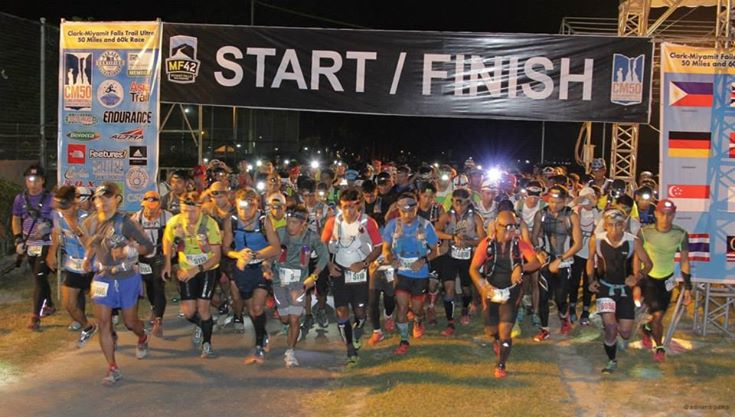
CM50 & CM60K Start @ 1:00 AM of Sunday November 23, 2014 (Photo Courtesy Of AVAquino Photography)

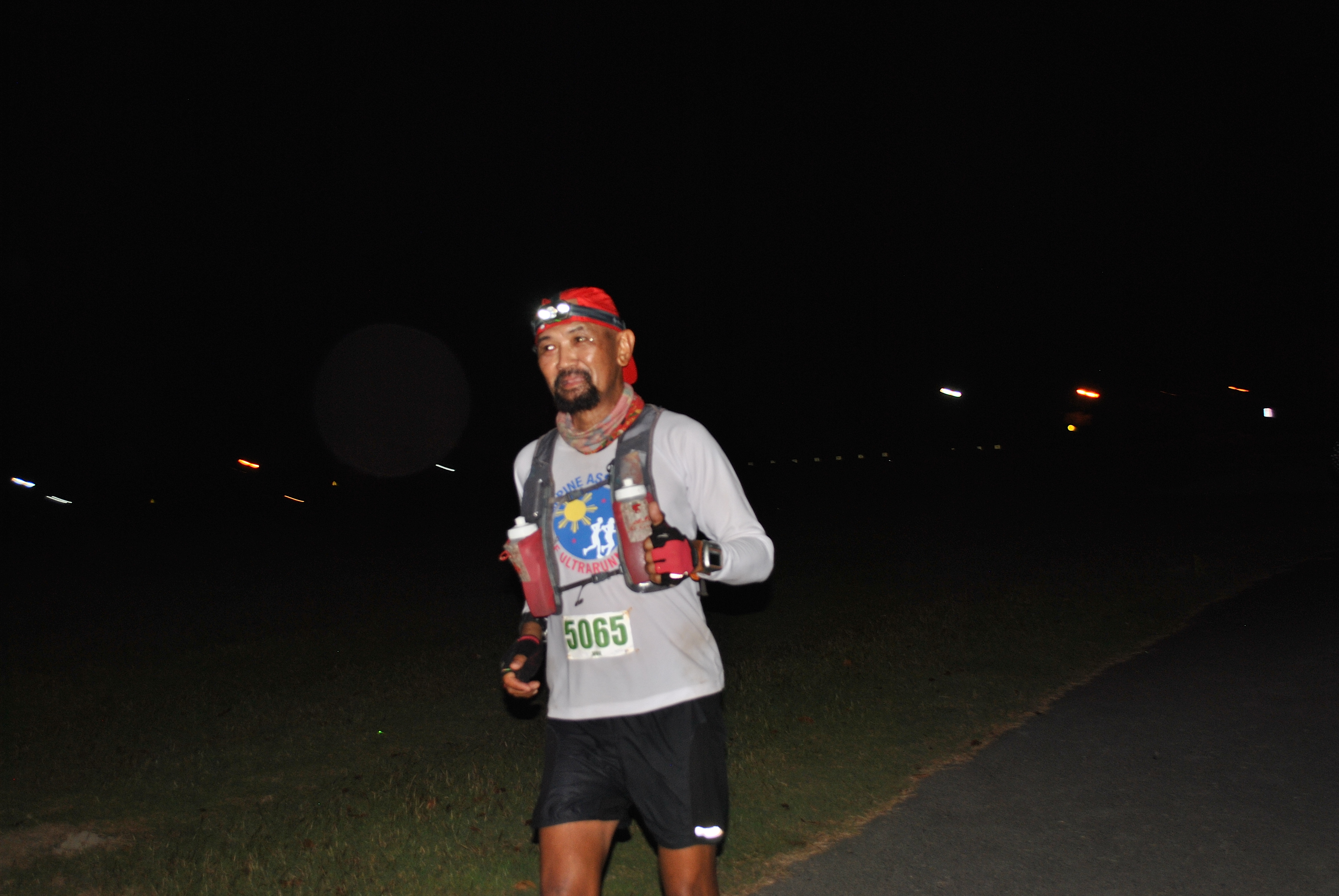
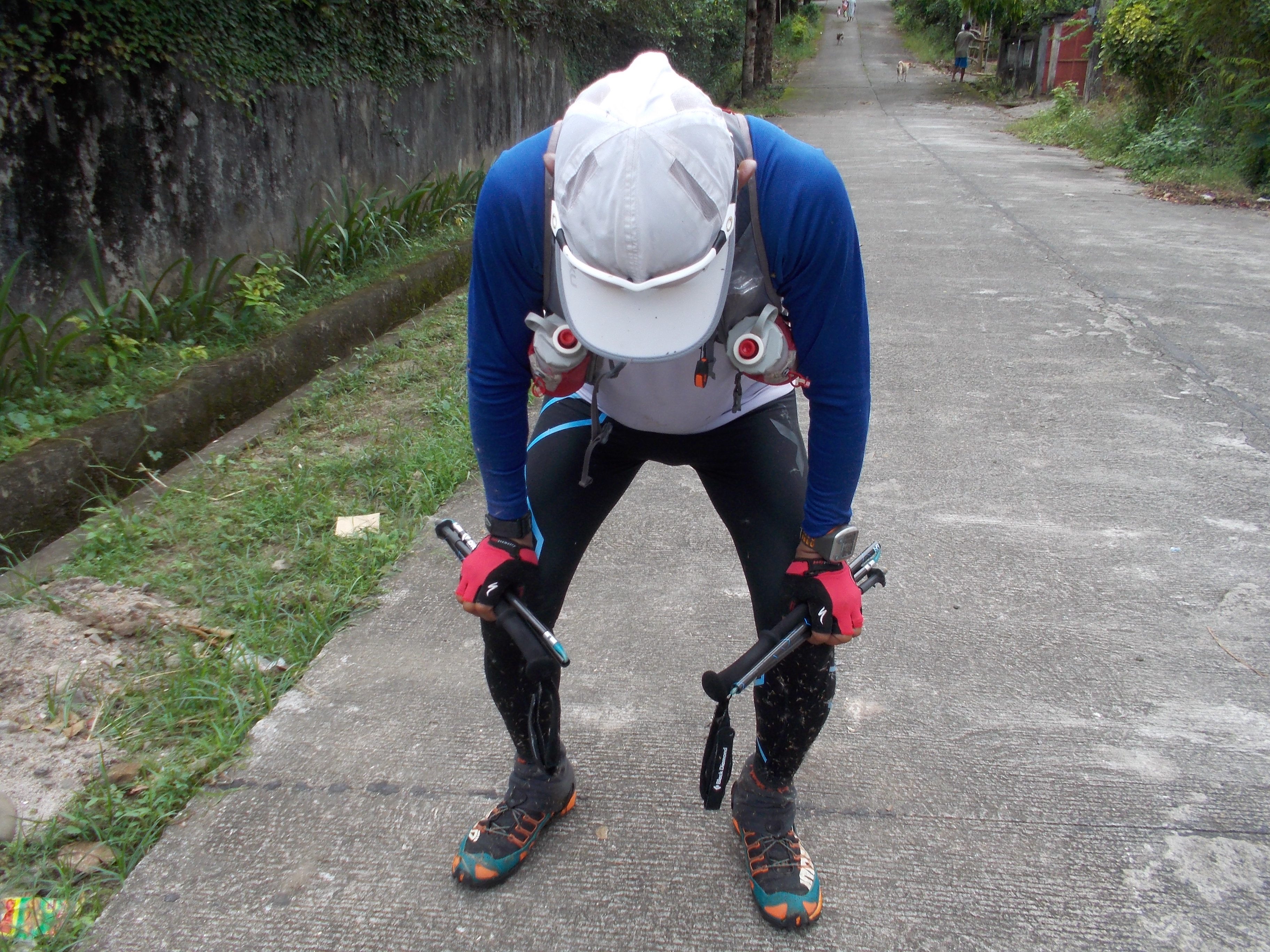
The race started at exactly 1:00 AM of Sunday, November 23 from the Clark Parade Ground and the runners were off towards the direction on the Main Road going to the Southern Portion of the Camp/Facility which was a former US Air Force Base. The first 3 Kilometers is along a paved wide road with a rolling profile elevation where one would be pulled by the other faster runners. I was able to maintain a slower pace on this part of the course. It was too early to be racing with the other runners. As I looked around, I would see familiar faces but I did not know whether they are with me in the distance category where I was competing. I guess, at this point, I was almost on the tail-end of the runners of the 50-milers and 60K runners.
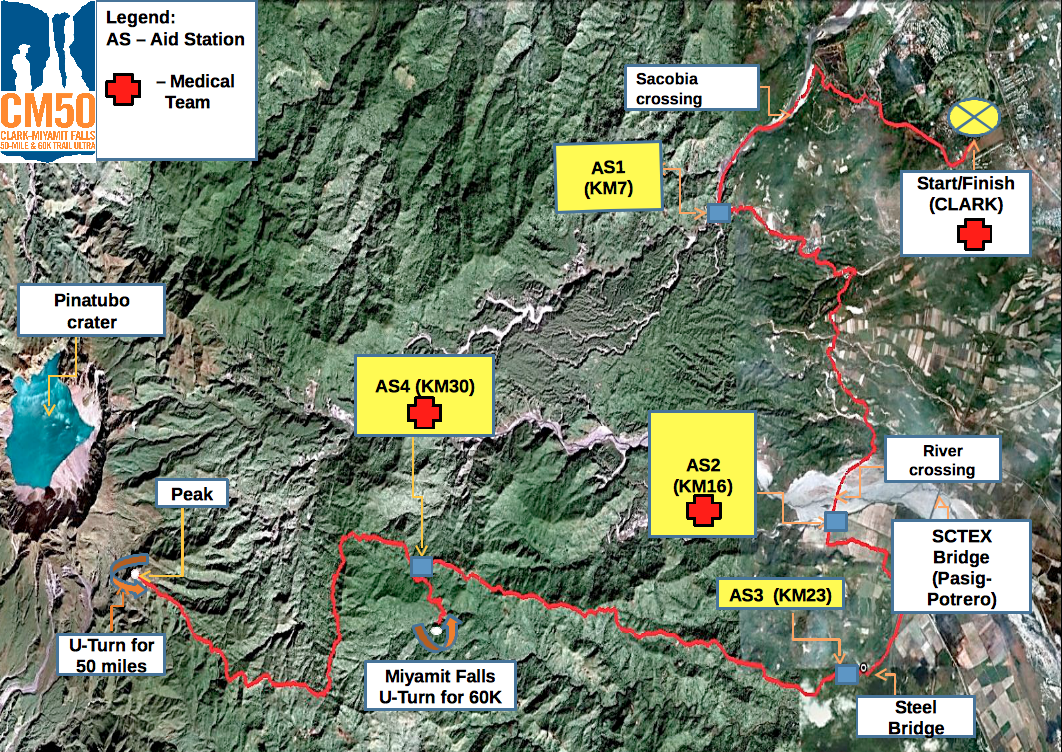
CM50 Course Map & Location of Aid Stations

After 3 kilometers, I started to reach the trailhead with a single-track downhill trail leading to the bank of a river. The bank of the river was a dry bed of lahar-sand and after a few meters, my feet had their first taste of the flowing water of the river which is mixed with lahar-sand. I could feel that my shoes had been absorbing a lot of sand through its upper mesh while I was crossing the river. The flowing water was very shallow but the current was very fast! The river is called Sacobia River and I will be coming back on this wide river on my way back to the Finish Line.

I was using the same headlight that I used last year and it gave me the much needed illumination and it served me well during the race. The Icon Polar Headlight from Black Diamond is a heavy one on the head because it has 4 Double A Batteries as source of power. I don’t complain much on this because this lighting system is very reliable and long-lasting on its power.

The running period for a 4-kilometer of river-lahar with flowing water was so fast that I was seeing myself to be nearing the First Aid Station (Km #7) which was located before an ascending paved road towards a Spa & Wellness Resort. I did not stop at the 1st Aid Station! Once I reached the peak of the paved road by power walking/hiking, it was all downhill on a wide dirt road until it became another road with loose lahar-sand. It was so hard to run on the lahar-sand even if I was following the tracks of wheeled vehicles passing along this road. Because it was still dark, my sight was concentrated on the whitish-color of the lahar-sand as it was illuminated by my powerful headlight. It started to be boring and running to an endless sand!

The loose lahar-sand ultimately led us to a hardened wide dirt road with a high-walled fence on the right side of the road. Because it was still too dark to look around, I could sense that this is a populated village where 4 X 4 jeeps would park and where I would see children play along the road when I was on my way to the finish line in last year’s edition. I knew that after a few meters, I would be turning on a sharp right towards an uphill climb on a cemented stairs! Once I climbed on those stairs, I knew that after a few meters of winding trail, the next challenge will be a steep descent towards some trails of loose lahar-sand (again!).

CM 50-Mile Run Elevation Profile

Once I reached the steep descending trail, I saw a rope with some runners clinging on it while they were on their way down to the foot of the trail. It was my turn to use the rope in going down the trail and it was too easy for me to grasp the rope as I was using a cycling gloves. There were three (3) parts/portions of the rope towards the lowest level of the ground where each part is about 10 meters. I knew that after this descending part, another flowing river with lahar will be the next part of the course.

If there are parts with no marshals on this vast lahar-covered river, there are blinking lights and reflectorized strips that would indicate the correct direction of the course. It is very clear and easy to see those reflectorized strips on the right side of the trail on the first half of the course. There is no reason why a runner should be lost along the course. I guess, my headlight might have a very strong illumination that those reflectorized strips on the trail could be easily seen from afar. Last year, aside from my headlight, I was also using a handheld light which gave me more illumination to a specific direction/location while on the move.

Running on the river with lahar is a big problem for runners whether it is during the day or night. The first problem is that lahar-sand would enter ones shoes most specially when crossing the flowing river whether a runner is wearing a gaiter. The lahar-sand would accumulate in-between the insole and the socks and later on the space between the tips of the toes and the front tip of the inside part of the shoes. The second problem is for the runner to be careful in avoiding the rocks or if they choose to step on the rocks, they should land their foot lightly on them and avoid being “tripped” by them. The third problem, is the “heat” that comes out from the sand when the sun is hot. One should remember that these river-lahar crossing along the course are not covered and every runner is exposed to the heat of the sun, most specially on their way back to the Finish Line. Running on a lahar-sand environment should be a part of ones training if a runner would like to have a good finish time in this event.

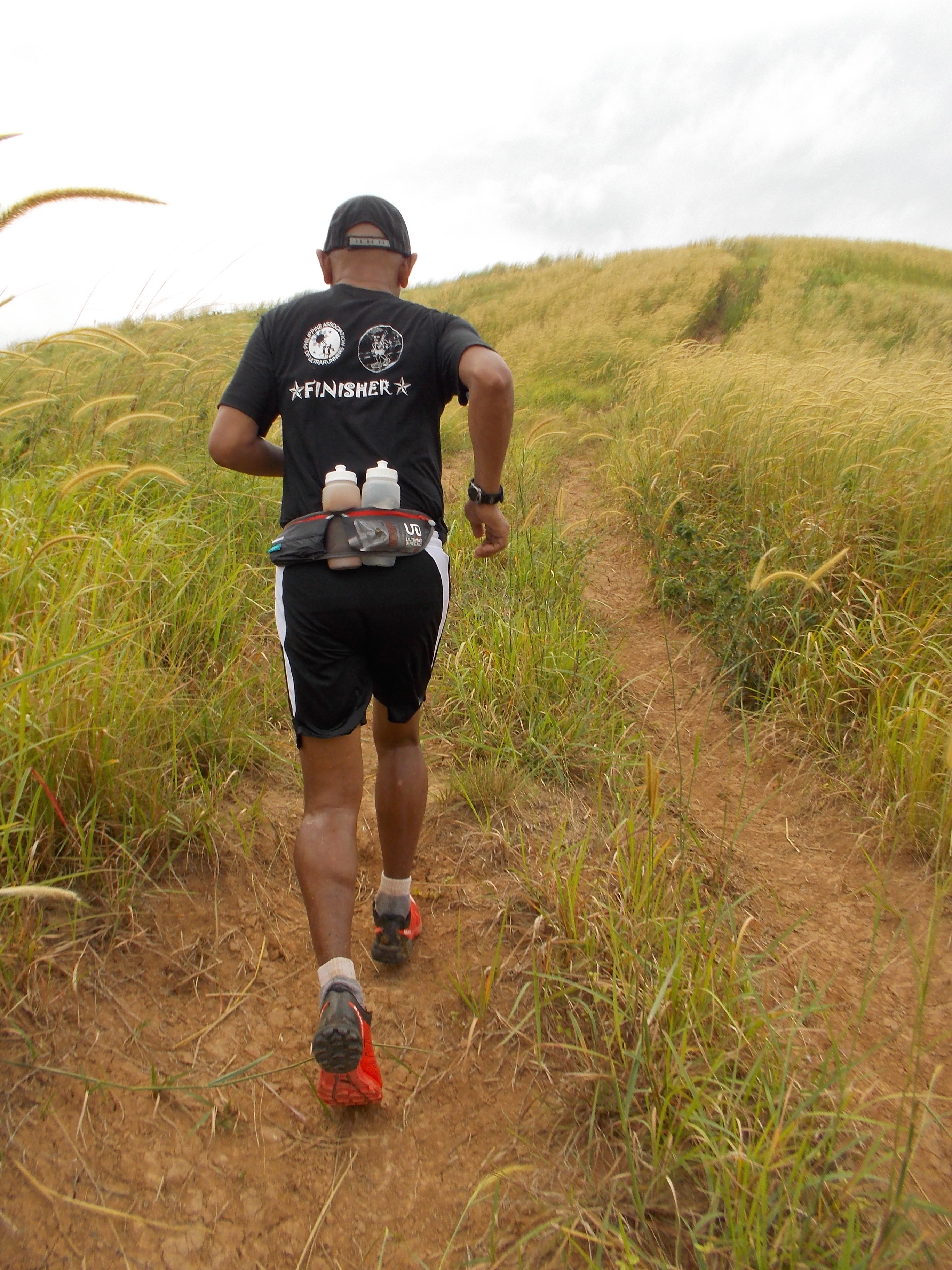
After crossing the second river I knew I would be towards an uphill climb and starts running on the ridges of hills and edges of cultivated fields where most of them are sugar plantations. These part of the course is also exposed to the heat of the sun and the trail is loose and dusty! Since I was not particular with the exact time as to how long I’ve been running, I was surprised to see the Second Aid Station/AS2 (Km #16/17) before me! I passed the Aid Station without stopping and I knew I was about to reach the first “mini-tunnel” or “big culvert” of the SCTEX.
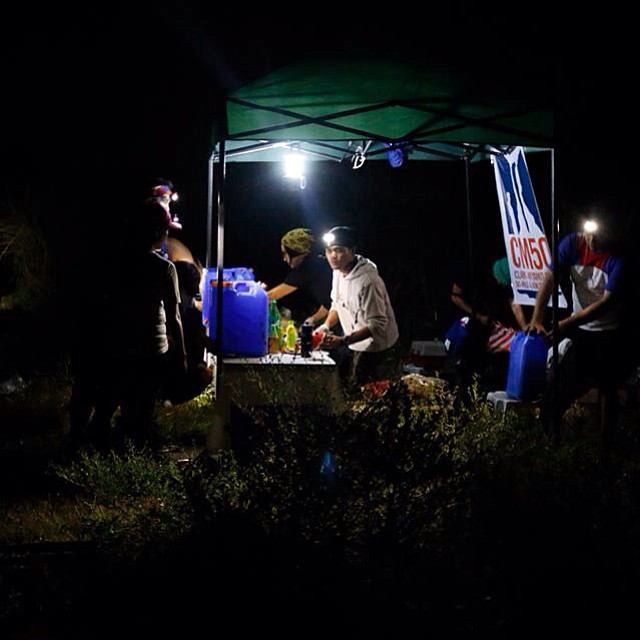
AS #2 @ Km #16/17 (Photo Taken From CM50 Facebook Page)

I was still using my headlight when I reached the second “mini-tunnel” which leads to the Security Checkpoint before reaching the steel bridge. As I reached the third Aid Station/AS3 (Km #23), the RD was there cheering the runners. The RD suggested us to drop by and I answered him that I will drop by on my way back to the Finish Line. I think I had to cover another 3-4 kilometers after passing the AS3 before I finally put off my headlight.

Two kilometers away from the Fourth Aid Station/AS4 (Km #32), I met the first runner of the CM 60K race and it was followed by the 2nd runner. Before reaching the AS4, I was able to meet the third runner of the CM 60K race. I have a “wild guess” that I could be at AS4 after running for the past five (5+) hours. The sun was about to rise from the east horizon!

So far, so good!

To be continued.
Race Report: 2014 Clark-Miyamit 50-Mile Trail Run (Part 1)


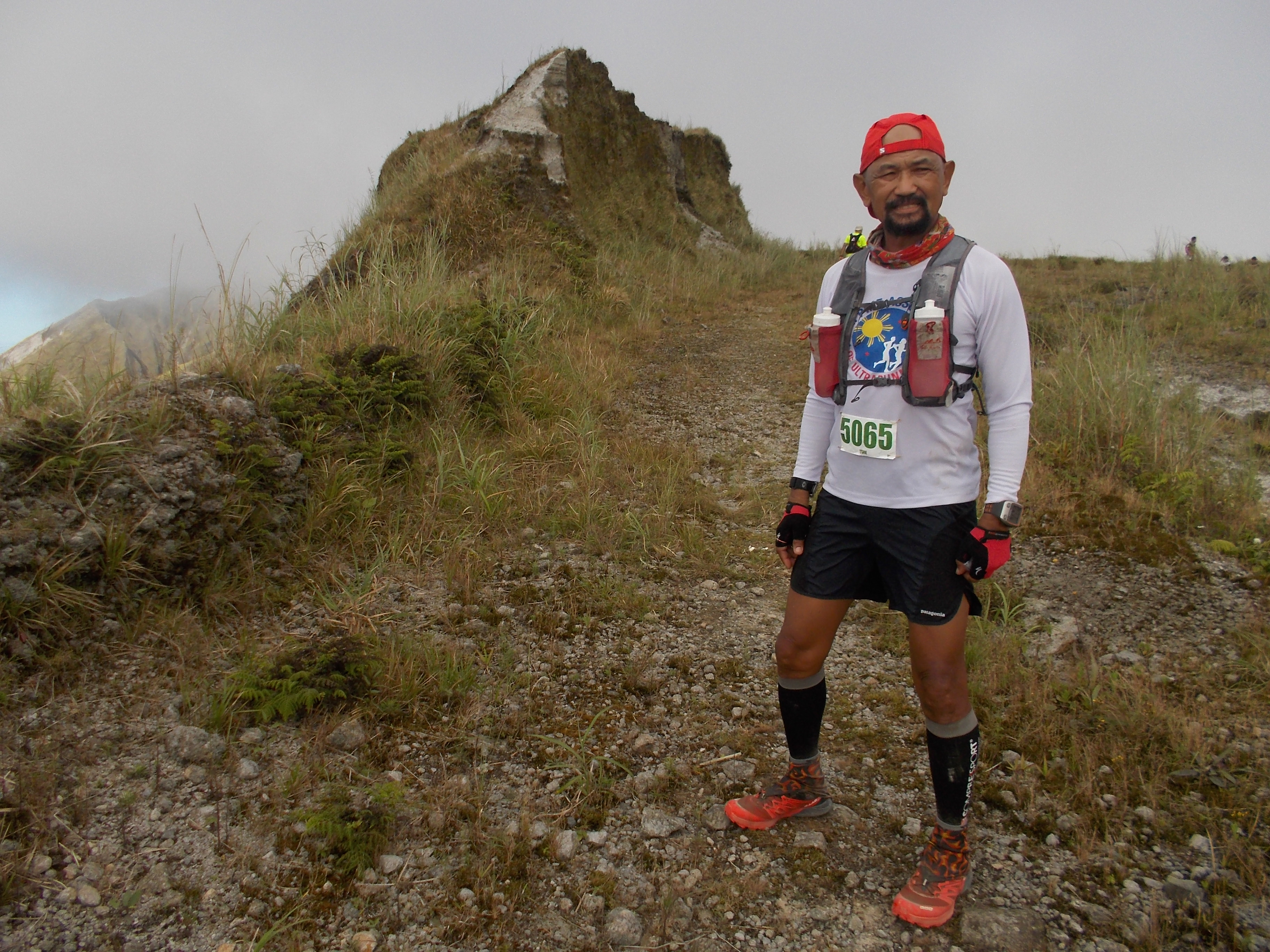
In the history of this event on its 4th year, I am the ONLY Senior Citizen and OLDEST Finisher for TWO consecutive years within the prescribed cut-off time eighteen (18) hours.

At The Mt Miyamit Peak (Turn-Around Point)

Last year, I finished the race in 15:30:20 hours and placed among the top 30 runners with 120+ starters. I prepared for five months in order to finish this race with more favorable weather during race day. I was then 61 years old.

Near The Finish Line!

This year, I made it again to the Finish Line with only 10 minutes to spare before the prescribed cut-off time of 18 hours. This time, I prepared for four (4) months with lesser mileage in order to lessen the return of my recurring knee injury. The weather was so brutal and challenging to all the runners. I am now 62 years & 6 months old.

I was able to tame and defeat this “beast” for two consecutive years and I feel I am still strong enough to fight this “monster”.

My personal record in this event is intact and hopefully, someone within my age bracket will take the challenge to break my personal record.

My trail running adventure continues.

To be continued.
Lifetime Commitment


I was a part of the 1st “running boom” in the country and I was glad that I became an average Marathon Runner then, having finished local Marathon Races held in Metro Manila. But going to another country to experience finishing a Marathon Race was just a dream. I just realized this dream when I concentrated writing my running experiences on this blog.

Through this blog, I came to realize that I could be a better and faster runner if I concentrate and focus on my training. This was attained when I was already retired from the military service. Focus and consistency on training made me aware of my strengths and weaknesses in running plus the fact that I have the valuable time to do what I want.

This blog started with those weekly fun runs, road races, and Marathon Races in Metro Manila; then I gave birth to an Ultra Marathon Race which ultimately made me as a Race Director/Organizer; created a National Sports Federation For Ultrarunning; promoted Sports Tourism through Ultra Marathon in different parts of the country; brought some elite ultra runners to international races; and now trying to become a strong and fast mountain trail runner.

But the problem is that, my age is fast catching on me. I am not getting any younger. And my speed on my past road races is not getting any faster when I run in the mountain trails. Obviously, running on mountain trails is more challenging and dynamic. But I have learned to love running on the mountain trails for the past 16 months.

Whenever I am running in the mountains, I always think and ask this question to myself, “When will I stop running and retire from it?” But whenever I try to answer this question mentally, I would propel myself with a stronger and faster “kick and lift” on my tired legs! I guess, my brain has answered that I am still strong and be able to endure whatever challenges and pain that my body would encounter.

As for me, Running is a Lifetime Commitment. It is a Passion, a Hobby, an Easy Job, and a Cure!

Trail Running @ 62 Years Old


How Much?


It’s been awhile that I was not able to post my thoughts in this blog. Oh, well, I am back!

Let me ask you first this question. “How much is the worth of your International Marathon Race Finisher’s Medal?”

For the past years, there had been a lot of local runners (Pinoy Runners) who would go abroad to join “famous and not-so-famous” Marathon Races. I am not sure of their definite reason or reasons why they have to go abroad to experience such event. I am not against this but I am one of the average runners who highly recommend other runners to experience what it is like to join in any of the International Marathon Races.

I’ve been to International Marathon Races and I liked it, most especially, when I run with my children. Most of my past International Marathon Finishes were done in California, USA where I finished the San Francisco and Los Angeles Marathons. I was a witness and cheerer for my son when he finished the New York Marathon. Basically, I know the feeling what it is like to be in these International Marathon Races. The experience is priceless!

Let me get to the point directly. Once a local runner finishes an International Marathon Race, he/she goes to Facebook and writes a “drama” and tells everybody that he/she successfully finished the race with a picture showing his/her Finisher’s Medal, sometimes stating also, after having failed in three (3) successive lotteries for entry to the race. The runner will be happy to receive a lot of comments on his/her status with the words, “Congratulations”; “Good Job”; “Wow”; “Amazing”; “Where is your next International Marathon Race?”; and others. However, nobody dares to make or write a comment on what was their finish time or how much did they save and spend to join the event.

Nobody would say how much did they spend for the experience and be able to “brag” about it together with their accomplishment. Not one of them would openly discuss how much money they spent just to get that “prestigious” Marathon Finisher’s Medal. Actually, I am also guilty with this but my purpose in joining such International Running Event is for me to visit my family and spend some time with them. My Race Reports in my past International Marathons are well-documented in this blog but I also missed stating how much I spent to join such events. I got a lot of “savings or freebies” joining these Marathon Races because I have our house to stay and a family car that I can drive.

But, for a local runner coming from the Philippines and going to another country without a friend or relative who could be a “host” to him or her, it is a different story.

This Is A Lot Of Money

Theoretically, I can answer such question for these runners who have finished their International Marathon in the United States based from my personal experience and data available in the Internet. First, is the Registration Fee. It would range from $250-$300 depending on the popularity and prestige that go with the event. Second, is the Round Trip Plane Ticket Fare which would range from $1,300-$1,600 depending how far from the Philippines and the “class” that you prefer to be accommodated inside the plane. Third, is the Accommodation which would range from $200-$300 per day stay in a hotel, which is of course, is not a big problem if you have a friend or relative who is hospitable enough to open his house or condominium/apartment for you. Fourth, is the Food and Other Miscellaneous Expenses/Transportation Expenses (Car Rentals) which could range to about $60-$100 a day. Fifth, is your Shopping Money which is geared towards buying a new pair of running shoes, a new electronic/tech gadget, or a new running apparel in the Marathon Expo which are not yet available in the local market. So, if you add up everything, a runner would easily spend a base figure of almost $3,000+ and this amount increases depending on the number of days you will stay in the city where the Marathon Race is being held.

If the Marathon Race is held somewhere in Europe, I think it is a different story. It could be more expensive than what I previously presented on Marathon Races held in the United States.

If you convert such amount of money to our local currency, it is an amount that an ordinary government employee or a corporate employee could hardly save for the whole year. It is for this basic reason why our best elite marathon runners could not afford to join these prestigious International Marathon Races.

Official Result: 5th Mt Pinatubo 50K Trail Challenge


5th Mt Pinatubo 50K Trail Challenge

5:00 AM – 5:00 PM November 9, 2014

Start & Finish Area: Barangay Hall, Barangay Sta. Juliana, Capas, Tarlac

Cut-Off Time: 12 Hours/6 Hours @ Mt Pinatubo’s Crater Lake

Number Of Starters: 28 Runners

Number Of Finishers: 28 Runners

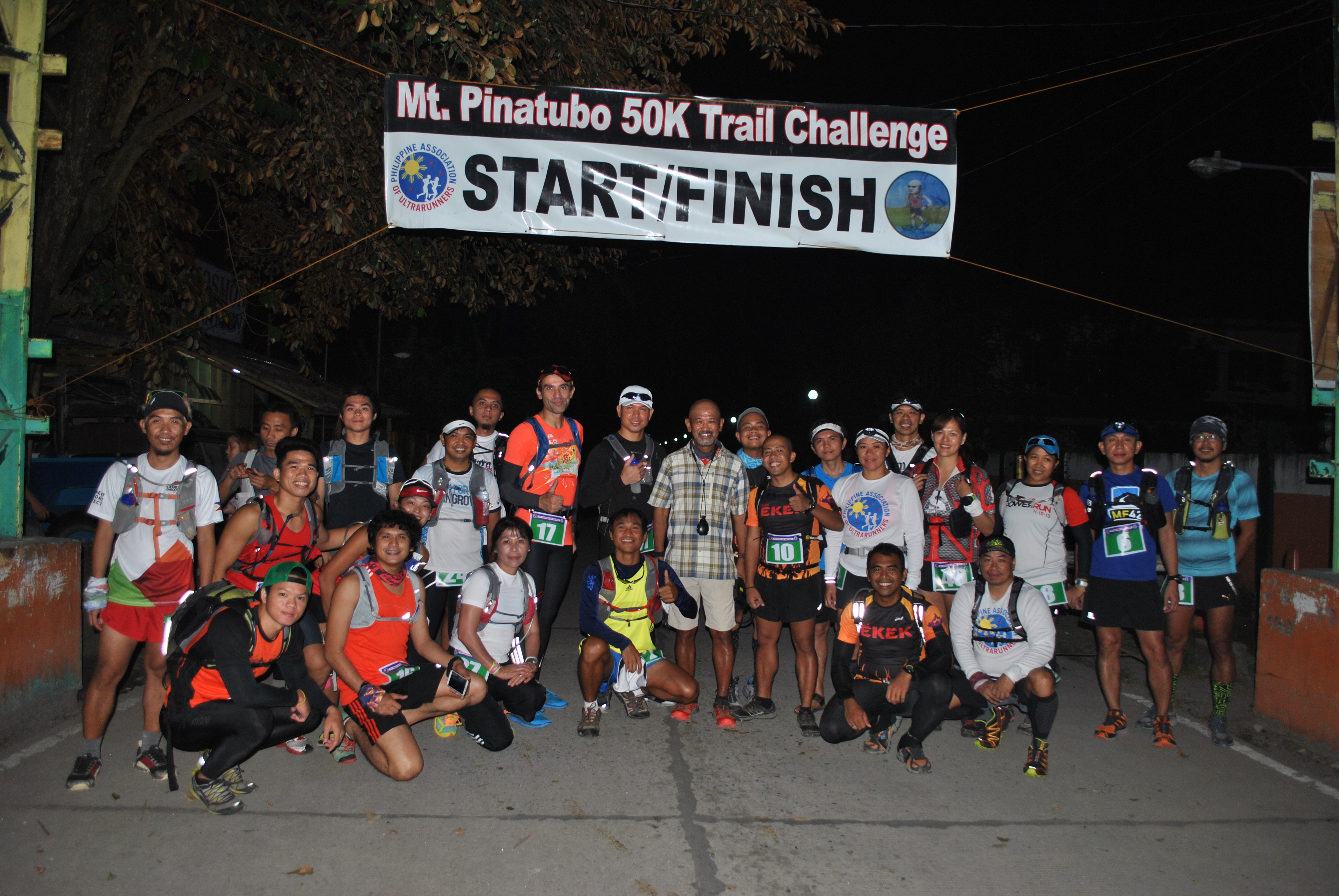
Group Picture Before Start Time
...3.....2.....1......GO!!!!!!!!!!
…3…..2…..1……GO!!!!!!!!!!
They Are Off!!!!
They Are Off!!!!

RANK                       NAME                                        TIME (Hours)

1.  Edwin Fernandez (Champion, Overall)——-6:45:07

2.  Aaron Laron (1st Runner-Up, Overall)——-6:45:11

3.  Jay Pagcu (2nd Runner-Up, Overall)———6:45:14

4.  Alain Vincent ———————————–6:48:51

5.  Almar Danguilan ——————————-6:56:28

6.  Kenneth Manibo ——————————-7:10:45

7.  Roy Garcia—————————————7:16:53

8.  Joey Neil Canaya——————————-7:27:05

9.  Levi Bitangcul———————————-7:34:54

10. Bong Alindada———————————8:00:20

11.  Melan Ku Marquez (Champion, Female)—8:29:15

12.  Elmer Caballes ——————————–8:33:52

13.  Henry Laron ———————————–8:36:57

14.  Imelda Laron (1st Runner-Up, Female)—–8:38:52

15.  Arlene Agulto (2nd Runner-Up, Female)—8:38:53

16.  Ceejay De Leon ——————————–8:42:22

17.  Christian Pabatao —————————–8:47:31

18.  Darryl Panado ———————————8:47:51

19.  Dennis Uy————————————8:47:52

20.  Werner Cruz ————————— ———-8:47:53

21.  Chips Dayrit ————————————9:11:12

22.  Gay Baniwas (Female) ————————9:25:00

23.  Joey San Diego ——————————–9:26:39

24.  Bong Anastacio ——————————-9:52:38

25.  Randy Miranda ——————————-9:57:38

26.  Christopher Estacio ————————-10:15:56

27.  Reese Rogel (Female) ———————–10:40:58

28.  Tom Baniwas ——————————–10:40:59

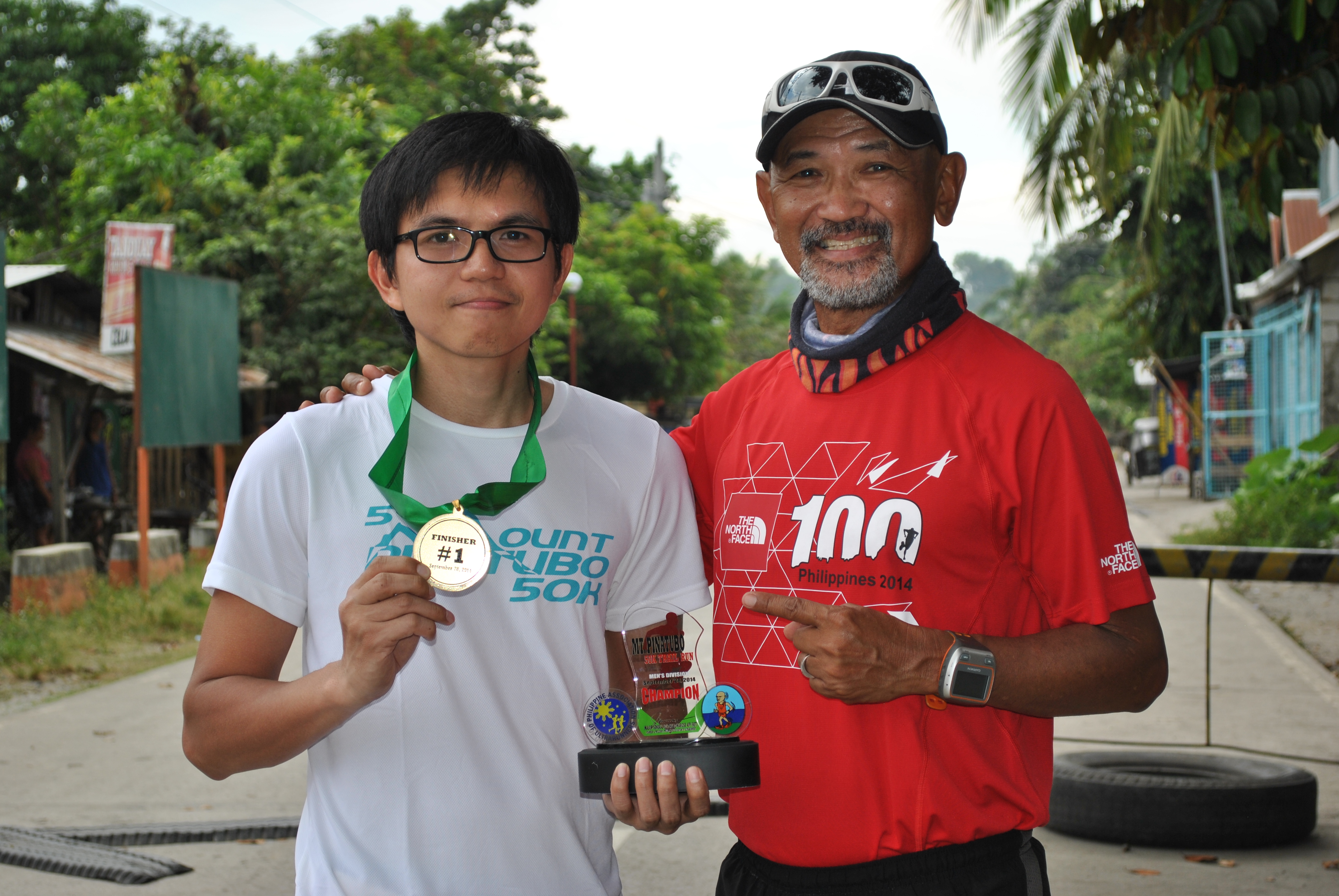
Overall Champion Edwin Fernandez
Female Champion Melan Ku Marquez

Congratulations To All The Finishers!


Official Result: 2nd WEST COAST 200K (Single Stage) Ultra Marathon Race


2nd WEST COAST 200K (Single Stage) Ultra Marathon Race

Starting Area: Remy Field Oval Track, Subic Freeport, Olongapo City

Finish Area: Barangay Lucap Port, Alaminos City (Pangasinan)

Start Time: 1:00 AM November 1, 2014

Finish Time: 1:00 AM November 3, 2014

Cut-Off Time: 48 Hours

Number of Starters: 18 Runners

Number of Finisher: 18 Runners

18 Runners @ Remy Field Oval Track, Subic Freeport

RANK                         NAME                                        TIME (Hrs)

1. Lao Ogerio (Champion, Overall)—————–33:39:22

2. Merbert Cabral (1st Runner-Up, Overall)——33:59:40

3. Dindo Diaz (2nd Runner-Up, Overall)———35:48:58

4. Rhoda Oporto (Champion, Female)————36:53:40

5. Eric Cruz ——————————————39:47:39

6. Bong Dizon—————————————-40:16:21

7. Gia Estrella (1st Runner-Up, Female)———-40:24:02

8. Allan Sabado————————————–41:12:10

9. Lyra Valles (2nd Runner-Up, Female)———41:55:10

10. Myk Dauz—————————————-42:50:09

11. Ariel Briones————————————-43:23:54

12. Marlon Santos———————————–43:28:56

13. Robert Watson———————————–43:40:28

14. Amor Gabriel, Jr.——————————–44:54:45

15. Jocelyn Lanas (Female)————————-45:55:04

16. Tess Leono (Female)—————————-47:34:37

17. Manny Ocampo———————————-47:34:38

18. Ray Paras—————————————–47:58:55

Overall Champion Lao Ogerio
Lady Champion Rhoda Oporto

Congratulations To Everybody!


Cut-Off Times (Part 2)


I made a post about the cut-off times of running events in my post in this blog on May 17, 2011. Until this time, I don’t see any reason why Race Organizers/Directors had to impose cut-off times in their events. For the Marathon Races where most of the city roads are closed from vehicular traffic, six (6) hours is a decent time as a cut-off time in order to relieve the riding public of the inconvenience it would bring if the race is extended up to nine or ten or twelve hours. But on second thought, the cut-off time being imposed is not for the safety of the runners of the event but for the convenience of everybody.

In my post, I made mention of some of the popular ultra races in the world with their prescribed cut-off times.  It is obvious that Road Ultras have a shorter cut-off times than those mountain trail races, except for the Badwater Ultra Marathon Race. UTMB’s 166K has a cut-off time of 46 hours; Hardrock 100 which is dubbed as the hardest mountain trail ultra in the USA has a cut-off time of 48 hours; Barkley Marathon has a cut-off time of 60 hours where each loop of 20 miles has a cut-off time of 12 hours; and the most prestigious Western States 100-Mile Endurance Race has a cut-off time of 30 hours.

Each of these ultra races has their reason why the Race Organizer/RD have to impose cut-off times. Moreover, there are intermediate cut-off time in every checkpoint along the route which forces the runner to meet such times, or else, he/she would be disqualified. Such intermediate cut-off times are being strictly enforced as race marshals would strip each runner of their race bib or tag and advised not to be allowed to continue the race.

I would surmise also that such cut-off times are being imposed by the Bureau of Parks and Wildlife which manages or administers safety in these wilderness parks as one of the conditions for the issuance of event permits.

Without any reference on these cut-off times, I would conclude that the Race Directors, who are former ultra runners during their prime age, would be able to “test run” the course by themselves and come up with an arbitrary cut-off time based from their personal capability or finish time results. Or maybe, they invited some of their ultra friends to “test run” the course and get the “mean/average” time of the finishers.

When I thought of organizing the Bataan Death March 102 Ultra Marathon Race, it was a challenge for me to come up with a decent cut-off time for the whole race. After conducting some “50K test runs” with my ultra running friends, I was able to come up with the 18-hour cut-off time, where an average well-trained marathon runner would be able to finish a distance of 50K in 9 hours, which way beyond the 6-hour cut-off time for a marathon (42K) race. This is the reason why one of the qualifications of a BDM 102 participant is a Marathon Finisher.

As for the BDM 160, I just added another 9 hours and another 3 hours for the remaining distance of 58 kilometers where I considered the heat and humidity in the country as the main challenge to finish this event.

When I thought of coming with the first trail ultra marathon race in the country, I would conduct by myself a “test run” on the course by dividing the whole distance of 162 kilometers into two parts. Thus, I came up with 32 hours as the cut-off time for the 1st Taklang Damulag 100-Mile Endurance Race which was maintained for the past 3 years/editions.

As I ran through roads and trails in the country, I made sure that I would “test run” any course/route that I would like to be transformed into an ultra running event for the runners.

I never changed on how I would come up with the “cut-off” time for my races. I would “test run” the course and whatever time I would register as my finish time, such time will be considered as the official cut-off time for the ultra event. Considering my present age to run through the course, I think it would be fair that my finish time will be the target time for the younger runners.

It should be noted that Intermediate Cut-Off Time is the time that a runner would leave the Checkpoint.

So, what is my message in this post? It simply means that a well-trained ultra runner could easily finish my ultra races within the prescribed cut-off times. These cut-off times (intermediate and whole course) will be one’s measurement or gauge if proper training and preparation had been made prior to the event. If one could not meet such cut-off times, it simply means that one lacks the proper training for the event.

At The Finish Line: "Test Run" For The 1st ANTELOOP 100K Trail Run
At The Finish Line: “Test Run” For The 1st ANTELOOP 100K Trail Run

Let us stop bragging ourselves to have finished a race even if you have finished way beyond the cut-off time. Let us stop giving any “finisher’s loot” for these kind of finishers. A TRUE & OFFICIAL FINISHER is one who finishes the race within the prescribed cut-off time for the event.

Good luck and see you in my future ultra races.


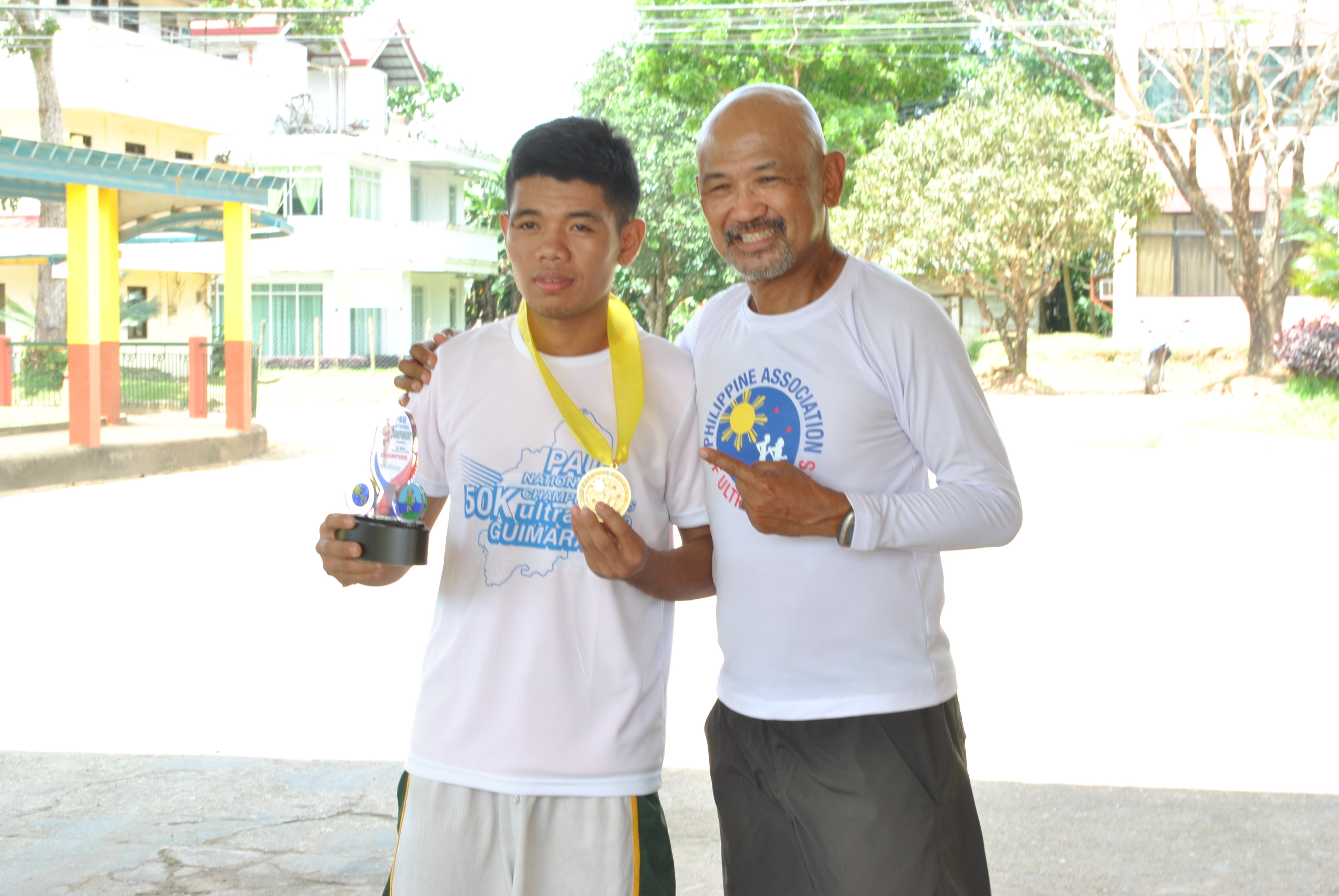
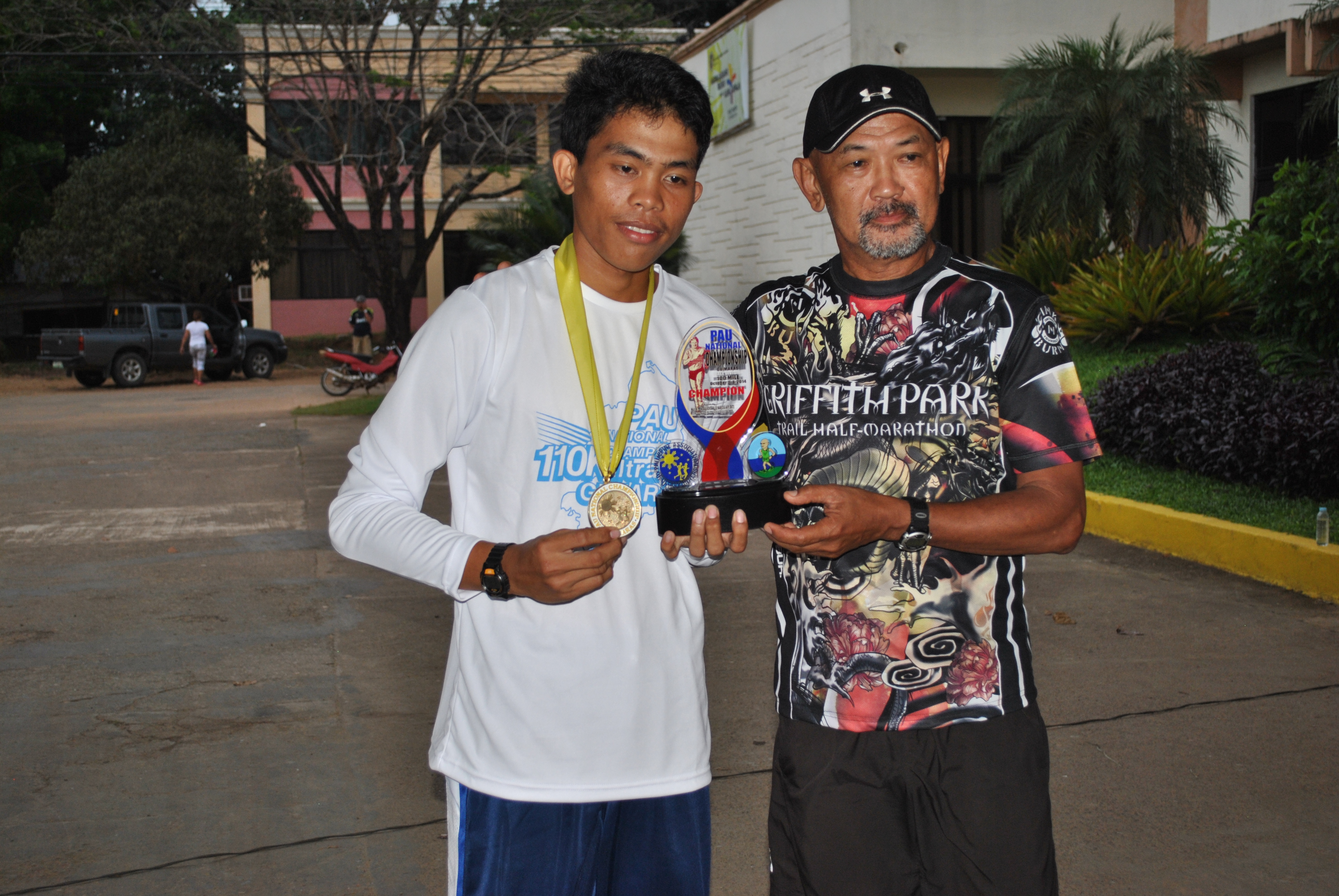
Official Results: 3rd PAU National Championships 110K & 50K Ultra Marathon Race (Guimaras)


3rd PAU National Championships 110K & 50K Ultra Marathon Race

Guimaras Island

11:30 PM October 3 To 9:00 PM October 4, 2014

Start: Smallest Plaza, Jordan

Finish: Provincial Capitol, Barangay San Miguel, Jordan, Guimaras

Result: 3rd PAU National Championship 50K Ultra Marathon Race

Starters Of The 50K Run (In Front Of The Provincial Capitol)
RRaNK N TIME (Hrs)

1

Joenard Victoriano (Champion, Overall, CR)   

5:03:09

2

Dick Balaba (1st Runner-Up, Overall)

5:50:44

3

Robin Solatorio (2nd Runner-Up, Overall)

7:00:05

4

Chester Lee Robite

7:09:39

5

Jessica Esmao (Female, Champion)

7:51:40

6

Jefferson Esmao

7:51:40

7

Noel Canag

8:05:40

8

Marissa Lim (Female, 1st Runner-Up)

8:48:33

50K Course Record Holder Joenard Victoriano

———————————————————————————————————————

Result: 3rd PAU National Championship 110K Ultra Marathon Race

Starters Of The 110K Race At The "Smallest Plaza" In Jordan, Guimaras
Starters Of The 110K Race At The “Smallest Plaza” In Jordan, Guimaras
RANK NAME TIME (Hrs)

1

Jovel Alla (Champion, Overall, Course Record)                

12:10:24

2

Wilnar Iglesia (1st Runner-Up, Overall)

16:36:30

3

Ruselle Lingat (2nd Runner-Up, Overall)

17:40:17

4

Myk Dauz

17:40:19

5

Mike Binobo

18:04:26

6

Salvador Dagoon Jr

18:06:11

7

Tess Leono (Champion, Female)

18:08:09

8

Boboy Alcansare

18:37:12

9

Kathy Kuan (1st Runner-Up, Female)

19:07:42

10

Rhodz Cordura

19:07:43

11

Mon Quiocho

19:20:22

12

Jung Pajarito

19:56:41

13

Cleo Gevero (2nd Runner-Up, Female)

21:00:15

New Course Record Holder & Defending Champion Jovel Alla

Congratulations To All The Finishers!

General Aguinaldo Trail: Hike & Survey (Part #4)


General Aguinaldo Trail: Hike & Survey (Part #4)

This survey and recon cover the portion from Tadian, Mountain Province To Banaue, Ifugao. It was my first time to travel along this route and the road was a paved one from Aluling Bridge to the Poblacion of Tadian, Mt Province. The vehicular traffic was limited to delivery trucks and some local jeepneys and motorcycles. Along the way, I was able to take some pictures of areas which I thought to be “markers” or “reminders” along the route.

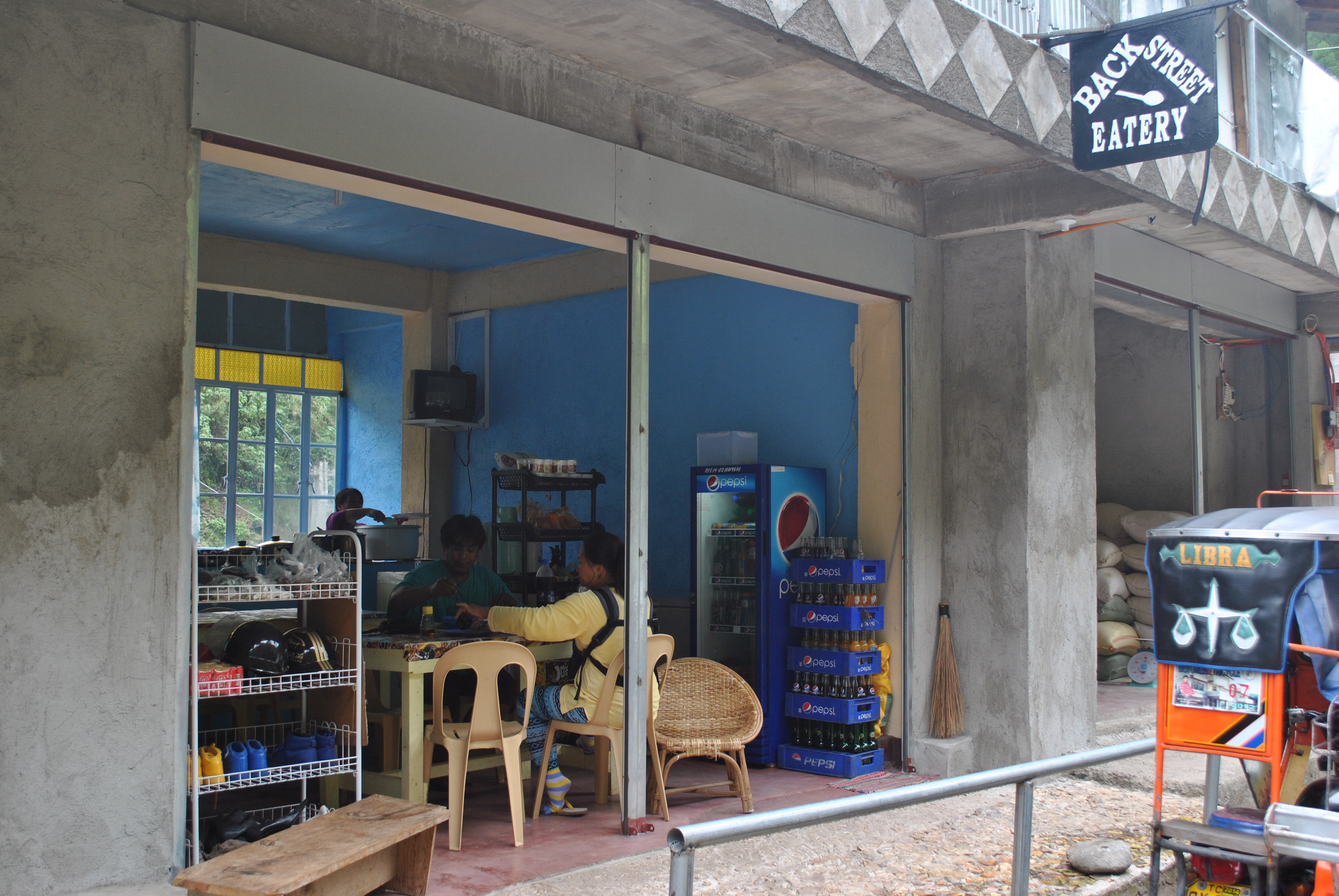
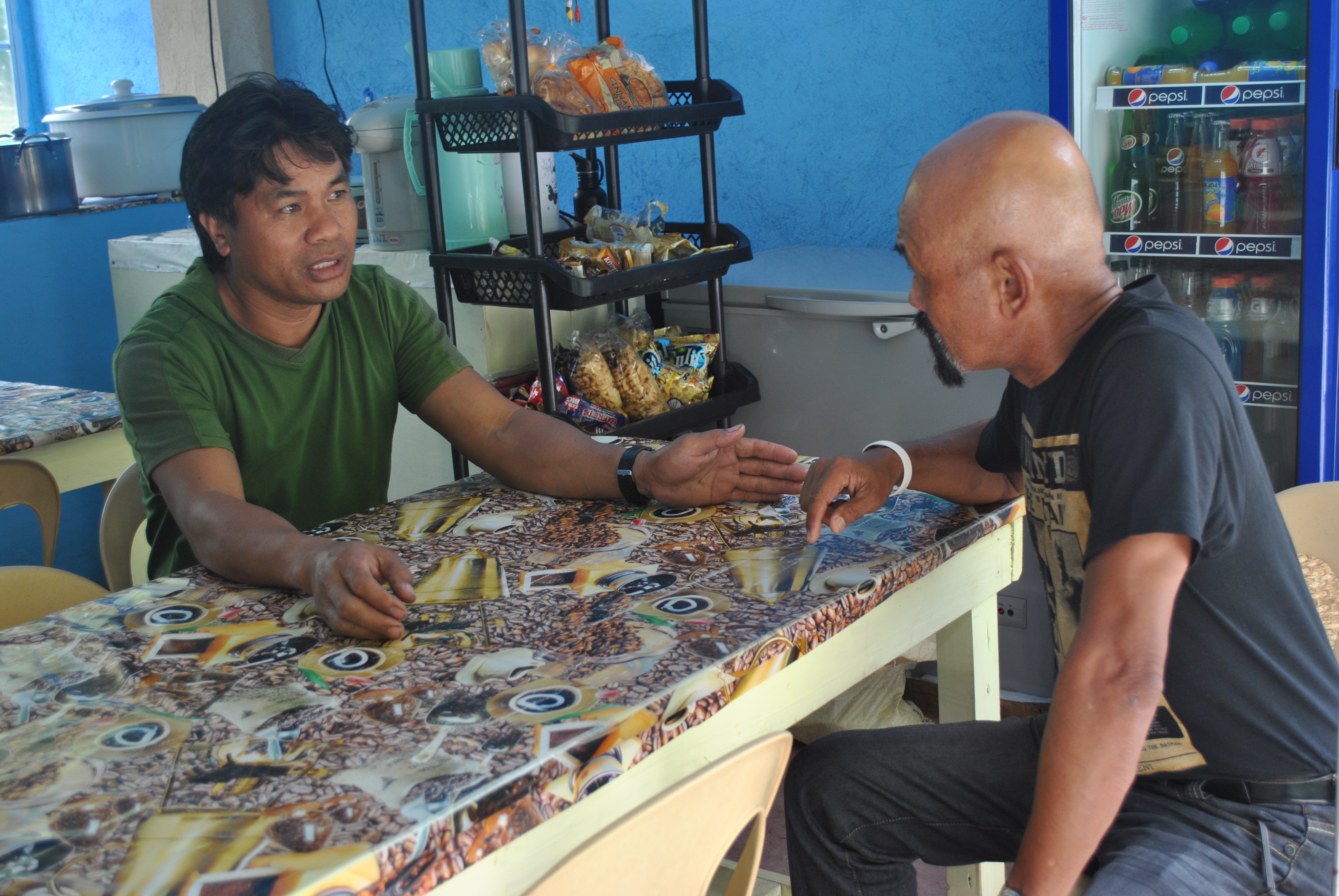
I was able to stop in one of the eateries along the way and after my lunch, I was able to talk to the owner of the restaurant. Walther Cayabas of the Backstreet Eatery was so kind enough to give me information which was told by his forefathers about General Aguinaldo’s trek to the Cordilleras. He said that the road in front of their place/eatery was part of the “Old Spanish Trail” and he was able to point to me a part of the untouched (unpaved) portion of the said trail which is located few meters from the road. I promised to Walther that I will be back for the actual trek and I will make his eatery as one of my “pitstops”. The food served were cheap and delicious with the local mountain rice served with the meal.

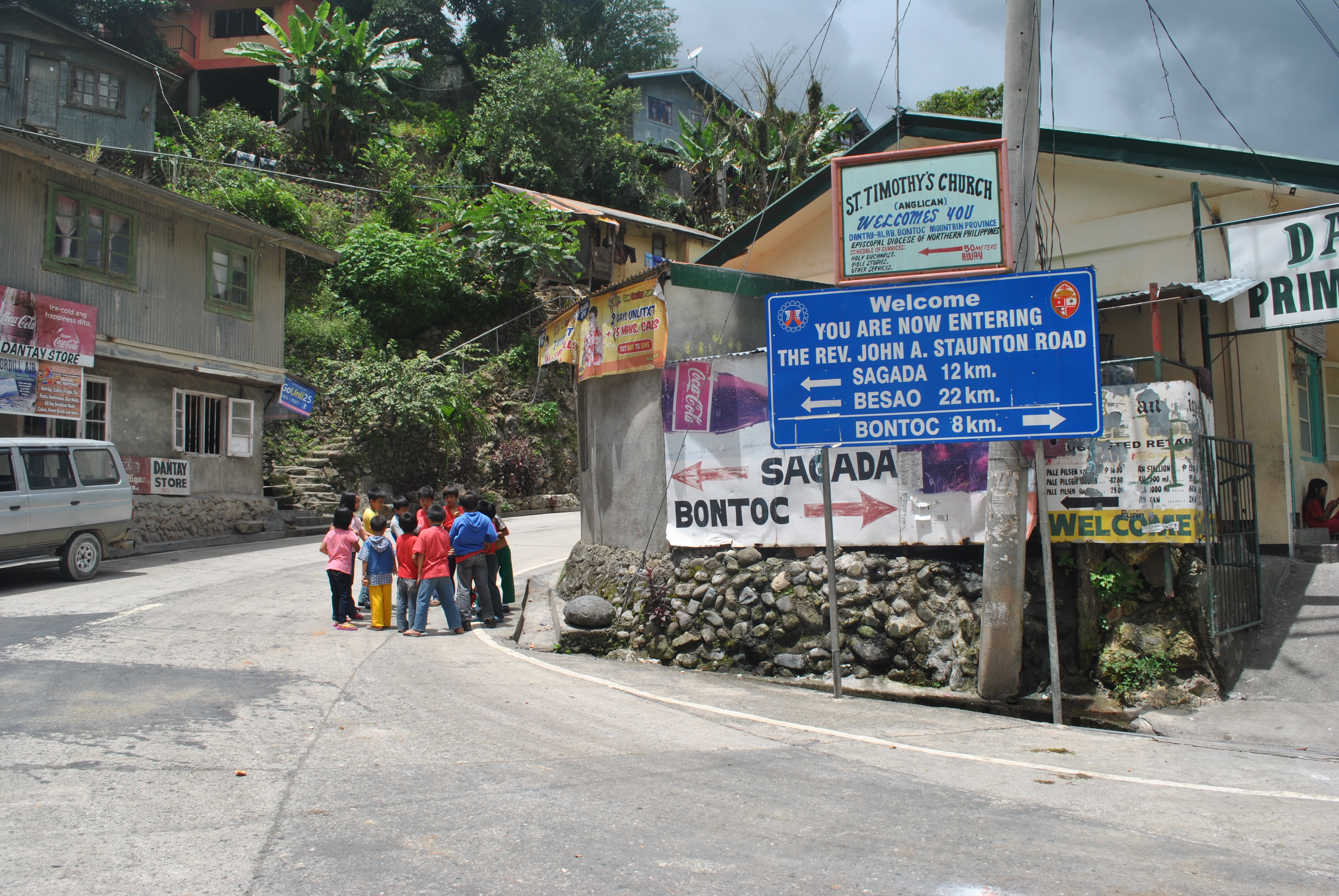
Having known from my book that General Aguinaldo passed along Sagada, Mountain Province, I focused my attention on the road on the directional signs leading to the said town. After a few minutes of driving, I was able to reach the crossing of Sagada and the road that goes to Bontoc, Mountain Province.

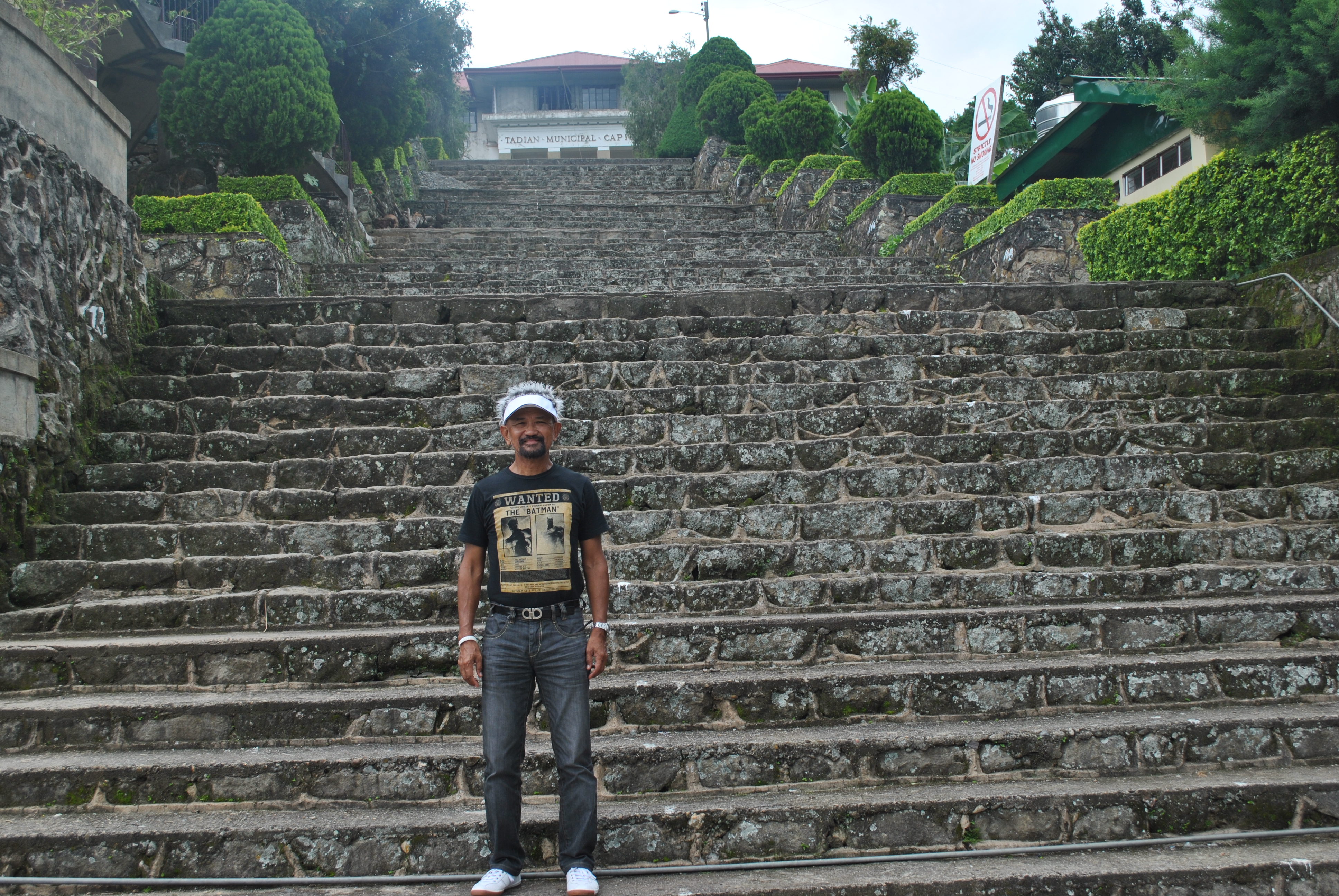
Stairs Towards Tadian Municipal Hall
Backstreet Eatery In Tadian, Mountain Province
Conversation With Walther
Conversation With Walther Cayabas
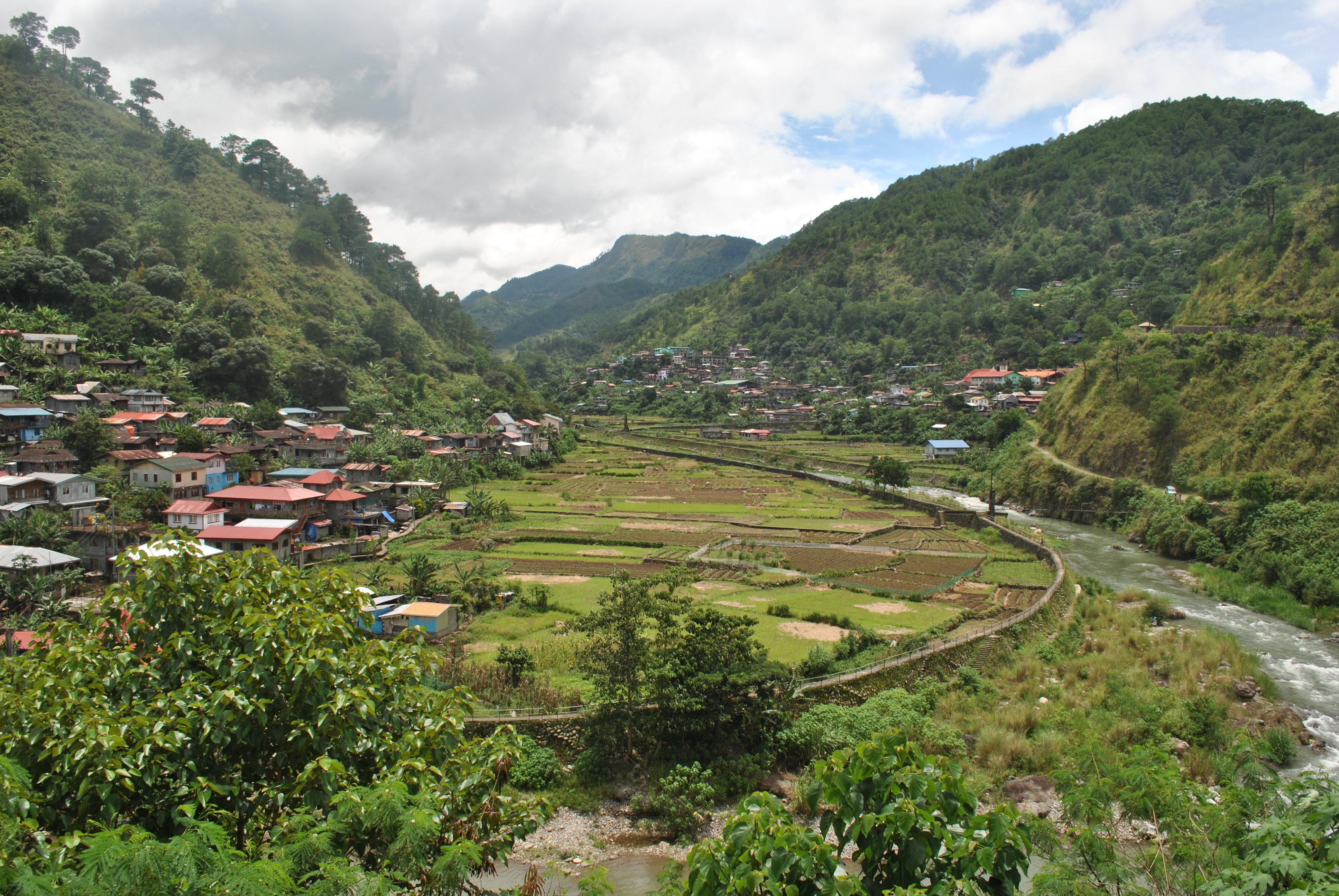
A Village Along The Route Before Sagada
Road Intersection To Sagada
At Sagada Tourism Center

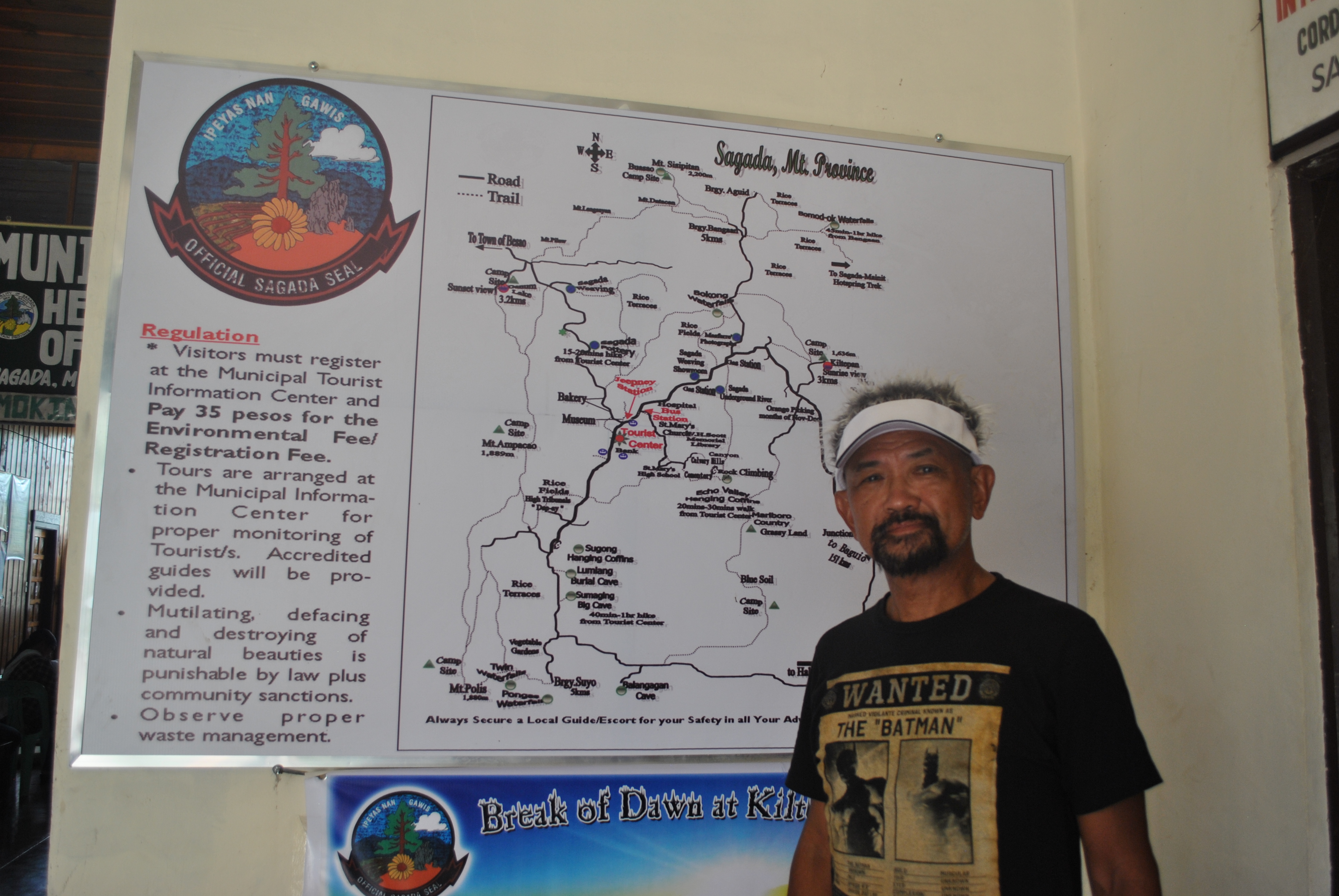
I was not impressed about Sagada. I felt that the place is too commercialized already for the tourists. I went to the Tourism Center and started to ask some information with the staff at the Center. Nobody knows among the staff about the history or story if General Aguinaldo had ever set his foot in the town. The staff is even asking me a Tourism Fee of P 35.00 for being there in the place. The tourism guide and list of fees for us to visit their tourism destinations were very expensive. The least that I could do was to have my picture taken with the Tourism Map of the Town. For me, first impression and appearance of the Tourism Center gave me the impression that this place is too commercialized without giving attention to the amenities of a customer-friendly Tourism Center. It only took me 20 minutes to stay in the said town. Hopefully, those road constructions along the road from the Bontoc Highway Intersection are all ready and done.

After those muddy road constructions along the Rev. Staunton Road, I was back on my way to paved road going to Bontoc, the Capital Town of Mountain Province. The following pictures are the things that I saw along the road:

Tourism Markers Along The Road
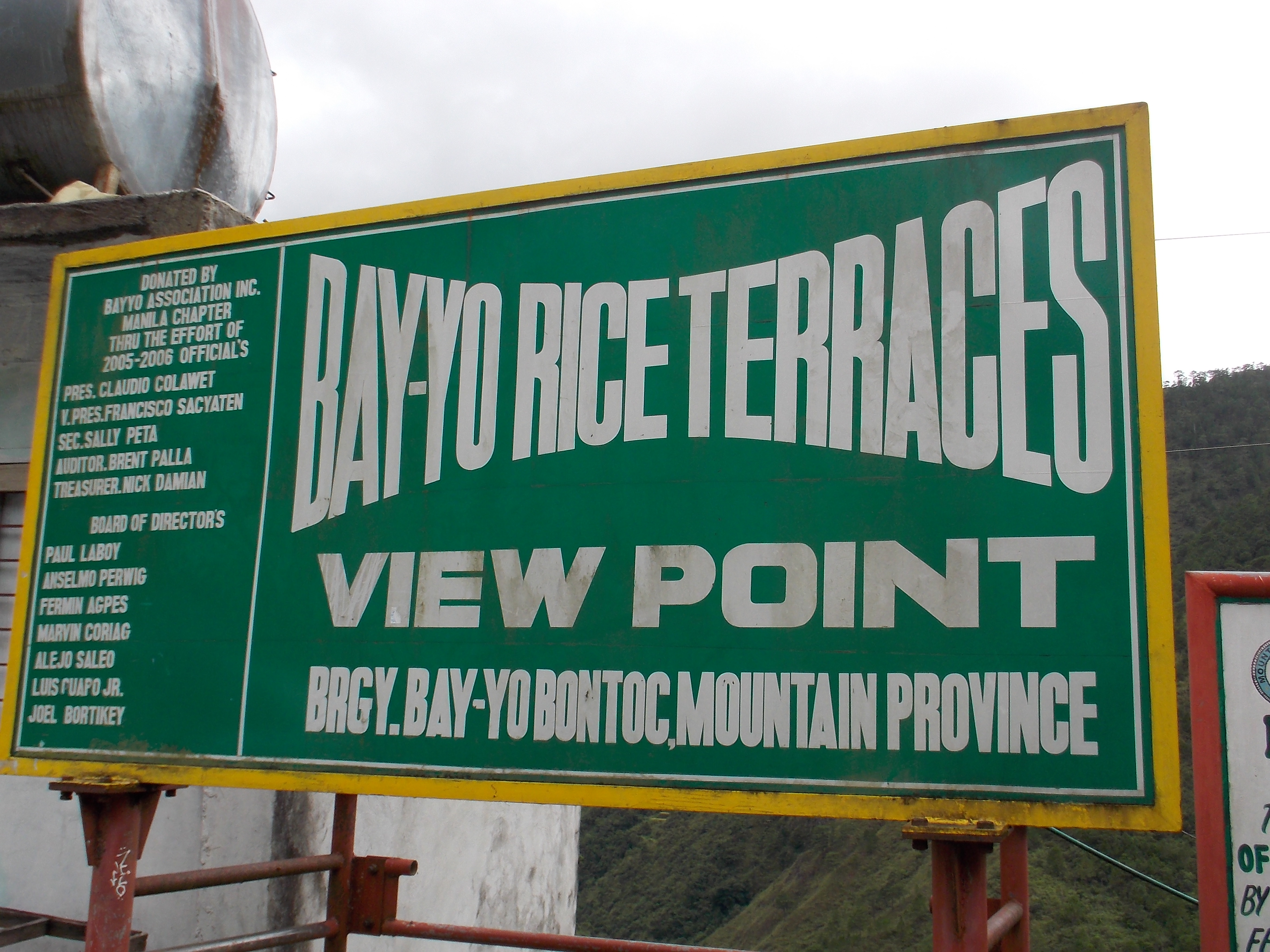
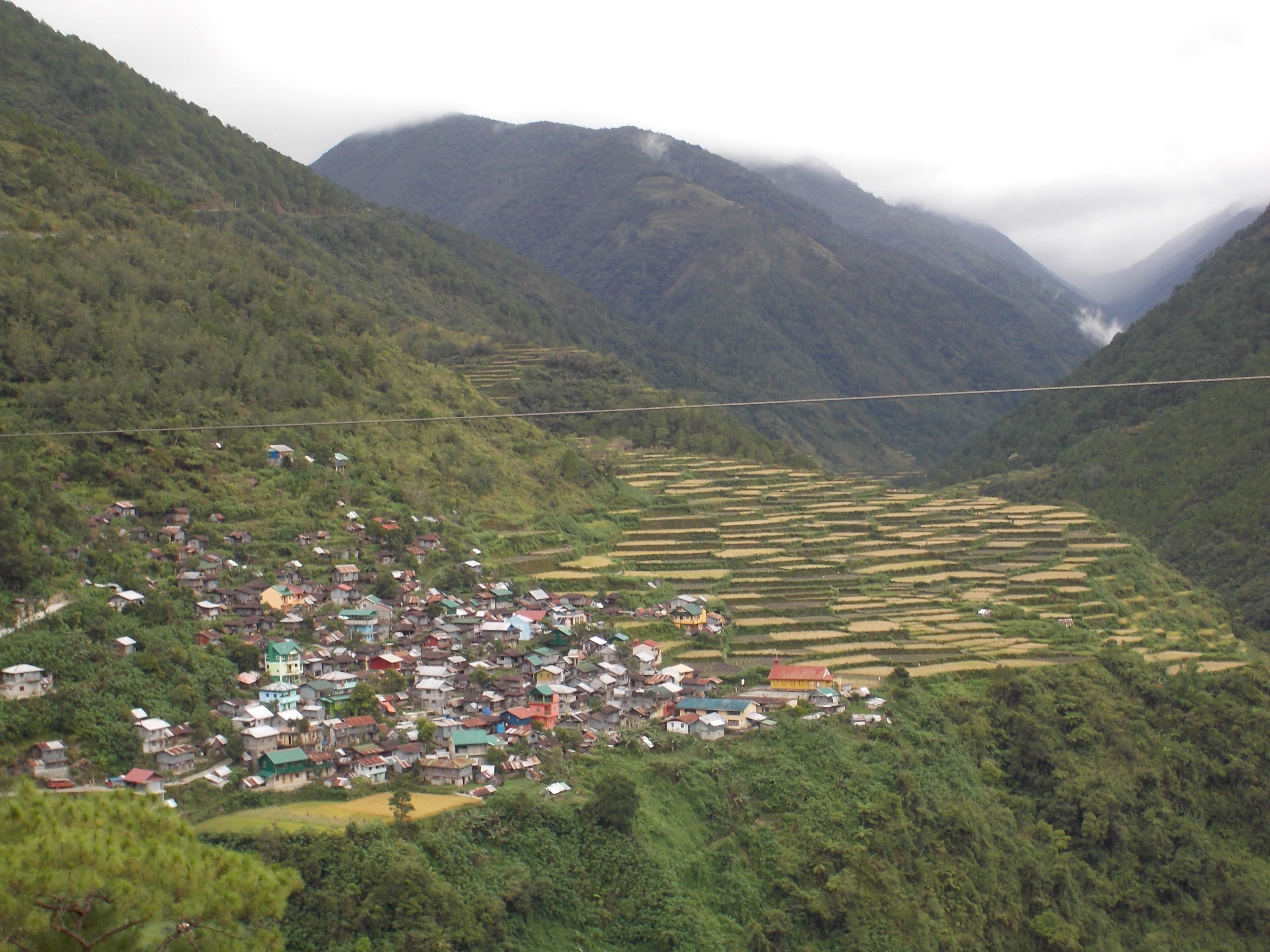
Bay-yo Rice Terraces

It was time to have a refill on my gas when I reached Bontoc but unfortunately, as the gasoline boy was about to open my gas tank, there was a “brownout”! But looking on my Fuel Gauge, I decided to continue the trip hoping that I will be able to reach Banaue with few liters on my gasoline tank to spare.

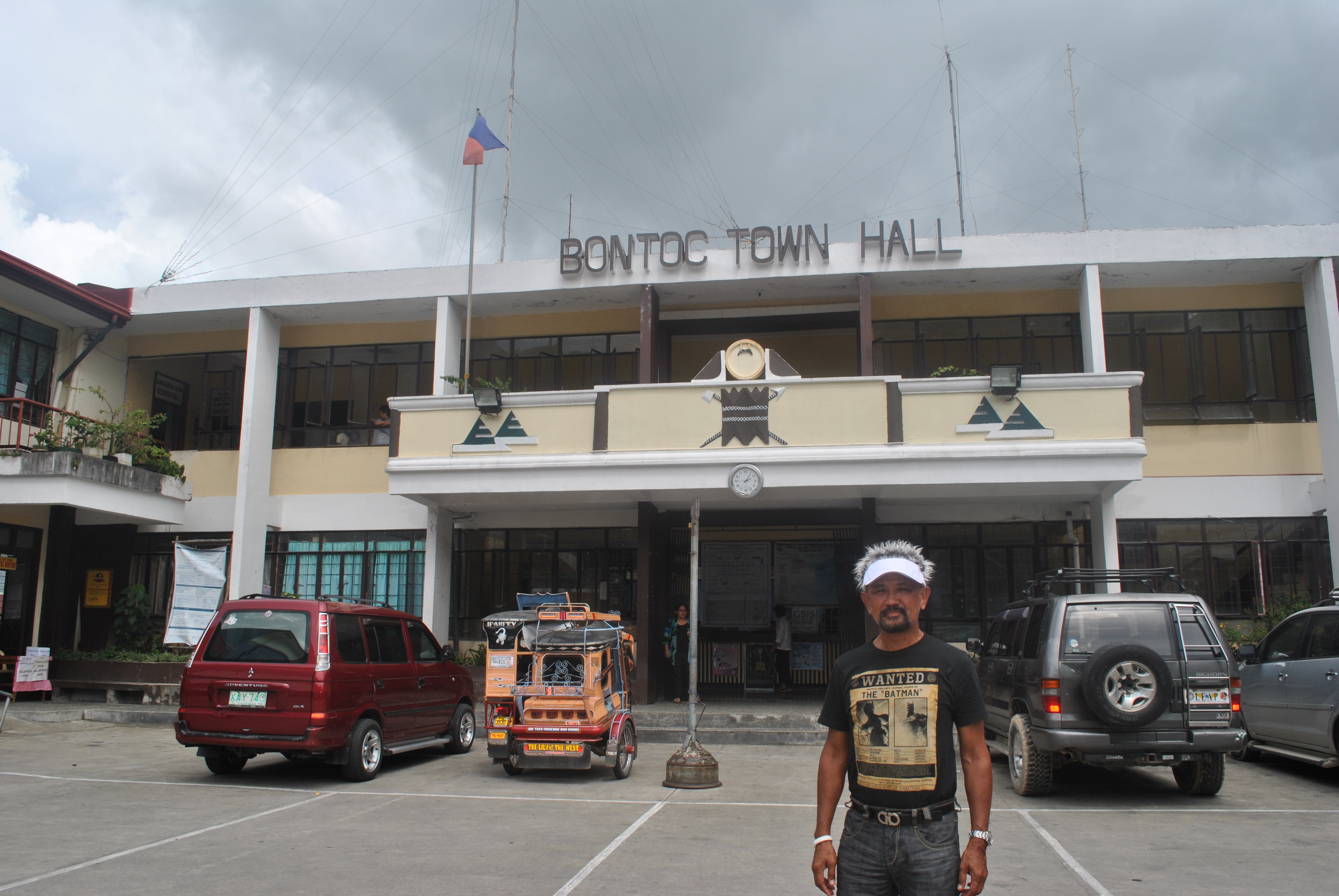
Bondoc Municipal Hall

On impulse, I went to visit the Municipal Library of Bontoc. The staff thereat are very nice and accommodating. But sad to say, they don’t have any information or reference material on the historic event that happened or that depicts the travel and stay of General Aguinaldo in the place and its environs. The staff gave me the name and address of a well-respected “historian” in the place but it would be better if I would be able to talk to him with more time on another day. I made a promise to be back to talk with this local “historian” on my next visit to the place.

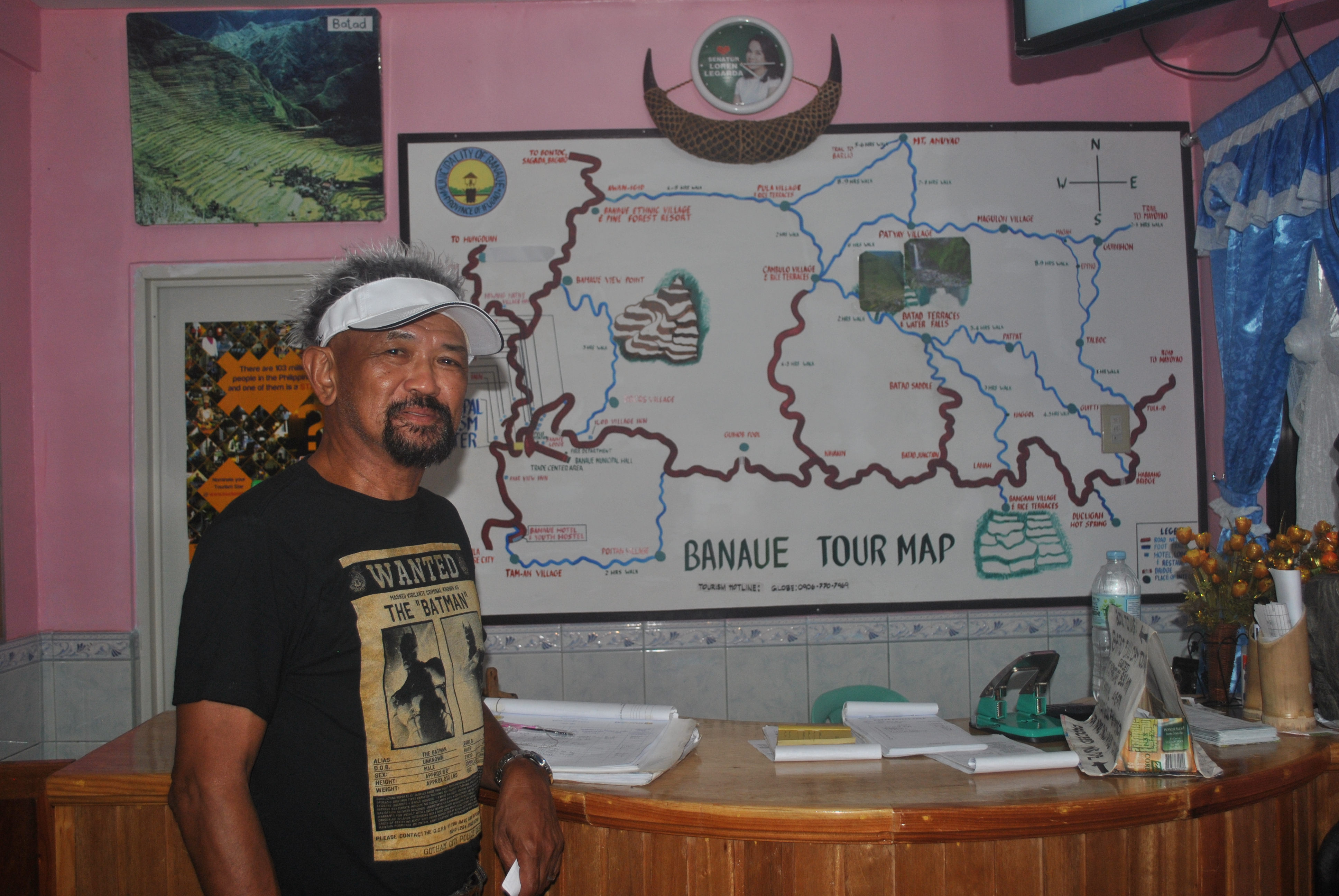
Banaue Tourism Center

It was a slow ride from Bontoc to Banaue as I enjoyed every scenery along the way. But it was cut short when I entered the boundary of Ifugao Province as it became cloudy and footy along the road. As I entered Banaue, it started to rain hard while driving my car slowly every bend, incline and decline on the road. I could only see road signs, the rain and the flowing water on the road as I entered the town of Ifugao. As my Fuel Gauge blinked with the yellow light, telling me that my Fuel Tank is about to be empty, I had to immediately take a stop on the first gasoline station on the road which is located two kilometers before reaching the center of the town. I was glad that the town had electricity! It was still raining hard when I finally reached the Tourism Center of the town of Banaue, Ifugao.

The distance from Cervantes, Ilocos Sur to Bontoc, Mountain Province is 56 Kilometers.

The distance from Bontoc, Mountain Province to Banaue, Ifugao is 48 Kilometers.

To Be Continued.

EDSA, Traffic, Solutions, Incentives, Etc.


Few weeks ago, I was able to read the Opinion Editorial in one of the daily newspapers. I don’t usually read the newspapers but with a brief stop to eat my breakfast in one of the Fastfood Restos along the NLEX, I got a free issue of the newspaper. What caught my attention in the newspapers is the Editorial about EDSA and the problem of traffic in the metropolis.

Few days ago, there is another “news” whose video became viral in the Internet which showed a fat guy in lavander-colored shirt slapping a MMDA traffic enforcer. I am not sure what made the guy got out from his car and showed outrage towards the traffic enforcer. I have the impression that it was a result of the traffic situation in the metropolis.

The bottomline and the BIGGER Picture in the Opinion Editorial and the “slapping” incident is the fact that for the past years and administrations, there is NO SOLUTION that is good in easing up the daily traffic in EDSA in particular and in Metro Manila in general. Not even the MMDA or the Office of the President could think of an idea and/or implement a measure that would sove the problem of traffic in Metro Manila.

(Note: I hope most of the people would have understood the SONA if the President should have included in his speech on how he woud solve the problem of traffic at EDSA, not about DREAMS and HOPES for the future!)

The volume of traffic had been growing in an unprecedented manner while the number of roads and mobility access have not increased and improved. Not even with the introduction of the Light Railway Transport (LRT/MRT) and increase in the number of traffic enforcers had improved the traffic condition of the city.

What could be the problem? What could be the solution?

If you observe, there are lots of transport buses and jeeps plying within EDSA and other main streets in the city. This is to include the Provincial Buses going and coming from the Northern & Southern Provinces. Maybe, reducing the number of buses and jeeps in the city would ease up the traffic in the city.

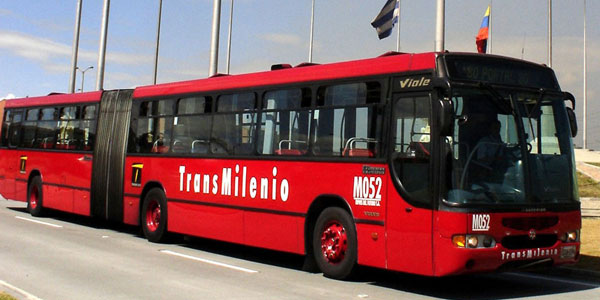
Do you still remember those “LOVE BUS” before? Why don’t we bring back those LOVE BUS and adhere to its time-tested system of having only ONE transport system for the BUSES in the city, not what we see as a “free for all” transport franchises for any corporate that has the capability to acquire a fleet of buses here and abroad. I would not deal on the details as I want to suggest an overall concept with regards of reducing the number of buses in the city. Simply put, stick to ONE transport company, private or government-controlled, with the best and excellent transport service to the public. (Note: It is worthy to note what the TransMilenio in Bogota, Colombia had solved the traffic congestion of in the said city since December 2000.)

TransMilenio Bus (Photo From Colombia Travel Blog By Marcela)

You might be wondering why I am trying to analyze the traffic situation in Metro Manila and trying to suggest some solutions to this perpetual problem of ours. It’s because there are solutions to be considered from the point of view from a runner/hiker/athlete and from me who gathered ideas from other sources.

Of course, as an athlete/runner/hiker, I would suggest that people would go back to what we would naturally do during the Early Ages—walk, jog, or run to reach from Point A to Point B. Let us not argue about the pros and cons about this suggestions. In the end, this suggestion has more advantages than disadvantages.

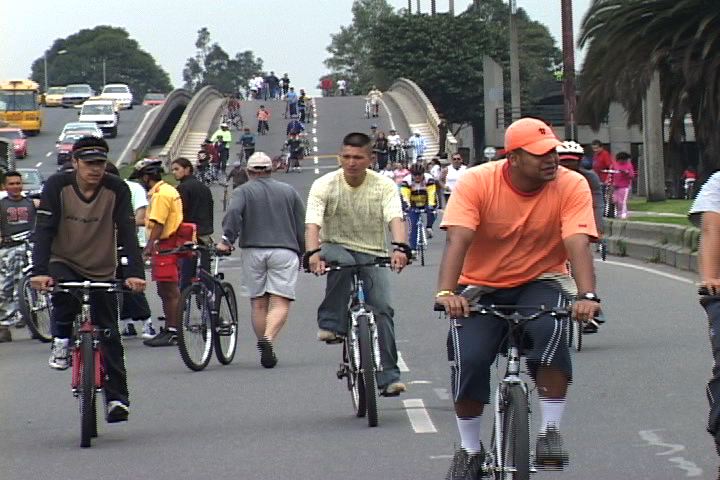
If you can’t walk, jog, or run and would like to have a faster time to reach Point B from Point A, you can ride on a bicycle. Of course, riding on a bicycle has also pros and cons but I am sure it has more advantages. (Note: It is worthy to note also what Mayor Enrique Penalosa of Bogota, Colombia had introduced like the Ciclovia and the First “Car-Free” Day to the world in 2001)

Ciclovia In Bogota On Sundays (Photo Taken From The Oil Drum: Local)

Have you heard about the carpool system that other countries use to ease up the volume of traffic in their streets? This system is applicable to corporate offices as well as government offices. One person in one office can share a ride for another 3-4 persons employed in the same office, provided they come from same origin or the person who drives can pick-up the remaining passengers where the route passes towards their destination.

Another option is for anybody or for you to try riding the bus/jeepney/UV Express in going to your office and going back to your home, at least, 1-2 times a week and leaving your car in your house.

These abovementioned suggestions are only effective if coupled with discipline, positive attitude, and commitment. But they are far more effective if we have some rewards or incentives if we commit ourselves to such suggestions. This is where leadership and management level would enter and be part of the soultion to our traffic problems.

Yes, incentives or rewards are the “carrot” that we need. The government could easily enact laws, ordinances, decrees, and rules and regulation but such “stick” woud not be effective if it is not implimented or enforced strictly.

A person who goes to his office by walking/jogging or running should receive some incentives from the management. It could be some cash enough to motivate him to maintain his running. Maybe, the cost of a brand-new running shoes can be collected by him every 3 months; a weekly registration fee for 10K to half-marathon race of his choice; or additional support for nutrition and hydration which is given on a monthly basis; or a new running kit (apparel) every 3 months!

For the cyclists, the same incentive as the runner is appropriate. It could be cash incentive or anything that he could use for his safety while riding his bicycle.

For the carpooler, he could be given some incentive in terms of additional allowance for the gasoline; repairs; and maintenance servicing of his personal vehicle. Better yet if the management could provide an all-expense trip for a family weekend vacation in any part of the country.

If you take the bus or public transport instead of your personal car, the management should double your daily fare and receive the incentive at the end of every two weeks. If you spend P50 a day for your fare, the management should be able to give you P100 as your daily incentive or maybe more.

You might ask me where will management get the money for the incentives. Well, I would assume that personnel would be healthier if they are more active by adhering to my suggestions. The management will be saving money for the medical and hospitalization of their employees, to include payments for medical and dental insurances. So, in effect, the management will be “front-loading” their savings for the medical expenses for their personnel in the form of incentives. It is easier to say than done but it is possible.

Now, it is for the government and private developers to come up with the needed infrastructure in order to impliment safety in running, walking, and cycling from Point A to Point B.

What could be more revealing is the fact that Colombia won 8 Olympic Medals in the latest London Olympics with Gold and Bronze Medals in BMX Cycling; Silver Medals in Road Cycling and Women’s Triple Jump and other individual sports. I wonder if there is a direct connection with how Bogota, Colombia solved its traffic problems and the encouragement for the people to have access to paved roads which are transformed into parks during the week.

Just maybe, this is a good model for us to emulate if we want to encourage more of our citizen to engage in endurance sports.

As they say, “you may never know”. What is needed is for us to TRY.