Race Report: 2015 Clark-Miyamit 50-Mile Ultra Trail Run (CM50)


There are three (3) important things or information that I would like to report on this challenging ultra trail run here in the Philippines: First, I finished this race with a faster time as compared to my last year’s performance; Second, This is my third consecutive finish and I am on my way of getting the most coveted Baddest Ass Award for this event with two more editions to finish; and Third, I am still the Defending Oldest Finisher for three consecutive years for this Event.

Even if there is no specific award for the Oldest Finisher for this race, I am sure that I will be the First Senior Citizen to have coveted the Baddest Badass Award before the end of 2017. And maybe, it will mark my “retirement” from ultra trail running. Just maybe!

As compared to my last year’s five-month training preparation, I have a shorter training period for this year which are mostly done on the road, oval track, and hiking in the mountains on the first month of my 4-month training period. However, on the last six weeks/peak period, almost all my training long runs were done on the road, specifically on the road races that I have Race Directed since the middle of September. My Mt Batolusong 25K Trail Run participation was a test to validate my new nutrition strategy and narrow down the things that I need in a hot environment. However, I had more time to work on on my core and to rest/sleep as recovery for my running on the pavement.

Last year’s Race Report on my second time finish on this event was very detailed and it was divided into four (4) parts and I believe that this is now considered as the number one resource or reference material for those “newbies”/”first-timers” for the CM50-Mile Event. I will not go through to the detailed description of the course and the usual “section-by-section” narrative of my experience on this Race Report but rather state or tell those significant things that made me faster and more efficient in my finish this time. The following are the things that I’ve considered and applied during the race:

  1. Simplicity and Being Light—One week before the race, I’ve decided to use my two-year old New Balance MT  Minimus 1010v2 Trail Shoes which is very light (240 grams per shoe) and it proved to be the best shoes for this kind of trail running. Believe me, there was no grain of lahar that penetrated its upper mesh and therefore, its lightness did not change throughout the race. I did not use any Hydration Vest but I’ve used three (3) Simple Hydration Bottles with only one bottle filled with my nutrient mix (Carbo Pro) diluted with water; one bottle of Carbo Pro Powder only; and one empty bottle as my previsionary “Water Cup”. It was only from the AS4 to the Peak that the three (3) Simple Hydration Bottles were filled with Carbo Pro Mix and Water. On my way back to the Finish Line from AS3, I have one bottle filled with Carbo Pro mixed with water and one bottle filled with Water Only. Stashed in my UD Waist Belt Pockets are two (2) Clif Meal Bars & Whistle. I was not wearing a pair of Calf Sleeves.
  2. Familiarity of the Route—One month before Race Day, I went up to the “peak” and Miyamit Falls for a training run. It was on this run that I was able to “program” and plan for my hydration and nutrition requirements. I was able to register also my Average Pace on this part of the course in order for me to determine the “timeline” on each part of the course (from Km #24 to Km #56). I found out that I must be able to leave AS3 on my way to the Finish Line not later than 2:00 PM (13 hours elapsed time) so that I have enough “buffer time” before the cut-off time of 18 hours.
  3. Simple/Light Nutrition—-Eating a Full Meal (Rice & Meat “Adobo”/Beef Steak) before the Start of the Race (30 minutes before) with hydration (water + Carbo Pro), proved that I could last for the first 3 hours without any hydration or food intake. I took two (2) packs of Clif Bloks and One Meal Bar for the whole duration of the race. I would place a Coffee Candy in my mouth regularly in order to maintain a little sugar to my saliva. In every Aid Station, I would drink a lot of water and Coke/Sprite and ingest a number of watermelon bites. I never used the two (2) Sports Gels stashed in my gloves during the race. I did not have any Drop Bags, instead, I used a “FlipBelt” where I stashed my CarboPro Powder Mix and Clif Bloks.
  4. Heat Training & Hydration Strategy Training—One month before the Race Day, I’ve conditioned myself to start drinking my water after running 10 miles (16 kilometres) under the heat of the sun. Yes, I would carry a lot of water on my vest and waist during my training runs but I would finish my workout with only one-third being consumed. I suspect that my practice of ingesting Succeed Salt Capsules (it started last August this year) during my training runs had helped conditioned my body to take in a limited amount of water even if I was sweating profusely without having a “bonking” feeling/situation.
  5. Focused On Moving Forward—I did not spend a lot of time staying on the Checkpoints and Aid Stations. I guess, two minutes of stay was my longest and it could be when I asked one of my running friends to take a picture of me at the “Turn-around” Point at Km #40 and another picture taking at the Miyamit Falls’ Checkpoint. The rest of my brief stops in the Aid Stations were purely on refilling my hydration bottles and mixing my nutrition powder. Instead of stopping in sari-sari stores for ice cold sodas along the populated areas, I opted to take a “quick shower” in a place where the locals were washing their clothes and it made my core and body to be more relaxed.

There are also things that made me slow down during the run. First, I’ve experienced “muscle cramps” on the groin area of my legs along the section AS4 to the Peak that I needed to slow down and hiked on this section. I expected this to happen as I knew I lacked the necessary total elevation gain in my training. This experience never happened in my previous two editions. Second, The heat of the sun slowed me down on the section from the Miyamit Falls to AS4 that I spent almost one hour for a section that is ONE MILE long, instead of power hiking it for about 25 minutes during my recon run. And of course, I carried all my gear down to the Falls from AS4 and back. From AS4 to AS3, I “power hiked” alone on the trail and started running downhill when another runner from behind was trying to pass me.

Looking at my Suunto GPS Watch once I arrived at AS3, I began to be in a “panic” mode knowing that I was registering an Average Pace of 3.0 miles per hour. I knew that it will take me five (5) hours to reach the Finish Line from this point. So, I started to run, jog and power hike until I was able to pass runners who were either lost, simply walking, resting on the side of the trail, or those who would stop in each of the Aid Stations or Convenience Stores along the way.

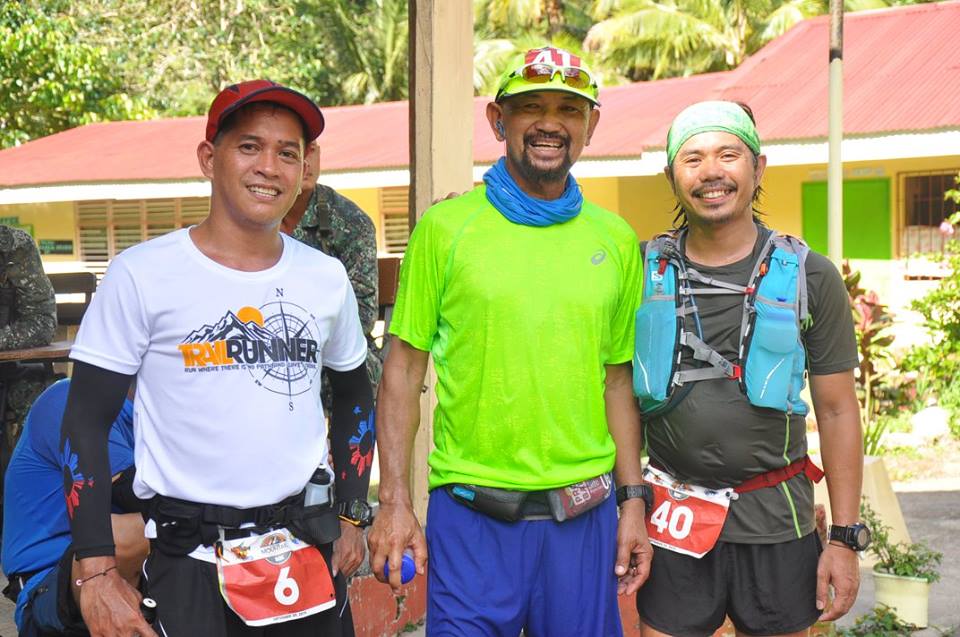
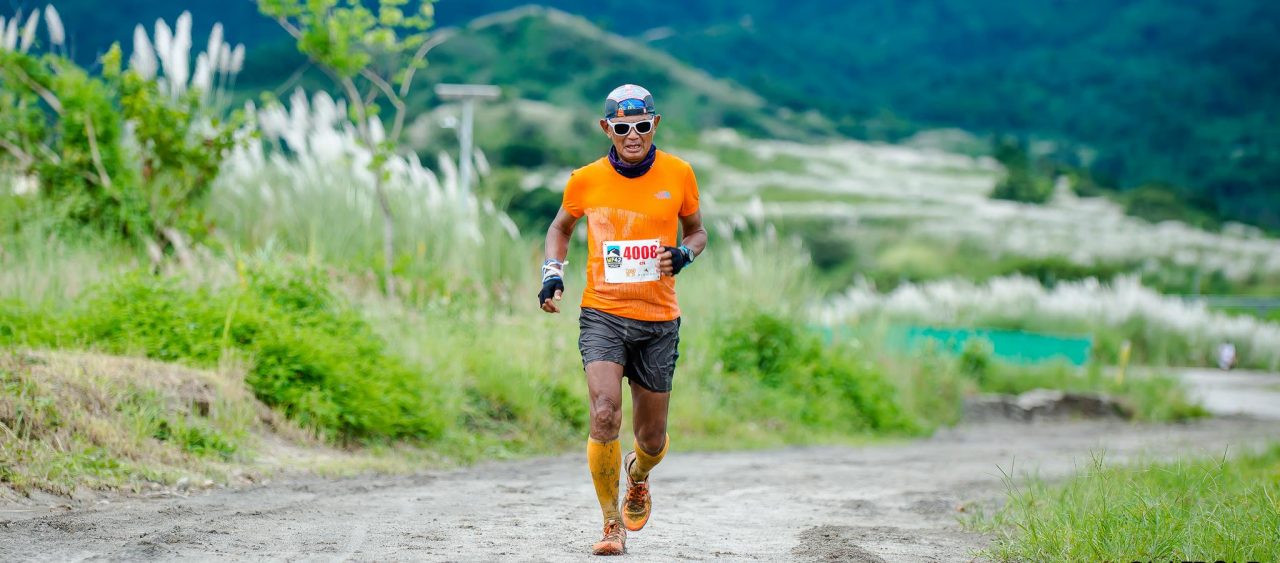
Finally, I finished the race with a time of 16:43:58 hours, faster than the time I had last year (17:50+), with a ranking of #87 among the 132 finishers within the cut-off time of 18 hours. I am still the Oldest Finisher of this race and I have the intention of defending this title for the next two years. Hopefully, I will get the most coveted Baddest Ass Award of this Event.
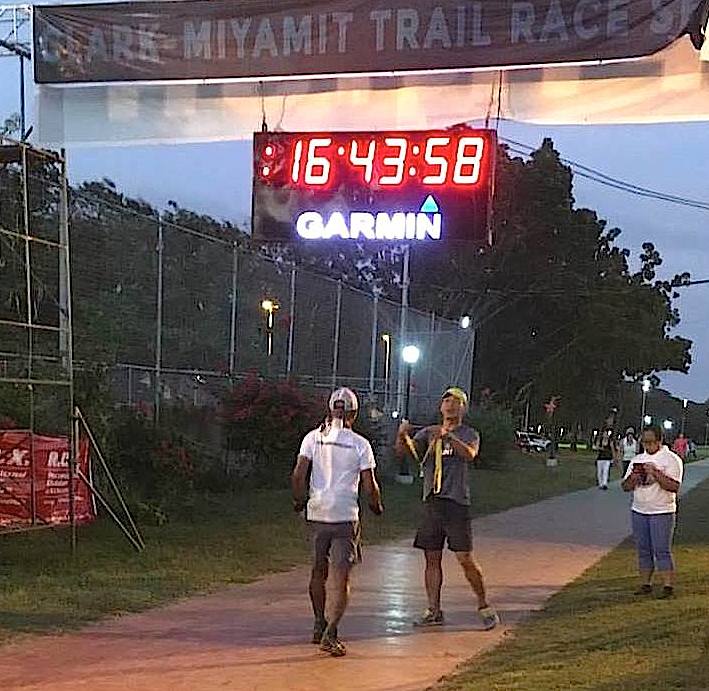
Crossing The Finish Line
Crossing The Finish Line With RD Jonnifer Lacanlale

Congratulations To All The Finishers and Thanks to RD Jonnifer Lacanlale and his staff/marshals/volunteers for a successful event.

The training for the next year’s edition will start next week. Keep on running!
 

Official Result: 2nd NAIC To NASUGBU 50K Ultra Marathon Race


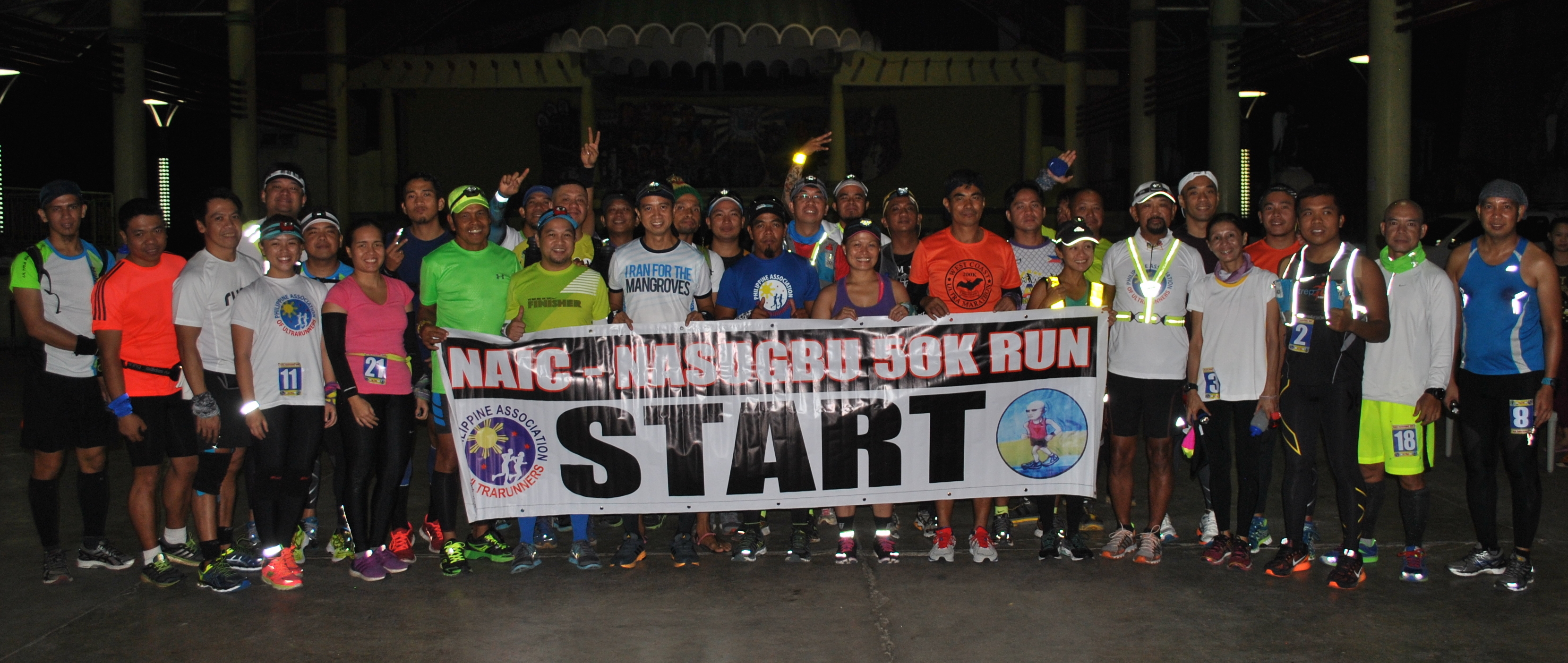
2nd NAIC To NASUGBU 55K Ultra Marathon Race (N2N50)

5:00 AM November 15, 2015 To 3:00 PM November 15, 2015

Starting Area: Public Plaza/Covered Court, Naic, Cavite

Finish Line: PETRON Gasoline Station, Nasugbu, Batangas

Cut-Off Time: 10 Hours

Number Of Starters: 33 Runners

Number Of Finishers: 33 Runners

Thirty-Three Runners @ The Starting Line

RANK                                  NAME                              TIME (Hours)

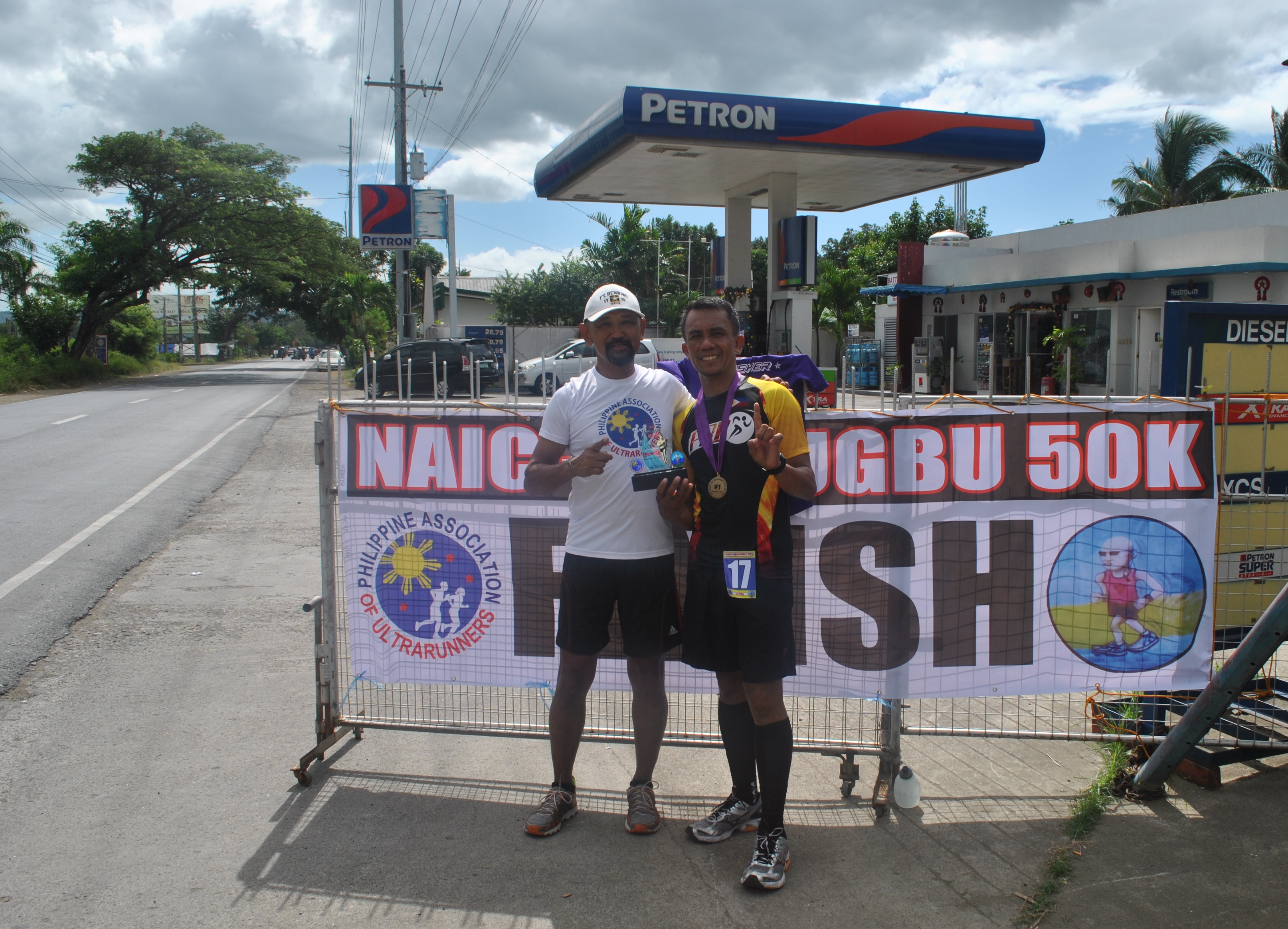
  1. Jijie Famador (Overall Champion, Course Record)—–5:11:46
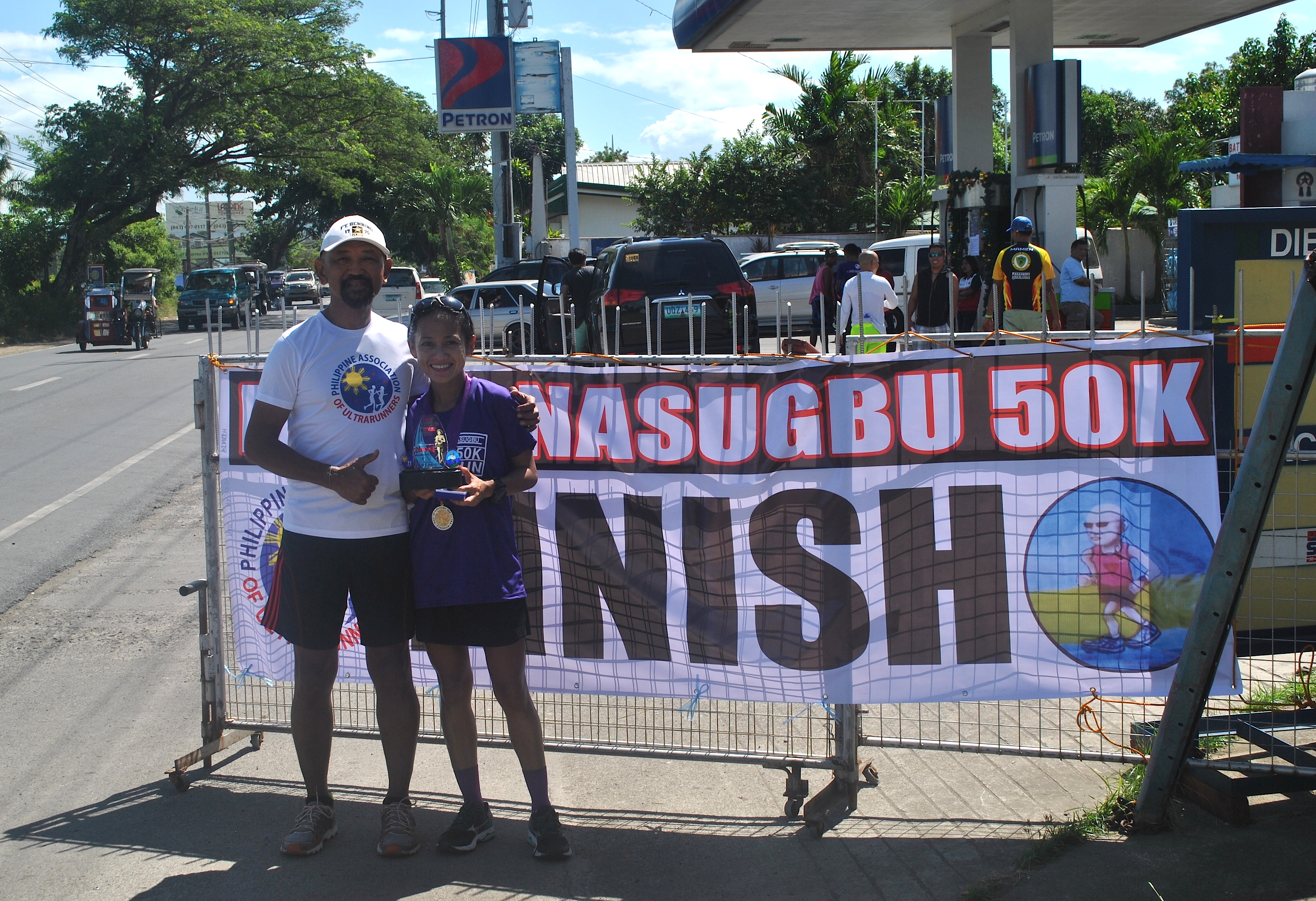
  2. Sharone Rodriguez (Female Champion, Course Record)—6:18:53
  3. Beda Busoy Abugan, Jr (1st Runner-Up, Male)———–6:20:08
  4. JP Navarette (2nd Runner-Up, Male)———————-6:49:30
  5. Ervin Cabral ————————————————–6:51:37
  6. Mark Anthony Redondo ————————————7:03:30
  7. Amiel Casanova ———————————————-7:11:00
  8. Joseph Dela Goza ——————————————–7:11:02
  9. Rod Losabia ————————————————–7:33:34
  10. Gia Estrella (1st Runner-Up, Female) ———————7:35:13
  11. Marie Perez (2nd Runner-Up, Female) ——————-7:40:05
  12. Dennis Chavez ———————————————–7:43:52
  13. Gilbert Malvar ———————————————–7:48:54
  14. Zaldy Santillan ———————————————-7:50:02
  15. Joji Salvador ————————————————-7:52:15
  16. Ruben Veran ————————————————-8:01:06
  17. Kathleen Pinero (Female) ———————————-8:13:01
  18. Aleli Delos Santos (Female) ——————————–8:17:56
  19. Raymond Nable ———————————————-8:17:59
  20. Amor Gabriel ————————————————-8:18:00
  21. Gerune Gloria ————————————————8:23:28
  22. Albert Leocadio ———————————————-8:23:30
  23. Kenneth Delos Reyes —————————————-8:27:31
  24. Enrique Trinidad ——————————————–8:27:33
  25. Cyril Wong —————————————————8:47:42
  26. Ale Paez ——————————————————8:51:40
  27. Rogelio Palma ———————————————–8:55:25
  28. Jhon Robas ————————————————–8:56:39
  29. Jilson Batistil ————————————————8:56:42
  30. Victor Rodriguez ——————————————–8:56:44
  31. Poch Bermudez ———————————————-9:17:40
  32. Fernando Torres ———————————————9:37:48
  33. Alvin Jotojot ————————————————–9:58:23
Overall Champion & New Course Record Holder Jijie Famador
Female Champion & New Course record Holder Sharone Rodriguez
Female Champion & New Course Record Holder Sharone Rodriguez

Congratulations To All The Finishers!

Related Stories & References:

https://baldrunner.com/2013/09/26/new-route-new-challenge-new-ultra-events/

https://baldrunner.com/?s=naic+to+nasugbu+55K+Run

Official Result: 6th Mt Pinatubo 50K Trail Challenge


6th Mt Pinatubo 50K Trail Ultra Challenge

5:00 AM To 5:00 PM November 8, 2015 (Sunday)

Cut-Off Time @ The Crater: 6 Hours

Cut-Off Time @ The Finish Line: 12 Hours

Start/Finish Line: Barangay Hall, Barangay Sta. Juliana, Capas, Tarlac

Number Of Starters: 34 Runners

Number Of Finishers: 32 Runners

32 Starters + 2 Late Runners

RANK                             NAME                                   TIME (Hours)

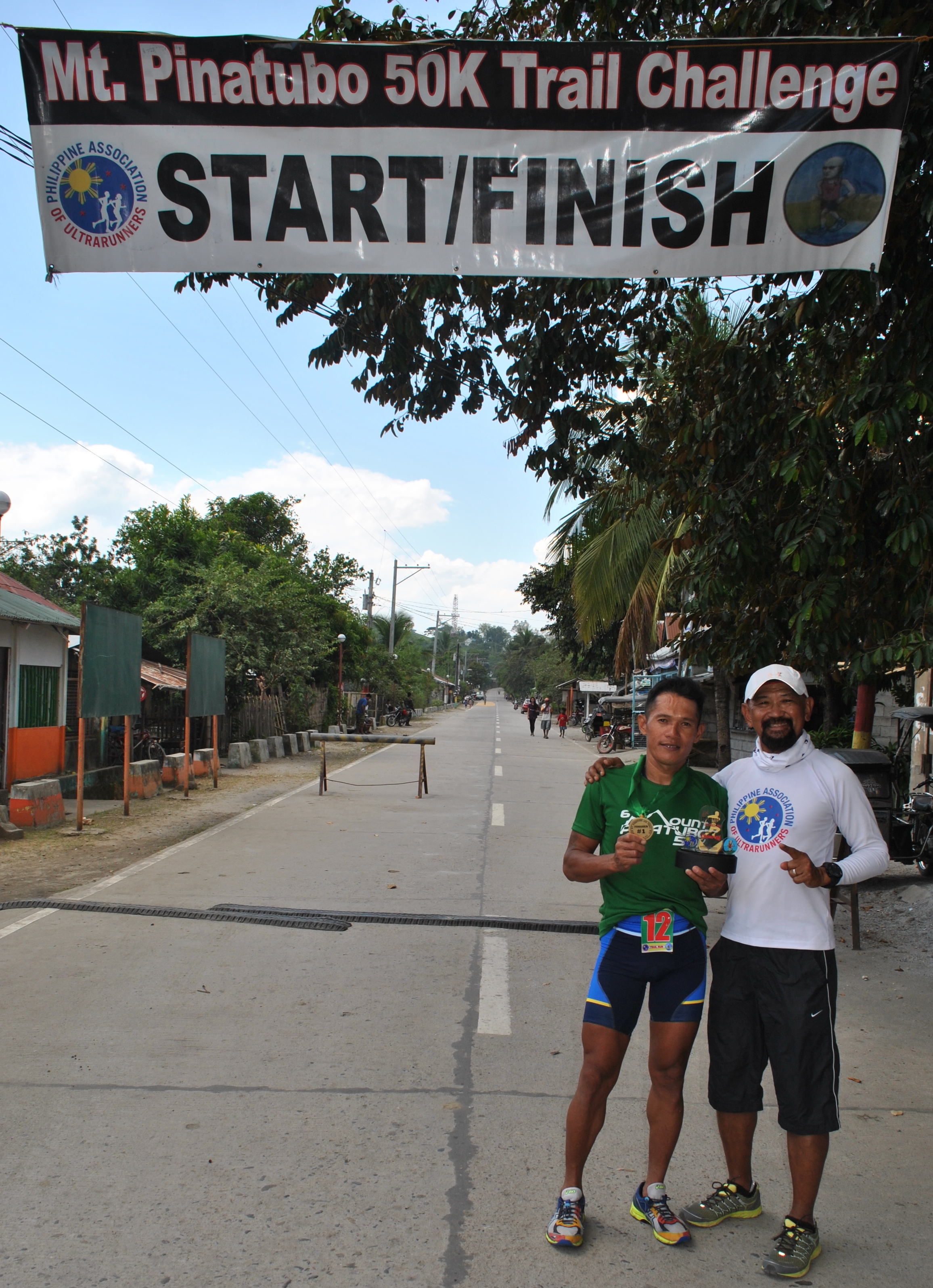
  1. Ryan Mendoza (Overall Champion) ———— 5:39:51
  2. Ian Goff (1st Runner-Up, Overall) ————– 6:32:35
  3. Nel Valero (2nd Runner-Up, Overall) ———- 6:46:48
  4. Roy Garcia —————————————– 7:15:54
  5. Alain Vincent ————————————– 7:30:53
  6. Martin Jardbo ————————————- 7:31:03
  7. Lao Ogerio —————————————– 7:55:14
  8. Duckie Labayan ———————————– 8:26:03
  9. Rod Losabia ————————————— 8:26:04
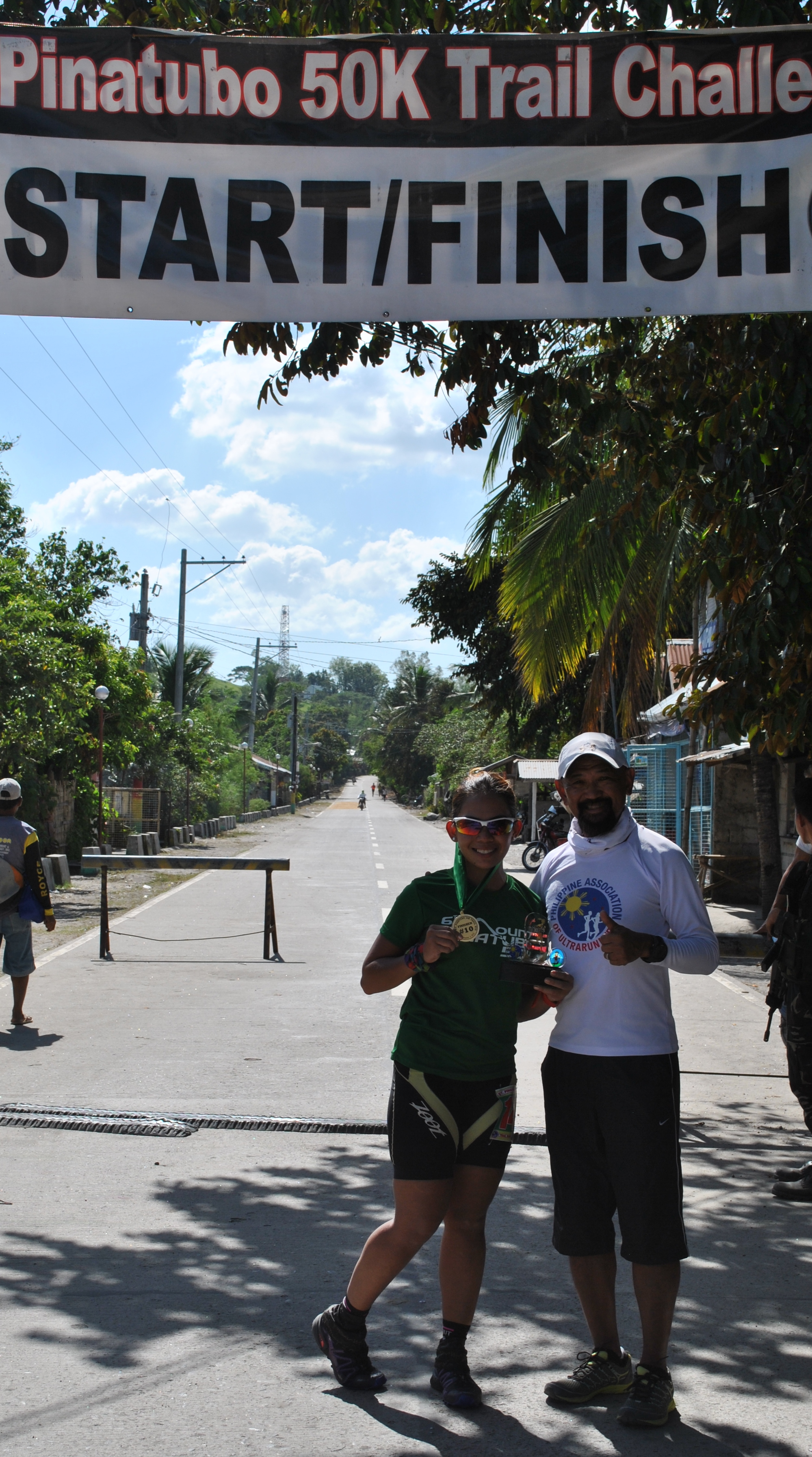
  10. Julie Ann Luchana (Female Champion) ——- 8:33:13
  11. Khristian Caleon ————————————– 8:37:12
  12. Nino Edison Guerra —————————— 8:37:27
  13. Ron Ilana —————————————— 8:56:13
  14. Jerry Peralta ————————————– 8:56:15
  15. Joseph Ryan Serano —————————– 9:00:47
  16. Oliver Banag ————————————–9:00:49
  17. Loradel Hanopol (1st Runner-Up, Female)—-9:39:26
  18. Maricris David (2nd Runner-Up, Female) —-9:40:49
  19. Richard Reyes ————————————9:41:29
  20. Gene Parchamento ——————————-9:49:57
  21. Jeric Miranda ————————————-9:49:58
  22. Jawe Rivera —————————————9:49:59
  23. Benjie Dantic ————————————-9:50:20
  24. Adel Laking (Female) —————————10:08:21
  25. Bren Bulso —————————————10:08:23
  26. Rimberto Del Rosario ————————–10:11:09
  27. Ricardo Gregorio ——————————–10:18:41
  28. Kenneth Dela Cruz ——————————10:41:06
  29. Ryan Garcia ————————————–10:41:08
  30. Cleo Gevero (Female) —————————11:11:56
  31. Fernando Torres ———————————11:19:49
  32. Ted Araullo —————————————11:58:43
2015th Edition Champion Ryan Mendoza
2015th Edition Female Champion Julie Ann Luchana

Congratulations To All The Finishers!!!

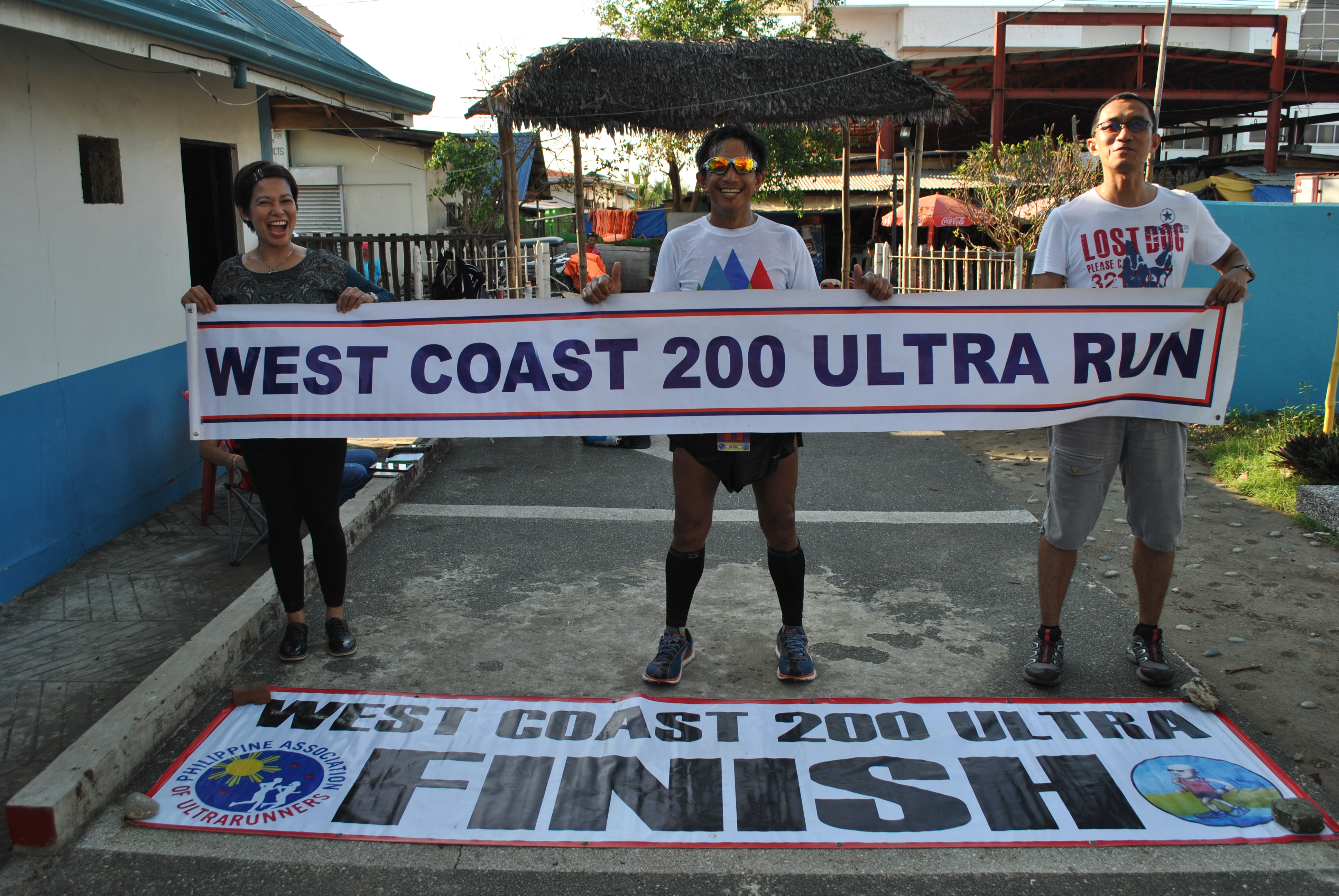
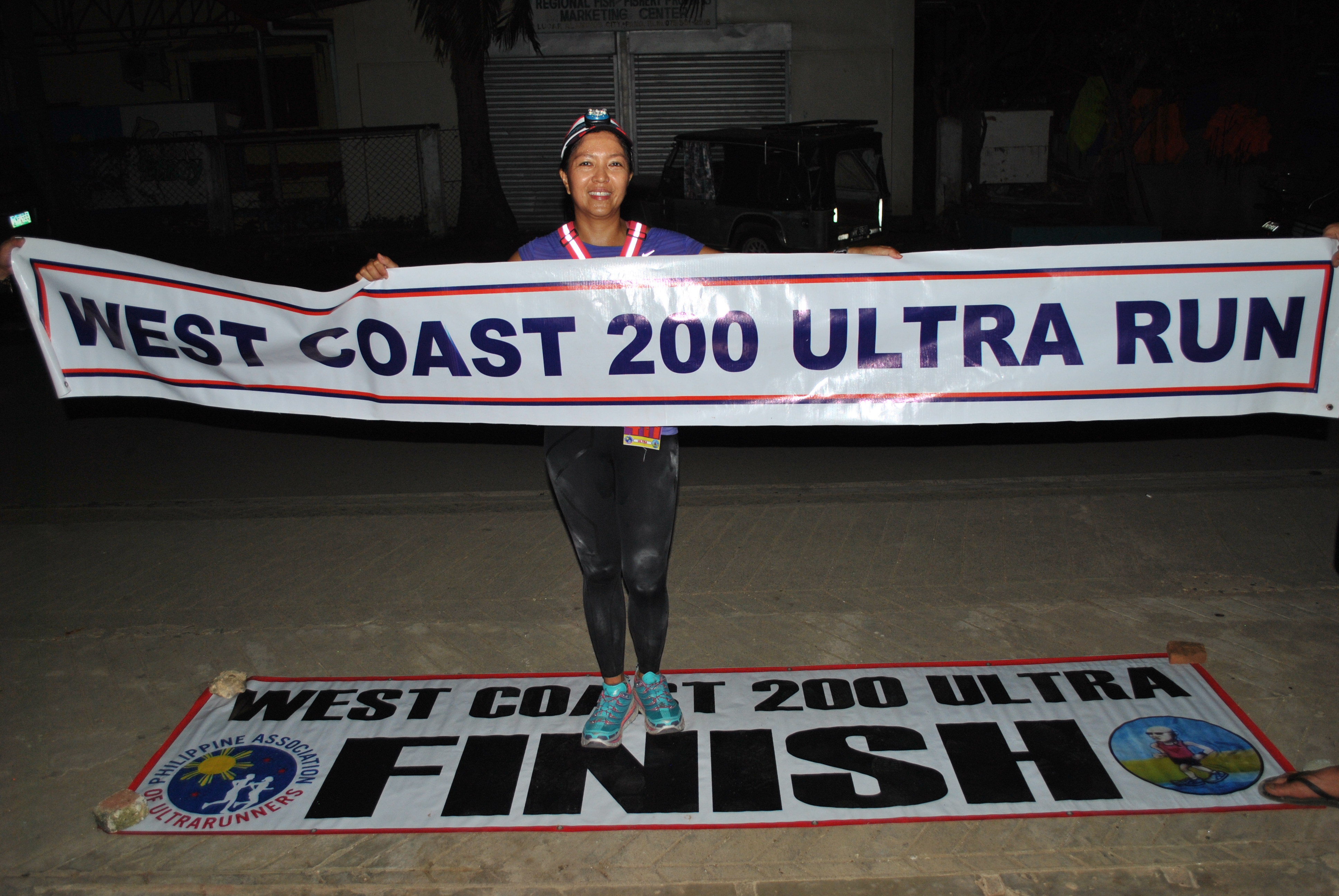
Official Result: 3rd WEST COAST 200K (Single Stage) Ultra Marathon Race


3rd WEST COAST 200K (Single Stage) Ultra Marathon Race

Starting Area: Remy Field Oval Track, Subic Freeport, Olongapo City

Finish Area: Barangay Lucap Port, Alaminos City (Pangasinan)

Start Time: 5:00 AM October 30, 2015

Finish Time: 5:00 AM November 1, 2015

Cut-Off Time: 48 Hours

Number Of Starters: 18 Runners

Number Of Finishers: 15 Runners

18 Runners At The Starting Line

RANK                      NAME                                       TIME (Hrs)

  1. Thomas Combisen (Champion, Overall)—–34:51:28

2. Rod Losabia (1st Runner-Up, Overall)———–37:48:39

3. Jilberto Marpiga (2nd Runner-Up, Overall)—–38:43:45

4. Tess Leono (Champion, Female)——————39:33:12

5. Beda Busoy Abugan——————————–42:22:47

6. Bong Anastacio ————————————-42:22:48

7. Jon Borbon ——————————————42:22:49

8. Amos Adalim —————————————43:30:51

9. Eden Pagsolingan ———————————-45:12:27

10. Glenn Rosales ————————————-45:12:28

11. Amor Gabriel ————————————–45:48:43

12. Alvin Cesar —————————————-45:48:44

13. Jonathan Moleta ———————————-45:48:45

14. Kathleen Pinero (1st Runner-Up, Female) —–46:39:33

15. Ruben Veran —————————————46:39:34

Overall Champion Thomas Combisen
Female Champion Tess Leono
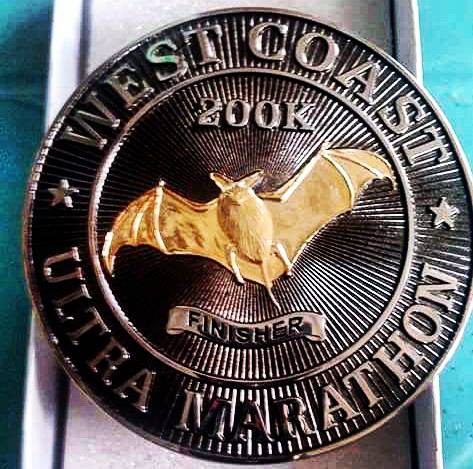
WEST COAST 200K Finisher's Buckle (Photo By Boy Takbo)
WEST COAST 200K Finisher’s Buckle (Photo By Boy Takbo)

Congratulations To All The Finishers!

Official Result: 5th PAU Tanay 50K Ultra Marathon Race


RANK             NAME                                            TIME (HRS)

  1. Jerome Caasi (Overall Champion) ————6:05:10
  2. Lao Ogerio (1st Runner-Up, Overall)———-6:38:03
  3. Beda Abugan Jr (2nd Runner-Up, Overall) —6:49:07
  4. Remy Caasi (Champion, Female) ————-6:52:10
  5. Tess Leono (1st Runner-Up, Female)———-6:52:39
  6. Beverly Benaid (2nd Runner-Up, Female)—–7:36:11
  7. Ronnel Go —————————————7:57:14
  8. Myk Dauz —————————————-7:57:17
  9. Raymond Nable ———————————7:57:25
  10. Arthel Caronongan ——————————8:19:21
  11. Khlaren Agoncillo (Female) ———————8:46:20
  12. Melchor Nicolas ———————————8:46:21

Congratulations To All The Finishers!

Final PAU Logo

Things That Went Right During The Zamboanga 50K Run


Since it is the first PAU-sponsored event in Zamboanga City and being the one who suggested this event to be conducted, I have to join this race as one of the participants. It is also a part of my “evaluation runs” to test if my training program is working and to determine some feedback on the improvements of my speed, endurance, and nutrition. Lastly, it is also a way of sharing my experience to my readers, hoping that one day they will be a part of this race.

The following are the things that went right (nothing went wrong) during my race:

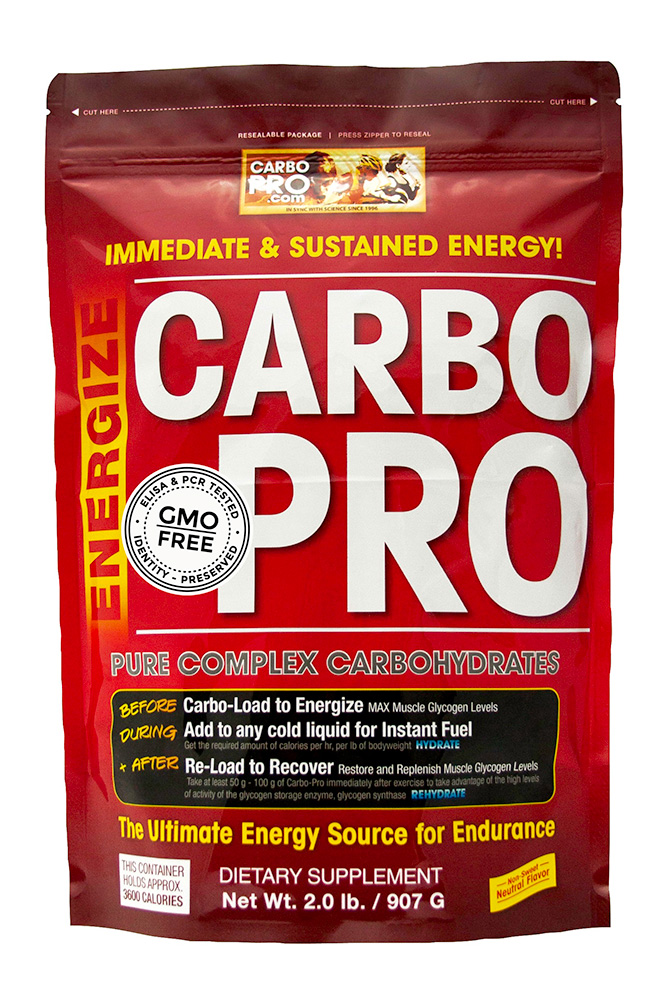
  1. Nutrition & Hydration——It is the most important thing that one have to plan and have a strategy to be strictly followed. Although there are Aid Stations along the route, I was not well-informed on the details and what kind of drinks and food that are available in the race. Although, I have a general idea of what to expect in those Aid Stations. So, I brought my own “mini-nutrition pack” stashed in my Ultimate Direction (UD) Belt. I had 2 Packs of Clif Bloks (one pack in the UD Belt & one pack in my shorts front pocket); one Meal Bar (in my UD Belt); and two (2) GU Gels stashed in my shorts back pockets. I have also a CarboPro mix (with water) in my Simple Hydration Bottle and 2 Packs of it in my other Simple Hydration Bottle and in a tiny 3-oz bottle (without liquid). I brought with me two (2) Simple Hydration Bottles where one of it is filled with CarboPro Mix without water and the other one with water mixed with CarboPro. Both bottles were clipped with my UD Belt and placed on the back of my waist. A reserve CarboPro powder was inside a 3-oz bottle which is stashed in one of the pockets of my UD Belt.

My Nutrition & Hydration Strategy went this way: Eat 3 pieces of Clif Bloks every hour or when I feel hungry; sip my Carbo Pro mix every time my GPS watch makes a “beep” sound which tells me that I just finished one mile which is approximately equivalent to 14-16 minutes; drink at least 16-oz of cold water in each of the Aid Stations; eat something solid and fruits in the Aid Stations; take one Succeed S-Cap Capsule every 1.5 hours; and then mix the remaining CarboPro mix with Gatorade Drinks. The routine was repetitive and boring but it was the key for having successfully finished the race without any issues or problems.

CarboPro Powder Mix
CarboPro Powder Mix

2. Run Light——I did not use a hydration vest in this race and I only used my UD Belt where I stashed my IPhone and my food/mix powder. I was practically running with one Simple Hydration Bottle with liquid in it entire the race. I would have been lighter if I did not bring my Clif Protein Bar and two (2) GU Gel Packs but these food were my “reserves” just in case of any “bonking” during the race. I was using my Hoka One One Huaka which is more of Road Shoe but it is the lightest shoes that I can use for this race. No need for Calf Sleeves; Arm Sleeves; or Gaiters for this run.

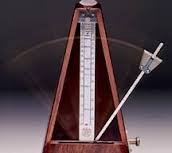
3. Metronome——For the past months, whether it is a trail run workout or speed workout on the flat paved roads, I would use the Metronome Application stored/downloaded in my iPhone. This is the very reason why I had my IPhone with me with only one earbud on either on my right or left ear during the race. Metronome Application is now available Free for download and it is very useful in my making sure I was consistent in my running cadence. My Metronome is set at 180 steps per minute and the “tick-tock” sound could be easily followed every time I step each foot on the ground. Since my steps are short, quick and fast, I could easily keep in step with the beat. In the early 70s whenever I join Marathon Races, I’ve been using a metronome which was installed in earlier models of TIMEX/CASIO Running watches where there was no need for earphones. The continuous beat would remind or motivate you to keep up with your cadence during the run. Try it in your training runs and you will be surprised on how fast you can keep up with your pace. Additionally, it will generate constant reminder and at the same time distract the pain and suffering you are experiencing during the run. Whether I am the in the ascending or descending parts of the route, the metronome reminded me to maintain my cadence even if I was power hiking on the ascents.

The Actual Metronome

4. Heart Rate Monitor——As soon as I reached the first peak of the course (Km #7), my HR reached its highest Average Record of 163 beats per minute (bpm) which happens to be my Maximum Heart Rate as shown by my Suunto Ambit 3 Peak GPS Watch. I made a quick stop and rest at AS 1 by drinking some water and eating a suman (rice cake). It was a quick stop just to lower my HR and after about a minute, I continued the race by walking and only started to jog again when my HR was lowered to 150 bpm. Throughout the race, I was monitoring HR every mile and I was satisfied that I was able to maintain an average of 150 beats per minute and would not exceed my Maximum Heart Rate of 163 bpm in the steep ascents. Through my HR Monitor, I did not feel any tiring moments even when I was hiking up the “Gulod de Medyo” area.

5. Electrolytes & Salt Tablets——Aside from the CarboPro mix, I used one tablet of GU Electrolyte Tablet every bottle of mixed drinks and constantly orally had taken Succeed S-Caps Capsule every 1.5 hours throughout the race. While my drink mix maintain the continuous replenishment of electrolyte loss through excessive sweating, the S-Cap Capsules made me pee regularly and try to give some feedback on the color of my urine if I am dehydrated or not. This combination of Electrolyte Tablets and S-Caps had been very effective to me in my training for the past 2 months.

6. Quick & Short Stops In The Aid Station——Except for the “turn-around” points where I refilled my bottles (with the CarboPro & Electrolyte Tablet inside) with Gatorade, ate some foods, and drink at least one bottle of 16-oz mineral water and some Cola drinks, where I would spend at least 3 minutes, the rest of the Aid Stations were short and quick to pick-up some bottled water to drink and then leave to continue the race. I think I spent not more than 2 minutes in these remaining Aid Stations during the race. I ate my Clif Bloks and then drinking my CarboPro mix while I was hiking the ascents.

7. No “Selfies” & Unnecessary Picture Taking——Taking some pictures with ones camera or IPhone is very cumbersome and very irritating sometimes as you have to bring out and bring in your camera to your race belt’s pocket or hydration pocket. If it is wrapped with Ziploc or some plastic pouch, the opening and closing of this protection from being wet and damped would entail some unnecessary movements that result to being not focused to the main task of running efficiently. Even if it takes a few seconds to “point and shout” ones camera, if these seconds are totaled or accumulated, it would add up to more minutes of delay on the course. Since there are members of the Running Photographers in the race, I just let them, as the experts with better cameras, take my pictures and just wait for them to post their pictures on Facebook.

In a nutshell, proper training/preparation where one has to test his apparel, hydration system, nutrition & hydration strategy and positive mental attitude is the key to a successful finish in an ultra running event. Although, running is an experiment of one, I hope my experience will guide you or test the above mentioned factors if you can adopt them or incorporate them in your running style or manner of finishing an ultra running event/race.

Expenses:

Round Trip Ticket (Cebu Pacific)——P 1,200.00 (Promo Fare/Sponsored By ZRC)

Hotel Accommodation & Meal——P 4,000.00 (2 Days)

Gratuitous Expenses (Tips)—-P 500.00

Total Expenses——P 5,700.00

My Running Kit (Picture By Running Photographers @ Km #17)

Even if I am not an sponsored athlete, I would mention the things that I’ve used during the event:

Running Shorts & Shirt——ASICS

Running Shoes——Hoka One One Huaka

Runner’s Cap & Compression Shorts——Under Armour

Sunglasses——Oakley

Buff/Neck Sleeves——BUFF

GPS Watch——SUUNTO Ambit 3 Peak

Hydration Bottles——Simple Hydration Bottles

Race Belt & Pouch——Ultimate Direction

Socks——DRYMAX

Nutrition——CarboPro Powder Mix; Succeed S-Caps; GU Electrolyte Tablets; Clif Bloks; Water & Gatorade (@Aid Station); Rice Cake (Suman), Boiled Banana, Ripe Bananas, Watermelon, & Hotdog Sandwich (@Aid Station)

My training continues…Go out and run!

Four Weeks


I did not realize that I’ve been through with four weeks of my training since I’ve started for the 2015-16 Ultra Trail Running Season. I started my training on August 3, 2015 and the first day was a Rest Day with some stretching exercises.

I am still following a training schedule program which I’ve been using for the past two years with a little adjustment on my weekly training volume which I’ve increased within the range of 5-10 miles per week which are mostly done in my weekend LSDs. Before, I was doing an average of 50-55 miles per week but for the past weeks, I’ve have reached a peak of 66-67 miles per week. I feel okey, healthy, and pain-free from my knees and legs and had no bouts of leg cramps or “bonking”. I guess, there must a lot of good reasons why at my age of 63, my knees are still holding up and I could still hike some steep mountains.

Surprisingly, the bottle of Aleve that I bought lately have not been opened yet and for the past four months, I’ve never taken any pain-killer tablet in my races and trail running workouts.

My past failures to finish a 100-mile mountain trail run were caused by nutritional and hydration problems on my part. It took me two or more years to experiment what is good for my body. I really don’t have any problems with 50Ks, 50-milers, and 100K trail races with regards to nutrition but when I join 100-milers in higher elevations, my nutrition just put me down on the last 30 miles of the race. Following my experiences in the 100Ks that I’ve finished, I would only take in Energy Gels and Water and some solid foods offered at the Aid Stations and I would finish the course without any problem. I bought some nutrition books for endurance athletes and made some researches on the Internet. In addition, I was able to get some suggestions and advise from the Filipino veteran ultra runners residing in the United States. These suggestions from them confirms the studies and researches that I’ve read on books and on the Internet.

On this new training season, I’ve concentrated on my nutrition, not only before during, after my workout, but completely observed my daily nutritional intake to my body. I don’t count the calories of the food that I ingest but I make sure that I have Carbohydrates, Fats, Proteins, and Vegetables/Fruits in my 3 meals a day. Snacks in between meals would be anything, whether it is a fruit juice, milk, fruits, yogurt, or snack bars. I’ve never drink milk when I was in the military up to 2 months ago. Lately, by accident, I found out that Organic Fresh Milk does not give me stomach trouble caused by lactose intolerance. I’ve indulged myself in eating avocado as part of my meal or snacks and ate more foods rich in fats.

On my nutrition before my runs, I would have a breakfast of coffee, oatmeal or cereal with milk, avocado with milk & sugar, yogurt or fruit juice.

During my runs, I would hydrate every time my GPS watch would beep to indicate that I’ve covered a mile and have to strictly do the said “drill” every time I hear a beep. For my runs less than 8-9 miles, I would just drink water and ingest one 1 capsule of S’Cap every hour and after the workout. But for my LSDs on weekends which are more than 9 miles, I would carry with me a Tailwind Mixed with water in two bottles and purely Water in my 1.5-liter hydrapak on my backpack. I would alternately, drink Tailwind and water every other mile. I would also ingest 1 capsule of S’Caps every hour. At the turn-around or after finishing the first half of my run, I would eat any solid food I brought with me like, boiled potatoes, power bars, dried fruits, and some baby foods (fruit/vegetable).

I’ve stopped using Energy Gels in my runs since the start of this training but I still carry at least two packs just in case of emergency. I’ve have observed in my past races that Gels, after ingesting about 10 pieces, I would end up throwing up even if I use different flavors and flavors that I liked that didn’t give nauseated feeling in my past ultra runs.

My post-nutrition intake would be immediately after the workout——lots of water, one can of coke or one bottle of Ensure and a Power Bar. Once I arrive home, I would eat a complete meal. For the rest of the day, I would continuously hydrate myself with water, sometime consuming 1.5 gallons of water, and strictly adhering to my complete meals—carbohydrates, fats, protein, vegetable and fruits.

I have also incorporated “speed” workouts in my weekly program. Wednesday is usually my “speed” day where I do it on a flatter ground and paved road. This is the only time that I don’t go to the trails and mountains. Since there is no oval track near my place, I would go to a Public Park (Echo Lake Park) where the streets that surround it has a total loop distance of exactly one mile. I would do 1 mile X 5-6 repetitions or 2 miles X 3 repetitions with at least 5-6 minutes rest/jog intervals in between repetitions. In the mountains/trails, I usually do some “strides” or fast & quick leg-turn-overs on flatter portions within a distance of 50-100 meters just to give some “wake-up” drill to my tired leg muscles.

Once or twice a week, I would go to a mountain which has an “up and down” route where I have measured on each way (2.5 miles up & 2.5 miles down). I would wear my hydration vest full of 2 water bottles and 1.5-liter of hydra pack on my back with solid foods. I would practice “power-hiking” on the UP portion of the course and never attempt to do any run or jog. I would register the time from the start up to the time I reach the peak of the mountain. I have observed that I had been improving my time to reach the peak every week. The 2.5-mile distance has a vertical distance of 1,280 feet and my best time so far is 43 minutes for the power hiking in the UP direction.

On the ridge of the mountain, I would continue jogging and hiking for about 2 to 3 miles. On my way back, I would start my fast “downhill run” on the measured portion where I had my “power-hiking” workout. My attitude here in the fast downhill run is a “go for broke” one! A fast and continuous downhill hill run for 2.5 miles would “thrash” my legs! I am surprised that my old knees can still withstand the hard pounding of my feet on the ground. Every week, I would improve on my time on this downhill run! My fastest time for the downhill run is 20 minutes!

Power Hiking and Fast Downhill Running made me register a faster pace and speed for my daily runs!

Two years ago when I shifted to trail running, I did not give any attention to the vertical distance (total ascent/descent) in my workouts but it was later last year that I have concentrated more on the vertical distance of the trails I’ve been into. However, since I’ve started this new training season, I made sure that my weekly totals on the vertical distance will not be lower than 6,000 feet.

On Mondays and Fridays, I would do some stretching and calisthenics/core strengthening exercises. I would also do “foam rolling” to my legs for about an hour with more concentration to my calves, hamstrings, quads, and butt muscles. I stopped my lap swimming for the past weeks and by the end of the 7th or 8th week, I would incorporate (stationary) cycling in my weekly workouts.

On my weekend LSDs, I don’t eat a heavy breakfast (ingesting only coffee) as I want to simulate how I would apply my nutrition and hydration strategy when I am about to reach my “bonking” period which is about 1-2 hours after the start of my run. This is where I would observe how my body would react to any food or fluids that I take in, whether it is water, Tailwind, S’Caps, solid foods (power bars/baby foods/power bars/dried fruits), electrolyte mix, or Clif Bloks. So far, my maximum LSD distance was 20 miles in 6 hours, carrying a heavy load of water in my hydration vest (2-20 oz of water bottle & 1.5-liter hydrapak on my backpack + solid foods). However, if I use my 2-16 oz Simple Hydration bottles (tucked in my race belt with power bars) and one hand-held 12 oz handheld water, that same distance of 20 miles is usually done in 5 hours or less!

On the technical aspect and the monitoring of my body’s feedback on my performance every workout, my Suunto Ambit 3 Peak GPS Watch, had been very useful in monitoring my Heart Rate, VO2, Cadence, Calories Consumed/Burned, and Recovery Period. From these data, I would be able to know on what to do for my rest and recovery for the next workout. My daily workouts are properly recorded in a notebook/journal that I would religiously write every time I finish a workout, to include, what I feel before, during , and after the workout.

In summary, I attribute my faster and better performance in my 4 weeks of trail running due to the following: (1) Better nutrition before, during , and after every workout; (2) Constant hydration with water every mile with Tailwind every other mile; (3) Speed workouts on Wednesdays and incorporation of “strides” in my daily runs; (4) Adapting my body to ingest S’Caps/Salt Sticks during the run on hotter days without any negative reaction to my body; (5) More vertical distance and higher altitude hiking/downhill running would acclimatize my respiratory system; and (6) “Foam Rolling” & Stretching with Core Exercises twice a week.

I’ve been using my Hoka One One “Speedgoat” Trail Shoes for my LSDs and most of my daily runs while my Inov-8 Race Ultra 270 Trail Shoes and Hoka One One Challenger ATR would be used in my recovery and tempo runs.

Monthly Mileage (August 2015): 238.65 Miles or 381.84 Kilometers

Monthly Vertical Distance (August 2015): 41,605 feet

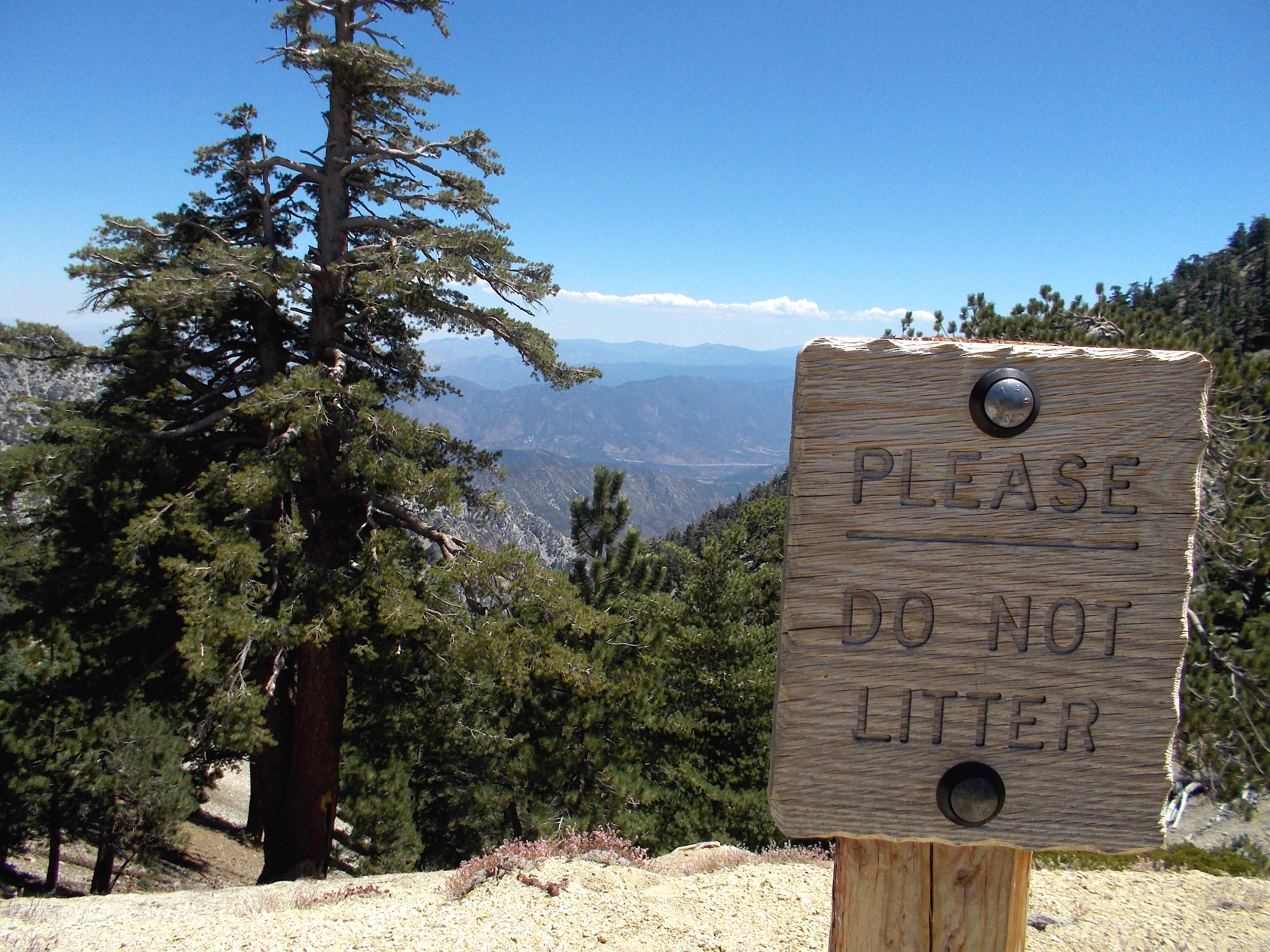
"Leave No Trace"
“Leave No Trace”

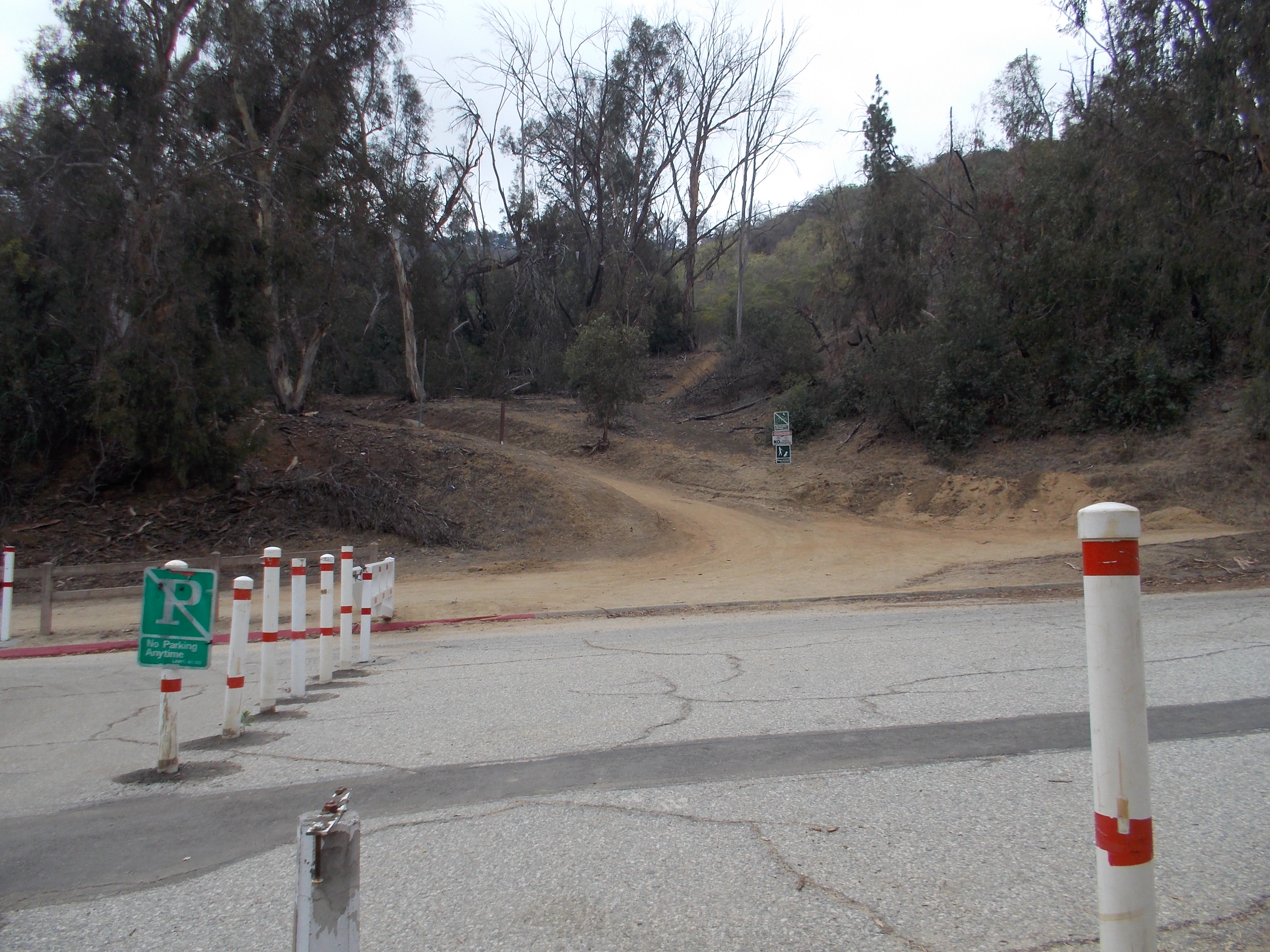
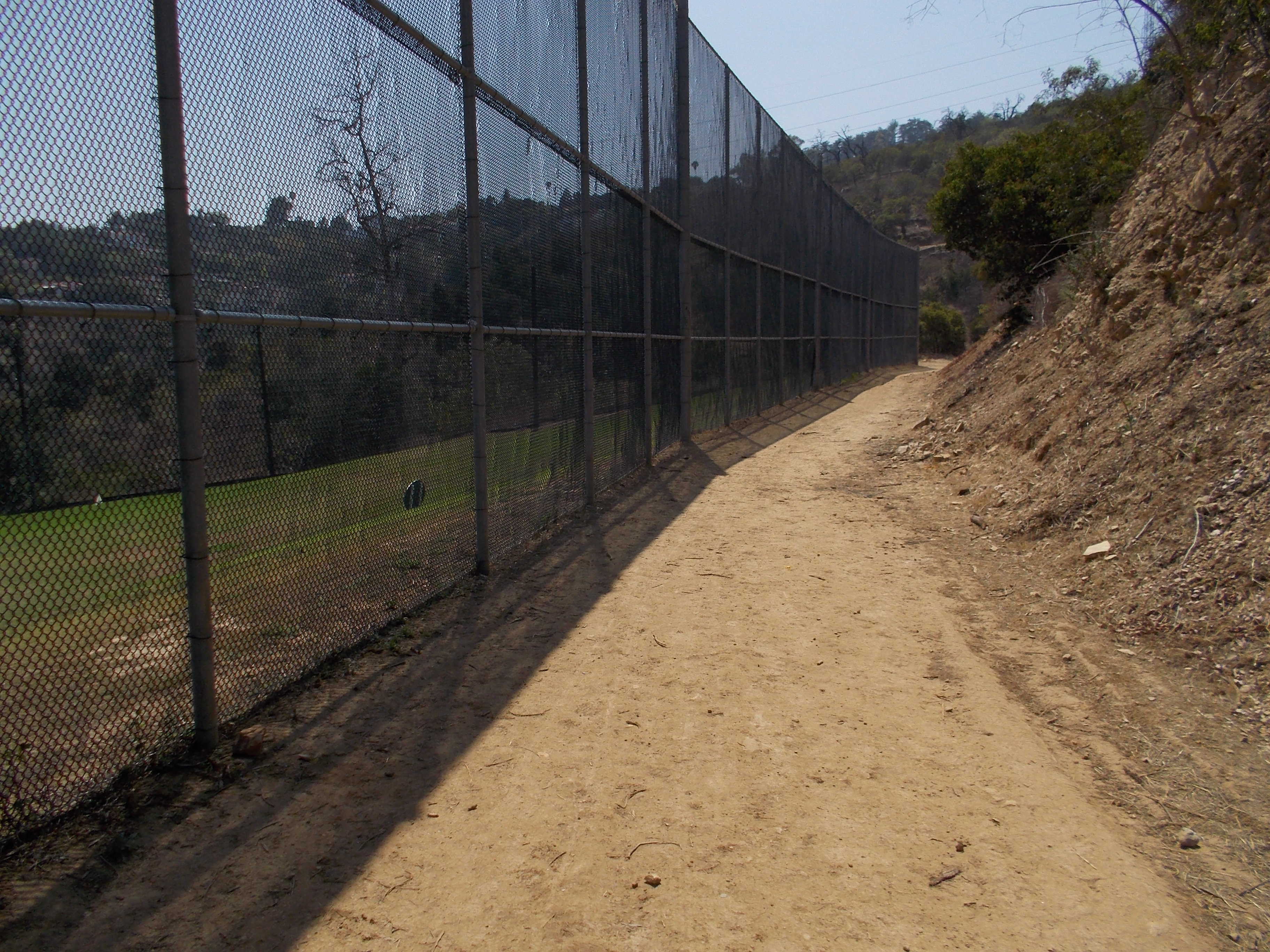
Los Angeles Trail #1: Griffith Park Trail #1 (“Merry-Go-Round” To Dante’s View/Peak & Back)


Griffith Park is the Pride and Most Popular Outdoor Park of Los Angeles City. It is one of the world’s biggest city parks with a total area of 4,467 acres, about five times bigger than the size of the New York’s City Central Park, and considered as the biggest municipal park completely surrounded by urban areas.

There are so many access roads/streets that lead to the park depending on your purpose of visit or activity. There is Greek Theater which is a popular venue for music concerts and stage plays; an 18-hole Golf Course & Driving Range; a Museum; The Griffith Observatory; The HOLLYWOOD Sign; a Horse Back Riding Facility; Carousel/”Merry-Go-Round”; Old Train & Railroad Museum; more than 50 miles of Fire Roads & Trails; and 20+ miles of paved roads for cycling. Griffith Park is the city’s “People’s Park” where its residents would enjoy the outdoor and its trails for free. The Fire Roads and Trails are strictly for hiking; running; and horse-back riding as MTBs or mountain trail cycling is not allowed.

The “Merry-Go-Round” Parking Lot #1 to Dante’s View/Peak Trail Route is my favorite trail running route which has a “one-way” distance of 4.5 miles, making it a total of 9 miles in going back to the Parking Lot retracing the route on the first half.

In order to go to Griffith Park and to experience running or hiking this trail route, one has to take the Golden State Freeway 5 North and Exit at Crystal Spring Drive (Exit 141B), turn Right at Crystal Spring Drive and after 1/4 mile turn left on the first intersection. The ascending paved road goes to the “Merry-Go-Round” Parking Lot #1. The toilet is located near the Merry-Go-Round facility.

“Merry-Go-Round” Parking Lot #1

I usually start from the place where I park my car. Across the paved road from the Parking Lot #1 are two fire roads; one that goes south and the other that goes east. I usually take the fire road that goes to the east (it’s called the Coolidge Trail) that has an abrupt ascent until it levels up for about 15 yards. Follow this fire road as it goes up immediately after a right turn. From this trail you would see on your left shoulder the Crystal Spring Road and the Golden State Freeway 5 and this will be the sight on your first mile with the uphill and winding trail ahead of you. The 2nd mile will be a gradual uphill climb where one will be passing a Golf Driving Range on your left. Do not turn left on the fire trail that goes back to Crystal Spring Road. One should be turning RIGHT on every trail intersection along this 2nd mile section. There is only way but UP to the peak of the hill.

Trailhead. Take the Trail On The Left (Coolidge Trail)
Golf Academy's Driving Range
Golf Academy’s Driving Range
5-Way Trail Intersection
Beacon Hill
Beacon Hill

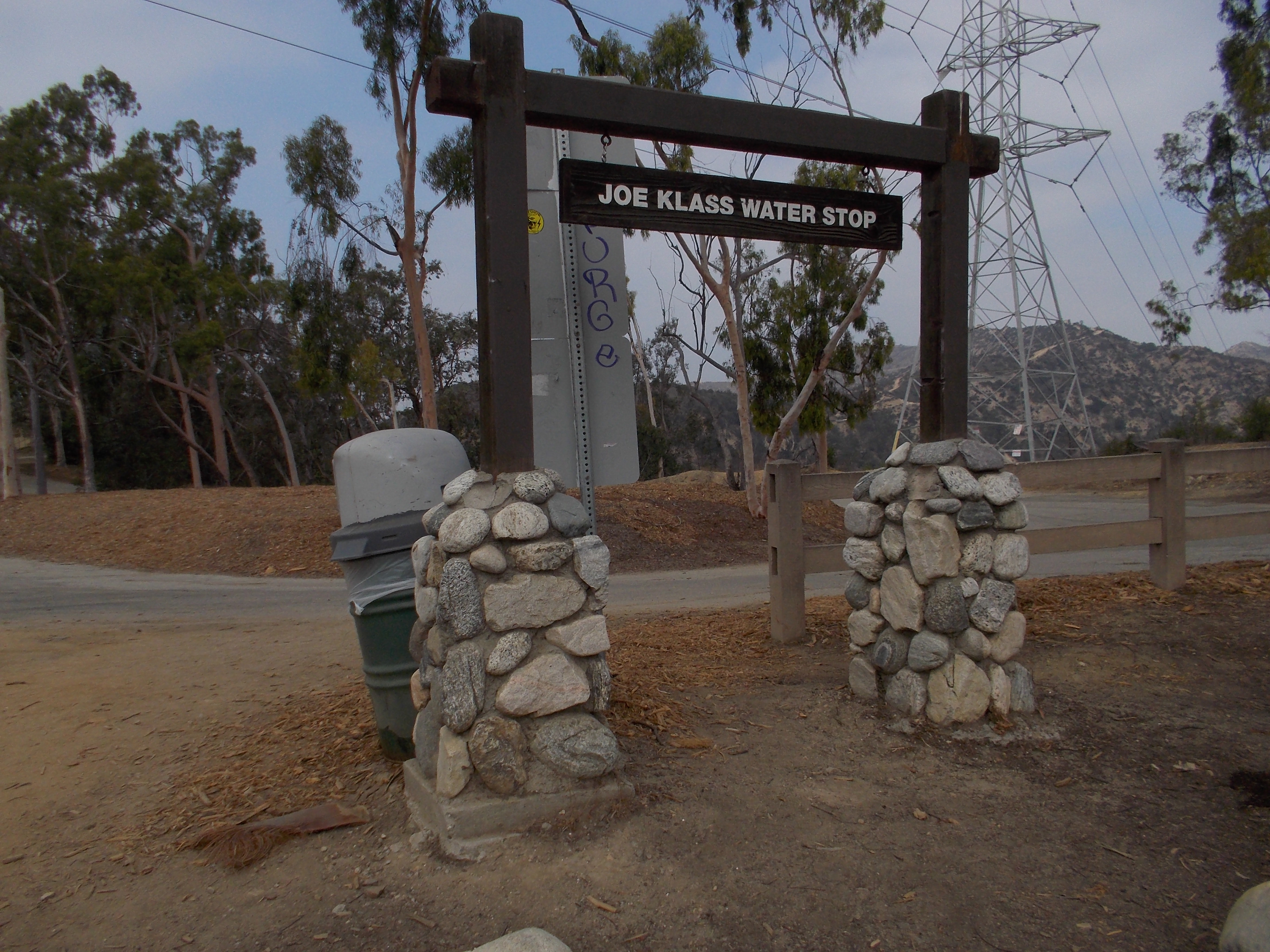
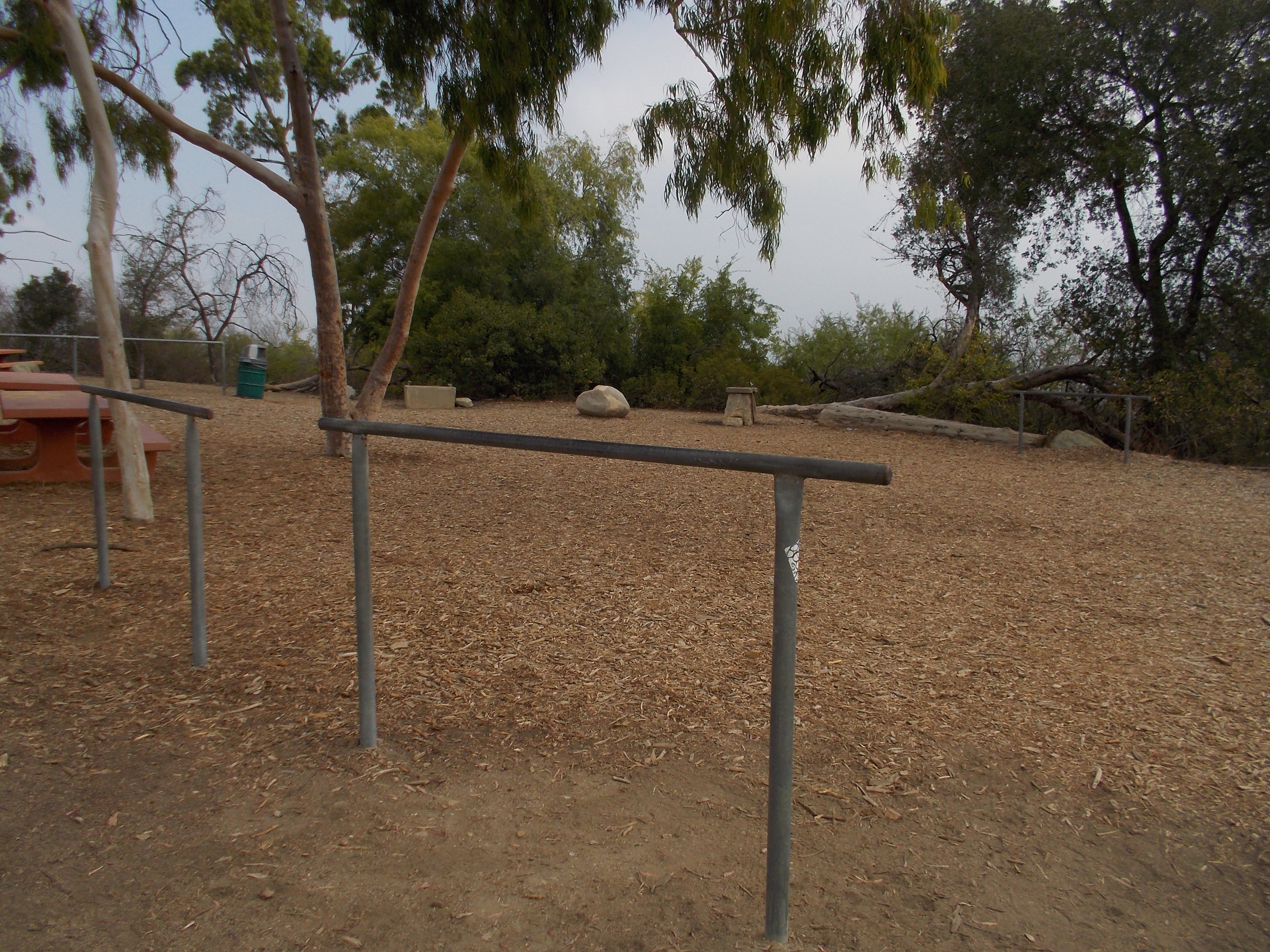
At the 2.5-mile point, the route shall level off and one will encounter a 5-way trail intersection. I usually turn right from this point and go to a peak which is popularly known before as Beacon Hill. As I reached the peak, I would turn around and back to the 5-way intersection. I would continue my run by going to the fire road that goes up and there is only one fire road that leads you to a ascending direction. After about 50-60 meters of uphill climb, you will see a marker that says, “Joe Klass Water Stop”. The water fountain is located on a clearing on your right. Don’t pay attention to the bees that “guard” the said fountain, they are always there the whole year round. If you need to drink, just drink or refill your bottles and then immediately leave the place. Don’t mess up with those bees!

Signage Of The Joe Klass Water Source
Signage Of The Joe Klass Water Stop
The Water Fountain (Bees Are Not Visible In The Picture)
Vista Del Valle Drive

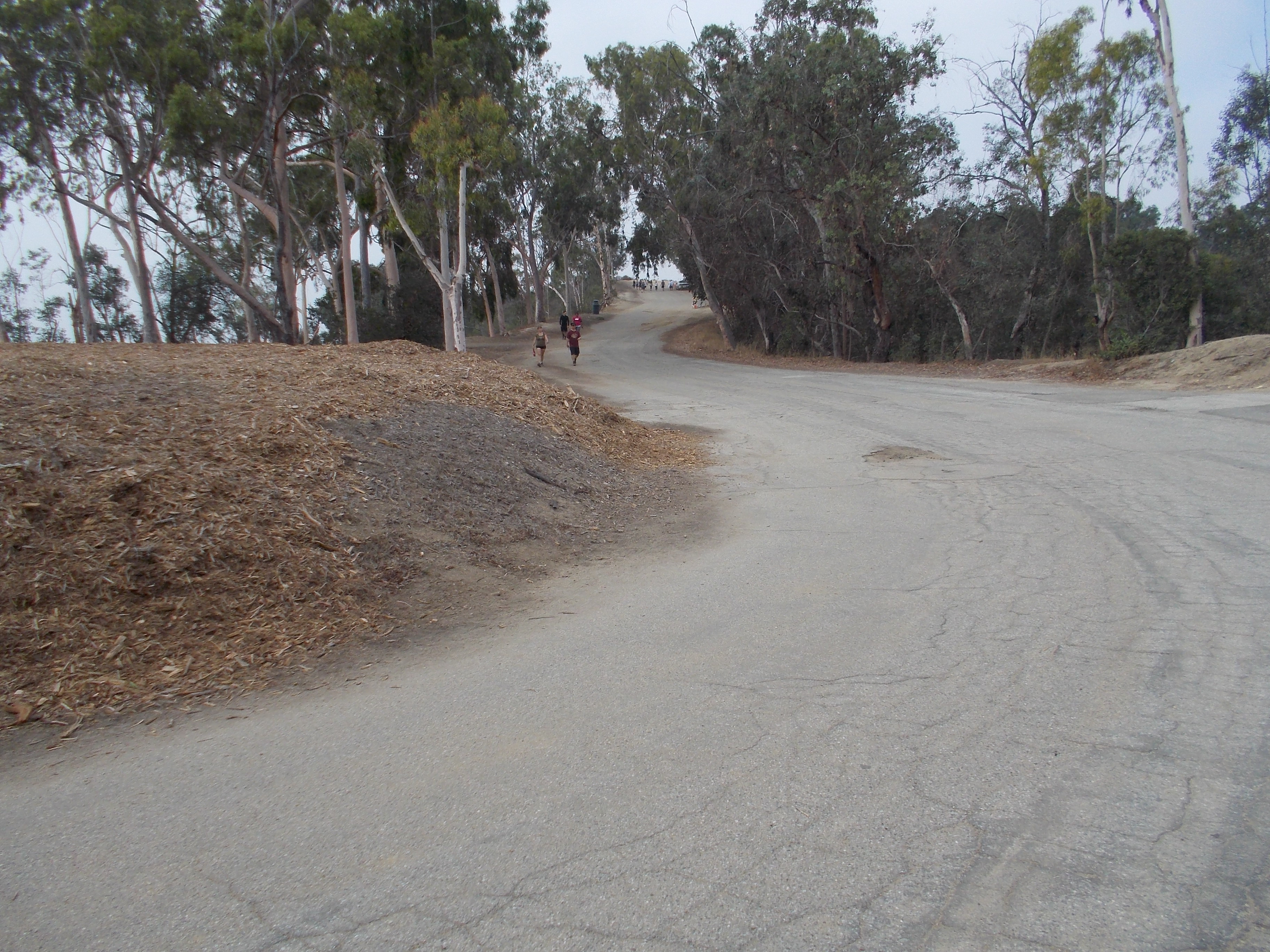
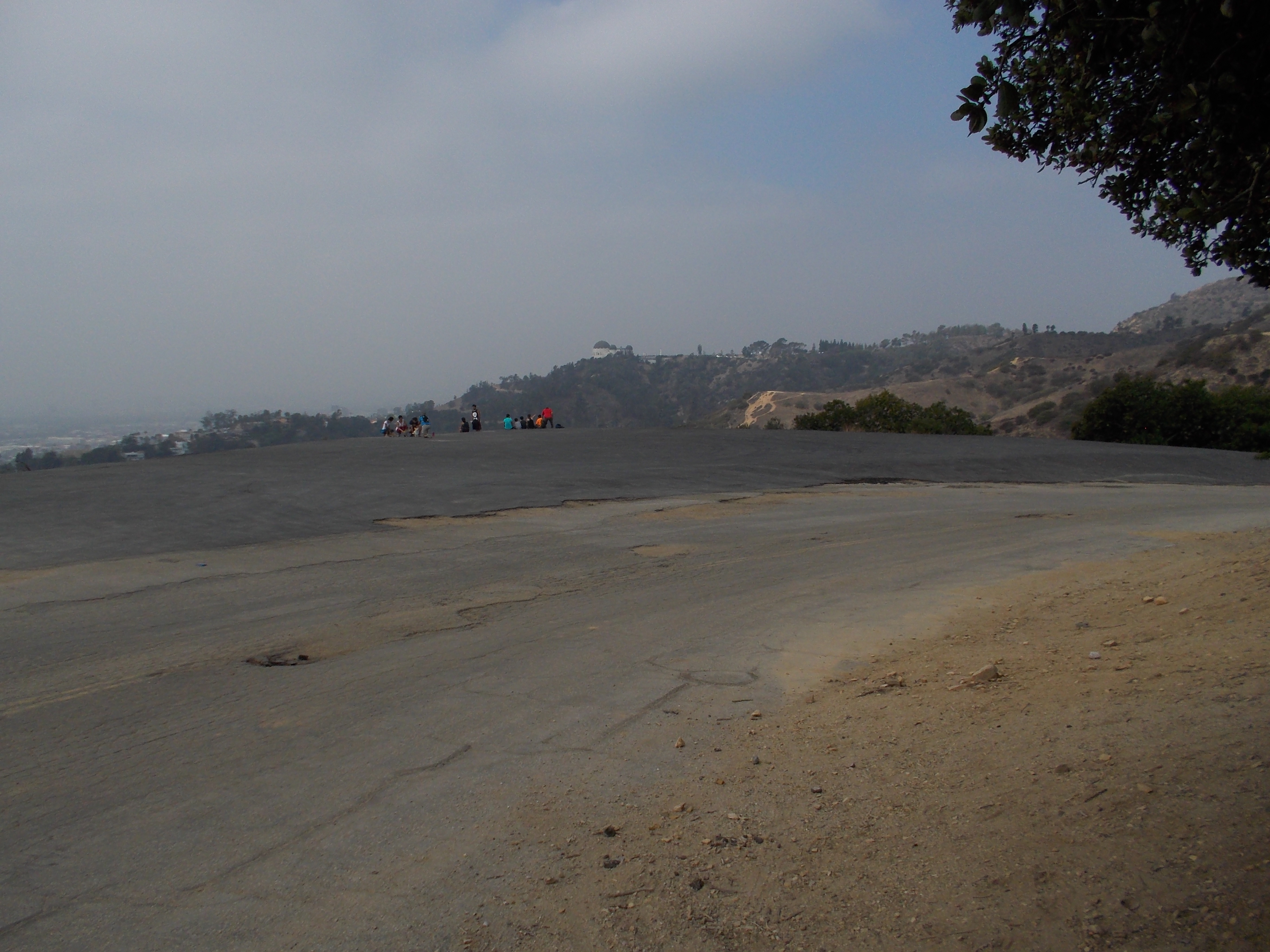
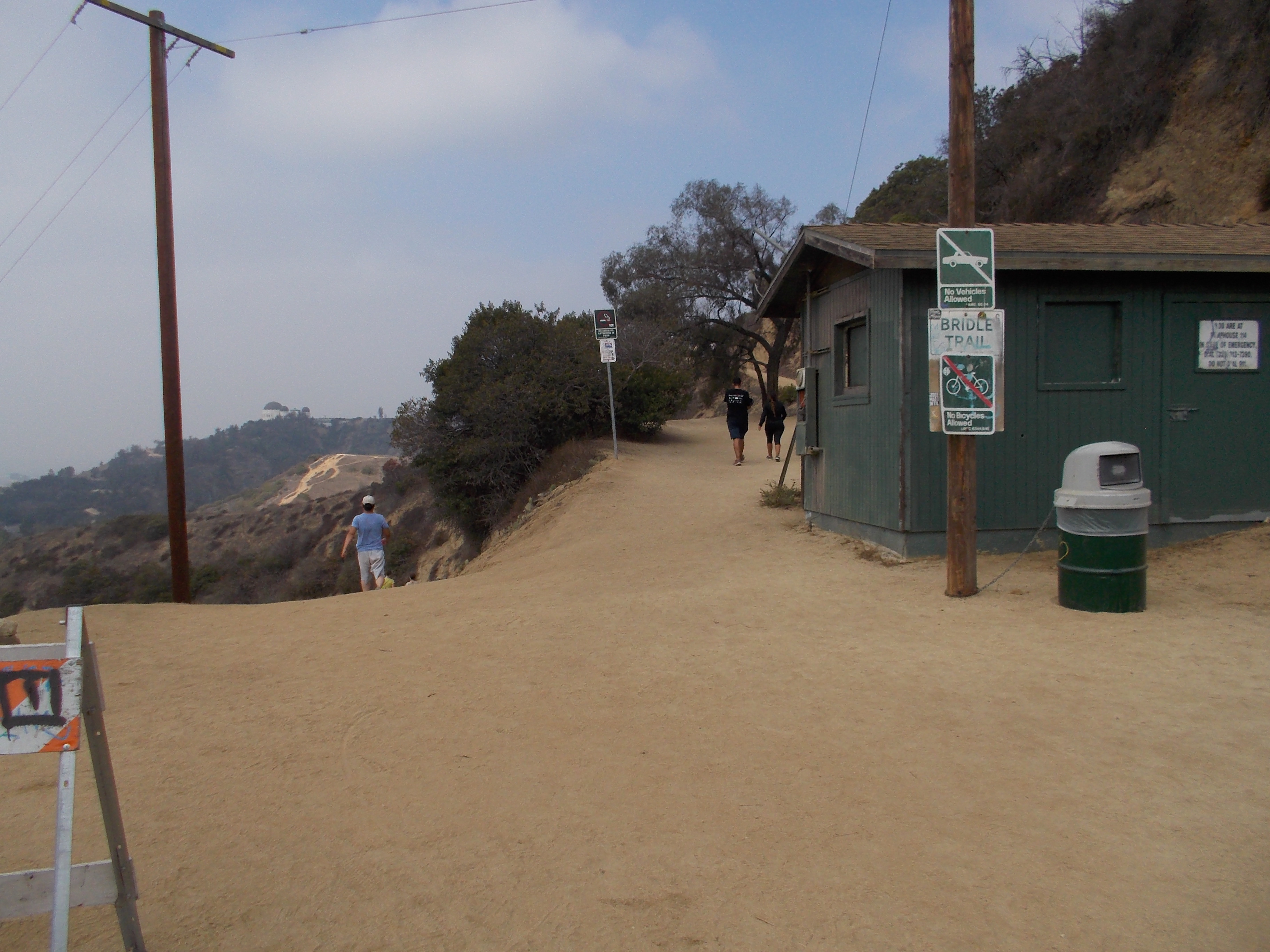
Once you get out from the water fountain clearing, you will hit a paved road (it’s called Vista Del Valle Drive). After about 50 meters running on this paved road, you have covered already 3 miles! Follow this road and on your left is a paved flat area which is a popular site for photo-ops overlooking the city and sometimes, it is being used as a helipad or location for movie shootings. As you passed this flat paved area, you can see ahead of you two fire roads on your left: one that goes down and one that goes up. Go to the fire road that goes up! This fire road splits from Vista Del Valle Drive and it has a closed wooden hut beside the start of the trail.

Griffith Park Helipad Area
Uphill Trail Beside The Hut
Uphill Trail Beside The Hut (Left Side Of The Hut)

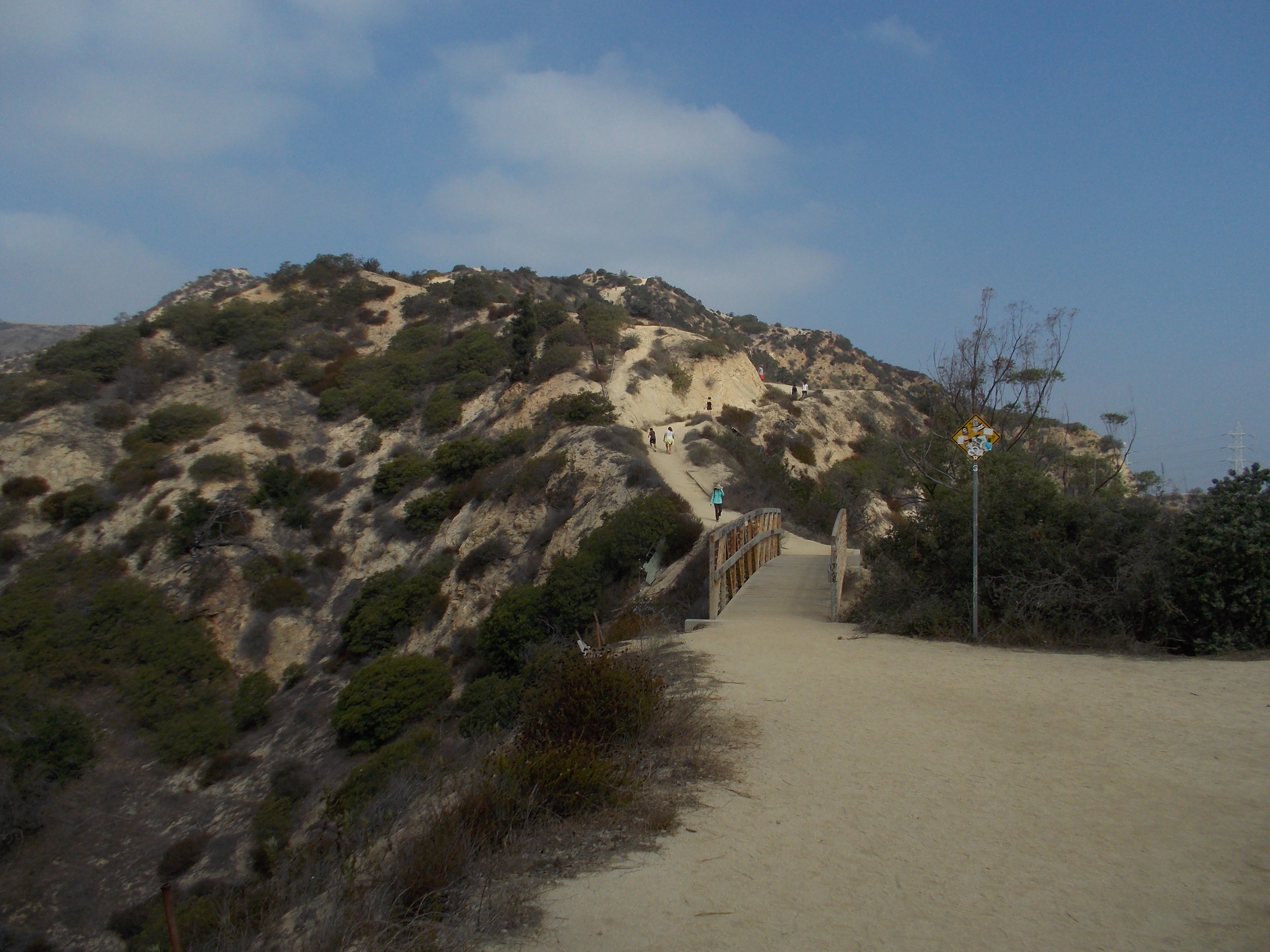
After two or three turns, you will see a wooden bridge and a higher hill where the fire road is leading to. You are now approaching the dreaded Hogback Trail. This trail is too steep on some sections and make sure that you have a good traction on your trail running shoes. Before the last climb of this trail, you must have covered 4 miles. I always have the urge to drink a lot of water from my hydration bottle before the last climb. Once you finish the last climb on the Hogback Trail, there is a water source (a water fountain and a faucet) and you can make your water refill here.

Wooden Bridge & Hogback Trail

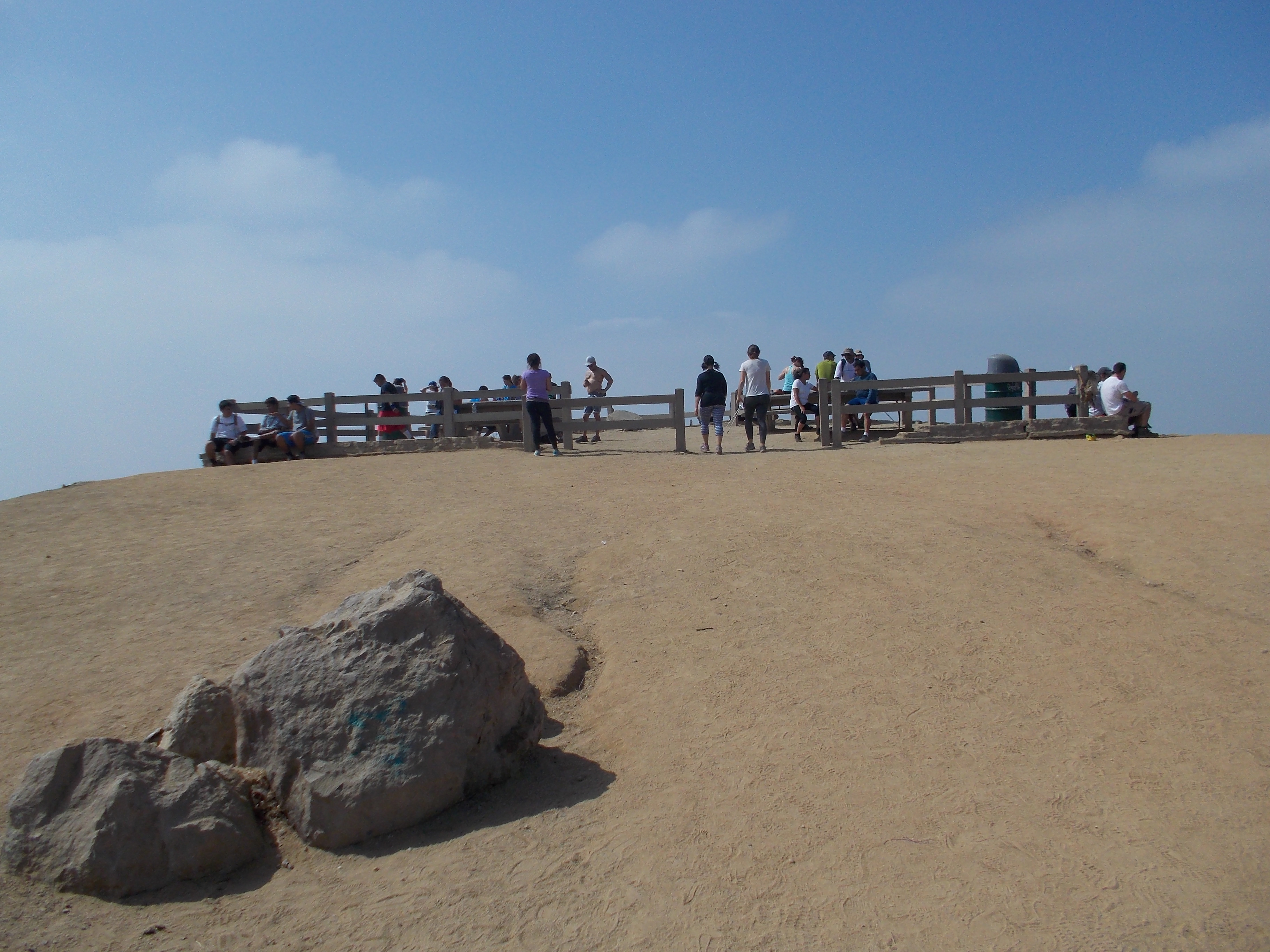
From the water source, follow the fire road as it continuously go on a higher elevation (don’t turn left on the trail that goes down after the faucet/water source). In about 30 meters from the faucet, there is a three-way intersection, turn left on the fire road and in about 100 meters, you can now see some concrete tables and benches inside a corral on the Dante’s View/Peak and the Hollywood Sign can be seen on your right. The Dante’s View/Peak is usually the resting place of those who hike and jog. One could see the City, the Griffith Observatory, the Hollywood Sign and the trails/fire roads that snake within the perimeter of the park. But for me, I just get inside the corral and touch the biggest rock where the Survey Marker is located and immediately turn-around. The distance covered is 4.5 miles at this point!

Dante's View/Peak
Dante’s View/Peak

From the turn-around, I retrace my route as I go back to where I started, to include going to the peak of the Beacon Hill. One has to be very careful in going down along the Hogback Trail as there is great possibility that one makes a mistake of slipping from the trail which is purely a rock.

My Fastest Time to complete this trail running route is 2 hours. It has a total ascent of 1,857 feet and total descent of 1,837 feet. Dante’s Peak/View has an elevation of 1,608 feet above sea level. Allocate at least 3 hours for an average hiking with picture/hydration stops for this route.

A Runner’s Circle (ARC) Specialty Store is only 1 Mile away from the “Merry-Go-Round” Parking Lot. From the Parking Lot, turn right to Crystal Spring Road towards the Los Feliz Avenue Entrance to Griffith Park. Turn Left on Los Feliz Avenue and immediately after crossing the bridge, the ARC Store will be on your Right.

More trail routes to come within Griffith Park and other parts in the Los Angeles Area and its Suburbs in my future posts.

2015-16 Trail Running Season: 2nd Week


Total Distance: 66 miles/105.6 kilometers

Total Time: 16:53:02 hours

Total Ascent: 12,783 feet

Total Descent 12,834 feet

Average Pace: 17:00 minutes/mile

Average Speed: 4.33 miles per hour

Average Heart Rate: 135 bpm

Total Calories: 7,139 kcal

Shoes: Hoka One One Speedgoat

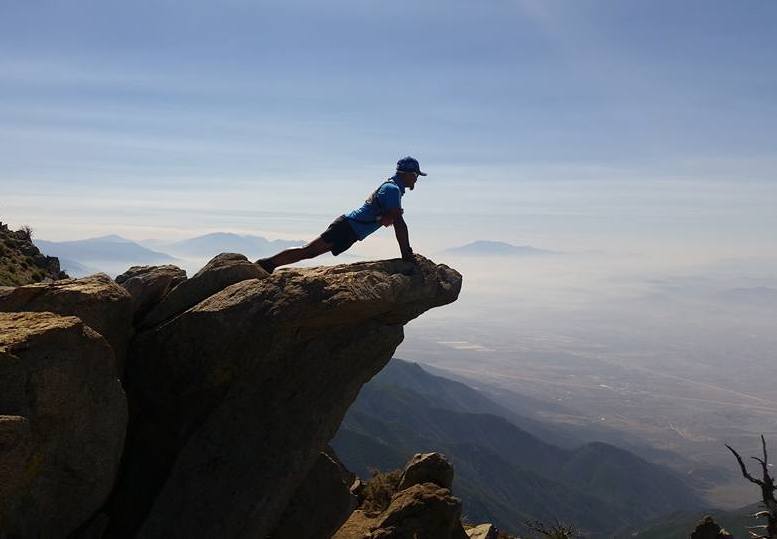
Cucamonga Wilderness Peak

Gerald Tabios: First PINOY “Back-To-Back” Badwater 135-Mile Race Finisher


Last year, I featured on this blog the story of Gerald Tabios as the First Pinoy to have finished the New (Route) Badwater 135-Mile Ultra Marathon Race to include his story as a runner/ultra runner. As a result, Gerald finished the 2014 Badwater 135-Mile Ultra Marathon Race in 44:40:40 hours ranking him as #69 overall out of 97 starters.

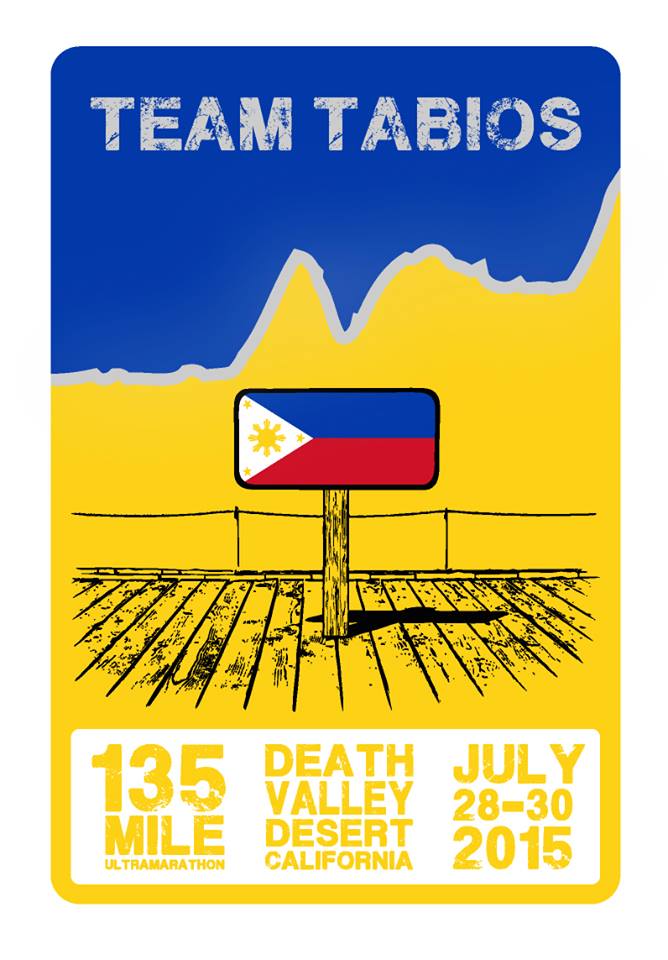
Team Tabios Logo Of Badwater 135-Mile Race
Team Tabios Logo Of Badwater 135-Mile Race. Shirt Was Designed By Bryan Calo of San Diego, California (Photo From Facebook)

This year, 2015, Gerald surprised us again for his feat to run and finish the actual/original route of the race. As a result of a thorough study on the safety of athletes in the conduct of sports activities in the Death Valley Park which resulted to its closure to sports events for almost two (2) years, the Superintendent of the Park allowed the conduct of the Badwater Ultra Marathon Race on its original route, from Badwater, Death Valley Park, California to Mt Whitney Portal, Lone Pine, California with a very strict start in the evening, instead of a morning start. The race was held on July 28-30, 2015, on the hottest time of the year in the Death Valley Park.

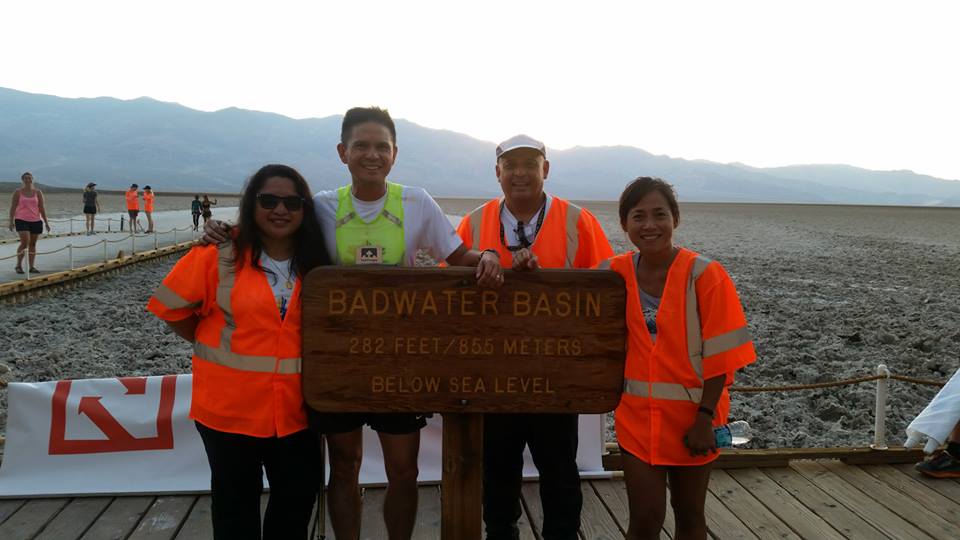
Team Tabios @ The Starting Area (With Donna, Kat & Ronald)
Team Tabios @ The Starting Area (With Wife Donna, Robert Rizon, Kat Bermudez, Luis Miguel Callao Is Not In The Picture) Photo From Facebook

This is the brief description of the race as taken from the Badwater 135 Website:

“The World’s Toughest Foot Race”

“Covering 135 miles (217km) non-stop from Death Valley to Mt. Whitney, CA, the Nutrimatix Badwater® 135 is the most demanding and extreme running race offered anywhere on the planet. The start line is at Badwater, Death Valley, which marks the lowest elevation in North America at 280’ (85m) below sea level. The race finishes at Whitney Portal at 8,300’ (2530m). The Badwater 135 course covers three mountain ranges for a total of 14,600’ (4450m) of cumulative vertical ascent and 6,100’ (1859m) of cumulative descent. Whitney Portal is the trailhead to the Mt. Whitney summit, the highest point in the contiguous United States. Competitors travel through places or landmarks with names like Mushroom Rock, Furnace Creek, Salt Creek, Devil’s Cornfield, Devil’s Golf Course, Stovepipe Wells, Panamint Springs, Keeler, Alabama Hills, and Lone Pine.”

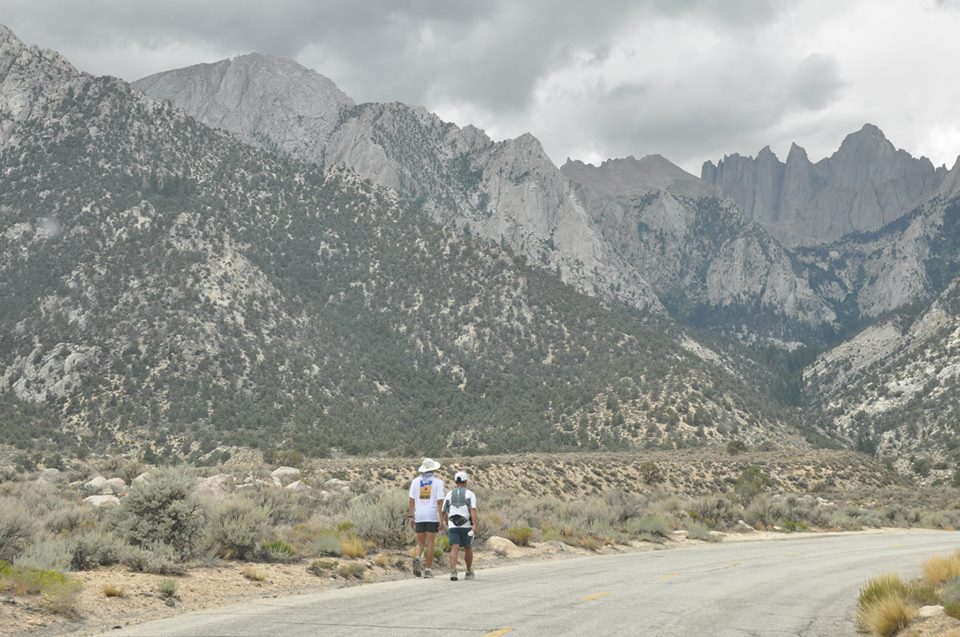
For this year, Gerald Tabios is one of the 97 starters who represented runners coming from 23 countries, including USA and Canada. With a cut-off time of 48 hours to finish the race, the runners have to endure the hottest temperature in the area, reaching to a high of 130 degrees Fahrenheit (air temperature) and another 200 degrees Fahrenheit heat coming from the pavement , gusty winds in the desert and mountains, the challenging vertical ascents of three (3) mountain ranges, and the sight of never-ending paved highway on the horizon. These are the challenges that each of the runners would experience before they reach the Finish Line. Each runner is ably supported by his team, consisting of a Support Vehicle, driver, pacer, and a medical/logistic aide, but most of the time, each member of the team are doing multi-tasks just to be able to bring their runner to the Finish Line, safe and without any injuries. Each runner would bring with him his logistical support and emergency medical/first-aid aboard his/her Support Vehicle, “leap-frogging” the runner from one point to another along the route. Gerald was supported by Team Tabios consisting of his wife, Donna Tabios, Kat Bermudez (wife of Bigfoot 200-Miler Finisher Jun Bermudez), Luis Miguel Callao (a Pinoy Ultra Runner), and Robert Rizon.

Luis Miguel “Nonong” Callao and Gerald Tabios are very close childhood friends and classmates since kindergarten!

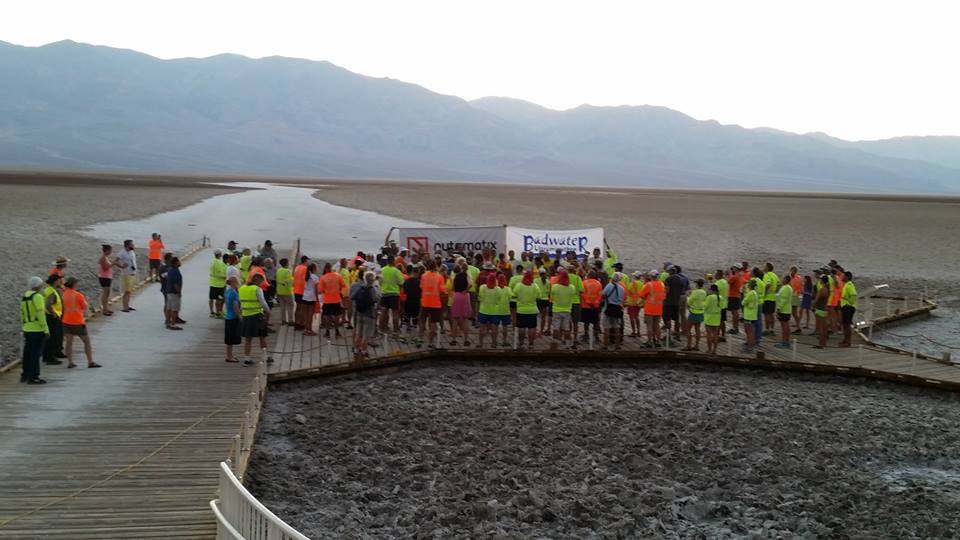
Starting Area: Badwater Basin @ Death Valley Park
Starting Area: Badwater Basin @ Death Valley Park (Photo from Facebook)
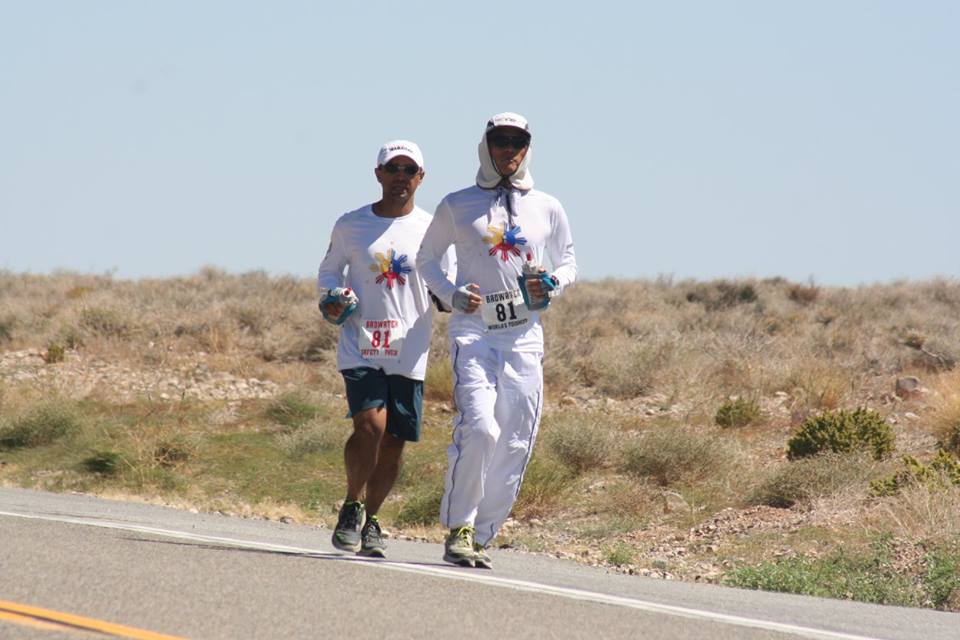
Gerald In Action With Luis Miguel Callao As Pacer
Gerald In Action With Luis Miguel Callao As Pacer (Photo From Facebook)

Considering that the “original” course is harder and more challenging than last year’s “alternate/new” Badwater 135 route, Gerald improved on his performance. Gerald finished this year’s edition with a time of 42 hours, 52 minutes and 9 seconds, making him as the 65th overall finisher out of the 97 starters. Out of the 97 runners who started, 18 runners did not finish the race. Such DNF record for this year is higher than of last year’s edition. Despite such situation, Gerald was able to improve his performance chipping off almost 2 hours of his time last year and improving his ranking among the finishers.

To make his accomplishment more significant, he is the ONLY Filipino to have been qualified and invited by the Race Organizer to join in this year’s edition. And he is now in the history of this race as the FIRST Pinoy Ultra Runner to have finished the Badwater 135-Mile Race in two consecutive years!

Approaching Mt Whitney @ Lone Pine, California
Approaching Mt Whitney @ Lone Pine, California (Photo From Facebook)

The Overall Champion of the 2015 Badwater 135-Mile Race is Pete Kostelnick of Lincoln, Nebraska, USA with a finish time of 23:27:10 hours. The Lady Champion, Nikki Wynd of Australia, finished the race with a time of 27:23:27 hours, making her as the 4th Overall Finisher of the Race. Race results can be seen here:

http://dbase.adventurecorps.com/results.php?bw_eid=74&bwr=Go

The Race Organizer of the Badwater 135-Mile Race is very selective in accepting its participants every year. Even if you have the financial resources to register; support the logistical needs in this race; or have the physical and mental prowess to undertake and run this course, every Runner must convince the Race Organizer on his/her advocacy to help the community or to the world for a better place to live in. As in last year, Gerald ran for a Charity to help the Victims of Typhoon Yolanda in the Philippines. And since his successful finish in last year’s edition, Gerald had continuously channeled whatever amount of money he had raised to this advocacy/charity for the past two years.

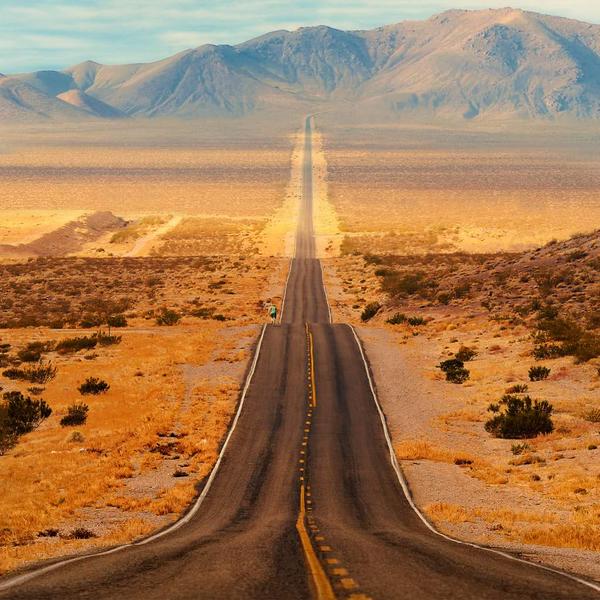
Never-Ending Highway @ Death Valley Park
Never-Ending Highway @ Death Valley Park (Photo From Twitter/Badwater.Com)

In a brief interview with him, I asked if he is joining in the next year’s Badwater 135-Mile Race. He immediately replied, “Yes, I will be joining this race as long as I can run. This is a significant way that I can help my country, most specially, to those who are still suffering due to the effects brought about by Typhoon Yolanda.” Not only does Gerald is firm in his stand on his advocacy, he is also a good example of a fit, healthy, and hard-working father of a family.

Mabuhay ka, Gerald! You make us proud to be a Filipino! Congratulations to you and to Team Tabios!!!:

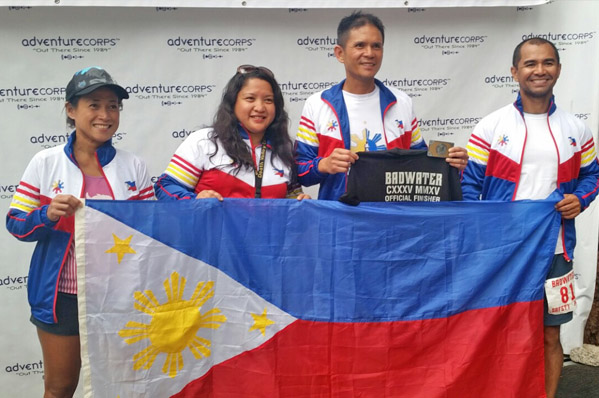
Proud To Be Pinoy!
Proud To Be Pinoy! (Kat Bermudez, Donna Tabios, Gerald Tabios & Luis Miguel Callao (Photo From Facebook)