Result: 1st BR’s BEER Mile Run


1st Bald Runner’s BEER Mile Run/June 10, 2012/Rizal High School Oval Track

RANK NAME TIME
1 Alfredo Ocampo 8:24
2 Meljohn Tezon 9:44
3 Virgilio Leona 10:10
4 Cesar Abarientos 10:11
5 Graciano Santos 10:14
6 Randy Duenas 10:44
7 Bob Castilla 10:56
8 Victor Ting 11:11
9 Kokoy Delmo 11:47
10 Joey Baladad 11:49
11 Godfrey Gozo 12:44
12 Pjong Dela Paz 12:46
13 Marco Christopher Montaos 12:47
14 Larry Daliwag 12:55
15 Chino Atayde 12:56
16 Samuel Narcise 12:57
17 Dindo Diaz 13:01
18 Sergio Bardol 13:20
19 Mark Anthony Rodica 14:01
20 Benedick Meneses 14:11
21 Joseph Soriao 14:24
22 Gil Ocampo 14:41
23 Bert Camangonan 14:56
24 Imelda Laron (Female) 15:02
25 Frederick Quitiquit 15:12
26 Demesio Mamano 15:53
27 Manolito Anyaya 16:05
28 Chito Carreon 16:49
29 Gerry Geralde 17:23
30 Emil Burgos 18:22
31 Raymund Suarez 18:42
32 Bong Bernadez 18:43
33 Lemuel Narcise 18:59
34 Jeffrey Abenina 19:02
35 David Buban 19:12
36 Jonel Mendoza 19:28
37 Junar Layug 19:57
38 Rico Cabusao 20:07
39 Stephanie Hefti (Female) 20:40
40 Frederick Gabriel 20:52
41 Enrico Caramay 21:40
42 Cindy Sevilla (Female) 22:10
43 Daphne Codilla (Female)  25:26
44 Gene Olvis 26:05
45 Eric Socrates 28:44
46 Vic Viola 30:44
47 Ron Sulapas 31:12

Congratulations to everybody!

Picture Of The Week #5


Random Thoughts (After TD50)


In the United States, June 6 is declared as their National Running Day. In some of my previous posts in this blog, I mentioned about coming up with the same concept in order for the citizens to adhere to a healthy lifestyle by engaging to any kind of sports. The following was the exact words from my previous post:

“It will take a real “sportsman or sportswoman” among our politicians to think and “lobby” for a “National Sports Week or Month”. There is already a party-list group at the House of Representatives which is called “PBA” (Partido ng Bayaning Atleta) but I am still waiting for them to be heard or seen in our national sports endeavors. Well, this could be a good idea for the PSC and POC to indulge if they are really sincere in discovering new “talents” and developing our sports program in the “grassroots”!”

Those people who are responsible in making or declaring a “National Running Day” for the country will always defend themselves by saying that “there is no need for such day or celebration because runners run everyday”!

oooOOOooo

I would like to personally thank those who greeted me on my 60th Birthday through Facebook, SMS, e-mail, and telephone calls. Instead of running for 60K, I was contented to run for 60 minutes on my birthday towards the peak of a mountain. There was no party or grand celebration for this day. I was contented  to just pray that I will have more years to enjoy running on the roads and trails. Finally, I got my Senior Citizen’s Card!

oooOOOooo

Taklang Damulag Ultra Trail Races (TD 100M/50M/50K) will remain to be the most challenging trail running event in the country. It will remain to be a challenge for the hardcore runners. I am proud that the 1st TD 100-Mile Trail Run made those runners who DNFed as stronger, smarter, and faster trail “experts” in their succeeding races here and abroad. It also started a trend of mountain ultra trail runs in the country.

oooOOOooo

I always IGNORE non-ultrarunners who make their opinion and/or observation about the sports I love and promote. Being the Founder and President of the Philippine Association of Ultrarunners (PAU), I should be the one who should be refuting or arguing the statements of these people. But it would be best if these people will accept my personal invitation to join in next year’s edition of the Bataan Death March 102K Ultra Marathon Race which I will send to them on the 4th week of this month. I think eight (8) months will be enough time for them to prepare and train for such invitation.

oooOOOooo

I am happy that more marathon runners are slowly “crossing the fence” to the world of ultrarunning. I am happier that more runners are also shifting to trail running. After posting my “peak bagging” adventures, I’ve observed that my ultra running friends and other runners have started to go to the mountains, too! Some of my friends are wondering why I am always “peak bagging/peak hunting” almost every week. Well, the answer is that I am preparing for my next ultra trail run. It could be before the year ends or finally participate in next year’s TNF 100.

oooOOOooo

I am supposed to join in this Saturday’s San Diego 100-Mile Endurance Run but I missed the on-line registration at Ultra SignUp by a few hours as I did not expect the influx of interested runners. I was surprised that the slots were filled-up as soon as the registration opened. Even if I appealed to the Race Director with an e-mail and FB Personal Message, my request to be included was not granted. Lesson learned: Be fast with your Credit Card and Stick to the Rules and Regulation of the Event!

oooOOOooo

This site will remain as a running blog. More ultra running events here and abroad will be featured in this blog as more of our local runners are interested to know what is happening in the world of ultrarunning. Actually, some of our runners had been consistently joining ultra trail running events outside the country. Jonnifer Lacanlale, Simon Bolivar, Jael Wenceslao, Paolo Osmena, Garry Garcia had been consistently joining ultra running events outside the country and have been our ultra “ambassadors” to represent our country. I have a prediction that more of our local ultrarunners will be following their footsteps in the years to come.

oooOOOooo

Starting tomorrow, June 7, BDM 102 Finisher and ultrarunner Mac Milan will be starting his “multi-day adventure run” from Davao City to Cagayan De Oro City covering a distance of 250+ kilometers. He promised me to have his run “journalized” through a blog and will try his best to update us with his running experience. Good luck and have fun, Mac!

Picture Of The Week #4


Picture Of The Week #2


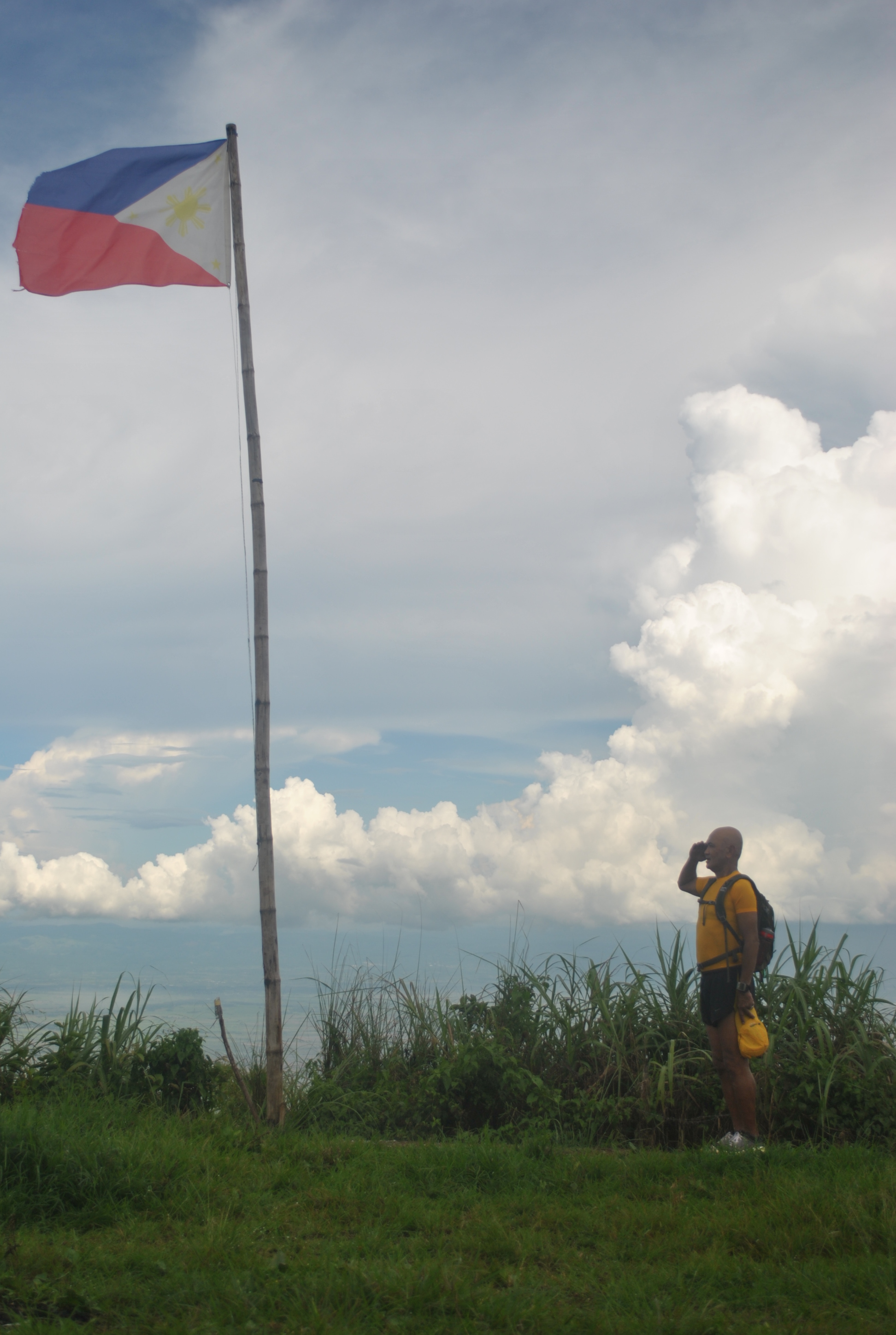
@ The Peak Of Mt Arayat/May 13, 2012 

Stair Climbing Workout


This is the real stair climbing workout. It is not stair climbing using the StairMaster or any machine at the gym that mimics stair climbing.

Since I’ve been going to the mountains for the past months, I was trying to find out a simple workout that mimics how I would scale on those mountains. Aside from the fact that I’ve been trying to strengthen my quads and calf muscles through squats and lunges and/or stationary cycling, I wanted a short workout that could be easily accessible to where I am staying.

Lo and behold! I thought of doing the stairs where I am staying. I am presently residing in a 8-storey condo with 32 steps of stair per floor/storey and starting from the ground floor up to the 8th floor, I would be able to step on 256 steps. If I do 10 sets or reps, I would be able to make 2,560 steps upward and another 2,560 steps downward! On my average easy pace, I could complete the 10 sets of stair climbing in 1:20 to 1:30 hours!

To make the workout more challenging, I would put on my backpack filled with water bottles and other items inside it that would make it weight to 10-15 pounds or more. I still do a minimum of 10 sets up to a maximum of 20 sets with the backpack. I do this workout twice a week!

This workout makes my quads and calves cry in pain most especially when I incorporate some speed in my steps towards the top floor using my weighted backpack and going down to the ground floor. But I know, this workout will make me a stronger runner and hiker in my “peak bagging” activities.

If you are staying in a condo, you can do this workout once you wake up in the morning or before/after having your dinner! If you are working in a high-rise building, you can do this workout during your coffee break time or during your Facebook time or lunch time.

For more details on this kind of workout, you can check on http://bodybuilding.com/fun/givstrength1.htm

Good luck and see you at the starting line!

Steps In “Peak Bagging” & Suggested “Tips”


The following are my personal suggestions if you want to experience “peak bagging” in any of our mountain peaks. It is assumed that you are already a seasoned runner, being a trail runner is one of the qualifications for such an experience, and it is better if you are a marathon runner. However, it is best if you are already a seasoned mountain trekker, hiker or camper.

1. Have a Plan. If you have a steady job or work where you earn a living, planning for a “peak bagging” experience takes a lot of consideration. You need ample time, scheduling, financial support and lots of positive motivation to push through with your plan. Once a quarter (every 3 months) would be a nice schedule or every time there is a long weekend (3-day vacation). The location of target mountain should also be considered in terms of its accessability from your place of origin. Of course, it will be more expensive if the location is farther from your place.

If you have a family, bring your family with you and share your passion to your wife and to your kids. If they are not interested with your outdoor activity, you can bring them with you to your destination and have them stay in a resort or place where there are other alternative outdoor activities to be experienced.

If you are a retiree, like me, enjoying your time and have a love for sports and outdoor adventures, then going out of the city and looking for different places, “peak bagging” is better than reading the news dailies, watching the TV or letting the days passed by in shopping malls/coffee shops or spending a lot of time in your car due to traffic in the metropolis.
2. Make your own research. There are lots of mountaineering resources in the Internet for your mountain destination. There are also mountaineering groups on Facebook where one can get information direct from the person you want to contact. At least, you must have a FB account to have access on these groups.

My favorite mountaineering resource in the Internet is our very own Gideon Lasco at http://pinoymountaineer.comas he categorized each mountain peak by regions and he recommends an ITINERARY for each mountain visit. However, other important data for a runner to know are not stated in his description of each mountain. Mountaineers don’t usually measure their trek to the mountain peak in terms of distance (number of kilometers/miles) but in the number of hours it would take the hikers to reach the summit. So, if they say that a hiker/camper could reach a certain peak in 5-6 hours, an average trail runner could run to the peak in 2.5-3 hours, one-half less the time for a camper/hiker to reach his destination. Faster runners could do it 1/3 of the time a hiker can do to reach the summit. However, other detailed data and information can be gathered from the comments of the his readers in every post in his website.

3. Train for Hill Running. In “peak bagging”, you need to run when the trail is flat or when you are descending along the trail and brisk walk when the trail is uphill or steep incline. For you to be consistent and faster in reaching the summit, your legs must be strong. Strong legs are developed by hill repeats as it mimics your leg turn-over during trail running. As an alternative to hill repeats, one can do strengthening exercises in the gym or at home. One can do some leg squats, lunges, stair walking and core exercises anytime of the day!

4. Prepare your apparel & equipment. Your normal running kit would suffice but as you go higher in elevation, the temperature would become colder. It is a must that you bring a light jacket stowed on your backpack/camelbak which you can use when you are freezing cold. Hand gloves are also advisable as the temperature would be freezing on top of the mountain. If your hands are starting to be numb and cold, it is a signal that you must start your descent from the mountain. Water-proof jacket is also helpful as most of the higher mountains would receive some rains usually when they are covered with clouds. Runners cap is also mandatory as it keeps the escape of heat from your body and at the same time protect your head from accidental “head-butts” from fallen trees and some branches as you pass underneath them. Hydration pack is a must! If you want to stay longer in higher summits, prepare to bring a bonnet that would cover your head and ears.

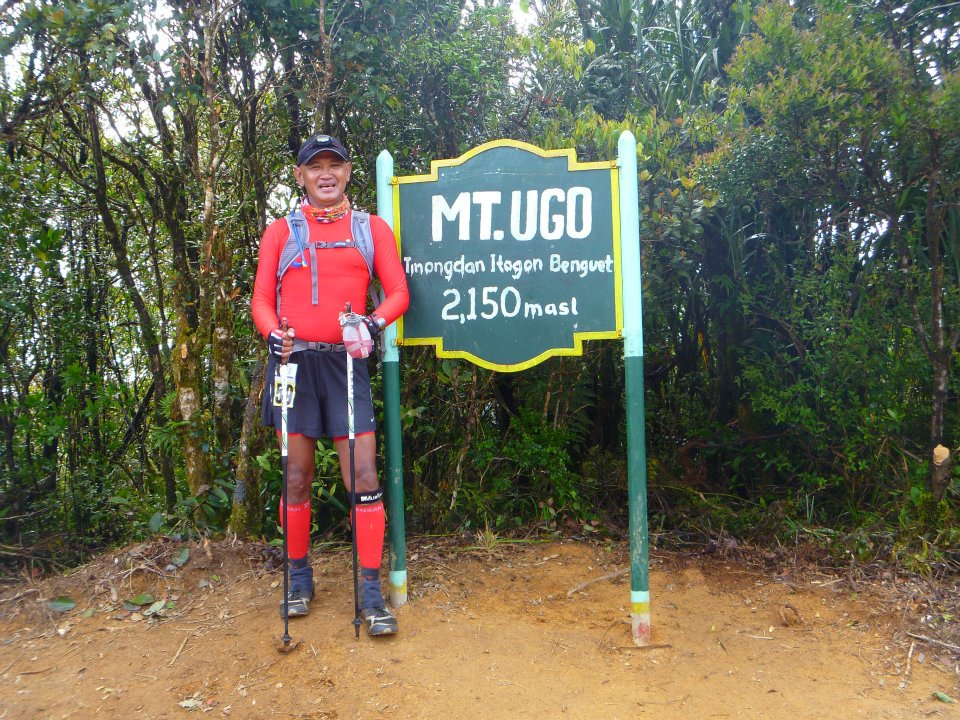
5. Prepare For Your Hydration/Nutrition. I usually bring water only in my hydration system. I was surprised that my Nathan bottle filled with water was the only water supply that I brought when I “peak bagged” Mt Pulag for a distance of 15 kilometers. Maybe its the cold weather on the higher altitude and the raining prevented my body from losing more perspiration. I usually bring “power bars” and gels in my “peak bagging” activities. They are lighter and my stomach is already used to them. At the Mt Ugo Trail Marathon, I brought my Nathan “Sprint” Handheld Bottle for my Gatorade Mix even if I was holding trekking poles. Gatorade was my extra source of electrolyte if my “peak bagging” activity is a race/competition.
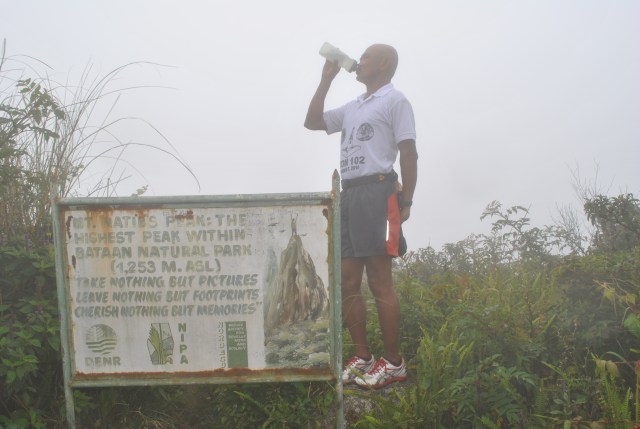
6. Travel Light. I use racing flats/minimalist shoes (NB MT 101) and compression shorts & shirts on my mountain running. If I use Camelbak Hydration Pack, I only fill 1/2 up to 3/4 full of water in its bladder. I only carry minimal number of gels, power bars and Gatorade mix in my pack. Sometimes, I would pack the lightest windbreaker to my pack instead of those heavier outdoor technical jackets. My ASICS Windbreaker which I bought in Jeju, South Korea could be the lightest windbreaker that I have among my running kit. Hopefully, I would be able to buy the Patagonia Nano Jacket, my “dream jacket” for higher altitude “peak bagging”, in the near future. It can be folded and stowed in your packet.

The cheapest version of a jacket/windbreaker/poncho which you can bring is the black commercial trash bags that are available in the supermarket. Get the largest size of trash bags in the market. Simply make a hole on the closed end of the bag where you can insert you head, thus, you have a raincoat for your body and backpack. It is a must to carry at least 2-3 pieces of these black trash bags in your daypack as they serve also as trash bags for the litter you could see along the trail, camping areas or at the peak of the mountain.

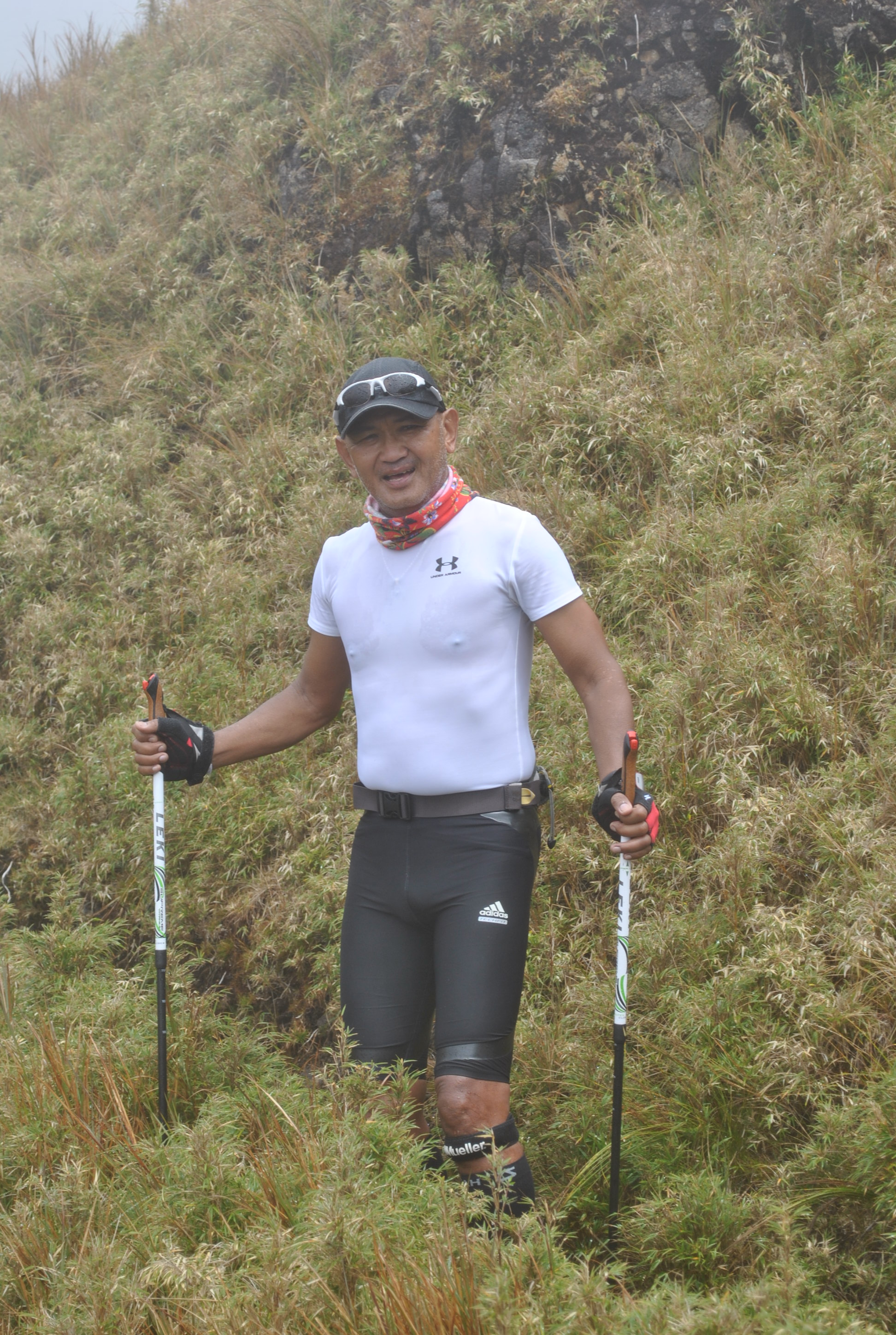
7. Trekking Poles. A pair of trekking pole is an invaluable equipment for an old trekker/hiker like me. They are useful in crossing streams and rivers; keep you balanced on uneven and slippery grounds; provide anchor and support for stronger lifting of the body on steep ascending parts of the mountain; and lessen the impact of ones feet on the ground. It takes a simple time to practice to use these trekking poles. It is advisable to use those “bike gloves” (half of the fingers are exposed) when using trekking poles to avoid blisters on your hands. On descending and flat parts of the trail route, I would carry them as if they are my batons in a running relay.
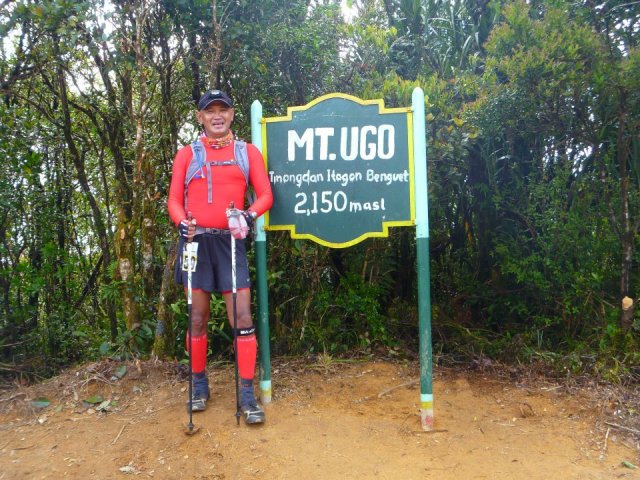
8. Prepare For Contingencies. In trekking/peak bagging, you should always “respect the weather”. If the weather would not allow you to reach the peak, it is best to retreat and make another attempt on a day with good weather. The mountain will always be there, it will never leave from his location. In a good weather, if you start your “peak bagging” in the morning, expect to reach the peak when the sun is already on top of you which means that it is already noon time. The heat of the sun would make you perspire some more and you must be able to hydrate yourself regularly. In case of any encounter with the wildlife, like snakes, deer, wild pigs, cows, or bats, just ignore them and don’t disturb them. Your main mission is to reach the peak of the mountain and not as a hunter.

9. Invest On A Light & Reliable DayPack. A DayPack can store your hydration needs (water bottles + 1.5-liter bladder), additional clothing apparel, first aid kit, food, electrolyte tabs/mix, lighting equipment, and trekking poles.

10. Know Some Protocols/Etiquette/Culture of the People

a. In popular mountains which are being visited by most campers/mountaineers, you need to pay a permit fee and attend an orientation lecture from the personnel of DENR. It is best to register yourself to the barangay hall/barangay officials where the mountain/trailhead is located or to the nearest police or military unit/detatchment in the area before pursuing your activity. On the same manner, inform them on your departure from the place. There are some barangays that would ask P 20.00-P 40.00 as permit fee per person in lower elevation mountains.

b. Be prepared to get a “guide” for a fee. The guide must be requested from the Barangay Officials so that there is accountability in case of any complaints from the hikers. In Mt Apo, I paid P 350.00 for my guide but I paid him an extra tip of P 150.00. In the Ambangeg-Pulag Trail, I paid P 500.00 for my guide which is good up to 5 persons. But for the longer and harder Akiki-Pulag Trail, a guide will cost you P 1,800.00. Even if I don’t need the services of a porter, it is worthy to note that each porter is being paid a minimum of P 500.00 for every 15 kilos of weight. I always see to it that I have a guide in all my “peak bagging” feats.

c. LNT or Leave No Trace. This is the number ONE Rule in any outdoor activity which is “common sense”. Except for Mt Pulag, all the other mountain trails and peaks that I bagged have trashes. I really don’t know if the locals are the one’s littering their trash along the trails and on the peaks or the visitors.

d. Silence Means Good Weather. There is no point why hikers/trekkers would shout on the top of their voice if they see nice scenery and vistas along the mountain trail or while they are at the peak of the mountain. There are also groups of campers that would bring intoxicating liqour on the peak of the mountain and drink to their hearts content and noisy as a result before retiring to their respective tents. Other would mimic or answer the sounds from the birds through their loud voices or involve themselves in loud conversations and laughter while hiking along the mountain trail. All of these are “toxic or pollutants” on the peaceful environment of the forests and the mountains. Local people would predict unfavorabe weather a day or two after such “noise” are done in the mountain!

e. Smile & Greet Everybody you meet along the trail. Find time to talk to them even for a few seconds. Your message should be clear that you are there to simply have a quick look of the place or just passing through. Always be positive on your comments and observation of the place.

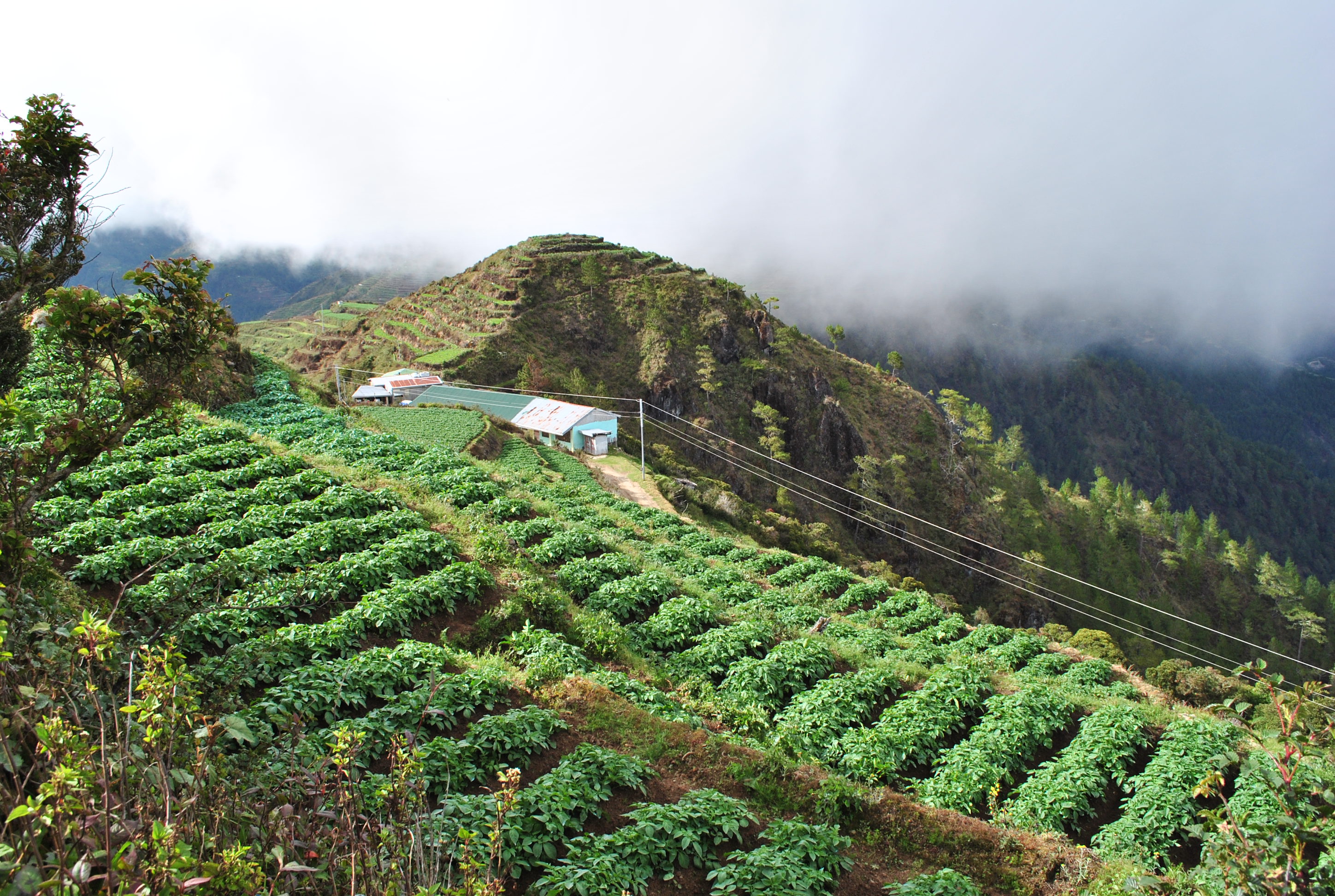
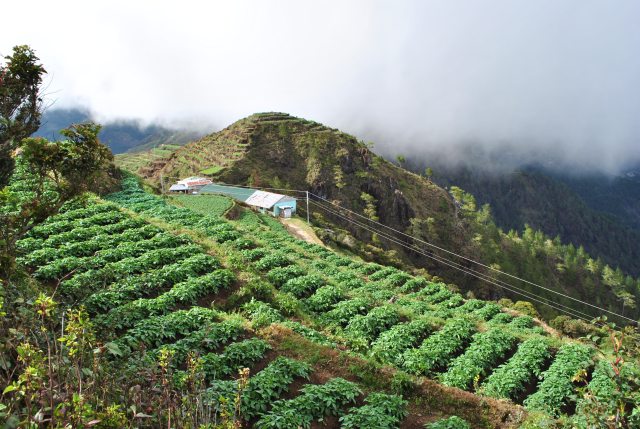
f. Most of the mountains in the Cordillera Region & along the Bansalan Trail to Mt Apo have vegetable farms on the foot and slopes of the mountain. You should not mess up or step on the growing plants on these garden/vegetable farms. Never try to harvest or pick any of the vegetables or root crops as you pass by these farms. Most of the farms have cabbage, carrots and potatoes.
11. As much as possible, make a journal or document of your peak bagging activity in every mountain that you visit or attempt to make in reaching a summit. There is no shame if you could not make the grabbing in your first attempt as the mountain will always be there waiting for you. If you have a Garmin/GPS Watch, it would be nice to get the following data: Duration of Peak Bagging Activity from your specific Starting Point to the Peak and back; Distance recorded; Altitude of the Peak; Profile Elevation; Average HR; and other data taken from the equipment. Your personal experience will somehow inspire others to go to the outdoors and be interested in “peak bagging” activity.

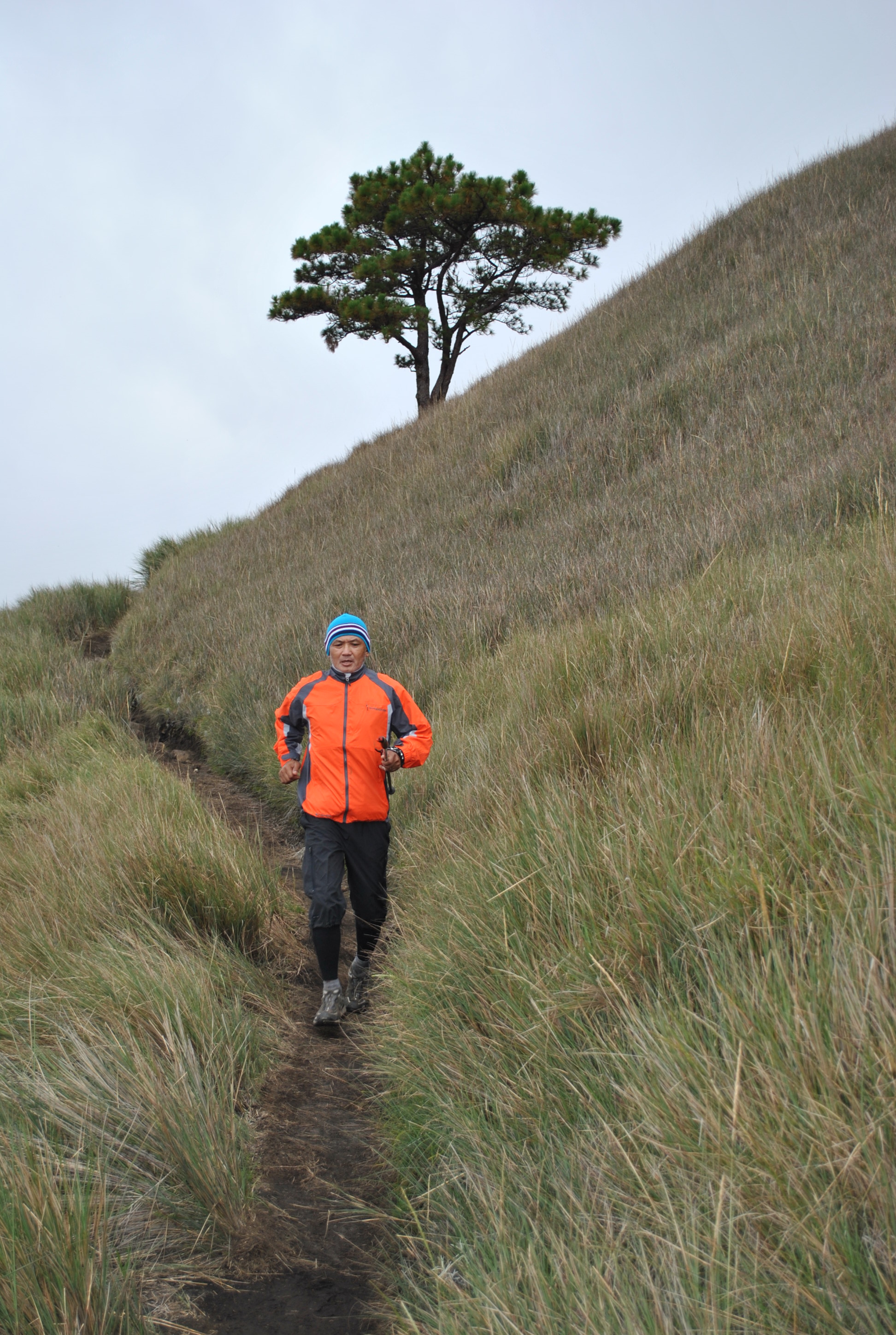
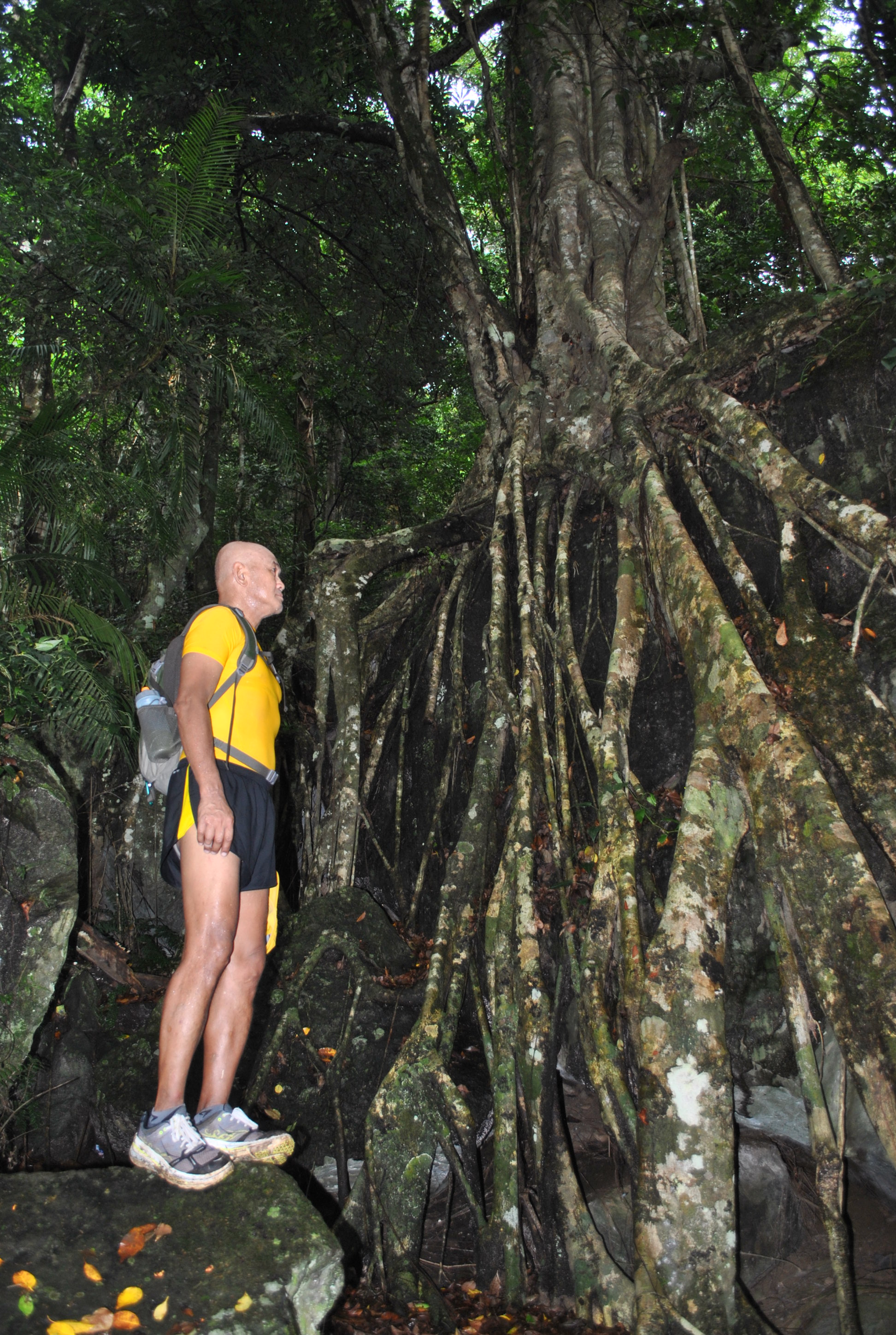
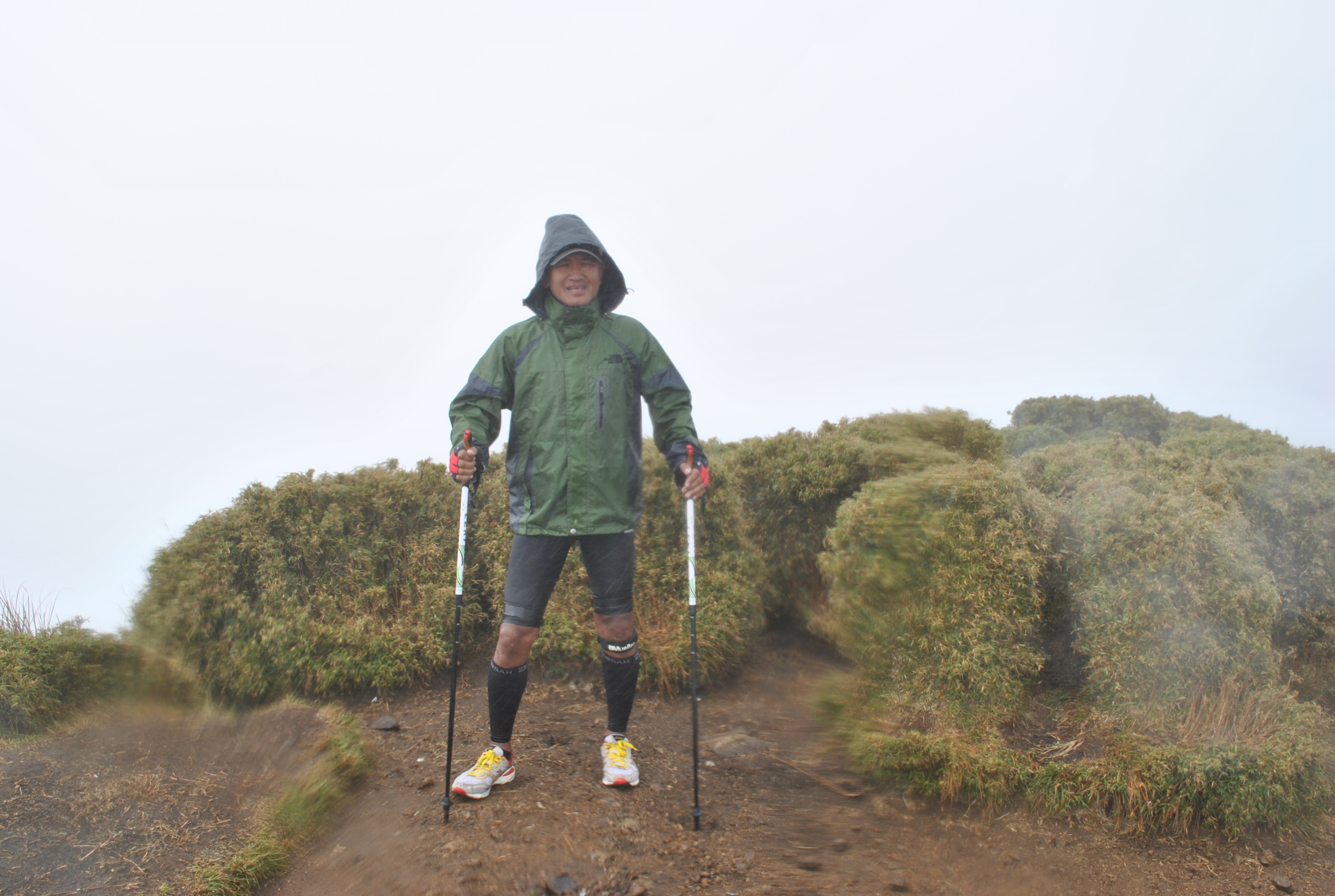
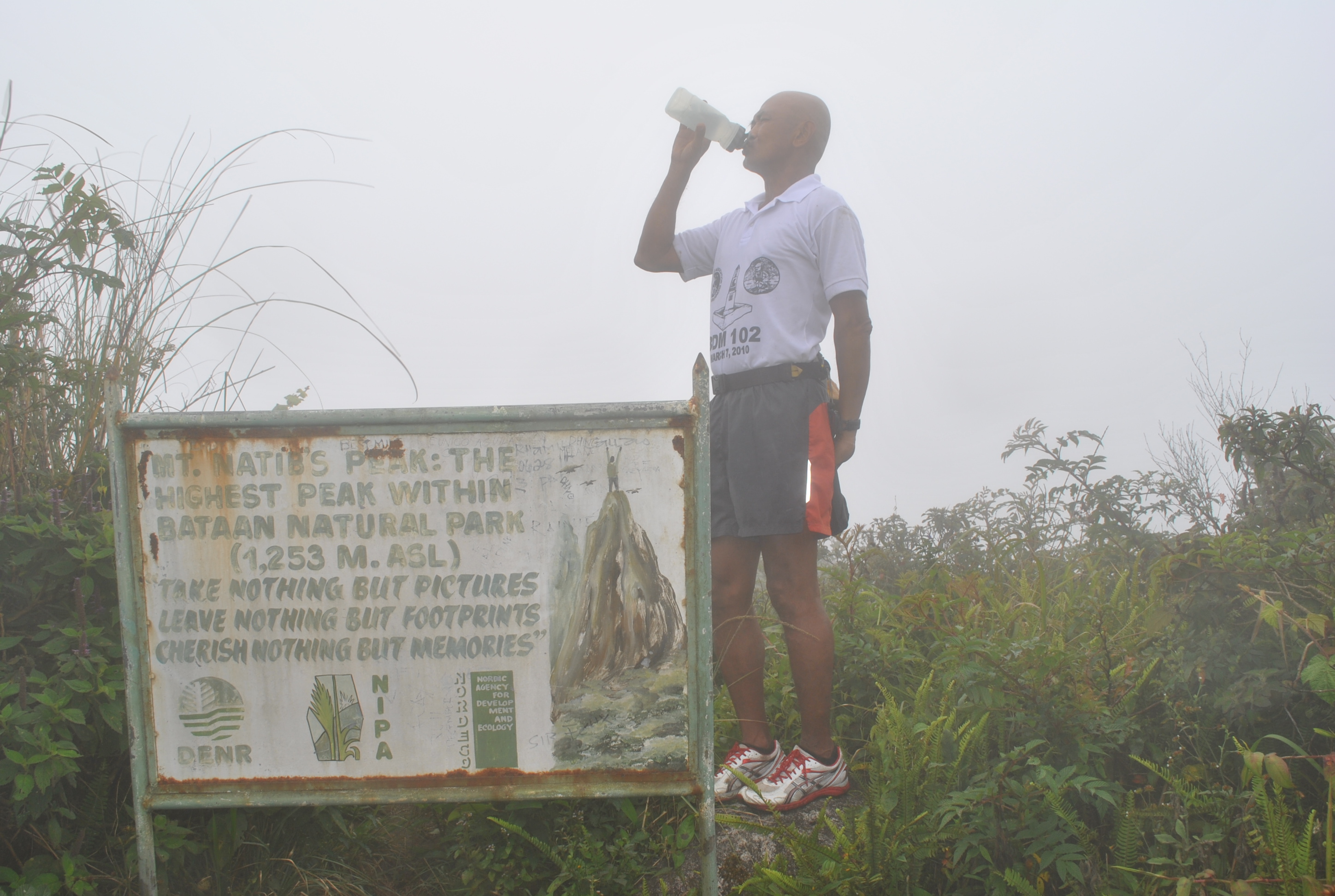
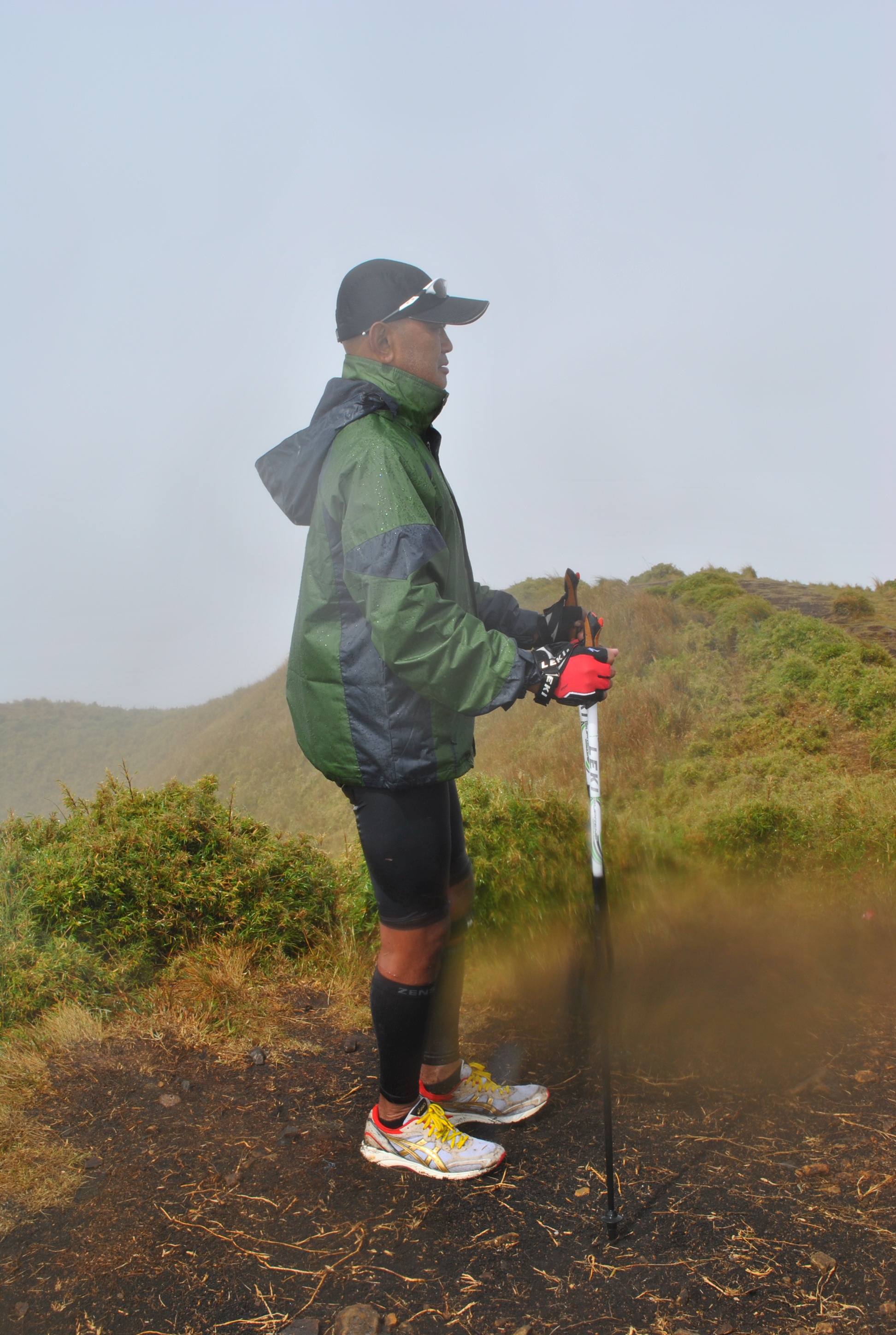
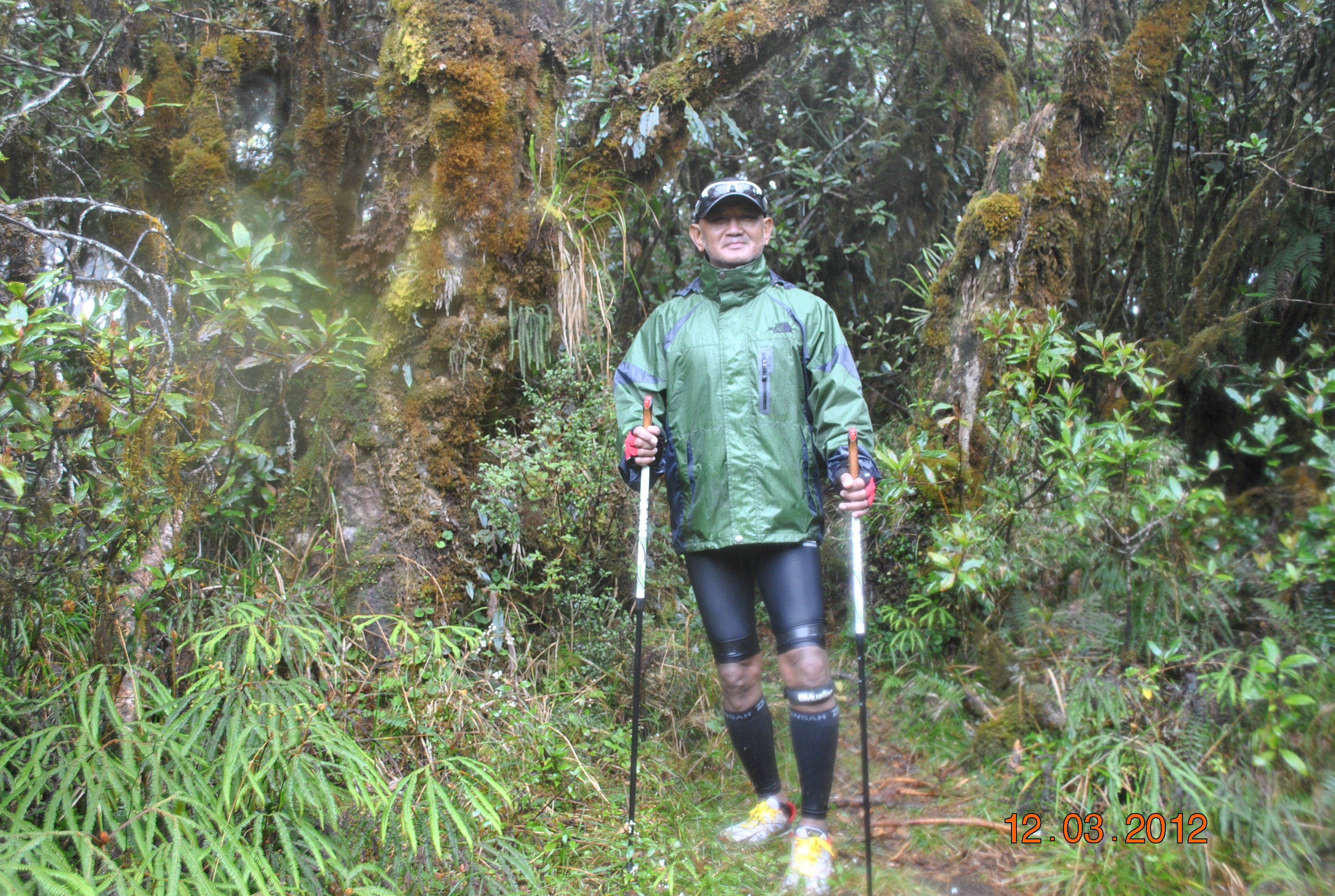
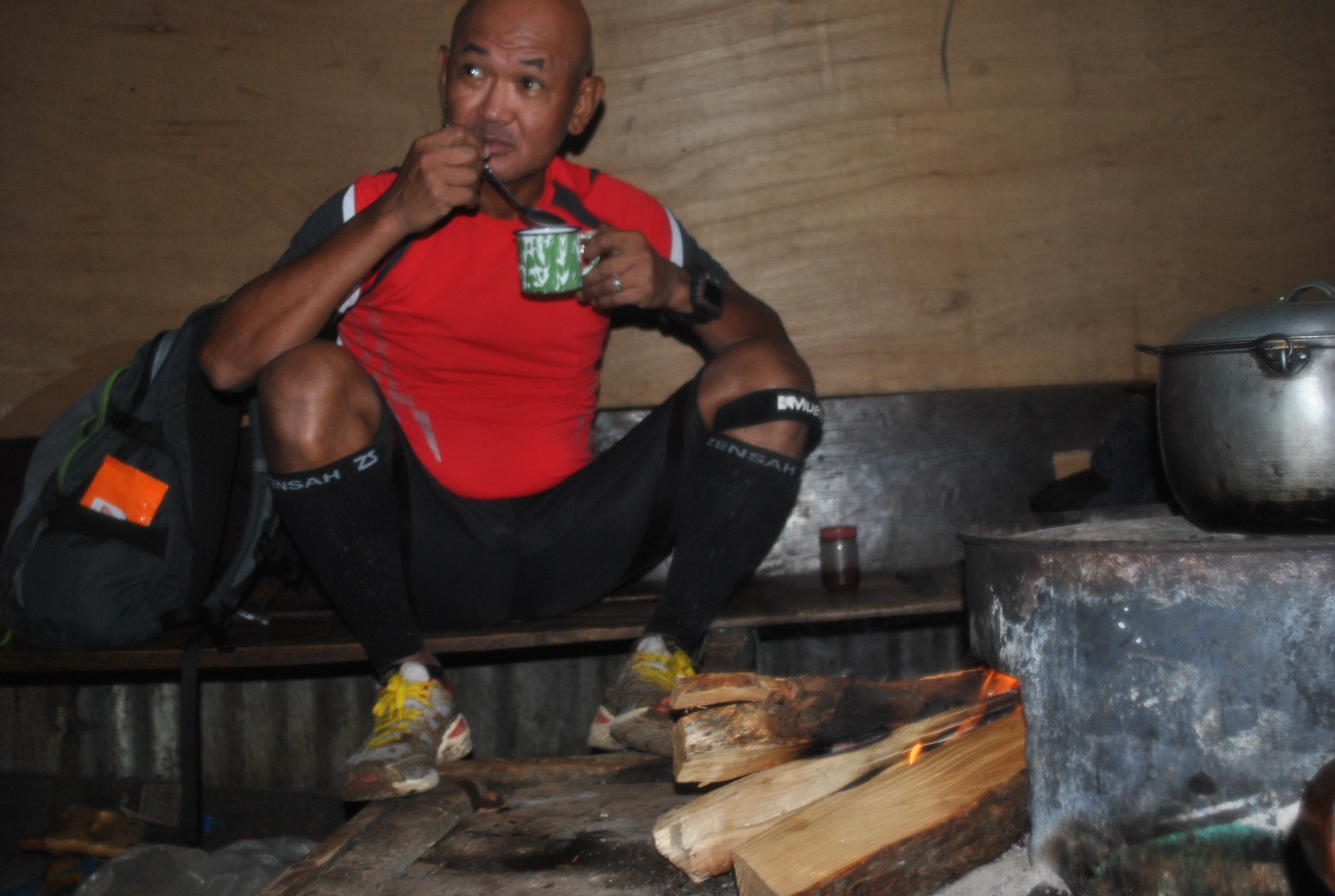
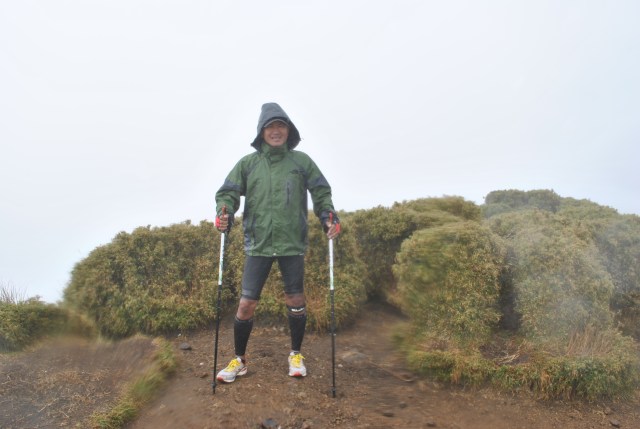
(Note: Pictures from Mt Pulag, Mt Natib, Mt Ugo, and Mt Timbac)
Culture Of Road & Trail Racing


In my “peak bagging” activities throughout the country, I had some observations and information which I would consider as the “culture of road and trail racing” in the countryside. These observations and information gathered could be explained in details through the following topics:

1. No Prize, No Race. In the early times, racing has always a prize for grabbing. It is either money, property, position or any tangible object which one can sell or need in their daily lives. Running feats for faster times had been won by wagers and bets. In the countryside, the best runners don’t run if there are no cash prizes! For obvious reasons, they paid for the registration fee from their savings or had loaned from somebody else. The motivation for winning is to be able to regain what they have paid for and at the same time, earn some money for their basic needs. Bragging rights for them is not for the Finisher’s Shirt or Medals or Loot Bags. They simply need the money!

2. No Sponsor, No Run. Runners with talent and fast finish times always look for sponsors to finance their registration fees. Instead of getting a loan, they would prefer to look for somebody in their community to finance their participation in a race where there is cash prize. It could be their leaders (local government, barangay captain & officials) or somebody who is supportive to their passion/talent. Runners don’t need to pay back the Sponsor just in case he/she does win any of the cash prizes. If they don’t have any sponsor, they would not join any race.

3. Cheating Is Not A Big Deal. Runners in the countryside would finish the race at all costs, even if they cheat! To them, it is natural to cheat because they know that everybody cheats, from their leaders, business-owners, traders, vendors, parents and friends!

4. Running as Talent Is Normal. Most of the best runners were exposed to hardships and manual labor during the early stage of their childhood. Most of them lives in villages in the mountains and they have all the time to ascend and descend the area to look for food, fetch water, and cultivate some lands on a daily basis. Due to their environment and living conditions, they were honed to be endurance athletes since birth. Try to look for one elite runner and conduct an interview about his/her family background and you would know what I mean. And at the same manner, try to look for an elite runner who belongs to the upper class of our society and you will be surprised to find out that you are looking for a “dream”.

5. New Running Kit Is Alien To Them. For obvious reasons, they don’t have any opportunity to use the latest running apparel and shoes due to poverty. Most of their kits are used (second-hand or “ukay-ukay”) and given to them to protect them from the elements. They don’t have any access on the new technology of running in terms of shoes, apparel and accessories. If they have an opportunity to grab a “glossy” runner’s magazine, attention is more focused on the pictures and not on the articles written inside it. I am not sure if they can read or understand English or what is written on those pages.

6. Hydration & Nutrition Are Also Alien To Them.  They drink if they feel thirsty. They eat if they feel hungry. They replenish the basic necessities for their body by feel. They only react to any problem when it is there. They usually drink and eat after finishing the race.

7. There Is NO Shame in DNF. If they think they could not place themselves on the ranking where there is a prize money, they simply stop and declare themselves as DNF and say lots of alibi and complaints. To them, finishing a race where they did not train properly is a punishment! They have to preserve their body from any exhaustion or injury and be “race-ready” again for the next race. In short, they don’t take the “extra mile” to persevere in order to finish the race. It is worthy to note that my Elite Team Bald Runner members are also like this in major races in Metro Manila. However, it took me sometime to change this kind of attitude.

8. Bragging Rights & Recognition. Among their friends, they would brag that they finished a certain race with a certain ranking but the truth is that he cheated along the route by riding a passing motorcycle or a public utility vehicle along the route. But for them, recognition of finishing and receiving an award is translated to the money that they received as a prize! So, if there is a cash prize in a race, the temptation to cheat is always there because it is a part of their training and preparation to finish the race. Very smart, indeed!

9. Race Organizers & Directors Are Businessmen. They organize and direct events for you for a fee! Of course, they should be! It is because they appear to be professional but in the end they will take advantage of you. Not all Race Organizers/Directors are elite runners as most of them are average athletes/runners. Those athletes think that if they finish one or two ultra marathon events, they have already the skills to organize one. Race Organizers try their best to invite runners through ads on the internet, radio and printed materials because for them, more runners means more income aside from the fact that they are being paid for P 85,000 per event, which is the lowest rate outside Metro Manila. But once the gun is fired at the starting line, his work is done!

In short distances up to half-marathon, their time to monitor the runners is up to 2 hours! After 2 hours, they packed up and just leave the last runners to cross the finish line on their own. Sometimes, without marshals, ambulance or water at the aid stations. Once the top 3 runners cross the finish line (Overall and Female Categories), the race is done. The results of the rest of the finishers are immaterial as the results of the race will not be published. Only the top 3 runners are awarded with cash prize and a simple tap on the back of the athletes is enough. The Race Organizer will just say, “see you on the next race!”.

I am writing this post for the simple reason that the nationwide 2012 MILO Marathon Races are about to start. Our best runners in the regions and provinces are now training for this much-awaited event because it is the most prestigious running event in the country and it offers a lot of cash prizes for our runners in the “grassroot” level and a free trip & accommodation in Metro Manila for the MILO Marathon FINALS. This makes me wonder again why there is NO Filipino Corporate Entity (Filipino-Owned) that could match or even start what MILO had been doing to promote running in the “grassroot” level for the past years! I just hope also that our best runners in the regions and provinces would be training properly and not prepare/train to cheat on the said races!

Does it ring a bell if I say that there were cases of cheating in MILO Marathon & Elimination Races in the past editions? Well, that proves my point, there will always be a cheater (or  bandit) if there are cash prizes to be grabbed at the Finish Line.

On the other hand, I hope this kind of culture of road/trail racing in the running community would be removed in due time. There is a need to aware the runners that cheating has no place in running/racing events and it will eventually result to the end of their running carreer as they would be declared permanently “banned for life” in running events.

In life, like running a Marathon or Ultra Marathon Race, the opportunity to cheat is always there easily to be grabbed with or without any material rewards or prizes. Your actions will define the character you are made of and if you will fall to the temptation of cheating, there will always be someone who will see what you have done!

See you at the Starting Line!

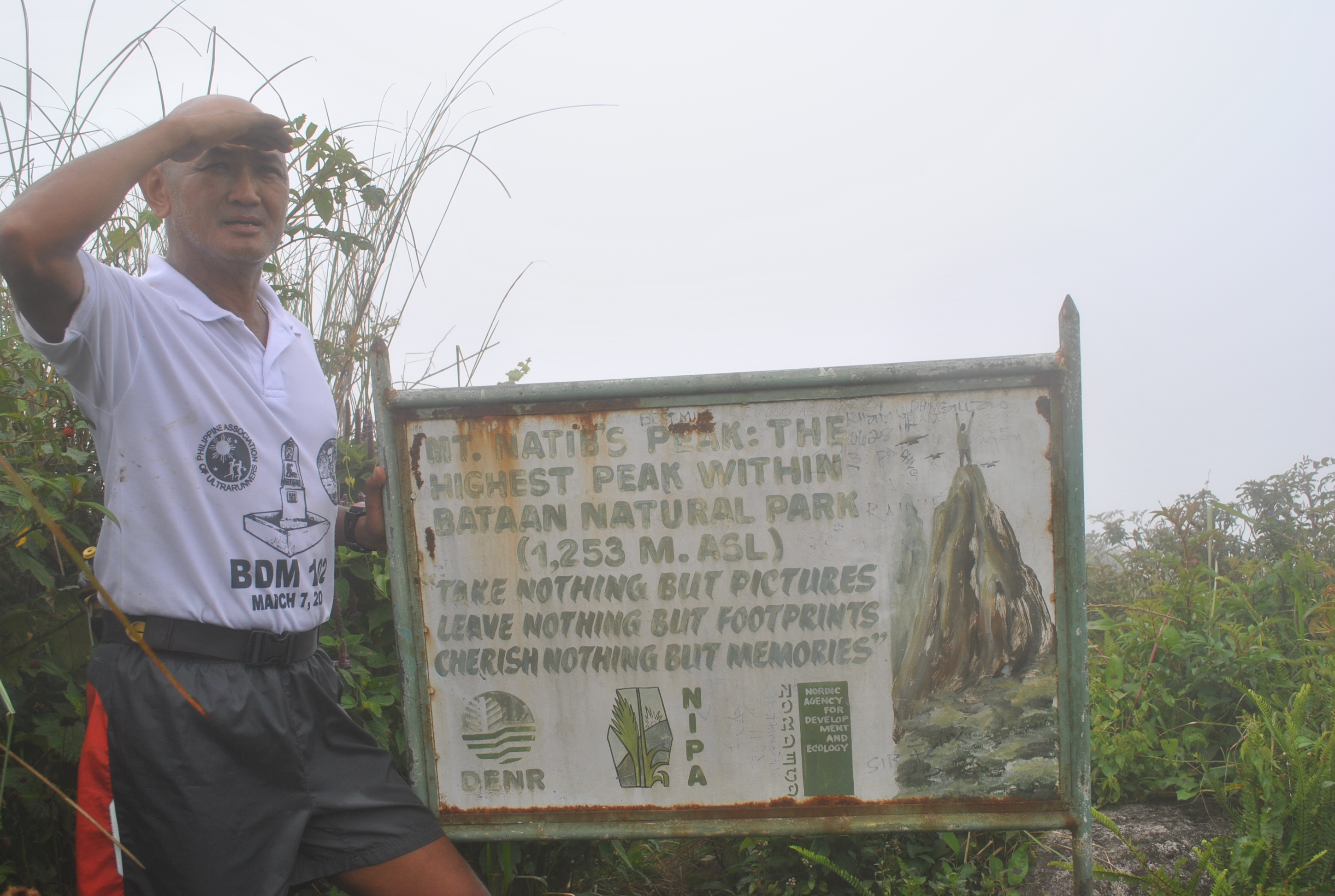
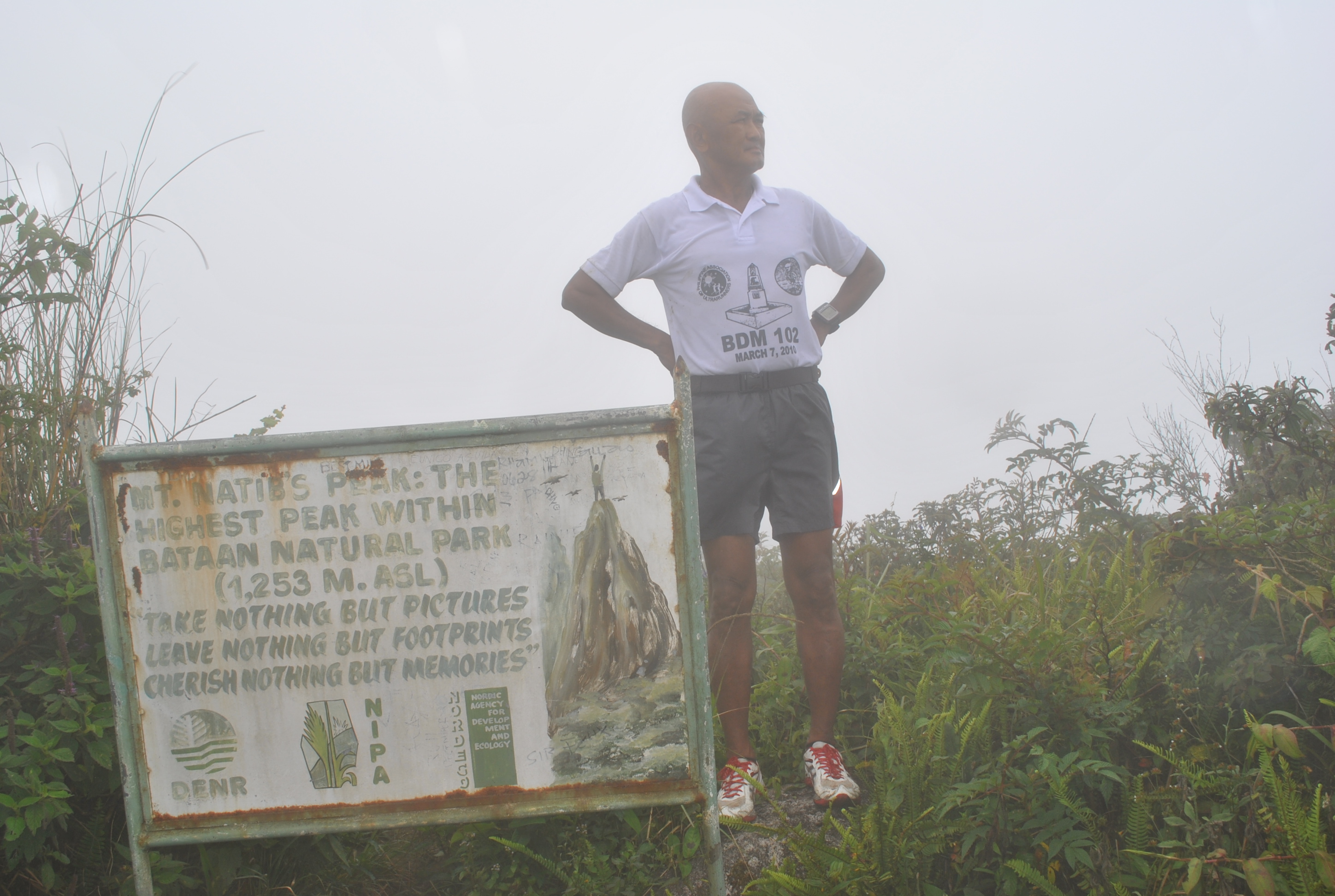
#2 “Peak Bagging” @ Mt Natib, Bataan (1,287+ MASL)


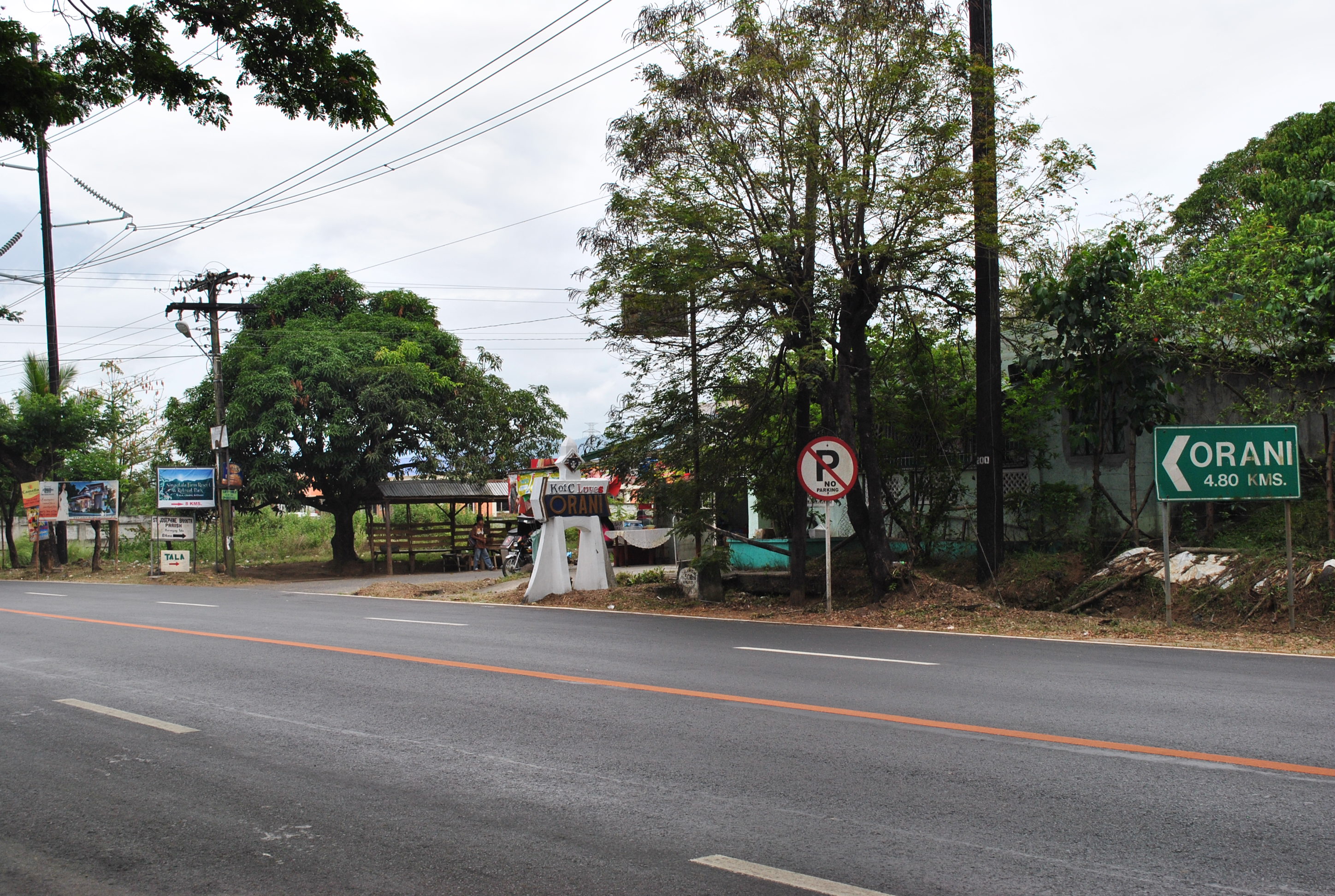
March 29, 2012 @ Mt Natib, Barangay Tala, Orani, Bataan

Mt Pulag is more than twice as high as Mt Natib in Barangay Tala, Orani, Bataan.

Exactly 14 days after Mt Pulag’s “peak bagging”, I was on my way to Bataan and try find out if I can reach the peak of Mt Natib within half day. It started with a simple Personal Message on Facebook with a “friend” who happens to be the Military Commander of the Northern & Central Luzon Areas and then later with telephone calls to two subordinate commanders whose areas are within Bataan and other provinces in Central Luzon. After 12 hours from the time I sent a PM on Facebook, everything was set and I could run and hike up to the peak of the famous Mt Natib the following day.

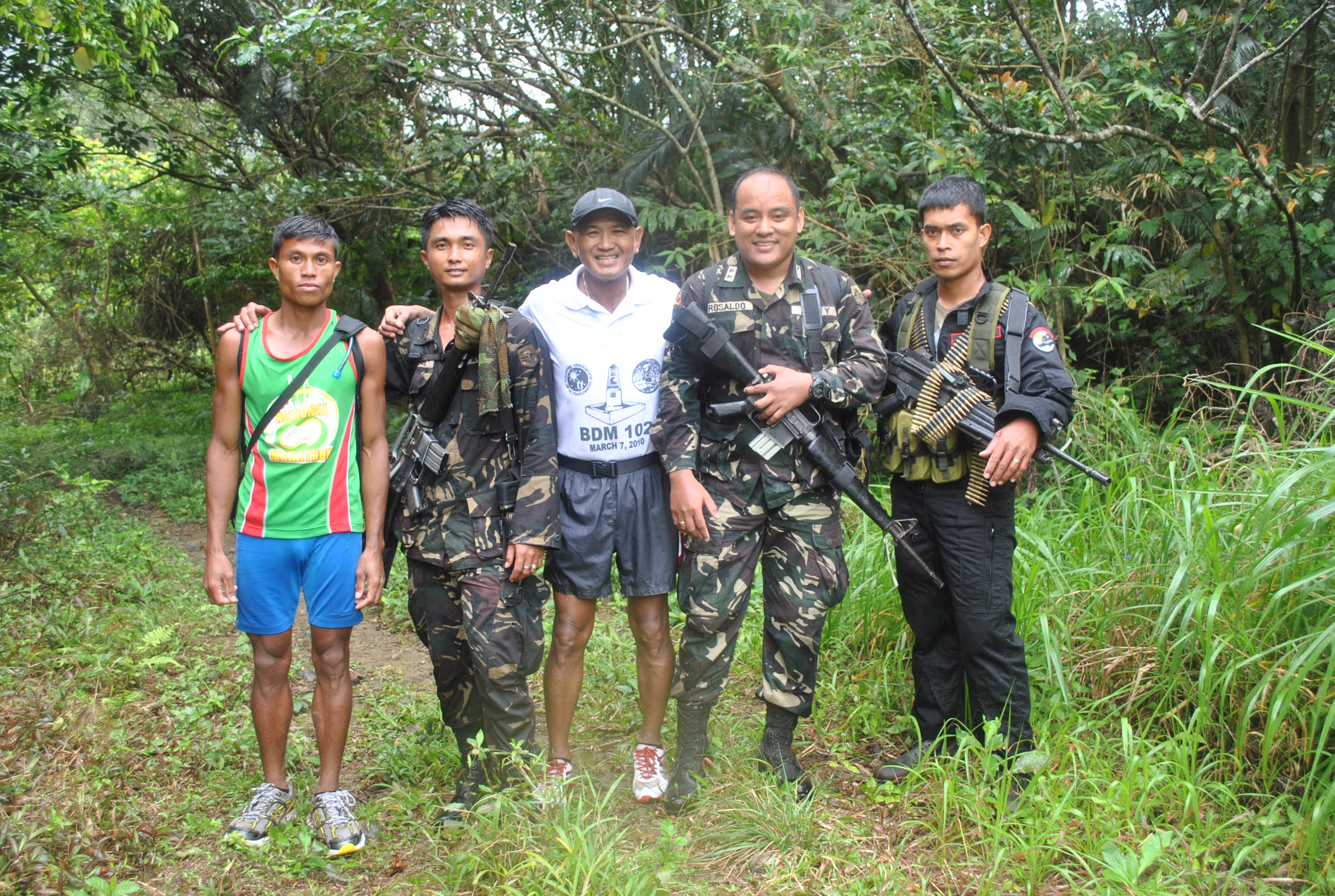
Two days before joining the 1st King of the Mountain Mt Ugo Trail Marathon, I was on my way to Balanga, Bataan to visit the Commander of the 7th CMO (GWAPO) Battalion, Colonel Benny Doniego, who gladly received and escorted me to the 73rd DRC Detachment in Barangay Tala, Orani, Bataan where I would start my run & trek to the peak of Mt Natib. I was surprised that he prepared a breakfast for me and my staff! It was nice to see Col Doniego after I’ve retired from the military service for the past almost 5 years. He happens to have served under me when I was assigned at the 7th Infantry Division in Fort Magsaysay.

Not only did Colonel Doniego prepared a breakfast for me, he even went to the extent of providing me with one officer and one team/squad of soldiers (9 soldiers) as my escorts. His parting words for me was that there will be fresh coconut juice and my favorite dish of “sinampalokang native na manok” waiting for me as soon as I arrive running/trekking from Mt Natib for lunch! Wow! What a nice incentive to finish the activity in a faster mode!

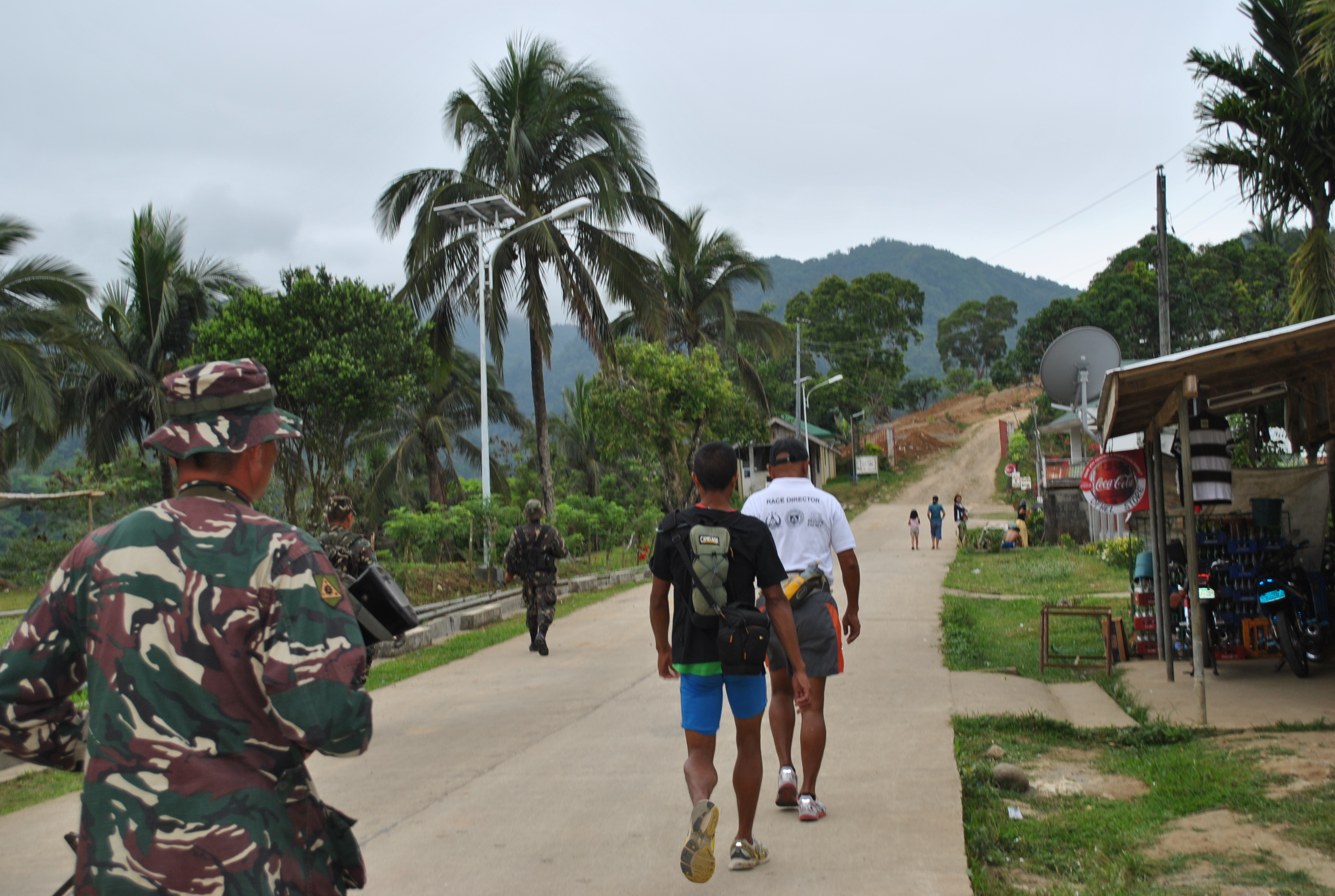
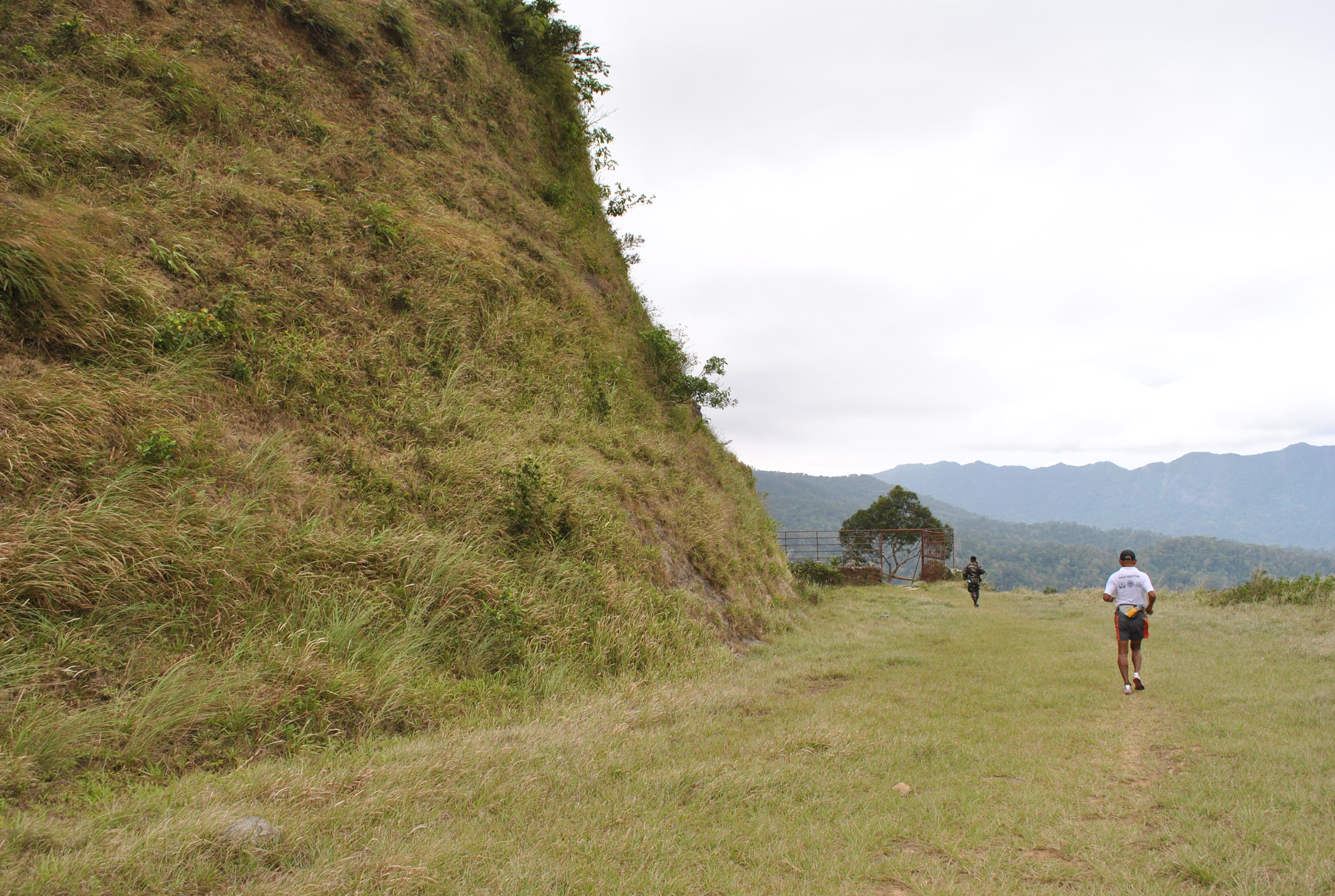
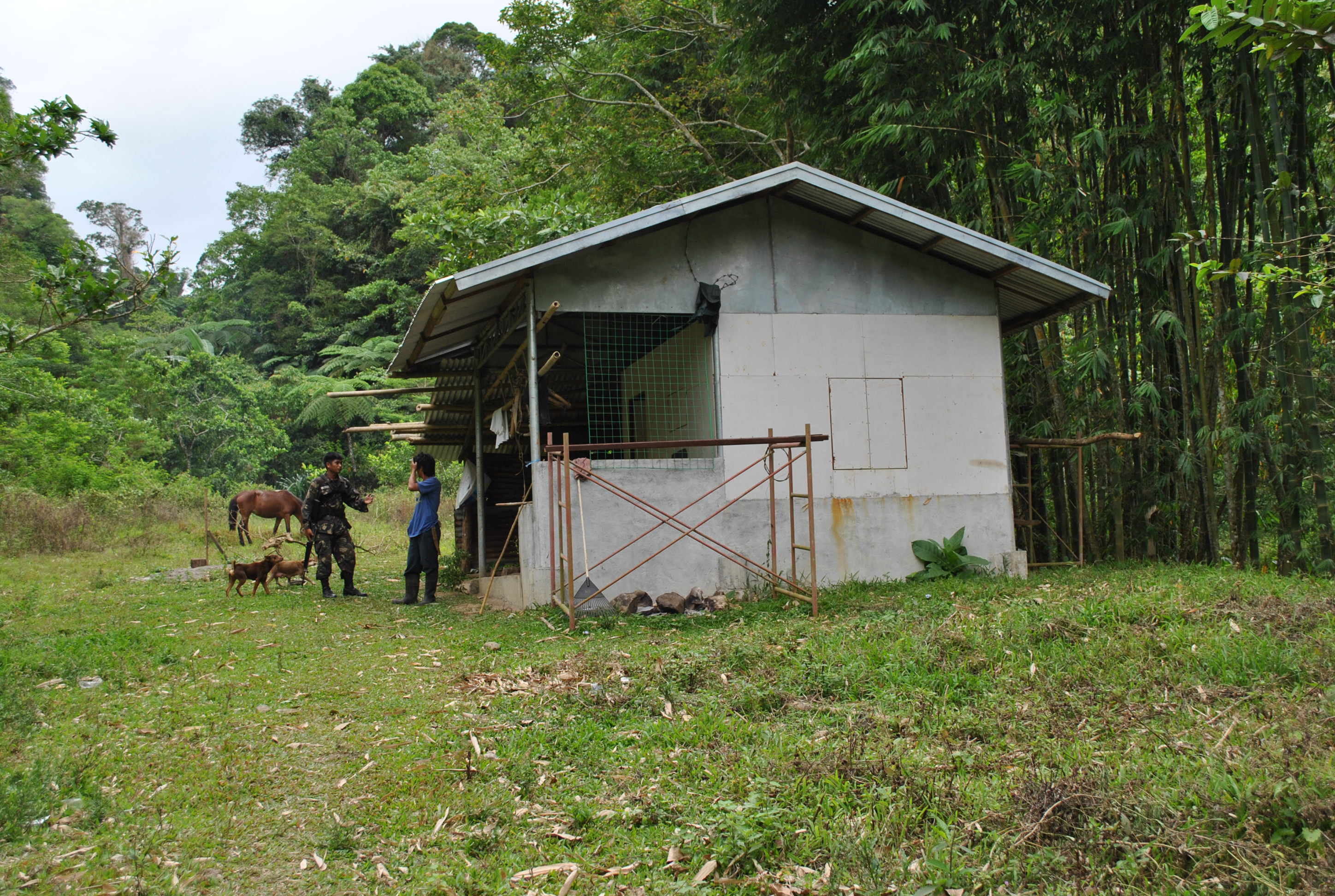
With military escorts infront and on my back, I started my run/hike from the Philippine Army Detachment at 9:30 AM. From the starting point, everything was going uphill until I reached the place which they call “Pinagbutasan” which happens to be a wide man-made “pass” or “breakthrough” on a mountain so that a trail was made on the other side of the mountain. There is a steel gate/fence that protects the unnecessary use of the trail from 4-wheeled vehicles. From this point, you could see the nice vista and mountains/ridges overlooking the towns of Morong and parts of the Subic cove.

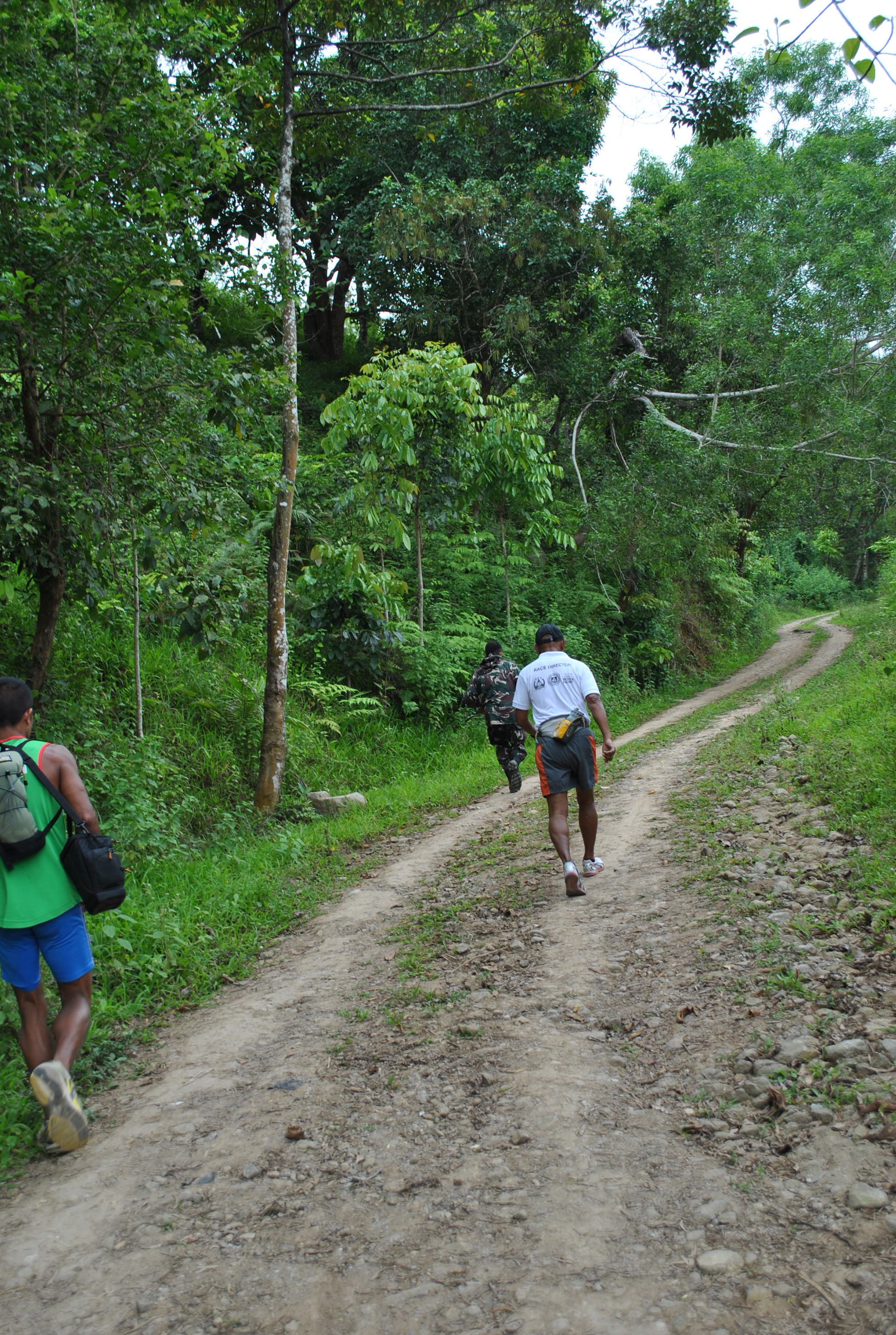
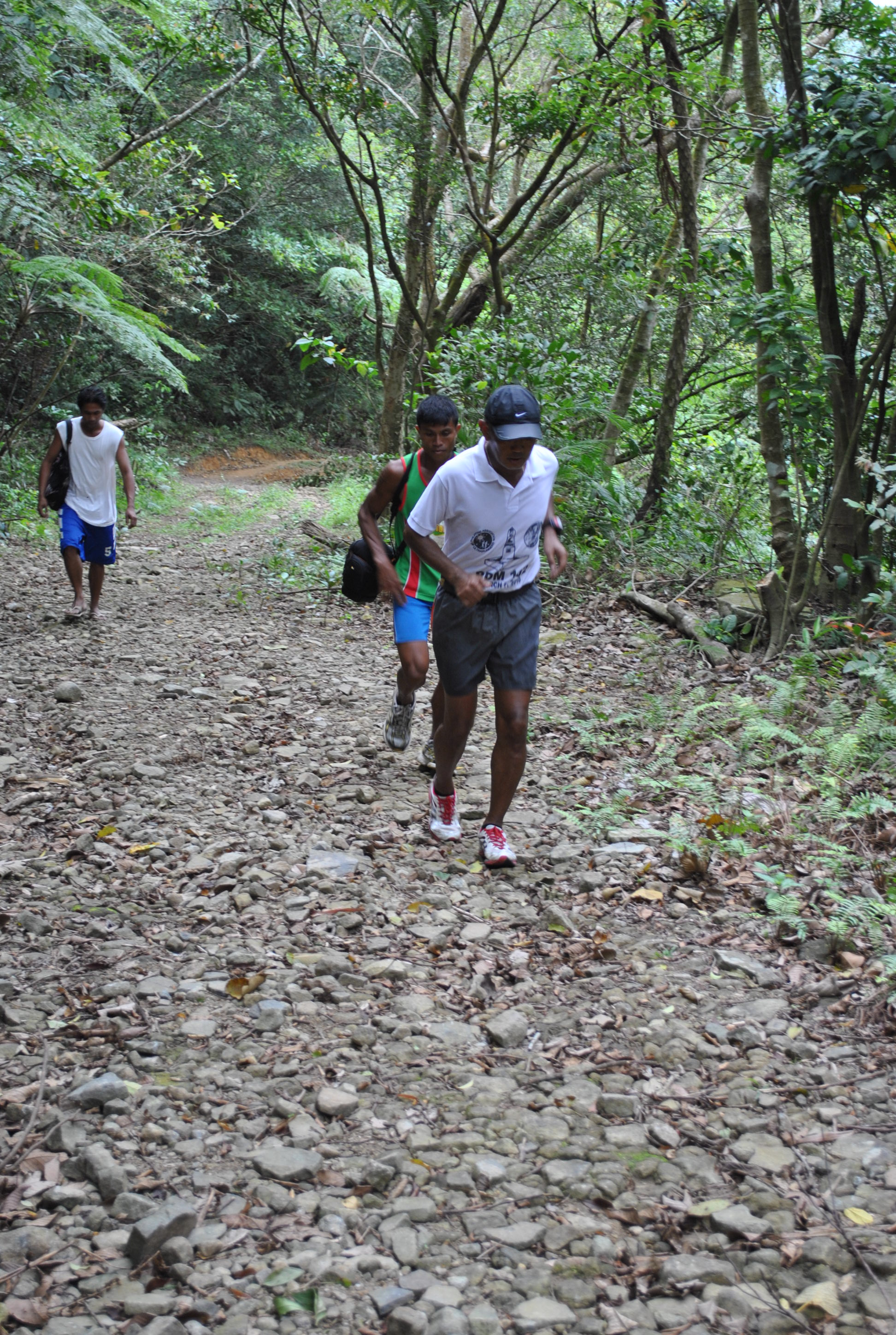
The trail is wide with hardened soil/earth on the first part of the route from “Pinagbutasan” and then it transforms to a trail that has lots of stones and rocks. I was informed that the trail was made/constructed by PNOC on their digging explorations on the said mountain years ago. It is worthy to note that Mt Natib is considered as a dormant volcano and I have the suspicion that PNOC was looking for a geothermal source on the said mountain due to its nature as a volcano. Geothermal is one of the alternative sources of power energy. Unluckily, PNOC was not able to find any geothermal source in the said mountain as evidenced by their exploration diggings covered with concrete cement. You can ask your guide if you are interested to find out where these diggings are located.

On this rocky & stony portion of the trail, it is mostly covered with trees and plants. The terrain is not steep and I was able to jog on most parts of this shaded portion of the trail.

It was cloudy and cold during the day that I had my trek on this mountain and I could hardly see its peak. What went into my mind was to be able to reach its peak, take some pictures, and then descend from the mountain peak for my warm and tasty lunch!

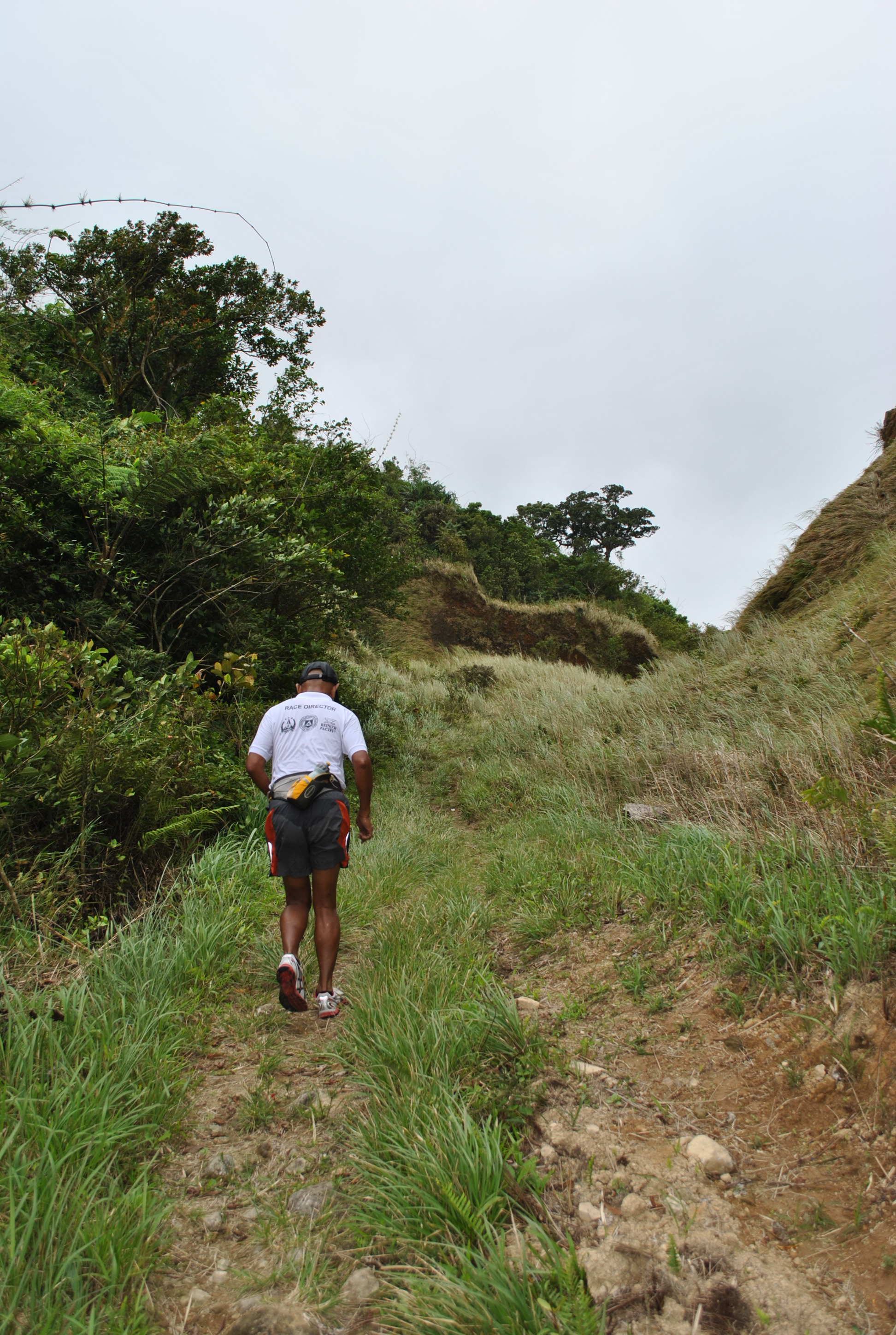
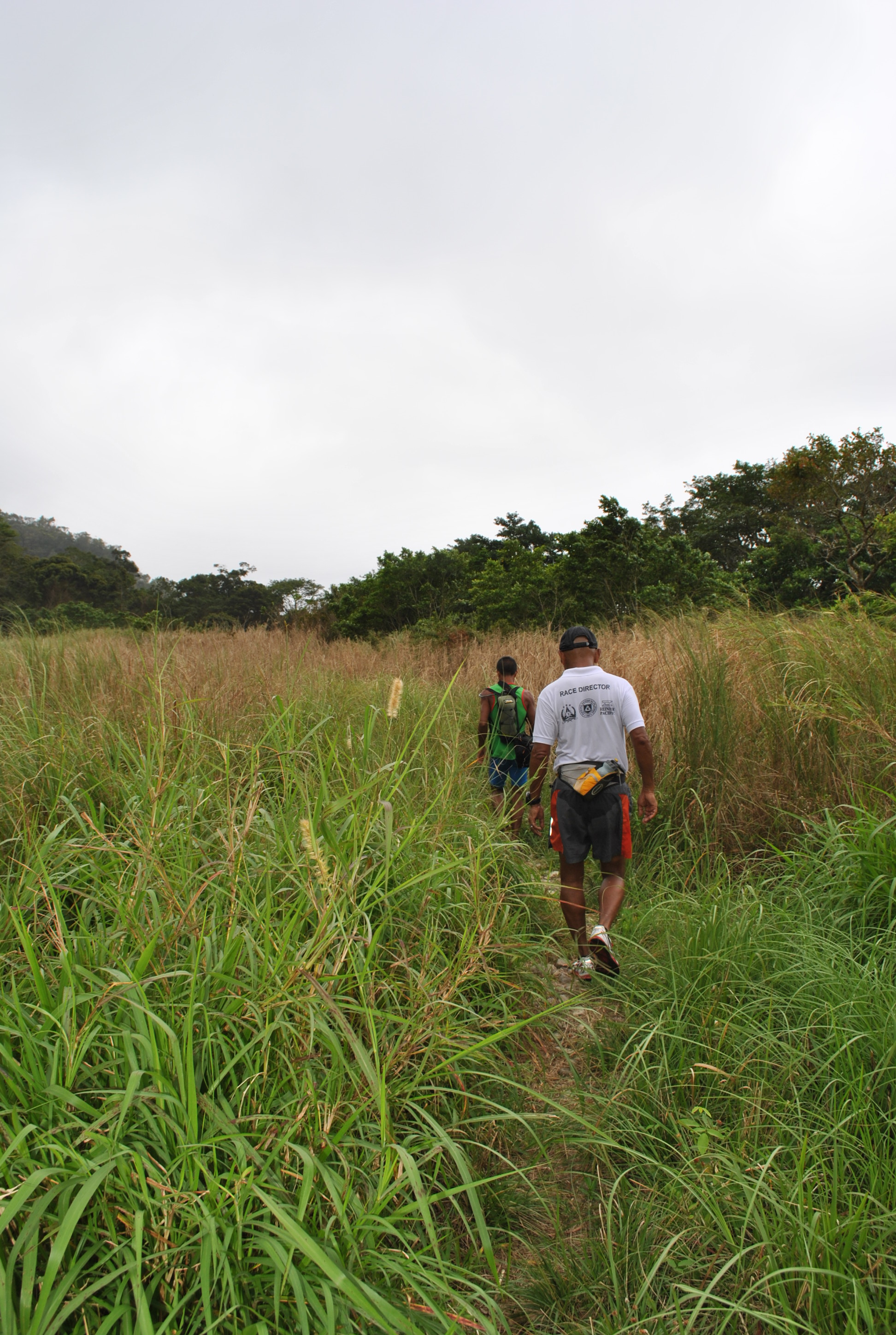
After the shaded portion of the trail, an opening of two small hills beckons with tall grasses with the trail on the middle. I could only see the clouds that cover the mountain and the tall grasses as I proceeded with my power hike. More tall grasses on both sides of the single-track trail and then I was told by our guide to turn left towards a clearing.

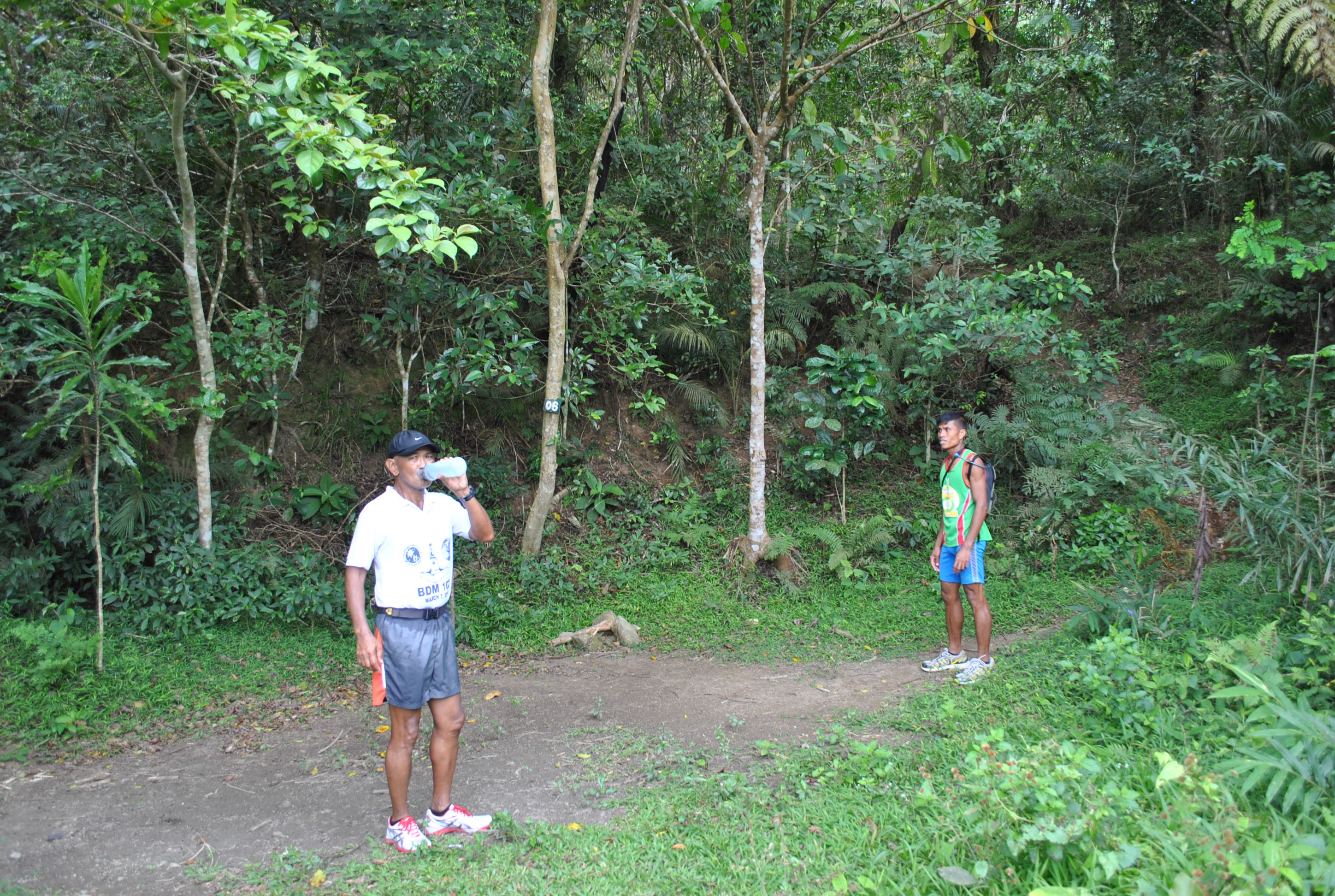
There was a clearing which they call “Area 1”. It is actually a camping site which is good for 3-4 tents and located on the very base of the peak of Mt Natib. There is a number “06” marker on one of the trees around the campsite. This site is the start of the “final assualt” to the peak of the mountain!

Aside from the soldiers as my escorts, I had with me two of my elite runners who were there as my personal photographer and assistant. We started our final climb towards the peak with me located in between my two runners on single file. The runner in front of me would clear the way for branches and twigs/thorny vines and the other on my back was there to make sure that I will not roll down from the mountain if I tripped or slipped on the rocks. It was raining then and the trail was slippery. It was more slippery on the rocks that we have to use extra effort to push our feet up to the trail.

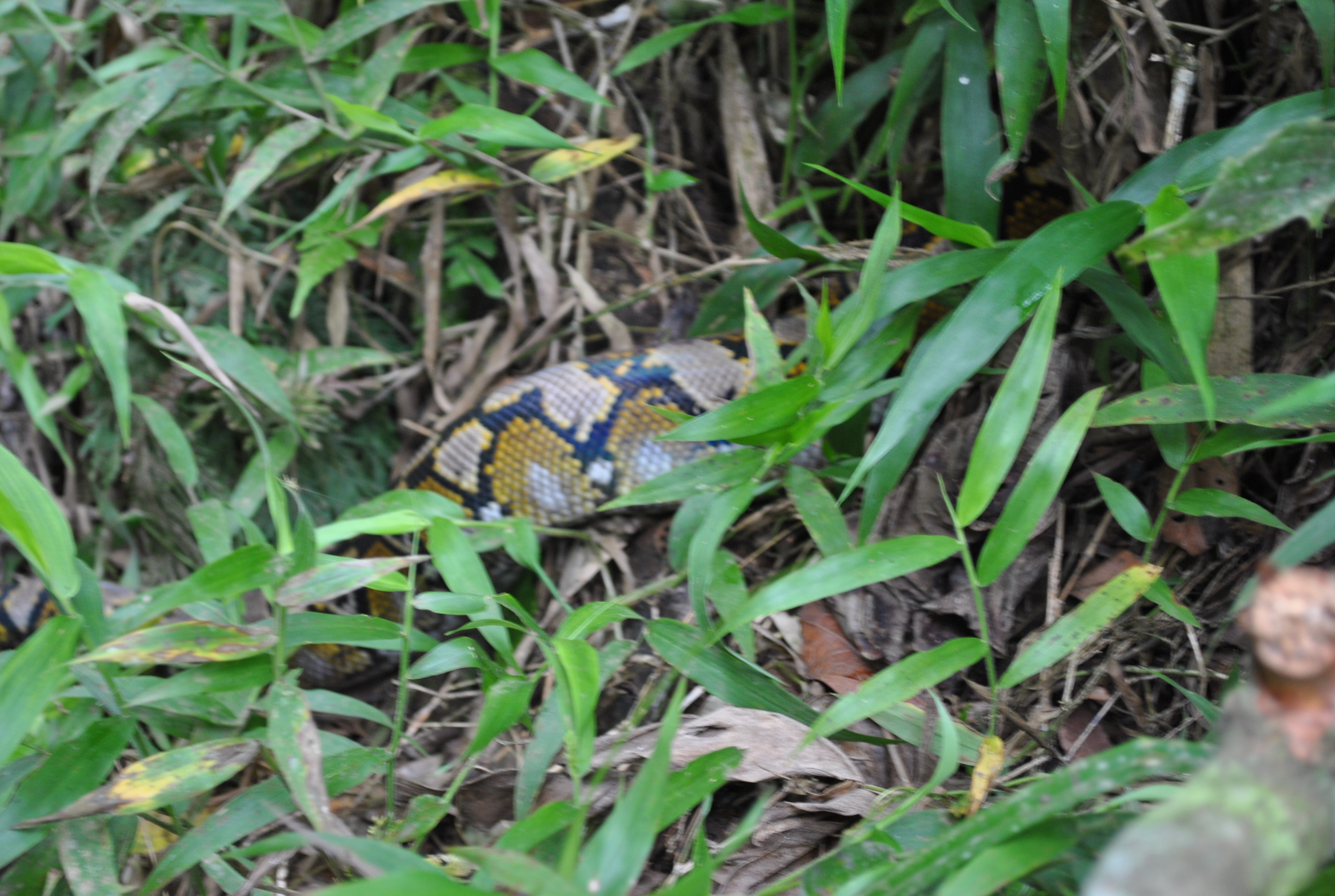
After 50 meters on the trail, the first runner suddenly stopped and started to retrace his footings backwards. He told me that there is a snake infront of us crossing our path. I told him to get nearer to it and find out where the head is located! He hesitated! I was the one that went nearer to the snake and it was really big but we could hardly see its head! I was about to hold its tail and yanked the whole body out of the thick foliage but I thought that it was not my main “mission” to look for snakes. I am not a hunter and I am not looking for food or for a pet! I am after the peak of Mt Natib, stick and stay focus to the very simple mission! In a split of a second, I instructed my runner on my back to give me my camera and I was able to get a close-up picture of its tail portion as the snake went to the thicker foliage part on the side of the trail.

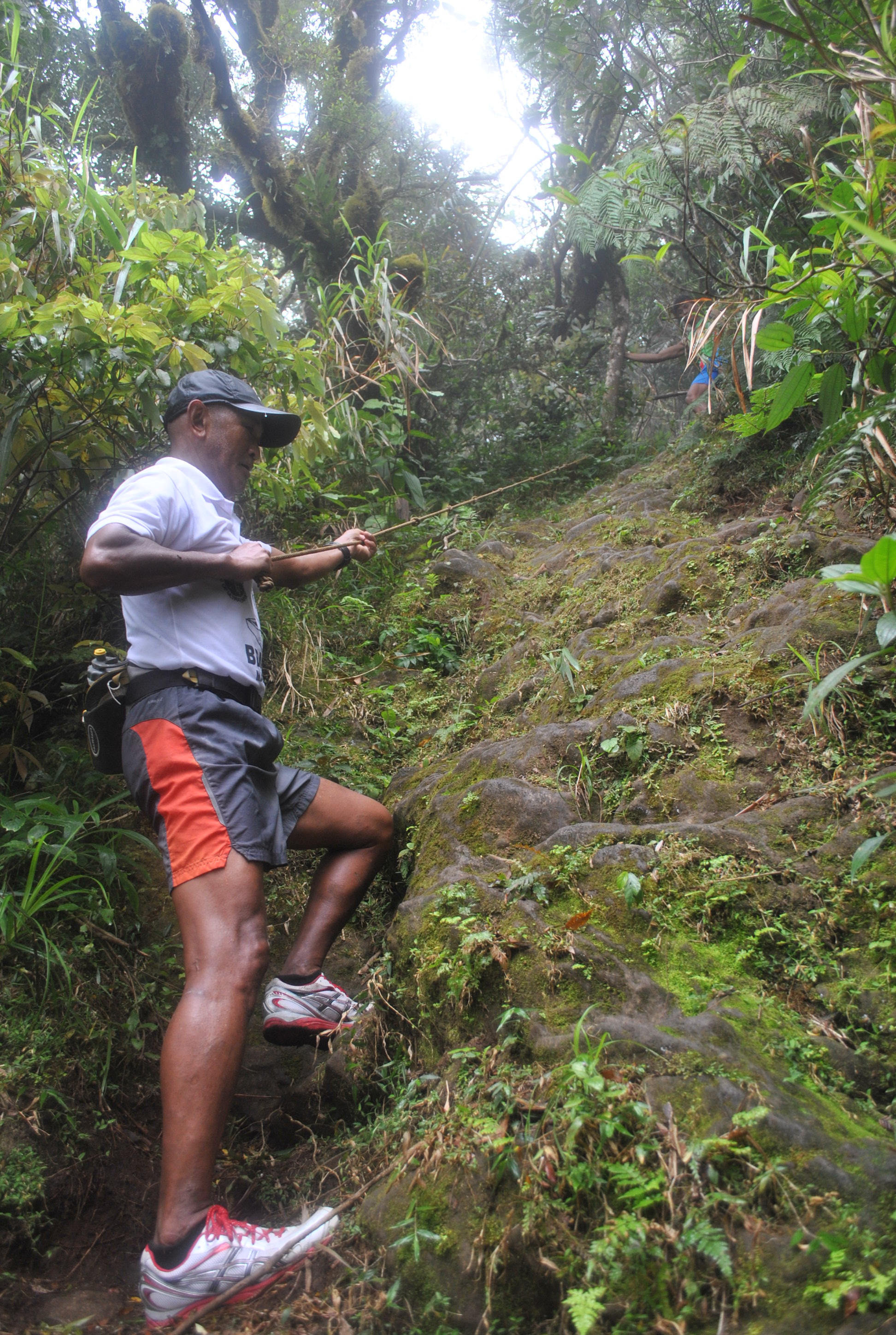
After the snake encounter, we went higher and higher with more caution. Then, we were faced with a “vertical wall” which is about 10 meters! It’s good there is a nylon rope where one could hold for a nice rapelling experience! However, the challenge was for the the foot anchor to be firm on every leg push and strong arms pull on the rope towards the top of the wall so that there would be no slipping or sliding due to the slippery wet rocks brought by the drizzle. Going up on top of the wall was very slow and deliberate. There is no point of making it fast to reach the top of the wall. Patience is needed in this kind of situation.

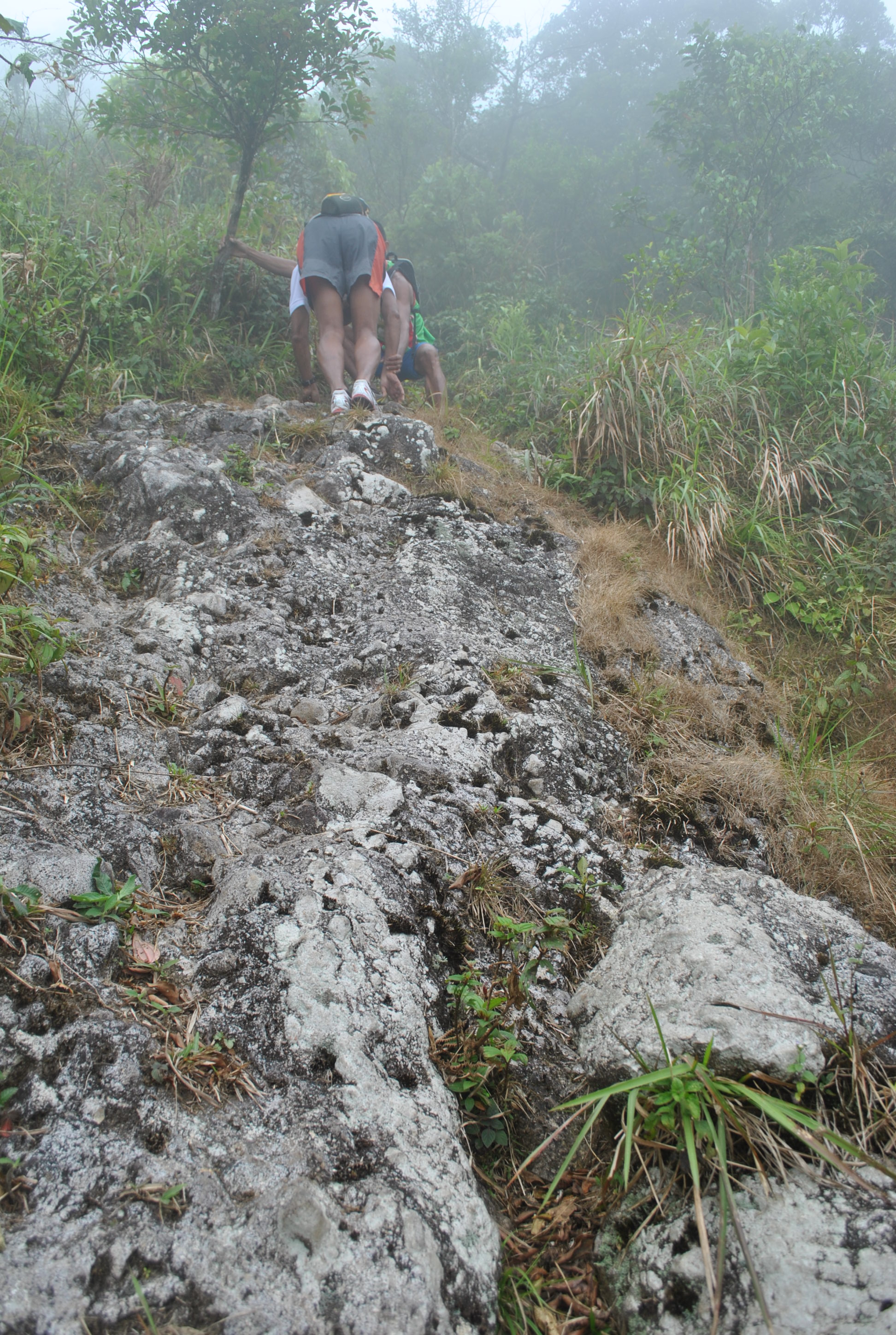
After the first wall, there are rocks as part of the trail that I had to crawl just to be sure that I would not slip. Patience paid off. But there was another mini-wall (about 5 meters) with a rope (again!) to be climbed to its top. After passing this last wall, everything was a smooth uphill and in about 50 meters, I was greeted with the Peak/Summit Marker of Mt Natib! Finally, I was able to “peak bagged” Mt Natib!

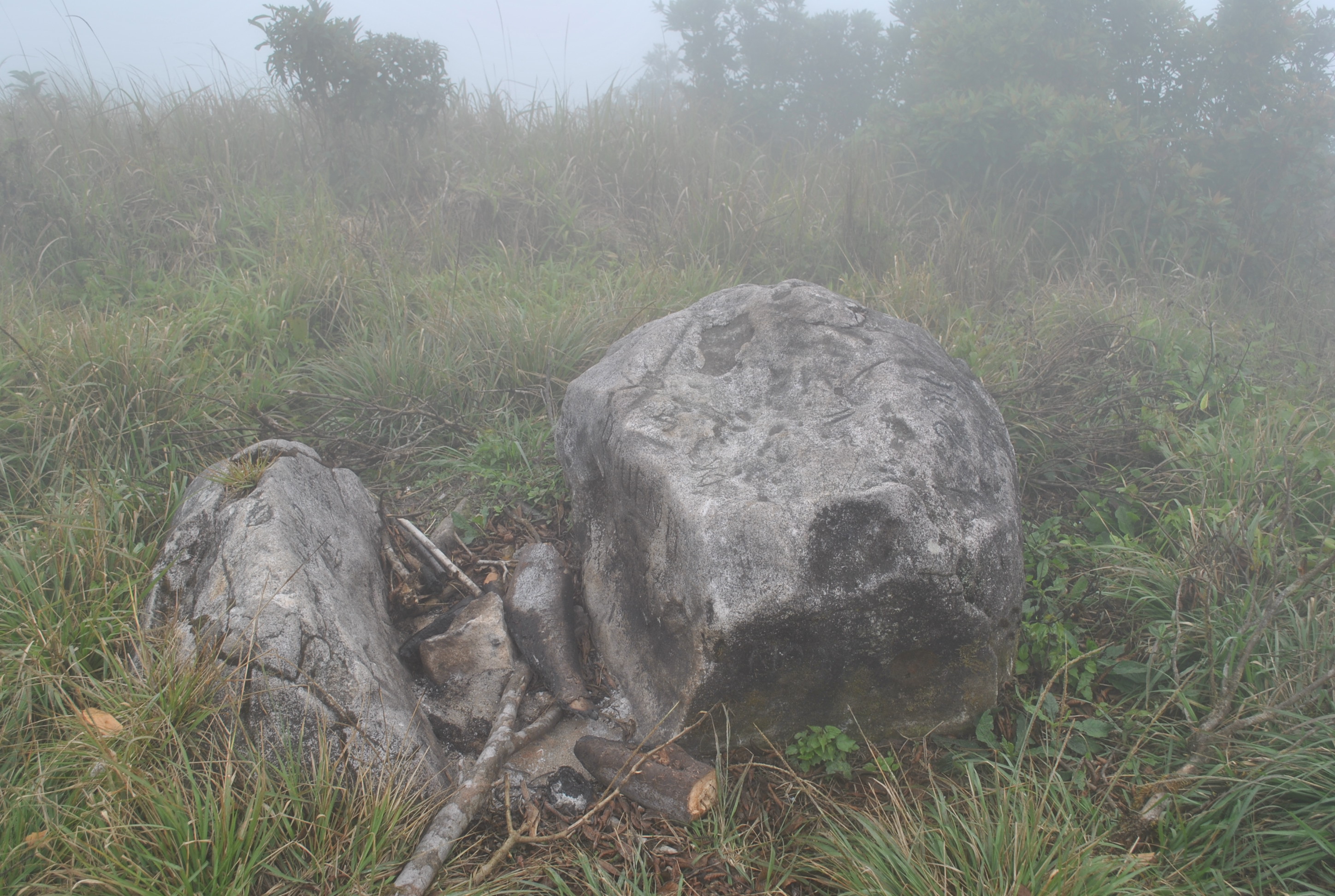
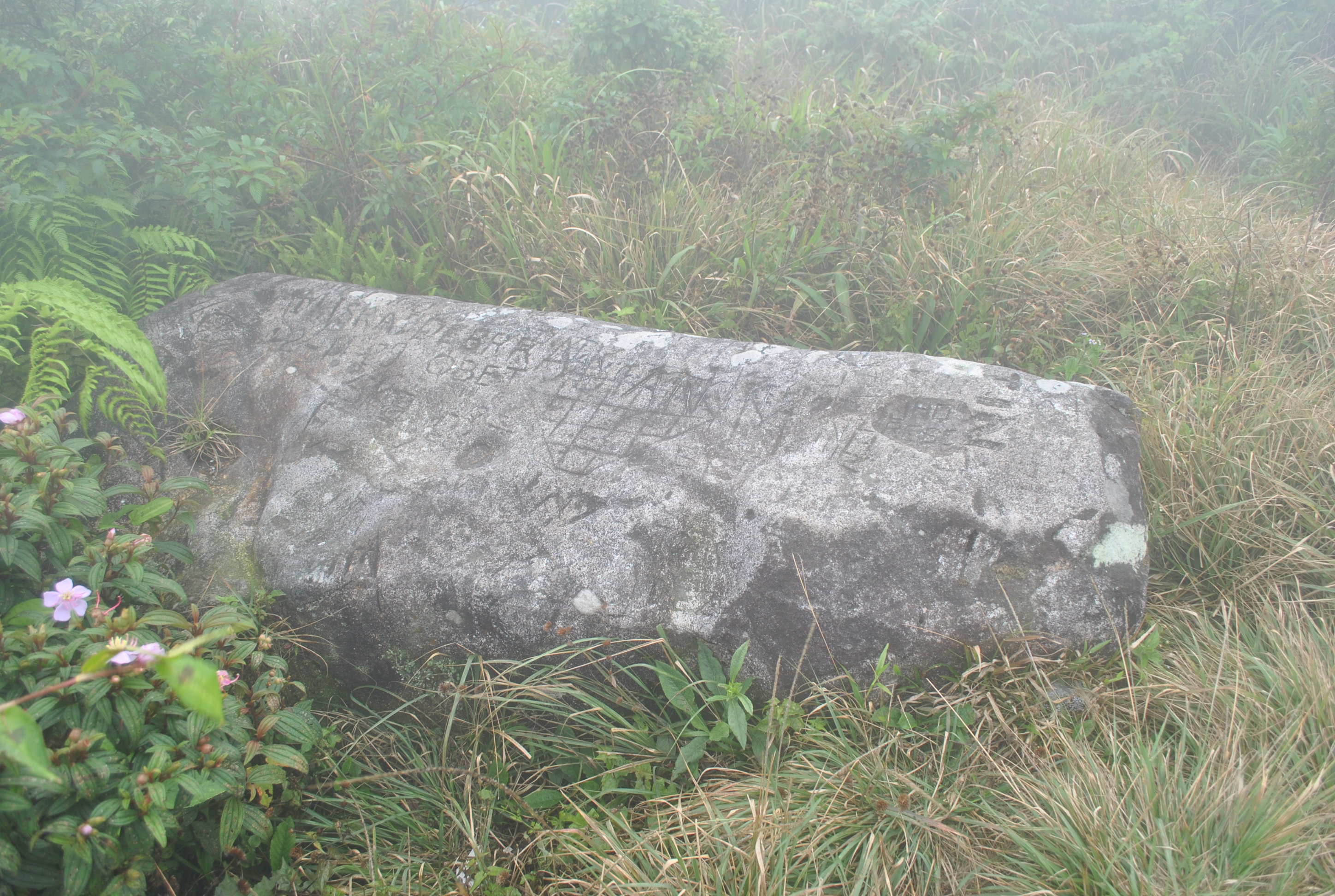
Three of us, my two runners and I, were the only one who reached the peak. Our escorts were not able to make it! We spent our almost 20 minutes taking pictures and trying to survey the whole area of the peak. There was no view to be seen from the top of the mountain as it was raining and we were covered with clouds. However, I was able to take note of the trashes being scattered on the different places on top of the mountain. In my estimate, the peak can acommodate at least 8-10 tents (solo or double) and there seems to be no attempt to clean and maintain the area. I said to myself, I will be back to clean the mess here on the peak of Mt Natib in the days to come!

We reached the peak in 3 hours. And we were all in a hurry to go back to where we started at the Philippine Army Detachment. However, we needed more patience and more deliberate footing as we went down the two “walls” and rope rapelling. We spent more time in going down on the “final assualt” portion of the mountain. As soon as we reached “Area 1”, we started to jog and brisked walked. Since we did more on jogging and power walking as almost parts of the trail were descending, we made our way to the detachment in almost 2 hours. My GF 305 recorded an elevation data of 1,296 meters at the peak of Mt Natib!

The trip was concluded with a sumptous late lunch at the Battalion Headquarters with Colonel Doniego and I told him of my plan of going back to the peak of Mt Natib during a day with a nicer weather in the company of my running friends. I also told him of my plan to conduct Operation Linis on the said mountain with an specificied date. It will be April 15, Sunday! His answer was affirmative!

Well, this proves that I am already addicted to “Peak Bagging”!

Next….Mt Ugo…in the 1st King of the Mountain Trail (42K) Marathon…after two days!

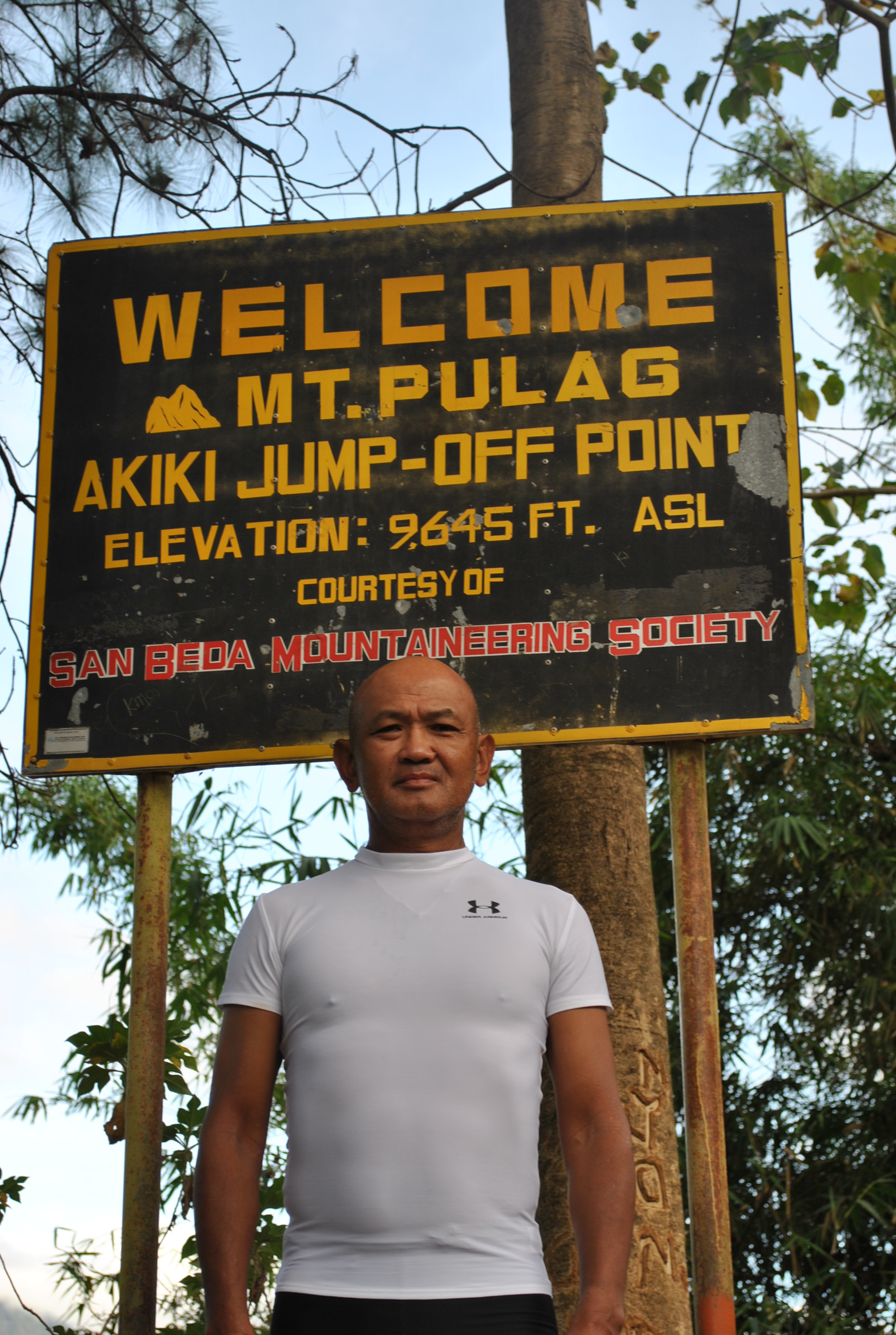
“Peak Bagging” & Mt. Pulag


March 12, 2012 @ Ambangeg, Bokod, Benguet

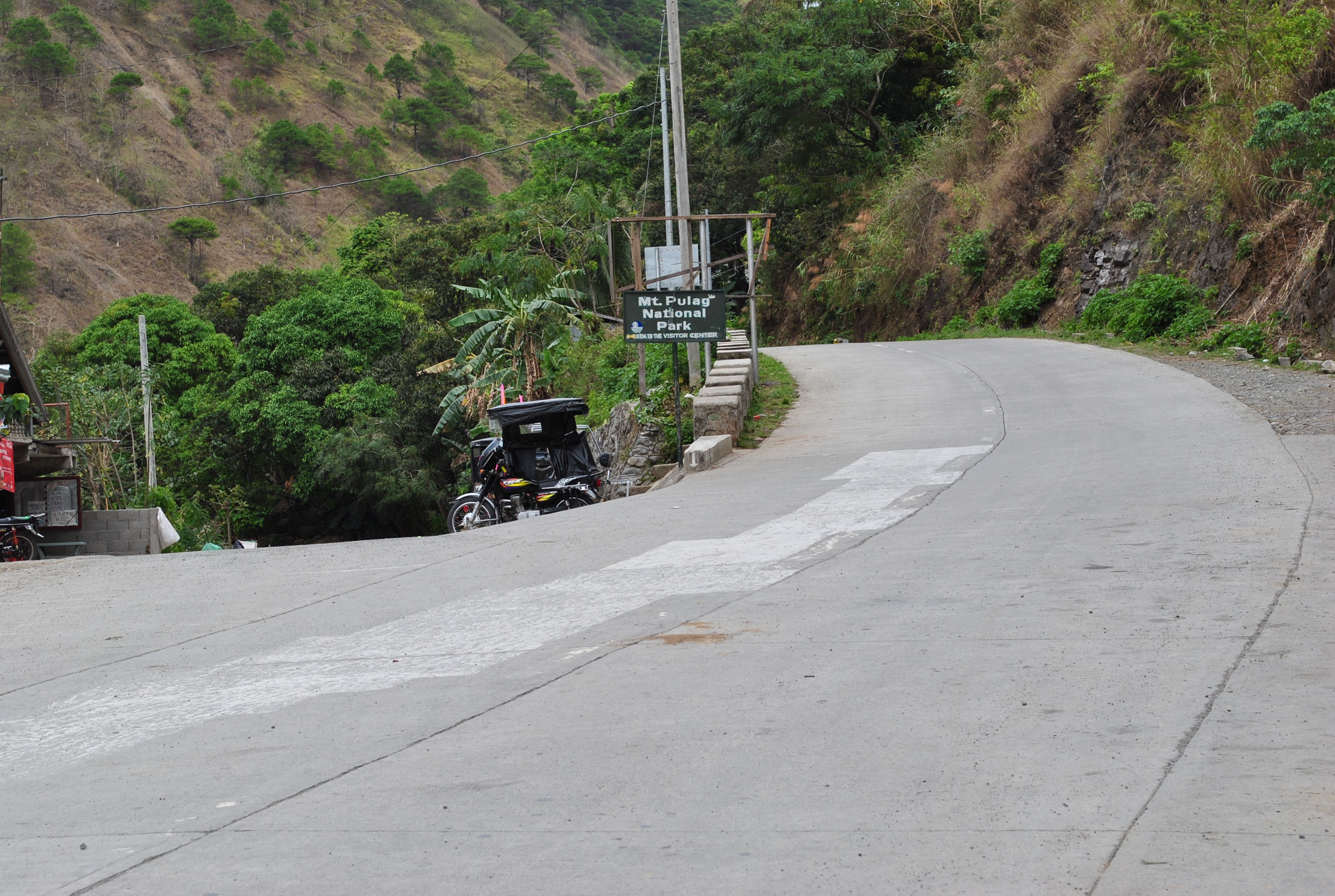
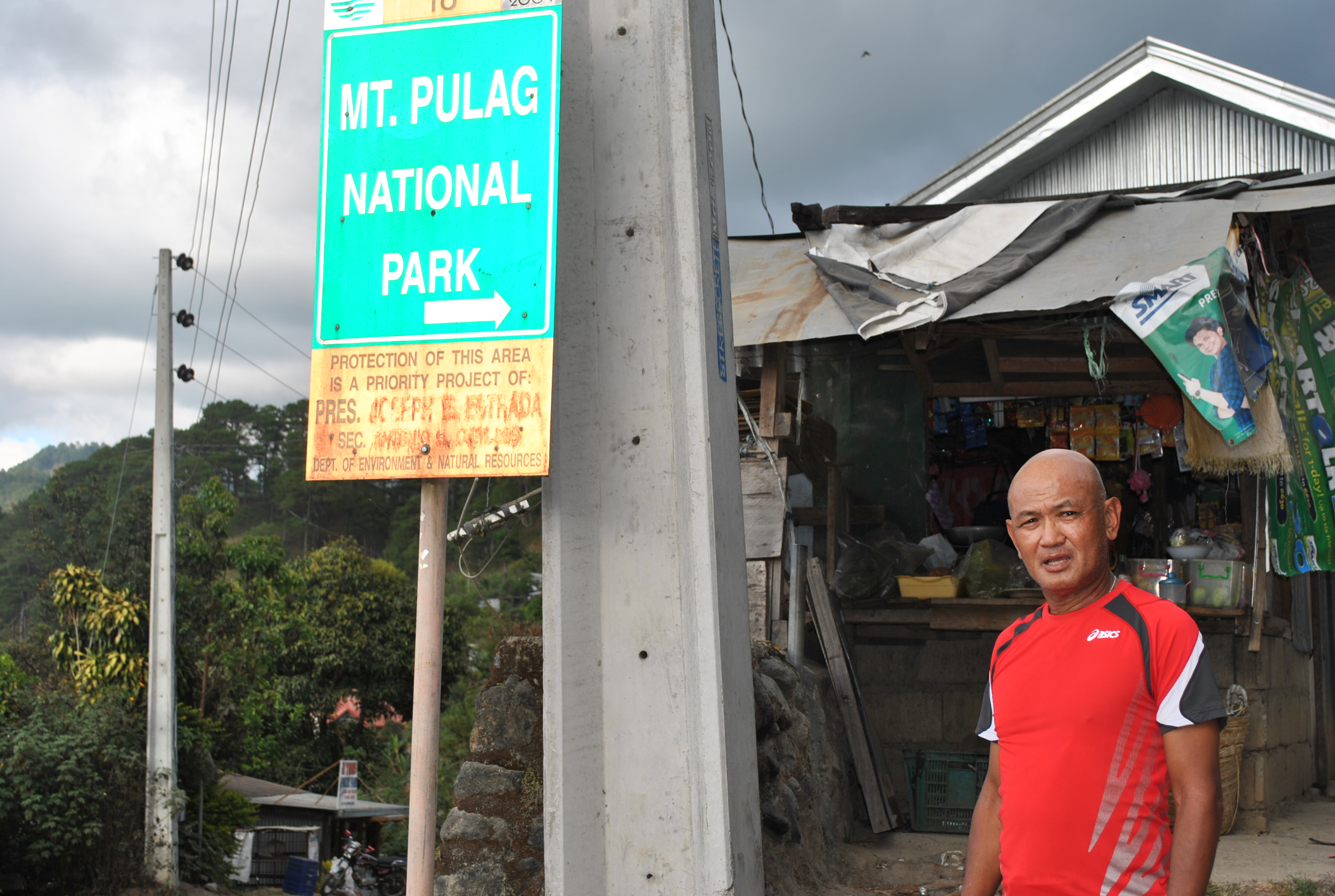
On my way to Kayapa, Nueva Vizcaya along the Benguet-Nueva Vizcaya Highway, I saw a directional sign that points to the Mt Pulag National Park. It was at the PNP Station in Barangay Gurel, Bokod, Benguet that changed my intention of going to Mt Ugo in order to recon the Marathon Route of Jonel’s race.

I said to myself, “Mt Pulag is the highest peak in Luzon and I am already here, maybe, I’ll drop by first on this mountan and then proceed later to Mt Ugo!” As I turned left at the intersection, there is no point of turning back. I am back again to my habit of being a “risk-taker”!

The road from the Gurel Junction to Barangay Ambangeg, Bokod is almost completely paved as some parts are still on road cementing construction. The road is winding and uphill and I did not notice that I traveled 9 kilometers up to the DENR Office/Police Detachment.

I am not a trained mountaineer and I am ignorant on the protocol of climbing peaks and mountains in the country. What I needed was the guts to ask questions and have the patience to listen…and listen intently! This thing was entirely new to me but I guess, I quickly learned some of the basic protocol in mountaineering. Everything boils down to “common sense” and respect to the culture and beliefs of the people in the community.

Although it was already almost 4:30 PM when I was given the usual briefing presentation by the DENR about the mountain I am going to visit, the sun was still shining brightly and I have to deal with the fact that I am taking my time from taking one step of the process at a time. There is no point to worry if my trek to Mt Pulag’s peak will be realized the following day.

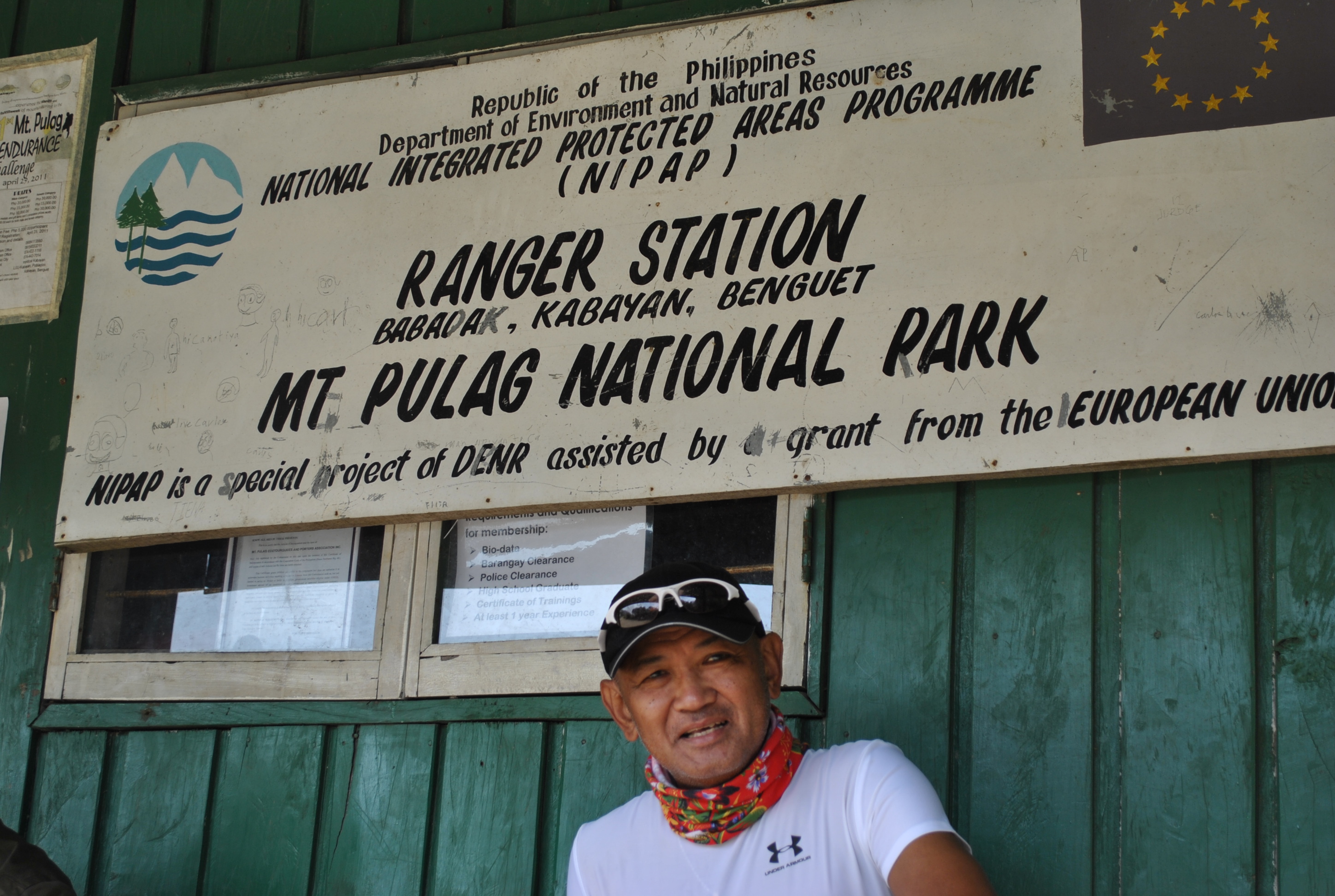
After the usual briefing and payment of permit fee, additional information was provided by the people assigned in the said office. Permit fee per person is P 200.00 but you will be issued two receipts from the Bureau of Treasury. Since I am not with a group of mountaineers on a group tour, the office personnel advised me to contact a certain “Julius” to bring me to the Ranger Station in Ambangeg aboard a motorcycle. The fee for one-way is P 300.00 per person.

I was also advised to get a guide at the Badadak Ranger Station, the place where I am going to start my trek to the peak of Mt Pulag. The guide’s fee at the Ambangeg Trail is P 500.00. I found out later that the guide’s fee is more expensive if the entry point is from the Akiki Trail which is obviously a longer route to the peak. It can cost you P 1,800.00 but one guide may be good for a group of 6-7 hikers. It is a “must” to get a guide in trekking in most of our mountains in order to avoid of being lost.

The problem with Barangay Ambangeg is that there is no place to stay for the night! The nearest place where there is a dormitory-type of accommodation is at the Poblacion of Kabayan—a good 1 1/2 to 2 hours drive of unpaved road! There was no other choice but to go to Kabayan. The adventure continues and it is a part of touring and knowing the place for the first time.

It was already nighttime when I entered the quiet town of Kabayan. Only one establishment was still open with food to be cooked and ordered at 7:00 PM. Our overnight stay in the one and only dormitory in town cost us P 200.00 per person! One has to sleep on two-deck beds with basic mattress and pillow. The dormitory has a communal bathroom and toilet with separate bathroom for the ladies. There was no hot water or shower but the ever-reliable pail and “tabo” were there!

On that night that we stayed in the said dormitory, two European couples were with us and four males working with a company that delivers and sells bulbs and lighting fixtures to every barangay in the towns of Benguet. A simple greetings and smile was enough for the foreiners but for the people I’ve met along the trip, being an Ilocano was already an  asset during my trip as the people in every place in Benguet could easily understand my dialect. I could easily communicate with them!

We left Kabayan after a simple breakfast and we arrived in Ambangeg, Bokod after almost 2 hours of slow driving and taking pictures along the way. I saw the entrance to the Akiki Trail along the road and I found out that this is the harder entry towards the peak of Mt Pulag. I took some pictures of the place and promised myself to be back and make an assault to the peak using this entry.

“One-time deal” parking fee in Ambangeg cost me P 100.00 from 10:00 AM up to the time we left the place. I think, it was already 7:00 PM. I left my car and I was in tandem with Julius on his motorcycle on our way going higher to the foot of Mt Pulag. It was my first time to be riding in tandem on a motorcycle ride and Julius was complaining that I was doing some unnnecessary movements with my butt. He didn’t know that the bumpy road made me fly a few inches from the saddle/seat and the continous butt-jumps made me nervous that I might fall off from the motorcycle! My light weight made me unstable riding on a motorcycle on rocky/bumpy road!

Wow! That was the most horrible ride I’ve experienced! The 9+ kilometers with rocks and slippery mud on the uphill path could be the longest 40 minutes of my life! Finally, we arrived at the Ranger Station in Sitio Badadak, Ambangeg. The Ranger assigned in the station was having his Lunch Break at 11:30 AM and there was no person to whom I would show the receipt that I paid as my permit fee. I just thought that I would see the Ranger once I’ll be back from the peak of the mountain.

After 15 minutes of waiting for a guide, Edgar came forward and signed up to guide me in my trek to the peak of Mt Pulag. I told Julius and company to return to the Ranger Station to pick us and bring us to where my car was parked at exactly 5:30 PM. Julius was surprised and made a statement that with the limited time, I might not be able to reach the peak of the mountain with such time. I just smiled at him and told him that I’ll be waiting for him at the Ranger Station on the said time.

Mountaineers (with packs) usually reach the peak in 4-5 hours from the Badadak/Ambangeg Ranger Station. Well, Julius and the rest of the people at the Ranger Station didn’t know that I will be running, jogging, trotting and brisk walking to and from the peak of the mountain! And so I did!

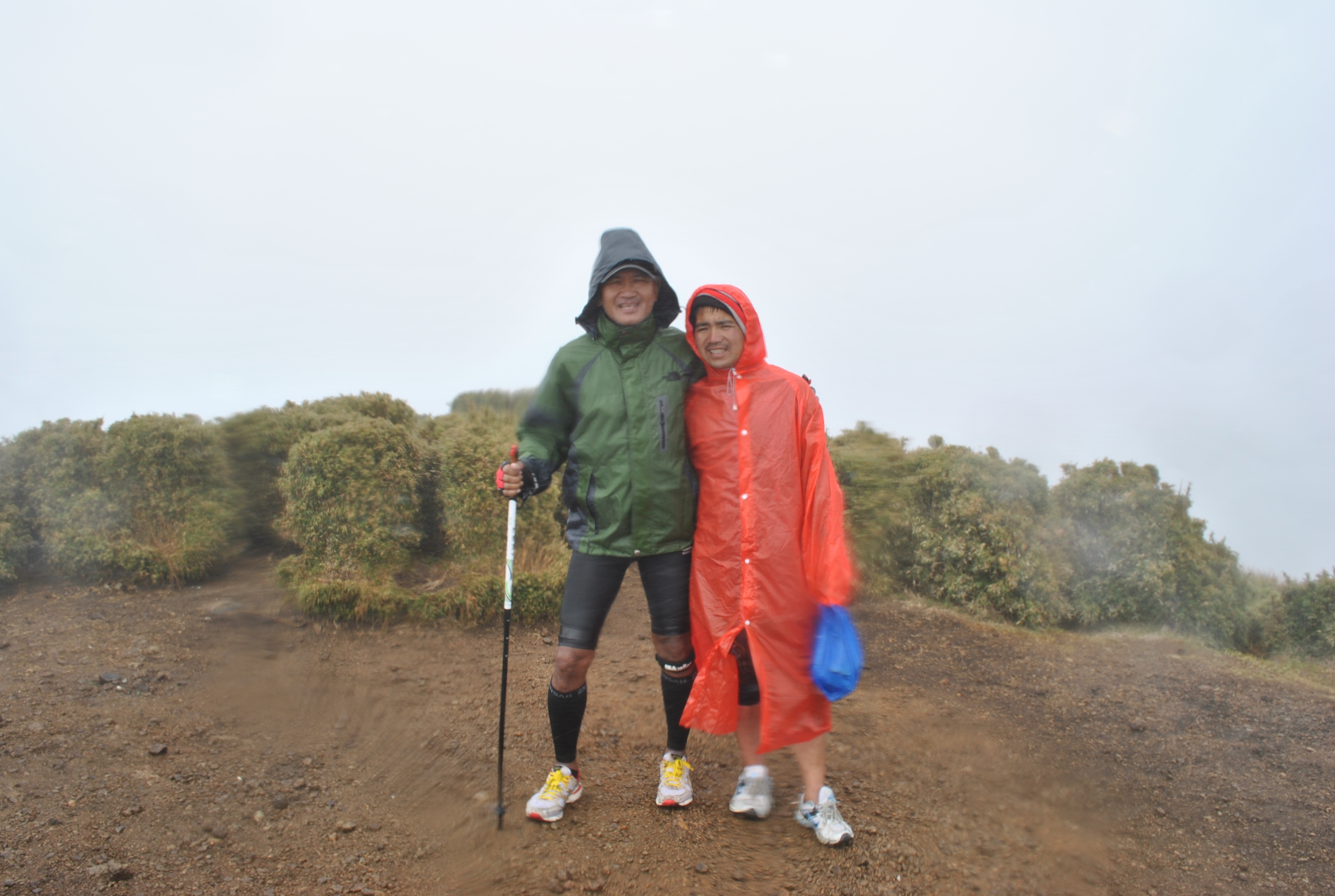
At 4:30 PM, I was back at the Ranger Station! I was able to reach the peak of Mt Pulag by “assualting” it through its steepest approach trail (last 50 meters) in 2 hours! Spent 15-20 minutes on the peak for picture taking and moving around the topmost portion and admiring the damp brown dwarf bamboos. The temperature at the peak was freezing as it was raining and the peak was covered with clouds! In a few minutes, my fingers were numb and my body started to feel the cold temperature. I kept on walking on the open space of the peak but the freezing temperature would make my body shiver.

On my way to the peak after passing Camp 1 and before entering to the “Mossy Part”, I was able to meet a couple, a male foreigner and a Filipina, and I greeted them while I was jogging. As soon as I reached the place they call “Grassland”, I met a group of 18 campers/mountaineers with their guide and porter. This is the same group that I would catch up at Camp 1 on my way back to the Badadak Ranger Station. This group is from Lufthansa Airline Company. I would found out later that these campers whom I met along the Ambangeg Trail had been on the trail for 2 days as they have started their climb from the Akiki Trail and they had camped at a placed called “Saddle or Camp 3” before reaching the peak of Mt Pulag.

While waiting for Julius and his motorbiking friends to arrive at the Badadak Ranger Station, I asked Edgar, my guide, where I could buy some snacks—native hot coffee and some local bread. Edgar invited me to his parent’s house and I enjoyed sitting at a place where it is near their stove. Julius and company arrived with a delay of almost one hour. It was okey with me since I had a nice time talking to Edgar’s folks and brothers. The 30-minute downhill ride to the center of Ambangeg took a longer time due to faulty brakes on the motorcycle I was riding. After some stops and quick-repair/disassembly & assembly of rear brakes & tire, I was able to reach my parked vehicle. It was already nighttime.

My trip to Kayapa, Nueva Vizcaya has to be postponed and I decided to do my “peak bagging” to Mt Ugo on Race Day itself for the 1st King of the Mountain Mt Ugo Trail Marathon. I was already tired. I need the comfort of a nice bed in Baguio City. After a 2 1/2 drive to Baguio City, I was able to take my late dinner and I was in my favorite hotel room in Baguio City—taking an ice-cooled bath and sleeping under soft and clean linens!

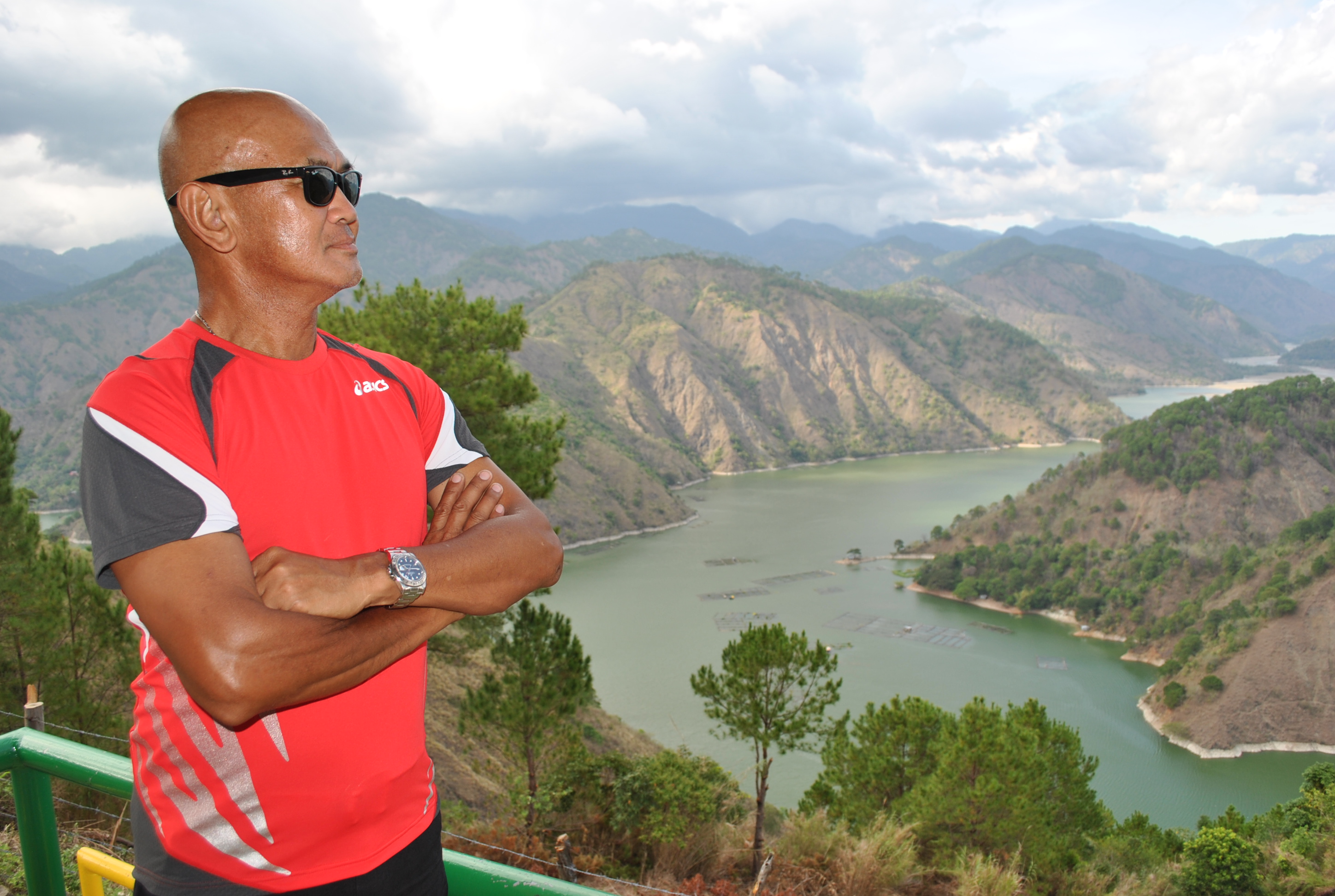
This was my first experience of “peak bagging” on the highest mountain peak in Luzon and 3rd highest in the country! For the round-trip distance of 15K from the Badadak Ranger Station to the peak of Mt Pulag and back, I was able to register a time of 5 hours to include my stay at the peak and “pit stops” in every Camp that I reached. I started from an estimated elevation of 2,400 meters and was able to reach the peak of the mountain where my GF 305 registered an elevation of 2,940 meters!

After some research in the Internet and other blogs, I found out that there are events in Europe, particularly in England where mountain trail runs are called “fell running”. And there are also trail running events that would last for 24 hours or more where the number of mountain peaks are considered and counted to be reached as part of the route. Reaching those peaks is called “Peak Bagging”!

This is my own way of applying such event that I’ve learned from “fell running”. The procedure is so simple. Target one mountain peak at a time, run and walk through it, take some pictures at the peak, and run/jog downhill to where one has started. This is the “travel lite” of mountain trekking or climbing without the intention of camping overnight on each mountain. With my first experience of “peak bagging” at the highest mountain peak of Luzon, I guess, a new frontier and form of trail/road running is born!

Now, if you ask me if I enjoyed my experience? You bet! “Peak Bagging” is addictive!!!

Surprisingly, the road distance from the Gurel Junction along the Benguet-Nueva Vizcaya Highway up to the peak of Mt Pulag through the Ambangeg Trail is exactly 25 kilometers! And if you double the distance by going back from the peak of Mt Pulag to the Gurel Junction, the total distance would be a good 50 kilometers!

This could be the most challenging 50-Kilometer Ultra Run in the country!