Balke Test


After some researching on my running books and on the Internet, I found out that the evaluation run that my coach did to me prior to my speed training 4-5 years ago was the so-called “Balke Test”.

The Balke Test is a way to measure one’s VO2 Max. VO2 Max is the maximal rate at which oxygen can be brought in and used by the exercising muscle. It stands for ” Volume Of Oxygen Uptake” which is simply described as the body’s maximum capacity to transport and utilize oxygen while running. It is expressed in “milliliters of oxygen per kilogram of body weight per minute” If you have a higher number of VO2 Max, the better for you to run faster and more efficiently.

In order for a runner to undergo the Balke Test, he needs an oval track, a stopwatch and a calculator. The following are the steps in undergoing the test:

1. Go to an oval track. After a thorough warm-up, run as fast as you can for 15 minutes, covering a distance as much as possible. Be sure to run on the most inner lane of the oval track as it is measured as 400 meters.

2. Record the number of laps that you have covered plus the extra meters. Multiply the number of laps by 400 meters and then add the extra meters you covered after the last lap.

3. After having the number in meters, convert the number to meters per minutes by dividing it by 15. For example, if you covered 6 laps & one-half, multiply 6 laps by 400, then add 200. The distance covered in meters is 2,600 meters. Divide 2,600 meters by 15 minutes and the result is 173.3 meters per minutes.

4. From that 173.3 meters per minute, the first 150 meters/minute is equivalent to 33.3 ml/kg/min.

5. The remaining 23.3 is then multiplied by 0.178 and added to the base of 33.3. So, going back to our example, 23.3 X 0.178 = 4.14. If the base 33.3 is added to 4.14, the result is 37.44 ml/kg/min or VO2Max.

This means that your current aerobic fitness is 37.44 and it serves as your baseline VO2Max.

In the books “Hansons Marathon Method” & “Jack Daniel’s Speed Training”, you can find chart that would recommend ones target pace in Interval Training, Tempo/Threshold Runs, and Easy Run.

You can apply the Balke Test again on the middle of your training in order to check your progress in terms of your pace and speed to cover a certain distance.

You can also refer additional information on the Balke Test and the recommended paces on your speed training by browsing on Google.

So, lace up, go out of the door and run!

Balke Test On The Oval Track

(Source: Hansons Marathon Method by Like Humprey With Keith & Kevin Hanson)

Pictures Of The Week #21


Thank You Lord For The Strength!
On The Feast Of The Black Nazareth

Little Acts To Nature


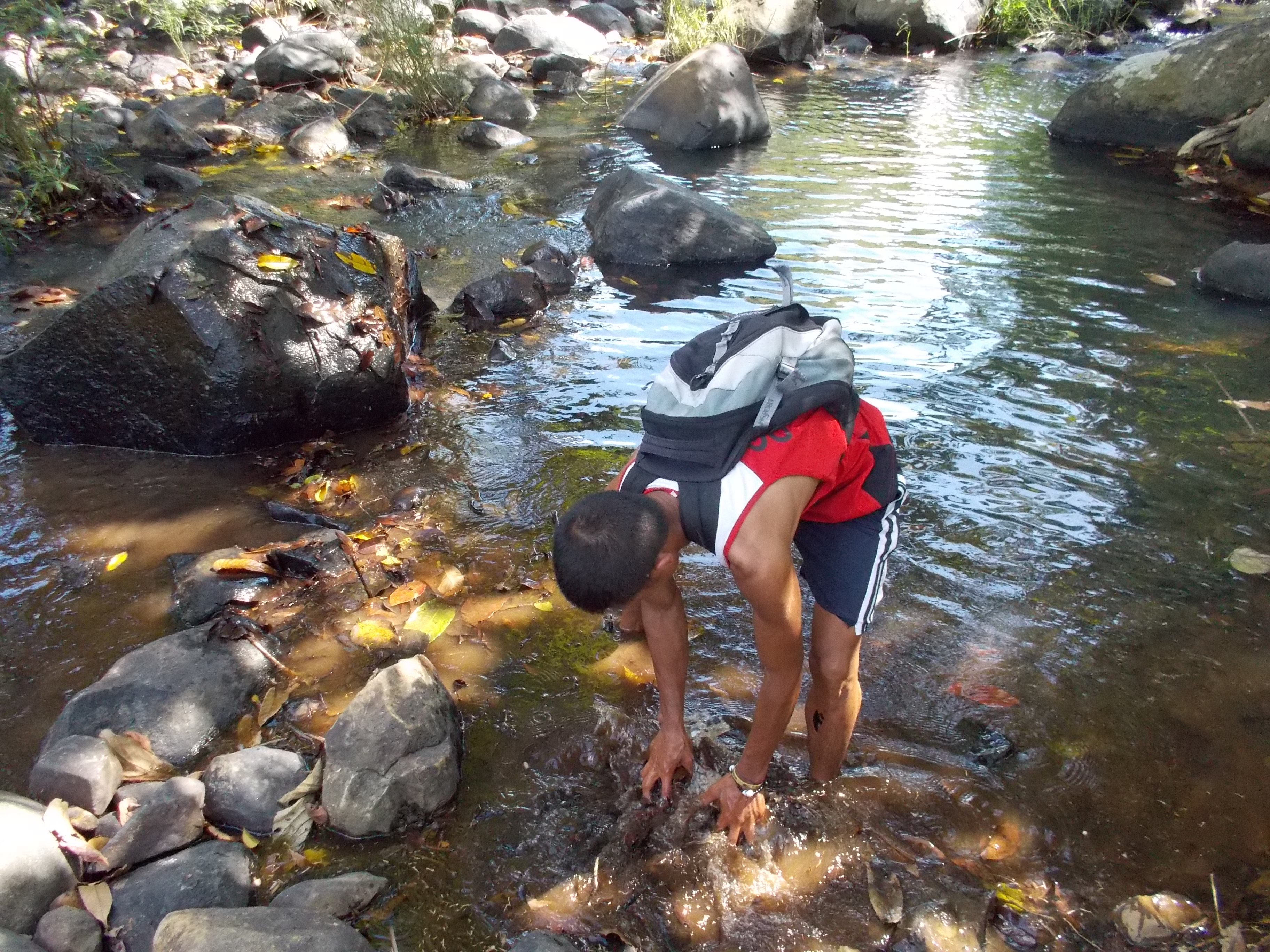
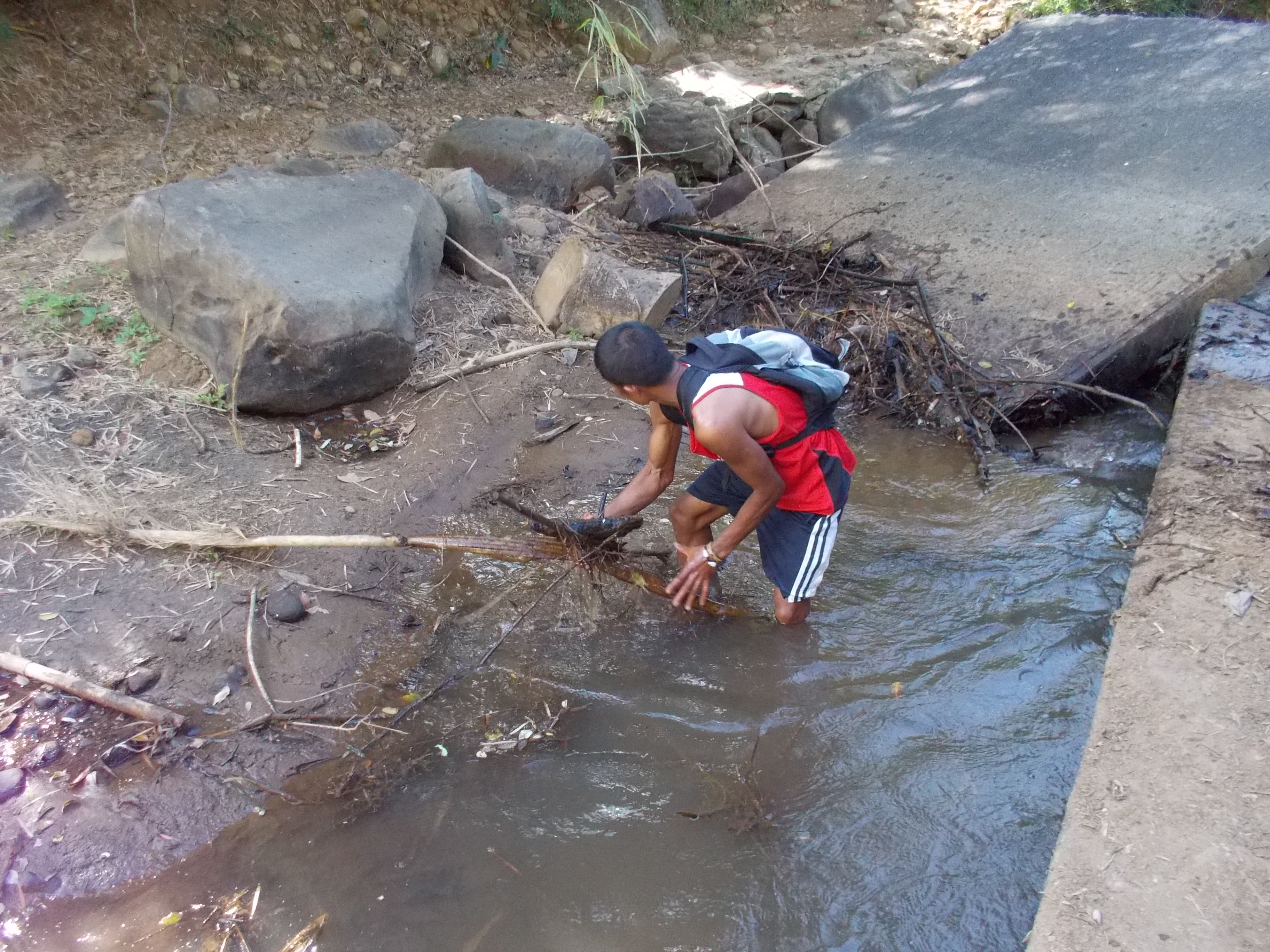
In our trail runs in my “playground” with my training partner, Dannin, we always have something to do for the trail aside from running. It is either we pick-up plastic wrappers of candies or biscuits or cigarettes or any kind of trash; remove dried twigs or branches on the trail; cut grasses and branches that block one’s view of the trail; or clean the waterways in streams and rivers along the way.

Dannin Removing Dried Twigs & Leaves On Waterways

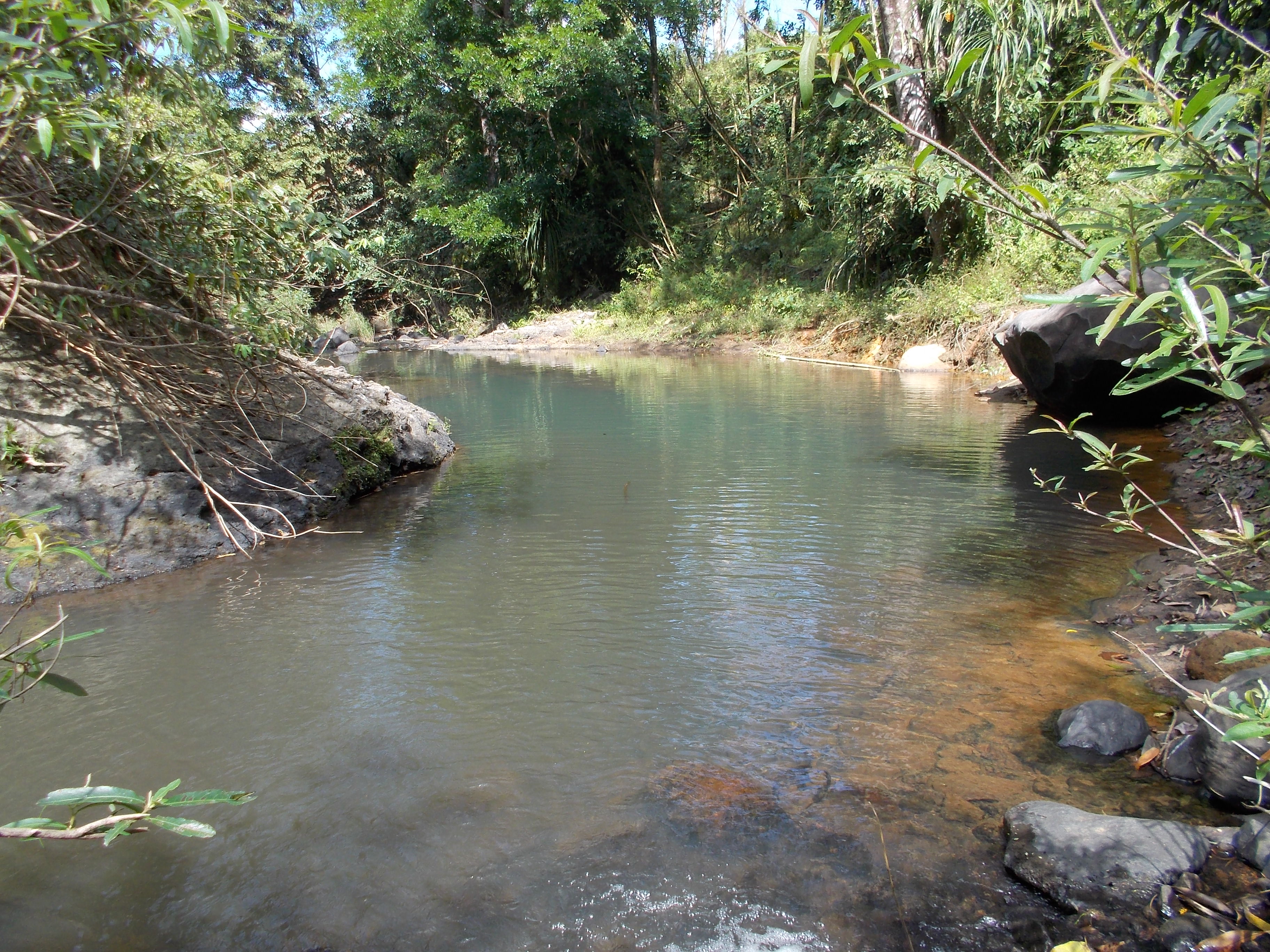
In our latest run, Dannin and I cleaned and removed the debris/dried leaves that were accumulated on the waterways of the rivers and streams where we usually cross or pass. There were two rivers which we cleaned and it improved the continuous flow of water from the higher ground to a bigger pool where anybody would take a dip or swim.

With the better and continuous flow of water of the river, we are preventing the presence of insects and mosquitoes where they could breed and multiply. It would also prevent the river from overflowing to its banks which would result to flooding in populated areas or for the river to create another waterway which would lead to more erosion of earth and movements of rocks.

Another Stream To Clean From Debris

It did not take us for ten minutes to clean each river but such simple and little act to nature would give more protection to the population in terms of preventing diseases (due to the presence of mosquitoes) and maintaining the natural flow of water to the lower grounds, thereby, preventing flooding and erosion.

Deeper, Cleaner Water Pool Where Everybody Would Swim Or Dip

If you happen to hike or run along the hills and mountain trails, find time to exert a little time and effort to help and conserve nature.

So, lace up, get out of the door and run!

Evaluation Run (2014)


I remember those days when I was doing my speed training in preparation for my half-marathon & marathon races in 2009. I had a structured training program which was supervised by two running coaches of the Elite Team Bald Runner. Before I was given a speed training program, I was asked by my running coaches to have an evaluation run first. The evaluation run was done on an oval track.

I was made to run on the oval track for thirty (30) minutes with my best effort and from the result of the distance I could cover, my coach would be able to determine my target pace for an intense interval training, threshold/tempo run, and easy run in order to make me run faster in a marathon race.

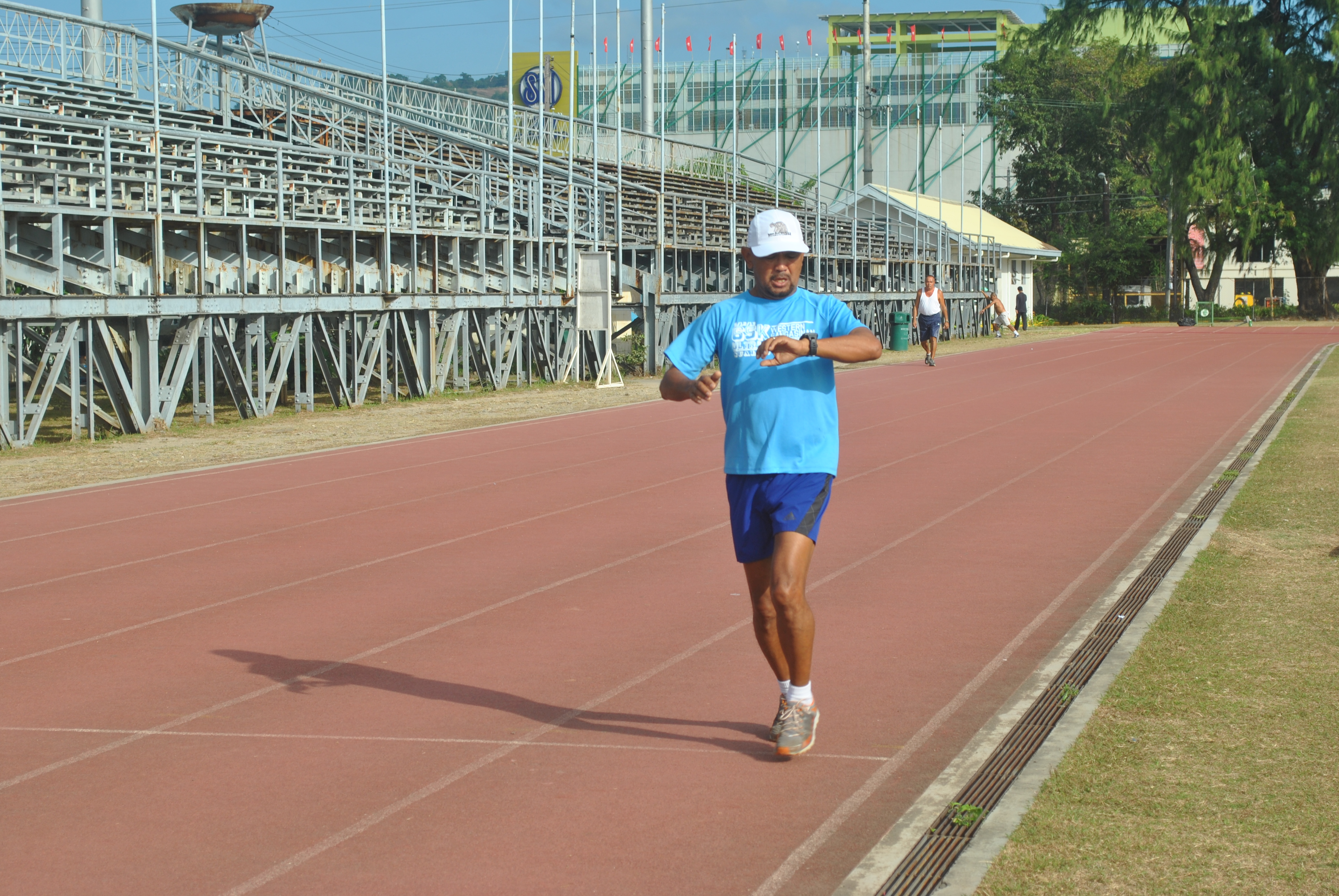
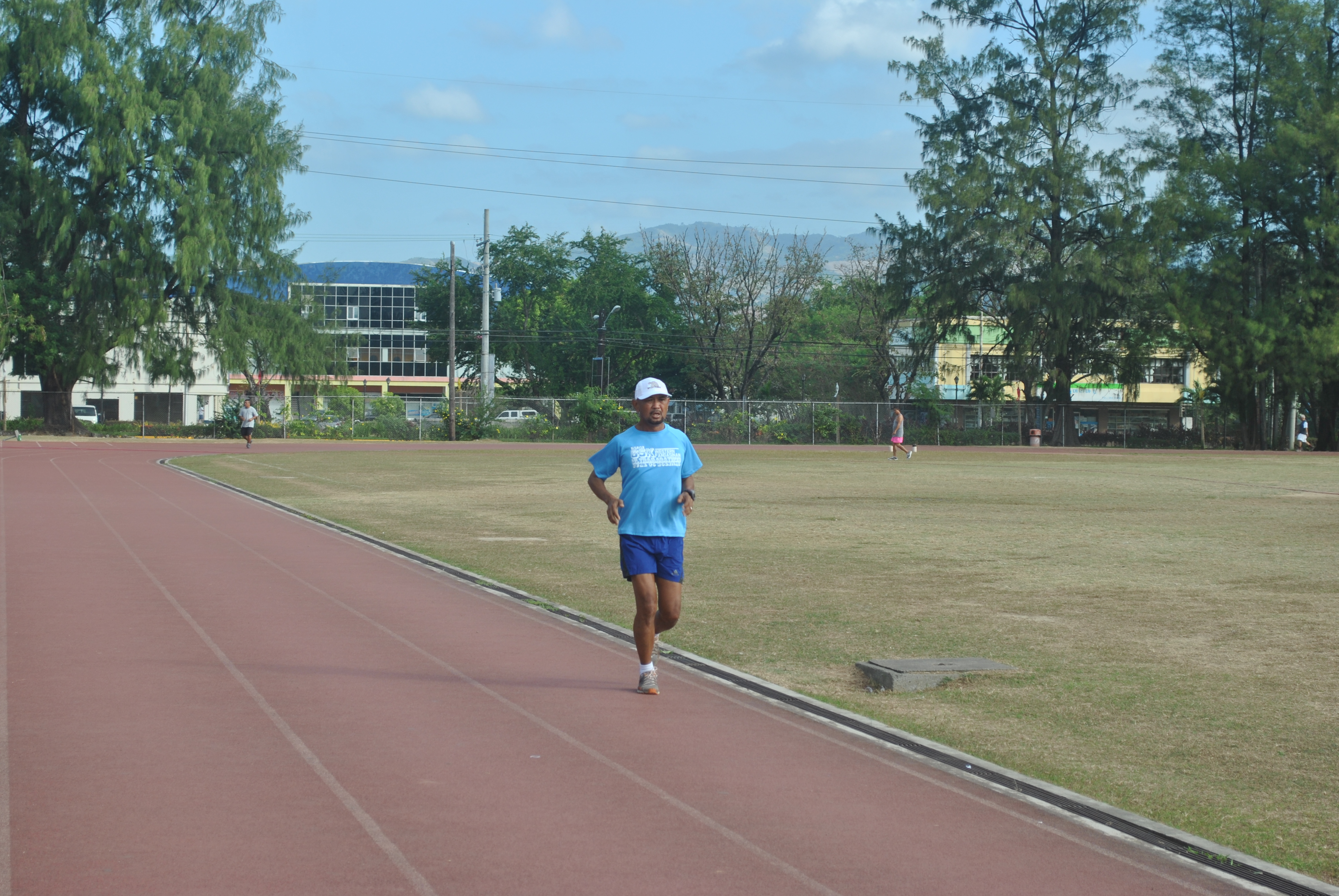
@ The Remy Field Oval Track, Subic Freeport

Last Monday, January 6, I did exactly what I did 4 years ago with the purpose of developing more lifts and number of cadence to my knees and feet. I started my run at 8:00 AM when the sun was already high above the horizon. The weather was cool with a moderate strong cold breeze coming from the west which is the location of the sea.

I used the lightest shoe from my arsenal of trail shoes, the Helios of La Sportiva. And running outfit were my regular running shirt and Adidas Running Shorts.

Without much fast runners on the oval track, I positioned myself on the most inner lane of the oval track. I finished my first lap in 2:10 minutes; second lap in 4:11 minutes; and after 4 laps (one mile/1,600 meters), I clocked a time of 8:43 minutes! Not bad!

I started to slow down after I finished 10 laps and fought the need to hydrate myself. At exactly 30 minutes of running, I was able to run 13 laps and 300 meters. I had to walk for another lap for my rest and recovery. The total distance that I was able to cover within 30 minutes was 5,500 meters or 5.5 kilometers. My Average Pace was 5:27 minutes per kilometer.

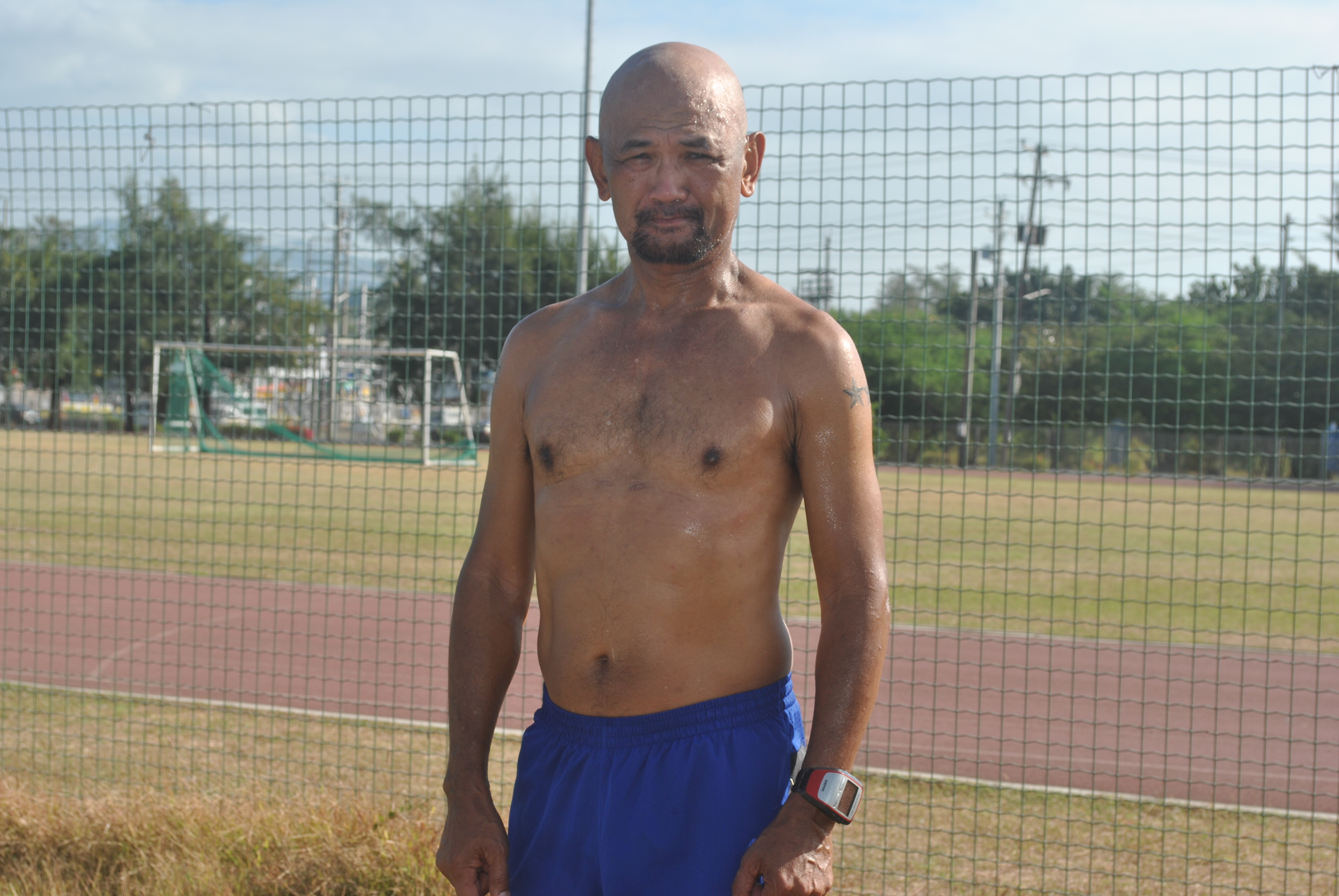
Still In Good Running Form

Four years ago, I could run 15 laps plus some change/extra meters. My older age (plus 4 years) had greatly diminished my speed/average pace plus the fact that I’ve concentrated so much in my ultra distance runs and trail running. It is my plan now to make myself to run faster this time by using the result of my evaluation run.

There is a need to incorporate more interval speed training and tempo runs in my ultra trail running. In the meantime, I will have to visit the oval track once a week and do my tempo runs on the trails of my playground. I hope I would be able to lower down my average pace to 5:10 minutes per kilometer in 4 weeks! Of course, I would also tell you what speed training I will do in order to improve my average pace in this blog.

My evaluation run last Monday officially started my training program for my 2014 Ultra Racing Season.

I suggest you can do this evaluation run if you want to know where you want to start to make yourself run faster, whether in trails or in road.

So, lace up, get out of the door, and run!

Lighter Means Faster

Master The Basics & Do It Every Day


“Master the Basics and Do it Every Day” By Dr. Jason Ross

Note: While browsing on the Internet, I came to reach and read this article. I decided to have it posted in this blog and share it to my readers as a reference or reminder to those who are fond of writing or coming up with their respective New Year’s Resolutions for better healthy lifestyle and outlook in life. I hope my readers will like this article as a guide for their goals in life. Good luck!
I’m a huge fan of Dan John.  He’s a strength coach that has the ability to boil down the fluff and periphery to get to the important, central stuff.  Own the principles, not the methods.  Dan has many books, articles, videos, a lot for free,  all over the Internet.  I would suggest anyone interested in health and strength to take an hour or two and read his stuff and watch his videos.One of the things that has always stuck with me is Dan’s approach to the basics.  Don’t get crazy reaching for the top of the pyramid if your base is not there.
The other point comes from legendary coach Dan Gable who Dan often quotes.  “If it’s important, do it every day.” With that template, master the basics and if it’s important, do it every day, here is my list in no particular order.
1.  Drink water.  Half your body weight in ounces.  Sport drinks don’t count, tea doesn’t count.  Water.  If you drink coffee or pop add another 8 ounces of water.
2.  Don’t drink pop.
3.  Walk.  Try to get 15 minutes a day. Minimum.
4.  Get sunshine.  Have the actual suns rays touch your skin.
5. Get your Vitamin D levels checked twice a year.  Keep your level above 50.  1000 IU for every 25lb of body weight when supplementing.
6.  Lift weights.  Find something you like and do it 2x a week.  I don’t care if it kettle bells, cross fit, powerlifting, bodybuilding or what ever is next around the corner.  The more muscle mass you carry as you age, the more healthy you will be.  Guaranteed.  Carry something, push something, pick something off the floor, pull yourself up.  (colored dumbbells do not count though.)
7.  Floss.  There is a lot of evidence for the health of your gums and the health of your heart.
8.  Wear your seat belt.  ( I stole 7,8,9 from Dan John himself)
9.  Take fish oil.  3-5 grams a day.
10.  Get rid of polyunsaturated oils.  I think this is why most people that adapt a paleo or primal or low carb diet see such improvements.  Unhealthy oils destroy your body.
11.  Be grateful.  Make a mental list or a physical one.
12.  Breath well.  Inhale with the diaphragm.  Exhale.  The ribs should move, not your shoulders.
13.  Stretch the hip flexor and then pair it with a glute activation exercise.  Your lumbar spine will thank you.
14.  Get down on the floor on your back and get back up.  Several times a day.  No particular technique needed.  I’ve lost track of how many patients tell me they fear getting down on the floor for how hard it will be for them to get back up.  Don’t let that happen in the first place.  If you don’t make it a priority, it can be weeks before you have to actually do it.  Think about that for a second.
15.  Eat some vegetables.  Think Rainbow.
16.  Master the hip hinge.  Use it.  When you bend at the hips not the back, you save your back abuse.
17.  Read.  The person that doesn’t read and the person that doesn’t know how, not much difference.
18.  Roll the bottoms of your feet with golf balls.  A lot of fascial lines evolve or cross the bottoms of the feet.  Next time your tired at work or after work, take a few minutes to do this and feel your energy return.19.  Focus on getting some good fat in your diet.  MCT oil, coconut oil, grass fed butter, olive oil, fish oil, avocado, red palm oil, to name a few.20.  Drink Green Tea.  On top of the water you are going to drink.  It’s like amazing for you.

21.  Laugh.

22.  Sleep.  7-8 hours a night.  There is a lot out there these days about how to get by on less, but science doesn’t seem to support that.

23.  Your own personal physical/personal goal.  Find a way to work at it every day.  If you want to write, write at least one sentence.  If you want more mobile hips, do 5 min a day of hip mobility work.  Striving towards something you want every day, builds strength and character.  Lay some ground work every day, it’s the consistency that counts and makes real changes.

This is my list, I think it’s hard to argue with any of them.  What do you want to add?

New Year’s Day Run


(Note: Thanks for reading and sharing my previous post, “Haters”, as it got 1,718 hits yesterday and shared for almost 300 times on Facebook and Twitter. Keep on reading my posts with the hope of being motivated and inspired to run.)

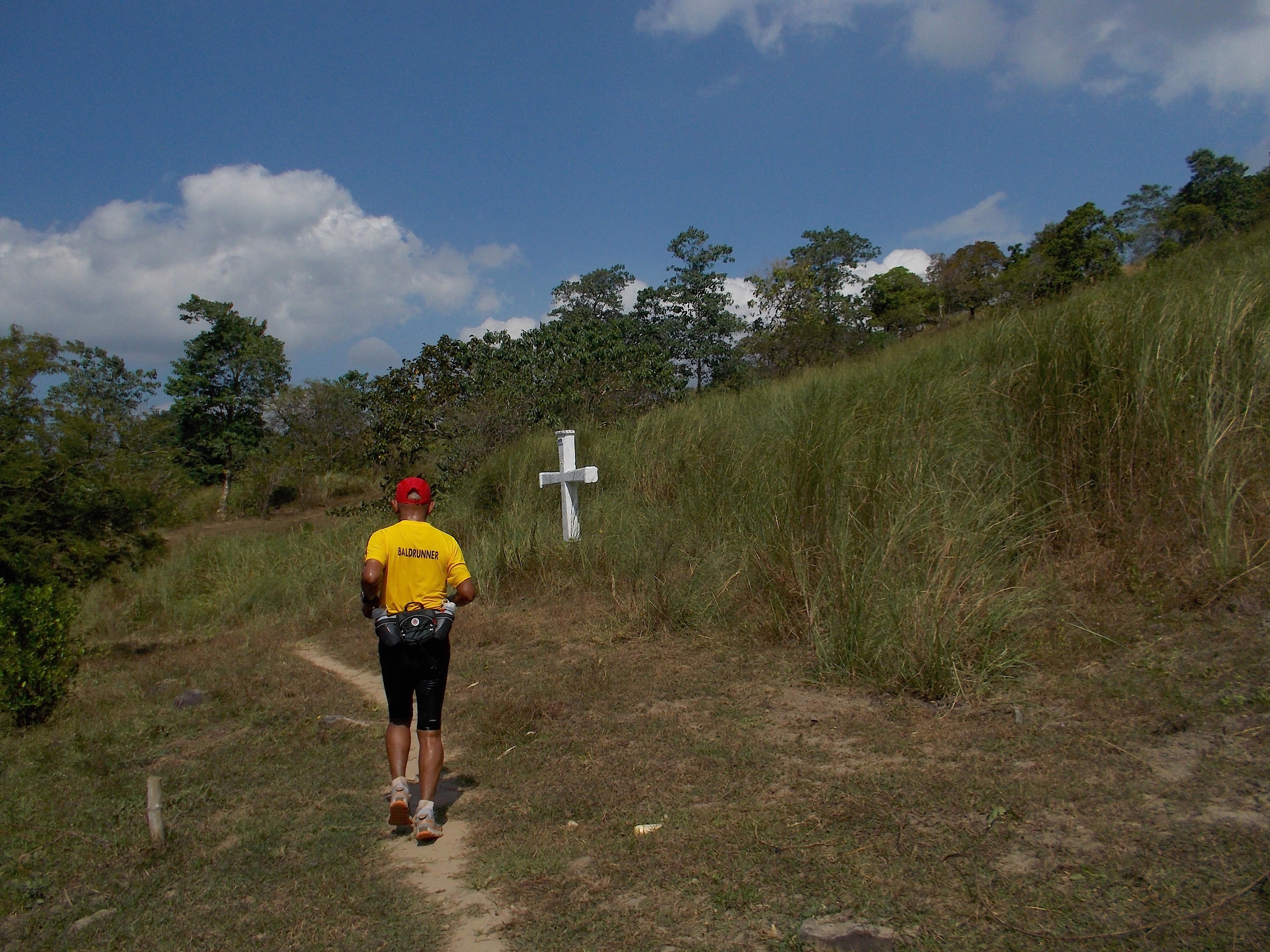
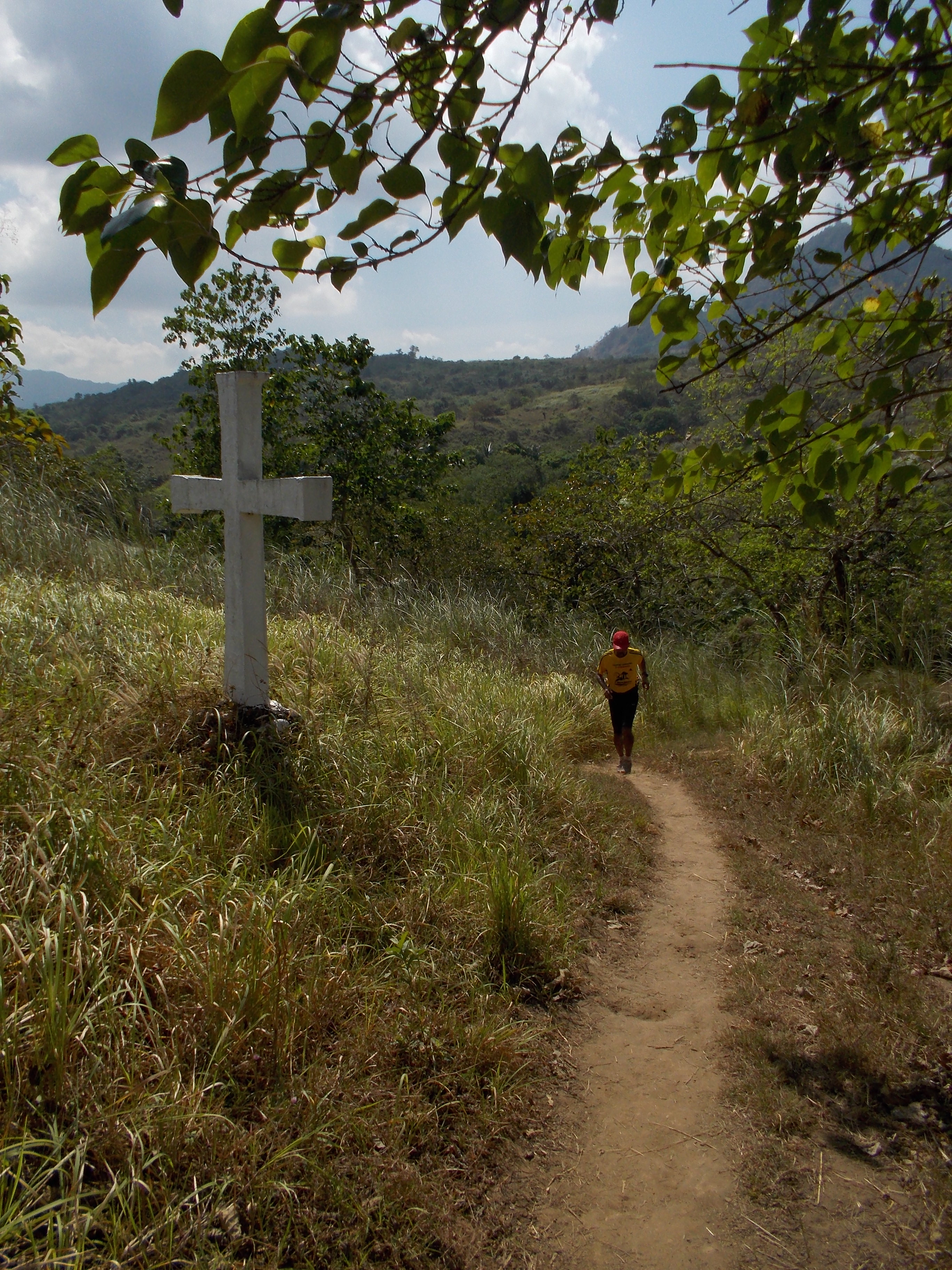
On the first day of the year 2014, I went out for my first trail run workout for the year. In the company of my running partner, Danin, we started our our run at 10:30 AM and it was hot and sunny but the quality of the air is very clean as there were no firecrackers in the mountains where I usually call my “playground”.

The trail was very dry because of no rains for the past weeks in the area. There are parts of the trail that have loose soil that made my run softer and comfortable to my legs and knees. As soon as we reached some higher grounds, I could feel a cold wind that blows behind and in front of us. We did not feel the heat of the sun on the exposed portions of the hills and mountains due to the colder breeze that is coming from the sea and the neighboring vegetated areas.

DSCN4630

It was time also to visit the people who resides along the trails and greet them for the new year. Mang Mario, my friend who has a farm with mangoes and coconuts, was there in house and it is always the place where I would replenish my water supply and take a short rest or time to eat some of my trail foods.

As we left his house, it is the start of the more challenging inclines of the course where we have to reach three peaks which forced us to do brisk/power hike to reach each peak. Once we reach each peak, we continue to jog on vegetated trails and try to watch out for snakes crossing our way. Sometimes, we would see a group of monkeys as we reached the edge of the forest on the nearby higher mountain.

DSCN4637

When we reached the highest point of the course, we had to eat our trail foods which consists of Chinese Tikoy and Croissant from Bread Talk. It was a brief break for us as we were trying to improve our running time to complete the course. Once we finished our snacks which served as our light lunch, we were on our way back to where we started.

It seems the decline and flatter portions of the trail were very easy but the heat of the sun was taking its toll on us. We have to hydrate some more and continue to slog it out with smaller strides but consistent pace.

DSCN4663

Patience, Consistency in pace, Focus and Determination brought us back to the last stream/river we have to cross before we reached our Finish Line. After a few minutes, we reached the place where we started with an improved finish time. It was an improvement and faster by 5 minutes from the last recorded PR time that I had in this loop course and I was happy to have made an improvement and progress.

The loop course has a distance of 26.5 kilometers and we were able to finish it in 4:45 hours. A great improvement since we discovered this route in July last year where we were able to run, hike, and jog through it in 7 hours for the first time.

The conclusion is that I am getting faster and stronger in trail running!

So, lace up, get out of the door and run!

The 15 Keys To Running A Great Sports Federation


I came through a news article/column on the PDI Sports Page stating that Go Teng Kok, simply called as “GTK” and President of the Philippine Amateur Track & Field Association (PATAFA), as “sick and could hardly walk”. And the rest of the article could be seen here: http://sports.inquirer.net/138017/nothings-final-on-patafa-polls.

Whether he (GTK) will step down from his position and later replaced with a new President of the PATAFA, it will be a big challenge on the part of the new leadership to start and realize a better “Vision and Direction” for a Better Performance among our Elite Track and Field Athletes.

For today’s 500-word post in this blog, I am re-blogging an article written and posted by a Coach/Blogger from Canada who is now a part of the Coaching Staff of the United Kingdom’s Sports Excellence/Elite Program. Stuart McMillan, the owner of the McMillan Speed Website, has posted/published the following article in his blog at www.mcmillanspeed.com last April 17, 2013. Whatever is worth in this article, it gives us a great insight, tips, suggestions, and advise on how to “run and manage” a Sports Federation.

These insights are not only true to our Sports Federation on Track and Field or Ultra Marathon but they are also applicable to any of our National Sports Federations/Associations (NSAs). If we want to improve in our Sports Excellence/Elite Program and ultimately, in our Overall Standing in IOC sanctioned Sports Games & International Meets in relation to our other countries, then it would be wise and smart to consider the following article as a reference.

Having made some suggestions to improve our National Sports Federation through this article, I will post a number of few candidates for the position of President of the PATAFA in my future blogs. I hope you will enjoy reading the following article.
The 15 keys to running a great Sports Federation By Stuart McMillan

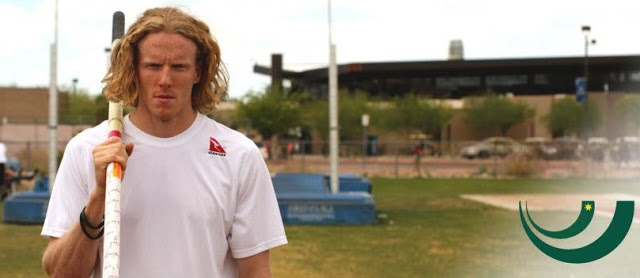
2008 Olympic Champion Steve Hooker at the World Athletics Center in Phoenix, AZ
Last week, I posted a question on Twitter that asked what the primary role of an National Governing Body (NGB) should be?  Is it to drive elite performance?  Is it to encourage grassroots participation?  Development of young athletes?
Through Twitter as well as a few email conversations, a few experienced colleagues came up with the following:
  • provide leadership for the sport through the development and implementation of a vision and strategic plan
  • provide the highest quality services on a timely, consistent and regular basis
  • ensure long-term stability with the continued development and progression of not only their athletes but their coaches and service providers as well.
  • exposure and promotion of participation, especially at the grassroots level
  • provide long-term financial security and viability
  • facilitate progression through access to competition, coaching and training support
Pretty good answers, I think.  But where does elite performance come in?  Very few of those whom I polled actually mentioned it at all!  Surprised me – as if you ask the same question of an athlete, I guarantee that performance will be at the top of the list.
So I did…
I asked a bunch of the folk that I am currently working with down here in Arizona…
…representing six countries’ NGBs, and pretty much all to a man voiced elite performance as the number one priority.    The disconnect occurs when asked if they are getting what they need from their NGBs, few are happy.  Most feel that elite performance has little to do with their NGB’s mandates.  My discussion with Donovan Bailey a couple of weeks ago highlighted his feelings on his former NGB – an opinion I know is shared by many!
“The biggest problem in Canada – and I see it all the time – is someone gets a job, and they spend all their time guarding against their job, and doing stupid things and making dumb decisions, because they’re guarding against their job.  Not for the good of the athletes, not for the sport, and not for the good of the country…”
– Donovan Bailey
So I was curious.  If elite performance is not actually the mandate of an NGB, then what is it?  To find out, I went to a few of these organization’s websites, where clearly their Mission Statements spell out their primary responsibilities as:
  • to drive up performance and raise standards
  • to create, nurture and support World and Olympic champions
  • to enable athletes to achieve sustained competitive excellence
  • to drive competitive excellence
  • to ensure world-level performance
  • to foster competitive achievement
Huh??
So what’s the deal?
NGBs’ mandates are clearly all about elite performance.
Athletes’ goals are clearly all about elite performance.
So why the constant friction between athlete and Federation?
I have fought on both sides of the ‘battle’ – as coach of athletes working external to the system, and within the system for the Federation having to deal with disgruntled athletes who feel they have been hard done by.
I have worked with athletes who have competed for over a dozen Federations.  And I have worked for half a dozen Federations myself – in 3 different countries.  And – as usual – I have some thoughts…
So today I present to you –
The top seven things an NGB can do to win back the respect of its athletes, and in the process perhaps help the athletes in achieving their goals, making it a happy and healthy future for all:
1. Understand the meaning of the word ‘performance’
If you are about performance, then you must understand what performance is about.  If it is your primary mandate, then it’s pretty essential you know what it means.  To aid in building an effective performance pathway, hire a sport science statistician to identify trends, and to do an on-going critical analysis of performance.  Understand what performance means not just in words and mission, but in terms of numbers.  To run a profitable company, you need to have a good accountant – to run a successful sport Federation, you need to understand the numbers and statistics of performance.
“In business, words are words; explanations are explanations, promises are promises, but only performance is reality”.
– Harold Geneen
2. Say what you do and do what you say
The basics. Communicate your vision consistently to your members, athletes, coaches, and support staff.  Clarity and consistency is key.
3. Identify key influential athletes – listen to their concerns
Do not direct your attention to the athletes who complain the most.  All this will do is ensure that the rest of the athletes complain more often, in a constant battle for your attention. Involve your athletes in decision-making processes.  Ask.  Discuss.  Don’t demand. Respect their voices.  Their opinions.  Involving the athletes in the decision-making process promotes ‘ownership’.  Bringing them into the fold makes them feel respected.  Needed.
4. Recognise that all athletes are differentThey all have different needs.  Though you cannot please them all, you need to understand that there is no ‘one size fits all’  in elite performance.  They all require different strategies.  In partnership with them, you must be creative in forming these. Often, your best athletes will decide to work ‘external’ to the Federation.  Often preferring their own ‘support teams’, they choose to seek greater control over their own careers.  This is not a bad thing.  Support them through this process, and be inclusive of their teams.  There is still much you can do for them, and much they expect from you.  Be creative.
5. Be an elitist
It is not wrong to be an elitist.  You operate in elite sport.  Don’t hide from this.  And don’t apologize for it.  You want elite performance?  Then cater to your elite athletes.  Not all athletes have equal rights to their opinions.    And not all athletes deserve to be given elite treatment.  It seems that many of you feel that being ‘elite’ gives one an unfair advantage – that all skills, and all opinions are created equal.  They are not.  Being an elite athlete requires tremendous amounts of dedication, discipline, desire, skill, and effort.  Less dedicated and less talented athletes will cry elitism.  They will say its unfair.  Don’t listen to them.  You wouldn’t want a resident med student operating on your mother’s heart.  You don’t want a lazy, untalented, and undisciplined athlete representing your Federation.
6. You can’t please everyone.  Don’t try to
7. It’s not about you
No one goes to the game to watch the referee.  And no one has ever gone to the Olympics to watch the CEO.  Or the Performance Director.  Or the coach.  Or the Chief Medical Officer.  As former athletes yourselves, I know that this instinct is difficult to suppress.  The ex-athlete narcissist in you still expects a crowd to show up and watch you do your job.  This is no longer your reality.  It is their time, it is your job to do all you can to support their dreams right now. They will be forever grateful if you can help deliver this for them.
…and just in case you thought I was totally anti-Federation:
The top seven things athletes can do to help their Federations to fulfill their goals:
1. Get over yourself
Have you ever heard that winning is a habit?  Well, so is losing.  We all know those athletes who circle the drain in perpetual anxiety and stress – consumed by narcissism and self-preoccupation.  Don’t be that athlete.  Focus on winning habits.   Beconsistent in your character.  Your commitment. Your discipline.
“Some things you have to do every day. Eating seven apples on Saturday night instead of one a day just isn’t going to get the job done.” 
-Jim Rohn
2. Your Federation shares the same goal you have
Believe it or not, they do not want you to fail.  In fact, there is a pretty good chance that they want you to succeed.  And will take almost as much pleasure in your success as you do.
3. Help them change
Often, the leaders of NGBs are former athletes.  Comfortable with what they did when they were competing, they can become complacent – relying on ‘what worked for them’.  But the world changes.  The sports world changes with it.  Systems change.  Technique changes.  Nobody is super-comfortable with change.  Especially when things have worked out well in the past, as is often the way with the leaders of your Federation.    Your Federation does recognize this, but they are driving a very large boat…it takes a while to turn course.  So be patient.  And in the meantime, help your Federation be creative in alternative strategies.
4. Be independent
Do not rely on your Federation.  Over-reliance on anyone takes the control out of your hands.  Do not expect everything from your Federation.  Take responsibility for your own career.  Use the expertise of your Federation as a guide, but do not rely on it.  Use your own experience.  Your own thoughts to determine the exact path you travel.   Do not blame your Federation if things don’t go your way.  It is your life.  It is your career.  Own it.
5. Support your Federation commercially
Your Federation relies on sponsors. Help them. Tweet about them, and thank them whenever possible in public.  It takes very little  time and effort for you to do this, and it goes a long way.  Often times it’s not money that goes into YOUR pockets, but the programs and jobs that sponsor’s money goes to support ensure you have more of what you need.
6. Respect EVERYONE
You know that person in your Federation office you are certain doesn’t do anything and should be canned?  Yeh?  Well, he does do something. They all do something.  They do all the things you don’t know need to happen in order to run a Federation.
7. Remember that a majority of the people involved in your sport do so for exactly zero money
Almost all are volunteers.  Your Board of Directors are volunteers.  They sit on your Board because they care about your sport.  They are almost exclusively well-meaning and successful in their own fields.  They often do not know a lot about the elite performance end of your sport – so teach them.  Educate them.  They would enjoy nothing more than to share a meal with you as you shared stories about life in sport.  They may even pay for the dinner!
And my final advice?  To both athletes and to Federations?
8. Suck it up.  You both want the same thing.  Just figure it out and get along.
*thanks to Matt Jordan, Steve Mesler, and my respondents on Twitter for their input*Canadian strength coach Ian Warner, Sr just made a good point to me – the seven things athletes can do?  We can apply these as coaches working outside of a Federation also (or inside for that matter).  Oftentimes, external coaches can serve to enable their athletes in this ‘fight’ against their Federations.  Don’t be that coach.
Be inclusive. Find ways to work together.
If you enjoyed this post, please
share it on Facebook or Twitter…thanks
Sixth


I reached my sixth year of blogging last October 25, 2013 and I am becoming more lazy to write something about my training, running thoughts, and my running races. It could be that I was too busy and focused with my training and/or conducting my ultra races as the Race Director or had been out of the Metro Manila area for the much-needed and more reliable Internet connection.

On the other hand, Facebook could also be the main culprit as I had more time making my daily status or reading other friends’ experiences on their running adventures and training. I am going back again to my bad habit of using my Facebook Wall and FB Group Pages as my mini-blog, thereby, forgetting my principal responsibility to update my blog. This is the very reason why I was not been able to be productive in writing and posting my stories in this blog. The past year, my sixth year, could be my lowest productive year in this blog and I could see it in my blog summaries that it was my “worst” in terms of the number of posts and the number of “hits”. However, I am still happy and satisfied that my followers are still increasing in number.

Accidentally, I was able to browse something in the Internet that motivated me to write again. I was able to see, at a glance, on a website that says or advocates writing “something” at least 500 words every day, without any edits, and by just simply writing anything and posting it in the Internet. So, here I am trying to remember and recall the things that I have to post for the past months of last year and try my best to write and post a 500-word story/essay on running every day.

My blog has now transformed into an ultra marathon site as I don’t write about much on marathon and lesser distance races except for trail running. The focus and concentration of my posts had been on the ultra marathon races that I have organized and directed from the yearly Bataan Death March Races (BDM 102 & BDM 160) and the PAU Ultra Races in the different parts of the country. Clearly, my blog had become a source of information of those runners who are runner-participants in my ultra races, to include registration procedures, rules and regulations of races, and their official results.

I also had the chance to bring two elite ultra runners to the Vibram Hongkong 100K Trail Ultra on the early part of 2013, with the help and support of Andre Blumberg of Hongkong, and they performed well that they are both qualified for the lottery for the prestigious 2014 Western States 100-Mile Endurance Run. But no matter how good my intention and plans for these two local elite ultra runners, there are still people who try to bring you down and derail your plans. It brought myself into reality that no matter how talented and good our runners are, they have also their weaknesses in terms of their behavior and attitude when they are no longer on the road/trail running in a race.

As I go on with my seventh year as a blogger, this blog will go on and on until my race stops. And that race is called LIFE.

Going Strong To My Seventh Year Of Blogging

Race Report: Clark-Miyamit 42K Trail Marathon


Just like in my participation to the Pagsanjan To Majayjay 50K Road Ultra last September 1, Clark-Miyamit 42K Trail Marathon was not a part of my training as an intermediate race in preparation for my target race but knowing that all the known fast trail runners and “hardcore” ultra runners that I know of are going in the event, I finally decided to join the said event barely one week before the scheduled date.

CM42 Logo
CM42 Logo

The Race Director, Atty Jonnifer Lacanlale was kind enough to accept my request to join the event together with one of my elite runners, Danin Arenzana, who happens to have won in last year’s CM60K Trail Run. Danin had been my training partner for the past 3 months in my training ground and running after him during the race served as my target-competitor to force me to keep on moving relentlessly from start to finish.

Due to my numerous visits to the Miyamit Falls and recon runs previous to this event, I was confident of finishing this race better than those times that I had visited and trained in this place.

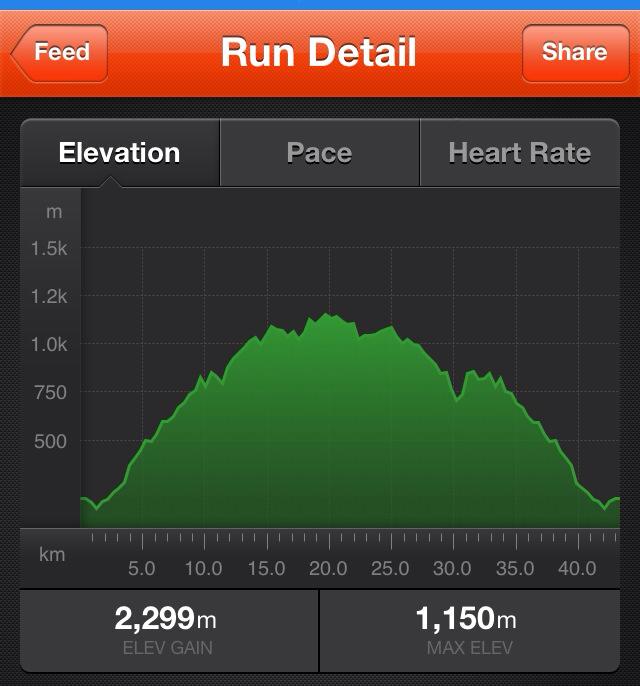
Clark-Miyamit 42K Elevation Profile (Courtesy of Rey jimenez)

I was prepared to arrive at the starting area at 3:30 AM last Sunday, September 22, 2013 but due to a text message from Jonel Mendoza of frontrunner Magazine that the race start time will be delayed for a hour due to the inclement weather in the area and some problems with the transport of the volunteers/marshals to the peak of the mountain, I took my time to travel and prepare the things/logistics  I will be needing in the race.

At 4:30 AM, I arrived at the assembly area and got processed where I was able to sign some papers and got my race bib. It was raining and the temperature was cold and refreshing. I was able to talk to some of the runners and it was some sort of reunion among ultra runners and trail runners. They jokingly told me that I was so serious to say in my blog that I will be on a Race Mode, thus, I will not have any time to talk or “socialize” to any of the runners during the race. I just smiled to them and wished them good luck and have fun during the race.

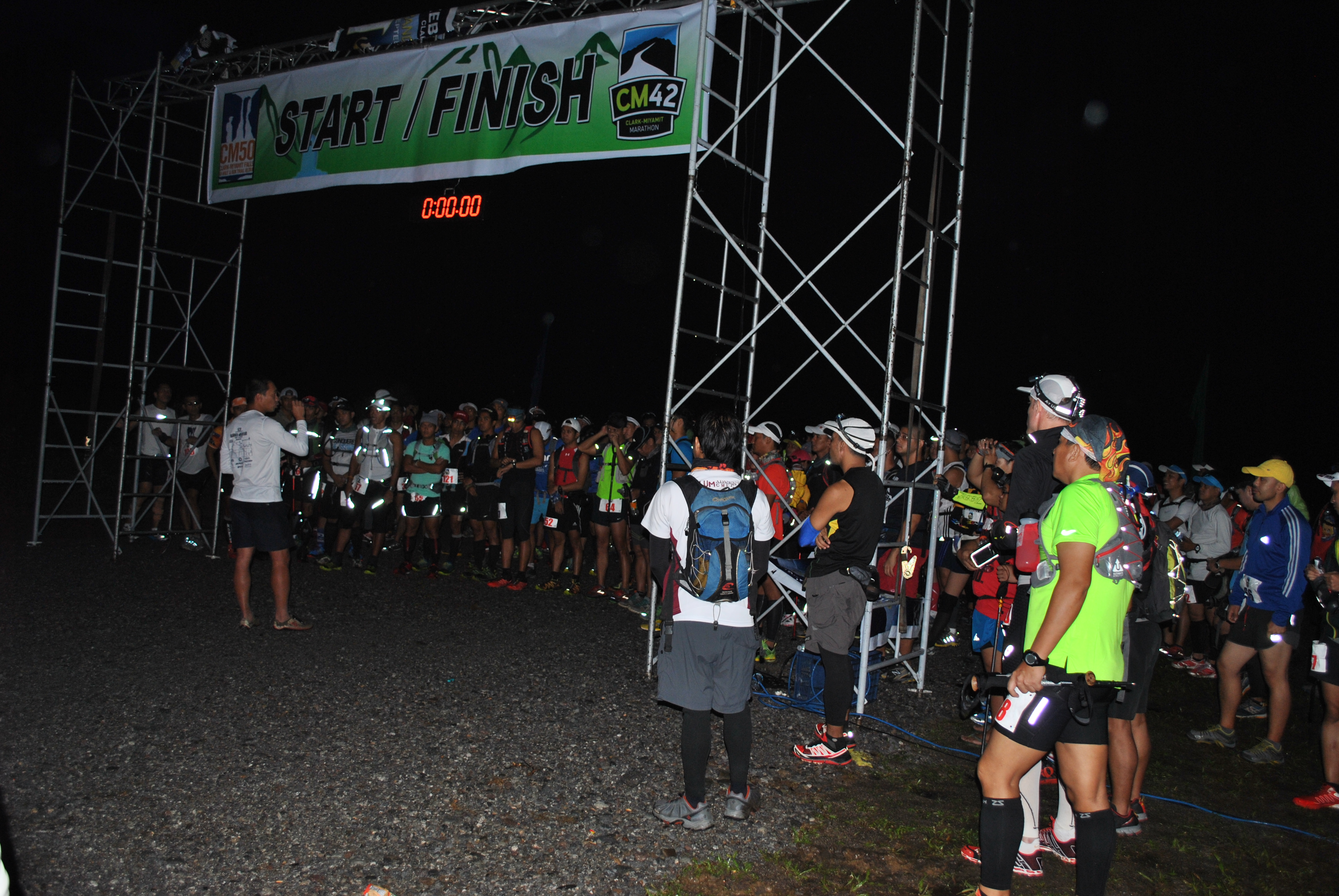
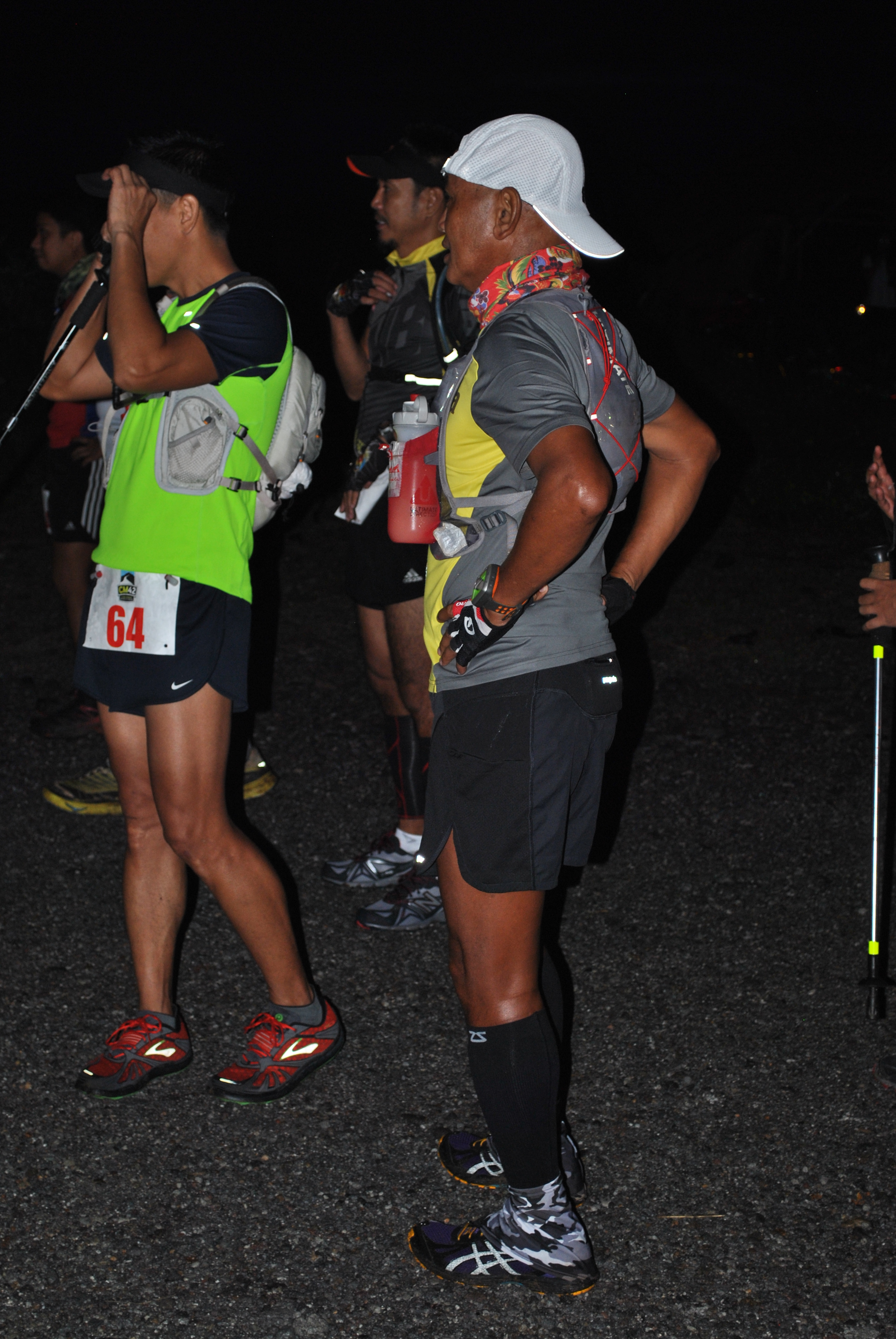
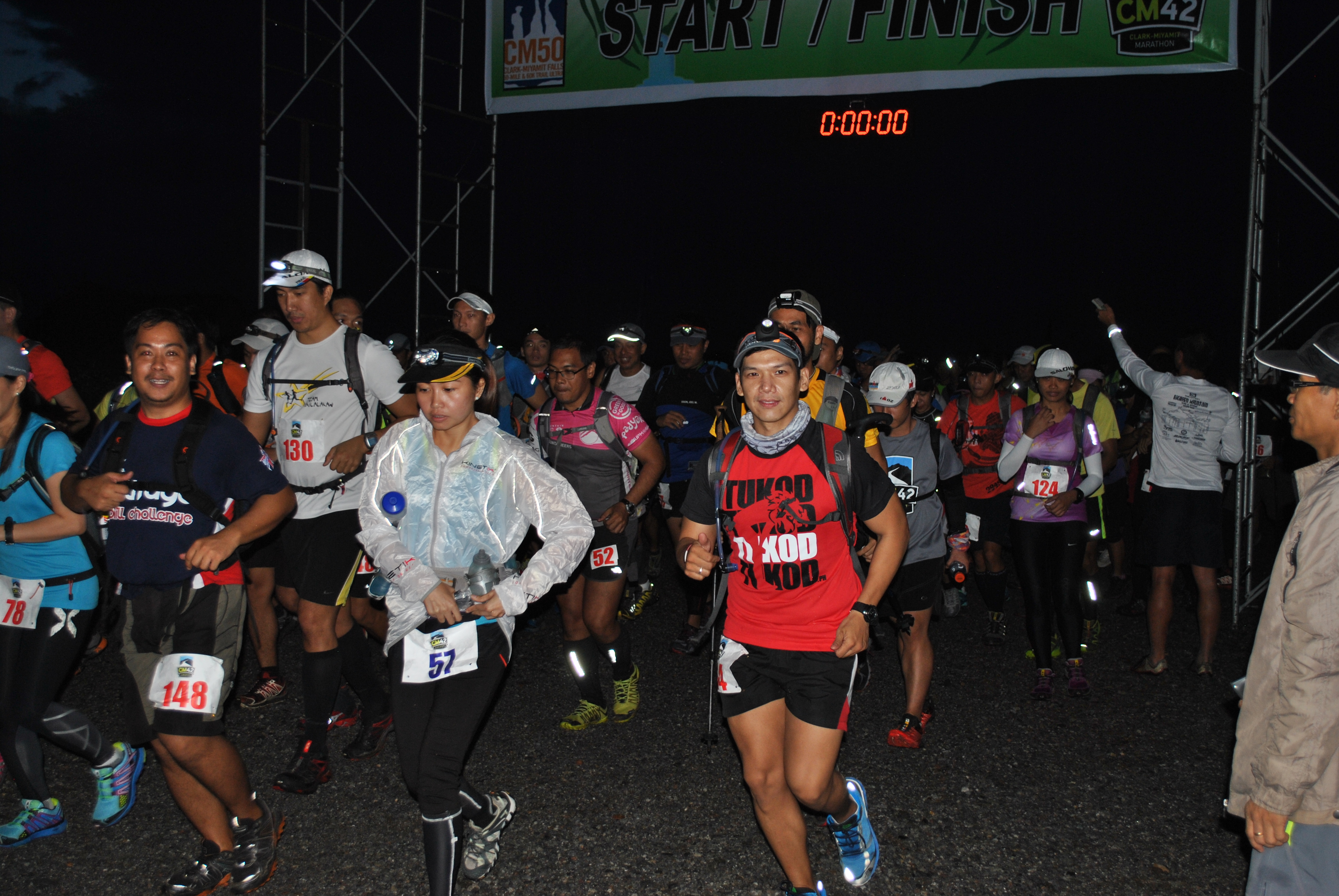
All the runners were called under the Start/Finish Arc for the final briefing by the Race Director 15 minutes before the start time. There were some pointers and warnings issued by the RD for the runners to know due to the weather condition of the day. I positioned myself at the back of the runners while listening to the briefing. At exactly 5:30 AM, the race started and I was with Jonel as the two of us were last runners to leave the Starting Line.

Final Briefing By RD Jon Lacanlale
Still Dry & Looking Fresh @ The Starting Area
The Gun Was Fired And We Were Off!

My race strategy was to position myself at the back of the pack at the start and then slowly pick-up the pace as the race progresses. The first two kilometers were made as my warm-up period with a slow and easy jog as this part of the course is flat and slightly going down. Most of the runners picked-up their pace immediately on the 1-2 kilometers of the route. As soon as I hit the first uphill of the course, I was already sweating, though I was hiking briskly.

On this very challenging trail race, I always see to it that I “brisk-walk” or power hike the uphills and once I reach the top, I force myself to jog and run on the flat and downhill parts of the course. This drill is being repeated from start to finish. However, if the uphill is not too steep, I would attempt to jog over it by taking small gaits/steps but with faster cadence. In order to be consistent in this, I would briskly pump my arms, over swing them and breath faster. Of course, I would do this in my training runs and comfortably apply this in my races.

Jonel & I Were The Last Runners To Leave The RD

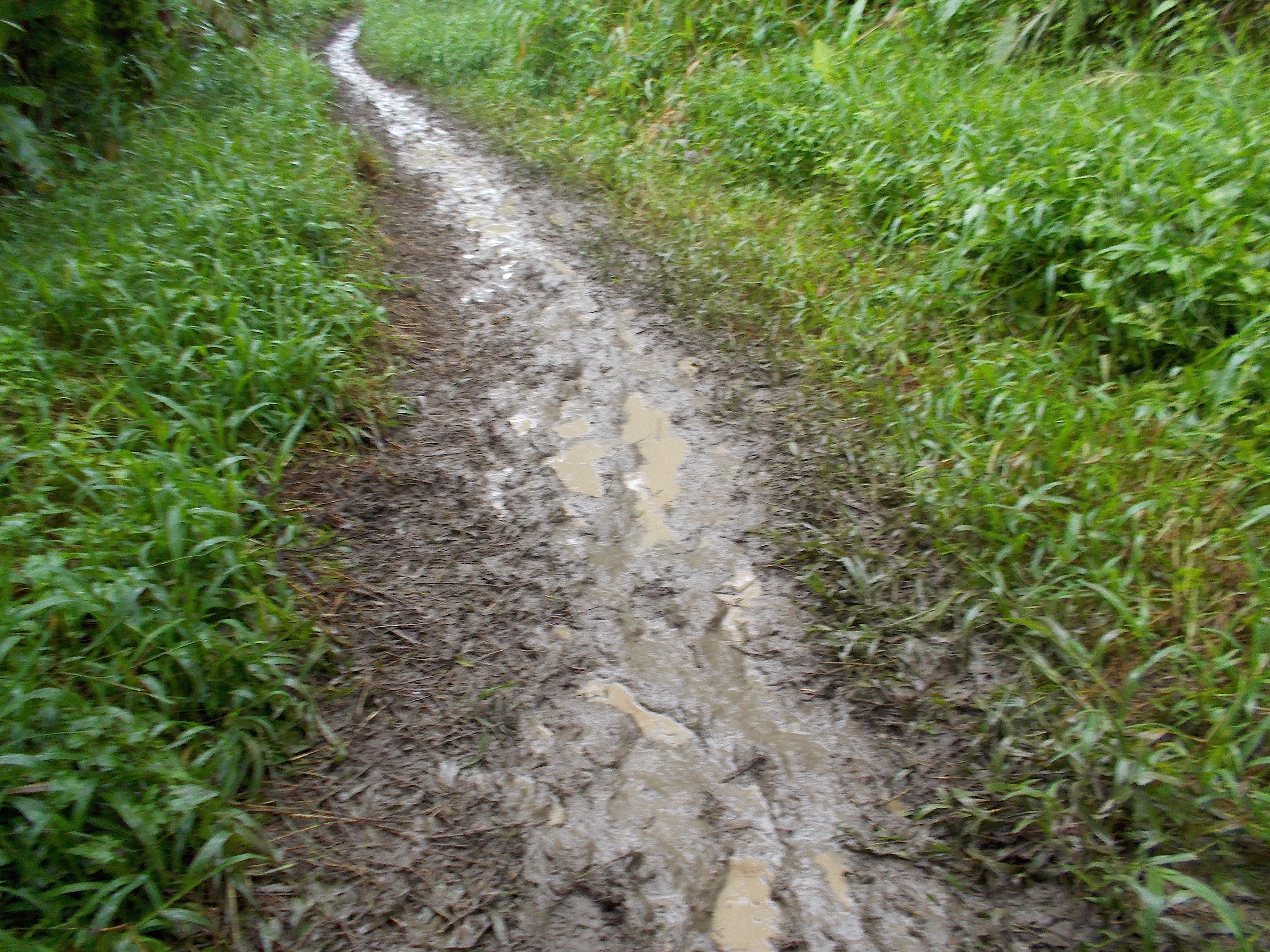
At the back of my mind, I would like to register a “negative split” of my time in this race by being slower on the first half and then going faster on the last half of the race. Obviously, that will happen because the first half is an uphill climb to Mt Miyamit/turn-around point  which has an elevation of about 1,150 meters above sea level and then the last half will all be generally downhill. But such conditioning to the mind did not happen because of the weather condition that brought about with those slippery, muddy, and water-soaked trails.

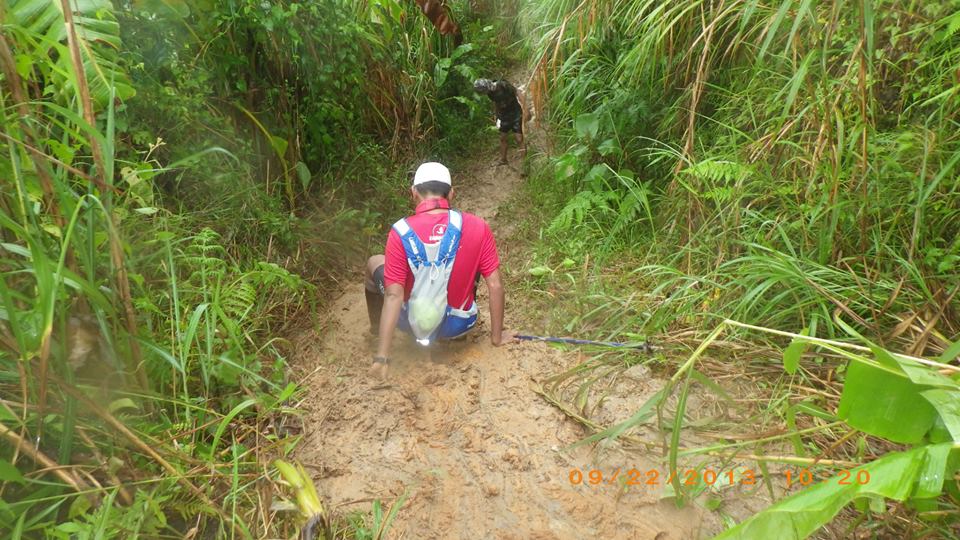
On the second half or downhill part of the course, the trail was so slippery that most of the runners would look for the sides of the trail where they would land their feet without falling on their butts or worse, on their faces. The muddy condition of the ground had also slowed down most of the runners. But all these were part of the challenge and I really enjoyed running on these muddy, slippery, loose, and water-covered trails.

Runner Falling On His Butt To The Ground Due To Muddy & Slippery Trail
Runner Falling On His Butt To The Ground Due To Muddy & Slippery Trail (Picture Courtesy of CJ “Miles” Escandor)

After the Km #10/AS 3 as I was going up to the peak/turn-around point, I was trying to count the number of runners that I would meet in order to find out my ranking among the runners. It was fun to see these faster runners as they go back to the finish line. I would not be surprised to see these top runners as they see me going up to the turn-around point. But I could see in their faces how surprised they are when they see me as I get nearer to the turn-around point! They are also surprised that they have a few meters gap from me from their backs! As I reached the turn-around point, I was able to count 47 runners that I met along the way which makes me as the 49th runner (Danin was the 48th runner).

A Part Of The Easier Sections Of The Course

Everything that happened in this race was so fast, except when I was going up from the checkpoint at the foot of Miyamit Falls up to the Aid Station #3. I practically walked this uphill stretch of about a mile/1.5 kilometers and it took me 31 minutes! I was not sure if I was exhausted or needed some “sugar” to my body system. I took this opportune time to eat more solid foods (hard-boiled eggs with salt) and take in a GU Gel.

On the last 10 Kilometers to the Finish Line, I tried my best to run and jog all the way except for some delay on those steep downhill slippery parts of the route where I have to walk slowly. I maintained a steady pace and Ultra Runner Jon Borbon kept me company as he was tailing me throughout the said distance.

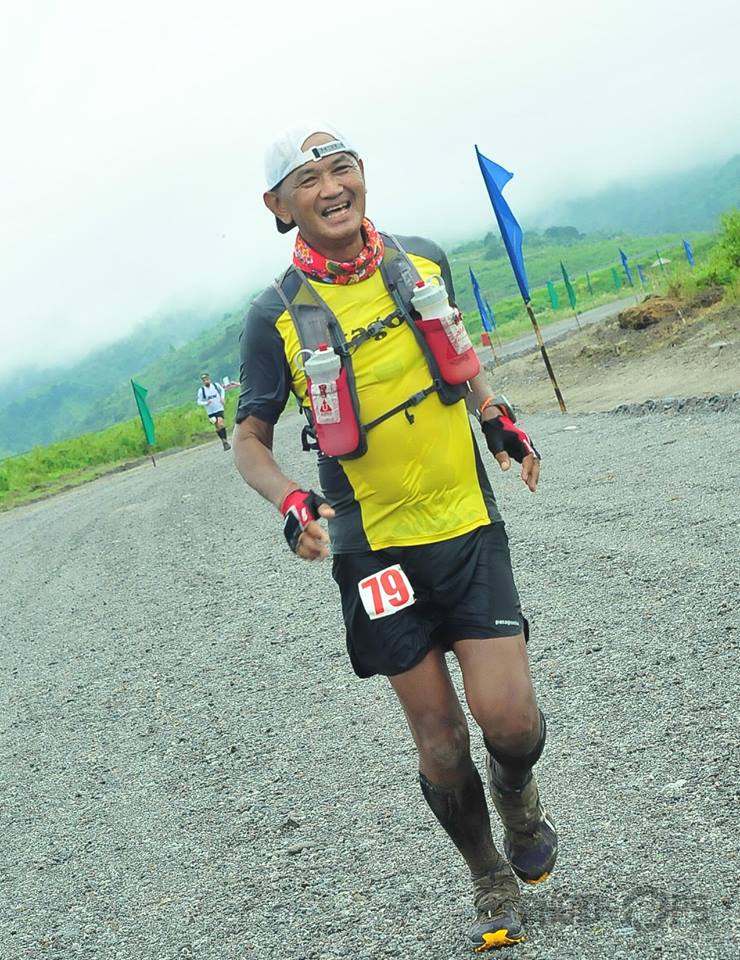
Wet, Dirty, & Tired But Still Smiling Towards The Finish Line (Picture By Photo Ops)

I finally reached the Finish Line with an Official Time of 7:57:58 hours with a rank of 36th runner among the 115 Finishers. The RD was at the Finish Line to award the Finisher’s Medal and congratulate me for finishing the race.

Finishing at 36th place was more than a success to me since I have targeted a conservative goal for this race to place on the top 50% of the runners. As a result, I landed among the upper 31% of the finishers!

I would attribute such accomplishment on the following:

1. Consistency—I have followed a structured training program for the past 3 months + one week leading to the race where I have completed a total distance of 1,627 Kilometers or 1,017 Miles. Since this mileage was done in 85-90% of mountain trails, I can roughly estimate my total workout for about 325 hours (1,627 kilometers X 12 minutes/kilometer).

2. Specificity of Training—As shown above, almost all my training was done in the mountain trails where my 61-year old body slowly adapted to the challenges of the environment. Speed was put behind and more focus was concentrated on endurance and proper footing/feet-landing techniques on different kinds or situations on the mountain trails. The more slippery or muddier the train is, the better for me!

3. Nutrition & Hydration—In my training, I have experimented on my nutrition and hydration, most specially on my weekend long runs. Such experimentation was applied during the race. For the race, I ate a simple breakfast of steamed rice + 2 pieces of hotdog + hot coffee, 45 minutes before start time. Some runners who greeted me at the Starting Line saw me eating this stuff. I took in some water with the food. Twenty (20) minutes before start time, I took in my first Espresso Love GU Gel. From the start up to the finish, I took this GU Gel every 40-45 minutes and hydrating with Perpetuem Mix and Water every 20 minutes in an alternate manner. At the turn-around point, I started eating my Hopia as my solid food. On my way from Miyamit Falls to the Finish Line, I was able to eat 2 pieces of hard-boiled eggs with salt. I have also six pieces of Butterscotch from Biscocho Haus of Iloilo City in my pack as my reserve food. At the end of the race, I was able to consume eight (8) GU Gels; 4 pieces of Hopia;  2 pieces of hard-boiled eggs; 40 oz. of Perpetuem Mix; and 40 oz of Water. This nutrition & hydration strategy was strictly followed to keep me from “bonking” and reacting to it and as a result, I was being proactive to the needs of my body during the race. It is like being attached with an Intra-Venous (IV) fluid where every drop of  fluid enters the body every second.

One Pack Of Hopia
Two Packs Of Hopia

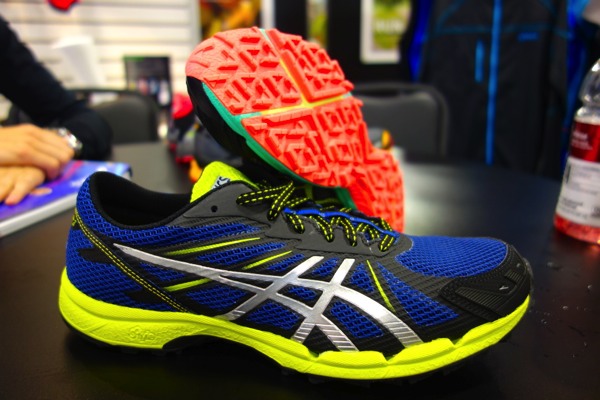
4. Running Kit & Apparel—-My Patagonia Shorts kept my iPhone on its back pocket with 6 GU Gels (3 pieces on each side pocket). My Patagonia shirt was very light even if it was damp/wet the whole race. The Ultimate Direction AK Vest which I use in my training kept my 2 bottles  for hydration and food at the back pack; my tiny Nikon Camera on my right shoulder pocket; and two GU Gels on my left shoulder pockets which I used also to keep my trash during the run. I was wearing my favorite Giro Cycling Gloves which was very useful during the run (I guess, I need to post  a separate story for this!). Calf sleeves were used to protect my legs from the sharp leaves of wild grasses along the trails. I also used Gaiters to protect debris and other dirt from entering my shoes. I’ve chosen my ASICS Gel-Mt Fuji Racer Trail Shoes instead of Inov-8 Mudroc 290 due to its lightness and easy drainage of water entering the shoes and it gave me the much needed confidence to paddle through water-soaked, muddy, and slippery trails. My Under Armour running cap and Buff which were damp and wet were also useful in maintaining a lower body temperature on my head and nape.

ASICS Mt Fuji Racer Trail Shoes

5. Rest, Recovery, Taper—-From Wednesday up to Friday before the race, I had full sleep during nighttime of not less than 8 hours per night. On Saturday night, I was able to sneak in at least 5 hours of sleep. During my training period, I have to fully rest (without any runs) on Mondays—it’s the day when I eat my favorite food, walk and watch a movie in the malls, and/or read some books. One day before the race, it was completely a rest day for me.

6. Knowledge of the Terrain and Be Able To Acclimatize with the Environment—-Having been to the route at least one month before the race with the same weather condition, I already knew what to expect and I even tried to locate for points/places along the route where I could slow down or speed up or where I would take in my nutrition. I was able to test and find out what would be my running apparel/kit for the race during my last recon run to the place. I was able to test also the amount of fluid and food I would need for the race proper, thus, it would lead to the next factor to consider as stated next to this.

7. Not Stopping At The Aid Stations—–It is enough to hear the cheers and greetings from the volunteers and then for me saying, “Thank you for being here for us” to them as I continue my run and pass every Aid Station along the route. It is either I slowed down with my run or simply hiked/walked as I reached the Aid Stations to greet the volunteers. For the Aid Station on the wider road, I would just wave my hand or give them a “thumb-up” sign to acknowledge their presence on the trails even with the rainy weather condition. The cooler atmosphere and rainy condition contributed for my body not to perspire so much and I was able to conserve my intake of hydration fluid. It was only at the place where the 4 X 4 vehicles were parked where I was able to ask for water refilling on my way back to the finish line.

8. Listening To My Body—My HR Monitor was my basis to get feedback why I would breath heavily during the run. I would see to it that I was maintaining an Average HR of not more than 150 beats per minute. There was only one instance where my Average HR reached to 152 bpm and I had to slow down with my power hike on a steep trail. I would feel some pain on my knees and quads on the second half of the race and that I would slow down and observe if such pain would disappear or not. Generally, I did not experience any severe pains/injury or muscle cramps in any parts of my body up to the end of the race.

Success and being able to reach one’s goal in any race is not developed and attained overnight or for a short time even if one has had finished harder and more challenging races in the past. It takes a lot of planning, attitude, determination, patience and handwork.

In short, this is in my own words is called, “discipline”!

Congratulations to RD Atty Jonnifer Lacanlale for a successful race and my special thanks to those volunteers who braved the inclement weather in the mountains to make sure the safety and well-being of all the runners on the night before the race as well as, after the last runner had crossed the finish line. Good job, guys!
Lace up, go out of the door and run!

(Note: For more details & data of my run, please check on this link: http://connect.garmin.com/activity/380094060)

Route Description: Naic To Nasugbu 50K Ultra Race (Road)


I was invited by JC Igos and the members of the Team Cavite Endurance Sports Enthusiasts (E.S.E.)  last month to run and recon a route for a road ultra marathon event in their province. We agreed on a scheduled date but due to my participation in last Sunday’s Clark Miyamit 42K Trail Marathon, I asked them to postpone the recon activity on a weekday.

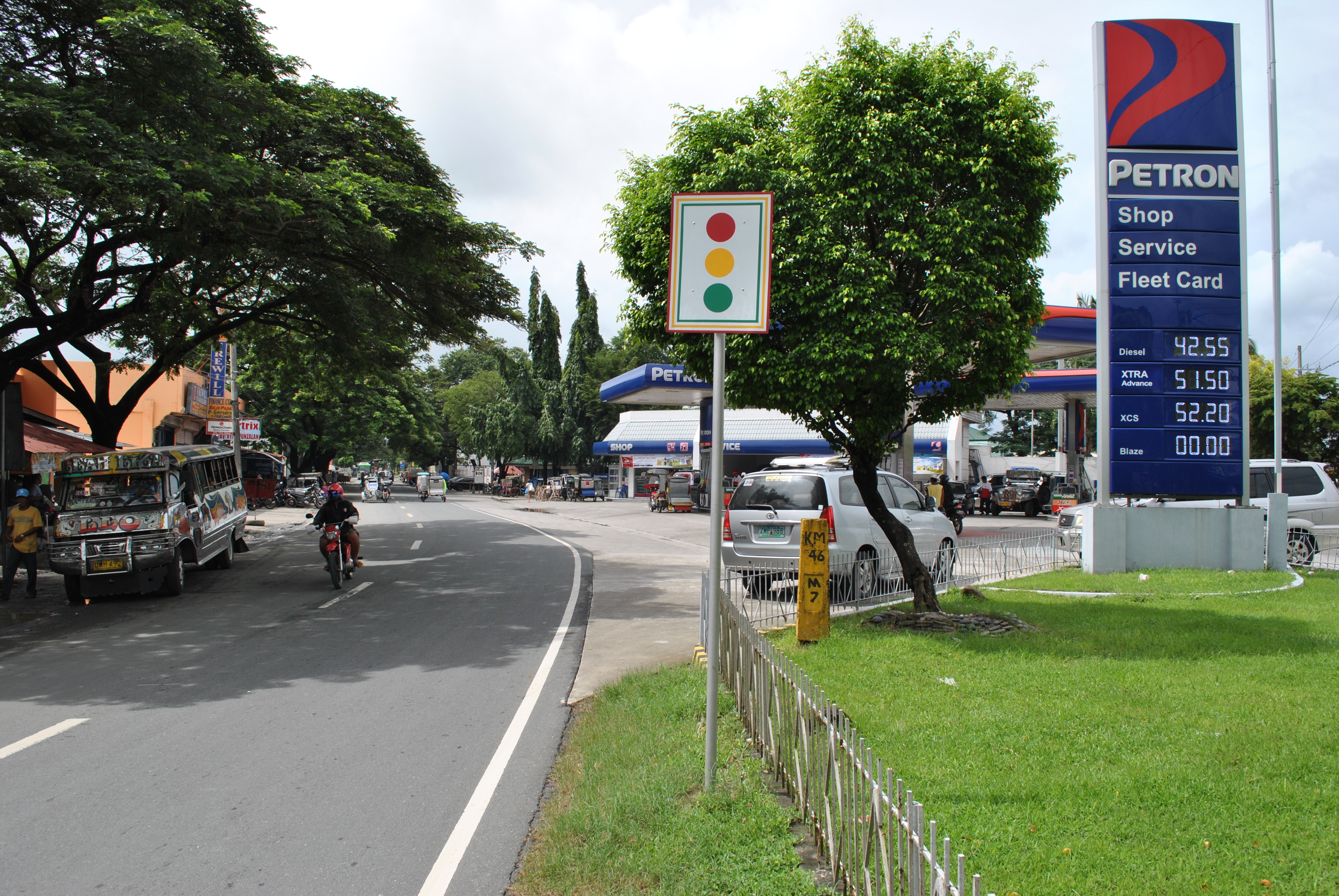
Today, I was accompanied by Rico Laplana and Enrique Sundiang aka DaBull Runner to recon the route aboard my personal vehicle. I measured the route through my GF 305 GPS Watch as we started from the Petron Gasoline Station at the junction of the road going to the Poblacion of Naic, Cavite and the road going to Maragondon, Cavite. We went to the direction going to Maragondon, Cavite. After a few kilometers, we reached the junction road going to Puerto Azul and Caylabne Resort/Philippine Marines Tarnate’s Beach Training Camp. We took the left road going to Caylabne Resort/Philippine Marines’ Training Camp.

Starting Point @ Petron Gas Station In Naic, Cavite

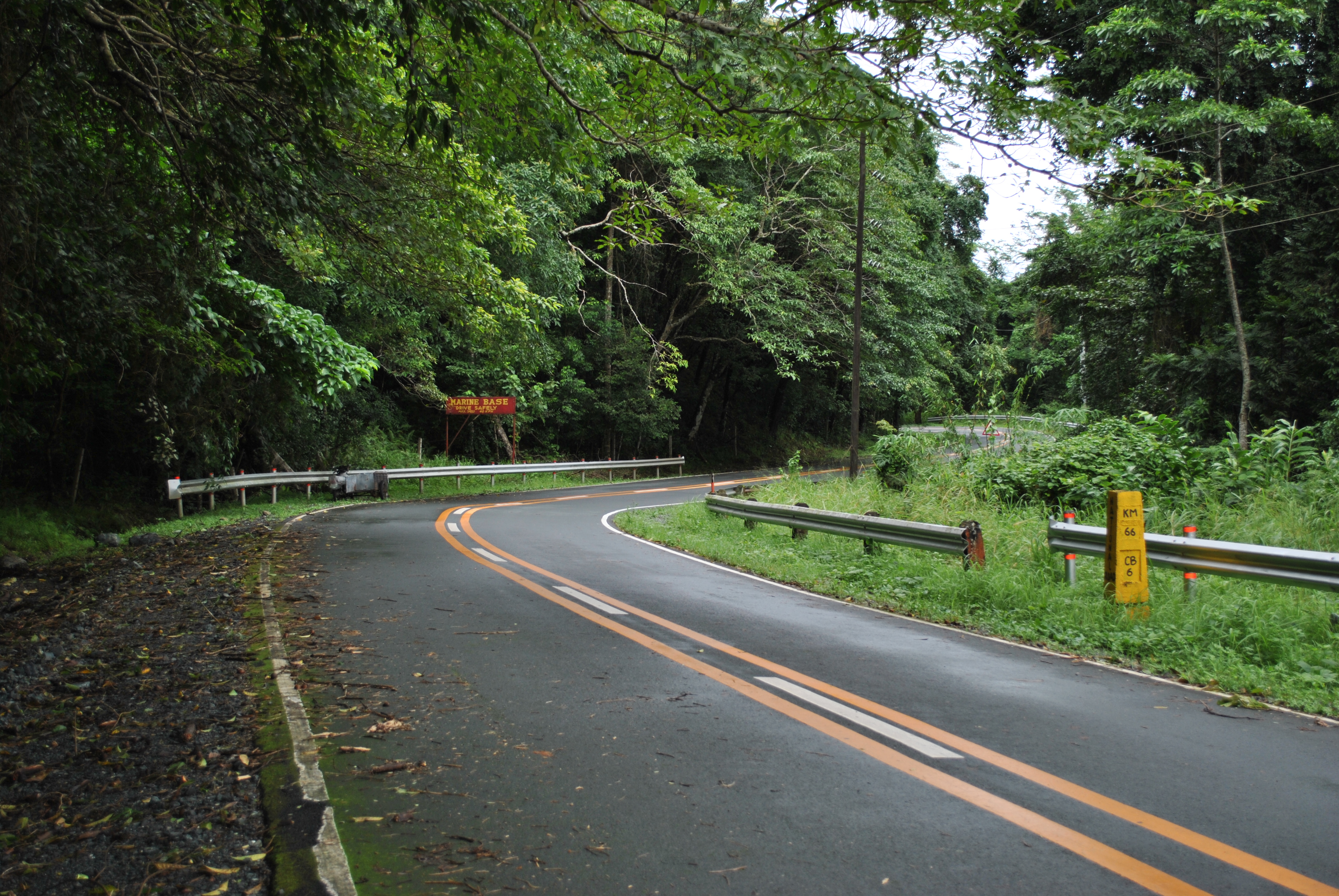
This part of the route is simply amazing and serene—-no traffic, no vehicles, and the road is surrounded by forest and thick vegetation with some water falls on the sides of the road. We passed by the DENR and trailhead in going to Pico De Loro. We were on a mountain road and the air around is so refreshing!

Nice Road, Fresh Air, Challenging Route, Shaded Road, & Green Scenery
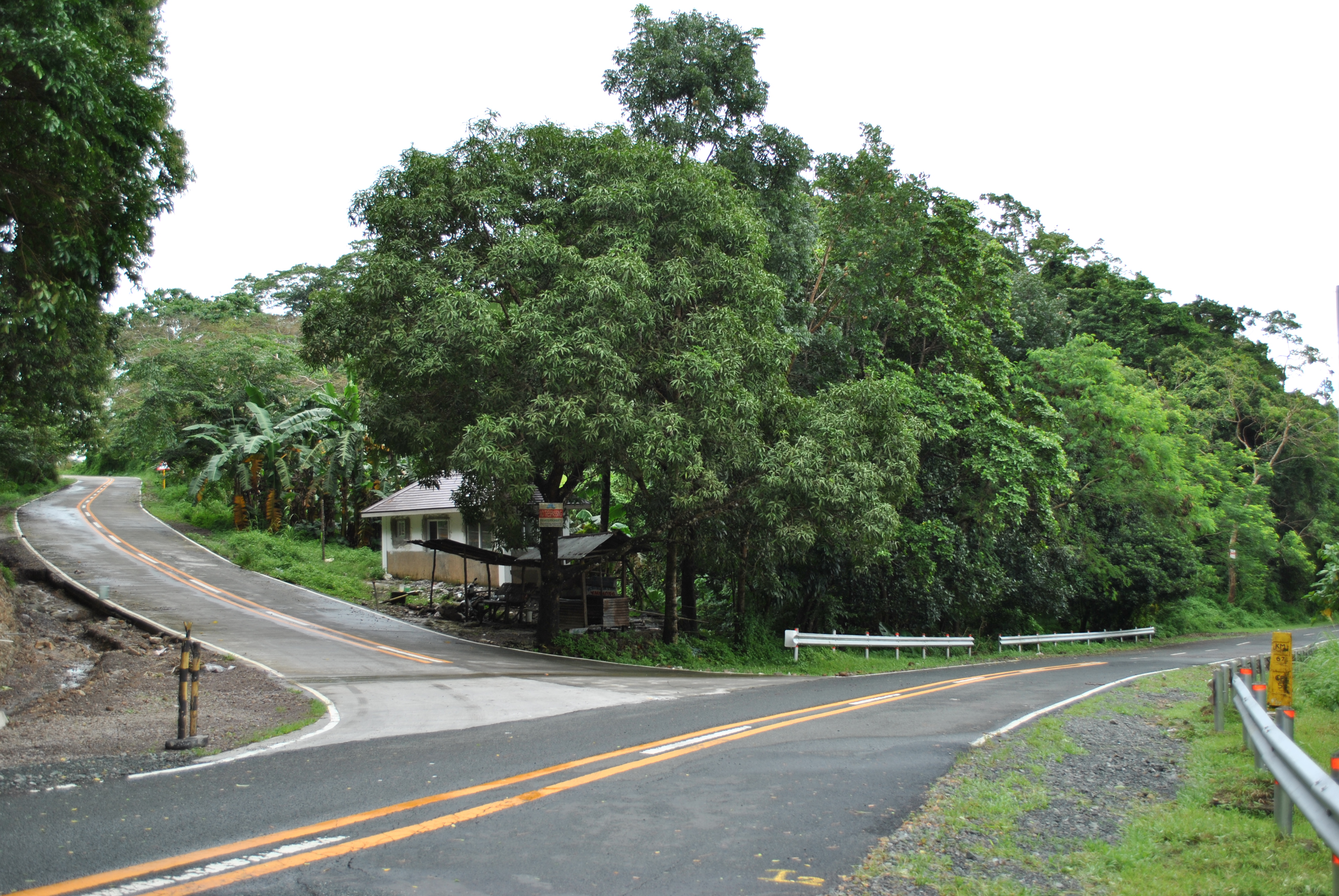
Junction Going To Kaybiang Tunnel/Nasugbu
Uphill Road To Kaybiang Tunnel From The Junction

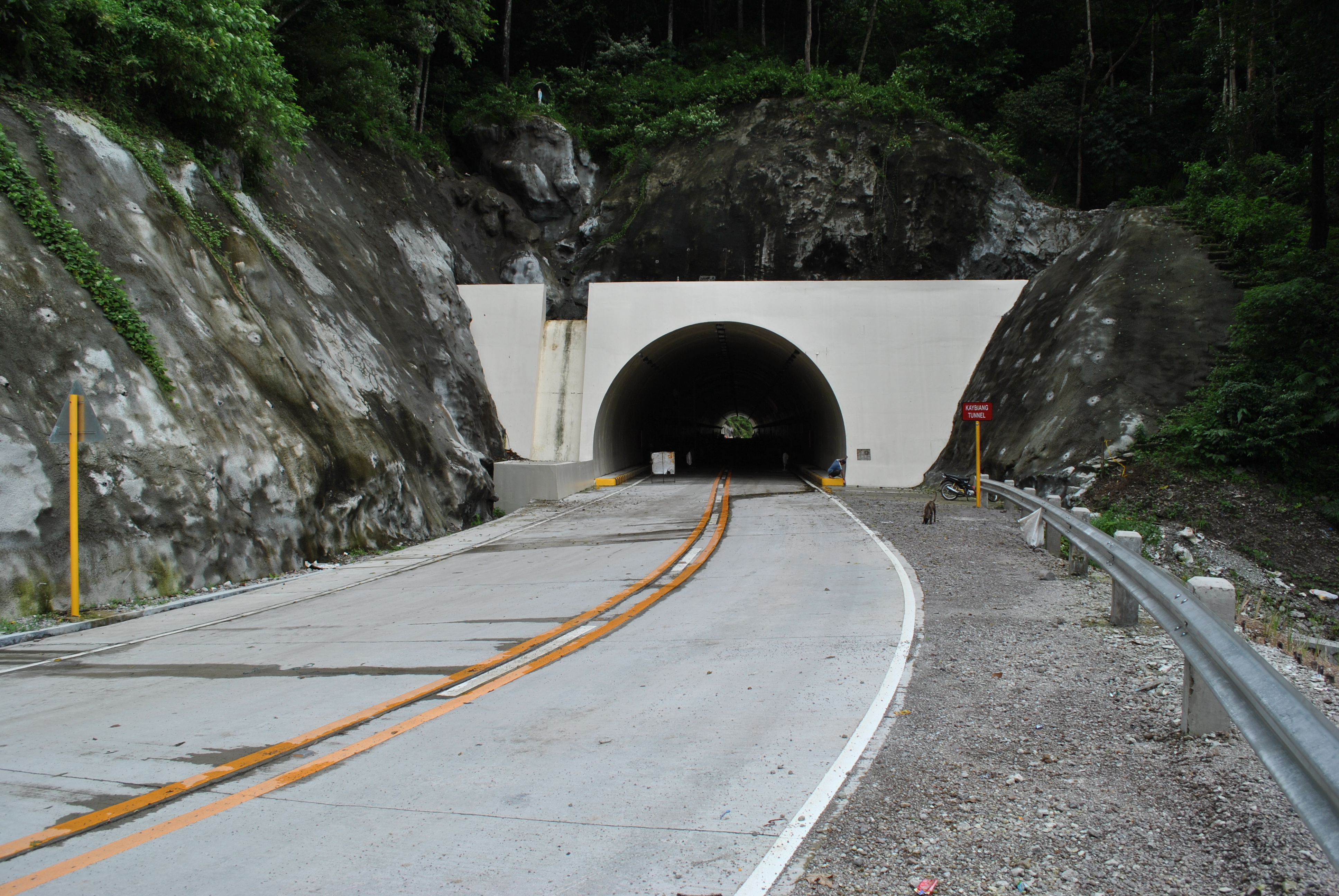
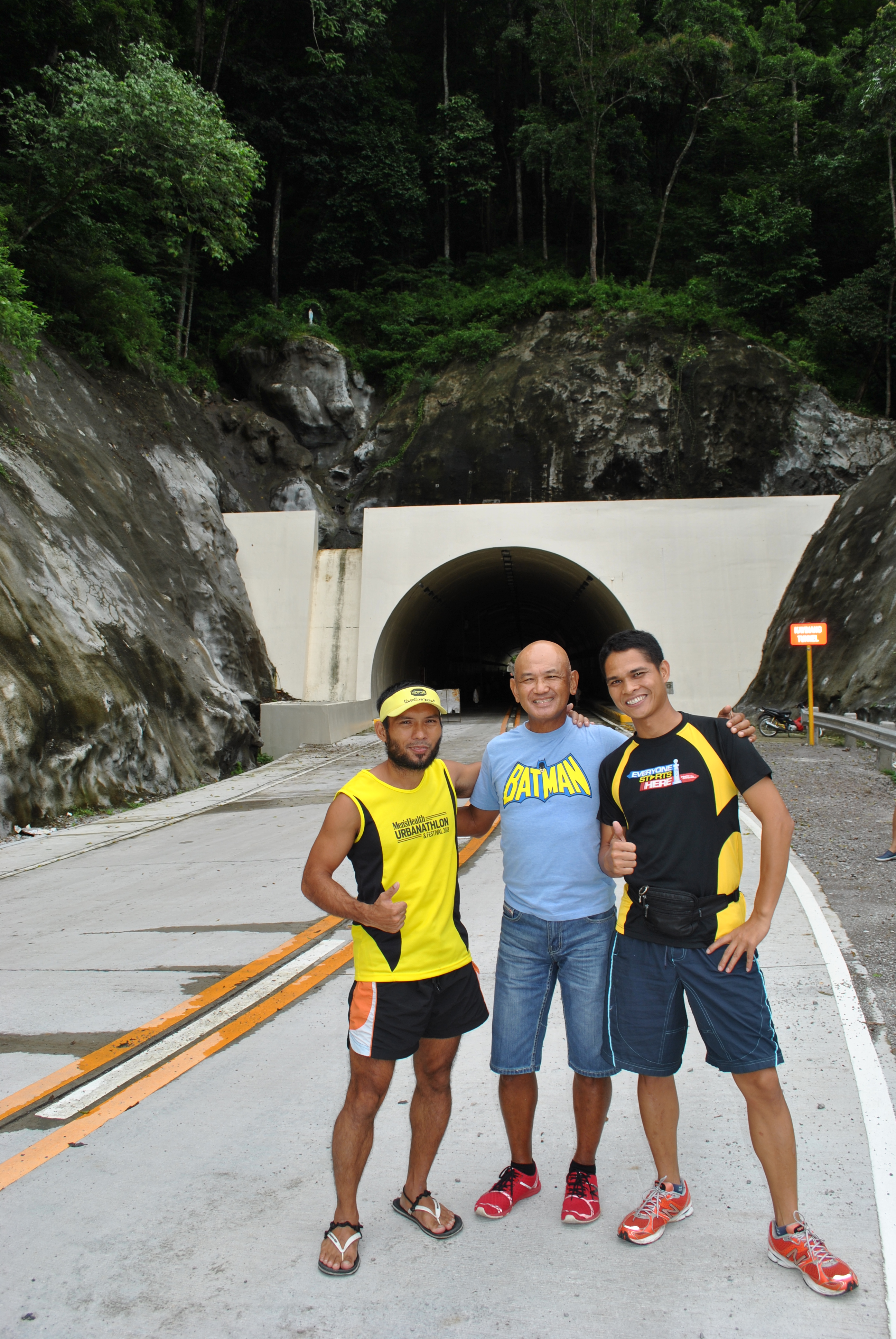
Then, we came into a tunnel where workers were busy installing lighting system into it. I was amazed by the engineering works done in this tunnel. It is more modern and wider/bigger in space than those tunnels in Corregidor, Subic or in Marin Headlands in San Francisco, California!

Kaybiang Tunnel
Kaybiang Tunnel
A Nice Place To Have A Picture

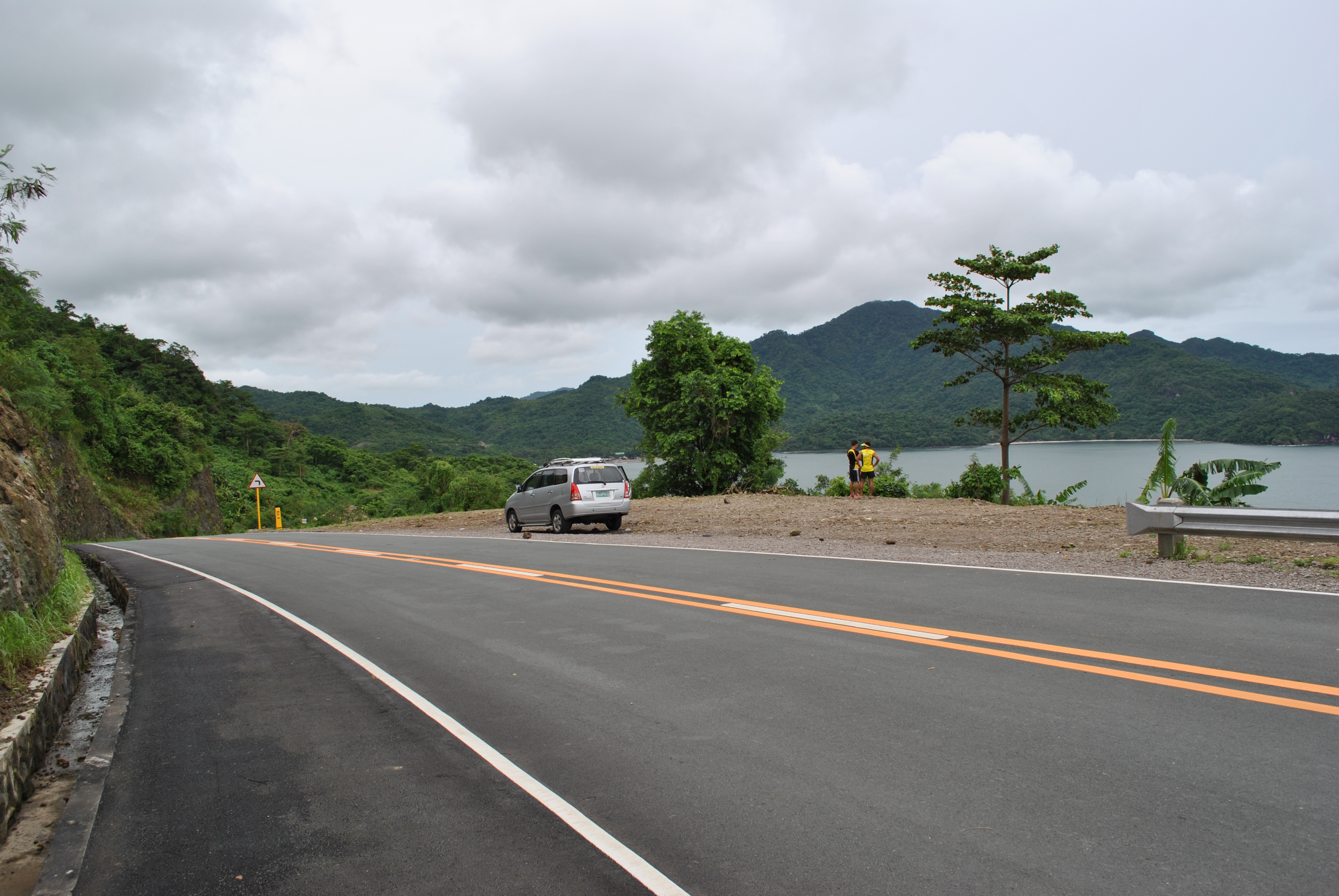
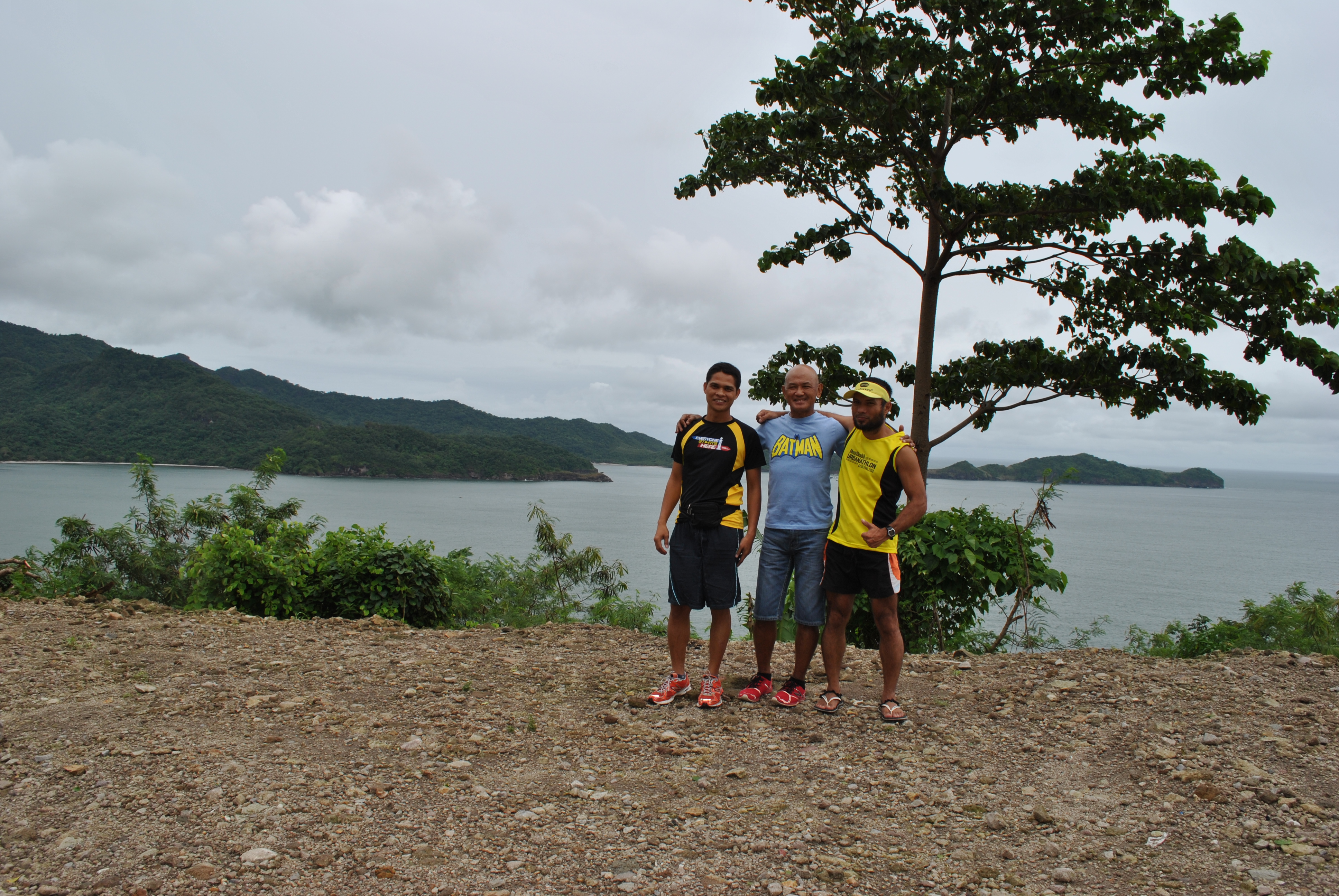
And after coming out from the tunnel, we were met with a beautiful scenic view of the South China Sea with Corregidor Island and the coasts of Cavite and Bataan! We can’t resist not to have a picture with the view of the sea as the background!

View After The Kaybiang Tunnel

I was able to take some pictures of significant views along the route.

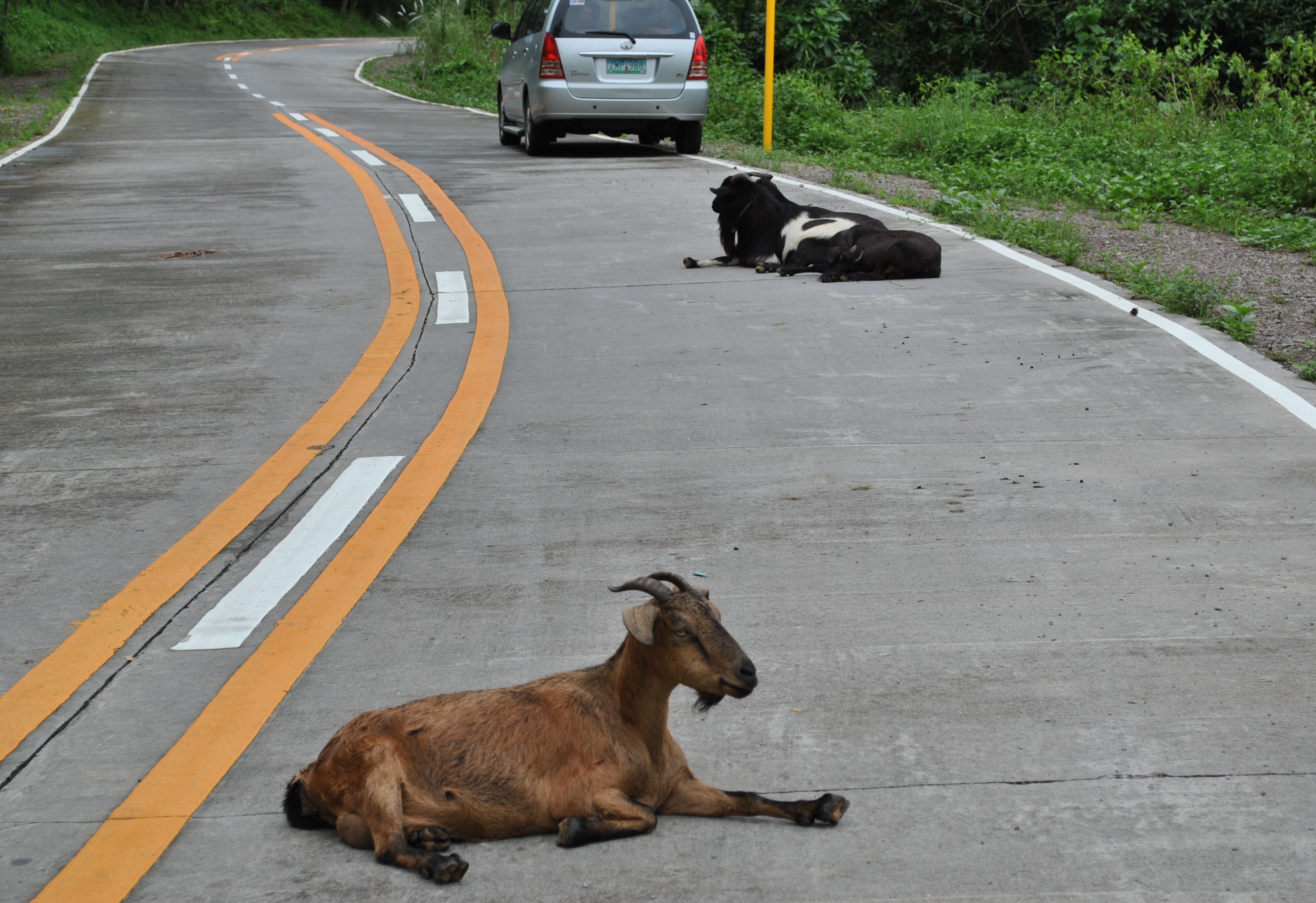
"King Of The Road"
“King Of The Road”
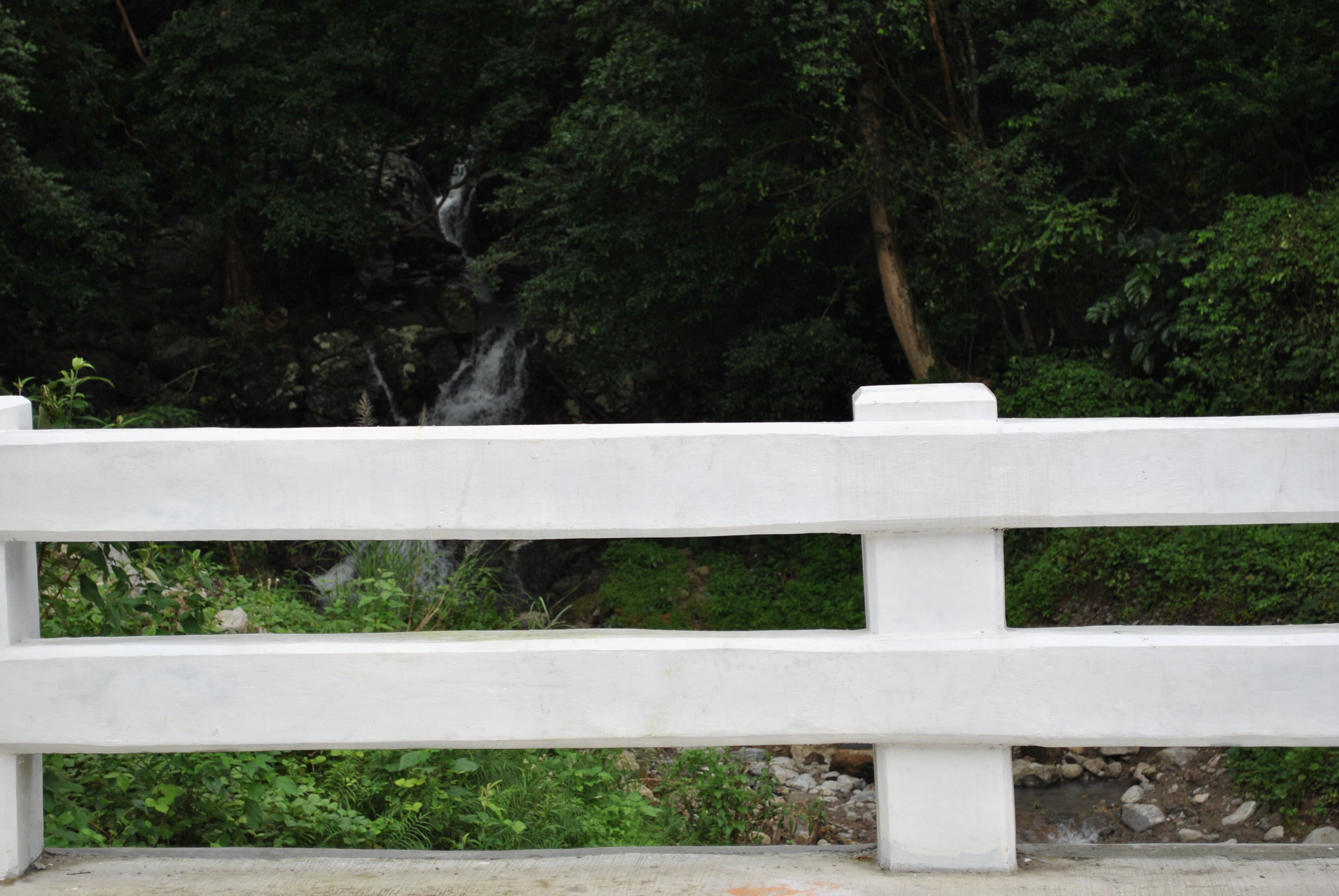
One Of The Waterfalls Along The Route

More scenic views of the mountain and the sea as we passed by the so-called “Boracay of Cavite”.

View Of The "Boracay Of Cavite"
View Of The “Boracay Of Cavite”
Another View Of The "Boracay Of Cavite"
Another View Of The “Boracay Of Cavite”
Simply Beautiful Scenery

After some hilly, steep ascents and descents in the mountains that surrounds Pico de Loro, we came to a flatter portion of the route as we reached the entrance to Hamilo Coast Resort. After 3-4 kilometers of flat road, another steep inclines and declines would meet us as we got nearer to the Poblacion of Nasugbu, Batangas.

From the place where we started to measure the route (Petron Gas Station in Naic, Cavite) to the Plaza Roxas of Poblacion, Nasugbu, Batangas, the GF 305 GPS Watch registered a distance of 52.8 Kilometers. It registered also a Total Ascent of 1,250 meters and Total Descent of 1,220 meters.

Some fine adjustments on the location of the Starting Area and Finish Line will lessen the distance and come up with a 50K distance road ultra event.

Having measured and recon this route, I am already thinking the possibility of having the following ultra events in the said area:

1. 1st Naic To Nasugbu 50K Ultra Road Race

2. 1st Tagaytay To Naic 102K Ultra Road Race

I am really excited to actually run these routes in the future and come up with these two separate ultra events for everybody to experience.

My special thanks and appreciation to JC Igos, Rico Laplana, Enrique Sundiang aka DaBull and to the Team Cavite E.S.E. for sharing this route and for suggesting that the events shall be part of the yearly regular races of the Philippine Association of Ultrarunners (PAU).
Keep on running!

(Note: Scheduled Dates for these Ultra Races will be posted on this blog’s 2014 Ultra Races’ PAGE)