Arby’s 5K Race In 19:42 Minutes!

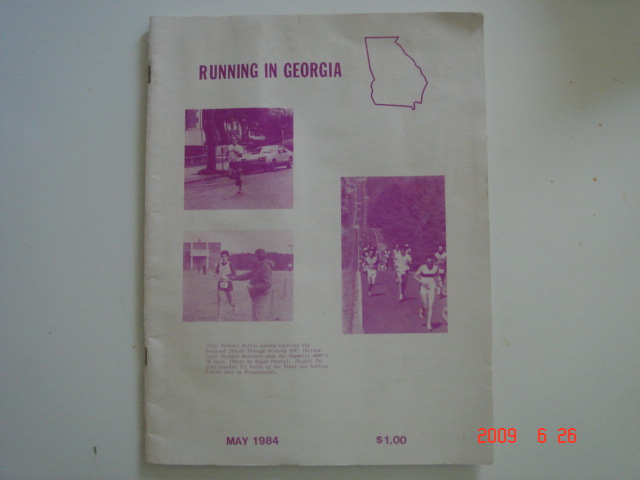
Finally, after going through my my old notes and files dumped in the garage trying to clean all the trashes, I was able to get hold on to a very simple running magazine published in Georgia, USA which I bought in one of the weekend races I attented to during my military schooling in Fort Benning, Georgia. The magazine is entitled “RUNNING IN GEORGIA”, published in May 1984 with a price of One Dollar.

In the said magazine are articles about running in the State of Georgia and the Results of all Running Races for the past months. I bought then the said magazine because my name was listed as one of the finishers of the road races while I was in Georgia.

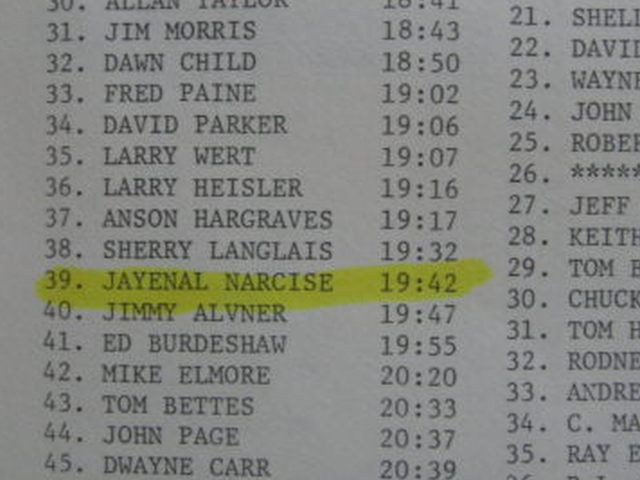
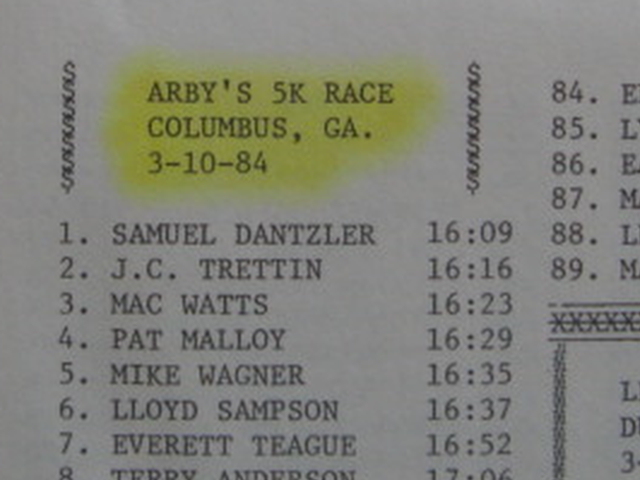
On March 10, 1984, barely two months after I finished the 1st Infantry Marathon in Fort Benning, Georgia, I joined the Arby’s 5K Race in Columbus, Georgia. As a result of the race, I finished the race in 19:42 minutes with an average pace of 3:56 minutes per kilometer. Out of the 89 Finishers, I was ranked #39 with the Champion runner finishing in 16:09 minutes. I was then about to reach the age of 32 years old and I believe this was the time when I was breaking the 40-minute barrier finish time for the 10K run. Well, those were the days when I was still young! 

By the way, Arby’s is a chain of restaurants featuring roast beef sandwiches. Arby’s was very active in sponsoring 5K & 10K races for the whole State of Georgia during those times.

RUNNING IN GEORGIA Magazine
Misspelled Fist Name But It Was Me!
The 1st Runner Was 3 Minutes Faster!

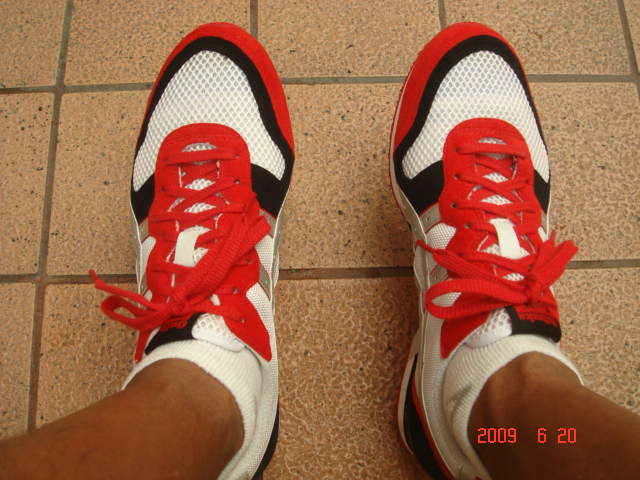
ASICS Tiger Ultimate 81

If you still remember and was able to use this kind of running shoes in the late 70s and early 80s, you could be within my age group of 55-59 years old this time or maybe you are a little older.  In the early 1984, I was using the ASICS Tiger X-Caliber GT and I was able to use the said shoes in finishing three (3) marathon races then. Later, it became as X-Caliber GT II and it was then the start when ASICS used Gel in their running shoes. The X-Caliber GTs just vanished in the early 90s and they were replaced by the GEL models. 

Now, Onitsuka Tiger revived these shoes last year/early this year and it is now popular among the younger generation as casual shoes. If Frank Shorter was able to use this kind of running shoes in the 1972 Olympic Games when he won the Gold Medal in the Marathon and make this shoes as the cover of the popular book by James Fixx, The Complete Book of Running in 1977, it is worth to have one of these retro shoes and bring back the memories of the 70s & 80s running “boom”. The ASICS Tiger Ultimate was considered as the “sports car” among the running shoes during those times. 

I don’t recommend this kind of retro ASICS Tiger shoes to the “newbies” , “non-hardcore” runners and those who are prone to feet/legs related injuries. However, these retro shoes are highly recommended as casual shoes with your dark blue denim jeans or summer shorts & casual shirts.

I hope to use it in my tempo runs at the track and on the road. We will see how it feels to run again back to the 70s and 80s!

Top View of Onitsuka Tiger Ultimate
Nice Drymax Running Socks!!!

I bought this shoes at the Finish Line Sports Store located inside the Beverly Center Mall in Los Angeles with a price of $ 49.95 + tax.

Miyazato & Semick: Champions in the 23rd IAU 100K World Cup (2009)

I’ve been reading the published prizes of the winners for the BOTAK 100K Paa-tibayan Race which will be conducted this coming Sunday, 28 June 2009 and I was amazed with the list of prizes for the ultramarathon distance races (50K, 100K relay and 100K solo).  With the amount of cash prizes published and the offer for  trips abroad to compete in international ultra distance races, I conclude that  more sponsors are ready to cash-in and support our ultra runners and ultra running events in the country. This is a good sign that finally, ultramarathon is a sports that is being developed and promoted to everybody.

In one of the prizes, I found out that any runner who would finish the 100K solo race below 8:30 hours will be given a free trip and a chance to compete in an ultra running event in the USA or Australia. This is a nice incentive for the top runners of this event. I commend the Race Organizer of this event of thinking and offering this incentive for the winners.

As of the 1st BDM 102K, Eduardo Villanueva, the Champion of this race, finished the event in 9:09:54 hours but it was a 102K distance race. Assuming that his average pace was 5:24 mins/km for the entire race, Ed Villanueva could have finished the 100K distance in 8:49:30 hours. Almost 20 minutes short of the 8:30 hours limit but the BDM102 had a harder course in its 1st half and the weather during the day on the 2nd half was hotter then.

If there is a runner-participant who has a record finish time for the marathon distance of 3:15 hours or lower, he could easily finish the BOTAK 100K solo race within or less than 8:30 hours. If Ed Villanueva is running this event, I hope he could make it below the 8:30 hour limit.

Below is an article of  Nadeem Khan, the Director for Communications of the International Association of Ultrarunners (IAU), published in their website which could be an added information for the ultrarunners and participants of the BOTAK 100K Paa-tibayan Road Race.

Is there anybody interested to participate in the 24th IAU 100K World Cup in Gibraltar in November 2010? Please leave a comment.

Miyazato and Semick win the 23rd IAU 100km World Cup   (Nadeem Khan, 23 Jun)
  Yasukazu Miyazato (JPN) and Kami Semick (USA) won the 23rd IAU 100 km World Cup. The race was held on June 19th – 20th in the beautiful town of Torhout, Belgium one hour away from Brussels. Teams from Japan and USA won the men’s and women’s team divisions respectively. Jonas Buud (SWE) and Irina Vishnevskaya (RUS) won the European Championship. Italy won the men’s team title and Russia won women’s.  On June 19th-20th, Torhout, Belgium was the site of the 23rd IAU 100 km World Cup and European Championship. The race was hosted by the ‘Night At Flanders’, a historic race that celebrated its 30th Anniversary during the festive weekend. There were over 200 athletes participating from 28 countries in the World event and there were a several others contesting the race in the open section. The race was unique in its setting as the run started at 2000 hrs having the runners through the night.


The men’s division was won by Yasukazu Miyazato (JPN) in 6:40:43. He was followed in by Jonas Buud (SWE) and Giorgio Calcaterra (ITA) in a time of 6:41:49 and 6:42:04 respectively.


Miyazato ran a very strong and consistent race running in the front of the pack from the very start. He had a tough run through the third of the race battling with his Japanese team-mate Masakazu Takahashi who finished 5th.


Buud on the other hand, ran a very tactical race, as did Calcaterra coming from behind in the latter stages of the run and making solid ground over the other runners. Calcaterra was the returning champion having won the 22nd edition of this race in Tarquinia last year.


This race also doubled as the European Championship with Buud taking top honours with Calcaterra in 2nd place and Marco Boffo (ITA) taking the bronze medal.


The women’s race was won by Kami Semick (USA). Kami was the top runner coming into this event from last year and lived up to the pre-race hype and expectations. She ran a time of 7:37:23.


She was followed into the finish line by last year’s 4th place finisher Irina Vishnevskaya (RUS) in a time of 7:46:25. 2007 bronze medalist, once again grabbed the 3rd place, Monica Carlin (ITA) came in a time of 7:53:57.


Carlin had the early lead, but about 40 km into the race Kami took the lead and never relinquished it. Vishnevskaya ran another tactical race coming from behind to grab the silver medal.


Vishnevskaya won the gold in the European Championship. Carlin grabbed the silver while Helena Crossan (IRL) got the bronze medal.


In the team competition, Japan won the men’s division followed by Italy in the silver medal spot and France getting the bronze. Italy won the European Championship men’s division. France grabbed the silver medal and they were followed by Spain.


USA won the gold in the women’s team competition followed by Team Russia and Japan. In the European Championship, Russia took the gold in the women’s division followed by Teams from Germany and Italy.


The race was enjoyed by all and running through the night did bring a unique experience to the weekend of festivities. Athletes, Team Managers and Officials are looking forward to the 24th IAU 100km World Cup in Gibraltar in November 2010.


Lessons Learned: 1st BDM 102K

1st Bataan Death March 102K Ultramarathon Race: April 5, 2009 (Mariveles, Bataan to San Fernando, Pampanga)

After reviewing my past posts, I found out that I did not post the usual “Lesson Learned” from my participation in the 1st Bataan Death March 102K Ultramarathon Race. What I posted in my blog immediately days after the conduct of the race was the lessons I’ve learned as the Race Director/Race Organizer of the said Road Race.

In view of the incoming BOTAK 100K Paa-Tagalan Ultra Race this coming Sunday, I am posting this “Lessons Learned” from the BDM 102K to guide the “first-timers” in ultramarathon race with the hope of helping these runners join the ranks of ultra runners in the country.

The following are the lessons learned in the said race:

1) Think always “the end-goal”—Finish The Race. Ultramarathon race is an endurance sports, just like a marathon race but the distance is longer which usually covers the standard distances of 50K, 50 Miles, 100K, or 100 Miles. For a runner who have finished his first marathon race and jumping in to the ultramarathon distance, he knows what to expect and what he has to do to last up to the finish line. As a runner, I always believe that if you run a marathon race, it is a “sin” to walk within the said distance and you can not afford to hit and experience the dreaded “Wall”.  But in ultramarathon distance running, walking during the race is a good strategy in order to conserve your energy and have the enough endurance to finish the race. The “Wall” to me is just a word and it does not hit a well-trained ultra runner. At this advance age of running technology and research, the “Wall” should be removed from the articles and stories of runners. If a runner knows his training, hydration, food, and possesses the right equipment, there is no chance that a runner would experience such. If you are trained for the ultramarathon distance, you should have experienced in your training at least running for about 6-8 hours under the heat of the sun. In my training for the BDM 102K, I had to experience running for a maximum of at least 8-9 hours at my easy pace which is 70% of my total effort. If I can not run, I saw to it that I would walk around Metro Manila during day time for a maximum of another 8 hours just to train the body to be exposed under the heat of the sun.  Remember, speed is not considered and what counts most is a proper & positive attitude for you to finish the race.

2) Don’t ever think of quitting—Most of those runners who quitted after running more than 50, 60, 70 kilometers in the BDM 102 could hardly slept, ate, and focused their minds few days and weeks after the race because they committed the gravest mistake in their running careers—to quit the race! It is easy to say that there will be another ultra running event in the future where you could redeem yourself but the damaged had been done because you are already branded as a “quitter”. Don’t ever, ever, do this…don’t quit. You must remember that ultra running is NOT a battle in between you and the other runners or the course, but it is a battle between you and yourself! So, if you quit in an ultra running race, don’t whine and blame the weather, the race organizer, your shoes, your blisters, your body “issues” and others reasons, but instead, you should be blaming yourself ALONE. In the BDM 102, I prepared for this race not to quit but to finish the race and be an “example” to everybody with the saying/idea, “If I can do it, you can do it, too!”

3) Be prepared and have the necessary “equipment/tools“—Think and prepare for your needed equipment for your hydration system, food support, lighting system. running apparel (to include night running attire), shoes, socks, medicines, salt tablets, and other miscellaneous needs like cash, communication device, & sunblock. The number one mistake that I committed during the BDM 102K was my hard-headedness to use only one running shoes for the whole duration of the race and using only one pair of socks! (I used my ASICS Gel-Kinsei 2, Eddie Bauer Coolmax Running Socks, Patagonia Trail Shorts & BDM 102 Long-sleeved race shirt)Though I did not have any blisters or any foot-related “issues”, using a fresh and dry running shoes and socks every 50 kilometers or 35 kilometers would be highly recommended to ease some numbness or pain on the feet. Wearing a fresh pair of socks and running shoes along the race has a psychological effect. You think that you are just about to start another race if you wear a new set of running shoes and socks. I also consider wearing another fresh set of running apparel once you change your shoes and socks as highly recommendable to ultra runners. In the use of medicines, please refer to my earlier post on the “dirty secrets” of ultra trail running.

4) Recon, recon, & recon the route—The “test run” for the BDM 102, which was conducted almost two months before the day of the race, had greatly helped most of the finishers and participants. Aside from knowing the general terrain of the last 52 kilometers of the course, they also experience what to expect on the weather and the intense heat of the sun during daytime in Bataan and Pampanga. However, I still advised the participants to find time to, at least, conduct a “windshield” tour aboard a vehicle on the the first 50K of the course just for them to know what to expect during the race. Knowing the overall terrain and actual walk-through of the race route will enable the runner to come up with his race, hydration and food intake strategy. This item or lesson learned guidance is always my number 1 advise to runners who are participating their ultramarathon distance races, whether it is road race or mountain trail run…run or walk-through the course!

5) Drink, drink, drink & eat, eat, eat—In one of the ultrarunning books that I have read for the past weeks, ultra running is best described as a running event with lots of food to eat and fluids to drink and lots of miles to finish. I think, it’s true! But the very essence of running an ultramarathon distance is for you to determine the limits of your body’s endurance and capability and after finishing the said race, you will determine and find out of what you are capable of. For you to finish the race, you have to replenish your body sweats and body minerals by drinking water and sports drinks. Your body would be able to use your muscles and you burn some calories in your body. These burned calories should be replaced immediately by eating some solid foods or else you will be exhausted and tired, thereby, making yourself quit from the race or making your pace slower. During the BDM 102, I had to alternately drink water and sports drinks every two kilometers, making sure that my sweating is continous. If my sweating stopped, it was a sign that I need more water to my body. What is good about my body is that I sweat a lot and that is a good barometer if I am fully hydrated or not. Since the course, have an Aid Station every 20 kilometers and at the 50-Km point where solid foods are served, I had to take in a considerable amount of food to provide fuel to my body aside from the GU Roctance Sport Gel I’ve taken every 10 kilometers. These rtiuals of hydration and eating of solid foods along the way helped my a lot to finish the race. By the way, while running, I have to wear my Nathan (Small on The Back) Water Belt and a Hand-held Water Bottle. The Nathan container held my sports drinks while my hand-held container held my water supply. Since there was a “Roving Aid Station” during the race, these containers were easily replenished with their contents along the way in-between Aid Stations. I just hope BOTAK 100K Race Organizers will be deploying these “Roving Aid Stations” during the race. Anyway, since most of the roads will be wide, it is wiser to have your own support vehicle tagging along with you or “leap-frog” along the course. Correct hydration does not only mean drinking water and sports drinks. It also means lowering your body temperature when running under the heat of the sun. Unable to maintain your normal body temperature would result to dizziness, hallucinations, cramps, shortness in breathing, and “heat stroke” or even death to a runner. Maintaining your normal body temperature takes a lot of ingenuity—some runners would pour cold water on their head/runner’s cap regularly, some would place water sponges on their napes and backs, some would use wet bandanas on their wrists and necks, some would regularly pour cold water on their groin area, some would wear two runner’s caps on their head and in between them, they place crushed or tube ice, to provide coolness on their heads and some would simply shower cold water to their body. All of these, I’ve done them in the BDM 102K in order to finish the race. Scott Jurek, at one time in his Badwater Ultramarathon Race where he won, he totally immersed his whole body to a big ice chest filled with ice in order to stabilize his normal body temperature when he started having some “issues” with regards to the effect of high temperature in the desert of Death Valley to his body.

6) If you think you can’t make it & don’t want to quit, then do not cheat!—My experience and observations as a runner-participant during the conduct of the 1st BDM 102K confiirmed reports of cheating of some of the runners. Some took advantage of riding in their support vehicles under the cover of darkness in the early stages of the race and some also missed or lacked with them the correct number of bands as a “sign” that the runners passed on a certain checkpoint which means that they took a ride in their support vehicles on the last few kilometers before the finish line. I could not believe what I’ve observed among these runners whom I considered as “cheaters” in the said race. One case of cheating was for a runner infront of me for about 100 meters in Hermosa, Bataan to just simply “vanished” along the stretch of Dinalupihan-Lubao Highway (where I could see the back of the runner infront of me for about one kilometer) and seeing his back again inside a poblacion, 12 kilometers from the finish line. Another case of cheating during the race was for a certain runner who was checked on the last station as number 29 runner and this runner was able to overtake another runner along the way on the last 9 kilometers to the finish. Instead of this runner finishing # 28, he finally finished # 30 without any runner overtaking him on the last 9 kilometers. Somebody had overtaken this runner by riding in his support vehicle and alighting from his vehicle at least 2-3 kilometers from the finish line. Another case of cheating is with a runner who could hardly cope up with our regular “runabouts” in Metro Manila and even practically did not finish our “test run”. It was a surprise that he was able to develop an aerobic stamina/endurance and strength on his legs for a period of one month before the race for him to finish it. This guy was so Amazing! Some of the runners made also a “shortcut” on the route on the first 50 kilometers and even went to the extent of questioning or correcting the Road Marshals’ instructions to the runners on intersection along the highway. In the end, these “cheaters” did not win any awards but they seem to be legitimate “finishers” of the said race. Why am I telling all these things? Because in any group of 13 people, there is always a “Judas Escariote” who will undermine or betray the very noble intention or mission of the group or activity. No amount of “safeguards” and “ways and means” to deter these cheaters in road races but they are always there taking the risks. If you are reading this post, make sure to be honest with yourself and to others. Please respect the route and the Race Organizers because it took them a lot of time, money, and effort to plan and prepare for a certain road race. In the first place, you run and compete in a road race because you want to enjoy the fun and savor/celebrate the experience. This is just a GAME and this is not a BATTLE where you want to SURVIVE and let the losers DIE on the road! By the way, if you cheat in a road race, whom do you think you are cheating?

Good luck to all the BOTAK 100K Runners and “soon-to-be” ultra runners! Wishing you the best of luck & my prayers will be with you!

Just “shut up & no whining” and by all means finish the race!!!…but please, don’t cheat!
BR’s Running Plans & “Dream” Runs

The following are my running plans and “dream” runs until I am still strong to run:

1) Boston Marathon—They say that you are not an ultimate marathoner or runner if you don’t experience the “Holy Grail” of Marathon Running on Earth. First, I have to look and join for a fast marathon race which is Boston qualifier for me to have a finish time of 3:45 hours in my age category.

2) Manila to Baguio City Run—I made this announcement during the Awarding Ceremony of the 1st BDM 102K Ultramarathon Race. This will be a 3 to 4 -day multi-stage run along the McArthur Highway. There is no registration fee as each runner must have his own support system.

3) Mt Arayat Traverse Run—With the approval of the security forces within the area, this will be a one-day affair. There will be no registration fees. Each runner will have his own support system with him during the run.

4) Mt Tirad Trek & Tirad Pass Run—The run will start infront of the Candon Elementary School in Candon, Ilocos Sur and runners will go to Salcedo, Ilocos Sur up to the peak of Mt Tirad, where General Gregorio del Pilar died, and then back to the starting area. The distance is approximately 80-90 kilometers. No registration fee. Provide your own support.

5) Ilocos Norte Sand Dunes & Beach Run—From as far as the boundary of Ilocos Sur & Ilocos Norte (Badoc, Ilocos Norte) to Pagudpud, Ilocos Norte, running along the sand dunes and the coastal beach of Ilocos Norte. There is no need to participate in the Marathon Des Sables and spend $5,000 for registration fees for each runner. Instead, runners will run the sands of the Ilocos region, from South to North direction and end with a beach party in Pagudpud’s Blue Lagoon. No registration fee. Provide your own support.

6) Fort Magsaysay to Dingalan, Aurora Run—This is entirely a trail run that starts from Fort Magsaysay, Palayan City (Nueva Ecija) to the shores of Dingalan, Aurora with the Pacific Ocean. This trail has been used for the training of the Philippine Army’s Scout Rangers and Special Forces. No registration fee. Provide your own support.

7) A 100-Mile Trail Run in California—I hope this will be the ultimate test in my running career.

Any takers? These running adventures will ultimately make our Metro Manila “runabouts” as part of our past. You can signify your intentions by making your comments. Have fun and we’ll keep on exploring through running!

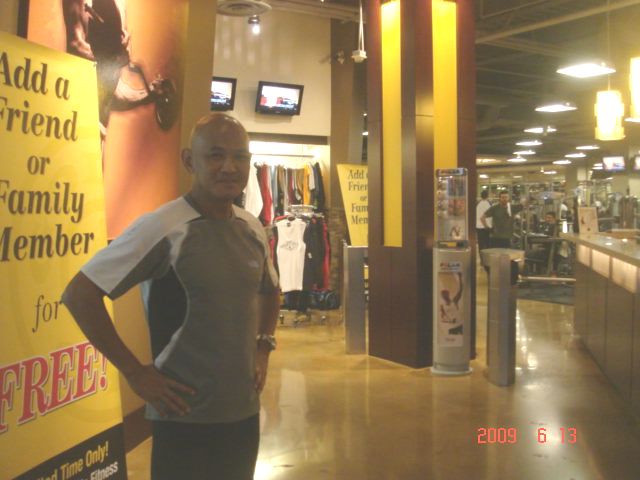
Pilates @ Gold’s Gym

My daughter, Jovelle, brought me to her Pilates Class at the Gold’s Gym at 7th & Figueroa Streets in Downtown Los Angeles at 1:00 PM. The class was held inside one of studio rooms of the Gym where it could accommodate at least 30 people. We entered the room a few seconds before the class started where I was the only male in the group. After taking some yoga mat, roller tube foam, foam blocks and light dumbells from the equipment room of the venue, the class started immediately.

It was my first attendance to a formal Pilates class and it was a new experience for me. There are exercises that seem to be easy but after doing them for more repetitions, I felt that there are muscles on my core and back that are not fully used and stretched.

It was a non-stop transition from one exercise to another and I started to sweat after 15 minutes. I hope I could explain in details the different exercises where you have to use those hard foam blocks, those hard ball weights, and those hard foam tube that you roll on top of your body and arms while making those sit-ups from lying position on your back and other exercises which are mostly on the mat.

Aside from making the core muscles strengthened, the back muscles and spinal bones were also given some exercises to make them in their original alignment and make you sit tall.

I’ve observed that there are some pose that resembles yoga positions but I think Pilates exercises are more intense, though they emphasize also correct breathing cycle through a rythym of inhale and exhale. I like that pose where you lift your back & head & both legs/toes straight up in the air while your straight arms are pumping (and your butt is only the one that touches the mat) while breathing with a rhythm. This exercise really hardens your abdominal muscles!

The ladies, to include my daughter, in the class were very graceful in their movements as if everything to them was so easy but I was there at the edge of the room moaning, breathing heavily and sweating. And I realized that all the ladies, to include the instructress, were all in their 20s, 30s, and I was the only guy who is in his late 50s!!! Ha! Ha! Ha! Well, the instructress noticed me in my predicament and she just made a general statement that “to take it easy if you are new to the Pilates class”! It was nice to hear it and I slowed down with my exercises after hearing her words of warning. (To the Hardcores: Guys, I was surrounded with beautiful ladies!!! Ha! Ha! Ha!)

Due to the smooth transition and continous instruction from the lady instructor, the class and different exercises passed so fast that I wanted to have more of them. The class lasted for one hour. It was a nice experience to attend a formal class in Pilates. I hope I will be able to make Pilates as part of my running exercises. In fact, in my readings from the training of top ultrarunners, they recommend Pilates exercises to strengthen the core muscles and be able to maintain a good running form.

After the Pilates class, I had an additional 30-minute workout with the machines and kettle bells in the gym.

I hope I could attend more of the Pilates classes in the coming days.

If you haven’t tried Pilates, find time to do it in your Gym workouts or better buy those DVDs where you could play and imitate the movements while watching it. This is not a guarantee that it will make you faster in your runs immediately but I am sure it will strengthen those hidden muscles in your core & back which you haven’t exercised before and prevent your body from injuries related to your running and other physical activities.

I Was Shy To Ask Permission For A Photo During The Pilates Class
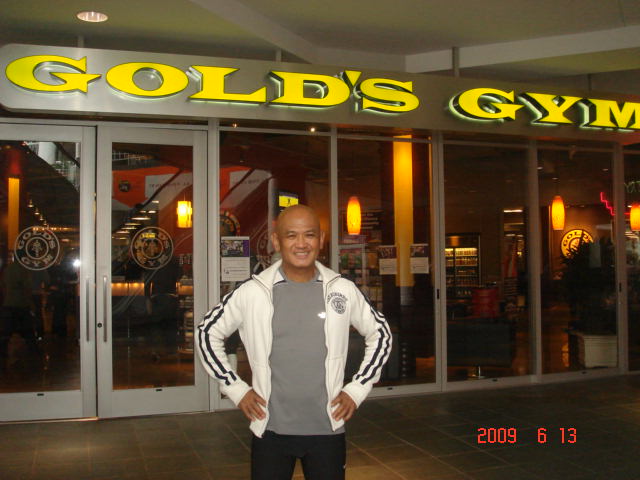
A Pose @ Gold's Gym (7th & Fig) Los Angeles
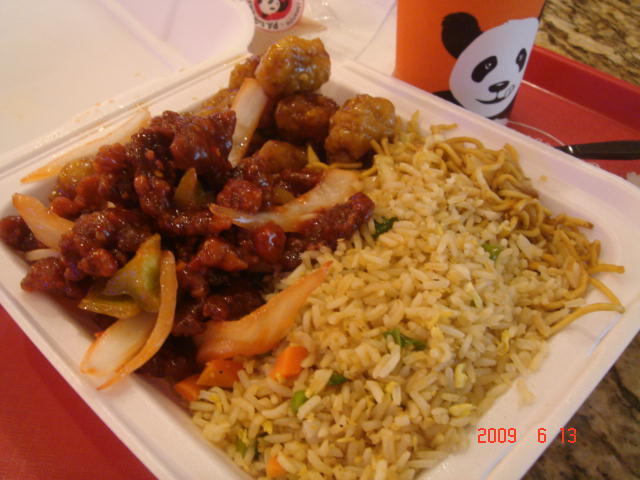
Lunch @ Panda Express After Pilates Class (Beijing & Orange Chicken)
Lunch @ Panda Express After Pilates Class ( With Beijing & Orange Chicken)

Dante’s Peak @ Griffith Park

This is not about the movie which was released in 19997 about the eruption of a volcano in Dante’s Peak, a small town somewhere in the USA. The movie was played by a pair of popular stars in Hollywood—Pierce Brosnan (the former James Bond actor) and Linda Hamilton (Sarah, the lady character in the Terminator movies).

For the past days, I’be been planning to run to the highest peak of Mt Hollywood at Griffith Park, starting from the house as part of my running workout. Finally, yesterday, I went out of the house bringing with me my Nathan Hydration Belt, some cash and identification card. It was 11:40 AM and the sky was covered with thick clouds and there was a 20% chance of rainfall as predicted by the Weather Report. The weather was cool at mid-60s and I wore my TNF long-sleeved technical running shirt.

From the house, I maintained an average pace of  5:45-6:00 mins/km while running along the sidewalk, facing the incoming traffic. The streets from the house to Griffith Park consisted of uphill & downhill terrain but there are times that I had to stop whenever I cross busy intersections. There are designated pedestrian crossing areas on the streets that you have to wait for that pedestrian light (a walking figure in white light) to glow while a blinking red light with a figure of a palm of the hand means that you are not allowed to cross the road yet! It is a simple street light in crossing a street but the people here follow the lights even without the presence of a police. By the way, do you wonder why there are no traffic aides or policemen here in every corner of the streets? The answers are: the traffic lights are there (very efficient) in every crossing and the citizens (drivers & pedestrians) are disciplined in terms of road rules and regulations. In the Philippines, we have those traffic lights, yet, we still have those traffic aides & PNP & Highway Patrol & LTO, but most of us do not follow those pedestrians lights and coss the streets along the pedestrian lanes!!! Very simple rule but it is hard to implement. Your answer is as good as mine.

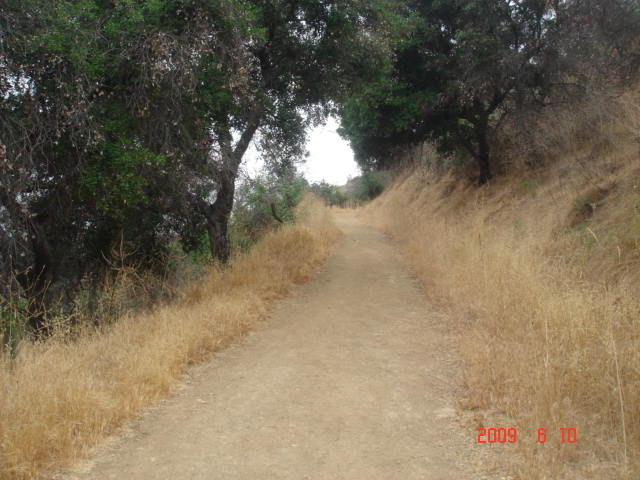
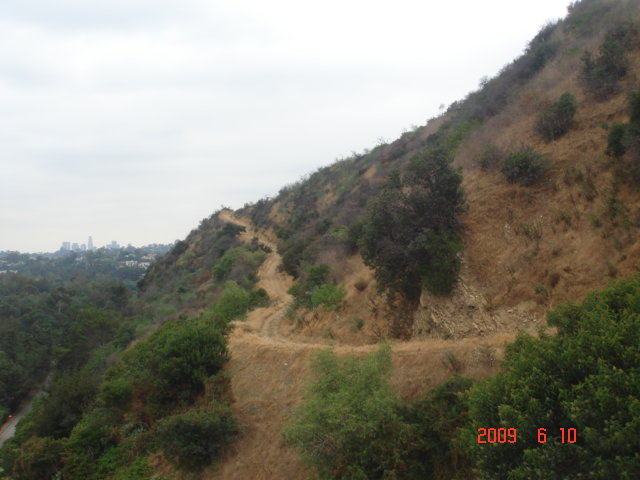
After running for almost 10 kilometers, I finally reached the foot on the northern part of the mountain at the Griffith Park. I intended not to go to the trails that I’ve been into last year and I started to explore while I was on the road that goes to the Griffith Park’s Golf Course. While running uphill along the asphalted road, I saw an opening of a trail track on my left and I immediately went to it and started to run uphill. Yes, the small trail led me to a wider trail which is a part of those many trail roads/fire roads that snake up to the peak of every ridge at Mt Hollywood.

Even with the coolness of the place, my sweat, coming from the visor of my runner’s cap, started to drip to my legs and shorts and it was continous while my legs were taking shorter strides and my arms were swinging at a moderate frequency. It was a very challenging uphill climb where I had to brisk walk along steeper climbs along the way. I have to practice what I’ve learned in ultra trail running—“brisk walk” on those steep uphill climbs and “fly” on the downhill side in order to preserve my strength for the rest of my running workout. 

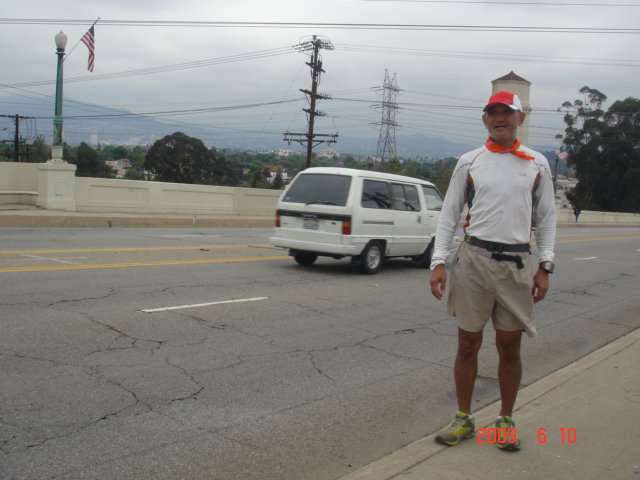
At The Hyperion Bridge where I Had A Picture of My Daughter Running The 1st City of Angels Half-Marathon
At The Hyperion Bridge where I Had A Picture With My Daughter Running The 1st City of Angels Half-Marathon (The Mountain Range on the Background Was My Destination)
My Entry Towards Griffith Park
Finally, I Entered This Trail
Trail Running Alone Is Refreshing!

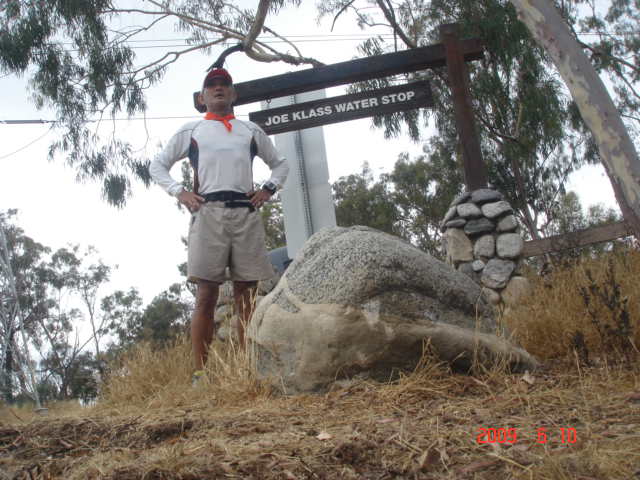
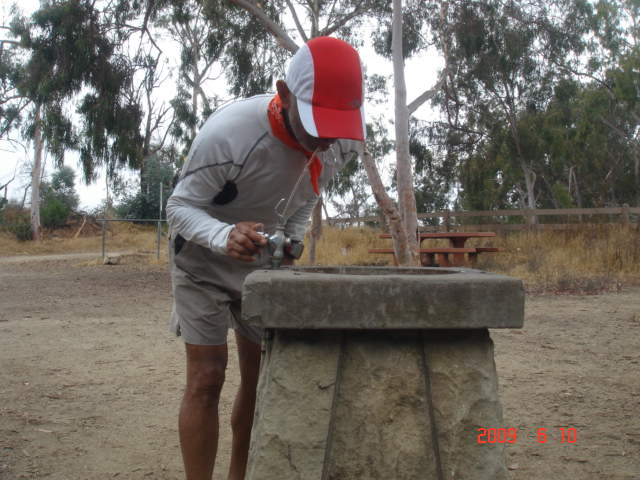
After 15-20 minutes of steady uphill climb, I came up with a water fountain! I walked towards it and drank some water and took some pictures and later I was back on my run. Later, I was running on an asphalted road but it was a short distance. At the end of the asphalted road, I saw some people who are preparing for a buffet lunch in one of the vista places along the route and I realized there was a  movie or TV “shooting” in progress within the vicinity. I did not dare to stop but just greeted the people I met along the road.

My First "Aid Station"
A Drinking Fountain On The Mountain Park

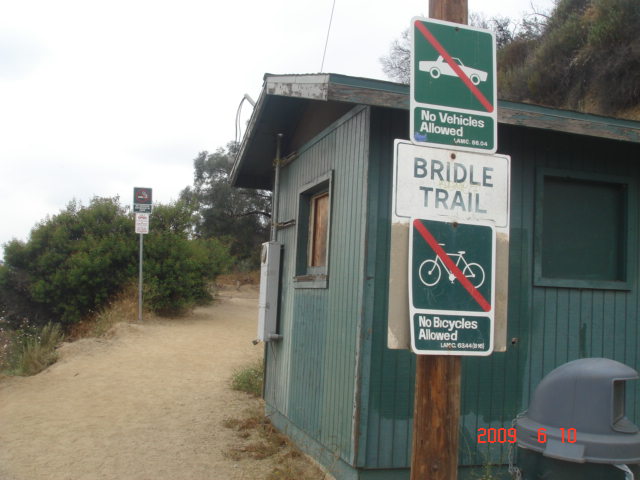
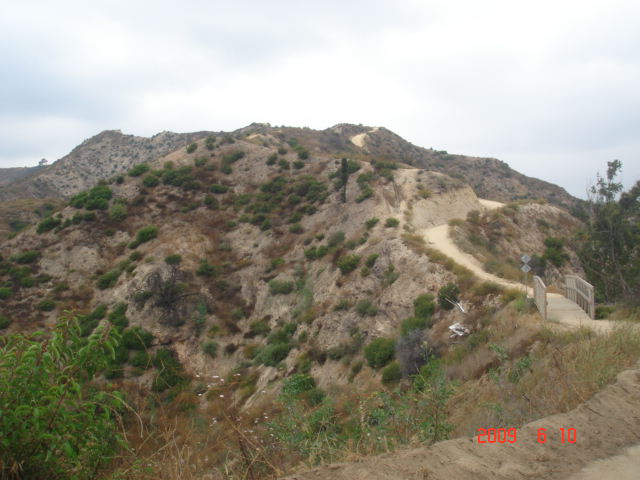
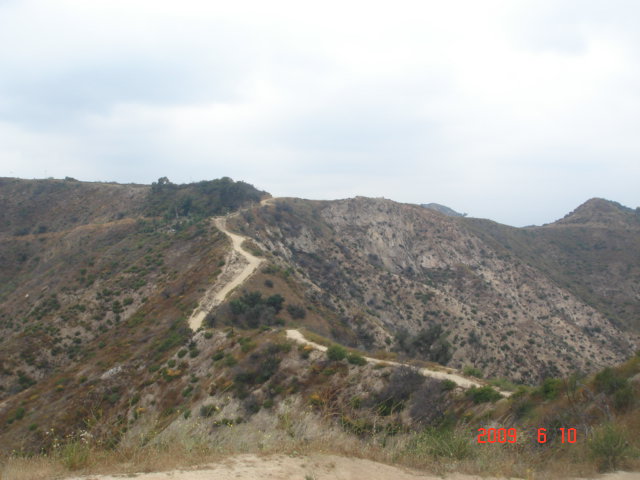
I entered Bridle Trail and that was the start (again!) of another more challenging uphill climb. Every time I reached a high part of the route, I would look up for another target to reach and study the trail that leads to it. That procedure had been repeated until I reached the highest peak of the mountain. I did not realize that the name of the highest peak is Dante’s Peak. It was my daughter who told me of the name as she already reached such place by hiking. I further “googled” it and I was able to see this website.

The Entrance To Bridle Trail
More Trails...
More Trails...
And More Uphill Climbs...
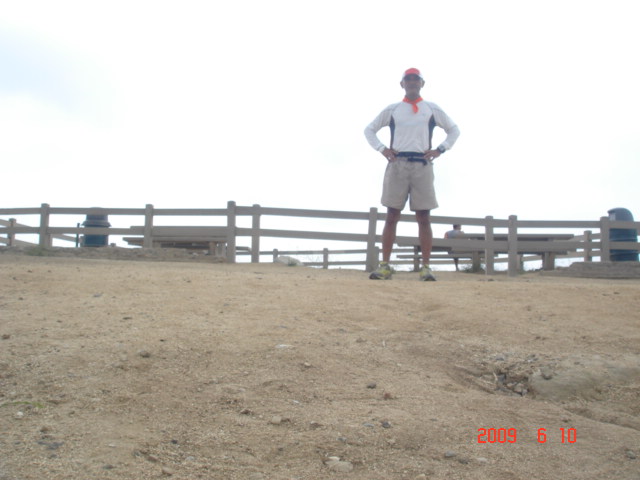
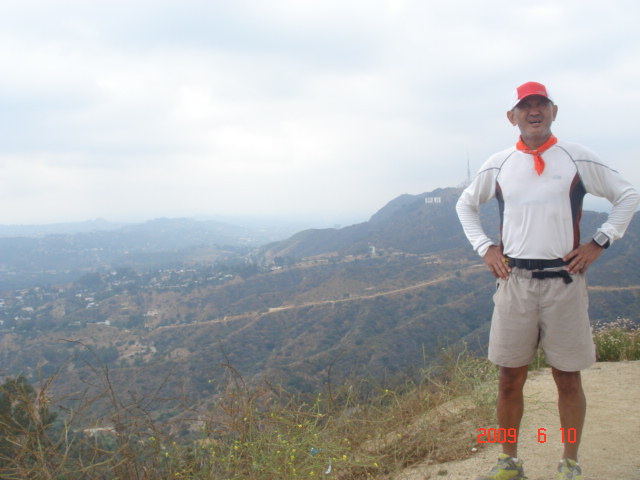
Finally, A Pose at Dante's Peak
HOLLYWOOD Sign at The Background
HOLLYWOOD Sign at The Background (My Right Elbow Pointed To It)
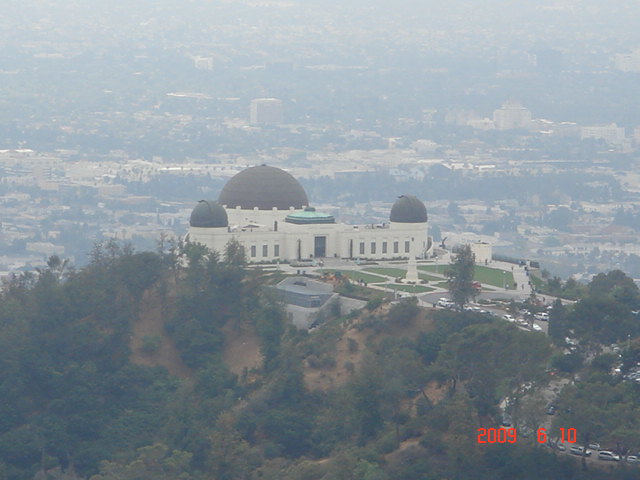
A View of the Back of the Griffith Park Observatory
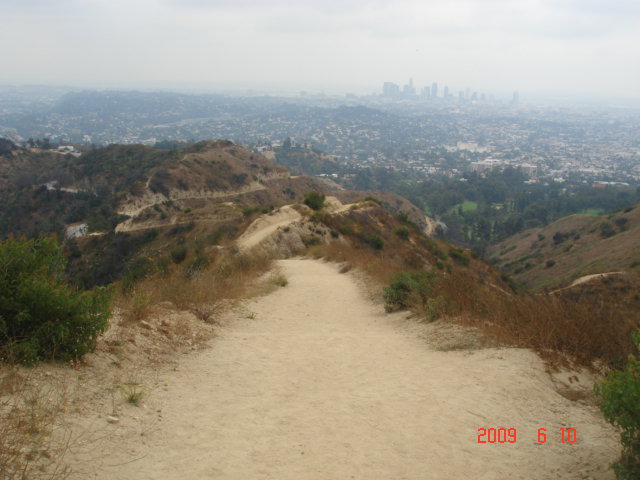
Ahh..Running Downhill

After taking some pictures at the said place, I was thinking of pushing myself to go to the HOLLYWOOD sign but after looking at my GF 305, I was already on the road for more than 2 hours! So, I decided to return here on my next running workout and be able to reach the said sign and retrace the route I’ve taken. So, Dante’s Peak became my turn-around point and I prepared for downhill run!

The traction of my TNF Arnuva 50 BOA trail shoes was very helpful on my downhill run as it gave me the needed traction on those steep portions of the route. My quads started to absorb the weight of my body and I started to feel some “burning” pain and my knees were starting to show some pain, too while trying to gain speed on those downhill runs. It was my mistake not to bring any GU/sports gels on this workout as I started to feel hungry. As I reached the water fountain, I drank more water and “peed” on the forested area. After a few minutes of running along the trails, I finally reached the place where I entered and then slowly jogged on the asphalted road until I reached the Los Feliz entrance of the park.

After running for another 3 kilometers on the streets, I entered Ralph’s Grocery Store and bought some cookies and sports drinks. I ate and drank what I bought while I was “brisk walking” along an uphill climb at Glendale Blvd. Finally, I resumed my running until I reached the house. I was able to run/jog/brisk walk a distance of 30.66 kilometers in 3:40 hours! It was a tiring “runabout” but it was refreshing to be out in the mountains and explore what I want to see. 

From the base of the mountain, I thought of coming up with a test or survey on how or what the person/s I met or passed along the trails would react if I greet them or wave my hand to them. I usually greet walkers/hikers or runners along the trail with a simple “Good Morning” or “Good Afternoon” or just simply wave my left or right hand while smiling at them. This simple courtesy was a good lesson that I’ve learned and observed when I had those trail runs at Mt Wilson with my kids last year. I was able to count 24 people whom I met or passed along those trails at Griffith Park. Out of the 24, only 12 of them greeted me back, most of them ladies and couples (husband & wife) who replied “Hi” or “Hello” and they are “white”. I saw some Asians (I really don’t know if they are Chinese or Vietnamese or Thais or Koreans or Japanese) but they did not greet me back. Unfortunately, I did not see any Filipino!

After the run, I had a shower and ate a lot of food. Later, I started to cook for dinner while watching the NBA Finals’ Game #3. As I predicted, the Magic won this time.

I’ll be back for another run to Dante’s Peak and to the HOLLYWOOD sign soon!

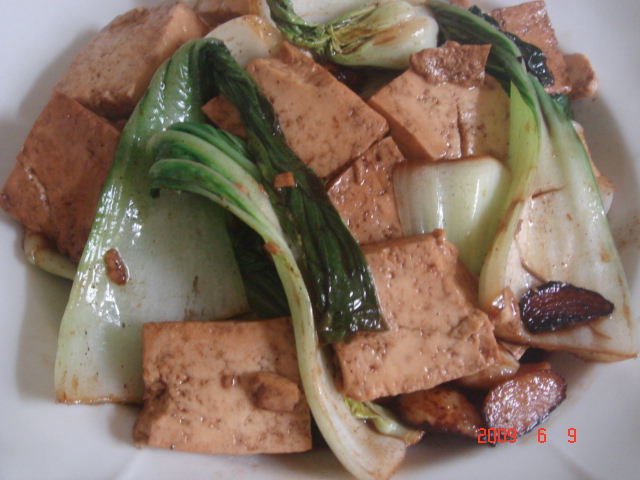
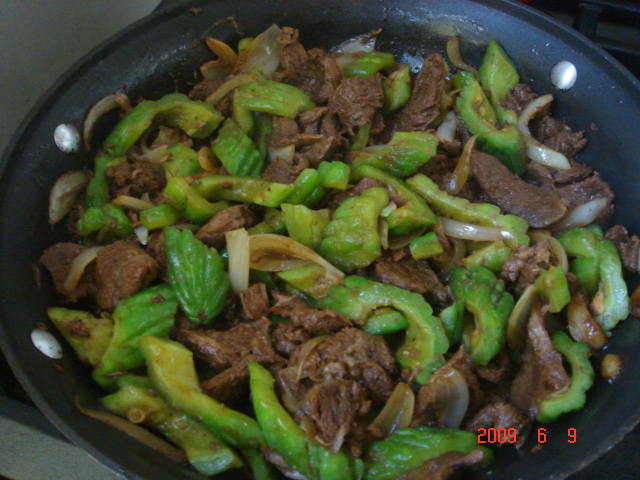
And finally, my food (yes, I cooked them!) and supplement drinks for the past days!!!

Tofu With Bochoy (Pechay)
Beef With Ampalaya
Beef With Ampalaya (Bitter Gourd)
DSC06319
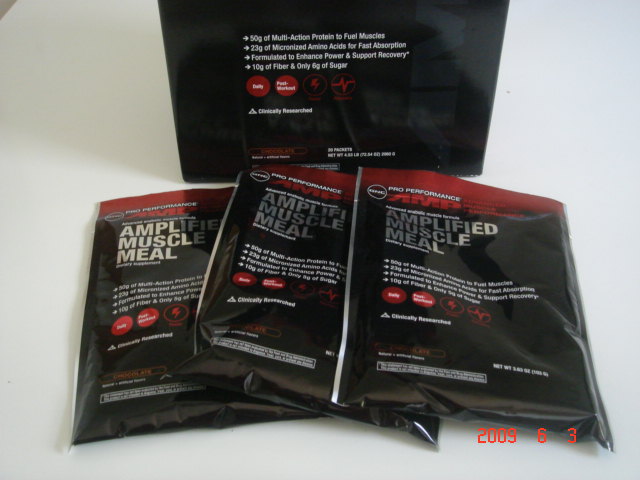
My Supplement Drinks
Organic Honey
Organic Honey
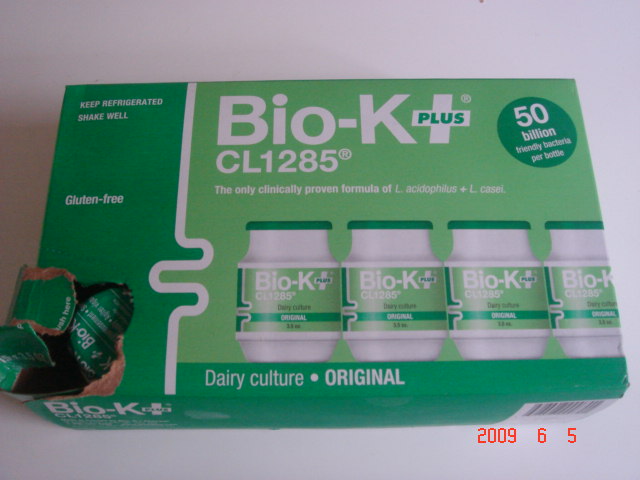
And...Probiotic Drinks

Yasso 800s: “Do or Try It Now”!

Last November 20, 2007, I made a post about Yasso 800s. It is a simple formula to guide a runner who is training for a marathon race to predict his finish time. This simple formula (?) to predict one’s finish time came out from the observation and experiences of Mr Bart Yasso who is now the Chief Running Officer of the Runner’s World Magazine as he finished and trained for more than 1,000 endurance sports/races for the past 29 years. However, in my first post about Yasso 800s, I was not able to tell or mention some important details about the said workout.

This post will now fine-tune what I’ve posted almost 21 months ago. Yasso 800s is supposed to be a “speed” running workout done at the oval track. As part of ones preparation for a marathon race, this is supposed to be done at least 5-6 weeks before the marathon race day. Which means that you were able to build-up the much needed “foundation” of mileages/kilometers in order to develop the endurance (strong legs without any injury and aerobic capability to sustain a faster pace) through your easy runs, long runs, tempo runs, speed runs, and hill repeats/workouts.

During the Yasso 800 session,  one has to run at least 10 repetitions of 800 meters with 400 meters jog in between repetition. The average time of your 10 repetitions will likely be your time for the marathon race, not in minutes, but in hours. For example: if you have an average of 3:32 minutes for the 10 repetitions you have done running at a distance of 800 meters at the oval track (2 laps around the oval track at Lane #1); most likely, your finish time in the marathon race is 3 hours & 32 minutes! It is very easy, you just convert the minutes into hours. It is mandatory to have at least 10 repetitions of the Yasso 800s in order to be accurate in your prediction for your marathon finish time.

However, according to Mr Bart Yasso, the Yasso 800 is not an accurate or perfect predictor of your marathon finish time time as you need to make some adjustments depending on the terrain of the course and the prevailing weather during race day. In extreme conditions of terrain and hot weather, a runner who has 3-4 marathon finishes on his/her belt, he/she can make adjustment by adding 10 minutes; and for those competitive and experienced marathon runners who have finished more than 5 marathon races, they can add 5 minutes to their average Yasso 800s result.

If you are preparing for the MILO Marathon Eliminations on July 5, you can try this workout and hit the Lane # 1 of the ULTRA Oval Track as soon as possible. Just be sure those “walkers” and slow runners (with their Ipods) at Lane # 1 will not interfere with your Yasso 800s. Good luck! 

By the way, this is my training target pace data in preparation for the MILO Marathon:

Easy Run—5:46 mins/km

Long Run—5:46-6:15 mins/km

Tempo Run—4:45 mins/km

Speed Run—4:12 mins/km

Yasso 800s—3:35 mins

So far my training had been going on for the past days since I finished the LA Marathon. We will see how this training will turn out in the coming days to come.

Simple Reminder: The “Basics” In Running

In my earlier posts in 2007, I mentioned about the writings of Dr George Sheehan whom I consider as the Philosopher of Running in the Modern Times. As a tribute to this old runner and prolific writer, I always mention his tips and suggestions to runners whenever I conduct lectures and running clinics to “newbies” in the sports of endurance running. Up to this day, his “tips and suggestions” are still valid which are basically explanation of the basic principles in training for runners.

I also mentioned in my previous posts of my 100% acceptance on the training methods and programs of Arthur Lydiard in running which is a result of years of experimentation and studies on himself. Up to this time, I am still a strong believer and follower of the Lydiard Method of Training in Running.

If you want to know the details of the works and written studies of these two running icons, you can easily “google” their names and you have a lot of manuscripts and books you can read in the Internet. However, these runners/writers thoughts will always boil down to the “basic principles of training for running” and other endurance sports which in my mind are the most important for everybody to remember, whether you are a beginner or a competitive or an elite athlete. The following principles are the most important and basic for everybody:

1) Build-Up Foundation—For you to become a strong and fast runner, you must be able to build-up the much needed foundation because you need to be stable and firm. It is like constructing a house or a building that you need to build a stable foundation first before you construct those rooms, walls, stairs, and others. In running, you must be able to progressively introduce stress to your body system so that you will develop strength on your legs and improve the aerobic capability of your respiratory and blood circulation system. Remember the word, progressively! It takes time for you to develop those strong legs and strong heart & lungs to run a 3K, 5K, or 10K run. It takes patience and perseverance to build-up a stable foundation in running. In my experience, the longer period I build-up my mileage and the more number of my weekly mileage is, the more I am stable and prone-free from any injury. Would you believe that I trained for my first marathon for one year by just building-up those mileages?

2) Consistency—If you want to be a good and competitive runner, you should be consistent in your training. It means that you must at least run every day or maintain a certain level of fitness in running. It means that for a certain level or classification of a runner (beginner, non-competitice, competitive, elite, or national elite), you must maintain a number of average kilometers or miles to be ran for the week. To a leisure/non-competitive runner, he/she must be able to maintain at least a weekly total of 40 kilometers to maintain a certain level of fitness. If you are a competitive runner, the more you have those weekly miles and kilometers to cover. Through consistency in running, you must also remember to apply the “hard-easy” method. It means that you must be able to “listen to your body”. Assuming that you are still building-up your foundation, if you ran 10 kilometers today, make sure you run a lesser number of kilometers the next day or on your next session, and follow this method in your training program. If you are already in the competitive level, do not do your “speed” training in two consecutive days. Let your muscles/body system recover and you will be surprised that your body will adapt to the stress and you will become stronger and faster in your next workout.

3) Specificity of Training—Simply said, if you want to be a stronger and faster runner, you must run! Do not swim, do not bike, do not develop nice muscles at the gym, do not play badminton, or do not play basketball in order to improve your running finishing times. Stretching, yoga, pilates, plyometrics, and other drills are just supplementary means to improve your performance but 99% of your effort must be in running.

Just remember these three (3) basic principles in training for running and you will enjoy the sports we love most!!!

Good luck to all the runners in the Mizuno Infinity Run! My spirit will be with you as I will be contented to have my easy run at the Elysian Park Trails and then move to the Griffith Park Trails and later end up my runs at the Silverlake Reservoir & Echo Lake Park Loops!

Running In The Rain, LA Style & Annual National Running Day

The lyrics of a song say that “it never rain in Southern California” but at the start of summer season here, I am surprised that the weather had been cloudy and overcast for the past days (since the LA Marathon). It is an ideal weather for running at the middle of the day as I am lazy to wake up early and dread the cooler temperature in the early morning. But the weather yesterday was different. After coming from my doctor’s appointment, it started to rain. I was surprised!

While at home, waiting for the rain/drizzle to stop, I decided to run after two days of rest and recovery. I have observed that after running easy long runs back-to-back (Saturday & Sunday) during the weekend, I need at least two days to rest and recover. It was my time do some stretching and upper-core body exercises. I wore my Nike Compression Shorts, TNF Shirt, Nike Lunaracer, Running Cap and my “cheap” arm warmers which I bought from a walking vendor along Lawton Avenue at 35 pesos a pair as compared to the more expensive Moeben arm sleeves! By the way, I got 3 pairs for the price of One Hundred Pesos Only. This is the same arm sleeves that those motorcylists and tricycle drivers use in Metro Manila.

After doing a brief stretching exercises inside the house, I went out of the house with a slow run. After running almost 3 blocks, I started to pick-up my pace and proceeded to the Echo Park running route. As I was about to reach the Park, it started to rain and I temporarily went inside a shade at the side of the street. There was this (white) guy with a road race bike (who looks like a messenger in his early 20s) who was also inside the bus stop shade and busy scanning his folded road map of LA. And the guy asked me for some directions as to where he could reach the Downtown Area. I gave him the details on what street he has to take and warn him to be careful riding on his bike as the road was slippery. When the rain temporarily stopped, the bike rider and I left the shade and I went to the Echo Park Loop.

After running for about 500 meters, I started my tempo run for about 30 minutes with an average pace of 4:48-5:00 minutes per kilometer. Three-fourths of the loop is plain and there is a slight uphill for the rest of the loop. There were not much runners/joggers at the Park because of the rains. I tried my best to maintain my pace and there are portions along the route that I could pick-up my pace up to 4:18-4:25 minutes per kilometers. I was doing some “fartlek” along the way as I counted my strides up to 90, making sure that I was running at 180 steps in every minute.

What is good when I run at Echo Park or at Silverlake Reservoir or Elysian Park trails, there are water sources or “water fountains” (I am not sure of the correct term or words) along the route where anybody could press the button and drink from it with potable water! With these permanent fixtures on the Parks here, there is no need for me to bring my hydration belt. Instead, I just bring with me some cash in case I need to buy Gatorade in one of the nearby grocery stores. So, every time I finish 3 loops of the Park, I always see to it that I hydrate myself with these water fountains! Well, in the Philippines, we are better off in terms of our “water fountains”. We can simply get inside the Starbucks Coffee or Jollibee or McDonalds and ask for an Ice-Cold Water with the proper drinking glass!!! hahaha! But we are simply lacking and poor in terms of coming up with parks where we could run. Yes, we have parks but they are Memorial Parks and Cemeteries! Very sad, indeed!

After a tempo run of 30 minutes, I slowed down my pace to 5:15-5:30 minutes per kilometer and ran another 30 minutes. It was still raining and at the same time I was sweating hard. I could hardly feel the cold temperature in the air as my body’s heat was trying to balance my body temperature and with the help of those “cheap” arm sleeves that I was wearing. Finally, I finished my run at the Park with a distance of 13.2 kilometers with a time of 1:11:06 hours, with an average pace of 5:23 mins/km. It is a matter of time that I can reach and run comfortablywith an average pace of 11.5 kms/hour, my target pace for the MILO Marathon Eliminations. For this run, I was able to register an average pace of 11.1 kms/hr.

After taking my last sip of water at the Park, I made another loop at the Park and proceeded to my favorite uphill climb along the Beverly Blvd, fronting the Belmont High School. As I crossed towards the Beverly Blvd, I saw the guy who asked for directions 1 1/2 hours earlier, waiting for the red street/traffic lights to turn into green. I asked him if he was able to reach his destination and he said, “Yes, thanks! How was your run?” I replied to him, “Perfect run” as I passed him and went to his opposite direction.

The distance from the Park to the lowest part of this particular uphill climb is 1.2 kms. From the lowest portion up to the peak of the climb has a distance of 178 meters and I can estimate that it has a uphill grade of about 6-7 (just imagine that you have a setting of 6 or 7 incline on your treadmill machine). I did 5 X 178 meters where I slowly jogged going back to where I started. These were the results of my hill speed repeats taken from my average pace per run and its corresponding average HR:

1)  5:20 mins/km—153 bpm

2)  4:51 mins/km—150 bpm

3)  4:34 mins/km—153 bpm

4)  4:34 mins/km—155 bpm

5)  4:19 mins/km—155bpm

As my cool-down run, I jogged for about 1 km around the streets/blocks near my place before doing my post-stretching exercises. When I entered the house, my son was already home and just arrived from his work and he told me that I am “crazy” running in the rain!

Yes, I am “crazy”. Wait till I start training for my first “100-Mile” Trail Endurance Run! Ha! Ha! Ha!

I was able to run a total distance of 16.2 kilometers (10 miles). I nice way to celebrate the annual “The National Running Day” (For the USA). Maybe, we can also recommend to our government officials (attention goes to our physically active and athletic Senators and Congressmen) to come up with our own version of an annual National Running Day in order to promote awareness on the benefits of running and develop among us an active physical lifestyle. This will be a nation-wide activity where local government units are directed to come up with running activities and lectures/seminars among their constituents. Would you imagine if you have a running club in every town/municipality in the country?

Well, if there is no positive reaction on this suggestion, then I firmly believe that the definition of “running” among our politicians and government’s elected officials, is “running” as candidates to an elective position!!! I can easily predict that a smart politician would say that there is no need for a National Running Day for the whole country because we already have our National & Local Election Day (yon nga lang, every 3 years)!!! Ha! Ha! Ha!

P. S. Good Luck & Best Wishes to Ben Gaetos, Rick Gaston, Carmela Layson and to the rest of the Pinoy Ultra Runners living in California who will be participating (as runners and crews/pacers) in the San Diego 100-Mile Endurance Run (SD 100) this coming Saturday!!!

Meals/Food for Yesterday (June 3, 2009)

Breakfast:  None (due to Medical Tests)

Lunch:  Steamed Rice; Left-Overs (Sinigang na Salmon Head & Pork Adobo); Fresh Mango & Banana

Snacks:  GNC’s AMP Amplified Muscle Meal with Banana (Blended with Water & Ice)

After The Run:  20 Fluid Ounces of Gatorade & Lots of Water

Dinner:  Steamed Rice; Sauteed Clam (Shell) Meat with Kangkong; Fish Chips; Ripe Fresh Mango & Banana

Before Going To Bed:  Vitamic C Tablet & 3 tablespoons of Organic Honey