Farther, Higher & Faster


2:30 PM June 9, 2010 4 Hours 22K (Adidas Adizero Mana)

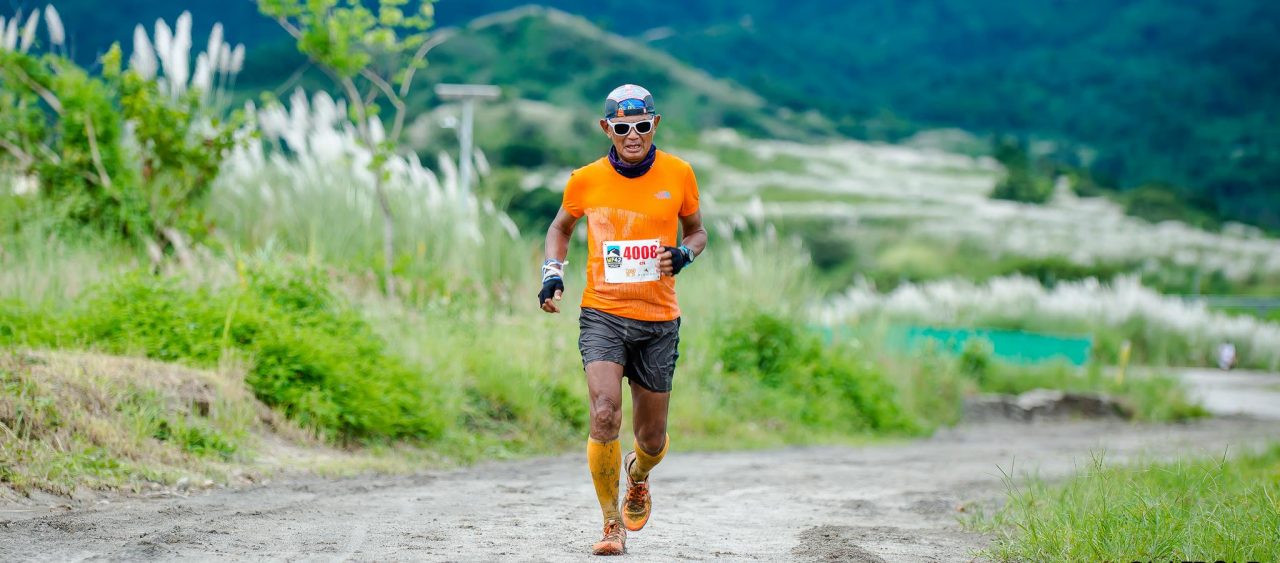
This was our 4th time to explore the trail of “Brown Mountain” and I wanted to extend our exploration farther than the last turn-around point in our last trail run. We started early at 2:30 PM as we took advantage of the cloudy environment with the hope that it will not rain heavily while we were in the mountain. We went up slowly on those inclines as we tried to preserve our strength for the farther distance we wanted to reach. In my mind, I was thinking that we could reach a distance of 15 kilometers (one way) for this exploration workout.
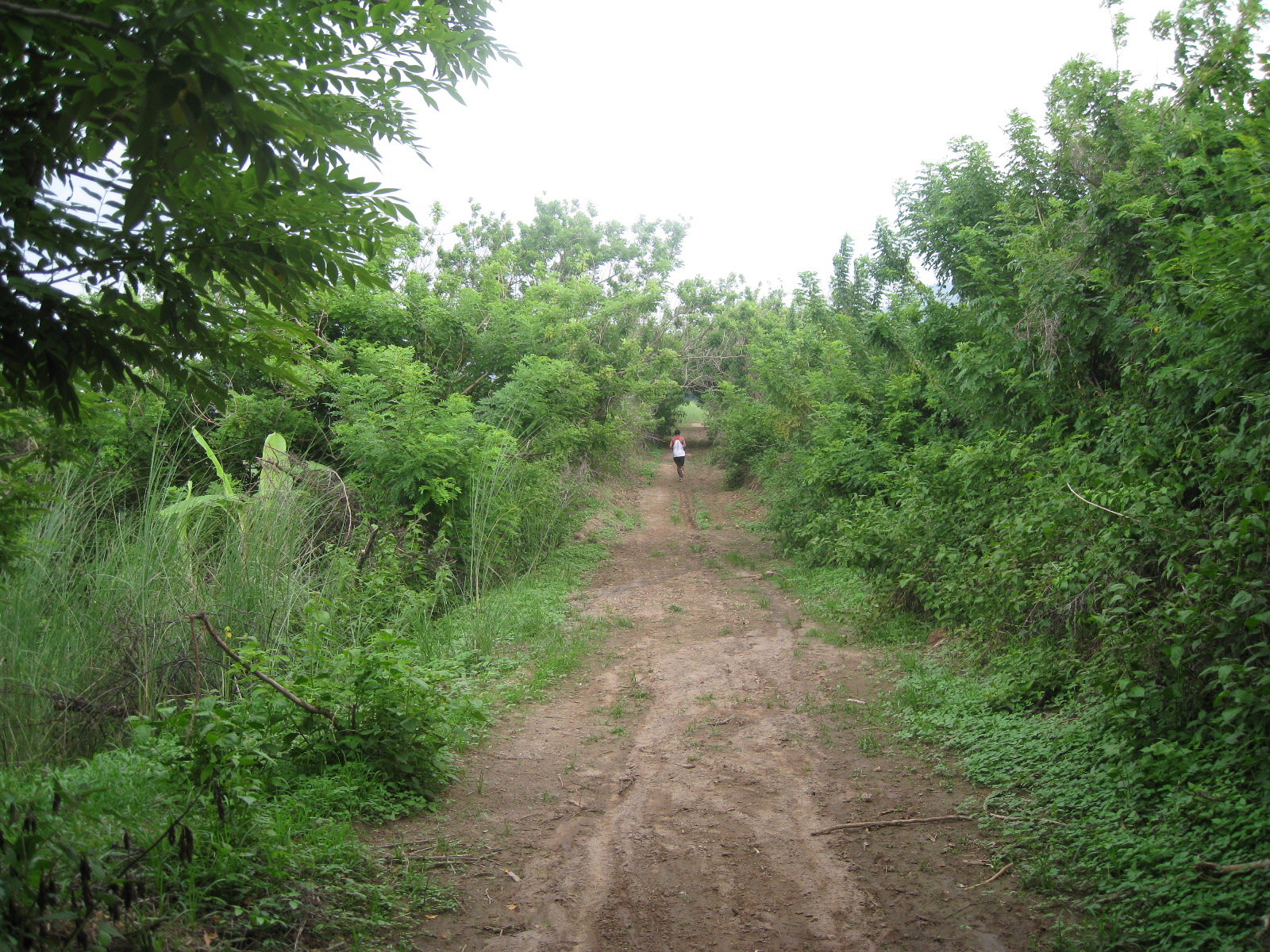
Trail Finally Dried Up After A Few Days of No Rains

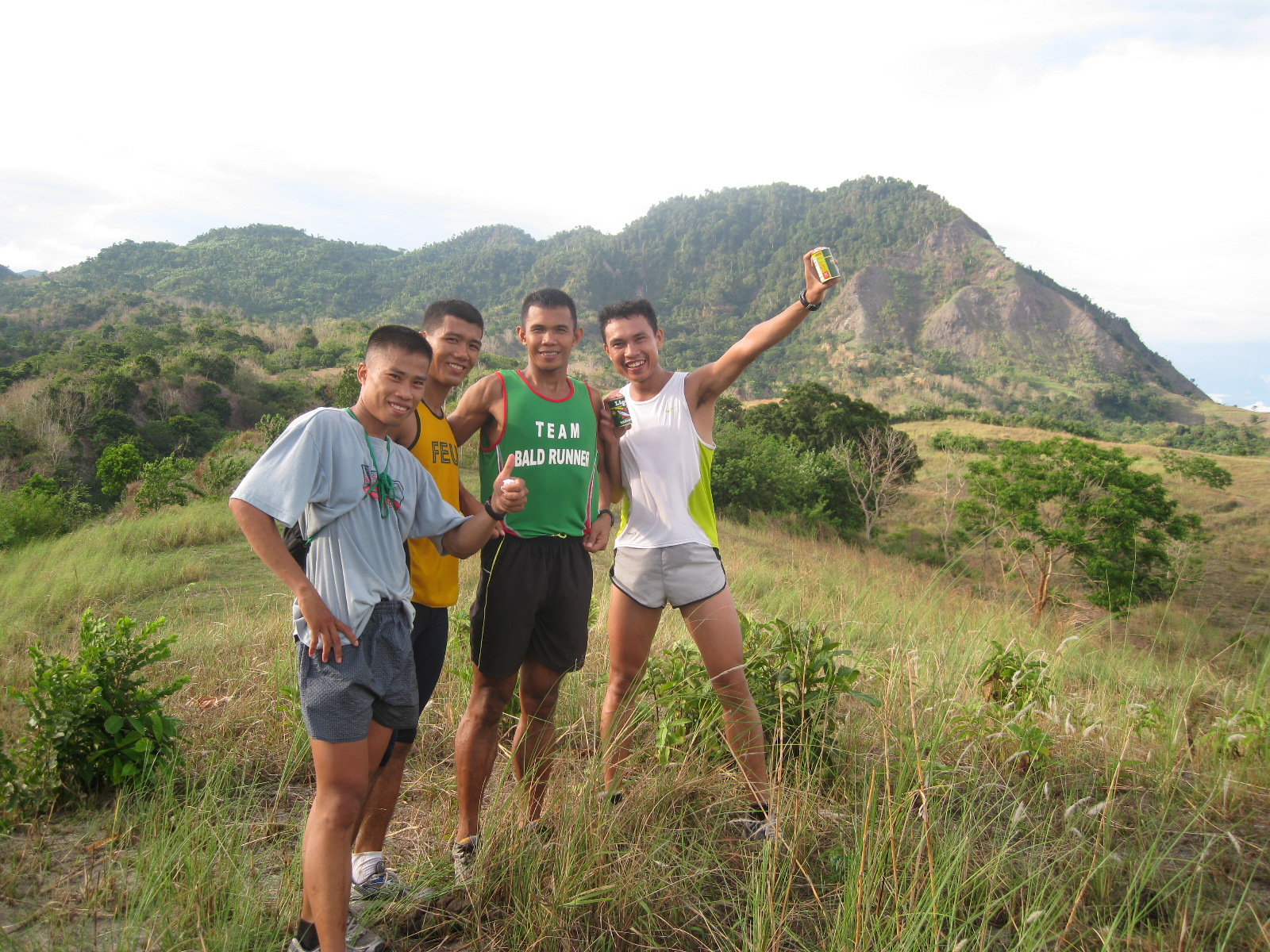
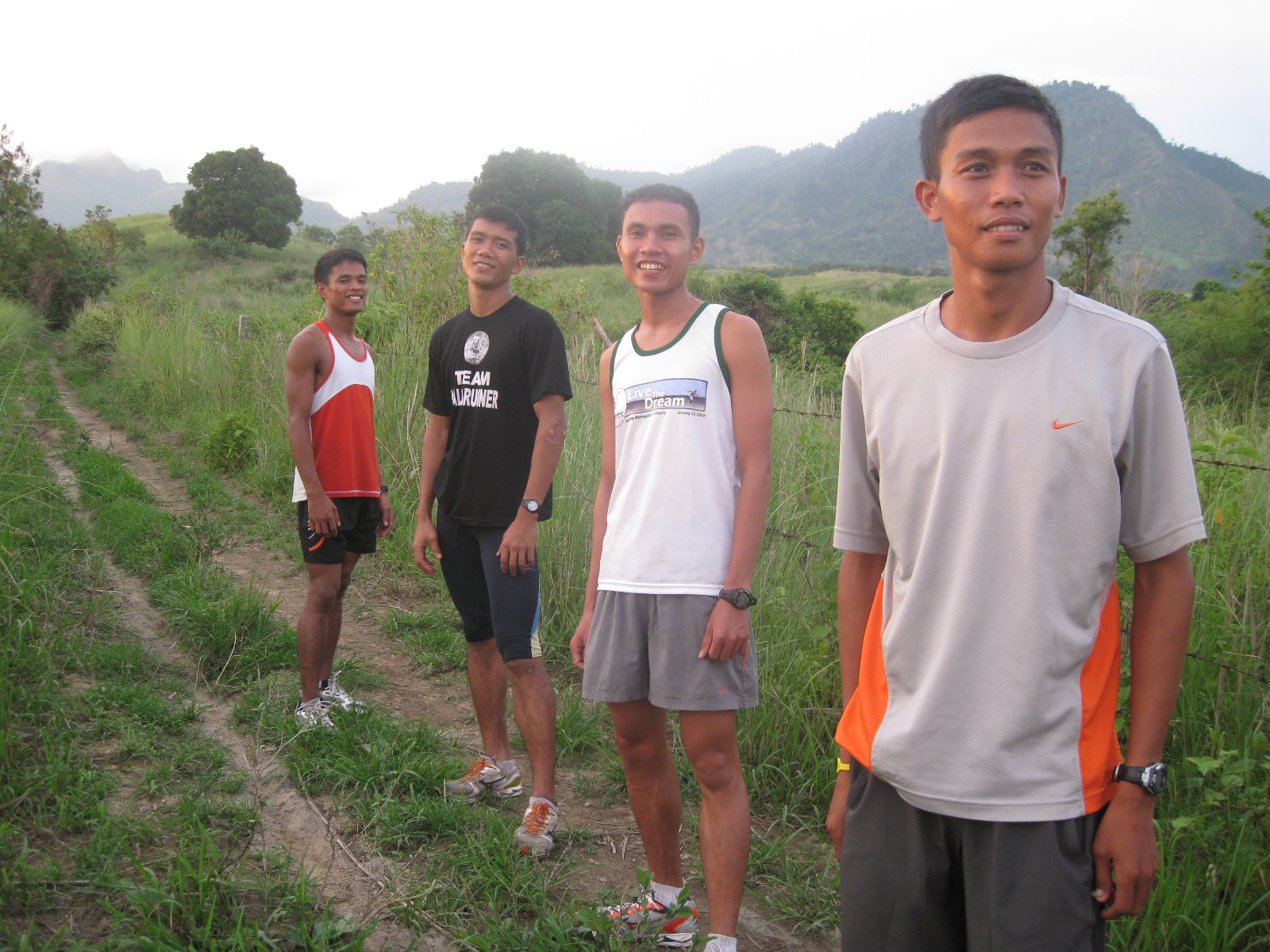
 At Km 6.2, Django was sleeping in his nipa hut while his wife was on the side of the trail smoking her tobacco. We greeted the lady as we passed by their hut. No sardines this time! Elmer went ahead of us as we reached the Km. 3 but he was too fast that we did not see him anymore. As we were about to reach Km 7, we were only three and there are times that I led the group (three runners). However, most of the time Charlie (in black Team BR shirt) was the one infront, me at the middle, and Jack guarding my back.
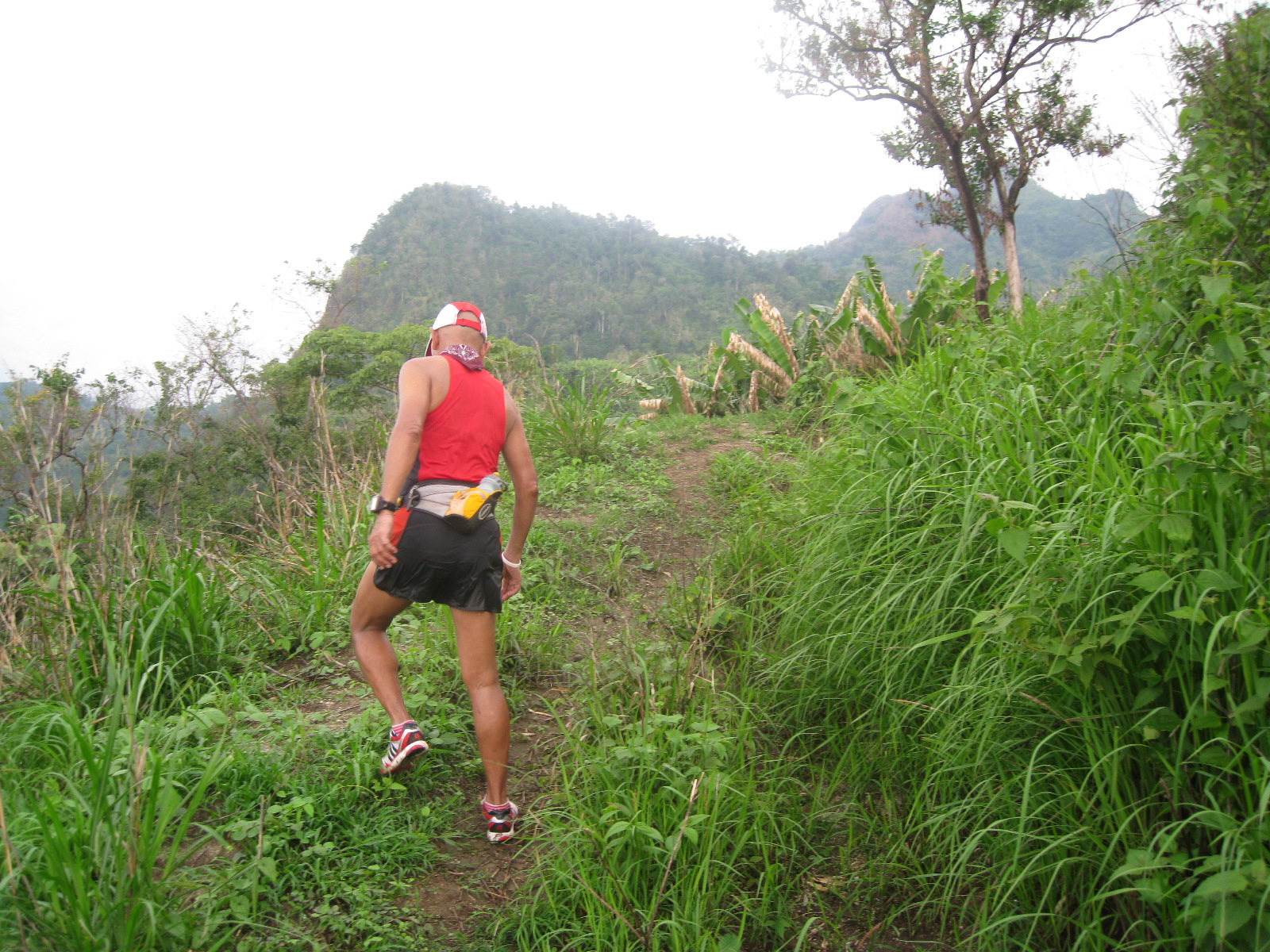
Higher Elevation & More Steep Trail

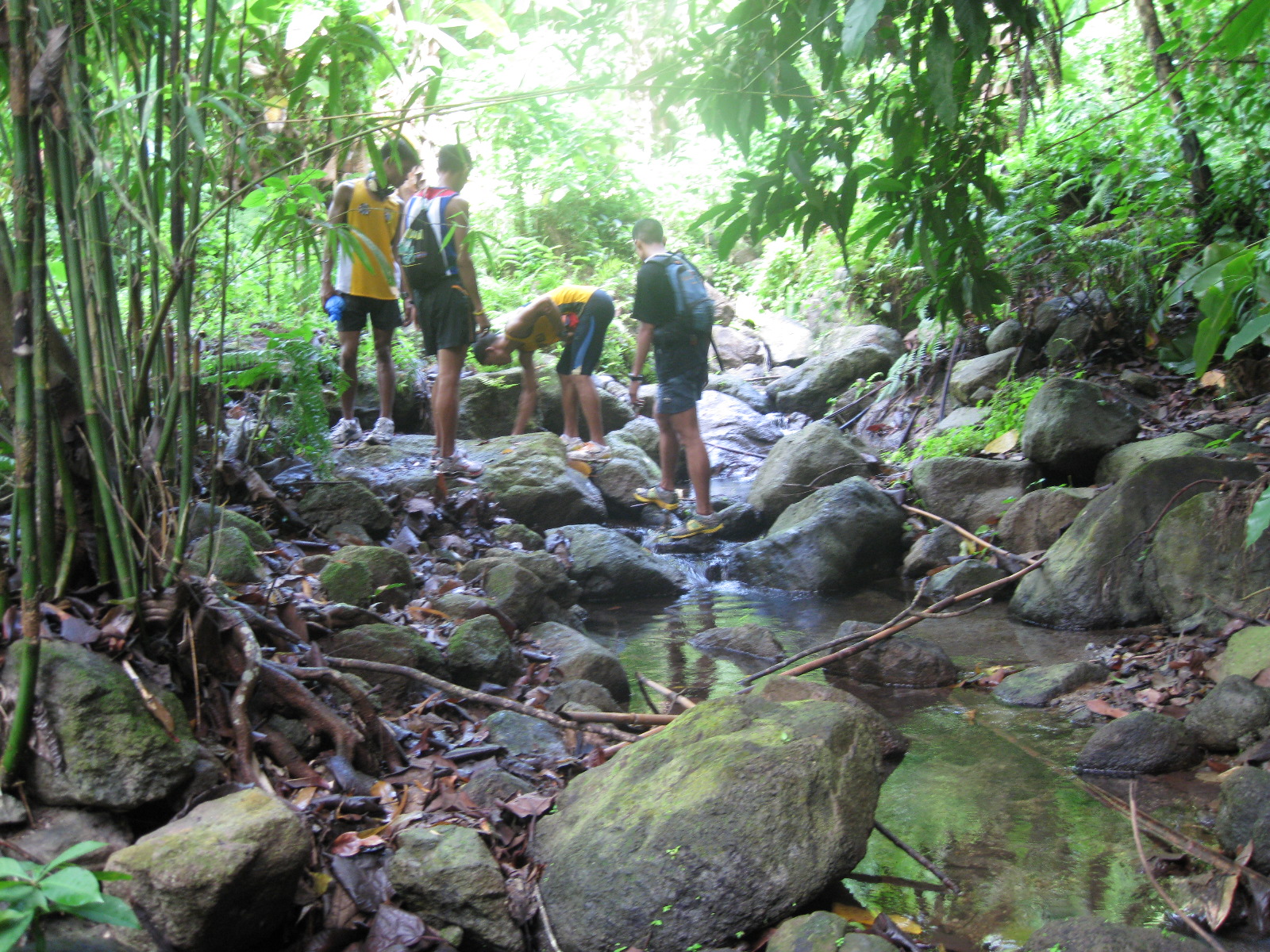
We finally reached our first turn-around point where we cleaned the stream/spring water last week. We briefly stopped to drink some water using our palm and crossed the spring. The picture above is about 500 meters after we passed the turn-around point and the trail started to be steeper until we could not see any trace of the trail. We crossed the same spring for two times before we could continue again running along the trail.
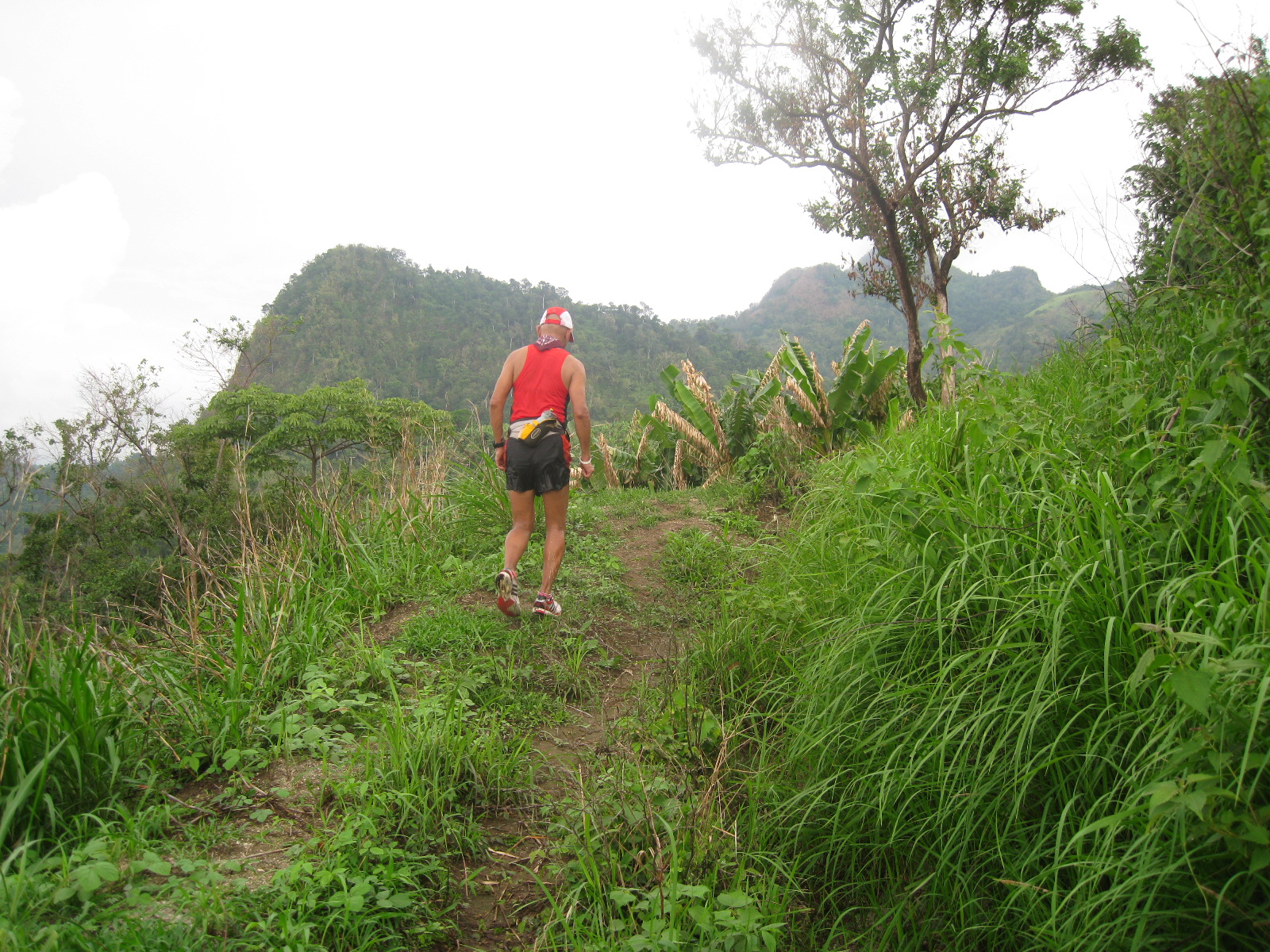
The Farther. The Better

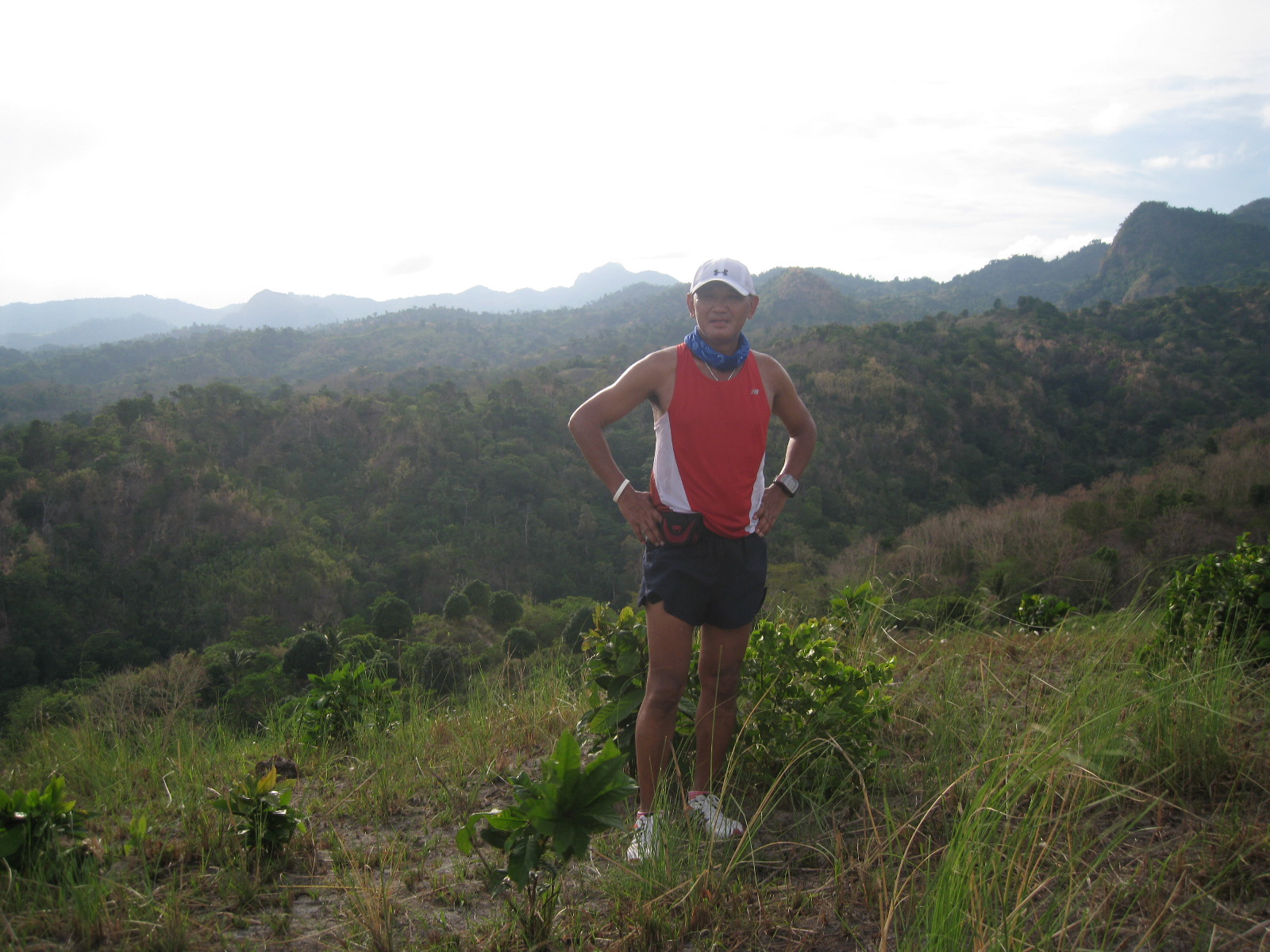
 As we got farther and higher, the trail became narrower and later disappeared. We tried to trace the footprints of a horse and the newly cut bananas where we suspect Django could be the one who came earlier to harvest the flowers of the bananas. As we went up the mountain, the horse’s footprints and the cut banana trunks were nowhere in the area!  We tried to look around for trace or signs of a trail but the vegetation was too thick. We immediately decided to turn-around as we were about 2 1/2 hours running, jogging and brisk walking in the mountain. My GF 305 registered a distance of 11.2 kilometers!
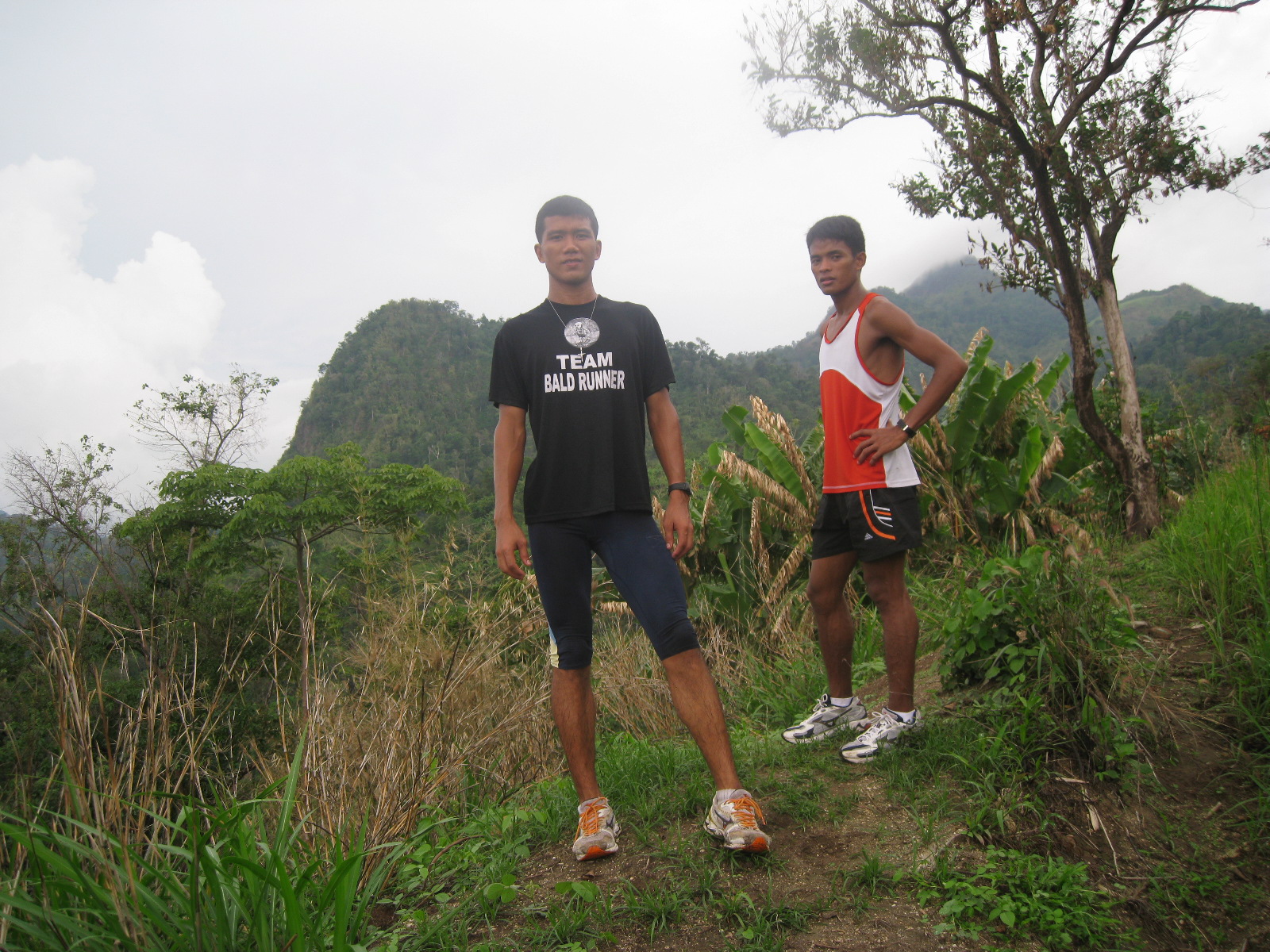
Charlie, My Trailblazer & Jack, My Back-up Guard

 As we were tracing our way back to the place where we started, Jack complained that the soles of his running shoes got separated from the upper parts and he was practically running on his socks! Well, the running shoes is Mizuno but it is already old. Charlie’s shoes is Mizuno, too but it works well with him for the runs we had to the mountain.

When we reached the part of the spring that we cleaned, I told my companions that we’ll have a brief shower and washing of shoes and shorts. It could be that my legs were already tired and stiff on our way back that I experienced sliding on the soft trail with my butt pounding on the ground! I slipped for two times! My shorts were full of mud! These things happened when I was brisk walking on the downhill part of the trail. However, if I jog or run through such soft parts of the downhill trail, my foot/shoes would land on the ground without any sliding. With such observation, I maintained running or jogging throughout our trail run and I did not experience any sliding at all.

As we passed Django’s hut, Django was already infront of his hut and asked where we ended our exploration. I told him about our observation and the absence of trails where we ended. From his story, he was the one who harvested the banana blossoms earlier in the morning and he admitted that there is no more trail on top of the ridge where we turned-around. But admitted that the trail became thickly vegetated that it was hard to trace the existing trail.
Elmer & Frank as Our Support Crew

With 5 kilometers to go, Elmer and Frank met us on top of a hill with bread and water. Elmer finished his run earlier and used his motorcycle to go back and meet us along the trail. It was a relief for Charlie and Jack to eat and drink as they were tired already. I was tired, too!  but I still have water from the spring in my Nathan hydration belt. Jack has to ride the motorcycle because of his torn shoes and Frank joined us for the remaining parts of the run.

Charlie and I finished the trail run in 4 hours to include a brief shower for 10 minutes at the spring. My GF 305 registered a distance of 22.4 kilometers. We were able to run farther, longer, higher and we finished our workout faster! I was tired on this run but a massage was scheduled for the evening from an expert.

Due to my commitment and purpose to establish trails in the forested parts of BM and its neighboring mountains, I have ordered two (2) Jungle Bolos from the Philippine Army which we’ll use to cut those plants that have grown on those trails. I recalled when I was the Chief of Staff of the Philippine Army that we ordered thousands of Jungle Bolos from Malaysia as a basic jungle equipment for our Scout Rangers and Special Forces. I know that somehow some of the jungle bolos are still available for lease. Luckily, after some coordination, my order will be delivered next week.

Trail running with a mixture of exploration (trailblazing) is fun!
Help Give Shoes


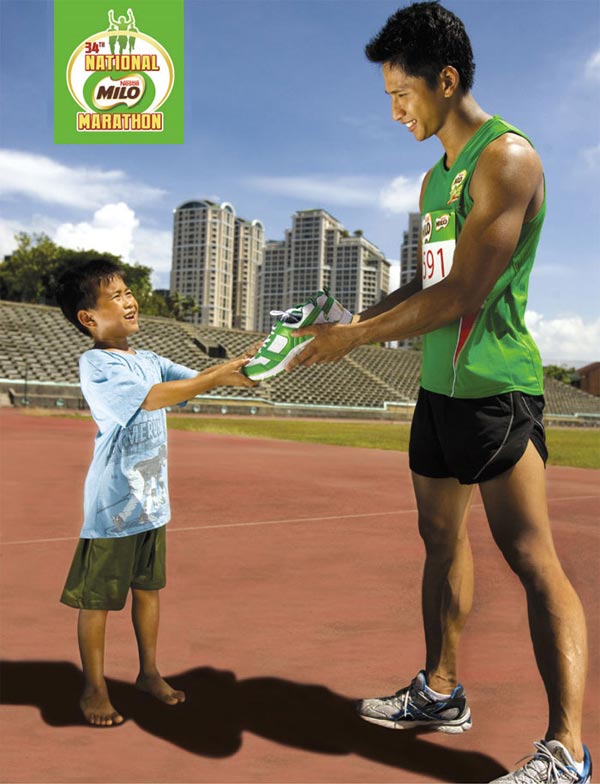
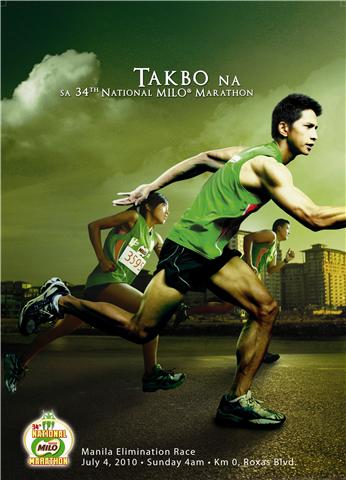
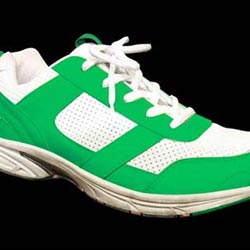
MILO/Nestle Phils launched its MILO Marathon website last Sunday, June 13, 2010 and I am impressed with the site. But what impressed me most is MILO Marathon’s cause/advocacy of giving running shoes to underprivileged but deserving children in the elementary & high school grades.  

MILO Running Shoes


This is one of the reasons why the registration fees for the 34th Marathon Races had increased as a portion of it goes for a small contribution from the runners for this project. For an amount of Five Pesos from each runner registered for the race, in return, MILO will donate an equivalent amount to the total fund raised. 

Everystep..MILO's Help Give Shoes Project


For further details of this advocacy, I enjoin my readers/visitors to visit the MILO Marathon website at www.milo.com.ph. The video entitled “The Gift” is nice which I know most of you have seen it on the TV commercials. 

Let us support this advocacy. Register now and join the 34th MILO Elimination Races & Finals. 

See you on July 4, 2010 at 4:00 AM. 

(Note: Pictures were taken from MILO Marathon’s Website at www.milo.com.ph)

Lost


June 12, 2010 112th Independence Day Celebration @ The Fort

My last road race in Metro Manila was the Century Tuna Half-Marathon on February 21, 2010 which was held at The Fort. However, I was able to finish a 50K Ultramarathon Road Race in Jeju Island, South Korea on March 27, 2010 and since then I stopped joining 10K, 15K and Half-Marathon Races. After the Jeju run, my running workouts were geared towards my preparation for the 34th MILO Marathon Elimination Race on July 4, 2010. As part of my training, I decided to join this Half-Marathon Race in order to break-in my running shoes (ASICS Gel-Tarther) and apparel (ASICS running shorts & singley) for the MILO Marathon. The cheap registration fee and my plan to test my race strategy for the next full marathon were also the reasons why I joined this race.

PID Half-Marathon Ads

I am a sucker for running events that celebrate historic events in our country plus its advocacy to end poverty ( the white “ONE” band that I am using on my right wrist is the world’s symbol for the advocacy to “make poverty a history”) which I am trying to adhere to with the small contributions I’ve been doing through my projects like “Donate A Shoe”; “Donate A Shirt”; and my Elite Team Bald Runner. In short, I just wanted a simple road race to assess my training and at the same time celebrate a historic event for the country.

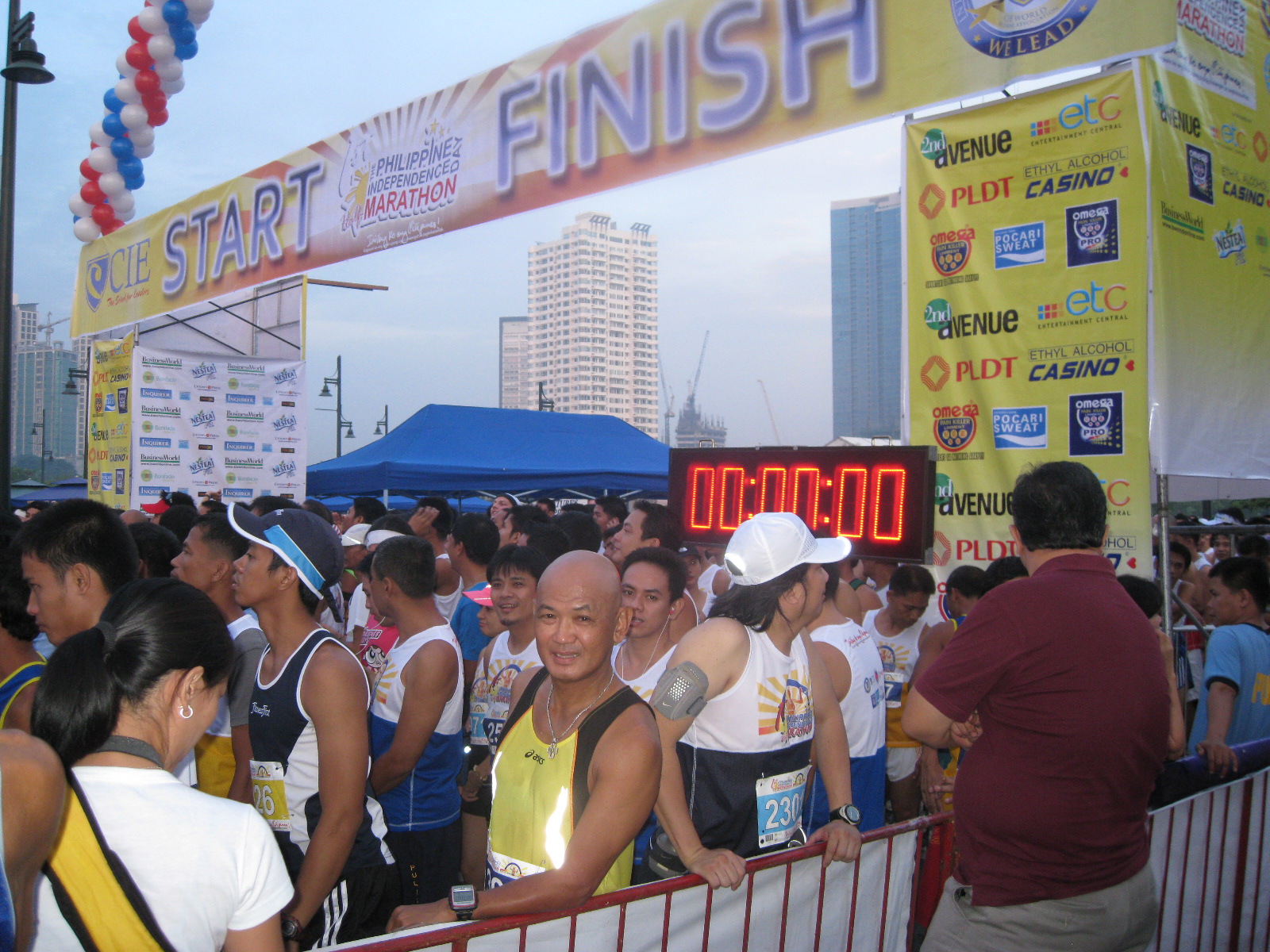
But from the Start of the Race, it showed some signs of “dangers” to come! All the runners (21K, 15K, 10K, & 5K) were mixed together in the coral which means that all the runners shall start at the same time. And it happened. Some group of runners started the race ahead without any command or the sound of a starting gun. Although the race started a few minutes late (5:36 AM), the rest of the runners just simply started running from the starting line without even hearing a countdown from the Emcee!

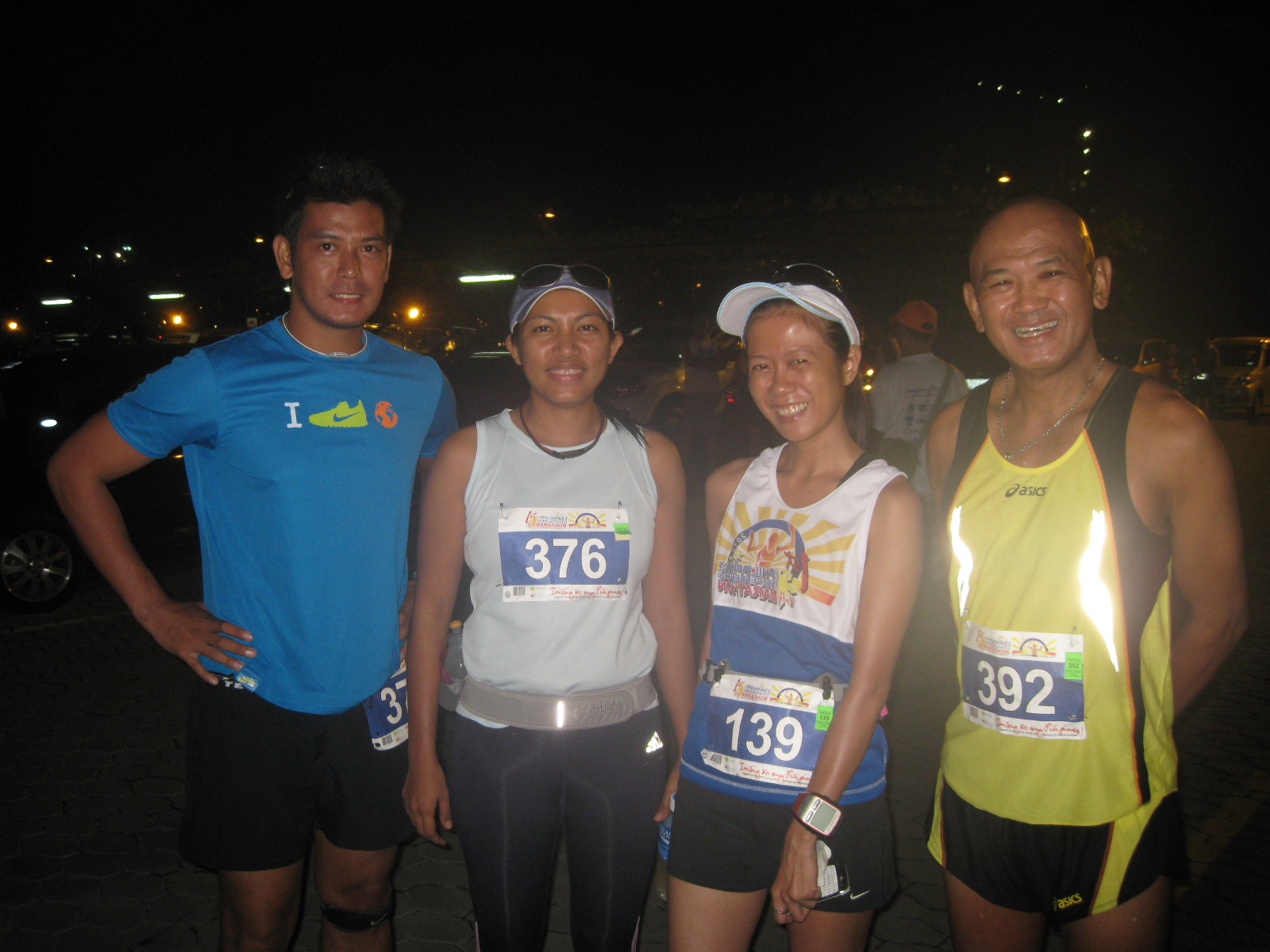
Team BR-Professionals BR's Friends Before The Race Start
Most of the Runners Had Crossed The Starting Line Before The Race Started

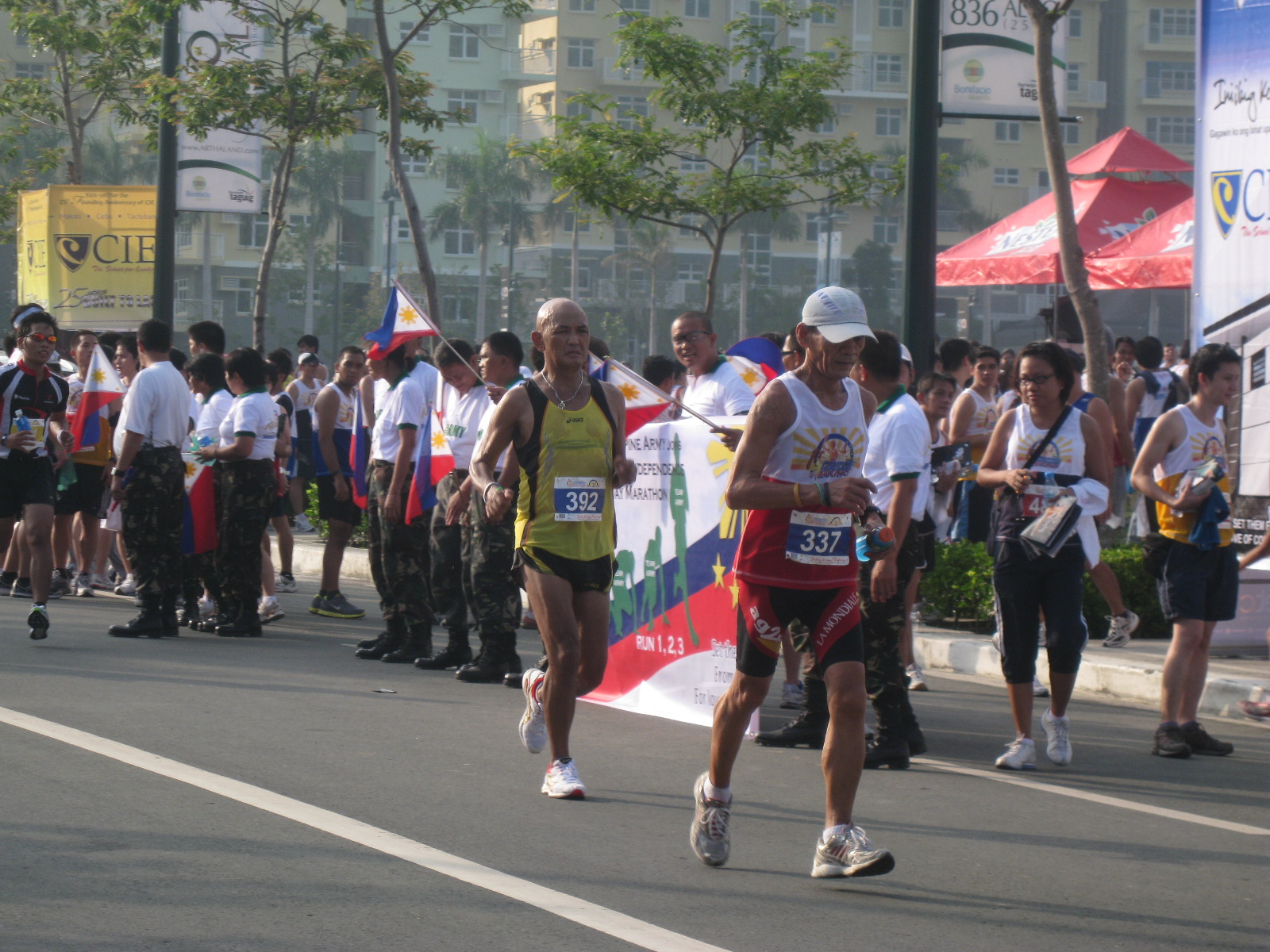
From the start, I was able to maintain my pace within the 5:15-5:40 minutes per kilometer average pace except at Km 3 & 4 where I was able to register a pace of 4:45 mpk. The race strategy was to be able to finish the first 10K in 55 minutes and slowly picking up the pace on the last 10K of the race and be able to finish the race in slightly above 1:45 hours. However, when I and the other 21K runners reached the 15K mark, we were lost! We tried to ask for assistance from the route marshal but they could not give us the correct directions. There were ignorant of the race route. They just simply told us to proceed to where the runners were going!

That was it! The runners were lost. I was lost, too! I was already out of focus and just simply wanted to finish the race! My companion and I went around the “bigger loop” at The Fort for two times before reaching the Finish Line. My GF 305 registered a distance of 18.2 kilometers!

Lost & Frustrated As I Reached The Finish Line

I got my Finisher’s Medal but I was not proud to wear it. After I changed my wet running apparel, I went nearer to the event stage to find out who is the Race Organizer/Director. I was not surprised to hear from the Emcee that the Race Organizer/Director was Mr Franco Atienza…again? Well, the “usual suspect” is confirmed to be responsible with “fucked-up” race routes in the past road races and the traces of lack of water cups and short length of water aid stations for a thousands of runners were still there despite the complaints from participating runners.

My GF 305 registered a time of 1:35:18 for the distance of 18.2K. It is not a fast time/PR but I know I can be faster if I did not relax and slowed my pace after I was lost. My running shoes and apparel were great and they passed the test. I am confident that they will help me in another successful marathon finish on July 4th.

TV Series "LOST" (Photo from Wikipedia)

Race Organizers/Directors who do not learn from their past mistakes and “lapses” should get LOST from conducting races that honor “heroes & patriots” of our country. This road race was supposed to be a “Gathering Of Patriots” not a “gathering of LOST runners”!!!

4:10:00


For my age of 58 years old, my qualifying time for the MILO Marathon FINALS on December 12, 2010 is to be able to finish the 34th MILO Marathon Elimination Race at 4 hours and 10 minutes or less.

Do I have to be happy or challenged by the introduction of the qualifying times for the 34th MILO Marathon Finals? At my age, finishing the marathon with a time of 3:45:00 hours is still my goal which is the qualifying time for my age in the Boston Marathon! In the 80s when I concentrated for months and years (yes, I prepared for my first marathon for a year!) to reach the Boston Qualifying time for my age (3:10 hrs), I could only get a finish time of 3:29 as my best time. Trying to qualify for Boston Marathon during those years were impossible because of my career in the military. At present, 3:45 hrs as a qualifying time is finally doable as I have more time to run and try to improve my finish time as I become older!

Finally, MILO had come up with a new qualifying time according to age category for runners. The 4:10 hrs qualifying time for my age bracket made me happy as this cut-off time will not make me pressured during the race. It simply means that I can run the distance by completing every 10K segment in one hour and do a 5:00-minute per km average pace for the last 2 kilometers! But deep in my mind, the BQ time of 3:45 hrs is still my ultimate goal in every marathon race that I join. That’s the fighting and competitive spirit in me.

34th MILO Marathon Manila Elimination Qualifying Times: (From takbo.ph)

A New Running Form?
 AGE GROUP  MEN  WOMEN
 
18-34 3hrs 10min 3hrs 40min
35-39 3hrs 15min 3hrs 45min
40-44 3hrs 20min 3hrs 50min
45-49 3hrs 30min 4hrs 00min
50-54 3hrs 35min 4hrs 05min
55-59 3hrs 45min 4hrs 15min
60-64 4hrs 00min 4hrs 30min
65-69 4hrs 15min 4hrs 45min
70-74 4hrs 30min 5hrs 00min
75-79 4hrs 45min 5hrs 15min
80 and over 5hrs 00min 5hrs 30min

Abovementioned qualifying times are for the Boston Marathon!

Noteworthy to mention are the comments I had been reading at Facebook from my running friends. Topics and comments deal with the high registration fees and the new MQ (Milo Qualifying) times. I would surmise that the MILO Marathon this time will be “cheater-proof” and with more logistics & Aid Stations along the route, thus, we have a higher rate of registration fees. I hope that the Race Organizer will offer some foods aside from the usual water and Gatorade in every Aid Station. Please don’t serve those 100 Plus Drinks as they are carbonated drinks which is totally different from Coke and other sweet carbonated drinks.  As for the MQ times, this will encourage more of our runners to train properly and pursue for excellence. As compared to the BQ times, it should be noted that the MQ time for the 18-34 Men (3:45) is the BQ time for the 35-39 Women runners! And the same time is my BQ time as a 58-year old male runner.

With the higher registration fee, although I am not fond of those give-away singlets, I hope MILO will have a better quality of cloth for their singlet. The past singlets tend to be very heavy after they are soaked with my sweat/perspiration. I guess, a wet MILO singlet adds up to another 1/2 kilo I have to carry during the most critical second half of the marathon race. This is true! 

I just hope that “cheating” will not be done in filling up those registration forms in this race. Let us be honest this time and enjoy to run the most prestigious national marathon race that the country has to offer. Thanks to MILO/Nestle, Phils!

I’ve seen the list of Cash Prizes for the Eliminations and Marathon Finals plus the bonus prizes for breaking the fastest record time of 2:18+ hours and the imaginary time of 2:14 hours. This is a big improvement as the cash prize have increased which will be beneficial to our elite athletes plus they have the goal to excel and improve the record finish time for the marathon in the country. How I wish our King & Queen Champions for this year will be sent to compete in one of the prestigious marathon races in the US.

In the coming weeks and days before July 4th, I will be posting my preparation/training and race strategy in order to qualify for the MILO FINALS Marathon on December 12 this year.

Once again, I personally congratulate MILO/Nestle, Philippines for having consistently brought us the only competitive and the most prestigious marathon race in the country. For a multinational company that is based here, this is the only corporate entity that had focused its support in Athletics/Running, the most number of sports diciplines, and the conduct of local /National Sports Meets in the country. It should be noted also that MILO/Nestle is the Number #1 supporter for our athletes/national delegation to the Southeast Asian Games, Asian Games, and the Summer Olympic Games. 

To all the runners, this is your chance to excel and not be contended in finishing a marathon race within the cut-off time.

Tuck In Or Tuck Out?


Do you tuck in your running singlet/shirt when you run, whether in a training or in a race, or not?

Having been in the military, we ran with our shirt tucked-in with our running shorts for uniformity sake and for better appearance when running in formation. I guess, the norm is that, if you run with your running shorts, it is better to tuck-in your shirt or singlet.

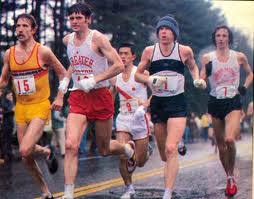
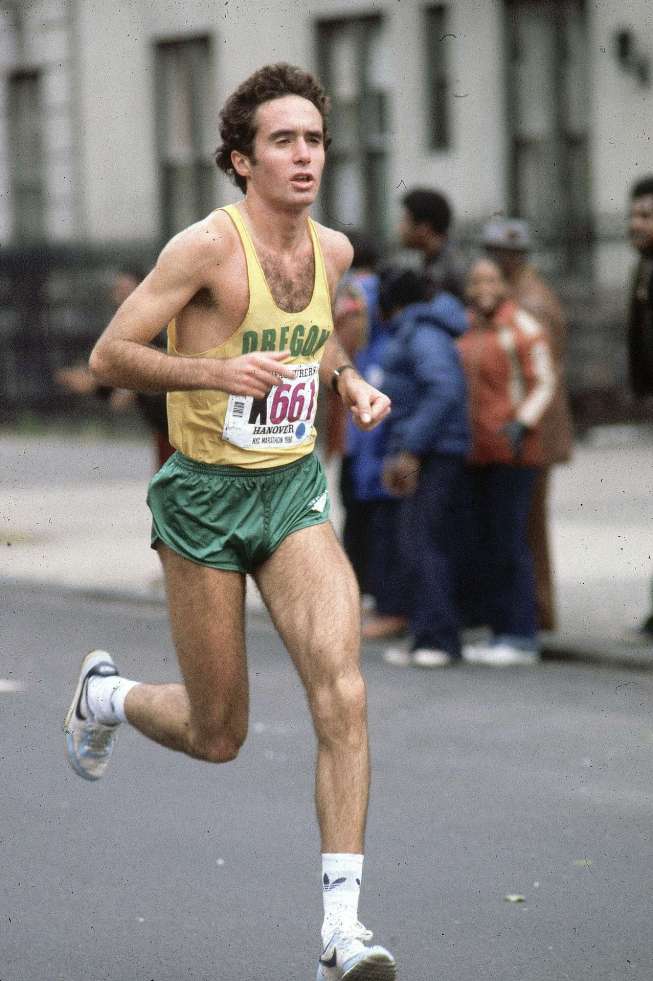
In the early 80s when I started to seriously train myself to run in road races, I always see to it that I tuck-in my shirt or singlet whenever I run. This was a practice that was a must. This was the same observation I had with the world’s elite runners as I saw them in runner’s magazines. I have the same observation with the Kenyans and Ethiopian runners in the past Olympic Games and other IAAF World Championship Meets. The following pictures were example of world’s elite marathon runners in action in one of the famous marathon races in the world.

World's Elite Marathon Runners in the 80s (Google's Images)
Alberto Salazar In The 1980 New York City Marathon (Google's Images)

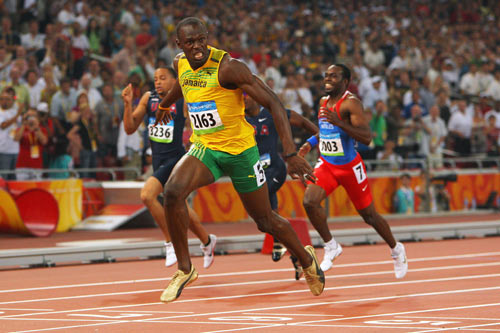
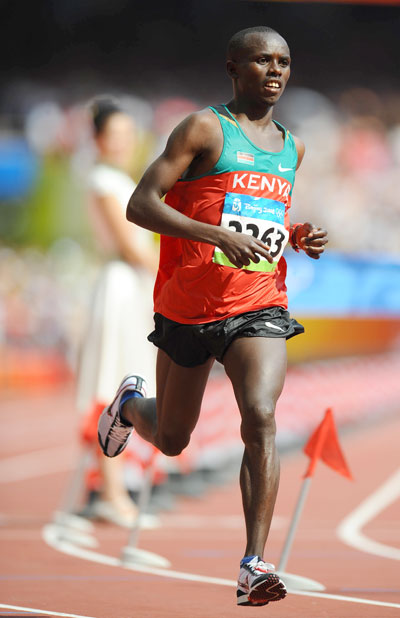
 However, things had changed lately. For the past 2 1/2 years that I’ve been to road races, I’ve seen a lot of runners with their shirts and singlets tucked-out from their shorts. Some of the world’s elite runners have also been in this kind of fashion trend.

Usain Bolt With His 2008 Olympics 100-Meter Dash World Record (Getty Images)
Samuel Wanjiru's Gold Medal Finish in the 2008 Beijing Olympics (Photo by Xinhua)

Last March when I participated in the 2010 Jeju Island Ultramarathon Race, I had a chance to visit an ASICS Store. While I was trying to fit one of its running apparel, the sales lady told me to tuck-out the singlet that I was wearing. She said (through her language & hand signs) that I should wear the singlet tucked-out from my shorts! At first, I was surprised and uncomfortable going against the norm that I was used to.

For the past weeks, I’ve been trying to run with my shirt/singlet tucked-out from my running shorts and try to study the difference from my runs if I tuck-in my shirt. It seems that there is no difference at all. But with a slight difference though. My running socks and shoes tend to be wet with my perspiration faster than when I am wearing my shirt tucked-in.

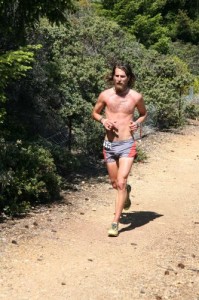
The best would be running like this…

Anton Krupicka @ 2010 Miwok 100 (Photo: http://www.ultralive.net)

But you’ll be surprised that running at The Fort, the usual running places in Manila and other private areas outside Metro Manila without a singlet (half-naked) is not allowed. It’s corny and no proper explanation had been given except that it is not allowed because the place is a private property.

Tuck In, Tuck Out, or Half-Naked…the choice is yours!

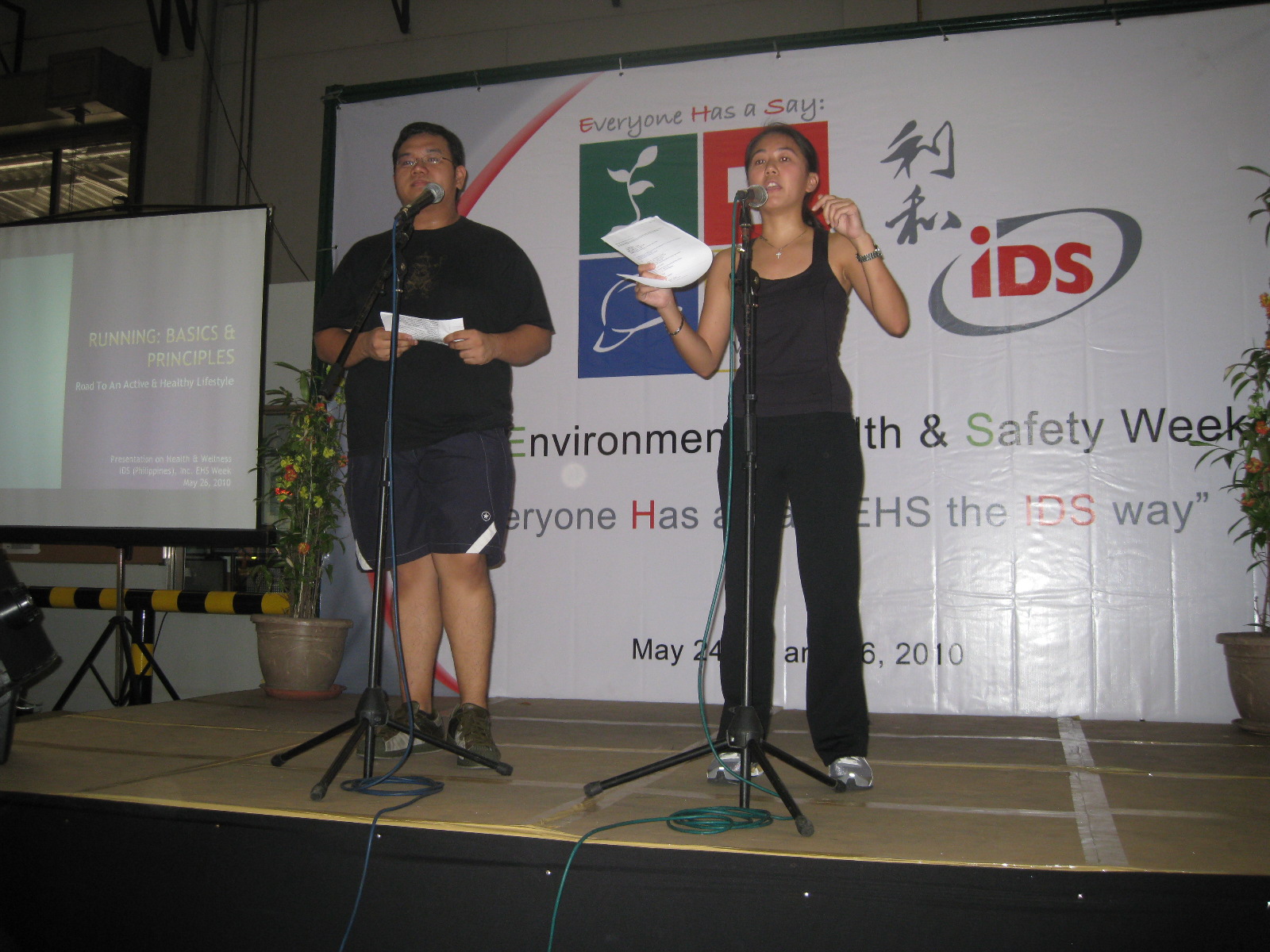
Running Lecture & Clinic @ IDS


4:00-6:00 PM May 26, 2010 @ IDS Compound, Bagumbayan, Quezon City

It could be a simple telephone call, a comment in my blog, a text message, an e-mail, or a conversation, I am always willing to give a Running Lecture & Clinic to any corporate office or group of runners anywhere in Metro Manila and its suburbs. But this time, it’s different because the request came from a runner-blogger who is a close friend. Bards aka Banana Running sent me a text message and it led to the realization of a Running Lecture & Clinic among the staff and employees of IDS (Integrated Distribution System) which is based in Bagumbayan, Quezon City.

Introductory Part of the Program

The Running Lecture & Clinic was integrated as part of the company’s health and wellness seminar program for its employees. I am also glad that the Bald Runner and its Elite Athletes were there to be a part of this program. Through Ms Tess Baltazar of IDS, the running lecture & clinic was fully coordinated and my team was received properly upon our entry to the compound.

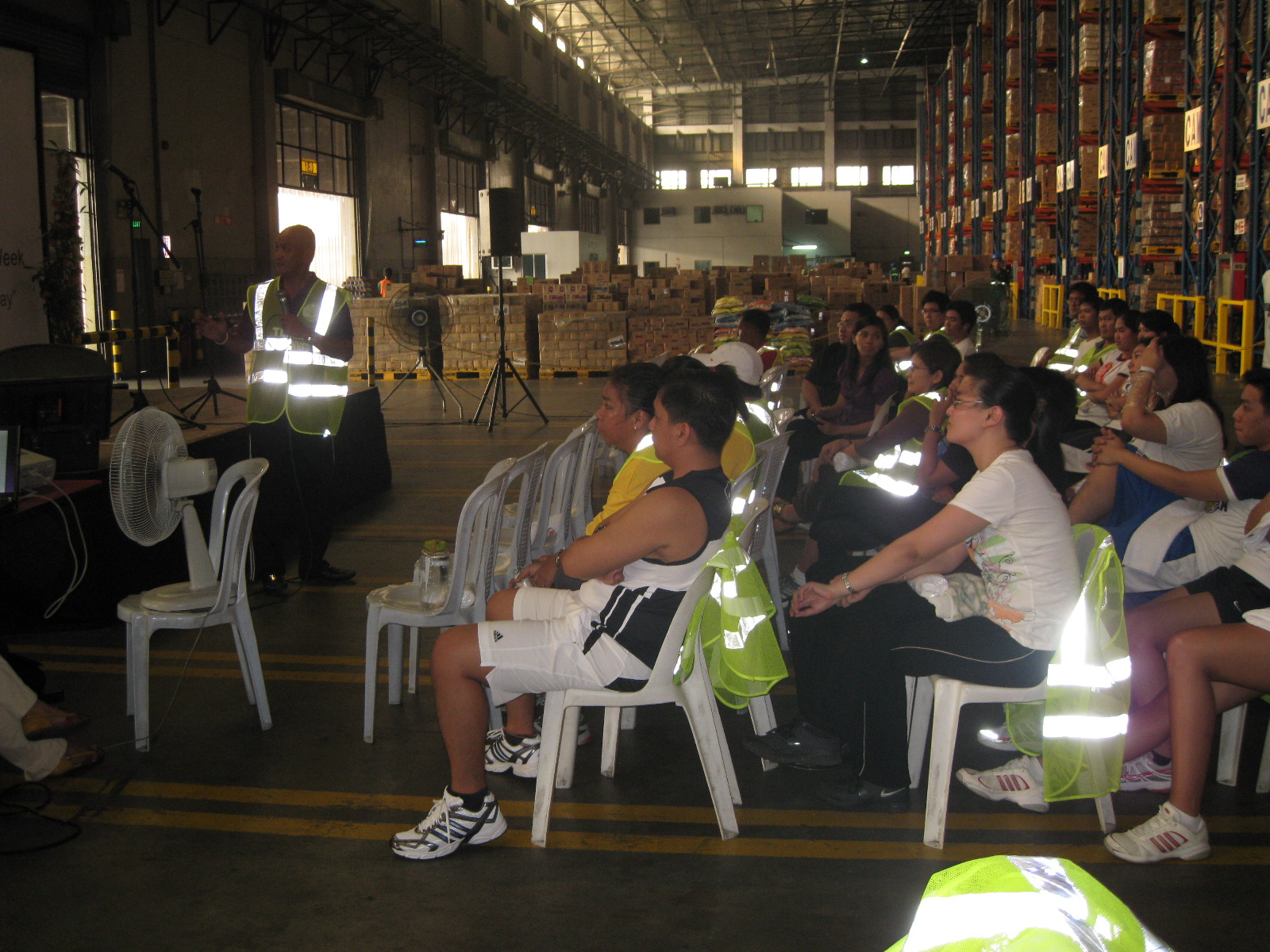
Lecture Was Done Inside One of the Warehouses

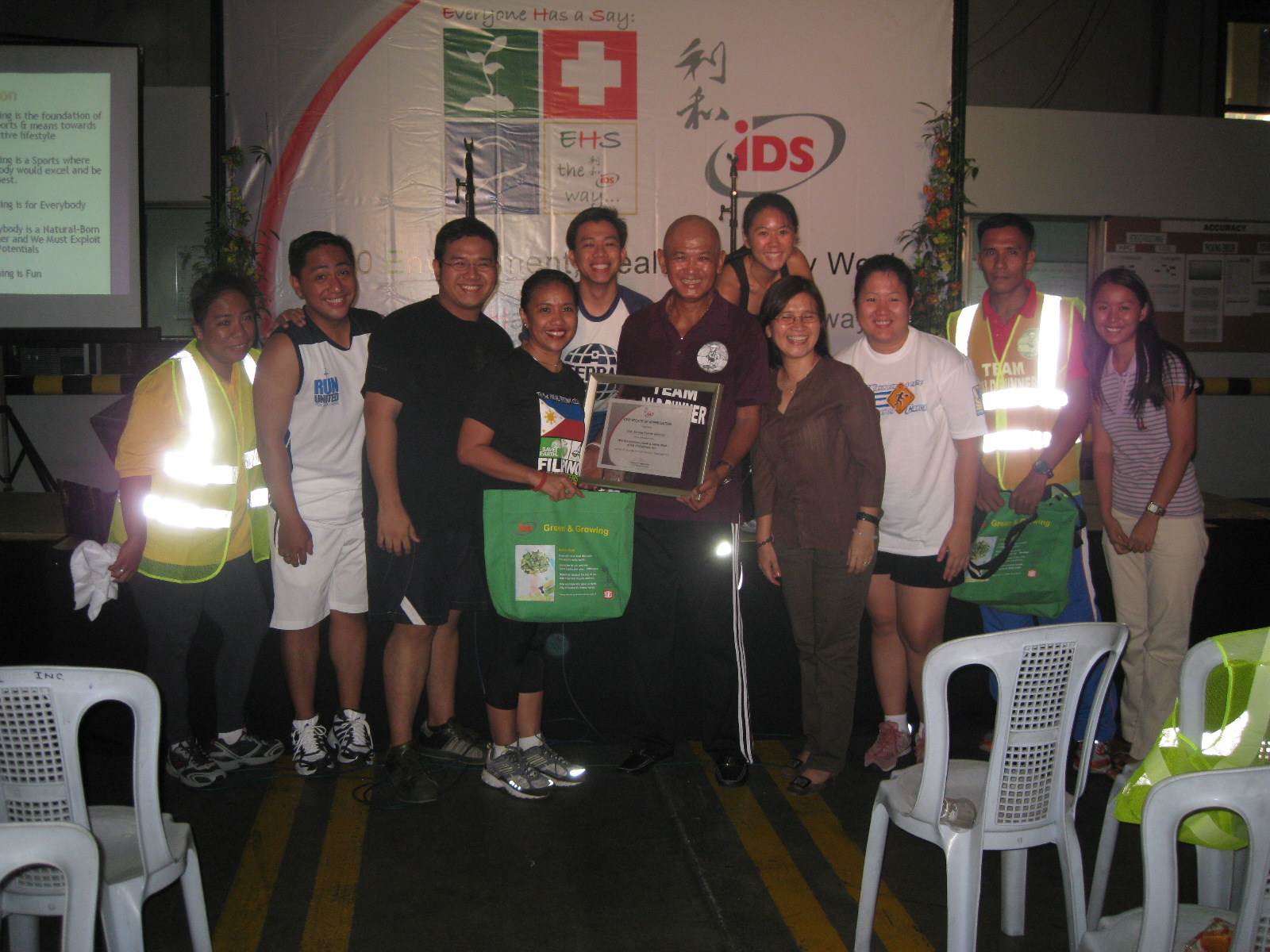
The lecture and clinic were limited to only 2 hours as the window of opportunity for the whole program/seminar. The lecture started on time at 4:00 PM of May 26, 2010, Wednesday in one of the big warehouses of the company. After a short introduction, I delivered my lecture with the aid of the usual Powerpoint presentation which I delivered within one hour. After giving me a surprise award and cash (that goes to the training & support to the Elite Team Bald Runner), my team and host brought the participants at the parking area of the company.

Group Picture With The Staff of IDS After The Lecture
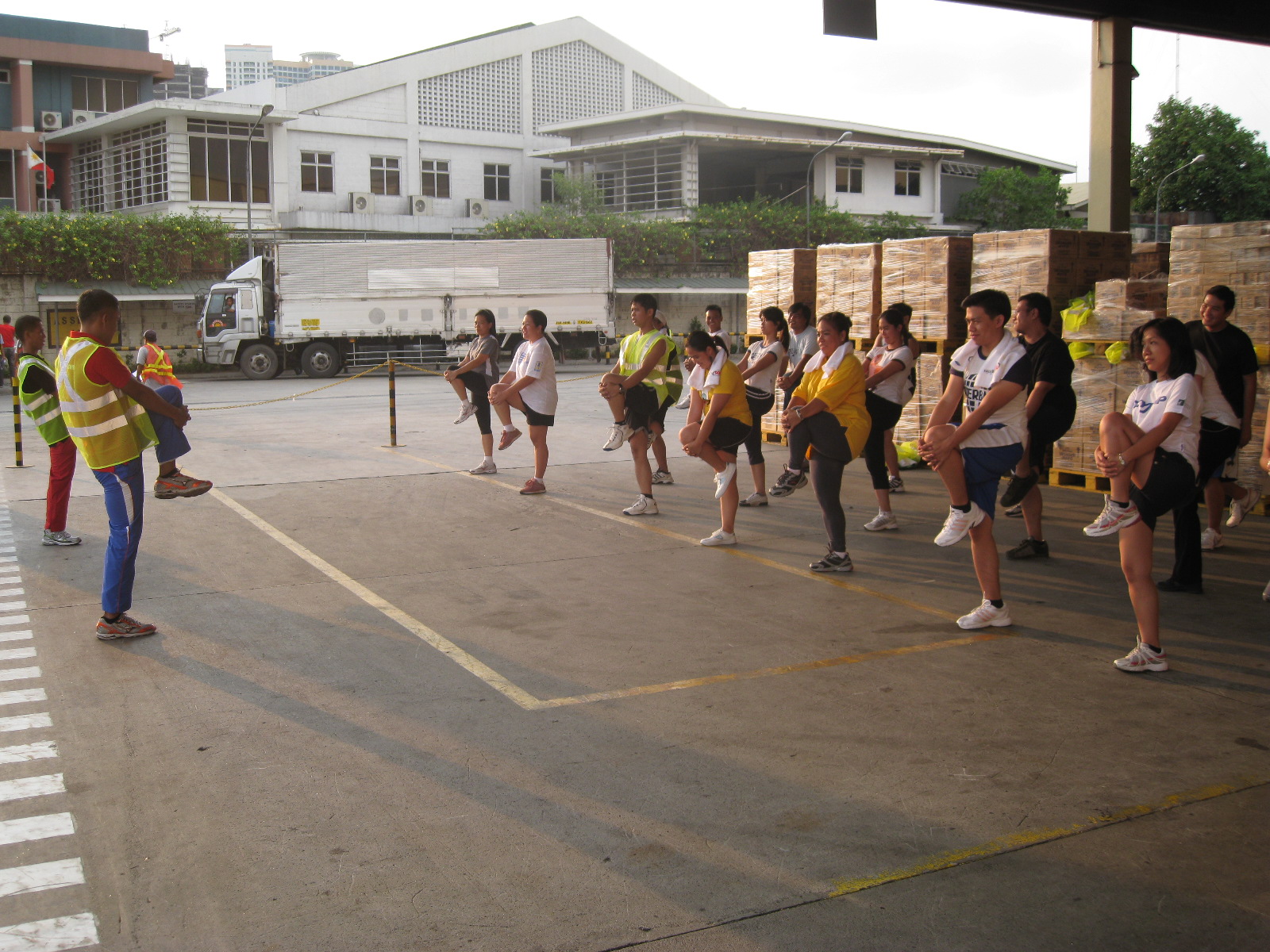
The Basic Running Clinic Was Conducted By The Elite Runners

The running clinic started with stretching exercises, then running “drills”, demonstration of running form, and the whole group did some group running at the parking area. The clinic was new to everybody and it was fun for the participants. The group was happy to experience the activity. I hope the running lecture and clinic were enough to “spark” the employees’ interest in running and ultimately, adhere to running as a way to embrace an active healthy lifestyle.

The running community welcomes the IDS Running Club! See you on the road!

5 Hours


6:30 AM June 2, 2010 Wednesday 20.5K 4:30 hrs Elevation: 1,500 meters (Adidas Osweego)

This is the third time that we went up to BM for another trail run and for us to extend our exploration on how far the trails would lead us. However, the target was to reach a distance of 10 kilometers from our starting area and then back for a total distance of 20 kilometers. We started at 6:30 AM and all of us were prepared for food—steamed rice packed in banana leaves; hard-boiled eggs; more sardines & bread and lots of water. I brought my old Camelbak with a 2-liter bladder and the rest had their own light backpacks & hydration belts/bottle. We are all conservative runners as we didn’t bring any sports gel, sports drinks, or any sports bar for the said outing.

My Camelbak was too heavy plus my Canon Digital Camera was strapped on its cross-belt. It was hard running uphill with filled-up Camelbak at first but I became accustomed to it as we went nearer to the mountain. Our pace was slow but we gained our loss of speed on the downhill. Finally, we approached the nipa hut of the family whom we were planning to use as “guide”. It was timely that the man in his 60s on a horseback was about to leave towards the forested area of the mountain.

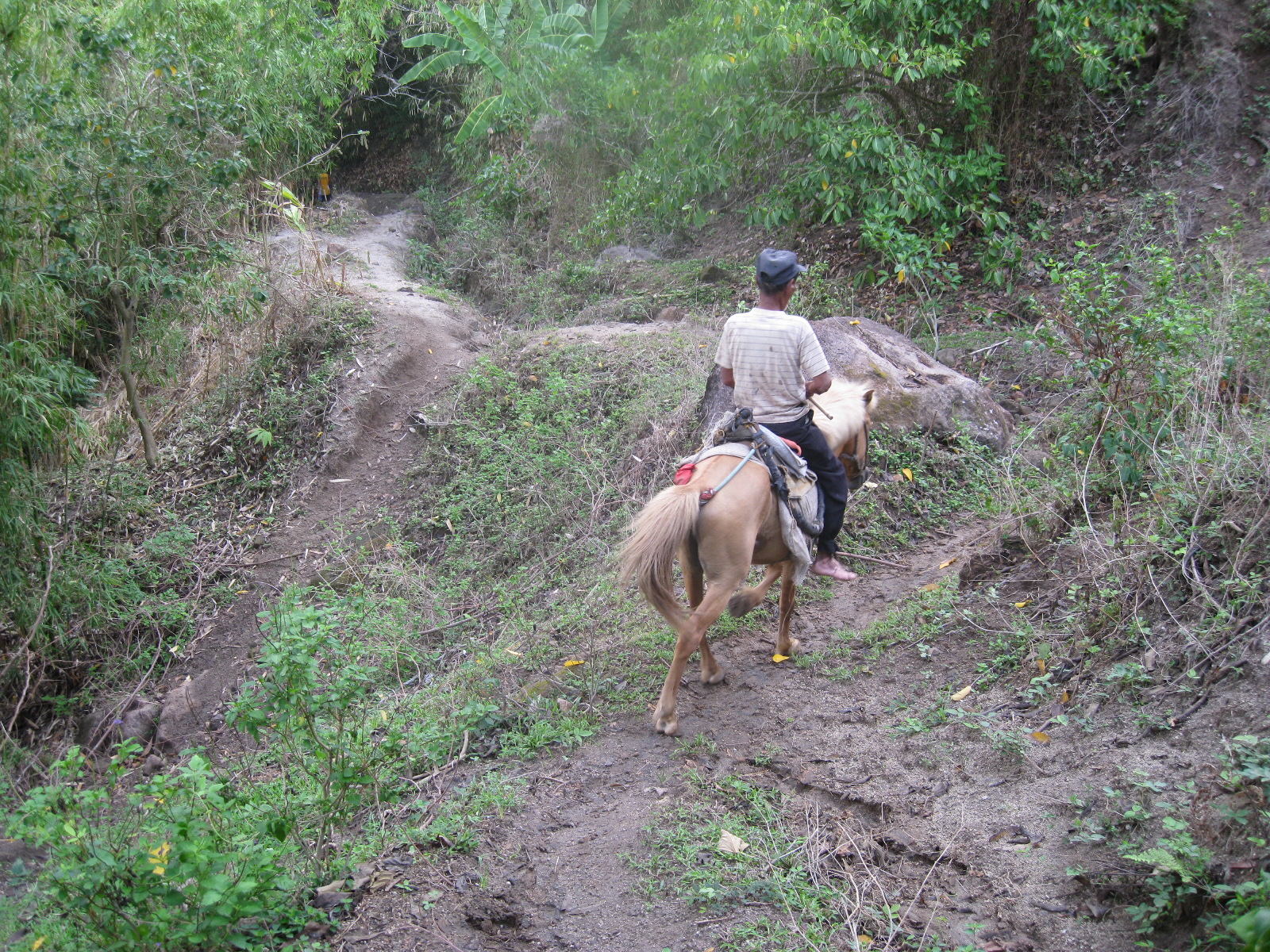
"Django" Leading Our Way Along The Mountain Trail
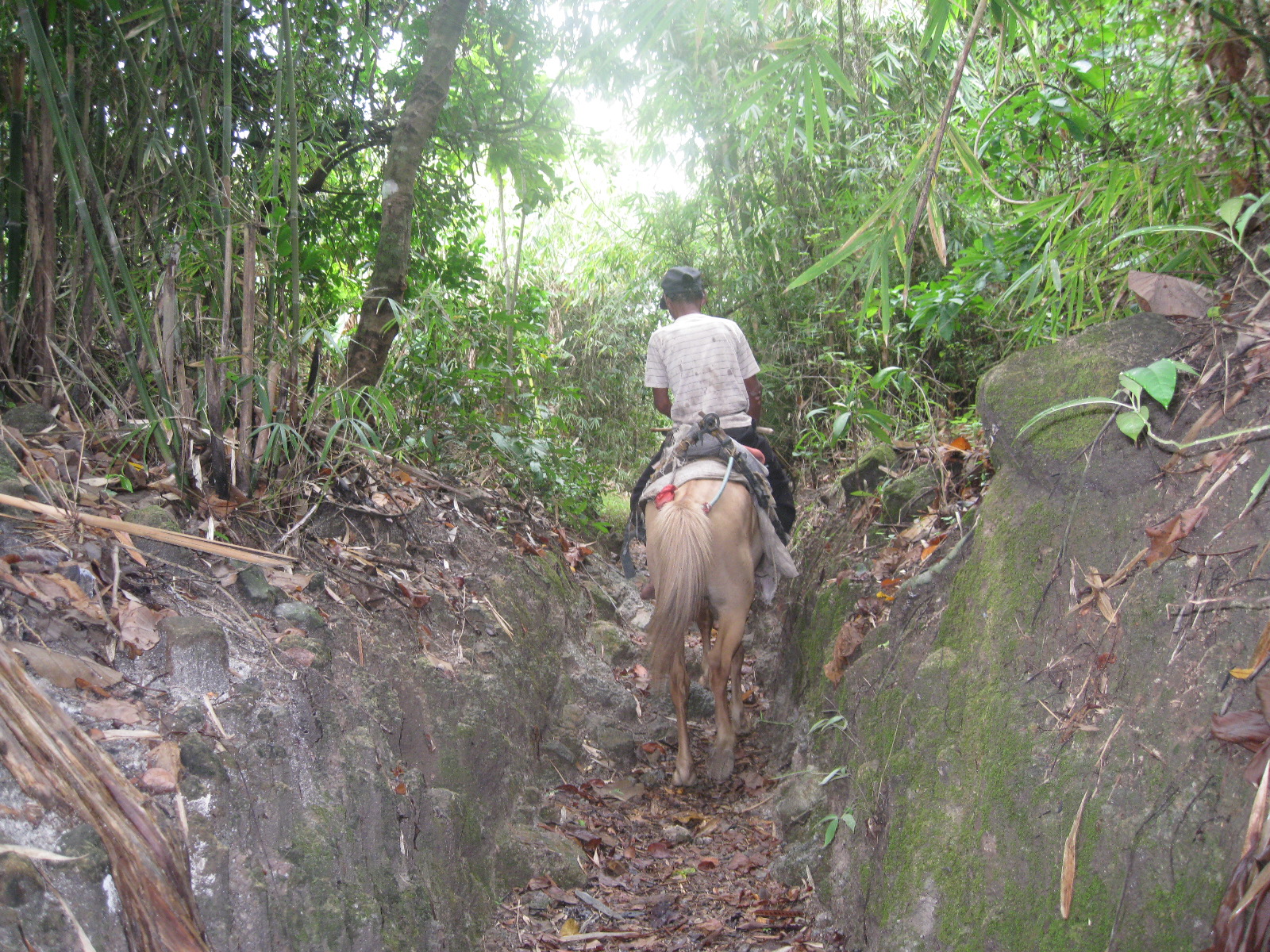
A Trail Carved Out From Big Rocks?

I’ll call the guy as “Django” and he led us along the trail riding his horse. Our runs became jogs and brisk walks as the trail became more technical due to the presence of rocks, fallen trees & branches, and steep inclinations. We crossed and passed by springs along the route and Django told us that the water is clean and potable. Django would be talking while he was leading us. He was proud pointing to fruit-bearing trees, pineapple plants, bananas and others along the way and he gave the approval for us to eat or pick any fruits of these trees whenever we come here for our trail runs.

Looking For the Markings "JT" On The Rocks

As we passed along a wider spring, Django told me to look for an old marking with the letters “JT” on one of the rocks beside the flowing water. We stopped for awhile and tried to look for the said marking but we were unable to see them. Django would tell me later that the markings were there for many years and the story that there is a “hidden treasure” in those rocks and the story would be carried down from the elders who lived there to the younger ones. Django would tell me also that he had been hunting for buried treasure throughout his life but when I asked him if he found one, he said that he have not found one!

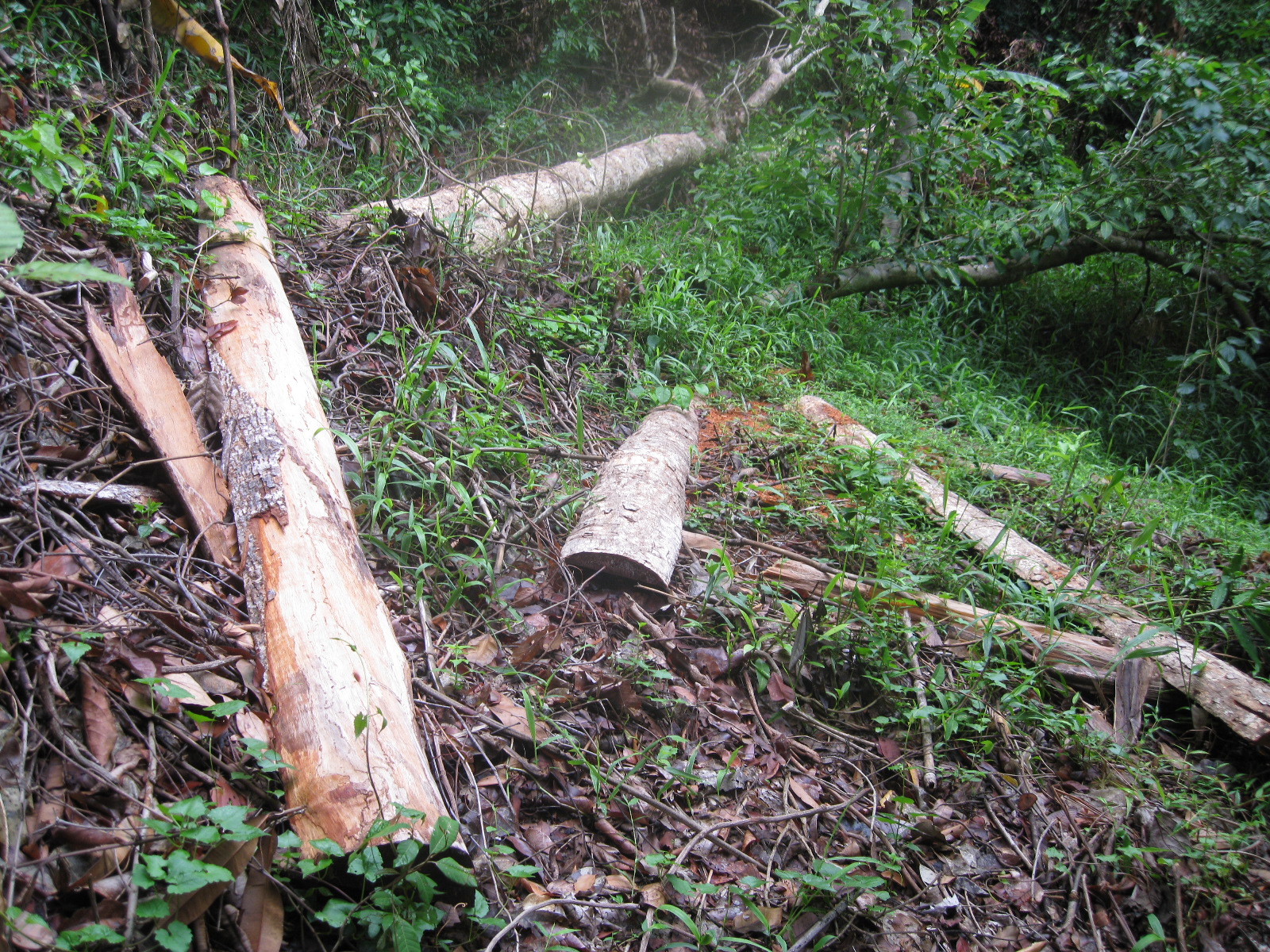
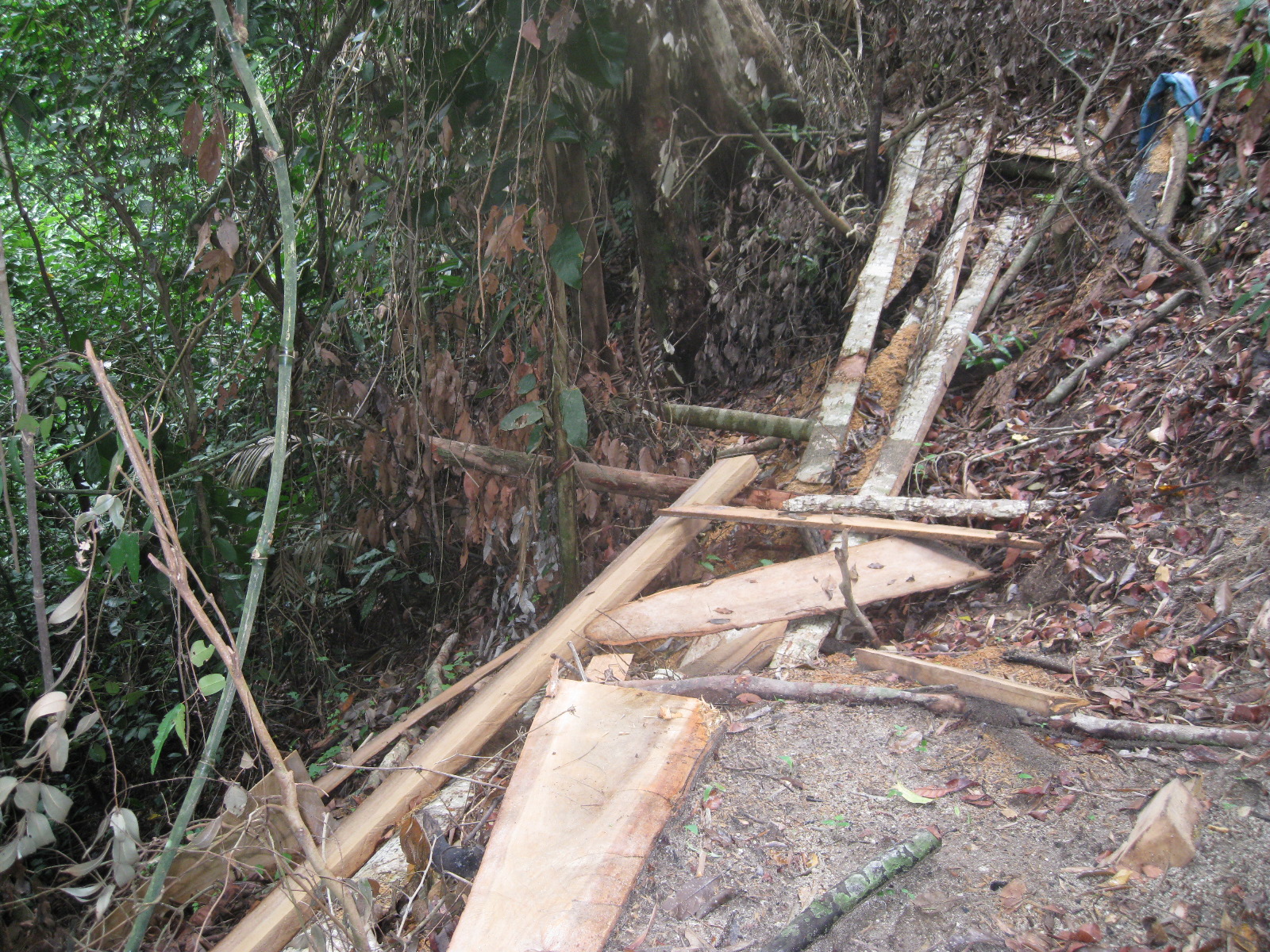
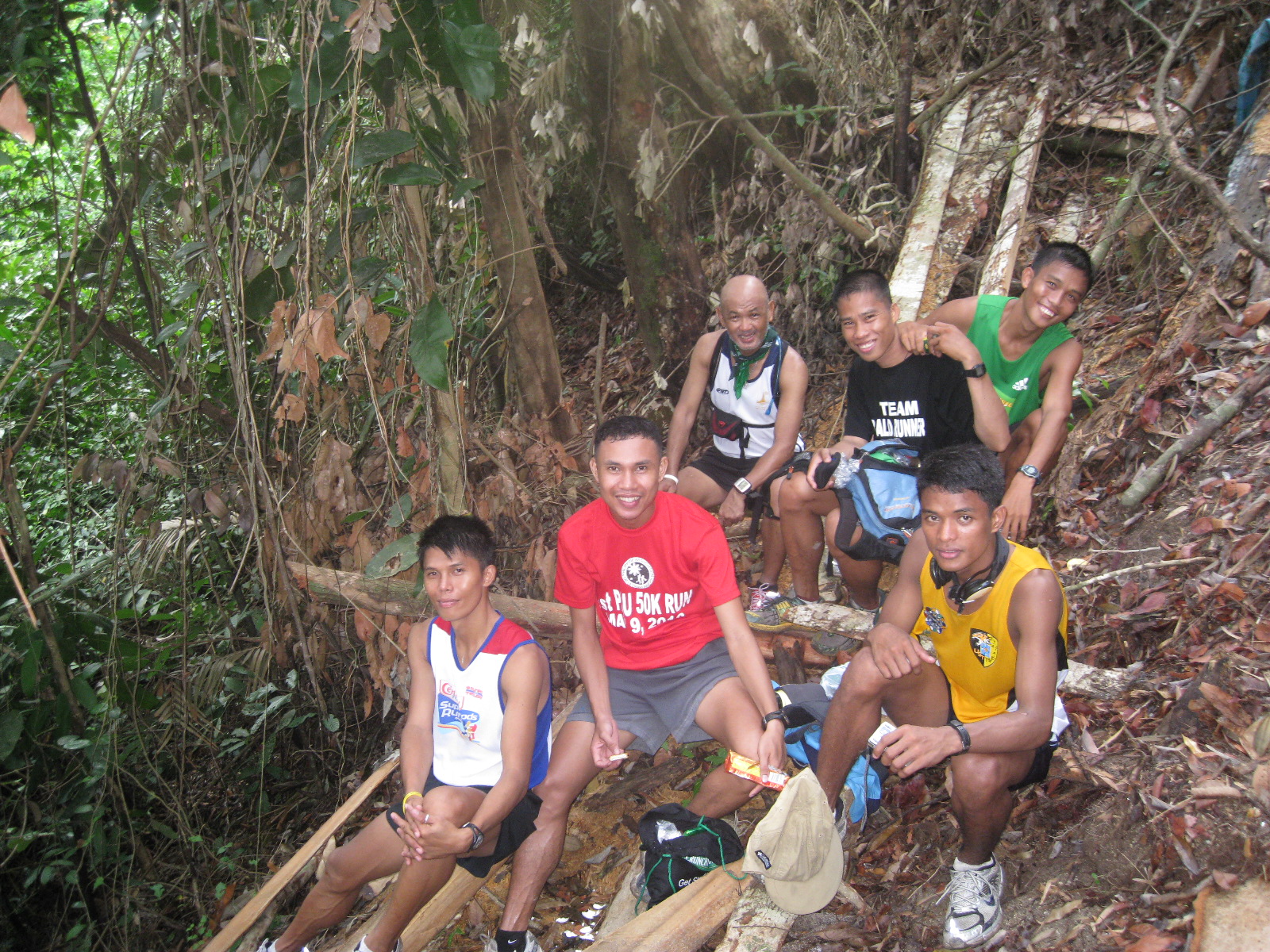
We reached the temporary hut of Django and he asked to stay thereat. We had been running & brisk walking for about 1 1/2 hours already and I took the lead to a trail which I believed to be a part of the established one. The trail led us to a higher elevation and it was very steep as we were stepping on loose soil and plants. As we reached the summit, I was surprised to see the end of the trail with trees cut and signs of the presence of “illegal logging” activity in the area. Since we were too tired to reach the peak, we decided to eat our food—steamed rice & hard-boiled eggs. The sardines were not eaten because nobody brought any spoon as our can opener! The sardines were given again to “Django” on our way back.

Signs of Illegal Logging In The Area
End Of The Road For The Steepest Trail
Had A Picnic At This Place

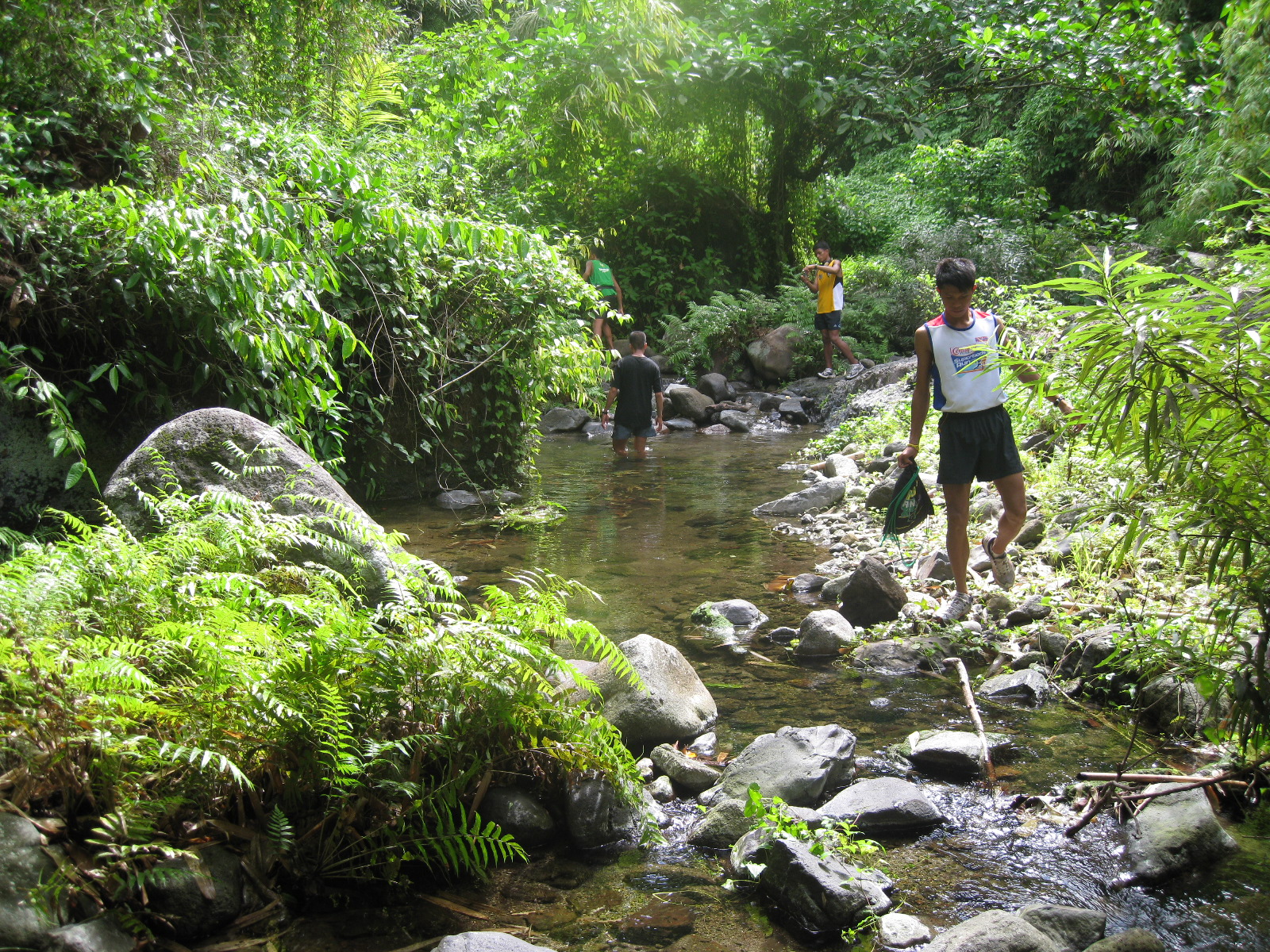
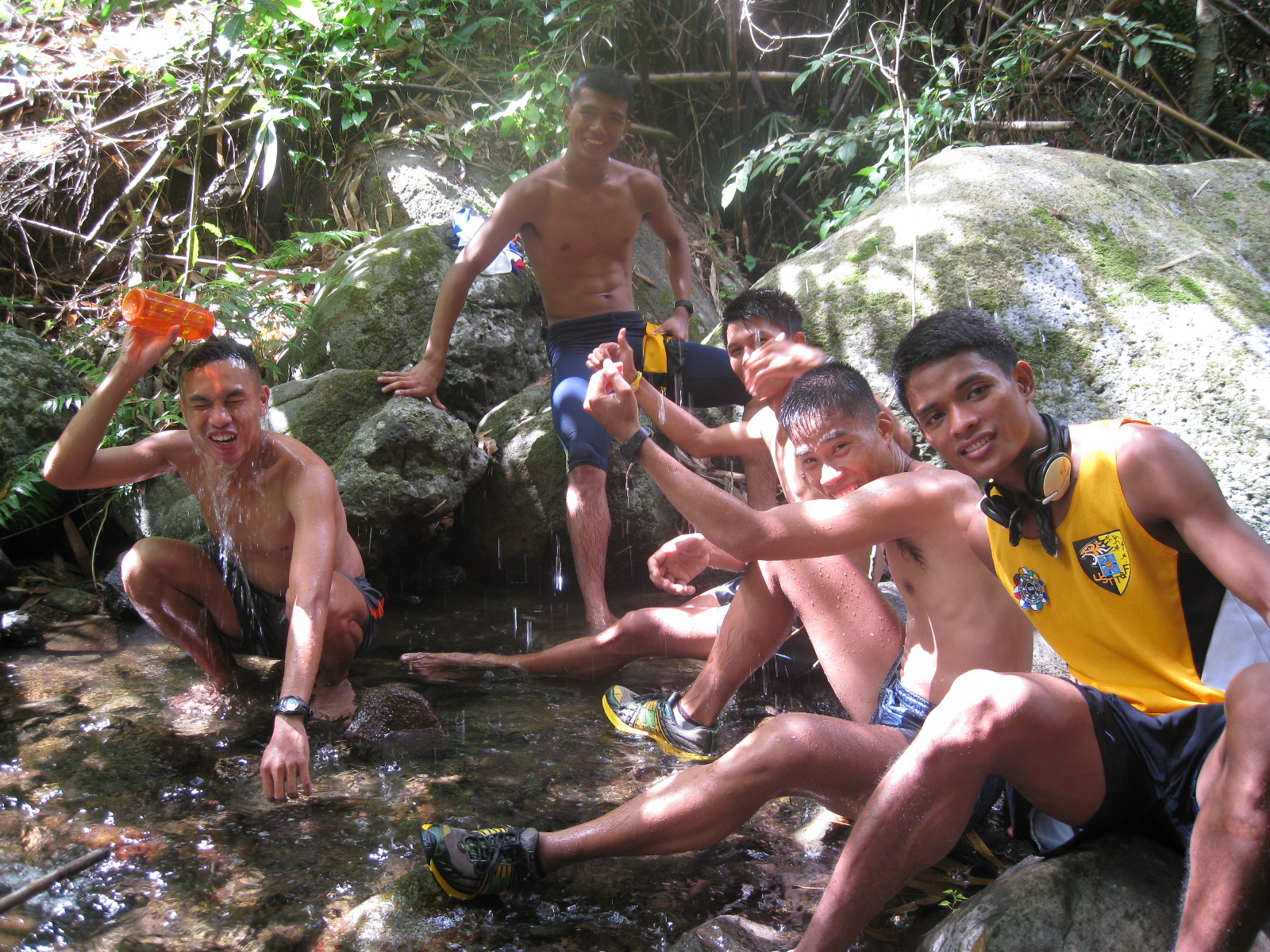
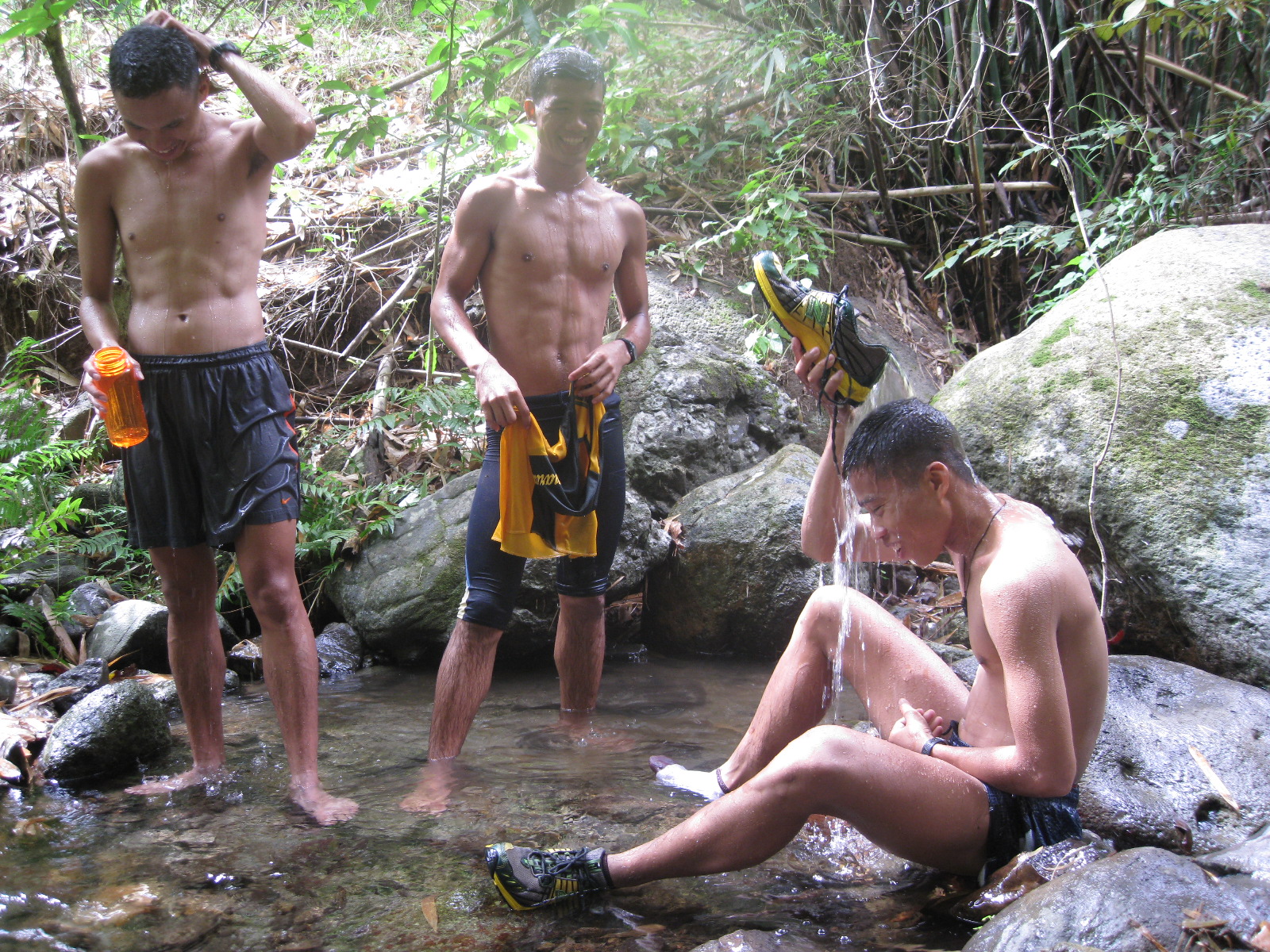
After our brief snacks & photo-ops, we returned to the established trail and started to jog & run. After 10 minutes, we reached another spring and I told the elites that I will be taking a shower! All of us started to remove our running shoes and shirts and enjoyed the cool water of the spring! The following pictures would describe how we enjoyed our brief rest at the said spring.

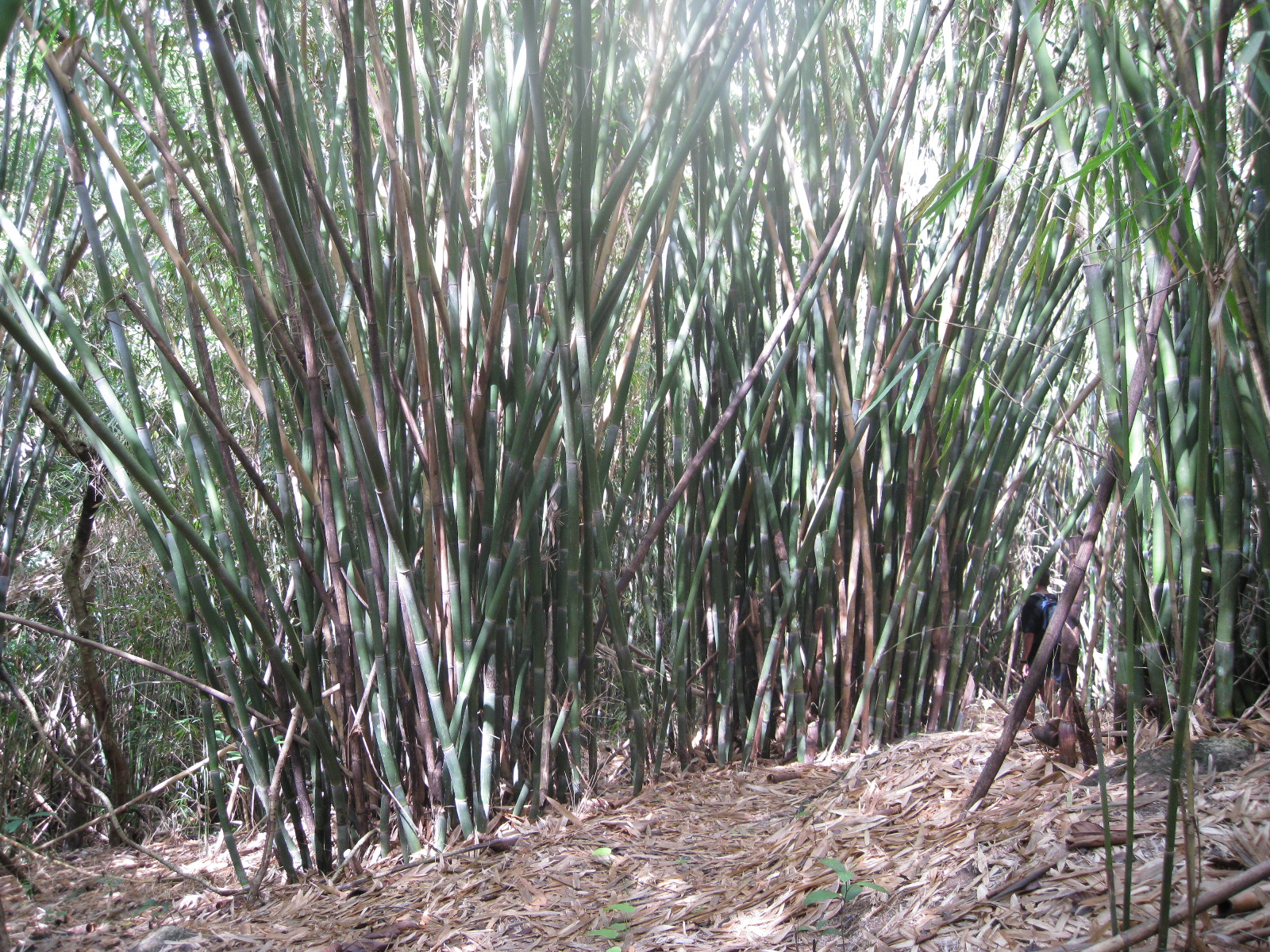
Bamboo Plants All Over The Trail Before Reaching the Turn-Around

We cleaned and made the pool at the spring deeper by re-arranging the rocks so that we can use the pool in our next visits. After our rest & shower, it started to rain hard. We resumed our run as we turned around back to where we started while it was raining. The rains made the trail more slippery and my body started to feel cold. We had to run and jog to make our body warm & perspire until we reached the nipa hut of Django.

A Big Spring at the 10K Turn-Around Point
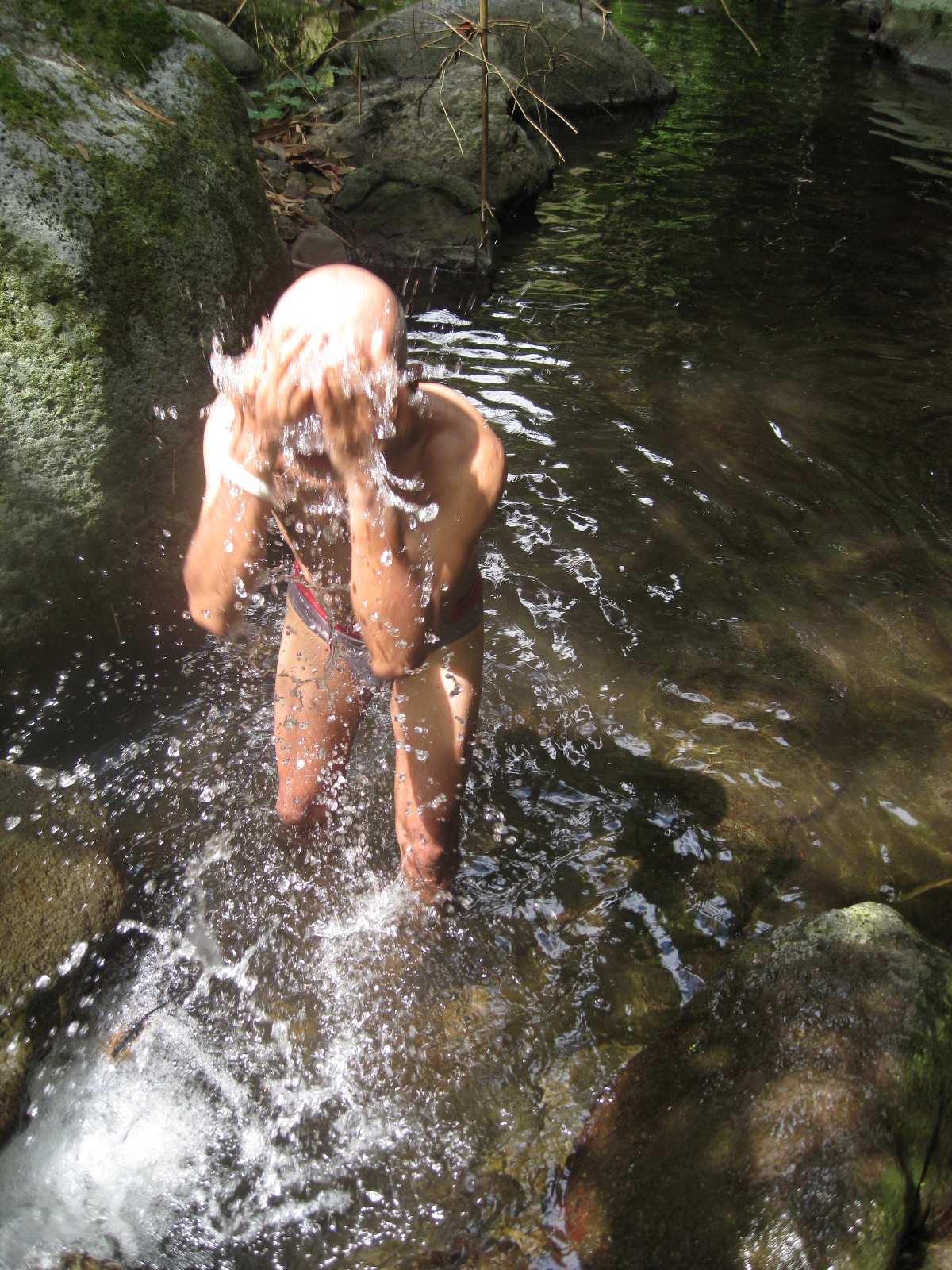
"The Bold Runner" Taking A Shower
Everybody Took A Shower
A Resourceful & Creative Runner

Django was already inside his hut and he was inviting us for a coffee break. But we declined as we were trying to reach the starting area as soon as possible. Instead, Django gave us a lot of banana flowers as part of his harvest. Each of the elites carried one and it served as our fresh vetable meal for dinner!

Elmer, one of the elite runners, would run ahead of us and stop whenever there is a duhat tree. He would pick its fruits and shared them to us. The fresh duhat fruits served as our food for the last 6K of our run. Finally, we reached our destination at 11:30 AM. We spent five (5) hours for our running adventure and we were able to run 20 kilometers. After shower and changing to dry clothes, we had our lunch and relaxed the whole afternoon. But the elites would again go out for their recovery run later in the afternoon.

What a day to spend when this day was considered a day when I have to avoid something out of my normal daily activities. But this is another story. Spending more time to run on this day in the mountain trails had finally erased my fears. June 2 is no longer a curse!

Lessons Learned During This Run and/or Observations:

1. Our mountains have a lot to offer—trails, spring water, lots of edible plants & fruit trees, and “hidden treasures (?)”.

2. There are still people who are involved in illegal logging in the heart of forested areas. Even if it was raining, we have observed that there are people who are cutting trees for charcoal purposes.

3. People in the mountain are friendly and generous, too! Django’s story about the legend of the “hidden treasure” was confirmed by other sources.

4. Running as a group enhances teamwork and better training.

5. Bringing solid foods in this kind of adventure run is better than ingesting sports gels & bars.

6. Running downhill when the steep trail is muddy and wet is dangerous!

Running 101: The 8 Basic Types of Runs


Once again, I am featuring this article which I copied from www.running.competitor.com and posted it in my blog to make it a permanent reference to my readers.

If you want to run your best, you’ve got to do a variety of workouts. Here’s how. 

There are eight basic types of runs that are practiced by runners of all levels everywhere. These formats evolved through a global trial-and-error process over many decades. They survived because they work. If you want to get the most out of the time you devote to training, you will need to learn and practice them too. You can add all kinds of wrinkles to these formats (for example by combining two of them within a single session), but even in their most basic form these workouts will take you far. 

Recovery Run 

A recovery run is a relatively short run performed at a steady, slow pace. Recovery runs serve to add a little mileage to a runner’s training without taking away from performance in the harder, more important workouts that precede and follow them. Recovery runs are best done as the next run after a hard workout such as an interval run. Do your recovery runs as slowly as necessary to feel relatively comfortable despite lingering fatigue from your previous run. 

Example: 4 miles easy 

Base Run 

A base run is a relatively short to moderate-length run undertaken at a runner’s natural pace. While individual base runs are not meant to be challenging, they are meant to be done frequently, and in the aggregate they stimulate big improvements in aerobic capacity, endurance, and running economy. 

Example: 6 miles at natural pace 

Long Run 

Generally, a long run is simply a base run that lasts long enough to leave a runner moderately to severely fatigued.  The function of a long run is to increase raw endurance. The distance or duration required to achieve this effect depends, of course, on your current level of endurance. As a general rule, your longest run should be long enough to give you confidence that raw endurance will not limit you in races. 

Example: 15 miles at natural pace 

Progression Run 

A progression run is a run that begins at a runner’s natural pace and ends with a faster segment at anywhere from marathon to 10K pace.  These runs are generally intended to be moderately challenging—harder than base runs but easier than most threshold and interval runs. 

Example: 5 miles at natural pace + 1 mile at half-marathon pace 

Fartlek Run 

A fartlek run is a base run sprinkled with short, fast intervals. You can think of a fartlek run as a gentle interval session.  It’s a good way to begin the process of developing efficiency and fatigue resistance at faster speeds in the early phases of the training cycle, or to get a moderate dose of fast running later in the training cycle in addition to the larger doses provided by tempo/threshold and interval workouts. 

Example: 6 miles at natural pace with 6 x 30 seconds at 5K race pace scattered throughout 

Hill Repetitions 

Hill repetitions are repeated short segments of hard uphill running. They increase aerobic power, high-intensity fatigue resistance, pain tolerance, and run-specific strength. The ideal hill on which to run hill repetitions features a steady, moderate gradient (4-6 percent). Hill repetitions are typically done at the end of the base-building period as a relatively safe way to introduce harder high-intensity training into the program. 

Example: 2 miles of easy jogging (warm-up) + 10 x 1 minute uphill at roughly 1500m race effort with 2.5-minute jogging recoveries + 2 miles easy jogging (cool-down) 

Tempo Run 

A tempo run is a workout that features one or two sustained efforts somewhere in the range of lactate threshold intensity, which is the fastest pace that can be sustained for one hour in highly fit runners and the fastest pace that can be sustained for 20 minutes in less fit runners.  Tempo/threshold runs serve to increase the speed you can sustain for a prolonged period of time and to increase the time you can sustain a relatively fast pace. 

Example: 1 mile of easy jogging (warm-up) + 4 miles at lactate threshold pace + 1 mile of easy jogging (cool-down) 

There is a special type of tempo run that is known as a marathon-pace run. A prolonged run at marathon pace is a good workout to perform at a very challenging level in the final weeks of preparation for a marathon, after you’ve established adequate raw endurance with long runs and longer progression runs featuring smaller amounts of marathon-pace running. 

Example: 2 miles at natural pace + 13.1 miles at marathon pace 

Intervals 

Interval workouts consist of repeated shorter segments of fast running separated by slow jogging “recoveries”. This format enables a runner to pack more fast running into a single workout than he or she could with a single prolonged fast effort to exhaustion. 

Interval workouts are typically subcategorized as short intervals and long intervals. Long intervals are 600-1200m segments run in the range of 5K race pace with easy jogging recoveries between them.  They’re an excellent means of progressively developing efficiency and fatigue resistance at fast running speeds. 

Example: 1 mile of easy jogging (warm-up) + 5 x 1 km at 5K race pace with 400m jogging recoveries + 1 mile of easy jogging (cool-down) 

Short intervals are 100-400m segments run at roughly 1,500m race pace or faster. They boost speed, running economy, fatigue resistance at fast speeds and pain tolerance. Distance runners typically use shorter, faster intervals earlier in the training cycle to increase their pure speed and then move to slightly longer, slower (but still very fast) speed intervals to add fatigue resistance to their speed. 

Example: 1 mile of easy jogging (warm-up) + 10 x 300m at 800m race pace with 400m jogging recoveries + 1 mile of easy jogging (cool-down)

Sardines


4:00 PM Friday May 28, 2010 @ “Brown Mountain” 16.5K 2:17:31 hrs (Adidas Adizero Mana)

This was our second time to run towards the “Brown Mountain” and we started earlier at 4:00 PM. Having seen a nipa hut with a family staying at the Km-7 point of the trail, I directed my elite athletes to carry with them at least three (3) cans of sardines. In the Army, we call them as “M-203” as the size fits well like the ammunition of a M-203 Grenade Launcher. Sometimes, these sardines are called by their names as “Ligo” or “555”.

For the people living in the mountains, sardines are the most sought after food for them. It is a luxury food that you can exchange one can of sardine for a live native chicken raised by the mountain people! For the Army soldier, sardines is the most important ingredient for his ready-to-eat meal. He can make a gourmet or concoction of food taken from edible plants in the forest garnished with sardines.

Frank Indapan Was Holding A Can of Sardines!

The 3 cans of sardines were intended to be given to the only family that resides along the mountain trail as a “gift” as we intend to request from them to guide us along the trails of the mountain in our future adventure runs. As soon as we reached their hut, we gave them the sardines and asked them for some information about the mountains and the trails. The family appreciated our gesture and they started giving us important information about the mountain/s, the location of springs, and how long and far the trails are in the mountains.

From the nipa hut, we ran another 1.5 kilometers until we reached the first spring. I took some pictures and we tasted the water and it did not affect our stomach. This was our turn-around point and resumed our run back where we started.

Due to our early start, we arrived at the starting area with the sun about to set in the horizon. We finished the run in 2:17+ hours. My legs were stiff and hard but I was happy that we had gone farther from the point we reached the previous day.

Two consecutive days of mountain trail runs for the week were done and I plan to do more next week. My dead-tired legs and body were relieved with a 2-hour massage in the evening.

Mountains All Around The Place

Running & Organic Foods


Or should I say, Running & Farming!

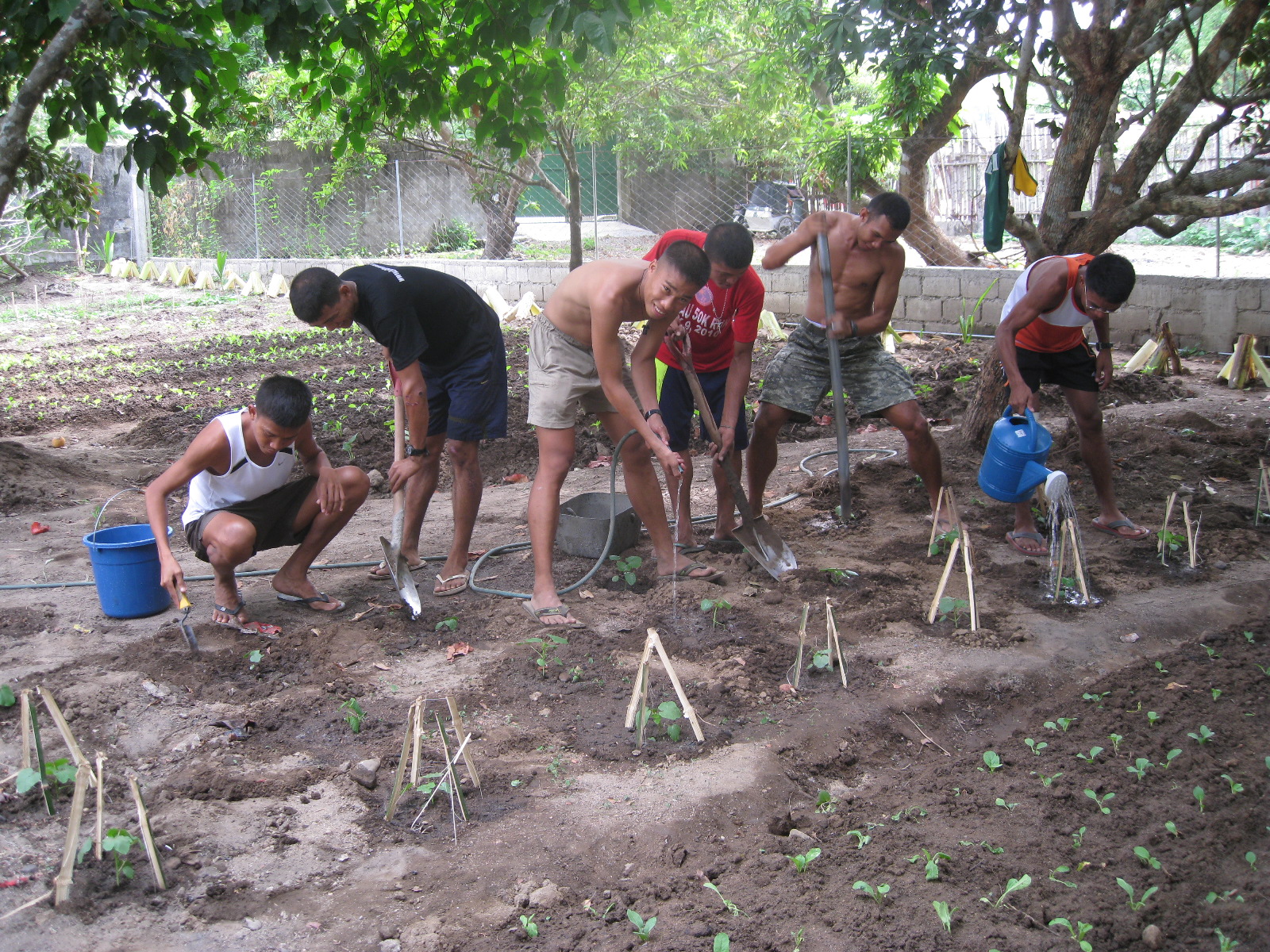
At least, 7 kilometers from the “Brown” Mountain, our new playground, there is a place which I call “The Farm” where we rest and relax in between our running workouts. “The Farm” has a lot of land space to offer and we started to raise vegetables as our source of organic foods. 

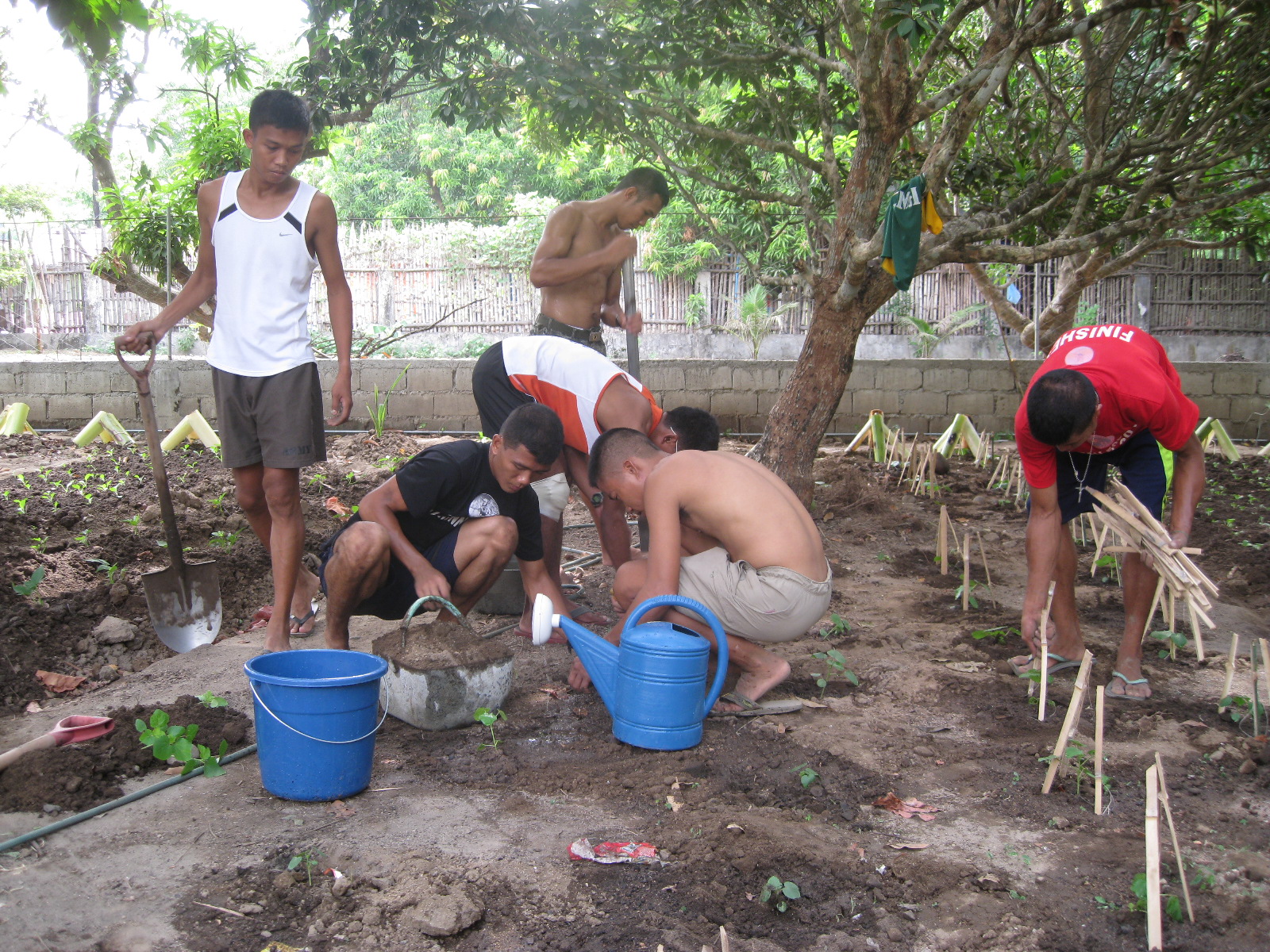
Farmers In Between Running Workouts

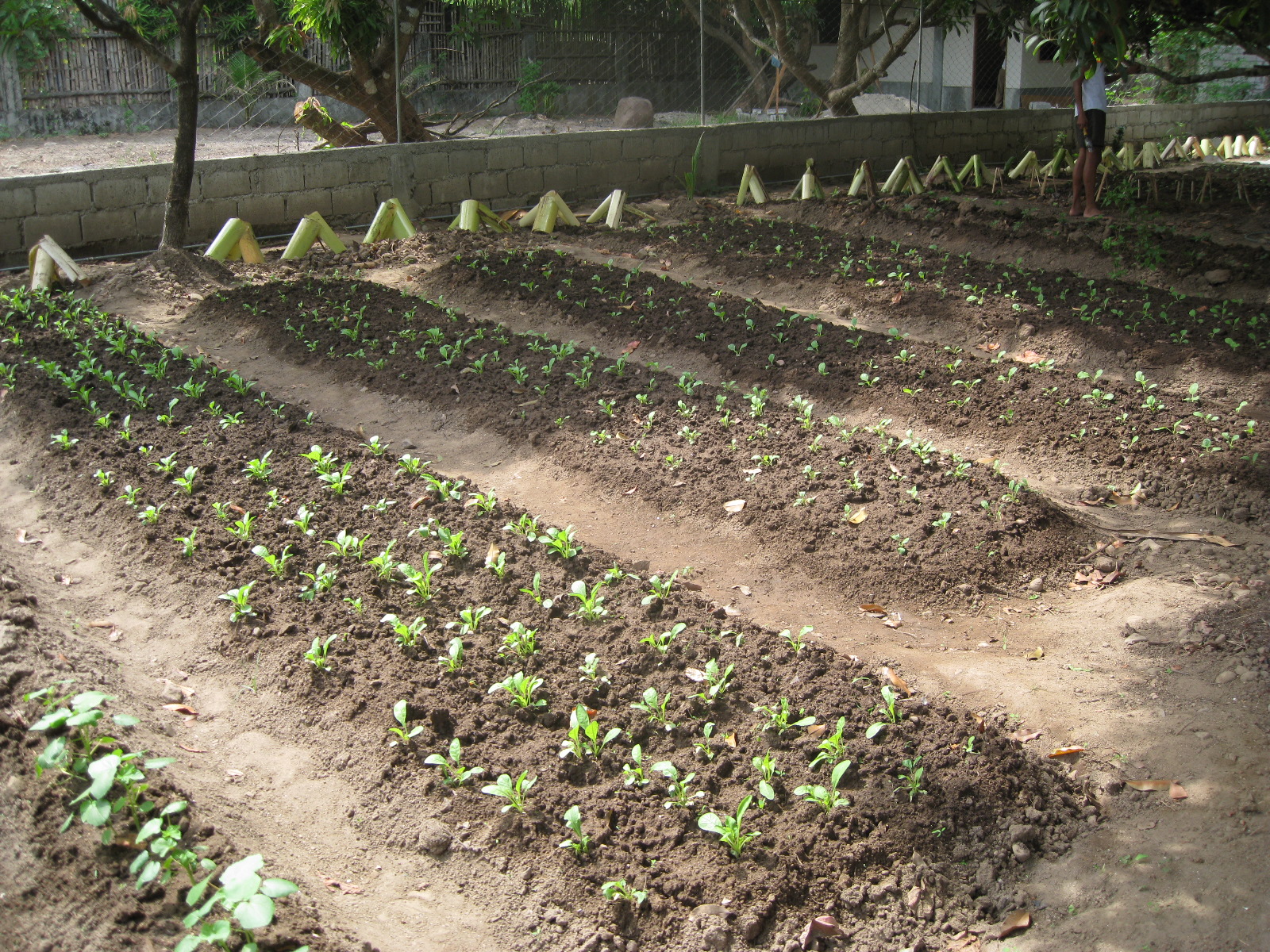
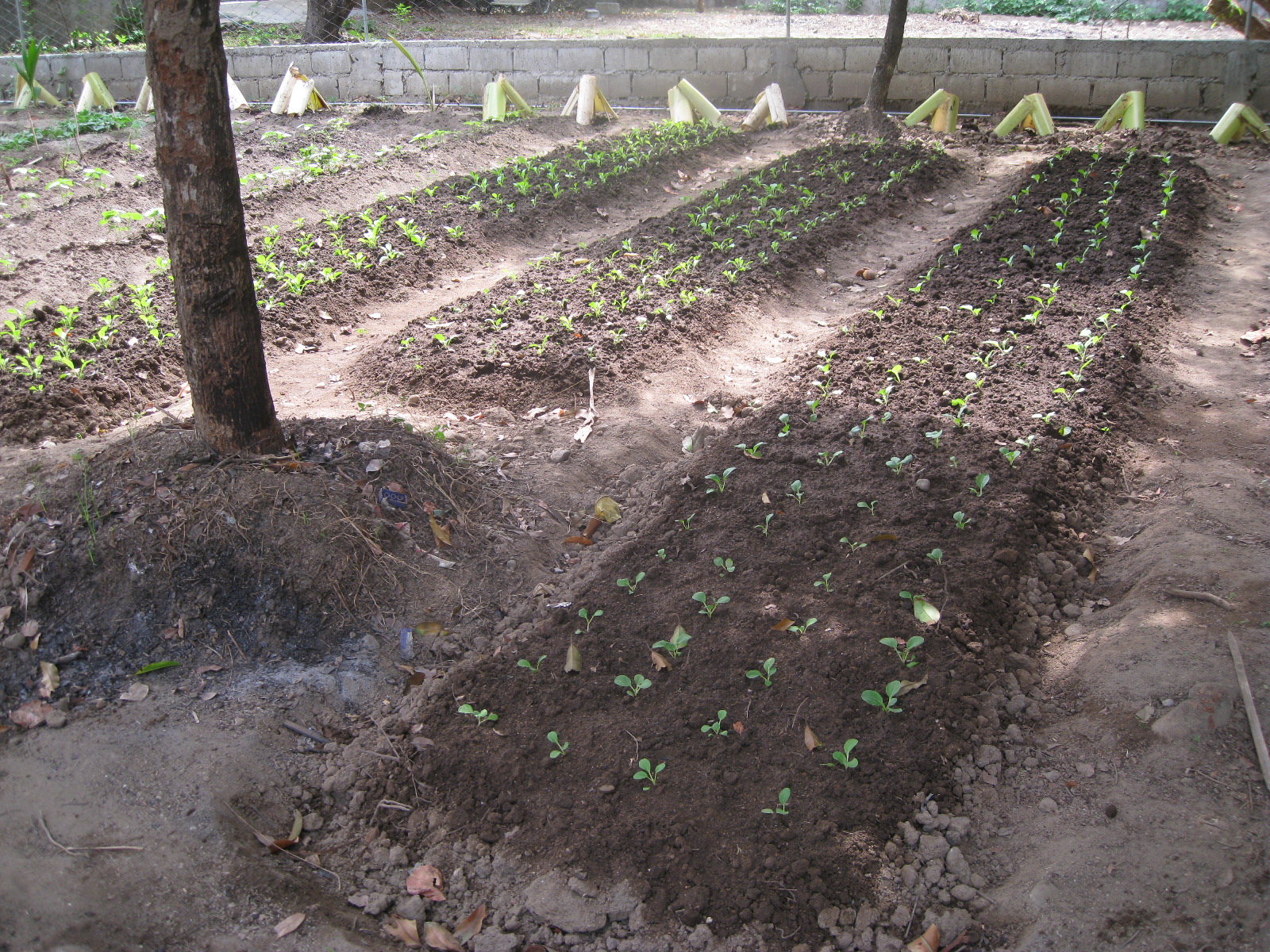
 We have propagated pechay, radish, okra, ampalaya, pepper, malunggay, papaya, chinese/upland kangkong, camote/sweet potato, cassava and lots of saluyot. The pictures depict that we have transplanted such plants to garden plots and in-between our workouts, we water and cultivate them. The members of the Elite Team Bald Runner had been transformed to Farmers for them to produce organic foods for their sustenance.

Organic Vegetables Planted By Team BR

 I could still remember the reason why the Kenyans and the Japanese are the world’s top long distance runners is because their food nutrition are fresh from the source. Not seen in these pictures are the native chicken, goats and hog/pigs being raised inside “The Farm”. Hopefully, the mountains nearby would give us a taste of fresh wild pig/boar and deer meat!!!

Pechay, Radish, Okra, Upland Kangkong, Ampalaya & Others

Inside “The Farm” is an orchard with 150+ mango trees; coconut trees; santol; pomelo; chico; atis; rambutan; mabolo; duhat; guava and other fruits rich in Vitamin C.

Gardening/Farming As Cross-Training Activity For Runners

If you are a runner and you have a place where you could start propagating your own source of organic food, you can be a “farmer”, too! If you are staying in those high-rise condos in Metro Manila, you can buy those inexpensive plastic pots where you can plant your vegetables. If you are serious, buy a book on vegetable raising, buy those seeds at the ACE, and then plant the seedlings in those pots! You will be surprised that taking care of your plants/vegetables will give you relaxation and at the same time a cross-training activity for your running.