Suman


I had my long run last Sunday morning and I was able to finish a distance of 25 kilometers. I did not carry my hydration belt or brought with me any sports gel. I brought only a small amount of cash wrapped in small platic bag and tucked inside the small pocket of my running short.

I had already planned out for my pit stops/stores/fastfood chains along the roads of the The Fort, McKinley Hill, Lawton Avenue, and Bayani Road. However, my favorite pit stop is always that small convenience store inside the Philippine Army Golf Course along Bayani Road which is specifically located at Hole #1. My hardcore running buddies know this place.

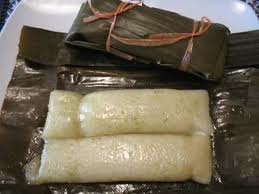
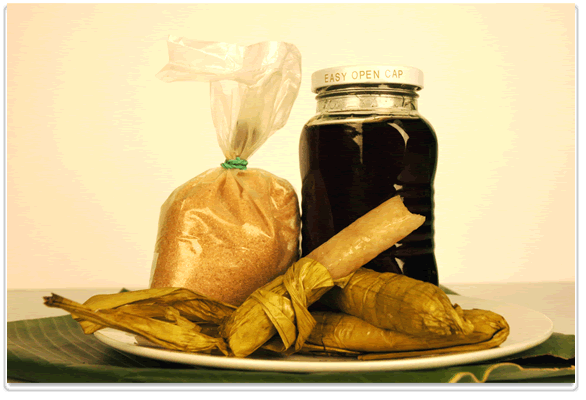
Suman From Pangasinan (Google Images)

Whenever I stopped in this place, I usually eat boiled banana, boiled egg, and drink one bottle of Gatorade drinks. However, last Sunday, instead of eating the usual food being displayed, I ate the local suman, two pieces, and drank the usual one bottle of Gatorade drinks. The food I ate and the drinks filled my hungry stomach and I was back on the road to continue my run.

Suman Sa Lihiya (Picture From Google Images)

I observed that the suman whose ingredients are glutinous rice, salt and/or sugar, and coconut milk with the Gatorade drinks had given me an extra boost for my run! It could be that the food was enough source for my carbohydrate intake (rice & sugar), protein (coconut milk) and the salty taste (sodium source) for my running workout. I am not a nutritionist but I felt differently as I had more strength for my last 10 kilometers due to the aid of this local food called suman.

It is easy to prepare this kind of delicacy if you have the time but they (cooked/finished product) are also available in malls in Metro Manila. There are so many sites in the Internet that will guide you on how to prepare suman depending on the locality where it is made or sourced.

I still have more time to experiment on the effects of eating suman and how fast I could eat them during my running workouts. This will replace my practice of eating hard boiled eggs and instant oatmeal at the halfway mark in a marathon race. I intend to eat at least one or two pieces of suman every 10 kilometers during the MILO Marathon Elimination on July 4, 2010 which will be prepositioned by my support crew instead of ingesting those expensive sports gels and other usual foods that I take. The suman ingested to the stomach could be heavy but I think it will be the best food for my endurance runs.

If my idea and experimentation will work, I will add suman as one of the foods to be served in my ultramarathon races under the auspices of PAU. Runners could try eating suman also in their running workouts or marathon races and try to observe if it works for everybody.

Help Give Shoes


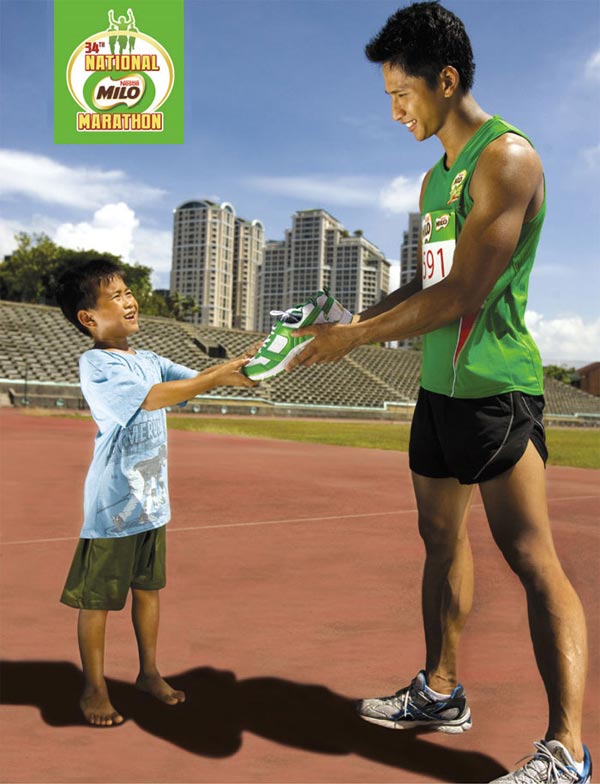
MILO/Nestle Phils launched its MILO Marathon website last Sunday, June 13, 2010 and I am impressed with the site. But what impressed me most is MILO Marathon’s cause/advocacy of giving running shoes to underprivileged but deserving children in the elementary & high school grades.  

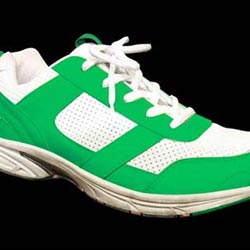
MILO Running Shoes


This is one of the reasons why the registration fees for the 34th Marathon Races had increased as a portion of it goes for a small contribution from the runners for this project. For an amount of Five Pesos from each runner registered for the race, in return, MILO will donate an equivalent amount to the total fund raised. 

Everystep..MILO's Help Give Shoes Project


For further details of this advocacy, I enjoin my readers/visitors to visit the MILO Marathon website at www.milo.com.ph. The video entitled “The Gift” is nice which I know most of you have seen it on the TV commercials. 

Let us support this advocacy. Register now and join the 34th MILO Elimination Races & Finals. 

See you on July 4, 2010 at 4:00 AM. 

(Note: Pictures were taken from MILO Marathon’s Website at www.milo.com.ph)

4:10:00


For my age of 58 years old, my qualifying time for the MILO Marathon FINALS on December 12, 2010 is to be able to finish the 34th MILO Marathon Elimination Race at 4 hours and 10 minutes or less.

Do I have to be happy or challenged by the introduction of the qualifying times for the 34th MILO Marathon Finals? At my age, finishing the marathon with a time of 3:45:00 hours is still my goal which is the qualifying time for my age in the Boston Marathon! In the 80s when I concentrated for months and years (yes, I prepared for my first marathon for a year!) to reach the Boston Qualifying time for my age (3:10 hrs), I could only get a finish time of 3:29 as my best time. Trying to qualify for Boston Marathon during those years were impossible because of my career in the military. At present, 3:45 hrs as a qualifying time is finally doable as I have more time to run and try to improve my finish time as I become older!

Finally, MILO had come up with a new qualifying time according to age category for runners. The 4:10 hrs qualifying time for my age bracket made me happy as this cut-off time will not make me pressured during the race. It simply means that I can run the distance by completing every 10K segment in one hour and do a 5:00-minute per km average pace for the last 2 kilometers! But deep in my mind, the BQ time of 3:45 hrs is still my ultimate goal in every marathon race that I join. That’s the fighting and competitive spirit in me.

34th MILO Marathon Manila Elimination Qualifying Times: (From takbo.ph)

A New Running Form?
 AGE GROUP  MEN  WOMEN
 
18-34 3hrs 10min 3hrs 40min
35-39 3hrs 15min 3hrs 45min
40-44 3hrs 20min 3hrs 50min
45-49 3hrs 30min 4hrs 00min
50-54 3hrs 35min 4hrs 05min
55-59 3hrs 45min 4hrs 15min
60-64 4hrs 00min 4hrs 30min
65-69 4hrs 15min 4hrs 45min
70-74 4hrs 30min 5hrs 00min
75-79 4hrs 45min 5hrs 15min
80 and over 5hrs 00min 5hrs 30min

Abovementioned qualifying times are for the Boston Marathon!

Noteworthy to mention are the comments I had been reading at Facebook from my running friends. Topics and comments deal with the high registration fees and the new MQ (Milo Qualifying) times. I would surmise that the MILO Marathon this time will be “cheater-proof” and with more logistics & Aid Stations along the route, thus, we have a higher rate of registration fees. I hope that the Race Organizer will offer some foods aside from the usual water and Gatorade in every Aid Station. Please don’t serve those 100 Plus Drinks as they are carbonated drinks which is totally different from Coke and other sweet carbonated drinks.  As for the MQ times, this will encourage more of our runners to train properly and pursue for excellence. As compared to the BQ times, it should be noted that the MQ time for the 18-34 Men (3:45) is the BQ time for the 35-39 Women runners! And the same time is my BQ time as a 58-year old male runner.

With the higher registration fee, although I am not fond of those give-away singlets, I hope MILO will have a better quality of cloth for their singlet. The past singlets tend to be very heavy after they are soaked with my sweat/perspiration. I guess, a wet MILO singlet adds up to another 1/2 kilo I have to carry during the most critical second half of the marathon race. This is true! 

I just hope that “cheating” will not be done in filling up those registration forms in this race. Let us be honest this time and enjoy to run the most prestigious national marathon race that the country has to offer. Thanks to MILO/Nestle, Phils!

I’ve seen the list of Cash Prizes for the Eliminations and Marathon Finals plus the bonus prizes for breaking the fastest record time of 2:18+ hours and the imaginary time of 2:14 hours. This is a big improvement as the cash prize have increased which will be beneficial to our elite athletes plus they have the goal to excel and improve the record finish time for the marathon in the country. How I wish our King & Queen Champions for this year will be sent to compete in one of the prestigious marathon races in the US.

In the coming weeks and days before July 4th, I will be posting my preparation/training and race strategy in order to qualify for the MILO FINALS Marathon on December 12 this year.

Once again, I personally congratulate MILO/Nestle, Philippines for having consistently brought us the only competitive and the most prestigious marathon race in the country. For a multinational company that is based here, this is the only corporate entity that had focused its support in Athletics/Running, the most number of sports diciplines, and the conduct of local /National Sports Meets in the country. It should be noted also that MILO/Nestle is the Number #1 supporter for our athletes/national delegation to the Southeast Asian Games, Asian Games, and the Summer Olympic Games. 

To all the runners, this is your chance to excel and not be contended in finishing a marathon race within the cut-off time.

Planning On Your 1st Marathon Race?


 While browsing on my earlier posts about the Arthur Lydiard Training System in Marathon Running, I found out that the link I made about the said training system is nowhere to be found. I tried to Google “Arthur Lydiard” and I was able to locate everything about the training, speeches, books written, and the training philosophy of the guy.

In the course of going back to the “basics” of marathon running through the writings and speeches of Mr Arthur Lydiard, I came upon the following article which I copied from www.hillrunner.com which I am going to post in my blog so that it will stay permanently on this site for reference purposes.

Enjoy reading the said article.

When Should I Run My First Marathon?

This is a question posed by many new runners. It seems like such a straightforward question. Unfortunately, the answer is not as straightforward and, honestly, not what most beginning runners want to hear.

First, there is the question of what your goals in running are and may be in the future. Very few people run a marathon in their first few years of running and go on to reach their ultimate racing potential. Second, age is a factor. There are countless stories of people running marathons in their teenage years, just to not keep improving beyond their early 20s. Considering the fact that many marathoners don’t reach their peak until their mid 30s, this doesn’t seem to be ideal. Finally, there is previous exercise levels. Someone who never got off the couch before taking up running is going to take longer to become prepared for a marathon than someone who came from an athletic background, especially if that athletic background was in endurance sports.

As I stated, the first question is of your goals. If you are not interested in trying to reach your racing potential and instead “just want to finish” a marathon, that is quite different than if you want to race marathons or other distances and want to try to reach your potential. People who reach their full potential tend to build up to the marathon. They start with shorter races, like 5k and 10k, develop a good ability in those distances, then build up to 10 mile and half marathon type races, eventually possibly even working up to 25k, 30k, or 20 mile races. Once they have reached a high level in the shorter distances, they step up to the marathon. For many runners, their first marathon may come 10 or more years after they began running. Personally, my first marathon came after I had been running for nearly 12.5 years. On the other hand, not everyone has goals like these. I still think it is a wise idea for anyone, regardless of goals, to build up to the marathon. I would love to say that nobody should run a marathon on less than 3 years of running but I know a lot of people don’t want to accept that. What I will say, and some people don’t even like this, is that you are not ready to run a marathon unless you have been consistently running for at least a year and have been building up for a marathon for at least 6 months.

Age is a much debated factor. Some people will tell you that a person should never run a marathon before the age of 25. Others will give stories about themselves or people they know who ran a marathon at 16 or 17 years old. Personally, I fall more toward the first group, although I won’t give a definite age. To put it simply, I think a teenager has more to lose than gain by running a marathon. You have your whole life ahead of you to run marathons and you will be better prepared to run marathons if you wait a few more years. As I said above, if you want to race marathons and push for your full potential, by all means, take your time. Many elite marathoners don’t run their first until they are in their late 20s or even early 30s. Even if you don’t want to race, your body will be more ready to handle the stress a marathon puts on it if you give it more time training. Also, you shouldn’t look past the mental aspect. As a teenager, you are still mentally and physically maturing. The longer you give that mental and physical maturity to develop, the better your first marathon experience will be.

Finally, the experience factor. A lot of experienced marathoners take heat on this topic, in large part because of training groups that advertise that a person can go from inactive to running a marathon in 6 months. Sorry to inform you but the large majority of people who try this do not come out of it without a bad experience in the closing miles. Sure, maybe they say it was the accomplishment of a lifetime but ask them how the last few miles felt. I’ve heard many torture stories. Marathoning doesn’t have to hurt that badly if you give yourself adequate time for training. My suggestion is to not even think about running a marathon on less than a year of consistent running. I would love to say more but I know most people will just ignore my suggestions if I do. You need to give your body time to adapt to the stresses of running. Going from 0 to 26.2 in even a year’s time is a tall order for anyone. Doing so in 6 months time is playing with fire. Once again, if your goal is racing or trying to become the fastest you can become, consider taking much longer.

In the end, only you can decide what time is right for you to do your first marathon. I stated my feelings on it here and I hope you will consider what I have to say. Weigh all the advice you are given, who it is coming from, what they stand to gain or lose by your following their advice, and make an informed decision.

Coke, Salt, Ice Water, Etc.


How I wish I could be a part among the “volunteers” in The Bull Runner’s Dream Marathon this coming weekend. Due to my scheduled meeting with people outside Metro Manila which is connected with my recon activities for my next “adventure run” and incoming PAU road races, I could not be a part of the said event. However, I am coming up with the following suggestions and tips for the runners who will be experiencing their first Full Marathon:

1. Ice Cold Coke—It does not matter if it is Coca-Cola, Pepsi, RC Cola, or Sarsi, you need to drink at least one can, one bottle up to one liter of Coke if you feel exhausted or before you think you are at the verge of hitting your “wall”. You will be surprised that this sweet ice cold drink will give you the much needed “kick” on your last few kilometers. In all my road races that I’ve organized, there is always a Coke in every Aid Station, to include the usual water and Gatorade drinks!

2. Salt—It could be the ordinary table salt, rock salt or iodized salt or if there are available commercial salt tablets, you have to bring some in your packet or in one of the zippered pockets of your hydration belt. If you are going to finish the full marathon in 4 hours or more, you have to take some salt or salt tablets to maintain the sodium level of your blood. For the ultrarunners, they mix salt and ice cold coke for their hydration intake in the last 10-20K of their ultra races.

3. Ice Water with Sponge—If the heat of the sun is too much to bear on your skin or body, you need a sponge soaked in an ice-cooled water to use in rubbing the parts of your body being exposed to sunlight. You can also douse some of the absorbed ice water on the sponge to your head. Ice cold water poured on your head  and back gives refreshing sensation to your body.

4. Immodium—Don’t forget to take immodium capsule or diatab tablets at least one hour before the start of the race. This will give you the confidence to run without any GI issues even if you eat some foods or drink a lot of water/drinks during the race. However, it is advised that you should have your pre-race “bowel movement” before taking this medication.

5. Massage—Be sure to have your last body massage at least two days before the race/event. Don’t have your massage a day before the race as your body muscles will not have enough time to rest & recover before the race.

6. Alaxan FR, Pain-Killer Medications, & others—I know of some “hardcore and competitive” runners who take Alaxan FR with Immodium before the start of the Full Marathon for obvious reasons. The Alaxan FR will anticipate the “arrival” of pain to your leg muscles and joints during the race. Other runners would say that Viagra make them stronger, faster, and can extend their endurance limit in long distance running events but there is a need for advise from your physician. My elite athletes will always remind me to take Pharmaton tablets at least 3 days before the marathon run.

7. Candies—Most of the ultra runners crave for candies during the second-half of the race as they are sweet. It is worth trying with a candy in your mouth while you are running. Be careful not to experience being “choked” when you swallow your saliva with the sweet extracted from the candy while you are breathing with your mouth! In my road races which I organize, runners are always served with Cloud 9 bite size chocolate candies in every Aid Station.

8. Kinesio Tapes—I have a lot of Kinesio Gold Tapes (Black in Color) For Sale and I only used them once when I had an injury on my lower left leg and it gave me some comfort in my recovery runs. When I participated in the Jeju International Ultramarathon Race last March, I’ve seen a lot of the Korean, Japanese, Taiwanese and US runners using this kind of tape on their legs. Michelle Estuar, the Lady Champion in the 1st PAU 50K Race, was sporting a lot of Kinesio tapes during the race. The way I looked at her during the run, she looked like a running “Robocop”!

Good luck to the TBR Dream Marathon Runners!

Stride Is Everything!


Have you ever tried counting the number of strides/steps or stride cycles to complete one lap on the Oval Track at Lane #1? Or have you counted the number of steps or stride cycle for you to cover a distance of one kilometer? or up to the distance of 3, 5, or 10 kilometers? 

I have never tried counting my stride cycle on Lane #1 at the Oval Track but I’ve tried counting my stride cycle on Lane #8. I was able to count 240 “stride cycles” on my first try, counting every time my left foot strikes the ground. (Note: Stride Cycle is equivalent to two (2) strides/steps). But for my 2nd try, I was able to lessen the number of stride cycle to 210 until I was able to decrease it to 204 on my 3rd up to 5th repetitions.  This means that at my fastest pace, I was able to count 408 steps/strides to complete one lap on the Oval Track at Lane #8.

The problem was that I was not able to get my exact time to finish one lap of the oval track! I can only assume (through my feelings) that I was able to finish one lap at 2:15-2:20 minutes at Lane #8. With this assumption in time, I can say that my stride frequency or leg turn-over on that particular workout was 180-182 strides per minute! Surprised? Of course, I was surprised also because elite runners would generate an average of 180 to 190 strides per minute according to scientific studies based on the performance of elite runners and Olympic Champions. But the problem was that I was not as fast as the world elite runners. It is due to the fact that a have a short stride length, which is the distance between the tip of my rear foot to the tip of my front foot.

I did this workout two weeks ago and since then I was observant on the number of strides or “stride cycles” I can generate in running a particular distance, whether I am in the Oval Track or on the road.

Experts would say that for you to generate a faster pace or faster finish time, a runner must be able to increase his/her stride length and at the same time increase his/her stride frequency or leg turn-over. It is easy to say and comprehend this theory or rule but the implimentation would take a lot of patience, hardwork, & determination. Being an old runner, there is no way I can increase my stride length as I have the tendency to “shuffle” with my feet/legs when I am running. I barely lift my knees when I run and I am more comfortable in letting my feet graze a few inches from the ground as if I am sliding my feet, one foot at a time, barely hitting the ground. This “shuffling” technique had protected my knees for the years that I’ve been running. I never had any injuries or pain in my knees!

The only way I could generate a faster pace and finish time is to be able to increase my stride frequency or stride cycle. I must be able to consistenly count 180 strides per minute or count 90 stride cycles every minute. In counting stride cycle, I count every time my right of left foot touches the ground. Although I’ve been doing this technique in my past races, I only think of doing this technique when I want to sustain my strength in the last kilometers of the race. The counting of the stride cycles becomes my “mantra” when I need more push and extra effort to maintain my average pace in a race.

Last Monday, I tried running at the Oval Track at Lane #1 and I was able to register the following number of stride cycles, time and average pace:

Rep #1—167 stride cycles—1:47 minutes—4:20 mins per km

Rep #2—173 stride cycles—1:53 minutes—4:32 mins per km

Rep #3—173 stride cycles—1:49 minutes—4:25 mins per km

Rep #4—166 stride cycles—1:45 minutes—4:11 mins per km

Rep #5—172 stride cycles—1:48 minutes—4:18 mins per km

In this workout, I was able to generate an average of 170 stride cycles or 340 steps; with an average time of 1:48 minutes; and with an average pace of 4:21 minutes per kilometer. By looking at the results of my experimentation, I can safely say that I can generate a stride frequency of 180 steps or more per minute but the problem is how to sustain such frequency in a half-marathon or marathon distance race. For me to improve on my time in my next marathon race, I should be able to sustain my stride frequency of 180 steps per minute for the whole race.

After my workout at the Oval Track last Monday, I asked one of my elite runners on how to sustain my stride frequency during a race. He answered that I need to do a lot of “drills and plyo” exercises. He also suggested some of the drills I have to do regularly.

This issue on sustaining my stride frequency led me to make some research on the Internet. I was able to browse on an article made by Tony Benson who was the Australian Coach behind our successes in Athletics through Governor Michael Keon’s Project Gintong Alay in the 70s and 80s about a list of “guide” (based from his experience) to maximize ones potential in running by counting the number of strides/steps to cover a certain distance. The following is his “guide” on the number of steps a runner expects to generate depending on his/her average pace:

  • 8 minute kilometre pace (48 seconds per 100m) = 122 to 127 steps per 100m (~1250 per kilometre)
  • 7 minute kilometre pace (42 seconds per 100m) = 109 to 111 steps per 100m (~1100 per kilometre)
  • 6 minute kilometre pace (36 seconds per 100m) = 98 to 102 steps per 100m (~1000 per kilometre)
  • 5 minute kilometre pace (30 seconds per 100m) = 83 to 86 steps per 100m (~850 per kilometre)
  • 4 minute kilometre pace (24 seconds per 100m) = 64 to 67 steps per 100m (~650 per kilometre)
  • 3 minute kilometre pace (18 seconds per 100m) = 55 to 57 steps per 100m (~560 per kilometre)
  • From this “guide”, you can conclude that if you run at a slow pace, the tendency is to run with a shorter stride length. However, if you have a faster pace/average pace, the tendency is to run with a longer stride length. This is due to the fact that a runner with a faster pace has the tendency to generate a bounce/jump that propels the runner to take a longer stride. In my experience, I could only generate an average of 75 to 80 centimeters of stride length during my LSD or easy run but if I am doing my speed and/or tempo runs at the Oval Track, I could generate an average of 115 to 117 centimeters. Yes, I went to the extent of measuring my stride length just to be able to improve on my running.

    In the book, “Brain Training For Runners” by Matt Fitzgerald, I found out that the “drills and plyo” exercises recommended by my elite athlete is a small portion of the whole solution in the pursuit of stride development. The author, for obvious reasons, recommends the “Brain Training Approach”. The first approach is Emulation. I am not saying that I should emulate or try to run like Haile and the other world-class elite runners/Olympic Champions in the Marathon Race as seen on tapes, DVDs, You Tube, and other recordings.

    Observing my elite athletes do their workouts at the Oval Track, I could not find a running form that resembles my style. They have very long stride lengths and faster stride frequency. But, what impressed me most was my observation (with my own eyes) on how the Japanese ultrarunners performed in the Jeju International Ultramarathon 100K Race, that is to include the women runners. They have short strides but their stride frequency was very fast. They land their feet on midfoot and they quickly lift their feet once they get in contact with the ground. Their foot contact with the ground was very quick and light. You could hardly see them lift their thighs so high and see them lift their feet on the backward motion. It was amazing to see their feet “shuffling” and grazing a minimum height from the ground!

    Since Monday of last week, I’ve been counting the number of steps or stride cycle every time I run, trying to emulate those Japanese ultrarunners. I know it will take a lot of practice and patience to count every time I run but I could feel some improvements with my average pace.

    Right now, I am looking for that inexpensive watch with a metronome beat of 180-190 beats per minute which will be my “partner” in my running workout until such time that my body system will be used to the beat. At least, that will save me from counting every step I make in my run. 

    To be continued…

    (References: BENSON’s EPS Step With The Best To Success & “Brain Training For Runners by Matt Fitzgerald)

    Lesser Weekend Races


    My last weekend race (in Manila) was way back in February 28 during the DZMM’s Takbo Para Sa Kalikasan 10K Run and since then I never ran a single road race except for the Jeju International Ultramarathon Race where I finished the 50K Run.

    I knew that my fininished times in the Century Tuna Half-Marathon Race on February 21 and the DZMM’s 10K Takbo Para Sa Kalikasan were my gauge and measurement that I still have the proficiency in competitive running within my age classification.

    With my regular long runs after these local races, I was able to finish the 50K Run at the Jeju International Ultramarathon Race last March 27 with a PR time of 5:25:38 hours.  

    I missed the Mizuno Infinity Run; Earth Run’s 21K Run; TNF and other trail runs; and other races on the past weeks. This means that I was able to save some money for my registration fees. And I had more time to plan and prepare for the incoming races of PAU.

    I really don’t know with the other runners if they really know the true meaning of recovery period. Recovery period for me is trying to relax my running workouts by lessening the number of kilometers I’ve been doing for the past days and lessening the intensity of of my runs. Most of the time, I’ve been running not more than 10 kilometers for every workout; having my regular massage; eating my regular diet; sleeping more hours to include naps in the afternoon; sometimes, running every other day and the intensity or pace of the runs are very relaxed, easy and slow.

    However, after those recovery weeks, I’ve been doing some running workouts again in preparation for the 2010 MILO Marathon Eliminations on July 4, 2010. Barely eleven (11) weeks to go, based from my training program, I should be doing at least 25-26 kilometers during my LSD runs on weekends.

    Last weekend, I just did “back-to-back” 15.5K & 20K at UP Diliman Loop and The Fort-McKinley Hill-Lawton-C5, respectively. I did not have any problems with these long run workouts except for the hot & humid conditions. I need to adjust the start of my long runs earlier in the morning for a cooler temperature.

    Since Monday of last week, I’ve started to visit the gym again. My gym workouts are generally concentrated on my upper body, core muscles, and legs. I hope to have more strength to finish at least 25-26 kilometers in my long runs this weekend.

    After the MILO Marathon Elimination, Camarines Sur Marathon will be the next!

    Top 10 Training Mistakes By Sasha


    The following is an article that is worth reading for those who are preraring for their first or next marathon race or their first ultramarathon race which I copied from www.fastrunningblog.com.

    Enjoy the weekend!!!

    Top 10 Training Mistakes By Sasha Pachev

    Below is a list of the training mistakes I have collected from the training entries at the Fast Running Blog:

    • Doing anaerobic speed work without proper aerobic base conditioning. If you are running less than 8 miles a day and/or less than 6 days a week, your extra energy should go into increasing the daily mileage and the number of training days per week rather than speed work. If you feel you have to reduce your aerobic mileage on the speed day or the day after, this also shows that anaerobic speed work is not something you need at the time.
    • Randomly skipping training days for odd reasons. Do not do it. Active recovery is more effective than passive recovery even if you are very tired and sore. Sure, one missed day does not hurt, but it creates a precedent that will make you miss enough days to make a difference.
    • Making up for a skipped day with additional mileage or intensity. This catches your body by surprise and gives it a jolt that it may not be ready to take often resulting in an injury. Additionally, a habit of doing so makes it easier to rationalize skipping days thinking you can make up. You cannot, the train is gone. If you missed a day or more, come to grips with the setback and start the recovery. If you’ve missed too much, you may need to resume with a significantly lower mileage or intensity to avoid injury and/or overtraining.
    • Running longer in the long run than you have the fitness for. A long run as a rule should not exceed 3 times your regular daily mileage. Otherwise, the long run will likely beat you up beyond your ability to recover, and you will be wondering why you hit the wall so soon even though you’ve gone 20+ miles in the long run on a number of occasions. Increase your daily mileage before you increase your long run. If you can feel the effects of your Saturday long run Monday morning, you have gone too long.
    • Neglect for recovery. Many runners mistakingly believe that they get faster from training. Think about this for a moment. Are you faster before a hard 10 mile run, or immediately after? Of course, before. So what did the run do to you? It made you slower! When do you actually get faster then? During the times you do not run! What you do when you are not running is absolutely critical to your growth. You must get enough quality nutrition, as well as enough sleep. You must learn to control your emotions and deal with potentially stressful situations in a calm and graceful manner. If you allow yourself to experience any kind of emotional stress, it greatly reduces the effectiveness of your recovery window.
    • Failure to adjust the training volume and intensity in response to reduced recovery. Perfect recovery regime is difficult to achieve even for a professional runner, and practically impossible for somebody with a full-time job, family to take care of, community or church service, etc. You may have to work longer hours than you planned, a sick child may keep you awake in the middle of the night, or your boss may insult you in a particular way that just gets under your skin. Your recovery potential is reduced, and so must your training stress. You should first seek to reduce the intensity of the workout, and only then cut the mileage if you feel that was not enough.
    • Cutting a run short due to not feeling energetic at the start. When you first increase the training volume, you will often find yourself tired in the morning. If so, your body does need to relax and recover. However, active recovery is much better than passive recovery. You can continue to build your general aerobic fitness almost just the same while recovering from a harder workout a day earlier. Just run at a pace that feels right even though in may be much slower than you think you should be going, and cover the distance you originally planned to run. A lot of times it is not so much the fatigue of the body, as the inertia of the nervous system. When training harder, the nervous system often goes into a deeper rest mode, and takes longer to get activated. Some days, it takes me as long as 4 miles before I start feeling good in my runs.
    • Pushing the pace on the easy runs. There is no pace that is too slow for an easy aerobic building run. If your body wants to go slow, that is fine, do not force it to go fast. In fact, I often recommend finding a slower training partner for those runs, running with him, and making sure he stays conversational. If you start feeling feisty, maybe you should be doing a tempo run instead that day. Pick it up to the fastest pace you can hold while still in control, and try to hold it. One of the two things will happen after about 10 minutes of that – if you are truly ready for a tempo run, your body will tell you to keep going. If not, it will tell you to stop, and your pace will slow down to a true recovery pace for the rest of the run. You may also try doing 10-15 second strides in place of a tempo run.
    • Increasing the mileage or intensity too fast for your fitness. This is perhaps the most common cause of injuries. Your body can be trained to handle a lot of stress eventually through a gradual increase of the training load. However, any kind of a sudden stress is bad. How fast should the training load be increased, and how fast is too fast? The answer depends on your body a lot. There is a standard 10% rule, which is a good rule of thumb, but does not always apply. Forget the rule. Listen to your body instead. Generally, if you are venturing into the levels of training load you have never done before, or recently, you should be very cautious. In some cases, it may be a good idea to keep the load the same for months or even years. If you have trained at a certain training load recently, you can return to it a lot faster than the 10% rule would dictate. If your current load gives you soreness or makes you feel you are on the verge of injury, do not increase at all. If your current training makes you feel undertrained in every way – e.g an hour after the run you would have had no idea you’ve run just from the body signals and without the actual memory of having done it, you can increase it fairly fast. If you are going from sporadic training (2-3 days a week) to consistent (6 days a week) you can in most cases go ahead and nearly double your mileage by running the same daily volume with greater frequency. If that is too much, then cut the daily volume as appropriate, usually 20-30% cut will do. Similar principle if going from single runs to training twice a day – keep the first run the same, and add some easy jogging for the second run.
    • Using the popular heart rate guidelines as the primary guide to determine training intensity. Why can this be bad? Your heart rate monitor could be malfunctioning. Your maximum heart rate may be not what you think. Your anaerobic threshold percentage as well as the easy run threshold percentage may not be what the charts would recommend.  The air temperature and the humidity could vary affecting your heart rate. The primary guide of the training intensity should be the way you feel. For an easy run threshold, you should feel very comfortable carrying on a conversation (although for some people this is not a good guideline, they might be very fit but still will not pass this test even sitting down). For a tempo run, the thought of having to run like that for an hour should not scare you. Heart rate can still be used effectively, but the focus should be on the observation rather than guidance/pace decision making. Sometimes it is fun to play a game of keeping your heart rate below a certain limit while trying to run no slower than a certain pace. This game is good for easy run, and mild tempo runs. When running hard or racing, use your perception of effort as the primary guide and your heart rate only for observation/second opinion.

    Stadium To The Sea: XXV LA Marathon


    Who is going to join/participate in the 25th LA Marathon to be held this coming Sunday, 21 March 2010 which is dubbed as the “Stadium To The Sea” Marathon? I am sure my son John and daughter Jovelle will be joining this race as they had been participating in this event for the past years.

    I finished the 2009 edition of the LA Marathon last year which was held during Memorial Day on May 25, 2009 with a finish time of 4:09+ hours. But due to numerous complaints from runners because of the heat and overtraining and later, pressure from the LA City Government, the Race Organizers will be bringing back the usual schedule of the race on the month of March for this year’s edition.

    What is unique about this year’s marathon race is the change of the marathon route. The road race will start at the Dodger’s Stadium which is commemorating its 25th Anniversary and the runners will pass along historic and tourist attraction sites which are very unique in Los Angeles. From the Dodger’s Stadium, the runners go to the City Hall area and then proceed/pass along Echo Park (one of my favorite running parks) and then to Sunset Ave up to Hollywood Boulevard.

    Scenic Views Along the Route (Photos by Luis Sinco/Los Angeles Times)

    What is nice about the route is that the runners will pass along the Hollywood Avenue where you could see those famous theaters, recording studios, the Avenue of the Stars (Actors & Actresses) where you could see their names/handprints and brass Star on the pavement on the side of the road. The runners will pass along famous Fashion Shops and business/high-rise buildings and condominium areas in Century City

    Well, if you have the time, you can drop by in one of the Fashion Shops at Rodeo Drive and do your shopping while running the marathon. But having a camera while running this marathon would be a nice experience as you can take pictures on the sights of Fashion Signature Shops and flashy cars/sports cars parked on most of the roads where the route passes through. I guess, there is no need to run this Marathon Race in a PR pace. The joy, experience, fun, and the sights are the most important aspects why you paid and joined this Marathon Race.

    But what will be the most memorable experience in this Marathon is the presence of almost 1,000,000 spectators along the route who will cheer, offer water & sports drinks, some would be offering ice cold beer, and some would be offering food to the runners. I am sure that some rock bands will be along the route as what the race organizers had offered in the past editions of the race.

    The Finish Line will be at the Ocean Avenue in Santa Monica Beach. Finishing at the beach area in the Los Angeles Marathon will be a nice experience to all the runners.

    So, whoever will be leaving the country to join this memorable edition of the LA Marathon, enjoy your run and experience in this new route of the race. Have fun!

    Run For The Dolphins


    Condura Skyway Marathon: February 7, 2010

    I’ve never missed the Condura Run since the time such road race was conceptualized by Patrick and Ton Concepcion and you can consider me as an avid fan and supporter of this run. Even if I was injured last November’s Pasig Marathon and sidelined for almost six weeks of no running workouts, Condura Run was scheduled as my first Marathon Run for the year.

    The Cebu City Half-Marathon last January 10 and the Midnight to Sunrise Run for the BDM 102 participants last January 31 were my “training runs” in preparation for the Condura Marathon. I set my mind that the objective of this run was to be able to finish it in less than 5 hours or better, in less than 4 hours & 30 minutes. Condura Marathon is my preparatory run for my incoming “adventure run”.

    I checked-in at the coral area 20 minutes before 4:00 AM and I was able to meet the BDM 102 “veterans”; the “usual” faces in marathon races; Officers & Enlisted Personnel in the AFP; the “newbies”; and brothers Patrick and Ton Concepcion. Actually, it was my first time to meet Ton in person after so many exchanges of e-mails as I tried to impart some of my insights about the Condura run few months ago. I greeted most of the runners, smiled, and wish everybody good luck for the run.

    First thing that I admire in this race is the punctuality of the gun start! The race started at exactly 4:00 AM after a brief “fireworks”. My plan was to maintain a pace of 6:00 minutes per kilometer for the whole run and expected to finish the race in 4:15 hours.

    1st Marathon For the Year!

    The second thing that I like in this race is the challenge of the race course. Everybody who finished the marathon would agree that the course is far more challenging than the race course of marathons outside the country. I think the Condura course is more challenging than the San Francisco Marathon! The course will always be in the minds and the “main topic” in the sharing of stories among the marathon finishers. The uphill climb towards the Camp Villamor/NAIA 3 Exit of the Skyway was the “killer” in this course!

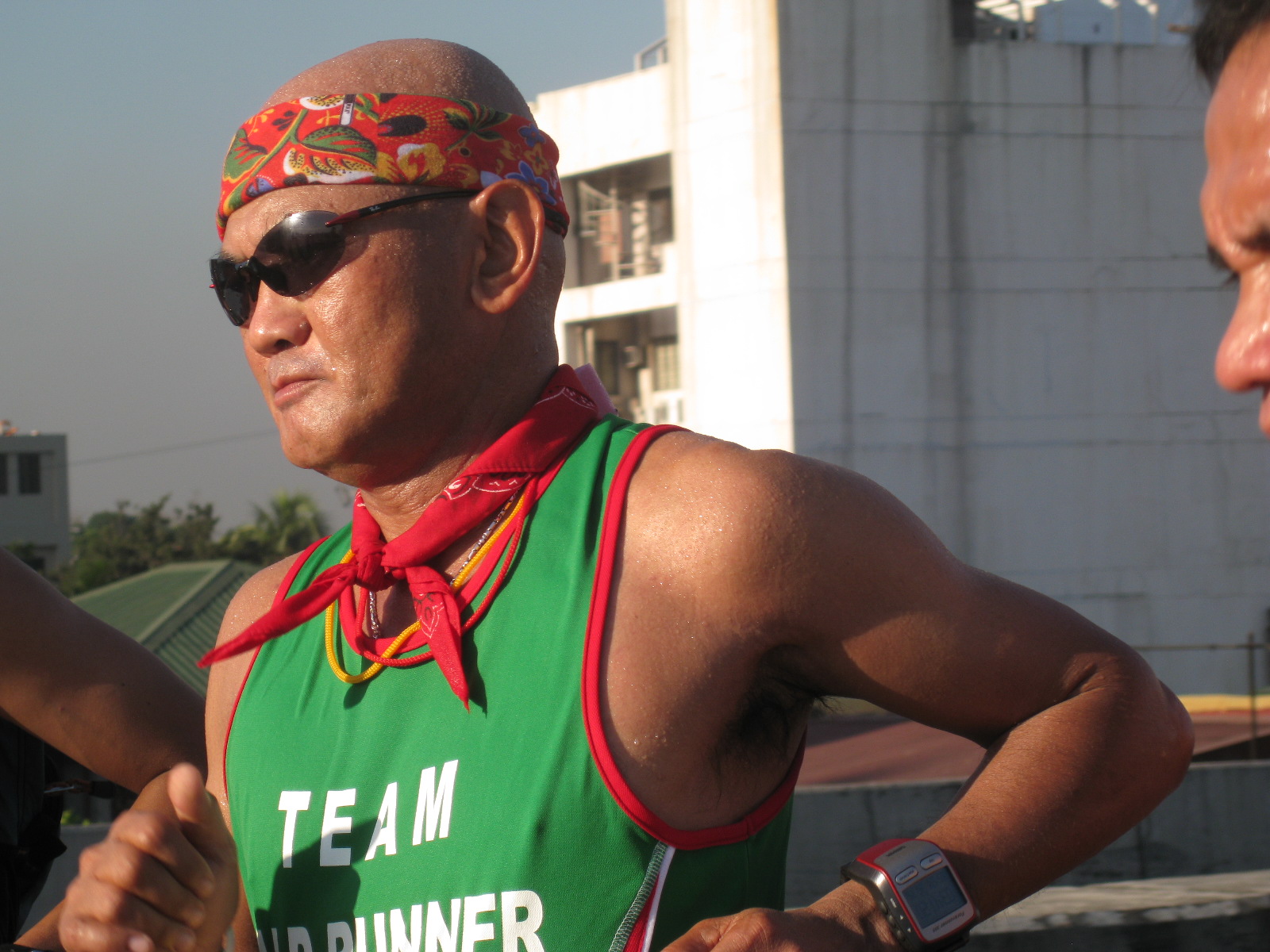
    The Face of a Road Warrior

    The first time that I glanced my GF 305 is when I reached the 10K mark and I found out that my time was 1:02 hours. My 10K run was slower than what I’ve planned by 2 minutes but it did not bother me as I maintained my even pace. When I reached the 20K mark, my time was already 2:01+ hours and I was able to pick-up my pace. However, once I hit the turn-around at the Skyway, I made my pace faster and I was passing one runner from another.

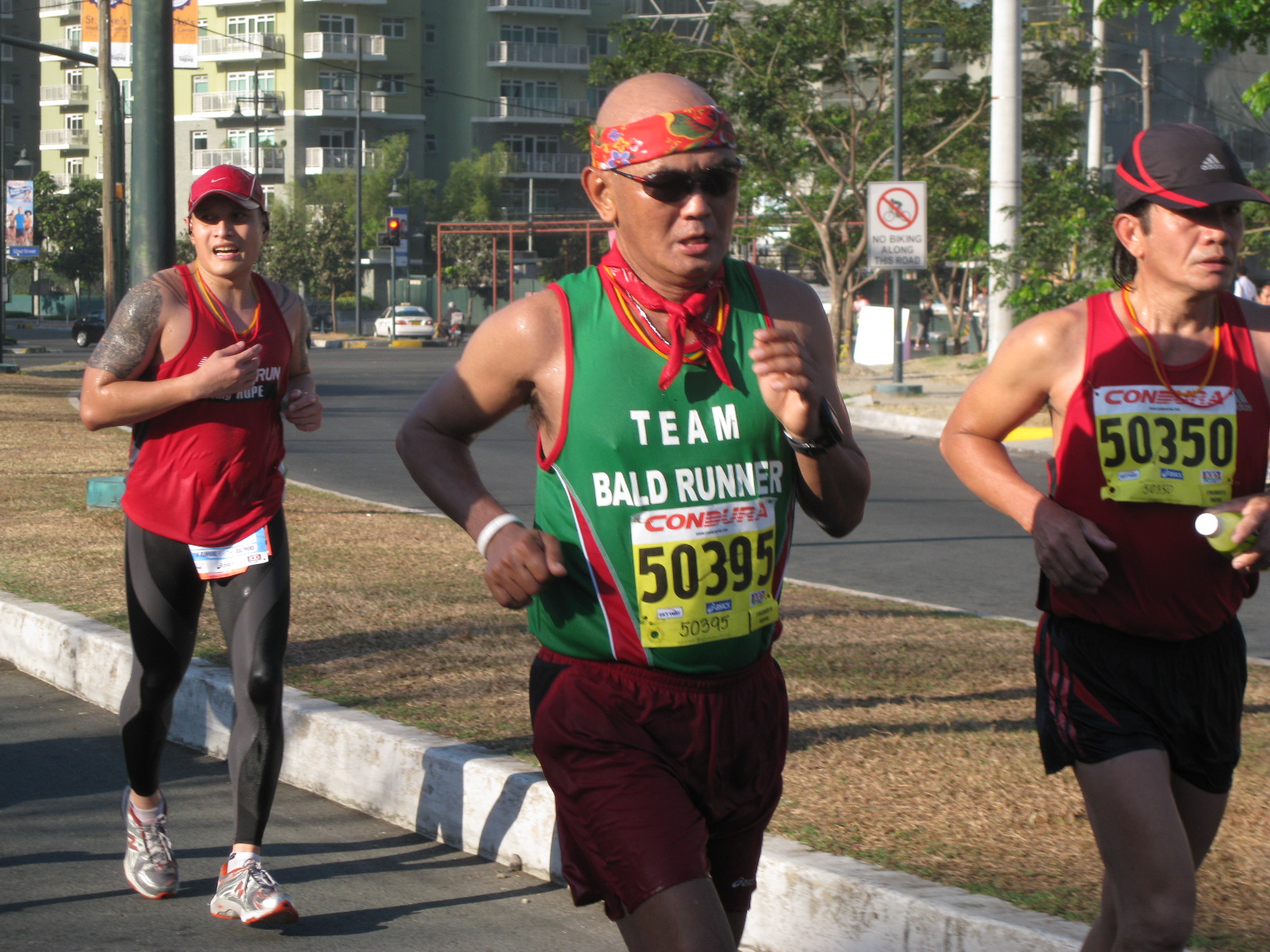
    On My Last 2 Kilometers

    It was funny that whenever I join a runner or a group of runners, somebody always asked me what was my prevailing pace and I immediately told them that the pace was 5:45 minutes per kilometer (as what I saw on my watch)! But I became guilty of not telling them the accurate pace when I came to realize that after uploading the data from GF 305, my average pace on my way back at the Skyway was a blistering 5:05 minutes per kilometer!  

    The third thing that I like in this race is the abundance of Water/Sports Drinks Station and long tables full of water cups. I am just happy that, slowly, the quality of races are getting better with regards to the basic support for the runners. I can consider the influence of the runner-bloggers as the main reason for this improvement. The Race Organizers and Sponsors are already “listening” and “reacting” to the basic needs of the paying runners! As for the Condura Run, they did a wonderful job on this matter. I hope they will remove those unnecessary guys who are handing those cups to the passing runners. It would be better to just simply leave those cups with water on the table and let the runners approach the table and grab their own water. With regards to Sports Drinks, I am a Gatorade-user and I am not used to Carbonated Sports Drinks during the run and so I was not able to drink the 100 Plus Sports Drinks offered at the Aid Station.

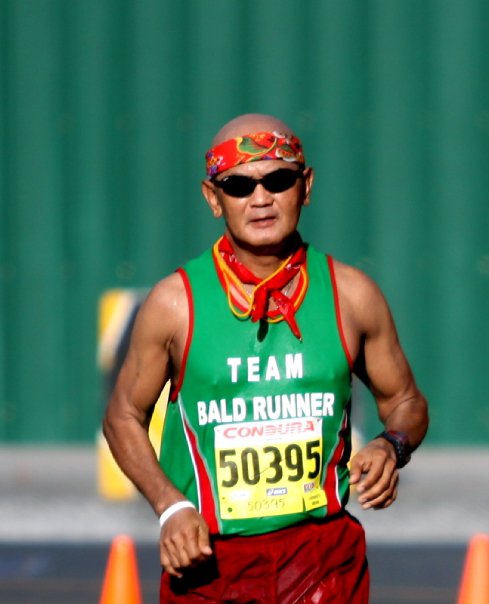
    Passion, Patience, Focus & Determination (Photo Courtesy of Jaja Galvez-Suarez)

    At the 30K mark, my GF 305 registered a time of 3:00 hours flat and I was happy! No cramps, no issues, no pain, and no problem about my support. I stopped briefly to eat my instant oatmeal, fresh banana, and hard-boiled eggs as these will serve as my “fuel” for the last 12 kilometers of the run.

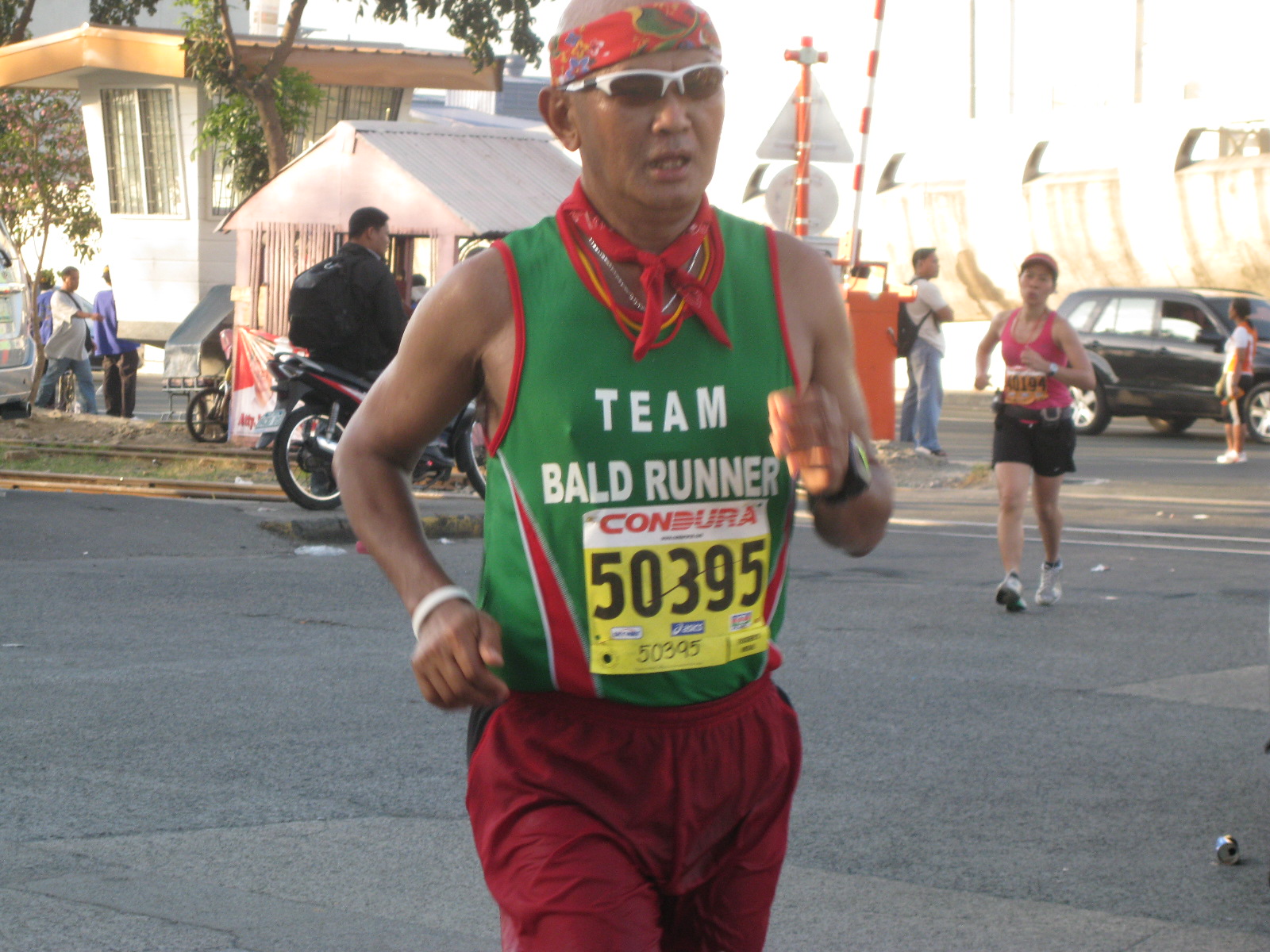
    The last 10 kilometers was a long steady run pace with my Elite Team Bald Runner who finished their respective races. My Elite Team Bald Runner lone entry for the Marathon Race, Elmer Sabal, won 1st Runner-Up with a Cash Prize of P 40,000. Other members of the Elite Team; Alquin Bolivar won 1st Runner-Up, Alley Quisay won 2nd Runner-Up, and Crifrankreadel Indapan won the 3rd Runner-Up for the Half-Marathon; and Cora Salcedo won 2nd Runner-Up in the 5K Race, Women’s Category. My Elite Team had improved a lot since I transfered their “training camp” in the Sierra Madre Mountains.

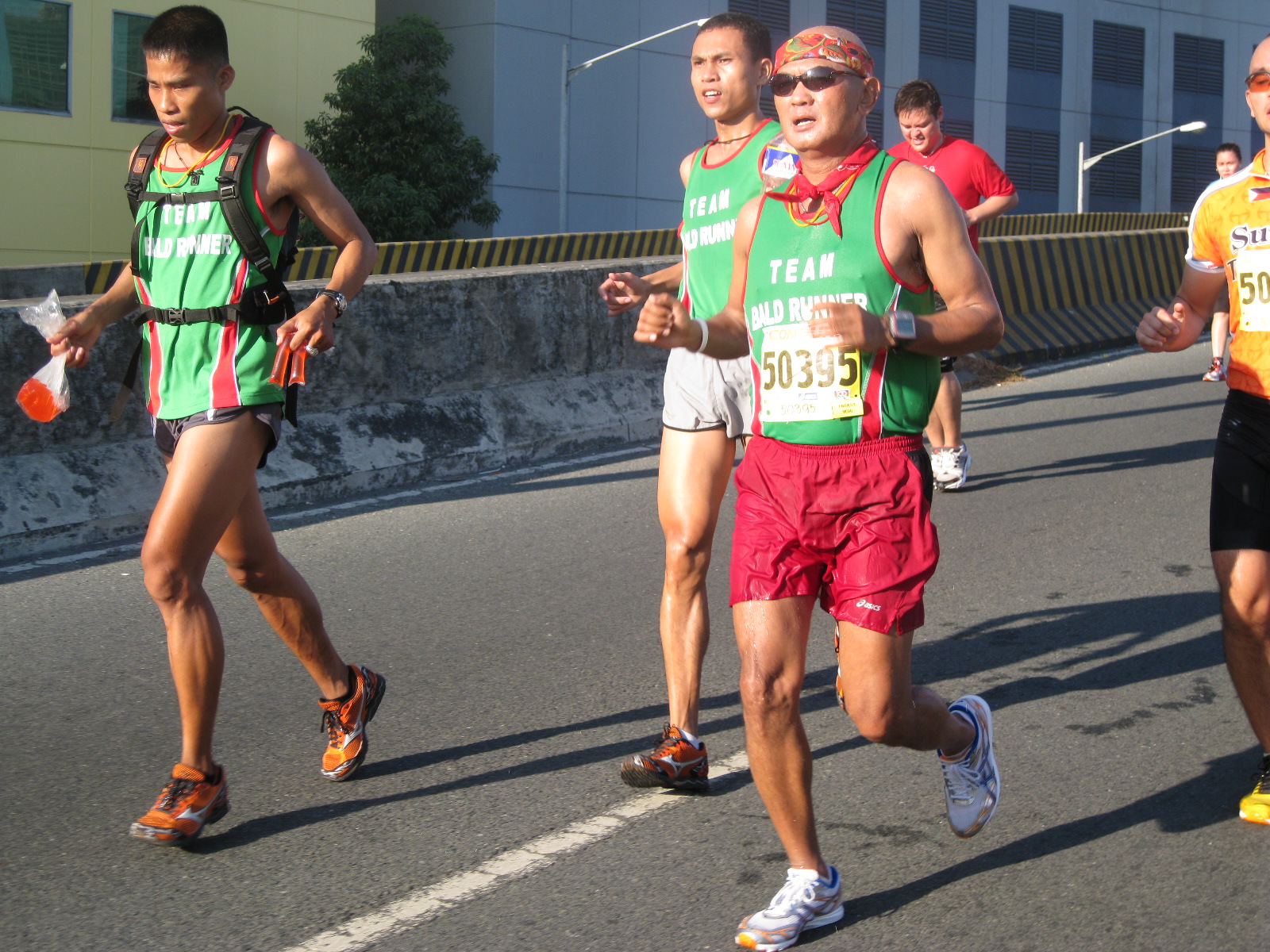
    @ Kalayaan Flyover Towrads The Fort

    Due to the heat of the sun, I slowed down and there was no reason to speed up my pace on the last 5 kilometers. I have to preserve my body and not to exert a lot of effort on this part of the course. I need to recover quickly after this Marathon race and be able to prepare for my “adventure run” which I intend to start in the coming days.

    I finished the Condura Marathon in 4:17:12 hours (Official Time) with an average pace of 6:08 minutes per kilometer and average heart rate of 153 beats per minute. I finished #130 out of 593 finishers. I ranked #11 for the runners 50+ years old. I was able to attain my objective for this race and ready to embark on my “adventure run”.

    @ The Finish Line With Macky aka Gleeman's Tale (Photo Courtesy of Macky)

    To those who experienced their “first” marathon, congratulations for finishing the race, most especially to those who were trained under our running clinic and BR’s “speed training” at the ULTRA Oval Track. Our coaches, elite athletes, and staff are proud of your accomplishment. 

    Lastly, my congratulations to Patrick & Ton Concepcion, Condura, sponsors and to all the volunteers for a great job!