| 2007 New York City Marathon, Women’s Results | ||||||||||||||||||||||||||||||||||||||||||||||||||||||||||||||||||||||||||||||||||||||||||||||||||||||||||||||||||||||||||||||||||||||||||||||||||||||||||||||||||||||||||||||||||
|
||||||||||||||||||||||||||||||||||||||||||||||||||||||||||||||||||||||||||||||||||||||||||||||||||||||||||||||||||||||||||||||||||||||||||||||||||||||||||||||||||||||||||||||||||
Top 20 Male: 2007 New York City Marathon
|
2007 New York City Marathon, Men’s Results |
||||||||||||||||||||||||||||||||||||||||||||||||||||||||||||||||||||||||||||||||||||||||||||||||||||||||||||||||||||||||||||||||||||||||||||||||||||||||||||||||||||
|
||||||||||||||||||||||||||||||||||||||||||||||||||||||||||||||||||||||||||||||||||||||||||||||||||||||||||||||||||||||||||||||||||||||||||||||||||||||||||||||||||||
My Running Idols in the ’80s
Aside from Waldemar Cierpinski whom I featured in one of my postings, I would like also to feature my “running idols” in the ’80s until such time when I reduced my regular practice runs in the ’90s. These “champions” motivated me to be serious in running and ultimately, inspired me to run more marathon races in the ’80s and later part of the ’90s. These running idols were the “items and personalities” to read in the Runners World Magazine and other runners’ magazines then and most readers sometimes try to emulate and copy their training programs. I was one of them!
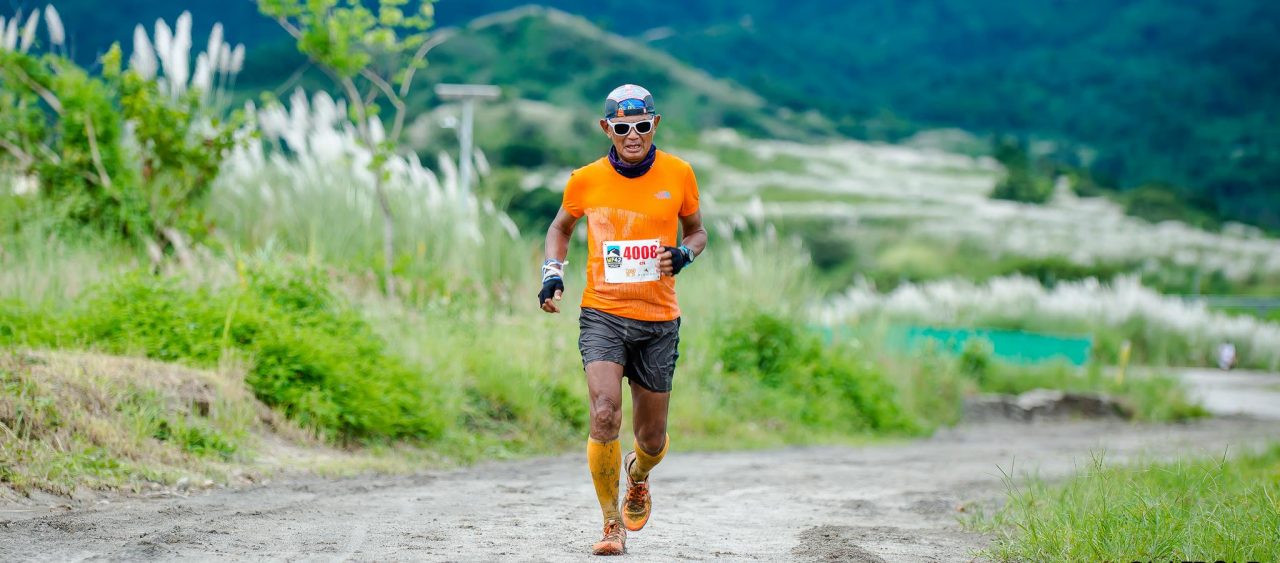
Bill Rodgers (Race # 1) of USA won the Boston Marathon for four times (1980, 1979, 1978, 1975); won the New York Marathon for four times (1979, 1978, 1977, 1976); and won the Fukuoka Marathon once (1977).
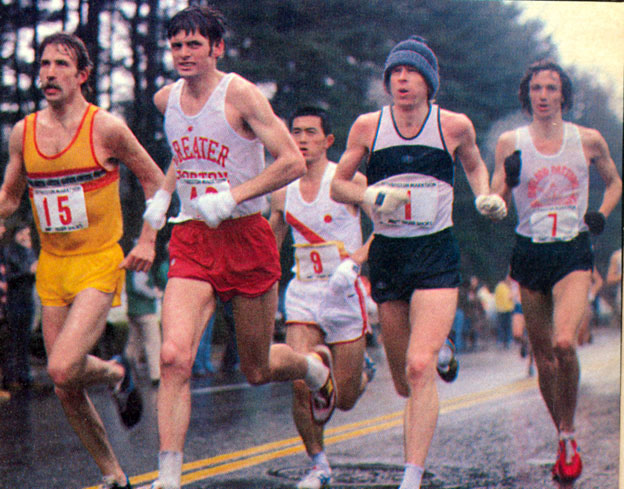
Toshihiko Seko of Japan won the Fukuoka Marathon for four times (1983, 1980, 1979, 1978); won the Boston Marathon two times (1981, 1987); and other prestigious marathon races in Japan & Europe.
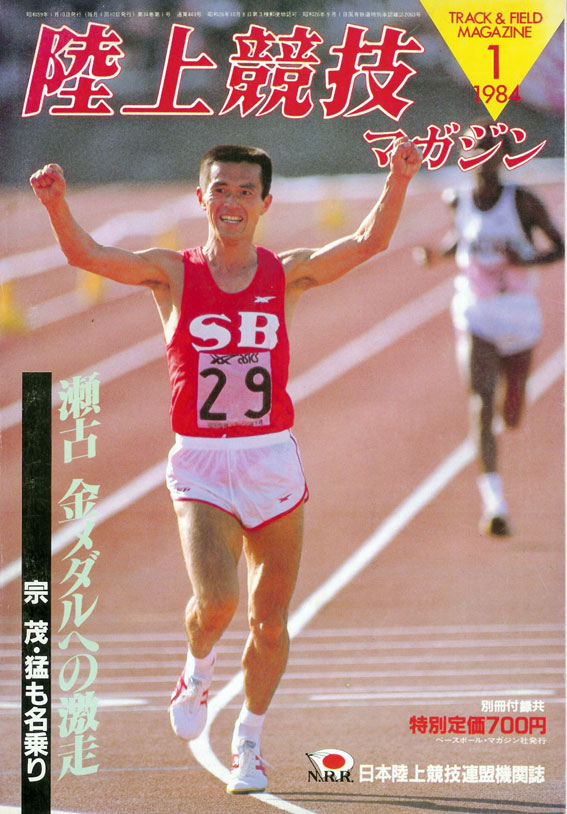
Rob de Castella of Australia won the Marathon in the Commonwealth Games twice (1982 & 1986); won the Fukuoka Marathon in 1981; won the Rotterdam Marathon twice (1983 & 1991); won the World Championship Marathon in 1983; and the Boston Marathon in 1986.
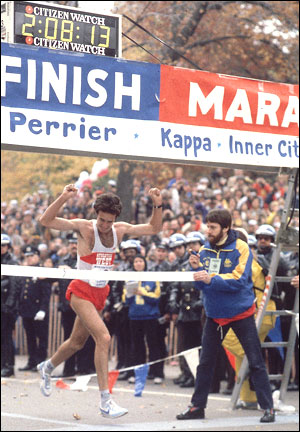
Alberto Salazar was born in Cuba but later migrated to the USA with his family. He won the New York City Marathon for three times (1980, 1981, 1982) and won the Boston Marathon in 1982. He suffered a heart attact last June 30, 2007.
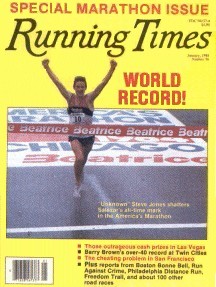
Steve Jones is a Welshman who won the Chicago Marathon for two times (1985, 1984); won the London Marathon in 1985; and later won the New York City Marathon in 1988.
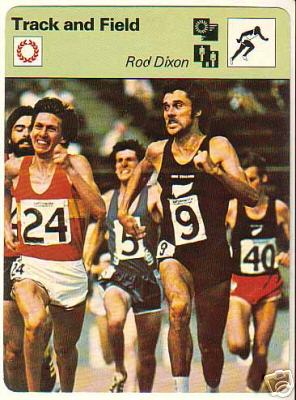
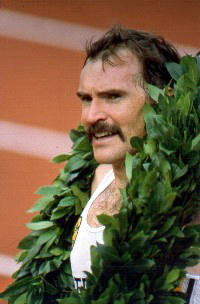
Rod Dixon of New Zealand had been the Bronze Medalist in the 1972 Munich Olympics for the 1,500-meter distance. He also won the New York City Marathon in 1983. He was a distinct runner then with his all-black running attire (official color of New Zealand uniform) and mustache in his running pictures. He now lives in Las Vegas, Nevada.
These “marathoners” were featured in the cover pages of running magazines in the ’80s and it was nice reading articles how they won in their respective marathon races by writers who were also runners. Nowadays, seldom you could see marathon champions featured in the cover pages of popular running magazines in publication. Most of these magazines are already fond of featuring beautiful lady runners who are are not yet champions!
I wonder when will they (runners magazines) feature the top Kenyans, Ethiopians, African, European…and Asian “elite/champion” runners in their special stories and cover pages?
Recap: Training Journal (02-08 Dec 2007)
Total Distance Covered: 31.5 miles or 50.6 kilometers
Average Pace: 5:45-6:00 minutes per kilometer/ 9:00-9:30 minutes per mile
Comments: Reduced mileage for this week; increased the distance in LSD run; minimized speed and fast tempo runs; and strengthened leg muscles through workouts and cycling.
Saturday LSD Run
I woke up at 5:30 AM and prepared myself for my long slow distance run for this week. After my 15-20 minutes of stretching, I was on the road, running along the 2-mile route I’ve measured inside the camp. This route is considered as hill workout due to the terrain in my area.
The following are my registered times every round of the 2-mile route:
2 miles—— 19:32 mins
4 miles—— 38:38 mins; 19:06 mins/round
6 miles—— 58:06 mins; 19:28 mins/round
8 miles——1:17:13 hours; 19:07 mins/round
10 miles——1:36:14 hours; 19:01 mins/round
12 miles——1:55:42 hours; 19:28 mins/round
14 miles——2:17:50 hours; 22:08 mins/round
16 miles——2:42:37 hours; 24:47 mins/round
I finished my run with a 500-meter cool down jog. It was almost 9:00 AM. I took a longer time for my stretching exercises after the run. I felt pain on my right ankle before the 14-mile mark as my shoes and socks were soaked with my own sweat and rain. My wet New Balance 716 shoes became tighter to my feet as my right big toe nail started rubbing to the top-front edge of my shoes. I don’t want to have a “dead” toe nail as I had never experienced one before.
The pain on my right ankle and the rubbing toe nail made my run slower before completing my 7th round and ultimately, made my last round as my slowest run for the course. That gave me the signal to slowly end the running workout for the day. Besides, I was already hungry!
The intermittent rainshowers in the morning in Jamindan were very refreshing to my body.
It was a nice and refreshing Saturday Long Slow Distance run.
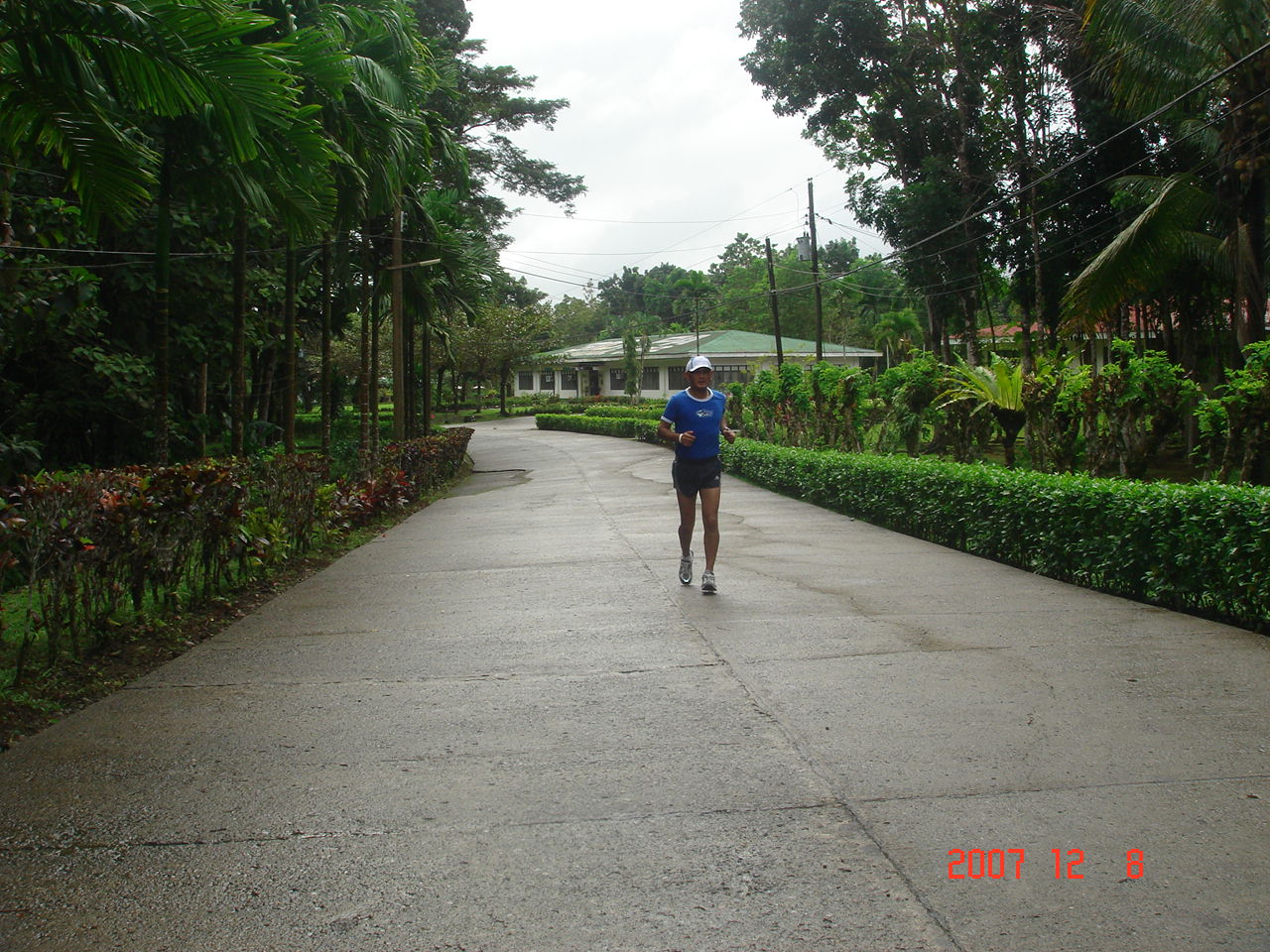

Griffith Park, Los Angeles
I had fond memories with this Recreational Park just outside the city limits of Downtown Los Angeles. This is the place where I bring my family/kids to play, walk, run, bike and picnic when my kids were still in the elementary grades and secondary school. This is still the place where we have our practice runs during my visits with my family.
I have trekked and jogged to almost all the streets, roads and trails of this popular and the biggest municipal park in the United States which is located in a an urban area, almost at the center of Los Angeles City District.
I usually park my cark near the Merry-Go-Round area or at the Maintenance Area of the Golf Course (Harding/Wilson) and start my practice runs from there. I pass through the LA Zoo-Gene Autrey National Center-Southern Railroad Station up to the mountains and following the road that goes to the Loz Feliz Boulevard entrance of the park.
More challenging dirt trails branch out from the road/street that leads to the Griffith Observatory. These trails lead to the peak of the mountain where the Hollywood sign is located. This is where you could see the vast area that occupies the Los Angeles City District and its neigboring cities.
Lots of running activities/road races and biking are done in this park, too! One of the most popular road race events done inside the park is the St. John’s Health Center Jimmy Stewart Relay Marathon which is usually done a month (4th Sunday of April) after the Los Angeles Marathon.
Whenever you are in Los Angeles area, it is a must to visit this recreational park as it offers a lot of attractions and memorable places to see.
Thursday Run
It was raining for the past days in the mountains of Jamindan. However, when the sky cleared at 11:00 AM of Thursday, I decided to have a brief run along the 2-mile route inside the camp.
After stretching for 15 minutes, I started my first 2-mile run. I was surprised to see my watch registering 16:50 minutes for the course.
My second round registered 33:16 minutes, which means that my second round split time was 16:26 minutes. I was running my second round faster that my first one by 24 seconds.
It was not my intention to do my tempo run on this day but wanted to do my usual average pace run of 9:00-9:30-minute per mile. For the third round, I started to slow down my pace and finished it in 18:19 minutes.
I made a cool down run for another 300 meters. I finished my run with a total distance of 6.3 miles or 10 kilometers with a time of 53:35 minutes. I did not forget to do my stretching after the run which was longer than my pre-run routine.
It was a nice run that ended at noon time.
Training Journal (02-08 Dec 2007)
02 Dec 2007 (Sunday)—27th RUNNEX 10K Executive Classic Race @ UP Diliman Compound; Time: 52:07 minutes; Average Pace: 8:23 minutes per mile/5:12 minutes per kilometer. Total Distance: 1oK/6.2 miles. (Comment: Improved 10K PR best time by 3:24 minutes)
03 Dec 2007 (Monday)—Rest/No Runs; Raining in Jamindan
04 Dec 2007 (Tuesday)—Rest/No Runs; Still raining in Jamindan
05 Dec 2007 (Wednesday)—2K run @ 6:30 minutes per km pace; 15-minute stationary cycling at 65-70 rpm; workout at my quarters’ mini-gym using free weights; 3 X 20 Biceps Curl (20 lbs); 3 X 10 Bench Press (50 lbs); 3 X 20 Heel Raises (30 lbs); 3 X 10 Dumbbell Flyes (20 lbs); 3 X 20 Knee Bends w/ 20 lbs weight; 3 X 20 Inclined Sit-ups; and 15-minute stretching before and after run/workout. Total Time for Run & Cycling: 28 minutes; Total Distance: 5K or 3 Miles (Comment: Started to rain after running one kilometer)
06 Dec 2007 (Thursday)—3 X 2-mile route; 1st rep @ 16:50 minutes (8:25 mins/mile); 2nd rep @ 16:26 minutes (8:13 mins/mile); and 3rd rep @ 18:19 minutes (9:09.5 mins/mile); 300-meter cool down run. Total Time: 53:35 minutes; Total Distance: 6.3 miles or 10 kilometers.
07 Dec 2007 (Friday)—No Runs/Rest; Body Massage
08 Dec 2007 (Saturday)—LSD Run along the 2-mile route inside camp; 8 X 2-mile with an average pace of 10:10 minutes per mile or 6:15 minutes per kilometer; Total Time: 2:42:37 hours; Total Distance: 16 miles or 25.6 kilometers.
Two Days Rest
For this week, I have two days rest from my running training last Monday & Tuesday.
I met my staff and officers after the Monday Flag Raising Ceremony in the camp. We discussed about the progress of our mission and projects in our area of responsibility. Our daily combat and non-combat operations did not affect the “disturbance” in Makati City last 29 November 2007.
On that day, my “boys” were able to recover two (2) high-powered firearms (M16 rifles) and ammunition from two members of the CPP/NPA operating in Negros Island who eventually surrendered and fed up being “Red Fighters” of the insurgent movement. These insurgents told to the authorities that they don’t have food to eat in the mountains and the populace are no longer supporting them.
It was raining continuously here in the mountains of Jamindan last Monday & Tuesday. I am glad the one hectare that I have newly planted with Jatropha Curcas had been nourished with the rains. We planted 2,500 Jatropha plants as a pilot project in our search for alternative source of oil. Another one hectare is being prepared for our demonstration/pilot project for sweet sorghum production.
I had more time to read, alternately, the two books I bought from National Book Store, Iloilo City—“Become a Better You: 7 Keys to Improving Your Life Every Day” by Joel Osteen and “The Golden Compass: His Dark Materials; Book I” by Philip Pullman. Both books are nice to read, but Joel Osteen’s book inspires me a lot and brings out the best in me every day.
Fukuoka Marathon
| I am always fascinated with this Marathon Race in Japan during the 80’s where Toshihiko Seko won this race from 1978 to 1980 and winning his last championship in 1983. Frank Shorter of USA had won this event for four (4) consecutive years in 1971 to 1974. My other running “idols” who won this race were Bill Rodgers of USA in 1977 and Rob de Castella of Australia who won in 1981. Shorter and Seko are still the only runners who won the event for four times.I consider this marathon event as the race among the “elite marathoners” of the world because of the prestige it brought during the 70’s and early 80’s. This is where the Marathon record time was always broken.Invitation to this race had never exceeded to 700 runners, all male runners.I am posting this article about Fukuoka Marathon for the younger runners and “soon to be” marathoners. This is also my way of remembering my “running idols” of the past—Seko, Shorter, Rodgers, and de Castella.
This is a preview written by Sharon Ekstram: The Fukuoka International Open Marathon Championship will celebrate its sixty-first running on December 2, 2007 and will, as usual, set the stage for some incredible distance running. Notable for 2007 will be the debut marathon performance by Half-Marathon world record holder Sammy Wanjiru who will be competing against an international roster of elite marathoners as well as most of the top Japanese marathoners who will be attempting to qualify for the Japanese Olympic Team in this first race in Japan’s Olympic selection process. History of Fukouka Marathon During the early years, this race was held at several different locations, but as the race had the same name and sponsorship, it was considered the same marathon. Th event found its permanent home in Fukuoka in 1963 when it was run on the proposed 1964 Tokyo Olympics course. In 1966, the race became the Fukuoka International Marathon Championships and was sanctioned by the International Association of Athletics Federations (IAAF) and organizers adopted the concept of a year-end event which would invite the winners of all the major marathons around the world to crown the best marathon runner of the year. Olympian Frank Shorter, who was the four-time winner of the Fukuoka Marathon (1971-1974), had this to say about the race: “Before the big city marathons (pre 1978) Fukuoka was viewed by all the athletes as the de facto World Championships because it was the only race where the iron curtain countries would participate between Olympic Games. It fell off in prestige in the 80’s and is now starting to come back. It’s flat and fast and you are pampered. You get the feeling all they want you to do is run your best.” In many years, Fukuoka’s elite roster outshone the Olympic Marathon field. Two world records were set at Fukuoka: Derek Clayton set the record of 2:09:36 in 1967 and became the first marathoner to break 2:10 and Rob de Castella set the world record of 2:08:18 in 1981. As another indication of its speed, Fukuoka has seen sub 2:10 winning times in each of the past 10 years. The 2007 Elite Runners
Other elite athletes registered in the field include Haile Negussie (ETH, 28)(PR=2:08:16) winner of the 2005 Boston Marathon, Daniel Yego (KEN, 28)(pr=2:08:16), winner of the 2007 Rock N Roll Marathon, Alberto Chaico (POR, 34)(pr – 2:09:25) 8th at the 204 Athens Olympics and Mark Carroll (IRE, 35) a 5,000 meter specialist who has participated in three Olympics in the past, his 2002 New York City Marathon debut earned him a 6th place, but he would like to run the marathon at the Beijing Olympics. Ireland is using Fukuoka as a marathon qualifier for the 2008 Olympic Games. |
 Bald Runner
You must be logged in to post a comment.