1. Recon and Inspect the Route—Find time to familiarize with the route of the race looking for the general terrain (uphill & downhill portions) of the route. This could be done weeks/days before the race.
2. Visualize Mile/Km Markers—In the absence of mile/kilometer markers, establish reference points along the route which will serve as your mile/km markers. This should be done during your reconnaissance activity on the route.
3. Plan for a Strategy—Depending on the extent and nature of your training in preparation to the race, you should be able to come up with your “strategy” to attain your desired goal for the race. It could be a fast run in the 1st half of the course & an average pace up to the finish; or an average pace on the 1st half & a fast pace on the remaining half of the course; or running at an average pace with “modified fartlek” along the route; or maintaining a fast pace or “speed play” throughout the course.
4. Drink Water—This is very basic. Drink water before the race, along the route, and after the race. Rule of Thumb: Drink water every 3 kilometers. Water provides replenishment to the runners’ sweat/perspiration and minerals taken out from the body due to perspiration. Psychologically, water provides more power and strength to the runner. For runners in tropical countries like ours, water provides cooling effect to the body. Proper and immediate replenishment of water to the body contribute to a faster recovery for the tired muscles of every runner.
5. Stretching & Warm-Up—More stretching and warm-up needed before and after the race. I did not have enough time to properly stretch my muscles and jog to warm-up. This lack of proper stretching and warm-up gave me the condition which made me run at a faster pace at the start of the race.
6. Desired Goal—Come up with a conservative goal to be attained on the said race. I was planning for a sub-50-minute PR best for the race but I did not follow my “strategy”—to run a conservative pace on the first half and run at a “speed play” pace on the last half of the course. I need to control the “adrenaline rush” at the start of the race. This will never happen again!
7. Body Massage—Don’t forget to have that body massage at least two days before D-Day of the Race. My successive body massages for the week, at Marco Polo Hotel and Olympia Spa, days before the day of the race were able to loosen my tight and tired muscles from my training runs. My muscles were loose and relaxed before and during the race. Early and fast recovery from my race was also a result of a good body massage.
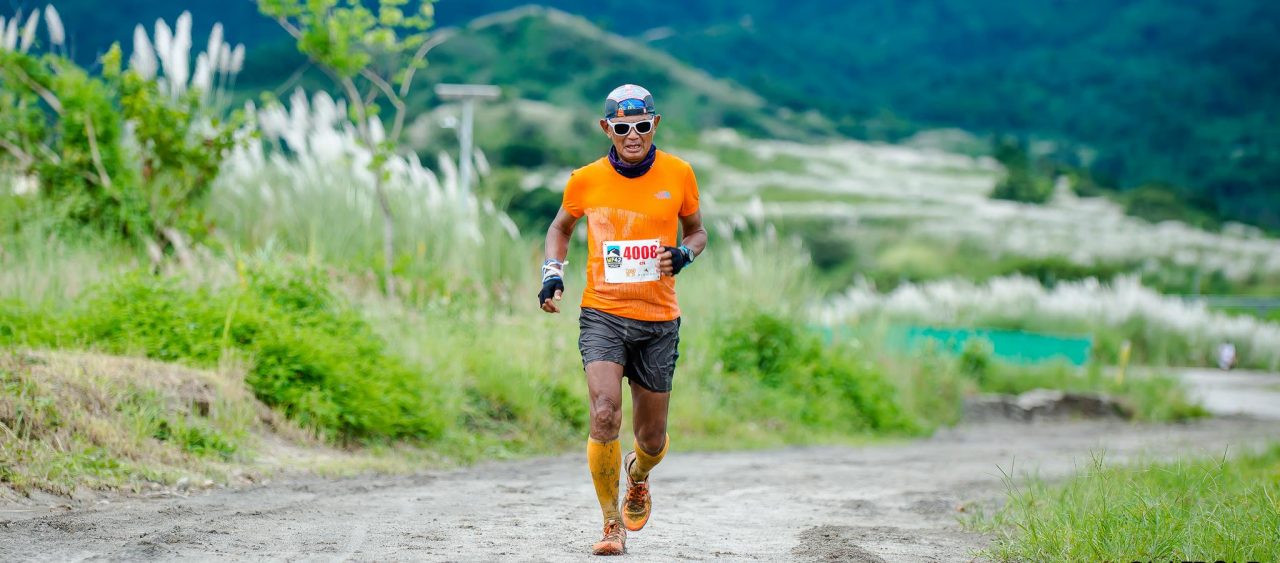
 Bald Runner
You must be logged in to post a comment.